
Unlock Your Second Chance: Affordable Bariatric Revision in Turkey
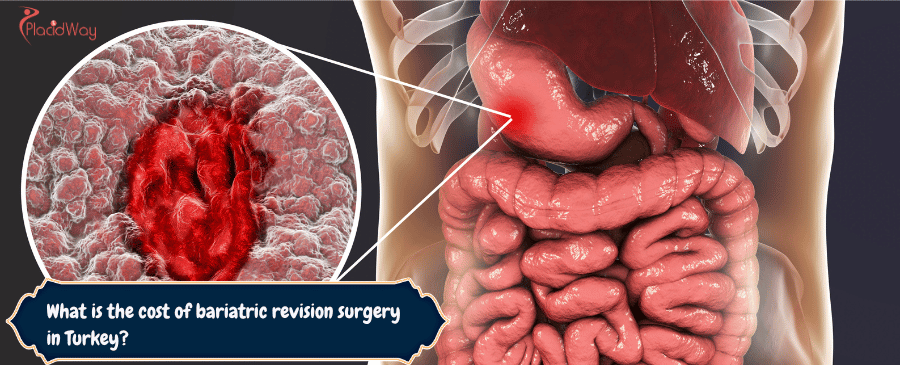
If you have previously undergone a weight loss procedure but are facing complications or significant weight regain, you might be considering a second operation. Exploring bariatric revision surgery in Turkey has become an option for many international patients seeking specialized care. Revision procedures are inherently more complex than primary surgeries, requiring experienced medical teams and comprehensive diagnostic evaluations to determine the safest approach for your altered anatomy.
Understanding the factors that influence pricing, safety protocols, and the reality of undergoing a complex procedure abroad can help you make an informed decision. This guide breaks down estimated costs, eligibility criteria, and the realities of seeking a second weight loss surgery internationally.
Key Takeaways
- Estimated Costs: Generally range between $3,500 and $6,500, depending heavily on the type of revision required.
- Common Procedures: Frequently involves converting a gastric band to a sleeve, or a sleeve gastrectomy to a Roux-en-Y gastric bypass.
- Increased Complexity: Second operations carry a higher risk profile due to existing scar tissue and altered digestive anatomy.
- Candidate Requirements: Patients need a thorough pre-operative evaluation, often including endoscopy and psychological assessment.
- Local Aftercare: Lifelong follow-up with a local physician is critical for monitoring nutrition and detecting potential complications.
Why do patients need weight loss revision surgery?
A primary bariatric procedure is a major step toward improved health, but it is not a cure for obesity. Over the years, the stomach pouch can stretch, or metabolic adaptations can lead to weight regain. Sometimes, life events, psychological stress, or dietary habits contribute to reversing the initial progress, leading patients to seek a secondary intervention.
In other cases, the need for revision is entirely medical. For example, some individuals who received a gastric band may experience band slippage, erosion, or severe intolerance. Those who have had a sleeve gastrectomy occasionally develop intractable Gastroesophageal Reflux Disease (GERD) that does not respond to medication. In these situations, modifying the anatomy can relieve the symptoms while offering an opportunity for further weight management.
What types of bariatric revisions are commonly performed?
The type of revision you require depends entirely on your original procedure and the specific issue you are facing. Surgeons must carefully evaluate your internal anatomy before deciding on a surgical path. Common conversions include:
- Gastric Band to Sleeve or Bypass: The band is removed due to complications or failure to lose weight, and the stomach is either converted into a sleeve or bypassed. This can sometimes be done in one surgery, but often requires two separate operations to allow the stomach to heal from band removal first.
- Sleeve to Roux-en-Y Bypass: This is a frequent revision for patients who develop severe acid reflux after a sleeve gastrectomy, or who have stretched their sleeve and regained weight.
- Bypass Revision: Modifying an existing bypass is complex but can involve shrinking a dilated stomach pouch or altering the length of the bypassed intestine to reduce calorie absorption further.
What determines the bariatric revision surgery cost in Turkey?
Because revision surgery is not a one-size-fits-all procedure, pricing varies significantly. The presence of scar tissue from your first operation makes the surgery take longer and requires a higher level of surgical expertise, which can increase the fees. Additionally, thorough pre-operative testing—such as an endoscopy to view the stomach lining or a barium swallow to check for leaks—adds to the overall expense.
| Type of Revision Procedure | Estimated Cost Range (USD) |
|---|---|
| Gastric Band Removal Only | $2,500 - $3,500 |
| Band Removal + Sleeve Gastrectomy | $3,800 - $5,000 |
| Gastric Sleeve to Gastric Bypass | $4,500 - $6,500 |
| Gastric Bypass Revision | $5,000 - $7,000+ |
Note: The prices above are estimates. Final costs depend on individual medical assessments, chosen facilities, and currency fluctuations.
How do prices in Turkey compare to the UK or the US?
In the United States, a bariatric revision surgery can easily exceed $20,000 to $30,000 without insurance coverage. In the UK, private treatment often ranges from £10,000 to £15,000. For patients who do not have insurance coverage or face years-long waitlists in public health systems, the financial burden of seeking care domestically can be prohibitive.
The lower costs in Turkey are not an indicator of reduced medical standards, but rather reflect the country's lower overall cost of living, favorable exchange rates, and structural differences in medical overhead and labor costs. However, traveling for care adds logistical challenges and means you will be recovering away from home, which should be factored into your decision.
Am I a suitable candidate for a second weight loss surgery?
Not everyone who regains weight is an immediate candidate for revision surgery. A responsible medical team will first evaluate lifestyle and dietary habits. If weight regain is primarily due to grazing, emotional eating, or lack of physical activity, modifying the stomach again may not yield long-term success without addressing the underlying behavioral factors.
To determine eligibility, specialists will typically order an upper endoscopy, a psychological evaluation, and consultations with a dietitian. You may be deemed a suitable candidate if there is a mechanical failure (like a stretched pouch), a medical complication (like severe GERD), and if your health is stable enough to undergo anesthesia and surgery a second time.
What should I look for in a bariatric revision surgery clinic in Turkey?
Because revision surgeries are technically demanding, facility standards are paramount. You want to identify a hospital or clinic that routinely handles complex secondary bariatric cases, rather than one that only performs routine primary procedures. Look for accreditations from recognized bodies such as the Joint Commission International (JCI) or specific bariatric excellence certifications.
A high-quality clinic will have a well-equipped Intensive Care Unit (ICU) on-site as a safety precaution. Furthermore, the medical team should be multidisciplinary, comprising not just the bariatric surgeon, but also specialized anesthesiologists, cardiologists, dietitians, and internal medicine doctors to clear you for surgery.
What are the risks and complications of revision bariatric procedures?
It is vital to understand that a second operation is not identical to the first. When a surgeon operates on the abdomen for the second time, they encounter adhesions—bands of scar tissue that form between organs after the primary surgery. These adhesions make navigating and dissecting tissue more challenging, which increases the time spent under anesthesia and the technical difficulty of the procedure.
Potential risks include staple line leaks, internal bleeding, strictures (narrowing of the digestive tract), infections, and nutritional deficiencies. The rate of these complications is statistically higher in revisions compared to primary surgeries. A thorough conversation with your chosen specialist regarding your specific risk profile based on your medical history is an essential step before proceeding.
How long is the recovery period after bariatric revision in Turkey?
Recovery timelines vary from patient to patient, but revisions typically require a slightly longer hospital stay than initial surgeries for closer monitoring. After discharge, patients usually remain in a nearby hotel for an additional 4 to 7 days. Surgeons generally require patients to be cleared during a final follow-up appointment before they are deemed fit to fly home.
The dietary transition mirrors that of primary bariatric surgery. You will begin with clear liquids, progress to full liquids, move to pureed foods, and slowly reintroduce soft solids over several weeks. Adhering strictly to these dietary stages is crucial for protecting the new staple lines and allowing the digestive system to heal properly.
How does medical tourism in Turkey function for bariatric patients?
Over the past decade, Turkey has developed a robust system for international patient care. Many hospitals in cities like Istanbul, Antalya, and Izmir have dedicated international patient departments. These departments help overcome language barriers by providing interpreters and facilitating communication between you and the medical team.
The process usually begins with remote consultations, where you share your medical history, operative reports from your first surgery, and recent test results. Once you arrive, you undergo a series of pre-operative tests over a day or two before the surgery takes place. Navigating healthcare in a foreign country can be overwhelming, so clear communication and understanding the full itinerary before traveling are critical.
What kind of aftercare is required once I return home?
Surgery is only one component of weight management. After a revision procedure—especially those converting a restrictive surgery into a malabsorptive one like a bypass—your body’s ability to absorb vitamins and minerals changes significantly. You will likely need to take specialized bariatric multivitamins, calcium, iron, and B12 supplements for the rest of your life.
It is essential to coordinate with a local healthcare provider before you travel abroad. If you experience complications after returning home, you need a local doctor who understands your medical history and can provide immediate care. Routine blood work at 3 months, 6 months, and annually thereafter is standard practice to monitor for deficiencies and ensure safe, sustained progress.
Why Choose PlacidWay for Medical Tourism?
- Educational Resources: PlacidWay provides informational guides to help patients understand different international medical procedures.
- Global Provider Network: Users can view profiles for various international clinics, hospitals, and medical centers in one place.
- Direct Communication: The platform facilitates initial contact between patients and healthcare providers abroad.
- Information Comparison: Patients can compare facility details, estimated pricing structures, and provider credentials.
- Patient-Focused Focus: PlacidWay encourages individuals to gather comprehensive information to make educated decisions regarding their healthcare journey.
Frequently Asked Questions
Is a gastric sleeve to gastric bypass revision common in Turkey?
Yes, converting a gastric sleeve to a Roux-en-Y gastric bypass is one of the most common revision procedures. It is frequently recommended for patients experiencing severe acid reflux or insufficient weight loss after their initial sleeve surgery.
Can I get a revision if I do not know the exact details of my first surgery?
While having your original surgical records is highly beneficial, surgeons can often determine the anatomy of your previous procedure through pre-operative testing, such as an upper endoscopy or a barium swallow study.
Will my domestic insurance cover revision surgery abroad?
Most domestic health insurance providers do not cover elective medical procedures performed in another country. Patients traveling for care typically pay out-of-pocket or use specialized medical financing.
How long should I wait between my primary surgery and a revision?
Specialists generally recommend waiting at least 12 to 18 months after the initial surgery. This allows your weight to stabilize and gives your body time to heal completely before undergoing another major procedure.
Do clinics require a pre-operative liquid diet for revisions?
Yes, just like primary bariatric surgery, a pre-operative liver-shrinking diet is usually required. This liquid diet typically lasts 1 to 2 weeks and helps reduce the size of the liver, making the surgery technically easier and safer.
Can a stretched gastric sleeve be re-sleeved?
In some specific cases, a stretched stomach pouch can be re-sleeved. However, many surgeons prefer converting a stretched sleeve to a bypass, as a second sleeve procedure often has a higher risk of leaks and may not provide optimal long-term weight loss.
Are nutritional deficiencies more common after a revision?
Yes, particularly if a restrictive procedure is converted to a malabsorptive one, like a bypass. The altered anatomy can further reduce nutrient absorption, making strict adherence to daily vitamin and mineral supplementation essential.
Can I travel alone for bariatric revision surgery in Turkey?
While some patients do travel alone and rely on clinic coordinators for assistance, having a companion is strongly encouraged. A family member or friend can provide valuable emotional support and help with luggage and mobility during the early days of recovery.
What happens if I experience a complication after returning home?
You must establish a relationship with a local primary care doctor or bariatric specialist before you travel. If complications arise at home, you will need to seek immediate medical attention at a local hospital or emergency room.
How much weight can I expect to lose after a revision?
Weight loss after a revision is typically slower and less dramatic than after a primary procedure. Outcomes vary widely based on the specific surgery, metabolic factors, and your commitment to long-term dietary and lifestyle changes.
Request Treatment Information
Explore your options, compare estimated costs, and gather the information you need to make an informed decision about your medical journey.
Compare Treatment OptionsReferences
- Bariatric Surgery Procedures – American Society for Metabolic and Bariatric Surgery (ASMBS)
- Bariatric Surgery – National Institute of Diabetes and Digestive and Kidney Diseases
- Gastric Bypass and Weight Loss Surgery – Mayo Clinic
- Revision Bariatric Surgery: Indications and Outcomes – National Center for Biotechnology Information (NCBI)
- Weight Loss Surgery – National Health Service (NHS)
- Medical Tourism: Travel for Medical Care – Centers for Disease Control and Prevention (CDC)


























Share this listing