
A Guide to Revisional Bariatric Surgery in Turkey

Deciding to undergo a second weight loss surgery is a significant medical decision. For some patients, an initial bariatric procedure may not yield the expected long-term results, or anatomical complications may arise over time. In such cases, corrective or secondary procedures may be evaluated by a healthcare professional.
As the demand for accessible and specialized care has grown, many individuals are exploring international options. The infrastructure supporting medical tourism in Turkey provides an avenue for patients seeking experienced surgical teams equipped to handle complex secondary procedures. This guide will explore the considerations, estimated costs, types of surgeries, and necessary preparations for individuals evaluating a revisional procedure abroad.
Key Takeaways
- Revisional surgery aims to address mechanical complications, severe acid reflux, or clinically significant weight regain after a primary procedure.
- Because of accumulated scar tissue, secondary bariatric procedures carry a higher risk profile and require highly experienced surgical teams.
- Options typically include conversions (e.g., band to bypass, sleeve to bypass) or restorative resizing procedures.
- Thorough pre-operative testing and a commitment to rigorous, lifelong nutritional follow-up are essential for patient safety and efficacy.
- Patients traveling internationally must arrange comprehensive local aftercare in their home country to monitor for long-term nutritional deficiencies or delayed complications.
1. Why do patients require revisional bariatric surgery?
Primary bariatric surgery is highly effective for many, but it is not a definitive cure for obesity. Over time, physical changes can occur in the gastrointestinal tract. For instance, the stomach pouch or the stoma (the connection between the stomach and intestine) may stretch, allowing the patient to consume larger portions of food, which can contribute to weight regain.
Beyond weight regain, medical complications are a leading reason for revision. Patients who have had a gastric band might experience band erosion, slippage, or intolerance. Those who have undergone a sleeve gastrectomy may develop severe, medically refractory Gastroesophageal Reflux Disease (GERD). In these scenarios, a revision is not primarily for weight loss, but rather to resolve a physical issue affecting the patient’s quality of life and health.
It is important to understand that weight regain can also be linked to metabolic adaptation or a return to previous dietary habits. A comprehensive evaluation by a multidisciplinary team is necessary to determine if a surgical revision is the right tool, or if dietary counseling and medical weight management would be more appropriate.
2. What types of revision weight loss procedures are available?
The type of revisional surgery depends entirely on the patient's original procedure, their current anatomy, and the specific complications they are facing. Some of the most frequently performed revisions include:
- Gastric Band to Sleeve or Bypass: Due to a high rate of long-term complications associated with older gastric bands, many patients choose to have the band removed. During the same operation (or sometimes in a two-stage process), the surgeon can perform a sleeve gastrectomy or gastric bypass.
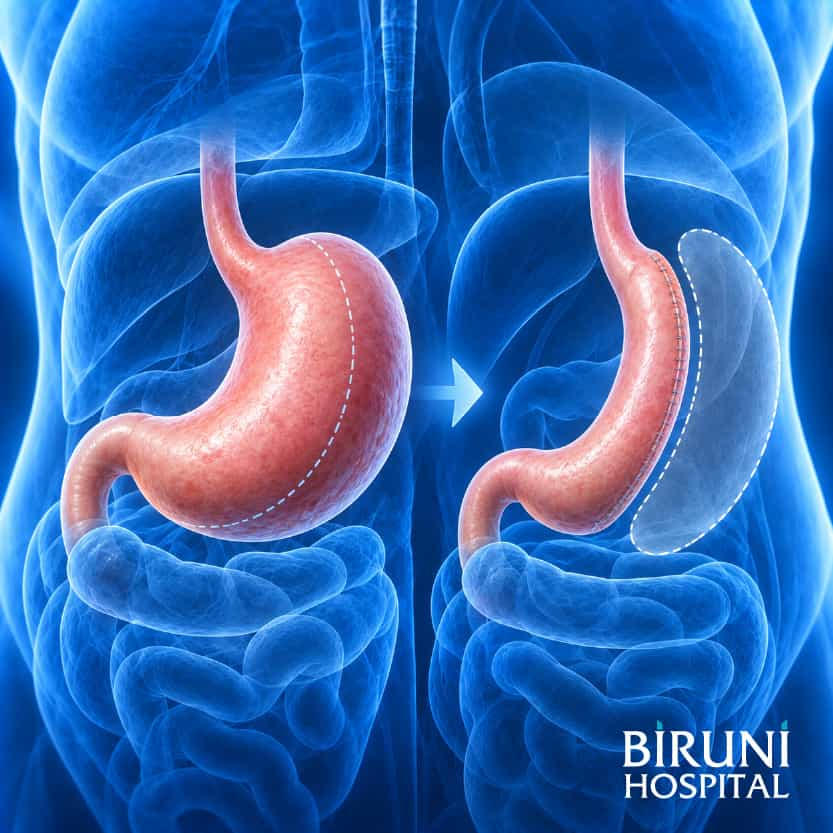
- Sleeve to Gastric Bypass: This is a standard revision for patients who develop severe GERD after a sleeve gastrectomy. By bypassing the lower stomach and redirecting digestive enzymes, bile reflux and acid reflux are often significantly reduced.
- Gastric Bypass Revision: If the stomach pouch or the connection to the small intestine stretches over time, surgeons may surgically reduce the pouch size or use endoscopic techniques to tighten the outlet, restoring a sense of restriction.
3. How much does revisional bariatric surgery cost in Turkey?
Pricing for secondary procedures is inherently more complex than primary procedures. Because revision surgeries take longer in the operating room and carry higher risks, they are more expensive than an initial sleeve or bypass. The estimated cost fluctuates based on several specific factors:
- The complexity of the conversion (e.g., removing a band and converting to a bypass is often more costly than a simple pouch resizing).
- The need for extensive pre-operative diagnostics, such as specialized endoscopies or contrast swallow studies.
- The duration of the required hospital stay and use of intensive care units if necessary for observation.
- The surgical technology utilized, such as laparoscopic versus robotic-assisted approaches.
4. Am I a suitable candidate for a second weight loss surgery?
Not everyone who regains weight or experiences discomfort is an automatic candidate for revision. Surgeons must carefully weigh the potential benefits against the elevated risks. Generally, suitable candidates meet criteria such as:
- Demonstrating documented mechanical failure of the original procedure (e.g., slipped band, stretched pouch).
- Suffering from severe, medically unmanageable complications like severe GERD, dysphagia (difficulty swallowing), or chronic nausea.
- Showing a renewed commitment to lifestyle changes, nutritional guidelines, and psychological well-being.
- Being in a stable enough health condition to tolerate general anesthesia and a prolonged abdominal surgery.
5. What are the potential risks and complications of a revision?
The presence of scar tissue (adhesions) from your first surgery is the primary reason revisions are more complex. Adhesions can obscure the normal anatomy, making dissection more difficult and increasing the duration of the surgery. This extended operative time can slightly elevate the risks associated with anesthesia and deep vein thrombosis (blood clots).
Furthermore, the tissue of the stomach and intestines may be thicker or less pliable than virgin tissue, which can impact how well staples and sutures hold. This increases the chance of a staple line leak—a serious complication where digestive fluids leak into the abdominal cavity, potentially causing severe infection (peritonitis).
Because of these factors, outcomes vary by patient. It is crucial to have an open, transparent conversation with a qualified surgeon about your specific risk profile based on your medical history before committing to the procedure.
6. How do I prepare for a revisional operation abroad?
Thorough preparation is the key to minimizing risks when traveling for a complex surgery. You will likely need to:
- Obtain medical records: Secure the operative reports from your original bariatric surgery so your new surgeon knows exactly what anatomical changes were previously made.
- Follow a pre-op diet: Just as with your first surgery, a strict low-calorie, high-protein diet is usually required to shrink the liver. A smaller liver provides the surgeon with better visibility and easier access to the stomach.
- Manage medications: Under medical supervision, you may need to stop blood thinners, certain supplements, or non-steroidal anti-inflammatory drugs (NSAIDs) to reduce bleeding risks.
- Plan for aftercare: Arrange for a local physician or bariatric specialist in your home country to take over your long-term monitoring, specifically for vitamin deficiencies and routine blood panels.
7. What is the expected recovery time after a bariatric revision?
Recovery from a revision may feel similar to, or slightly more taxing than, your first procedure. In the immediate days following surgery, the primary focus is on managing pain, staying hydrated through small sips of clear liquids, and walking frequently to encourage circulation and prevent blood clots.
Dietary progression will mirror your initial surgery. You will start on clear liquids, progress to full liquids (like protein shakes), move to puréed foods, and eventually transition back to soft solids over a period of several weeks. It is vital to adhere strictly to this timeline to protect the new staple lines or surgical connections.
Most patients require a few weeks off from work, particularly if their job involves physical labor. When traveling internationally, surgeons typically require you to stay in the destination country for up to 10 days post-operation to ensure no immediate complications, such as leaks or infections, arise before you fly home.
8. How do I find a qualified revisional bariatric surgery clinic in Turkey?
Because revisions are more demanding than primary surgeries, facility selection is critical. Patients should look for centers that focus specifically on complex bariatric cases. Important factors to investigate include:
- Accreditations: Facilities often hold recognition from international bodies, such as the Joint Commission International (JCI), indicating adherence to rigorous medical safety and quality standards.
- Surgeon Credentials: Look for surgeons who are members of recognized international organizations, such as the International Federation for the Surgery of Obesity and Metabolic Disorders (IFSO).
- Facility Capabilities: The clinic or hospital should have a fully equipped Intensive Care Unit (ICU) and access to advanced diagnostic imaging in case of post-operative emergencies.
- Multidisciplinary Teams: The presence of dietitians, psychologists, and internal medicine specialists on staff indicates a comprehensive approach to patient care.
9. What role does medical tourism in Turkey play for bariatric patients?
Over the past decade, the country has heavily developed its healthcare infrastructure to support international patients. Many prominent hospitals in major cities are structured to cater to medical tourists, integrating modern medical technology with patient support services. This includes dedicated international patient departments that help bridge communication gaps and facilitate the medical evaluation process.
For patients from regions where healthcare costs are prohibitively high or wait times are extensively long, traveling abroad can present a viable pathway to receive necessary medical attention. However, participating in medical tourism requires diligent research and an understanding that surgical outcomes depend highly on individual patient factors and rigorous post-operative compliance, rather than destination alone.
Why Consider PlacidWay for Your Medical Journey?
PlacidWay is a health and wellness resource platform that assists individuals in exploring international healthcare options.
- Global Directory: Provides access to an extensive database of international medical centers and healthcare professionals.
- Educational Resources: Offers informational articles and guides to help patients understand various medical procedures and what they entail.
- Cost Comparisons: Allows users to review estimated pricing structures from different international clinics for better financial planning.
- Direct Communication: Facilitates initial inquiries, allowing patients to connect directly with healthcare facilities to ask specific medical questions.
- Destination Insights: Presents factual information about different medical tourism destinations, helping patients understand regional healthcare infrastructure.
Frequently Asked Questions
Can I convert a gastric band to a gastric sleeve in Turkey?
Yes, converting a gastric band to a gastric sleeve is a common revisional procedure performed by surgeons in Turkey. The band and port are removed, and the stomach is then reshaped into a sleeve, though this may require a two-step approach depending on the amount of scar tissue present.
How long should I wait after my first surgery before getting a revision?
Surgeons typically recommend waiting at least 12 to 18 months after your primary bariatric surgery before considering a revision. This allows your body to heal fully and provides enough time to see the maximum weight loss results from the first procedure.
Will my domestic health insurance cover revision surgery abroad?
In most cases, domestic health insurance policies do not cover planned medical procedures performed internationally. Patients traveling for medical tourism generally pay out-of-pocket, which is why understanding estimated costs beforehand is essential.
How many days do I need to stay in Turkey for a revision procedure?
For revisional bariatric surgery, patients are usually advised to stay in Turkey for a total of 7 to 10 days. This timeline includes pre-operative consultations, a 2- to 3-day hospital stay, and several days of local hotel recovery before being cleared to fly.
Is it safe to fly after revisional weight loss surgery?
Flying is generally considered permissible once your surgeon clears you, usually 5 to 7 days post-surgery. However, you must take precautions against deep vein thrombosis (DVT) by wearing compression socks, staying hydrated, and walking the cabin aisles during the flight.
Can I have a gastric sleeve revised to a gastric bypass?
Yes, converting a sleeve gastrectomy to a Roux-en-Y gastric bypass is often recommended for patients experiencing severe acid reflux (GERD) or inadequate weight loss after their initial sleeve surgery.
What happens if I experience a complication after returning home?
Before traveling, you should establish a relationship with a local bariatric specialist or general physician who can manage your aftercare. If a medical emergency arises, you should immediately visit your nearest local emergency department.
Do healthcare teams in Turkish clinics speak English?
Facilities that frequently treat international patients typically employ English-speaking surgeons and medical staff. Additionally, they often provide dedicated patient coordinators or translators to ensure clear communication regarding your care.
Will I need to follow a special pre-op diet again?
Yes, a pre-operative liver reduction diet is usually required before a revision surgery, just as it was for the primary procedure. This typically involves a low-carbohydrate, high-protein liquid diet for 1 to 2 weeks prior to surgery to shrink the liver and improve surgical safety.
Are the weight loss results of a revision surgery different from the first one?
Weight loss following a revisional procedure is often slower and less dramatic than what is typically seen after a primary bariatric surgery. The main goals of a revision are usually to resolve anatomical complications, manage reflux, and assist with additional, more gradual weight loss.
Explore Your Revisional Bariatric Options
Take the next step in gathering information. Compare clinics, review estimated costs, and connect with healthcare providers to make an informed decision regarding your care.
Request Treatment InformationReferences
- Bariatric Surgery Procedures – American Society for Metabolic and Bariatric Surgery (ASMBS)
- Bariatric Surgery – National Institute of Diabetes and Digestive and Kidney Diseases (NIDDK)
- Bariatric Surgery Overview – Mayo Clinic
- Revisional Bariatric Surgery: Indications and Outcomes – National Library of Medicine (PubMed)
- Bariatric Surgery Patient Information – American College of Surgeons (ACS)
- Medical Tourism Guidelines – Centers for Disease Control and Prevention (CDC)


























Share this listing