
All-Inclusive Orthopedic Surgery Packages in Turkey
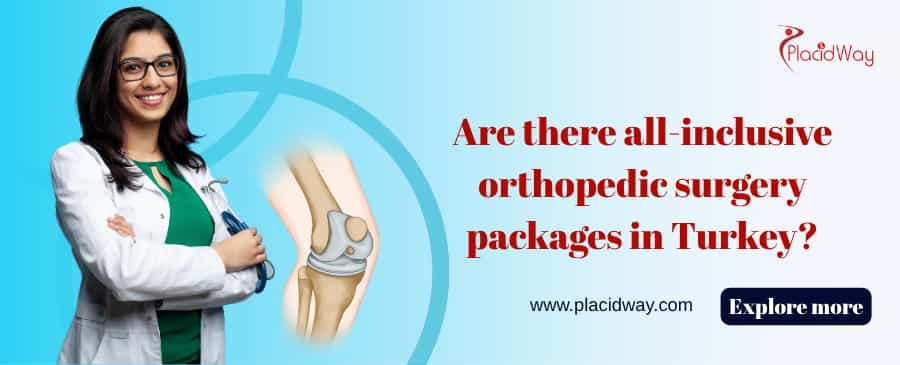
For many individuals struggling with joint pain, mobility issues, or chronic musculoskeletal conditions, finding accessible care is a priority. In recent years, looking into orthopedic surgery in Turkey has become an option that many international patients explore. Instead of navigating separate bills for the hospital, surgeon, anesthesia, and recovery accommodations, patients often look toward comprehensive treatment bundles.
These bundled programs are designed to simplify the logistical challenges of seeking healthcare abroad. However, orthopedic procedures—ranging from knee replacements to spinal operations—are major medical events. Understanding exactly what is offered, how to assess your safety, and what to expect during recovery is critical before making any travel plans.
Key Takeaways
- Orthopedic packages in Turkey typically combine medical fees, accommodations, and local transit.
- Airfare is rarely included in the initial estimate and must be booked independently.
- Safety protocols, particularly regarding deep vein thrombosis (DVT) during flights, dictate how long you must stay before returning home.
- Post-operative care and physical therapy arrangements in your home country are essential for long-term success.
- Thoroughly verifying the credentials of the facility and the operating surgeon is a necessary step for patient safety.
What is typically included in an orthopedic surgery package in Turkey?
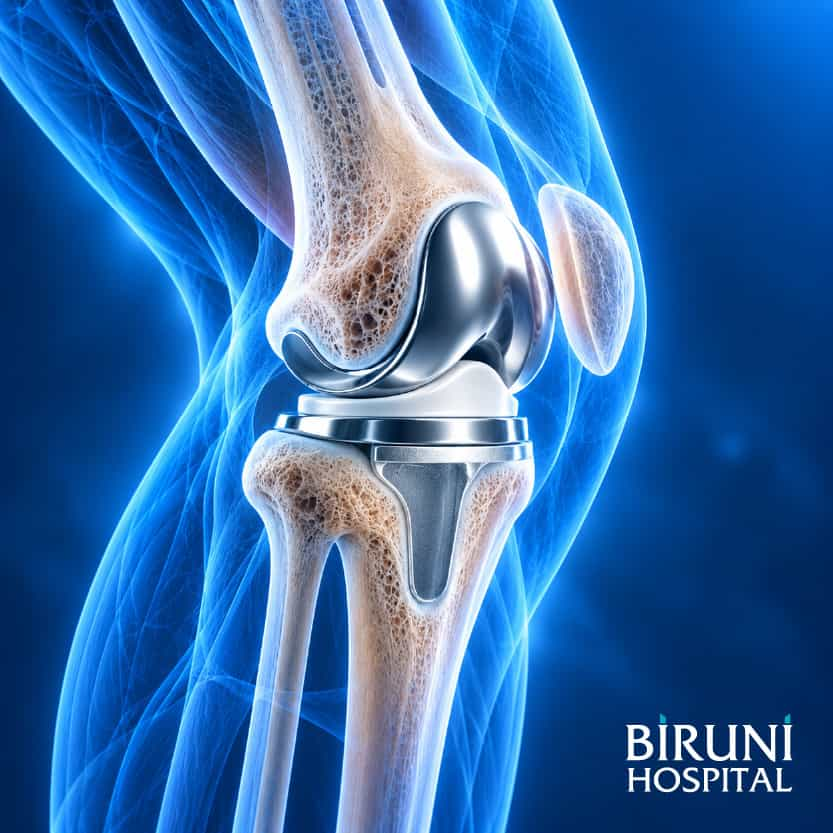
When facilities offer comprehensive bundles, the goal is to provide a clear estimate of your medical and logistical expenses while in the country. On the medical side, these bundles usually cover standard pre-operative tests (like basic blood work and routine X-rays), the surgical procedure itself, and post-operative medications administered during your hospital stay. If your procedure involves implants, such as a titanium joint for a hip replacement, the cost of a standard implant is generally factored into the estimate.
On the logistical side, packages frequently include an assigned patient coordinator who speaks your language. This coordinator helps manage your schedule, ensuring you get from your hotel to your clinical appointments on time. Accommodation is usually provided in a partnered hotel ranging from three to five stars, depending on the specific tier of the package you choose.
| Often Included | Rarely Included (Out-of-Pocket) |
|---|---|
| Surgeon & Anesthesiologist fees | International flight tickets |
| Hospital room and board | Travel insurance & Medical complication insurance |
| Standard joint implants/hardware | Extended outpatient physical therapy |
| Local VIP airport transfers | Prescription refills taken back home |
Which orthopedic procedures are most commonly offered in these bundles?
Due to the high demand and the relatively standardized nature of certain surgeries, providers have structured clear protocols for these operations. Joint replacements are particularly common. Patients suffering from severe osteoarthritis often seek out these bundles because the procedures require a predictable number of days in the hospital followed by a set period of early mobilization in a hotel.
Sports injuries also make up a large portion of these services. ACL repairs, meniscus treatments, and rotator cuff surgeries are routinely performed. While spinal surgeries are also available, they are highly individualized. The complexity of spinal anatomy means that while a baseline package might exist, the final treatment plan and estimated expenses can vary significantly once the surgeon reviews your specific MRI scans.
How much does an orthopedic surgery cost in Turkey on average?
It is important to understand that these figures are strictly estimates and not guaranteed prices. The final cost you are quoted will depend on several variables, including the hospital's infrastructure, the experience level of the surgeon, and the specific materials used during your operation. For example, opting for a premium implant brand imported from the United States or Europe will likely increase the overall price compared to standard alternatives.
Furthermore, if your medical history requires special accommodations—such as extended time in the Intensive Care Unit (ICU) due to pre-existing heart conditions—the cost will rise accordingly. Always request a detailed, itemized breakdown of what the quoted price covers so you can accurately compare options and budget for unforeseen medical expenses.
Are hotel stays and local transit part of the medical tourism package?
Navigating a foreign city after undergoing bone or joint surgery is not practical or safe. Because of this, providers involved in medical tourism in Turkey prioritize transportation. Upon landing, patients are usually met at the airport by a driver and a coordinator, then taken directly to their hotel or the hospital depending on the schedule.
Hotel stays are calculated based on the expected recovery timeline of your specific surgery. A knee replacement might include a 7 to 10-day hotel stay post-discharge, whereas a simpler arthroscopic procedure might only require a 3 to 4-day stay. Patients should verify whether the provided hotel room is fully accessible (e.g., equipped with walk-in showers and grab bars) to accommodate their temporary mobility restrictions.
How do I evaluate an orthopedic surgery clinic in Turkey?
Selecting the right facility requires careful research. When evaluating any orthopedic surgery clinic in Turkey, look for organizations that hold international standards of care, such as accreditation from the Joint Commission International (JCI). This accreditation indicates that the hospital follows strict protocols regarding patient safety, facility hygiene, and clinical care.
Equally important is the operating surgeon’s background. Look for surgeons who specialize specifically in the procedure you need, rather than generalists. Ask how many times they have performed the specific surgery in the past year. Do not hesitate to ask for details about the medical devices they use and their protocols for managing potential complications during and after the surgery.
Is it safe to travel internationally after joint surgery?
This is one of the most critical health considerations for anyone traveling abroad for surgery. Major operations on the lower extremities (hips, knees, ankles) dramatically increase the risk of Deep Vein Thrombosis (DVT) and pulmonary embolisms. The combination of post-surgical inflammation, prolonged immobility, and the changing cabin pressure during a flight creates a high-risk environment for clot formation.
To mitigate these risks, surgeons typically require patients to remain in the destination country for a minimum of 10 to 14 days after a major joint replacement. During your flight home, you will likely need to perform specific leg exercises, stay hydrated, wear medical-grade compression socks, and adhere to a prescribed regimen of anticoagulant medications. Always consult your primary care doctor at home about the risks of long-haul travel following surgery.
What medical tests and evaluations are required before the procedure?
The evaluation process usually happens in two stages. First, while you are still at home, the foreign clinic will request recent medical records, imaging, and notes from your local doctors. This remote assessment allows the overseas medical team to determine if you are a suitable candidate for the procedure and to provide an accurate estimate.
The second phase occurs once you arrive at the hospital. Before any surgical intervention takes place, you will meet with the surgeon and anesthesiologist in person. Fresh blood work will be drawn, and an electrocardiogram (EKG) will be performed to check your heart function. If these on-site tests reveal an undisclosed or new health issue (such as high blood pressure or an active infection), the surgery may be postponed or canceled for your safety.
How long should I plan to stay in Turkey for orthopedic rehabilitation?
Rushing your return home is highly discouraged. The initial days following surgery involve pain management, wound care, and learning how to move with walking aids like crutches or a walker. During this time, you will have follow-up appointments where the medical team will monitor your incision for any signs of infection and remove sutures if necessary.
The rehabilitation phase starts almost immediately. Physical therapists at the hospital will work with you to ensure you can safely bear weight, bend the joint, and navigate stairs. You will not be cleared to travel until the medical team is confident in your physical stability and your risk of early complications has subsided.
What are the common risks and complications of traveling for orthopedic surgery?
- Infection: Surgical site infections can occur in the days or weeks following the procedure, sometimes requiring immediate medical intervention.
- Blood Clots (DVT/PE): As mentioned, immobility and air travel greatly elevate the risk of clots in the legs or lungs.
- Implant Issues: Hardware can sometimes loosen, wear down prematurely, or cause surrounding bone irritation.
- Stiffness and Pain: Inadequate physical therapy can lead to scar tissue buildup, resulting in a joint that is stiff or painful.
- Continuity of Care: If complications occur a month after you return home, your local doctors may have difficulty accessing detailed operative notes or understanding the specifics of the hardware used.
How does post-operative follow-up work once I return home?
The success of an orthopedic surgery relies heavily on what happens after you leave the hospital. When you are discharged, the overseas clinic should provide you with a comprehensive medical file translated into English (or your native language). This file must include your operative report, imaging scans, discharge summary, and the exact specifications (brand and model) of any implants used.
Once home, you are responsible for attending local physical therapy sessions. Long-term rehabilitation can take several months. Additionally, you need a local doctor who is willing to monitor your recovery, handle medication adjustments, and identify early signs of potential complications. Establish this local support network before you ever board a plane to ensure a safe and smooth recovery.
Why Choose PlacidWay for Medical Tourism?
Navigating international healthcare options can be overwhelming. PlacidWay serves as a global medical tourism platform designed to help patients find relevant information.
- Global Connectivity: The platform connects patients with a wide network of healthcare providers and clinics across the globe.
- Information Access: Users can read detailed profiles about international medical facilities, including their listed accreditations and services.
- Destination Comparison: The platform allows you to compare different healthcare destinations to find options that align with your requirements.
- Estimate Resources: PlacidWay offers resources and tools to help patients understand the various treatment estimates and package inclusions.
- Facilitated Communication: The service helps bridge the initial gap by facilitating direct communication between patients and overseas clinics.
Frequently Asked Questions
Do orthopedic packages in Turkey include international flights?
No, standard medical packages typically do not include the cost of your international airfare. Patients are generally responsible for booking and paying for their own flights, while the package covers local airport transfers upon arrival in Turkey.
Can I choose the brand of implant used for my joint replacement?
Yes, many facilities offer a choice of implant brands (such as those approved by the FDA or CE). The specific brand and material chosen may affect the overall estimated price of your surgery package.
Is physical therapy included in the surgery package?
Basic inpatient physical therapy during your hospital stay is usually included to help you get out of bed and move safely. However, extended outpatient rehabilitation sessions often require an additional fee.
Do I need a visa to travel to Turkey for medical treatment?
Visa requirements depend on your nationality. Many international visitors must obtain an e-Visa before arriving in Turkey. You should check the official Turkish government visa website for the specific requirements related to your passport.
Will the medical staff in Turkey speak English?
Major hospitals that cater to international patients usually employ English-speaking medical staff and doctors. Packages also frequently include the services of a dedicated patient coordinator or translator to assist with communication.
What happens if my surgery requires an extended hospital stay?
Surgery packages are based on an estimated, standard length of stay. If complications arise or your surgeon determines you need to remain in the hospital longer for safety reasons, you will typically be billed for the additional days.
Can I bring a companion with me to Turkey?
Yes, it is highly recommended to bring a companion when undergoing orthopedic surgery. Many packages accommodate one travel companion in your hotel room and hospital suite, though you should verify if meals for the companion are included.
How soon can I fly after a knee replacement in Turkey?
Patients are usually advised to wait 10 to 14 days before taking an international flight after a major joint replacement. Your surgeon must provide medical clearance to fly, as air travel increases the risk of deep vein thrombosis (DVT).
Are the surgeons in Turkey internationally certified?
Many surgeons who treat international patients hold memberships in global orthopedic organizations and have completed fellowships abroad. However, it is your responsibility to independently verify your chosen surgeon's specific board certifications and experience.
What kind of meals are provided during the hospital stay?
Hospitals typically provide three balanced, medically appropriate meals a day during your inpatient stay. Most facilities can accommodate special dietary requirements if you notify them in advance.
Compare Treatment Options
If you are considering your options and would like to review information on orthopedic care estimates and facility credentials, you can request more details directly through PlacidWay.
Request Treatment InformationReferences
- Medical Tourism: Travel for Medical Care – Centers for Disease Control and Prevention (CDC)
- Deep Vein Thrombosis & Pulmonary Embolism – Centers for Disease Control and Prevention (CDC)
- Total Knee Replacement – American Academy of Orthopaedic Surgeons (AAOS)
- Hip Replacement Overview – National Health Service (NHS)
- Patient Safety Guidelines – World Health Organization (WHO)
- Knee Replacement Risks and Recovery – Mayo Clinic




















Share this listing