
IVF Packages in Spain: A 2025 Breakdown of Costs, Inclusions & Exclusions

When considering IVF in Spain, international patients often seek comprehensive care bundles that simplify the logistics of traveling abroad for healthcare. Navigating fertility treatments is already an emotional journey, and doing it in another country adds a layer of complexity. Fortunately, many specialized centers structure their offerings to cater specifically to international patients.
Understanding exactly what is—and what is not—included in a standard package can help you plan effectively, budget appropriately, and coordinate with your local healthcare provider. Below, we explore the typical components of medical tourism in Spain for in vitro fertilization, helping you make an informed decision for your reproductive health.
Key Takeaways
- Standard packages generally cover medical consultations, cycle monitoring, egg retrieval, fertilization, and embryo transfer.
- Fertility medications are typically excluded from base packages and require a separate budget.
- Dedicated international departments often provide translation and concierge scheduling services.
- Flights and accommodation are usually planned independently, though clinics may offer local partner discounts.
- Advanced techniques like genetic testing or donor eggs involve separate, specialized packages.
- It is highly recommended to arrange local follow-up care in your home country for post-treatment monitoring.
What medical procedures are standard in a Spain IVF package?
The foundation of any in vitro fertilization cycle is the clinical and laboratory work required to create and transfer an embryo. When you choose an IVF clinic in Spain, the base package is designed to cover the essential steps of the active cycle. This begins with baseline ultrasounds and regular monitoring scans to track follicular growth during your stimulation phase.
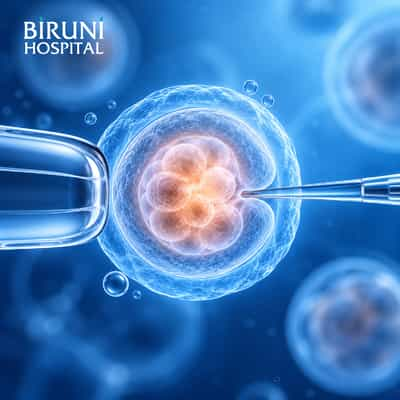
Once the follicles are mature, the package covers the egg retrieval procedure, which is typically performed under mild sedation administered by an anesthesiologist. In the laboratory, embryologists will process the retrieved eggs and the provided sperm to facilitate fertilization. The package covers the critical days of embryo culture in specialized incubators.
Finally, the standard cost includes the embryo transfer procedure, where a specialist carefully places the chosen embryo into the uterus. It is important to ask your clinic if blood tests for hormone monitoring during the stimulation phase are included, as some centers bill these separately.
Are fertility medications included in the IVF cost in Spain?
When evaluating the overall IVF cost in Spain, you must factor in the price of hormonal medications separately. Because no two patients respond exactly the same way to ovarian stimulation, prescribing a flat fee for medication is medically impractical. A younger patient with a robust ovarian reserve may require minimal stimulation, whereas an older patient might need much higher, costlier doses.
Your specialist will provide a detailed prescription plan after your initial assessment. You typically have the option to purchase these medications at a local pharmacy in your home country before traveling, or you can purchase them at a pharmacy in Spain. Spanish pharmacies often carry these medications at competitive prices compared to countries like the US or UK.
Be sure to discuss how to transport refrigerated medications safely if you plan to buy them abroad and travel. Maintaining the cold chain is critical for the efficacy of certain hormonal injectables.
Do IVF packages in Spain include travel and accommodation?
- Independent Booking: Patients generally prefer the flexibility of choosing their own airlines and lodging based on their personal budget and comfort preferences.
- Partner Discounts: Many clinics maintain relationships with nearby hotels and apartment rentals, offering reduced rates for their international patients.
- Airport Transfers: Some premium packages or clinics may include complimentary transportation between the airport, the hotel, and the clinic to reduce travel stress.
- Location Considerations: Clinics are often located in major hubs with easy transit access, making it straightforward to find accommodations within walking distance.
- Visa Assistance: While they do not book your travel, clinics typically provide official medical invitation letters if you need a visa to enter the country for treatment.
What types of IVF treatments are available for medical tourists?
The scope of available fertility treatments in this destination is broad, supported by progressive reproductive legislation. Standard IVF is the most common package, but many patients require specialized approaches. For instance, Intracytoplasmic Sperm Injection (ICSI), where a single sperm is injected directly into the egg, is frequently bundled into standard packages at no extra cost to address male factor infertility.
Another highly sought-after package is the egg donation cycle. Because local laws permit anonymous donation and compensate donors for their time, there is generally no waiting list for donor eggs. Donor packages are structured differently and cost more, as they must cover the donor’s screening, medications, and compensation.
Additionally, the ROPA method (Reception of Oocytes from Partner) allows same-sex female couples to share the IVF process, with one partner undergoing egg retrieval and the other receiving the embryo transfer. Your eligibility for any specific treatment depends on a thorough medical evaluation.
Important Consideration
Always verify whether your chosen treatment aligns with the legal regulations of your home country, especially regarding donor anonymity and post-treatment parental rights.
Does an IVF clinic in Spain provide language and concierge support?
Language barriers are a common concern for patients traveling abroad for complex medical procedures. To address this, a reputable IVF clinic in Spain will assign you a personal patient coordinator who speaks your native language. This coordinator acts as your primary point of contact throughout the entire journey.
Your coordinator will assist in translating medical documents, ensuring you understand all consent forms, and accompanying you during consultations with the medical team. This ensures that you are fully informed about your treatment plan, risks, and next steps without any miscommunication.
Beyond language support, these concierge teams help streamline your experience. They can assist with scheduling appointments to fit your travel window, recommending local amenities, and providing emotional support during a highly stressful time.
How long do I need to stay in Spain for an IVF cycle?
The duration of your stay depends heavily on how you choose to structure your treatment. If you opt for a complete stay, you will arrive on the first few days of your menstrual cycle and remain in the country for approximately 14 to 21 days. This allows the clinic's specialists to perform all ultrasound monitoring and bloodwork on-site.
However, many patients prefer a shared-care approach to minimize time away from work and home. In this model, you undergo the ovarian stimulation phase in your home country, guided by a local gynecologist who sends ultrasound results to your Spanish clinic. You then travel to the destination just a few days before the scheduled egg retrieval.
If you choose to freeze all embryos (a "freeze-all" cycle) rather than having a fresh transfer, you will go home shortly after the retrieval and return months later for a brief trip to complete the frozen embryo transfer.
Are pre-treatment diagnostic tests part of the package?
- Initial Consultation: The first meeting with the doctor, often done via video call, is frequently free or deducted from the final treatment cost.
- Blood Panels: Tests for infectious diseases (HIV, Hepatitis) and hormone levels (AMH, FSH) are required before treatment but are usually extra.
- Semen Analysis: Assessing sperm quality is a separate diagnostic fee, though preparing the sperm on the day of retrieval is included in the IVF package.
- Genetic Screening: Carrier screening to see if parents pass on genetic conditions is an optional, additional cost.
- Home Testing: To save money, many patients complete these diagnostic tests locally through their regular healthcare provider before traveling.
What happens if I need additional procedures like PGT-A or embryo freezing?
While basic fertilization and transfer are included, modern fertility care often utilizes supplementary technologies to improve outcomes for certain patients. Preimplantation Genetic Testing for Aneuploidies (PGT-A) involves biopsying embryos to check for chromosomal abnormalities before transfer. Because this requires specialized equipment and genetics labs, it adds a significant fee to the IVF cost in Spain.
Embryo freezing, or cryopreservation, is another common addition. If your cycle results in multiple viable embryos, you will likely want to freeze the surplus for future attempts. Clinics usually charge an initial freezing fee, followed by an annual maintenance fee for storage.
Before signing an agreement, request a comprehensive price list from the clinic that clearly outlines the cost of these potential add-ons. This prevents unexpected expenses if the doctor recommends additional laboratory techniques midway through your cycle.
Is egg or sperm donation included in standard IVF packages?
Standard packages assume you are using your own genetic material. If medical necessity requires the use of donor eggs or donor sperm, you will need to select a specific donation package. These packages are more comprehensive because they must account for the clinic's time and resources in managing the donor.
An egg donation package, for example, typically includes the rigorous psychological and medical screening of the donor, the donor’s stimulation medications, compensation for the donor’s time and effort, and the synchronization of the donor’s cycle with the recipient’s uterine preparation.
Because Spanish law mandates strict anonymity and thorough vetting of all donors, the process is highly regulated. Clinics maintain their own internal banks of frozen donor material or manage fresh donor cycles, providing patients with diverse options based on physical characteristics and blood type.
Expert Insight
Success rates can vary widely depending on the patient's age, medical history, and the cause of infertility. Always request a personalized medical assessment rather than relying on generalized clinic statistics.
Why do patients choose medical tourism in Spain for fertility treatments?
The rise of medical tourism in Spain for reproductive health is driven by a combination of legal frameworks and medical expertise. The legal environment is highly supportive of assisted reproduction, allowing treatments for single women, same-sex couples, and heterosexual couples alike, which is not the case in all European countries.
Furthermore, the strict anonymity laws protect both donors and intended parents, creating a robust system where wait times for donor eggs are virtually non-existent. This is a crucial factor for older patients who cannot afford to wait months or years for treatment in their home countries.
Finally, the clinics adhere to stringent European safety protocols and often employ highly specialized embryologists and reproductive endocrinologists. While traveling for medical care introduces logistical hurdles, many find that the comprehensive support systems and advanced treatment options justify the journey.
Why Choose PlacidWay for Medical Tourism in Spain?
- Extensive Directory: PlacidWay provides a platform to explore and compare various specialized medical centers across different international destinations.
- Direct Information Requests: Patients can use the platform to request direct quotes and information from multiple international healthcare providers.
- Educational Resources: The platform offers articles and guides to help patients understand the general landscape of seeking medical care abroad.
- No User Fees: Patients can browse facilities, read information, and request contact from providers without paying a fee to the platform.
- Global Reach: PlacidWay connects individuals with healthcare options not only in Europe but across various continents, expanding their treatment choices.
Frequently Asked Questions
Can I do my initial IVF monitoring in my home country?
Many clinics allow you to complete your initial ultrasound and blood test monitoring at home with your local gynecologist. You would then share these results with your Spanish clinic and travel to Spain only for the egg retrieval and embryo transfer procedures.
Is gender selection allowed during IVF in Spain?
Under Spanish law, gender selection for family balancing is not permitted. It is only legally allowed in specific cases to prevent the transmission of severe sex-linked genetic diseases.
What is the age limit for IVF treatment in Spain?
While there is no strict legal age limit, the Spanish Fertility Society (SEF) recommends an upper age limit of 50 for women undergoing fertility treatments, and most clinics adhere to this guideline for patient safety.
Are donor identities revealed in Spain?
No, Spanish law dictates that egg and sperm donation must be strictly anonymous. Patients cannot choose their donor based on photos, and children cannot access the donor's identifying information later in life.
Can same-sex female couples undergo IVF in Spain?
Yes, Spain offers the ROPA method (Reciprocal IVF), which allows same-sex female couples to share motherhood. One partner provides the eggs, and the other partner carries the pregnancy.
What happens to extra embryos after my IVF cycle in Spain?
Viable surplus embryos are typically cryopreserved (frozen) for future use. Patients pay an annual storage fee to the clinic to keep these embryos safe for subsequent frozen embryo transfers.
Will my home country recognize the medical records from Spain?
Medical records from Spanish clinics are generally recognized globally, as they use standard medical terminology and protocols. Clinics usually provide all treatment reports in English for your local doctor.
How do I transport medications back home if needed?
If you need to travel with fertility medications, you should keep them in your carry-on luggage along with a prescription and a letter from your Spanish clinic explaining their medical necessity.
What should I do if I experience complications after returning home?
Before leaving Spain, you should have a plan in place with your local gynecologist. If complications like ovarian hyperstimulation syndrome (OHSS) arise at home, you must seek immediate care at a local hospital or specialist.
How soon after embryo transfer can I fly home?
Most clinics suggest waiting one to two days after the embryo transfer before flying. While flying itself does not typically impact implantation, resting minimizes stress during this critical period.
Compare Treatment Options
Gather more information and connect with healthcare providers to explore your options for fertility treatments abroad.
Request Treatment InformationReferences
- European Society of Human Reproduction and Embryology (ESHRE)
- Sociedad Española de Fertilidad (SEF) - Spanish Fertility Society
- American Society for Reproductive Medicine (ASRM)
- Fertility Treatment Abroad – Human Fertilisation and Embryology Authority (HFEA)
- Assisted Reproductive Technology (ART) – Centers for Disease Control and Prevention (CDC)
- Infertility Fact Sheet – World Health Organization (WHO)
- Treating Infertility – American College of Obstetricians and Gynecologists (ACOG)

























Share this listing