
What treatment


20+ Key FAQs on Fertility Treatment in Spain
Questions About Fertility Treatment in Spain? Start Here
Trusted Medical Tourism Platform Since 2007

What are the Success Rate of Egg Freezing in Spain?
The success rates of egg freezing in Spain are high, particularly for women under 35, with live birth rates from thawed eggs influenced by age at freezing, number of eggs stored, and clinic expertise, often seeing one baby born for every 12-13 eggs frozen. In recent years, egg freezing, or oocyte cryopreservation, has emerged as a revolutionary option for women looking to preserve their fertility. Whether for personal reasons, career aspirations, or medical necessities, the ability to "pause" the biological clock offers invaluable peace of mind. Among the global leaders in fertility treatments, Spain stands out as a top destination for egg freezing, renowned for its advanced clinics, pioneering techniques, and favorable legal framework. Many women considering this procedure naturally want to understand their chances of success. It's a valid and crucial question, as the ultimate goal of egg freezing is to achieve a healthy pregnancy and live birth in the future. The "success rate" of egg freezing is not a simple, single number; rather, it's influenced by a complex interplay of factors, with the woman's age at the time of freezing being the most significant predictor. This comprehensive guide will delve into the nuances of egg freezing success rates in Spain. We'll explore how age impacts these rates, discuss the importance of the number of eggs frozen, shed light on the role of advanced freezing techniques like vitrification, and examine how clinic expertise and laboratory quality contribute to optimal outcomes. By understanding these key elements, you can make an informed decision about fertility preservation in one of Europe's leading reproductive care hubs. What are the overall success rates of egg freezing in Spain? "Overall success rates for egg freezing in Spain are competitive globally, with live birth rates per thawed egg transfer heavily dependent on the woman's age at freezing, the number of eggs stored, and clinic quality, generally ranging from 50-60% pregnancy rates per transfer for younger women." Spain's reputation as a leader in reproductive medicine is well-earned, and its clinics consistently report high success rates for egg freezing. However, it's essential to define what "success" means in this context: it ultimately refers to the live birth of a baby from a frozen egg. These rates are not universal but vary significantly based on several factors, with age being paramount. For women who freeze their eggs at a younger age, the chances of success are considerably higher. While exact figures can differ slightly between clinics and reporting methods, general trends indicate: Women under 35: For those who freeze their eggs before the age of 35, the live birth rates per frozen egg cycle are highest. While an individual egg may have a 5-10% chance of leading to a live birth, cumulatively, freezing a recommended number of eggs (typically 10-20, depending on age) for this age group can result in a good chance of a future pregnancy. Many clinics report pregnancy rates exceeding 50-60% per embryo transfer from thawed eggs for younger patients. On average, one baby is born for every 12-13 eggs frozen, a benchmark often cited. Women aged 35-37: Success rates begin to gradually decline. More eggs may need to be frozen to achieve a similar cumulative chance of live birth as a younger woman. Women over 38: The decline in egg quality becomes more pronounced, leading to lower success rates per egg frozen and requiring a higher number of eggs to be stored for a reasonable chance of success. Spanish clinics largely utilize the vitrification technique for egg freezing, which boasts a very high egg survival rate (often 90% or more) after thawing. This advanced method is a significant contributor to the overall high success rates, as it minimizes damage to the delicate egg cells during the freezing and thawing process. Furthermore, the expertise of the embryology lab, including the skill in thawing, fertilizing (often via ICSI), and culturing embryos, plays a critical role in converting thawed eggs into viable pregnancies. Spain's clinics are well-regarded for their state-of-the-art laboratories and highly experienced embryologists, further bolstering their success rates. How does age impact egg freezing success rates in Spain? "Age is the primary determinant of egg freezing success rates in Spain; women under 35 have the highest chances due to superior egg quality, while success rates progressively decline with increasing age, especially after 38, necessitating more eggs to be frozen for a similar outcome." The impact of age on egg freezing success rates cannot be overstated. A woman is born with all the eggs she will ever have, and both their quantity and quality naturally decline over time. This biological reality means that the age at which eggs are frozen is the single most critical factor influencing the likelihood of a future live birth. Under 30: Freezing eggs in your twenties offers the highest potential for success. Eggs at this age are generally of the highest quality, meaning they are more likely to survive thawing, fertilize correctly, and develop into healthy embryos. Fewer eggs may need to be frozen to achieve a good chance of live birth. 30-34 Years Old: This age range is often considered the "sweet spot" for elective egg freezing. Egg quality and quantity are still very good, offering excellent success rates comparable to or slightly lower than those under 30. Clinics often recommend freezing around 10-15 mature eggs in this age bracket for a reasonable chance of success. 35-37 Years Old: While still a viable option, a slight decline in egg quality and quantity begins to accelerate. More eggs (e.g., 15-20+) may be needed to achieve the same probability of a live birth as a younger woman. Success rates remain good but are noticeably lower than in the early 30s. 38-40 Years Old: At this age, the decline in egg quality becomes more significant. While freezing eggs is still possible, more cycles and a higher number of eggs (e.g., 20-30+) would typically be recommended to yield a reasonable chance of success. The live birth rate per thawed egg decreases more sharply. Over 40: Egg freezing is significantly less effective after 40, as both egg quality and quantity are substantially diminished. While some clinics will perform the procedure, the success rates are considerably lower, and a much larger number of eggs would be required to yield a low chance of live birth. For this age group, using donor eggs might offer a higher probability of pregnancy. Spanish fertility clinics transparently discuss these age-related success rates and provide personalized recommendations for the number of eggs to freeze based on individual ovarian reserve and age to give women the most realistic expectations for their fertility preservation journey. What is the role of vitrification in egg freezing success rates in Spain? "Vitrification is crucial for high egg freezing success rates in Spain. This ultra-rapid freezing technique minimizes ice crystal formation, preserving egg integrity and leading to high survival rates (often over 90%) after thawing, which is essential for subsequent fertilization and embryo development." The technological leap in egg freezing success rates in Spain, and globally, largely came with the widespread adoption of vitrification. This advanced, ultra-rapid freezing method revolutionized fertility preservation by addressing the primary challenge of earlier slow-freezing techniques: the formation of ice crystals within the egg. Here’s why vitrification is so vital and contributes significantly to high success rates in Spanish clinics: Elimination of Ice Crystal Formation: Eggs are very delicate cells, mostly composed of water. During slow freezing, water inside the cell can form ice crystals, which can damage the cellular structure and compromise the egg's viability. Vitrification involves cooling the eggs so rapidly that the water molecules don't have time to form crystals; instead, they turn into a glass-like solid state. High Survival Rates: As a result of preventing ice damage, vitrification leads to very high egg survival rates upon thawing. Reputable clinics in Spain often report egg survival rates of over 90%, meaning that the vast majority of frozen eggs will be intact and viable after being warmed. This is a dramatic improvement over older methods. Preservation of Quality: By preserving the cellular structure, vitrification helps to maintain the quality of the eggs. Eggs that survive the freeze-thaw process effectively retain their ability to fertilize and develop into healthy embryos, similar to fresh eggs of the same quality and age. Improved Fertilization and Embryo Development: When thawed eggs are used in an IVF cycle (typically with ICSI, where a single sperm is injected into each egg), their high survival and quality directly translate into better fertilization rates and the development of a good number of viable embryos for transfer. Standard Practice in Spain: Spanish fertility clinics are at the forefront of reproductive technology and have widely adopted vitrification as the standard method for egg freezing. This commitment to using the most effective techniques is a key reason for the country's high success rates. In essence, vitrification is not just a freezing method; it is a critical technology that allows women to genuinely preserve their fertility potential, making egg freezing a much more reliable and successful option than it was a decade ago. What is the typical process for egg freezing in a Spanish clinic? "The typical egg freezing process in Spain involves an initial fertility assessment, followed by 10-14 days of ovarian stimulation with daily injections, monitored by ultrasounds and blood tests, then egg retrieval under sedation, and finally, vitrification and storage of the mature eggs." The egg freezing process in Spain follows a well-established protocol, similar to the initial stages of an IVF cycle, designed to maximize the number of mature, healthy eggs retrieved. Clinics in Spain are well-equipped to guide both local and international patients through each step. Here's a breakdown of the typical process: Initial Consultation and Fertility Assessment: This first step involves a comprehensive review of your medical history, a physical examination, and blood tests (including Anti-Müllerian Hormone (AMH) to assess ovarian reserve, and other hormone levels). An ultrasound scan will be performed to count antral follicles, which also provides an indication of your ovarian reserve. Based on these results, the fertility specialist will determine if you are a suitable candidate, discuss realistic expectations for egg yield, and personalize a stimulation protocol. Ovarian Stimulation (approximately 10-14 days): You will self-administer daily hormonal injections (gonadotropins) to stimulate your ovaries to produce multiple mature eggs, rather than just one as in a natural cycle. During this phase, you will have regular monitoring appointments, typically involving blood tests and ultrasounds every few days. This monitoring allows the doctor to track follicle growth and adjust medication dosages as needed to prevent complications like Ovarian Hyperstimulation Syndrome (OHSS). Trigger Shot: Once the follicles have reached an optimal size, a "trigger shot" (an injection of hCG or a GnRH agonist) is administered. This shot finalizes the maturation of the eggs within the follicles. The timing of this injection is critical, as egg retrieval must occur precisely 34-36 hours after the trigger. Egg Retrieval (Oocyte Pick-Up): This is a minor surgical procedure performed at the clinic, usually under conscious sedation or light anesthesia, lasting about 15-30 minutes. Using an ultrasound-guided needle inserted through the vagina, the fertility specialist carefully aspirates the fluid from each mature follicle, which contains the eggs. You will typically rest at the clinic for a few hours afterward and can usually return home the same day, though you'll need someone to drive you. Vitrification and Storage: Immediately after retrieval, the eggs are taken to the embryology laboratory. Highly skilled embryologists identify the mature eggs and prepare them for freezing using the rapid vitrification technique. The vitrified eggs are then stored in specialized cryogenic tanks at ultra-low temperatures (-196°C) in liquid nitrogen, where they can remain viable for many years. You will receive a report detailing the number of eggs successfully frozen. Spanish clinics offer comprehensive support throughout this process, including multilingual staff for international patients and often psychological support to help manage the emotional aspects of the journey. What is the cost of egg freezing in Spain? "The cost of a single egg freezing cycle in Spain typically ranges from €2,500 to €4,500, excluding medication, which can add another €800-€1,500. This price usually includes consultations, monitoring, egg retrieval, and initial vitrification and storage for a set period." Spain is renowned for offering high-quality fertility treatments at competitive prices compared to countries like the UK or USA, making it an attractive destination for egg freezing. However, the total cost can vary depending on the clinic, the individual's needs, and what's included in the package. Here’s a general breakdown of the costs associated with egg freezing in Spain: Base Cycle Cost: The core cost of a single egg freezing cycle in Spain typically ranges from €2,500 to €4,500 (approximately $2,700 to $4,900 USD). This price generally includes: All initial consultations and medical visits. Ovarian stimulation monitoring (ultrasounds and blood tests). The egg retrieval procedure, including the operating room fees and sedation. The vitrification of the retrieved mature eggs. Initial storage of the frozen eggs for a period, often 1 to 4 years. Medication Costs: This is a separate and significant expense. The cost of fertility medications used for ovarian stimulation varies depending on the dosage and type required for each individual, usually ranging from €800 to €1,500 (approximately $870 to $1,630 USD) per cycle. This can sometimes be lower than medication costs in other countries. Annual Storage Fees: After the initial included storage period, you will incur annual fees for maintaining your frozen eggs. These typically range from €300 to €500 (approximately $330 to $540 USD) per year. Additional Cycles: If you need or choose to undergo multiple egg freezing cycles to achieve a desired number of eggs, each additional cycle will incur similar costs. Some clinics may offer multi-cycle packages at a slight discount. Future Thawing and IVF: It's important to remember that these costs are for freezing only. When you decide to use your eggs in the future, you will incur additional costs for: Thawing the eggs. ICSI (Intracytoplasmic Sperm Injection) for fertilization, as this is almost always used with frozen eggs. Embryo culture. Embryo transfer. Any necessary post-transfer medications. These future costs for an IVF cycle with thawed eggs can range from €4,000 to €7,000 or more. When inquiring with clinics in Spain, always ask for a detailed cost breakdown that clearly outlines what is included in the base package and what constitutes additional expenses, including medications and storage fees. This transparency helps in comprehensive financial planning for your fertility preservation journey. Are there any legal restrictions on egg freezing in Spain? "In Spain, elective egg freezing is legal and accessible to all women regardless of marital status or nationality. Eggs can be stored for as long as medically indicated, and there are no legal maximum age limits for the woman undergoing the freezing, though clinical guidelines often recommend up to 50 for transfer." Spain's legal framework for assisted reproduction is considered one of the most progressive and comprehensive in Europe, making it an attractive destination for fertility treatments, including egg freezing. The key legislation governing these procedures is Law 14/2006 on Human Assisted Reproduction Techniques. Here are the main legal aspects concerning egg freezing in Spain: Accessibility: Egg freezing (oocyte cryopreservation) is legally accessible to all women in Spain, regardless of their marital status or nationality. This means single women, married women, and women in same-sex relationships can undergo the procedure. Duration of Storage: Spanish law allows eggs to be stored for as long as deemed medically necessary. There is no strict legal time limit on how long eggs can be kept frozen. This flexibility provides peace of mind for women who may wish to delay motherhood significantly. Maximum Age for Treatment: While there isn't a strict legal maximum age for a woman to freeze her eggs, clinics generally follow clinical guidelines regarding the age limit for embryo transfer using these eggs. Typically, clinics may set an upper age limit for transfer around 50 years old, aligning with the biological realities and health considerations for pregnancy. Purpose of Freezing: Egg freezing is permitted for both "social freezing" (elective preservation due to personal or professional reasons) and medical reasons (e.g., before cancer treatment that might affect fertility). Consent and Information: Strict regulations are in place to ensure that individuals undergoing egg freezing provide informed consent after receiving comprehensive information about the procedure, its risks, benefits, and alternatives. No Compulsory Destruction: Unlike some other countries, Spanish law does not permit the destruction of viable embryos or gametes. For frozen eggs that are not used by the individual, options typically include: Using them for their own future IVF treatment. Donating them for other women's fertility treatments (anonymous donation). Donating them to science for research. The specific terms for unused eggs are outlined in the consent forms signed with the clinic. Anonymity in Donation (if applicable): If a woman chooses to donate her frozen eggs, the donation must be anonymous according to Spanish law. This means the donor and recipient cannot know each other's identities. These progressive laws, combined with advanced medical practices, make Spain a well-regulated and reassuring environment for fertility preservation. What is the difference between egg freezing and embryo freezing? Which is more successful in Spain? "Egg freezing preserves unfertilized eggs, while embryo freezing preserves eggs fertilized with sperm. Embryo freezing generally has higher success rates per frozen unit due to embryos being more robust, but egg freezing offers more flexibility for future partner choice." When considering fertility preservation, two primary methods come to mind: egg freezing (oocyte cryopreservation) and embryo freezing (embryo cryopreservation). While both techniques aim to preserve reproductive potential, they differ significantly in their process and implications for future use and success rates. Spanish clinics excel in both, offering patients informed choices. Egg Freezing (Oocyte Cryopreservation): What it is: This involves stimulating the ovaries, retrieving mature eggs, and then freezing them unfertilized using vitrification. Process: The woman undergoes ovarian stimulation and egg retrieval, as detailed in previous sections. The collected eggs are then immediately frozen. Suitability: This is the preferred method for women who wish to preserve their fertility but do not have a partner at the time of freezing, or who want the flexibility to choose a partner in the future. It's also an option for single women or those who prefer not to use donor sperm at the time of freezing. Success Rates: Success rates for egg freezing are primarily determined by the woman's age at the time of freezing and the number of eggs frozen. While individual egg survival rates with vitrification are very high (over 90%), not all thawed eggs will fertilize, and not all fertilized eggs will become viable embryos. The cumulative live birth rate depends on the number of eggs stored and their quality. Embryo Freezing (Embryo Cryopreservation): What it is: This involves retrieving eggs, fertilizing them with sperm (either from a partner or a donor) to create embryos, and then freezing the resulting embryos. Process: The process starts like an IVF cycle (ovarian stimulation, egg retrieval). After retrieval, the eggs are fertilized with sperm (often via ICSI), and the resulting embryos are cultured for a few days before being vitrified. Suitability: This is an option for couples who have a male partner or for single women who are comfortable using donor sperm immediately. It's also often chosen if there are surplus embryos after a fresh IVF cycle. Success Rates: Embryo freezing generally boasts higher success rates per frozen unit compared to egg freezing. This is because embryos are typically more robust and resilient to the freezing and thawing process than unfertilized eggs. Also, by the time an embryo is frozen, it has already passed the fertilization and initial development stages, providing more certainty about its viability. Spanish clinics report excellent success rates with frozen embryo transfers (FETs), often comparable to or even slightly higher than fresh transfers, especially when PGT-A is used to select chromosomally normal embryos. Which is "more successful" in Spain? From a purely biological perspective, embryo freezing typically yields a higher live birth rate per frozen unit. This is because embryos have already demonstrated their ability to fertilize and begin development. When you thaw an embryo, you are essentially one step closer to transfer than when you thaw an egg, which still needs to be fertilized and developed into an embryo. However, the choice between egg freezing and embryo freezing depends on your personal circumstances and priorities. Egg freezing offers unparalleled flexibility for future family planning, while embryo freezing provides a slightly more predictable success rate for a future pregnancy with a known partner or donor. Spanish fertility specialists can help you weigh these factors and choose the best option for your individual situation. When should I consider egg freezing in Spain? "You should consider egg freezing in Spain if you wish to delay motherhood for personal or professional reasons, are facing medical treatments that may impact fertility, or desire a biological family later in life, ideally before the age of 35 for optimal success rates." The decision to freeze eggs is a deeply personal one, influenced by a myriad of life circumstances. However, from a medical perspective, there are optimal times and key considerations for when to consider egg freezing in Spain. Here are the primary reasons and recommended timing for considering egg freezing: Delaying Motherhood (Social Freezing): Career Aspirations: Many women choose to focus on their professional development during their peak reproductive years, wishing to establish their careers before starting a family. Lack of a Suitable Partner: A very common reason is simply not having found the right partner to start a family with by the time a woman reaches her mid-thirties. Personal Readiness: Some women may not feel emotionally or financially ready for motherhood at a younger age. Ideal Timing: If delaying motherhood is your primary reason, the ideal time to freeze eggs is before the age of 35. Freezing eggs in your late twenties or early thirties (e.g., 30-34) offers the best balance of egg quality, quantity, and cost-effectiveness, maximizing your chances for a future live birth. Medical Reasons (Medical Freezing): Before Cancer Treatment: Chemotherapy or radiation therapy can significantly damage ovarian function and egg quality. Freezing eggs before starting such treatments is crucial for preserving future fertility. Before Ovarian Surgery: Surgery that might involve removing part of the ovaries or affecting ovarian blood supply could lead to reduced ovarian reserve. Risk of Premature Ovarian Insufficiency (POI): If there's a family history of early menopause or a diagnosis indicating a risk of POI, freezing eggs can be a proactive measure. Genetic Conditions: In some cases, women with certain genetic conditions might opt for egg freezing. Timing: For medical reasons, egg freezing should be considered as soon as a diagnosis is made and before the fertility-damaging treatment begins. Ethical Considerations (e.g., avoiding embryo freezing): Some individuals or couples might choose to freeze eggs rather than embryos due to ethical or religious beliefs that prefer to preserve unfertilized gametes. While it's medically optimal to freeze eggs before age 35, it's never "too late" to explore the option. However, it's essential to have a frank discussion with a fertility specialist in Spain about the realistic success rates based on your current age and ovarian reserve. They can help you determine if egg freezing is a viable and beneficial option for your unique situation. Explore PlacidWay for solutions related to medical tourism, healthcare services, or other relevant offerings....
Read more details

Who is eligible for Egg Donation in Spain?
Thinking about becoming an egg donor is a profound decision, driven by a desire to help others build a family. Egg donation is a highly regarded and legally protected process, making it a popular choice for both donors and recipients. To be eligible, a woman must meet a specific set of legal, medical, and psychological criteria designed to protect the health of both the donor and the future child. These requirements ensure that the process is safe, ethical, and successful. This guide provides clear, straightforward answers to all the key questions about who is eligible for egg donation in Spain. We will cover everything from age limits and health requirements to the legal framework that defines this altruistic act, helping you understand if this journey is right for you. What is the main law governing egg donation in Spain? "The main law governing egg donation in Spain is Law 14/2006 on Assisted Human Reproduction Techniques. This law establishes that egg donation must be a voluntary, anonymous, and altruistic act." Spain’s legal framework is one of the most comprehensive in the world, providing a secure and ethical foundation for assisted reproduction. The cornerstone of this is the principle of anonymity, which protects the identities of both the donor and the recipient family. The law formally defines donation as a free and confidential contract between the donor and the authorized clinic. This legislation also sets out the fundamental requirements for donors and ensures that the process is not for commercial gain. While donors receive financial compensation, it is strictly to cover the physical discomfort, travel expenses, and time off work associated with the process, not as payment for the eggs themselves. What is the age limit to be an egg donor in Spain? “To be an egg donor in Spain, you must be between 18 and 35 years of age. However, most fertility clinics prefer candidates who are under 30 to ensure the highest quality of eggs.” The age range of 18 to 35 is legally mandated by Spanish law. The lower limit of 18 ensures that the woman is of legal age and can provide informed consent for the procedure. The upper limit of 35 is based on reproductive biology; as a woman ages, the quantity and, more importantly, the quality of her eggs decline. By sourcing eggs from young, healthy women, clinics can offer recipients the highest possible chance of a successful pregnancy. This is why, in practice, many clinics will narrow this window further, often recruiting donors who are in their early to mid-twenties. Do I have to be a Spanish citizen to donate eggs in Spain? "No, you do not have to be a Spanish citizen to donate eggs in Spain. Women of all nationalities are welcome to become donors, provided they meet all the legal and medical eligibility requirements and can commit to the process." Many Spanish fertility clinics have international donation programs and welcome donors from diverse ethnic and racial backgrounds. This is essential for matching recipients from all over the world with donors who share their physical characteristics (phenotypes). The key consideration for non-residents is the ability to be physically present in Spain for the required medical screenings, appointments, and the egg retrieval procedure itself. This typically involves a stay of several days or multiple shorter trips, so commitment and logistical planning are crucial. What medical and infectious disease screening is required? “All potential egg donors must undergo extensive screening for infectious diseases. This includes blood tests for HIV, Hepatitis B and C, syphilis, chlamydia, and other sexually transmitted infections.” Protecting the health of the recipient and the future child is paramount. To prevent the transmission of any diseases, Spanish law requires a rigorous screening process. All candidates are tested for a panel of serious infectious diseases. These tests are performed via a simple blood draw. A candidate must test negative for all screened diseases to be accepted into an egg donation program. This screening ensures that the donated eggs are safe and free from any transmissible pathogens. Is genetic testing required for egg donors? “Yes, extensive genetic testing is a mandatory part of the screening process. This includes a karyotype analysis to check for chromosomal abnormalities and a carrier screening test for common hereditary diseases.” A karyotype is a test that analyzes a person’s chromosomes to detect any structural abnormalities. This is done to ensure the donor has a normal chromosomal makeup, reducing the risk of genetic disorders in the offspring. Additionally, donors undergo a genetic carrier screening test. This blood test checks if the donor is a carrier for hundreds of serious recessive genetic diseases, such as Cystic Fibrosis, Fragile X Syndrome, and Spinal Muscular Atrophy. By screening donors, clinics can prevent these conditions from being passed on to the child. Is a psychological evaluation necessary? "Yes, a psychological evaluation is a required and crucial part of the eligibility process. A psychologist assesses the candidate to ensure she is mentally prepared for the emotional and psychological aspects of donation." Donating eggs is an emotionally significant act. The psychological assessment confirms that the donor fully understands the implications of her decision, including the principle of anonymity and the fact that she will have no legal rights or responsibilities regarding any children born from her donation. This evaluation is conducted through an interview with a qualified psychologist. It serves as a supportive measure, ensuring the donor is making a voluntary and well-informed choice without any undue pressure or emotional distress. It also screens for any underlying psychological conditions that would make donation unsuitable. What about my personal and family medical history? “A detailed review of your personal and family medical history is required. You must not have a personal or family history of serious hereditary diseases, genetic disorders, or malformations.” During the screening process, you will be asked to provide comprehensive information about the health of your close relatives (parents, siblings, grandparents). This is done to identify any patterns of inheritable diseases that might not be detected by standard genetic tests. The medical team will carefully review this history to rule out any increased risk of conditions like certain cancers, heart disease, or neurological disorders. Honesty and thoroughness in providing this information are essential for the health of the future child. Can I be an egg donor if I use an IUD or birth control pills? “Yes, you can typically be an egg donor if you are using most forms of contraception, including birth control pills or a non-hormonal IUD. However, you will need to temporarily stop using hormonal methods during the donation cycle.” Using contraception does not disqualify you from becoming a donor. In fact, clinics often use birth control pills to help regulate a donor's menstrual cycle to time the start of the ovarian stimulation treatment. If you have a hormonal IUD (like Mirena or Kyleena) or a contraceptive implant (like Nexplanon), it will likely need to be removed before you can begin the donation process. If you have a non-hormonal copper IUD, it can usually remain in place. Is the egg donation process anonymous in Spain? “Yes, egg donation in Spain is strictly anonymous by law. The recipient will never know your identity, and you will never know the identity of the family who receives your eggs. The clinic is legally bound to protect this confidentiality.” Anonymity is a defining feature of egg donation in Spain. This legal protection ensures that there are no future complications regarding parental rights or contact. The recipient family may be given general, non-identifying information about you, such as your age, physical characteristics (hair/eye color, height), blood type, and educational background, but nothing that could reveal your identity. This system provides peace of mind for both the donor and the recipients, allowing the donor to feel secure in her altruistic act and the recipient family to build their family with full legal and emotional clarity. What is the average cost of an egg donation cycle in Spain? "The average cost of an egg donation cycle in Spain typically ranges from €5,900 to €8,500. Some clinics may offer lower-cost packages starting around €4,000 or more comprehensive programs that exceed €11,000." This price range is a general estimate for a single IVF cycle using donor eggs. The significant variation exists because clinics across Spain offer different service levels, technologies, and guarantees. Major cities like Barcelona and Madrid may have slightly higher prices due to higher operational costs, but they also host some of the world's most renowned fertility centers. It's essential to look beyond the headline number and understand what each specific package includes. How many times can I donate eggs in Spain? "According to Spanish law, a donor can contribute to a maximum of six live births. This includes any children she may have of her own." This legal limit is in place to minimize the risk of accidental consanguinity (relatives having children together) in future generations. Fertility clinics are required to keep meticulous records of all donations and resulting births to ensure this limit is never exceeded for any single donor. This regulation underscores Spain's commitment to responsible and ethical reproductive medicine, balancing the desire to help families with long-term societal considerations. Choosing to become an egg donor is a remarkable gift. If you believe you meet the eligibility criteria and are inspired to help, the first step is to connect with a reputable clinic. Explore PlacidWay to find leading fertility clinics in Spain and learn more about taking the next step in your egg donation journey....
Read more details
How much does IVF cost in Europe?
In Vitro Fertilization (IVF) is a medical procedure that helps individuals and couples overcome infertility by facilitating conception outside the body. As demand for fertility treatments rises, many people consider seeking IVF in Europe due to its advanced medical facilities, experienced specialists, and often more affordable prices compared to countries like the United States or the United Kingdom. This comprehensive guide will explore the various aspects of IVF cost in Europe, helping you understand what to expect and where to find the best options. The cost of IVF in Europe can vary significantly, generally ranging from €2,500 to €7,500 per cycle for a standard IVF with own eggs treatment. This wide range is influenced by factors such as the specific country, the clinic's reputation, the type of IVF procedure, and whether additional services or medications are required. Countries in Eastern and Southern Europe often offer more affordable options, while Western European nations tend to have higher prices. Understanding these variations is key to making an informed decision about your fertility journey in Europe. How much does a standard IVF cycle with own eggs cost in Europe? "A standard IVF cycle with own eggs in Europe typically costs between €2,500 and €7,500." The price for a basic IVF cycle using a patient's own eggs can fluctuate considerably across different European countries. This base cost generally includes the core procedures: ovarian stimulation, egg retrieval, fertilization in the lab, and embryo transfer. However, it's crucial to understand that this initial figure often doesn't encompass all potential expenses, such as medications, additional tests, or specialized techniques. For instance, countries like the Czech Republic, Poland, and Greece are known for offering some of the most competitive prices for IVF with own eggs, often starting around €2,500 to €3,500. On the other hand, countries like Spain, Germany, and the United Kingdom tend to have higher prices, with a single cycle possibly reaching €7,000 or more. These price differences are largely due to varying economic conditions, healthcare regulations, and the overall cost of living and medical infrastructure in each country. Which are the cheapest countries for IVF in Europe? "The cheapest countries for IVF in Europe include the Czech Republic, Poland, Greece, and North Cyprus, where costs for a standard cycle often range from €2,000 to €4,000." These nations have become popular destinations for fertility tourism due to their significantly lower prices without necessarily compromising on the quality of care. Many clinics in these countries boast modern facilities, experienced medical professionals, and high success rates, making them attractive options for international patients seeking affordable IVF treatments. For example, the Czech Republic is highly regarded for its transparent pricing and strong legal framework supporting fertility treatments. Poland offers a good balance of cost-effectiveness and reputable clinics, particularly in major cities. Greece is known for its relatively liberal laws regarding fertility treatments, along with competitive pricing. North Cyprus also stands out for its affordability and efficient healthcare system, often with minimal waiting times. Which are the most expensive countries for IVF in Europe? "The most expensive countries for IVF in Europe typically include the United Kingdom, Switzerland, and some clinics in Germany and Spain, where a single cycle can cost anywhere from €6,000 to €12,000 or more." These countries often have higher operational costs, more stringent regulations, and a generally higher cost of living, which translates to increased prices for medical services like IVF. While the quality of care in these nations is undoubtedly high, the financial burden can be a significant factor for many patients. The United Kingdom is consistently one of the priciest destinations for IVF in Europe, with private clinics charging upwards of £5,000 to £10,000 (€5,800 to €11,500) per cycle. Switzerland also has a reputation for high medical costs across the board, including fertility treatments. In Germany and Spain, while more affordable options exist, high-end clinics in major cities can also command premium prices, especially for advanced IVF procedures or those requiring extensive additional services. What factors influence the overall IVF cost in Europe? "The overall IVF cost in Europe is influenced by several key factors, including the type of IVF procedure, the need for additional services like genetic testing or donor gametes, the cost of medications, the clinic's location and reputation, and the number of cycles required." Understanding these variables is crucial when planning your fertility treatment journey. The base cost of IVF is just one component, and many other elements can add to the final bill. Type of IVF Procedure: A standard IVF cycle is usually the most affordable. However, if specialized techniques are needed, such as Intracytoplasmic Sperm Injection (ICSI), Preimplantation Genetic Testing (PGT/PGS), assisted hatching, or embryo freezing, the cost will increase. Each of these add-ons requires additional laboratory work, expertise, and resources. Medication Costs: Fertility medications, primarily used for ovarian stimulation, are a significant component of the overall IVF cost. These can range from €1,000 to €3,000 or more per cycle, depending on the patient's individual needs and the specific protocol prescribed. Some clinics may include a portion of medication costs in their packages, while others list them separately. Need for Donor Gametes: If donor eggs, donor sperm, or embryo donation are required, the cost will be substantially higher. This includes compensation for the donor, screening processes, and additional legal or administrative fees. Clinic's Location and Reputation: As mentioned, clinics in more economically developed regions or major cities tend to have higher prices. Furthermore, highly reputable clinics with extensive experience and high success rates may also charge more for their services, reflecting their expertise and advanced technology. Number of Cycles Required: Many patients require more than one IVF cycle to achieve a successful pregnancy. While some clinics offer discounted packages for multiple cycles, it's essential to factor in the possibility of needing several attempts when budgeting for IVF treatment. Initial Consultations and Diagnostic Tests: Before an IVF cycle can begin, patients typically undergo a series of diagnostic tests, consultations, and assessments to determine the root cause of infertility and create a personalized treatment plan. These initial costs, including blood tests, ultrasounds, semen analysis, and hormonal evaluations, may or may not be included in the advertised IVF package price. Embryo Freezing and Storage: If surplus embryos are created during a cycle, patients often choose to freeze them for future use. There are costs associated with the cryopreservation process and annual storage fees, which can add to the long-term expenses. Travel and Accommodation: For those seeking IVF abroad, travel expenses (flights, local transportation) and accommodation costs must be considered. These can significantly impact the total cost, especially if multiple visits or extended stays are required. Is medication included in the quoted IVF price in Europe? "Often, fertility medications are not fully included in the initial quoted IVF price in Europe, adding an estimated €1,000 to €3,000 or more to the total cost per cycle." This is a critical point for anyone researching IVF costs, as medication can represent a substantial portion of the overall expense. The drugs used for ovarian stimulation, to prepare the uterus, and to support early pregnancy are highly personalized based on the patient's response and medical needs. While some clinics might offer "all-inclusive" packages that cover a certain amount of medication, it's more common for clinics to quote the base procedure fee separately from medication costs. Patients are usually given a prescription and purchase the medications from a pharmacy, or the clinic may dispense them directly. It's always advisable to confirm with the clinic precisely what is included in their quoted price to avoid unexpected costs. What is the cost of IVF with egg donation in Europe? "The cost of IVF with egg donation in Europe is significantly higher than with own eggs, typically ranging from €4,500 to €8,500 per cycle, due to the additional expenses associated with donor recruitment, screening, and compensation." Egg donation is a more complex procedure involving a third-party donor, which inherently increases the overall cost. This price range generally includes the donor's medical evaluations, compensation, the egg retrieval procedure for the donor, and the standard IVF process with the recipient's partner's sperm (or donor sperm). Countries like the Czech Republic, Greece, and North Cyprus offer more affordable egg donation IVF options, with prices often starting around €4,500 to €5,500. In contrast, in countries like Spain and Denmark, the cost can go up to €7,000 to €8,500, reflecting different legal frameworks for donor compensation, comprehensive donor screening protocols, and higher clinic operational costs. It's important to ask clinics for detailed breakdowns of what is included in their egg donation packages. How does the success rate of a clinic affect IVF cost? "While higher IVF success rates at a clinic might initially seem to correlate with higher costs, the long-term effect can be a reduced overall expense as patients may require fewer cycles to achieve a successful pregnancy." A clinic with a proven track record of high success rates often invests in state-of-the-art technology, employs highly experienced specialists, and implements advanced laboratory techniques. These factors can contribute to a higher upfront cost per cycle. However, if a patient conceives in fewer attempts at such a clinic, the cumulative cost can be lower than if they underwent multiple unsuccessful cycles at a less expensive clinic with lower success rates. It's a balance between initial investment and potential long-term savings. Patients should research and consider a clinic's reported success rates for their specific age group and medical condition, alongside the cost per cycle, to make an informed decision. High IVF success rates can indicate efficiency and expertise, ultimately saving both time and money. Are there hidden costs in IVF treatment in Europe? "While clinics strive for transparency, potential hidden costs in IVF treatment in Europe can include medications not covered in packages, additional diagnostic tests, embryo freezing and storage fees, and travel and accommodation expenses." It's crucial for patients to ask for a detailed breakdown of all potential costs before committing to a clinic and treatment plan. A seemingly low advertised price might not include essential components. Medication Adjustments: While an initial medication protocol might be quoted, individual patient responses can necessitate changes in dosage or additional medications, leading to unforeseen expenses. Unforeseen Tests: If initial diagnostic tests reveal further complications or require more in-depth analysis, additional tests like hysteroscopy or karyotyping might be recommended, incurring extra charges. Anesthesia Fees: While egg retrieval is usually performed under sedation, the specific type of anesthesia and the presence of an anesthesiologist might be an additional charge not always upfront in a basic package. Preimplantation Genetic Testing (PGT): If PGT (e.g., PGS for chromosomal screening or PGD for specific genetic disorders) is recommended or desired, this is a significant add-on that can range from €2,000 to €7,000 or more. Legal and Administrative Fees: For complex cases involving surrogacy or specific donor arrangements, there might be legal consultations or administrative fees not covered in the medical package. Follow-up Care: Post-transfer care, such as early pregnancy monitoring (blood tests, ultrasounds), might be billed separately by some clinics. How do travel and accommodation costs impact the total IVF expense in Europe? "Travel and accommodation costs can significantly impact the total IVF expense in Europe, potentially adding hundreds to thousands of euros depending on the duration of stay, frequency of visits, and chosen destination." For individuals or couples traveling internationally for IVF, these logistical expenses are a major consideration beyond the direct medical fees. A single IVF cycle typically requires a stay of at least 7-14 days for monitoring and procedures, and sometimes a separate trip for the initial consultation. Flights: Airfare can vary widely based on the origin country, destination, time of year, and how far in advance tickets are booked. Multiple trips, if required for different stages of treatment or follow-up, will multiply this cost. Accommodation: Hotel or apartment rental costs will depend on the city and the length of stay. Staying near the clinic can reduce local transportation costs but might be more expensive. Budgeting for comfortable yet affordable accommodation is essential. Local Transportation: Taxis, ride-sharing services, or public transport to and from the clinic for daily monitoring appointments add up over time. Food and Daily Expenses: Daily meals, groceries, and miscellaneous expenses during your stay will also contribute to the overall cost. Lost Wages: For some, taking time off work for treatment can also represent an indirect financial cost. Thorough planning and research into travel logistics and estimated living expenses in the chosen IVF destination are crucial to accurately budget for the entire fertility journey. Is IVF covered by health insurance in European countries? "IVF coverage by health insurance in European countries varies widely; some nations offer partial or full public funding under specific criteria, while in others, it is primarily a private expense." The availability and extent of IVF insurance coverage depend heavily on the national healthcare system and specific policies. Public Healthcare Systems: In countries with strong public healthcare systems, like France, Belgium, or Denmark, there may be some level of government funding or reimbursement for IVF cycles, often with limitations on the number of cycles, the patient's age, or specific medical conditions. Waiting lists can also be a factor in publicly funded IVF. Private Insurance: Private health insurance policies in Europe may offer varying degrees of IVF coverage. It's crucial for patients to thoroughly review their policy details and directly contact their insurance provider to understand what is covered, what limitations apply (e.g., deductibles, co-pays, number of cycles), and what documentation is required for reimbursement. Medical Tourism: For individuals traveling for IVF, their domestic insurance rarely covers treatment abroad, making it an out-of-pocket expense. Some clinics in popular medical tourism destinations may offer packages that aim to be more transparent about costs. Patients should investigate the specific IVF funding landscape of their chosen country and their personal insurance plan well in advance. What is the cost of preimplantation genetic testing (PGT) in Europe? "The cost of Preimplantation Genetic Testing (PGT), including PGT-A (aneuploidy screening) and PGT-M (for monogenic diseases), in Europe typically ranges from €2,000 to €7,000 per cycle, in addition to the base IVF cost." PGT is an advanced genetic screening technique performed on embryos created through IVF before they are transferred to the uterus. It helps identify chromosomal abnormalities (PGT-A) or specific genetic disorders (PGT-M/PGT-SR). This additional procedure adds significantly to the overall IVF cost due to the specialized laboratory equipment, geneticists' expertise, and the highly technical nature of the testing. The exact price can vary based on: The number of embryos being tested. The specific type of PGT being performed. The complexity of the genetic condition being screened for. The individual clinic's pricing structure and their partnerships with genetic testing labs. While PGT adds to the expense, for many patients, it can reduce the risk of transferring an abnormal embryo, potentially leading to fewer miscarriages and increasing the chances of a successful pregnancy, thus saving costs in the long run by reducing the number of IVF cycles needed. How does the patient's age affect IVF costs in Europe? "A patient's age can indirectly affect IVF costs in Europe because older patients, particularly women, may require more IVF cycles and higher doses of medication to achieve a successful pregnancy, thereby increasing the overall expenditure." While the price per individual IVF cycle generally doesn't change based on age, the likelihood of success per cycle decreases significantly with advancing maternal age, especially after 35-40 years old. This means that older patients may need to undergo multiple cycles to achieve a viable pregnancy, which directly increases their total financial outlay. Furthermore, older patients may require higher doses of stimulating medications, which contributes to the medication cost component. In some countries, public funding or insurance coverage for IVF may also have age limits, meaning older patients might have to bear the full cost of treatment privately. What is the cost of embryo freezing and storage in Europe? "The initial cost for embryo freezing (cryopreservation) in Europe typically ranges from €300 to €800, with annual storage fees thereafter ranging from €200 to €500." Many IVF cycles result in more viable embryos than can be transferred in a single attempt. Freezing these surplus embryos provides patients with additional opportunities for future transfers without having to undergo another full IVF cycle, which includes ovarian stimulation and egg retrieval. The initial freezing fee covers the laboratory process of preparing and vitrifying the embryos. The annual storage fee covers the ongoing maintenance of the cryogenic storage facilities, ensuring the embryos are preserved safely. These costs are usually separate from the base IVF cycle cost and should be factored into the overall fertility treatment budget, especially if patients plan for multiple frozen embryo transfers (FETs) in the future. Can I find all-inclusive IVF packages in Europe, and what do they include? "Yes, some Fertility clinics in Europe, particularly in popular medical tourism destinations, offer all-inclusive IVF packages that typically cover the full IVF cycle, initial consultations, some medications, and certain basic add-on procedures like ICSI, aiming for cost transparency." These packages are designed to provide a more predictable total cost for international patients, reducing the likelihood of unexpected fees. However, the exact inclusions can vary significantly between clinics and countries. A comprehensive all-inclusive IVF package might include: Initial consultation and diagnostic tests (e.g., blood tests, ultrasound scans). Ovarian stimulation and monitoring (including a specified amount of medication). Egg retrieval procedure and anesthesia. Sperm preparation and fertilization (often including ICSI). Embryo culture and embryo transfer. Some level of embryo freezing and initial storage (e.g., for one year). Follow-up consultations. However, even with "all-inclusive" packages, it's essential to: Read the fine print: Clarify what specific medications are included and if there are limits. Ask about exclusions: Confirm if additional tests, PGT, or extended embryo storage are extra. Understand success guarantees: Some clinics offer multi-cycle packages with a "money-back guarantee" under certain conditions, but these often have strict eligibility criteria. These packages can be very beneficial for budgeting, but due diligence is always recommended to ensure there are no surprises. Considering IVF treatment in Europe opens up a world of possibilities for those seeking to expand their families. With a diverse range of options, from highly affordable clinics in Eastern Europe to renowned centers in Western Europe, you can find a solution that aligns with your medical needs and financial considerations. Understanding the nuances of IVF costs, including the various factors that influence them and the potential for additional expenses, is paramount to a well-planned and successful fertility journey. For personalized information on IVF treatment options and clinics in Europe, or to explore a wider range of healthcare services available through medical tourism, we encourage you to explore PlacidWay. PlacidWay connects you with leading medical providers worldwide, offering transparent information and support to help you make the best healthcare decisions....
Read more detailsDiscover your treatment options with a free, no-obligation quote!
Get your quote now!
How Long Do Frozen Eggs Last in Spain?
In Spain, there is no legal time limit on how long frozen eggs can be stored. This means that eggs can be preserved indefinitely, offering significant flexibility for women planning their future. Are you considering egg freezing and wondering about the longevity of frozen eggs, especially if you're looking at options in Spain? It's a common and important question for many women thinking about their reproductive future. Egg freezing, or oocyte cryopreservation, has become a remarkable advancement in fertility preservation, offering women the chance to "pause" their biological clock and pursue motherhood at a later stage. Spain has emerged as a leading destination for fertility treatments, including egg freezing, due to its progressive laws, advanced clinics, and experienced medical professionals. Unlike some other countries with strict time limits, Spain's legal framework provides exceptional flexibility, allowing for the indefinite storage of frozen eggs. This blog post will delve into the specifics of egg freezing in Spain, addressing frequently asked questions and providing detailed insights to help you make informed decisions about your fertility journey. How long can frozen eggs be stored in Spain? "In Spain, there is no legal time limit on how long frozen eggs can be stored, allowing for indefinite preservation until the patient is ready to use them." This indefinite storage period provides immense peace of mind and flexibility for women who choose to delay childbearing for various personal, professional, or medical reasons. The quality of the eggs remains the same as when they were frozen, regardless of how many years pass. This is a significant advantage compared to some other countries where legal limits on storage duration might necessitate difficult decisions about egg disposition after a certain period. Does the quality of frozen eggs decline over time in storage? "No, the quality of frozen eggs does not decline over time in storage once they have been successfully vitrified; they maintain the same quality as when they were initially frozen." The vitrification process used for egg freezing is an ultra-rapid freezing technique that virtually eliminates the formation of ice crystals, which can damage cells. Therefore, whether you use your frozen eggs one year or ten years after freezing them, their quality will remain the same as the day they were cryopreserved. The primary factor influencing the success rate of future pregnancy with frozen eggs is the age of the woman at the time of freezing, as egg quality naturally declines with age. This is why clinics generally recommend freezing eggs at a younger age, ideally before 35, to maximize future success rates. What is the ideal age to freeze eggs in Spain for optimal success? "The ideal age to freeze eggs in Spain for optimal success is generally before the age of 35, as egg quality and quantity tend to be highest during this period." While there's no strict legal age limit for egg freezing in Spain, most fertility specialists and clinics advise women to consider the procedure before their mid-30s. Egg Quality: As a woman ages, the quality of her eggs naturally declines, increasing the risk of chromosomal abnormalities. Freezing eggs at a younger age ensures that you are preserving eggs with a higher probability of leading to a healthy pregnancy. Egg Quantity: The number of eggs a woman has (ovarian reserve) also decreases with age. Freezing eggs when you have a good reserve means you can retrieve a sufficient number of healthy eggs in one cycle, increasing your chances of success in the future. While it is possible to freeze eggs at older ages, the success rates for future pregnancy tend to be lower because the quality of the eggs is already reduced. Consulting with a fertility specialist in Spain can help determine the best timing for you based on your individual health and ovarian reserve. What is the process of egg freezing (vitrification) in Spain? "The egg freezing process in Spain involves ovarian stimulation, egg retrieval (follicular puncture), and rapid freezing using the vitrification technique for long-term preservation." The process of egg freezing in Spain is a well-established and highly standardized procedure, typically involving several key steps: Initial Consultation and Evaluation: This is the first step where you meet with a fertility specialist. They will conduct a thorough medical history review, physical examination, and blood tests (including hormone levels) to assess your ovarian reserve and overall reproductive health. Ultrasound scans are also performed to count antral follicles, which gives an indication of your egg supply. Based on these assessments, the doctor will discuss your options, expected outcomes, and create a personalized treatment plan. Ovarian Stimulation: For approximately 10-14 days, you will administer daily hormone injections. These medications stimulate your ovaries to produce multiple mature eggs, rather than just the single egg released during a natural cycle. Throughout this phase, you will have regular monitoring appointments with your clinic, involving blood tests and ultrasound scans, to track the growth of your follicles and adjust medication dosages as needed. Egg Retrieval (Follicular Puncture): Once the follicles have reached an optimal size, a trigger shot is given to induce final egg maturation. Approximately 34-36 hours later, the egg retrieval procedure is performed. This is a minor surgical procedure done under light sedation. A thin needle, guided by ultrasound, is inserted through the vaginal wall into the ovaries to gently aspirate fluid from each follicle, collecting the eggs. The procedure typically takes about 15-30 minutes, and you will usually be discharged a few hours later. Vitrification (Flash Freezing): Immediately after retrieval, the mature eggs are quickly assessed by embryologists in the laboratory. The chosen eggs undergo vitrification, an ultra-rapid freezing method. This involves rapidly dehydrating the eggs and replacing the water with cryoprotectants to prevent ice crystal formation, which could damage the delicate cell structure. The vitrified eggs are then stored in special cryo-containers in liquid nitrogen tanks at -196°C, where they can remain preserved indefinitely. The entire process, from initial consultation to egg retrieval, usually spans about two to three weeks. Are there any age limits for using frozen eggs in Spain for a pregnancy? "While there is no legal age limit for freezing eggs in Spain, most clinics have an informal upper age limit, typically around 50 years old, for women to undergo assisted reproduction treatments and use their frozen eggs for pregnancy." Although Spain's laws are very flexible regarding the storage duration of frozen eggs, clinics generally have guidelines on the maximum age at which a woman can undergo an assisted reproduction treatment using her own eggs (whether fresh or frozen). This is not a legal restriction on storage, but rather a medical recommendation based on the increased health risks associated with pregnancy for women over 50. These risks include higher chances of complications such as: Gestational diabetes Preeclampsia Premature birth Miscarriage Clinics prioritize the health and safety of both the prospective mother and the baby. Therefore, while your eggs can be stored indefinitely, the decision to use them for pregnancy will involve a medical assessment of your overall health and ability to carry a pregnancy to term at the time you wish to conceive. What are the success rates of pregnancy with frozen eggs in Spain? "Success rates of pregnancy with frozen eggs in Spain are comparable to those with fresh eggs and largely depend on the woman's age at the time of freezing and the number of eggs stored." Age at Freezing: This is the most crucial factor. Eggs frozen at a younger age (e.g., under 35) have a higher quality and therefore a higher chance of leading to a successful pregnancy. For women under 35, the survival rate of eggs after thawing can be as high as 90%, with good fertilization rates. Number of Eggs Frozen: A higher number of good quality frozen eggs increases the cumulative chance of a live birth. Clinics often recommend freezing a certain number of eggs (e.g., 15-20) to achieve a reasonable chance of at least one live birth. Clinic Expertise: The experience of the fertility clinic and its embryology lab plays a vital role in the success rates, from the quality of the vitrification process to the thawing and fertilization procedures. Spain boasts many highly reputable clinics with advanced technology and skilled professionals. It's important to have realistic expectations and discuss success rates based on your specific situation with your fertility specialist. They can provide personalized statistics based on your age and the number of eggs you are able to freeze. What happens to unused frozen eggs in Spain? "In Spain, unused frozen eggs can be donated for reproductive purposes to other couples, donated for scientific research, or discarded, based on the patient's prior consent." Spanish law provides clear guidelines regarding the disposition of unused cryopreserved gametes (eggs or sperm) and embryos.When you undergo egg freezing, you will sign a consent form that outlines your preferences for your eggs' future. Donation for Reproduction: You can choose to altruistically donate your eggs to other individuals or couples who are struggling with infertility. In Spain, egg donation is anonymous, meaning the recipient and any resulting child will not know your identity, and vice-versa. Donation for Scientific Research: Your eggs can be donated for scientific research, which contributes to advancements in fertility treatments and understanding reproductive health. Disposal/Destruction: You also have the option to request the disposal or destruction of your frozen eggs. This process is carried out ethically and respectfully by the clinic. Clinics are required to periodically renew consent with patients regarding the fate of their stored eggs. This ensures that your wishes are always up-to-date and respected. Is egg freezing covered by public healthcare in Spain? "Elective egg freezing for non-medical reasons is generally not covered by public healthcare in Spain; it is typically a self-funded procedure." In Spain, while the public healthcare system provides comprehensive services, elective egg freezing (often referred to as "social freezing" or fertility preservation for non-medical reasons) is typically not included. However, egg freezing for medical reasons might be covered in certain situations. For example, if you are diagnosed with cancer and need to undergo treatments like chemotherapy or radiotherapy that could impact your fertility, public healthcare may cover the cost of freezing your eggs before treatment. It's crucial to consult with your doctor and the relevant health authorities to understand the specific criteria and coverage for medical egg freezing. For elective egg freezing, patients will need to explore private clinic options and their associated costs. How much does egg freezing cost in Spain? "The cost of a single egg freezing cycle in Spain typically ranges from €2,500 to €4,500, not including medication, which can add another €800 to €1,500." The cost of egg freezing in Spain can vary depending on the clinic, the city, and the specific services included in the package.Generally, Spain offers more affordable prices for egg freezing compared to countries like the USA or the UK, making it an attractive option for international patients. Here's a breakdown of potential costs: Initial Egg Freezing Cycle: This typically includes consultations, medical tests, monitoring, the egg retrieval procedure, vitrification of eggs, and initial storage (often for the first year). Expect to pay between €2,500 and €4,500 for the core procedure. Medication: Hormone stimulation medications are a significant additional cost and are usually not included in the base package price. These can range from €800 to €1,500 per cycle, depending on the dosage and type of medication required. Annual Storage Fees: After the initial period (often the first year) included in the package, you will incur annual storage fees to maintain your frozen eggs. These fees typically range from €200 to €500 per year. Future Thawing and IVF Cycle (when ready to conceive): When you decide to use your frozen eggs, there will be additional costs for thawing the eggs, fertilizing them via IVF with sperm, and embryo transfer. The cost for this step can vary but generally falls within the range of a standard IVF cycle. It's highly recommended to get a detailed quote from your chosen egg freeze clinic in Spain, ensuring you understand exactly what is included in their package and what additional costs you might expect. Do I need to be a resident of Spain to freeze my eggs there? "No, you do not need to be a resident of Spain to undergo egg freezing; Spain's inclusive laws allow individuals of any nationality to access fertility preservation services." Spanish law on assisted reproduction applies to everyone, regardless of their nationality or marital status.This means that women from any country can travel to Spain to freeze their eggs. Clinics in Spain are well-equipped to handle international patients, often providing services in multiple languages and assisting with logistical arrangements. While you don't need to be a resident, you will need to plan for the duration of the treatment, which typically involves a stay of 2-3 weeks in Spain for the ovarian stimulation and egg retrieval process. Some clinics may offer an initial consultation remotely, but the bulk of the process requires your presence. What are the potential risks and side effects of egg freezing? "Potential risks of egg freezing include mild discomfort from injections, Ovarian Hyperstimulation Syndrome (OHSS), and rare complications from egg retrieval, though serious issues are uncommon." Side Effects from Ovarian Stimulation Medications: Most women experience mild side effects such as bloating, abdominal discomfort, mood swings, and tenderness at injection sites. These are typically temporary and resolve after the egg retrieval. Ovarian Hyperstimulation Syndrome (OHSS): This is the most significant potential complication. OHSS occurs when the ovaries overreact to the stimulation medications, becoming swollen and painful. Mild OHSS is relatively common (10-20% of cycles) and usually involves bloating, nausea, and discomfort. Severe OHSS is rare (less than 1% of cycles) but can lead to more serious symptoms like rapid weight gain, severe abdominal pain, vomiting, shortness of breath, and blood clots, requiring hospitalization. Spanish clinics are highly experienced in monitoring for and managing OHSS, taking proactive measures to minimize its risk. Egg Retrieval Procedure Risks: Since egg retrieval is a minor surgical procedure, there are small risks associated with anesthesia (e.g., nausea, dizziness). There's also a very small risk of bleeding, infection, or injury to surrounding organs (like the bladder or bowel) during the needle insertion, but these are extremely rare due to ultrasound guidance and skilled practitioners. Egg Survival and Fertilization: Not all retrieved eggs will survive the freezing and thawing process. The survival rate is typically high (around 85-95%), but some eggs may not make it. Of the surviving eggs, not all will successfully fertilize or develop into viable embryos. Your fertility specialist will discuss these risks in detail during your consultation and take all necessary precautions to ensure your safety and optimize the outcome. Can I transfer my frozen eggs from Spain to another country? "Yes, it is possible to transfer frozen eggs from Spain to another country, but it involves specific legal and logistical requirements in both Spain and the destination country." Transferring frozen eggs internationally is a feasible option, but it requires careful planning and adherence to regulations in both the originating and receiving countries. Legal Compliance: You must ensure that the transfer is permitted under the laws of both Spain and the destination country. Some countries have restrictions on importing or exporting gametes. Clinic Coordination: Your Spanish clinic will need to coordinate with the receiving clinic in your desired country. This involves sharing medical records, consent forms, and ensuring compatibility of storage and thawing protocols. Documentation and Approvals: You will need to complete extensive paperwork and obtain necessary approvals from the Spanish government and potentially the health authorities in the destination country. This process can take several weeks or even months. Specialized Transport: Frozen eggs are transported in specialized cryo-shipping containers that maintain the ultra-low temperatures required for their preservation. This transport is typically handled by experienced medical logistics companies. It's advisable to start this process well in advance and work closely with both your Spanish clinic and the receiving clinic to navigate the logistical and legal requirements smoothly. What are the main advantages of egg freezing in Spain? "Key advantages of egg freezing in Spain include its indefinite storage period, competitive costs, progressive legal framework, and high-quality medical expertise and facilities." Indefinite Storage Period: As previously mentioned, Spanish law allows for the indefinite storage of frozen eggs, offering unparalleled flexibility and peace of mind. This contrasts with many other countries that impose strict time limits on cryopreservation. Progressive and Inclusive Laws: Spain's assisted reproduction laws are among the most liberal in Europe. They permit egg freezing for various reasons (medical and elective), are inclusive of single women and same-sex couples, and allow for anonymous gamete donation, which can be beneficial for future treatment options. Competitive Cost: The cost of egg freezing in Spain is generally more affordable than in countries like the USA, Canada, or the UK, without compromising on quality of care. This makes it a more accessible option for many individuals. High-Quality Medical Expertise and Facilities: Spain boasts a large number of state-of-the-art fertility clinics with highly experienced specialists, embryologists, and cutting-edge technology. Many clinics are internationally accredited and maintain high standards of patient care. Medical Tourism Infrastructure: Spain is well-prepared to welcome international patients, with many clinics offering multilingual staff, assistance with accommodation, and other support services, making the process smoother for those traveling from abroad. High Success Rates: Clinics in Spain consistently report strong success rates for egg freezing and subsequent IVF treatments, reflecting their expertise and the effectiveness of their procedures. These factors combined make Spain an attractive and reliable choice for women considering fertility preservation through egg freezing. Explore PlacidWay for solutions related to medical tourism and healthcare services, connecting you with top-tier clinics and specialists for your fertility preservation journey....
Read more details
How Much Does Egg Donation Cost in Spain?
The cost of an IVF cycle with donor eggs in Spain typically ranges from €5,900 to €11,000. Egg donors in Spain receive compensation, usually between €800 and €1,100, for their time and inconvenience, as direct payment for eggs is legally forbidden. Egg donation in Spain has emerged as one of the most popular and respected options globally for individuals and couples seeking fertility treatment. Renowned for its advanced clinics, high success rates, and favorable legal framework, Spain attracts a significant number of international patients. For those considering this path to parenthood, understanding the financial aspects is a crucial first step. While Spain offers high-quality care, the costs can vary depending on the clinic, the specific services included, and any additional procedures required. This guide will provide a comprehensive breakdown of the typical expenses associated with egg donation in Spain, covering both the compensation for egg donors and the overall cost for recipients undergoing an IVF cycle with donor eggs. We will also explore what these prices generally include, additional factors that might influence your final bill, and how Spain's costs compare to other popular fertility tourism destinations. How much does an IVF cycle with donor eggs cost for recipients in Spain? An IVF cycle with donor eggs in Spain typically costs between €5,900 and €11,000. This price often includes the donor's compensation, comprehensive screening, fertility medications for the donor, egg retrieval, fertilization, and the embryo transfer procedure for the recipient. Spain is recognized for offering competitive pricing for IVF with donor eggs, especially when considering the high standards of care and success rates. While it might be slightly more expensive than some Eastern European countries, it remains considerably more affordable than the USA or Canada. The quoted range for an egg donation IVF cycle in Spain is quite broad because the final price can depend on several factors, including the specific clinic's reputation, location (e.g., clinics in Barcelona or Madrid might be at the higher end), and the exact inclusions in their package. Generally, clinics aim to provide a comprehensive package to international patients, minimizing unexpected costs. This cost usually covers a substantial portion of the treatment, from the initial donor selection to the final embryo transfer, offering a clear financial path for recipients. Always request a detailed breakdown of services from your chosen clinic to ensure full transparency. How much compensation do egg donors receive in Spain? Egg donors in Spain receive financial compensation typically ranging from €800 to €1,100 per cycle. This compensation is legally defined as reimbursement for the inconvenience, travel expenses, and time committed, rather than a direct payment for the eggs themselves, as altruism is central to Spanish law. Spain's law on Assisted Human Reproduction Techniques (Law 14/2006) strictly mandates that egg donation must be an anonymous, altruistic, and voluntary act. This means that donors are not "paid" for their eggs in a commercial sense. Instead, they receive compensation that aims to cover the discomfort, potential side effects, travel expenses to and from the clinic, and the time they dedicate to the entire process, which involves multiple appointments, medication, and the retrieval procedure. Legal Framework: The amount of compensation is regulated and fixed by the Spanish Ministry of Health, Social Services and Equality, taking into account recommendations from the National Commission on Assisted Human Reproduction. This ensures ethical practices and prevents the commercialization of human gametes. Donor Profile: Donors undergo rigorous medical, psychological, and genetic screening to ensure their suitability and the health of any resulting children. This comprehensive evaluation is part of the altruistic nature of the donation. This regulated compensation model helps maintain the ethical integrity of egg donation in Spain while acknowledging the donor's significant contribution. What is typically included in an egg donation IVF package in Spain? A typical egg donation IVF package in Spain often includes comprehensive donor screening, donor medication, egg retrieval, fertilization (often via ICSI), embryo culture, and the first fresh embryo transfer. Some clinics may also include initial consultations. When comparing prices for egg donation in Spain, it's vital to understand what services are bundled into the quoted price. While specifics vary, most reputable clinics offer comprehensive packages that cover the core aspects of the treatment: Donor Selection and Screening: This includes the rigorous medical, genetic, and psychological evaluation of the selected anonymous egg donor. Donor Medication: The cost of the fertility drugs used to stimulate the donor's ovaries to produce multiple eggs. Egg Retrieval: The surgical procedure performed on the donor to collect the mature eggs. Fertilization: Laboratory procedures, often using Intracytoplasmic Sperm Injection (ICSI), where the retrieved eggs are fertilized with the recipient's partner's sperm or donor sperm. Embryo Culture: Monitoring and culturing the resulting embryos in the lab until they reach the optimal stage for transfer (typically blastocyst stage). Recipient's Endometrial Preparation: Medications and monitoring for the recipient to prepare the uterine lining for embryo transfer. First Embryo Transfer: The procedure to transfer one or more embryos into the recipient's uterus. Some clinics might also include additional services like initial consultations, a certain number of frozen embryos for future use (and their first year of storage), or an EmbryoScope for continuous embryo monitoring. However, it's common for medications for the recipient, additional embryo transfers, or advanced genetic testing (like PGT-A) to be extra costs. What factors can influence the total cost of egg donation in Spain? Factors influencing the total cost of egg donation in Spain include the specific fertility clinic's reputation and location, the number of eggs guaranteed, the need for additional procedures like genetic testing (PGT), and whether fresh or frozen donor eggs are used. While Spain offers competitive pricing, the final cost for your egg donation IVF cycle can be influenced by several variables: Clinic and Location: Clinics in major cities like Barcelona, Madrid, or Valencia that are highly renowned and cater to a large international clientele may have higher prices than smaller clinics or those in less prominent regions. Number of Eggs/Embryos: Some packages guarantee a certain number of retrieved eggs from the donor, while others might guarantee a certain number of blastocysts. Higher guarantees might come with a higher price tag. Additional Procedures and Technologies: Preimplantation Genetic Testing (PGT-A/PGS): Screening embryos for chromosomal abnormalities can add €2,000 - €4,000 or more to the cost. Assisted Hatching: An optional lab technique that may improve implantation rates, sometimes an extra cost. Embryo Freezing and Storage: While the first year of storage might be included, subsequent years of storage for unused embryos will incur annual fees. Donor Sperm: If donor sperm is required, this is an additional cost, typically €300 - €750. Recipient's Medication: The cost of hormone medications for the recipient's uterine preparation is often not included in the base package and can range from a few hundred to over a thousand euros. Number of Embryo Transfers: The initial package usually covers one fresh embryo transfer. If you have frozen embryos and need subsequent transfers, each will be an additional cost (usually €1,400 - €2,500). Travel and Accommodation: These are significant additional costs for international patients, varying based on your origin and length of stay. It's always recommended to ask for an itemized quote and clarify what is included and excluded from the quoted package price. Is egg donation legal and anonymous in Spain? Yes, egg donation is completely legal in Spain and has been regulated since 1988. It is strictly anonymous, meaning the identities of donors and recipients are kept confidential, and the donor has no parental rights or obligations. Spain's legal framework for assisted reproduction is one of the most comprehensive and established in Europe, providing a secure environment for both donors and recipients. Anonymity: Spanish law (Law 14/2006) mandates that egg donation is strictly anonymous. This means that neither the donor nor the recipient (or the child born from the donation) can know the identity of the other party. Clinics carefully manage this anonymity, selecting donors based on physical characteristics (phenotypic matching) and immunological compatibility. Donor Rights and Responsibilities: Once eggs are donated, the donor relinquishes all parental rights and responsibilities. The legal parents of the child are unequivocally the intended parents (the recipients). Strict Screening: The legal framework also ensures rigorous screening of donors, including medical history, psychological evaluation, and genetic testing, to minimize risks and ensure the health of the donor and the future child. High Demand: The legal and ethical framework, combined with Spain's medical excellence, has made it a leading country for egg donation, leading to a good supply of diverse donors. The strong legal backing provides peace of mind for international patients seeking egg donation in Spain. How do Spain's egg donation costs compare to other popular destinations? Spain's egg donation costs (averaging €5,900-€11,000) are generally lower than in the USA/Canada (€20,000-€35,000+) but higher than some Eastern European countries like the Czech Republic (€4,200-€5,000) or Greece (€5,500-€6,000). When considering egg donation abroad, cost is often a significant factor. Spain offers a compelling balance of high-quality care, robust legal frameworks, and competitive pricing within the European context, positioning it strategically between more expensive Western nations and some Eastern European options. Here's a general comparison table: Country Typical IVF with Egg Donation Cost Range (USD/EUR) Key Considerations USA / Canada $20,000 - $35,000+ Highest cost, often no anonymity, broader donor choice. Spain €5,900 - €11,000 Well-regulated, anonymous, high success rates, wide donor pool. Greece / Cyprus €5,500 - €6,000 More affordable, generally anonymous. Czech Republic €4,200 - €5,000 Among the most affordable in Europe, anonymous. The higher cost in Spain compared to Eastern European countries is often justified by its highly developed fertility tourism infrastructure, established legal framework, and potentially larger and more diverse donor pool, which can lead to shorter waiting times and better phenotypic matching for recipients. For many, the added peace of mind and quality assurance make Spain a worthwhile investment for their egg donation journey. Ready to explore your options for egg donation in Spain? PlacidWay can connect you with leading fertility clinics that offer transparent pricing and comprehensive care to help you achieve your dream of building a family....
Read more details
What is the Cost of IUI in Spain?
The cost of IUI (Intrauterine Insemination) in Spain typically ranges from €650 to €1,100 for a single cycle, with costs varying depending on whether partner or donor sperm is used, and what specific services are included by the clinic. For many couples and individuals facing fertility challenges, Intrauterine Insemination (IUI) offers a less invasive and often more affordable alternative to In Vitro Fertilization (IVF). Spain has become a popular destination for fertility treatments, drawing patients from across Europe and beyond due to its high-quality medical care, advanced facilities, and competitive pricing. Understanding the financial aspect of IUI treatment in Spain is a crucial step in planning your fertility journey. While IUI is generally less expensive than IVF, its cost can still vary depending on several factors, including the type of sperm used (partner or donor), the clinic's specific package inclusions, and any additional necessary procedures or medications. This detailed guide aims to provide a clear and comprehensive overview of the cost of IUI in Spain. We will break down typical price ranges, explain what services are usually included in a standard IUI cycle, discuss factors that can influence the overall expense, and shed light on legal requirements and success rates. Our goal is to empower you with the information needed to make informed decisions about pursuing IUI treatment in Spain. What is the typical cost of an IUI cycle in Spain with partner sperm? "The typical cost for a single IUI cycle using partner sperm in Spain generally ranges from €650 to €900, which often includes ovulation monitoring, sperm capacitation, and the insemination procedure itself, though medication costs are usually separate." Intrauterine Insemination (IUI) using a partner's sperm, often referred to as homologous IUI, is a common fertility treatment in Spain. It is typically recommended for couples with mild male factor infertility, unexplained infertility, or women with ovulatory dysfunction. The cost of this procedure in Spain is generally quite accessible compared to more complex treatments like IVF. For a single IUI cycle with partner sperm, you can expect the base cost to fall within the range of €650 to €900. This price usually covers the core components of the IUI process: Initial Consultation and Assessment: While sometimes charged separately, many clinics include the initial fertility consultation and basic assessments (like hormone tests or initial ultrasound) as part of the IUI package. Ovulation Induction Monitoring: This is a crucial part of the IUI cycle. It involves a series of ultrasound scans and blood tests to monitor the growth of follicles and determine the optimal time for insemination. This ensures that the procedure is timed precisely with ovulation. Sperm Capacitation: On the day of the IUI, the male partner's sperm sample is collected and processed in the laboratory. This "capacitation" process involves washing and concentrating the most motile and healthy sperm, which are then used for insemination. The Insemination Procedure: This is the quick and generally painless procedure where the prepared sperm sample is gently inserted directly into the woman's uterus using a thin, flexible catheter. Post-procedure Follow-up: Some clinics may include a follow-up consultation or a beta-HCG blood test to confirm pregnancy. It is important to note that medication costs are almost always an additional expense for IUI cycles. These medications, used for ovarian stimulation (e.g., Clomid, Letrozole, or gonadotropins), can range from a few hundred euros to over €500 per cycle, depending on the type and dosage required. Always confirm with the clinic precisely what is included in their quoted IUI price to avoid any surprises. How much does IUI with donor sperm cost in Spain? "IUI with donor sperm in Spain typically costs between €1,100 and €1,500 per cycle, significantly higher than IUI with partner sperm, as it includes the additional cost of acquiring and selecting a sperm sample from an anonymous donor through a licensed sperm bank." Intrauterine Insemination (IUI) with donor sperm, also known as Artificial Insemination by Donor (AID), is a highly sought-after option in Spain, particularly by single women, lesbian couples, or heterosexual couples facing severe male factor infertility. The cost of this procedure is higher than IUI with partner sperm due to the additional expense of the donor sperm itself. For a single IUI cycle using donor sperm, the cost in Spain generally ranges from €1,100 to €1,500. This price encompasses the standard IUI procedures plus the cost associated with the donor sperm: Sperm Donor Acquisition and Selection: A significant portion of the additional cost covers the process of acquiring sperm from a reputable, licensed sperm bank in Spain. This includes the screening of the donor (genetic, medical, psychological), the processing and freezing of the sperm, and the selection of a donor that matches certain physical characteristics (phenotypic similarity) requested by the recipient, while maintaining anonymity as per Spanish law. Ovulation Induction Monitoring: Similar to IUI with partner sperm, this involves ultrasounds and blood tests to track follicle development and time the insemination. Sperm Preparation: The thawed donor sperm sample is prepared and capacitated in the laboratory to ensure optimal quality for insemination. The Insemination Procedure: The prepared donor sperm is gently inserted into the woman's uterus. Post-procedure Follow-up: This may include a consultation and/or pregnancy test. As with IUI with partner sperm, medications for ovarian stimulation are usually an extra cost, typically ranging from €200 to €500 or more, depending on the protocol. Spain's progressive laws regarding anonymous gamete donation and its efficient sperm banks make it a popular choice for those needing donor sperm, despite the higher cost compared to homologous IUI. Transparency from clinics regarding all inclusive and exclusive costs is essential when planning for IUI with donor sperm. What is typically included in the base cost of an IUI cycle in Spain? "The base cost of an IUI cycle in Spain typically includes initial consultations, fertility assessments, ovarian stimulation monitoring (ultrasounds, blood tests), sperm capacitation, the insemination procedure itself, and sometimes a post-procedure pregnancy test. Medications are almost always an additional cost." Understanding what is covered by the base price of an IUI cycle in Spain is essential for accurate financial planning. While specific inclusions can vary slightly from clinic to clinic, most reputable fertility centers in Spain offer a comprehensive package for IUI. Here’s a general breakdown of what is usually included in the stated base cost of an IUI cycle (whether with partner or donor sperm): Initial Fertility Consultation: This often includes the first meeting with the fertility specialist to review your medical history, discuss your specific case, and determine if IUI is the appropriate treatment option. Some clinics might offer this first consultation for free or at a reduced rate. Fertility Assessments (Diagnostic Tests): While comprehensive initial diagnostic work-up (like full hormone panels, detailed semen analysis, fallopian tube patency tests) might be billed separately, essential pre-IUI assessments are often part of the package. These can include: Initial blood tests relevant to the cycle. Baseline ultrasound scans to check ovarian health. Ovarian Stimulation Monitoring: This is a crucial component. Throughout the stimulation phase (if medications are used), you will undergo regular monitoring. This includes: Ultrasound scans: To track the growth and number of follicles (which contain eggs). Blood tests: To measure hormone levels (e.g., estrogen, LH) and ensure the ovaries are responding appropriately to medication. Clinical evaluations: Regular check-ups with the doctor to adjust medication dosages and determine the optimal timing for the trigger shot and insemination. Sperm Capacitation/Preparation: On the day of the IUI, the male partner’s fresh sperm sample (or thawed donor sperm) undergoes a laboratory process called "capacitation." This involves washing the sperm to remove seminal fluid and concentrating the best quality, most motile sperm for insemination. The Insemination Procedure: This is the actual IUI procedure, where the prepared sperm are carefully inserted into the uterus. It's a quick, outpatient procedure performed in the clinic. Post-Procedure Follow-up: Some clinics include a follow-up consultation or a beta-HCG blood test (pregnancy test) to confirm the outcome of the cycle. What is generally NOT included in the base cost: Medications: Fertility drugs for ovarian stimulation (oral or injectable) are almost always an additional expense and can add a significant amount to the total cost. Donor Sperm Vials: If using donor sperm, the cost of the sperm itself is billed separately from the IUI procedure fee. Additional Diagnostic Tests: If extensive diagnostic tests are required before determining eligibility for IUI (e.g., hysteroscopy, advanced genetic screening), these will add to the overall cost. Anesthesia (if needed): IUI is typically performed without anesthesia, but if specific circumstances require light sedation, this would be an extra charge. Storage Fees: If any sperm is frozen for future use, storage fees would apply. It is always recommended to request a comprehensive, written quote from your chosen Spanish clinic, detailing all inclusions and exclusions, before commencing treatment. This transparency will help you manage your budget effectively. What factors can influence the total cost of IUI in Spain? "The total cost of IUI in Spain is influenced by the type of sperm (partner vs. donor), the need for ovarian stimulation medications and their dosage, the number of IUI cycles required, additional diagnostic tests, and the specific pricing structure and reputation of the chosen fertility clinic." While the base cost of an IUI cycle in Spain is relatively straightforward, several factors can influence the overall total expenditure. Being aware of these variables is crucial for comprehensive financial planning. Here are the key factors that can affect the total cost of IUI in Spain: Type of Sperm Used: Partner Sperm (Homologous IUI): This is the most affordable option, as you are only paying for the procedure and monitoring. Donor Sperm (Heterologous IUI/AID): This significantly increases the cost because it includes the price of acquiring a vial of sperm from a licensed, anonymous donor. Medication for Ovarian Stimulation: Oral Medications (e.g., Clomid, Letrozole): These are generally less expensive, costing a few hundred euros per cycle. Injectable Gonadotropins: These are more potent and thus more expensive, potentially adding €500 or more per cycle to the total bill, depending on the dosage and duration required. The choice of medication depends on the individual's ovarian response and diagnosis. Number of IUI Cycles: The success rate of IUI per cycle is lower than IVF, and many patients require multiple cycles to achieve pregnancy. Each additional cycle will incur its own set of costs (medication, monitoring, procedure). Clinics may offer package deals for multiple cycles (e.g., 3-cycle packages) which can be more cost-effective in the long run. Additional Diagnostic Tests: While basic diagnostics are often included, if you require more extensive testing before or during your IUI cycle (e.g., hysteroscopy to check the uterine cavity, advanced semen analysis if male factor issues are suspected, genetic screening), these will add to the overall cost. Clinic Reputation and Location: Well-established clinics with a strong track record and state-of-the-art facilities, particularly those in major cities like Barcelona or Madrid, might have slightly higher fees than smaller clinics or those in less urban areas. However, higher prices often reflect greater expertise and advanced technology. Included Services in the Package: Some clinics offer "all-inclusive" packages that might cover more extensive monitoring, initial diagnostic tests, or even some medications, while others quote a very basic price and add extras. Always clarify what is precisely included. Anesthesia (rarely needed for IUI): IUI is typically performed without anesthesia, but if specific circumstances require light sedation, this would be an additional cost. By considering these factors and having a detailed discussion with your chosen clinic, you can gain a clearer understanding of the potential total investment for your IUI treatment in Spain. What are the success rates of IUI in Spain? "The success rates of IUI in Spain typically range from 10-20% per cycle, influenced by the woman's age (higher for those under 35), cause of infertility, and number of cycles. Cumulative success rates can reach 60-80% after 3-4 cycles, especially with donor sperm." Understanding the success rates of Intrauterine Insemination (IUI) is crucial for managing expectations and making informed decisions. While IUI is less invasive and more affordable than IVF, its per-cycle success rate is also generally lower. Spain's fertility clinics, however, maintain competitive success rates in line with international standards. Here's a breakdown of IUI success rates in Spain: Per Cycle Success Rate: For a single IUI cycle, the clinical pregnancy rate typically ranges from 10% to 20%. This means that for every 100 women undergoing IUI, about 10 to 20 will achieve a clinical pregnancy. Success rates are higher for younger women. For women under 35, the per-cycle success rate can be on the higher end of this range, or even slightly above. For women aged 35-39, the rates generally decline, and for women over 40, IUI success rates are significantly lower (often below 10% per cycle). Cumulative Success Rate: The probability of achieving pregnancy increases with each successive IUI cycle. Many fertility specialists recommend undergoing 3 to 4 IUI cycles before considering more advanced treatments like IVF, as the majority of IUI successes occur within this timeframe. The cumulative success rate (the chance of getting pregnant over multiple cycles) can be significantly higher: With partner sperm, cumulative success after 3-4 cycles can range from 30% to 60%. With donor sperm, cumulative success after 3-4 cycles tends to be higher, sometimes reaching 60% to 80%, as donor sperm typically comes from highly screened individuals with optimal sperm quality. Factors influencing IUI success rates include: Woman's Age: As with all fertility treatments, younger women have a higher chance of success due to better egg quality. Cause of Infertility: IUI is most effective for mild male factor infertility, unexplained infertility, and ovulatory disorders. Its success is limited in cases of severe male factor infertility or significant tubal issues. Ovarian Response: Producing 1-3 mature follicles during stimulation generally yields the best results. Too few may reduce chances, while too many can increase the risk of multiple pregnancies. Sperm Quality: For homologous IUI, the quality of the partner's sperm after capacitation (total motile sperm count) is a strong predictor of success. For donor IUI, the excellent quality of screened donor sperm contributes to higher rates. Clinic Expertise: The experience of the fertility specialists and the quality of the laboratory where sperm preparation takes place can also play a role. Your fertility specialist in Spain will discuss the realistic success rates for your specific situation based on your diagnosis and individual factors. What are the legal requirements for IUI treatment in Spain? "In Spain, IUI treatment is legally available to all women over 18, regardless of marital status or sexual orientation, including single women and lesbian couples. It adheres to strict anonymity for gamete donors and prohibits gender selection for non-medical reasons, ensuring ethical and inclusive practice." Spain's legal framework for assisted reproduction is one of the most progressive and inclusive in Europe, making it a highly attractive destination for individuals and couples seeking fertility treatments, including IUI. The primary legislation governing these procedures is Law 14/2006 on Human Assisted Reproduction Techniques. Here are the key legal requirements and considerations for IUI treatment in Spain: Accessibility and Eligibility: Age: Any woman over the age of 18 with full legal capacity can access IUI treatment. Marital Status and Sexual Orientation: Unlike many other countries, Spain does not discriminate based on marital status or sexual orientation. This means: Single women can undergo IUI using donor sperm. Female same-sex couples can undergo IUI using donor sperm. Heterosexual couples can undergo IUI using partner sperm or, if necessary, donor sperm. No Maximum Age Limit by Law: While there isn't a strict legal upper age limit for treatment, most clinics adhere to clinical guidelines, typically treating women up to around 50 years of age, considering the health risks associated with pregnancy at older ages. Gamete Donation (Sperm Donation): Anonymity: Sperm donation in Spain is strictly anonymous by law. Neither the donor nor the recipient (or the resulting child) can know each other's identities. This is a significant factor attracting international patients. Altruistic Nature: Donation is considered altruistic, though donors receive financial compensation for their time, inconvenience, and travel expenses. Donor Screening: Donors undergo rigorous medical, genetic, and psychological screening to ensure their health and the safety of the gametes. Limit on Births per Donor: The law sets a maximum of six children that can be born from the gametes of a single donor in Spain, helping to prevent consanguinity. Informed Consent: All individuals undergoing IUI treatment must provide fully informed consent, having received comprehensive information about the procedure, its risks, benefits, and alternatives. Prohibited Practices: Gender Selection: Selecting the sex of the child for non-medical reasons (e.g., family balancing) is strictly prohibited. Gender selection is only permitted for preventing serious hereditary diseases linked to sex. Surrogacy: Surrogacy is illegal in Spain. Clinic Regulation: All fertility clinics in Spain must be licensed and regulated by national and regional health authorities, ensuring high standards of quality, safety, and ethical conduct. These progressive and well-defined legal provisions make Spain a transparent and reliable choice for those seeking IUI and other assisted reproductive treatments. Is IUI treatment painful in Spain? "IUI treatment in Spain is generally not considered painful. The insemination procedure itself is quick, similar to a Pap smear, and most women experience only mild discomfort or cramping, though some may feel slight pressure. No anesthesia is typically required." A common concern for individuals undergoing fertility treatments is whether the procedures will be painful. For Intrauterine Insemination (IUI) in Spain, the experience is generally well-tolerated, with most women describing it as a mild and quick procedure rather than a painful one. Here’s what to expect regarding comfort during an IUI cycle: Ovarian Stimulation: If you are undergoing ovarian stimulation with daily injections, you might experience minor discomfort at the injection sites, similar to a small pinch. Some women may also feel mild bloating or pressure in the lower abdomen as their follicles grow, but this is usually manageable. The Insemination Procedure Itself: Similar to a Pap Smear: The IUI procedure is very similar to a routine Pap smear. A speculum is inserted into the vagina to visualize the cervix. Thin Catheter: A very thin, flexible catheter (a small tube) containing the prepared sperm is then passed through the cervix and into the uterus. This is typically done without anesthesia. Mild Discomfort: Most women experience only mild discomfort, if any, often described as a slight pressure, cramping, or a sensation similar to menstrual cramps. This sensation is brief, usually lasting only a minute or two during the actual insertion of the catheter and injection of sperm. No Anesthesia: Because the procedure is generally not painful, anesthesia is not required. You can typically resume normal activities shortly after. Post-Procedure: After the IUI, some women might experience light spotting or mild cramping for a few hours. This is normal and usually subsides quickly. Serious pain is rare and should be reported to your clinic. Spanish fertility clinics prioritize patient comfort and use gentle techniques. The medical staff are experienced in performing IUI and will guide you through each step, addressing any concerns you may have about discomfort. The overall experience is usually quick and far less invasive than IVF. How many IUI cycles are typically recommended before considering IVF in Spain? "In Spain, fertility specialists typically recommend trying 3 to 4 IUI cycles before considering transitioning to IVF. The majority of IUI successes occur within these initial cycles, and continuing beyond this point generally yields diminishing returns in success rates." The decision of how many IUI cycles to undertake before moving on to In Vitro Fertilization (IVF) is a common discussion between patients and fertility specialists in Spain. While there's no magic number that applies to every case, clinical guidelines and success rate data generally point towards a specific range. Fertility experts in Spain commonly recommend undergoing 3 to 4 cycles of IUI before evaluating the need to transition to IVF. Here's why: Cumulative Success: The success rate of IUI increases with each attempt, but this accumulation plateaus after a certain number of cycles. Studies show that the majority of successful pregnancies from IUI occur within the first 3 to 4 cycles. Beyond this point, the per-cycle success rate significantly diminishes, making further IUI cycles less cost-effective and less likely to result in pregnancy. Optimizing Chances: For many patients for whom IUI is a suitable initial treatment (e.g., mild male factor, unexplained infertility, ovulatory dysfunction), undergoing a few cycles allows for optimal chances with this less invasive and more affordable method. Time and Emotional Toll: Continuing with numerous IUI cycles that are not yielding results can be emotionally and financially draining. Moving to IVF, which has significantly higher per-cycle success rates, may be a more efficient path to pregnancy if IUI proves unsuccessful after a few attempts. Diagnosis and Learning: Even if IUI cycles are unsuccessful, they provide valuable diagnostic information about how a woman's body responds to ovarian stimulation and how sperm performs in vivo, which can inform subsequent IVF protocols. Factors that might alter this recommendation: Woman's Age: For women over 38-40, who have a more rapidly declining ovarian reserve and egg quality, a fertility specialist might recommend fewer IUI cycles (e.g., 1-2) before moving to IVF, to avoid delaying more effective treatment. Specific Diagnosis: For some very specific infertility diagnoses where IUI is known to have very low success (e.g., severe male factor, significant tubal damage), the doctor might recommend moving directly to IVF without many IUI attempts. Patient Preference: Ultimately, the decision is made collaboratively. Some patients may prefer to try fewer or more IUI cycles based on their personal preferences, financial situation, and emotional readiness. Your fertility specialist in Spain will provide a personalized recommendation based on your unique medical history, diagnosis, and response to initial IUI attempts, guiding you toward the most effective and efficient treatment plan for your specific circumstances. Explore PlacidWay for solutions related to medical tourism, healthcare services, or other relevant offerings....
Read more details
Is Egg Freezing Legal in Spain?
Egg freezing, also known as oocyte cryopreservation, offers women the invaluable opportunity to preserve their fertility for the future. Spain has emerged as a leading destination for fertility preservation due to its progressive legal framework, high medical standards, and patient-centered approach. This blog post will delve into the various aspects of egg freezing in Spain, addressing common questions and providing detailed explanations to help you make informed decisions. Is egg freezing legal in Spain? "Yes, elective egg freezing is fully legal and widely accessible in Spain, regardless of a woman's marital status or nationality." Spain has a very progressive legal framework for assisted reproduction, outlined in its Assisted Reproduction Technology (ART) Law 14/2006. This law specifically permits the cryopreservation of eggs for reproductive purposes. Unlike some other countries with more restrictive regulations, Spain allows single women, married heterosexual couples, and same-sex couples to access egg freezing and other assisted reproductive technologies. This open approach has made Spain a popular choice for individuals seeking to preserve their fertility. Are there any age limits for egg freezing in Spain? "While there are no strict legal age limits explicitly stated in the law for egg freezing, most clinics in Spain generally recommend the procedure for women under 35 years old for optimal success rates, with an informal upper limit often around 50 for using the frozen eggs." Although the law doesn't specify an upper age limit for egg freezing, the biological reality is that egg quality and quantity decline significantly with age. Therefore, fertility clinics advise women to consider egg freezing before their mid-30s to maximize their chances of future pregnancy. While it's technically possible to freeze eggs at an older age, the success rates will be lower. For the eventual use of frozen eggs, most clinics in Spain set an age limit for women receiving assisted reproduction treatments, typically around 50 years old, though this can vary slightly between clinics based on individual health assessments. How long can frozen eggs be stored in Spain? "In Spain, there are currently no legal restrictions on the maximum length of time frozen eggs can be stored; women can store their eggs for as long as needed." Spain's liberal legislation allows for indefinite storage of frozen eggs. This provides immense flexibility for women who choose to delay motherhood, offering peace of mind that their preserved fertility will be available whenever they are ready. The clinics do, however, require periodic renewal of consent from the patient regarding the destination of their embryos or eggs. If a patient does not respond after two attempts, the eggs may become available for other purposes like donation or research, as per the clinic's discretion and legal guidelines. What is the process of egg freezing in Spain? "The egg freezing process in Spain typically involves an initial consultation, ovarian stimulation, egg retrieval, and vitrification (rapid freezing) for storage." The journey of egg freezing in Spain begins with a comprehensive initial consultation. This usually involves a medical history review, fertility assessments such as AMH (Anti-Müllerian Hormone) tests, and an antral follicle count via ultrasound to evaluate ovarian reserve. Following this, if eligible, the process involves: Ovarian Stimulation: For about 10-14 days, you'll take hormone injections to stimulate your ovaries to produce multiple mature eggs. This phase is carefully monitored with ultrasounds and blood tests. Egg Retrieval: Once the follicles are mature, a minor surgical procedure called follicular puncture is performed under light sedation. A thin needle, guided by ultrasound, retrieves the eggs from the ovaries. This is usually a day-case procedure, meaning you can go home a few hours later. Vitrification: The retrieved eggs are then immediately flash-frozen using a technique called vitrification, which prevents ice crystal formation and preserves their quality. The vitrified eggs are then stored in liquid nitrogen at -196°C. What are the costs associated with egg freezing in Spain? "The cost of egg freezing in Spain typically ranges from €2,200 to €3,500 for one cycle, with medication costs usually an additional €1,000 to €2,000, and annual storage fees varying from €200 to €550." Egg freezing in Spain is often more affordable compared to countries like the US or UK, without compromising on quality of care. The total cost can vary depending on the clinic, the number of cycles required, and the individual's response to medication. Many clinics offer packages that include initial consultations, medical procedures, and lab work. It's important to clarify what is included in the package and to budget for additional expenses like medication and annual storage fees. Some clinics may offer discounts for multi-year storage or for multiple cycles. Is egg freezing covered by health insurance in Spain? "No, elective egg freezing for social reasons is generally not covered by governmental health plans in Spain; it is considered an out-of-pocket expense." While public healthcare in Spain covers a wide range of services, elective egg freezing to preserve fertility for non-medical reasons is typically not included. This means individuals pursuing egg freezing will need to bear the costs themselves. Some private health insurance plans might offer partial coverage, but this is rare and needs to be confirmed directly with the insurance provider. Clinics may offer financing options, though these are often more accessible to Spanish citizens or residents with local banking accounts. What are the success rates of egg freezing in Spain? "The success rates of egg freezing in Spain are generally high, with around 90% of vitrified eggs surviving the thawing process, and pregnancy rates depending largely on the age at which the eggs were frozen." The advancements in vitrification technology have significantly improved the survival rates of frozen eggs. While a high egg survival rate is promising, the actual pregnancy success rate upon thawing and fertilization depends heavily on the woman's age at the time of egg freezing. Eggs frozen at a younger age (e.g., under 35) tend to be of higher quality and yield better pregnancy outcomes. Clinics in Spain are transparent about their success rates, often sharing data with patients during consultations. What are the risks of egg freezing? "The risks of egg freezing are generally minimal and include mild discomfort from ovarian stimulation, a small risk of ovarian hyperstimulation syndrome (OHSS), and rare complications from the egg retrieval procedure such as bleeding or infection." Egg freezing is a relatively safe procedure, but like any medical intervention, it carries some potential risks: Ovarian Hyperstimulation Syndrome (OHSS): This occurs when the ovaries overreact to the stimulation hormones, leading to swelling and pain. Severe OHSS is rare but can cause more serious symptoms like fluid retention. Discomfort: Mild bloating, cramping, and tenderness are common during the ovarian stimulation phase. Egg Retrieval Risks: Though rare, complications can include bleeding, infection, or damage to surrounding organs during the needle insertion. Emotional Impact: The process can be emotionally taxing, involving injections, frequent clinic visits, and anticipation of results. Fertility specialists in Spain take precautions to minimize these risks through careful monitoring and personalized treatment plans. What happens if I don't use my frozen eggs? "If you decide not to use your frozen eggs in Spain, you have several options: you can donate them for reproductive use to other women, donate them for scientific research, or request their disposal." Spain's assisted reproduction law provides clear guidelines for the fate of unused frozen eggs. Patients are required to provide consent regarding their eggs' destination. If you don't wish to use them for your own future pregnancy, you have the altruistic option to donate them to help other women struggling with infertility, or contribute to scientific research. Alternatively, you can opt for their disposal. These choices have legal and ethical implications, and clinics will provide comprehensive information to help you make an informed decision. Can I transfer my frozen eggs to another country from Spain? "Yes, it is possible to transfer frozen eggs out of Spain, but the final approval depends on the Spanish government, and the process can take several weeks." While Spain is a popular destination for egg freezing, some individuals may wish to use their frozen eggs in their home country or another location in the future. International transfer of gametes (eggs or sperm) involves specific legal and logistical requirements. The Spanish government needs to approve such transfers, and clinics will assist with the necessary paperwork and coordination with the receiving clinic. It's crucial to plan ahead for this possibility and understand the regulations in both Spain and the destination country. Do I need to be a resident of Spain to freeze my eggs there? "No, you do not need to be a resident of Spain to undergo egg freezing; Spain's inclusive laws allow individuals of any nationality to access fertility preservation services." Spain is a renowned hub for international medical tourism, particularly in the field of assisted reproduction. Clinics in Spain are well-equipped to serve international patients, offering services in multiple languages and assisting with logistical aspects of the process. This open policy makes egg freezing in Spain an accessible option for women worldwide. What preparation is needed before starting an egg freezing cycle? "Before starting an egg freezing cycle in Spain, you will undergo a series of medical tests, including hormone assessments and ultrasounds, to evaluate your ovarian reserve and overall reproductive health." To ensure the best possible outcome and personalize your treatment plan, clinics will require several preparatory steps: Comprehensive Medical History: A review of your general health, family medical history, and any existing conditions. Fertility Assessment: Blood tests to check hormone levels (e.g., AMH, FSH, LH, Estradiol, Prolactin, TSH) and a transvaginal ultrasound to assess ovarian reserve and detect any abnormalities. Infectious Disease Screening: Tests for infectious diseases as required by law to ensure safety. Consultation and Counseling: Detailed discussion with a fertility specialist to understand the process, potential outcomes, and address any concerns. This is also an opportunity to establish a personalized stimulation protocol. How long do I need to stay in Spain for the egg freezing procedure? "For the egg freezing procedure in Spain, it is recommended to stay for the entire ovarian stimulation phase and egg retrieval, which typically lasts around 2 to 2.5 weeks." The ovarian stimulation phase requires daily hormone injections and regular monitoring appointments (ultrasounds and blood tests) to track follicle growth. This usually spans 10-14 days. The egg retrieval procedure itself is brief, followed by a recovery period of a few hours. To ensure optimal medical care and monitoring, patients are advised to remain in Spain for the duration of this phase, plus a day or two after retrieval to recover. Flexible travel plans are recommended as the exact duration of stimulation can vary. What are the benefits of choosing Spain for egg freezing? "Choosing Spain for egg freezing offers several benefits, including progressive and inclusive legal frameworks, high-quality medical standards, experienced fertility specialists, competitive pricing, and high success rates." Spain has firmly established itself as a global leader in assisted reproductive technologies. Here's why many choose Spain for egg freezing: Advanced Legal Framework: Spain's laws are among the most liberal globally, allowing access to egg freezing for a wide range of individuals. High Medical Standards: Spanish clinics adhere to stringent European medical standards, boasting state-of-the-art facilities and cutting-edge technology. Expert Professionals: The country is home to highly skilled and experienced fertility specialists who are at the forefront of reproductive medicine. Cost-Effectiveness: Compared to many Western countries, the cost of egg freezing in Spain is significantly more affordable, making it an attractive option for those seeking quality care at a reasonable price. Anonymity of Donors: While not directly related to elective egg freezing, Spain's law mandates anonymity for sperm and egg donors, which some find appealing for future fertility treatments involving donor gametes. Patient-Centered Approach: Clinics in Spain often provide personalized care, with dedicated coordinators and multilingual staff to support international patients throughout their journey. What types of clinics offer egg freezing in Spain? "Numerous specialized fertility clinics and assisted reproduction centers across Spain offer egg freezing services, ranging from boutique clinics to larger, well-established institutions with extensive experience in international patient care." Spain has a robust network of fertility clinics, many of which are specifically designed to cater to international patients. These clinics vary in size and approach, but all are regulated and committed to providing high-quality care. Some notable cities with excellent fertility clinics include Madrid, Barcelona, Valencia, and Alicante. When choosing a clinic, it's advisable to research their experience, success rates, patient testimonials, and the range of services they offer to ensure it aligns with your needs. What happens during the initial consultation for egg freezing in Spain? "During the initial egg freezing consultation in Spain, you will meet with a fertility specialist to discuss your medical history, undergo preliminary tests, assess your ovarian reserve, and receive a personalized treatment plan and cost estimate." The first step is a crucial one, typically involving: Medical History Review: The doctor will ask about your general health, menstrual cycles, past pregnancies, and any relevant medical conditions. Fertility Assessment: Blood tests (like AMH, FSH) and a transvaginal ultrasound will be performed to assess your ovarian reserve and overall reproductive health. This helps determine the most appropriate stimulation protocol. Detailed Explanation: The fertility specialist will explain the entire egg freezing process, including the steps involved, expected timeline, potential risks, and success rates based on your individual profile. Personalized Treatment Plan: A customized plan will be developed, outlining the type and dosage of medication, monitoring schedule, and estimated dates for egg retrieval. Cost Breakdown: You will receive a clear breakdown of the costs involved, including the cycle fee, medication, and storage. Opportunity for Questions: This is your chance to ask any questions or voice concerns you may have about the procedure. Is egg freezing considered safe for future pregnancies? "Yes, egg freezing using vitrification has been proven safe for both the frozen eggs and for future pregnancies, with no significant increase in birth defects or developmental issues in children born from frozen eggs compared to those conceived naturally or with fresh eggs." Extensive research and clinical experience have shown that vitrification is a highly effective and safe method for preserving oocytes. The rapid freezing technique minimizes damage to the eggs, and studies have consistently demonstrated that children born from frozen eggs are as healthy as those conceived through conventional methods. Fertility clinics in Spain adhere to strict quality control measures to ensure the safety and viability of the frozen eggs. How many eggs should I freeze for a good chance of pregnancy? "The ideal number of eggs to freeze for a good chance of pregnancy varies depending on your age at the time of freezing, but generally, 10-20 mature eggs are recommended for women under 35 to achieve a reasonable chance of at least one live birth." The number of eggs needed to achieve a successful pregnancy is highly dependent on a woman's age when the eggs are frozen, as egg quality declines with age. Younger women (e.g., under 35) tend to have a higher proportion of chromosomally normal eggs, meaning fewer eggs are needed to achieve a viable pregnancy. For women in their early to mid-30s, freezing 10-20 mature eggs is often recommended as a target to increase the likelihood of a future live birth. Older women may need to freeze more eggs or undergo multiple cycles to achieve a similar chance of success. Your fertility specialist will discuss realistic expectations based on your individual ovarian reserve and age. Can I combine egg freezing with other fertility treatments in Spain? "Yes, egg freezing can be combined with other fertility treatments in Spain, such as in vitro fertilization (IVF) or preimplantation genetic testing (PGT), to optimize future pregnancy outcomes." Spain's comprehensive approach to assisted reproduction means that egg freezing can be integrated into broader fertility plans. For instance, if you are freezing eggs with a known partner's sperm, you might proceed to create embryos later through IVF. If there are concerns about genetic conditions, preimplantation genetic testing (PGT) can be performed on embryos created from thawed eggs to screen for chromosomal abnormalities or specific genetic diseases. Clinics in Spain offer a full spectrum of advanced reproductive technologies, allowing for highly personalized treatment pathways. Is there a waiting list for egg freezing in Spain? "No, generally there is no waiting list for egg freezing in Spain, allowing immediate access to treatment, which is crucial for preserving egg quality." One of the significant advantages of opting for egg freezing in Spain is the absence of long waiting lists. Clinics are typically able to accommodate patients promptly, which is vital because egg quality can decline rapidly with age. This immediate access ensures that women can proceed with fertility preservation at the optimal time for their reproductive health. What support is available for international patients undergoing egg freezing in Spain? "International patients undergoing egg freezing in Spain can expect comprehensive support, including multilingual staff, dedicated patient coordinators, and assistance with travel and accommodation arrangements." Spanish fertility clinics are highly experienced in catering to international clients. They understand the unique needs of patients traveling from abroad and often provide: Multilingual Teams: Staff who speak English and other common languages to facilitate clear communication. Patient Coordinators: Dedicated coordinators to guide you through every step of the process, from initial inquiry to post-procedure care. Travel Assistance: Guidance on visa requirements (if applicable), recommendations for accommodation, and local transportation. Telemedicine Options: Initial consultations and follow-up appointments can sometimes be conducted remotely, minimizing the need for extensive travel. Psychological Support: Access to counseling services to help manage the emotional aspects of fertility treatment. Considering your options for fertility preservation or other healthcare needs? Explore how PlacidWay can connect you with world-class medical tourism solutions, including leading egg freezing clinics in Spain and a wide array of healthcare services tailored to your individual journey. ...
Read more detailsDiscover your treatment options with a free, no-obligation quote!
Get your quote now!
How Do I Select the Right Fertility Clinic in Malaga, Spain?
Selecting the right fertility clinic in Malaga Spain involves researching clinic success rates, comparing treatment costs, verifying accreditations, and ensuring the medical team is experienced and a good fit for your personal needs. Choosing a fertility clinic is a significant decision on your path to parenthood. Malaga, Spain, has become a popular destination for fertility treatments due to its advanced medical facilities, experienced specialists, and more affordable costs compared to many other countries. This guide will walk you in selecting the best fertility clinic in Malaga for your unique journey. We'll cover everything from success rates and treatment options to the questions you should be asking during your consultation. Making an informed choice is the first step towards a successful outcome, and we're here to provide the clarity you need. What are the success rates for IVF in Malaga? IVF success rates in Malaga vary by clinic and patient age, but top clinics report rates from 40% to over 60% per cycle, which is competitive with the best clinics worldwide. When evaluating a fertility clinic in Malaga, success rates are a primary consideration. These rates are often broken down by age, as a woman's age is a significant factor in the success of IVF treatments. For women under 35, success rates are generally higher, often exceeding 50% at reputable clinics. For women between 35 and 39, the rates might be slightly lower, and for those over 40, they can vary more significantly. It's important to look at the 'live birth rate' per cycle, not just the pregnancy rate, as this gives a more accurate picture of a clinic's performance. Many clinics in Malaga are transparent with their data and will provide detailed statistics. Don't hesitate to ask for their latest success rates for your specific age group and diagnosis. How much does fertility treatment cost in Malaga? The cost of fertility treatment in Malaga Spain is significantly lower than in many other Western countries. A standard IVF cycle can range from €4,000 to €7,000, while egg donation treatments may cost between €6,000 and €9,000. One of the main reasons people travel to Malaga for fertility treatment is the cost. The prices for treatments like IVF in Spain are often a fraction of what you might pay in the US or the UK. However, it's crucial to get a detailed breakdown of what's included in the quoted price. Some clinics may not include the cost of medications, preliminary tests, or embryo freezing in their initial quote. Here's a general idea of what to expect for different treatments: Intrauterine Insemination (IUI): €700 - €1,200 In Vitro Fertilization (IVF): €4,000 - €7,000 Egg Donation: €6,000 - €9,000 Embryo Donation: €2,000 - €3,500 Always ask for a comprehensive cost estimate that includes all potential expenses to avoid any surprises. How do I verify a clinic's accreditation and a doctor's qualifications? Look for accreditations from reputable bodies like the Spanish Fertility Society (SEF) and international organizations such as ESHRE. Doctors should be registered with the Spanish Medical Council and have specialized training in reproductive medicine. Ensuring a clinic meets high standards of quality and safety is paramount. In Spain, fertility clinics are regulated by the Ministry of Health. Reputable clinics will often have additional certifications. The Spanish Fertility Society (SEF) is the main regulatory body, and clinics registered with them adhere to strict guidelines. International accreditations, such as those from the European Society of Human Reproduction and Embryology (ESHRE), are also a good sign of a clinic's commitment to quality. When it comes to the doctors, they should be specialists in gynecology and obstetrics with sub-specialization in reproductive medicine. You can usually find information about the medical team's qualifications and experience on the clinic's website. Don't be afraid to ask about their specific training and years of experience in the field. What questions should I ask during my first consultation? During your first consultation, you should ask about success rates for your specific case, a detailed breakdown of costs, the clinic's communication process, and the experience of the medical team. Your initial consultation is an opportunity to gather all the information you need to make a confident decision. Here are some key questions to ask: What are your success rates for my age group and specific fertility issue? Can you provide a detailed, all-inclusive cost estimate for the recommended treatment plan? Who will be my main point of contact throughout the treatment process? What is the typical timeline for my treatment? Do you have experience with international patients, and what support do you offer? What are the potential risks and side effects of the proposed treatment? Do you offer any complementary therapies or emotional support services? A good clinic will be happy to answer all your questions and will make you feel comfortable and supported. Are there waiting lists for egg donation in Malaga? Generally, there are no long waiting lists for egg donation in Malaga. Spain has a well-established and regulated egg donation program, allowing for a timely matching process. Spain's progressive laws on egg and sperm donation mean that there is a good availability of donors. This is a significant advantage for those who require donor gametes for their treatment. The anonymity of donors is protected by law, which encourages more people to donate. The matching process is carefully managed to ensure the best possible compatibility between the donor and recipient in terms of physical characteristics. You can expect the process of finding a suitable donor to be efficient, allowing you to start your treatment without unnecessary delays. What technologies and treatments are available at Malaga fertility clinics? Fertility clinics in Spain offer a wide range of advanced technologies, including ICSI, PGT, EmbryoScope, and vitrification for embryo and egg freezing. The top fertility clinics in Malaga are equipped with state-of-the-art technology to maximize the chances of a successful pregnancy. Some of the advanced treatments and technologies you can expect to find include: ICSI (Intracytoplasmic Sperm Injection): A technique where a single sperm is injected directly into an egg. PGT (Preimplantation Genetic Testing): Genetic screening of embryos to identify any chromosomal abnormalities before transfer. EmbryoScope: An incubator that allows for continuous monitoring of embryo development without disturbing them. Vitrification: A fast-freezing method for eggs and embryos that has high survival rates. Discuss with the clinic which of these technologies might be beneficial for your specific case. How do I choose between the top fertility clinics in Malaga? Choosing between top clinics comes down to personal fit. Consider factors like communication style, patient reviews, the feel of the clinic, and the expertise of the medical team in relation to your specific needs. While success rates and costs are important, the right clinic for you is also one where you feel comfortable and confident. Read patient reviews and testimonials to get a sense of other people's experiences. Pay attention to how the clinic communicates with you from your very first inquiry. Are they responsive, transparent, and empathetic? Ready to take the next step on your fertility journey? Explore your options for fertility treatment in Malaga and other world-class destinations with PlacidWay. We can help you connect with top-rated clinics and find the right solution for your needs....
Read more details
What are the Top 10 IVF Clinics in Spain?
Selecting the top 10 IVF Clinics in Spain grants international patients immediate access to unparalleled scientific innovation, exceptionally high clinical pregnancy rates, and progressive reproductive legislation. These pioneering institutions deliver highly tailored fertility treatments ranging from advanced blastocyst culture to pre-implantation genetic testing at highly competitive global price points. Key Takeaways: Premier Reproductive Care in Spain World-Class Success Rates: Spain's premier fertility centers consistently outperform European averages by leveraging cutting-edge time-lapse incubators and comprehensive chromosomal screening. Inclusive Legal Landscape: Spanish reproductive laws explicitly permit advanced treatments for single women, same-sex couples, and international patients, backed by strictly anonymous donation programs. Exceptional Financial Value: Patients achieve cost reductions spanning 30% to 60% compared to private, out-of-pocket reproductive therapy options in the US and UK. Streamlined Patient Pipelines: Minimal administrative delays and vast donor banks mean foreign patients can begin customized protocols almost instantly. What Are the Best IVF Clinics in Spain? Pinpointing the absolute standard of reproductive excellence in Spain involves assessing continuous scientific publication, laboratory accreditations, and long-term cumulative birth tracking. The top 10 medical hubs outlined below represent the absolute pinnacle of technological accuracy and patient-centered fertility support across the Iberian Peninsula. The premium reproductive facilities across Spain are internationally distinguished by their implementation of highly specialized cleanroom laboratories and state-of-the-art technological infrastructures. These centers do not simply apply standard ovarian stimulation protocols; they actively innovate by utilizing artificial intelligence in embryo selection, advanced vitrification systems, and complex endometrial receptivity arrays to maximize success on the first cycle. By combining these advanced laboratory techniques with heavily personalized psychological and logistical support networks, these institutions ensure that traveling patients undergo low-stress, scientifically optimal treatments. Furthermore, these elite clinics maintain rigorous regulatory alignments with both national and European tissue directives, providing an extraordinary layer of medical security for international cross-border patients. Their medical directors and lead embryologists are frequently board-certified pioneers who contribute directly to global reproductive research, ensuring that clinical protocols reflect the most up-to-date scientific updates. Whether a patient requires complex egg donation, pre-implantation genetic diagnosis, or specialized immunological matching, these leading Spanish clinics offer an exceptionally reliable path toward parenthood. Looking for trusted fertility specialists with high IVF success rates? Click here to explore the 10 Leading IVF Clinics in Spain and compare experienced doctors, advanced fertility treatments, transparent pricing, and personalized care to help you take the next step toward building your family. What Is the Age Limit for IVF in Spain? Understanding the legal and clinical frameworks governing assisted reproduction in Spain requires evaluating the country's consensus age limitations. Unlike other international destinations that establish rigid legislative barriers, Spain operates under an explicit medical agreement regarding safe reproductive margins. Although Spain’s foundational Law 14/2006 on Assisted Human Reproduction Techniques does not explicitly stipulate a strict legal upper age limit for receiving treatment, a powerful consensus exists among the country's medical community. The Spanish Fertility Society (SEF) and leading clinical networks enforce a firm guideline restricting treatment to women up to 50 years of age. This clinical boundary is put in place primarily to shield both the prospective mother and the child from advanced cardiovascular and obstetric risks associated with later-life pregnancies, ensuring all interventions remain medically ethical and structurally safe. For women approaching this boundary, the pathway almost exclusively incorporates advanced third-party oocyte donation or previously cryopreserved embryos, given the significant biological drop in natural egg quality. The primary clinical objective remains the preservation of optimal maternal health markers while ensuring the uterine environment is highly receptive to safe implantation. Spanish medical clinics mandate exceptionally comprehensive physiological screenings including extensive cardiac and metabolic reviews before approving any fertility protocols for women between 45 and 50 years of age. Clinical Upper Consensus: 50 years of age represents the maximum agreed threshold implemented across almost all elite private fertility installations. Autologous Treatment Cutoff: Women past 43 to 44 years of age are strongly advised to utilize donor cells due to steep chromosomal declines. Comprehensive Physiological Auditing: Patients past 45 must undergo strict electrocardiograms, mammograms, and endocrine checks prior to medical clearance. Male Partner Regulation: No official age ceilings apply to male partners, provided basic sperm vitality indices satisfy basic laboratory metrics. Uterine Receptivity Diagnostics: Advanced hormonal protocols are heavily deployed to safely sustain early gestational development in mature recipients. How Much Does IVF Cost at the Top Clinics in Spain? Opting for fertility care throughout Spain yields distinct financial benefits. Leading medical hubs provide advanced diagnostics, pre-implantation screening, and highly secure donor matching at a fraction of standard North American and United Kingdom prices. In the United States, an isolated autologous IVF cycle combined with medication and genetic screenings can easily exceed $25,000, rendering it cost-prohibitive for many. Top-tier Spanish medical institutions effectively reduce structural administrative overhead and benefit from centralized pharmaceutical alignments, passing these massive operational savings directly on to cross-border healthcare travelers. Below is a realistic, transparent pricing index contrasting typical costs across private clinics. Fertility Procedure Estimated Cost (US Private) Estimated Cost (Spain Average) Standard Autologous IVF (Own Eggs) $14,000 - $18,000 $4,000 - $6,200 IVF with Anonymous Egg Donation $22,000 - $30,000 $6,500 - $9,000 ROPA Method (Reciprocal IVF for Lesbians) $16,000 - $22,000 $5,000 - $7,500 Did You Know? Spain is recognized as the single largest hub for egg donation treatments across the European continent, accounting for over 40% of all donor cycles performed. This immense volume has allowed Spanish embryologists to achieve unparalleled technological mastery in oocyte vitrification, ensuring that thawed donor cells retain an exceptional survival rate of over 92% to 95% during laboratory processing. Is IVF Good for a 40-Year-Old Woman? Pursuing assisted reproductive technologies at age 40 is a highly viable and scientifically structured pathway to parenthood. By implementing advanced cellular techniques, modern medicine effectively manages the age-related shifts in oocyte quality. For a woman who has reached the age of 40, attempting natural conception can become challenging due to the accelerated natural drop in remaining follicular reserves and the increased incidence of embryo aneuploidy. Modern IVF serves as an exceptionally powerful tool in this specific age demographic by allowing specialists to bypass typical anatomical challenges, stimulate multiple follicles simultaneously, and isolate genetically normal embryos. When supported by cutting-edge pre-implantation genetic testing for aneuploidies (PGT-A), clinical practitioners can confidently avoid transferring non-viable embryos, drastically minimizing miscarriage rates and significantly accelerating the timeline to a successful pregnancy. Moreover, if a patient's personal ovarian reserve markers (such as AMH levels) indicate that autologous stimulation may yield suboptimal results, Spain's advanced fertility networks offer highly optimized alternative tracks. The transition to premium anonymous egg donation programs at age 40 delivers outstanding live birth metrics that remain independent of maternal age. Because the donor oocytes originate from thoroughly screened women in their early twenties, a 40-year-old patient retains an exceptional, youth-equivalent capability to successfully carry a child to full term within a perfectly prepared uterine environment. PGT-A Screening Integration: Isolates euploid (genetically normal) embryos to actively prevent age-driven chromosomal complications. Individualized Ovarian Protocols: Maximizes remaining follicular yields using highly tailored, micro-dosed gonadotropin treatments. Premium Donor Adaptability: Provides access to incredibly high-success egg donation options if autologous reserves are depleted. Endometrial Receptivity Auditing: Deploys advanced ERA testing to pinpoint the absolute exact hour for structural embryo transfer. Miscarriage Risk Mitigation: Lowers clinical loss indices to baseline youthful rates through strict genetic pre-selection. Why Is Spain Good for IVF? Spain has firmly cemented its global status as the primary European hub for advanced fertility treatments. This international leadership is a direct result of decades of sustained bio-technological investment and deeply progressive legal structures. The core foundation of Spain's supremacy in assisted reproduction rests upon its exceptionally progressive legal framework, which stands in sharp contrast to the highly restrictive laws found in neighboring European countries. Spanish legislation guarantees access to advanced therapies for all individuals, completely independent of their marital status or sexual orientation, meaning single parents and LGBTQ+ couples are welcomed with open arms. Furthermore, the state mandates absolute anonymity for oocyte and sperm donors, a policy that has fostered one of the largest, most ethnically diverse, and highly secure donor pools on earth, completely eliminating waitlists. Beyond the favorable legal environment, Spain’s private fertility infrastructure operates at an extraordinary level of scientific sophistication. The country's laboratories are universally outfitted with the latest medical advancements, such as EmbryoScope time-lapse incubators and specialized double-witnessing security systems that safeguard biological samples. This high density of clinical expertise and technological refinement ensures that global patients receive advanced, premium-tier reproductive care paired with an exceptionally pleasant, restorative Mediterranean recovery environment. Vast, Diverse Donor Banks: Absolute donor anonymity ensures an abundant availability of high-quality oocytes with no scheduling delays. Inclusive Legal Protections: Explicit legal validation for single mothers, lesbian couples (via ROPA), and heterosexual couples alike. Advanced Lab Standards: Universal deployment of next-generation time-lapse incubators and AI-driven morphological analysis. Strict Quality Auditing: Continuous national registry reporting ensures all published pregnancy statistics are entirely accurate and verified. Holistic Care Environments: The warm, low-stress climate and top-tier hospitality enhance psychological comfort during treatment. How Do I Choose the Right IVF Clinic in Spain? Navigating the extensive array of high-caliber reproductive clinics across Spain requires a structured, multi-layered selection methodology. Patients must look past standard marketing claims and audit verified laboratory credentials and communication frameworks. When starting your evaluation, the primary step must focus on verifying that the institution routinely submits its comprehensive clinical data to the Spanish Fertility Society (SEF). This ensures that their reported pregnancy and live birth rates are entirely transparent and strictly audited by independent bodies. Additionally, it is critical to select a clinic that aligns with your specific diagnosis for instance, choosing a hub with specialized poor ovarian reserve programs or an advanced internal pre-implantation genetics division if you are managing complex maternal age challenges. Equally important is the structural organization of the clinic's international patient department. A truly elite facility will assign you a dedicated, native-speaking coordinator who coordinates your remote monitoring, synchronizes your local pharmaceutical prescriptions, and manages your travel timelines seamlessly. Before making a final selection, always request a transparent, completely itemized financial quote that details precisely what laboratory techniques, ICSI protocols, and blastocyst cultures are covered, ensuring you avoid any surprise administrative add-ons. SEF Registry Accreditation: Guarantees that all published success statistics undergo rigorous, unbiased government-supervised validation. Specialized Diagnostic Tracks: Prioritizes clinics possessing distinct, published expertise in recurrent miscarriage or male factor infertility. Dedicated Native Coordinators: Provides seamless, continuous communication in your own language throughout remote preparation phases. All-Inclusive Financial Packages: Ensures absolute clarity regarding medication costs, genetic testing, and subsequent embryo storage. Advanced Laboratory Certifications: Confirms the presence of high-level ISO cleanrooms and state-of-the-art electronic sample-tracking systems. Are IVF Clinics in Spain Safe for International Patients? International cross-border healthcare travelers can count on an extraordinary level of personal and medical safety when accessing private fertility networks in Spain. The country enforces some of the tightest biomedical and clinical oversight systems found anywhere in the global medical sector. Every accredited reproductive medical facility throughout Spain operates under the strict jurisdiction of regional health authorities and aligns perfectly with the comprehensive European Union Tissue and Cells Directives. This strict regulatory framework guarantees that every single phase of biological sample handling from initial oocyte retrieval through cryopreservation to final embryo transfer is protected by sophisticated electronic tracking networks, virtually eliminating any risk of sample cross-contamination or administrative error. Furthermore, private hospitals in Spain maintain world-class clinical sterilization protocols and are universally equipped with advanced HEPA-filtered cleanrooms, ensuring delicate embryonic development occurs in an entirely sterile, heavily monitored environment. From an international logistical perspective, Spanish clinics display an exceptional standard of administrative security and communicative clarity. Because these medical networks handle thousands of global patients annually, they have built highly specialized international departments staffed by expert coordinators who speak your language fluently. These coordinators manage your local prescriptions, align flawlessly with your home town gynecologists for early ultrasound checks, and provide unambiguous medical guidance, ensuring you are never left feeling isolated or confused. This comprehensive medical and administrative framework ensures that your fertility journey is smooth, stress-free, and exceptionally safe from start to finish. What Should I Look for in an IVF Clinic in Spain? Isolating the perfect medical partner among Spain's vast landscape of reproductive centers requires looking closely at specific laboratory practices and infrastructure capabilities. A premium clinic must demonstrate advanced technological integration alongside personalized medical methodologies. When reviewing potential centers, your checklist should prioritize the laboratory's mastery of advanced blastocyst culture. Elite clinics will possess the infrastructure and skill needed to reliably grow embryos to day 5 or day 6 development stages, rather than rushing transfers at day 3, as this advanced timeline allows for more precise evaluation of embryo viability. You should also confirm that they utilize state-of-the-art vitrification equipment, ensuring that frozen embryos, oocytes, and sperm maintain near-perfect survival rates during thawing processes. Beyond the scientific hardware, look closely at the clinic's day-to-day medical philosophy. Avoid high-volume "embryo factories" that apply rigid, one-size-fits-all ovarian stimulation protocols, and instead seek out centers that customize hormonal dosages based on daily endocrine monitoring and personalized follicle trackings. A premier clinic will also offer cutting-edge diagnostic procedures internally such as high-resolution hysteroscopies and specialized immunological testing ensuring your care is comprehensively managed under a single medical roof. Day 5 Blastocyst Mastery: The proven capacity to consistently culture and sustain embryonic development to the crucial blastocyst phase. Advanced Sample Security: Implementation of automated double-witnessing systems (like RI Witness) to track biological assets securely. Tailored Stimulation Protocols: Rejection of standardized dosing in favor of highly dynamic, patient-specific endocrine adjustments. Internalized Genetic Labs: Presence of an internal molecular genetics division to expedite pre-implantation results. Comprehensive Immunological Testing: Capabilities to analyze and manage complex uterine natural killer (NK) cells and implantation barriers. Which Cities in Spain Have the Best IVF Clinics? Spain features several highly distinguished regional centers of reproductive excellence, each providing international patients distinct clinical benefits. Deciding where to travel depends on balancing your specific treatment requirements with direct flight access and lifestyle preferences. Barcelona and Madrid stand as the twin giants of Spanish reproductive medicine, together hosting many of the world's most heavily accredited private fertility hospitals. Barcelona is internationally celebrated for its rich density of cutting-edge research institutes and vast, multi-ethnic donor networks, making it an ideal choice for patients seeking advanced egg donation or complex ROPA treatments. Madrid, as the nation's bustling capital, matches this scientific prowess with elite clinical infrastructures that specialize heavily in complex genetic mapping, poor ovarian reserve management, and advanced pre-implantation diagnostics. For patients who prefer a more relaxed, tranquil setting to undergo treatment, Spain's beautiful Mediterranean coastal cities offer an exceptional alternative without compromising scientific standards. Cities like Alicante and Valencia host world-famous fertility networks that pioneered much of modern European embryology, providing peerless clinical success rates alongside a remarkably calm, low-stress environment. Similarly, the southern Andalusia region particularly Malaga and Marbella has developed top-tier boutique clinics that masterfully blend advanced medical care with premium international patient hospitality, allowing you to relax in comfort throughout your cycle. Barcelona Hub: Unmatched concentration of cutting-edge research centers and highly diverse oocyte donor resources. Madrid Network: Exceptional institutional expertise in complex pre-implantation genetics and advanced molecular diagnoses. Alicante & Valencia: Famous coastal centers offering pioneering embryology labs within an incredibly soothing environment. Costa del Sol (Marbella/Malaga): Premium boutique clinics that excel in highly personalized care and excellent hospitality. Direct Global Access: All major reproductive cities feature highly connected international airports for seamless travel coordination. Why Do International Patients Choose IVF Clinics in Spain? The continuous flow of thousands of international patients into Spain's private fertility clinics is driven by a unique combination of progressive lawmaking, scientific preeminence, and financial accessibility. This makes the country an unparalleled choice for cross-border reproductive care. For many international couples and individuals, their home countries impose restrictive legal limitations such as outright bans on pre-implantation genetic testing, strict limits on embryo freezing, or lengthy, multi-year waiting lists for egg donation programs. Spain provides an immediate, legally protected solution by explicitly allowing advanced laboratory techniques, ensuring that every patient can access the exact science required for their unique diagnosis. This open legal framework is paired with an outstanding standard of patient care, meaning cross-border travelers are treated with deep respect, absolute confidentiality, and customized attention. Furthermore, the compelling financial economics of Spanish fertility care make top-tier private treatments accessible without sacrificing clinical standards. Patients frequently find that the total cost of an advanced, PGT-A-monitored cycle in Spain including all travel, premium accommodation, and medication expenses remains substantially lower than an isolated, unmonitored private cycle in the US or UK. This powerful combination of world-class success statistics, complete legal security, and immense financial value makes Spain an exceptionally clear, highly reliable choice for anyone on the path to building a family. Bypassing Home Restrictions: Grants immediate access to vital genetic testings and donation treatments banned elsewhere. Elimination of Treatment Delays: Vast, anonymous donor networks ensure you can start your tailored protocol without any waitlists. Compelling Cost Reductions: Saves patients 30% to 60% relative to private out-of-pocket costs in North America. Proven Scientific Preeminence: Spain's labs consistently maintain pregnancy metrics well above global averages. Integrated Travel Support: Highly optimized medical concierge systems make coordination smooth, safe, and stress-free. Ready to Start Your Journey with Spain's Elite Fertility Experts? Don't let rigid domestic laws or high private costs delay your dream of building a family. Explore premier, highly affordable treatment options from the absolute top IVF Packages in Spain. Let our dedicated global coordinators build your personalized, high-success pathway today. Get a Free Custom Quote Today...
Read more details
Which Countries are Considered Top Medical Tourism Destinations in Europe?
The top medical tourism destinations in Europe typically include Turkey, Hungary, Spain, Germany, and the Czech Republic. These countries attract international patients by offering specialized healthcare, modern medical technology, and options that fit various budgets. Interest in medical tourism in Europe has grown significantly as patients seek timely care, specialized treatments, or more affordable options outside their home networks. Navigating the diverse healthcare landscapes across the continent requires careful research, as each country often specializes in specific medical fields. Whether you are considering dental restoration, complex orthopedic surgery, fertility treatments, or cosmetic procedures, understanding which destinations are recognized for specific treatments can help you make a more informed decision. This guide explores the most popular European countries for medical travel, the types of procedures they are known for, and essential considerations for your safety and recovery. Key Takeaways Turkey and Eastern European countries are frequently chosen for cost-effective elective procedures like dentistry and cosmetic surgery. Western European nations, such as Germany and Switzerland, are often selected for highly complex, specialized medical interventions. Spain and the Czech Republic are recognized leaders in international fertility and IVF treatments. While EU directives provide a baseline for healthcare standards, individual clinic quality and accreditation can vary widely. Securing localized aftercare before traveling is a critical step for safely managing post-operative recovery. Why do patients choose Europe for medical treatments? Patients travel to Europe primarily to access high-quality specialized care, bypass long local waiting lists, or find more affordable treatment options for procedures not covered by insurance. Europe presents a unique landscape for medical travelers because it combines established medical infrastructure with diverse pricing models. For patients in North America or the UK, specific European destinations offer access to procedures that might otherwise involve prohibitive costs or lengthy administrative delays in their home healthcare systems. Additionally, many European medical facilities have invested heavily in modern technology and maintain rigorous training standards for their medical personnel. Countries within the European Union are subject to baseline medical directives, which provides a layer of regulatory oversight, though individual clinic standards still vary. Many patients are drawn to the transparency of treatment protocols and the availability of internationally trained specialists. What makes Turkey a prominent hub for medical travel? Turkey has positioned itself as a major healthcare destination by combining modern medical facilities, experienced surgeons, and highly competitive pricing, particularly in cosmetic and hair restoration sectors. When discussing medical tourism in Turkey, the conversation frequently centers on procedures such as hair transplants, cosmetic surgery, and bariatric treatments. The country has developed massive healthcare zones in cities like Istanbul and Antalya, specifically designed to accommodate international patients. The appeal of Turkey often lies in its comprehensive approach to international patient care. Many facilities offer multilingual support staff and possess accreditations from international bodies. Because the cost of living and operational expenses are lower than in Western Europe or the United States, medical facilities can often provide treatments at a reduced financial burden to the patient. However, the sheer volume of clinics means patients must be diligent in verifying the specific credentials and track records of their chosen surgeons. Which European countries are recognized for dental tourism? Hungary, Croatia, and Poland are widely recognized as leading destinations for dental tourism, offering advanced restorative treatments like dental implants at accessible price points. Dental care is one of the most common reasons patients travel across borders. For decades, dental clinics in Hungary, particularly in Budapest, have catered to patients from the UK, Germany, and North America. Hungarian dental universities are highly regarded, and many practitioners have extensive experience managing complex full-mouth restorations, such as All-on-4 implants and bone grafting. Croatia and Poland have also emerged as strong competitors in the dental sector. They utilize the same international brands of titanium implants and modern digital imaging equipment found in Western countries. By traveling to these destinations, patients requiring extensive dental work may find that the overall expense—even after factoring in flights and accommodation—is notably lower than domestic estimates. Important Consideration Complex dental restorations often require multiple visits spread over several months to allow for proper healing and osseointegration. Always factor the cost and logistics of multiple flights into your total budget. Where do patients seek complex or advanced medical treatments? Patients requiring highly complex procedures, such as neurosurgery, advanced oncology, or specialized orthopedics, often travel to Germany or Switzerland. Not all medical tourism is driven by cost savings. Germany and Switzerland are internationally respected for their rigorous medical education systems, precision technology, and research-driven healthcare environments. Patients who face rare medical conditions or require highly technical surgical interventions often seek out specialized university hospitals in these countries. While the costs in these Western European countries are typically comparable to or higher than average international prices, patients are paying for access to specific specialists and advanced therapeutic protocols. These destinations are often chosen for joint replacements, complex cardiac surgeries, and innovative cancer treatments that may not yet be widely available in the patient's home country. Which destinations are known for fertility and IVF treatments? Spain, the Czech Republic, and Greece are highly sought after for fertility treatments due to progressive reproductive laws, high success rates, and the availability of donor programs. Reproductive tourism is a major segment of cross-border healthcare. Many patients seek options abroad because their home countries have restrictive laws regarding egg donation, sperm donation, or age limits for in vitro fertilization (IVF). Spain is one of the most popular destinations globally for fertility treatments, boasting a high number of clinics and legal frameworks that support anonymous donation. The Czech Republic is another prominent choice, largely because the IVF cost in Czech clinics is generally lower than in Western Europe or the US, while still maintaining high clinical standards. Greece has also established itself as a friendly destination for fertility patients, offering modern laboratories and experienced embryologists. Patients considering IVF abroad should carefully review the specific legal requirements and age restrictions of their chosen destination. What countries are popular for plastic and cosmetic surgery? Alongside Turkey, countries like the Czech Republic, Lithuania, and Poland are frequent choices for cosmetic surgeries such as breast augmentation, rhinoplasty, and body contouring. Aesthetic procedures are rarely covered by standard health insurance, making them prime candidates for medical travel. Eastern European countries and the Baltic states, particularly Lithuania, have seen a steady increase in patients traveling for plastic surgery. These destinations offer a balance of skilled, board-certified plastic surgeons and lower clinic operational costs. When exploring options for cosmetic surgery abroad, the focus should remain heavily on the surgeon's qualifications. It is essential to ensure that the physician is an active member of recognized national or international plastic surgery societies. Proper surgical facilities equipped with intensive care units or emergency transfer protocols are vital for patient safety during major aesthetic procedures. How does the cost of medical tourism in Europe compare globally? Costs vary drastically depending on the region; Eastern Europe and Turkey generally offer significant savings compared to US or UK prices, while Western European costs are often similar to domestic rates. The financial aspect of traveling for healthcare requires a comprehensive look at the total expected expenditure. If a patient is seeking a rhinoplasty or dental implants in Poland or Romania, the clinical fees might be significantly lower than what they would pay privately in London or New York. This discrepancy is largely tied to local economic factors, such as the cost of living, staff wages, and medical liability insurance rates. However, prospective patients must calculate the total cost of the journey. This includes round-trip airfare, hotel accommodations, local transportation, specialized medical travel insurance, and potential expenses related to bringing a companion. Patients must also budget for unexpected delays; if healing takes longer than expected, travel dates and lodging will need to be extended. Are healthcare standards and regulations strict in Europe? While EU member states adhere to general healthcare directives, individual regulations, clinic licensing, and medical oversight standards vary from country to country. There is a common misconception that all healthcare within Europe operates under a single, unified standard of care. While the European Union does have directives regarding cross-border healthcare and the safety of medical devices, individual countries manage their own health ministries, medical boards, and licensing protocols. To assess the quality of a specific facility, patients often look for independent international accreditations. Certifications from organizations such as the Joint Commission International (JCI) or adherence to International Organization for Standardization (ISO) protocols can indicate that a facility meets globally recognized benchmarks for patient safety, hygiene, and management. Nevertheless, accreditation alone does not remove the inherent risks of medical procedures. What should patients plan for regarding aftercare and recovery? Proper recovery involves allowing sufficient time to heal before flying and having a designated local healthcare provider ready to assist once you return home. Post-operative care is one of the most critical stages of any medical journey. Traveling by air shortly after surgery increases the risk of deep vein thrombosis (DVT) and pulmonary embolism. Surgeons will typically provide specific "fit-to-fly" timelines depending on the invasiveness of the procedure. Patients must strictly adhere to these timelines, even if it means extending their stay. Furthermore, continuity of care is a major challenge in medical tourism. Before leaving for Europe, patients should discuss their plans with their primary care physician or a local specialist. Having a local doctor willing to remove sutures, monitor healing, and address minor issues is essential. Returning to the foreign clinic for routine aftercare is rarely practical. What are the potential risks of cross-border healthcare in Europe? Risks include communication barriers, the physical strain of travel on the healing body, and difficulties in managing severe complications once back in the home country. Every medical intervention carries risks, including infection, adverse reactions to anesthesia, and unsatisfactory results. When treatment occurs in a foreign country, these inherent risks are compounded by logistical challenges. If a severe complication occurs after you have returned home, your local health system will need to intervene. Emergency domestic care for complications arising from elective surgeries abroad can be complex and is not always fully covered by insurance. Language barriers can also impact the nuances of medical consent and post-operative instructions. While many clinics employ translators, vital medical information can sometimes be misunderstood. Legal recourse in the event of medical malpractice is another significant hurdle, as navigating foreign legal systems and medical boards can be exceedingly difficult and costly. Why Choose PlacidWay for Medical Tourism Research? Extensive Directory: PlacidWay offers an online platform where patients can explore medical facilities, clinics, and specialists across numerous European countries. Educational Resources: The platform provides access to articles, patient guides, and detailed explanations of various medical procedures to support informed decision-making. Direct Clinic Connections: Users can request information directly from international healthcare providers to inquire about treatment protocols, facility capabilities, and estimated costs. Global Comparison: Patients can compare different destinations and clinical options side-by-side to understand regional differences in medical tourism. No-Cost Inquiry: Navigating the platform and requesting introductory information from listed medical facilities is provided without upfront service fees to the patient. Frequently Asked Questions Do European medical staff typically speak English? Many healthcare providers in major European medical tourism hubs speak English fluently. Clinics that cater to international patients often have dedicated translation departments or multilingual coordinators to assist with communication. Can my local health insurance cover treatments in Europe? Most private domestic health insurance plans do not cover elective procedures abroad. However, patients living within the EU may have rights to cross-border healthcare reimbursement under specific EU directives, depending on their national health service rules. Is a medical visa required to receive treatment in European countries? Visa requirements depend on your nationality and the destination country. Citizens of many countries can enter the Schengen Area for up to 90 days on a standard tourist visa, which is usually sufficient for most medical procedures. How long should I plan to stay in Europe for a medical procedure? Stay durations vary widely based on the treatment. Minor dental work may require just a few days, while major orthopedic or cosmetic surgeries often require a stay of two to three weeks to allow for initial recovery and necessary follow-up appointments before flying. What happens if I experience complications after leaving Europe? If complications arise after returning home, you will need to seek immediate care from a local healthcare provider or emergency room. It is highly recommended to arrange local post-operative support before traveling abroad. Are European medical facilities accredited internationally? Many hospitals and clinics catering to international patients hold accreditations from organizations like the Joint Commission International (JCI) or the International Organization for Standardization (ISO), though accreditation status varies by facility. Can I combine a vacation with my medical treatment in Europe? While some patients combine light travel with minor treatments, major procedures require significant rest. Medical professionals generally advise focusing entirely on recovery rather than engaging in strenuous tourist activities after surgery. What payment methods are generally accepted by European clinics? Most international clinics accept major credit cards, bank wire transfers, and sometimes cash. Patients should confirm payment options, currency exchange rates, and any potential foreign transaction fees before arriving. Will my local doctor receive my medical records from Europe? Patients are typically provided with copies of their medical records, surgical notes, and imaging before leaving the destination country. You are responsible for sharing these translated documents with your local physician. How do I verify the credentials of a doctor in a European country? You can verify credentials by checking the national medical registry of the specific country, looking for board certifications in their specialty, and reviewing their memberships in recognized international medical societies. Compare Treatment Options in Europe Explore medical facilities, review available procedures, and request information from clinics across Europe to help make an informed healthcare decision. Request Treatment Information References Medical Tourism – Centers for Disease Control and Prevention (CDC) Yellow Book Cross-Border Healthcare Overview – European Commission Cross-Border Health Care Q&A – World Health Organization (WHO) Patient Safety Guidelines – International Society of Aesthetic Plastic Surgery (ISAPS) Accredited Organizations Directory – Joint Commission International (JCI) Going Abroad for Medical Treatment – National Health Service (NHS) Medical Disclaimer: The information provided in this article is for educational and informational purposes only and does not constitute medical advice, diagnosis, or treatment recommendations. Medical tourism carries inherent risks, and standards of care vary by region and facility. Always consult with a qualified local healthcare provider before making any decisions regarding medical procedures abroad. Individual patient eligibility, risks, costs, and recovery times vary....
Read more details
What is Included in a Spain Medical Tourism Package for IVF?
A standard Spain medical tourism package for IVF usually includes the initial specialist consultation, ultrasounds, egg retrieval, sperm preparation, laboratory fertilization, embryo transfer, and basic clinic concierge assistance. When considering IVF in Spain, international patients often seek comprehensive care bundles that simplify the logistics of traveling abroad for healthcare. Navigating fertility treatments is already an emotional journey, and doing it in another country adds a layer of complexity. Fortunately, many specialized centers structure their offerings to cater specifically to international patients. Understanding exactly what is—and what is not—included in a standard package can help you plan effectively, budget appropriately, and coordinate with your local healthcare provider. Below, we explore the typical components of medical tourism in Spain for in vitro fertilization, helping you make an informed decision for your reproductive health. Key Takeaways Standard packages generally cover medical consultations, cycle monitoring, egg retrieval, fertilization, and embryo transfer. Fertility medications are typically excluded from base packages and require a separate budget. Dedicated international departments often provide translation and concierge scheduling services. Flights and accommodation are usually planned independently, though clinics may offer local partner discounts. Advanced techniques like genetic testing or donor eggs involve separate, specialized packages. It is highly recommended to arrange local follow-up care in your home country for post-treatment monitoring. What medical procedures are standard in a Spain IVF package? Core medical procedures usually include cycle monitoring ultrasounds, the surgical egg retrieval process, laboratory fertilization, embryo culture, and the final embryo transfer back into the uterus. The foundation of any in vitro fertilization cycle is the clinical and laboratory work required to create and transfer an embryo. When you choose an IVF clinic in Spain, the base package is designed to cover the essential steps of the active cycle. This begins with baseline ultrasounds and regular monitoring scans to track follicular growth during your stimulation phase. Once the follicles are mature, the package covers the egg retrieval procedure, which is typically performed under mild sedation administered by an anesthesiologist. In the laboratory, embryologists will process the retrieved eggs and the provided sperm to facilitate fertilization. The package covers the critical days of embryo culture in specialized incubators. Finally, the standard cost includes the embryo transfer procedure, where a specialist carefully places the chosen embryo into the uterus. It is important to ask your clinic if blood tests for hormone monitoring during the stimulation phase are included, as some centers bill these separately. Are fertility medications included in the IVF cost in Spain? Fertility medications are almost always excluded from standard IVF packages because dosage requirements vary significantly based on a patient's age, ovarian reserve, and individual response to stimulation. When evaluating the overall IVF cost in Spain, you must factor in the price of hormonal medications separately. Because no two patients respond exactly the same way to ovarian stimulation, prescribing a flat fee for medication is medically impractical. A younger patient with a robust ovarian reserve may require minimal stimulation, whereas an older patient might need much higher, costlier doses. Your specialist will provide a detailed prescription plan after your initial assessment. You typically have the option to purchase these medications at a local pharmacy in your home country before traveling, or you can purchase them at a pharmacy in Spain. Spanish pharmacies often carry these medications at competitive prices compared to countries like the US or UK. Be sure to discuss how to transport refrigerated medications safely if you plan to buy them abroad and travel. Maintaining the cold chain is critical for the efficacy of certain hormonal injectables. Do IVF packages in Spain include travel and accommodation? Most medical tourism packages for IVF cover only the clinical treatments and concierge support, leaving patients responsible for booking their own flights, hotels, and daily meals. Independent Booking: Patients generally prefer the flexibility of choosing their own airlines and lodging based on their personal budget and comfort preferences. Partner Discounts: Many clinics maintain relationships with nearby hotels and apartment rentals, offering reduced rates for their international patients. Airport Transfers: Some premium packages or clinics may include complimentary transportation between the airport, the hotel, and the clinic to reduce travel stress. Location Considerations: Clinics are often located in major hubs with easy transit access, making it straightforward to find accommodations within walking distance. Visa Assistance: While they do not book your travel, clinics typically provide official medical invitation letters if you need a visa to enter the country for treatment. What types of IVF treatments are available for medical tourists? Medical tourists can access a wide range of treatments including conventional IVF, ICSI, egg donation cycles, and the ROPA method for same-sex female couples, depending on their medical needs. The scope of available fertility treatments in this destination is broad, supported by progressive reproductive legislation. Standard IVF is the most common package, but many patients require specialized approaches. For instance, Intracytoplasmic Sperm Injection (ICSI), where a single sperm is injected directly into the egg, is frequently bundled into standard packages at no extra cost to address male factor infertility. Another highly sought-after package is the egg donation cycle. Because local laws permit anonymous donation and compensate donors for their time, there is generally no waiting list for donor eggs. Donor packages are structured differently and cost more, as they must cover the donor’s screening, medications, and compensation. Additionally, the ROPA method (Reception of Oocytes from Partner) allows same-sex female couples to share the IVF process, with one partner undergoing egg retrieval and the other receiving the embryo transfer. Your eligibility for any specific treatment depends on a thorough medical evaluation. Important Consideration Always verify whether your chosen treatment aligns with the legal regulations of your home country, especially regarding donor anonymity and post-treatment parental rights. Does an IVF clinic in Spain provide language and concierge support? Yes, clinics that cater to international patients feature dedicated international departments that provide free translation services, patient coordination, and assistance with local logistics. Language barriers are a common concern for patients traveling abroad for complex medical procedures. To address this, a reputable IVF clinic in Spain will assign you a personal patient coordinator who speaks your native language. This coordinator acts as your primary point of contact throughout the entire journey. Your coordinator will assist in translating medical documents, ensuring you understand all consent forms, and accompanying you during consultations with the medical team. This ensures that you are fully informed about your treatment plan, risks, and next steps without any miscommunication. Beyond language support, these concierge teams help streamline your experience. They can assist with scheduling appointments to fit your travel window, recommending local amenities, and providing emotional support during a highly stressful time. How long do I need to stay in Spain for an IVF cycle? Patients can choose to stay for the entire 2 to 3-week stimulation and retrieval process, or they can split their trip by doing initial monitoring at home and traveling only for the final procedures. The duration of your stay depends heavily on how you choose to structure your treatment. If you opt for a complete stay, you will arrive on the first few days of your menstrual cycle and remain in the country for approximately 14 to 21 days. This allows the clinic's specialists to perform all ultrasound monitoring and bloodwork on-site. However, many patients prefer a shared-care approach to minimize time away from work and home. In this model, you undergo the ovarian stimulation phase in your home country, guided by a local gynecologist who sends ultrasound results to your Spanish clinic. You then travel to the destination just a few days before the scheduled egg retrieval. If you choose to freeze all embryos (a "freeze-all" cycle) rather than having a fresh transfer, you will go home shortly after the retrieval and return months later for a brief trip to complete the frozen embryo transfer. Are pre-treatment diagnostic tests part of the package? Basic initial consultations are often complimentary or included, but extensive diagnostic tests like hormone panels, karyotyping, or semen analysis are typically billed separately. Initial Consultation: The first meeting with the doctor, often done via video call, is frequently free or deducted from the final treatment cost. Blood Panels: Tests for infectious diseases (HIV, Hepatitis) and hormone levels (AMH, FSH) are required before treatment but are usually extra. Semen Analysis: Assessing sperm quality is a separate diagnostic fee, though preparing the sperm on the day of retrieval is included in the IVF package. Genetic Screening: Carrier screening to see if parents pass on genetic conditions is an optional, additional cost. Home Testing: To save money, many patients complete these diagnostic tests locally through their regular healthcare provider before traveling. What happens if I need additional procedures like PGT-A or embryo freezing? Advanced laboratory techniques such as Preimplantation Genetic Testing (PGT-A), assisted hatching, and embryo cryopreservation are considered add-on services and will increase the total cost. While basic fertilization and transfer are included, modern fertility care often utilizes supplementary technologies to improve outcomes for certain patients. Preimplantation Genetic Testing for Aneuploidies (PGT-A) involves biopsying embryos to check for chromosomal abnormalities before transfer. Because this requires specialized equipment and genetics labs, it adds a significant fee to the IVF cost in Spain. Embryo freezing, or cryopreservation, is another common addition. If your cycle results in multiple viable embryos, you will likely want to freeze the surplus for future attempts. Clinics usually charge an initial freezing fee, followed by an annual maintenance fee for storage. Before signing an agreement, request a comprehensive price list from the clinic that clearly outlines the cost of these potential add-ons. This prevents unexpected expenses if the doctor recommends additional laboratory techniques midway through your cycle. Is egg or sperm donation included in standard IVF packages? No, third-party reproduction using donor eggs or donor sperm requires distinct, specialized packages that are priced higher than standard autologous (own egg/sperm) IVF cycles. Standard packages assume you are using your own genetic material. If medical necessity requires the use of donor eggs or donor sperm, you will need to select a specific donation package. These packages are more comprehensive because they must account for the clinic's time and resources in managing the donor. An egg donation package, for example, typically includes the rigorous psychological and medical screening of the donor, the donor’s stimulation medications, compensation for the donor’s time and effort, and the synchronization of the donor’s cycle with the recipient’s uterine preparation. Because Spanish law mandates strict anonymity and thorough vetting of all donors, the process is highly regulated. Clinics maintain their own internal banks of frozen donor material or manage fresh donor cycles, providing patients with diverse options based on physical characteristics and blood type. Expert Insight Success rates can vary widely depending on the patient's age, medical history, and the cause of infertility. Always request a personalized medical assessment rather than relying on generalized clinic statistics. Why do patients choose medical tourism in Spain for fertility treatments? Patients travel for fertility treatments because of advanced medical infrastructure, progressive reproductive laws, absence of donor waiting lists, and high standards of patient care. The rise of medical tourism in Spain for reproductive health is driven by a combination of legal frameworks and medical expertise. The legal environment is highly supportive of assisted reproduction, allowing treatments for single women, same-sex couples, and heterosexual couples alike, which is not the case in all European countries. Furthermore, the strict anonymity laws protect both donors and intended parents, creating a robust system where wait times for donor eggs are virtually non-existent. This is a crucial factor for older patients who cannot afford to wait months or years for treatment in their home countries. Finally, the clinics adhere to stringent European safety protocols and often employ highly specialized embryologists and reproductive endocrinologists. While traveling for medical care introduces logistical hurdles, many find that the comprehensive support systems and advanced treatment options justify the journey. Why Choose PlacidWay for Medical Tourism in Spain? Extensive Directory: PlacidWay provides a platform to explore and compare various specialized medical centers across different international destinations. Direct Information Requests: Patients can use the platform to request direct quotes and information from multiple international healthcare providers. Educational Resources: The platform offers articles and guides to help patients understand the general landscape of seeking medical care abroad. No User Fees: Patients can browse facilities, read information, and request contact from providers without paying a fee to the platform. Global Reach: PlacidWay connects individuals with healthcare options not only in Europe but across various continents, expanding their treatment choices. Frequently Asked Questions Can I do my initial IVF monitoring in my home country? Many clinics allow you to complete your initial ultrasound and blood test monitoring at home with your local gynecologist. You would then share these results with your Spanish clinic and travel to Spain only for the egg retrieval and embryo transfer procedures. Is gender selection allowed during IVF in Spain? Under Spanish law, gender selection for family balancing is not permitted. It is only legally allowed in specific cases to prevent the transmission of severe sex-linked genetic diseases. What is the age limit for IVF treatment in Spain? While there is no strict legal age limit, the Spanish Fertility Society (SEF) recommends an upper age limit of 50 for women undergoing fertility treatments, and most clinics adhere to this guideline for patient safety. Are donor identities revealed in Spain? No, Spanish law dictates that egg and sperm donation must be strictly anonymous. Patients cannot choose their donor based on photos, and children cannot access the donor's identifying information later in life. Can same-sex female couples undergo IVF in Spain? Yes, Spain offers the ROPA method (Reciprocal IVF), which allows same-sex female couples to share motherhood. One partner provides the eggs, and the other partner carries the pregnancy. What happens to extra embryos after my IVF cycle in Spain? Viable surplus embryos are typically cryopreserved (frozen) for future use. Patients pay an annual storage fee to the clinic to keep these embryos safe for subsequent frozen embryo transfers. Will my home country recognize the medical records from Spain? Medical records from Spanish clinics are generally recognized globally, as they use standard medical terminology and protocols. Clinics usually provide all treatment reports in English for your local doctor. How do I transport medications back home if needed? If you need to travel with fertility medications, you should keep them in your carry-on luggage along with a prescription and a letter from your Spanish clinic explaining their medical necessity. What should I do if I experience complications after returning home? Before leaving Spain, you should have a plan in place with your local gynecologist. If complications like ovarian hyperstimulation syndrome (OHSS) arise at home, you must seek immediate care at a local hospital or specialist. How soon after embryo transfer can I fly home? Most clinics suggest waiting one to two days after the embryo transfer before flying. While flying itself does not typically impact implantation, resting minimizes stress during this critical period. Compare Treatment Options Gather more information and connect with healthcare providers to explore your options for fertility treatments abroad. Request Treatment Information References European Society of Human Reproduction and Embryology (ESHRE) Sociedad Española de Fertilidad (SEF) - Spanish Fertility Society American Society for Reproductive Medicine (ASRM) Fertility Treatment Abroad – Human Fertilisation and Embryology Authority (HFEA) Assisted Reproductive Technology (ART) – Centers for Disease Control and Prevention (CDC) Infertility Fact Sheet – World Health Organization (WHO) Treating Infertility – American College of Obstetricians and Gynecologists (ACOG) Medical Disclaimer: The information provided in this article is for educational and informational purposes only and does not constitute medical advice, diagnosis, or treatment. Medical tourism involves specific risks, and outcomes vary by individual patient. Always seek the advice of a qualified healthcare provider regarding a medical condition, travel risks, and appropriate treatment plans. Never disregard professional medical advice or delay in seeking it because of something you have read in this article....
Read more details
Why Paitents Choose Medical Tourism in Spain for Fertility Treatment?
Patients often choose fertility treatment in Spain due to progressive reproductive laws, anonymous egg donation, and high clinical standards. Many find these procedures more accessible and reasonably priced compared to their home countries. Navigating the world of assisted reproduction is often physically and emotionally demanding. For many individuals and couples, restrictive laws, long wait times, or high costs at home can make growing a family feel out of reach. This reality has driven thousands to explore medical tourism in Spain. With a strong regulatory framework, highly trained embryologists, and a culturally accepted system of gamete donation, Spain has established itself as a primary destination for international fertility care. Key Takeaways Spanish law permits anonymous egg and sperm donation, significantly reducing wait times for donor cycles. Treatments are legally available to heterosexual couples, same-sex female couples, and single women. Patients must carefully plan international travel, as IVF cycles require specific timing and monitoring. Consulting with a local obstetrician before traveling is crucial for managing aftercare and potential complications once home. While costs are generally competitive, patients must factor in flights, accommodation, and medications. What makes Spain a top destination for fertility tourism? Spain attracts international fertility patients largely because of its supportive legal framework, which permits treatments for single women and same-sex couples alongside a well-established anonymous donation system. The foundation of Spain's popularity lies in its progressive legislation regarding assisted reproduction. Unlike some European countries or specific US states where laws heavily restrict who can access IVF or how donors are managed, Spain offers a broad, inclusive approach. The Spanish Law on Assisted Reproduction Techniques allows adult women of reproductive age to undergo treatment regardless of their marital status or sexual orientation. Furthermore, Spain has a strong culture of organ and gamete donation. Because the law mandates strict anonymity for egg and sperm donors, the donor pool remains large. This means patients who need donor eggs rarely face the multi-year waitlists common in countries where donor anonymity has been abolished. The combination of legal accessibility, short wait times, and a high concentration of specialized clinics makes the country highly appealing for reproductive care. What types of fertility procedures are available to international patients? Spanish clinics typically offer a comprehensive range of reproductive services, including standard IVF, ICSI, egg and sperm donation, and preimplantation genetic testing. Patients traveling abroad can usually access the same sophisticated technologies available in major medical centers worldwide. Standard In Vitro Fertilization (IVF) and Intracytoplasmic Sperm Injection (ICSI) are standard offerings. For older patients or those with diminished ovarian reserve, donor egg IVF is particularly common. Additionally, Preimplantation Genetic Testing for Aneuploidies (PGT-A) is widely utilized to screen embryos for chromosomal abnormalities before transfer. This can help reduce the risk of miscarriage and improve the chances of a healthy pregnancy, though it is not suitable or necessary for every patient. Same-sex female couples frequently travel to Spain for the ROPA method (Reciprocal IVF), which allows both partners to participate physically in the pregnancy—one provides the egg, and the other carries the pregnancy. How much does a fertility treatment cost in Spain compared to other countries? While pricing varies by clinic and procedure complexity, the estimated fertility treatment cost in Spain is generally lower than in the US or UK, though travel expenses must be factored in. Cost is a significant driver for cross-border reproductive care. In the United States, a single cycle of IVF can sometimes pose a massive financial burden, especially when utilizing donor eggs. In Spain, the pricing structure is often more accessible, although costs are still substantial. For standard IVF, estimated prices typically range from €4,000 to €7,000 per cycle. Treatments involving donor eggs usually require a higher investment, frequently estimated between €6,000 and €10,000, which covers donor compensation and screening. It is crucial to understand that these are basic estimates. Patients must also budget for fertility medications, which can add €1,000 to €2,000, as well as the costs of flights, extended hotel stays, and time taken off work. Who is eligible for IVF and egg donation under Spanish law? Spanish law is broadly inclusive, allowing fertility treatments for heterosexual couples, same-sex female couples, and single women, provided there is a reasonable chance of success and no serious health risk. One of the most frequent questions from patients is whether they are legally permitted to receive care. Spain does not discriminate based on relationship status or sexual orientation. If a clinical assessment determines that a treatment is medically viable and safe, the patient is generally eligible. While Spanish law does not stipulate a hard maximum age limit for treatment, there is a strong consensus among medical professionals and the Spanish Fertility Society. Most clinics will not perform embryo transfers on women over the age of 50 or 51. This clinical limit is established to protect the mother from severe obstetric complications, such as preeclampsia or gestational diabetes, which increase significantly with age. How do Spanish laws handle egg and sperm donation? In Spain, all gamete donation is strictly anonymous by law, meaning the clinic matches donors to recipients based on physical characteristics and blood type, and identities are never shared. The anonymity of donors is a cornerstone of the Spanish reproductive system. By law, children conceived via donation and the recipient parents cannot access identifying information about the donor. Conversely, the donor has no parental rights or obligations and will never know the identity of the resulting child. The only exception is in extreme medical emergencies where genetic information might be necessary to save the child's life, though even then, anonymity is preserved as much as legally possible. Because patients cannot choose their donors from a catalog, the medical team assumes responsibility for the matching process. They aim to match the phenotypic characteristics of the donor—such as height, build, eye color, hair color, and skin tone—as closely as possible with the recipient parent. Donors undergo rigorous psychological, genetic, and infectious disease screening to ensure safety. Important Consideration: The anonymity requirement is ideal for some families but a dealbreaker for others. Parents should carefully consider the long-term psychological implications for their future child, who will not be able to trace their biological donor. What should you look for in a fertility treatment clinic in Spain? When evaluating a fertility treatment clinic in Spain, patients should verify its registration with the Spanish Ministry of Health and look for transparent reporting of success rates and clinical risks. Choosing the right medical facility requires extensive research. You should ensure the clinic holds valid certifications and reports its data to national registries, such as the Spanish Fertility Society. Transparency is crucial; reputable clinics will explain that individual success rates depend heavily on maternal age, diagnosis, and medical history, rather than advertising generic or guaranteed success metrics. Key factors to evaluate include: Communication: Does the clinic have a dedicated international team that speaks your native language fluently? Laboratory quality: Do they utilize modern embryo incubation technology and have experienced embryologists? Personalized care: Do you consult with the same physician consistently, or are you passed between different doctors? Honesty about risks: Does the medical team clearly outline potential complications, such as multiple pregnancies or hyperstimulation? How long do you need to stay in Spain for an IVF cycle? The required length of stay depends heavily on your treatment plan; some patients stay for two to three weeks for a full cycle, while others make shorter, separate trips for egg retrieval and embryo transfer. Logistical planning is often the most stressful aspect of traveling for reproductive care. For an own-egg IVF cycle, ovarian stimulation injections begin early in the menstrual cycle. Some patients choose to monitor the first week of stimulation in their home country through a local gynecologist, flying to Spain just before the egg retrieval. Even with this approach, you can expect to stay for about 7 to 10 days to cover the retrieval, embryo development, and fresh transfer. Alternatively, many patients choose to undergo a "freeze-all" cycle. This involves traveling once for a few days for the egg retrieval, then returning home while the embryos are genetically tested or simply frozen. A month or two later, the patient takes a second short trip for the frozen embryo transfer. For donor egg cycles, the required time in the country is usually much shorter—often just a few days for the sperm deposit and subsequent embryo transfer. Treatment Type Estimated Time Required in Spain Typical Approach Standard IVF (Fresh Transfer) 10 - 15 days Monitoring, retrieval, and transfer done in one trip. Standard IVF (Frozen Transfer) Two trips: 3-5 days each Trip 1: Retrieval. Trip 2: Embryo transfer. Donor Egg IVF 3 - 5 days Partner provides sperm (can be frozen earlier), recipient stays for transfer. What are the medical risks and considerations of traveling for IVF? Undergoing fertility treatment involves inherent risks like Ovarian Hyperstimulation Syndrome (OHSS) and multiple pregnancies, which can be complicated by the physical stress of international travel. It is vital to recognize that reproductive medicine is never risk-free, and adding international travel to the equation introduces new variables. Medical complications, though relatively uncommon with modern protocols, can still occur. Ovarian Hyperstimulation Syndrome (OHSS) is a condition where the ovaries swell and leak fluid into the body following stimulation. If a patient develops severe OHSS while abroad, they may require hospitalization or extended stays, delaying their return flight. Additionally, flying long distances shortly after a medical procedure or while taking hormonal medications can slightly increase the risk of deep vein thrombosis (DVT), commonly known as blood clots. Patients should discuss travel clearance and preventive measures with their physician. It is also important to remember that achieving a pregnancy is never a certainty; failure of embryo implantation or early miscarriage are real possibilities that patients must be emotionally and medically prepared for. How do you manage aftercare and pregnancy monitoring once back home? Post-treatment care requires careful coordination with your local obstetrician or gynecologist, who will monitor early pregnancy through blood tests and ultrasounds after you leave Spain. Continuity of care is one of the most critical elements of cross-border medical travel. Once an embryo is transferred and you fly home, you enter the dreaded "two-week wait." You will need a reliable local clinic to perform your beta hCG blood test to confirm pregnancy. It is dangerous to assume you can simply show up at a local clinic without prior arrangements. If the test is positive, you will require an early viability ultrasound a few weeks later. Furthermore, complications such as ectopic pregnancies or early bleeding need immediate local medical attention. Patients must proactively secure a relationship with a local healthcare provider willing to accept them for prenatal care, understanding that the initial conception occurred abroad. Transparent communication of your medical records from Spain to your home doctor is essential. What are the psychological aspects of pursuing fertility care abroad? Combining the emotional vulnerability of fertility struggles with the logistics of international travel can be highly stressful, making psychological support a vital part of your treatment plan. Infertility carries a heavy emotional toll. Adding the complexities of booking flights, navigating a foreign city, managing language barriers, and taking hormone injections away from your home comfort zone can amplify anxiety. Patients often put immense pressure on a single overseas cycle to be successful. Managing expectations is clinically and psychologically important. Many patients require more than one cycle to achieve a live birth. Having a robust support system in place—whether that is a supportive partner, friends, or a professional infertility counselor—can help navigate the emotional highs and lows. Many reputable clinics offer in-house psychological counseling specifically designed for international patients to help process the unique stressors of medical travel. Why Choose PlacidWay for Medical Tourism? Navigating international healthcare systems can feel overwhelming. PlacidWay serves as a global medical tourism resource, assisting individuals in understanding their options for treatment abroad. When exploring international reproductive care, PlacidWay offers several resources: Clinic Information: PlacidWay provides access to a network of medical facilities, allowing you to review clinic profiles, medical team credentials, and facility details. Direct Communication: The platform facilitates direct connections between patients and international healthcare providers so you can ask specific medical questions. Cost Estimates: Patients can request transparent pricing structures and treatment estimates to help budget for their medical journey. Destination Resources: PlacidWay offers educational content about various medical destinations, helping you understand local healthcare standards and logistics. Informed Decision Making: The service is designed to help patients gather information without any pressure to commit to treatment. Frequently Asked Questions Is gender selection allowed in Spain? Spanish law strictly prohibits gender selection for family balancing. It is only permitted for medical reasons, specifically to prevent the transmission of severe sex-linked genetic diseases. What is the ROPA method available in Spain? The ROPA method stands for Reception of Oocytes from Partner. It is a reciprocal IVF process for same-sex female couples where one partner provides the eggs and the other carries the pregnancy. Are donor wait times long in Spain? Because Spain has a well-established anonymous donation system, wait times for donor eggs or sperm are typically very short compared to countries where donation is not anonymous. What age limit applies to fertility patients in Spain? While Spanish law does not set a strict legal age limit, there is a strong clinical consensus among Spanish fertility societies to cap treatments at age 50 or 51 to protect the health of the mother and child. Can I bring my own fertility medications from home? Rules regarding traveling with medications vary by country and airline. Patients usually find it easier to purchase medications from a pharmacy in Spain with a valid clinic prescription to avoid customs issues and ensure proper temperature control. Will my home health insurance cover IVF in Spain? Most domestic health insurance plans do not cover fertility treatments performed abroad. However, some insurance providers may cover diagnostic blood work or preliminary ultrasounds done in your home country. How are embryos transported if I already have them in my home country? Embryos can be moved internationally using specialized medical courier services that maintain cryogenic freezing throughout the journey. This requires careful legal and medical coordination between both clinics. What happens if I develop OHSS while in Spain? If you develop Ovarian Hyperstimulation Syndrome, your clinic will provide medical management. They may decide to freeze all your embryos rather than doing a fresh transfer, requiring you to return later once your body has healed. Are fertility clinics in Spain regulated? Yes, reproductive clinics in Spain are highly regulated by the Spanish Ministry of Health and typically follow guidelines set by the Spanish Fertility Society to ensure safety and clinical quality. Do Spanish clinics provide treatment in English? Many clinics that routinely treat international patients have dedicated international departments with fluent English-speaking coordinators, doctors, and nurses to ensure clear medical communication. Compare Treatment Options Gather information, explore clinics, and request estimates to make an informed decision about your reproductive care. Request Treatment Information References European IVF-monitoring Consortium (EIM) – European Society of Human Reproduction and Embryology (ESHRE) Registros de la Sociedad Española de Fertilidad (SEF) – Spanish Fertility Society Practice Committee Guidelines – American Society for Reproductive Medicine (ASRM) Assisted Human Reproduction – Ministry of Health, Spain Fertility Treatment Abroad – Human Fertilisation and Embryology Authority (HFEA) Infertility Fact Sheet – World Health Organization (WHO) Medical Disclaimer: The information provided in this article is for educational purposes only and does not constitute medical advice, diagnosis, or treatment recommendations. Reproductive outcomes, costs, and medical suitability vary by individual. Always consult with a qualified healthcare professional or reproductive endocrinologist before making decisions regarding fertility treatments or medical travel....
Read more details
Why is Spain a Popular Destination for Fertility Treatments?
Spain is a leading destination for fertility treatments due to progressive reproductive laws, high-quality medical infrastructure, anonymous gamete donation, and specialized care tailored for international patients seeking assisted reproduction. Every year, thousands of individuals and couples look beyond their home borders to build their families. When researching options abroad, many find themselves drawn to Europe. Exploring fertility treatments in Spain has become increasingly common for those facing restrictive laws, long waitlists, or high domestic healthcare expenses. The country has established a robust legal framework and a sophisticated medical infrastructure dedicated to reproductive endocrinology and embryology. Navigating cross-border reproductive care requires careful consideration of medical protocols, legal differences, and logistical challenges. Before making any decisions, it is crucial to understand why this destination is frequently chosen, how their specific regulations may impact your care plan, and what you should discuss with your local healthcare provider. Key Takeaways Progressive legislation in the country permits access to assisted reproduction for single women, same-sex couples, and heterosexual couples. Strict anonymous donation laws often contribute to a larger pool of egg and sperm donors, which may reduce waiting times. Outcomes depend heavily on individual medical factors, age, and diagnosis; no procedure can guarantee a successful pregnancy. Traveling for medical care requires careful coordination with a local obstetrician/gynecologist for necessary monitoring and post-treatment aftercare. Regulatory standards mandate rigorous clinical practices, but patients must still thoroughly research individual facility credentials. What types of reproductive procedures are accessible in Spain? Patients traveling to Spain can typically access a broad spectrum of assisted reproductive technologies, including in vitro fertilization (IVF), intrauterine insemination (IUI), and highly specialized donor cycles. Spanish medical facilities offer most standard and advanced interventions utilized in modern reproductive medicine. In vitro fertilization (IVF) is the cornerstone of these offerings, often accompanied by Intracytoplasmic Sperm Injection (ICSI) to assist with male-factor infertility. During ICSI, a single sperm is injected directly into an egg to facilitate fertilization. Additionally, many individuals seek out Preimplantation Genetic Testing (PGT). This technique allows embryologists to screen embryos for chromosomal abnormalities or specific genetic disorders before they are transferred to the uterus. PGT can be a valuable tool for patients with a history of recurrent pregnancy loss or known genetic conditions, though it is not medically necessary or appropriate for every patient. Egg freezing (oocyte cryopreservation) for fertility preservation is also widely available. However, it is vital to note that commercial surrogacy is illegal under Spanish law. Contracts for surrogacy are considered null and void, meaning individuals requiring a gestational carrier must look to other international destinations with favorable surrogacy frameworks. How do local laws influence assisted reproduction options? Spain possesses comprehensive legislation that permits access to fertility care regardless of a woman's marital status or sexual orientation, fostering a highly inclusive environment for treatment. The primary legal framework governing this sector is Law 14/2006 on Assisted Human Reproduction Techniques. This law was drafted to be progressive and inclusive. It specifically grants single women and female same-sex couples the legal right to undergo procedures like IVF and artificial insemination. This stands in contrast to some European nations where access is legally restricted to heterosexual couples. For female same-sex couples, the legal environment allows for a procedure commonly known as the ROPA method (Reception of Oocytes from Partner). This reciprocal IVF process enables one partner to undergo ovarian stimulation and provide the eggs, while the other partner receives the embryo and carries the pregnancy. Both women can therefore participate biologically and physically in the creation of their family. While the law is inclusive, it does set boundaries. Gender selection for family balancing is strictly prohibited and is only legally permitted if necessary to prevent serious sex-linked genetic diseases. Additionally, while the law does not explicitly state a maximum age for treatment, the consensus among medical professionals is to limit embryo transfers to women under the age of 50 or 51 due to the heightened cardiovascular and obstetric risks associated with advanced maternal age. Important Consideration: Before pursuing treatment abroad, patients should consult their local healthcare provider to discuss how specific international laws align with their medical history, and to ensure they are physically fit to undergo pregnancy. How does the anonymous gamete donation system function? Spanish legislation mandates strict anonymity for both egg and sperm donors, meaning recipients cannot choose their specific donor, and donors have no legal rights or responsibilities regarding resulting children. One of the main reasons patients travel to this destination is the robust availability of donor eggs and sperm. Because anonymity is legally protected, the country tends to have a larger pool of willing donors compared to nations that enforce open-identity laws (where a child can contact the donor at age 18). Consequently, patients often experience significantly shorter wait times for donor matching. Under this system, patients do not browse through donor catalogs containing photos or personal essays. Instead, the medical team is legally responsible for matching the donor to the recipient. They use phenotypic matching—ensuring the donor closely resembles the recipient's physical characteristics, such as ethnicity, eye color, hair color, skin tone, and height. Blood type and immunological compatibility are also factored into the match. Donors are required to undergo comprehensive physical and psychological screening. This includes genetic carrier screening for common hereditary diseases and testing for infectious diseases. While this rigorous testing aims to maximize safety, it is important to remember that no medical screening can eliminate all risks of genetic or congenital conditions. What should international patients expect regarding costs? While pricing varies based on the individual protocol, the fertility treatments cost in Spain is often estimated to be more accessible than in the US or UK, though patients must budget carefully for medication and travel. Financial considerations are a major driver for international care. Depending on the complexity of the diagnosis, a standard IVF cycle or an egg donation cycle may present a lower initial price point than equivalent care in North America. However, comparing costs is rarely straightforward. When reviewing estimates, patients should ask for a detailed breakdown of what is included. Base package prices often exclude the cost of hormonal stimulation medications, which can add a significant amount to the overall total. Furthermore, advanced laboratory techniques like ICSI, time-lapse embryo incubation, or preimplantation genetic testing will incur additional fees. Beyond clinical expenses, prospective patients must account for the logistics of international travel. Flights, accommodations for a multi-week stay, local transportation, and time off work must be factored into the total financial commitment. Since multiple treatment cycles may be required to achieve a pregnancy, it is prudent to plan for contingencies rather than assuming success on the first attempt. How can patients appropriately select a clinical facility? Choosing a fertility treatments clinic in Spain involves thoroughly researching a facility's regulatory compliance, the qualifications of its medical directors, and its capacity to communicate clearly in your native language. The selection process should be approached with rigorous scrutiny. Start by verifying that the facility is registered with regional health authorities and the Spanish Ministry of Health. Many reputable establishments also voluntarily submit their outcome data to the registry maintained by the Spanish Fertility Society (SEF), which promotes transparency in reporting success rates. Evaluate the credentials of the specific doctors who will oversee your care. Look for specialists who are board-certified in reproductive endocrinology. Additionally, the quality of the embryology laboratory is critical. Inquire about the lab's certifications, the technologies they utilize (such as air filtration systems and advanced incubators), and their protocols for handling and identifying gametes and embryos. Communication is a vital component of patient safety. Complex medication protocols and time-sensitive instructions require clear, unambiguous communication. Ensure that the facility has a dedicated international department with native or highly fluent speakers of your language, so you fully understand your treatment plan, the consent forms, and the potential risks involved. What are the medical risks associated with traveling for IVF? Seeking cross-border care introduces unique risks, including the physical stress of traveling during treatment, managing potential complications from afar, and ensuring seamless communication between distinct healthcare teams. No medical procedure is without risk, and assisted reproduction carries inherent possibilities of complications. Ovarian Hyperstimulation Syndrome (OHSS) is a potential response to fertility drugs, causing the ovaries to swell and leak fluid into the body. While severe OHSS is increasingly rare due to modern protocols, managing it while in a foreign country or during a long flight home can be dangerous and distressing. Multiple pregnancies (twins or higher-order multiples) represent another significant risk, often associated with transferring more than one embryo. Multiple pregnancies carry much higher risks of premature birth, low birth weight, and maternal complications like preeclampsia. Patients should discuss elective single embryo transfer (eSET) with their doctor to minimize these risks. Additionally, the discontinuity of care is a primary concern for international patients. Once you return home, you must have a local obstetrician or gynecologist willing to take over your care, interpret foreign medical records, and manage any early pregnancy bleeding or complications. Establishing this local support network before traveling is an essential safety measure. Who is typically eligible for care under these medical guidelines? Eligibility is generally broad for adult women, provided they clear comprehensive medical evaluations to ensure that pursuing a pregnancy does not pose an unacceptable risk to their health. While the law does not discriminate based on relationship status, medical eligibility is strictly assessed on a case-by-case basis. Doctors will review your ovarian reserve, uterine health, general medical history, and any pre-existing conditions (such as hypertension or diabetes) that could complicate a pregnancy. Body Mass Index (BMI) is also a crucial factor. Many facilities enforce specific BMI limits (often setting a maximum limit around 30 to 35) because obesity can decrease the efficacy of hormonal medications, complicate the egg retrieval surgery, and significantly increase the risk of miscarriage and obstetric complications. If a doctor determines that a patient's health profile makes carrying a pregnancy too dangerous, they will decline to perform the embryo transfer. It is highly recommended that patients undergo a full preconception check-up with their primary care provider at home before committing to an international treatment plan. How does the local infrastructure support international patients? The framework for medical tourism in Spain is highly developed within the reproductive sector, offering structured processes for remote consultations and coordination with local clinics in the patient's home country. Facilities catering to international populations have adapted their workflows to minimize the time patients must spend away from home. Initial consultations and medical history reviews are typically conducted via secure video conferencing. During this phase, doctors can order specific blood tests and pelvic ultrasounds to be performed in the patient's home city. The ovarian stimulation phase—which requires daily hormone injections and regular monitoring—can often begin while the patient is still at home. The patient's local gynecologist performs ultrasound scans and forwards the results to the foreign medical team, who then adjust medication dosages remotely. This collaborative approach requires excellent communication and a willing local provider. Once the follicles are an appropriate size, the patient travels for the final stages: the egg retrieval and the embryo transfer. This remote monitoring model makes international care logistically feasible for individuals who cannot take extended leaves of absence from work or family commitments. How long do patients typically need to stay in the country? The required duration of travel varies significantly based on the chosen protocol, but patients generally need to remain in the area for anywhere from a few days to two weeks. For an autologous IVF cycle (using the patient's own eggs), travel is usually timed for the end of the stimulation phase. Patients typically arrive a few days before the egg retrieval procedure and stay until the embryo transfer, which happens 3 to 5 days later. This usually necessitates a stay of about 10 to 14 days. For patients utilizing donor eggs, the timeline can be shorter or more flexible. If the male partner travels earlier to provide a sperm sample for freezing, the female partner may only need to travel for a short period—sometimes just 2 or 3 days—specifically for the embryo transfer procedure. It is important to remember that biology does not always adhere to strict schedules. Follicles may grow slower than expected, delaying the retrieval, or a patient may need extra rest before flying home. Therefore, maintaining flexibility with return flights and accommodations is highly recommended to reduce stress during a sensitive time. Why Choose PlacidWay for Medical Tourism Guidance? Navigating international healthcare systems requires careful research and access to accurate information. PlacidWay acts as an educational resource and directory for individuals exploring global medical options. Global Network Access: PlacidWay connects individuals with specialized healthcare providers, clinical facilities, and specialists across numerous international destinations. Informational Resources: The platform offers detailed articles, cost estimates, and facility comparisons to help patients research their healthcare options objectively. Facility Transparency: Patients can review comprehensive profiles of medical centers, which detail their available technologies, physician credentials, and accreditations. Streamlined Communication: PlacidWay facilitates initial contact between prospective patients and international medical teams, helping individuals ask vital preliminary questions. Patient-Directed Exploration: The service allows individuals to navigate the complexities of cross-border care independently, providing information without pressuring patients into immediate healthcare decisions. Frequently Asked Questions Is gender selection allowed during IVF in Spain? Under Spanish law, gender selection for family balancing is strictly prohibited. It is only legally permitted for therapeutic reasons, specifically to prevent serious sex-linked genetic diseases. Can I bring my own known donor to Spain? No. Spanish legislation mandates that all egg and sperm donations must be strictly anonymous. You cannot use a known donor, such as a friend or family member, for fertility procedures in the country. What is the ROPA method offered in Spanish clinics? The ROPA method (Reception of Oocytes from Partner) is a reciprocal IVF technique for female same-sex couples. One partner provides the eggs, which are fertilized with donor sperm, and the resulting embryo is transferred to the other partner's uterus to carry the pregnancy. Is there a strict legal age limit for IVF in Spain? While there is no explicit maximum age written into Spanish law, the medical community and the Spanish Fertility Society (SEF) maintain a consensus guideline that treatments should typically not be performed on women over the age of 50 or 51 due to maternal and fetal health risks. Are Spanish fertility clinics regulated by the government? Yes, facilities offering reproductive medicine must be authorized by regional health authorities and comply with guidelines set by the Spanish Ministry of Health. Many also voluntarily submit data to the Spanish Fertility Society (SEF) registry. Can embryos be genetically tested before transfer in Spain? Yes, Preimplantation Genetic Testing (PGT) is legally permitted and commonly utilized to screen embryos for chromosomal abnormalities or specific inherited genetic conditions before they are transferred to the uterus. What happens to unused embryos after treatment in Spain? Patients typically have four legally permitted options for unused viable embryos: freezing them for future personal use, donating them to other patients, donating them for scientific research, or requesting their destruction once the female partner reaches the end of her reproductive age. Do Spanish clinics treat patients with a high BMI? Most clinics will assess Body Mass Index (BMI) during the initial consultation. While they do treat overweight patients, many have strict safety cut-offs (often around a BMI of 30-35) because obesity can significantly lower success rates and increase risks during pregnancy and egg retrieval. How is donor screening handled in Spain? Donors undergo rigorous screening as mandated by law. This includes comprehensive medical history evaluations, psychological assessments, infectious disease testing, and genetic screening to minimize the risk of transmitting hereditary conditions. Will I need a visa to travel to Spain for medical care? Visa requirements depend entirely on your nationality. Citizens of the EU, UK, US, and many other nations can enter Spain for short stays under Schengen rules without a specific medical visa, but it is important to verify current entry requirements with your local consulate before planning travel. Compare Treatment Options Abroad Gather the information you need to make educated decisions about your reproductive healthcare options. Connect with dedicated facilities to discuss feasibility, safety, and protocols. Request Treatment Information References Cross Border Reproductive Care Guidelines – European Society of Human Reproduction and Embryology (ESHRE) Official Registry and Clinical Guidelines – Spanish Fertility Society (SEF) Assisted Reproductive Technology and Medical Tourism Risks – Centers for Disease Control and Prevention (CDC) Law 14/2006 on Assisted Human Reproduction Techniques – Spanish Ministry of Health Risks of Multiple Pregnancies in ART – American College of Obstetricians and Gynecologists (ACOG) Considerations for Fertility Treatment Abroad – Human Fertilisation and Embryology Authority (HFEA) Medical Disclaimer: The information provided in this article is for educational and informational purposes only and does not constitute medical advice, diagnosis, or treatment recommendations. Fertility outcomes vary greatly depending on individual medical histories, age, and biological factors. No procedure is without risk, and success cannot be guaranteed. Always seek the advice of a qualified healthcare provider regarding a medical condition, travel risks, and treatment eligibility before making any health-related decisions....
Read more details
What Do Patient Reviews Reveal About IVF in Spain?
Patient reviews of IVF in Spain typically highlight the high standard of clinical care, efficient access to anonymous egg donors, and the presence of dedicated, English-speaking staff who assist international patients throughout their treatment journey. When considering cross-border reproductive care, reading about the experiences of those who have already navigated the process can be incredibly valuable. Spain has established itself as a prominent destination for fertility treatments in Europe, attracting thousands of international patients annually. However, deciding to undergo medical treatment abroad is a complex decision that involves physical, emotional, and financial considerations. Patient testimonials provide a window into the day-to-day reality of seeking treatment overseas. While clinical websites outline available procedures and legal frameworks, reviews often reveal the nuanced realities of communication, travel stress, hidden expenses, and the quality of empathy provided by the medical teams. Understanding these shared experiences can help prospective patients set realistic expectations and make more informed decisions about their reproductive health. Key Takeaways Patient reviews frequently praise the advanced laboratory technology and professional care standards at Spanish clinics. Spain’s strict laws regarding anonymous donation result in shorter wait times for donor eggs, a major draw for older patients. Communication is generally reported as strong, thanks to specialized international patient coordinators. Logistical challenges, such as organizing local monitoring scans and traveling with sensitive medications, are common sources of stress. Outcomes vary widely, and responsible clinics emphasize that success rates are highly dependent on individual medical histories. 1. How do patients describe the quality of care at Spanish fertility clinics? Reviews frequently describe the clinical care at a typical IVF clinic in Spain as highly professional, technologically advanced, and strictly regulated by European medical standards. Patients traveling from countries like the UK, Ireland, and the United States often express satisfaction with the modern facilities they encounter in Spain. Testimonials frequently mention clean, well-organized clinics equipped with advanced embryology laboratories. Many reviewers note that the diagnostic processes are thorough, with specialists taking the time to investigate past treatment failures before recommending a new protocol. The perception of high-quality care is partly rooted in Spain's regulatory environment. Fertility treatments are governed by strict national laws, and many clinics voluntarily participate in data reporting to the Spanish Fertility Society (SEF). Patients often highlight that they felt safe and medically well-supported during procedures like egg retrieval and embryo transfer. However, it is important to remember that quality of care does not guarantee a successful pregnancy. Some reviews reflect the heartbreak of failed cycles despite receiving excellent clinical attention. Responsible medical providers emphasize that IVF outcomes depend on numerous biological factors, including maternal age, egg quality, and underlying medical conditions. 2. What do international patients say about the egg donation process in Spain? Patients consistently highlight the efficiency of the egg donation process in Spain, noting that the country's anonymity laws generally eliminate the long waiting lists found elsewhere. For individuals and couples facing diminished ovarian reserve, donor eggs represent a viable path to parenthood. Patient reviews repeatedly cite the availability of donors as a primary reason for choosing Spain. Because Spanish law mandates that all egg and sperm donations remain strictly anonymous, the pool of available donors is historically larger than in countries that require open-identity donation. In their feedback, patients often discuss the matching process. Clinics handle the matching based on physical phenotypes (such as eye color, hair color, and height) and immunological compatibility. Reviewers frequently express relief at how quickly a match is found, sometimes within weeks. Conversely, the anonymity law is a point of concern for some. Reviews occasionally mention the emotional difficulty of never being able to see a photo of the donor or provide their child with the donor's identifying information in the future. Patients must carefully consider their personal ethics and long-term family planning goals before committing to anonymous donation. 3. Do reviews highlight any language barriers during IVF treatment? Most international reviews indicate that language barriers are minimal, as clinics catering to tourists employ dedicated, multilingual international patient coordinators. Clear communication is a critical safety component of any medical procedure. Misunderstanding medication dosages or timing can jeopardize an entire IVF cycle. Fortunately, patient reviews suggest that major Spanish clinics are well-prepared for English-speaking patients. Patient Coordinators: Patients often praise their assigned coordinators, who act as a bridge between the patient and the medical team, translating complex medical jargon. Translated Documents: Consent forms, medication protocols, and legal waivers are typically provided in the patient's native language. Doctor Fluency: While not every staff member may speak fluent English, the lead fertility specialists interacting with international patients usually do. However, some reviews point out that communication outside the clinic—such as with local pharmacies or transportation services—can be challenging without basic Spanish skills. Patients are often advised to use translation apps when purchasing standard medications or navigating the city. 4. How do patients feel about the overall cost of IVF in Spain? While seldom described as inexpensive, patients generally feel the IVF cost in Spain offers good value due to the comprehensive care and advanced techniques included. Financial considerations are a major driver of cross-border medical travel. When discussing expenses, reviews often compare the costs in Spain favorably against private clinic fees in the US or the UK. Patients appreciate when clinics provide transparent, itemized pricing structures upfront. Despite the competitive baseline pricing, a recurring theme in reviews is the presence of unbudgeted expenses. Patients advise others to ask clarifying questions about what is actually included in a treatment package. Common additional costs mentioned in reviews include: Fertility stimulation medications (which can add significantly to the total). Advanced laboratory techniques, such as ICSI (Intracytoplasmic Sperm Injection) or blastocyst culturing. Preimplantation Genetic Testing (PGT), if medically indicated. Annual storage fees for frozen embryos. Patients also remind prospective travelers to factor in the cost of flights, accommodation, and time taken off work, which can alter the overall financial picture of medical tourism in Spain. Important Consideration: Medication protocols vary from patient to patient. Always ask for an estimated range for prescription costs before beginning a cycle, as these are rarely included in standard clinic quotes. 5. What do reviews say about wait times for fertility treatments? A recurring positive theme in patient testimonials is the lack of prolonged waiting lists, allowing patients to begin their fertility treatments almost immediately after initial consultations. For individuals dealing with age-related fertility decline, time is a critical factor. Many reviews from patients who traveled to Spain express relief at the swiftness of the process. In countries relying on public healthcare systems, waiting lists for IVF—especially for donor eggs—can stretch into months or even years. Patients report that once initial testing is completed and a treatment protocol is agreed upon, they can often begin stimulation on their next menstrual cycle. This operational efficiency reduces the anxiety associated with waiting and allows patients to plan their travel schedules with greater certainty. 6. How do patients rate the communication and emotional support provided? Reviews often commend the empathy and responsiveness of Spanish clinical staff, though some patients find the emotional toll of undergoing treatment away from home challenging. IVF is an emotionally taxing process, characterized by hormonal fluctuations, uncertainty, and high stakes. Many reviewers speak fondly of the warmth and bedside manner of their Spanish doctors and nurses. The use of apps, WhatsApp, or dedicated patient portals is frequently cited as a helpful way clinics keep patients updated on embryo development. However, reviews also shed light on the isolation of medical tourism. Being away from one's primary support network of family and friends during the dreaded "two-week wait" (the period between embryo transfer and a pregnancy test) is tough. Some patients recommend choosing a clinic that offers access to professional psychological counseling to help navigate the stress of cross-border care. 7. What are common challenges mentioned in patient reviews of Spanish IVF clinics? Travel logistics, securing local ultrasound scans, and managing medications safely across international borders are the most common challenges cited by patients. While clinical experiences are often rated highly, the logistics of medical travel present distinct hurdles. Reviews frequently mention the difficulty of arranging "shared care." Patients typically need a doctor in their home country to perform baseline blood tests and ultrasound scans to monitor follicle growth before flying to Spain for the retrieval. According to patient accounts, finding a local clinic willing to perform these scans can be difficult, as some providers are hesitant to collaborate with overseas doctors due to liability concerns. Other challenges noted in reviews include: Traveling with temperature-sensitive medications (like trigger shots) through airport security. The physical discomfort of flying shortly after an egg retrieval procedure. Last-minute flight changes dictated by the unpredictable nature of biological responses to fertility drugs. Patients are advised to develop a clear plan for post-treatment care before leaving home. Should complications such as Ovarian Hyperstimulation Syndrome (OHSS) arise after returning, patients must have immediate access to local emergency gynecological care. 8. How does the legal framework in Spain impact the patient experience? Patients frequently express gratitude for Spain's progressive reproductive laws, which legally permit single women and same-sex female couples to access IVF and donor treatments. Spain’s Law on Assisted Human Reproduction is considered one of the most inclusive in Europe. This legal landscape heavily influences patient demographics and reviews. Many single women and LGBTQ+ couples share positive stories about feeling welcomed and treated without judgment or bureaucratic hurdles. The law also permits procedures like the ROPA method (Reception of Oocytes from Partner), allowing both partners in a lesbian relationship to participate in the IVF process—one providing the eggs and the other carrying the pregnancy. Reviews from patients utilizing this method often highlight the legal simplicity and specialized care they received. 9. What advice do past patients give to those considering medical tourism for IVF? Past patients strongly recommend attending multiple initial consultations, scrutinizing what is included in cost estimates, and establishing a relationship with a local doctor for aftercare. When summarizing their experiences with IVF in Spain, past patients frequently offer practical advice for newcomers. One of the most common recommendations is not to rush the clinic selection process. Many reviewers suggest scheduling virtual consultations with at least three different clinics to gauge the doctor's communication style and expertise. Other vital pieces of advice extracted from patient forums and reviews include: Ask about success rates carefully: Understand that cumulative success rates (multiple cycles) differ from live birth rates per single embryo transfer. Ensure the statistics apply to your specific age group and diagnosis. Plan for flexibility: Biological processes do not always adhere strictly to a calendar. Book flexible flights and accommodations that can be altered if an egg retrieval is delayed by a few days. Prioritize local aftercare: Never undergo treatment abroad without knowing exactly where to go in your home country if you experience post-procedure bleeding or pain. Why Choose PlacidWay for Medical Tourism? Navigating international healthcare options can be overwhelming. PlacidWay serves as a comprehensive educational resource for patients exploring medical tourism. Here is how PlacidWay assists patients: Educational Platform: Provides detailed information about various medical procedures and global healthcare destinations. Clinic Comparisons: Allows users to review and compare profiles of healthcare facilities worldwide. Direct Connections: Facilitates initial contact between patients and international medical providers for consultation requests. Global Reach: Features information on providers across numerous specialties, including fertility and reproductive medicine. Informed Decision-Making: Focuses on equipping patients with the necessary information to discuss options with their primary healthcare providers. Frequently Asked Questions Is IVF treatment in Spain legally restricted by age? Spanish law does not stipulate a strict legal age limit for IVF, but the Spanish Fertility Society (SEF) recommends a maximum age of 50 for female patients. Most clinics strictly adhere to this guideline to protect the health of the patient and the potential child. Can I use a known egg donor in Spain? No. Under Spanish legislation, egg and sperm donation must be strictly anonymous. Patients cannot choose their donors, bring a known donor, or see photographs of the donor as adults. Clinics match donors based on physical and immunological characteristics. Do Spanish clinics report their IVF success rates to a central authority? Yes, many clinics voluntarily report their data to the Spanish Fertility Society (SEF), which compiles a national registry. However, patients should be aware that statistical success rates can be presented differently and depend heavily on individual patient profiles. What happens if I experience complications after returning home from Spain? Patients must establish a relationship with a local gynecologist or healthcare provider before traveling. If complications like Ovarian Hyperstimulation Syndrome (OHSS) or bleeding occur after returning home, immediate local medical attention is required. How long do patients typically need to stay in Spain for an IVF cycle? The required stay varies depending on the treatment plan. Some patients make two short trips (one for consultation/testing and one for retrieval/transfer), while others stay for 7 to 14 days during the active monitoring and egg retrieval phase. Are medications included in standard Spanish IVF packages? Fertility medications are typically not included in the baseline cost of an IVF cycle. Because medication protocols are highly individualized, patients should expect to pay for stimulation drugs separately, which can add a significant amount to the total cost. Can single women undergo IVF in Spain? Yes, Spanish law grants access to assisted reproductive technologies to all women regardless of their marital status or sexual orientation. Single women frequently travel to Spain for IVF using anonymous donor sperm. Does Spain allow gender selection during IVF? Gender selection for family balancing or personal preference is strictly prohibited in Spain. Sex selection is only permitted for the prevention of serious, documented sex-linked genetic diseases. Will my home country doctor collaborate with a Spanish clinic? Many local doctors are willing to collaborate by performing baseline ultrasound scans and blood tests, though some may decline due to liability concerns. It is crucial to arrange this local support before committing to treatment abroad. What tests are required before starting IVF in Spain? Clinics typically require recent infectious disease screenings (HIV, Hepatitis B/C, Syphilis), hormone panels (AMH, FSH, TSH), a pelvic ultrasound, and semen analysis. Specific requirements vary based on the patient’s medical history and chosen clinic. Explore Your Options for Care Take the next step in your medical journey. Request detailed information, compare international options, and learn more about treatments available abroad. Request Treatment Information References Guidelines for Patients – Spanish Fertility Society (SEF) Clinical Practice Guidelines – European Society of Human Reproduction and Embryology (ESHRE) Fertility Treatment Abroad – Human Fertilisation and Embryology Authority (HFEA) Cross-border reproductive care: A review – National Center for Biotechnology Information (NCBI) Practice Committee Documents – American Society for Reproductive Medicine (ASRM) Infertility Fact Sheet – World Health Organization (WHO) Medical Disclaimer: The information provided in this article is for educational and informational purposes only and does not constitute medical advice. Treatment outcomes, success rates, and risks vary by individual. Always consult with a qualified healthcare professional before making any medical decisions or pursuing cross-border reproductive care. Do not disregard professional medical advice or delay seeking it because of something you have read here....
Read more details
What are the Best Fertility Clinics in Spain?
The best fertility clinics in Spain are regulated by the Spanish Fertility Society (SEF) and feature advanced IVF technology. Selecting the right center involves evaluating verified success rates, patient support, and medical team credentials. When exploring options for a fertility clinic in Spain, international patients often seek highly trained specialists, transparent protocols, and a supportive legal framework. Choosing the right medical team requires extensive research, as the quality of care and laboratory standards can vary. For those navigating medical tourism in Spain, understanding how centers operate, what technologies they utilize, and how they communicate with overseas patients is vital to making an informed decision. Whether you are considering standard In Vitro Fertilization (IVF) or looking into donor programs, evaluating a fertility treatment in Spain involves looking past marketing materials to focus on objective medical standards. Furthermore, anticipating the overall fertility treatment cost in Spain—including potential travel and medication expenses—helps patients plan their family-building journey securely and realistically. Key Takeaways Spain is a popular destination for reproductive medicine due to progressive legislation and established medical infrastructure. Egg and sperm donation are strictly anonymous and altruistic under Spanish law. Always prioritize clinics that report their annual outcomes to the Spanish Fertility Society (SEF) registry. Treatment costs are often competitive, but total expenses vary widely based on medication, required procedures, and travel. Success rates are heavily dependent on maternal age, diagnosis, and individual biological factors, not just clinic location. What makes Spain a leading destination for reproductive medicine? Spain attracts international patients by offering progressive reproductive laws, highly trained specialists, advanced laboratory technologies, and a large, accessible donor pool. The country has built a strong reputation in the field of assisted reproduction over the past few decades. Spanish fertility legislation is among the most comprehensive in Europe, permitting a wide range of treatments for all adult women regardless of their marital status or sexual orientation. This legal framework has fostered a supportive environment for innovation and patient care. Furthermore, Spanish facilities frequently invest in advanced embryology laboratories equipped with time-lapse incubators and genetic testing capabilities. Combined with strict European Union directives on tissue handling and safety, this infrastructure provides a stable and regulated environment for complex fertility procedures. How do I properly evaluate a fertility clinic in Spain? To evaluate a clinic, verify its accreditation with recognized bodies, review its participation in national outcome registries, and assess its communication protocols for international patients. Regulatory Compliance: Check if the clinic is authorized by the regional health authorities and adheres to EU tissue and cell directives. SEF Registry: Reputable centers voluntarily submit their success rates to the Spanish Fertility Society (SEF) for independent verification. Laboratory Standards: Look for ISO certifications (such as ISO 9001) that demonstrate consistent quality management in clinical and laboratory processes. Patient Communication: Assess how promptly and clearly the clinic's international department answers your initial medical and logistical questions. Multidisciplinary Teams: The presence of on-site embryologists, geneticists, and psychological counselors often indicates a comprehensive approach to care. What types of assisted reproductive technologies are available? Clinics in Spain offer a comprehensive range of treatments, including standard IVF, Intracytoplasmic Sperm Injection (ICSI), egg and sperm donation, and embryo cryopreservation. Beyond traditional IVF, many specialized centers provide techniques tailored to complex infertility cases. This includes Preimplantation Genetic Testing (PGT), which allows embryologists to screen embryos for chromosomal abnormalities before transfer. This testing can be crucial for older patients or those with a history of recurrent miscarriages. Additionally, treatments like the ROPA method (Reception of Oocytes from Partner) are legally permitted and widely available for same-sex female couples. Fertility preservation, such as elective egg freezing for women wishing to delay motherhood, is also a highly requested service. It is essential to undergo a comprehensive medical evaluation to determine which, if any, of these technologies are medically appropriate for you. How does the legal framework regulate IVF and egg donation? Spanish Law 14/2006 dictates that assisted reproduction is accessible to all adult women and strictly mandates that all egg and sperm donations remain completely anonymous. The legal environment in Spain is a primary reason many patients travel there for care. Unlike some countries where donors can be known or later identified by the child, Spanish law protects the absolute anonymity of the donor. Donors are compensated for their time and physical inconvenience, but the act is legally defined as altruistic. The legislation also restricts certain practices. For example, gender selection is explicitly forbidden unless it is medically necessary to prevent a severe sex-linked genetic disease. Furthermore, commercial surrogacy is entirely illegal in Spain. Patients must fully understand these legal boundaries before commencing any treatment plan. What is the estimated cost of fertility procedures in Spain? A standard IVF cycle typically ranges from €4,000 to €8,000, while programs utilizing donor eggs generally cost between €6,000 and €10,000 or more, depending on the required technology. Pricing can vary considerably between different cities, clinics, and individual treatment plans. The baseline price of a cycle usually covers consultations, ultrasound monitoring during stimulation, egg retrieval, fertilization in the lab, and the embryo transfer. However, patients must carefully review what is excluded from initial estimates. Additional costs often involve stimulation medications, advanced laboratory techniques like ICSI or PGT-A, embryo freezing and storage, and pre-cycle diagnostic testing. When budgeting for care abroad, it is also necessary to factor in flights, accommodation, and potential time away from work. What qualifications should a Spanish fertility specialist hold? A reputable specialist should be board-certified in obstetrics and gynecology, ideally possessing specialized fellowship training and experience in reproductive endocrinology. When evaluating a medical professional, look for active memberships in recognized professional organizations. Registration with the Spanish Medical Council (Organización Médica Colegial) is mandatory. Membership in specialized societies such as the Spanish Fertility Society (SEF) or the European Society of Human Reproduction and Embryology (ESHRE) demonstrates a commitment to current clinical standards. Because fertility treatment relies heavily on laboratory science, the qualifications of the embryology team are just as important as those of the physicians. Senior embryologists should be certified by relevant clinical science bodies, ensuring that the handling, fertilization, and grading of gametes and embryos meet stringent scientific protocols. How does the anonymous donor matching process work? Because the law prohibits patients from selecting their own donors, the medical team matches donors to recipients based on blood type, immunological compatibility, and phenotypic (physical) characteristics. Patients cannot browse catalogs or view photographs of potential donors. Instead, the clinic takes detailed notes on the recipient's physical traits—such as height, build, eye color, hair color, and skin tone—and finds a donor who closely resembles the intended parent or parents. To ensure safety, prospective donors undergo rigorous screening before being accepted into a program. This includes comprehensive blood tests for infectious diseases, karyotyping to rule out chromosomal abnormalities, and extensive psychological evaluations. Only a small percentage of donor applicants pass these strict medical and psychological criteria. What should international patients expect during the initial consultation? The initial consultation involves a thorough review of your medical history, previous fertility cycles, and diagnostic test results to formulate a preliminary, individualized treatment plan. For international patients, this first meeting is often conducted via secure video conferencing. Before the appointment, you will likely be asked to forward your medical files, including recent hormone profiles, transvaginal ultrasound reports, and semen analysis results. This allows the specialist to understand your unique clinical picture. During the call, the physician will outline potential treatment options, explain the timeline, and discuss realistic expectations. If additional diagnostic testing is required, the clinic will provide a list of specific exams that you can usually complete in your home country before finalizing the treatment strategy. How much time is typically required to stay in Spain? Patients generally need to remain in Spain for 7 to 14 days per cycle, depending heavily on the type of treatment and whether ovarian stimulation monitoring is managed remotely. Shared Care Model: Many patients undergo the initial 10-12 days of ovarian stimulation and ultrasound monitoring in their home country, traveling to Spain just before the egg retrieval. Egg Retrieval to Transfer: After eggs are retrieved and fertilized, the resulting embryos are cultured in the lab for 3 to 5 days before the transfer takes place. Donor Cycles: If you are utilizing donor eggs and your partner provides a frozen sperm sample on an earlier visit, the female recipient may only need to travel for a few days to undergo the embryo transfer. Travel Flexibility: Biological responses to medication vary. It is highly recommended to book flexible return flights, as retrieval and transfer dates can shift by several days. What are the risks and realistic success rates of treatment abroad? While outcomes in Spain are generally favorable, IVF carries standard medical risks and success is never guaranteed. Outcomes depend heavily on maternal age, reproductive health, and lifestyle factors. Medical procedures involving ovarian stimulation and egg retrieval carry inherent risks, including Ovarian Hyperstimulation Syndrome (OHSS), bleeding, infection, and multiple pregnancies. Traveling shortly after medical procedures can also introduce physical stress and, in rare cases, an increased risk of deep vein thrombosis (DVT). Success rates vary drastically from patient to patient. While donor egg programs generally yield higher success rates due to the use of young, screened oocytes, patients using their own eggs will see success rates decline naturally with age. It is vital to establish a clear aftercare plan with a local physician who can monitor your early pregnancy or manage any potential complications upon your return home. Why Choose PlacidWay for Medical Tourism in Spain? PlacidWay is an informational platform designed to help patients research international healthcare options. When researching reproductive medicine, PlacidWay offers several resources: Provider Discovery: Connects individuals with a directory of healthcare facilities and specialized clinics across Spain. Informational Profiles: Offers access to clinic backgrounds, medical team credentials, and available treatment modalities. Global Comparisons: Allows users to evaluate and compare typical healthcare costs and medical infrastructure across different countries. Direct Communication: Facilitates initial contact between prospective patients and international medical centers. Educational Resources: Provides comprehensive guides regarding medical procedures and healthcare systems in popular international destinations. Frequently Asked Questions Is IVF available for single women in Spain? Yes, Spanish legislation on assisted reproduction allows all adult women to undergo fertility treatments, regardless of their marital status or sexual orientation. Is gender selection legal during fertility treatments in Spain? No, gender selection for family balancing is strictly prohibited by Spanish law. It is only permitted for preventing severe, sex-linked genetic diseases. What is the maximum age limit for a woman undergoing IVF in Spain? While there is no strict legal age limit, the Spanish Fertility Society (SEF) recommends a consensus maximum age of 50 to 51 years for women undergoing assisted reproductive treatments, due to increased maternal and fetal risks. Can I bring my own fertility medication from my home country? Many international patients purchase their stimulation medications locally to avoid traveling with temperature-sensitive drugs. However, you can generally travel with legally prescribed medications, provided you carry the original prescription and adhere to airline regulations. Are fertility specialists and clinic staff in Spain English-speaking? Many facilities that frequently treat international patients have bilingual or multilingual staff, including dedicated international patient coordinators and English-speaking reproductive endocrinologists. What is PGT-A, and is it commonly offered in Spain? Preimplantation Genetic Testing for Aneuploidy (PGT-A) screens embryos for chromosomal abnormalities before transfer. It is widely available at specialized Spanish clinics and is often recommended for older patients or those with a history of recurrent pregnancy loss. How are egg and sperm donors screened in Spain? Donors undergo comprehensive screening as mandated by law. This includes detailed family medical history evaluations, psychological assessments, karyotyping, and testing for infectious diseases such as HIV, Hepatitis B and C, and syphilis. Can I freeze my remaining embryos for future use in Spain? Yes, embryo cryopreservation (freezing) is a standard practice. Viable embryos not used in the initial transfer can be securely stored for future frozen embryo transfer (FET) cycles. What happens if I experience complications after returning to my home country? Patients are strongly advised to establish care with a local obstetrician or gynecologist before traveling. If complications like bleeding or OHSS occur back home, your local provider will manage your acute medical needs, often coordinating with your Spanish specialist. How long is the waitlist for donor eggs in Spain? Due to a robust and well-regulated donor program, waitlists for egg donation in Spain are typically very short or nonexistent, although matching specific rare physical characteristics may occasionally take longer. Compare Treatment Options Gather educational information, evaluate internationally recognized facilities, and request details to help plan your medical journey. Request Treatment Information Medical Disclaimer: The information provided in this article is for educational purposes only and does not constitute professional medical advice, diagnosis, or treatment. Fertility treatment outcomes, risks, and suitability vary significantly based on individual medical histories. Always seek the advice of your physician or other qualified healthcare providers before starting any new medical treatment, making travel plans for medical purposes, or if you have any questions regarding a medical condition. References Registro SEF (National Registry Activity Report) – Spanish Fertility Society (SEF) European IVF-Monitoring Consortium (EIM) – European Society of Human Reproduction and Embryology (ESHRE) Infertility Fact Sheet – World Health Organization (WHO) Treatment Abroad Guide – Human Fertilisation and Embryology Authority (HFEA) Complications of In Vitro Fertilization (IVF) – American Society for Reproductive Medicine (ASRM) Assisted Reproductive Technologies in Spain (Law 14/2006) Legal Overview – National Library of Medicine (PubMed)...
Read more details
Which is the best IVF Clinic in Spain for women over 40?
Because medical guidelines prohibit naming a single "best" facility, finding the right IVF clinic in Spain for women over 40 involves looking for SEF-certified centers offering advanced PGT-A testing, donor egg programs, and personalized care. Navigating fertility treatment later in life can feel overwhelming, especially when considering traveling abroad for care. For many patients, IVF for women over 40 in Spain represents a viable path toward parenthood, combining progressive legal frameworks with highly experienced medical professionals. Spain has quietly become one of Europe's primary hubs for reproductive medicine, largely due to its advanced technology and extensive donor programs. If you are trying to find an IVF clinic in Spain that fits your unique medical needs, you might be wondering where to start. Because fertility is deeply personal and biological realities vary wildly from patient to patient, there is no single facility that is objectively the "best" for everyone. Instead, the right choice depends on your specific diagnosis, whether you plan to use your own eggs or donor eggs, and the level of personalized support you require. Key Takeaways Fertility declines significantly after 40, making specialized assessment and tailored protocols essential. Spain offers both autologous (own egg) IVF and robust, anonymous donor egg programs. Preimplantation genetic testing (PGT-A) is frequently recommended for older patients using their own eggs to screen for chromosomal abnormalities. Spanish law permits fertility treatments for single women, heterosexual couples, and female same-sex couples. While there is no legal maximum age, Spanish clinics generally treat patients up to their 50th or 51st birthday based on professional consensus. Why do women over 40 choose Spain for IVF treatment? Patients over 40 often travel to Spain due to the country's progressive reproductive laws, highly regulated anonymous egg donation system, and specialized experience in treating advanced maternal age. As you explore your fertility options, you may notice that medical tourism in Spain for reproductive health is incredibly common. The Spanish legal framework governing assisted reproduction (Law 14/2006) is one of the most comprehensive in Europe. It allows treatments that might be heavily restricted or bogged down by long waiting lists in other countries. For women over 40, time is often the most critical factor. In many countries, finding a suitable egg donor can take months or even years. Spain operates under an anonymous donation system with fair compensation guidelines for donors, which has resulted in a large, diverse pool of available healthy donors. This means patients who transition to donor eggs usually face little to no wait time. Furthermore, Spanish fertility specialists frequently handle complex cases involving diminished ovarian reserve or repeated implantation failure. The level of everyday experience these medical teams have with older demographics allows them to design highly individualized stimulation protocols, rather than relying on a one-size-fits-all approach. What IVF options are available in Spain for patients over 40? Spanish clinics offer several pathways, including traditional IVF with your own eggs, IVF using donor eggs, and embryo adoption, depending on your medical evaluation and personal goals. Your treatment pathway will depend heavily on your initial diagnostic tests, particularly your Anti-Müllerian Hormone (AMH) levels and antral follicle count. Based on these results, a specialist may suggest one of the following approaches: IVF with Autologous (Own) Eggs: If you still have a reasonable ovarian reserve, your doctor may attempt a cycle using your own eggs. This often involves specific stimulation protocols designed for older ovaries, such as mild stimulation or embryo accumulation cycles (banking embryos over multiple retrievals). IVF with Donor Eggs: Due to the natural decline in egg quality after 40, this is the most common and successful route for older patients. The clinic matches you with a young, healthy, anonymous donor. Double Donation: If there are male factor infertility issues alongside female age-related factors, clinics can provide both donor eggs and donor sperm. Embryo Adoption: Patients can opt to receive frozen embryos donated by other couples who have completed their families. This is often a more cost-effective option. Important Consideration: Your doctor should thoroughly explain the realistic chances of success for each option based on your specific medical data, rather than offering generic guarantees. How does age affect IVF success rates with your own eggs? After age 40, both the quantity and genetic quality of a woman's eggs decline sharply, leading to lower fertilization rates, fewer viable embryos, and a higher risk of miscarriage or chromosomal abnormalities. It is vital to have realistic expectations when attempting IVF with your own eggs in your forties. A woman is born with all the eggs she will ever have, and as she ages, these cells are exposed to decades of environmental and biological stress. By the time a woman reaches 40, a significant percentage of her remaining eggs may be aneuploid (having an abnormal number of chromosomes). This genetic reality explains why success rates for autologous IVF drop steeply between the ages of 40 and 45. Even if a clinic is able to retrieve multiple eggs and fertilize them, the resulting embryos may stop growing in the laboratory or fail to implant in the uterus. If an abnormal embryo does implant, the risk of early pregnancy loss increases considerably. While successful pregnancies with own eggs do happen for women in their early forties, they are statistically uncommon. A responsible fertility specialist will outline these challenges clearly and help you weigh the emotional and financial costs of multiple own-egg cycles against the higher probability of success offered by donor alternatives. Why is egg donation frequently recommended for older patients? Egg donation effectively bypasses the issue of age-related egg decline, allowing women over 40 to achieve pregnancy success rates that mirror those of the much younger egg donor. When you transition to donor eggs, the biological "age" of the embryo reflects the age of the donor—who is typically in her twenties—rather than your own age. Because the donor's eggs are genetically younger, they have a much lower rate of chromosomal abnormalities. This drastically improves fertilization, implantation, and ongoing pregnancy rates. In Spain, egg donors undergo rigorous medical, genetic, and psychological screening before being accepted into a program. They are tested for a wide panel of infectious diseases and common genetic carrier conditions. This level of screening provides peace of mind for the recipient. Accepting the use of donor eggs is a major emotional hurdle for many prospective parents. Most clinics that regularly treat international patients have specialized counselors on staff to help you navigate the complex feelings surrounding genetics, epigenetics, and family building. What should you look for in a Spanish fertility clinic? A reputable clinic should be registered with the Spanish Fertility Society (SEF), maintain a state-of-the-art embryology laboratory, provide transparent success data, and offer clear communication in your native language. Selecting the right facility requires careful research. Do not simply look for the most aesthetic website; instead, focus on clinical standards and patient safety. The Sociedad Española de Fertilidad (SEF) maintains a registry of certified clinics, and choosing a facility audited by SEF is a strong first step in ensuring quality care. When evaluating a clinic, consider the technology in their laboratory. The embryology lab is the heart of any IVF center. Look for clinics that utilize time-lapse embryo incubators (which allow embryologists to monitor development without disturbing the embryos) and offer advanced genetic screening techniques. Communication is equally crucial. Because you will be managing a significant portion of your cycle from your home country—such as taking stimulation medications and having ultrasound scans locally—you need a clinic with an exceptionally responsive, English-speaking international coordination team. They should provide clear, written instructions and be available to answer questions promptly. Is preimplantation genetic testing (PGT-A) necessary? While not legally required, PGT-A is highly recommended for women over 40 using their own eggs, as it screens embryos for chromosomal abnormalities before transfer, reducing the risk of miscarriage. Preimplantation Genetic Testing for Aneuploidy (PGT-A) involves safely taking a small biopsy from a 5-day-old embryo (blastocyst) to count its chromosomes. A chromosomally normal (euploid) embryo has a much higher chance of implanting and resulting in a healthy baby. Because the rate of aneuploidy rises significantly after age 35, transferring untested embryos at age 40 or older can lead to multiple failed transfers or heart-breaking early pregnancy losses. PGT-A helps the medical team identify the embryos that actually have the potential to become a healthy child, saving you emotional distress and physical strain. It is important to note that PGT-A cannot fix or improve an abnormal embryo; it is purely a diagnostic tool. Additionally, in some cases of severely diminished ovarian reserve, a patient may not produce enough embryos to make the biopsy process viable. Your specialist will guide you on whether this testing aligns with your specific clinical picture. What is the legal age limit for IVF treatment in Spain? While Spanish law does not stipulate a strict maximum age limit, medical professionals follow SEF consensus guidelines, typically capping assisted reproduction treatments at the female patient's 50th or 51st birthday. Unlike some countries that enforce a hard legal age limit for fertility care, Spain’s legislation is phrased to protect the health of both the mother and the potential child without assigning a specific number. However, the Spanish Fertility Society (SEF) has established strong professional guidelines to prevent hazardous pregnancies. Pregnancy at an advanced maternal age carries heightened medical risks, including gestational diabetes, preeclampsia, high blood pressure, and premature birth. For these reasons, Spanish fertility doctors will rigorously evaluate your overall health before approving treatment, especially if you are in your late forties. If you are approaching age 50, you may be required to undergo a full cardiovascular workup, a mammogram, and a consultation with a maternal-fetal medicine specialist to ensure your body can safely handle the physical demands of pregnancy. Treatment is never guaranteed; it is always subject to medical clearance. How much does IVF cost in Spain for older patients? The average IVF cost in Spain ranges from €4,000 to €8,000 per cycle, depending on whether you use your own eggs, require donor eggs, or opt for advanced genetic testing like PGT-A. Pricing for fertility treatments can be complex, and it is vital to ask clinics for a fully itemized breakdown before committing. A base IVF package often covers the egg retrieval, fertilization, and embryo transfer, but it may exclude the cost of stimulation medications, which can add €1,000 to €2,000 to your total bill. If you require egg donation, the costs are generally higher—often ranging between €6,500 and €9,000—because the fee must cover the donor's medical screening, her stimulation medications, and her legal compensation. Similarly, adding PGT-A testing will increase the overall cost, usually based on the number of embryos biopsied. When comparing estimates, check if the quoted price includes preliminary bloodwork, follow-up ultrasound scans, embryo freezing, and the first year of embryo storage. Uncovering hidden fees early on will help you budget effectively for your journey. Treatment Type Estimated Cost Range (€) Typical Considerations for >40 Own Eggs IVF €4,000 - €5,500 Usually requires PGT-A (extra cost). Lower success rate. Donor Egg IVF €6,500 - €9,000 Higher success rate. PGT-A rarely needed. No wait list. Embryo Adoption €2,000 - €3,500 Cost-effective. Good success rates. Limited genetic link. How long do you need to stay in Spain for fertility treatment? Most international patients visit Spain for 7 to 14 days, though the exact duration depends on whether you are undergoing a fresh transfer, using frozen donor eggs, or returning later for a frozen embryo transfer. International clinics have optimized their processes to minimize travel time. Typically, you will start your hormone medications and undergo monitoring ultrasounds with your local gynecologist at home. You only travel to Spain when you are nearing the crucial stages of the cycle. If you are undergoing an own-egg cycle, you will likely arrive a few days before your egg retrieval and stay until the embryo transfer (about 7-10 days in total). If you are having a frozen embryo transfer (FET) or using donor eggs with a synchronized cycle, your stay may be as short as 3 to 5 days. Following the embryo transfer, most doctors recommend resting for a day or two before flying home. Once back in your home country, you will wait roughly 10 to 14 days before taking a blood pregnancy test. It is highly recommended to establish a relationship with a local obstetrician who can take over your prenatal care as soon as a pregnancy is confirmed. Why Choose PlacidWay for Medical Tourism in Spain? PlacidWay connects patients globally with internationally recognized fertility clinics and healthcare providers. Educational Resources: Access comprehensive information about various fertility treatments and destinations to help you make informed decisions. Global Network: PlacidWay features profiles of numerous clinics across Spain, allowing you to review their specific credentials, accreditations, and available technologies. Direct Connections: Patients can request information and correspond directly with clinic coordinators to ask medical questions before committing to travel. Transparent Overviews: Review estimated pricing structures and treatment options provided by individual facilities to better understand your potential budget. Patient Empowerment: By centralizing clinic information, PlacidWay helps you navigate the complex landscape of cross-border healthcare without pressure. Frequently Asked Questions Can I use my own eggs for IVF in Spain at 43? Yes, you can attempt IVF with your own eggs at 43, provided your medical evaluation shows sufficient ovarian reserve. However, success rates at this age are statistically low, and most clinics will strongly recommend preimplantation genetic testing (PGT-A) or transitioning to donor eggs for a better chance of a successful pregnancy. Are egg donors in Spain anonymous? Yes, by Spanish law, egg and sperm donation must be strictly anonymous. You will not be able to see photos or meet your donor. The clinic’s medical team matches the donor to you based on physical characteristics and immunological compatibility. Do Spanish clinics accept single women over 40 for IVF? Yes. Spanish fertility law grants equal access to assisted reproduction regardless of marital status or sexual orientation. Single women and female same-sex couples over 40 have full legal access to IVF and sperm donation services. What medical tests are required before starting IVF? Before starting treatment, your doctor will typically require blood tests to assess hormone levels (like AMH, FSH, and estradiol), a transvaginal ultrasound to check your antral follicle count, and comprehensive infectious disease screenings for both you and your partner. Can I bring my partner's sperm from my home country? In many cases, yes. Frozen sperm can often be shipped internationally from a certified lab in your home country to your Spanish clinic via specialized medical couriers. This process requires strict documentation and coordination between the two facilities. How many embryos can be legally transferred in Spain? Spanish law permits the transfer of up to three embryos per cycle. However, to minimize the health risks associated with multiple pregnancies, most modern clinics strongly recommend elective single embryo transfer (eSET), especially when using donor eggs or genetically tested embryos. Do IVF clinics in Spain offer English-speaking coordinators? Yes, because Spain is a major destination for fertility care, facilities that regularly treat international patients employ dedicated, fluent English-speaking patient coordinators and medical staff to ensure clear communication throughout your treatment. What happens if I experience complications after returning home? Before leaving Spain, your clinic should provide a detailed medical report and aftercare plan. If complications arise, you should seek immediate care from your local gynecologist or emergency department, providing them with your treatment records for proper follow-up. Are there waiting lists for donor eggs in Spain? Generally, there are no significant waiting lists for donor eggs in Spain. The country has a robust, highly regulated donation program with a large pool of healthy donors, allowing most patients to begin treatment as soon as their medical preparation is complete. Can I combine a vacation with my IVF treatment? Many patients choose to relax and enjoy a mild vacation during their stay. However, you should avoid strenuous activities, heavy lifting, and significant stress. Always follow your fertility specialist's specific guidelines regarding travel, physical activity, and rest during your cycle. Compare Treatment Options Explore fertility clinics, gather information, and connect directly with experienced medical teams in Spain to discuss your unique needs. Request Treatment Information References Spanish Fertility Society (Sociedad Española de Fertilidad - SEF) - National Registry and Guidelines European Society of Human Reproduction and Embryology (ESHRE) - Cross Border Reproductive Care Boletín Oficial del Estado (BOE) - Law 14/2006 on Assisted Human Reproduction Techniques American Society for Reproductive Medicine (ASRM) - Age and Fertility Guidelines Human Fertilisation and Embryology Authority (HFEA) - Understanding IVF Success Rates and Age Centers for Disease Control and Prevention (CDC) - Assisted Reproductive Technology (ART) Data and Trends Medical Disclaimer: The information provided in this article is for educational and informational purposes only and does not constitute medical advice. Fertility treatments, success rates, and risks vary significantly based on individual age, health status, and medical history. Never disregard professional medical advice or delay in seeking it because of something you have read here. Always consult with a qualified fertility specialist or healthcare provider for a personalized assessment before making decisions about reproductive treatments....
Read more details
How long does IVF treatment take in Spain
A standard IVF cycle in Spain typically takes about 3 to 4 weeks from the start of ovarian stimulation to embryo transfer. International patients often stay in Spain for 7 to 14 days if they begin their initial medication at home. Navigating fertility care abroad requires careful planning, especially regarding travel schedules and medical protocols. Seeking IVF treatment in Spain involves coordinating local medical preparation with specialized care abroad. Because Spain has progressive assisted reproduction laws and established medical infrastructure, many international patients travel there to access fertility treatments. Understanding the precise timeline helps patients manage expectations, coordinate with their employers, and plan travel logistics effectively. The duration of your treatment will depend on your specific medical protocol, whether you are using your own eggs or donor eggs, and how much of your preliminary care can be handled in your home country. Key Takeaways A full IVF cycle typically spans one menstrual cycle (roughly 28 days). In-country stay for international patients usually ranges from 7 to 14 days. Preliminary medical tests and early monitoring can often be completed in your home country. Adding genetic testing (PGT-A) changes the timeline, requiring a frozen embryo transfer in a subsequent month. Using donor eggs may reduce the female patient's required time in Spain to just a few days. What is the timeline for a standard IVF cycle in Spain? A standard IVF cycle generally spans about 21 to 28 days, starting from the first day of your menstrual cycle and ending with the embryo transfer procedure. The timeline of a standard cycle closely follows the natural phases of a menstrual cycle, augmented by hormone medications. Phase one begins with ovarian stimulation. On day two or three of a patient's cycle, daily hormone injections commence to encourage the ovaries to produce multiple mature follicles rather than the single egg normally produced. This stimulation phase lasts approximately 10 to 12 days. During this window, regular ultrasound scans and blood tests measure follicular growth and hormone levels. Once the follicles reach an optimal size, a final "trigger shot" is administered to induce final egg maturation. Exactly 34 to 36 hours later, the egg retrieval is performed. Following retrieval, the eggs are fertilized in the laboratory. The resulting embryos are cultured for 3 to 5 days. The final step of the active cycle is the embryo transfer, where a selected embryo is placed into the uterus. The entire active medical phase—from the first injection to the transfer—usually takes between 15 and 20 days. How many trips to Spain are required for IVF treatment? Most international patients can complete their IVF treatment with just one or two trips to Spain, depending on how they coordinate care with their local medical provider. The number of visits depends heavily on the model of care you select. Many patients opt for a shared-care approach. Under this model, the initial consultation takes place via video call. The patient then undergoes early ultrasound monitoring and begins stimulation medications under the supervision of their local gynecologist. This allows the patient to make only a single trip to Spain for the final days of monitoring, the egg retrieval, and the embryo transfer. Other patients prefer to have the entire process managed directly by their chosen IVF clinic in Spain. In this scenario, they might make one short initial trip for an in-person consultation, semen analysis, and medication collection, returning home for a few weeks before making a second, longer trip for the actual treatment cycle. Important Consideration: Navigating shared care requires excellent communication between your local doctor and your overseas specialist. Ensure your local clinic is willing to perform timely ultrasound scans and provide immediate results to the team in Spain. How long do I need to stay in Spain for the egg retrieval and embryo transfer? Patients generally need to stay in Spain for 7 to 14 days to complete the final monitoring, egg retrieval, fertilization, and subsequent embryo transfer phases. If you choose to do your early monitoring at home, you will typically travel to Spain around day 7 or 8 of your stimulation phase. Upon arrival, the overseas clinic takes over your monitoring to precisely time the trigger shot and subsequent retrieval. The time between the egg retrieval and the embryo transfer dictates the second half of your stay. Embryos are typically cultured in the lab for up to five days (reaching the blastocyst stage) before transfer. After the transfer, doctors often advise resting for a day before flying home. Treatment Phase Approximate Day Location Start Stimulation Days 1-7 Home Country Travel & Final Monitoring Days 8-10 Spain Egg Retrieval Day 12-14 Spain Embryo Transfer Day 17-19 Spain Return Travel Day 18-20 Travel Home Does the timeline change if using donor eggs in Spain? Using donor eggs can shorten your personal stay in Spain to just 2 to 4 days, though the overall preparation phase for synchronizing cycles may take several weeks. Spain is a highly sought-after destination for donor egg treatments due to progressive legislation that ensures donor anonymity, contributing to a large and diverse donor pool. If you undergo donor egg IVF, you do not need to undergo ovarian stimulation or an egg retrieval yourself. Instead, the clinic matches you with a suitable donor who undergoes the stimulation and retrieval process. Your medical timeline involves preparing your uterine lining to receive the embryo. You will take estrogen and progesterone medications at home, monitored via ultrasound by your local doctor. You only need to travel to Spain for the embryo transfer procedure itself. If a fresh sperm sample is required from a partner, he may need to travel on the day of the donor's egg retrieval, or he can provide a frozen sample during an earlier, brief visit. What medical tests are needed before starting IVF in Spain? Before beginning treatment, patients typically require ovarian reserve tests, infectious disease screenings, a semen analysis, and an ultrasound, which can usually be completed at home. Thorough diagnostic testing is required to establish an accurate protocol and ensure patient safety. Prior to confirming your treatment timeline, the medical team will request a comprehensive set of test results. Completing these tests in your home country prevents unnecessary travel and allows the clinic to tailor your medication protocol precisely. Hormone Profiling: Blood tests to check Anti-Müllerian Hormone (AMH), Follicle Stimulating Hormone (FSH), Luteinizing Hormone (LH), and Estradiol, typically drawn on day 2 or 3 of your cycle. Transvaginal Ultrasound: An antral follicle count (AFC) scan to assess baseline ovarian reserve and check for uterine abnormalities. Infectious Disease Screening: Both partners must undergo testing for HIV, Hepatitis B and C, and Syphilis, usually mandated by law within six months of treatment. Semen Analysis: A detailed evaluation of sperm count, motility, and morphology to determine if techniques like ICSI (Intracytoplasmic Sperm Injection) will be required. Can I start the ovarian stimulation phase in my home country? Yes, many patients work with their local gynecologist to begin ovarian stimulation injections and initial ultrasound monitoring before traveling to Spain. Starting stimulation in your home country is standard practice for medical tourism patients. You will receive a detailed medication schedule and prescriptions from your Spanish clinic. Some patients fill these prescriptions locally, while others arrange for the medications to be shipped from European pharmacies. Around day 5 or 6 of taking the injectable hormones, you will visit a local clinic for an ultrasound. The local sonographer measures the size of your developing follicles and the thickness of your uterine lining. These results are sent immediately to your medical team abroad, who then adjust your medication dosage if needed and advise on exactly which day you should board your flight. How does genetic testing (PGT-A) affect the IVF timeline? Adding Preimplantation Genetic Testing (PGT-A) delays the embryo transfer by several weeks, requiring a "freeze-all" cycle while waiting for laboratory results. Preimplantation Genetic Testing for Aneuploidies (PGT-A) involves taking a small biopsy from a blastocyst-stage embryo to screen for chromosomal abnormalities. If you elect to undergo PGT-A, a fresh embryo transfer during your initial trip to Spain is not possible. After the biopsy is taken on day 5 or 6 of embryo development, all viable embryos are safely frozen through a process called vitrification. The biopsied cells are sent to a genetics laboratory for analysis, which typically takes two to three weeks. Once the results identify which embryos are chromosomally normal (euploid), you will begin a new cycle to prepare your uterine lining for a Frozen Embryo Transfer (FET). This requires planning a second, much shorter trip to Spain a month or two later. What factors can cause delays in my Spanish IVF treatment? Treatment timelines may be extended due to poor response to stimulation medications, the presence of unexpected ovarian cysts, inadequate uterine lining, or risk of overstimulation. While clinics provide a projected timeline, biology does not always adhere to strict schedules. It is crucial to build flexibility into your travel plans. Some patients' ovaries respond slower to medication than anticipated, requiring a few extra days of stimulation before the eggs are ready for retrieval. Conversely, if a patient responds too aggressively to the medications, they may be at risk for Ovarian Hyperstimulation Syndrome (OHSS). In this scenario, for the patient's safety, the doctor may convert the cycle to a "freeze-all" cycle. The egg retrieval takes place as planned, but the fresh embryo transfer is canceled to allow the patient's hormone levels to normalize. The patient will then return months later for a frozen transfer. Expert Insight: Because medical timelines can shift by a few days, booking flexible or refundable flights and accommodations can reduce stress if your retrieval or transfer dates change. How does the estimated timeline impact the overall budget? While the medical process follows a set schedule, a longer stay in-country increases accommodation and travel expenses, which should be factored into your total budget alongside clinic fees. When calculating the total IVF treatment cost in Spain, patients must account for the logistics of their stay. The medical fees for the procedure itself remain relatively static regardless of how long you stay, but daily expenses can add up. A 14-day stay requires budgeting for two weeks of hotels, local transport, and food. Patients who utilize the shared-care model reduce their time abroad, thereby lowering their travel expenses. However, they must factor in the cost of local private ultrasound scans and blood tests, which are paid to local providers. Balancing the cost of local monitoring against the cost of a longer international stay is a vital part of financial planning for fertility tourism. What are the age limits and legal requirements for IVF in Spain? While Spanish legislation does not specify a strict legal age limit for IVF, medical societies strongly recommend a maximum age of 50 for women to undergo fertility treatments. A major factor driving medical tourism in Spain is the country's comprehensive and inclusive legal framework regarding assisted reproduction. Unlike some European nations, Spain permits treatment for married heterosexual couples, unmarried couples, female same-sex couples, and single women. Though the law states that treatment should be provided only when it does not pose a serious health risk to the mother or child, the Spanish Fertility Society (SEF) has established clinical guidelines advising that the upper age limit for female patients should be 50 years old. Patients approaching this limit may be required to undergo rigorous cardiovascular and general health screenings to ensure their bodies can safely handle the physiological demands of a potential pregnancy before a treatment timeline can be established. Why Choose PlacidWay for Medical Tourism in Spain? PlacidWay facilitates connections between patients and healthcare providers globally, helping individuals navigate the complexities of seeking medical care abroad. When researching fertility treatments, PlacidWay offers several resources: Information Access: Provides detailed profiles of medical facilities and specialist qualifications in various destinations. Cost Comparisons: Allows patients to review estimated pricing structures from multiple international providers to assist with budgeting. Direct Communication: Helps initiate initial contact and coordinate remote consultations between patients and international clinics. Treatment Variety: Lists clinics offering diverse reproductive services, including standard IVF, donor programs, and PGT-A testing. Educational Resources: Offers guides and articles to help patients understand medical tourism logistics and standard procedures before making healthcare decisions. Frequently Asked Questions Is there a waiting list for IVF in Spain? Private fertility clinics in Spain typically do not have waiting lists for standard IVF or egg donation treatments. Treatment can often begin as soon as your initial medical tests are completed and your natural menstrual cycle aligns with the treatment schedule. How long after an embryo transfer can I fly home? Most specialists advise patients they can safely fly home the day after their embryo transfer. Flying does not negatively impact implantation rates, though some patients prefer to rest for 24 to 48 hours before navigating airport travel. Can I take time off work for IVF treatment in Spain? Many international patients use annual leave or arrange remote work for the 7 to 14 days required in Spain. If you experience severe side effects or undergo a complicated egg retrieval, your local doctor may provide a medical certificate for additional time off upon your return. What happens if I need a frozen embryo transfer (FET) later? If your first cycle is unsuccessful or you wish to expand your family later using frozen embryos, the FET process requires a much shorter timeline. You typically prepare your uterine lining at home for about two weeks and travel to Spain for just 2 to 4 days for the transfer. Does the male partner need to stay in Spain the whole time? No. The male partner usually only needs to be present at the clinic for one day to provide a sperm sample, which often coincides with the egg retrieval. Some partners provide and freeze their sample during an initial consultation trip and do not need to return for the active treatment cycle. How do Spanish clinics handle communication with international patients? Clinics treating international patients typically employ dedicated international patient coordinators. Communication, including ultrasound reviews and medication adjustments, is managed through secure patient portals, emails, and video calls to facilitate remote monitoring. What is the success rate for IVF in Spain? Success rates depend heavily on maternal age, diagnosis, and whether donor eggs are used. While Spanish clinics are well-regulated and report comprehensive data to the Spanish Fertility Society, outcomes vary widely by individual. Patients should discuss personalized success probabilities with their medical provider. Are egg donors anonymous in Spain? Yes. Under Spanish law, gamete donation (both eggs and sperm) is strictly anonymous. Clinics match donors to recipients based on physical characteristics and blood type, but patients do not receive identifying information or photos of the donor. Can a single woman undergo IVF in Spain? Yes. Spanish legislation permits single women and female same-sex couples to access assisted reproductive technologies, including standard IVF with donor sperm and the ROPA method (reciprocal IVF). How soon can I do a pregnancy test after returning home? A blood test for the pregnancy hormone (beta hCG) is usually scheduled 10 to 14 days after the embryo transfer. This test is typically performed at a local clinic in your home country, and the results are shared with your Spanish medical team. Explore Your Treatment Options Connect with reputable clinics and specialists to gather information and find the medical care path that fits your needs. Request Treatment Information References Patient Guide to Assisted Reproduction – Spanish Fertility Society (SEF) Clinical Practice Guidelines in Reproduction – European Society of Human Reproduction and Embryology (ESHRE) Practice Committee Documents – American Society for Reproductive Medicine (ASRM) IVF Treatment Overview and Timelines – Human Fertilisation and Embryology Authority (HFEA) Infertility Fact Sheet – World Health Organization (WHO) Assisted Reproductive Technology Data – Centers for Disease Control and Prevention (CDC) Fertility Problems Assessment and Treatment – Royal College of Obstetricians and Gynaecologists (RCOG) Medical Disclaimer: The information provided in this article is for educational and informational purposes only and does not constitute medical advice, diagnosis, or treatment recommendations. Fertility treatment outcomes, timelines, risks, and recovery vary significantly by individual patient biology, medical history, and clinical protocols. Always consult with a qualified healthcare professional or reproductive endocrinologist for a comprehensive medical assessment before making any decisions regarding medical treatments or traveling for healthcare....
Read more details
How do I Find an Embryo Donor in Spain?
To find an embryo donor in Spain, you must consult a licensed fertility clinic. Spanish law dictates that donation is strictly anonymous. The clinic's medical team matches you with donor embryos based on your physical characteristics and blood type. Navigating fertility treatments abroad involves understanding legal frameworks, medical procedures, and logistical planning. For many patients, seeking embryo donation in Spain is an attractive option due to the country's progressive reproductive laws, high medical standards, and large donor pool. Because Spain prohibits patients from independently seeking out or choosing a known embryo donor, your journey will primarily involve selecting the right medical team to handle the matching process on your behalf. This guide explains the steps involved in finding donor embryos, how the medical matching process functions, the estimated costs, and what you need to know about pursuing treatment in Spain. Key Takeaways Embryo donation in Spain is strictly anonymous by law; clinics manage the matching process. Matches are made based on the recipient's physical traits (phenotype) and blood type. Spain boasts a high availability of donors, meaning wait lists are typically very short. Patients usually travel to Spain for a few days for the actual transfer, with preparation handled at home. Comprehensive medical and genetic screening of all donors is mandated by Spanish and European law. How does the embryo matching process work in Spain? Instead of browsing a donor catalog, you will provide your physical characteristics and a photograph to your clinic, and their medical team will select a donor embryo that closely matches your phenotype. Because Spanish law (Law 14/2006 on Assisted Human Reproduction Techniques) requires absolute anonymity for gamete and embryo donations, the responsibility of finding a suitable match falls entirely on the fertility clinic. You will not see photos of the donors or receive identifying information. When you start the process, the clinic will ask you to fill out a detailed form covering your physical traits. This includes your height, weight, body type, eye color, natural hair color and texture, skin tone, and blood type. You will also provide recent photographs. The medical team uses this information to search their cryobank for embryos created by donors who share similar characteristics, ensuring the highest possible degree of physical resemblance between the eventual child and the parents. This matching process helps protect the privacy of the donors while providing recipients with peace of mind. It also ensures that the donation complies with strict national regulations regarding family building. What are the legal requirements for receiving donor embryos? You must be medically cleared for pregnancy, and while there is no legal age limit written into the law, Spanish clinics strictly adhere to a maximum age of 50 for female patients. Spain is known for having some of the most inclusive and legally secure assisted reproduction laws in Europe. Treatment is open to heterosexual couples, female same-sex couples, and single women. There are no legal requirements regarding your marital status to receive embryo donation. However, safety regulations are strictly enforced. The Spanish Fertility Society (SEF) has established a strong medical consensus that treatments should not be performed on women over the age of 50. This guideline is in place to protect the health of the mother and the baby, as pregnancy at an advanced age carries significantly higher risks of complications such as preeclampsia, gestational diabetes, and premature birth. Before proceeding, both you and any partner will need to sign extensive informed consent documents. These legal forms outline your understanding of the anonymous nature of the donation and your legal responsibilities as the parent of any child born from the procedure. How much does embryo donation cost in Spain? The estimated cost of embryo donation in Spain typically ranges from €2,500 to €4,500 per cycle, depending on the clinic, the type of embryo, and the required medical tests. Pricing for fertility treatments can vary significantly based on location, facility amenities, and your specific medical needs. It is essential to understand what is included in a clinic's quoted price, as some fees may be billed separately. A standard embryo donation cost in Spain usually covers the matching process, thawing of the embryo, preparation in the laboratory, and the embryo transfer procedure itself. Some clinics also include initial consultations and baseline ultrasound scans in this package. Keep in mind that you will need to budget for additional expenses not typically included in the base price: Medications: Hormonal treatments to prepare your uterine lining usually cost between €200 and €500. Pre-treatment testing: Blood work and specific ultrasounds required before the transfer. Travel and accommodation: Flights, hotels, and transportation for the days you need to be in Spain. Embryo freezing: If you are matched with multiple embryos, there is usually an annual fee to store the remaining ones. How do I choose the right embryo donation clinic in Spain? You should look for a clinic that is officially licensed by the Spanish Ministry of Health, offers transparent communication in your native language, and has an on-site international patient department. Selecting an embryo donation clinic in Spain is a critical decision that influences your medical care and overall experience. Because you will be managing a significant portion of your cycle from your home country, communication is paramount. The clinic should have dedicated international coordinators who respond promptly and clearly to your questions. When evaluating potential facilities, consider the following factors: Certifications: Verify that the clinic complies with ISO standards and reports its data to the Spanish Fertility Society (SEF). Technology: Look for clinics that utilize modern laboratory equipment, such as time-lapse incubators and advanced vitrification techniques. Transparency: Reputable clinics provide clear, itemized pricing and do not make absolute guarantees regarding success rates. Support: Check if they offer psychological support services and clear protocols for medical emergencies or complications after you return home. Important Consideration: Don't be afraid to schedule initial video consultations with two or three different clinics. This allows you to gauge their communication style and determine where you feel most comfortable before committing financially. What medical tests are required before treatment? Before receiving an embryo, you must undergo infectious disease screening, a thorough pelvic ultrasound, and hormone blood tests to ensure your body is ready for pregnancy. To maximize the chances of a successful implantation and ensure patient safety, clinics require a comprehensive medical workup. These tests can usually be performed by your local gynecologist or primary care physician in your home country, and the results are then sent securely to your Spanish medical team. Standard required testing typically includes screening for infectious diseases such as HIV, Hepatitis B and C, and Syphilis, which is mandated by European tissue directive laws. You will also need recent hormonal profiles (often including TSH and Prolactin) to evaluate your endocrine system. A detailed transvaginal ultrasound is required to assess the health of your uterus. The doctor needs to confirm there are no polyps, fibroids, or structural issues that could interfere with embryo implantation. Depending on your medical history, your doctor may also recommend a "mock cycle" or additional testing, such as an endometrial biopsy, to check the receptivity of your uterine lining. How are embryo donors screened for safety and health? Donors undergo rigorous screening, including psychological evaluations, extensive genetic carrier testing, and infectious disease checks, as mandated by Spanish health authorities. The embryos used for donation in Spain come from two main sources: patients who have completed their own IVF families and choose to donate their surplus embryos, or embryos created specifically from thoroughly vetted egg and sperm donors. In both scenarios, the individuals providing the genetic material must pass strict medical criteria. Donors undergo a comprehensive review of their personal and family medical history to rule out hereditary diseases. They also undergo blood and genetic tests to identify carrier status for common recessive genetic disorders (such as Cystic Fibrosis or Spinal Muscular Atrophy) and chromosomal abnormalities (karyotyping). Furthermore, psychological evaluations are standard to ensure the donors fully understand the implications of their donation and are of sound mind. This rigorous screening framework helps provide a high level of safety and gives prospective parents confidence in the health background of the donor embryos. Can I select my embryo donor's physical characteristics? No, you cannot select specific traits from a list. You provide your own physical details, and the medical team is legally responsible for finding an embryo that matches your profile. One of the most frequent questions from international patients is whether they can customize their donor choice. Unlike some countries where patients can scroll through databases looking for specific eye colors, education levels, or hobbies, the Spanish system is strictly medicalized and anonymous. The goal of the Spanish matching system is phenotypical similarity. The clinical team works to match the donor's race, height, build, hair color, eye color, and skin tone to you (and your partner, if applicable). They also take blood type compatibility into account to minimize any potential medical complications during pregnancy. While this means you have less direct control over the selection process, it alleviates the pressure of choosing and ensures that the matching process adheres strictly to medical and legal guidelines designed to protect the rights of the donors, the recipients, and the future child. What is the typical success rate for embryo adoption? Success rates typically range from 40% to 50% per transfer, though individual outcomes vary widely depending on the patient's uterine health and the developmental stage of the embryo. Embryo donation generally offers favorable success rates because the embryos are usually derived from young, healthy donors who have passed rigorous fertility screenings. However, it is vital to approach success rates with realistic expectations, as no medical procedure is guaranteed. The primary factor influencing success in an embryo donation cycle is the receptivity of the recipient's uterus. Since the age of the egg provider is usually young, the recipient's age matters less for the embryo quality, but the recipient still needs a healthy uterine environment to support implantation and carry a pregnancy safely. Success rates can also depend on whether the embryo is transferred at the cleavage stage (Day 3) or the blastocyst stage (Day 5). Blastocyst transfers often yield slightly higher implantation rates. Your doctor will provide individualized estimates based on your specific medical evaluation and the quality of the embryos available for transfer. How long does the embryo donation process take? The entire process from the initial consultation to the embryo transfer generally takes about two to three months, requiring only a brief visit to Spain for the procedure. Because there is usually no waiting list for embryos in Spain, the timeline is mostly dictated by your body and how quickly you can complete the necessary pre-treatment testing. Once you select a clinic and have your initial consultation, you will spend a few weeks gathering the required medical tests in your home country. After your tests are approved and a matching embryo is allocated, you will begin preparing your uterine lining using prescribed hormone medications. This preparation phase typically lasts about 14 to 20 days. Your local doctor will perform an ultrasound to measure the thickness of your lining. Once your lining is optimal, the clinic in Spain will schedule your transfer date. You will travel to Spain a day or two before the procedure and can usually fly home within a day or two afterward. Two weeks later, you will take a blood pregnancy test at your local clinic to determine if the transfer was successful. Is medical tourism in Spain safe for fertility treatments? Yes, Spain is a highly regulated destination for fertility care, utilizing advanced medical protocols and adhering to strict European Union safety directives. Spain is one of the top destinations globally for reproductive care, attracting thousands of international patients annually. This popularity stems from a combination of progressive laws, a deep pool of healthy donors, and a healthcare system that prioritizes rigorous medical standards. Engaging in medical tourism in Spain for fertility purposes is generally considered safe, provided you work with licensed and accredited clinics. Spanish fertility clinics are frequently audited and must maintain high clinical and laboratory standards to retain their operating licenses. Furthermore, because the procedures are outpatient and minimally invasive, travel risks are quite low for healthy patients. It is important to remember that continuity of care is crucial. Before traveling, ensure you have a local obstetrician or gynecologist who is aware of your treatment plans. You will need their support for early pregnancy monitoring or if you experience any complications, such as bleeding or cramping, after you return home. Why Choose PlacidWay for Medical Tourism? PlacidWay is a health and wellness platform that helps patients explore global treatment options, including fertility care in Spain. Global Directory: Provides access to information on international fertility clinics and treatment centers. Educational Resources: Offers guides and articles to help patients understand different medical procedures and destinations. Comparison Tools: Allows users to review estimated costs and facility profiles in one centralized location. Patient Coordination: Connects patients with clinic representatives to help facilitate initial consultations. Transparent Information: Focuses on providing factual data to assist you in making your own healthcare decisions. Frequently Asked Questions Are there age limits for receiving embryo donation in Spain? Yes, while Spanish law does not set a strict upper age limit, the Spanish Fertility Society (SEF) strongly recommends that fertility treatments, including embryo donation, stop at the age of 50 due to increased medical risks for both the mother and the baby. Can single women receive donor embryos in Spain? Yes. Spanish law guarantees equal access to assisted reproduction treatments for all women, regardless of their marital status or sexual orientation. Do I need to stay in Spain for the entire pregnancy? No. Patients typically travel to Spain for the embryo transfer procedure, which requires a stay of only a few days to a week. Once the transfer is complete and the medical team clears you for travel, you can return home for pregnancy testing and prenatal care. Is embryo donation different from embryo adoption? In a medical context, they usually refer to the same procedure. However, 'embryo donation' often means embryos created specifically from donor eggs and sperm, while 'embryo adoption' refers to receiving surplus embryos donated by another couple who have completed their IVF journey. What medications are needed before the transfer? Patients typically take estrogen and progesterone to prepare the uterine lining for implantation. The exact dosage and timeline depend on your individual medical evaluation and are managed by your fertility specialist. How many embryos are usually transferred? To minimize the risk of multiple pregnancies, Spanish clinics generally recommend single embryo transfers (SET). In some specific medical cases, two embryos may be transferred, but Spanish law prohibits transferring more than three. Can LGBTQ+ couples use donor embryos in Spain? Yes. Assisted reproduction laws in Spain are inclusive, allowing same-sex female couples to undergo embryo donation and other fertility treatments without legal barriers. Is there a waiting list for embryo donation? Spain has a high volume of egg, sperm, and embryo donors, meaning wait times are often very short or non-existent. However, patients with rare blood types or specific phenotypic requirements may experience a brief wait for an appropriate match. What happens if the embryo transfer is unsuccessful? If a transfer does not result in a pregnancy, your doctor will review the cycle, discuss potential reasons, and advise on next steps. You may choose to undergo another transfer cycle if additional matched embryos are available. Will the child have the right to know the donor's identity? No. Under current Spanish law, all gamete and embryo donations are strictly anonymous. Children born from donation have the right to request general, non-identifying medical information about the donors, but not their names or contact details. Compare Treatment Options Discover more about embryo donation facilities, review estimated costs, and request information from clinics in Spain to help you plan your medical journey. Request Treatment Information References Legal Framework for Assisted Reproduction in Europe – European Society of Human Reproduction and Embryology (ESHRE) Assisted Human Reproduction – Spanish Ministry of Health Guidelines on Gamete and Embryo Donation – Spanish Fertility Society (SEF) Assisted Reproductive Technology (ART) Data – Centers for Disease Control and Prevention (CDC) Guidance on Third-Party Reproduction – American Society for Reproductive Medicine (ASRM) Embryo Donation Information – Human Fertilisation and Embryology Authority (HFEA) Medical Disclaimer: The information provided in this article is for educational and informational purposes only and does not constitute medical advice, diagnosis, or treatment recommendations. Always consult with a qualified healthcare provider regarding your specific medical conditions, eligibility for treatment, and any potential risks or complications. Fertility outcomes, risks, and recovery times vary significantly among individuals....
Read more details
How Much Does Artificial Insemination Cost in Spain?
The estimated artificial insemination cost in Spain typically ranges from €700 to €1,500 per cycle. This usually covers monitoring and the procedure. Donor sperm, medications, and preliminary fertility tests are often billed separately. Navigating fertility treatments can be a complex journey, especially when considering options abroad. For many individuals and couples, exploring artificial insemination in Spain offers a pathway to care that combines progressive legal frameworks with highly regulated medical standards. Understanding the financial commitment is one of the most vital steps in planning your treatment. Key Takeaways Estimated baseline costs vary from €700 to €1,500 per cycle, depending on the facility and location. Using donor sperm (AID) increases the total expense due to donor compensation and testing fees. Spanish law ensures strict anonymity for all sperm and egg donors. Hormonal medications for ovarian stimulation are rarely included in the initial procedure quote. Multiple attempts may be required, so patients should budget for potential subsequent cycles. Single women and same-sex couples have full legal access to fertility treatments in Spain. What factors influence the artificial insemination cost in Spain The final price depends heavily on whether you require donor sperm, the specific medication protocol prescribed by your doctor, and the individual pricing structure of your chosen clinic. When reviewing quotes from an artificial insemination clinic in Spain, you will notice that the baseline price often covers just the clinical monitoring and the actual insemination procedure. The total amount you pay can fluctuate based on several variables: Sperm Source: Utilizing partner sperm requires laboratory preparation, but acquiring donor sperm involves additional fees for the sperm bank, donor screening, and legal administration. Medication Needs: While some patients undergo natural cycle insemination, others require hormonal stimulation. The type and dosage of these medications directly impact your pharmacy bill. Preliminary Testing: Before any treatment begins, doctors require baseline blood tests, infectious disease screenings, and often a hysterosalpingogram (HSG) to ensure fallopian tubes are open. Location: Clinics situated in major metropolitan hubs like Madrid or Barcelona may have slightly higher operational costs, which can reflect in their pricing compared to smaller cities. What is the difference between AIH and AID in Spain AIH refers to Artificial Insemination using a Husband or partner's sperm, while AID refers to Artificial Insemination using Donor sperm obtained from a certified bank. Understanding these two primary categories is essential, as they follow different clinical and legal pathways. AIH is typically recommended for couples dealing with mild male factor infertility or unexplained infertility. On the day of the procedure, the partner provides a sample, which the laboratory washes and concentrates to isolate the most motile sperm. AID is the pathway used when the male partner has severe infertility, or when the patient is a single woman or part of a same-sex female couple. In Spain, donor selection is highly regulated. The clinic's medical team is legally responsible for matching the donor's physical characteristics, blood type, and immunological profile to the recipient or her partner. This process ensures safety and adherence to the country's strict anonymity laws regarding reproductive donation. Are fertility medications included in the base procedure cost In most cases, fertility medications required for ovarian stimulation and triggering ovulation are excluded from the standard procedure estimate. Patients should be prepared to purchase medications separately from a pharmacy. Your specialist will write a prescription based on your specific hormonal needs. The protocol may range from mild oral medications to injectable gonadotropins. Because every patient responds differently to stimulation, the exact dosage—and therefore the exact cost—cannot be determined until treatment is underway. Depending on the protocol, these medications can add anywhere from a few hundred to over a thousand euros to your overall expenses. When you request a treatment plan, it is highly advisable to ask the clinical coordinator for an estimated range of medication costs so you can budget appropriately. Why do patients travel for medical tourism in Spain for fertility treatments Spain attracts international patients due to its inclusive reproductive laws, extensive network of highly regulated clinics, and the broad availability of anonymous donor gametes. The rise of medical tourism in Spain within the fertility sector is driven heavily by legislation. Many European countries have strict limitations on who can receive fertility treatments, often excluding single women or same-sex couples. Spanish law, conversely, grants equal access to assisted reproductive technology regardless of marital status or sexual orientation. Additionally, because donation is completely anonymous and altruistic (with donors receiving only fixed compensation for their time and travel), Spain maintains large, well-stocked sperm and egg banks. This often translates to virtually no waiting lists for patients requiring donor sperm for their insemination cycles, a stark contrast to the lengthy wait times frequently experienced in other nations. How many cycles of artificial insemination are usually recommended Specialists often advise attempting up to three or four insemination cycles, as success rates are cumulative but tend to plateau after this point. Artificial insemination is considered a low-intervention, first-line fertility treatment. While it is less invasive than In Vitro Fertilization (IVF), it also carries lower per-cycle success rates. The biological reality is that even healthy, fertile couples only have a roughly 20 percent chance of conceiving naturally each month, and IUI mimics this natural probability. Your physician will monitor your progress closely. If you do not achieve a pregnancy after three to four attempts, continuing with the same treatment may yield diminishing returns. At that juncture, a thorough medical review is usually conducted to discuss whether transitioning to a more advanced technology, such as IVF, might be more clinically appropriate for your specific circumstances. Important Consideration: Age plays a crucial role in treatment efficacy. Women over 35 may be advised to try fewer IUI cycles before moving to IVF, as ovarian reserve and egg quality naturally decline with age. Who is an ideal candidate for artificial insemination in Spain Ideal candidates typically include women with open fallopian tubes, couples facing mild male factor or unexplained infertility, and single women seeking donor sperm. Before undergoing treatment, a comprehensive medical evaluation is necessary to confirm eligibility. Because the procedure relies on fertilization occurring naturally within the body, the patient must have at least one functioning, unblocked fallopian tube and an adequate ovarian reserve. The procedure is often contraindicated for individuals with severe endometriosis, bilateral tubal blockage, or cases where the male partner has a very low sperm count or poor motility. In such scenarios, the sperm may not be able to reach or penetrate the egg even when placed directly into the uterus, making alternative treatments a more viable option. What legal regulations govern donor artificial insemination in Spain Spanish regulations mandate that all sperm donation must be entirely voluntary and strictly anonymous, protecting the privacy of both the donor and the resulting child. The legal framework surrounding reproductive medicine in Spain is established by the Assisted Reproduction Law. This legislation stipulates that a donor can never learn the identity of the recipient, and the recipient cannot be given identifying information about the donor, such as photographs or names. However, patients do have the right to receive general non-identifying information, such as the donor's age at the time of donation, blood group, and basic physical characteristics. To ensure medical safety, donors undergo rigorous genetic, psychological, and infectious disease screenings before their samples are accepted into any national sperm bank. How long do I need to stay in Spain for the treatment International patients can usually expect to spend about 5 to 7 days in the country to accommodate final ultrasound monitoring and the insemination itself. Coordinating travel for medical treatment requires flexibility, as the exact date of insemination depends entirely on your body's response to hormonal stimulation and the timing of ovulation. Many clinics work collaboratively with gynecologists in the patient’s home country. This shared-care approach means you can complete your baseline scans and early blood work at home, sharing the results with your Spanish specialist via secure portals. You would then travel to Spain only as you approach the fertile window. Once the procedure is complete, recovery is swift, and most individuals are cleared to travel home within 24 to 48 hours. How do I choose a safe and reliable artificial insemination clinic in Spain Focus on facilities that are officially registered with Spanish health authorities, provide clear communication, and report their success rates transparently to regulatory bodies. When researching an artificial insemination clinic in Spain, look for accreditation from recognized organizations such as the Spanish Fertility Society (SEF). Facilities that submit their data to national registries demonstrate a commitment to clinical transparency and quality control. Additionally, consider the logistical support the facility provides. Because you are traveling internationally, having access to an international patient department that speaks your native language is crucial. They can assist in clarifying medical instructions, explaining consent forms, and ensuring you fully understand the risks and benefits of your specific treatment plan. What happens if the artificial insemination cycle is unsuccessful If a cycle does not result in pregnancy, your medical team will review the cycle data and may recommend adjusting medication dosages for a subsequent attempt or exploring alternative procedures. Experiencing a failed cycle can be emotionally taxing, but it provides specialists with valuable diagnostic information about how your body responds to stimulation. After a negative pregnancy test, you will typically schedule a follow-up consultation to discuss the next steps. Based on the review, the doctor might suggest trying another cycle of IUI with a different hormonal protocol to optimize follicle development. Alternatively, if multiple attempts have already been made, they may advise that IVF presents a higher statistical probability of success. It is important to approach fertility treatment as a step-by-step process requiring patience and ongoing medical guidance. Why Choose PlacidWay for Medical Tourism in Spain Planning healthcare abroad involves evaluating numerous variables. PlacidWay serves as a resource for patients seeking international treatment options by offering structured information and connections. Extensive Directory: PlacidWay provides access to a database of internationally accredited medical facilities across Spain and Europe. Informative Resources: Patients can access free educational materials to better understand procedures, general timelines, and travel logistics. Cost Comparison: The platform helps users compare estimated treatment costs across various regions to aid in financial planning. Direct Communication: It facilitates the initial contact between international patients and global healthcare providers. Patient-Centric Guidance: PlacidWay supports informed decision-making by offering factual data without pressuring individuals into specific medical choices. Frequently Asked Questions Is there an age limit for artificial insemination in Spain? Spanish public hospitals typically have an age limit of 40 for women undergoing fertility treatments. Private clinics may evaluate patients up to age 50, though specialists rarely recommend artificial insemination after age 40 due to naturally declining success rates with this specific procedure. Can single women access artificial insemination in Spain? Yes, Spanish reproductive laws are highly inclusive. Single women and same-sex female couples have full legal rights to access fertility treatments, including artificial insemination using anonymous donor sperm. Are there hidden fees when getting artificial insemination in Spain? While reputable clinics aim for transparency, patients should always ask for an itemized quote. Preliminary blood tests, baseline ultrasounds, and hormonal medications are often billed separately from the core procedure, which can increase the overall financial commitment. How painful is the artificial insemination procedure? The procedure is generally described as being similar to a routine cervical screening or Pap smear. Patients may experience mild cramping during the insertion of the catheter, but anesthesia is typically not required. Do I need a visa to travel to Spain for fertility treatment? Your visa requirements depend on your nationality. Citizens of the European Union do not require a visa. Patients arriving from outside the EU may need to apply for a short-stay Schengen visa to cover their travel dates. Can I choose the physical traits of my sperm donor in Spain? Spanish law mandates that donor matching is handled exclusively by the medical team. They will select a donor whose physical characteristics and immunological profile closely match yours or your partner's. Patients cannot browse a catalog to choose a specific donor. How long after the procedure can I fly back home? Medical specialists usually advise that it is safe to fly home either on the same day or the day immediately following the insemination procedure. Travel does not typically impact the outcome of the treatment. Does health insurance cover artificial insemination abroad? Most standard domestic health insurance policies do not cover elective fertility treatments performed in another country. Patients should consult their insurance provider directly to understand if any cross-border coverage or reimbursement exists. What is the average success rate of artificial insemination? Success rates often vary between 10 to 20 percent per cycle. This relies heavily on the patient's age, ovarian reserve, sperm quality, and the specific underlying causes of infertility. Can I bring my own medical test results from home? Yes, many clinics allow international patients to bring recent diagnostic tests, such as blood panels or tubal patency tests, completed in their home country. This can help reduce the number of days you need to stay in Spain. Explore Your Fertility Treatment Options Today Take the next step in your healthcare journey by comparing estimated costs, facility credentials, and treatment plans across international medical providers. Request Treatment Information References Guidelines and Legal - European Society of Human Reproduction and Embryology (ESHRE) National Registry and Guidelines - Spanish Fertility Society (SEF) Infertility Fact Sheet - World Health Organization (WHO) Treating Infertility FAQ - American College of Obstetricians and Gynecologists (ACOG) Overview of Artificial Insemination - National Health Service (NHS) Practice Committee Documents - American Society for Reproductive Medicine (ASRM) Medical Disclaimer: The information provided in this article is for educational and informational purposes only and does not constitute medical advice. Treatment outcomes, costs, eligibility, and risks vary based on individual medical histories and specific clinical environments. Always consult with a qualified and certified healthcare professional for individualized diagnosis and treatment recommendations before making decisions regarding fertility treatments or medical travel....
Read more details
Is ICSI available in Spain?
Yes, ICSI (Intracytoplasmic Sperm Injection) is widely available across Spain as a standard assisted reproductive technology. Spanish fertility facilities regularly utilize this specialized procedure to help patients addressing male-factor infertility or previous standard IVF difficulties. Finding the right destination for fertility care requires navigating medical options, legal frameworks, and logistical considerations. For individuals and couples exploring reproductive assistance, understanding the availability and process of ICSI in Spain provides a helpful foundation. Spain has developed a strong framework for reproductive medicine, drawing patients globally due to progressive legislation and established clinical practices. Key Takeaways ICSI is a routine and legally accessible procedure throughout Spanish fertility centers. The technique is primarily utilized to address severe sperm abnormalities or poor fertilization history. Spanish law permits fertility care for heterosexual couples, female same-sex couples, and single women. Success rates vary significantly based on maternal age, biological material quality, and individual health factors. Patients traveling from abroad typically need to plan for a 10 to 14-day stay during the active treatment cycle. What exactly is ICSI and how does it function? ICSI is an advanced laboratory technique performed during an IVF cycle where a single, selected sperm is injected directly into the center of a mature egg to facilitate fertilization. During a conventional In Vitro Fertilization (IVF) cycle, thousands of sperm are placed in a laboratory dish next to an egg, leaving fertilization to happen naturally. However, if the sperm lack the motility to swim to the egg or the morphology to penetrate its outer shell, natural fertilization in the lab may fail. ICSI bypasses these biological barriers. A highly trained embryologist uses a specialized microscope and microscopic glass needles to hold the egg in place and introduce a single, structurally sound sperm directly into the cytoplasm. Once injected, the egg is monitored over several days to observe if it successfully develops into a viable embryo suitable for transfer. Who is typically a candidate for this treatment? Medical professionals typically suggest this technique for patients experiencing male-factor infertility, though it is also recommended when using frozen eggs or after previous fertilization failures. A thorough fertility evaluation determines whether ICSI is medically appropriate. Rather than applying it to every IVF cycle, specialists look for specific clinical indications. Common reasons a patient might be recommended for this procedure include: Low sperm count (Oligozoospermia): When there are insufficient sperm available for natural laboratory fertilization. Poor sperm motility (Asthenozoospermia): When sperm struggle to swim effectively toward the egg. Abnormal sperm shape (Teratozoospermia): When the physical structure of the sperm prevents it from penetrating the egg's outer layer. Surgically retrieved sperm: When sperm is extracted directly from the testicles (TESE) due to blockages like a vasectomy. Use of cryopreserved eggs: Freezing can harden the outer shell of an egg, making ICSI necessary to assist penetration. What are the legal guidelines for assisted reproduction in Spain? Spanish legislation allows inclusive access to assisted reproduction for heterosexual couples, female same-sex couples, and single women, operating under strict medical and ethical oversight. The country is known for having some of the most comprehensive and supportive reproductive laws in Europe. The overarching legislation, Law 14/2006 on Assisted Human Reproduction Techniques, governs how these procedures are performed, ensuring patient safety and ethical practices. While the law does not dictate a strict maximum age for treatment, a consensus among the Spanish Fertility Society (SEF) advises clinics to restrict treatments for women over 50 to protect maternal and fetal health. Furthermore, commercial surrogacy remains prohibited in Spain. Patients traveling from abroad receive the exact same legal protections and medical rights as local citizens. Important Consideration: Legal environments differ between countries. Always verify that treatments you receive abroad align with your home country's regulations regarding parental rights and citizenship for the resulting child. What is the typical financial expectation for treatment? The estimated ICSI cost in Spain ranges from €4,500 to €7,500 per cycle. This price is subject to change based on the required medication protocols and any additional laboratory techniques utilized. Understanding the financial aspects of fertility care requires looking closely at what is included in a clinic's quote. A standard estimate usually covers the specialist consultations during the cycle, ultrasound monitoring, the egg retrieval procedure, the ICSI laboratory process, and the initial embryo transfer. However, patients must budget for elements that fall outside the base package. Hormonal stimulation medications are rarely included in the initial quote and can add an estimated €1,000 to €1,500 to your total expenses. Additional procedures, such as preimplantation genetic testing (PGT-A), donor gametes, or embryo freezing (vitrification), will also increase the overall financial commitment. Prices fluctuate depending on the city, the facility's equipment, and the complexity of your individual medical needs. How should a patient select an appropriate provider? When evaluating an ICSI clinic in Spain, look for facilities that transparently report their clinical outcomes to national registries, employ certified embryologists, and offer dedicated support for international travelers. Selecting a healthcare provider is a deeply personal and medical decision. It is helpful to start by verifying whether the facility submits its annual data to the Spanish Fertility Society (SEF), which audits and publishes success rates nationally. Clinics prioritizing transparency are often more reliable. Additionally, evaluate the clinic's communication style. Because you will be managing complex medical instructions, often from a distance, having an English-speaking patient coordinator is vital. You should feel comfortable asking questions about their specific laboratory protocols, how they handle medical emergencies, and what steps are taken if an initial cycle does not result in a pregnancy. How long is the expected travel duration for patients? Individuals managing medical tourism in Spain for an ICSI cycle generally need to be present in the country for approximately 10 to 14 days, though precise timelines depend on the body's response to medication. Many fertility facilities offer a shared-care approach to minimize your time away from home. In this model, you can begin the daily hormone injections and attend early ultrasound monitoring appointments with a local gynecologist in your home country. You then travel to the destination country just before the eggs are fully mature. Once you arrive, the medical team takes over the final monitoring. The egg retrieval is scheduled, followed immediately by the ICSI procedure in the lab. You will then wait three to five days while the embryos develop before the embryo transfer takes place. Medical teams usually advise resting for a day or two after the transfer before flying home. Therefore, flexibility in travel bookings is necessary, as human biology does not always adhere to strict schedules. What medical risks should patients understand? ICSI carries risks similar to conventional IVF, such as Ovarian Hyperstimulation Syndrome (OHSS) and multiple pregnancies, alongside a very slight increase in specific genetic anomalies. Patient safety requires a balanced understanding of potential complications. The hormone medications used to stimulate the ovaries can sometimes cause OHSS, a condition characterized by abdominal bloating, pain, and fluid retention. While mild cases resolve on their own, severe cases require immediate medical intervention. Your doctor will monitor your hormone levels and follicle growth to minimize this risk. Transferring more than one embryo increases the chance of twins or triplets, which poses higher risks for both the mother and babies, including premature birth. Furthermore, because ICSI bypasses natural sperm selection, there is a slightly elevated risk of passing on underlying genetic conditions that originally caused the male infertility. A comprehensive medical workup and genetic counseling are often recommended to assess individual risk profiles before starting treatment. How are donor gametes handled under local law? If donor eggs or sperm are required for your cycle, Spain mandates strict anonymity. Clinics hold the legal responsibility of selecting a donor who physically and immunologically matches the recipient patients. Unlike countries where patients can browse profiles and photographs of potential donors, Spanish law dictates that donations must be completely anonymous. Patients cannot choose their specific donor, nor can the donor ever learn the identity of the offspring. To compensate for this lack of choice, medical teams perform extensive physical phenotype matching. They look for similarities in height, build, eye color, hair color, and skin tone, alongside verifying compatible blood types. All donors in the country undergo rigorous infectious disease screening, genetic carrier testing, and psychological evaluations to ensure the safety and viability of the donated material. What factors impact the likelihood of a successful pregnancy? Success outcomes are highly individualized and depend predominantly on the maternal age of the egg provider, the quality of the sperm, and the underlying reproductive health of the patient carrying the pregnancy. It is vital to approach fertility treatment with realistic expectations. ICSI is highly effective at fertilizing an egg—often achieving fertilization rates of 70% to 80% in the laboratory. However, fertilization does not guarantee that the resulting embryo will grow properly, implant in the uterus, or lead to a live birth. The most significant variable is female age. Eggs from women under the age of 35 generally yield higher clinical pregnancy rates. As women progress into their late 30s and 40s, the proportion of chromosomally normal eggs decreases, which naturally lowers success rates. Uterine health, lifestyle factors, and specific medical histories also play a critical role. Patients should consult directly with a qualified fertility specialist to receive an individualized assessment of their potential outcomes rather than relying on generalized statistics. Why Choose PlacidWay for Medical Tourism in Spain? Navigating international healthcare options can feel overwhelming. PlacidWay serves as a global medical resource, helping patients explore treatment possibilities beyond their home borders. When considering fertility care abroad, PlacidWay offers several practical functions: Connects users with an extensive directory of internationally recognized healthcare facilities and specialists. Provides accessible educational content outlining various reproductive treatments and regional healthcare regulations. Features provider profiles detailing clinical accreditations, facility infrastructure, and spoken languages. Allows patients to request and review initial cost estimates from multiple facilities in one place. Facilitates direct, initial communication between patients and global medical coordinators to help answer preliminary questions. Frequently Asked Questions Is there an age limit for undergoing ICSI in Spain? While there is no strict legal age limit written into Spanish law, medical guidelines set by the Spanish Fertility Society typically advise an upper age limit of 50 for female patients undergoing fertility treatments. Can I transport my IVF medications on a flight to Spain? Yes, you can fly with fertility medications. You will need a medical letter from your prescribing doctor, the original prescription, and a specialized medical cooler bag for any injectables that require refrigeration. Does ICSI increase the chance of having twins? The procedure itself does not increase the chance of multiples. The risk of twins or triplets depends entirely on how many embryos are transferred to the uterus. Many specialists now recommend single embryo transfer (SET) to minimize this risk. Is sex selection for family balancing allowed in Spain? No. Under Spanish legislation, selecting the gender of a baby for personal preference or family balancing is strictly prohibited. It is only permitted for medical reasons to prevent the transmission of severe sex-linked genetic diseases. What language do doctors speak at Spanish fertility clinics? Facilities that frequently welcome international patients usually have multilingual staff. Medical consultations and nursing instructions are commonly available in English, French, Italian, and German, alongside Spanish. Can I freeze my remaining embryos after an ICSI cycle in Spain? Yes, surplus viable embryos can be frozen using a rapid-cooling technique known as vitrification. These frozen embryos can be safely stored at the facility for future frozen embryo transfer (FET) cycles. How is my partner's sperm collected if we travel to Spain? Sperm is usually provided via masturbation in a private collection room on the morning of the egg retrieval. If there are underlying medical conditions, sperm can also be collected via surgical extraction methods like TESE. Do I need a visa for fertility treatment in Spain? Citizens of the European Union do not require a visa. Patients arriving from non-EU nations, such as the United States or the UK, can typically enter visa-free for short stays, though specific Schengen visa rules depend on your nationality. What happens if fertilization fails during ICSI? Total fertilization failure is rare with this technique, but it can occur. If this happens, your medical team will review the cycle data with you and may discuss alternative pathways, such as using donor gametes for future attempts. Is genetic testing (PGT-A) allowed with ICSI in Spain? Yes, Preimplantation Genetic Testing for Aneuploidies (PGT-A) is legally permitted. It is frequently performed alongside ICSI to screen embryos for chromosomal abnormalities prior to transfer, which can help guide clinical decisions. Compare Treatment Options Gather detailed information, compare estimated costs, and explore accredited fertility specialists to make an informed choice about your care. Request Treatment Information References European Society of Human Reproduction and Embryology (ESHRE) – Clinical Guidelines Sociedad Española de Fertilidad (SEF) – Spanish Fertility Registry and Guidelines Human Fertilisation and Embryology Authority (HFEA) – Overview of ICSI and Risks American Society for Reproductive Medicine (ASRM) – Practice Committee Documents on Male Infertility World Health Organization (WHO) – Fact Sheet on Infertility and ART Definitions Fertility Europe – Overview of European Fertility Regulations and Patient Rights Medical Disclaimer: The information provided in this article is for educational and informational purposes only and does not constitute medical advice, diagnosis, or treatment planning. Fertility treatments, including ICSI, carry inherent medical risks and varying success rates depending on individual health profiles. Outcomes are never guaranteed. Always consult directly with a qualified, appropriately licensed physician or fertility specialist to discuss your specific medical history, suitability for treatment, potential complications, and aftercare requirements before making any healthcare or travel decisions....
Read more detailsUnlock the Best Fertility Treatment Packages Just for You
Discover the ultimate Fertility Treatment packages designed to meet your health and wellness goals. Choose the perfect fit for your journey.

Price starting from $5,300
IVF Treatment Package in Spain by UR Vistahermosa Alicante
UR Vistahermosa - Fertility Clinic in Spain
- Fertility Treatment
Alicante,Spain
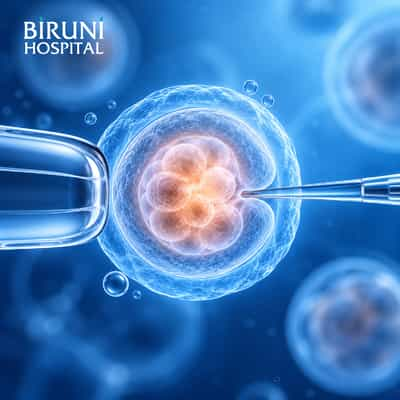
Price starting from $5,000
In Vitro Fertilization (IVF) Package in Istanbul Turkey by Biruni Hospital
Biruni Hospital in Istanbul Turkey
- Fertility Treatment
Istanbul,Turkey

Price starting from $1,120
Best Fertility Treatments at Quironsalud Hospital in Madrid, Spain
Quironsalud University Hospital Madrid
- Fertility Treatment
Madrid,Spain

Price starting from $5,000
IVF with Embryo Freezing Package in Spain by UR Vistahermosa Alicante
UR Vistahermosa - Fertility Clinic in Spain
- Fertility Treatment
Alicante,Spain
Fertility Treatment Solutions Near You: Explore Top Medical Centers
Discover how Fertility Treatment is transforming lives at leading medical centers in , Spain. Dive into center profile, specialties, doctors, reviews, etc. and explore the best options tailored to your needs in this region.

UR Vistahermosa - Fertility Clinic in Spain
Alicante,Spain

Quironsalud University Hospital Madrid
Madrid,Spain
Transformative Fertility Treatment Experiences: Dive into Procedure Insights
Discover the power of Fertility Treatment through compelling patient experiences. Uncover detailed insights into procedures, recovery journeys, and life-changing results.


Price starting from $6,500
IVF with Gender Selection in Tbilisi, Georgia
- IVF with Gender Selection,Fertility Treatment
Tbilisi,Georgia

Price starting from $6,900
IVF with Gender Selection in Nicosia, Cyprus
- IVF with Gender Selection,Fertility Treatment
Nicosia,Cyprus

Explore Fertility Treatment: Stories, Testimonials, and Procedures
Watch in-depth videos covering everything from Fertility Treatment success stories to detailed procedure explanations. Learn what to expect and hear from real patients.

Dimi & Malcolm’s Parenthood Journey: at UR Vistahermosa Alicante at Spain
UR Vistahermosa - Fertility Clinic in Spain
Spain

IVF with Embryo Transfer in Spain: Achieving Parenthood at UR Vistahermosa Alicante
UR Vistahermosa - Fertility Clinic in Spain
Spain

Lisa’s Journey to Motherhood: Spain Fertility Treatment at UR Vistahermosa Alicante
UR Vistahermosa - Fertility Clinic in Spain
Spain

Leading Fertility Center in Spain: UR Vistahermosa Alicante on TV
UR Vistahermosa - Fertility Clinic in Spain
Spain
Learn More with These Fertility Treatment Articles
Take a look at these interesting articles, stories and research that will help you learn more about Fertility Treatment.

The 2026 Legal Alert: Understanding Spain’s New Directives on Surrogacy and International Birth Registrations
PlacidWay Medical Tourism
- Fertility Treatment
Spain

5 Steps to Planning Your Egg Donation Journey in Spain as an UK Patient
PlacidWay Medical Tourism
- Fertility Treatment
Spain

Seeking High-Success Fertility Solutions: Why Algerian Patients are Choosing Spain for Complex IVF and ICSI Procedures
PlacidWay Medical Tourism
- Fertility Treatment
Spain

Alicante Set to Emerge as Europe's Leading Destination for UK and US Couples Seeking Advanced IVF and Anonymous Egg Donation
PlacidWay Medical Tourism
- Fertility Treatment
Spain








