
Save 70% on Carpal Tunnel Surgery in Cancun | 2025 Prices
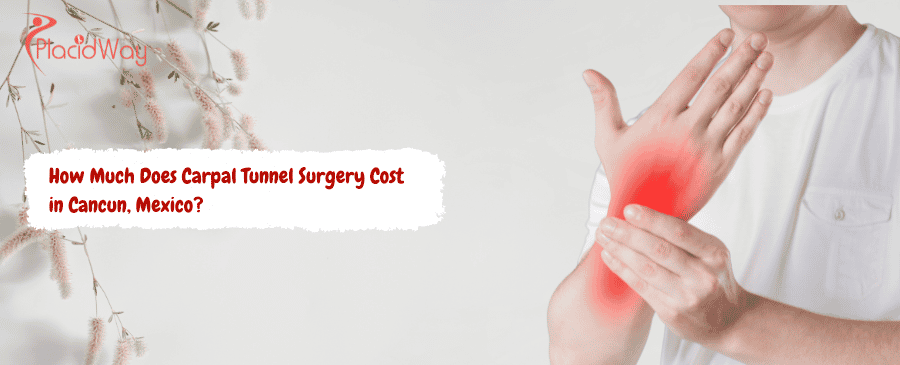
Persistent wrist pain, tingling, and numbness in the fingers are hallmark symptoms of carpal tunnel syndrome, a condition caused by the compression of the median nerve in the wrist. When non-surgical treatments like splinting, physical therapy, and corticosteroid injections fail to provide relief, doctors often recommend a carpal tunnel release. For uninsured or underinsured patients in North America, the out-of-pocket costs for this outpatient procedure can be a significant barrier to receiving care. As a result, many people explore carpal tunnel surgery in Cancun, Mexico as a more affordable alternative.
Traveling across borders for healthcare requires careful planning, research, and an understanding of what the financial estimates actually cover. This article breaks down the expected costs, details about the procedure, recovery timelines, and important factors to consider if you are thinking about receiving surgical care away from home.
Key Takeaways
- Estimated costs range from $1,200 to $2,500 per hand depending on the facility and surgical technique.
- Endoscopic and open release are the two primary surgical methods available to patients.
- Thorough pre-operative consultations and post-operative evaluations are essential for a safe recovery.
- Patients traveling for care should plan to stay in the area for a few days before flying home.
- Outcomes and risks vary by individual, and a professional medical evaluation is always required.
What is included in the carpal tunnel surgery cost in Cancun, Mexico?
When reviewing price estimates provided by medical facilities, it is vital to ask for a line-by-line breakdown. Most packages in popular medical travel destinations bundle the core components of the surgery into a single quote. This usually covers the time you spend in the outpatient surgical center, the sterile equipment used, and the fees for the surgical and nursing team during the procedure.
However, patients must also budget for expenses that are frequently excluded from these initial estimates. Pre-operative tests—such as blood work, electrocardiograms (EKGs), or nerve conduction studies (EMG)—may incur separate charges. Additionally, prescription medications for post-operative pain management, physical therapy sessions, and travel-related expenses like flights, hotel accommodations, and local transportation are almost always the patient’s financial responsibility.
How does the price in Cancun compare to the United States and Canada?
In the United States, patients without health insurance, or those with high-deductible plans, might face bills ranging from $4,000 to over $10,000 for a carpal tunnel release. These costs vary wildly depending on whether the surgery takes place in a hospital or an ambulatory surgery center, and how facility fees and anesthesia are billed. In Canada, while the public healthcare system covers the surgery, wait times for elective orthopedic procedures can sometimes stretch for several months or longer, prompting some to seek private options abroad.
The price differences are primarily driven by the lower overall cost of living, reduced administrative overhead, and different malpractice insurance models in Mexico. These economic factors allow healthcare providers to offer services at a reduced rate. However, lower prices do not automatically indicate a specific level of quality, making patient research essential.
| Location | Estimated Out-of-Pocket Cost (Per Hand) |
|---|---|
| United States | $4,000 - $10,000+ |
| Canada (Private Clinics) | $2,500 - $4,500+ |
| Cancun, Mexico | $1,200 - $2,500 |
What happens during a carpal tunnel release procedure?
The carpal tunnel is a narrow passageway on the palm side of your wrist made of bones and ligaments. The median nerve, which provides feeling to your thumb, index, middle, and ring fingers, runs through this tunnel. When the tissues surrounding the flexor tendons in the wrist swell, they put pressure on this nerve.
The surgical goal is straightforward: relieve that pressure. Under local anesthesia, the surgeon carefully divides the tight roof of the tunnel (the transverse carpal ligament). By severing this band of tissue, the tunnel becomes wider, easing the pressure on the median nerve. Over the course of the healing process, the gap where the ligament was cut will slowly fill in with scar tissue, maintaining the expanded space.
Open vs. endoscopic carpal tunnel surgery: Which is better?
In an open carpal tunnel release, the surgeon makes a single incision—typically about two inches long—directly in the palm of the hand over the carpal tunnel. This traditional method allows the doctor to see the ligament and nerve clearly. Because the incision is larger, patients may experience tenderness in the palm for a slightly longer period during the early weeks of recovery.
Endoscopic surgery involves making one or two smaller incisions (often less than half an inch) in the wrist or palm. The surgeon inserts a thin tube equipped with a tiny camera (endoscope) to view the inside of the carpal tunnel on a screen, and cuts the ligament using specialized miniature tools. While the endoscopic approach may result in less early post-operative pain and a quicker return to certain activities, long-term outcomes and symptom relief are generally comparable between both methods.
Am I a suitable candidate for this surgery in Mexico?
Not everyone with hand pain requires surgery. A proper diagnosis often requires a physical examination and specific diagnostic testing, such as an electromyogram (EMG) or nerve conduction velocity (NCV) test, which measures how well the median nerve is transmitting electrical signals. Surgery is generally considered when diagnostic tests confirm moderate to severe nerve compression, or when symptoms like pain, numbness, and grip weakness begin to interfere significantly with daily life or sleep.
Patients considering traveling for surgery should be in good general health. If you have complex medical conditions—such as severe diabetes, cardiovascular disease, or bleeding disorders—your surgical risks may be higher. It is imperative to have a thorough medical clearance from your primary care physician at home before committing to a surgical procedure abroad.
How long should I stay in Cancun for recovery and follow-up?
Although carpal tunnel release is an outpatient procedure that allows you to leave the clinic the same day, flying immediately afterward is usually discouraged. Changes in cabin air pressure can exacerbate hand swelling and discomfort. Staying nearby allows you to rest comfortably in your hotel while keeping your hand elevated.
More importantly, remaining in the destination allows the surgical team to evaluate your incision a few days after the procedure. During a follow-up visit, the doctor will check for signs of infection, assess blood flow to the fingers, change your bandages, and confirm that your early recovery is progressing normally. Stitches are often removed about 10 to 14 days post-surgery; if you travel home before this time, you will need to arrange for a local healthcare provider to remove them.
What are the potential risks and complications of this procedure?
While severe complications are relatively uncommon, they can occur. One of the most frequently reported post-operative issues is "pillar pain"—tenderness and discomfort in the fleshy parts of the palm near the incision site, which can persist for weeks or even months. Stiffness in the fingers and wrist is also common, which is why diligent, gentle movement and physical therapy are often recommended.
A rare but serious risk is accidental injury to the median nerve or its branching nerves during surgery. Additionally, if the transverse carpal ligament is not completely severed, the pressure on the nerve may persist, meaning the original symptoms may not fully resolve. Patients participating in medical travel must understand how to handle complications if they arise after returning home, which usually involves seeking care from a local medical professional.
How do I choose a safe carpal tunnel surgery clinic in Mexico?
When researching options, prioritize clinics that are transparent about their medical staff. Look for orthopedic surgeons or specialized hand surgeons who hold recognized board certifications in their home country or internationally. You can often cross-reference a doctor’s credentials through Mexican medical councils or international medical organizations.
The facility itself should also meet rigorous hygiene and safety standards. Ask if the clinic or ambulatory surgery center is accredited by national health authorities (like the CSG in Mexico) or international bodies (like the Joint Commission International). Do not hesitate to request pre-operative video consultations to assess the communication skills of the team and clarify their policies on managing post-operative emergencies.
Will my health insurance cover medical tourism in Mexico?
For most patients, medical tourism in Mexico is a self-pay endeavor. Even if a procedure is deemed medically necessary, standard domestic insurance policies usually restrict coverage to local, in-network providers. If you have Medicare or Medicaid in the US, coverage generally does not extend across borders for elective surgeries.
However, some self-insured employer health plans have begun incorporating medical travel options for specific high-cost surgeries to save money for both the company and the employee. Furthermore, some patients may be able to use funds from Health Savings Accounts (HSAs) or Flexible Spending Accounts (FSAs) to pay for qualifying medical expenses abroad, provided they have the correct medical documentation. You should consult a tax professional or your plan administrator to verify your eligibility.
Why Choose PlacidWay for Medical Tourism Research?
Navigating the global healthcare landscape can be overwhelming. PlacidWay is an informational platform designed to help patients explore healthcare options around the world.
- Informational Resource: PlacidWay offers a comprehensive directory of hospitals, clinics, and medical centers globally.
- Provider Comparisons: The platform allows users to compare various healthcare facilities and review basic price estimates.
- Direct Connections: Patients can use the platform to connect directly with international clinics to ask specific medical or financial questions.
- Patient Education: PlacidWay provides articles, guides, and resources to help users understand the logistics of traveling for medical care.
- No Pressure: As an informational facilitator, the platform encourages patients to conduct their own thorough research and consult with their home doctors without pressure to book a procedure.
Frequently Asked Questions
Does carpal tunnel surgery require general anesthesia?
In most cases, carpal tunnel surgery does not require general anesthesia. It is typically performed using local anesthesia to numb the hand and wrist, sometimes combined with a mild sedative to help you relax. The exact anesthesia plan will be determined by your surgical team based on your specific health needs.
How long does the actual surgery take?
The surgical procedure itself is generally quite fast, often taking only 15 to 30 minutes to complete. However, you should expect to spend a few hours at the surgical center for pre-operative preparation, anesthesia administration, and post-operative monitoring before you are discharged.
Can both hands be operated on at the same time in Cancun?
While bilateral carpal tunnel release (operating on both hands simultaneously) is medically possible, many surgeons advise against it. Operating on one hand at a time leaves you with one fully functional hand to assist with daily tasks, personal hygiene, and recovery during the healing phase.
Will I need physical therapy after returning home?
Physical therapy or occupational therapy is not always mandatory after carpal tunnel release, but it is frequently recommended. A therapist can teach you specific gliding exercises to prevent scar tissue from adhering to the nerve and tendons, which can improve your long-term mobility and strength.
When can I return to typing and desk work?
Many patients can return to light desk work and typing within one to two weeks following surgery, depending on their comfort level and healing progress. However, heavy lifting, gripping, or using vibrating tools may need to be avoided for several weeks to months as advised by your surgeon.
Is it safe to fly soon after hand surgery?
Flying shortly after hand surgery is generally safe, but changes in cabin pressure can temporarily increase swelling and throbbing in the affected hand. It is usually recommended to wait a few days after the procedure, keep the hand elevated during the flight, and clear your travel plans with your operating surgeon.
What happens if I experience complications back home?
If you experience complications such as increased pain, redness, or signs of infection after returning home, you should seek immediate care from a local healthcare provider. It is essential to bring your surgical records and discharge summary from Mexico so your local doctor understands exactly what procedure was performed.
Do surgeons in Cancun speak English?
Many surgeons and medical staff in Cancun who frequently treat international patients are bilingual and speak English fluently. Before booking your procedure, it is advisable to confirm the language capabilities of your chosen clinic to ensure clear communication throughout your treatment.
How long does the numbness in the fingers last after surgery?
Relief from pain is often immediate, but numbness and tingling may take longer to resolve. Depending on how severely the median nerve was compressed before surgery, it can take weeks, months, or occasionally up to a year for normal sensation to return. In very severe cases, some residual numbness may be permanent.
Are the results of carpal tunnel release permanent?
For the majority of patients, carpal tunnel surgery provides long-lasting or permanent relief from symptoms. However, recurrent carpal tunnel syndrome can occasionally happen years later, especially in individuals with underlying health conditions like diabetes or rheumatoid arthritis, or those who resume highly repetitive hand activities.
Compare Treatment Options Worldwide
Explore healthcare facilities and gather the information you need to make an informed decision about your medical care.
Request Treatment InformationReferences
- Carpal Tunnel Release - American Academy of Orthopaedic Surgeons (AAOS)
- Carpal Tunnel Surgery: About the Procedure - Mayo Clinic
- Carpal Tunnel Surgery & Recovery - Cleveland Clinic
- Carpal Tunnel Syndrome Fact Sheet - National Institute of Neurological Disorders and Stroke (NINDS)
- Carpal Tunnel Release - Johns Hopkins Medicine
- Travelers' Health: Mexico - Centers for Disease Control and Prevention (CDC)



























Share this listing