


Why Choose Mexico for a Tummy Tuck?
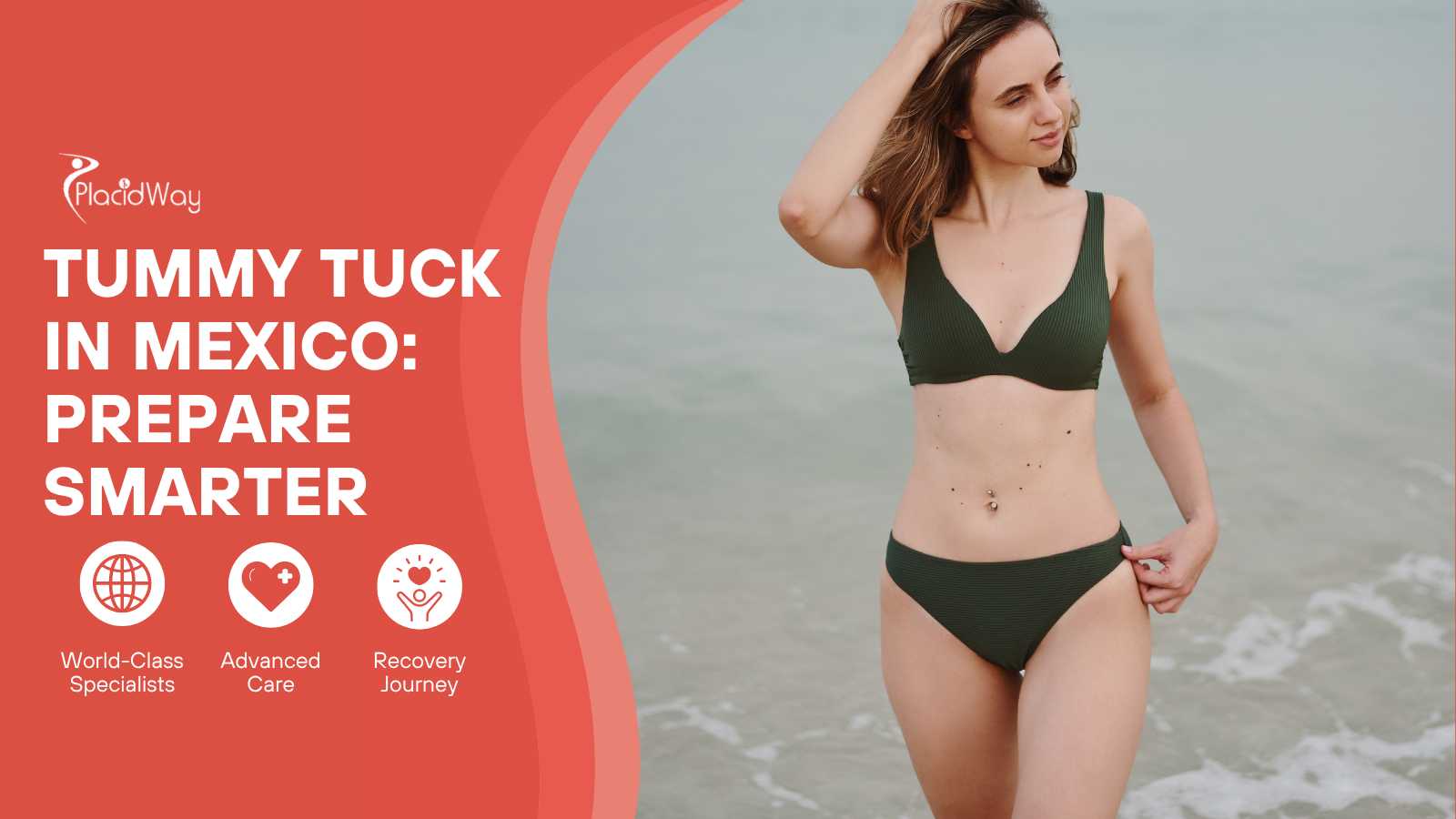
A Tummy Tuck in Mexico typically costs between $3,500 and $6,000, depending on the technique and location. This procedure, which removes excess skin and fat, requires careful clinic vetting and usually involves a 10 to 14-day local recovery period.
Key Takeaways
- The average Tummy Tuck cost in Mexico is often 40% to 60% lower than in North America.
- Patient safety requires verifying the surgeon's cédula profesional and board affiliations.
- Results are long-lasting, but weight fluctuations may alter surgical outcomes.
- Expect to stay in the destination country for at least 10 to 14 days post-operation for proper monitoring.
- A customized approach may involve full, mini, or extended abdominoplasty based on individual anatomy.
What Is a Tummy Tuck and How Does It Work?
Abdominoplasty is a surgical procedure that removes excess abdominal skin and fat while repairing separated muscles to create a firmer profile.
A Tummy Tuck in Mexico involves a comprehensive surgical approach to reshape the midsection. Often sought by individuals who have experienced significant weight loss or multiple pregnancies, the procedure addresses issues that diet and exercise typically cannot fix. During the operation, the surgeon makes an incision along the lower abdomen to access the underlying tissue.
Once the incision is made, the surgeon can repair weakened or separated abdominal muscles (a condition known as diastasis recti) by suturing them together. This step is crucial for restoring core strength and establishing a flatter abdominal contour. Following muscle repair, the skin is pulled tightly downwards, and the excess is surgically excised.
The belly button is frequently repositioned to align naturally with the newly tightened skin. Finally, the incisions are closed with sutures, skin adhesives, or tapes. The complexity of the tissue removal and muscle repair will dictate the length of the surgery, which generally takes between two to four hours under general anesthesia.
A tummy tuck is not considered a weight-loss tool. Surgeons advise patients to reach their ideal, stable weight before undergoing the procedure to maintain optimal results.
What Is the Typical Tummy Tuck Cost in Mexico?
Patients can expect to pay an estimated $3,500 to $6,000, depending on the clinic location, surgeon expertise, and exact surgical requirements.
Understanding the Tummy Tuck cost in Mexico involves looking beyond just the surgical fee. The total price typically encompasses the surgeon's fees, anesthesia, operating room facilities, basic pre-operative tests, and post-operative garments. It is vital to request an itemized quote to understand exactly what is included and what might require out-of-pocket spending.
Pricing variations are heavily influenced by the type of abdominoplasty performed. A mini tummy tuck, which requires a smaller incision and no muscle repair, will naturally cost less than a full or extended tummy tuck that involves comprehensive tissue removal and complex muscle suturing. Additionally, combining the surgery with liposuction will increase the final estimate.
| Procedure Type | Estimated Cost (USD) | Typical Duration |
|---|---|---|
| Mini Tummy Tuck | $3,000 - $4,200 | 1.5 - 2 Hours |
| Full Tummy Tuck | $4,000 - $5,500 | 2 - 4 Hours |
| Extended Tummy Tuck | $5,000 - $6,500 | 3 - 5 Hours |
How Can I Choose a Safe Tummy Tuck Clinic in Mexico?
Selecting a safe facility requires independent verification of the surgeon's local credentials, clinic hygiene standards, and emergency protocols.
Finding a reliable Tummy Tuck clinic in Mexico is the most critical step in your medical journey. Patient safety must take precedence over cost savings. Start by verifying the specialist's national credentials. In Mexico, a licensed surgeon must possess a valid cédula profesional (professional registry number) issued by the Secretariat of Public Education (SEP).
Furthermore, look for surgeons who hold active memberships in recognized professional boards, such as the Mexican Association of Plastic, Aesthetic and Reconstructive Surgery (AMCPER). Board membership generally indicates that the surgeon has completed rigorous specialty training and adheres to established ethical and safety standards within the field of cosmetic surgery.
When evaluating the clinic itself, inquire about their international accreditations or domestic hospital certifications. The facility should be equipped with modern technology, maintain strict sterilization protocols, and have a clear, documented plan for handling medical emergencies. Ask directly about their post-operative care routines and who will monitor your progress during the initial recovery days.
Who Is an Ideal Candidate for Abdominoplasty?
Ideal candidates are healthy non-smokers with a stable weight who suffer from loose abdominal skin and weakened underlying muscles.
Not everyone is a suitable candidate for this invasive procedure. An initial medical evaluation is necessary to determine if abdominoplasty is appropriate for your body. The most successful candidates share several common characteristics:
- They are at or near their ideal body weight and have maintained this stability for at least six months.
- They are non-smokers, as nicotine severely impedes the healing process and increases complication risks.
- They do not have chronic medical conditions like unmanaged diabetes or heart disease that complicate surgery.
- They have completed their family planning, as future pregnancies can reverse the surgical muscle repair.
- They maintain realistic expectations about the scarring and the recovery timeline required.
If your primary concern is excess fat rather than loose skin, a surgeon might recommend liposuction alone instead of a full abdominoplasty. A thorough consultation will clarify which procedure matches your anatomical needs.
What Are the Common Risks and Complications?
Like all major surgeries, abdominoplasty carries risks such as infection, poor wound healing, bleeding, and deep vein thrombosis.
It is essential to approach a Tummy Tuck in Mexico with a clear understanding of potential complications. While many patients experience smooth recoveries, adverse events may occur. Common surgical risks include excessive bleeding, fluid accumulation (seroma) beneath the skin, and anesthesia-related complications. Adhering to the surgeon's pre-operative instructions helps mitigate these risks.
Wound healing issues are another notable concern, particularly around the incision line or the newly placed belly button. Smokers face a significantly higher risk of tissue necrosis (tissue death) due to restricted blood flow. Surgeons typically mandate quitting smoking weeks before and after the procedure. Infections, while uncommon in highly sanitized environments, require immediate antibiotic intervention if they develop.
A serious, though rare, risk is deep vein thrombosis (DVT)—blood clots that can form in the legs during long periods of immobility. Patients traveling for surgery must be especially cautious, as flying shortly after a major operation increases DVT risk. Early, gentle walking post-surgery and wearing compression garments are standard preventive measures.
How Does Medical Tourism in Mexico Benefit Patients?
Patients benefit from substantial cost savings, proximity to North America, and access to modern medical facilities catering to international travelers.
The rise of medical tourism in Mexico is driven primarily by the high cost of elective healthcare in the United States and Canada. Patients can often fund their entire surgical journey, including lodging and local transport, for less than the standalone cost of the surgery at home. This affordability opens doors for individuals who otherwise could not access aesthetic enhancements.
Geographic proximity plays a massive role in this trend. Major medical hubs such as Tijuana, Cancun, Guadalajara, and Mexico City are accessible via short, direct flights from many North American airports. Some border cities even offer convenient land crossings, reducing travel stress and allowing patients to bring supportive companions easily.
Furthermore, many clinics in these metropolitan areas specialize specifically in international patient care. They frequently employ bilingual staff, offer transparent pricing packages, and provide dedicated concierges to assist with navigating the local area. This tailored infrastructure helps alleviate the anxiety associated with seeking medical treatment abroad.
What Should I Expect During the Recovery Process?
Recovery involves managing initial discomfort, wearing compression garments 24/7, and remaining in the destination country for up to two weeks.
The immediate post-operative period is characterized by swelling, bruising, and tightness across the abdomen. You will be prescribed pain medication to manage discomfort and antibiotics to prevent infection. Most patients require surgical drains to remove excess fluid from the surgical site; these are typically removed within the first five to ten days.
You must wear a specialized abdominal compression garment continuously for several weeks. This garment minimizes swelling, supports the newly repaired tissues, and helps the skin conform to its new shape. You will be advised to sleep slightly elevated and walk with a slight bend at the waist to avoid stressing the incision line during the early healing phases.
When participating in medical tourism, patients are strictly advised to remain near their Tummy Tuck clinic in Mexico for 10 to 14 days. This window is necessary for follow-up appointments, drain removal, and receiving medical clearance to travel. Returning home too early can lead to severe complications, including blood clots and wound separation.
How Do I Verify a Surgeon's Credentials in Mexico?
Verification involves checking the national registry for a valid medical license and confirming specialty board certifications independently.
Taking the time to research your provider is essential for a safe medical journey. Do not rely solely on clinic marketing materials or social media before-and-after photos. Instead, focus on verifiable, official documentation that proves the surgeon has the legal and educational right to perform complex aesthetic procedures.
- Cédula Profesional: Ask for the surgeon's professional ID number. You can verify this number through the Mexican government's official Secretariat of Public Education (SEP) online registry.
- Specialty Certification: Ensure the cédula lists them specifically as a Plastic, Aesthetic, and Reconstructive Surgeon, not just a general practitioner or cosmetic doctor.
- Board Membership: Check the AMCPER (Mexican Association of Plastic, Aesthetic and Reconstructive Surgery) directory to see if the surgeon is an active member in good standing.
- Hospital Privileges: Confirm that the surgeon has operating privileges at reputable, accredited local hospitals, which indicates peer review of their skills.
- Direct Communication: Request a virtual consultation to discuss your specific medical history, ask about their complication rates, and evaluate their communication style.
What Are the Differences Between Full and Mini Tummy Tucks?
A full tummy tuck addresses the entire abdominal wall and moves the belly button, while a mini addresses only the lower abdomen.
Understanding the distinction between these procedures helps in setting realistic expectations for your surgical outcome. A full abdominoplasty is the standard approach for patients with significant skin laxity and muscle separation extending above the navel. The incision runs from hip bone to hip bone, allowing the surgeon comprehensive access to tighten the entire abdominal wall and relocate the umbilicus.
In contrast, a mini tummy tuck is reserved for a smaller demographic of patients whose excess skin and fat are localized strictly below the belly button. The incision is shorter, often resembling a C-section scar. Importantly, a mini tummy tuck generally does not involve tightening the upper abdominal muscles or repositioning the belly button.
Your surgeon will assess your anatomy during the consultation to recommend the appropriate technique. Attempting a mini procedure on a patient who requires full muscle repair will lead to unsatisfactory contouring. Conversely, an extended tummy tuck may be suggested if excess tissue reaches around to the flanks and lower back.
Why Choose PlacidWay for Your Medical Journey?
PlacidWay provides an accessible platform to research, compare, and connect with medical facilities globally to help patients make informed healthcare decisions.
Navigating the landscape of international healthcare can be overwhelming. PlacidWay serves as a comprehensive resource portal designed to empower patients seeking medical treatment abroad. Utilizing a centralized platform simplifies the initial stages of researching a Tummy Tuck clinic in Mexico.
- Extensive Directory: Access a broad database of international clinics and specialists to compare different medical facilities in one place.
- Transparent Information: View detailed clinic profiles, read about provider credentials, and review estimated pricing structures before making direct contact.
- Educational Resources: Utilize patient guides, procedural explanations, and regional healthcare information to understand your intended treatment fully.
- Direct Connection: Easily request informational quotes and initiate communication directly with the medical providers of your choice.
- Independent Decision Making: Gather multiple perspectives and treatment plans to make a personalized, well-informed choice regarding your healthcare journey.
Frequently Asked Questions
How long do tummy tuck results last?
The results of an abdominoplasty are generally long-lasting if you maintain a stable weight and follow a healthy lifestyle. However, significant weight fluctuations or future pregnancies can alter the outcomes over time.
Can I get pregnant after a tummy tuck in Mexico?
It is physically possible to get pregnant after the procedure. However, surgeons typically advise waiting until you have completed your family, as pregnancy can separate repaired abdominal muscles and stretch the skin again.
When can I fly home after abdominoplasty?
Most surgeons require patients to remain in the country for at least 10 to 14 days post-surgery. This period allows for initial healing, drain removal, and medical clearance to safely endure the pressure changes of air travel.
Does a tummy tuck remove stretch marks?
An abdominoplasty can remove stretch marks that are located on the areas of excess skin being excised, typically below the belly button. It does not treat stretch marks on remaining skin.
What type of anesthesia is used during a tummy tuck?
The procedure is most commonly performed under general anesthesia, ensuring you are completely asleep. In some specific mini tummy tuck cases, local anesthesia with intravenous sedation may be utilized.
Will insurance cover my tummy tuck in Mexico?
Because it is generally considered an elective cosmetic procedure, health insurance usually does not cover the costs. Patients should prepare to pay for the surgery, travel, and accommodation out of pocket.
How bad is the scarring after abdominoplasty?
Scarring is inevitable, typically running horizontally just above the pubic hairline. While the scar is permanent, it usually fades significantly over 12 to 18 months and is strategically placed to be hidden by underwear.
Can a tummy tuck be combined with liposuction?
Yes, many patients choose to combine these procedures to enhance body contouring. Liposuction can remove excess fat on the flanks or waist, while the tummy tuck addresses loose skin and separated muscles.
What is a drainless tummy tuck?
A drainless technique uses layered internal sutures to close the space where fluid typically builds up, eliminating the need for external surgical drains. Not all patients are candidates for this specific method.
Are board-certified plastic surgeons common in Mexico?
Yes, there are many highly qualified surgeons. It is crucial to verify their credentials, such as their cedula profesional and membership in recognized national boards like AMCPER, to ensure their qualifications.
Ready to Explore Your Options?
Discover qualified clinics, compare estimated costs, and request treatment information to begin planning your medical journey today.
Compare OptionsDisclaimer: The content provided in this article is for informational purposes only and does not constitute medical advice. Prices are estimates and vary widely. Always consult directly with a licensed medical professional before undergoing surgery.
References
- Tummy Tuck Procedure Details – American Society of Plastic Surgeons (ASPS)
- Tummy Tuck: Risks and What to Expect – Mayo Clinic
- Medical Tourism Guidelines and Safety – Centers for Disease Control and Prevention (CDC)
- Abdominoplasty Overview – MedlinePlus (U.S. National Library of Medicine)
- Abdominoplasty Preparation and Recovery – Cleveland Clinic
- Patient Safety Guidelines for International Cosmetic Surgery – International Society of Aesthetic Plastic Surgery (ISAPS)
.png)
.png)



.png)

.png)
.jpg)


.jpg)
.jpg)











Share this listing