
Cosmetic Dentistry Cost in Croatia: A Full Price Guide
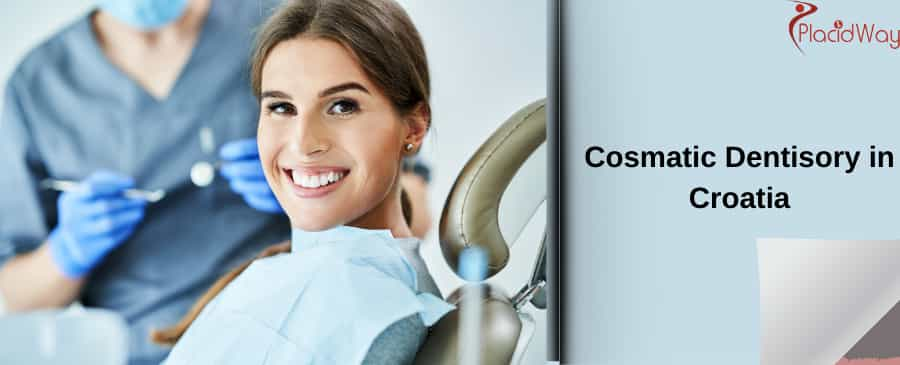
Improving your smile can be a significant investment, leading many patients to look beyond their home borders for care. Seeking cosmetic dentistry in Croatia has grown in popularity due to a combination of favorable pricing, European Union medical standards, and the opportunity to recover in a pleasant environment. However, determining exactly how much you might spend requires looking at the specific procedures you need, the materials selected, and the overall complexity of your oral health.
Whether you are considering a subtle enhancement like professional teeth whitening or a more complex rehabilitation involving veneers and crowns, understanding the financial landscape is a crucial first step. This guide breaks down estimated prices, essential patient questions, and safety considerations for planning your treatment abroad.
Key Takeaways
- Estimated costs are generally lower than in the US, UK, or Canada, often allowing patients to manage their dental care budgets more effectively.
- Popular procedures include porcelain veneers, zirconia crowns, professional whitening, and composite bonding.
- Croatia follows EU regulations, meaning dental materials and hygiene protocols are standardized.
- Travel, accommodation, and potential aftercare in your home country must be factored into your total budget.
- A thorough consultation with a qualified dental professional is required to confirm whether a cosmetic procedure is appropriate for your specific oral health.
What are the average prices for popular cosmetic dental procedures in Croatia?
Understanding the basic price ranges helps set realistic expectations before you begin reaching out for consultations. Keep in mind that these figures are broad estimates and can fluctuate based on currency exchange rates, inflation, and the individual pricing structure of the clinic you choose.
| Procedure | Estimated Cost Range (USD) |
|---|---|
| Professional In-Office Teeth Whitening | $200 - $350 |
| Composite Bonding (Per Tooth) | $80 - $150 |
| Porcelain Veneer (Per Tooth) | $250 - $450 |
| Zirconia Crown (Per Tooth) | $300 - $500 |
| Gum Contouring (Per Arch) | $150 - $300 |
These estimates reflect the dental fees alone. Diagnostic imaging, such as panoramic X-rays or 3D scans, may be charged separately. When requesting information from a clinic, ask if they provide comprehensive treatment plans that include all anticipated fees.
Why do international patients travel for cosmetic dentistry in Croatia?
The primary driver for seeking care abroad is often financial. Dental care, especially elective cosmetic work, is rarely covered by insurance in countries like the United States or the United Kingdom. In Croatia, the lower cost of living and reduced operational overhead for clinics allow them to offer services at a lower price point without necessarily compromising on the materials used.
Additionally, because Croatia is an EU member state, dental professionals must adhere to standardized educational requirements, and clinics must follow strict hygiene and safety protocols. This regulatory environment offers a layer of reassurance for patients concerned about the quality of care they might receive far from home.
What factors influence the final cost of your treatment?
No two smiles are identical, which means pricing is highly individualized. The most significant variable is the material. For example, opting for traditional composite resin is generally more affordable than selecting custom-milled porcelain or zirconia, though the latter options often provide greater durability and a more natural appearance.
Another factor is the condition of your underlying oral health. If a dentist determines you have active gum disease or untreated decay, these issues must be resolved before any cosmetic work can safely begin. Treating these foundational problems will add to the overall cost. Furthermore, a cosmetic dentistry clinic in Croatia located in a popular tourist hub or the capital might charge slightly more than a facility in a smaller town due to higher local rent and operating costs.
Are porcelain veneers more affordable in Croatia?
Veneers are thin, custom-made shells designed to cover the front surface of teeth to improve their appearance. Because they require meticulous lab work and precise application, they are one of the more expensive cosmetic procedures available. Patients who need six to eight veneers to complete their smile line often find the price difference substantial enough to justify the travel.
During a veneer procedure, a small amount of enamel is typically removed from the tooth to ensure a proper fit. Because this process is irreversible, it is crucial that patients work with experienced professionals. While the lower cost is attractive, patients should verify what type of porcelain is being used and ask to see examples of the dentist’s previous aesthetic work to ensure it aligns with their expectations.
What should I expect during a complete smile makeover?
A smile makeover is not a single procedure but a comprehensive treatment plan. It often starts with a detailed consultation, which may include digital smile design technology. This allows the dentist to map out your facial features and show you a digital mockup of the potential results.
The timeline for a makeover varies heavily. If your plan only involves whitening and composite bonding, it might be completed in just one or two days. However, if the plan includes custom laboratory work for crowns or veneers, you will likely need to stay for five to eight days. The dentist will prepare your teeth, take impressions, and fit you with temporaries while the final restorations are crafted. Once the permanent pieces are ready, they are bonded into place and adjusted for bite and comfort.
How can you find a reliable clinic for cosmetic dentistry in Croatia?
Safety and quality should always override cost considerations. When researching a clinic, look for dentists who are registered with the national dental chamber and who pursue continuing education in aesthetic and restorative dentistry. Transparency is a good indicator of reliability; the clinic should be willing to answer detailed questions about their sterilization protocols, the brands of materials they use, and their policies on aftercare.
Before booking any travel, have a remote consultation. Many clinics offer initial assessments via video call, where you can share local X-rays or photographs of your teeth. Use this opportunity to gauge how they communicate. They should explain the risks, alternatives, and limitations of the treatment rather than just promising a perfect outcome.
What are the medical risks of traveling for cosmetic dental work?
Every medical and dental procedure carries some level of risk. With cosmetic dentistry, common short-term side effects include tooth sensitivity, gum irritation, and minor discomfort after enamel reduction or bonding. More significant risks involve the failure of a restoration, nerve damage, or an infection if proper hygiene is not maintained.
The unique risk of medical tourism is distance. If a veneer chips or your bite feels misaligned two weeks after your procedure, returning to your treating dentist for a simple adjustment is often impractical. You will likely need to rely on a local dentist in your home country to resolve the issue, which can incur additional out-of-pocket costs. It is important to ask your overseas clinic how they handle revisions and what records they will provide you to share with your local dentist.
How does medical tourism in Croatia work for dental patients?
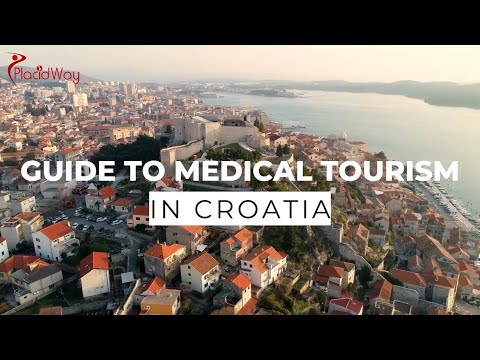
Participating in medical tourism in Croatia generally begins with extensive online research and remote consultations. Once a treatment plan and timeline are agreed upon, patients book their flights and accommodations. Many clinics accustomed to international patients have dedicated coordinators who help schedule appointments efficiently to fit within a typical vacation timeframe.
While recovering between appointments, patients often explore the local area. However, it is vital to listen to your body and your dentist's advice. If you have just had invasive prep work, you may experience sensitivity to hot or cold foods, and you might prefer to rest rather than engage in strenuous sightseeing. Always prioritize your medical recovery over tourist activities.
Will my dental insurance cover cosmetic procedures abroad?
Insurance providers generally categorize procedures like teeth whitening, cosmetic veneers, and elective bonding as non-essential. Therefore, you should expect to fund these treatments yourself. If a procedure has a restorative necessity—such as a crown required to protect a broken tooth—there is a small chance your insurance might offer partial reimbursement.
If you hope to use insurance for any portion of your care, you must contact your provider beforehand to verify if they accept claims from international providers and what documentation they require. In most cases, international clinics require payment in full at the time of service, leaving the responsibility of submitting a claim entirely up to the patient.
What type of aftercare is needed when you return home?
Cosmetic dental work requires maintenance. Veneers and crowns can chip if subjected to excessive force, such as biting on ice, opening packaging with your teeth, or grinding your teeth at night (bruxism). If you are prone to grinding, your dentist may recommend wearing a protective nightguard.
Even though dental restorations themselves do not decay, the natural tooth structure underneath them and the surrounding gums are still vulnerable to disease. Brushing twice a day, flossing daily, and visiting a local dentist for professional cleanings every six months are essential habits to protect your investment. Before leaving Croatia, ensure you receive a copy of your treatment records, X-rays, and details of the materials used, so your home dentist knows exactly how to care for your new smile.
Why Choose PlacidWay for Medical Tourism in Croatia?
Navigating international healthcare options can be complex. PlacidWay serves as an informational platform to help patients explore medical tourism opportunities worldwide. Here are five factual ways PlacidWay can assist your research:
- Directory Access: Provides a comprehensive listing of international clinics, hospitals, and healthcare facilities.
- Educational Resources: Offers informative articles and guides explaining various dental procedures and what they typically involve.
- Pricing Estimates: Allows patients to view and compare general cost estimates for treatments across different countries.
- Facility Profiles: Features detailed profiles where clinics can outline their services, equipment, and medical staff credentials.
- Direct Communication: Connects individuals directly with clinic coordinators to request information and specific quotes based on their needs.
Frequently Asked Questions
1. How much do porcelain veneers cost in Croatia?
Porcelain veneers in Croatia typically cost between $250 and $500 per tooth, depending on the clinic and the specific type of porcelain used. This is generally an estimate and varies by patient.
2. Is professional teeth whitening safe in Croatia?
Yes, when performed by a qualified dental professional using regulated materials, teeth whitening is generally safe. Dentists in Croatia follow EU safety standards for dental bleaching agents.
3. Can I get a full set of dental implants during one trip?
Typically, implant procedures require at least two trips spaced several months apart to allow the jawbone to heal and fuse with the implant before placing the final crowns.
4. Do dentists in Croatia speak English?
Many dental professionals who cater to international patients in major Croatian cities are fluent in English, making communication regarding your treatment plan straightforward.
5. How long does a typical cosmetic dental trip take?
A standard trip for veneers or crowns often takes between 5 to 7 days to allow time for initial consultation, lab fabrication, fitting, and final adjustments.
6. Are dental materials used in Croatia regulated?
Yes, Croatia is part of the European Union, meaning dental materials and devices must comply with strict EU safety and quality regulations.
7. What happens if I need an adjustment after returning home?
If a minor adjustment is needed, you will likely need to see a local dentist in your home country. It is helpful to discuss revision policies with your overseas dentist before beginning treatment.
8. Can I combine my dental treatment with a vacation?
Many patients do combine their visits with tourism, though it is usually recommended to complete intensive dental work first and prioritize rest before engaging in strenuous travel activities.
9. Do I need a visa for dental treatment in Croatia?
Visa requirements depend on your nationality. Many North American and European citizens can enter Croatia for short visits without a visa, but you should always check current regulations before traveling.
10. How do I pay for my dental procedures in Croatia?
Most clinics accept major credit cards, cash in Euros, or direct bank transfers. Financing options are usually local, so international patients often arrange funds prior to travel.
Ready to Compare Treatment Options?
Gather more information, explore facility profiles, and connect with healthcare coordinators to make an informed decision about your dental care.
Request Treatment InformationReferences
- Oral Health Overview – World Health Organization (WHO)
- Global Dental Guidelines – FDI World Dental Federation
- Teeth Whitening Materials and Efficacy – American Dental Association
- Medical Tourism Travel Health Risks – Centers for Disease Control and Prevention (CDC)
- Medical Devices and Dental Materials Regulations – European Commission
- Healthcare Standards and Regulations – Ministry of Health of the Republic of Croatia

























Share this listing