
Unveiling the True Cost of a Nose Job: Croatia vs. the UK & USA
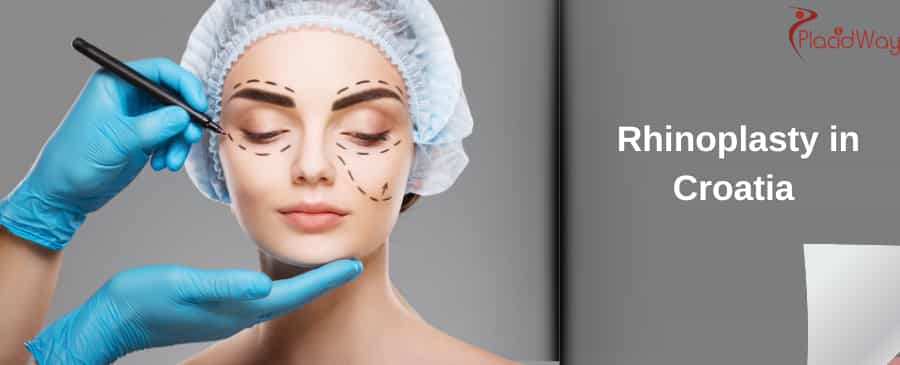
Navigating the financial and medical details of traveling abroad for nasal surgery requires careful research. Many international patients look into this European region due to its established healthcare infrastructure and experienced medical professionals. Understanding the nuances of pricing, procedure safety, and travel logistics is essential before making any healthcare decisions.
Key Takeaways
- Estimates for nasal reshaping generally fall between $3,500 and $5,000, depending on individual requirements.
- Primary surgeries are typically less expensive and less complex than revision operations.
- Patients must plan for a stay of at least seven to ten days to accommodate safe initial recovery and follow-up care.
- Medical clearance from a local physician is strongly advised before planning any surgery abroad.
- Outcomes, risks, and exact pricing vary uniquely for each patient based on anatomical factors and medical history.
What Factors Influence the Price of Nasal Surgery?
Surgical pricing is rarely a flat rate because human anatomy and individual aesthetic goals vary drastically. A primary operation, which means the nose has never been operated on before, typically falls on the lower end of the pricing spectrum. The native tissue is intact, making the dissection and reshaping process more straightforward for the surgical team.
Conversely, secondary or revision surgery requires navigating existing scar tissue, altered blood supply, and potentially diminished cartilage. Surgeons often need to harvest cartilage grafts from the ear or rib to rebuild the nasal structure. Because of the extended operating time and increased technical difficulty, revision procedures command higher fees.
Another major factor is the surgical technique used. Functional surgeries addressing a deviated septum alongside aesthetic changes require specialized skills and may adjust the overall estimate. Patients should remember that any quoted rhinoplasty cost in Croatia is an estimate until a thorough physical examination determines the precise surgical plan.
What Is Typically Included in the Procedure Price?
Understanding exactly what you are paying for helps avoid unexpected expenses during your trip. Finding a reputable rhinoplasty clinic in Croatia usually involves receiving a breakdown of costs. Most comprehensive estimates cover the core medical team, including the lead surgeon, anesthesiologist, and nursing staff during the operation.
However, patients must clarify what is excluded from the initial quote. Common out-of-pocket expenses that might not be bundled include pre-operative blood tests, electrocardiograms (ECGs), prescription medications for pain and infection prevention, and specialized compression garments or splints.
| Commonly Included | Often Excluded (Extra Cost) |
|---|---|
| Surgeon and anesthesiologist fees | Pre-operative lab work and diagnostics |
| Operating room and facility use | Take-home prescription medications |
| Standard surgical materials (sutures, dressings) | Hotel accommodations and local transport |
| Initial post-operative follow-up visits | Travel insurance or medical complication coverage |
Thoroughly reviewing these financial details during your initial consultation ensures you have an accurate budget for your journey.
How Does the Price Compare to Other European Countries?
Geographic location plays a massive role in medical pricing. In regions like the United States, the United Kingdom, or Switzerland, the cost of living and administrative overhead for running a medical facility are notably high. These operational costs are naturally passed on to the patient, resulting in estimates that can easily exceed $8,000 to $10,000 for a straightforward procedure.
By contrast, the lower cost of living and favorable currency exchange rates in Eastern and Southern Europe allow facilities to offer treatments at a reduced price point. This financial difference does not inherently mean a reduction in medical quality. Many surgeons operating in this area undergo rigorous training across Europe and hold memberships in recognized international aesthetic societies.
This balance of affordability and established medical standards is a primary driver behind the expansion of medical tourism in Croatia. However, patients must weigh the savings against the added costs of flights, accommodation, and the logistical challenges of recovering away from home.
Am I a Suitable Candidate for Nasal Reshaping Surgery?
Eligibility for any surgical procedure is based on strict medical criteria. An ideal candidate must be in good overall health, without underlying conditions that could impair healing, such as uncontrolled diabetes, severe bleeding disorders, or autoimmune diseases.
Surgeons place heavy emphasis on patient lifestyle factors. Nicotine use severely constricts blood vessels, increasing the risk of tissue necrosis and delayed wound healing. Providers routinely require patients to cease smoking and all nicotine products weeks before and after the operation.
Psychological readiness is equally critical. Nasal reshaping alters the central feature of the face, and while it can improve facial harmony, it cannot deliver perfection or solve underlying self-esteem issues. A responsible surgeon will carefully assess whether your goals align with what is anatomically possible.
Important Consideration: Individual Assessment
Never assume you are a candidate based on online research alone. Only a qualified healthcare provider can evaluate your nasal structure, skin thickness, and medical history to determine if this operation is safely viable for you.
What Should I Expect During the Recovery Process?
Recovery requires patience and strict adherence to post-operative guidelines. Immediately following the operation, a splint is usually placed on the outside of the nose to support the newly molded structures. Internal splints or packing may also be used to control bleeding and stabilize the septum.
During the first week, patients can expect significant congestion, similar to a severe head cold, because of internal tissue swelling. Bruising around the eyes is common and usually peaks around the third day before gradually fading. Managing this phase involves sleeping with your head elevated, using prescribed saline sprays, and avoiding any forceful nose blowing.
While the external splint is typically removed after seven days, revealing the initial changes, the nose will remain swollen. The majority of the visible swelling dissipates within four to six weeks, but the subtle refinement of the nasal tip can take twelve to eighteen months to fully materialize. Healing timelines are estimates and vary wildly depending on whether the approach was open or closed, the thickness of the patient's skin, and individual healing responses.
Are There Risks or Complications to Consider?
Undergoing a medical procedure always involves inherent risks that must be carefully evaluated. While severe complications are uncommon in healthy individuals, patients must be aware of potential adverse outcomes. Standard surgical risks include hematoma (blood collection under the skin), poor wound healing, and reactions to anesthetic medications.
Specific to nasal surgery, functional complications can arise. Some patients may experience a temporary or prolonged decrease in their sense of smell. Altered nasal airflow or a whistling sound during breathing can occur if the septum heals irregularly. There is also the possibility of persistent numbness in the nasal tip.
Aesthetic risks are perhaps the most common concern. As the nose heals and scar tissue forms, the final shape may pull or shift, leading to asymmetry or contour irregularities. In a small percentage of cases, these issues are pronounced enough to warrant a secondary revision surgery once the initial healing is complete.
How Long Should I Stay Before Flying Home?
Traveling immediately after a surgical procedure is dangerous and universally advised against by medical professionals. The pressurized cabin of a commercial airplane can cause severe discomfort and increased swelling in the freshly operated nasal tissues. More importantly, flying too soon elevates the risk of postoperative bleeding.
The standard protocol involves remaining near the facility until the external cast and any internal splints or non-dissolvable sutures are safely removed by the surgical team. This milestone typically happens between day seven and day ten post-surgery.
Travel Health Tip: DVT Prevention
Extended air travel following surgery increases the risk of Deep Vein Thrombosis (blood clots). Patients are encouraged to wear compression socks, stay hydrated, and periodically walk down the aisle during their return flight, subject to their doctor's approval.
How Do I Prepare for Surgery Abroad?
Thorough preparation begins weeks before boarding a flight. First, consult with a local primary care physician to undergo necessary blood work and obtain medical clearance. Having your local doctor aware of your plans ensures you have a designated professional to assist with aftercare or manage any delayed complications once you return home.
Medication management is crucial. Patients are routinely instructed to stop taking aspirin, anti-inflammatory drugs (NSAIDs), and certain herbal supplements at least two weeks before the procedure, as these can increase bleeding risks. All adjustments to ongoing prescriptions must be explicitly approved by both your local doctor and the overseas surgical team.
Logistically, set up a comfortable recovery environment in your hotel or rental apartment. Purchase soft, easy-to-chew foods, secure extra pillows to keep your head elevated, and ensure you have reliable transportation planned to and from the clinic for your follow-up appointments.
Why Do Patients Choose This Destination for Care?
Seeking rhinoplasty in Croatia has grown in popularity due to a combination of medical expertise and geographical convenience for European and international travelers. The country possesses a regulated healthcare sector, and many private clinics invest in modern surgical technologies to cater specifically to international patients.
Clinics operating in this space often employ multilingual staff, helping to bridge communication gaps that can otherwise make medical travel daunting. Consultations, medical documents, and post-operative instructions are routinely provided in English, ensuring patients fully understand their care plan.
While the prospect of combining recovery with a change of scenery is appealing, patients must prioritize their medical needs over tourism. The initial recovery week involves significant downtime, meaning sightseeing should be kept to a minimum. The primary focus must remain on resting, healing, and adhering to medical advice.
Why Choose PlacidWay for Medical Tourism?
PlacidWay serves as a global medical tourism resource, helping patients navigate the vast landscape of international healthcare. When researching medical treatments abroad, gathering accurate and structured information is a vital first step.
- Educational Resources: Provides extensive guides and articles regarding various medical procedures and destinations.
- Provider Discovery: Connects patients with a wide network of international medical centers and clinics.
- Estimate Comparisons: Allows users to request and compare initial pricing estimates from multiple facilities in one place.
- Direct Communication: Offers a platform to submit inquiries directly to healthcare providers for personalized responses.
- Global Reach: Features medical options across numerous countries, helping patients identify locations that align with their specific healthcare needs.
Frequently Asked Questions
Can a rhinoplasty fix my breathing problems?
Yes, a specific type of surgery called a septorhinoplasty can address both aesthetic concerns and functional breathing issues, such as a deviated septum, during the same operation.
Is there an age limit for nasal surgery?
Surgeons typically require patients to wait until their facial growth is complete, which usually occurs around age 16 for females and age 18 for males.
Will insurance cover my operation abroad?
Health insurance rarely covers procedures performed entirely for cosmetic reasons, and most domestic policies do not extend coverage to planned medical treatments abroad.
How long does the actual operation take?
The procedure duration can vary but typically takes between one and a half to three hours, depending on the complexity of the anatomical changes required.
Do I need general or local anesthesia?
Most complex nasal surgeries are performed under general anesthesia to ensure patient comfort and safety, though minor adjustments might occasionally be done with local anesthesia and sedation.
Can I wear glasses after my operation?
You should avoid resting glasses on the bridge of your nose for at least four to six weeks to prevent pressure on the healing nasal bones.
Are consultations done virtually or in person?
Many international patients begin with a virtual consultation to discuss initial eligibility and estimates, followed by an extensive in-person examination upon arrival.
What happens if I need a revision?
If a revision is necessary, surgeons generally advise waiting at least one full year to allow all swelling to subside and scar tissue to soften before attempting another operation.
Will I have visible scars?
A closed technique hides scars entirely inside the nostrils, while an open technique leaves a very small, often barely noticeable scar on the strip of tissue separating the nostrils.
How soon can I exercise again?
Light walking is encouraged early in recovery to promote circulation, but strenuous activities and heavy lifting must be avoided for four to six weeks to prevent bleeding and swelling.
Compare Treatment Options
Gather accurate estimates and learn more about facility options to help you make an informed decision regarding your healthcare journey.
Request Treatment InformationReferences
- Rhinoplasty Overview – American Society of Plastic Surgeons (ASPS)
- Rhinoplasty Details and Risks – Mayo Clinic
- Nose Reshaping (Rhinoplasty) Guide – National Health Service (NHS)
- Patient Safety and Medical Tourism – International Society of Aesthetic Plastic Surgery (ISAPS)
- Rhinoplasty Procedure Details – Cleveland Clinic
- Cosmetic Nasal Surgery – MedlinePlus
- Complications in Rhinoplasty – National Center for Biotechnology Information (NCBI)























Share this listing