
What treatment


20+ Key FAQs on Cosmetic/Plastic Surgery in Croatia
Questions About Cosmetic/Plastic Surgery in Croatia? Start Here
Trusted Medical Tourism Platform Since 2007

What are the plastic surgery prices in Croatia?
The average plastic surgery prices in Croatia typically range from €2,500 to €4,000 for rhinoplasty, and €3,000 to €4,500 for breast augmentation. Costs vary widely based on the specific procedure, clinic, and your individual medical needs. If you are exploring cosmetic procedures abroad, understanding the plastic surgery prices in Croatia is often the first step in your research. Over the past decade, Croatia has developed into a notable destination for patients seeking medical care outside their home countries. While financial considerations are important, deciding to undergo surgery requires a comprehensive understanding of safety protocols, travel logistics, and the realities of postoperative care. This guide breaks down estimated costs, answers common patient questions, and provides evidence-based information to help you navigate your options responsibly. Key Takeaways Prices in Croatia are generally lower than in the US and UK due to regional economic factors, but estimates vary by procedure complexity. Croatia's healthcare facilities adhere to European Union medical and safety directives. Patients must account for travel, accommodation, and potential extended stays for recovery when calculating total costs. Flying immediately after surgery carries serious health risks; local recovery time is mandatory. Thoroughly vetting your surgeon’s qualifications and establishing a plan for aftercare in your home country are essential steps for patient safety. What are the average costs for popular plastic surgery procedures in Croatia? Estimated prices for common procedures in Croatia range from €2,000 for minor liposuction to upwards of €6,000 for a comprehensive facelift, though your final quote will depend on your specific anatomy and treatment plan. When reviewing a plastic surgery cost in Croatia, it helps to look at average ranges. Keep in mind that these numbers are estimates. A personalized quote can only be provided after a medical professional evaluates your health history and aesthetic goals. Procedure Estimated Cost Range (EUR) Breast Augmentation (with implants) €3,000 - €4,500 Rhinoplasty (Nose Job) €2,500 - €4,000 Liposuction (per area) €2,000 - €4,000 Abdominoplasty (Tummy Tuck) €3,500 - €5,500 Facelift (Rhytidectomy) €4,500 - €6,500 When asking for a quote, you should always clarify what is included. Some clinics bundle the surgeon’s fee, anesthesia, operating room costs, and necessary post-op garments into one price. Others may list these out separately, which can unexpectedly increase your final bill if you are not prepared. Why is plastic surgery often more affordable in Croatia? The primary reason for lower medical costs in Croatia is the country's broader economic structure, which features a lower overall cost of living, reduced overhead expenses for clinics, and different wage scales compared to Western Europe or the US. Understanding the economics of healthcare abroad helps explain why prices differ. In Croatia, the costs associated with running a medical facility—such as renting commercial space, paying administrative staff, and handling utilities—are generally lower than in countries like the United Kingdom or the United States. Furthermore, the average salaries for medical staff reflect the local economy, allowing clinics to offer services at a lower price point while still operating profitably. It is crucial to recognize that a lower price tag does not automatically indicate poor quality, just as a high price tag does not guarantee a perfect outcome. However, patients should be cautious of prices that seem unusually low even by Croatian standards, as this could indicate compromised safety protocols or inexperienced practitioners. Is it safe to get plastic surgery in Croatia? Surgery in Croatia is typically safe when performed by qualified professionals in accredited facilities, but all surgical procedures carry inherent medical risks regardless of geographic location. Because Croatia is a member state of the European Union, its healthcare system must align with EU medical directives. This includes stringent regulations regarding the sterilization of medical environments, the CE certification of implants and medical devices, and patient privacy laws. Despite these regulatory frameworks, plastic surgery in Croatia—like anywhere else—involves risks. Complications such as infections, adverse reactions to anesthesia, excessive bleeding, or unsatisfactory aesthetic results can happen. Your safety depends heavily on your own health status, how well you follow preoperative and postoperative instructions, and the expertise of your chosen medical team. Always prioritize your physical safety over financial savings. What qualifications should I look for in a Croatian plastic surgeon? You should verify that your surgeon has completed specialized training in plastic and reconstructive surgery and holds membership in recognized national or international professional medical organizations. Finding a competent surgeon requires careful research. Do not rely solely on social media before-and-after photos, as these represent only the best outcomes and may not reflect the surgeon's consistency or complication rates. When evaluating a specialist, check for the following: Formal Specialization: Ensure they hold a medical degree followed by a specific residency and board certification in plastic, reconstructive, and aesthetic surgery. Professional Memberships: Look for affiliations with bodies such as the Croatian Society of Plastic, Reconstructive and Aesthetic Surgery, or international organizations like the International Society of Aesthetic Plastic Surgery (ISAPS). Procedure-Specific Experience: A surgeon highly skilled in rhinoplasty may not be the best choice for breast reconstruction. Ask how frequently they perform the specific surgery you are requesting. How do I choose the right plastic surgery clinic in Croatia? Selecting a clinic involves verifying their medical accreditations, evaluating their hygiene standards, checking their communication practices, and understanding their emergency protocols. When searching for a plastic surgery clinic in Croatia, look beyond the marketing materials. An appropriate facility should be fully licensed by the Croatian Ministry of Health. Many reputable clinics also seek out independent international accreditations (such as ISO certifications), which demonstrate a commitment to rigorous quality control and patient safety standards. Transparency is another crucial indicator of a trustworthy clinic. They should be willing to explain their infection rates, detail their emergency transfer protocols in case you require intensive care, and provide clear, written documentation regarding costs, risks, and recovery timelines. If a clinic pressures you to book a surgery quickly or dismisses your concerns about risks, you should look elsewhere. What should I expect during the consultation and planning phase? A responsible consultation involves a detailed discussion of your medical history, an assessment of your physical suitability for the procedure, and a candid conversation about realistic outcomes and potential risks. For international patients, the first step is usually a virtual consultation via video call. During this meeting, the surgeon will evaluate the photos you have provided and ask detailed questions about your health. You must be completely honest about your medical history, including any chronic conditions, previous surgeries, psychological history, and lifestyle habits like smoking or alcohol consumption. Withholding information can lead to severe, life-threatening complications during anesthesia or recovery. The surgeon should clearly explain the limitations of the procedure. They should describe the surgical technique, the location of expected scars, and the recovery timeline. A thorough consultation helps ensure that your expectations align with what is medically and anatomically possible. How long do I need to stay in Croatia for recovery? Depending on the complexity of your surgery, you will typically need to remain in Croatia for 7 to 14 days to allow for initial healing, removal of sutures, and medical clearance to fly home. One of the most critical aspects of surgical travel is the postoperative stay. You cannot have surgery and fly home the next day. The changes in cabin pressure, prolonged sitting, and dehydration associated with air travel significantly increase the risk of deep vein thrombosis (DVT) and pulmonary embolism—blood clots that can be fatal. During your stay in the country, you will have follow-up appointments where the medical team will monitor your healing, check for early signs of infection, and manage your pain. You must factor the cost of this extended hotel stay and daily living expenses into your overall budget. Only when the surgeon officially clears you for travel should you attempt the journey home. What are the potential risks and complications of cosmetic procedures abroad? Risks include common surgical complications such as infection, hematoma, and poor wound healing, as well as unique travel-related risks like disrupted continuity of care and the stress of recovering in an unfamiliar environment. Every invasive procedure carries risks. General surgical complications include adverse reactions to anesthesia, fluid accumulation (seroma), persistent pain, asymmetrical results, and visible scarring. There is also the possibility that you may be dissatisfied with the aesthetic outcome, which could necessitate further surgery. Traveling for surgery introduces additional variables. Language barriers—even slight misunderstandings—can cause anxiety during recovery. Furthermore, recovering in a hotel room far from your support network can be emotionally and physically taxing. You must also consider the risk of requiring emergency care abroad if a serious complication arises shortly after your procedure. How does medical tourism in Croatia work for international patients? Patients typically fly into major hubs like Zagreb or Split, arrange local accommodation near their chosen clinic, and coordinate their preoperative tests and postoperative appointments over a scheduled 1-to-2 week period. Planning medical tourism in Croatia requires logistical coordination. Depending on your country of origin, you may need a visa to enter the country, though citizens of the EU, US, UK, and Canada generally do not need visas for short medical stays. You will need a valid passport and should secure comprehensive travel health insurance—though be aware that standard travel insurance usually excludes coverage for complications arising from elective cosmetic surgery. It is highly recommended that you bring a trusted friend or family member with you. Having a companion can assist you with daily tasks like getting out of bed, managing medications, and buying food while your mobility is restricted during the early days of recovery. What happens if I need follow-up care after returning home? You must establish a plan for local aftercare before you travel, as complications can arise weeks or months later, and public healthcare systems often will not cover the cost of fixing elective surgery complications. Continuity of care is a major challenge for international patients. Once you return home, your Croatian surgeon can only monitor your progress via email or video calls. If you develop a late-stage infection, require suture removal, or experience delayed wound healing, you will need to see a doctor in your home country. Many general practitioners or local plastic surgeons are hesitant to take on the liability of treating another surgeon's elective work unless it is an acute emergency. Additionally, if revision surgery is required due to unsatisfactory results, you will either need to bear the cost and risk of traveling back to Croatia, or pay out-of-pocket for a local surgeon to correct the issue. Always plan and budget for potential post-treatment needs before committing to surgery abroad. Why Choose PlacidWay for Medical Tourism? Navigating international healthcare options can be complex. PlacidWay serves as a global medical tourism platform designed to help patients research their options. Here are a few factual points about how the platform functions: Educational Resources: PlacidWay provides informational guides and articles to help patients understand different procedures and international healthcare destinations. Clinic Directories: The platform lists hundreds of healthcare providers, allowing users to browse profiles, view accreditations, and read facility descriptions in one place. Direct Communication: Patients can use the platform to send inquiries directly to clinics to request quotes and initial virtual consultations. Cost Comparisons: PlacidWay offers estimated pricing models, helping users compare the average costs of specific procedures across multiple countries. Multilingual Support: The service connects international patients with medical centers that have dedicated international patient departments and English-speaking staff. Frequently Asked Questions Do plastic surgeons in Croatia typically speak English? Many medical professionals in Croatia, particularly those working in clinics that cater to international patients, speak English fluently. However, you should always confirm this during your initial virtual consultation to ensure clear communication. What currency is used for paying medical bills in Croatia? Croatia adopted the Euro (€) as its official currency. Medical quotes and final payments for procedures are typically processed in Euros. Can I finance my cosmetic surgery in Croatia from abroad? Most Croatian clinics require direct payment via bank transfer or credit card and do not offer in-house financing for international patients. Patients usually secure personal medical loans through financial institutions in their home countries. Are the medical materials used in Croatia regulated? Yes. As a member of the European Union, Croatia is required to use medical devices, implants, and materials that meet CE marking standards, ensuring they comply with European health and safety regulations. Is it safe to fly immediately after a tummy tuck in Croatia? No. Flying shortly after major surgery like a tummy tuck significantly increases the risk of deep vein thrombosis (DVT) and pulmonary embolism. Surgeons typically recommend staying in the country for 10 to 14 days before flying, depending on your individual recovery. Do Croatian clinics offer revision surgeries? Many clinics perform revision surgeries, but these are generally more complex and carry higher risks than initial procedures. You will need a thorough evaluation to determine if you are a suitable candidate for revision. What is the typical cost of liposuction in Croatia? The estimated cost of liposuction in Croatia ranges from €2,000 to €4,000, depending on the number of areas being treated, the volume of fat removed, and the specific technique used by the surgeon. Can I combine a holiday with my surgical recovery? While you can enjoy a restful environment, a surgical trip is not a traditional holiday. Sun exposure, swimming, heavy exertion, and alcohol are generally strictly prohibited during early recovery to prevent complications. How do I share my medical records with a Croatian clinic? Clinics usually provide a secure, encrypted digital portal or email system for you to share your medical history, current medications, and previous surgical records before your virtual consultation. What happens if my surgery is canceled due to health reasons? If preoperative tests reveal a health issue that makes surgery unsafe, the procedure will be canceled or postponed. Clinic refund policies vary widely, so you must review their cancellation terms before paying any deposits. Compare Treatment Options Research clinics, compare estimated costs, and request educational information about medical tourism options. Request Treatment Information References CDC Yellow Book: Medical Tourism – Centers for Disease Control and Prevention Cosmetic Surgery Abroad – National Health Service (NHS) Patient Safety Guidelines – International Society of Aesthetic Plastic Surgery (ISAPS) Cross-Border Healthcare Directive – European Commission When is it Safe to Fly After Plastic Surgery – American Society of Plastic Surgeons (ASPS) Safe Surgery – World Health Organization (WHO) Medical Disclaimer: The information provided in this article is for educational and informational purposes only and does not constitute medical advice. Treatment outcomes, recovery times, and costs vary significantly by individual. Always seek the advice of a qualified healthcare provider regarding a medical condition, procedure, or potential risks. Do not disregard professional medical advice or delay seeking it because of information read here....
Read more details


How Much Does a Rhinoplasty Cost in Croatia?
The average rhinoplasty cost in Croatia typically ranges between $3,500 and $5,000. Prices vary based on surgical complexity, anesthesia fees, and facility costs. A professional medical consultation is required for an exact, individualized quote. Navigating the financial and medical details of traveling abroad for nasal surgery requires careful research. Many international patients look into this European region due to its established healthcare infrastructure and experienced medical professionals. Understanding the nuances of pricing, procedure safety, and travel logistics is essential before making any healthcare decisions. Key Takeaways Estimates for nasal reshaping generally fall between $3,500 and $5,000, depending on individual requirements. Primary surgeries are typically less expensive and less complex than revision operations. Patients must plan for a stay of at least seven to ten days to accommodate safe initial recovery and follow-up care. Medical clearance from a local physician is strongly advised before planning any surgery abroad. Outcomes, risks, and exact pricing vary uniquely for each patient based on anatomical factors and medical history. What Factors Influence the Price of Nasal Surgery? The final price depends on the complexity of the reshaping required, whether it is a primary or revision surgery, and the specific fees for anesthesia and facility use. Surgical pricing is rarely a flat rate because human anatomy and individual aesthetic goals vary drastically. A primary operation, which means the nose has never been operated on before, typically falls on the lower end of the pricing spectrum. The native tissue is intact, making the dissection and reshaping process more straightforward for the surgical team. Conversely, secondary or revision surgery requires navigating existing scar tissue, altered blood supply, and potentially diminished cartilage. Surgeons often need to harvest cartilage grafts from the ear or rib to rebuild the nasal structure. Because of the extended operating time and increased technical difficulty, revision procedures command higher fees. Another major factor is the surgical technique used. Functional surgeries addressing a deviated septum alongside aesthetic changes require specialized skills and may adjust the overall estimate. Patients should remember that any quoted rhinoplasty cost in Croatia is an estimate until a thorough physical examination determines the precise surgical plan. What Is Typically Included in the Procedure Price? Most clinic estimates bundle the surgeon fee, operating room costs, standard anesthesia, and initial post-operative follow-up appointments into one package price. Understanding exactly what you are paying for helps avoid unexpected expenses during your trip. Finding a reputable rhinoplasty clinic in Croatia usually involves receiving a breakdown of costs. Most comprehensive estimates cover the core medical team, including the lead surgeon, anesthesiologist, and nursing staff during the operation. However, patients must clarify what is excluded from the initial quote. Common out-of-pocket expenses that might not be bundled include pre-operative blood tests, electrocardiograms (ECGs), prescription medications for pain and infection prevention, and specialized compression garments or splints. Commonly Included Often Excluded (Extra Cost) Surgeon and anesthesiologist fees Pre-operative lab work and diagnostics Operating room and facility use Take-home prescription medications Standard surgical materials (sutures, dressings) Hotel accommodations and local transport Initial post-operative follow-up visits Travel insurance or medical complication coverage Thoroughly reviewing these financial details during your initial consultation ensures you have an accurate budget for your journey. How Does the Price Compare to Other European Countries? Patients often find that the estimated fees in this region are moderately lower than those in the UK or Western Europe, while maintaining comparable healthcare standards. Geographic location plays a massive role in medical pricing. In regions like the United States, the United Kingdom, or Switzerland, the cost of living and administrative overhead for running a medical facility are notably high. These operational costs are naturally passed on to the patient, resulting in estimates that can easily exceed $8,000 to $10,000 for a straightforward procedure. By contrast, the lower cost of living and favorable currency exchange rates in Eastern and Southern Europe allow facilities to offer treatments at a reduced price point. This financial difference does not inherently mean a reduction in medical quality. Many surgeons operating in this area undergo rigorous training across Europe and hold memberships in recognized international aesthetic societies. This balance of affordability and established medical standards is a primary driver behind the expansion of medical tourism in Croatia. However, patients must weigh the savings against the added costs of flights, accommodation, and the logistical challenges of recovering away from home. Am I a Suitable Candidate for Nasal Reshaping Surgery? Suitable candidates are generally healthy adults with realistic expectations who wish to address aesthetic concerns or structural breathing issues. Eligibility for any surgical procedure is based on strict medical criteria. An ideal candidate must be in good overall health, without underlying conditions that could impair healing, such as uncontrolled diabetes, severe bleeding disorders, or autoimmune diseases. Surgeons place heavy emphasis on patient lifestyle factors. Nicotine use severely constricts blood vessels, increasing the risk of tissue necrosis and delayed wound healing. Providers routinely require patients to cease smoking and all nicotine products weeks before and after the operation. Psychological readiness is equally critical. Nasal reshaping alters the central feature of the face, and while it can improve facial harmony, it cannot deliver perfection or solve underlying self-esteem issues. A responsible surgeon will carefully assess whether your goals align with what is anatomically possible. Important Consideration: Individual Assessment Never assume you are a candidate based on online research alone. Only a qualified healthcare provider can evaluate your nasal structure, skin thickness, and medical history to determine if this operation is safely viable for you. What Should I Expect During the Recovery Process? Initial recovery typically involves one to two weeks of visible swelling and bruising, though it can take up to a full year for all residual swelling to resolve completely. Recovery requires patience and strict adherence to post-operative guidelines. Immediately following the operation, a splint is usually placed on the outside of the nose to support the newly molded structures. Internal splints or packing may also be used to control bleeding and stabilize the septum. During the first week, patients can expect significant congestion, similar to a severe head cold, because of internal tissue swelling. Bruising around the eyes is common and usually peaks around the third day before gradually fading. Managing this phase involves sleeping with your head elevated, using prescribed saline sprays, and avoiding any forceful nose blowing. While the external splint is typically removed after seven days, revealing the initial changes, the nose will remain swollen. The majority of the visible swelling dissipates within four to six weeks, but the subtle refinement of the nasal tip can take twelve to eighteen months to fully materialize. Healing timelines are estimates and vary wildly depending on whether the approach was open or closed, the thickness of the patient's skin, and individual healing responses. Are There Risks or Complications to Consider? Like any surgery, nose reshaping carries risks such as infection, bleeding, adverse reactions to anesthesia, or unsatisfactory aesthetic results requiring further surgery. Undergoing a medical procedure always involves inherent risks that must be carefully evaluated. While severe complications are uncommon in healthy individuals, patients must be aware of potential adverse outcomes. Standard surgical risks include hematoma (blood collection under the skin), poor wound healing, and reactions to anesthetic medications. Specific to nasal surgery, functional complications can arise. Some patients may experience a temporary or prolonged decrease in their sense of smell. Altered nasal airflow or a whistling sound during breathing can occur if the septum heals irregularly. There is also the possibility of persistent numbness in the nasal tip. Aesthetic risks are perhaps the most common concern. As the nose heals and scar tissue forms, the final shape may pull or shift, leading to asymmetry or contour irregularities. In a small percentage of cases, these issues are pronounced enough to warrant a secondary revision surgery once the initial healing is complete. How Long Should I Stay Before Flying Home? Most surgeons recommend staying in the local area for at least seven to ten days following your operation to ensure safe initial healing and to attend post-operative checkups. Traveling immediately after a surgical procedure is dangerous and universally advised against by medical professionals. The pressurized cabin of a commercial airplane can cause severe discomfort and increased swelling in the freshly operated nasal tissues. More importantly, flying too soon elevates the risk of postoperative bleeding. The standard protocol involves remaining near the facility until the external cast and any internal splints or non-dissolvable sutures are safely removed by the surgical team. This milestone typically happens between day seven and day ten post-surgery. Travel Health Tip: DVT Prevention Extended air travel following surgery increases the risk of Deep Vein Thrombosis (blood clots). Patients are encouraged to wear compression socks, stay hydrated, and periodically walk down the aisle during their return flight, subject to their doctor's approval. How Do I Prepare for Surgery Abroad? Preparation involves gathering medical records, stopping certain medications like blood thinners, arranging extended accommodation, and planning for limited physical activity. Thorough preparation begins weeks before boarding a flight. First, consult with a local primary care physician to undergo necessary blood work and obtain medical clearance. Having your local doctor aware of your plans ensures you have a designated professional to assist with aftercare or manage any delayed complications once you return home. Medication management is crucial. Patients are routinely instructed to stop taking aspirin, anti-inflammatory drugs (NSAIDs), and certain herbal supplements at least two weeks before the procedure, as these can increase bleeding risks. All adjustments to ongoing prescriptions must be explicitly approved by both your local doctor and the overseas surgical team. Logistically, set up a comfortable recovery environment in your hotel or rental apartment. Purchase soft, easy-to-chew foods, secure extra pillows to keep your head elevated, and ensure you have reliable transportation planned to and from the clinic for your follow-up appointments. Why Do Patients Choose This Destination for Care? Individuals frequently travel here to access modern medical facilities and experienced healthcare professionals while exploring a region known for its established tourism infrastructure. Seeking rhinoplasty in Croatia has grown in popularity due to a combination of medical expertise and geographical convenience for European and international travelers. The country possesses a regulated healthcare sector, and many private clinics invest in modern surgical technologies to cater specifically to international patients. Clinics operating in this space often employ multilingual staff, helping to bridge communication gaps that can otherwise make medical travel daunting. Consultations, medical documents, and post-operative instructions are routinely provided in English, ensuring patients fully understand their care plan. While the prospect of combining recovery with a change of scenery is appealing, patients must prioritize their medical needs over tourism. The initial recovery week involves significant downtime, meaning sightseeing should be kept to a minimum. The primary focus must remain on resting, healing, and adhering to medical advice. Why Choose PlacidWay for Medical Tourism? PlacidWay serves as a global medical tourism resource, helping patients navigate the vast landscape of international healthcare. When researching medical treatments abroad, gathering accurate and structured information is a vital first step. Educational Resources: Provides extensive guides and articles regarding various medical procedures and destinations. Provider Discovery: Connects patients with a wide network of international medical centers and clinics. Estimate Comparisons: Allows users to request and compare initial pricing estimates from multiple facilities in one place. Direct Communication: Offers a platform to submit inquiries directly to healthcare providers for personalized responses. Global Reach: Features medical options across numerous countries, helping patients identify locations that align with their specific healthcare needs. Frequently Asked Questions Can a rhinoplasty fix my breathing problems? Yes, a specific type of surgery called a septorhinoplasty can address both aesthetic concerns and functional breathing issues, such as a deviated septum, during the same operation. Is there an age limit for nasal surgery? Surgeons typically require patients to wait until their facial growth is complete, which usually occurs around age 16 for females and age 18 for males. Will insurance cover my operation abroad? Health insurance rarely covers procedures performed entirely for cosmetic reasons, and most domestic policies do not extend coverage to planned medical treatments abroad. How long does the actual operation take? The procedure duration can vary but typically takes between one and a half to three hours, depending on the complexity of the anatomical changes required. Do I need general or local anesthesia? Most complex nasal surgeries are performed under general anesthesia to ensure patient comfort and safety, though minor adjustments might occasionally be done with local anesthesia and sedation. Can I wear glasses after my operation? You should avoid resting glasses on the bridge of your nose for at least four to six weeks to prevent pressure on the healing nasal bones. Are consultations done virtually or in person? Many international patients begin with a virtual consultation to discuss initial eligibility and estimates, followed by an extensive in-person examination upon arrival. What happens if I need a revision? If a revision is necessary, surgeons generally advise waiting at least one full year to allow all swelling to subside and scar tissue to soften before attempting another operation. Will I have visible scars? A closed technique hides scars entirely inside the nostrils, while an open technique leaves a very small, often barely noticeable scar on the strip of tissue separating the nostrils. How soon can I exercise again? Light walking is encouraged early in recovery to promote circulation, but strenuous activities and heavy lifting must be avoided for four to six weeks to prevent bleeding and swelling. Compare Treatment Options Gather accurate estimates and learn more about facility options to help you make an informed decision regarding your healthcare journey. Request Treatment Information References Rhinoplasty Overview – American Society of Plastic Surgeons (ASPS) Rhinoplasty Details and Risks – Mayo Clinic Nose Reshaping (Rhinoplasty) Guide – National Health Service (NHS) Patient Safety and Medical Tourism – International Society of Aesthetic Plastic Surgery (ISAPS) Rhinoplasty Procedure Details – Cleveland Clinic Cosmetic Nasal Surgery – MedlinePlus Complications in Rhinoplasty – National Center for Biotechnology Information (NCBI) Medical Disclaimer: The information provided in this article is for educational and informational purposes only and does not constitute medical advice. Treatment outcomes, recovery times, costs, and risks vary by individual. Always consult with a qualified, board-certified healthcare provider to evaluate your personal medical history and determine if surgery is appropriate for you. Do not disregard professional medical advice or delay seeking it because of information read on this website....
Read more details
What is the cost of Liposuction in Zagreb, Croatia?
The estimated cost of liposuction in Zagreb, Croatia, typically ranges from $2,500 to $4,500. This price often depends on the number of areas being treated, the amount of fat removed, and the specific surgical techniques used. Welcome to our detailed resource on liposuction in Croatia, specifically tailored to those considering treatment in the capital city of Zagreb. When exploring options for body contouring abroad, understanding the liposuction cost in Croatia is often a primary concern for patients. Over the years, Zagreb has developed a reputation as an accessible destination for medical tourism in Croatia, offering modern facilities and experienced medical professionals. Navigating international healthcare requires careful research and realistic expectations. Finding an appropriate liposuction clinic in Croatia involves evaluating costs, understanding the surgical approach, and properly planning for recovery. This guide breaks down what you might expect regarding pricing, procedural steps, patient suitability, and essential safety considerations. Key Takeaways Estimated liposuction prices in Zagreb generally fall between $2,500 and $4,500. Total costs fluctuate based on the volume of fat removed and the number of body areas treated. Liposuction is primarily a body contouring procedure, not a weight-loss solution. International patients must factor in travel, accommodation, and post-operative recovery time into their budget. A thorough consultation is necessary to determine if you are a medically suitable candidate for surgery. What factors influence the total price of this procedure? The final price is influenced by the number of treatment areas, the complexity of the fat removal, anesthesia fees, and the specific facility's pricing structure. When you receive an estimate for body contouring, that number is rarely a flat rate. Medical procedures are highly individualized. The most significant variable is the number of body areas you wish to address. Treating a single area, such as the lower abdomen, will naturally require less time in the operating room compared to treating the abdomen, flanks, and thighs simultaneously. Additionally, the type of technology utilized plays a role in the overall cost. Advanced methods like ultrasound-assisted or laser-assisted liposuction require specialized equipment, which can increase the facility fees. The experience level and qualifications of the surgical team, alongside the type of anesthesia required (local versus general), also heavily impact the final bill you receive. What is typically included in a surgery package? A comprehensive package usually covers the surgeon's fee, facility costs, anesthesia, and basic post-operative follow-up visits, though you should always verify specifics directly. Because pricing structures vary by provider, patients traveling abroad must ask for a detailed breakdown of their quoted estimates. Knowing exactly what you are paying for helps prevent unexpected out-of-pocket expenses once you arrive in Zagreb. Common inclusions and potential extra costs to clarify include: Surgeon and Anesthesiologist Fees: Usually the core of the quote. Facility or Operating Room Costs: Covers the time spent in the surgical center. Pre-operative Testing: Blood work or ECGs may be billed separately or required before you travel. Post-operative Garments: Compression wear is essential for healing and might require an additional purchase. Prescription Medications: Pain relievers and antibiotics are often handled at a local pharmacy. Who is an ideal candidate for body contouring? The best candidates are healthy adults near their ideal body weight who have localized, stubborn fat deposits that do not respond to diet and exercise. A common misconception is that this surgery can serve as a substitute for weight loss. In reality, it is a contouring tool designed to refine specific body areas. Individuals seeking this treatment should ideally be within 30% of their target weight and have maintained a stable weight for several months. Skin elasticity is another critical factor determining suitability. Patients with firm, elastic skin tend to achieve better final contours, as the skin can shrink and adapt to the newly reduced volume beneath it. Those with significant skin laxity may find that fat removal results in loose, sagging skin, which might necessitate secondary skin-tightening procedures. Furthermore, candidates must be non-smokers or willing to cease smoking well before surgery, as nicotine severely impairs the body's healing process. Which body areas are most commonly treated? Commonly treated areas include the abdomen, waist, thighs, buttocks, arms, back, and the submental area directly beneath the chin. Fat distribution is largely dictated by genetics, meaning many people struggle with isolated pockets of fat regardless of their fitness levels. For women, these deposits frequently occur around the hips, thighs, and lower abdomen. For men, stubborn fat is often found on the flanks (love handles), the abdomen, or the chest area. The versatility of modern surgical techniques allows for precise sculpting across various anatomical regions. Treating larger areas like the full abdomen or the back requires more extensive work and longer recovery time compared to smaller areas like the chin or upper arms. Your surgical team will evaluate your specific anatomy during a consultation to map out an individualized treatment plan. Expert Insight: While multiple areas can be addressed during a single operation, medical safety guidelines dictate a maximum safe volume of fat and fluid that can be removed in one day. Extensive body contouring may need to be staged across multiple sessions. What techniques do surgeons typically use? Surgeons frequently employ tumescent liposuction, often assisted by ultrasound or laser technology, to safely break down and remove fat cells. The field of body contouring has advanced significantly, moving away from older, more traumatic methods. Today, the foundation of most procedures is the tumescent technique. This involves injecting a sterile solution containing saltwater, a local anesthetic (lidocaine), and a drug that constricts blood vessels (epinephrine) into the targeted area. This solution swells the fat cells, making them easier to suction out while minimizing blood loss and post-operative pain. Depending on the density of the fat and the specific treatment area, the surgeon might integrate additional technologies: Ultrasound-Assisted (UAL): Uses sound wave energy to liquefy fat walls before removal. Laser-Assisted (LAL): Employs high-intensity laser energy to break down fat for easier suction. Power-Assisted (PAL): Uses a vibrating cannula that allows the surgeon to extract tough fat with greater precision. How long does the recovery process take? Initial recovery typically takes one to two weeks, but residual swelling can persist for several months before final contours emerge. The immediate days following surgery involve managing swelling, bruising, and discomfort. Patients are typically required to wear a specialized compression garment for several weeks. This garment serves multiple purposes: it helps reduce swelling, prevents the buildup of fluids under the skin, and helps the skin retract smoothly over your new body shape. Most individuals can return to desk jobs or light daily activities within 7 to 10 days, depending on the physical demands of their work and the extent of their surgery. Strenuous activities, heavy lifting, and intense workouts must usually be avoided for four to six weeks to prevent complications. It is vital to follow your provider's specific post-operative instructions carefully to support proper healing. Are there risks or complications associated with this surgery? Like all surgical procedures, liposuction carries inherent risks, including infection, bleeding, contour irregularities, and adverse reactions to anesthesia. While often performed safely, body contouring is real surgery that disrupts tissues and blood vessels. Minor side effects such as temporary numbness, bruising, and swelling are standard parts of the healing process. However, patients must also be aware of more significant potential complications. Possible risks include uneven contours or asymmetry, fluid accumulation (seromas) that may need to be drained, changes in skin sensation, and poor wound healing. In rare instances, more severe complications such as deep vein thrombosis (DVT), fat embolism, or internal organ puncture can occur. Thoroughly discussing your medical history, current medications, and lifestyle habits with a qualified healthcare professional is the best way to assess your individual risk profile. How should I prepare for a consultation? Prepare by gathering your complete medical history, noting any medications you take, and setting clear, realistic goals about what you wish to achieve. A productive consultation requires transparency. When consulting with an international facility, whether virtually or in person, you must disclose past surgeries, ongoing medical conditions, and any supplements or prescriptions you currently use. Certain medications, like blood thinners or herbal supplements, can increase bleeding risks and will likely need to be paused before the procedure. Additionally, use this time to ask detailed questions. Request to see before-and-after photos of previous patients with body types similar to yours. Ask about the provider’s complication rates and their protocol for managing emergencies. Clear communication ensures that both you and the medical team have aligned expectations regarding the possible outcomes. How do I plan my travel and stay in Zagreb? Planning involves arranging sufficient time in the city for pre-operative assessments and mandatory post-operative recovery before flying home. Traveling for medical care adds a layer of logistical planning. Patients cannot simply undergo surgery and board a flight the next day. The changes in cabin pressure, prolonged sitting, and immobility associated with flying significantly increase the risk of blood clots during the early recovery phase. Most providers require international patients to remain in Zagreb for 5 to 10 days post-surgery. This allows the medical team to monitor your initial healing, check incision sites, and formally clear you for travel. You should book comfortable, easily accessible accommodation where you can rest quietly. Avoid treating the recovery period like a standard vacation; sightseeing should be minimized as your body needs to direct its energy toward healing. Why Choose PlacidWay for Medical Tourism? PlacidWay is an informational platform designed to help patients explore healthcare options globally. Here is how the platform assists those considering treatment abroad: ? Global Provider Network: Provides access to a wide directory of international healthcare facilities and clinics. ? Informational Resources: Offers educational content to help patients understand different procedures and destinations. ? Direct Connections: Facilitates communication between prospective patients and medical centers for initial consultations. ? Comparative Data: Supplies pricing estimates and facility details to aid in comparing healthcare options. ? Pre-Treatment Estimates: Assists patients in gathering initial cost breakdowns before making any healthcare commitments. Frequently Asked Questions Is anesthesia used during the procedure? Yes, liposuction requires anesthesia to ensure patient comfort. Depending on the extent of the procedure and the specific technique used, surgeons may administer local anesthesia, intravenous sedation, or general anesthesia. Will I need to stay overnight at the facility? Many liposuction procedures are performed on an outpatient basis, meaning you can return to your accommodation the same day. However, if a large volume of fat is removed or multiple procedures are combined, an overnight stay may be recommended for observation. How soon can I fly home after surgery? Most surgeons advise waiting at least 5 to 7 days before taking a short flight, and longer for long-haul travel. Flying too soon can increase the risk of deep vein thrombosis (DVT) and exacerbate swelling. Do I have to wear a compression garment? Yes, wearing a compression garment is a standard part of the recovery process. It helps reduce swelling, minimizes fluid buildup, and supports your new body contours as they heal, usually for a period of 4 to 6 weeks. Can multiple areas be treated in a single session? It is often possible to treat multiple areas during one operation, provided it is safe to do so. Your surgeon will evaluate your overall health and determine the maximum safe limit for fat removal in a single session. Is the fat removal permanent? The fat cells removed during liposuction are permanently eliminated from the body. However, if you experience significant weight gain after the procedure, the remaining fat cells can expand, potentially altering your surgical results. What happens if I gain weight after the procedure? If weight gain occurs, fat typically distributes itself differently than before the surgery. It may accumulate in untreated areas, which is why maintaining a stable weight through diet and exercise is crucial for long-lasting results. Will there be visible scarring? Liposuction incisions are usually small, often less than half an inch. While some scarring is inevitable, surgeons typically place incisions in natural body creases or hidden areas so they become less noticeable over time as they fade. Can this procedure treat cellulite? Liposuction is not designed to treat cellulite, stretch marks, or loose skin. Its primary purpose is to remove localized fat deposits. In some cases, removing underlying fat can actually make cellulite more pronounced if the skin lacks elasticity. How long until I see final results? While you may notice a difference immediately, significant swelling and fluid retention can obscure the true outcome. It typically takes several months for the swelling to fully resolve and up to six months to see the final, refined contours. Explore Your Body Contouring Options If you are considering treatment abroad, you can gather more information and compare estimates to help make an informed decision. Request Treatment Information Medical Disclaimer: The information provided in this article is for educational purposes only and should not be construed as professional medical advice, diagnosis, or treatment. Individual anatomy, risks, and recovery vary. Always consult with a qualified, board-certified healthcare provider to discuss whether a specific procedure is appropriate for your medical history and health status. References Liposuction Overview – American Society of Plastic Surgeons (ASPS) Liposuction: What You Can Expect – Mayo Clinic Liposuction Details and Risks – Cleveland Clinic Liposuction Information – National Health Service (NHS) Liposuction Medical Encyclopedia – MedlinePlus (NIH) Body Contouring Procedures – International Society of Aesthetic Plastic Surgery (ISAPS)...
Read more detailsDiscover your treatment options with a free, no-obligation quote!
Get your quote now!
How Much Does Liposuction Cost in Croatia?
The average liposuction cost in Croatia typically ranges from $2,500 to $4,500, depending on the number of areas treated, the specific technique used, and facility fees. Prices generally include the surgeon’s fee, anesthesia, and initial post-op garments. Many patients considering body contouring naturally wonder about the liposuction cost in Croatia. Over the last decade, European medical travel has expanded rapidly, and the Balkan region has become a notable destination for those seeking private healthcare at competitive rates. Exploring liposuction in Croatia means navigating a mix of modern medical facilities, European Union healthcare standards, and pricing structures that often appeal to international visitors. While affordability is a common reason people look abroad, evaluating any medical procedure requires looking well beyond the price tag. Undergoing surgery in another country involves careful planning, understanding your own medical suitability, and factoring in travel and recovery logistics. This guide explores what patients typically encounter when researching medical tourism in Croatia for body contouring. Key Takeaways The estimated price for liposuction in Croatian clinics generally falls between $2,500 and $4,500. Overall costs fluctuate based on the specific areas being treated (e.g., abdomen, thighs, arms) and the technology utilized. Liposuction is a body-contouring procedure designed to remove localized fat deposits, not a general weight-loss method. Any prospective patient must account for additional travel, accommodation, and extended post-operative recovery time before flying home. Consulting with a board-certified professional and understanding the inherent risks of surgery is essential before making any travel plans. What factors influence the total cost of liposuction in Croatia? The total price depends primarily on the number of body areas treated, the complexity of the fat removal, the surgeon’s experience level, and the specific surgical technology utilized. When you receive a quote from a liposuction clinic in Croatia, that number is rarely a flat rate applied to every patient. Because human anatomy and individual goals vary so widely, medical providers tailor their pricing based on the surgical plan. Treating a small, localized area like the chin will naturally cost significantly less than comprehensively contouring the abdomen, flanks, and thighs during a single operation. The type of anesthesia required also plays a major role in your final bill. Minor procedures might be performed under local anesthesia with sedation, which lowers costs. In contrast, treating multiple or larger areas often requires general anesthesia, which means you will be paying for an anesthesiologist's time, specialized monitoring equipment, and potentially a brief overnight stay in the clinic for observation. Additionally, the location and prestige of the facility affect the baseline pricing. Clinics located in high-demand coastal tourist cities like Split or Dubrovnik, or in the capital city of Zagreb, may have slightly different pricing structures due to overhead costs. When comparing estimates, you should always ask for an itemized list of what is included—such as pre-operative blood work, specialized post-operative compression garments, and follow-up consultations—to avoid unexpected expenses. How does the price in Croatia compare to other countries? Prices in Croatia are generally 40% to 60% lower than those found in the United States or the United Kingdom, making it an attractive option for medical travelers seeking EU-standard care at a lower price point. For many patients in Western Europe and North America, the out-of-pocket costs for elective cosmetic surgery can be prohibitive. In the United States, for instance, treating multiple areas with liposuction can quickly escalate beyond $7,000 to $10,000 when factoring in operating room fees, anesthesia, and the surgeon's fee. In the UK, private body contouring procedures are similarly priced. The lower liposuction cost in Croatia is not an indicator of inferior medical training or poor facility standards. Rather, it reflects the broader economic context of the country, including lower costs of living, reduced administrative overhead, and different medical liability insurance structures compared to the US. Croatian medical facilities that cater to international patients often maintain modern equipment and adhere strictly to European Union health and safety directives. Country Estimated Cost Range (USD) Croatia $2,500 - $4,500 United Kingdom $5,000 - $8,500 United States $6,000 - $10,000+ Turkey $2,000 - $4,000 Note: The prices above are rough estimates. Actual costs will vary significantly based on patient anatomy and the specific clinic chosen. Who is an ideal candidate for liposuction? The best candidates are non-smokers in good overall health who are near their ideal body weight but have stubborn, localized fat deposits that do not respond to diet and exercise. A common misconception is that liposuction serves as a treatment for obesity or a substitute for a healthy lifestyle. Medically speaking, it is strictly a contouring procedure. Surgeons typically look for patients who have maintained a stable weight for several months and have a Body Mass Index (BMI) within a healthy or slightly overweight range (usually under 30). If a patient has significant weight to lose, doctors usually advise achieving that weight loss naturally or through bariatric methods before considering body contouring. Skin elasticity is another vital medical consideration. Liposuction removes the underlying fat, but it relies on the skin's natural ability to retract and tighten over the new, slimmer contour. Patients with good skin tone—often younger patients or those who haven't experienced massive weight fluctuations—tend to see the smoothest results. If a patient has loose, sagging skin or stretch marks, removing the fat may actually exacerbate the appearance of loose skin, and a skin-excision procedure (like a tummy tuck) might be recommended instead. Furthermore, candidates must be free from life-threatening medical conditions or illnesses that impair healing. Conditions such as severe cardiovascular disease, diabetes with poor control, or bleeding disorders can make elective surgery too risky. Your chosen clinic will require a thorough medical history and pre-operative tests to ensure you are medically fit for the procedure and the associated anesthesia. What different liposuction techniques are available in Croatian clinics? Modern clinics in Croatia typically offer several methods, including traditional tumescent liposuction, ultrasound-assisted (VASER), and laser-assisted techniques, each suited to different types of fat removal. Tumescent Liposuction: This is the most common and widely utilized technique. The surgeon injects a sterile solution containing saline, a local anesthetic (lidocaine), and a vessel-constrictor (epinephrine) into the targeted fat. This minimizes bleeding, reduces post-operative pain, and makes the fat easier to suction out via a cannula. Ultrasound-Assisted Liposuction (UAL / VASER): This method uses high-frequency sound waves to liquefy the fat cells before they are removed. It is often used for fibrous areas, such as the male chest or the upper back, and can sometimes be gentler on surrounding tissues. Laser-Assisted Liposuction (e.g., SmartLipo): This technique utilizes laser energy delivered through a small fiber to melt the fat. The heat from the laser can also stimulate collagen production, which may encourage a small degree of skin tightening in suitable patients. Power-Assisted Liposuction (PAL): In this method, the cannula uses a rapid back-and-forth vibrating motion. This allows the surgeon to pull out tough fat more easily and precisely, often leading to a shorter time under anesthesia. The choice of technique is a medical decision that your surgeon will make based on the density of your fat, the area being treated, and your specific aesthetic goals. What should I expect during the recovery period? Recovery involves wearing compression garments for several weeks, managing initial swelling and bruising, and restricting strenuous physical activity while your body heals. Full results can take months to appear. Immediately following the surgery, you can expect moderate pain, swelling, and significant bruising in the treated areas. Fluid drainage from the incision sites is also very common during the first 24 to 48 hours. Your medical team will fit you with a tight compression garment—this is crucial for reducing swelling, helping the skin conform to your new shape, and preventing the accumulation of fluid (seromas). During the first week, most patients are advised to rest but also to engage in light, frequent walking to promote healthy blood circulation and reduce the risk of blood clots. You will likely need prescription pain medication for the first few days, transitioning to over-the-counter options as your discomfort subsides. Depending on the physical demands of your job, you may need to take one to two weeks off work. While the initial bruising typically fades within a few weeks, deep tissue swelling can linger much longer. You might not see your final, refined contour for three to six months. Returning to vigorous exercise or heavy lifting is usually restricted for at least four to six weeks, pending your surgeon's approval. Adhering strictly to your post-operative instructions is critical for a smooth recovery and optimal results. Important Consideration: Recovery timelines vary drastically depending on how many areas were treated. A localized procedure under local anesthesia has a much faster recovery than a full abdominal and thigh contouring under general anesthesia. Are there risks or complications associated with liposuction? Like all surgical procedures, liposuction carries inherent medical risks, including infection, bleeding, contour irregularities, fluid accumulation, and reactions to anesthesia. It is vital to understand that cosmetic surgery is still real surgery, and no procedure is entirely risk-free. Common, less severe side effects include temporary numbness, significant bruising, and swelling. However, more complex complications can arise. Contour irregularities are a known risk; the skin may appear bumpy, wavy, or withered due to uneven fat removal, poor skin elasticity, or unusual healing. In some cases, these changes may be permanent. Fluid accumulation, known as seromas, can form under the skin and may need to be drained manually by a healthcare provider with a needle. Infections are rare but possible, requiring antibiotic treatment and, occasionally, further surgical intervention. Additionally, as the cannula moves beneath the skin, there is a small risk of internal puncture to surrounding organs, though this is exceedingly rare with experienced, board-certified surgeons. One of the most severe potential complications involves blood clots, particularly deep vein thrombosis (DVT). If a blood clot breaks loose and travels to the lungs (pulmonary embolism), it becomes a life-threatening medical emergency. Fat embolisms—where loose fat enters a blood vessel and travels to the lungs or brain—are also a rare but critical risk. Discussing these risks thoroughly with your surgeon, disclosing your full medical history, and following mobility protocols post-surgery can help mitigate these dangers. How long will I need to stay in Croatia after my surgery? Medical travelers are typically advised to stay in Croatia for 5 to 10 days post-surgery, allowing time for follow-up appointments, early healing, and medical clearance to fly. Booking a flight immediately after your procedure is highly discouraged and often medically contraindicated. Changes in cabin pressure, prolonged immobility in cramped airplane seats, and post-operative dehydration significantly increase the risk of deep vein thrombosis (DVT) and pulmonary embolism. You need time to heal in a stable environment where your surgical team can monitor your initial recovery phase. During this extended stay, you will likely have at least one or two follow-up appointments with your surgeon. They will check your incision sites for early signs of infection, evaluate your swelling, manage any surgical drains if they were used, and ensure that your compression garments are fitting correctly. Once the surgeon determines that your initial healing is progressing normally and that you are physically stable, they will provide medical clearance for your journey home. Patients must factor the cost of this recovery period into their overall budget. Accommodations, daily meals, and local transportation during this 5 to 10-day window add to the total cost of your medical trip. Many medical tourism hubs in Croatia have comfortable hotels located close to the major clinics, making the logistical side of recovery somewhat easier to manage. Will I have hidden fees when booking a clinic in Croatia? Reputable clinics strive for transparency, but you must proactively ask for a comprehensively itemized quote to ensure medications, anesthesia, follow-ups, and garments are included in the price. When researching medical tourism in Croatia, the initial price advertised on a clinic's website or in a preliminary email is often just an estimate. It might represent a "starting from" price that only covers the surgeon's basic fee for a single, small area under local anesthesia. To prevent surprises when you arrive, communication is key. You should request a detailed, written breakdown of all anticipated costs before booking flights or paying deposits. Be sure to ask specifically if the quoted price covers the anesthesiologist’s fee, operating theater costs, and any required pre-operative cardiovascular or blood tests. Post-operative needs also incur costs. You will need prescription medications (antibiotics and painkillers) and at least one high-quality compression garment. Sometimes these are included; sometimes they are billed separately at the clinic's pharmacy. It is also prudent to ask about the clinic's policy on surgical revisions. While no one plans for an unsatisfactory result or a complication, they do occur. Find out whether the clinic covers the cost of facility and surgeon fees if a touch-up procedure is medically necessary down the line, or if you would be responsible for those additional costs (as well as the cost of traveling back to Croatia). How can I verify the qualifications of Croatian plastic surgeons? You can verify credentials by checking for registration with the Croatian Medical Chamber and looking for memberships in recognized international bodies like the International Society of Aesthetic Plastic Surgery (ISAPS). Ensuring patient safety starts with verifying who is performing the procedure. In Croatia, specialized medical training is rigorous. A doctor must complete their general medical degree, followed by several years of specialized residency in plastic, reconstructive, and aesthetic surgery. They must be registered and licensed by the Croatian Medical Chamber (Hrvatska lije?ni?ka komora - HLK), which oversees medical practice and ethics within the country. For international patients, a good indicator of a surgeon's standing in the global medical community is membership in reputable international organizations. Look for surgeons who are active members of the International Society of Aesthetic Plastic Surgery (ISAPS) or the American Society of Plastic Surgeons (ASPS) International division. These organizations require their members to meet strict training criteria, engage in continuous medical education, and operate in accredited, safe facilities. Beyond formal qualifications, you should review before-and-after portfolios of the surgeon’s actual patients, specifically focusing on body types similar to yours. During your virtual or in-person consultation, assess how the surgeon communicates. A responsible, ethical surgeon will prioritize your safety, openly discuss the limits of what liposuction can achieve, and willingly answer questions about their complication rates and emergency protocols. Why is medical tourism in Croatia popular for plastic surgery? Croatia attracts medical tourists by combining strict European Union healthcare standards with affordable pricing, highly trained medical professionals, and a pleasant environment for post-operative recovery. The growth of medical tourism in Croatia is not accidental. As a member of the European Union, Croatia is bound by EU directives concerning healthcare standards, medical device safety, and patient rights. This regulatory framework gives many international patients peace of mind, knowing that the hygiene protocols, equipment safety, and medical training meet high international benchmarks. Furthermore, many Croatian surgeons have undertaken fellowships or supplementary training in Western Europe or the United States, bringing advanced surgical techniques back to their home country. Many private clinics are purpose-built facilities that focus heavily on international clientele, offering multilingual staff, dedicated patient coordinators, and modern amenities designed to make the medical journey smoother. Lastly, the destination itself plays a role. Cities like Zagreb, Split, and Dubrovnik offer excellent international flight connections. For patients requiring a week or more of restful recovery before flying home, the mild Mediterranean climate and serene coastal environments provide a comfortable, private setting to heal away from the stresses of daily life back home. Why Choose PlacidWay for Medical Tourism in Croatia? Navigating the global healthcare landscape can be complex. PlacidWay serves as an informational platform connecting patients with medical facilities worldwide. When exploring treatments abroad, PlacidWay offers several tools to assist your research: Access to Information: PlacidWay provides directories of internationally accredited clinics and detailed provider profiles. Direct Communication: The platform allows you to contact medical centers directly to ask specific clinical questions and request consultations. Transparent Estimates: Patients can request and compare price estimates for various procedures from multiple global providers. Educational Resources: PlacidWay offers articles, guides, and resources to help patients understand the realities of medical travel. Global Reach: You can compare options not just within Croatia, but across dozens of countries to find the destination that meets your needs. Frequently Asked Questions Can I combine liposuction with a tummy tuck in Croatia? Yes, many patients combine liposuction with an abdominoplasty (tummy tuck) for comprehensive abdominal contouring. However, combining procedures increases the surgical time, overall cost, and the complexity of your recovery, so your surgeon will evaluate your health to determine if a combined approach is medically appropriate. How many areas can be safely treated in one session? The number of areas treated depends on the total volume of fat being removed, your overall health, and the surgeon's safety protocols. Professional guidelines generally limit fat removal to around 3 to 5 liters per outpatient session to minimize the risk of complications such as fluid shifts or prolonged anesthesia. Will the fat return after liposuction? The fat cells removed during liposuction are permanently eliminated. However, if you gain a significant amount of weight after the procedure, the remaining fat cells in your body can expand, potentially altering your new body contours. Maintaining a stable weight through diet and exercise is crucial for lasting results. Do Croatian clinics offer VASER liposuction? Yes, many modern plastic surgery centers in Croatia offer ultrasound-assisted techniques like VASER liposuction. This technology is often used to help break down dense fat deposits and may encourage mild skin retraction, though availability and pricing will vary by facility. Are anesthesia fees included in the initial quote? This depends entirely on the clinic. Some facilities provide all-inclusive quotes covering the surgeon, facility, anesthesia, and basic aftercare, while others itemize these costs. You should always ask for a detailed, written breakdown of what is and is not included before committing. How soon can I fly home after liposuction in Croatia? Most surgeons recommend waiting at least 5 to 10 days before flying, depending on how many areas were treated. Flying too soon after surgery increases the risk of deep vein thrombosis (DVT) and swelling. Your surgeon will need to provide medical clearance before you travel. Do I need to bring my own compression garments? Clinics typically provide your first set of post-operative compression garments immediately after surgery. However, you may want to purchase a second set to wear while the first is being washed, as you will likely need to wear them constantly for several weeks. What happens if I experience complications after returning home? Before leaving Croatia, you should discuss a post-operative care plan with your surgeon. If complications arise back home, you will need to seek immediate attention from a local healthcare provider or hospital. It is vital to share your surgical records with your local doctor. Is liposuction covered by health insurance? Liposuction is almost always considered an elective cosmetic procedure and is therefore not typically covered by standard health insurance. You should expect to pay for the procedure entirely out of pocket. How long do the results of liposuction last? Liposuction results are intended to be long-lasting, as the removed fat cells do not regenerate. You will typically see the final contour after swelling subsides over 3 to 6 months. To maintain these results indefinitely, you must maintain a consistent weight and healthy lifestyle. Ready to Explore Your Options? Compare treatment options, connect with clinics, and gather the information you need to make an informed decision. Request Treatment Information Medical Disclaimer The information provided in this article is for educational and informational purposes only and does not constitute medical advice, diagnosis, or a recommendation for treatment. Liposuction involves significant medical risks and may not be suitable for everyone. Results, recovery times, and complications vary by individual. Always consult with a qualified, board-certified healthcare professional regarding your individual medical history, eligibility, and the risks associated with elective surgery before making any medical or travel decisions. References Liposuction Overview and Candidate Information – American Society of Plastic Surgeons (ASPS) Liposuction Patient Safety and Procedure Details – International Society of Aesthetic Plastic Surgery (ISAPS) Liposuction: Risks, Recovery, and What to Expect – Mayo Clinic Cosmetic Procedures: Liposuction Information – National Health Service (NHS) Medical Licensing and Regulations in Croatia – Croatian Medical Chamber (Hrvatska lije?ni?ka komora) Medical Tourism Safety Guidelines and Deep Vein Thrombosis Risks – Centers for Disease Control and Prevention (CDC)...
Read more details
Is Croatia Good for Plastic Surgery?
Yes, Croatia is considered a very good destination for plastic surgery. It combines highly qualified, board-certified surgeons, modern clinics that adhere to strict EU standards, and significantly lower costs, all within a beautiful Mediterranean setting ideal for recovery. When you picture Croatia, your mind probably wanders to sun-drenched islands, ancient walled cities, and the sparkling Adriatic Sea. For years, it has been a premier European holiday destination. But in recent years, this beautiful country has been gaining a stellar reputation for something entirely different: medical tourism. Specifically, an increasing number of international patients are asking, "Is Croatia good for plastic surgery?" The answer, in short, is a resounding yes. As of 2025, Croatia has firmly established itself as a hub for high-quality, affordable cosmetic procedures, offering a unique blend of medical excellence and an unparalleled recovery experience. The secret to Croatia's success lies in its compelling value proposition. As a member of the European Union, the country's medical system, including its private clinics, is held to some of the most rigorous safety and quality standards in the world. This provides patients with immense peace of mind. Combine these high standards with surgeons who are often trained internationally, state-of-the-art facilities, and prices that are significantly more accessible than in the UK, Ireland, or the United States, and you have a winning formula. Choosing plastic surgery in Croatia is no longer just about saving money; it's about making a smart, informed decision to receive world-class care while recovering in one of Europe's most stunning locations. What makes Croatia an attractive destination for plastic surgery? Croatia's main attractions for plastic surgery are its adherence to stringent EU medical standards, the high caliber of its surgeons, affordable prices that can be 40-60% lower than in Western Europe or the US, and the unique opportunity to recover in a beautiful, relaxing Mediterranean environment. Croatia offers a balanced package that appeals to the modern medical tourist who values both quality and experience. The country has successfully leveraged its strengths to create a compelling offer that stands out in a competitive market. Patients are not just buying a procedure; they are investing in a safe, effective, and enjoyable medical journey. The key advantages can be broken down into four main pillars: EU Standards of Care: As a full member of the European Union, Croatia's healthcare regulations are aligned with the rest of the bloc. This means clinics and hospitals adhere to strict protocols for safety, hygiene, equipment, and medical qualifications. Cost-Effectiveness: The cost of plastic surgery in Croatia is significantly lower than in many other Western countries. This is not due to lower quality, but to the country's lower cost of living and operational expenses. Highly Skilled Surgeons: Croatian plastic surgeons are well-educated and often pursue further training and specialization in countries like Germany, the UK, and the United States, ensuring they are proficient in the latest techniques. Idyllic Recovery Setting: The chance to recuperate on the scenic Adriatic coast is a major draw. The calm atmosphere, healthy Mediterranean diet, and pleasant climate are all conducive to a peaceful and swift recovery. How do Croatian plastic surgeons and clinics compare to Western standards? Croatian plastic surgeons and clinics are comparable to the highest Western standards. Adherence to EU regulations ensures that clinics are modern, well-equipped, and follow strict safety protocols. Surgeons are board-certified and often have extensive international training and experience. Plastic Surgery Clinics in Croatia offer world-class care at a fraction of the cost of Western countries, making it a top destination for cosmetic procedures. This is a critical point for potential patients. The "EU Standard" is a significant seal of quality. It means that the entire medical ecosystem—from the certification of a surgeon to the sterilization of equipment—is regulated and monitored. Many private clinics in Croatia are designed specifically for an international clientele, boasting state-of-the-art technology that is often newer than what might be found in older hospitals in other countries. Furthermore, competition has driven clinics to seek international accreditations, such as those from the ISO (International Organization for Standardization), to further prove their commitment to quality. Patients can expect clean, modern facilities, English-speaking staff, and a level of professionalism that is on par with any private clinic in Western Europe. How affordable is plastic surgery in Croatia? Plastic surgery in Croatia is very affordable, with prices often 40% to 60% lower than in the UK, Ireland, or the USA for the same procedure performed with similar high-quality materials and by equally qualified surgeons. The cost advantage is a primary motivator for many patients. This financial accessibility allows individuals to undergo procedures they might not be able to afford in their home countries. The savings are substantial enough to easily cover the costs of travel and accommodation, with plenty left over. Here is a table providing an estimate of the savings on popular procedures: Procedure Average Cost in the UK/USA Average Cost in Croatia Rhinoplasty $8,000 - $15,000 $3,500 - $5,500 Breast Augmentation $7,000 - $12,000 $4,000 - $6,000 Facelift $10,000 - $20,000 $5,000 - $8,000 What are the most popular plastic surgery procedures in Croatia? The most popular plastic surgery procedures for international patients in Croatia include breast augmentation, rhinoplasty (nose surgery), facelifts, liposuction, and abdominoplasty (tummy tuck). Croatian surgeons are skilled in a full range of cosmetic procedures, but certain treatments are particularly sought after by the international market. Facial surgeries are very popular due to the nuanced and artistic skill of many Croatian surgeons. Procedures like rhinoplasty and blepharoplasty (eyelid surgery) are performed with a focus on achieving natural, harmonious results. Body contouring is also a major area of expertise. Breast surgeries, including augmentation, lifts, and reductions, are performed using high-quality implants from reputable global brands. Liposuction and tummy tucks are also frequently requested, often by patients who wish to combine their procedure with a relaxing coastal holiday. What are the qualifications of Croatian plastic surgeons? Croatian plastic surgeons are highly qualified. They must complete medical school followed by a rigorous five-year residency in plastic, reconstructive, and aesthetic surgery. Many are board-certified, members of international societies like ISAPS, and have pursued fellowships abroad. The path to becoming a plastic surgeon in Croatia is long and demanding, ensuring a high level of expertise. After their extensive local training, many of the best plastic surgeons in Croatia choose to gain experience in other countries, bringing back global best practices and cutting-edge techniques. They are often fluent in English and sometimes German or Italian, facilitating clear and comfortable communication with international patients. Which cities in Croatia are best for plastic surgery? The main hubs for plastic surgery in Croatia are the capital, Zagreb, and major coastal cities like Split and Rijeka. Zagreb has the highest concentration of top clinics, while Split and Rijeka offer the advantage of recovering directly on the beautiful Adriatic coast. Zagreb, as the capital and largest city, is home to many of the country's most renowned clinics and surgeons. It's a vibrant city with excellent flight connections, making it a convenient choice. For patients who prioritize the recovery experience, Split is an exceptional option. It's a stunning historic city and a gateway to the Dalmatian islands, allowing patients to easily transition into a holiday mindset post-surgery. Rijeka, a major port city, is another excellent choice, known for its reputable clinics and proximity to the Istrian peninsula and Kvarner Bay islands. Is it safe to travel to Croatia for a medical procedure? Yes, it is very safe to travel to Croatia for a medical procedure. Croatia is known as one of the safest countries in Europe with a very low crime rate. The medical facilities adhere to high EU safety standards, and the country has a well-developed tourism infrastructure. Patient safety is a two-fold consideration: medical safety and general travel safety. On the medical front, the EU standards provide a strong guarantee of quality and hygiene. Reputable clinics have stringent protocols to minimize risks of infection and complications. In terms of general safety, Croatia is a top-tier tourist destination renowned for its security and hospitality. Tourists, including medical tourists, can feel comfortable and at ease exploring the cities and coastal areas. As with any travel, standard precautions are advised, but the overall environment is exceptionally safe and welcoming. Ready to explore the combination of medical excellence and Mediterranean beauty? Explore PlacidWay to connect with leading, EU-certified clinics in Croatia and receive a personalized quote for your procedure today....
Read more detailsUnlock the Best Cosmetic Plastic Surgery Packages Just for You
Discover the ultimate Cosmetic Plastic Surgery packages designed to meet your health and wellness goals. Choose the perfect fit for your journey.

Price starting from $2,500
Best Liposuction Surgery Package Zagreb, Croatia
PlacidWay Europe Medical Tourism
- Cosmetic/Plastic Surgery
Florence,Italy

Price starting from $3,500
Effective Package for Tummy Tuck in Zagreb, Croatia
PlacidWay Croatia Medical Tourism
- Cosmetic/Plastic Surgery
Zagreb,Croatia

Price starting from $3,500
Best Affordable Treatment for Abdominoplasty in Zagreb, Croatia
PlacidWay Europe Medical Tourism
- Cosmetic/Plastic Surgery
Florence,Italy
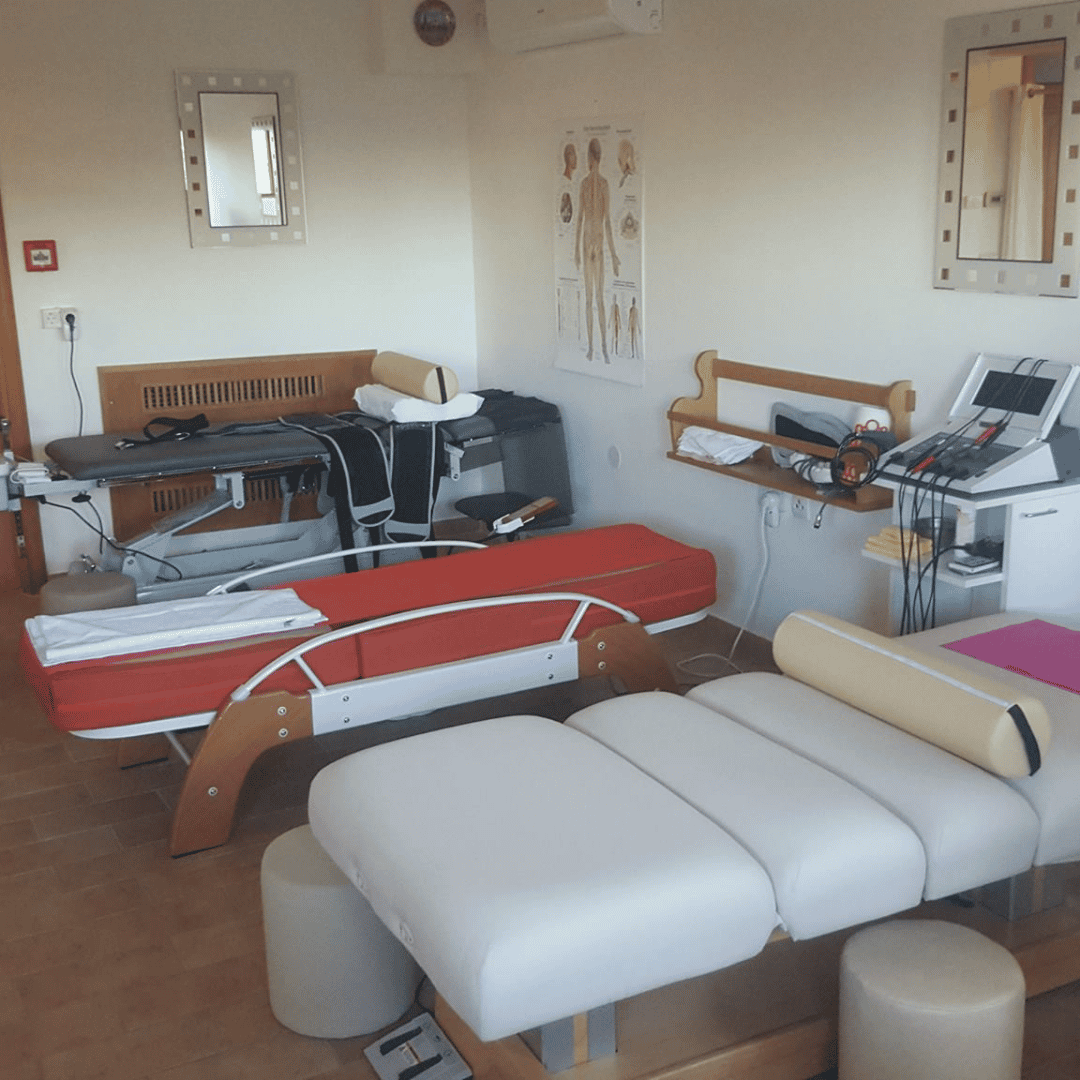
10-Days Life Quality Improvement Program in Murter, Croatia
Polyclinic Markov
- Alternative Medicine
Murter,Croatia
Cosmetic Plastic Surgery Solutions Near You: Explore Top Medical Centers
Discover how Cosmetic Plastic Surgery is transforming lives at leading medical centers in , Croatia. Dive into center profile, specialties, doctors, reviews, etc. and explore the best options tailored to your needs in this region.

Poliklinika Dr. Dzepina
Zagreb,Croatia

Poliklinika Labar
Zadar,Croatia
Dr. Toncic Cosmetic Surgery Clinic
Zagreb,Croatia
Polyclinic Markov
Murter,Croatia
Transformative Cosmetic Plastic Surgery Experiences: Dive into Procedure Insights
Discover the power of Cosmetic Plastic Surgery through compelling patient experiences. Uncover detailed insights into procedures, recovery journeys, and life-changing results.




Explore Cosmetic Plastic Surgery: Stories, Testimonials, and Procedures
Watch in-depth videos covering everything from Cosmetic Plastic Surgery success stories to detailed procedure explanations. Learn what to expect and hear from real patients.

10 Cheapest Countries for Plastic Surgery in the World: Why Pay More When You Can Look Fabulous for Less?
PlacidWay Medical Tourism Services
Croatia


Learn More with These Cosmetic Plastic Surgery Articles
Take a look at these interesting articles, stories and research that will help you learn more about Cosmetic Plastic Surgery.

Search the Best Abdominoplasty Treatment in Zagreb, Croatia
PlacidWay Croatia Medical Tourism
- Cosmetic/Plastic Surgery
Croatia

Rhinoplasty in Zagreb, Croatia, Cost, Clinics, Surgeons
PlacidWay Europe Medical Tourism
- Cosmetic/Plastic Surgery
Croatia

Plastic Surgery in Croatia by Top Cosmetic Surgeons
PlacidWay Croatia Medical Tourism
- Cosmetic/Plastic Surgery
Croatia

Important Tips for Tummy Tuck Surgery in Croatia
PlacidWay Croatia Medical Tourism
- Cosmetic/Plastic Surgery
Croatia








