
Top Clinics Offering Dental Implants in Croatia
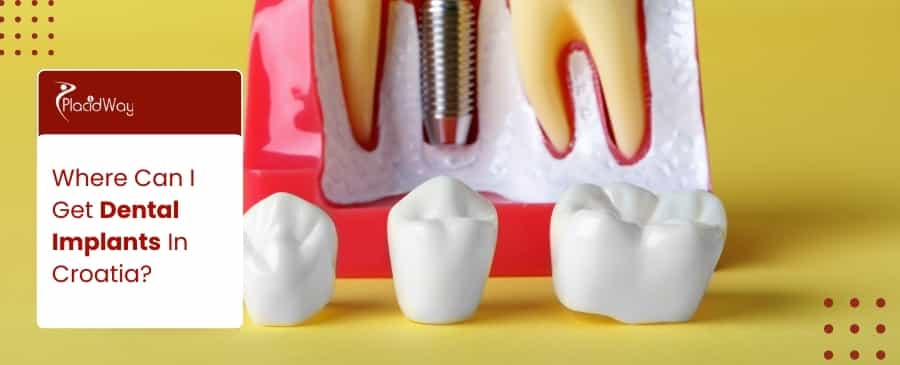
If you are exploring options for restorative dentistry abroad, you might be asking where you can get dental implants in Croatia. Over the last decade, this European nation has developed a robust healthcare infrastructure catering not only to its residents but also to international visitors. Many people who travel for dental care seek out locations that combine skilled professionals with the opportunity to recover in a pleasant environment.
Deciding to travel for an invasive procedure like dental implantation requires thorough research. It involves understanding the timeline, evaluating the risks, planning for multiple trips, and securing local follow-up care in your home country. This guide breaks down the essential details you need to know about pursuing this treatment in Croatia.
Key Takeaways
- Primary destinations for dental care include Zagreb, Split, Rijeka, and Zadar.
- Treatment usually requires at least two separate visits spaced several months apart to allow the jawbone to heal.
- Candidates must have adequate bone density and be free from uncontrolled systemic conditions.
- Establishing a relationship with a local dentist at home is critical for long-term maintenance and managing potential complications.
- Prices vary significantly based on the materials used, the complexity of the case, and individual clinical needs.
What are the most popular cities for dental implants in Croatia?
Zagreb typically serves as the primary center for healthcare in the country. Because it is the capital, it hosts the largest concentration of specialists, diagnostic centers, and well-equipped facilities. Patients often choose Zagreb for its accessibility via the major international airport and year-round availability of services.
Coastal cities such as Split, Rijeka, and Zadar are also common choices, particularly during the warmer months. These locations offer a combination of specialized restorative dental care and the calm environment of the Adriatic coast, which some patients find beneficial during their initial rest period post-surgery. Rijeka, located near the Italian border, has a particularly long history of cross-border dental care.
When deciding on a location, consider the logistics of traveling there multiple times. Since dental implants usually require a minimum of two trips—one for the surgical placement and another for the final crown fitting—choosing a city with direct or easy flight connections from your home country can reduce travel stress and long-term costs.
How much does dental implants cost in Croatia compared to other regions?
When estimating the dental implants cost in Croatia, it helps to understand that international price differences are largely driven by local overhead expenses, differences in living wages, and regional economic factors rather than a compromise in the physical materials. Many clinics in Croatia utilize the same international brands of titanium implants found in US or UK offices.
It is critical to remember that any price you see advertised online is almost always a baseline estimate. Your personal biology dictates the real cost. For instance, if a pre-surgical CBCT scan reveals that your jawbone is too thin, you may require a bone graft or a sinus lift. These additional surgical procedures add significant time and financial expense to the overall treatment.
When reviewing a treatment plan, ask for an itemized breakdown. A transparent estimate should separate the cost of the surgical placement (the titanium root), the abutment (the connector), the final crown, diagnostic imaging, and any temporary prosthetics. Keep in mind that travel, accommodation, and food expenses for multiple trips must also be factored into your total budget.
What types of dental implant procedures are available?
For individuals missing one or two teeth, a standard single-tooth implant is the usual route. This involves placing one titanium post directly into the jawbone to support a single custom crown. If you are missing several teeth in a row, an implant-supported bridge might be suggested. This uses two implants to anchor a bridge of three or four artificial teeth, reducing the need for an implant per tooth.
For those missing all teeth on the upper or lower jaw, full-arch restorations (often known conceptually as All-on-4 or All-on-6) are frequently discussed. This technique uses four to six strategically angled implants to support a full fixed denture. While this option can restore full function and aesthetics, it is an extensive surgery requiring careful patient selection and sufficient bone density.
In complex cases where there is severe bone loss in the upper jaw, some specialized providers may offer zygomatic implants. These are much longer implants anchored into the cheekbone rather than the jawbone. Because this is a highly complex surgery carrying elevated risks of complications, it is only recommended for specific cases and should only be performed by highly experienced maxillofacial surgeons.
How do I choose a suitable dental implant clinic in Croatia?
- Check professional qualifications: Look for specialists trained in oral surgery or prosthodontics rather than just general dentistry. Check if they hold memberships in recognized international dental organizations.
- Ask about diagnostic technology: A modern facility should use 3D CBCT scanning for surgical planning. Placing implants without 3D imaging increases the risk of nerve damage or poor placement.
- Request material transparency: Ask exactly which brand of implants the clinic uses. Opting for major global brands makes it easier to find replacement parts or get adjustments if you need maintenance back in your home country.
- Assess communication: You must fully understand your diagnosis, the risks, and the aftercare instructions. If there is a language barrier that makes you uncomfortable, it may be better to look elsewhere.
- Review the whole treatment plan: Choosing a dental implant clinic in Croatia means looking past marketing materials. Insist on a written plan detailing the timeline, potential complications, and what happens if an implant fails to integrate.
What should I expect during the implant procedure timeline?
The first step involves a comprehensive consultation, including 3D imaging to map out the jawbone, nerves, and sinus cavities. If you require extractions or bone grafting, these may be done prior to or sometimes simultaneously with the implant placement, depending on the clinical assessment.
During the main surgery, the dentist makes an incision in the gum, drills a precise hole into the bone, and inserts the titanium post. After this, a healing cap is usually placed, and the gums are sutured. You will typically be provided with a temporary, removable denture or a temporary bridge for aesthetic purposes during the healing phase.
The most crucial phase follows the surgery: osseointegration. This is the biological process where the jawbone grows into and fuses with the surface of the titanium implant. This integration typically takes between three to six months and is essential for creating a stable foundation. Once the bone has healed, you return for the second trip, where the abutment is attached, impressions are taken, and your final custom crown is secured into place.
| Treatment Phase | Estimated Duration | What Happens |
|---|---|---|
| Phase 1: Diagnostics & Surgery | 3 - 7 days (First Trip) | Scans, extractions (if needed), placing the titanium post. |
| Healing: Osseointegration | 3 - 6 months (At Home) | Bone fuses to the implant. Soft foods and gentle care required. |
| Phase 2: Final Restoration | 5 - 10 days (Second Trip) | Fitting the abutment and securing the permanent custom crowns. |
Are there risks or complications associated with getting implants abroad?
Surgical risks can occur regardless of where in the world the procedure is performed. Potential local complications include infection at the implant site, injury to adjacent teeth or blood vessels, and nerve damage. Nerve damage can result in pain, numbness, or a tingling sensation in your natural teeth, gums, lips, or chin. For implants placed in the upper jaw, there is a risk that the implant could protrude into the sinus cavity.
Medical history plays a massive role in patient safety. Conditions like uncontrolled diabetes, autoimmune diseases, or a history of radiation therapy to the head and neck can impair healing. Smoking drastically reduces the success rate of osseointegration. A responsible dentist will thoroughly review your medical history and may advise against the procedure if the risks outweigh the benefits.
When receiving treatment abroad, the primary added risk is distance. If an infection develops a week after you fly home, you cannot simply drive back to your treating surgeon. You must have a plan in place to manage acute complications locally. Some local dentists may be hesitant to treat complications arising from foreign surgeries, so securing a local provider who is willing to assist before you travel is highly advisable.
How is medical tourism in Croatia regulated for dental care?
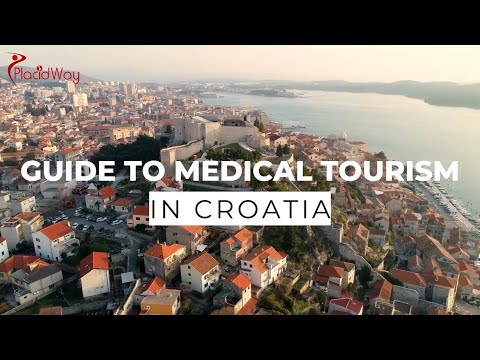
The expansion of medical tourism in Croatia has prompted the country to maintain strict regulatory standards to ensure patient safety and attract international visitors. Dental professionals are required to complete extensive university education followed by practical training, and they must hold a valid license from the Croatian Dental Chamber (Hrvatska komora dentalne medicine).
Clinics operating within the country are subject to regular health and safety inspections. These inspections cover sterilization protocols, radiation safety for X-ray and CBCT machines, and general facility hygiene. Many clinics catering to international patients also voluntarily pursue ISO certifications or accreditations from international medical bodies to demonstrate their commitment to quality.
Despite these regulations, standard of care can vary from clinic to clinic. Patients should exercise due diligence by verifying the specific credentials of their chosen surgeon rather than relying broadly on national regulatory bodies. Asking to see licensing documents and inquiring about the clinic’s complication protocols is a standard and expected part of the consultation process.
What is the typical recovery process after implant surgery?
In the days immediately following the placement of the titanium posts, it is normal to experience some bruising, swelling of the gums and face, and localized pain. Your dentist will typically provide or recommend over-the-counter pain relievers or prescribe stronger medication if necessary. Antibiotics or antimicrobial mouthwashes are often prescribed to prevent infection.
Dietary modifications are crucial during the early stages of recovery. You will need to consume only soft foods—like yogurt, soup, mashed potatoes, and smoothies—for a period of time to avoid putting mechanical stress on the healing surgical site. Chewing hard, crunchy, or sticky foods can disturb the implant before osseointegration is complete, leading to failure.
Maintaining oral hygiene is vital, but it requires care. You will be instructed on how to gently clean your mouth without disrupting the sutures. Vigorous rinsing, spitting, or using a straw can sometimes dislodge blood clots or irritate the wound. Follow your provider's specific post-operative instructions closely to promote safe healing.
How do I manage follow-up care once I return home?
A common misconception is that artificial teeth require no maintenance. However, the gums and bone surrounding the implant are still highly susceptible to disease. Peri-implantitis, a condition similar to gum disease that affects the tissues around an implant, can lead to bone loss and eventual implant failure if left untreated. Regular professional cleanings and check-ups are mandatory.
Before you travel, it is wise to speak with a local dental professional in your home country. Explain your plans and ensure they are willing to take over your routine care and maintenance once the treatment is finished. Bringing home detailed dental records, X-rays, and specific information about the implant brand and dimensions used is crucial for your local dentist.
If your crown needs a minor adjustment, comes loose, or if you experience pain months after the procedure, traveling back abroad may not be feasible. Having a supportive local dentist ensures continuity of care and protects the investment you have made in your dental health.
Why Choose PlacidWay for Medical Tourism in Croatia?
Navigating international healthcare options can be complex. PlacidWay acts as an informational platform designed to help patients research and compare medical and dental facilities around the world.
- Extensive Directory: PlacidWay provides access to a large database of international dental clinics, helping patients view various options in one place.
- Provider Profiles: Patients can review clinic profiles that detail the facility's available treatments, technologies, and specialized services.
- Information Gathering: The platform facilitates initial communication, allowing you to ask questions and request preliminary cost estimates from multiple providers.
- Educational Resources: PlacidWay offers articles, guides, and comparative information regarding different medical tourism destinations.
- Non-Pressuring Environment: Patients are encouraged to use the platform for research and direct consultation without obligation, empowering them to make independent healthcare decisions.
Frequently Asked Questions
Can I get full-mouth dental implants in Croatia?
Yes, many clinics in major Croatian cities offer full-arch restorative options, often referred to as All-on-4 or All-on-6. These procedures involve placing several implants to support a full fixed bridge, though suitability depends entirely on your bone density and overall oral health.
Do Croatian dentists speak English?
English is widely spoken across Croatia, particularly in healthcare settings and tourist centers. Most dentists and clinic staff who regularly work with international patients are fluent in English, which helps facilitate clear communication regarding your treatment plan.
How long do I need to stay in Croatia for the procedure?
A standard implant placement usually requires a stay of 3 to 7 days for the initial surgery. However, traditional implants require a healing period of several months, meaning you will typically need to return to Croatia for a second visit lasting about a week to receive your final crowns.
Are bone grafts performed in Croatian dental clinics?
Yes, bone grafting and sinus lifts are routine pre-implant procedures performed in Croatia. If your jawbone lacks the necessary volume to support an implant, a graft may be recommended. This often extends the overall treatment timeline as the graft needs time to heal.
What materials are commonly used for implants in Croatia?
Most international clinics in Croatia use titanium posts for the implant body due to its biocompatibility and durability. For the crowns, options usually include porcelain-fused-to-metal, full ceramic, or zirconia, depending on your functional needs and aesthetic preferences.
Is it safe to travel after dental implant surgery?
Flying shortly after dental surgery can cause discomfort due to cabin pressure changes, particularly if you have had a sinus lift. Most dentists advise resting for a few days post-surgery before boarding an airplane, but you should always follow your treating dentist's specific travel clearance.
Will my dental insurance cover implants done in Croatia?
Coverage depends entirely on your specific insurance provider and policy. Some insurers offer partial reimbursement for out-of-network international care, while others do not cover cross-border treatments at all. You must check with your insurance company before traveling.
Can smoking affect my eligibility for dental implants?
Yes, smoking significantly increases the risk of implant failure by restricting blood flow and slowing down the healing process. Dentists typically require patients to quit smoking several weeks before and after the surgery to improve the chances of successful osseointegration.
What happens if an implant fails after I leave Croatia?
If an implant fails or you experience severe complications at home, you must seek immediate care from a local dentist or oral surgeon. While some clinics abroad offer warranties on the materials, they rarely cover travel costs for corrective visits, making a local contingency plan crucial.
Do I need a visa to travel to Croatia for dental work?
Citizens of the US, UK, Canada, and many other nations generally do not need a visa for short medical or tourist visits up to 90 days, as Croatia is part of the Schengen Area. However, entry requirements change, so always verify current visa rules with your local embassy before booking travel.
Compare Treatment Options
Explore clinic profiles, request treatment information, and gather the facts you need to make an informed decision regarding your dental care.
Request Treatment InformationReferences
- Medical Tourism: Travel for Medical Care – Centers for Disease Control and Prevention (CDC)
- Implants – American Dental Association (MouthHealthy)
- Dental Implant Surgery: Risks and What You Can Expect – Mayo Clinic
- Global Oral Health Information – FDI World Dental Federation
- Osseointegration: An Update – National Center for Biotechnology Information (NCBI)
- Health and Safety Information for Travelers – Croatian National Tourist Board























Share this listing