
What Types of Therapies Do These Centers Offer?
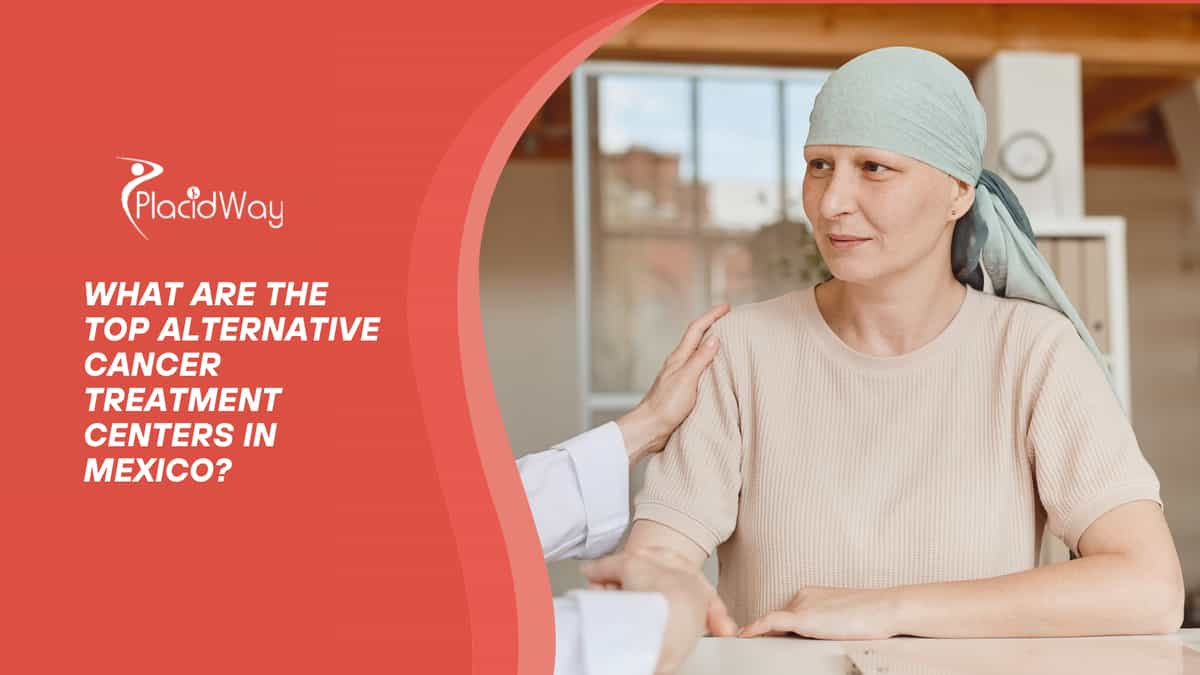
Navigating a cancer diagnosis is incredibly difficult, and many patients find themselves searching for additional options beyond standard conventional care. Alternative cancer treatment centers in Mexico have gained global recognition for their integrative approaches. Medical tourists often travel to destinations like Tijuana and Mexico City to explore therapies that aim to support the body’s immune system while fighting the disease.
When considering alternative cancer treatment in Mexico, it is vital to approach the decision with careful research. While some clinics offer innovative, personalized immunotherapies guided by board-certified oncologists, it's essential to understand that alternative therapies should complement—not completely replace—proven conventional treatments. This guide explores what these centers offer, the associated costs, and critical safety considerations to help you make an informed choice alongside your primary healthcare team.
Key Takeaways: Alternative Cancer Care in Mexico
- Average Pricing: Alternative treatment packages generally cost between $10,000 and $28,000.
- Integrative Approach: Top centers focus on "integrative oncology," combining mainstream medicine with alternative therapies.
- Popular Therapies: Clinics often feature advanced immunotherapies, dendritic cell therapy, hyperthermia, and high-dose Vitamin C.
- Primary Hubs: Tijuana is the primary destination due to its proximity to the US border, followed by facilities in Mexico City.
- No Guarantees: Results vary significantly by patient, and these therapies should not be viewed as a guaranteed cure.
Why Do Patients Seek Alternative Cancer Clinics in Mexico?
For decades, Mexico has been a destination for patients seeking different approaches to cancer care. One major driver is the regulatory environment. Mexican clinics can often adopt and administer emerging therapies—like specific types of autologous cell therapies or metabolic protocols—more rapidly than institutions bound by the lengthy FDA approval processes in the United States.
Furthermore, many patients are drawn to the holistic philosophy of these centers. Rather than focusing solely on attacking the tumor, Mexican alternative cancer treatment centers often emphasize treating the whole person. This includes robust nutritional counseling, detoxification programs, and psychological support aimed at maintaining the patient's quality of life and strengthening their immune system during treatment.
What Types of Therapies Do These Centers Offer?
It's important to understand that reputable clinics rarely offer just one "magic bullet." Instead, they design a multifaceted protocol based on the patient's specific cancer type and medical history. Common therapies include:
- Immunotherapy: Techniques like Dendritic Cell Therapy or Natural Killer (NK) Cell Therapy, which aim to train the patient’s own immune system to recognize and attack cancer cells.
- Hyperthermia: Safely raising the body's temperature locally or systemically to damage cancer cells and make them more sensitive to other treatments.
- Metabolic Therapies: Dietary changes and supplements designed to alter the metabolic environment of cancer cells.
- High-Dose IV Therapy: Administering high concentrations of Vitamin C or other nutrients directly into the bloodstream.
- Low-Dose Chemotherapy (Insulin Potentiation Therapy): Using insulin to potentially increase the absorption of chemotherapy drugs into cancer cells, allowing for lower overall doses and potentially fewer side effects.
How Much Does Alternative Cancer Treatment Cost in Mexico?
Cost is a significant factor for medical tourists. While treatment in Mexico is generally more affordable than out-of-pocket costs in the US, integrative cancer care still requires a substantial financial commitment. [Procedure] cost in [country] varies widely based on whether the program is inpatient or outpatient, the complexity of the immunotherapies used, and the length of stay.
| Treatment Component | Estimated Cost Range (USD) | What It Typically Includes |
|---|---|---|
| Comprehensive Package (3-4 weeks) | $18,995 - $28,000+ | Daily therapies, medical consultations, basic immunotherapies, specialized diet. |
| Advanced Immunotherapy (Per Cycle) | $3,000 - $8,000 | Specific cell therapies like Dendritic or NK cell processing. |
| Diagnostic Imaging (PET/CT) | $800 - $2,500 | Pre- and post-treatment scanning to monitor progress. |
Note: Prices are estimates. Always request a detailed, written quote that clearly outlines what is and isn't included (like specialized medications or extended lodging).
Where Are the Top Cancer Clinics Located in Mexico?
When searching for a [procedure] clinic in [country], location matters significantly for logistics and comfort. Tijuana is unquestionably the epicenter of alternative oncology in North America. Its location right on the US border makes it incredibly convenient for North American patients, many of whom fly into San Diego and cross the border via clinic-arranged shuttles.
Other major cities like Mexico City, Monterrey, and Guadalajara also host advanced medical facilities, including regenerative medicine and stem cell clinics that treat cancer. However, these cities tend to focus more on conventional care with some integrative options, whereas Tijuana is famous for clinics completely dedicated to alternative and holistic cancer protocols.
Are Alternative Cancer Treatments in Mexico Safe?
The question of safety is paramount. The most reputable alternative cancer treatment centers in Mexico practice "integrative oncology." This means they do not reject standard medicine; instead, they use alternative therapies to reduce the side effects of conventional treatments and improve overall vitality. They are staffed by licensed physicians, often cross-trained in allopathic and naturopathic medicine.
Important Consideration
Patients must be wary of clinics that promise a "cure" or pressure them to abandon conventional treatments like surgery or targeted radiation entirely. Delaying standard, proven medical care in favor of unverified alternative treatments can allow cancer to progress unchecked, which is a serious medical risk.
Who is a Good Candidate for Treatment in Mexico?
Not every patient is suited for medical tourism. The ideal candidate is someone who has thoroughly discussed their options with their home oncologist and is looking for integrative ways to support their immune system. Many patients who travel to Mexico are dealing with advanced-stage cancers and are seeking ways to improve their quality of life or looking for therapies when standard treatments have stopped working.
However, patients who are medically unstable, those experiencing acute medical emergencies, or those who cannot withstand the rigors of international travel are generally not good candidates. Every reputable clinic in Mexico will require a recent medical history, pathology reports, and imaging (like PET or CT scans) to assess eligibility before accepting a patient.
What Should I Expect During My Stay at a Mexican Clinic?
Unlike standard outpatient visits in the US, many alternative cancer programs in Mexico are immersive. Clinics may offer inpatient accommodations or partner with local hotels. A typical day might include a specialized breakfast, followed by a schedule of IV infusions, hyperthermia sessions, or consultations with nutritionists and psychologists.
These clinics often strive for a holistic, welcoming atmosphere rather than a sterile hospital environment. Because you will be away from home for an extended period, it is highly recommended to travel with a companion or caregiver for emotional and physical support.
How Do I Follow Up After Returning Home?
Your treatment does not end when you leave Mexico. The intensive in-clinic phase is usually just the beginning of a broader health protocol. Most clinics provide a comprehensive "home care program" that includes specific dietary guidelines, oral supplements, and sometimes medications to continue the metabolic and immune support.
It is vital that you do not sever ties with your local healthcare team. You will need a local doctor or oncologist to monitor your progress, order necessary blood work or imaging scans, and manage any complications that might arise. Be transparent with your local doctors about the therapies you received abroad.
How Can PlacidWay Help You Navigate Medical Tourism?
Arranging medical care internationally can be overwhelming, especially when managing a serious health condition. PlacidWay Medical Tourism acts as a resource to help patients research their options globally. Here are a few ways they assist:
- Extensive Network: PlacidWay provides access to a directory of integrative oncology centers and specialists in Mexico.
- Information Gathering: They help you collect details about different treatment philosophies and facility capabilities.
- Cost Transparency: The platform allows you to compare estimated pricing structures and comprehensive package details across different clinics.
- Facilitating Contact: They streamline the process of initiating communication between you and the international medical providers.
- Educational Resources: PlacidWay offers articles, patient stories, and videos to help you understand what medical tourism in Mexico entails.
Frequently Asked Questions (FAQs)
What is the average cost of alternative cancer treatment in Mexico?
Alternative cancer treatment packages in Mexico generally average around $14,050, though costs can range from $10,000 to over $28,000 depending on the clinic, the therapies included, and the duration of the program. This often represents a significant savings compared to complex treatments in the US or Canada.
Why do patients travel to Tijuana for alternative cancer therapies?
Tijuana is a global hub for integrative oncology because of its proximity to the US border (just south of San Diego), lower operational costs, and access to medical protocols—like specific immunotherapies and high-dose IV treatments—that may not be fully approved or widely accessible in the US.
Are alternative cancer treatments in Mexico safe?
Safety varies widely by clinic and protocol. While top clinics are staffed by board-certified oncologists and focus on integrative care (combining conventional and alternative methods safely), some experimental treatments carry significant risks. Patients must thoroughly vet clinics and consult their primary oncologist before traveling.
What types of alternative therapies are offered at Mexican clinics?
Clinics in Mexico frequently offer integrative therapies such as high-dose intravenous Vitamin C, hyperthermia, ozone therapy, dendritic cell therapy, personalized immunotherapies, and various metabolic or nutritional detox protocols, often used alongside conventional treatments like low-dose chemotherapy.
Do I need a passport to travel to Mexico for cancer treatment?
Yes, international patients, including citizens of the US and Canada, require a valid passport to enter Mexico and to re-enter their home country. Some clinics in border towns like Tijuana offer fast-pass medical lanes to expedite border crossing.
Can I replace my conventional cancer treatment with alternative methods in Mexico?
Medical experts strongly advise against completely replacing conventional treatments (like surgery, radiation, or standard chemotherapy) with unproven alternative methods, as this can allow the disease to progress. Many leading Mexican clinics advocate for 'integrative oncology,' which uses alternative therapies to support, rather than replace, conventional care.
How long do I need to stay in Mexico for an alternative cancer treatment program?
The length of stay varies depending on the specific protocol. Some programs require a commitment of 2 to 4 weeks of intensive daily therapies at the clinic, followed by a customized at-home protocol that patients continue once they return.
Will my US or Canadian health insurance cover cancer treatment in Mexico?
Generally, standard US and Canadian health insurance policies do not cover alternative cancer treatments in Mexico. Patients almost always pay entirely out-of-pocket, though some may use medical financing or health savings accounts (HSAs) if applicable.
How do I evaluate the credentials of a cancer clinic in Mexico?
To evaluate a clinic, check if their doctors are board-certified in oncology or internal medicine in Mexico (e.g., by the Mexican Council of Oncology). Look for clinics transparent about their success rates, patient reviews, and those that require comprehensive medical records before accepting you as a patient.
What should I do if I experience complications after returning home from Mexico?
Before traveling, it is crucial to establish a care plan with your local primary care physician or oncologist. If complications arise after returning home, seek immediate medical attention from a local hospital or specialist, and provide them with detailed records of the treatments you received in Mexico.
Explore Your Integrative Cancer Care Options
Gather the information you need to make an informed decision about your healthcare journey. Compare facilities and learn more about treatment possibilities in Mexico.
Request Treatment InformationDisclaimer: The information provided in this article is for educational purposes only and does not constitute medical advice. Alternative and complementary cancer treatments vary in their efficacy and safety. Always consult with a qualified, board-certified oncologist or your primary healthcare provider before making any decisions regarding cancer treatment, altering your current treatment plan, or traveling abroad for medical care.
References
- Complementary and Alternative Medicine (CAM) - National Cancer Institute
- Complementary and Integrative Medicine - American Cancer Society
- Medical Tourism: Travel to Another Country for Medical Care - Centers for Disease Control and Prevention (CDC)
- Society for Integrative Oncology (SIO)
- Your Health Abroad - U.S. Department of State
























Share this listing