


Understanding Smile Makeover Safety in Mexico
Embarking on a journey for a smile makeover can be an exciting prospect, especially when considering options that offer both quality and affordability. Mexico has emerged as a prominent destination for dental tourism, attracting thousands of individuals from the United States and Canada seeking various dental procedures, including comprehensive smile makeovers.
The allure of lower costs combined with often shorter waiting times makes it an appealing choice for many looking to enhance their oral aesthetics and health. However, a common and crucial question that arises for prospective patients is, "Is it truly safe to get a smile makeover in Mexico?"
The simple answer is that with proper due diligence and careful selection of a dental provider, a smile makeover in Mexico can be a very safe and rewarding experience. Just like choosing any healthcare provider, whether domestically or internationally, the key lies in verifying credentials, understanding the clinic's practices, and reading patient testimonials.
Mexico boasts numerous state-of-the-art dental facilities staffed by highly trained and experienced professionals, many of whom have received education and certifications from prestigious institutions in the U.S. and other developed countries. By focusing on accredited clinics and transparent communication, patients can confidently pursue their dream smile while prioritizing their safety and well-being.
What makes dental care in Mexico more affordable?
The significant cost savings associated with dental procedures in Mexico are a major draw for patients from countries like the U.S. and Canada, where dental work can be prohibitively expensive. Several factors contribute to this affordability.
Firstly, the cost of living and labor in Mexico is considerably lower than in many developed nations. This means that dentists' salaries, staff wages, and even administrative expenses are reduced, directly impacting the final price of services. Secondly, real estate and operational overheads, such as clinic rent, utilities, and malpractice insurance, are substantially less expensive in Mexico.
These lower fixed costs allow dental clinics to pass on savings to their patients. Additionally, the regulatory environment and material costs can sometimes be more favorable, further contributing to the overall reduction in prices. It's important to understand that lower prices do not necessarily equate to lower quality; rather, they reflect a different economic structure. Many Mexican dental clinics invest in modern equipment and high-quality materials, ensuring patients receive excellent care without the hefty price tag.
How do I choose a reputable dental clinic in Mexico?
Selecting the right dental clinic is paramount for a safe and successful smile makeover experience in Mexico. Start by looking for clinics that hold international accreditations from recognized organizations, such as the American Dental Association (ADA) or the Joint Commission International (JCI), though local Mexican accreditations like the Consejo Mexicano de Odontología (CMO) are also important indicators of quality.
These accreditations signify adherence to high standards of patient care, safety protocols, and professional ethics. Next, delve into patient reviews and testimonials on independent platforms. Look for consistent positive feedback regarding the dentist's expertise, staff professionalism, cleanliness of the facility, and overall patient experience.
Websites specializing in medical tourism often feature verified reviews that can provide valuable insights. It is also wise to inquire about the clinic's technology and equipment; modern clinics often utilize advanced imaging (like 3D CT scans) and treatment tools, which contribute to more accurate diagnoses and effective procedures. Finally, clear and transparent communication about treatment plans, costs, and potential risks before you even travel is a hallmark of a trustworthy clinic.
What qualifications should Mexican dentists have?
When considering a smile makeover, the qualifications of your dentist are crucial. A qualified Mexican dentist should have a Doctor of Dental Surgery (DDS) or Doctor of Dental Medicine (DMD) degree from an accredited university. Many leading dental professionals in Mexico have pursued postgraduate education, specialty training, or even earned degrees from institutions in the U.S., Europe, or Canada.
These additional qualifications demonstrate a commitment to advanced learning and specialized skills. It's also essential that the dentist is licensed to practice dentistry in Mexico. You can often verify their registration with local dental associations or government health bodies.
For procedures like smile makeovers, which can involve complex treatments like veneers, crowns, implants, or orthodontics, look for dentists who specialize in cosmetic dentistry, prosthodontics, or oral surgery.
Membership in professional organizations, both national and international, indicates a dedication to staying current with the latest techniques and best practices in the field. Don't hesitate to ask for their CV or information about their educational background and professional experience.
What are the common procedures in a smile makeover?
A smile makeover is a comprehensive approach to improving the aesthetics of your smile, tailored to your individual needs and desires. It typically involves a combination of cosmetic and restorative dental procedures designed to correct various dental imperfections. Common components of a smile makeover include:
- Teeth Whitening: To brighten discolored teeth.
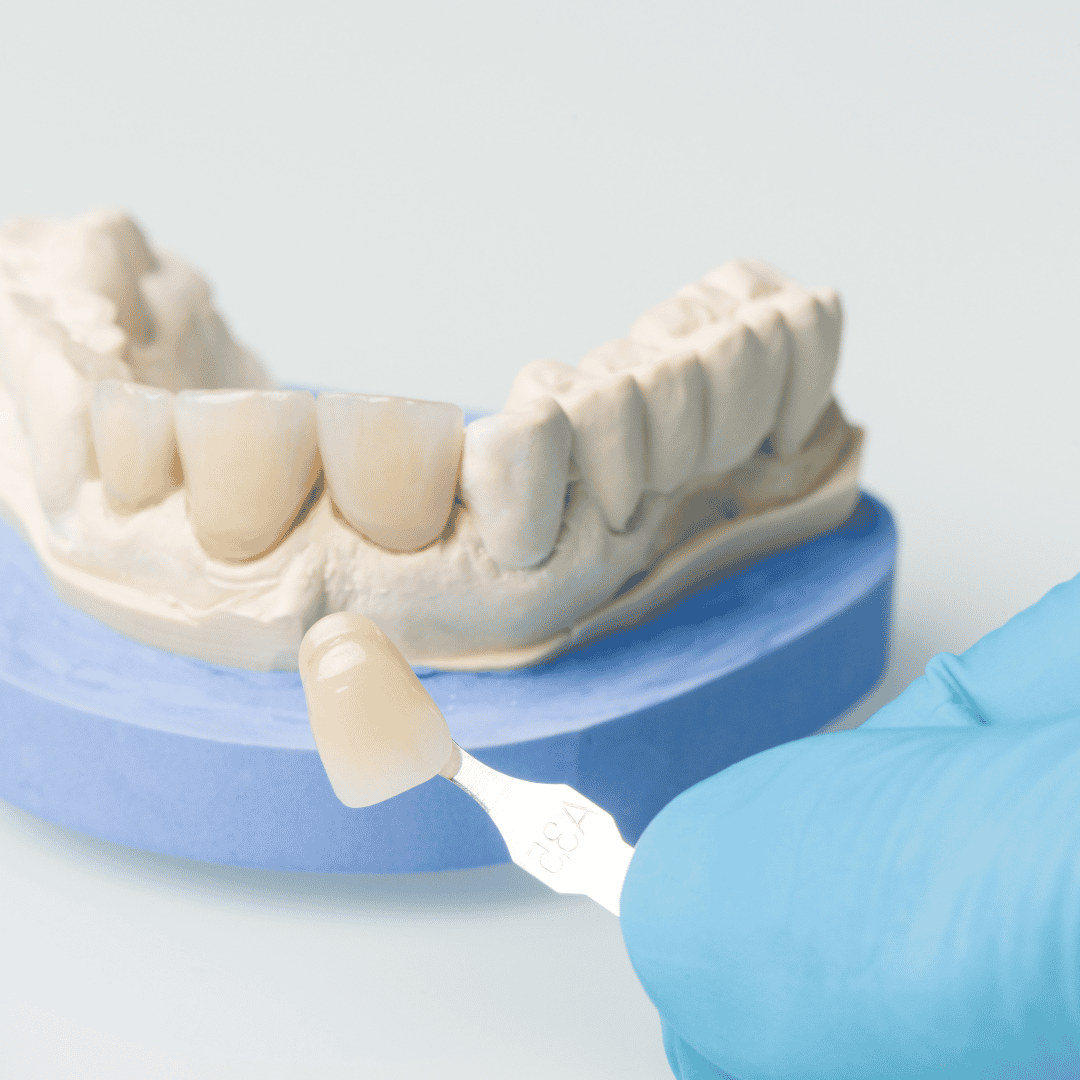
- Porcelain Veneers: Thin, custom-made shells bonded to the front surface of teeth to improve color, shape, size, or length.
- Dental Crowns: Caps placed over damaged or discolored teeth to restore their shape, size, strength, and appearance.
- Dental Implants: Artificial tooth roots surgically placed into the jawbone to support replacement teeth, ideal for missing teeth.
- Gum Contouring: Reshaping the gum line to address issues like a "gummy smile."
- Orthodontics: Such as clear aligners or traditional braces, to correct misaligned teeth. The specific procedures included in your smile makeover will depend on your initial consultation and desired outcome.
A skilled cosmetic dentist will assess your oral health, discuss your aesthetic goals, and create a personalized treatment plan that may combine several of these techniques to achieve your perfect smile.
Are there risks associated with dental tourism in Mexico?
While many dental tourism experiences in Mexico are positive, it's important to be aware of potential risks. One significant concern can be communication barriers if the dental team does not speak fluent English. Misunderstandings about treatment plans, aftercare instructions, or patient concerns can lead to complications.
Therefore, choosing a clinic with English-speaking staff or readily available interpreters is advisable. Another risk involves the continuity of care. Once you return home, follow-up appointments or addressing unforeseen complications can be challenging.
It's crucial to have a clear understanding with your Mexican dentist about their policy on post-treatment support and to consider how you would handle any issues from afar. Lastly, as with any medical service, there's always a risk of encountering a sub-standard clinic that might compromise on hygiene, materials, or dentist qualifications.
This risk is greatly minimized by thorough research, checking accreditations, and reading reviews from other medical tourists. Planning for your travel safety and understanding local customs also plays a role in a smooth experience.
How does Mexico ensure dental hygiene and safety standards?
Mexico has national regulations and professional bodies that oversee dental practices to ensure a certain level of hygiene and safety. Reputable dental clinics, particularly those catering to international patients, often go above and beyond these minimum requirements by adopting strict sterilization and infection control protocols that align with or even exceed U.S. and European standards.
This includes using autoclaves for sterilizing instruments, disposable barriers, and strict waste disposal procedures. Many clinics are also equipped with modern dental technology, which not only enhances the precision of treatments but also contributes to patient safety. For instance, digital X-rays reduce radiation exposure, and advanced diagnostic tools allow for more accurate treatment planning, minimizing risks.
It's always a good practice for patients to inquire about the clinic's sterilization procedures and observe the cleanliness of the facility during their visit. Accreditation by international organizations further solidifies a clinic's commitment to maintaining high levels of hygiene and patient safety, providing an extra layer of reassurance for medical tourists.
Can I combine a smile makeover with other medical procedures in Mexico?
Mexico is a well-established hub for various types of medical tourism, and it's common for individuals to seek multiple procedures during a single trip. Combining a smile makeover with other medical procedures, such as cosmetic surgery, eye surgery, or even certain elective surgeries, is a viable option for many.
This can be particularly appealing for those looking to maximize their travel investment and recovery time. However, careful planning and coordination are paramount. You'll need to ensure that the timing of procedures does not conflict and that one recovery does not negatively impact the other.
For instance, extensive dental work might require local anesthesia or sedation, which could interact with other medications or recovery processes. It's crucial to openly communicate your full medical history and all planned procedures to each specialist involved.
Reputable medical tourism facilitators or larger medical centers in Mexico are often adept at coordinating multi-specialty care, ensuring that all aspects of your health and safety are managed effectively across different treatments. This approach leverages Mexico's comprehensive medical infrastructure for a holistic wellness trip.
What should I consider for aftercare and follow-up?
Effective aftercare and follow-up are critical for the long-term success and safety of your smile makeover. Before leaving Mexico, ensure you have a comprehensive understanding of all post-procedure instructions. This includes guidance on oral hygiene, dietary restrictions, medication schedules, and what symptoms might warrant concern.
Ask for these instructions in writing, ideally in English, and clarify any doubts. It's also important to establish a communication plan with your Mexican dental clinic. Know how you can reach them for questions or concerns once you've returned home, whether through email, phone, or a dedicated patient portal.
Many international clinics offer virtual consultations for follow-up questions. Additionally, plan to visit your local dentist for a check-up shortly after your return. Inform them about the procedures you've had done and provide any records from your Mexican dentist. This proactive approach ensures that any potential issues can be identified and addressed promptly, maintaining the integrity and health of your new smile.
Is Mexico a safe country for medical tourists in general?
Mexico has developed a robust medical tourism infrastructure, particularly in border cities and popular tourist destinations, specifically catering to international patients. In these areas, medical facilities, including dental clinics, often operate at a very high standard, attracting highly skilled professionals and investing in advanced technology.
The safety of medical tourists is a priority for these regions, as their economies benefit significantly from this sector. However, like any country, Mexico has areas that are safer than others. It is always advisable to stick to well-known medical tourism destinations and avoid traveling to regions with higher crime rates.
Researching the specific city or area where your clinic is located is just as important as researching the clinic itself. Utilizing reliable transportation, staying in reputable accommodations, and being aware of your surroundings are standard travel safety practices that apply to medical tourism as well. When these precautions are taken, the vast majority of medical tourists experience safe and positive outcomes in Mexico.
What are the general guidelines for managing pain after a smile makeover?
Managing pain effectively after a smile makeover is crucial for a comfortable recovery and can significantly impact your overall experience. The level of discomfort can vary depending on the specific procedures performed, but most pain is manageable with appropriate care.
Your Mexican dentist will provide detailed instructions and likely prescribe or recommend pain medication. Typically, non-steroidal anti-inflammatory drugs (NSAIDs) such as ibuprofen are effective for mild to moderate pain and swelling. For more extensive procedures, a stronger prescription pain reliever might be provided for the initial days.
Applying a cold compress to the outside of your cheek can help reduce swelling and numb the area. It is vital to strictly follow your dentist's dietary recommendations, often involving soft foods initially, and avoid hot or spicy foods that could irritate the treated areas.
Maintaining excellent oral hygiene, as instructed, is also important to prevent infection and promote healing, thereby reducing potential discomfort. Do not hesitate to contact your clinic if you experience severe or persistent pain that does not respond to medication.
How do I ensure a smooth travel experience for my dental trip to Mexico?
A well-planned travel itinerary contributes significantly to a stress-free dental tourism experience. Start by ensuring your passport is valid and checking if you need a visa for entry into Mexico, although many nationalities can enter as tourists without a visa for short stays.
It's advisable to purchase travel insurance that includes medical coverage for emergencies, just in case. Book your flights and accommodation in advance, preferably near your dental clinic or in a safe, convenient area. Many clinics offer assistance with transportation from the airport or recommend trusted local services.
Familiarize yourself with the local currency (Mexican Peso) and consider having some cash on hand, though credit cards are widely accepted. Learn a few basic Spanish phrases, or ensure your clinic provides English-speaking staff.
Keep copies of all important documents, including your treatment plan and clinic contact information, readily accessible. By taking these proactive steps, you can focus on your smile makeover with peace of mind. For comprehensive solutions related to medical tourism and healthcare services, explore PlacidWay.




-(1).png)
.png)
.png)
.png)
.png)
.png)
.png)
.png)










Share this listing