


Average Cost of Partial Dentures in Mexico
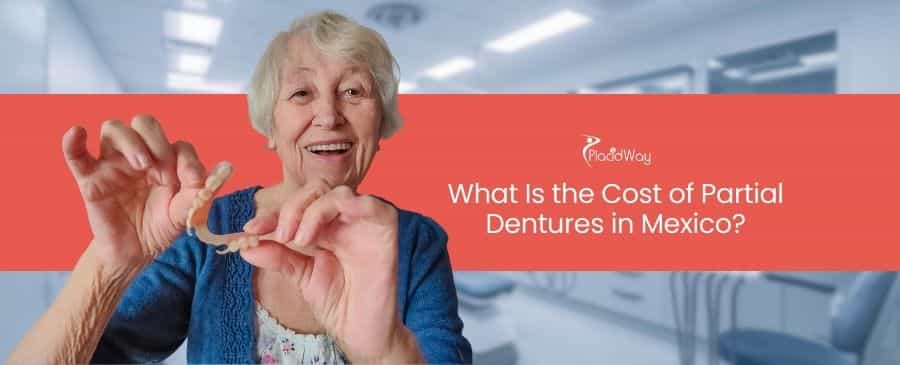
Considering partial dentures in Mexico? You're likely looking for an affordable yet high-quality solution to restore your smile and chewing function. It's a smart move, as Mexico has become a leading destination for dental tourism, particularly for procedures like partial dentures, due to its competitive pricing without compromising on professional standards.
The primary appeal of getting partial dentures in Mexico is the substantial cost savings compared to prices in the United States or Canada. Patients can often find the same quality of materials and expertise for a fraction of the price, making dental care more accessible. This comprehensive guide will break down the costs, types, and everything you need to know about getting partial dentures south of the border, helping you make an informed decision for your oral health.
What is the average cost of partial dentures in Mexico?
The price of partial dentures in Mexico is one of its biggest draws for international patients. While prices can fluctuate, a general range to expect is between $300 and $1,000 USD per arch. This is considerably lower than the costs in the United States, where the same procedure can range from $1,000 to $3,000 or more per arch, often reaching upwards of $5,000 for premium options.
This wide range in Mexico accounts for different types of materials, from acrylic and flexible resin to metal-framework partials (cast metal). A simple acrylic flipper might be on the lower end, while a custom-made cast metal partial denture, known for its durability and precise fit, would be at the higher end of this spectrum. Additional procedures like extractions or pre-denture examinations could also influence the total expenditure.
Why are partial dentures more affordable in Mexico?
Several economic factors contribute to the significantly lower cost of partial dentures and other dental procedures in Mexico. One of the main reasons is the lower cost of living and operating expenses within the country. Dentists in Mexico face lower overheads, including rent, utilities, and staff salaries, compared to their counterparts in higher-income nations like the United States or Canada.
Furthermore, the cost of dental education and professional liability insurance is considerably less in Mexico. While Mexican dental schools maintain high standards, the overall tuition fees are lower, which translates to less debt for new dentists and, consequently, lower service charges for patients. This economic advantage allows Mexican clinics to offer highly competitive pricing while maintaining quality care and using modern dental technologies.
What types of partial dentures are available in Mexico?
Just like in other countries, Mexican dental clinics provide a range of partial denture options to suit different needs and budgets. Understanding the types available can help you choose the best fit for your situation:
- Acrylic (Flipper) Partial Dentures: These are often the most economical option. Made entirely of acrylic, they are bulkier and less durable but serve as a good temporary solution or for short-term use.
- Flexible Partial Dentures: Brands like Valplast are popular for their flexibility and comfort. Made from a thermoplastic material, they blend naturally with your gums and don't require metal clasps, making them aesthetically pleasing. They are often more comfortable and less prone to breakage than acrylic dentures.
- Cast Metal (Chrome Cobalt) Partial Dentures: These are considered the most durable and highest quality partial dentures. They feature a lightweight metal framework that provides superior strength, stability, and a precise fit. The metal framework is covered with acrylic to simulate gums and teeth, offering excellent chewing efficiency and longevity.
Each type has its own advantages and disadvantages in terms of cost, comfort, aesthetics, and durability. Your dentist in Mexico will help you decide which option is most appropriate based on your oral health, missing teeth, and budget.
What factors affect the price of partial dentures in Mexico?
While affordability is a hallmark of Mexican dental care, several factors can cause the price of partial dentures to vary. Being aware of these can help you better understand your potential overall cost:
Key factors include:
- Material Used: As discussed, acrylic is typically the cheapest, flexible options are mid-range, and cast metal frameworks are the most expensive due to their durability and precision.
- Number of Missing Teeth: A partial denture replacing only one or two teeth might cost less than one designed for multiple missing teeth across an arch.
- Clinic Location: Dental clinics in border towns popular with American tourists (e.g., Tijuana, Nogales) or major cities might have slightly higher prices due to demand and overhead, though still significantly lower than US/Canadian prices.
- Dentist's Experience and Reputation: Highly experienced dentists or clinics with state-of-the-art technology might charge a bit more, reflecting their expertise and investment in equipment.
- Additional Procedures: If you need extractions, gum treatments, or other preliminary dental work before the dentures can be fitted, these costs will add to the total.
- Lab Fees: The quality of the dental lab used to fabricate the dentures can also play a role in the final price.
It’s important to get a detailed quote from your chosen clinic that outlines all costs involved.
How long does the process for partial dentures take in Mexico?
The timeline for getting partial dentures in Mexico is often surprisingly efficient, designed to accommodate international patients who may have limited time. Generally, the process involves a few key appointments:
- Initial Consultation and Impressions: During your first visit, the dentist will examine your mouth, take X-rays, discuss your options, and take precise impressions of your mouth. This might also be when any necessary extractions are performed.
- Try-in Appointment(s): A few days later, you'll return for a "wax try-in" of your partial denture. This allows the dentist to check the fit, bite, and aesthetics, and make any necessary adjustments before the final denture is fabricated. Sometimes, multiple try-ins are needed.
- Final Fitting: Once the partial denture is complete, you'll have your final fitting. The dentist will ensure it fits comfortably, makes any last adjustments, and provides instructions on care and maintenance.
For most straightforward cases, the entire process can be completed within 3 to 5 business days if all preliminary work is done. If extractions or significant healing time is required, it might extend to 7-10 days or even require a second, shorter trip a few weeks later.
Are Mexican dental clinics reputable for partial dentures?
The reputation of Mexican dental clinics has grown significantly over the years, particularly in popular medical tourism destinations. It's a common misconception that lower prices equate to lower quality. In reality, many Mexican dentists are highly trained, often having received education in the US, Europe, or at top Mexican universities. They use modern technology and adhere to strict sterilization protocols, comparable to practices in the US or Canada.
Many clinics cater specifically to international patients, with English-speaking staff, advanced equipment, and comfortable facilities. The key is to research and choose a reputable clinic rather than simply going for the cheapest option. Look for clinics with positive patient reviews, clear certifications, and transparent communication about their procedures and materials.
What should I look for when choosing a dental clinic in Mexico?
Choosing the right dental clinic is crucial for a successful experience, especially when traveling for treatment. Here's what to consider:
- Dentist's Credentials and Experience: Look for dentists with clear qualifications, specializations (if applicable), and significant experience with partial dentures. Many clinics proudly display their dentists' backgrounds.
- Patient Reviews and Testimonials: Online reviews on Google, Facebook, or medical tourism platforms can provide valuable insights into other patients' experiences.
- Clinic Accreditation and Hygiene: Inquire about sterilization practices and any local or international accreditations the clinic might hold. A clean, organized clinic is a good sign.
- Technology and Equipment: Modern dental technology, such as digital X-rays and 3D imaging, indicates a clinic that invests in quality care.
- Communication: Ensure the staff, especially your dentist, speaks English well enough to communicate your needs and understand the treatment plan.
- Transparent Pricing: The clinic should provide a clear, detailed cost estimate upfront, with no hidden fees.
- Location and Logistics: Consider accessibility, especially if you're traveling from abroad. Clinics near the border or international airports are often more convenient.
Can I use my US or Canadian dental insurance for treatment in Mexico?
The question of insurance coverage for dental work in Mexico is common among patients. While many Mexican clinics do not directly accept US or Canadian insurance, some PPO (Preferred Provider Organization) plans may offer reimbursement for out-of-network care. HMO plans, on the other hand, typically do not cover international treatment.
It is absolutely vital to contact your insurance provider before you travel. Ask specific questions about:
- Whether they cover international dental procedures.
- The process for submitting claims for out-of-network care.
- What documentation (itemized bills, X-rays, treatment notes) is required for reimbursement.
- Any pre-authorization requirements for major procedures like partial dentures.
Even if your insurance provides some coverage, the significant cost savings in Mexico often mean that the out-of-pocket expense is still considerably less than the full cost of the same procedure in your home country, even without insurance reimbursement.
What are the advantages of dental tourism for partial dentures in Mexico?
Dental tourism to Mexico has surged in popularity, and for good reasons. For those seeking partial dentures, the benefits extend beyond just the price tag:
- Substantial Cost Savings: This is the primary driver, allowing patients to get necessary dental work that might be otherwise unaffordable.
- High-Quality Care: Many Mexican dental clinics boast modern facilities, advanced technology, and highly skilled dentists, some with international training.
- Accessibility and Convenience: For many US residents, Mexican border towns are just a short drive away. Major cities also have international airports, making travel straightforward.
- Reduced Waiting Times: Unlike some healthcare systems with long waiting lists, appointments in Mexico can often be scheduled quickly, allowing for prompt treatment.
- Opportunity for a Vacation: Patients can combine their dental visit with a pleasant trip, exploring Mexico's rich culture, cuisine, and attractions.
These combined factors make Mexico a compelling choice for anyone considering partial dentures, offering a holistic solution to dental needs.
What are the potential challenges of getting dental work in Mexico?
While the benefits are numerous, it's also important to be aware of potential challenges associated with dental tourism to Mexico. Being prepared can help mitigate these issues:
- Language Barrier: While many clinics catering to international patients have English-speaking staff, communication outside the clinic might be challenging if you don't speak Spanish.
- Travel Logistics: Planning travel, accommodation, and local transportation requires some organization. Understanding border crossing procedures (if driving) is also essential.
- Vetting Clinics: Thorough research is crucial to distinguish reputable clinics from less professional ones. Don't base your decision solely on price.
- Follow-up Care: If complications arise after returning home, follow-up care can be more complex to manage remotely. Discuss emergency protocols with your Mexican dentist before you leave.
- Quality Concerns: Though many clinics are excellent, like anywhere, there can be varying standards. Due diligence in selecting your clinic is paramount.
By carefully planning and choosing a trusted clinic, most of these challenges can be effectively managed, ensuring a positive dental experience.
Ready to explore your options for partial dentures in Mexico or other international dental solutions? Connect with PlacidWay today to discover reputable clinics, compare prices, and plan your dental journey with confidence.
















Share this listing