


All-inclusive Rotator Cuff Surgery Packages in Istanbul, Turkey.
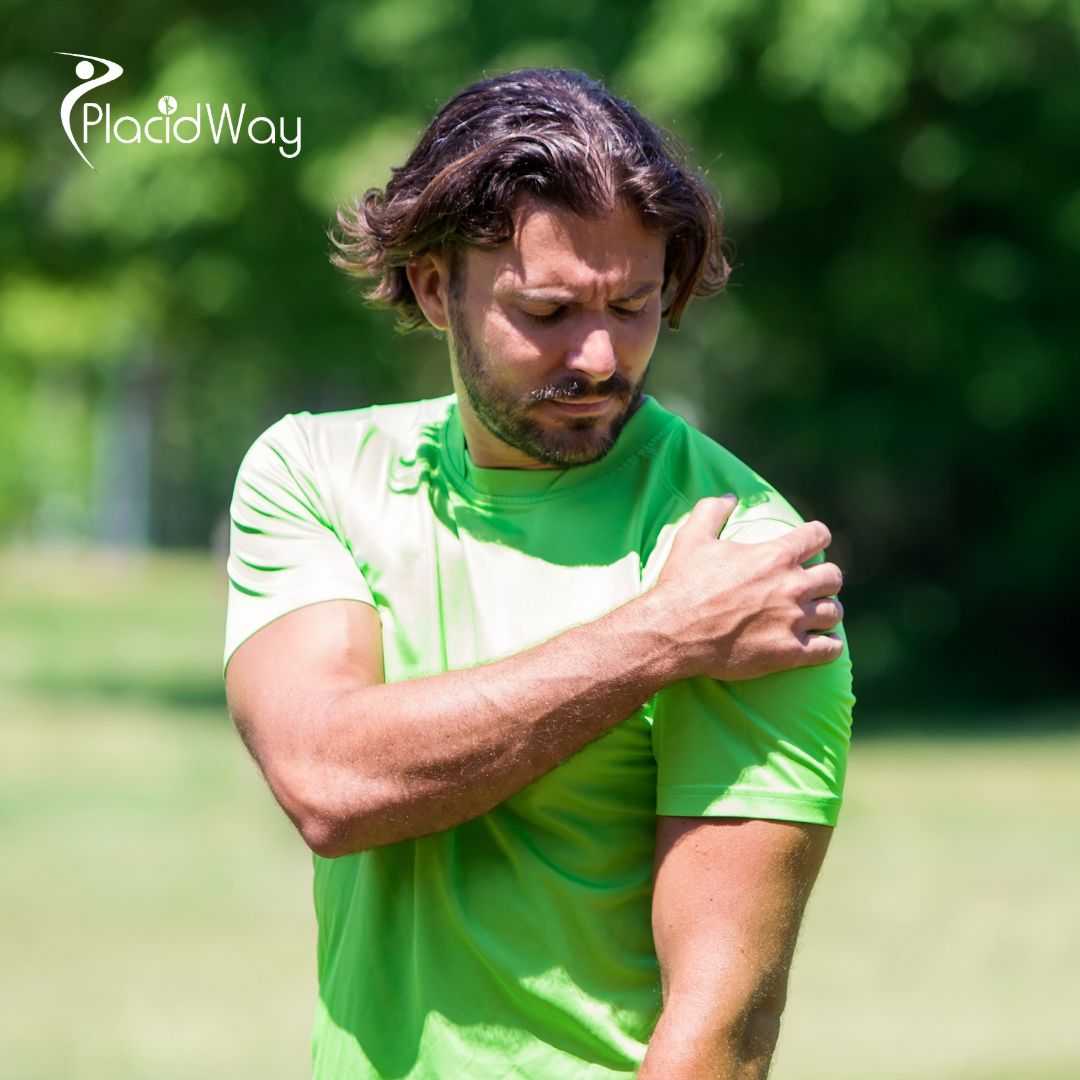
Dealing with a severe shoulder injury can be frustrating, especially when chronic pain and limited mobility interfere with your daily life. When physical therapy and corticosteroid injections no longer provide relief, a surgical repair may be recommended to reattach the torn tendon to the head of the humerus. In recent years, international patients have increasingly looked abroad to manage the costs and logistics of this orthopedic procedure.
If you are exploring your options, you will find that a structured medical package can simplify the process of undergoing treatment in a foreign country. By bundling the essential medical and logistical services together, these packages aim to reduce the stress of organizing multiple appointments and payments. Let us look closer at what these packages entail, how they function, and what you need to know to make an informed healthcare decision.
Key Takeaways
- Comprehensive packages usually cover the surgery, hospital admission, post-operative medications, and local transportation.
- Minimally invasive arthroscopic repair is the most common technique used, though open surgery is sometimes necessary.
- While treatment costs are generally more affordable than in North America, extensive long-term physical therapy in your home country will still be required.
- Patients must account for post-surgical travel restrictions and the need for medical clearance before flying.
- Individual results, recovery timelines, and suitability for surgery depend heavily on the severity of the tear and your overall health.
What is typically included in a rotator cuff surgery package in Istanbul?
When reviewing potential treatment options, it helps to look closely at the itemized inclusions. Most facilities structure their offerings to ensure patients do not face unexpected medical fees during their time at the hospital. This usually covers standard pre-surgical blood work, an ECG, chest X-rays, and consultations with the orthopedic surgeon and anesthesiologist.
During the inpatient phase, the package typically covers one or two nights in a private hospital room, nursing care, meals for the patient, and initial pain management medications. Once discharged, many packages also provide a dedicated patient coordinator who arranges transport between your hotel and the clinic for follow-up appointments and wound dressing changes.
However, it is equally important to understand what is not included. International airfare, long-term hotel accommodations, tourist activities, and the extensive physical therapy you will require once you return home are almost never part of the upfront package price. You must budget for these separate expenses independently.
How much does rotator cuff surgery cost in Istanbul Turkey?
Pricing for orthopedic procedures can fluctuate depending on individual medical requirements. A simple, small tear that can be quickly repaired using arthroscopy will fall on the lower end of the cost spectrum. Conversely, massive or retracted tears that require complex grafting, a mini-open technique, or multiple suture anchors will increase the overall price due to longer operating times and more expensive surgical materials.
Patients often compare these estimates to out-of-pocket costs in countries like the United States or the United Kingdom, where the same procedure can easily exceed $15,000 to $20,000 without insurance. The lower costs in Turkey are driven by differing economic factors, favorable exchange rates, and lower operational overheads, rather than a reduction in the quality of surgical hardware.
Keep in mind that these figures are strictly estimates. Your final quote may differ based on your surgeon’s evaluation of your MRI scans. Always request a detailed, written breakdown of costs before committing to travel, and ask how the clinic handles billing if unexpected complications arise during surgery.
Who is an ideal candidate for rotator cuff repair abroad?
Surgery is rarely the first line of defense for shoulder pain. Most orthopedic specialists prefer patients to try non-surgical treatments for several months. If the pain persists, particularly at night, or if there is significant weakness preventing you from lifting your arm, surgical intervention may become the appropriate next step.
When traveling for surgery, your overall health becomes a critical factor. Good candidates do not have uncontrolled chronic illnesses—such as severe cardiovascular disease, poorly managed diabetes, or active infections—that could complicate anesthesia or wound healing. Because traveling requires sitting for long periods, individuals with a high risk of deep vein thrombosis (DVT) must consult their primary physician before considering treatment abroad.
Furthermore, an ideal candidate understands the extensive rehabilitation required. Surgery simply reattaches the tendon; restoring strength and mobility relies entirely on the patient's commitment to months of post-operative physical therapy back home.
What surgical methods are used for rotator cuff repair in Turkey?
Arthroscopic repair is the most common technique utilized globally and in Turkey. During this procedure, the surgeon makes a few small incisions around the shoulder and inserts a tiny camera (arthroscope) and specialized instruments. The surgeon then cleans out any damaged tissue or bone spurs and reattaches the torn tendon to the bone using suture anchors. This method often results in smaller scars and may offer a slightly less painful initial recovery compared to open surgery.
If the tear is large, complex, or involves multiple tendons, a mini-open or traditional open repair may be safer and more effective. This involves a larger incision that allows the surgeon direct visualization and access to the shoulder joint. The choice of technique depends entirely on the specific anatomical details of your injury, which the surgeon will determine after reviewing your imaging and conducting a physical exam.
How should I prepare for orthopedic surgery in Istanbul?
Proper preparation begins weeks before you board a plane. You will need high-quality, recent MRI scans to send to the prospective medical team for an initial consultation. Be prepared to discuss your complete medical history, including any medications or supplements you take, as blood-thinning agents typically need to be paused prior to surgery.
Because you will return home in an arm sling or immobilizer, planning ahead is crucial. You will not be able to drive for several weeks, and you may need assistance with daily tasks like dressing and cooking. Arrange for a local physical therapist in your home city well in advance so you can begin your rehabilitation protocol shortly after you return.
For your travel, pack loose-fitting clothing, such as button-down or zip-up shirts, that can easily be put on without raising your affected arm. Slip-on shoes are also highly recommended.
How do I choose a reliable rotator cuff surgery clinic in Istanbul Turkey?
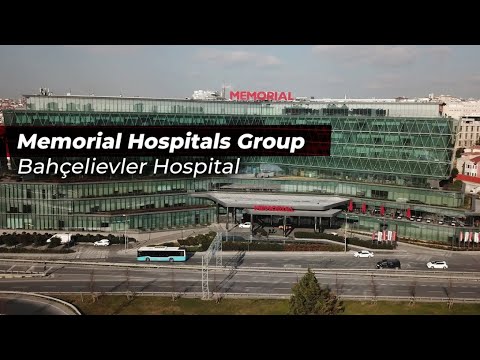
Safety should always be your primary concern. Look for hospitals and clinics that hold recognized accreditations, such as from the Joint Commission International (JCI) or the Turkish Ministry of Health, which indicate strict adherence to safety and hygiene standards.
Investigate the surgeon’s credentials. Ensure they are board-certified in orthopedics and have specialized training or high-volume experience in shoulder and sports medicine procedures. Transparency is also key—a reliable clinic will clearly explain the potential risks, provide detailed cost estimates without hidden fees, and ensure you speak directly with a medical professional regarding your care plan.
Lastly, assess their international patient support. Good communication in your native language, assistance with local logistics, and a clear protocol for post-operative follow-up once you return home are essential indicators of a professional facility.
What is the typical recovery timeline after shoulder surgery?
Recovery from a rotator cuff repair is a slow and deliberate process. Immediately after the procedure, you will wear a specialized sling to keep your arm immobilized, which protects the repaired tendon as it heals back onto the bone. During this first phase, which lasts roughly four to six weeks, you will be restricted from lifting, pushing, or pulling.
Around the six-week mark, your local physical therapist will gradually introduce passive and active-assisted range of motion exercises. You will not use your own muscles to lift the arm initially; instead, the therapist will guide the movement to prevent stiffness.
Strengthening exercises usually begin around eight to twelve weeks post-operation. Patients are often cleared for light activities and desk work relatively early, but heavy lifting, overhead sports, or strenuous manual labor may be restricted for six months or longer. Healing timelines vary greatly depending on the size of the tear and your body's natural healing capacity.
Can I travel or fly shortly after rotator cuff repair?
Your orthopedic surgeon will require a final follow-up appointment before clearing you for international travel. During this visit, they will inspect the surgical incisions, change your dressings, and possibly remove stitches.
Navigating an airport with one arm in a sling requires planning. You will not be able to carry heavy luggage or lift bags into overhead bins. It is highly recommended to request wheelchair assistance or a dedicated helper at the airport to avoid straining your newly repaired shoulder. Ensure you have your prescribed pain medications accessible in your carry-on luggage.
What are the potential risks and complications of this procedure?
While rotator cuff surgery is common and generally considered safe for suitable patients, no operation is entirely risk-free. Anesthetic complications can occur, and there is always a minor risk of post-operative infection, which may require antibiotics or, in rare cases, further surgery to clean the joint.
Stiffness is a frequent complication. If the shoulder is immobilized for too long or if physical therapy is inadequate, patients can develop adhesive capsulitis, commonly known as frozen shoulder. This can severely limit motion and require additional intensive therapy.
The most significant long-term risk is a re-tear of the tendon. The biological healing of the tendon to the bone is a delicate process. Patients who rush their recovery, lift heavy objects too soon, or fail to adhere strictly to their surgeon's restrictions have a higher likelihood of the repair failing.
Why is medical tourism in Istanbul Turkey popular for orthopedics?
Istanbul serves as a major geographic hub, making it easily accessible via direct flights from Europe, the Middle East, and North America. Over the past decade, significant investments in the local healthcare sector have led to the establishment of modern medical facilities equipped with advanced surgical technologies.
Many orthopedic specialists in the country have completed fellowships or supplementary training internationally, allowing them to implement current, evidence-based surgical techniques. Furthermore, the specialized clinics catering to international patients often feature dedicated multi-lingual support teams. These coordinators assist with everything from translating medical documents to arranging local transportation, helping to bridge the cultural and logistical gaps for traveling patients.
Why Choose PlacidWay for Medical Tourism in Turkey?
PlacidWay is an international medical tourism platform designed to help patients navigate global healthcare options. If you are exploring treatment possibilities abroad, here are five factual points about how PlacidWay operates:
- Extensive Directory: PlacidWay maintains a comprehensive directory of international healthcare facilities and clinics, including multiple orthopedic centers in Turkey.
- Compare Options: The platform allows users to compare different medical packages, treatment inclusions, and estimated costs in one centralized location.
- Provider Information: Patients can access data regarding hospital accreditations, facility infrastructure, and physician qualifications.
- Direct Connections: PlacidWay facilitates direct communication lines between the patient and the international medical providers, allowing you to ask clinical questions directly.
- No Upfront Fees: The platform is designed as an educational and connecting resource, allowing patients to gather quotes and information without paying upfront service fees.
Frequently Asked Questions (FAQs)
How long does rotator cuff surgery take?
The procedure typically takes between one and two hours, depending on the severity of the tear, the number of tendons involved, and the surgical technique utilized.
Will I need an MRI before traveling to Istanbul?
Yes, orthopedic surgeons usually require a recent MRI scan to assess the extent of the tear and determine if you are a suitable candidate for surgery before you travel.
Are the surgical implants used in Turkey high quality?
Reputable clinics typically use internationally recognized brands for suture anchors and surgical hardware, which are the same materials used in North America and Western Europe.
How soon can I return to work after surgery?
Patients with desk jobs may return to work within a few weeks, while those whose jobs require heavy lifting or overhead physical labor may need several months of recovery.
Can a torn rotator cuff heal without surgery?
Partial tears may sometimes improve with physical therapy and rest. However, complete tears do not heal on their own and often require surgical repair to restore function.
Do package prices include airfare to Istanbul?
No, all-inclusive medical packages rarely cover international airfare. Patients are responsible for booking their own flights to and from Turkey.
How long should I plan to stay in Istanbul overall?
Patients are generally advised to stay for 7 to 10 days. This allows time for the surgery, the initial hospital stay, early recovery, and a final follow-up appointment before flying.
What kind of anesthesia is used for rotator cuff repair?
The surgery is commonly performed under general anesthesia, often combined with a regional nerve block to help manage pain during the first 12 to 24 hours after the operation.
Can I bring a companion with me?
Yes. Most hospital rooms accommodate an overnight guest, and hotel packages are usually structured for double occupancy, allowing a companion to assist you during your stay.
How successful is rotator cuff surgery?
Success rates are generally high in terms of pain relief and improved function, provided patients strictly follow their physical therapy regimen and allow sufficient time for the tendon to heal.
Compare Treatment Options Today
Gather information, review clinic profiles, and request personalized treatment estimates for your orthopedic needs.
Request Treatment InformationReferences
- Rotator Cuff Tears: Surgical Treatment Options – American Academy of Orthopaedic Surgeons (AAOS)
- Rotator Cuff Injury: Diagnosis and Treatment – Mayo Clinic
- Shoulder Arthroscopy Overview – Cleveland Clinic
- Shoulder Pain and Surgery Information – National Health Service (NHS)
- Medical Tourism Guidelines and Risks – CDC Yellow Book
- Outcomes and Complications of Arthroscopic Rotator Cuff Repair – National Center for Biotechnology Information (NCBI)


.png)

.png)















Share this listing