
ACL Reconstruction Cost in Turkey: Find Affordable Package Prices and Compare Clinics
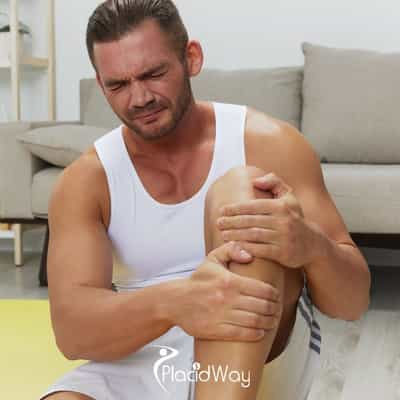
A torn anterior cruciate ligament (ACL) can severely limit your mobility, making daily activities and sports difficult. For patients facing high medical costs or long waitlists in their home countries, seeking ACL reconstruction surgery in Turkey has become an increasingly considered alternative. The country offers numerous internationally accredited facilities and orthopedic specialists who routinely perform sports medicine procedures.
However, traveling abroad for orthopedic surgery requires careful planning. You must balance the potential financial savings with the logistical challenges of traveling post-surgery and arranging long-term physical therapy back home. This guide provides a detailed overview of what to expect regarding costs, medical protocols, patient safety, and the reality of medical tourism in Turkey for knee surgery.
Key Takeaways
- The procedure typically costs between $3,500 and $5,500, which is often lower than uninsured costs in North America or Western Europe.
- Autografts (using your own hamstring or patellar tendon) are the most commonly utilized technique.
- Patients generally need to stay in the country for 7 to 14 days before receiving medical clearance to fly home.
- A successful outcome depends heavily on 6 to 9 months of rigorous physical therapy in your home country after the surgery.
- Flying after lower-limb surgery carries a risk of blood clots, making post-operative medical clearance essential.
What exactly is ACL reconstruction surgery?
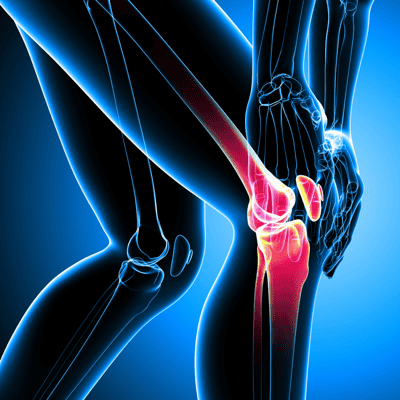
The anterior cruciate ligament is one of the key stabilizing bands of tissue connecting your thigh bone (femur) to your shinbone (tibia). When it tears, often due to sudden stops, jumping, or changes in direction during sports, it rarely heals on its own due to poor blood supply in that area. Instead of simply stitching the torn ligament back together—which has historically shown poor success rates—orthopedic surgeons rebuild it.
During the procedure, the surgeon removes the damaged ligament remnants and drills small tunnels into the femur and tibia. A graft (replacement tissue) is then passed through these tunnels and secured with screws or other fixation devices. Over several months, your body uses this graft as a scaffolding to grow new ligament tissue.
This operation is usually performed arthroscopically, meaning the surgeon uses a small camera and instruments inserted through tiny incisions. This minimally invasive approach often results in less scarring and can aid in managing immediate post-operative pain compared to traditional open knee surgery.
What factors influence the cost of ACL surgery in Turkey?
While the baseline price might seem straightforward, several variables can adjust the final amount you pay when selecting an ACL surgery clinic in Turkey. Understanding these factors can help you compare estimates accurately.
- Graft Type: Using an autograft (your own tissue) is generally standard. If an allograft (donor tissue) is required, the price usually increases due to the costs associated with tissue banks and importation.
- Additional Joint Damage: It is common for ACL tears to be accompanied by meniscus tears or cartilage damage. Repairing these simultaneously requires more operating room time and specialized equipment, raising the overall fee.
- Hospital Accreditation: Facilities holding international accreditations, such as Joint Commission International (JCI), often charge a premium for their verified safety and quality standards.
- Location: Clinics situated in major medical hubs like Istanbul or Ankara might have different pricing structures compared to clinics in coastal tourist cities like Antalya.
What is usually included in a medical tourism package?
Navigating a foreign city immediately after knee surgery can be daunting. To ease this process, many providers create comprehensive packages designed specifically for international patients. While inclusions vary by provider, a standard package typically covers the surgeon’s fee, operating room costs, anesthesia, and one to two nights in the hospital.
Logistically, these packages often include VIP airport transfers. A designated driver will pick you up from the airport, take you to your hotel, and manage transportation between your accommodation and the hospital for consultations and surgery.
Additionally, having a patient coordinator or translator is usually part of the service. This ensures that you can communicate clearly with the nursing staff and doctors, understand your medication schedule, and follow the immediate post-operative instructions without a language barrier.
How do I know if I am a suitable candidate for ACL reconstruction?
Surgery is not an automatic requirement for everyone who tears their ACL. Your orthopedic surgeon will evaluate your lifestyle and the physical demands you place on your knees. Reconstruction is typically recommended for active individuals who wish to return to sports that involve jumping, pivoting, or hard cutting movements (like soccer, basketball, or skiing).
It is also considered if you experience chronic instability—meaning your knee "gives out" during daily activities like walking down stairs. Left untreated, a chronically unstable knee can lead to further damage to the meniscus and early onset osteoarthritis.
Conversely, individuals who live relatively sedentary lifestyles, or who are willing to give up high-demand sports, may be suitable candidates for conservative treatment. This involves intensive physical therapy to strengthen the surrounding leg muscles to compensate for the missing ligament. A thorough medical history and recent MRI scans are required before a surgeon in Turkey will confirm your candidacy for the procedure.
What types of grafts are used for ACL repairs in Turkey?
The choice of graft is a critical decision that you and your surgeon will make together, as each type has specific benefits and potential drawbacks. The most common technique involves an autograft. Because it is your own tissue, there is no risk of disease transmission or tissue rejection.
- Hamstring Tendon Autograft: The surgeon takes a portion of the hamstring tendon from the back of your thigh. This often results in a smaller incision and less front-knee pain, but can slightly reduce hamstring strength.
- Patellar Tendon Autograft: This uses the middle third of the tendon connecting your kneecap to your shinbone, along with small bone plugs. It is often favored for high-performance athletes due to strong bone-to-bone healing, though it may cause pain when kneeling post-surgery.
- Quadriceps Tendon Autograft: An increasingly popular option that uses a portion of the tendon above the kneecap, offering a robust graft for many patients.
Allografts involve tissue taken from a deceased donor. They reduce surgical time and eliminate the pain associated with harvesting your own tissue. However, they carry a slightly higher risk of re-rupture in young, highly active patients and can increase the surgical cost.
What are the potential risks and complications of this procedure?
It is vital to have a realistic understanding of the risks involved. While orthopedic techniques have advanced significantly, no procedure is entirely without hazard. General surgical risks include adverse reactions to anesthesia, excessive bleeding, and infection at the incision sites or inside the knee joint.
Specific to knee surgery, there is a risk of joint stiffness or loss of range of motion. If scar tissue builds up extensively within the knee (arthrofibrosis), additional procedures might be required to restore movement. There is also the possibility of experiencing numbness around the incision area due to minor nerve damage during the operation.
Finally, the graft itself can fail. A new ACL graft can stretch or tear just like a natural ligament if subjected to excessive force, especially if a patient returns to high-impact sports before the graft has fully matured and integrated into the bone.
What does the recovery timeline look like after surgery?
Recovery from ACL surgery requires patience and commitment. The timeline is not just about letting the incisions heal; it is about allowing the graft to undergo "ligamentization," a biological process where the tendon transforms into a ligament. This process takes many months.
In the first two weeks, the primary goals are reducing swelling, managing pain, and achieving full extension (straightening) of the knee. You will likely rely on crutches and may wear a knee brace. Over the next several weeks, physical therapy focuses on restoring range of motion and initiating gentle strengthening exercises.
By months three to six, patients generally resume light jogging and straight-line running, provided their physical therapist approves. However, multidirectional sports, pivoting, and hard cutting must be avoided. Most surgeons and physical therapists will not clear a patient for full, unrestricted athletic activity until 9 to 12 months post-surgery, following rigorous strength and functional testing.
How long should I plan to stay in Turkey for ACL surgery?
Orthopedic surgery limits your mobility, and jumping on an international flight a day or two after a knee reconstruction is highly discouraged. You will need to remain in the area so your surgeon can monitor your initial recovery, check the surgical wounds for signs of infection, and possibly remove stitches.
More importantly, flying after major lower-limb surgery significantly increases the risk of developing deep vein thrombosis (DVT), a dangerous condition where a blood clot forms in the leg and can travel to the lungs. Sitting in a cramped airplane seat exacerbates this risk.
Your surgeon will provide specific clearance for when it is medically appropriate for you to fly. They may also prescribe blood-thinning medications and recommend wearing compression stockings for your journey home. Factoring this mandatory recovery time into your travel budget and schedule is essential.
How do I handle physical therapy and aftercare once I return home?
The success of your ACL reconstruction relies heavily on the quality and consistency of your physical therapy. Because you will be returning home shortly after the operation, your Turkish surgeon cannot guide your long-term rehabilitation in person.
Before you travel, it is highly recommended that you establish a relationship with a local physical therapist and, ideally, a local orthopedic doctor. Bring all your surgical notes, operative reports, and post-operative protocols provided by your surgeon in Turkey back with you. Your local physical therapist will use these guidelines to tailor your rehabilitation program.
If you experience any sudden complications upon returning home—such as a spike in fever, severe calf pain, excessive swelling, or drainage from the incisions—you must have a plan to seek immediate medical attention locally, rather than trying to manage a medical emergency remotely.
Is it safe to travel internationally for orthopedic surgery?
Patient safety must always be the top priority when considering healthcare abroad. To mitigate risks, patients should look for facilities that hold international accreditations, which require hospitals to maintain stringent protocols for infection control, patient safety, and medical equipment maintenance.
You also need to assess your own health status. Individuals with pre-existing conditions—such as heart disease, diabetes, or a history of blood clots—may not be suitable candidates for surgery combined with international travel. A comprehensive pre-operative evaluation by your primary care physician at home is a wise step before booking a procedure overseas.
Lastly, communication is vital. Ensure that you can communicate effectively with your medical team in Turkey, and understand exactly what the surgical plan entails, what the emergency protocols are, and what is expected of you during the recovery phase.
Why Choose PlacidWay for Medical Tourism in Turkey?
Navigating international healthcare options requires access to accurate, organized information. PlacidWay assists patients by providing an educational platform to explore global medical providers.
Accredited Facility Access
Connects patients with hospitals and clinics that maintain recognized international accreditations and safety standards.
Pricing Transparency
Offers detailed information on estimated procedure costs, helping patients understand financial expectations before traveling.
Provider Profiles
Grants access to comprehensive profiles outlining surgeon credentials, facility capabilities, and patient reviews.
Direct Communication
Facilitates initial contact between prospective patients and international medical teams to discuss treatment plans.
Comprehensive Options
Assists patients in exploring and comparing comprehensive medical packages across various regions in Turkey.
Frequently Asked Questions
Can I get both knees operated on at the same time in Turkey?
Bilateral ACL reconstruction (both knees at once) is technically possible but rarely recommended. Operating on both knees simultaneously significantly increases surgical time, recovery difficulty, and the risk of complications such as blood clots. Most orthopedic surgeons advise staging the surgeries months apart.
Does the quoted cost usually cover the necessary MRI scans?
Initial pricing packages often do not include pre-operative MRI scans, as clinics usually expect you to provide these scans before your arrival to confirm your diagnosis. If you need a new MRI upon arriving in Turkey, it may be billed as an additional cost.
Are allografts (donor tissue) readily available in Turkey?
While autografts (using your own tissue) are the standard and most commonly performed, allografts are available at many major international hospitals in Turkey. However, allografts often increase the total cost of the surgery due to the expense of importing and screening donor tissue.
How soon after surgery can I fly back home?
Most surgeons recommend staying in Turkey for at least 7 to 14 days following ACL surgery. Flying too soon after lower-extremity surgery increases the risk of deep vein thrombosis (DVT). You must get explicit medical clearance from your surgeon before boarding a flight.
Do Turkish hospitals provide English-speaking medical staff?
Yes, hospitals that regularly cater to international patients typically employ English-speaking doctors, nurses, and patient coordinators. Many medical tourism packages also include the services of a dedicated translator to ensure clear communication.
Will my home health insurance cover the surgery in Turkey?
Most standard domestic health insurance plans do not cover elective or non-emergency procedures performed abroad. You will likely need to pay out-of-pocket, though some specialized medical tourism insurance policies exist.
What happens if I experience complications after returning home?
If you develop signs of infection, blood clots, or severe pain after returning home, you should immediately seek care at a local emergency room or urgent care center. It is crucial to establish a relationship with a local orthopedic doctor before you travel so you have someone to manage your long-term follow-up.
Do I need a visa to travel to Turkey for medical treatment?
Visa requirements depend on your nationality. Many visitors can easily obtain an electronic visa (e-Visa) online before traveling. You should check the official Turkish Ministry of Foreign Affairs website for the specific requirements applicable to your passport.
Can a torn meniscus be repaired during the same ACL surgery?
Yes, it is very common for a surgeon to repair or trim a torn meniscus during an ACL reconstruction. Keep in mind that addressing a meniscus tear may slightly increase the surgical cost and can alter your post-operative weight-bearing guidelines.
How long does the actual surgical procedure usually take?
An uncomplicated ACL reconstruction typically takes between 1.5 to 2.5 hours in the operating room. This time can increase if other structures in the knee, such as the meniscus or other ligaments, also require repair.
Compare Treatment Options
Gather the information you need to make an informed decision about orthopedic care abroad. Explore facilities, review estimates, and connect with international providers.
Request Treatment InformationReferences
- ACL Reconstruction – American Academy of Orthopaedic Surgeons (AAOS)
- ACL Reconstruction: Risks, Preparation, and Results – Mayo Clinic
- Medical Tourism: Travel Health Safety – Centers for Disease Control and Prevention (CDC)
- Accredited Healthcare Organizations – Joint Commission International (JCI)
- Graft Choice in Anterior Cruciate Ligament Reconstruction – National Institutes of Health (NIH) / PubMed Central
- Recovery After Knee Ligament Surgery – National Health Service (NHS)
- Blood Clots and Travel (DVT) – Centers for Disease Control and Prevention (CDC)























Share this listing