
India's Dental Implant Hubs: Top City Packages and Pricing
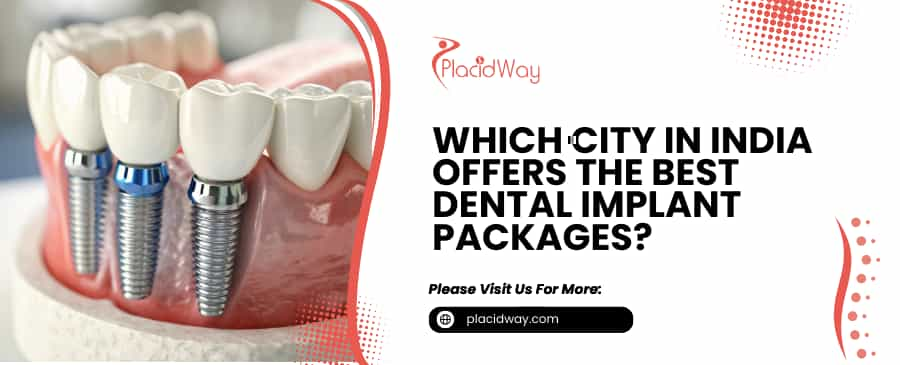
Finding a suitable dental implant clinic in India requires understanding what different regions of the country have to offer. As medical tourism in India continues to grow, international patients are increasingly looking toward the country's major urban centers for restorative dental work. The standard of care, technology available, and pricing can vary significantly from one city to the next.
Rather than declaring a single city as the absolute best, it helps to look at the unique characteristics of India's primary dental hubs. Your final choice will likely depend on your personal treatment needs, flight connectivity from your home country, and how you wish to balance your healthcare journey with your budget.
Key Takeaways
- New Delhi, Mumbai, Bangalore, and Chennai are the leading cities for comprehensive dental care.
- Treatment costs can be substantially lower than in North America or Europe, though complex cases will increase the price.
- Conventional implants usually require two separate trips to India, spaced several months apart for healing.
- Not all patients are immediate candidates; jawbone health, medical history, and lifestyle factors play a major role in eligibility.
- Post-operative care and long-term maintenance require an established relationship with a local dentist in your home country.
What Cities Top the List for Dental Tourism in India?
Each of these major cities has cultivated a robust healthcare sector catering to international patients. New Delhi and the surrounding National Capital Region (NCR) are heavily favored due to the massive Indira Gandhi International Airport, making direct flights highly accessible. The clinics here are accustomed to coordinating care for travelers coming from North America, Europe, and neighboring Asian countries.
Mumbai often attracts patients seeking premium services. As the financial capital, the city is home to highly specialized practitioners and advanced facilities. However, the general cost of living and accommodation in Mumbai can be higher than in other Indian cities, which might slightly increase your overall travel budget.
In the south, Bangalore (Bengaluru) and Chennai are formidable contenders. Bangalore is known as a technology hub, and this extends to its medical facilities, which frequently utilize digital dentistry and 3D imaging. Chennai has a long-standing legacy as a pioneer in medical tourism, offering excellent clinical standards often at very competitive price points compared to the northern and western cities.
How Much Do Dental Implants Cost in India Compared to Other Countries?
When looking at global averages, patients often find that estimates for dental implants in India are remarkably lower than domestic prices in Western countries. A single implant that might cost thousands of dollars in the United States could potentially be accessed for a fraction of that amount in India. This price difference is not inherently indicative of inferior quality; rather, it reflects differences in the cost of living, clinical overhead, and local economic factors.
It helps to understand that the base price often quoted is just an estimate. The final financial commitment will depend on the brand of the implant, the material of the crown, and the complexity of the surgery. If you require multiple teeth replaced or an entire arch restored, the costs will scale accordingly.
While the procedural costs are lower, you must factor in the expenses of travel. Flights, accommodations, food, and local transportation across two separate trips can add a substantial amount to your budget. Careful calculation is necessary to ensure the trip remains economically viable for your situation.
What Is Usually Included in a Dental Implant Package?
Many centers catering to international patients offer bundled treatment plans designed to simplify the financial aspect of the trip. These packages typically cover the core components of the restoration: the titanium or zirconia post inserted into the jaw, the abutment that connects the post to the tooth, and the final prosthetic crown.
Diagnostic imaging, such as CBCT (Cone Beam Computed Tomography) scans, is usually included because it is essential for safe surgical planning. The package will also cover the surgeon's fees and the local anesthesia used during the procedure.
Some facilities go a step further for medical tourists by including airport transfers, translation services, or assistance with finding nearby hotels. However, you should not assume all ancillary services are covered. Pre-existing dental issues, extractions, bone grafting, and flights are almost never included in standard baseline quotes.
Am I a Good Candidate for Dental Implants in India?
Not everyone missing a tooth is immediately ready for an implant. Because placing an implant requires oral surgery, your body must be capable of healing efficiently. Patients need a sufficient amount of healthy jawbone to anchor the implant securely. If teeth have been missing for a long time, bone loss may have already occurred.
Your systemic health plays a critical role. Conditions that affect the immune system or bone healing, such as uncontrolled diabetes, osteoporosis, or active periodontal disease, can contraindicate the procedure or increase the risk of failure. Furthermore, lifestyle habits like heavy smoking are known to significantly reduce the success rates of dental implants by interfering with blood flow and healing in the mouth.
Before buying a plane ticket, it is highly recommended to consult a local dentist in your home country. They can take basic x-rays, assess your gum health, and give you a preliminary opinion on whether you are medically fit for implant surgery.
How Long Will I Need to Stay in India for My Treatment?
The timeline for dental implants is dictated by biology. During the first trip, the surgeon places the implant post into the jawbone. Afterward, a biological process called osseointegration must occur, where the bone grows around and fuses with the metal post. This process typically takes between three to six months. You will spend about 7 to 10 days in India for this initial phase to allow for surgery, initial recovery, and suture removal.
Once healing is complete, a second trip is required. During this visit, the dentist will take impressions, customize your final crown, and securely attach it to the implant. This second stay also generally requires a week to ensure the prosthetic fits perfectly and your bite is properly aligned.
There are protocols known as "immediate load" or "teeth in a day" where a temporary prosthetic is placed immediately after surgery. While this can reduce the total travel time, these techniques are only appropriate for highly specific clinical situations and are not suitable for every patient.
What Are the Potential Risks and Complications?
It is vital to approach dental tourism with a realistic understanding of surgical risks. While modern techniques have high success rates, complications can and do occur. Infection at the implant site is a primary concern, which is why meticulous post-operative oral hygiene is mandatory.
Other risks include injury to surrounding structures, such as neighboring teeth or blood vessels. If implants are placed in the upper jaw, they can potentially protrude into the sinus cavities, requiring additional intervention. Nerve damage, though rare, can cause pain, numbness, or a tingling sensation in the natural teeth, gums, lips, or chin.
Implant failure is also a possibility. This happens if the bone fails to fuse adequately with the titanium post. Should an implant fail, it usually needs to be removed. The site is then allowed to heal before another attempt can be made, which severely complicates the timeline for international travelers.
What Materials Are Used for Dental Implants in Indian Clinics?
Materials play a massive role in both the longevity of the restoration and the total cost. Titanium has been the gold standard for decades due to its incredible strength and ability to integrate seamlessly with human bone tissue. For patients with specific metal allergies or aesthetic preferences, zirconia (a type of durable ceramic) implants are an alternative, though they may be more expensive.
Advanced facilities in India frequently stock global implant brands manufactured in Switzerland, Germany, South Korea, and the United States. Choosing a widely recognized international brand can be beneficial; if you ever need a component adjusted or replaced years down the line, your local dentist will have a much easier time sourcing the specific tools and parts required.
For the visible crown, materials range from porcelain fused to metal (PFM) to full zirconia or E-max ceramic. These materials are chosen based on the location of the tooth, the biting forces it must endure, and the aesthetic demands of the patient.
Will I Need a Bone Graft Before Getting Implants?
When a tooth is lost, the underlying jawbone no longer receives stimulation from chewing, causing it to gradually resorb, or shrink. If you have been missing teeth for a while, or if you had severe gum disease, there might not be enough physical bone left to anchor the metal post.
A bone graft involves taking bone material—either from another part of your body, a donor, or a synthetic source—and placing it into the jaw to stimulate new bone growth. Depending on the extent of bone loss, a graft can sometimes be performed on the same day the implant is placed.
However, significant bone grafting or a sinus lift (adding bone to the upper jaw) often requires several months of healing before the actual implant surgery can even begin. This biological reality can add an entire additional trip to your travel itinerary, significantly impacting your timeline and budget.
How Do I Handle Aftercare and Follow-up Once I Return Home?
The success of dental implants relies heavily on the care they receive after surgery. While they cannot develop cavities like natural teeth, the gums surrounding them are susceptible to a condition called peri-implantitis, which is similar to gum disease and can lead to implant loss.
Because you will be thousands of miles away from the surgeon who performed the procedure, establishing a relationship with a local dentist is vital. Before you leave India, request copies of all your dental records, treatment notes, and before-and-after x-rays. Also, make sure you know the exact brand and size of the implants used.
If you experience persistent pain, abnormal swelling, or loosening of the crown after returning home, you must seek local dental care immediately. Medical tourists must accept that managing complications locally will likely incur out-of-pocket expenses in their home country.
Why Choose PlacidWay for Medical Tourism in India?
Navigating international healthcare options can feel overwhelming. PlacidWay serves as an educational resource to help patients gather information about global treatment options.
- Extensive Directory: PlacidWay provides access to a wide database of healthcare providers and international medical centers across India.
- Treatment Comparisons: The platform allows users to compare estimated costs, facilities, and treatment approaches in different cities side-by-side.
- Informational Resources: Patients can access educational materials regarding various dental and medical procedures to help inform their decision-making process.
- Provider Details: Users can view provider profiles that display listed credentials, spoken languages, and facility amenities.
- Direct Inquiries: PlacidWay facilitates initial communication, allowing individuals to request customized information directly from healthcare facilities.
Frequently Asked Questions
Is it generally safe for international patients to get dental work done in India?
Many international patients safely receive dental care in India every year. However, safety and quality vary widely between facilities. It is critical to research thoroughly, choose facilities with strict infection control protocols, and verify provider credentials before traveling.
Do dentists in major Indian cities speak English?
Yes, English is widely spoken in the Indian healthcare sector. Specialists in major metropolitan areas are typically fluent in English, which helps ensure clear communication regarding your diagnosis, treatment plan, and aftercare instructions.
Can I get full-arch restorative options like All-on-4 in India?
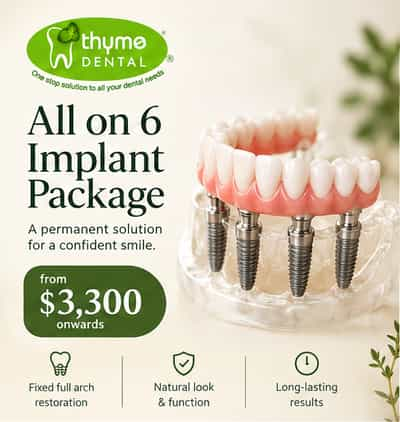
Yes, full-arch restorations, commonly known as All-on-4 or All-on-6, are widely available in advanced Indian dental centers. These procedures are complex, so suitability must be determined through comprehensive clinical and radiographic evaluations.
How can I verify a dentist's credentials in India?
Dentists practicing legally in India must be registered with the Dental Council of India (DCI) or their respective state dental council. You can ask for their registration number and check for any additional international certifications or memberships in global dental organizations.
What is the general success rate of dental implants?
Scientific literature generally reports dental implant survival rates of 90% to 95% over 10 years for healthy individuals. However, individual success rates depend heavily on bone density, oral hygiene, lifestyle habits like smoking, and the presence of systemic conditions like diabetes.
Will the dental implant procedure be painful?
The surgical placement of the implant is performed under local anesthesia, so you typically do not feel pain during the procedure. Post-operative discomfort, swelling, and mild pain are common and usually managed with prescribed over-the-counter or prescription pain relievers.
Are there hidden fees to watch out for in dental tourism packages?
Estimates can sometimes omit necessary pre-surgical procedures like extractions, bone grafting, sinus lifts, or temporary crowns. Always request a detailed, itemized quote to understand exactly what is and is not included before committing to travel.
Is it possible to travel and sightsee after my implant surgery?
Light activities are usually fine a few days after surgery, depending on how you feel. Strenuous activities, heavy lifting, or long physically demanding excursions should be avoided during the initial healing phase to prevent complications like bleeding or increased swelling.
How long can I expect my new dental implants to last?
The titanium implant post can potentially remain stable for decades if well-maintained. The attached crowns or prosthetics experience daily wear and tear and may need replacement after 10 to 15 years. Excellent oral hygiene and regular dental checkups are required for longevity.
What happens if I develop a complication after returning home?
If a complication arises, you will need to seek care from a local dentist in your home country. Traveling back to India for emergency treatment is rarely practical. Be prepared for the possibility of out-of-pocket expenses for local corrective treatments, as international warranties are difficult to enforce.
Compare Treatment Options
Explore facility profiles, compare estimated costs, and request specific treatment information to help plan your medical travel journey.
Request Treatment InformationReferences
- Implants – American Dental Association (MouthHealthy)
- Dental Implant Surgery – Mayo Clinic
- Medical Tourism – Centers for Disease Control and Prevention (CDC)
- Tooth Loss – National Institute of Dental and Craniofacial Research
- Dental Implants: A Review – National Center for Biotechnology Information (PubMed)
- Dental Treatments – National Health Service (NHS)



























Share this listing