


Safety Considerations for US Seniors Having Hip Replacement Surgery in Tijuana
Living with severe hip pain changes everything. If you are reading this, you probably know the sharp ache that hits the moment you try to stand up. You know what it is like to skip family walks, give up golf, or avoid the stairs in your own home. Osteoarthritis does not just take away your cartilage; it slowly chips away at your independence. And when you finally decide it is time for a hip replacement, the American healthcare system often hits you with staggering deductibles, out-of-network fees, or months-long waiting lists. That is when people start looking south. The primary question on your mind is obvious: Is it safe for US seniors to have hip replacement surgery in Tijuana near the San Diego border?
It is perfectly normal to feel nervous. You are considering major surgery in a different country, and your mind is naturally flooded with "what ifs." What if the facility is not clean? What if the materials are cheap? What if I get stuck at the border? I am going to walk you through exactly how this process works, handling your fears head-on. No sugarcoating, no confusing clinical jargon—just the honest, factual information you need to make the best decision for your health, your mobility, and your peace of mind.
Quick Facts: Hip Replacements (US vs. Tijuana)
What Exactly Is a Hip Replacement and How Does It Work?
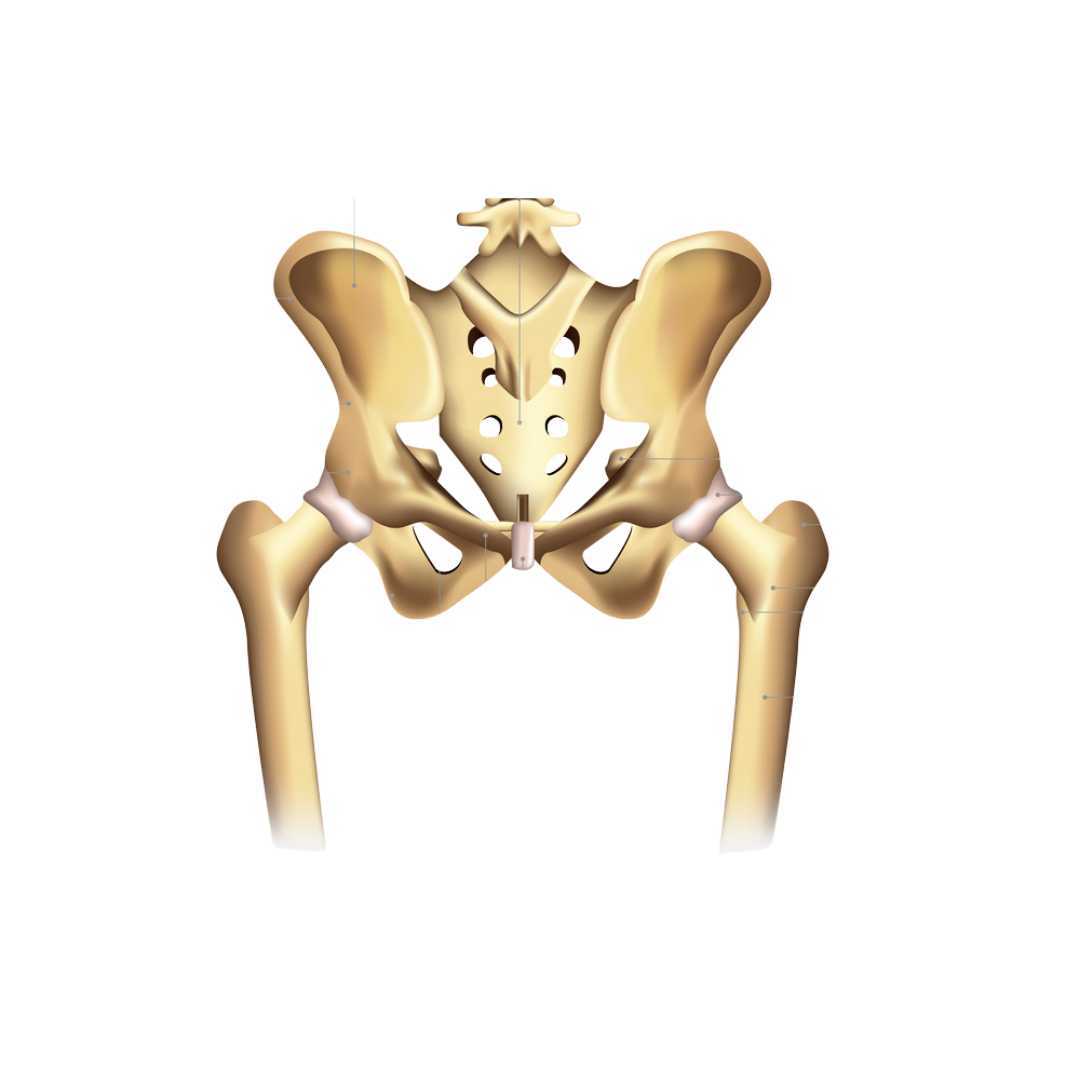
Your hip is a simple "ball and socket" joint. The ball at the top of your thigh bone (femur) fits into the socket in your pelvis. Normally, a smooth cushion of cartilage allows these bones to glide effortlessly. But as we age, osteoarthritis wears that cartilage away. Soon, you have raw bone rubbing against raw bone. No amount of pills or injections can regrow that cartilage.
A hip replacement surgery swaps out those damaged parts for highly durable artificial ones. Here is how the process works in plain language:
- Anesthesia: You are given anesthesia so you feel absolutely no pain and sleep through the procedure.
- Preparation of the joint: The surgeon carefully makes an incision, moves the muscles aside, and removes the damaged ball at the top of your femur.
- Socket replacement: The damaged cartilage from your pelvic socket is cleared out, and a titanium cup with a smooth, durable plastic or ceramic liner is pressed into place.
- Femur implant: A metal stem is inserted into the hollow center of your thigh bone for stability. A smooth new ball (usually ceramic or metal) is securely attached to the top of this stem.
- Closing: The surgeon brings the new ball and socket together, tests the range of motion, and closes the incision.
The main benefit over alternative treatments like steroid shots or physical therapy is permanence. While conservative treatments mask the pain temporarily, a joint replacement fixes the mechanical failure at the source.
Why Choose Tijuana Near the San Diego Border for Senior Hip Replacement?
- Proximity and convenience: You fly into San Diego (a major, safe US airport) and simply take a 20-minute shuttle across the border. You do not have to endure a long international flight with a bad hip.
- Financial freedom: Paying $12,000 total instead of a surprise $45,000 bill means preserving your retirement savings. The price quoted in Mexico is almost always an all-inclusive package.
- Zero waiting lists: In Canada and parts of the US, you might wait 6 to 12 months in agony just to get a surgical date. In Tijuana, you can often schedule your surgery within weeks.
- Premium materials: Top surgeons in Tijuana refuse to cut corners. They use the same Zimmer, Stryker, and DePuy implants that your local American hospital uses. Your body will not know the difference.
- Dedicated recovery care: Instead of being rushed out of a US hospital 24 hours after surgery, Tijuana packages often include 5 to 7 days in a dedicated, nurse-staffed recovery hotel. This is vital for seniors who need extra care.
How Do Hip Replacement Costs in Tijuana Compare to the US?
Let us look at the real numbers. US healthcare pricing is famously complicated. You get billed separately by the hospital, the surgeon, the anesthesiologist, and the physical therapist. In Mexico, medical tourism clinics use a bundled pricing model—meaning the price you are quoted is exactly what you pay for the entire experience.
| Procedure / Service | United States Cost | Tijuana Cost | Estimated Savings |
|---|---|---|---|
| Total Hip Replacement | $35,000 - $50,000 | $9,500 - $14,000 | 65 - 75% |
| Surgeon & Anesthesia Fees | $8,000 - $12,000 | Included in package | N/A |
| Hospital Stay (2-3 days) | $10,000 - $15,000 | Included in package | N/A |
| Pre-Op X-rays / MRI | $1,000 - $2,500 | Included or ~$200 | 80 - 90% |
| Post-Op Recovery Hotel (5 days) | $3,000 - $5,000 (Rehab center) | Included in package | N/A |
Why is healthcare so much cheaper in Tijuana? The massive price difference has absolutely nothing to do with the quality of the titanium hip implant. A Stryker joint costs roughly the same wholesale worldwide. The savings come from lower overhead costs. Malpractice insurance, hospital administration, property rent, and labor costs are drastically lower in Mexico. You are paying for the medicine, not the bureaucracy.
Are Tijuana Orthopedic Clinics Safe for US Seniors?
Safety is the biggest hurdle. You read the news, and you worry about crime in Mexico, or you fear ending up in a subpar clinic. It is vital to separate the bustling border town from the highly specialized "medical tourism bubble." The clinics that perform these surgeries are heavily guarded, modern, private hospitals designed specifically for international patients.
| Quality Metric | US Hospitals | Top Tijuana Hospitals | Notes |
|---|---|---|---|
| Implant Materials | Titanium/Ceramic (FDA Approved) | Titanium/Ceramic (FDA Approved) | Identical name brands used. |
| Surgeon Training | Board Certified (US) | Board Certified (Mexico + US/EU Fellowships) | Top Mexican doctors train internationally. |
| Infection Rates | Under 2% | Under 2% | High standards in sterile operating rooms. |
| Sterilization | JCAHO Standards | JCI / ISO / CSG Standards | Global benchmarks are strictly followed. |
Here is why you can breathe easy about your safety:
- Elite Surgeons: You are not getting a novice. Top orthopedic clinics employ chief surgeons who have performed thousands of joint replacements. Many hold memberships in the American Academy of Orthopaedic Surgeons (AAOS).
- Strict Protocols: Private hospitals in Tijuana serving foreign clients rely completely on their reputation. An infection outbreak would ruin their business, so their sterilization protocols are intensely rigorous.
- Safe Transport: You will not be wandering the streets looking for a cab. Clinics provide private, bilingual drivers to pick you up at the San Diego airport, drive you directly to the hospital, and take you back when you are healed.
- Dedicated Senior Care: Nurses in these clinics are exceptionally attentive. The patient-to-nurse ratio is often better than in busy American hospitals.
Your next step is to research your specific surgeon's credentials. Always ask for their board certification and where they completed their medical training.
What is the Timeline for Getting a Hip Replacement Near the San Diego Border?
The beauty of medical tourism in Tijuana is the streamlined process. Because you are dealing with a private system, there are no bureaucratic delays. Here is the typical timeline for a senior patient:
- Day 1 - Arrival & Consultation: Fly into San Diego. The clinic's driver takes you across the border. You have your pre-op consultation, EKG, blood tests, and X-rays right there in the clinic.
- Day 2 - Surgery: The hip replacement procedure takes about 1.5 to 2 hours. You wake up in recovery, and the bone-on-bone pain is gone.
- Days 3-4 - Hospital Recovery: You stay in a private hospital room. Nurses monitor your pain and vitals. A physical therapist will have you stand and take a few steps with a walker within 24 hours.
- Days 5-10 - Boutique Recovery Retreat: You are moved to a specialized recovery hotel. You receive daily physical therapy, pain management, and three meals a day. You do not have to lift a finger.
- Day 11 - Return Home: The doctor clears you for travel. The clinic driver uses a medical "Fast Lane" pass to cross the border in minutes and drops you at the San Diego airport.
Crucial considerations for your journey:
- The Border Crossing: Do not worry about sitting in traffic for hours. Accredited clinics issue a medical lane pass, making the crossing fast and comfortable.
- Flying Home: Request wheelchair assistance at the airport (both San Diego and your home airport). Do not try to walk the terminals.
- Follow-up Care: You will bring home an envelope with your surgical report, X-rays, and implant serial numbers to give to your local doctor or physical therapist.
Are You a Good Candidate for Hip Replacement Surgery in Mexico?
Many seniors worry they are "too old" for surgery. In reality, biological health matters much more than your chronological age. Surgeons in Tijuana routinely perform hip replacements on patients in their 70s and 80s.
You are likely a great candidate if you have:
- Severe hip pain that makes walking, bending, or sleeping difficult.
- Tried conservative treatments (NSAIDs, cortisone shots, canes) without success.
- Well-managed blood pressure and cardiovascular health.
- A realistic expectation of the physical therapy required after surgery.
- A valid passport for travel to Mexico.
- A support system at home to help you for the first few weeks after you return.
You may need to reconsider or seek specialized clearance if you have:
- Uncontrolled Diabetes: High blood sugar dramatically increases infection risk and slows wound healing. Your A1C must be controlled.
- Severe Heart Disease: Recent heart attacks or severe arrhythmias make anesthesia risky. You will need strict cardiology clearance.
- Active Infections: Even a urinary tract infection or dental abscess must be fully treated before joint surgery.
- Extreme Obesity: A very high BMI can increase surgical complications and put too much stress on the new implant.
- Severe Osteoporosis: While mild bone loss is manageable, extremely brittle bones make it hard to anchor the titanium implant.
- Inability to travel safely: If sitting in an airplane or car for a few hours is physically impossible, travel may not be viable.
Your absolute best next step is to gather your current medical records and X-rays. Top clinics in Tijuana offer free remote evaluations where the surgeon will review your file and tell you honestly if you are a safe candidate.
Frequently Asked Questions
When you are researching major joint surgery abroad, you naturally have a lot of specific questions. Below are the 12 most common questions we hear from seniors and their families regarding safety, logistics, and recovery.
Is it safe for US seniors to have hip replacement surgery in Tijuana near the San Diego border?
Yes, it is safe when you choose a reputable, accredited orthopedic hospital. Tijuana's top facilities use the same FDA-approved joint implants as US hospitals and maintain a 95-98% success rate, matching US standards. By utilizing private clinic transport from San Diego, your safety is prioritized from door to door.
How much does hip replacement surgery cost in Tijuana compared to the US?
A total hip replacement in Tijuana typically costs between $9,500 and $14,000. In the United States, the same procedure ranges from $35,000 to $50,000 without insurance, meaning you can save 60-70%. The Mexican price is usually an all-inclusive package covering the hospital, surgeon, anesthesia, and implants.
Are orthopedic surgeons in Tijuana qualified to perform hip replacements on seniors?
Absolutely. Many of the leading orthopedic surgeons in Tijuana completed fellowships in the United States or Europe and are board-certified. They specialize in senior care and age-related joint degeneration, often performing hundreds of successful joint replacements every year.
What is the recovery time for a senior having a hip replacement in Mexico?
You will typically stay in the hospital for 2-3 days, followed by 5-7 days in a local recovery facility. You can bear weight immediately, but full recovery and returning to all normal activities takes 3 to 6 months. Physical therapy is essential during this period to rebuild strength.
What are the risks of traveling across the San Diego border after major surgery?
The primary risk is discomfort from sitting in a vehicle. To mitigate this, reputable clinics provide medical passes (Fast Lane passes) that drastically reduce border wait times to just 15-30 minutes, keeping the trip quick and safe. You will travel in a spacious, climate-controlled medical shuttle.
Do hospitals in Tijuana use the same hip implant materials as US hospitals?
Yes. Top-tier clinics in Tijuana use premium, FDA-approved prosthetic brands like Zimmer Biomet, Stryker, and Smith & Nephew—the exact same high-quality titanium and ceramic joints used by American surgeons. There is no drop-off in material quality.
What happens if I experience complications or an infection back home?
Severe complications are rare (1-2%). However, reputable Mexican surgeons provide detailed medical records and implant passports so your local US doctor or urgent care can seamlessly take over if an infection or issue arises. Your local US health insurance or Medicare usually covers emergency complications treated in the States.
Can Medicare or US health insurance pay for surgery in Tijuana?
Traditional Medicare and most US domestic insurance policies do not cover medical care outside the US. Patients traveling to Tijuana for joint replacements typically pay out-of-pocket, utilizing savings due to the drastically lower cash prices. Some employer-based or specialized medical tourism insurance plans may offer partial coverage.
How do I verify the quality and safety of a Mexican orthopedic hospital?
Look for hospitals with international accreditations (like JCI), ISO 9001 certifications, US-trained doctors, and transparent patient reviews. Ask for the surgeon's credentials and verify they are members of recognized orthopedic boards. Never base your decision solely on the lowest price.
Is it safe to travel to Tijuana for medical tourism alone, or do I need a companion?
While medical staff provide 24/7 care in the hospital and recovery retreats, having a companion is highly recommended for seniors. A companion provides emotional support and help with luggage during the border crossing. However, if you must travel alone, the clinic's dedicated nurses and drivers will ensure you are never truly by yourself.
How many trips to Tijuana will I need for a complete hip replacement process?
You typically only need one trip lasting about 10 to 14 days. This single trip covers the pre-op consultation, the surgery, hospital recovery, and post-op physical therapy before crossing back into San Diego. Future follow-ups can usually be done via telehealth and with your local primary care doctor.
Do I need to worry about bone loss or osteoporosis before getting a hip replacement?
It is a factor your surgeon must evaluate. Mild osteoporosis is common and manageable. If you have severe bone loss, the surgeon may need to use specialized surgical techniques or bone cement to secure the new hip implant. A pre-operative bone density scan and X-ray will give the surgeon the information they need.
Ready to Get Your Mobility Back?
References
- American Academy of Orthopaedic Surgeons (AAOS). "Total Hip Replacement Overview and Outcomes."
- PlacidWay Medical Tourism. "Hip Replacement Surgery Costs and Destinations Guide"
.png)


.png)
.png)
.png)
.png)




.png)
.png)
.png)
.png)












Share this listing