


Key Facts About Liposuction Abroad for UK Patients
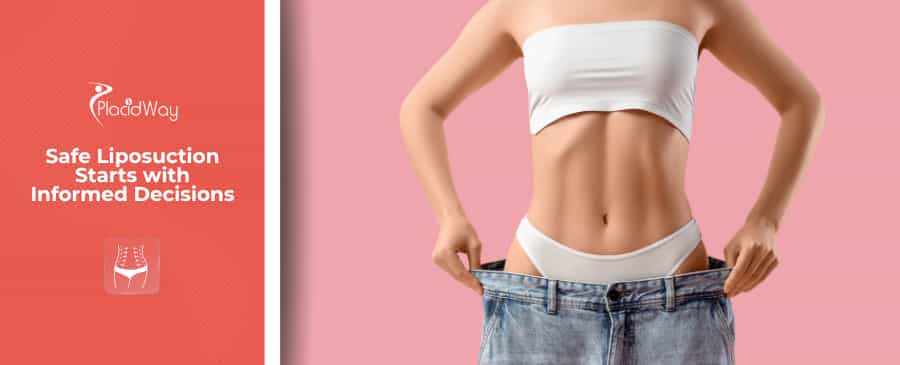
You have hit a wall. You eat right, you drag yourself to the gym on dark, rainy British mornings, but those stubborn pockets of fat on your stomach, thighs, or flanks simply refuse to budge. You look in the mirror and feel deeply frustrated that your body does not reflect your hard work. It is completely normal to feel this way, and you are not alone in wanting a permanent solution.
When you start researching private UK clinics in London, Manchester, or Birmingham, the sticker shock is immediate. With prices regularly exceeding £5,000 or even £8,000 for multiple areas, body contouring feels like a luxury reserved for celebrities. That is exactly why so many Britons are exploring liposuction in Thailand for UK patients. But the idea of flying 6,000 miles for cosmetic surgery is terrifying. What if something goes wrong? Is it really clean and safe? Will you get botched? I am here to give you the honest, unfiltered truth about Thailand medical tourism liposuction—no fluff, just the facts you need to make a confident, safe decision for your body and your bank account.
Quick Facts: UK vs Thailand Liposuction
What Exactly Is Liposuction and How Does It Work?
Think of liposuction as precision body sculpting, not a weight-loss tool. It removes deep, localized fat deposits that are genetically resistant to your diet and exercise routines. Modern techniques, such as VASER (ultrasound-assisted) or tumescent liposuction, make the process safer and less invasive than ever before.
Here is step-by-step how the procedure happens in a Thai hospital:
- Anesthesia: Depending on the areas treated, you will receive either general anesthesia (you are fully asleep) or local anesthesia with IV sedation.
- Tumescent Fluid Injection: The surgeon injects a sterile solution containing saline, lidocaine (a numbing agent), and epinephrine (to shrink blood vessels). This reduces bruising and makes fat easier to remove.
- Incision and Cannula Insertion: Tiny, 3-to-4 millimeter incisions are made in discreet areas. A thin, hollow tube called a cannula is inserted.
- Fat Breakdown and Removal: The surgeon moves the cannula back and forth to loosen the fat cells (often aided by ultrasound waves in VASER lipo), which are then suctioned out of the body using a surgical vacuum.
- Closing and Compression: The small incisions are closed, and you are immediately placed into a tight compression garment to minimize swelling and help your skin conform to your new shape.
The primary benefit? Fat cells are permanently removed. If you maintain a stable weight, those problem areas will remain smooth and contoured for the rest of your life.
Why Should UK Citizens Consider Medical Tourism Liposuction in Thailand?
- Unbeatable Value: Even factoring in a round-trip British Airways flight and two weeks in a luxury Bangkok hotel, you still save thousands of pounds compared to Harley Street prices.
- World-Class Facilities: Thai private hospitals feel more like 5-star hotels than clinical wards. Many hold Joint Commission International (JCI) accreditation, the gold standard for global healthcare safety.
- Elite Surgeons: You are not getting "discount" doctors. The top plastic surgeons in Thailand are board-certified, and a vast majority have undertaken extensive fellowships in the UK, USA, or Australia.
- Advanced Technology: Thai clinics heavily invest in the latest body contouring tech, including VASER, SmartLipo, and BodyTite, which some smaller UK clinics have yet to adopt.
- VIP Recovery: Instead of recovering in cold, rainy Britain, you can recover in a serene, climate-controlled hotel suite with dedicated nursing services and daily check-ins available.
How Much Does Liposuction Cost in Thailand Compared to the UK?
Let us talk numbers. In the UK, cosmetic surgery is strictly private, meaning you pay a massive premium for the clinic's rent, British staff wages, and sky-high insurance premiums. In Thailand, the medical infrastructure is built to cater to international tourists efficiently and affordably.
| Procedure | UK Average Price | Thailand Price | Savings |
|---|---|---|---|
| Liposuction (1 Area) | £3,500 | £1,500 | 57% |
| Liposuction (3 Areas) | £6,000 | £2,800 | 53% |
| Lipo 360 (Full Torso) | £8,000 | £4,000 | 50% |
| VASER Liposuction (Add-on) | £4,500 (Base) | £2,000 (Base) | 55% |
| Lipo with Fat Transfer (e.g. BBL) | £8,500 | £4,200 | 50% |
Why the huge price difference? You are not paying for cheaper surgical instruments or corner-cutting. The cost of living, nursing wages, facility overheads, and administrative costs in Thailand are dramatically lower than in London or Manchester. Furthermore, Thai clinics handle a massive volume of international patients, allowing them to offer economy-of-scale pricing while maintaining exceptionally high standards of care.
Is it Safe to Travel to Thailand for Liposuction from the UK?
The UK tabloids love a "botched abroad" horror story. But those stories almost exclusively involve unregistered clinics, uncertified doctors, and patients chasing impossibly cheap "back-alley" deals. If you do your research and select top-tier safe liposuction clinics in Thailand, you are in incredibly safe hands.
| Quality Metric | UK Clinics | Thailand Clinics | Notes |
|---|---|---|---|
| Surgical Standards | CQC Regulated | JCI Accredited | JCI is the highest global healthcare standard. |
| Surgeon Qualifications | GMC / BAAPS | Thai Medical Council / ISAPS | Many Thai surgeons hold dual international boards. |
| Infection Rates | Less than 1% | Less than 1% | Sterilization protocols are globally standardized. |
| Anesthesia Safety | Board-certified Anesthetist | Board-certified Anesthetist | Never allow a surgeon to administer general anesthesia alone. |
To ensure your absolute safety, you must take these precautions:
- Verify the Surgeon: Check that your doctor is registered with ISAPS and has specific, verifiable experience in body contouring.
- Check the Facility: Only book procedures at hospitals or clinics with JCI (Joint Commission International) accreditation.
- Buy Medical Travel Insurance: Your standard post office holiday insurance will not cover complications from elective surgery. Buy a specialized policy like Medical Travel Shield before leaving the UK.
- Do Not Haggle for Health: If a clinic's price is drastically lower than the £1,500-£3,000 average, walk away. Quality care has a baseline cost.
What is the Timeline for Returning to the UK After Liposuction in Thailand?
You cannot have surgery on Tuesday and fly back to Heathrow on Thursday. Liposuction recovery in Thailand requires strict adherence to a timeline, primarily due to the risks associated with long-haul flying.
- Days 1-2 (Pre-Op): Arrive, settle into your hotel, and attend your in-person consultation and blood tests.
- Day 3 (Surgery): The procedure takes 1 to 4 hours. You may stay overnight in the hospital depending on the extent of the fat removal.
- Days 4-8 (Initial Recovery): You will be bruised, swollen, and leaking tumescent fluid. You will rest in your hotel room, take prescribed antibiotics and painkillers, and wear your compression garments 24/7.
- Days 9-10 (Clearance): You will have a final check-up with your surgeon. They will remove any sutures and give you a medical "fit to fly" certificate.
Crucial Travel Considerations:
- The DVT Risk: A 12-hour flight from Bangkok to London carries a risk of Deep Vein Thrombosis (blood clots) after surgery. You must wait the mandatory 7-10 days, wear flight socks, and walk the aisle every hour during your flight home.
- Compression Garments: You will wear a tight elastic body suit under your clothes on the flight. Dress in loose, comfortable layers like sweatpants and oversized t-shirts.
- Luggage: You will not be able to lift heavy suitcases. Pack light, use four-wheeled spinner luggage, and ask airport staff or your companion for lifting assistance.
What Are the Candidate Requirements for Lipo in Thailand?
Liposuction is brilliant, but it is not magic, and it is not right for everyone. Top Thai surgeons are ethical and will turn you away if you do not meet the health requirements.
You are likely a great candidate if you have:
- Stubborn fat deposits on your abdomen, thighs, arms, or back that resist diet and exercise.
- A BMI (Body Mass Index) of 30 or below.
- Good skin elasticity (so your skin snaps back over your new, slimmer contours).
- Excellent general health, free from severe cardiovascular or immune conditions.
- The ability to take 2 weeks off work for travel and recovery.
- Realistic expectations about body contouring versus weight loss.
You may need to reconsider if you have:
- A BMI over 30: Liposuction is not a weight loss procedure. Removing too much fat at once is medically dangerous.
- Severe skin laxity: If you have loose, hanging skin (perhaps from pregnancy or massive weight loss), liposuction will only empty the fat, leaving the skin emptier. You likely need a tummy tuck (abdominoplasty) instead.
- Active smoking habits: Nicotine constricts blood vessels and severely delays healing. You must quit smoking 4 weeks before and after surgery.
- Unrealistic expectations: Lipo removes fat; it does not cure cellulite or stretch marks.
- Bleeding disorders: Conditions that affect blood clotting make surgery too risky.
- No companion: While solo travel is possible, navigating a foreign airport post-surgery alone is exhausting and stressful.
Your next step? Get an online assessment. Reputable Thai clinics allow you to send photos securely from the UK so a surgeon can evaluate your candidacy before you ever book a flight.
Frequently Asked Questions
We know that traveling across the world for a medical procedure brings up a lot of concerns. Here are the 12 most common questions UK patients ask before booking liposuction in Thailand, covering everything from costs to the flight home.
How much does liposuction cost in Thailand compared to the UK?
Liposuction in Thailand typically costs £1,500 to £3,000 depending on the number of areas treated. In the UK, the same procedures range from £4,000 to £8,000. UK patients generally save 50-60% even after factoring in flights and accommodation. The savings stem from lower operating costs and a highly optimized medical tourism infrastructure.
Is it safe to travel to Thailand for liposuction?
Yes, it is very safe if you choose a JCI-accredited hospital and a board-certified plastic surgeon. Thailand is a top global destination for medical tourism, with success and safety rates mirroring those in the UK (97-98%). As long as you avoid unverified, excessively cheap clinics, you are in excellent hands.
How long must I stay in Thailand before flying back to the UK?
You must stay in Thailand for 7 to 10 days after your surgery. This window is mandatory for follow-up appointments, suture removal, and ensuring you are medically cleared to handle a 12-hour flight home without high risk of DVT. Do not try to rush this timeline.
What happens if I get a complication after returning home?
Most reputable Thai clinics offer 1-to-2 year revision policies. However, for immediate post-op complications, you will need to see your local UK GP or visit an NHS facility if it is a medical emergency. Always secure specialized medical tourism insurance before traveling, as it covers emergency interventions back in the UK.
Will I need to wear a compression garment on the flight?
Yes. You must wear your medical-grade compression garment 24/7 for the first 3-4 weeks, which absolutely includes your flight back to the UK. You should also wear flight socks to prevent deep vein thrombosis (DVT) and stay hydrated.
Which Thai cities are best for medical tourism liposuction?
Bangkok and Phuket are the premier destinations. Bangkok offers the highest concentration of JCI-accredited mega-hospitals and elite surgeons. Phuket provides excellent private clinics in a more relaxed, holiday-focused recovery environment. Both are excellent choices for UK patients.
How do I verify a board-certified plastic surgeon in Thailand?
Look for memberships in international organizations like ISAPS (International Society of Aesthetic Plastic Surgery) or the Society of Plastic and Reconstructive Surgeons of Thailand. Reputable clinics will clearly display their surgeons' credentials and GMC-equivalent registration numbers on their websites.
Can I travel solo from the UK to Thailand for surgery?
While many UK patients do travel solo, it is highly recommended to bring a companion, or utilize a clinic's VIP nursing package. You will be groggy and sore for the first 48 hours and will need help with meals, medication, and moving around your hotel.
Will my UK GP help with follow-up care?
UK GPs will treat infections or emergencies via the NHS. However, they will not provide routine cosmetic follow-ups or aesthetic assessments for private surgeries done abroad. You should coordinate virtual follow-ups via Zoom or WhatsApp with your Thai surgeon.
How many trips to Thailand will I need for liposuction?
You only need one trip. The consultation, medical clearance, surgery, and immediate post-operative recovery are all completed during a single 10-to-14 day stay. Unlike multi-stage dental work, fat removal is a one-and-done procedure.
Does standard UK travel insurance cover medical tourism complications?
No. Standard UK travel insurance explicitly excludes planned medical treatments and related complications. You must purchase dedicated medical tourism insurance (like Medical Travel Shield) before your departure to ensure you are financially protected.
Can I combine my liposuction with a Thai holiday?
Yes, but do the holiday first. Enjoy the beaches, spicy food, and swimming before your procedure. After surgery, you cannot swim, sunbathe, or exert yourself, and you must wear a restrictive compression garment while resting in an air-conditioned room.
You Have Done the Research. Ready for the Next Step?
References
- Joint Commission International (JCI). "Accredited Organizations in Thailand."
- National Health Service (NHS). "Cosmetic Procedures: Liposuction."
- PlacidWay Medical Tourism. "Liposuction in Thailand: A Comprehensive Guide."
.png)

.png)

.jpg)
.png)
.png)
.png)


.jpg)
.png)
.png)









Share this listing