


Follow-Up Care After Bone Marrow Transplant in Turkey for UK Patients
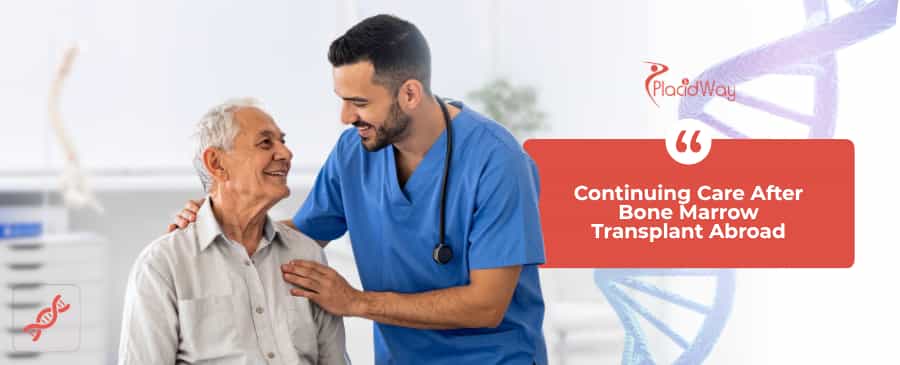
The decision to travel abroad for a life-saving medical procedure is terrifying enough without worrying about what happens when you finally land back at Heathrow or Gatwick. You are likely researching options, looking at the staggering costs of private healthcare in the UK, and wondering, Can UK patients receive follow-up care back home after bone marrow transplant in Turkey? It is the single most common fear I hear: "What if I get home and no one will monitor my bloodwork? What if something goes wrong and the NHS turns me away?"
I want you to take a deep breath. You are not the first person to make this journey, and you certainly will not be the last. Navigating the UK healthcare system after medical tourism requires a bit of proactive planning, but it is completely manageable and entirely safe. In this guide, I will walk you through exactly how to transition your care, transfer your records, and ensure your recovery is expertly monitored by UK professionals. You deserve to focus on healing, resting, and getting your life back not stressing over administrative hurdles.
Quick Facts: UK vs Turkey Transplant Care
How to Arrange Follow-Up Care After Bone Marrow Transplant Abroad
A bone marrow transplant (BMT), also known as a stem cell transplant, replaces damaged or diseased bone marrow with healthy stem cells. After the grueling conditioning phase (chemotherapy or radiation) and the transplant itself, your body needs time to "engraft"—meaning the new stem cells start producing healthy blood cells. Once engraftment is stable, you are discharged to fly back to the UK, but the journey is not over. Your immune system is effectively resetting itself.
Here is exactly how the handover process works when you return to the UK:
- Pre-Departure Handoff: Before leaving Turkey, your medical team will provide a comprehensive discharge portfolio. This includes your specific engraftment data, a list of current immunosuppressant medications, and a formal handover letter meant for your UK physician.
- The Records Translation: Top-tier international hospitals automatically provide your documents legally translated into English. This guarantees your UK doctors understand exactly what protocols were used.
- Securing a UK Hematologist: Upon returning, you present these documents to your local GP (for an NHS referral) or directly to a private UK hematologist. They will formally take over your physical monitoring.
- Routine Monitoring: You will undergo regular blood tests locally. Your UK doctor assesses these, and if necessary, consults via telemedicine with your Turkish specialists to adjust your medication.
Unlike staying in a foreign country for an entire year, transitioning your care back to the UK allows you to sleep in your own bed, eat familiar food, and rely on your personal support system, which drastically improves your mental health during recovery.
Why Choose Cross-Border Co-Management for Post-Transplant Care?
- Financial Relief: By splitting your care, you save up to 60 percent on the heavy surgical and hospital-stay costs, while only paying for routine lab work and consultations back in the UK (or utilizing the NHS for free).
- Psychological Comfort: Healing from a transplant takes 6 to 12 months. Being isolated in a hotel in a foreign country for that long is mentally draining. Recovering at home improves emotional well-being.
- Dietary and Environmental Safety: After a BMT, you need strict hygiene and a specialized neutropenic diet. It is significantly easier to control your food preparation and home environment in the UK than in a foreign rental.
- Continuity of Care: Your original transplant team in Turkey knows your case intimately. Through telemedicine, they remain actively involved in your recovery, acting as consultants to your local UK doctor.
- Immediate Emergency Access: If you run a sudden fever—a critical red flag post-transplant—you need a hospital within minutes. Being registered with your local NHS trust means you have immediate emergency access without needing to board a plane.
Cost Comparison: Procedure and Private Follow-Up Options
Many UK patients face agonizingly long wait times on the NHS for complex procedures, forcing them to look at private UK clinics. But private UK healthcare is astronomically expensive. Let us look at how the costs break down so you can see why traveling for the surgery, but following up at home, makes financial sense.
| Treatment Phase | Private UK Cost | Turkey Cost | Estimated Savings |
|---|---|---|---|
| Autologous BMT (Own cells) | £70,000 - £90,000 | £25,000 - £35,000 | 60% |
| Allogeneic BMT (Donor cells) | £100,000 - £150,000 | £45,000 - £65,000 | 55% |
| Private UK Hematologist Consult | £200 - £350 per visit | Included via Telemedicine | N/A |
| Routine Blood Panels (Private UK) | £100 - £200 per test | N/A (Paid in UK) | N/A |
| Total Overall Cost with UK follow-up | £75,000+ | £32,000+ | 55%+ Savings |
Why do prices differ so drastically? It comes down to macroeconomics. The actual chemotherapy drugs, the sterile HEPA-filtered isolation rooms, and the flow cytometry machines used in Turkey are identical to those in London. The savings come from lower administrative overhead, favorable exchange rates for the British Pound against the Turkish Lira, and significantly lower labor costs for nursing and laboratory staff. You are paying for the medicine, not the local inflation.
Monitoring Graft-Versus-Host Disease in the UK: Is It Safe?
The scariest part of returning home is the fear of complications. "What if my body rejects the transplant? What if I develop Graft-Versus-Host Disease (GVHD)?" These are incredibly valid concerns. GVHD occurs when donor cells attack your body, and it requires immediate adjustment of immunosuppressant drugs. Rest assured, tracking this is a universal science.
| Quality Metric | UK (NHS/Private) | Destination (Turkey) | Notes |
|---|---|---|---|
| Clinical Accreditation | CQC / JACIE | JCI / JACIE | JACIE is the universal standard for cellular therapy. |
| Hematologist Training | GMC Registered | International/US/EU Fellowships | Turkish doctors often train in the UK or US. |
| Infection Control | Strict hospital protocols | Strict hospital protocols | Identical HEPA-filtered isolation rooms used. |
| GVHD Protocols | Standardized algorithms | Standardized algorithms | Immunosuppressants used are globally standardized. |
Here is why you should feel confident about returning home:
- Universal Language of Blood Work: A complete blood count (CBC) or liver function test reads the same in London as it does in Istanbul. Your UK doctor knows exactly how to interpret your white blood cell recovery.
- Standardized Medications: Drugs used to prevent rejection, like Cyclosporine or Tacrolimus, are standard worldwide. Your UK hematologist will be highly familiar with prescribing and tweaking these exact medications.
- JACIE Guidelines: The Joint Accreditation Committee ISCT-Europe & EBMT (JACIE) dictates exactly how bone marrow transplants must be handled. Both your Turkish center and your UK hospital follow this exact rulebook.
- Constant Virtual Support: You will not be abandoned. Premium international clinics assign you a dedicated coordinator who tracks your UK blood results and sets up video calls between you, your UK doctor, and your Turkish surgeon.
The key is full transparency. As long as you provide your local UK medical team with your complete, translated medical history, they have everything they need to keep you safe.
NHS Follow-Up Care for Overseas Medical Treatment: A Timeline
Knowing what to expect timeline-wise will help you plan your life and reduce anxiety. Here is the typical process once you fly back to the UK:
- Weeks 1 to 4 Post-Return: You will be resting at home under strict hygiene protocols. You will visit your local clinic or hospital 1 to 2 times a week for blood draws to monitor your platelets, hemoglobin, and white blood cells.
- Months 2 to 6: As your graft stabilizes, blood tests reduce to once every two weeks. If you had an allogeneic transplant (donor cells), your doctors will closely monitor your skin, gut, and liver for any signs of mild GVHD.
- Months 6 to 12: You will begin feeling significantly more energetic. Blood tests drop to once a month. Your doctor will slowly start tapering off your immunosuppressant medications.
- Year 1 and Beyond: Around the 12-to-24 month mark, your immune system is essentially reborn. You will begin receiving your standard childhood vaccines (polio, measles, etc.) all over again, as your new immune system needs to be trained.
Crucial considerations to coordinate before you travel:
- NHS GP Registration: Ensure you are actively registered with an NHS GP before you leave for Turkey. Do not wait until you return to try to get into the system.
- Pre-Warning Your Local Trust: Have a conversation with your GP stating: "I am traveling for a BMT and will need hematology follow-up upon my return in 10 weeks." This gets the referral paperwork started early.
- Flying Precautions: Your flight back to the UK must be cleared by your Turkish doctor. You must wear an N95 mask, sanitize your seating area, and ideally, book a direct flight or business class to minimize exposure to crowds.
- Translation Verification: Never leave the Turkish hospital without physical and digital copies of your discharge summary in English.
Are You Ready for Post-Transplant Care Back Home?
Returning home is the goal, but timing is everything. You cannot rush the initial recovery phase.
You are likely a great candidate to return to the UK for follow-up if:
- Your Turkish medical team has officially confirmed successful engraftment.
- You have been fever-free and stable for at least 7 to 14 days prior to your flight.
- You have a dedicated, healthy caregiver waiting at home to help you.
- Your UK home can be deep-cleaned and prepared for a neutropenic (low-immunity) patient.
- You have already contacted a UK GP or private clinic to arrange your first blood test upon landing.
- You understand the strict dietary and hygiene rules you must follow at home.
You may need to reconsider and stay in Turkey a few weeks longer if:
- You develop a sudden fever: Fevers post-transplant are emergencies. Do not board a plane.
- Your blood counts are dangerously low: You cannot risk exposure to airport germs without baseline white blood cells.
- You have severe nausea or diarrhea: Travel will dehydrate you quickly, complicating your recovery.
- You live alone in the UK: You cannot manage grocery shopping, cooking, and house cleaning alone in the first few months. You must have help.
- Your home is undergoing renovations: Dust and mold spores (aspergillus) are lethal to a new immune system. Your environment must be pristine.
- You have small, sick children at home: Toddlers bring home viruses. You will need to isolate from sick family members strictly.
If you meet the safe criteria, returning home is the best thing you can do for your mental health. The next step is simply speaking to a medical coordinator to map out the timeline.
Frequently Asked Questions
Patients researching international transplants share the same anxieties about logistics, safety, and cross-border cooperation. Below are the definitive answers to the most critical questions regarding follow-up care and the transplant process.
Can UK patients receive follow-up care back home after bone marrow transplant in Turkey?
Yes, UK patients can receive follow-up care back home. Most patients transition their care to the NHS or a private UK hematologist. You will need your translated medical records and a detailed discharge summary from your Turkish medical team to ensure a seamless handover.
Will the NHS cover my follow-up care if I had my transplant in Turkey?
Yes. As a UK resident, you are entitled to NHS care regardless of where your initial surgery took place. However, you must register with a GP and present your international medical records so they can refer you to an NHS hematology department for ongoing blood tests and monitoring.
How do I transfer my medical records from Turkey to the UK?
Before leaving Turkey, request a complete, legally translated copy of your medical file in English. This must include your stem cell engraftment details, chemotherapy protocols, current immunosuppressant dosages, and a specific handover letter addressed to your UK hematologist.
What is the recovery time for a bone marrow transplant?
Initial hospital recovery in Turkey takes 3 to 6 weeks. Once back in the UK, it takes 3 to 12 months for your immune system to fully recover from an autologous transplant, and 1 to 2 years for an allogeneic transplant. You will need weekly blood tests during the first few months.
What happens if I develop complications or graft rejection in the UK?
If you experience symptoms of Graft-Versus-Host Disease (GVHD), infection, or graft failure, you will be treated by your local NHS trust or private UK specialist. Your Turkish medical team is also available via telemedicine to consult directly with your UK doctors to adjust your medications.
How much does a bone marrow transplant cost in Turkey vs private UK clinics?
A bone marrow transplant in Turkey costs between £30,000 and £55,000. In private UK hospitals, the same procedure ranges from £70,000 to over £120,000. Traveling to Turkey offers a 50 to 60 percent savings while maintaining international quality standards.
Are medical standards in Turkey comparable to the UK for transplants?
Yes. Reputable Turkish hospitals hold JCI (Joint Commission International) and JACIE accreditations, which are the same strict global standards followed by top-tier UK and European hematology centers.
How often will I need blood tests after stem cell transplant Turkey?
For the first 1 to 3 months back in the UK, you will need full blood counts 1 to 2 times per week. This decreases to once every two weeks between months 3 and 6, and then monthly as your immune system stabilizes.
Which Turkish cities are best for a bone marrow transplant?
Istanbul and Ankara are the primary hubs for advanced hematology and oncology. These cities house the largest JCI-accredited university hospitals equipped with dedicated, sterile bone marrow transplant units.
Is it safe to travel back to the UK alone after my treatment?
No. You should not travel back to the UK alone. Your immune system will be compromised, and you will experience fatigue. You must have a dedicated caregiver or companion to assist with luggage, hygiene protocols, and navigating the airport safely.
How many trips to Turkey will I need?
Typically, you only need one extended trip lasting 2 to 3 months. This covers pre-transplant conditioning, the transplant itself, and the crucial 30-to-45 day immediate post-transplant monitoring period before you are cleared to fly home.
Can I finance private follow-up care in the UK?
Yes. If you choose not to use the NHS, many private UK hematology clinics offer medical financing or accept private health insurance. Because you saved 50 to 60 percent on the main procedure in Turkey, paying for private UK follow-up care often becomes highly affordable.
You Have Done the Research. Let's Plan Your Care.
References
- National Health Service (NHS). "Stem Cell and Bone Marrow Transplants."
- Joint Commission International (JCI). "Global Standards for Hospitals."
- British Society for Haematology. "Guidelines for Post-Transplant Care."
- PlacidWay Medical Tourism. "Bone Marrow Transplant Clinics in Turkey"
.png)

.png)

.png)

.png)




Share this listing