


Risks of Limb Lengthening Surgery in Turkey for US Patients
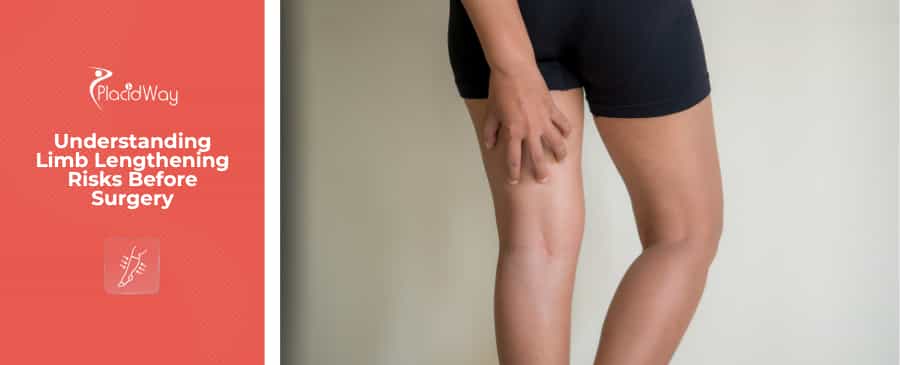
If you have spent your life feeling overlooked because of your height, the psychological weight is exhausting. The constant awareness in social settings, the silent hits to your confidence in the workplace, and the feeling that your physical stature does not match who you are inside. Cosmetic stature lengthening offers a permanent, life-altering solution. But right now, you are probably balancing that intense hope against a very real fear: What are the risks of limb lengthening surgery in Turkey for US patients?
You have likely seen the astronomical prices in the United States often exceeding $100,000 making domestic surgery impossible for most. Turkey has emerged as the global capital for height surgery, offering top-tier facilities for a fraction of the cost. But flying across the world to have your femurs or tibias surgically altered is terrifying. You need to know if the lower price tag means lower safety standards. This guide will give you the honest, unfiltered truth about limb lengthening Turkey risks, how they compare to staying home, and exactly how to protect your health while achieving the height you deserve.
Quick Facts: Leg Lengthening Surgery US vs Turkey
What Is Limb Lengthening Surgery and How Does It Work?
Cosmetic stature lengthening sounds like science fiction, but it is actually based on a natural biological process called distraction osteogenesis, pioneered in the 1950s. When a bone is broken and slowly pulled apart, the body rushes cells to the gap to bridge it with new bone tissue. Over months, this new tissue calcifies and becomes as strong as your original bone.
Here is the step-by-step process of how you actually get taller:
- Osteotomy (The Surgery): An orthopedic surgeon makes precise incisions and carefully cuts your femur (thigh bone) or tibia (shin bone) into two segments.
- Device Insertion: A specialized titanium device is installed. This is either fully internal (like the magnetic FDA-approved Precice nail inserted inside the bone marrow) or a hybrid system (the LON method, which uses an internal nail combined with an external fixator).
- The Distraction Phase: Starting about a week after surgery, you will use an external magnetic remote (for Precice) or turn a key on the external fixator (for LON) to pull the bone apart by exactly 1 millimeter per day. Over 80 days, you can grow 8 centimeters (about 3.1 inches).
- Intense Physical Therapy: As the bone stretches, your muscles, nerves, and blood vessels must stretch with it. Daily, painful physical therapy is absolutely mandatory to prevent stiffness and permanent mobility issues.
- The Consolidation Phase: Once you reach your target height, the lengthening stops. You wait for the soft new bone to calcify and harden entirely, which takes another few months.
The benefit of modern methods like the Precice nail over older alternatives is vast: there are no external metal frames, dramatically lowering the risk of pin-site infections, reducing visible scarring, and making sleeping and physical therapy much more comfortable.
Why Do US Patients Choose Height Surgery in Turkey?
Traveling abroad for a major orthopedic surgery is a massive decision. But thousands of Americans make this trip to Istanbul every year. Here is exactly why the benefits often outweigh the hesitations:
- Life-changing height increase: You can permanently gain 2 to 3.5 inches on your femurs, or up to 6 inches if you do femurs and tibias in separate surgeries. This is permanent, natural bone.
- Unmatched affordability: Saving $60,000 or more means the difference between dreaming about the surgery and actually doing it.
- Comprehensive recovery packages: Unlike the US, where you are sent home to figure out physical therapy on your own, Turkish clinics provide "recovery hotels." You get meals, 24/7 nursing access, and dedicated physical therapists working with you every single day for months.
- High-volume expertise: Because the cost is accessible, top Turkish orthopedic surgeons perform this highly specific surgery hundreds of times a year. Many US surgeons only do a few cosmetic lengthenings annually.
- Confidentiality: Recovering abroad allows you to go away for a few months and return home taller, without having to explain your daily struggle with crutches or wheelchairs to friends and coworkers.
How Much Can You Save: Cost of Fixing Limb Lengthening Complications vs Surgery Cost
Let us look closely at the numbers. Pricing varies based on which bone you are lengthening (femurs are generally easier and safer than tibias) and which hardware you choose.
| Method / Bone | US Price (Estimated) | Turkey Price (Estimated) | Savings % |
|---|---|---|---|
| LON Method (Femurs) | $65,000 - $80,000 | $18,000 - $22,000 | 70-75% |
| LON Method (Tibias) | $70,000 - $85,000 | $19,000 - $24,000 | 70-75% |
| Precice Nail (Femurs) | $95,000 - $110,000 | $35,000 - $45,000 | 60-65% |
| Precice Nail (Tibias) | $100,000 - $120,000 | $38,000 - $48,000 | 60-65% |
| Nail Removal (1-2 yrs later) | $15,000 - $20,000 | $2,000 - $4,000 | 75-85% |
Why is there such a massive price difference? It has absolutely nothing to do with buying "cheaper" titanium nails. A Precice nail imported from California costs the Turkish clinic the same as it costs a US hospital. The 75% savings comes entirely from Turkey’s lower cost of living, reduced hospital overhead, significantly lower orthopedic surgeon fees, and cheaper labor costs for nurses and physical therapists. In the US, daily physical therapy for three months alone could bankrupt you. In Turkey, it is simply built into the package.
Is Limb Lengthening Surgery in Turkey Safe Compared to the US?
This is where we confront the fear directly. You are changing the biomechanics of your body. Risks exist, and pretending they do not is dangerous. Here is how top Turkish clinics stack up against American hospitals in mitigating these risks.
| Quality/Safety Metric | US Hospitals | Turkish Hospitals | Notes on Risks |
|---|---|---|---|
| Implant Quality | FDA-Approved NuVasive | FDA-Approved NuVasive | Top clinics in Turkey use identical US imports. |
| Infection Prevention | Strict hospital protocols | JCI & ISO standard protocols | Deep bone infection is under 1% in both countries. |
| Physical Therapy | Outpatient, 2-3x a week | In-house, 5-7x a week | Turkey’s daily PT drastically lowers contracture risks. |
| DVT Prevention | Blood thinners & movement | Blood thinners & movement | Flying home early from Turkey increases DVT risk. |
To keep yourself safe, you must understand how to avoid complications with height surgery in Turkey:
- Nerve and Muscle Contractures: As bone grows, soft tissue struggles to keep up. If you slack on stretching, you can lose flexibility permanently or require a second surgery to lengthen the Achilles tendon. Turkey's daily PT actually makes this risk lower than doing it alone in the US.
- Non-Union (Delayed Bone Consolidation): Sometimes the gap does not calcify properly. This might require a bone graft. You minimize this by eating a high-protein diet, taking prescribed Vitamin D/Calcium, and absolutely not smoking.
- Deep Vein Thrombosis (DVT): Blood clots are a risk in any major leg surgery. Turkish doctors prescribe anticoagulants. The biggest DVT risk is flying back to the US too soon. You must stay in Turkey during the most critical phases.
- Pin-Site Infections: If you opt for the cheaper LON method, metal rods stick out of your skin. These must be cleaned daily. A surface infection is easily treated with antibiotics, but if ignored, it can reach the bone.
Ultimately, your safety is in your hands. Choose a hospital with Joint Commission International (JCI) accreditation, and commit to the grueling physical therapy. If you do that, your outcome will rival the best clinics in America.
What is the Recovery Timeline for Limb Lengthening in Turkey?
Do not underestimate the time commitment. This is not a procedure where you take a week off work and bounce back. Here is the true timeline of what you will experience:
- Phase 1: Surgery & Hospital Stay (Week 1): You fly to Turkey, undergo comprehensive blood work and X-rays, have the surgery, and spend 3 to 5 days in the hospital managing initial pain.
- Phase 2: The Distraction Phase (Months 1-3 in Turkey): You move to the clinic’s recovery hotel. Every day, you lengthen your bone by 1mm. You will be in a wheelchair or using a walker. You will endure 1 to 2 hours of painful physical therapy daily. This is a full-time job.
- Phase 3: The Consolidation Phase (Months 4-7 at home): Once you reach your target height (e.g., 3 inches), the device is locked. You fly back to the US. Now, you wait for the bone to heal. You transition from a walker to crutches, and eventually to walking unaided.
- Phase 4: Hardware Removal (12-18 months later): Once X-rays confirm your bone is 100% solid, you return to Turkey for a minor outpatient surgery to remove the titanium nails.
Crucial considerations for US patients:
- Traveling home: Flying across the Atlantic in a wheelchair with recovering legs is tough. Book business class if at all possible, and secure wheelchair assistance at the airport.
- Remote work: If you can work from your laptop, you can continue working during Phase 2 from your hotel in Turkey.
- Follow-up X-rays: You will need to take X-rays every few weeks back in the US and email them to your Turkish surgeon to monitor consolidation.
Who is a Good Candidate for Leg Lengthening Surgery?
Cosmetic stature lengthening is a test of mental endurance as much as physical healing. Money alone will not buy you a successful outcome.
You are likely a great candidate if you:
- Are generally healthy and between the ages of 18 and 50 (bones heal slower as we age).
- Suffer from severe height dysphoria that impacts your daily life.
- Are a non-smoker, or are willing to quit nicotine entirely 3 months before and 6 months after surgery.
- Have the discipline to push through painful stretching exercises daily.
- Can afford the financial cost without putting yourself in ruinous debt.
- Have a strong support system at home for when you return to the US.
You must reconsider this procedure if you:
- Smoke or vape nicotine: Nicotine constricts blood vessels and is the number one cause of non-union (bone failing to heal). Most reputable surgeons will test your blood and cancel the surgery if nicotine is present.
- Have bone density issues: Conditions like osteoporosis make the bone too weak to hold the titanium nails.
- Have a history of blood clots: This elevates your DVT risk significantly.
- Are looking for a "quick fix": If you lack patience or discipline, you will end up with severe joint stiffness or a permanent limp.
- Expect to play professional impact sports: While you can run, lift weights, and live a completely normal life, extreme high-impact sports (like professional rugby or heavy martial arts) might be risky long-term.
- Lack the funds for complications: Even with cheap surgery in Turkey, you need an emergency fund of $5,000-$10,000 just in case you require extended stays or local US orthopedic intervention.
Your next step should be arranging a remote video consultation. The doctor will evaluate your leg proportions and tell you honestly what is biologically possible for your body.
Frequently Asked Questions
Making a decision this large requires all the facts. Below, we address the most common and pressing questions US patients ask about the risks of limb lengthening surgery in Turkey.
What are the risks of limb lengthening surgery in Turkey for US patients?
The primary risks include pin-site infections (for external methods), muscle contractures, nerve stretching, poor bone consolidation, and deep vein thrombosis (DVT). These risks are statistically similar to the US (3-5% for severe complications) when you choose an internationally accredited Turkish hospital with high-volume orthopedic surgeons. Your dedication to physical therapy dictates much of your safety.
How much does height surgery cost in Turkey vs the US?
Limb lengthening in Turkey typically costs between $18,000 and $45,000, depending on the method used (LON vs. Precice). In the United States, the same surgery costs between $75,000 and $120,000+. This represents a 60% to 75% savings for US patients, primarily due to lower surgical fees and overhead, not cheaper materials.
Is the Precice internal nail method available in Turkey?
Yes, reputable orthopedic centers in Turkey use the exact same FDA-approved Precice and Precice Stryde intramedullary nails manufactured by NuVasive that are used by top surgeons in the United States. You receive world-class hardware at a much lower overall cost.
What happens if I get an infection after limb lengthening abroad?
Most minor pin-site infections (common with the LON method) are treated quickly with oral antibiotics provided by your clinic. For serious deep-bone infections (very rare, under 1-2%), your Turkish clinic's warranty usually covers corrective treatment, though you would need to return to Turkey or have a local US orthopedic surgeon intervene.
How long do I need to stay in Turkey for leg lengthening?
Patients typically stay in Turkey for 2 to 3 months. This covers the surgery and the entire 'distraction phase' where the bone is actively lengthening 1mm per day, allowing you to utilize intensive, daily physical therapy provided by the clinic to prevent muscle stiffness.
Can I travel back to the US alone after height surgery?
While some do, traveling alone in a wheelchair or with crutches during the consolidation phase is highly challenging. Having a companion is strongly recommended to assist with luggage, airport navigation, and managing DVT risks during the long transatlantic flight by keeping your legs elevated and taking prescribed blood thinners.
Does bone loss occur during limb lengthening?
The procedure relies on distraction osteogenesis, which actually grows new bone rather than causing bone loss. However, if the distraction is too fast or the patient lacks proper nutrition, 'non-union' or delayed consolidation can occur, sometimes requiring a bone graft to help the gap solidify.
Which Turkish cities are best for cosmetic limb lengthening?
Istanbul is the premier destination for cosmetic stature lengthening. It houses the vast majority of JCI-accredited hospitals, advanced physical therapy rehabilitation hotels, and high-volume limb lengthening specialists who cater specifically to international patients.
Will my US orthopedic surgeon provide follow-up care?
Many US orthopedic surgeons are willing to monitor your bone consolidation via X-rays if you provide your surgical notes and device details (like the Precice nail model). However, you must establish this relationship before you travel to Turkey, as some US doctors hesitate to treat cosmetic international cases.
How do I verify a Turkish limb lengthening clinic is reputable?
Look for Joint Commission International (JCI) hospital accreditation, surgeons who are members of international orthopedic boards, transparent complication rates, state-of-the-art onsite physical therapy, and verifiable long-term patient reviews. Avoid clinics that rush you or gloss over the painful reality of recovery.
How many trips to Turkey are required for the LON method?
The LON (Lengthening Over Nails) method requires one extended trip (2-3 months) for the lengthening phase and external fixator removal, plus a brief second trip about 12-18 months later to remove the internal titanium nails once the bone is fully solid.
Can I finance limb lengthening surgery in Turkey?
While international clinics rarely offer direct financing to US citizens, many patients fund their $20,000-$40,000 procedure using US-based personal medical loans, home equity lines of credit, or savings, which is much more achievable than financing $100,000+ domestically.
You Have Done the Research. Claim Your Confidence.
References
- NuVasive Specialized Orthopedics. "Precice Intramedullary Limb Lengthening System Specifications."
- Joint Commission International (JCI). "Global Quality and Patient Safety Standards in Hospitals."
- National Institutes of Health (NIH) - PubMed. "Complications of cosmetic stature lengthening: A systematic review."
- PlacidWay Medical Tourism. "Limb Lengthening Surgery in Turkey: The Complete Guide"
.png)


.png)
.png)
.png)




.png)
.png)
.jpg)












Share this listing