What treatment

What treatment
The All on 6 Dental Implants cost in Cuba averages $6,000 to $8,000 per arch, saving patients up to 60% compared to North America. Havana clinics adhere to strict international safety and sterilization protocols, ensuring a highly safe, successful, and transformative full-mouth restoration. Restoring your smile is one of the most significant investments you can make in your overall health, confidence, and quality of life. For individuals suffering from extensive tooth loss or severe periodontal disease, traditional dentures often fall short, providing limited comfort and reduced chewing power. This is where the advanced All on 6 dental implant procedure comes in, offering a permanent, fixed solution that looks, feels, and functions just like natural teeth. In recent years, patients worldwide have discovered the immense value of seeking All on 6 Dental Implants in Cuba. By combining world-class medical expertise with highly affordable healthcare models, Havana has emerged as a premier destination for complex restorative dentistry. This comprehensive guide will explore everything you need to know about undergoing this life-changing procedure in the vibrant capital of Cuba. Key Takeaways: All on 6 Dental Implants in Havana Massive Cost Savings: Procedures cost a fraction of what they do in the US, UK, or Canada without sacrificing material quality. Highly Skilled Specialists: Cuban dental surgeons undergo rigorous, government-mandated medical training, often specializing in complex implantology. Immediate Functionality: Patients typically receive a temporary, functional smile on the exact same day as their surgery. Stringent Safety: Clinics treating international patients must adhere to stringent hygiene, safety, and technological standards. Long-Term Durability: With proper care, titanium implants and durable prosthetics provide a lifetime of renewed confidence and biting power. What Are All on 6 Dental Implants and How Do They Work? All on 6 is a revolutionary full-arch restoration technique where a complete row of prosthetic teeth is permanently anchored to the jawbone using six strategically placed titanium implant posts. The biomechanics of the All on 6 procedure are designed to maximize stability and minimize the need for extensive preliminary surgeries. Unlike replacing teeth one-by-one, which would be surgically invasive and prohibitively expensive, this method uses precisely six titanium posts to support an entire bridge of teeth. Titanium is a biocompatible metal, meaning the human body accepts it, allowing bone cells to grow tightly around the post in a process called osseointegration. During the procedure, two implants are placed in the anterior (front) of the jaw, and four are placed in the posterior (back), often at specific angles. This angulation is a critical innovation. By tilting the back implants, dental surgeons can utilize the densest parts of the patient's remaining jawbone. This often allows patients who have suffered moderate bone loss to bypass the need for lengthy, costly bone grafting procedures before getting their implants. Once the implants are securely in place, they act as deep, artificial tooth roots. These roots not only provide a rock-solid foundation for the prosthetic bridge—eliminating the slipping, clicking, and discomfort associated with removable dentures—but they also stimulate the jawbone. This stimulation prevents the facial collapse and premature aging that typically occurs when teeth are missing for an extended period. ???? Expert Insight: The Power of Osseointegration The success of your implant relies on osseointegration—the physiological process where your natural bone fuses to the titanium surface of the implant at a cellular level. It takes roughly 3 to 6 months for this bond to solidify completely, which is why sticking to a soft diet initially is paramount to long-term success. Why Choose Havana, Cuba for Your Full Mouth Restoration? Havana offers a unique blend of exceptionally trained dental professionals, dramatically lower procedural costs, and a rich, stress-reducing environment ideal for post-operative recovery. World-Class Medical Training: Cuba is globally recognized for its robust medical education system. Dentists and oral surgeons undergo years of intensive, heavily subsidized training, resulting in specialists who are highly proficient in advanced implantology. Patient-Centric Healthcare Philosophy: The healthcare model in Cuba focuses heavily on preventative care and patient outcomes rather than rapid patient turnover. This translates to longer, more thorough consultations and personalized care plans. Unmatched Affordability: Due to differences in the cost of living and a lack of inflated insurance administration costs, high-end dental procedures in Havana are significantly more accessible, allowing patients to afford top-tier materials like zirconia. State-of-the-Art Technology: Clinics catering to international patients are equipped with modern diagnostic tools, including 3D CBCT scanners and CAD/CAM technology, ensuring precision in every step of the implant process. Holistic Recovery Environment: Recovering from oral surgery requires rest and low stress. Havana’s warm climate, tranquil coastal views, and hospitable culture provide an excellent backdrop for healing. Proximity and Accessibility: For patients traveling from the Americas and Europe, Cuba is a highly accessible destination with numerous direct flights, making the logistics of dental travel smooth and efficient. How Much Does the All on 6 Dental Implants cost in Cuba Compared to Other Countries? The All on 6 Dental Implants cost in Cuba is profoundly lower than global averages, largely due to lower local operational overhead, without any compromise on the quality of the titanium implants used. When evaluating international healthcare options, financial transparency is key. In countries like the United States and Canada, dental implants are rarely covered entirely by standard health insurance policies. Consequently, patients are hit with immense out-of-pocket expenses covering not just the materials, but high laboratory fees, astronomical clinic overhead, and steep specialist consultation rates. By contrast, the pricing structure in Cuba is straightforward and equitable. Because the government heavily subsidizes medical education and local infrastructure costs are considerably lower, the savings are directly passed on to the international patient. You are paying strictly for the high-grade materials (imported titanium and premium crown materials) and the direct expertise of your surgical team. To understand the magnitude of these savings, consider the comparison table below. Note that these are estimated average costs per arch (upper or lower jaw) and can fluctuate based on the specific brand of implant used (such as Nobel Biocare or Straumann) and the final prosthetic material chosen. Country Estimated Cost (Per Arch) Savings Compared to US Havana, Cuba $6,000 - $8,000 Up to 60-70% United States $24,000 - $30,000 Base Cost Canada $20,000 - $25,000 15 - 20% United Kingdom $15,000 - $20,000 30 - 40% What Should You Expect During the All on 6 Procedure in Havana? The procedure is executed over two main phases: an initial surgical trip for extractions and implant placement with immediate temporary teeth, and a follow-up trip for the final permanent prosthesis. Comprehensive Digital Diagnostics: Upon arriving at your clinic, specialists will perform a 3D CBCT scan to map out your jawbone density, nerve pathways, and sinus cavities, ensuring millimeter-perfect surgical planning. Extractions and Site Preparation: If you have failing teeth remaining in the arch, they will be carefully extracted during the same surgical session. The gum tissue and bone are then prepared to receive the implants. Strategic Surgical Placement: Under local anesthesia and optional sedation, the surgeon drills precise channels into the jawbone and inserts the six titanium posts at their designated angles and depths. Immediate Provisional Loading: The same day, a temporary acrylic bridge is secured to the implants. You will leave the clinic with a fully functional, aesthetically pleasing smile, avoiding the embarrassment of being toothless. The Healing Phase (At Home): Over the next 3 to 6 months, you return home while the implants undergo osseointegration, fusing deeply with your natural bone architecture. Final Prosthetic Placement: Once healing is verified, you return to Havana. The dental lab fabricates your final, ultra-durable bridge (usually from zirconia or porcelain), which is permanently affixed to your fully integrated implants. ???? Did You Know? Acrylic vs. Zirconia Your temporary bridge is usually made of high-impact acrylic. This material is intentionally lighter and softer, which absorbs chewing shock and protects the implants underneath while they heal. Your final bridge will be crafted from robust materials like Zirconia, renowned for mimicking the natural translucency and immense strength of organic tooth enamel. Are Dental Clinics in Havana Safe and Regulated? Selecting an All on 6 Dental Implants clinic in Cuba guarantees care under strict Ministry of Public Health regulations, ensuring advanced sterilization protocols and globally recognized safety standards. A common and understandable concern for anyone traveling abroad for surgery is the quality and safety of the medical facilities. In Cuba, the healthcare system is tightly regulated by the state, and clinics that are authorized to treat international patients must adhere to the highest echelon of medical standards. These facilities are frequently audited to ensure compliance with strict hygiene, sterilization, and operational protocols. Infection control is paramount when dealing with dental implants, as bacterial contamination is the leading cause of early implant failure. Top clinics in Havana utilize hospital-grade autoclaves, implement rigorous cross-contamination barriers, and operate within surgically sterile environments. The surgical staff wear full PPE, and single-use disposable tools are utilized wherever applicable, mirroring the exact protocols you would expect in a premium North American or European clinic. Furthermore, the materials utilized by any reputable All on 6 Dental Implants clinic in Cuba are globally sourced from leading international manufacturers. You are not receiving "discounted" hardware; you are receiving FDA- or CE-approved titanium posts and prosthetic materials. The difference in price comes from the local economy, not from a reduction in the safety or quality of the physical implants placed in your mouth. How Long is the Recovery Process for All on 6 Implants? Initial surgical recovery takes approximately 7 to 14 days, during which swelling subsides, while complete bone integration occurs internally over the next 3 to 6 months. The immediate post-operative phase is a critical time for healing. For the first few days following your surgery in Havana, you can expect some localized swelling, minor bruising around the jaw or cheeks, and mild to moderate discomfort. Your dental team will prescribe appropriate analgesics (painkillers) and antibiotics to prevent infection and keep you comfortable. Ice packs applied to the outside of the face are highly effective in mitigating early swelling. During the first two weeks, it is crucial to rest and avoid strenuous physical activity, as elevated blood pressure can cause throbbing or bleeding at the surgical sites. You will also be instructed to maintain a strict soft-food diet—think smoothies, mashed potatoes, well-cooked pasta, and scrambled eggs. Chewing hard, crunchy, or chewy foods during this period can exert undue force on the implants before they have firmly locked into the bone. The longer-term recovery phase is largely invisible. Over the next 3 to 6 months, the titanium implants undergo osseointegration. You will feel completely normal during this time, and your temporary teeth will allow you to function socially without issue. However, you must continue to treat the implants gently until your dentist clears you for the final prosthetic attachment, after which you can return to a completely normal, unrestricted diet. What Are the Benefits of Medical Tourism in Cuba for Dental Patients? Engaging in medical tourism in Cuba provides a holistic patient experience, combining world-class dental restoration with dedicated bilingual patient coordinators and a deeply relaxing environment. Seamless Care Coordination: Clinics dedicated to international patients employ specialized coordinators who speak fluent English. They manage your appointments, translate medical documents, and ensure crystal-clear communication with your surgeon. All-Inclusive Treatment Focus: Medical tourism packages often bundle the costs of diagnostics, surgical procedures, imaging, and post-operative medications into one transparent price, removing the anxiety of hidden fees. Combining Healing with Tranquility: Stress negatively impacts the immune system and healing processes. Recovering in a visually beautiful, culturally rich, and relaxed setting like Havana genuinely promotes better physiological healing. Skip the Waitlists: In many countries with public healthcare systems, waiting for specialist dental consultations can take months. Cuban medical tourism clinics prioritize international arrivals, allowing you to schedule your surgery rapidly. Highly Personalized Attention: The doctor-to-patient ratio and the cultural emphasis on hospitable care mean you will receive immense personal attention, ensuring you never feel like just another number on a surgical assembly line. ???? Expert Insight: Chewing Efficiency Restored Traditional removable dentures typically only restore about 20% to 30% of your natural chewing efficiency, heavily restricting your diet. All on 6 dental implants restore up to 95% of your bite force, meaning apples, steaks, and crusty breads are safely back on the menu once you are fully healed! Am I a Good Candidate for All on 6 Dental Implants in Cuba? Ideal candidates are those with extensive tooth loss or severe decay who maintain good underlying systemic health, are non-smokers, and possess adequate, healthy jawbone density. Missing Majority of Teeth: The procedure is specifically designed for full-arch restoration. If you are only missing one or two teeth, individual implants are a more conservative and appropriate approach. Sufficient Bone Volume: While All on 6 maximizes existing bone by angling the implants, a certain baseline of bone density is required to anchor the titanium posts safely. 3D imaging will confirm your bone status. Good Systemic Health: Because this is an invasive surgical procedure, conditions like uncontrolled diabetes, active autoimmune disorders, or recent radiation therapy to the head/neck can impede healing and disqualify a patient. Healthy Gum Tissue: Any active periodontal (gum) disease must be fully treated and eradicated prior to implant placement, as active bacteria can attack the surgical sites and lead to peri-implantitis (implant failure). Commitment to Quitting Smoking: Nicotine is severely detrimental to osseointegration. Candidates must be willing to stop smoking weeks before surgery and throughout the entire multi-month recovery process. Dedication to Oral Hygiene: Implants cannot get cavities, but the gums around them can become infected. A commitment to rigorous daily brushing, water-flossing, and routine professional cleanings is mandatory for long-term success. How Do You Maintain Your New Implants After Returning Home? Maintaining your new smile requires consistent daily hygiene, utilizing specialized tools like water flossers, and attending bi-annual professional cleanings with your local dental hygienist. Once your final prosthetic bridge is securely fastened to your integrated implants, your journey shifts from recovery to maintenance. The most critical aspect of post-implant care is plaque control. While the materials of your bridge (like zirconia or acrylic) are impervious to bacterial decay, your natural gum tissue and the underlying jawbone are still vulnerable. If food particles and plaque are allowed to accumulate at the base of the prosthesis, it can trigger peri-implantitis—an inflammatory condition that can destroy the bone holding your implants. To prevent this, your daily routine must be slightly modified. Standard brushing twice a day with a soft-bristled toothbrush and a non-abrasive gel toothpaste is the baseline. Abrasive toothpastes (like many whitening brands) can scratch the polished surface of your prosthetic teeth, creating micro-crevices where bacteria can hide. More importantly, traditional dental floss is often ineffective for a fixed bridge. You must invest in a high-quality water flosser. A water flosser utilizes a pressurized stream of water to blast away debris from the tiny gap between your prosthetic arch and your natural gum line. Supplement this with superfloss or interdental brushes designed specifically for implants. Finally, continue seeing your local dentist every six months. They need to professionally scale around the implants, take routine X-rays to monitor bone levels, and check the integrity of the bridge's attachments to ensure your Havana-crafted smile lasts a lifetime. Why Choose PlacidWay for All on 6 Dental Implants in Havana? PlacidWay removes the guesswork from international healthcare by connecting you exclusively with meticulously vetted, globally accredited dental specialists and providing transparent, comprehensive medical coordination. Stringent Clinic Vetting Process: PlacidWay only partners with facilities that meet rigorous international standards for safety, technological advancement, and sterilization protocols, ensuring your peace of mind. Verified Patient Reviews: Gain access to a vast database of real, verified testimonials and before-and-after portfolios from previous patients who have undergone the exact same procedure. Transparent Pricing Guarantees: Receive highly detailed, itemized quotes upfront. PlacidWay ensures there are no hidden fees or surprise medical costs once you sit in the dental chair. Dedicated Medical Coordination: From transferring your initial dental X-rays to facilitating pre-surgical online consultations with your chosen Cuban specialist, the coordination team handles all clinical logistics. Customized Dental Treatment Plans: PlacidWay ensures that your unique medical history and dental needs are matched with the specific oral surgeon whose expertise aligns perfectly with your complex restorative requirements. Ready to Transform Your Smile in Havana? Let PlacidWay connect you with top-rated, fully vetted dental implant specialists in Cuba. Experience world-class care, unmatched safety, and massive savings. Get Your Free Quote Frequently Asked Questions 1. Do All on 6 dental implants look natural? Yes, All on 6 dental implants look entirely natural. The prosthetic arch is custom-designed to match your facial structure, gum line, and natural tooth coloration. High-quality materials like zirconia or porcelain are used to mimic the translucency and light-reflecting properties of natural enamel, ensuring that your new smile is indistinguishable from real teeth. Your dentist will work with you to select the perfect shade and shape. 2. Will I be without teeth during the healing process? No, you will not have to go without teeth. Following the surgical placement of your implants, your dental specialist will attach a temporary, lightweight acrylic prosthetic. This allows you to smile, speak, and eat soft foods confidently while your implants integrate with your jawbone over the next few months. Once integration is complete, this temporary bridge is swapped for your final, permanent arch. 3. Does the All on 6 procedure hurt? The procedure itself is performed under local anesthesia, and often with conscious sedation, meaning you will not feel pain during the surgery. After the procedure, it is normal to experience some swelling, bruising, and mild discomfort, which is easily managed with prescribed over-the-counter pain relievers and cold compresses. Most patients report that the post-operative discomfort is far less severe than anticipated. 4. How long do All on 6 implants last? With proper care, the titanium implant posts are designed to last a lifetime. They fuse permanently with your jawbone. The prosthetic arch (the visible teeth) typically lasts between 10 to 15 years or more, depending on your oral hygiene habits, diet, and whether you suffer from conditions like bruxism (teeth grinding). Regular check-ups help ensure the longevity of both the implants and the prosthesis. 5. Can I eat normally with All on 6 implants? Once the implants are fully healed and the final prosthesis is attached, you will regain up to 90-95% of your natural biting force. You can enjoy a varied diet, including crisp fruits, meats, and nuts. However, during the initial 3 to 6 month healing phase, you must adhere strictly to a soft-food diet to avoid disrupting the delicate osseointegration process occurring beneath the gums. 6. Is a bone graft always required for All on 6? No, a bone graft is not always required. The All on 6 technique strategically places the implants at precise angles in areas where bone density is naturally highest. This often bypasses areas of bone loss. However, if severe jawbone deterioration has occurred due to prolonged tooth absence or advanced periodontal disease, a bone graft may be necessary to ensure a stable, safe foundation for the implants. 7. How do I clean my All on 6 implants? Maintaining All on 6 implants is similar to caring for natural teeth but requires a few special tools. You should brush twice daily using a soft-bristled brush and non-abrasive toothpaste. Importantly, you must use a water flosser (oral irrigator) or specialized interdental brushes to flush out plaque and food debris from the small space between the prosthetic arch and your natural gum line to prevent infection. 8. Can smoking affect my dental implants in Havana? Yes, smoking poses a significant risk to dental implants. Nicotine restricts blood flow to the gums, severely hindering the healing process and increasing the risk of infection and implant failure. Dental professionals strongly advise quitting smoking at least one month before surgery and abstaining completely during the entire 3 to 6 month healing phase to ensure your investment succeeds. 9. What happens if an implant fails? While implant failure is rare (success rates exceed 95%), it can happen due to bacterial infection, poor bone integration, or excessive early chewing force. If an implant fails, the dentist will carefully remove it, thoroughly clean the area, and allow the bone to heal. Often, a bone graft is placed into the socket, and a new implant can be successfully inserted once the site has fully regenerated. 10. Is there an age limit for All on 6 dental implants? There is no upper age limit for receiving All on 6 dental implants. The primary determining factors are your overall physiological health, the quality of your remaining jawbone, and your ability to comfortably undergo minor oral surgery. Many patients in their 70s, 80s, and even 90s have successfully undergone this procedure to restore their ability to eat, speak clearly, and drastically improve their overall quality of life....
Read more detailsFinding the best Dental Implants clinic in Havana involves looking for internationally trained specialists offering high-quality titanium posts. Treatment costs typically range from $600 to $1,200 per implant, providing excellent value. Key Takeaways: Dental Restoration in the Caribbean Cost Effectiveness: Patients routinely save between fifty to seventy percent compared to North American or European prices. Premium Materials: Specialists utilize globally recognized biocompatible titanium and premium zirconia materials. Expert Surgeons: Oral surgeons undergo rigorous training, often holding international certifications and advanced degrees. Comprehensive Care: Facilities offer advanced diagnostics including 3D CBCT scans for precise surgical planning. Holistic Experience: Combine top-tier oral healthcare with a peaceful recovery in a rich cultural destination. How much do Dental Implants cost in Cuba compared to other countries? The Dental Implants cost in Cuba is exceptionally affordable, generally ranging from $600 to $1,200 per tooth. This represents a massive saving compared to the $3,000 to $5,000 typically charged in the United States or Canada. Understanding the financial benefits of seeking oral healthcare abroad is the first step for many international patients. The primary reason patients flock to the Caribbean for these procedures is the undeniable cost advantage. Because the overall cost of living and operational overhead for medical facilities are significantly lower, these savings are passed directly to the patient without compromising the quality of care or the materials used. When evaluating the total Dental Implants cost in Cuba, it is important to consider what is included in the price. A comprehensive quote usually encompasses the titanium post, the surgical placement, the abutment, and the final porcelain or zirconia crown. In Western countries, these elements are often billed separately, causing the final bill to skyrocket. By choosing a destination known for affordable healthcare, patients can often restore an entire arch of teeth for the price of just one or two teeth back home. Furthermore, the affordability extends beyond the single tooth replacement. Complex restorative procedures, such as All-on-4 or All-on-6 full mouth restorations, are highly sought after. Patients needing extensive bone grafting or sinus lifts will also find these supplementary surgical procedures to be a fraction of the cost. This makes achieving a perfect, functional smile an accessible reality rather than an impossible financial burden. Expert Insight When comparing prices globally, always ensure you are comparing similar brands and materials. The top specialists abroad utilize the exact same globally renowned titanium brands used by your local dentist, proving that lower prices do not equate to lower quality. What types of materials are used for Dental Implants in Cuba? Practitioners performing Dental Implants in Cuba strictly use biocompatible, medical-grade titanium for the root posts and high-durability porcelain or zirconia for the visible crowns to ensure longevity. A common misconception about receiving healthcare abroad is that lower costs mean inferior materials. This is entirely false when visiting a reputable facility. The success of any restorative oral surgery relies heavily on the quality of the materials inserted into the jawbone. Top-tier professionals utilize medical-grade titanium alloys because they possess a unique property that allows them to fuse seamlessly with human bone tissue, a process known as osseointegration. For the visible portion of the tooth, aesthetics and durability are equally prioritized. Zirconia is highly favored for its incredible strength and natural translucency, mimicking the light-reflecting properties of natural enamel. Porcelain fused to metal is also an option, though solid zirconia is often recommended for molars that endure heavy chewing forces. Patients receiving Dental Implants in Cuba can expect materials that resist staining and chipping over decades of use. The abutment, which is the connector piece between the titanium post and the final crown, is also selected with precision. Depending on the aesthetic requirements, especially for front teeth, specialists might use tooth-colored ceramic abutments instead of metal ones to prevent any dark lines from showing at the gum line. This meticulous attention to material science ensures that the final result is both biologically sound and visually stunning. Did You Know? Titanium was first discovered to integrate with bone completely by accident in the 1950s by an orthopedic surgeon. Today, it remains the gold standard material for joint replacements and oral restorations worldwide due to its absolute rejection resistance. How long does the dental implant procedure take for international patients? The standard process usually requires two separate visits. The first trip involves surgical placement and takes about three to five days. A healing period of three to six months follows before the second trip to attach the final crowns. Planning a trip for restorative oral surgery requires understanding the biological timeline of bone healing. During the first visit, the focus is entirely on diagnostics and the surgical insertion of the titanium posts. Advanced imaging is used to map out the jaw, avoiding nerves and sinus cavities. The actual surgery for a single tooth can take less than an hour, but patients are advised to stay in the country for a few days to ensure the initial healing phase progresses without complications. Once the titanium posts are placed beneath the gums, the patient returns home to allow osseointegration to occur. This vital phase takes anywhere from three to six months. During this time, the jawbone grows around the micro-threads of the titanium post, locking it firmly into place. Rushing this process can lead to failure, which is why reputable specialists insist on this waiting period before applying the heavy chewing forces of a permanent crown. The second visit is generally much simpler and completely non-invasive. The surgeon will uncover the healed post, attach the connecting abutment, and take digital impressions of your mouth. Custom zirconia or porcelain crowns are then milled in a laboratory to match the exact color and shape of your surrounding teeth. Within a few days of this second trip, the final prosthetics are secured, and the patient leaves with a fully restored, fully functional smile. Are dentists in the region internationally certified to perform oral surgery? Yes, professionals performing these procedures undergo extensive medical education, often completing specialized oral surgery residencies and obtaining certifications from international boards to maintain global standards. A primary concern for anyone traveling for healthcare is the expertise of the medical staff. Rest assured, the educational standards for medical and dental professionals in this region are remarkably high. Practitioners specializing in restorative procedures do not merely hold basic degrees; they complete rigorous post-graduate specializations in maxillofacial surgery, periodontics, and implantology. This intensive training ensures they possess a deep understanding of facial anatomy and bone structures. Many top-tier specialists who operate at any premier Dental Implants clinic in Havana actively participate in international symposiums and continuous education programs. It is common to find practitioners who have completed fellowships in Europe or the Americas. This global exposure guarantees that they are well-versed in the latest surgical techniques, digital dentistry workflows, and minimally invasive protocols that enhance patient comfort and outcome predictability. Furthermore, leading facilities maintain strict internal quality controls. Peer review, case study presentations, and adherence to global sterilization protocols are standard practices. When international patients seek care, they are treated by dedicated teams of specialists rather than general practitioners, ensuring that experts who place hundreds of titanium posts annually are the ones managing their complex restorative needs. What is the success rate for dental restorations in the area? The success rate for dental procedures in Cuba consistently exceeds ninety-five percent. This high rate is achieved through meticulous pre-surgical planning, advanced 3D imaging, and strict adherence to post-operative care. Clinical success in restorative dentistry is heavily dependent on proper diagnosis and meticulous execution. The overwhelmingly positive outcomes for patients traveling for these services stem from the comprehensive diagnostic phase. Before any surgery begins, specialists utilize 3D Cone Beam Computed Tomography scanners. This technology provides a highly detailed, three-dimensional view of the patient's jawbone, allowing the surgeon to assess bone density and pinpoint the optimal angle and depth for insertion. Another factor contributing to the high success rate of dental procedures in Cuba is the strict patient selection and preparation process. If a patient presents with insufficient bone volume or active periodontal disease, these issues are addressed first. Bone grafting or targeted antibiotic therapies are utilized to create a healthy, robust foundation. Surgeons refuse to compromise on the biological requirements, ensuring that when the titanium post is finally placed, it has the best possible environment to integrate. Finally, patient education plays a crucial role. Following the surgery, patients receive detailed instructions on oral hygiene and dietary restrictions. The integration process requires the post to remain undisturbed by heavy forces or bacterial infection. Because patients are given clear, actionable aftercare guidelines and follow-up support, the risk of early failure or peri-implantitis is drastically minimized, resulting in a permanent, healthy restoration. How does medical tourism in Cuba benefit international patients? Engaging in medical tourism in Cuba provides a unique blend of highly affordable, world-class healthcare combined with the opportunity to recover in a warm, culturally rich, and stress-free Caribbean environment. The concept of traveling for healthcare is not just about saving money; it is about upgrading the entire patient experience. The healthcare infrastructure in this region is uniquely tailored to accommodate international visitors. Facilities dedicated to medical tourism in Cuba employ multilingual staff, patient care coordinators, and specialized concierge teams who ensure that every aspect of the medical journey, from consultation to final discharge, is handled with extreme professionalism and empathy. Beyond the clinical excellence, the environment plays a significant role in patient recovery. Stress is a known inhibitor of healing and immune function. By removing patients from their hectic daily routines and placing them in a tranquil, tropical setting, their bodies are better equipped to heal post-surgery. Exploring vibrant historic streets, enjoying temperate weather, and experiencing local hospitality transforms a clinical necessity into a rejuvenating wellness retreat. This holistic approach is particularly beneficial for those undergoing extensive procedures. Rather than recovering in isolation at home, patients engaging in medical tourism in Havana can relax in comfortable accommodations, supported by an infrastructure that understands their specific post-operative needs. The seamless integration of premium healthcare and restorative leisure creates an unparalleled value proposition for international patients. Is it safe to undergo oral surgery procedures in Havana? Patient safety is the highest priority. Facilities follow stringent international sterilization protocols, utilize modern surgical suites, and employ highly monitored anesthesia practices to guarantee a secure, infection-free environment. When considering surgical interventions abroad, safety and hygiene standards are understandably at the forefront of a patient's mind. Premier facilities dedicated to international clientele operate surgical suites that rival or exceed those found in Western hospitals. These centers utilize state-of-the-art autoclaves for instrument sterilization, disposable surgical barriers, and strict cross-contamination protocols. Infection control is managed meticulously to ensure a completely sterile operating environment. Furthermore, safety extends to the surgical techniques themselves. Minimally invasive approaches are heavily favored. By utilizing computer-guided surgery, specialists can place the titanium posts through a tiny, precise opening in the gum tissue rather than making large incisions. This greatly reduces tissue trauma, bleeding, and post-operative pain, drastically lowering the risk of infection and accelerating the overall healing timeline. Anesthesia and pain management are also handled with the utmost care. Specialized anesthesiologists closely monitor patients during procedures requiring deep sedation. Comprehensive pre-surgical health screenings, including blood tests and cardiac evaluations when necessary, are conducted to ensure patients are fit for surgery. This rigorous attention to medical safety protocols ensures every patient experiences a safe, comfortable, and successful procedure. What aftercare and recovery steps are needed following implant surgery? Successful recovery requires adhering to a soft food diet, taking prescribed antibiotics, avoiding smoking, and maintaining meticulous oral hygiene. These steps are critical to ensure the titanium post successfully fuses with the jawbone. The immediate hours and days following the surgical placement are crucial for setting the stage for long-term success. Patients are typically prescribed a combination of antibiotics to prevent infection and anti-inflammatory medications to manage swelling and discomfort. Cold compresses applied to the cheek can significantly reduce initial inflammation. During this first week, strenuous physical activity must be avoided to prevent throbbing and bleeding at the surgical site. Dietary modifications are one of the most important aspects of the aftercare protocol. For the first few weeks, the jawbone must not be subjected to heavy chewing forces, as micro-movements can disrupt the delicate process of osseointegration. Patients must consume soft, nutrient-dense foods like smoothies, lukewarm soups, and mashed vegetables. Hard, crunchy, or extremely hot foods should be completely eliminated from the diet until the surgeon provides clearance. Meticulous oral hygiene is mandatory to keep the surgical area free from harmful bacteria. While direct brushing of the surgical site is usually avoided initially, patients are instructed to use specialized antimicrobial mouthwashes. Crucially, smoking is strictly prohibited. Nicotine constricts blood vessels, drastically reducing the blood flow needed for bone healing and greatly increasing the risk of failure. Adhering strictly to these guidelines ensures a smooth, complication-free recovery. Why Choose PlacidWay for booking a Dental Implants clinic in Havana? PlacidWay removes the guesswork from seeking healthcare abroad by connecting you strictly with rigorously vetted specialists. Our platform ensures transparent pricing, high safety standards, and dedicated advocacy for your medical journey. Navigating the global healthcare landscape requires a trusted partner to ensure safety, quality, and transparency. Seeking out a Dental Implants clinic in Havana independently can be overwhelming. PlacidWay exists to bridge that gap, providing a seamless, secure, and highly supportive experience for international patients seeking restorative oral healthcare. Strict Facility Vetting: We perform comprehensive background checks on all partner facilities. We ensure that every listed clinic possesses up-to-date government registrations, utilizes modern technology, and employs internationally board-certified specialists with proven track records of excellence. Transparent, All-Inclusive Pricing: Financial surprises have no place in healthcare. PlacidWay negotiates directly with providers to offer clear, itemized quotes that cover all clinical aspects of your procedure, guaranteeing you receive the promised affordability without hidden clinical fees. Dedicated Patient Coordination: From your initial inquiry until you return home with a restored smile, our dedicated patient care team is available to answer questions, transfer medical records, and facilitate communication between you and the surgical team. Digital Consultation Facilitation: We arrange virtual consultations and help you securely transmit your dental X-rays or 3D scans to the specialists abroad. This allows you to receive a precise diagnosis and customized treatment plan before you even leave your home. Continuous Patient Advocacy: Your safety and satisfaction are our primary concerns. By utilizing our platform, you have a globally recognized advocate ensuring that the highest standards of care, sterilization, and ethical medical practices are rigorously maintained throughout your treatment. Frequently Asked Questions About Oral Surgery and Medical Tourism Can I get full mouth dental implants like All-on-4 in Havana? Yes, many advanced dental facilities in Havana offer full mouth restoration solutions, including the popular All-on-4 technique. This procedure involves placing four strategically angled titanium posts in the jaw to support a fixed full-arch prosthesis, providing a permanent and natural-looking replacement for missing teeth. Do dental facilities in Havana provide warranties for their implant work? Reputable dental centers catering to international patients typically provide warranties on the titanium implant posts and the final prosthetic crowns. The exact duration and terms of the guarantee depend on the specific facility, but it generally covers material defects or integration failures under normal healing conditions. How do I communicate with dentists in Cuba if I do not speak Spanish? Language barriers are rarely an issue because facilities focusing on international patients employ bilingual staff and dentists who are fluent in English. Additionally, patient coordinators are usually available to assist with translations during consultations, ensuring you fully understand your treatment plan. Are there hidden fees associated with oral surgery in Cuba? Transparency is a key focus for established medical tourism providers. When you receive a comprehensive quote, it typically includes the consultation, panoramic X-rays, surgical placement, abutments, and final crowns. However, patients should ask if bone grafting, sinus lifts, or post-operative medications are billed separately. Can I safely combine a vacation with my dental treatment in Cuba? Combining a vacation with dental treatment is one of the main appeals of visiting the Caribbean. However, it is advised to enjoy strenuous tourist activities or beach days before your surgery. After the implant placement, you should rest, avoid sun exposure, and follow a soft diet for several days to ensure proper healing. What payment methods are typically accepted by Havana dental centers? Payment methods can vary, but most facilities treating international visitors accept major credit cards, wire transfers, and sometimes cash in designated foreign currencies. It is highly recommended to confirm the accepted payment methods and currency requirements with your chosen provider prior to your arrival. Do I need a special visa to travel to Cuba for oral health services? Most international visitors travel to the country using a standard tourist card or visa, which covers stays for medical or dental procedures. Depending on your nationality and the length of your expected treatment, you should check with the local consulate to ensure you have the correct documentation for your visit. How soon can I eat normal food after getting my teeth replaced? Immediately following surgery, you must adhere to a strict soft food diet, consuming items like soups, yogurt, and mashed vegetables. As the surgical site heals over the first few weeks, you can gradually reintroduce firmer foods. Normal, hard foods should be avoided until the final crowns are securely placed months later. Are bone grafts available if my jawbone is too thin for surgery? Absolutely. If a 3D CBCT scan reveals inadequate bone density or volume, oral surgeons can perform bone grafting or a sinus lift prior to or simultaneously with the implant placement. This ensures the titanium post has a strong, stable foundation for successful long-term osseointegration. What makes Havana a preferred destination for dental restorations? Havana has become a highly sought-after destination due to its unique combination of highly educated medical professionals, strict healthcare standards, and significantly lower treatment costs. Patients enjoy receiving world-class restorative care while experiencing the rich culture, history, and relaxing environment of the Caribbean. Start Your Smile Transformation Journey Today Do not let high costs keep you from achieving the healthy, functional smile you deserve. PlacidWay connects you with premium, vetted dental specialists offering state-of-the-art restorative care. Get a free, no-obligation quote and a personalized treatment plan from board-certified experts. Get Your Free Quote...
Read more detailsThe implantable cardioverter defibrillator utilizes wires or "leads" that are situated inside the heart muscle. These leads are connected to what is called a pulse generator, or the major portion of the device, usually implanted under the skin in the abdomen or chest. ...
Read more detailsDiscover your treatment options with a free, no-obligation quote!
Get your quote now!Full mouth restoration in Mexico is highly safe and effective, with success rates of 95-98% at accredited clinics. By utilizing advanced 3D imaging and FDA-approved materials, Mexican specialists provide world-class dental care at costs ranging from $8,000 to $25,000, representing a 50-70% savings compared to US prices. Key Takeaways: Full Mouth Restoration Guide Exceptional Savings: Patients typically save $20,000 to $40,000 on complex restorative procedures compared to US clinics. High-End Technology: Access to CAD/CAM, 3D Cone Beam CT scans, and digital smile design is standard in top Mexican hubs. Expert Training: Many Mexican dentists hold certifications from US universities or international dental associations. Convenient Access: Major dental hubs are located right at the US-Mexico border or in popular vacation destinations like Cancun. Comprehensive Timelines: Most restorations are completed in two separate trips over a 4 to 6-month period to ensure proper healing. What is the actual full mouth restoration cost in Mexico compared to the US? The cost for a full mouth restoration in Mexico generally ranges from $8,000 to $25,000, whereas the same procedure in the United States often exceeds $50,000 to $80,000. The primary driver for medical tourism in Mexico is the significant price disparity without a sacrifice in quality. In the United States, a single dental implant with a crown can cost upwards of $4,000. In a full mouth restoration clinic in Mexico, that same implant—using the exact same Swiss or American titanium hardware—costs approximately $1,200 to $1,500. These savings are not due to inferior materials but are the result of lower overhead costs for the clinic. Rent, labor, insurance, and the cost of living are substantially lower in Mexico. Furthermore, many Mexican dentists graduate without the hundreds of thousands of dollars in student debt that plague US practitioners, allowing them to offer more competitive pricing to international patients. Procedure Average US Cost Average Mexico Cost All-on-4 (Per Arch) $25,000 - $35,000 $8,500 - $12,000 Full Zirconia Bridge $15,000 - $20,000 $4,500 - $7,000 Bone Grafting (Complex) $2,500 - $4,000 $600 - $1,200 How can I verify the safety of a full mouth restoration clinic in Mexico? Safety is verified through clinic accreditation (COFEPRIS), surgeon credentials (ADM), and the use of internationally recognized dental technology and sterilization protocols. When seeking a full mouth restoration in Mexico, the "bargain hunt" should never supersede safety checks. Top-tier clinics are regulated by COFEPRIS (the Mexican equivalent of the FDA) and many pursue voluntary international accreditations like the American Dental Association (ADA) affiliate membership or GCR (Global Clinic Rating). These clinics follow the same OSHA-standard sterilization procedures used in the US, including autoclave sterilization and the use of disposable barriers. Furthermore, digital dentistry has revolutionized safety. By using 3D CT scans, a full mouth restoration in Mexico is planned with surgical guides that prevent nerve damage and ensure optimal implant placement. This technology-driven approach minimizes human error and significantly reduces the risk of post-operative complications or implant failure. Did You Know? Many dental specialists in Mexico travel to the US or Europe annually for continuing education. It is quite common for a lead implantologist in Cancun or Tijuana to have trained at the Loma Linda University or the Las Vegas Institute for Advanced Dental Studies. Is the "All-on-4" procedure the best option for full mouth restoration in Mexico? All-on-4 is the most popular restorative method in Mexico for patients with significant tooth loss, as it provides a permanent, non-removable solution using only four implants per arch. For many patients, a full mouth restoration in Mexico involves the All-on-4 technique. This method is specifically designed for those who are missing most or all of their teeth or are facing imminent tooth loss due to periodontal disease. It involves placing four titanium implants at strategic angles to maximize support from existing bone, often eliminating the need for expensive and time-consuming bone grafts. This procedure is a cornerstone of medical tourism in Mexico because it is highly efficient. In a single surgical session, a temporary set of teeth can be fixed to the implants, allowing the patient to leave the clinic with a functional smile. After a healing period of 4 to 6 months, the patient returns to the full mouth restoration clinic in Mexico to receive their final, permanent zirconia or porcelain bridge. What is the typical timeline for a full mouth restoration in Mexico? The process usually requires two distinct trips: one for the initial surgery and temporary teeth (7-10 days), and a second trip for the final restoration (7-10 days) roughly 6 months later. Patience is key to a successful full mouth restoration in Mexico. While "teeth in a day" marketing is common, the biological process of osseointegration (bone fusing to the implant) cannot be rushed. During the first trip, the dentist performs extractions, places the implants, and fits a temporary bridge. This temporary bridge is vital as it allows the gums to heal and the bone to stabilize without putting excessive pressure on the new implants. The second trip is where the "artistry" happens. The dentist takes final impressions of the healed gums to create a permanent restoration that fits perfectly. Because the patient is in Mexico for a week or more, the lab can make multiple adjustments to the bite and aesthetics, ensuring the final result of the medical tourism in Mexico experience is both comfortable and beautiful. Which city is best for a full mouth restoration in Mexico? Los Algodones is ideal for those seeking proximity to the US border, while Cancun and Playa del Carmen are preferred by those who wish to combine dental work with a luxury vacation. Medical tourism in Mexico is concentrated in a few key areas. Los Algodones, known as "Molar City," has the highest concentration of dentists per square mile in the world. It is located just across the border from Yuma, Arizona, making it incredibly accessible for West Coast residents who can even walk across the border for their appointments. It is specifically set up for a full mouth restoration clinic in Mexico environment. For those on the East Coast or those wanting a true vacation, Cancun offers world-class dental centers within minutes of luxury resorts. These clinics often provide concierge services, including airport pickup and hotel-to-clinic transportation. Choosing between a border town and a resort destination depends on your budget, travel preferences, and the complexity of your full mouth restoration in Mexico. Will the materials used for full mouth restoration in Mexico last? Yes, when high-quality materials like Zirconia or Porcelain-Fused-to-Metal are used alongside titanium implants, a full mouth restoration can last 15 to 25 years or more. The longevity of your full mouth restoration in Mexico depends on the materials chosen. Zirconia is currently the gold standard for full-arch bridges because it is virtually indestructible and resists staining better than acrylic or porcelain. Most top clinics in Mexico use Prettau Zirconia or similar high-end brands. These materials are biocompatible and provide a translucency that mimics natural teeth. Furthermore, the titanium implants used are the same grade as those used in orthopedic surgeries. By choosing a full mouth restoration clinic in Mexico that provides a written guarantee on their work, you can be confident that the materials are genuine. Always ask for the serial numbers of the implants placed; this "implant passport" ensures that if you ever need maintenance back in the US, any dentist can identify the hardware used. Expert Insight "The most common cause of failure in full mouth restorations is not the country where it was done, but poor oral hygiene or untreated bruxism (teeth grinding). Patients must commit to using a water flosser and wearing a nightguard to protect their investment, whether it was done in Mexico or Manhattan." How is recovery managed during medical tourism in Mexico? Recovery is managed through a combination of pain management, anti-inflammatory medications, and a strict soft-food diet during the initial healing phase in Mexico. After your surgery at a full mouth restoration clinic in Mexico, you will likely experience swelling and minor discomfort for 3 to 5 days. Clinics provide comprehensive post-operative kits that include antibiotics to prevent infection and high-strength analgesics. Many medical tourists find the recovery period quite manageable, often spending their days relaxing by the hotel pool or exploring low-impact local attractions. A crucial part of recovery for full mouth restoration in Mexico is the diet. For the first few months, you must avoid hard, crunchy, or sticky foods while the implants are fusing with the bone. Your dentist will provide a specific list of "safe" foods. Most patients find that they can return to a normal diet once their final permanent bridge is placed during their second visit. Why Choose PlacidWay for full mouth restoration in Mexico? PlacidWay provides an essential layer of security by vetting clinics, ensuring price transparency, and offering dedicated support to patients navigating the Mexican dental system. Booking a major medical procedure in a foreign country requires trust. PlacidWay serves as your advocate, ensuring that your medical tourism in Mexico experience is smooth and successful. Here is why patients choose our platform: Rigorous Clinic Vetting: We only partner with full mouth restoration clinics in Mexico that meet high international standards, checking everything from surgeon licenses to the technology available in-house. Pre-Negotiated Pricing: Through PlacidWay, you get access to all-inclusive packages that prevent "hidden fees" and ensure you receive the same rates as locals or even better promotional dental tourism rates. Direct Communication: We facilitate video consultations with Mexican dental specialists before you ever book a flight, allowing you to ask questions and build rapport with your doctor. Patient Advocacy: If any issues arise during your treatment, PlacidWay's team is here to assist in communication and resolution, providing peace of mind that you are not on your own. Transparent Reviews: Access a database of verified patient testimonials and "before and after" photos to see the real results other medical tourists have achieved in Mexico. Frequently Asked Questions About Full Mouth Restoration in Mexico Is full mouth restoration in Tijuana safe? Tijuana is a premier destination for dental tourism and is very safe for medical travelers. The clinics located in the "Zona Rio" or near the San Ysidro border crossing are high-end facilities with significant security and cater specifically to American and Canadian patients. Can I use my US dental insurance in Mexico? While Mexican clinics cannot directly bill US insurance companies, many are "out-of-network" providers. They will provide all necessary itemized receipts, ADA codes, and X-rays required for you to file a claim for reimbursement once you return home. What is the difference between All-on-4 and All-on-6? All-on-6 uses six implants instead of four to provide additional stability and distribute biting forces more evenly. It is often recommended for patients with larger jawbones or higher bone density who want the most robust restoration possible. Do I need bone grafting for dental implants in Mexico? Not everyone needs bone grafting. If you have been missing teeth for a long time, your bone may have thinned. A 3D CT scan during your first appointment in Mexico will determine if grafting or a sinus lift is necessary to ensure the implants have a solid foundation. Are there any hidden costs for dental work in Mexico? Reputable clinics provide a clear quote. However, patients should budget for medications (approx. $50), potentially a nightguard ($150), and travel expenses. At PlacidWay, we help ensure your initial quote covers the surgery, implants, and temporary prosthetics. How do I eat during the 6-month healing period? You will wear a temporary bridge that is fixed to your implants. You can eat most foods, but you must avoid very hard or crunchy items (like nuts or ice) to prevent the temporary bridge from breaking or putting too much stress on the healing implants. What happens if I have a dental emergency in Mexico? Top clinics provide an emergency contact number and will see you immediately if you experience unexpected pain or a prosthetic issue. Most dental tourism hubs are very efficient at handling walk-in emergencies for their international patients. Will my new teeth look natural? Yes. Modern Mexican dental labs use digital shade matching and high-quality zirconia. You can choose the exact "whiteness" and shape of your new teeth. Many patients find their restored smile looks better than their natural teeth ever did. Is sedation available for dental surgery in Mexico? Yes, clinics offer local anesthesia, IV sedation (twilight sleep), and in some cases, general anesthesia. IV sedation is highly recommended for full mouth restorations to ensure the patient is comfortable and relaxed during the long procedure. Can I travel alone for a full mouth restoration in Mexico? Many patients do travel alone, especially to border towns. However, if you are undergoing IV sedation, you will need someone to escort you back to your hotel after the surgery. Many clinics can arrange a medical escort or assistant if you are traveling solo. Restore Your Smile and Confidence in Mexico Stop living with dental pain and missing teeth. PlacidWay connects you with Mexico's most trusted, state-of-the-art dental centers. Get a free, no-obligation quote today and discover how you can save 70% on a life-changing full mouth restoration with the world's leading dental specialists. Get Your Free Quote Now * Expert dental consultations available. Responses within 24 hours....
Read more detailsAll-on-4 dental implants in Mexico are extremely popular due to world class dental care combined with massive affordability. Patients save up to seventy percent compared to domestic prices while receiving premium materials and expert treatment at state of the art clinics. Key Takeaways: Dental Excellence Across the Border Unmatched Affordability: Achieve a full smile restoration at a fraction of the cost found in northern nations. Premium Grade Materials: Access to globally recognized titanium implants and highly durable zirconia prosthetics. Specialized Expertise: Treatments performed by elite maxillofacial surgeons and prosthodontists with international training. Advanced Technology: Utilization of cutting edge 3D CBCT scanners and digital surgical guides for absolute precision. Streamlined Process: Efficient treatment timelines designed specifically for international visitors seeking rapid restorations. The landscape of global healthcare is rapidly changing, and nowhere is this more evident than in the realm of full mouth restorations. Patients dealing with severe tooth loss or failing dentition often find themselves priced out of life changing treatments in their home countries. This harsh reality has fueled a massive surge in patients looking southward. Understanding the intricate dynamics of this trend requires a deep dive into the economics, medical standards, and patient experiences that define this specialized sector. How much does the All-on-4 dental implants cost in Mexico compared to other countries? The All-on-4 dental implants cost in Mexico is typically between eight thousand and twelve thousand dollars per arch. This represents a staggering savings of fifty to seventy percent compared to average prices found in the United States and Canada. The extreme price difference is not a reflection of lower quality care, but rather a direct result of distinct economic environments. In northern countries, dentists face exorbitant overhead costs. These include astronomical malpractice insurance premiums, massive student loan debts, and incredibly high commercial real estate leases. These operational costs are inevitably passed down to the patient, artificially inflating the cost of surgical treatments to a point where they become entirely inaccessible for the average citizen. Conversely, the economic structure south of the border allows for premium healthcare delivery at a fraction of the price. Government subsidized medical education means specialists graduate without crippling debt. Furthermore, the general cost of living, property leasing, and administrative labor are significantly lower. This favorable economic climate empowers a top tier All-on-4 dental implants clinic in Mexico to invest heavily in the best surgical materials and technology while keeping the final price remarkably affordable. It is critical to understand that these savings apply strictly to the operational and labor aspects of the procedure. The actual physical materials inserted into your jawbone are exactly the same. By removing the bloated administrative and insurance related expenses native to other healthcare systems, patients can finally achieve the permanent, functional smile they desperately need without draining their life savings or taking on massive personal debt. Treatment Phase Average Domestic Cost Average Destination Cost Single Arch (Top or Bottom) $24,000 - $30,000 $8,000 - $12,000 Full Mouth (Both Arches) $45,000 - $60,000 $16,000 - $22,000 Bone Grafting (If needed) $1,000 - $3,000 $300 - $800 What materials are used at a premium All-on-4 dental implants clinic in Mexico? Any reputable All-on-4 dental implants clinic in Mexico utilizes globally recognized premium materials such as highly biocompatible titanium posts and incredibly durable monolithic zirconia prosthetics. When undergoing such a transformative and invasive surgical procedure, the physical components placed inside your body dictate the long term success of the treatment. Elite facilities across the border do not cut corners by using generic or substandard knockoff brands. Instead, they import the exact same premium grade titanium implant posts used by the most prestigious dental practices in Beverly Hills or London. Titanium is chosen for its unique ability to fuse seamlessly with human bone, a biological process known as osseointegration. Beyond the foundational titanium roots, the visible portion of your new smile is crafted from cutting edge materials. While older techniques relied heavily on acrylic over metal frameworks, modern clinics now offer monolithic zirconia. Zirconia is a highly advanced ceramic material that is milled from a single solid block using computerized precision technology. It is virtually indestructible, highly resistant to staining, and mimics the natural translucency of real tooth enamel perfectly. The combination of robust titanium anchors and beautiful, resilient zirconia bridges ensures that patients receive a permanent solution designed to withstand the immense bite forces generated by the human jaw. The focus on top tier materials ensures that your investment not only looks incredibly natural but functions flawlessly for decades to come, giving you the confidence to eat, speak, and smile without hesitation. Did You Know? Many premium clinics feature their own state of the art in house dental laboratories. This means your zirconia teeth are designed, milled, and polished under the same roof as your surgery, allowing for instant adjustments and a perfect, customized fit without waiting weeks for an external lab. How does medical tourism in Mexico ensure patient safety for dental restorations? The industry of medical tourism in Mexico is heavily regulated and prioritizes patient safety through stringent sterilization protocols, mandatory continuing education, and adherence to international health guidelines. ? International Accreditation: Top facilities voluntarily subject themselves to rigorous inspections by international governing bodies to ensure their operating rooms meet or exceed global hospital standards. ? Advanced Imaging Technology: Safety begins with precise planning. Clinics utilize 3D Cone Beam Computed Tomography scanners to map vital nerves and sinus cavities, ensuring implants are placed safely without causing neurological damage. ? Strict Infection Control: Protocols include hospital grade autoclaving of all surgical instruments, strict single use disposable barrier techniques, and highly filtered operating room air ventilation systems. ? Board Certified Specialists: Complex full arch surgeries are never performed by general practitioners. They are executed exclusively by specialized oral surgeons and prosthodontists with thousands of successful cases. ? Comprehensive Medical Screening: Before any surgery begins, patients undergo thorough blood tests and medical evaluations to ensure their overall systemic health can support anesthesia and rapid healing. Who is considered the ideal candidate for All-on-4 dental implants in Mexico? The ideal candidate for All-on-4 dental implants in Mexico is someone experiencing massive tooth loss, severe periodontal disease, or failing dental work who requires a completely permanent and fixed restoration. This innovative procedure was specifically developed for individuals who are tired of dealing with the physical discomfort and emotional embarrassment of traditional removable dentures. Traditional dentures often slip, cause painful sores on the gum tissue, and severely restrict the types of food a person can enjoy. An ideal candidate is someone who wants to break free from these limitations and regain the bite force and aesthetic appeal of natural, permanent teeth. From a clinical anatomical perspective, candidates need a baseline level of jawbone density. However, one of the greatest advantages of this specific surgical technique is that it maximizes the use of available bone. By strategically tilting the two posterior implants at distinct angles, surgeons can often bypass areas of severe bone degradation, thereby eliminating the need for invasive, painful, and costly bone grafting procedures that older implant methods required. Furthermore, the candidate must be in relatively good systemic health. Chronic conditions such as uncontrolled diabetes or severe autoimmune disorders can severely impair the bodys ability to heal and fuse bone to the titanium posts. During the initial consultation phase, specialists meticulously review your complete medical history to ensure you are highly suited for the surgical process, maximizing the probability of a flawless, lifetime result. What is the step by step process for getting All-on-4 dental implants in Mexico? Getting All-on-4 dental implants in Mexico involves a comprehensive digital consultation, an initial surgical visit to place the roots and attach a temporary bridge, followed by a final restorative visit months later. Phase 1: Remote Digital Consultation. Before you even book a flight, specialized teams review your panoramic xrays and dental records remotely to provide a highly accurate treatment plan and clear financial quotation. Phase 2: Arrival and 3D Imaging. Upon arrival at the clinic, advanced 3D CBCT scans are taken to map the exact topography of your jawbone, allowing the surgical team to plan the precise depth and angle for every titanium post. Phase 3: The Surgical Procedure. Under local anesthesia and intravenous sedation, any remaining damaged teeth are gently extracted, the jawbone is contoured, and the four foundational titanium implants are surgically anchored into place. Phase 4: The Healing Prosthetic. Often on the exact same day or the day after surgery, a fixed temporary acrylic bridge is attached to the new implants. You leave the clinic with a fully functional, beautiful smile while your jawbone heals. Phase 5: The Final Restoration. After four to six months of vital healing and osseointegration at home, you return to the clinic for a brief visit where the temporary bridge is swapped out for your permanent, ultra durable final teeth. How do I choose the most reliable All-on-4 dental implants clinic in Mexico? Selecting a premier All-on-4 dental implants clinic in Mexico requires deep research into surgical credentials, verification of in house laboratory technology, and reviewing highly detailed authentic patient testimonials. The most critical factor in your decision must be the qualifications of the medical staff. Do not settle for a general dentist who occasionally places implants. You must ensure the facility employs a dedicated team consisting of a specialized oral maxillofacial surgeon who handles the bone manipulation, and a skilled prosthodontist who designs the aesthetic and functional aspects of your new teeth. This multidisciplinary approach guarantees excellence at every phase. Additionally, you should prioritize clinics that possess their own comprehensive digital dentistry laboratories. Facilities equipped with sophisticated CAD/CAM technology and specialized milling machines have total quality control over the manufacturing of your prosthetic bridge. This completely eliminates miscommunications with third party labs and drastically reduces the amount of time you spend waiting in the dental chair for adjustments. Finally, demand absolute financial transparency before committing. A trustworthy clinic will provide a detailed, itemized breakdown of all costs associated with the surgery, the temporary healing bridge, and the final permanent restoration. They will be incredibly clear about any potential additional fees, such as necessary tooth extractions or minor bone contouring, ensuring you never face shocking hidden charges upon arrival. What is the recovery timeline like after getting All-on-4 dental implants in Mexico? The initial surgical recovery from All-on-4 dental implants in Mexico takes about one to two weeks, while the deep internal bone healing process known as osseointegration requires a full four to six months to complete. Immediately following the surgical intervention, patients should expect moderate swelling, minor bruising, and general discomfort around the jaw and facial areas. This acute phase is highly manageable with prescribed anti inflammatory medications, specialized oral rinses, and the application of cold compresses. Most patients feel well enough to resume normal, non strenuous daily activities within five to seven days after the procedure. However, the most critical part of the recovery process happens beneath the gum line over the subsequent months. The titanium posts must biologically fuse with your living jawbone to create an immovable foundation. During this crucial osseointegration period, patients are strictly required to adhere to a very soft food diet. Consuming hard, chewy, or crunchy foods can exert dangerous microscopic pressure on the healing implants, potentially causing them to loosen and fail entirely. Maintaining pristine oral hygiene during this phase is paramount. While you cannot brush the surgical sites aggressively, you will be instructed on how to use specialized antimicrobial mouthwashes and eventually gentle water flossers to keep the temporary bridge completely free of bacteria. Following these strict aftercare protocols guarantees a highly successful transition to your permanent, final smile. Are there potential risks associated with getting All-on-4 dental implants in Mexico? Like any major surgery getting All-on-4 dental implants in Mexico carries inherent medical risks such as localized infection or implant failure, but these are drastically minimized by choosing elite, highly qualified specialists. One of the primary concerns with full arch rehabilitation is a condition known as peri implantitis, which is an aggressive bacterial infection of the gum tissue and bone immediately surrounding the titanium post. If left entirely untreated, this infection will dissolve the supporting bone, leading to catastrophic failure of the entire bridge apparatus. This risk underscores the absolute necessity of maintaining immaculate oral hygiene and following all post operative cleaning instructions meticulously. Another significant risk factor is the patient's lifestyle habits, most notably smoking. Nicotine severely constricts blood vessels inside the mouth, drastically reducing the essential flow of oxygen and vital nutrients required for the jawbone to heal and fuse to the implant. Top tier surgeons will explicitly require patients to cease smoking several weeks before the surgery and throughout the entire multi month healing process to ensure optimal results. Fortunately, the utilization of advanced technological tools like 3D computer guided surgical templates has practically eliminated historical risks such as accidental nerve damage or sinus cavity puncture. By thoroughly researching and selecting a facility that relies on digital dentistry and employs highly experienced maxillofacial surgeons, patients can proceed with immense confidence knowing their safety is the highest priority. Why choose PlacidWay for your All-on-4 dental implants in Mexico? Utilizing PlacidWay guarantees you are instantly connected with thoroughly pre screened and highly vetted specialists for your All-on-4 dental implants in Mexico, ensuring absolute medical excellence and total financial transparency. Rigorous Medical Vetting: We perform exhaustive background checks on all partner facilities, verifying the authenticity of surgical licenses, international board certifications, and historical success rates to guarantee exceptional care. Transparent Quotations: We completely eliminate the stress of hidden fees. Our team provides comprehensive, itemized treatment quotes upfront, so you know exactly what your customized surgical intervention will cost before you make any decisions. Dedicated Clinical Coordination: Our specialized patient support team assists in securely transferring your complex dental records, panoramic xrays, and medical history to the surgical team for highly accurate remote evaluations. Access to Elite Technology: We exclusively partner with advanced medical centers that utilize the latest digital dentistry tools, including state of the art CBCT scanners and highly precise in house CAD/CAM milling machines. Comprehensive Post Care Tracking: Our commitment to your health continues long after the surgery is complete. We maintain structured communication channels to monitor your recovery progress and assist with any necessary clinical follow ups. How long will my new smile last after getting All-on-4 dental implants in Mexico? When surgically placed by an expert and maintained with exceptional hygiene, the titanium posts can literally last a lifetime, while the visible prosthetic bridge typically provides fifteen to twenty years of flawless functionality. The foundation of this incredible longevity lies in the biological phenomenon of osseointegration. Because titanium is completely biocompatible, your living jawbone treats the implant post as a natural root, growing tightly around its micro threaded surface. Once this fusion is completely solidified, the foundational anchors are practically permanent, capable of withstanding massive bite forces without ever degrading or decaying like natural organic teeth. While the titanium roots are permanently secured, the visible upper portion of your smile is subjected to constant daily wear and tear from chewing, speaking, and potential nighttime grinding. High density monolithic zirconia bridges are the absolute standard for maximizing lifespan, resisting chips and stains far better than older acrylic materials. However, even the strongest ceramics may eventually require resurfacing or replacement after a couple of decades of heavy use. Ultimately, the lifespan of your magnificent new smile is largely in your own hands. By committing to an uncompromising routine of daily water flossing, gentle brushing, and mandatory professional cleanings every six months, you protect the vulnerable gum tissue from destructive bacterial infections. Wearing a protective night guard to prevent grinding is also a critical step in ensuring your investment remains perfectly intact and beautifully functional for the rest of your life. Frequently Asked Questions About All-on-4 dental implants in Mexico Is there a language barrier when getting All-on-4 dental implants in Mexico? Most specialized dental clinics catering to international patients have fluent English speaking staff and dentists. Communication regarding your treatment plan and recovery is handled smoothly to ensure you completely understand every single step of the surgical process. Do I need multiple trips for All-on-4 dental implants in Mexico? Yes, the standard protocol requires two separate trips. The first trip is for the surgical placement of the implants and attachment of a temporary bridge. The second trip, usually four to six months later, is for attaching your permanent, finalized prosthetic bridge. Can I use my local dental insurance for All-on-4 dental implants cost in Mexico? Some United States and Canadian dental insurance providers do offer out of network reimbursement for procedures performed internationally. You will need to request an itemized receipt from your Mexican dental clinic to submit to your insurance company for potential partial coverage. Are the dentists performing All-on-4 dental implants in Mexico board certified? Yes, top tier facilities employ specialists such as maxillofacial surgeons and prosthodontists who are board certified. Many have completed additional extensive training or fellowships in the United States, Europe, or specialized global implantology institutions. How do Mexican clinics ensure sterilization for All-on-4 dental implants in Mexico? Reputable clinics strictly adhere to international sterilization standards, matching or exceeding OSHA guidelines. They utilize hospital grade autoclaves, disposable barrier techniques, and modern infection control protocols to guarantee a completely sterile surgical environment. Can I eat normally immediately after receiving All-on-4 dental implants in Mexico? No, you must adhere to a strict soft food diet for several months following the initial surgery. Chewing hard or crunchy foods can disrupt the osseointegration process, leading to implant failure. Normal eating resumes only after the permanent bridge is attached. What happens if an emergency occurs after getting All-on-4 dental implants in Mexico? High quality clinics provide comprehensive warranties and dedicated aftercare support channels. If a clinical emergency arises, they will coordinate with you to assess the situation via telemedicine and arrange for corrective care, often covering the medical costs under their guarantee. Is bone grafting always required for All-on-4 dental implants in Mexico? One of the primary benefits of the All-on-4 technique is that it often eliminates the need for extensive bone grafting. By tilting the posterior implants at a forty five degree angle, surgeons can maximize the use of your existing available bone density. Why is medical tourism in Mexico so popular for North Americans seeking dental care? The massive popularity is driven by the combination of extreme cost savings, minimal travel time, and the availability of world class specialized care. Patients receive the same premium materials and technology without the inflated domestic healthcare markups. How do I maintain my new teeth after getting All-on-4 dental implants in Mexico? Maintenance requires daily brushing with a soft bristle brush, utilizing a water flosser to clean beneath the prosthetic bridge, and attending regular professional dental cleanings every six months to ensure the surrounding gum tissue remains entirely healthy and infection free. Start Your Complete Smile Transformation Today Do not let the exorbitant costs of domestic healthcare keep you from achieving the permanent, functional, and beautiful smile you absolutely deserve. PlacidWay connects you directly with completely verified, globally accredited dental specialists who utilize the finest premium materials. Let our dedicated team handle the clinical coordination so you can focus entirely on your incredible transformation. Get Your Free Medical Quote Now * Responses typically provided within 24 hours. Absolute privacy guaranteed....
Read more detailsDental tourism packages in Costa Rica typically cover major restorative and cosmetic procedures such as All-on-4 implants, veneers, dental crowns, and full mouth restorations. These packages often bundle the cost of treatment with airport transfers, local transportation, and sometimes accommodation, offering savings of 50% to 70% compared to US prices. For decades, North Americans have been looking south for affordable healthcare, but recently, one trend has exploded in popularity: dental tourism in Costa Rica. If you are staring at a dental quote that looks more like a mortgage payment, you are not alone. Thousands of patients fly to this tropical paradise every year to fix their smiles without breaking the bank. The concept is simple but powerful: combine high-quality dental care with a relaxing vacation. But what exactly can you get done there? Is it just for simple cleanings, or can you trust them with complex surgeries? The short answer is that Costa Rica specializes in the "big stuff"—the major procedures that are prohibitively expensive in the US and Canada. In this guide, we will break down exactly which dental procedures are covered, how much you can expect to pay, and the logistics of planning your dental vacation. We will explore the ins and outs of dental packages, ensuring you have the knowledge to make a safe and confident decision for your oral health. What are the most popular dental procedures for tourists in Costa Rica? "The most popular dental procedures for tourists in Costa Rica include All-on-4 dental implants, porcelain veneers, dental crowns, and full mouth reconstructions, as these offer the highest cost savings." While you can certainly get a filling or a cleaning in Costa Rica, the real value of dental tourism lies in major restorative and cosmetic work. Tourists typically seek treatments that would cost tens of thousands of dollars at home. The most sought-after procedure is undoubtedly dental implants, ranging from single tooth replacements to complex full-arch restorations. Cosmetic dentistry is another massive draw. Patients flock to San Jose and coastal clinics for smile makeovers using porcelain veneers or zirconia crowns. Because labor costs are lower, dental labs in Costa Rica can craft high-end, custom aesthetics for a fraction of the price you would pay in New York or Los Angeles. Other common treatments include: All-on-6 and All-on-8 Implants: For maximum stability. Root Canal Therapy: Often performed by specialized endodontists. Dental Bridges: To span the gap where teeth are missing. Laser Teeth Whitening: A quick add-on to other treatments. What is the cost of dental implants in Costa Rica compared to the US? "Dental implants in Costa Rica typically cost between $800 and $1,200, whereas the same procedure in the US ranges from $3,000 to $5,000, representing a savings of nearly 70%." Price is the primary driver for medical tourism. The cost difference is stark, not because the quality is lower, but because overhead expenses like rent, insurance, and staff salaries are significantly lower in Costa Rica. This allows dentists to offer premium materials (like Titanium implants from top brands) at much lower rates. Below is a detailed comparison of typical costs for common dental procedures. Please note these are estimates and can vary based on the specific clinic and the complexity of your case. Procedure Average Cost in USA Average Cost in Costa Rica Potential Savings Single Dental Implant (Titanium) $3,000 - $5,000 $800 - $1,200 70% - 75% All-on-4 (Per Arch) $24,000 - $30,000 $9,000 - $11,000 60% - 65% Porcelain Veneer (Per Tooth) $1,200 - $2,500 $400 - $600 70% - 80% Zirconia Crown $1,500 - $2,000 $450 - $650 65% - 70% Full Mouth Restoration $60,000 - $80,000 $20,000 - $28,000 65% - 70% Laser Teeth Whitening $650+ $250 - $350 50% - 60% What is included in a typical dental tourism package? "A typical dental tourism package in Costa Rica includes the cost of the procedure, X-rays, consultation fees, airport transfers, and local transportation to and from appointments, though flights are rarely included." When clinics advertise "packages," they are usually referring to a bundle of services designed to make your trip stress-free. The core of the package is the medical treatment itself, including the surgeon's fees, anesthesia (local or IV sedation), and the necessary materials (implants, crowns, etc.). Pre-operative exams like 3D CT scans and panoramic X-rays are almost universally included. Logistically, these packages often function like a concierge service. You can expect a driver to pick you up from the airport (SJO or LIR) and take you to your hotel. Many clinics also provide a daily shuttle service between your hotel and the dental office. Some premium packages may include a stay at a partner hotel or recovery center, but you should always verify if accommodation is part of the quoted price or just a discounted recommendation. How does the All-on-4 dental implant procedure work in Costa Rica? "The All-on-4 procedure in Costa Rica involves placing four implants into the jawbone to support a full arch of fixed teeth, usually requiring two visits separated by a 4-6 month healing period." The All-on-4 technique is a revolutionary solution for patients who have lost most or all of their teeth. In Costa Rica, this is a flagship procedure. On your first trip, the oral surgeon will extract any remaining failing teeth and place four titanium implants into the jawbone. In many cases, a temporary set of teeth is attached immediately, so you never have to be without a smile. After this initial surgery, you will return home for a healing period of about 4 to 6 months. This allows osseointegration to occur, where the bone fuses with the implants. You then return to Costa Rica for a second, shorter trip (usually 5-7 days) to have your permanent, custom-made prosthesis (often made of Zirconia or acrylic) attached. This two-stage process ensures the highest success rate and durability. Are dental veneers cheaper in Costa Rica? "Yes, dental veneers in Costa Rica are significantly cheaper, costing around $400 to $600 per tooth compared to $1,500 or more in the US, allowing patients to achieve a full smile makeover for a fraction of the cost." If you have always wanted a "Hollywood smile" but couldn't justify the $20,000 price tag, Costa Rica is an excellent alternative. Porcelain veneers are thin shells of ceramic that bond to the front of your teeth to correct discoloration, chips, or gaps. The material quality in top Costa Rican clinics is identical to what you would find in the US, often using brands like E.max. Because veneers are often considered "cosmetic," they are rarely covered by insurance in the US, making the out-of-pocket cost painful. In Costa Rica, you can often get a full set of top (and bottom) veneers for the price of just a few teeth back home. The process is usually fast, requiring a stay of about 5 to 7 days to prep the teeth, create the molds, and bond the final veneers. Is it safe to get dental work done in Costa Rica? "Yes, it is generally safe to get dental work in Costa Rica if you choose a reputable clinic, as many dentists are US-trained and facilities often adhere to international standards like ADA or JCI accreditation." Safety is a valid concern for any medical tourist. Costa Rica has a robust healthcare infrastructure and is often ranked as one of the best in Latin America. Many of the leading dental clinics in San Jose specifically cater to international patients and operate under strict sterilization and safety protocols that mirror those in North America. However, due diligence is required. Not every dentist in Costa Rica is equal. You should look for clinics that are accredited by organizations like the American Association for Accreditation of Ambulatory Surgery Facilities (AAAASF) or have memberships with the American Dental Association (ADA). Reading patient reviews and asking for "before and after" photos are crucial steps in verifying a clinic's safety and quality standards. Do dentists in Costa Rica speak English? "Yes, most dentists in the dental tourism sector in Costa Rica speak excellent English, as many have completed part of their training or residency in the United States or Europe." Communication is key to a successful medical outcome. Fortunately, the language barrier is virtually non-existent in the major dental clinics of Costa Rica. The country has a high literacy rate and a strong focus on English education. In the competitive world of medical tourism, speaking fluent English is a basic requirement for dentists and their support staff. You will find that your consultation, treatment planning, and post-op instructions are all conducted in clear English. Many clinics even employ international patient coordinators whose sole job is to bridge any communication gaps and ensure you feel completely comfortable throughout your journey. How long do I need to stay in Costa Rica for dental implants? "For the first stage of dental implants, you typically need to stay in Costa Rica for 5 to 7 days, while the second stage for the permanent crown placement usually requires a stay of 7 to 10 days." Planning your itinerary is a critical part of the process. For standard dental implants, you cannot just fly in and out on the same day. The first visit involves the surgical placement of the implant. While the surgery itself takes only a few hours, the dentist will want to monitor your healing for a few days before you fly back. This ensures there are no immediate complications or infections. For other procedures like veneers or crowns, the timeline is often compressed into a single week. The clinic will prep your teeth on Monday or Tuesday, the lab will craft the restorations over the next few days, and the final fitting will happen towards the end of the week. Always confirm the required duration with your clinic before booking your flights. What is a full mouth restoration and how much does it cost? "A full mouth restoration is a comprehensive treatment plan to rebuild all teeth in the upper and lower jaws, typically costing between $20,000 and $28,000 in Costa Rica versus up to $80,000 in the US." A full mouth restoration (or reconstruction) is not a single procedure but a combination of treatments designed to restore full function and aesthetics to a mouth that has suffered severe decay, trauma, or gum disease. This might involve a mix of implants, crowns, bridges, and perhaps gum surgery. It is complex work that requires a specialist, often a prosthodontist. The cost savings here are massive. Because the treatment plan is so extensive, the accumulated savings on labor and materials can amount to the price of a luxury car. Patients undergoing this transformation often report life-changing results, regaining not just their smile but their ability to eat and speak with confidence. Can I get a root canal and crown in one trip? "Yes, it is very common to get a root canal and crown completed in a single trip to Costa Rica, typically requiring a stay of 5 to 7 days to allow for the lab to fabricate the custom crown." Efficiency is one of the hallmarks of dental tourism. In the US, a root canal and crown might be spread out over several weeks due to scheduling conflicts. In Costa Rica, clinics prioritize international patients. You might have your root canal performed by an endodontist in the morning, and the impression for your crown taken immediately after. While the root canal itself is a one-visit procedure, the crown requires time to be manufactured. Clinics with on-site labs can sometimes turn this around in 24-48 hours using CAD/CAM technology (CEREC), while others may need 3-5 days. Regardless, the entire process is almost always completed within one vacation week. What technology do Costa Rican dental clinics use? "Top Costa Rican clinics utilize advanced technology such as 3D CBCT scans, CAD/CAM digital milling, and intraoral scanners, comparable to what is found in high-end North American offices." There is a misconception that "cheaper" means "outdated." In reality, dental tourism clinics in Costa Rica are often more technologically advanced than the average local dentist in the US. Because they compete for international business, they invest heavily in the latest equipment. You can expect to see Cone Beam CT (CBCT) scanners for precise implant planning, digital X-rays that reduce radiation exposure, and intraoral cameras that let you see exactly what the dentist sees. Many labs use Zirkonzahn or Amann Girrbach milling machines to create precision-fit zirconia restorations that are both incredibly strong and natural-looking. Do Costa Rican dental packages include hotels and flights? "Most dental packages do not include airfare, but many do include or offer discounted rates for partner hotels and recovery centers, along with complimentary airport and local transportation." While "all-inclusive" sounds appealing, it rarely includes the flight. Airfare varies too wildly depending on your departure city for clinics to bundle it effectively. However, the hospitality aspect is strong. Clinics often have corporate rates with nearby hotels—ranging from budget-friendly inns to 5-star resorts—saving you money on your stay. Some premium clinics offer specific "recovery packages" that include a stay at a boutique hotel specializing in post-op care. These facilities might offer soft-food menus, nursing assistance, and a quiet environment to rest after surgery. Always ask your dental coordinator for a list of recommended accommodations that offer patient discounts. How do I choose a reliable dental clinic in Costa Rica? "To choose a reliable clinic, look for verified patient reviews, accreditation from international bodies, dentists with US board certifications, and clear communication regarding warranties and treatment plans." Research is your best defense against a bad experience. Start by looking at third-party review sites, not just the testimonials on the clinic's own website. Look for consistent positive feedback regarding hygiene, communication, and long-term results. Check the credentials of the lead dentist—are they a member of the American Academy of Implant Dentistry (AAID) or the International Congress of Oral Implantologists (ICOI)? Additionally, ask about their warranty policy. Reputable clinics will guarantee their work. For example, if an implant fails or a crown chips within a certain number of years, they should offer to repair or replace it for free (though you may still have to pay for the flight). What happens if there is a complication after I return home? "If a complication arises after you return home, reputable clinics will often repair the work for free under warranty, though you will likely be responsible for the travel costs to return to Costa Rica." This is the most important risk to consider. No medical procedure is 100% risk-free. If you develop an infection or an implant fails after you are back in the US, you generally have two options: see a local dentist (who will charge you US rates to fix it) or fly back to Costa Rica. High-quality clinics in Costa Rica stand by their work. They will usually correct any issues related to the materials or workmanship at no charge. However, they typically do not reimburse you for the flight or hotel. It is crucial to discuss the warranty terms in detail before you agree to any treatment. Is the quality of materials the same as in the US? "Yes, top-tier clinics in Costa Rica use the exact same FDA-approved materials and implant brands (like Zimmer, Nobel Biocare, and Straumann) that are used by premium dentists in the United States." One of the ways reputable clinics maintain trust is by not cutting corners on materials. They understand that international patients are savvy. You will find that the implants used are from major global manufacturers like Straumann or Nobel Biocare, which ensures that if you ever need a part replaced or serviced back home, your local dentist will have the tools to work with it. Similarly, for crowns and veneers, they use high-grade porcelain and zirconia. Before your procedure, you can ask the clinic specifically what brand of implant or material they intend to use. If they cannot give you a straight answer or use a generic "local" brand, that is a red flag. Ready to Restore Your Smile in Paradise? Don't let high costs keep you from the dental care you deserve. Explore top-rated accredited clinics, compare comprehensive packages, and get a free quote for your dental vacation today. Explore Dental Packages on PlacidWay...
Read more detailsProfessional teeth whitening in Costa Rica typically costs between $200 and $400, whereas the same procedure in the US ranges from $500 to $1,000, offering savings of nearly 60%. Everyone loves a bright, dazzling smile, but the price tag for cosmetic dentistry in the United States can be a real mood dampener. If you have been staring at the high quotes from your local dentist and wondering if there is a better way, you are certainly not alone. Thousands of Americans are looking beyond their borders for affordable dental care, and teeth whitening in Costa Rica has become a top choice for those wanting to combine quality care with a bit of adventure. In this guide, we will break down exactly how much you can expect to pay, why the prices are so different, and what kind of quality you get for your money. We are talking about getting that Hollywood smile without the Hollywood price tag. Whether you are already planning a vacation or just crunching the numbers, we will cover everything you need to know about dental tourism in Costa Rica. Let's dive into the details and see how much cash you can keep in your pocket. What is the average price of teeth whitening in Costa Rica? The average price for professional laser teeth whitening in Costa Rica is approximately $300 to $350, though prices can start as low as $200 depending on the clinic. When you look at the numbers, the difference is striking. In Costa Rica, you are generally paying a fraction of what you would pay back home. Most reputable dental clinics in San Jose or popular tourist areas charge an average of $300 for a full, in-office whitening session. This often includes a consultation and sometimes even a basic cleaning, though you should always verify this beforehand. It is important to note that "average" can vary slightly based on the specific location. Clinics in high-end medical towers might charge slightly closer to $400, while smaller, yet still high-quality offices might offer specials around $250. Regardless of where you go, the cost of dental work in Costa Rica remains significantly lower than North American standards. Here is a quick breakdown of what affects the price: Location of the clinic (City center vs. beach town) Type of whitening technology (Zoom, Laser, etc.) Experience of the dentist How much can I save on teeth whitening in Costa Rica vs the USA? You can expect to save between 50% and 70% on teeth whitening in Costa Rica compared to the USA, where prices often exceed $600 for similar treatments. Let’s talk real numbers. In the United States, a professional chair-side whitening treatment like Philips Zoom can easily set you back $600 to $1,000 depending on your state and dentist. By comparison, you are looking at paying roughly half that amount, or even less, in Costa Rica. That is hundreds of dollars staying in your bank account. Many patients use these savings to fund their trip. Since the procedure is non-invasive and quick, it is the perfect add-on to a vacation. Instead of handing that money over for just the procedure in the US, you could be spending the difference on a beautiful hotel or a tour of the rainforest. Below is a cost comparison table to visualize the savings: Procedure Average Cost in USA Average Cost in Costa Rica Estimated Savings Laser Teeth Whitening $600 - $1,000 $250 - $400 50% - 60% Take-Home Whitening Kits $300 - $500 $150 - $250 50% Dental Cleaning (Pre-whitening) $100 - $200 $40 - $80 60% Is teeth whitening in Costa Rica safe? Yes, teeth whitening in Costa Rica is safe, as top clinics use FDA-approved materials and adhere to international sterilization and safety protocols. Safety is usually the first concern for anyone traveling for healthcare, and rightly so. The good news is that dental care in Costa Rica is world-renowned for its high standards. Many of the leading clinics cater specifically to international patients and operate under strict guidelines that mirror what you would find in the US or Canada. Top-rated dentists in Costa Rica use the exact same brands and technologies—like Philips Zoom or Opalescence—that your local dentist uses. They are not using generic or inferior products; they are importing the high-quality gels and lights directly. This ensures the procedure is just as safe and effective as if you had it done at home. However, as with any medical service anywhere in the world, it is crucial to choose a reputable clinic. Look for reviews, ask about their sterilization processes, and check if they are members of organizations like the American Dental Association (ADA) or similar international bodies. Why is dental care cheaper in Costa Rica? Dental care is cheaper in Costa Rica due to a lower cost of living, reduced overhead expenses for clinics, and more affordable malpractice insurance, not a lack of quality. It is a common misconception that lower prices mean lower quality. In reality, the affordable dental implants and whitening services in Costa Rica are priced lower because of economic factors, not medical ones. The cost of running a business in Costa Rica—rent, utilities, and staff salaries—is significantly lower than in the US. Additionally, malpractice insurance in the US is astronomical, driving up the cost of every single procedure to cover those premiums. In Costa Rica, this system works differently, meaning dentists don't have to pass those massive costs onto you. They can charge a fair price for their labor and materials and still make a good living. Key factors lowering the price include: Lower real estate and facility costs. Reduced administrative and insurance burdens. Favorable currency exchange rates. What types of teeth whitening are available in Costa Rica? Costa Rican clinics offer various whitening options, including in-office laser whitening (like Zoom) and custom-made professional take-home trays. You are not limited to just one method when you visit. The most popular option for medical tourists is in-office laser whitening. This is because it is fast, effective, and gets the job done in a single visit, which is perfect when you are on a travel schedule. Alternatively, some patients prefer—or add on—take-home kits. The dentist takes an impression of your teeth, creates custom-fitted trays, and gives you professional-strength gel to use at your hotel or back home. This is great for maintaining your bright smile long-term. Combining both methods is often referred to as "Deep Bleaching" and offers the most dramatic results. Does Zoom whitening cost less in Costa Rica? Yes, Zoom whitening in Costa Rica generally costs around $300 to $400, while the same brand-name treatment costs $600+ in the US. Philips Zoom is arguably the most recognized name in teeth whitening, and yes, you can get the exact same brand treatment for much less. Because the brand is global, the technology and the gel are identical. You are essentially paying for the brand's reliability but at the Costa Rican market price. Many patients specifically search for Zoom whitening because they trust the name. Clinics display their certification proudly. If you have your heart set on this specific brand, just ask the clinic beforehand if they are authorized providers—most of the top facilities are. How long does the teeth whitening procedure take? The in-office teeth whitening procedure typically takes about 60 to 90 minutes, allowing you to return to your vacation activities immediately. One of the biggest advantages of this procedure is speed. You don't need to spend days in a dental chair. The actual whitening process usually involves three to four 15-minute cycles where the gel is applied and activated by a light. Including the preparation time, you are in and out in under two hours. This convenience makes it incredibly easy to fit into a holiday itinerary. You can have a leisurely breakfast, go for your appointment, and be on the beach or exploring a museum by lunch. There is virtually no downtime, so you won't miss out on any fun. Are Costa Rican dentists qualified for cosmetic dentistry? Yes, many Costa Rican dentists are highly qualified, with degrees from top local universities and often postgraduate training in the US or Europe. The quality of education for dentists in Costa Rica is high. Many professionals speak excellent English and have trained at prestigious institutions globally. They stay updated with the latest trends in cosmetic dentistry and attend international conferences regularly. When researching, you will find that many dentists are members of the American Academy of Cosmetic Dentistry (AACD) or the International Congress of Oral Implantologists (ICOI). This dedication to continuous learning ensures that your smile is in expert hands. Do I need to clean my teeth before whitening? Yes, it is highly recommended to have a professional cleaning before whitening to remove plaque and tartar, ensuring even and effective results. Imagine trying to paint a wall that has dust on it; the paint won't stick well. The same logic applies to your teeth. If you have plaque or tartar buildup, the whitening gel cannot penetrate the enamel effectively in those spots, leading to uneven results. Most clinics in Costa Rica will suggest a cleaning (prophylaxis) right before your whitening session. The great news is that a cleaning is also incredibly affordable, usually costing around $50 to $80. It’s a small extra step that makes a huge difference in the final outcome of your smile makeover. What is included in the teeth whitening cost? The cost typically includes the consultation, the whitening procedure itself, and sometimes post-treatment desensitizing gel, but verify if cleaning is extra. Transparency is key. When you see a price advertised, it usually covers the chair time and the materials for the whitening. However, it is always smart to ask for a detailed breakdown. Some premium packages might bundle the cleaning, the whitening, and a take-home kit for a single price. Make sure to ask: Is the initial exam included? Is the cleaning a separate charge? Are there any follow-up costs? Can I combine teeth whitening with a vacation? Absolutely! Combining teeth whitening with a vacation is popular because the procedure is quick and requires no recovery time, leaving you free to enjoy Costa Rica. This is the essence of dental tourism. Costa Rica is a paradise known for its biodiversity, beaches, and rainforests. Since teeth whitening is a low-stress, low-impact procedure, it is the perfect medical treatment to pair with a holiday. You can land in San Jose, head to your appointment, and then spend the rest of your week zip-lining in Monteverde or relaxing in Manuel Antonio. Just remember to avoid staining foods and drinks (like coffee and red wine) for the first 48 hours—which might be the hardest part of your trip! How long do teeth whitening results last? Teeth whitening results typically last from 6 months to 2 years, depending largely on your diet and oral hygiene habits after the procedure. While the results are immediate, they are not permanent. The longevity of your bright smile depends heavily on your lifestyle. If you are a heavy smoker or a lover of dark sodas, coffee, and tea, you might see the brightness fade sooner. To maximize the lifespan of your treatment, consider using a straw for dark drinks and brushing regularly. Many people also pick up a take-home kit from their Costa Rican dentist to do "touch-ups" every few months, keeping that bright smile looking fresh for years. Is the technology used in Costa Rica the same as in the US? Yes, reputable clinics in Costa Rica utilize the same state-of-the-art technology and digital equipment found in high-end North American dental offices. Do not expect outdated equipment. The dental tourism industry is competitive, and clinics invest heavily in modern technology to attract international patients. You will find digital X-rays, 3D imaging, and the latest LED whitening lamps. In fact, because these clinics cater to a global clientele, their facilities are often more modern and luxurious than the average neighborhood dentist in the US. They pride themselves on providing a "VIP" experience that feels more like a spa than a medical office. Do I need to book an appointment in advance? Yes, it is highly advisable to book your dental appointment at least a few weeks in advance to ensure availability during your travel dates. While some clinics might accept walk-ins, you don't want to leave your smile to chance, especially if you are on a tight travel schedule. The best clinics can get booked up, particularly during the high tourist season (December to April). Booking ahead also gives you the chance to consult with the staff via email or phone, discuss your medical history, and get a confirmed price quote. This peace of mind allows you to focus on the fun parts of your trip once you arrive. What if I have sensitive teeth? If you have sensitive teeth, inform the dentist beforehand; they can use desensitizing agents or adjust the whitening concentration to ensure your comfort. Sensitivity is a common side effect of whitening, regardless of where you get it done. However, experienced dentists know how to manage this. They can apply a special desensitizing gel before or after the treatment to minimize discomfort. They might also recommend a gentler whitening formula that takes a little longer but is easier on your nerves. Don't let the fear of sensitivity stop you; just be open with your dentist so they can tailor the teeth whitening procedure to your needs. Ready to Transform Your Smile and Save? Explore affordable dental options and connect with top-rated clinics in Costa Rica today. Find Your Solution ...
Read more detailsDiscover your treatment options with a free, no-obligation quote!
Get your quote now!The main risks of getting a smile makeover in Mexico include limited legal recourse for malpractice, varying sterilization standards, the possibility of "ghost dentists" performing work, and difficulties with follow-up care once you return home. Thinking about heading south for a brand new smile? You aren't alone. Thousands of people flock to border towns and resort cities every year, drawn by the promise of affordable dental work. But before you book that flight, we need to have a real talk about the risks of getting a smile makeover in Mexico. It's easy to get swept up in the glossy before-and-after photos and the price tags that are 70% cheaper than back home. However, dental tourism isn't just a vacation with a dentist appointment thrown in; it's a serious medical decision involving foreign laws, different health standards, and logistical challenges. In this guide, we aren't here to scare you off—plenty of people get great results. But we are here to make sure you go in with your eyes wide open. We'll cover everything from safety standards and legal protections to the quality of materials and the hidden dangers of rushed treatments. Let's dig into the details so you can make a safe, smart choice for your smile. Are smile makeovers in Mexico safe? Yes, smile makeovers in Mexico can be safe if you choose a certified specialist, but safety risks increase significantly if you prioritize the lowest price over verified credentials and clinic sanitation standards. Safety is usually the first thing on everyone's mind. The short answer is that Mexico has world-class dentists, but it also has unregulated clinics that you need to avoid. The safety of your smile makeover in Mexico depends entirely on who you choose to do the work. Unlike in the US or Canada, where regulatory boards are extremely strict and uniform, oversight in Mexico can be inconsistent. Top-tier clinics in major dental tourism hubs often cater specifically to international patients and maintain US-standard sterilization protocols (like OSHA standards). However, smaller, "hole-in-the-wall" clinics might cut corners to offer those rock-bottom prices. You have to be your own inspector. The real danger often lies in "over-treatment." Some less reputable dentists might suggest aggressive procedures—like crowning every single tooth—when less invasive veneers or bonding would suffice. Safety isn't just about clean tools; it's about getting the right diagnosis that prioritizes your long-term oral health over a quick profit. What happens if something goes wrong with my dental work in Mexico? If dental work fails, you have very limited legal recourse; malpractice lawsuits in Mexico are rare, time-consuming, and rarely result in the financial compensation common in US or Canadian courts. This is probably the most significant risk of dental tourism that people overlook. In the US, if a dentist messes up, you can sue for malpractice. In Mexico, the legal system works very differently. Malpractice insurance isn't mandatory for dentists in the same way, and the legal pathway to sue a doctor is incredibly complex, slow, and rarely favors the foreign patient. If you return home and your veneers pop off or an implant fails, you can't simply demand a refund or sue for damages from your living room. You are effectively on your own. This is why vetting your dentist is non-negotiable. Some reputable clinics offer their own "guarantees" or warranties, promising to fix failed work for free. However, you must read the fine print. Usually, these warranties only cover the remedial work itself, not your flights, hotels, or lost wages to return to Mexico to get it fixed. How much does a smile makeover cost in Mexico vs. USA? A full smile makeover in Mexico costs approximately $5,000 to $10,000 depending on the number of veneers or crowns, compared to $20,000 to $40,000 for the same procedures in the USA. The massive cost difference is the main driver for dental tourism. You can often save enough to pay for a luxury vacation and still have money left over. However, it is vital to compare apples to apples. Make sure the cost of smile makeover Mexico quotes include everything: consultation, X-rays, temporaries, and the final restorations. Here is a typical price breakdown for common smile makeover procedures: Procedure Average Cost in USA Average Cost in Mexico Potential Savings Porcelain Veneer (Per Tooth) $1,200 - $2,500 $350 - $550 75% Zirconia Crown $1,500 - $2,500 $400 - $600 70% Full Arch Implant (All-on-4) $25,000 - $40,000 $9,000 - $12,000 65% Laser Teeth Whitening $500 - $800 $200 - $350 50% While the savings are real, be wary of prices that seem too low even for Mexico. If a clinic is offering veneers for $150, they are likely using composite resin (plastic) rather than high-quality porcelain, or they are using unauthorized dental labs. Do Mexican dentists use the same quality materials as US dentists? Reputable clinics use the same top-tier brands like e.max, Zirconia, and Straumann, but low-end clinics may use cheaper, generic Chinese materials that are prone to chipping or breaking. One common myth is that Mexican dentists use "substandard" materials. The truth is, the dental supply chain is global. Top clinics in Tijuana, Cancun, or Los Algodones import the exact same brands your local dentist uses—Nobel Biocare implants, Ivoclar Vivadent porcelain, and 3M bonding agents. However, the risk lies with unregulated clinics. To cut costs, they might use generic or counterfeit materials that look good for a week but fail within a year. Poor quality porcelain can stain, chip, or look opaque and unnatural ("Chiclet teeth"). Always ask the clinic specifically what brand of materials they use. A trustworthy dentist will be proud to tell you they use legitimate, FDA-approved materials and may even provide a certificate of authenticity for your implants or crowns. What is a "ghost dentist" and how do I avoid them? A "ghost dentist" is an unqualified assistant or trainee who performs the actual procedure after you've consulted with the main doctor; avoid this by insisting that the specialist you met performs the work. This is a shady practice that unfortunately happens in busy, volume-focused clinics. You might have your consultation with the charming, English-speaking head dentist who has certificates all over the wall. But once you are numb and in the chair, a different person comes in to do the grinding and drilling. Sometimes this person is a junior associate, but in worst-case scenarios, it could be a dental student or an assistant. This is dangerous because a smile makeover requires precision. Removing too much enamel during veneer preparation can lead to permanent nerve damage and the need for root canals later. To protect yourself, ask explicitly during the consultation: "Will you be the one performing the entire procedure?" If they mention a team, ask to meet the specific specialist who will be touching your teeth. Do dentists in Mexico speak English fluently? Most dentists in major tourism hubs speak excellent English, but support staff may not; language barriers can lead to misunderstandings about your desired aesthetic results or pain levels. Communication is critical for a cosmetic procedure. You need to be able to explain exactly what you hate about your current smile and what you want the new one to look like. "I want them white" can mean "natural pearl" to you and "refrigerator white" to the dentist. In popular areas like Los Algodones (Molar City) or Tijuana, the lead dentists are often fluent in English. Many have even trained in the US. However, miscommunications can happen with receptionists or assistants regarding medication instructions or aftercare. If you feel like there is a language barrier during your initial inquiry (email or phone), take that as a red flag. If they can't understand you when you are trying to book the appointment, they won't understand you when you are trying to explain that your bite feels "off" during the procedure. Is the water used in Mexican dental clinics safe? Reputable clinics use filtered, distilled, or sterile water systems for dental procedures, but using tap water in dental lines is a risk in substandard facilities that can lead to bacterial infections. We all know the rule about not drinking tap water in certain parts of Mexico. This concern extends to dental chairs. Dental units use water to cool the drill and rinse your mouth. If that water comes directly from the municipal supply without filtration, it could introduce bacteria into your bloodstream, especially if you are having gum surgery or extractions. High-quality clinics use self-contained water systems with distilled or sterile water to prevent cross-contamination. When you are vetting a clinic, it is a perfectly valid question to ask: "What type of water system do you use for your dental units?" If they look confused, look elsewhere. Can I fly home immediately after a smile makeover? You should not fly immediately after major work; pressure changes can cause severe pain if you have air trapped in a tooth, and you need to stay nearby for a few days for bite adjustments. One of the logistical risks of getting a smile makeover in Mexico is the rush to get home. Patients often try to fly out the same day their permanent crowns or veneers are cemented. This is a mistake. First, your bite (how your teeth come together) often feels different once the anesthesia wears off. If your bite is high, it can cause excruciating pain, jaw issues, and even crack the new porcelain. You need to be in the city for at least 24-48 hours after the final cementation so the dentist can make final adjustments. Second, if you had any laser gum contouring or deep cleaning associated with your makeover, flying too soon can be uncomfortable due to cabin pressure changes, though this is more critical for extractions and sinus lifts. Will my US dentist fix bad work done in Mexico? Many US dentists are reluctant to touch work done abroad due to liability concerns, meaning you might struggle to find local help for minor adjustments or complications. This is a harsh reality that many patients face. If you come back with a loose crown or an infected gum line, your local dentist might refuse to treat that specific tooth. Why? Because if they touch it, they arguably become liable for the entire restoration. They might offer to remove the Mexican work and start over (at full US price), but they are rarely willing to simply "patch up" another dentist's work, especially if the materials or techniques used are unfamiliar to them. This can leave you in a difficult position where you either have to pay double to fix it locally or fly back to Mexico for a warranty repair. What is the risk of "over-treatment"? Some unethical dentists may recommend aggressive treatments, such as crowning healthy teeth instead of using veneers, simply to increase the total bill or because it is faster for them to perform. In a smile makeover in Mexico, the goal is to preserve as much natural tooth structure as possible. Veneers are thin shells that require minimal shaving of the tooth. Crowns, however, require grinding the tooth down to a nub. Crowns are more invasive and carry a higher risk of future root canals. A significant risk in dental tourism is a dentist recommending crowns for your entire mouth because they are easier and faster to place than delicate veneers, or because they cost more. If a dentist suggests grinding down perfectly healthy teeth for crowns just for cosmetic reasons, get a second opinion immediately. How can I verify a Mexican dentist's credentials? You can verify credentials by asking for their "Cédula Profesional" (license number) and checking it on the Mexican government's SEP registry website, or by looking for membership in international boards like the AACD. Don't just trust the certificates hanging on the lobby wall; these can be printed by anyone. Every legitimate dentist in Mexico has a professional license number called a Cédula Profesional. You can actually check this number on the Mexican government's website to verify their license and specialty. Additionally, look for dentists who are members of the American Academy of Cosmetic Dentistry (AACD) or the American Dental Association (ADA) as international members. These memberships suggest a commitment to keeping up with North American standards of care and ethics. Are there hidden costs in Mexico dental packages? Yes, hidden costs can include fees for medication, sedation, temporary teeth, credit card processing fees (often 3-5%), and shuttle services that were advertised as free. The price you see on the website isn't always the price you pay at the desk. While dental work in Mexico is cheaper, you need to budget for the extras. Sedation (laughing gas or IV sedation) is rarely included in the base price and can add hundreds of dollars. Also, check the payment methods. Many clinics offer a "cash discount" and will charge an extra fee if you pay by credit card. And don't forget the cost of your "temporaries"—the plastic teeth you wear while the lab makes your permanent ones. Some clinics include them; others charge $50-$100 per tooth. Does the "One Week Smile Makeover" actually work? Rushing a smile makeover into 5-7 days is risky; if the lab work is hurried, the aesthetics may be poor, and the gums may not have time to heal properly before permanent cementation. Clinics market "dental vacations" where you fly in on Monday and fly out on Friday with a new smile. While possible with in-house CAD/CAM technology, this timeline is tight. A truly great smile makeover often requires a "try-in" phase where you wear the temporaries to see how they feel and look. If the timeline is too compressed, the lab might rush the artistry of your porcelain, resulting in teeth that look bulky or fake. Furthermore, if you had gum contouring (trimming the gum line), your gums need time to heal before the final veneers are placed. Cementing porcelain onto swollen gums is a recipe for chronic inflammation and "red lines" around your new teeth. What are the risks of traveling alone for dental work? Traveling alone can be dangerous if you require sedation, as you will be groggy and vulnerable post-appointment; having a companion is safer for decision-making and logistics. Dental anxiety is real, and many patients opt for sedation. If you are sedated, you cannot legally or safely drive, and navigating a foreign city or crossing a border on foot while woozy is dangerous. You are vulnerable to theft or getting lost. Even without sedation, extensive dental work is exhausting. Having a travel companion ensures someone can pick up your prescriptions, help you communicate with the hotel staff if you are in pain, and act as a second set of ears during the dentist's instructions. Do Mexican dental clinics offer warranties? Reputable clinics offer warranties ranging from 1 to 5 years, but these are often void if you don't return to them for annual checkups or if you seek adjustment from a home dentist. A warranty is a good sign of confidence, but it is not insurance. A typical warranty might cover the replacement of a fractured veneer or a failed implant fixture. However, clarify the terms: Does it cover the lab fee? Does it cover the dentist's time? Does it require you to return to Mexico every 6 months for a cleaning to keep the warranty valid? Many patients are shocked to learn their 5-year guarantee was voided because they got their teeth cleaned at home in Ohio instead of flying back to Tijuana. What should I look for in "Before and After" photos? Look for consistent lighting, high-resolution images that show gum health (no redness or bleeding), and ensure the photos are not stock images used by multiple clinics. The clinic's Instagram page is their resume. But photos can be deceiving. When reviewing cases: Check the gums: In the "after" photo, the gums should look pink and tight, not angry, red, or swollen. Look for texture: Real teeth have texture. If the teeth look like flat white Chiclets, the lab work is poor. Reverse image search: Use Google Lens on their best photos. If the same photo pops up for a clinic in Turkey and another in Thailand, it's a stolen stock image. Ask the dentist to show you cases specifically they have done, not just "clinic" photos. Ready to Restore Your Smile? Don't navigate the risks alone. Get access to certified, pre-screened clinics and transparent quotes for your smile makeover. Get a Free Quote & Consultation ...
Read more detailsAll-on-4 dental implants in Mexico typically cost between $8,000 and $12,500 per arch, depending on the clinic, implant brand, and material used. This price usually includes the surgery, extraction, and temporary teeth, offering savings of 50-70% compared to US prices. Are you tired of struggling with loose dentures or missing teeth but find the price tag for solutions at home completely out of reach? You aren't alone. Thousands of patients every year look south of the border to restore their smiles without breaking the bank. The cost of All-on-4 dental implants in Mexico is a massive draw, but it’s natural to have questions about safety, quality, and what exactly you’re paying for. In this guide, we’ll break down everything you need to know about pricing, packages, and what to expect, so you can make a confident decision about your dental health. What is the average price of All-on-4 implants in Mexico? The average price for All-on-4 implants in Mexico ranges from $8,000 to $12,500 per arch, whereas the same procedure in the US often costs between $25,000 and $40,000. When we talk about the average price of All-on-4 implants, it's important to understand that this is often an "all-inclusive" estimate for the standard procedure. Most reputable clinics in dental hubs like Tijuana, Los Algodones, and Cancun package their services to make it easier for international patients. This price point generally covers the surgical phase, which includes the extraction of any remaining teeth, the placement of four titanium implants, and the placement of a temporary fixed denture (often called a "healing denture"). It's a stark contrast to the itemized billing often seen in the US, where every x-ray and anesthesia hour adds up. Why are dental implants so much cheaper in Mexico? Dental implants are cheaper in Mexico due to a lower cost of living, lower overhead expenses for clinics (rent, labor, insurance), and affordable dental education, not because of lower quality care. It’s a common misconception that lower prices mean lower quality. The reality is purely economic. The cost of living in Mexico is significantly lower than in the United States or Canada. This means that dentists pay less for their facility rent, staff salaries, and business insurance. Additionally, dental education in Mexico is subsidized by the government, meaning many dentists graduate without the massive student loan debt that US dentists carry. They don't need to charge exorbitant fees to pay off loans. These savings are passed directly to you, the patient, allowing you to access top-tier dental implants at a fraction of the cost. All-on-4 Mexico vs. USA Cost Comparison Patients typically save $15,000 to $25,000 per arch by choosing Mexico for All-on-4 implants, paying roughly one-third of what they would pay in the United States. To give you a clearer picture of the financial benefits, let's look at a direct comparison. These numbers reflect average market rates for 2025. Procedure Average Cost in USA Average Cost in Mexico Estimated Savings All-on-4 (Per Arch) $25,000 - $40,000 $8,000 - $12,500 65% - 70% All-on-4 (Full Mouth) $50,000 - $80,000 $16,000 - $24,000 65% - 70% Bone Grafting (per quadrant) $600 - $1,200 $200 - $400 60% CT Scan / X-Rays $300 - $500 Included / $100 80% - 100% As you can see, the savings are substantial. For a full mouth restoration (both upper and lower jaws), you could essentially buy a new car with the money saved by traveling for your dental care. What is included in an All-on-4 dental package in Mexico? Most All-on-4 packages in Mexico include the initial consultation, 3D CT scans, all necessary extractions, the surgery with four implants, and the temporary fixed bridge. One of the best aspects of medical tourism in Mexico is the transparency of "package pricing." When you receive a quote for an All-on-4 dental package, it is usually comprehensive. You won't be hit with surprise fees for the "basics" of the surgery. Typically, a standard package includes: Pre-operative consultation and examination. Panoramic X-rays and 3D CT Scans (Cone Beam). Local anesthesia and IV sedation (anesthesiologist fees may sometimes be extra, so always ask). Extraction of failing teeth. Four Titanium Implants (brands like Nobel Biocare or Straumann). A temporary acrylic fixed denture to wear during healing. Does the type of material affect the cost? Yes, upgrading from the standard acrylic hybrid bridge to a Zirconia bridge (Prettau) typically adds $3,000 to $5,000 per arch to the final cost. The base price usually covers an acrylic bridge reinforced with a titanium bar. This is a durable and aesthetic option. However, many patients today prefer Zirconia bridges because they are incredibly strong, stain-resistant, and look even more like natural teeth. If you choose to upgrade to Zirconia, expected to pay a premium. While an acrylic All-on-4 might cost $9,000, a Zirconia All-on-4 package in Mexico might range from $12,000 to $14,000 per arch. Even with this upgrade, the total is still vastly cheaper than the starting price for acrylic in the US. Do different implant brands change the price? Yes, choosing premium implant brands like Nobel Biocare or Straumann can increase the package price by $1,000 to $2,000 compared to value brands like Hiossen or MIS. Just like cars or electronics, there are different brands of dental implants. The "Gold Standard" brands are Nobel Biocare (who invented the All-on-4 concept) and Straumann. These brands have decades of research behind them and are recognized by dentists worldwide. Some clinics offer lower prices by using "value" brands produced in Israel, Korea, or Brazil. While these implants are often FDA-approved and high quality, premium brands offer peace of mind: if you need a part replaced in 10 years, any dentist in the US will have the tools for a Nobel or Straumann implant. Are there hidden costs I should watch out for? Potential extra costs include IV sedation fees ($400-$600), extensive bone grafting ($300-$500), and medication, though many clinics list these upfront. Transparency is key. While the packages are comprehensive, every patient's mouth is unique. If you have experienced severe bone loss, you might need bone grafting or a sinus lift to ensure the implants have a solid foundation. This is usually not included in the standard flat rate. Additionally, ask about medication costs. You will need antibiotics and painkillers after surgery. Some clinics provide them, while others will write you a prescription to fill at a local pharmacy (which is very cheap in Mexico). Also, clarify if the final permanent denture is included in the initial quote or if it is a separate cost for the second trip. Is it safe to get dental implants in Mexico? Yes, getting dental implants in Mexico is safe if you choose an accredited clinic with board-certified specialists who follow ADA and OSHA hygiene standards. Safety is the number one concern for international patients. The good news is that top-tier clinics in Mexico cater specifically to American and Canadian tourists. They know that their reputation depends on safety and success. To ensure safety, look for clinics that use hospital-grade sterilization techniques. Many top specialists in Mexico have received training in the US or Europe and are members of the American Dental Association (ADA) or the American Academy of Implant Dentistry (AAID). Always check reviews and ask for before-and-after photos. How many trips to Mexico will I need? You will typically need two trips: the first trip (3-5 days) for surgery and placing temporary teeth, and a second trip (5-7 days) 4-6 months later for the permanent teeth. The All-on-4 procedure is not a "one-and-done" visit. It requires two stages. During the first trip, the surgery is performed, and you receive temporary teeth. These teeth look good and function well, but they are designed to be lighter so your bone can heal around the implants. After about 4 to 6 months of healing (osseointegration), you return for the second trip. During this visit, the dentist takes new impressions and fabricates your final, permanent bridge (whether acrylic or Zirconia). This ensures a perfect fit once your gums have fully healed. Which Mexican cities are best for dental tourism? Los Algodones ("Molar City"), Tijuana, and Cancun are the top destinations for dental implants due to their high concentration of specialists and proximity to the US. Location matters! Los Algodones is famous for having the highest concentration of dentists per square mile in the world and is easily accessible from Yuma, Arizona. Tijuana is a top choice for those in California, located just across the border from San Diego. If you want to combine your dental work with a vacation, Cancun is the premier choice. You can recover by the beach (staying out of the sun immediately after surgery, of course!). All three locations have world-class infrastructure for dental tourism. What if the implant fails? Is there a warranty? Most reputable Mexican clinics offer a warranty on their work, ranging from 2 to 5 years on the bridge and often a lifetime warranty on the implant fixture itself. Complications can happen, even with the best dentists in the world. However, top clinics in Mexico stand by their work. Before you book, ask to see their warranty policy in writing. A standard warranty will cover the replacement of a failed implant or the repair of a broken denture at no cost to you, provided you have attended your check-ups and followed post-op instructions. Be aware that warranties usually require you to return to the clinic in Mexico; they rarely cover the cost of a dentist fixing the issue in the US. Can I use my US dental insurance in Mexico? Yes, many PPO dental insurance plans (like Delta Dental, Cigna, or Aetna) offer "out-of-network" reimbursement for dental work done in Mexico, though they may not cover the full amount. You might be surprised to learn that your dental insurance could travel with you. If you have a PPO plan, check your "out-of-network" benefits. Many clinics in Mexico have entire departments dedicated to helping you fill out the necessary claim forms. While the clinic in Mexico likely won't bill your insurance directly (meaning you have to pay upfront), they will provide the detailed codes and receipts you need to get reimbursed by your insurance company when you get home. Do they offer financing for dental work? Many Mexican clinics partner with US-based financing companies like United Medical Credit or Citerra Finance to offer payment plans for American patients. If you don't have the cash on hand, you aren't out of luck. Recognizing the high demand, many cross-border clinics work with medical financing companies. These third-party lenders specialize in loans for medical tourism. You can apply for these loans before you travel. Once approved, the funds can be used to pay for your surgery, and sometimes even your travel expenses, allowing you to pay off the procedure in monthly installments. How do I choose the right clinic? Choose a clinic based on the dentist's credentials, the technology they use (CT scans are a must), verified patient reviews, and their transparency regarding pricing and warranties. Don't just go for the cheapest quote. Your health is too important. Look for a "Dental Specialist" or a Prosthodontist rather than a general dentist. Check if the clinic has an in-house lab, which can speed up your treatment significantly. Video testimonials are also a great way to gauge the experience of real patients. If a clinic is willing to let you speak to past patients, that is a huge sign of confidence and trustworthiness. Is the recovery painful? Most patients report manageable discomfort rather than sharp pain, which is typically controlled with over-the-counter pain relievers and prescribed antibiotics; swelling usually subsides within 3-5 days. The idea of oral surgery is scary, but the All-on-4 recovery is often less painful than patients expect. Because the implants are placed securely into the bone and the temporary teeth act as a splint, there is very little movement to cause pain. You will experience swelling and bruising, which is normal. The clinic will provide you with a strict protocol for ice packs and medication. Most patients feel well enough to go out for a light dinner (soup or soft foods!) by the second or third day. Ready to Restore Your Smile and Save Thousands? Don't let the high cost of dental care hold you back from the life you deserve. Explore top-rated, accredited clinics in Mexico that specialize in All-on-4 dental implants. Find Affordable Dental Care with PlacidWay...
Read more detailsCosta Rica is a trusted destination for complex dental reconstruction because it offers access to US-trained specialists, state-of-the-art technology, and accredited clinics at prices 50% to 70% lower than in North America, ensuring high-quality care without the financial burden. If you have been looking at the price tag for extensive dental work in the United States or Canada, you might feel like you are stuck between a rock and a hard place. The cost of complex dental reconstruction—procedures like full mouth restoration or All-on-4 implants—can easily rival the price of a luxury car or even a small home. This financial barrier leaves many people delaying necessary care, living with pain, or hiding their smiles. But what if there was a way to access world-class dental care, use the same premium materials, and still save thousands of dollars? Enter Costa Rica. For decades, this Central American gem has been quietly building a reputation not just for its rainforests and beaches, but as a global hub for medical tourism. It is not just about cheaper prices; it is about value. Patients are discovering that they can receive care from highly qualified dentists who often share the same training and certifications as their counterparts back home. The combination of advanced technology, rigorous safety standards, and a patient-centric culture has made Costa Rica a top choice for those needing significant dental rehabilitation. In this guide, we will dive deep into why Costa Rica has earned this trust. We will answer the specific questions you have probably typed into search bars late at night, covering everything from safety and costs to the actual quality of the implants. By the end, you will understand why thousands of patients every year pack their bags and head south to reclaim their smiles. Why is Costa Rica considered a top destination for complex dental work? "Costa Rica is considered a top destination for complex dental work due to its unique combination of affordable pricing, high safety standards, and proximity to the US, allowing patients to save thousands while receiving care comparable to Western standards." The primary driver is undoubtedly the cost-to-quality ratio. In many Western countries, the overhead for running a dental practice—insurance, rent, labor, and student loans—drives up the cost of treatment significantly. In Costa Rica, lower cost of living and operational expenses allow clinics to offer the same procedures using the same high-end materials (like titanium implants and zirconia crowns) for a fraction of the price. Beyond economics, Costa Rica has a mature dental tourism infrastructure. This isn't a new industry here; clinics have been catering to international patients for years. This experience translates into seamless logistics, where clinics often employ bilingual staff, offer transportation services, and understand the specific needs and anxieties of traveling patients. You aren't just getting a dentist; you are getting a team experienced in managing dental tourism logistics. What are the qualifications of dentists in Costa Rica? "Many dentists in Costa Rica are highly qualified, with a significant number having received training or board certifications from prestigious universities in the United States and Europe, ensuring they meet international standards of care." One of the biggest misconceptions about dental tourism is that the dentists are less educated. In reality, Costa Rica boasts a highly educated medical workforce. Many of the top specialists performing complex dental reconstruction have completed their post-graduate training at renowned US institutions like Loma Linda University, NYU, or UCLA. This means they adhere to the same clinical protocols and ethical standards you would expect at home. Furthermore, many Costa Rican dentists hold memberships in prestigious international organizations such as the American Dental Association (ADA), the American Academy of Implant Dentistry (AAID), or the International Congress of Oral Implantologists (ICOI). These affiliations require them to stay updated with the latest techniques and advancements in the field, ensuring you receive modern and effective treatment. How much does full mouth reconstruction cost in Costa Rica? "Full mouth reconstruction in Costa Rica typically ranges from $18,000 to $25,000 for both arches, whereas the same procedure in the US can cost upwards of $60,000 to $80,000, offering savings of approximately 60-70%." Cost is the most significant factor for patients seeking dental implants abroad. When dealing with full mouth reconstruction, the savings are life-changing. In the US, a single jaw All-on-4 procedure can easily cost $25,000 to $30,000. In Costa Rica, that same procedure, using top-tier implant brands, is often priced between $9,000 and $12,000. To give you a clearer picture, here is a detailed comparison of common procedure costs: Dental Procedure Avg. Cost in USA (USD) Avg. Cost in Costa Rica (USD) Estimated Savings Single Titanium Implant $3,000 - $5,000 $750 - $1,000 70-80% Porcelain Crown $1,200 - $2,000 $350 - $550 70% All-on-4 (Per Arch) $25,000 - $35,000 $9,000 - $12,000 65% All-on-6 (Per Arch) $28,000 - $40,000 $10,500 - $14,000 60-65% Full Mouth Reconstruction (Both Jaws) $60,000 - $90,000 $20,000 - $28,000 70% Note: Prices are estimates and can vary based on the clinic, the complexity of the case, and the specific materials chosen. Is the dental technology used in Costa Rica comparable to the US? "Yes, leading dental clinics in Costa Rica utilize advanced technology comparable to the US, including 3D CBCT imaging, CAD/CAM systems for same-day crowns, and intraoral scanners for precise treatment planning." Top-tier clinics in Costa Rica understand that international patients demand excellence. Consequently, they invest heavily in state-of-the-art dental technology. It is standard practice to find 3D Cone Beam Computed Tomography (CBCT) machines on-site, which are essential for planning safe and accurate implant placement. This technology allows the surgeon to visualize bone depth and nerve location in three dimensions before surgery begins. Additionally, many clinics feature on-site labs equipped with CAD/CAM (Computer-Aided Design/Computer-Aided Manufacturing) technology. This allows for the precise milling of zirconia crowns and bridges, often reducing wait times significantly. By using the same equipment found in high-end US practices, Costa Rican dentists ensure that the fit, finish, and longevity of your restoration are second to none. What is the All-on-4 dental implant procedure? "The All-on-4 dental implant procedure involves placing four titanium implants into the jawbone to support a fixed full-arch prosthesis, providing a permanent, non-removable solution for patients who have lost most or all of their teeth." The All-on-4 treatment concept is a revolutionary solution for edentulous patients (those missing all teeth) or those with failing dentition. Traditional methods might require 8-10 implants per jaw and extensive bone grafting, which increases cost and recovery time. All-on-4 uses just four implants, two of which are tilted at an angle to maximize contact with the existing bone. This often eliminates the need for bone grafts. In Costa Rica, this procedure is performed routinely. Because the cost is more accessible, surgeons here perform a high volume of All-on-4 surgeries, arguably giving them more hands-on experience than general dentists in the US who might only perform a few cases a year. This proficiency is crucial for ensuring a stable, aesthetic, and functional result. Are dental clinics in Costa Rica safe and accredited? "Yes, many reputable dental clinics in Costa Rica are safe and hold accreditations from international bodies like the AAAHC or JCI, ensuring they adhere to rigorous hygiene, sterilization, and patient safety protocols." Safety is a valid concern for any medical tourist. Fortunately, the best clinics in Costa Rica operate under strict sterilization and safety protocols that mirror US OSHA standards. You should look for clinics that are accredited by recognized international bodies such as the Joint Commission International (JCI) or the Accreditation Association for Ambulatory Health Care (AAAHC). These accreditations are not easy to get; they require the clinic to demonstrate a commitment to excellence in every aspect of patient care. Furthermore, the Costa Rican Ministry of Health maintains oversight of medical facilities. To ensure your safety, always verify that your chosen clinic is registered and that your dentist is a member in good standing of the College of Dental Surgeons of Costa Rica (Colegio de Cirujanos Dentistas de Costa Rica). How long does a full mouth restoration take in Costa Rica? "A full mouth restoration in Costa Rica typically requires two trips: the first visit lasts 5-7 days for surgery and temporary teeth placement, and the second visit occurs 4-6 months later for 7-10 days to place the permanent teeth." Time management is key when traveling for dental work. Generally, complex dental reconstruction is done in two stages. Phase 1 involves the extraction of remaining teeth (if necessary), placement of the implants, and the attachment of a temporary fixed denture. You will walk out of the clinic with teeth, but they are temporary. This trip usually takes about a week to allow for post-op checks. After this, you will return home for a healing period of 4 to 6 months. This allows "osseointegration" to occur, where the bone fuses with the implants. Phase 2 involves returning to Costa Rica for about a week to have your final, permanent zirconia or porcelain bridge attached. This split timeline ensures the highest success rate and long-term stability for your new smile. What materials are used for dental implants in Costa Rica? "Costa Rican dentists use globally recognized, FDA-approved dental implant brands such as Zimmer, Nobel Biocare, and Straumann, ensuring that the materials are identical to those used by top dentists in the United States." You might worry that lower prices mean cheaper, generic materials. In reputable Costa Rican clinics, this is simply not the case. They utilize the same top-tier implant brands that are the gold standard worldwide, such as Straumann, Nobel Biocare, and Zimmer Biomet. Using these major brands is critical for your long-term peace of mind. Why does brand matter? If you ever need maintenance or a replacement part in the future while you are back in the US or Europe, any local dentist will recognize and have the tools to service a major brand like Nobel or Straumann. Using obscure, generic implants could leave you stranded if you need help down the road. Can I communicate with my dentist in English? "Yes, communication is rarely an issue as most dental clinics catering to international tourists in Costa Rica have fluent English-speaking dentists and staff, ensuring clear communication regarding your treatment plan and needs." Costa Rica has a high literacy rate and a strong focus on English education, especially in the service and medical sectors. In the realm of dental tourism, being bilingual is practically a requirement for employment. From the receptionist who coordinates your airport pickup to the specialist performing your surgery, you can expect clear, fluent English. Clear communication is vital for complex procedures. You need to be able to express your pain levels, your aesthetic goals, and your medical history without fear of mistranslation. Clinics in San José and other tourist hubs are well-versed in explaining complex medical terms in plain English to their North American patients. What guarantees do Costa Rican dentists offer? "Many top dental clinics in Costa Rica offer extensive warranties on their work, often providing lifetime guarantees on dental implants and 5-to-10-year warranties on crowns and bridges, provided the patient attends regular check-ups." One of the strongest indicators of quality is a warranty. Because they are confident in their work and materials, many leading clinics in Costa Rica offer written guarantees. It is common to see a lifetime warranty on the titanium implant post itself (the part in the bone) and a significant warranty (often 5-10 years) on the prosthetic restoration (crowns or bridges). However, it is important to read the fine print. Warranties are usually valid only if you maintain proper oral hygiene and attend regular check-ups (either in CR or with your home dentist). Always ask for the warranty terms in writing before you begin treatment. How does the recovery process feel in Costa Rica? "The recovery process in Costa Rica is often described as a 'dental vacation,' allowing patients to recuperate in a relaxing, tropical environment with access to comfortable hotels and recovery centers specifically designed for medical tourists." There is a reason it is called medical tourism. Recovering from surgery in a cold, stressful environment can be tough. In Costa Rica, you can spend your healing days relaxing by a hotel pool, enjoying the mild climate of the Central Valley, or taking light nature walks. This stress-free environment can actually aid the healing process by keeping your blood pressure down and your spirits up. Many clinics partner with specialized recovery hotels or "after-care" facilities. These accommodations are equipped with adjustable beds, liquid-diet menus, and transportation services to shuttle you to and from your follow-up appointments. It turns a medical procedure into a restorative break. What happens if I have complications after returning home? "If complications arise after returning home, reputable Costa Rican clinics will often coordinate with a local dentist in your area for minor adjustments or, for major issues, cover the cost of corrective treatment if you return to their clinic." This is the most common worry for prospective patients. The reality is that no medical procedure is 100% risk-free. However, top clinics mitigate this by having protocols in place. For minor issues, like a bite adjustment, they may pay a local dentist in your hometown to fix it. For more significant issues covered under warranty, they will fix the problem for free if you return to Costa Rica. To protect yourself, discuss the "what if" scenarios during your consultation. Ask about their policy for complications. Some patients also choose to purchase medical travel insurance, which can specifically cover the costs of return trips for medical complications abroad. Is sedation dentistry available for complex procedures? "Yes, sedation dentistry is widely available in Costa Rica, with clinics offering options ranging from nitrous oxide and oral sedation to IV sedation and general anesthesia administered by licensed anesthesiologists." Complex dental reconstruction can be lengthy and, for some, anxiety-inducing. If you suffer from dental phobia, you will be glad to know that sedation dentistry is standard in major Costa Rican clinics. You aren't limited to just local numbing shots. Most clinics offer IV sedation (twilight sleep), where you are conscious but deeply relaxed and will have little memory of the procedure. For the most extensive surgeries, fully monitored general anesthesia with a dedicated anesthesiologist is available. This ensures you can undergo a full mouth restoration in complete comfort. How do I select the right dental clinic in Costa Rica? "Select the right clinic by researching patient reviews, verifying dentist credentials and board certifications, checking for international accreditations, requesting before-and-after photos, and ensuring they have a dedicated international patient coordinator." Due diligence is your best friend. Do not just go for the cheapest quote you find. Look for a track record of success with international patients. Read independent reviews on third-party platforms, not just the testimonials on their website. Request to speak with a past patient who has had the same procedure. Additionally, ask for a virtual consultation. This allows you to meet the doctor, see their communication style, and view the facility via video. A trustworthy clinic will be transparent, answering all your questions about sterilization, materials, and costs without hesitation. Can I use my US dental insurance in Costa Rica? "While US dental insurance generally does not pay Costa Rican clinics directly, many PPO plans will reimburse you for out-of-network treatment if you provide the necessary claim forms and receipts, which most clinics are happy to assist with." You might be surprised to learn that your dental insurance isn't necessarily useless abroad. While HMO plans usually don't cover international work, many PPO dental plans consider international dentists as "out-of-network" providers. This means they may reimburse you for a portion of the treatment cost. Costa Rican clinics are very familiar with this process. They will provide you with the specific dental codes (CDT codes), detailed receipts, and X-rays you need to file a claim with your insurance provider back home. It takes a little paperwork, but it can increase your savings even further. Ready to Restore Your Smile and Confidence? You don't have to choose between your savings and your dental health. Explore top-rated, accredited dental clinics in Costa Rica that specialize in complex reconstruction. Find Your Dental Solution ...
Read more details"Patients choose Mexico for full mouth dental implants primarily for the 50-70% cost savings compared to the US, access to highly skilled bilingual specialists, and the availability of advanced technologies like All-on-4 immediate loading." For millions of Americans and Canadians, the dream of a perfect smile is often shattered by the exorbitant price tag attached to dental care at home. When faced with quotes of $50,000 or more for full mouth restoration, many people feel hopeless. However, just across the southern border, a thriving dental tourism industry in Mexico is offering a viable, high-quality solution that is changing lives daily. Choosing to travel for full mouth dental implants in Mexico is no longer just about saving money—though the financial relief is massive. It is about accessing world-class care in modern, state-of-the-art clinics that rival, and often surpass, those found in the United States. From the bustling dental hub of Los Algodones to the resort cities of Cancun and Tijuana, Mexico has established itself as the global leader in restorative dentistry. In this comprehensive guide, we will explore exactly why patients are flocking to Mexico for their smile makeovers. We will address your concerns about safety, break down the costs of procedures like All-on-4 and All-on-6, and look at the qualifications of Mexican dentists. If you are considering crossing the border to restore your smile and confidence, here is everything you need to know. How much can I save on full mouth dental implants in Mexico? "Patients typically save between 50% to 70% on dental implants in Mexico, with full mouth restoration packages often costing $10,000 to $15,000 compared to $40,000+ in the US." The primary driver for dental tourism is undoubtedly cost. In the United States, dental insurance often has low annual caps (usually around $1,500), which barely covers a single crown, let alone a full mouth reconstruction. In Mexico, the cost of living and labor is lower, and dentists are not burdened by the same skyrocketing malpractice insurance rates and student loan debts as their American counterparts. These savings are passed directly to you. However, a lower price does not mean lower quality. The savings come from the economic difference between the two countries, not from cutting corners on materials. Below is a detailed cost comparison to illustrate the potential savings for major dental procedures. Dental Procedure Average Cost in USA Average Cost in Mexico Estimated Savings Single Titanium Implant (Abutment + Crown) $4,000 - $5,500 $1,200 - $1,600 70% All-on-4 (Per Arch) $24,000 - $30,000 $8,000 - $11,000 65% All-on-6 (Per Arch) $28,000 - $35,000 $10,000 - $13,500 60% Full Mouth Restoration (Both Jaws) $50,000 - $80,000 $18,000 - $25,000 70% Bone Graft (Per Unit) $600 - $1,200 $300 - $500 50% Are dental implants in Mexico safe? "Yes, getting dental implants in Mexico is safe when you choose a reputable, accredited clinic that follows ADA guidelines and uses FDA-approved materials." Safety is often the biggest hesitation for new patients. It is important to know that the top dental clinics in Mexico cater almost exclusively to international patients. As such, they adhere to rigorous sterilization and safety protocols that match or exceed US standards (OSHA compliance). They use autoclaves for sterilization and ensure a sterile surgical environment to prevent infection. To ensure your safety, look for clinics that are members of the American Dental Association (ADA) or have accreditations from international bodies like the Joint Commission International (JCI). Thousands of patients undergo successful surgery every month without complications. The key is research—avoid street-side bargain dentists and stick to established dental centers with verified reviews. What qualifications do Mexican implantologists have? "Many top Mexican implantologists are trained in the US or Europe, holding board certifications and memberships in prestigious organizations like the AAID and ICOI." There is a misconception that Mexican dentists are less educated than their northern neighbors. In reality, the specialists performing complex procedures like full mouth restoration are the elite of the dental community. Many have completed their postgraduate training at prestigious US institutions such as Loma Linda University, NYU, or UCLA. Furthermore, you will find that many specialists are members of the American Academy of Implant Dentistry (AAID) and the International Congress of Oral Implantologists (ICOI). They regularly attend global conferences to stay updated on the latest techniques. In Mexico, specialists tend to focus solely on their niche—so an implantologist does implants all day, every day, gaining a level of experience that general dentists in the US might lack. What is the All-on-4 procedure? "The All-on-4 procedure uses four strategically placed dental implants to support a full fixed bridge of teeth, providing a permanent and stable solution for edentulous patients." The All-on-4 technique is the gold standard for full mouth restoration. It involves placing four titanium implants in the jawbone: two straight in the front and two angled in the back. This angulation avoids the need for bone grafting in many cases and maximizes contact with the existing bone. A full arch of prosthetic teeth is then screwed onto these four implants. This solution is permanent (non-removable by the patient) and functions like natural teeth. It restores 90% of chewing power, allowing you to eat steak, apples, and nuts again. Unlike traditional dentures, All-on-4 does not slip, requires no adhesive, and prevents the jawbone loss that typically occurs when teeth are missing. Do Mexican clinics use the same implant brands as the US? "Yes, reputable Mexican clinics use top-tier, FDA-approved implant brands such as Nobel Biocare, Straumann, and Zimmer, ensuring global compatibility and quality." One of the reasons the success rate is so high is the quality of materials. Top clinics in Mexico do not use generic or cheap knock-offs. They utilize the exact same global brands your dentist in New York or London would use, such as Nobel Biocare, Straumann, BioHorizons, and Zimmer. This is crucial for long-term maintenance. If you ever need a screw tightened or a part replaced years down the line while you are back home, any local dentist will have the tools to work on these major brands. Before booking, you can always ask the clinic for the specific brand names they use and verify their authenticity. How long does the full mouth restoration process take? "The process typically requires two trips: the first trip of 3-5 days for surgery and temporary teeth, and a second trip 4-6 months later for the permanent zirconia teeth." Full mouth restoration is not a single-day event, although you will leave with teeth on day one. The standard protocol involves two stages. Trip 1 (Surgery Phase): The dentist extracts any remaining bad teeth, places the implants, and attaches a temporary acrylic denture. This trip usually lasts 3 to 5 days. You return home to let the bone heal and fuse with the implants (osseointegration). Trip 2 (Restoration Phase): After 4 to 6 months of healing, you return to Mexico. The dentist removes the temporary set, takes new impressions, and fits your permanent, high-durability teeth (often Zirconia or Porcelain). This trip typically lasts 5 to 7 days to allow for lab work and final adjustments. The result is a smile that can last a lifetime. Do Mexican dentists speak English? "Yes, in major dental tourism hubs, dentists and support staff are fluent in English, ensuring clear communication regarding your medical history and treatment plan." Communication is vital for medical procedures, and Mexican clinics understand this. In border towns like Los Algodones (known as Molar City) and Tijuana, practically everyone speaks English. The dentists often study in English-speaking environments, and the clinics cater almost 100% to American and Canadian tourists. You will not need a translator. From the receptionist who books your appointment to the surgeon explaining your post-op care, English is the operating language. This eliminates the fear of misunderstandings and ensures you feel comfortable asking questions about your procedure. What are the best locations for dental implants in Mexico? "The top locations for dental tourism include Los Algodones for border convenience, Tijuana for West Coast patients, and Cancun for those combining surgery with a beach vacation." Mexico offers different "flavors" of dental tourism depending on your location and preferences. Los Algodones, located near Yuma, Arizona, has the highest concentration of dentists per square mile in the world. It is small, safe, and walkable, making it perfect for seniors driving across the border. Tijuana is ideal for those in Southern California, offering high-tech clinics just minutes from San Diego. For those who want to recover in paradise, Cancun and Puerto Vallarta offer world-class dental centers alongside beautiful beaches, allowing you to turn a medical trip into a relaxing holiday (pre-surgery, at least!). Is the water used in dental clinics safe? "Reputable dental clinics in Mexico use filtered, distilled, or sterilized water systems for all procedures to prevent contamination and ensure patient safety." A common concern for tourists in Mexico is the tap water ("Montezuma's Revenge"). However, modern dental clinics never use tap water for patient care. They utilize independent water filtration and distillation systems to ensure that the water spraying into your mouth is completely sterile and safe. Infection control is a top priority. Just like in US hospitals, the water lines are regularly cleaned and treated to prevent biofilm buildup. You can rest assured that the fluids used during your surgery meet the highest medical safety standards. Do Mexican dental clinics offer guarantees or warranties? "Yes, most high-quality clinics offer written warranties ranging from 1 to 5 years on implant work, covering repair or replacement if the implant fails." Unlike many US dentists who do not guarantee medical procedures, competitive Mexican clinics often provide warranties to instill trust. If an implant fails to integrate (which happens in a small percentage of cases globally) or a crown chips within the warranty period, they will fix it for free. It is important to read the fine print. Usually, the warranty covers the remedial work at the clinic but does not cover your flights or hotel costs to return. Choosing a clinic with a strong warranty policy is a good indicator of their confidence in their work quality. What is the difference between All-on-4 and All-on-6? "All-on-6 uses six implants instead of four to support the bridge, offering greater stability and biting force, typically recommended for patients with sufficient bone density." While All-on-4 is the most famous term, All-on-6 is often the preferred choice if the patient has enough bone. By adding two extra implants, the pressure of chewing is distributed more evenly across the jaw. This can extend the lifespan of the prosthesis and feels even more secure. The cost difference is usually minimal in Mexico (often just $1,000-$2,000 more), whereas in the US, adding two implants could increase the price by $10,000. Your implantologist will take a CT scan (3D X-ray) during your consultation to determine if you have enough bone volume for six implants or if the angled All-on-4 approach is better for your anatomy. Can I get financing for dental work in Mexico? "Some Mexican clinics partner with US-based third-party financing companies, or you can use personal loans and medical credit cards, but direct in-house financing is rare." Since Mexican clinics cannot legally pursue debt collection across the border, they rarely offer monthly payment plans directly to international patients. However, many partner with financing services like Citerra Finance or United Medical Credit that specialize in medical tourism loans. Most patients pay using credit cards, cash (which often secures an extra discount), or wire transfers. It is advisable to sort out your financing before you travel so you can focus entirely on your recovery once you arrive. What happens if I have a dental emergency back home? "For minor issues, you can visit a local dentist, as the implant brands are universal; for major issues, you should contact your Mexican clinic immediately for guidance." Post-op complications are rare, but they can happen. If you have a minor issue, like a loose screw on your temporary denture, you can see a local dentist in the US. Because Mexican clinics use standard systems like Nobel or Straumann, your local dentist will have the compatible screwdriver to tighten it. For more serious concerns, your Mexican clinic is your first point of contact. They often have dedicated patient coordinators who can assess your situation via video call and advise whether you need to return to Mexico or if it can be managed locally. This ongoing support is part of the package at reputable centers. How do I organize my trip for dental implants? "Many clinics offer concierge services that include free shuttle transportation from the border or airport, and assistance with booking discounted partner hotels." The logistics of dental tourism are easier than you might think. Clinics in places like Los Algodones or Tijuana often provide free shuttle services from the nearest US border parking lot or San Diego Airport. You simply walk across or fly in, and they pick you up. Additionally, these clinics have partnerships with local hotels, offering corporate rates to their patients. Some high-end packages even include your hotel stay in the total cost. When you book your appointment, ask the patient coordinator about their "concierge services" to make your travel seamless. Why is the consultation important? "A thorough consultation, including CT scans and health history review, is crucial to determine bone density and create a personalized surgical plan for long-term success." Before any surgery begins, a comprehensive evaluation is mandatory. In Mexico, this usually involves a 3D CT Scan (CBCT), which is often free or very low cost compared to the US. This scan allows the surgeon to see the nerves, sinuses, and bone volume in 3D. This step ensures there are no surprises during surgery. You will discuss your aesthetic goals—tooth shape, shade, and size. It is a collaborative process where the dentist explains the realistic outcomes, ensuring you walk away with not just a healthy mouth, but the smile you have always wanted. Ready to Restore Your Smile and Confidence? Don't let high costs stand in the way of your dental health. Join the thousands of happy patients who have transformed their lives with affordable, world-class dental implants in Mexico. Get a free quote and connect with top-rated implant specialists today....
Read more detailsThe cost of OCI veneers in Liberia typically ranges from $300 to $800 per tooth, depending on the clinic, materials, and complexity of the case. Welcome to our detailed guide on the cost of OCI veneers in Liberia! If you're considering enhancing your smile with cosmetic dental procedures, veneers are often a top choice. They offer a fantastic way to address various dental imperfections, from discoloration and minor misalignments to chips and gaps, giving you a bright, uniform smile that can boost your confidence significantly. Understanding the financial aspect is a crucial first step in your journey toward a healthier, more attractive smile. In this comprehensive blog post, we'll dive deep into the specific costs of OCI veneers in Liberia, breaking down what influences these prices. We’ll also answer common questions people have about veneers, explore different types available, discuss the treatment process, and even touch upon options like dental tourism. Our goal is to provide you with all the essential information you need to make informed decisions about your dental health and cosmetic goals, ensuring you feel confident and prepared for your smile transformation. How much do OCI veneers cost in Liberia? "The estimated cost for OCI veneers in Liberia generally falls between $300 and $800 per tooth. This range can fluctuate based on the dental clinic's reputation, the dentist's experience, and the specific materials used." When considering OCI veneers in Liberia, it's helpful to understand that the pricing isn't a fixed rate across all dental practices. The cost per tooth can vary significantly, usually ranging from $300 to $800. This variation is influenced by several key factors that we will explore further, including the clinic's location within Liberia, the qualifications of the dental professional performing the procedure, and the brand or quality of the veneer materials. For example, a clinic in a major urban center like Monrovia might have higher overheads, which could translate into slightly higher prices compared to practices in smaller towns. Additionally, dentists with extensive experience or specialized training in cosmetic dentistry often charge more for their expertise. It's always recommended to get a personalized quote after an initial consultation, as the exact number of veneers needed and the complexity of your individual case will ultimately determine the total investment. What factors influence the cost of OCI veneers in Liberia? "Several factors influence the cost of OCI veneers in Liberia, including the dental clinic's location, the dentist's experience, the number of veneers required, the type of material chosen, and any additional preparatory dental work needed." Understanding the components that contribute to the final price of OCI veneers can help you budget effectively. Here are the primary factors: Clinic Location and Reputation: Dental clinics located in prime urban areas or those with a strong reputation for high-quality cosmetic dentistry might have higher pricing. Their investment in state-of-the-art equipment and facilities often reflects in their costs. Dentist's Experience and Expertise: Highly experienced dentists or those specialized in aesthetic dentistry, especially with a proven track record for veneer procedures, may charge more for their services. Their skill can significantly impact the outcome and longevity of your veneers. Number of Veneers: The total cost is directly proportional to the number of teeth requiring veneers. Most people choose to get 4, 6, 8, or even 10 veneers for their visible front teeth to achieve a uniform smile. Material Quality: While OCI might refer to a specific brand or type, even within that category, there can be variations in the quality and durability of the materials. Premium materials often come with a higher price tag but offer better aesthetics and longevity. Preparatory Dental Work: Before veneers can be placed, some patients may require preliminary dental treatments such as cavity fillings, gum disease treatment, or teeth whitening. These additional procedures will add to the overall cost. It's important to discuss all these potential costs with your dentist during the initial consultation to receive a comprehensive treatment plan and an accurate estimate. Are OCI veneers a popular choice for cosmetic dentistry in Liberia? "Yes, OCI veneers are gaining popularity in Liberia for cosmetic dentistry due to their ability to effectively correct various aesthetic dental concerns and provide a noticeable smile enhancement." In recent years, the demand for cosmetic dental procedures, including veneers, has been steadily increasing in Liberia. As awareness of modern dental solutions grows and dental technology becomes more accessible, more individuals are seeking ways to improve their smiles. OCI veneers, known for their aesthetic appeal and ability to address a range of issues, have become a sought-after option. The appeal of veneers lies in their versatility. They can effectively conceal imperfections like severe discoloration that whitening can't fix, minor chips, uneven tooth sizes, and small gaps between teeth. This comprehensive solution makes them particularly attractive to those looking for a significant transformation without extensive orthodontic work or more invasive procedures. While traditional methods like braces are still vital for complex cases, veneers offer a faster and often more immediate cosmetic improvement, aligning with the desires of many patients. How do OCI veneer costs in Liberia compare to other African countries? "OCI veneer costs in Liberia are generally competitive within the West African region, often comparable to or slightly lower than prices in countries like Ghana or Nigeria, but potentially higher than in some East African nations or medical tourism hubs." When comparing dental costs across Africa, it's essential to consider the economic landscape, living costs, and the development of the healthcare infrastructure in each country. Liberia's dental costs for OCI veneers, ranging from $300-$800 per tooth, can be seen in context with its neighbors. For instance, in Ghana or Nigeria, similar veneer procedures might fall within a comparable range, sometimes slightly higher in more established urban centers. However, if you look at countries that are prominent medical tourism destinations, such as South Africa or even some North African nations, the costs might vary significantly. These countries often have a more developed private healthcare sector, potentially offering a wider range of high-end materials or specialists, which can sometimes lead to higher prices. Conversely, some regions might offer exceptionally low prices due to lower overheads, but it's crucial to thoroughly vet the quality and standards of care in such cases. The table below provides a general comparative overview (note: these are estimates and can vary widely): Country Estimated Cost per Veneer (USD) Liberia (OCI Veneers) $300 - $800 Ghana $400 - $900 Nigeria $350 - $1000 South Africa $500 - $1200+ Egypt $250 - $700 What are the different types of veneers available besides OCI? "Beyond OCI, other common types of veneers include traditional porcelain veneers, composite resin veneers, and newer options like Lumineers or Emax veneers, each with distinct characteristics regarding durability, aesthetics, and cost." While OCI veneers are a specific option, it's helpful to know about the broader range of veneer types available, as they offer different benefits and price points. The two main categories are porcelain and composite veneers: Porcelain Veneers: These are custom-made shells of medical-grade ceramic that are bonded to the front surface of your teeth. They are highly durable, stain-resistant, and mimic the light-reflecting properties of natural teeth very well, providing an incredibly natural appearance. Porcelain veneers typically require a small amount of enamel reduction to ensure a proper fit. Composite Resin Veneers: Also known as direct veneers, these are made from a tooth-colored resin material that is applied directly to the tooth, sculpted into shape, and then hardened with a special light. They are generally less expensive than porcelain veneers and can often be completed in a single visit. However, they may not be as durable or stain-resistant as porcelain and might require more frequent touch-ups. Within the porcelain category, you might also hear about specific brands like Lumineers, which are ultra-thin porcelain veneers requiring minimal to no tooth preparation, or Emax veneers, known for their exceptional strength and translucent appearance. Each type has its own advantages and is suitable for different patient needs and budgets. Your dentist can help determine the best type for you based on your desired outcome and oral health. What is the typical process for getting veneers in Liberia? "The typical process for getting veneers in Liberia involves an initial consultation, tooth preparation and impressions, temporary veneer placement (if needed), final veneer bonding, and a follow-up appointment." Getting veneers is usually a two to three-visit process, ensuring precision and a beautiful result. Here’s a general overview of what you can expect: Initial Consultation and Planning: This first appointment is crucial. Your dentist will examine your teeth and gums, discuss your aesthetic goals, and determine if veneers are the right solution for you. X-rays and impressions might be taken to assess your oral health and plan the veneer design. This is also when you'll get a detailed cost estimate. Tooth Preparation: During the second visit, a small amount of enamel (less than a millimeter) is carefully removed from the front surface of the teeth that will receive veneers. This creates space for the veneer to sit naturally without looking bulky. Impressions of your prepared teeth are then taken and sent to a dental laboratory where your custom veneers will be fabricated. Temporary veneers might be placed to protect your teeth while the permanent ones are being made. Veneer Bonding: Once your custom OCI veneers arrive from the lab, you'll return for the final placement. The dentist will first try on the veneers to ensure a perfect fit and appearance. They will clean and polish your teeth, then etch the tooth surface to create a stronger bond. A special dental cement is applied, and the veneer is precisely positioned and hardened with a light. Any excess cement is removed, and your bite is checked. Follow-Up: A week or two after placement, you'll typically have a follow-up appointment to check your gums and the veneers' fit and comfort. Does insurance cover the cost of veneers in Liberia? "Most dental insurance plans in Liberia, like in many other countries, typically do not cover the cost of veneers because they are primarily considered a cosmetic procedure rather than medically necessary." Unfortunately, for most dental insurance policies, veneers are classified as an elective cosmetic procedure. This means that unlike essential treatments like fillings, root canals, or extractions, they are generally not covered by standard dental insurance plans in Liberia or elsewhere. Insurance companies primarily focus on covering treatments that address functional problems or oral health issues, not purely aesthetic enhancements. However, there might be exceptions to this rule. If a veneer is deemed medically necessary—for example, to restore a tooth that was severely damaged in an accident and cannot be adequately repaired by other means—a portion of the cost might be covered. It is always crucial to contact your insurance provider directly and inquire about your specific plan's coverage for cosmetic procedures. They can provide the most accurate information regarding your benefits and any potential reimbursement. Are there any financing options for dental veneers in Liberia? "Financing options for dental veneers in Liberia may include installment plans offered by some dental clinics, personal bank loans, or credit card payments, helping patients manage the upfront cost." While insurance might not cover veneers, there are often ways to make the cost more manageable. Many dental clinics in Liberia understand that cosmetic procedures are a significant investment and may offer various financing solutions: In-house Payment Plans: Some dental practices provide their own installment plans, allowing you to pay for your veneers over several months. These plans often require an initial down payment and regular, interest-free payments. It's best to inquire directly with your chosen clinic about their available options. Personal Bank Loans: You can explore personal loans from banks or credit unions. These typically come with an interest rate, but they can provide the full amount upfront, allowing you to pay the dental clinic directly and then repay the bank over an agreed period. Credit Card Payments: Using a credit card is another straightforward way to finance the procedure. If you have a credit card with a good limit and a low-interest rate, this could be an option. Some cards even offer promotional 0% APR periods, which can be advantageous if you can pay off the balance before interest accrues. When considering any financing option, always read the terms and conditions carefully to understand interest rates, repayment schedules, and any associated fees. Discussing your financial concerns openly with your dental provider can help you find a suitable solution. Should I consider medical tourism for veneers if costs are high in Liberia? "Considering medical tourism for veneers can be a viable option if the costs in Liberia are prohibitive or if you seek access to different technologies or specialists not readily available locally, but it requires careful research." Medical tourism, particularly for dental procedures, has become a global trend. Patients often travel to other countries where healthcare costs are lower, or where specialized treatments and technologies are more advanced. If the cost of OCI veneers in Liberia seems too high for your budget, or if you are looking for specific types of veneers or highly specialized dentists, exploring options in other countries could be beneficial. Popular destinations for dental tourism include countries in Southeast Asia (like Thailand or Vietnam), parts of Eastern Europe (like Turkey or Hungary), and some Latin American countries (like Mexico or Costa Rica). These regions often offer significantly lower prices for dental work, including veneers, without necessarily compromising on quality. Many clinics in these destinations cater specifically to international patients, providing services in multiple languages and assisting with travel arrangements. However, it's crucial to weigh the potential savings against other factors: Research and Reputation: Thoroughly research clinics and dentists in your chosen destination. Look for international accreditations, patient reviews, and dentist qualifications. Travel and Accommodation Costs: Factor in the expenses for flights, accommodation, and local transport. Sometimes, these costs can offset the savings on the procedure itself. Follow-up Care: Consider how follow-up appointments or potential complications will be handled once you return home. Communication: Ensure clear communication with the dental team, especially regarding your treatment plan and expectations. Careful planning and due diligence are essential to ensure a positive and safe experience with dental tourism. What are the benefits and drawbacks of getting veneers in Liberia? "Getting veneers in Liberia offers benefits like local access and supporting local healthcare, but potential drawbacks can include limited access to certain specialized materials or advanced technologies compared to more developed dental markets." Deciding where to get your veneers involves considering the advantages and disadvantages of local treatment. Here’s a balanced look at getting veneers in Liberia: Benefits: Convenience and Accessibility: Getting veneers locally means you don't have to deal with the complexities of international travel. All appointments, from consultation to follow-ups, are easily accessible. Familiarity with Local Practices: You can rely on word-of-mouth recommendations from friends or family who have had dental work done in Liberia. Direct Communication: You'll likely be communicating with dentists and staff in your native language, reducing potential misunderstandings. Support Local Economy: Choosing local dental services contributes to the local healthcare sector and economy. Drawbacks: Material and Technology Availability: While many clinics in Liberia offer quality care, some advanced or niche veneer materials (like specific high-end porcelains) or cutting-edge technologies might be less common than in highly developed dental markets. Cost Comparison: While competitive within the region, costs might still be higher than in some dedicated dental tourism destinations, especially if you need a large number of veneers. Limited Specialization: Depending on the specific and complex nature of your case, access to a wider range of highly specialized cosmetic dentists might be more limited compared to larger, more diversified dental markets. Ultimately, the best choice depends on your personal priorities, budget, and the specific dental needs you have. Many Liberian dental professionals are highly skilled and dedicated to providing excellent care. What are the alternatives to OCI veneers for smile enhancement? "Alternatives to OCI veneers for smile enhancement include teeth whitening, dental bonding, orthodontic treatments (like braces or clear aligners), crowns, or a combination of these procedures, depending on the specific dental concerns." Veneers are an excellent solution for many, but they are not the only path to a beautiful smile. Depending on your specific concerns, several other dental treatments can achieve similar or complementary results: Teeth Whitening: If your primary concern is discoloration, professional teeth whitening is a less invasive and more affordable option. It can significantly brighten your smile by several shades, though it doesn't change tooth shape or alignment. Dental Bonding: Using the same composite resin material as composite veneers, dental bonding can effectively repair chips, cracks, and small gaps. It's a quick, affordable, and minimally invasive procedure that can often be completed in one visit. However, it's not as durable or stain-resistant as porcelain. Orthodontic Treatments: For misaligned teeth, crowded smiles, or significant gaps, orthodontic solutions like traditional braces or clear aligners (e.g., Invisalign) are the most effective. While they take longer, they address the underlying structural issues and provide a permanent solution for alignment. Dental Crowns: If a tooth is heavily damaged, severely decayed, or requires significant structural restoration, a dental crown might be a better choice. Crowns cover the entire tooth and provide strength and protection, in addition to improving its appearance. Gum Contouring: For those with a "gummy smile" or uneven gum lines, gum contouring can reshape the gum tissue to create a more balanced and aesthetically pleasing smile. A comprehensive consultation with your dentist will help you understand which of these alternatives or combination of treatments would best suit your needs and budget, providing the optimal path to your desired smile. How to ensure quality and safety when getting veneers in Liberia? "To ensure quality and safety when getting veneers in Liberia, choose a reputable dental clinic, verify the dentist's credentials, ask about the materials used, review patient testimonials, and maintain open communication throughout the process." Ensuring that you receive high-quality, safe, and effective dental care is paramount, regardless of where you decide to get your veneers. Here are essential steps to take when seeking OCI veneers in Liberia: Research Reputable Clinics: Look for dental clinics with a strong track record and positive patient feedback. Online reviews, local recommendations, and any professional affiliations can provide valuable insights. Verify Dentist Credentials: Confirm that the dentist is licensed, well-qualified, and has specific experience in cosmetic dentistry and veneer placement. Don't hesitate to ask about their training and experience. Inquire About Materials and Technology: Ask what type of OCI veneers they use (e.g., brand, origin) and what technology they employ for diagnostics and placement. Quality materials and modern equipment contribute to better results and safety. Review Before-and-After Photos: Many cosmetic dentists maintain portfolios of their previous work. Reviewing these photos can give you an idea of the quality and style of their results. Ask for a Detailed Treatment Plan and Quote: A professional clinic will provide a clear, written treatment plan outlining each step, the types of materials, the timeline, and a comprehensive breakdown of all costs. Prioritize Sterilization and Hygiene: Observe the clinic's cleanliness and hygiene practices. A clean environment and sterilized instruments are fundamental for preventing infections. By taking these steps, you can significantly increase your confidence in the quality and safety of your veneer procedure in Liberia. Ready to explore your options for a brighter smile or other healthcare services? Visit PlacidWay today to connect with top-tier clinics and medical tourism solutions worldwide....
Read more detailsThe cost of a single dental implant in Liberia, Costa Rica, typically ranges from $800 to $1,500 USD. This price often includes the implant post and abutment, but may vary depending on the specific case, materials, and additional procedures needed. Planning for dental work can be a significant decision, especially when considering options abroad. If you're looking into getting dental implants, Liberia, Costa Rica, has emerged as a compelling destination for many individuals seeking high-quality care at a more accessible price point. The thought of combining a vacation with essential dental treatment is increasingly attractive, and understanding the financial aspect is often the first step in this journey. Generally, dental implants in Liberia, Costa Rica, offer substantial savings compared to procedures in countries like the United States or Canada, without compromising on the quality of care. Many dental clinics in the region boast modern facilities, highly trained professionals, and utilize internationally recognized implant brands and materials. This guide will delve into the typical costs, what influences them, and what you can expect when considering Liberia for your dental implant needs. How much do dental implants cost in Liberia, Costa Rica? A single dental implant in Liberia, Costa Rica, generally costs between $800 and $1,500 USD. This estimate typically covers the implant post and the abutment, but the total price can fluctuate based on individual patient needs and the complexity of the case. When you consider dental implants, it's helpful to break down the costs. In Liberia, Costa Rica, the price for a single implant is significantly lower than what you might find in many Western countries. For instance, in the United States, a single dental implant can cost anywhere from $3,000 to $6,000 or even more, making the Costa Rican option a financially appealing alternative. This price range in Liberia often includes the implant itself, which is the titanium screw placed into the jawbone, and the abutment, the connector piece that sits on top of the implant and holds the crown. It's important to remember that this figure is an average, and your specific treatment plan could have variations. Factors like the brand of implant used, the dentist's experience, and the clinic's location within Liberia can all play a role in the final quoted price. What factors influence the total cost of dental implants in Liberia? The total cost of dental implants in Liberia is influenced by several factors, including the number of implants, need for preliminary procedures like bone grafting, type of crown material, implant brand, and any additional diagnostic or surgical fees. The "total cost" for dental implants is rarely a single, fixed number because each patient's dental health and needs are unique. Several elements can either increase or decrease the overall expense you will incur during your dental tourism journey to Liberia, Costa Rica. Key factors influencing the cost include: Number of Implants: Naturally, needing more than one implant will increase the total cost. Preliminary Procedures: Some patients may require preparatory treatments before an implant can be placed. These can include: Bone Grafting: If there isn't enough jawbone to support the implant, a bone graft may be necessary to build up the bone density. Sinus Lift: For implants in the upper jaw, if the sinus cavity is too close to the jawbone, a sinus lift might be performed to create more space. Tooth Extractions: Any damaged teeth needing replacement must first be extracted, which is an additional cost. Type of Crown/Restoration: The material and type of the prosthetic tooth (crown) that sits on top of the implant also affect the price. Options include porcelain-fused-to-metal (PFM) or all-ceramic (zirconia) crowns, with all-ceramic generally being more expensive but offering superior aesthetics. Implant Brand: Different implant manufacturers (e.g., Nobel Biocare, Straumann, BioHorizons) have varying price points, similar to how different car brands have different costs. Diagnostic Fees: Initial consultations, X-rays, and 3D CT scans are essential for planning and may be included in a package or charged separately. Understanding these variables will help you get a more accurate estimate from clinics in Liberia. What's typically included in the price of a dental implant in Costa Rica? The quoted price for a dental implant in Costa Rica often includes the titanium implant post and the abutment. However, the final restoration (crown), initial diagnostics, and any necessary preparatory procedures like bone grafts or extractions may be charged separately. When you receive a quote for dental implants in Costa Rica, it's crucial to clarify what precisely is encompassed in that figure. Many clinics will quote a price for the "implant package," but the specifics can vary significantly. Usually, the core components included are the surgical placement of the implant post and the abutment that connects the implant to the final crown. However, it is common for the following items to be considered additional costs: The Dental Crown: The visible tooth portion that is custom-made to match your existing teeth. Initial Consultation and X-rays: While some clinics include this, others might charge a separate fee for the comprehensive evaluation, including panoramic X-rays or 3D CT scans. Temporary Restorations: If you need a temporary tooth while your implant heals, this might be an extra charge. Follow-up Appointments: Post-operative checks might be included, but it's always good to confirm. Medication: Pain relievers or antibiotics prescribed after the procedure. Always ask for a detailed, itemized breakdown of costs from any clinic to ensure transparency and avoid unexpected expenses. Why are dental implants more affordable in Liberia, Costa Rica, compared to the US or Canada? Dental implants are more affordable in Liberia, Costa Rica, primarily due to lower operating costs, reduced labor expenses for dental professionals and staff, lower malpractice insurance rates, and less overhead for clinics compared to the US or Canada. The significant price difference for dental implants between Costa Rica and Western nations is a major driver for medical tourism. This affordability does not necessarily equate to lower quality. Instead, it stems from economic factors inherent to the region. Here’s a breakdown of why costs are lower: Lower Overhead Costs: The expenses associated with running a dental clinic, such as rent, utilities, and administrative costs, are considerably less in Costa Rica. Reduced Labor Costs: The salaries for dentists, dental assistants, and administrative staff are generally lower than in countries with higher costs of living, even for highly qualified professionals. Lower Malpractice Insurance: The premiums for malpractice insurance for dentists are significantly less in Costa Rica, which translates to lower operational costs that are not passed on to the patient. Government Support and Healthcare System: Costa Rica has a well-regarded public healthcare system, and private clinics benefit from a generally lower cost of living and doing business. These economic efficiencies allow clinics in Liberia to offer competitive pricing for dental implants while maintaining high standards of care and using the same quality materials and technologies found in more expensive countries. What is the quality of dental implant care in Liberia, Costa Rica? The quality of dental implant care in Liberia, Costa Rica, is generally high, with many clinics featuring modern technology, internationally trained dentists, and adherence to global sterilization standards. Many facilities cater specifically to international patients. A common concern for individuals considering dental work abroad is the quality of care. Rest assured, Costa Rica, and specifically destinations like Liberia, have a well-established reputation for excellent dental tourism. Many dental professionals in the country receive training from prestigious institutions in the US, Europe, or other well-respected dental schools, ensuring they are up-to-date with the latest techniques and practices in implant dentistry. Furthermore, clinics catering to international patients often invest heavily in state-of-the-art equipment, including 3D imaging, CAD/CAM technology for precise crown fabrication, and advanced sterilization protocols. They typically use high-quality, globally recognized implant brands, ensuring compatibility and reliability. The focus on patient satisfaction and outcomes is paramount for these clinics, as their business relies heavily on positive patient experiences and referrals from medical tourists. How long does the dental implant process take in Liberia? The dental implant process in Liberia typically involves two phases: an initial visit for implant placement (3-7 days) and a second visit for crown placement (5-10 days) after 3-6 months of healing. Some cases may allow for same-day or accelerated procedures. The timeline for dental implant treatment can vary depending on individual healing capabilities, the number of implants, and whether preliminary procedures are required. Generally, the process is divided into two main stages: Phase 1: Implant Placement and Healing Initial Visit (3-7 days): During this trip, the implant post is surgically placed into your jawbone. You'll typically need a few days for initial recovery and follow-up checks. After placement, a healing period of 3 to 6 months is necessary for osseointegration, where the implant fuses with the bone. Healing Period (3-6 months): You will return home for this period. During this time, the implant integrates with your jawbone, forming a strong foundation for the new tooth. Phase 2: Abutment and Crown Placement Second Visit (5-10 days): Once osseointegration is complete, you will return to Liberia. The abutment is attached to the implant, and impressions are taken for your custom-made crown. The crown is then fabricated and permanently cemented or screwed onto the abutment. This phase might involve multiple appointments to ensure a perfect fit and bite. In some specific cases, clinics may offer "immediate load" implants, where a temporary crown is placed on the same day as the implant surgery, reducing the number of trips. However, this is not suitable for all patients and depends on bone density and stability. Are there different types of dental implants available in Liberia, and how do they affect the cost? Yes, various types of dental implants are available in Liberia, including standard single implants, mini implants, and options for full-arch restorations like All-on-4. The type of implant chosen significantly affects the total cost, with full-arch solutions being more extensive and thus more expensive. Just as there are different types of cars, there are different types of dental implants designed to address various needs. The choice of implant system will directly influence the overall cost of your treatment in Liberia. Common types of dental implants and their cost implications include: Single Dental Implant: This is the most common type, replacing one missing tooth. It involves one implant post, one abutment, and one crown. This is usually the most straightforward and least expensive option per tooth. Mini Dental Implants (MDIs): These are smaller in diameter than traditional implants and are sometimes used for stabilizing dentures, especially in cases where bone density is limited. MDIs are generally less invasive and can be more affordable than traditional implants, but their application is more specific. All-on-4® or Full Arch Implants: For patients missing most or all of their teeth in an arch (upper or lower), this technique uses four strategically placed implants to support a full bridge of prosthetic teeth. While the per-implant cost might seem lower, the total cost for an All-on-4 procedure is significantly higher than a single implant because it replaces an entire set of teeth and involves complex planning and materials. Zygomatic Implants: These are longer implants used in the cheekbone (zygoma) when there is severe bone loss in the upper jaw, avoiding the need for extensive bone grafting. They are complex and thus considerably more expensive. The choice of implant type will be determined by your dentist based on your bone structure, oral health, and specific restorative needs. What are the benefits of choosing Liberia, Costa Rica, for dental tourism? Choosing Liberia, Costa Rica, for dental tourism offers numerous benefits, including significant cost savings, high-quality dental care from experienced professionals, access to modern facilities, and the opportunity to combine treatment with a relaxing vacation experience in a beautiful country. Liberia, often referred to as the "White City," is a gateway to Costa Rica's stunning Pacific coast and an increasingly popular hub for dental tourism. The blend of affordability, quality, and an appealing travel destination makes it a top choice for many. The primary benefits include: Cost Savings: As discussed, the financial advantage is substantial, allowing patients to save thousands of dollars compared to domestic options. High Standard of Care: Clinics in Liberia are often equipped with advanced technology and staffed by highly trained dentists who frequently speak English, ensuring clear communication and expert treatment. Internationally Recognized Materials: Patients can expect clinics to use reputable implant brands and high-quality materials for crowns and restorations. Vacation Opportunity: Liberia's proximity to beautiful beaches, national parks, and other attractions means you can recover and relax in a picturesque setting, making the entire experience less stressful and more enjoyable. Accessibility: Daniel Oduber Quirós International Airport (LIR) in Liberia makes travel convenient for patients coming from North America. These combined advantages present a compelling case for considering Liberia as your destination for dental implant treatment. What are the potential risks and considerations when getting dental implants abroad? Potential risks of getting dental implants abroad include challenges with post-operative follow-up, communication barriers, varying legal protections, and potential complications if not properly managed. Careful research and choosing accredited clinics help mitigate these risks. While the benefits of dental tourism to Liberia are compelling, it's essential to be aware of potential challenges and prepare accordingly. Understanding these considerations can help ensure a smooth and successful experience. Key risks and considerations include: Follow-up Care: One of the main challenges is coordinating follow-up appointments, especially if you experience complications after returning home. Choose a clinic that has clear protocols for remote consultations or provides resources for post-care. Communication Barriers: While many clinics cater to English-speaking patients, ensure clear communication is possible throughout your treatment process to avoid misunderstandings. Travel Logistics and Costs: Factor in the cost of flights, accommodation, and local transportation. Multiple trips might be necessary, adding to the overall expense and time commitment. Legal Recourse: Should something go wrong, navigating legal issues in a foreign country can be complex. Choosing a reputable clinic with a strong track record is crucial. Unexpected Complications: As with any medical procedure, there's always a small risk of infection, implant failure, or nerve damage. While rare, understanding the clinic's emergency protocols is important. To mitigate these risks, thorough research, reading patient testimonials, and seeking clinics with international accreditations or certifications are highly recommended. How can one plan a trip for dental implants to Liberia, Costa Rica? Planning a dental implant trip to Liberia, Costa Rica, involves researching reputable clinics, obtaining a virtual consultation and treatment plan, budgeting for medical and travel expenses, arranging flights and accommodation, and preparing necessary documents like your passport. Careful planning is key to a successful dental tourism experience in Liberia. Breaking down the process into manageable steps can help you feel more organized and confident. Here’s a guide to planning your trip: Initial Research and Consultation: Begin by researching clinics in Liberia that specialize in dental implants and have a good reputation for serving international patients. Request a virtual consultation. Be prepared to send recent X-rays (if available) or even dental records for an initial assessment. Many clinics offer this for free. Obtain a detailed, itemized treatment plan and cost estimate. Budgeting: Beyond the dental procedure cost, budget for flights, accommodation (for 1-2 weeks per visit, depending on the phase), ground transportation, food, and any tourist activities you plan. Consider travel insurance that includes medical coverage. Travel Arrangements: Book your flights to Daniel Oduber Quirós International Airport (LIR) in Liberia. Arrange for accommodation close to your chosen clinic, or in an area that offers convenient transportation. Many clinics assist with hotel bookings or recommendations. Ensure your passport is valid for at least six months beyond your planned return date. Preparation: Discuss any pre-existing medical conditions or medications with your dentist. Plan your recovery time, ensuring you have adequate rest days post-procedure. Familiarize yourself with local customs and basic Spanish phrases, though English is widely spoken in tourist and medical settings. By following these steps, you can set yourself up for a smooth and rewarding dental implant journey in beautiful Liberia, Costa Rica. Ready to explore your options for dental implants and discover high-quality, affordable care? Visit PlacidWay to connect with leading dental clinics and healthcare providers around the world, including those in Liberia, Costa Rica, and find the perfect solution for your dental needs....
Read more detailsYes, porcelain veneers in Costa Rica are often worth it for many individuals seeking high-quality dental work at a more affordable price than in Western countries, combined with a pleasant travel experience. The country boasts skilled dentists, modern clinics, and significant cost savings. Thinking about enhancing your smile with porcelain veneers and wondering if Costa Rica is the right destination? You're not alone! Many people are exploring international options for cosmetic dental procedures, and Costa Rica frequently comes up as a top choice. It’s a compelling destination for dental tourism, offering a unique blend of quality care, significant cost savings, and the opportunity to recover in a beautiful, relaxing environment. Getting porcelain veneers in Costa Rica can absolutely be a worthwhile investment. The country has established itself as a hub for dental tourism, attracting patients from North America and beyond seeking high-quality dental care without the hefty price tag often found back home. We'll delve into all the important aspects, from costs and quality to safety and the overall patient experience, to help you make an informed decision about transforming your smile in this vibrant Central American nation. How much do porcelain veneers cost in Costa Rica? "The cost of porcelain veneers in Costa Rica typically ranges from $400 to $800 per tooth, which is significantly less than prices in the United States or Canada." The cost is one of the primary drivers for people considering porcelain veneers in Costa Rica. While prices vary depending on the clinic, the dentist's experience, and the type of materials used, you can generally expect to pay a fraction of what you would in many Western countries. This affordability does not necessarily equate to lower quality; rather, it reflects lower overheads and labor costs in Costa Rica. For comparison, a single porcelain veneer in the United States can cost anywhere from $1,000 to $2,500 or more per tooth. This means that getting a full set of veneers in Costa Rica could result in savings of thousands of dollars, making a significant cosmetic upgrade much more accessible. These savings often cover the cost of travel and accommodation, making the entire trip a financially attractive option. What is the quality of porcelain veneers in Costa Rica? "The quality of porcelain veneers in Costa Rica is generally very high, with many clinics utilizing state-of-the-art technology and materials comparable to those found in top dental practices worldwide." Costa Rica has invested heavily in its dental tourism infrastructure, leading to a high standard of care. Many dentists practicing cosmetic dentistry in Costa Rica have received their training in the United States or Europe and often participate in ongoing international education to stay abreast of the latest techniques and technologies. Clinics frequently feature modern equipment, including digital imaging, CAD/CAM technology for same-day veneers, and advanced sterilization protocols. Patients can expect high-grade porcelain materials, often sourced from reputable international manufacturers, ensuring durability and a natural aesthetic. When researching clinics, look for those with international accreditations or affiliations, as this often indicates a commitment to global standards of quality and patient safety. Reviews and testimonials from previous patients can also provide valuable insight into the quality of work. Is dental tourism to Costa Rica safe for veneers? "Yes, dental tourism to Costa Rica is generally safe, provided patients choose reputable and accredited clinics with experienced dentists and adhere to pre and post-treatment guidelines." Safety is a paramount concern for anyone considering medical procedures abroad. Costa Rica has a well-developed healthcare system and a strong reputation for medical and dental tourism. Many dental clinics cater specifically to international patients, offering English-speaking staff and comprehensive services that include assistance with travel logistics. To ensure safety, it’s crucial to thoroughly research potential clinics. Look for practices that are transparent about their sterilization procedures, use high-quality materials, and have dentists with proven track records and relevant certifications. As with any medical procedure, there are inherent risks, but choosing a highly regarded clinic significantly mitigates these. It’s also wise to discuss your full medical history with your chosen dentist to ensure there are no contraindications. What is the process for getting veneers in Costa Rica? "The process for getting porcelain veneers in Costa Rica typically involves 2-3 visits over a period of 5-10 days, starting with a consultation, tooth preparation, impression taking, and finally, veneer bonding." The process usually begins with an initial consultation where the dentist assesses your oral health, discusses your aesthetic goals, and takes X-rays and impressions. If you are a suitable candidate, the next step involves preparing your teeth, which usually means removing a small amount of enamel to allow the veneers to fit naturally. Temporary veneers may be placed to protect your teeth while your custom porcelain veneers are being fabricated. During a subsequent visit, once your custom veneers are ready, the dentist will meticulously bond them to your teeth. This involves cleaning, polishing, and etching your tooth surface, then applying a special cement and curing it with a light. After placement, the dentist will check your bite and make any necessary adjustments to ensure comfort and a perfect fit. Some clinics offer CAD/CAM technology, potentially allowing for same-day veneer placement in certain cases. How long do porcelain veneers last? "With proper care and maintenance, porcelain veneers can last anywhere from 10 to 15 years, and sometimes even longer, before needing replacement." The longevity of porcelain veneers, whether placed in Costa Rica or elsewhere, largely depends on how well you care for them and your oral habits. Porcelain is a durable material, resistant to staining and wear. However, like natural teeth, veneers can be damaged by excessive force, such as biting on hard objects, teeth grinding (bruxism), or using teeth as tools. To maximize the lifespan of your veneers, it’s crucial to maintain excellent oral hygiene, including regular brushing, flossing, and routine dental check-ups. Avoiding habits like nail-biting, chewing ice, or opening packages with your teeth will also help preserve them. If you grind your teeth at night, your dentist may recommend a night guard to protect your investment. What are the benefits of getting veneers in Costa Rica? "The benefits of getting porcelain veneers in Costa Rica include significant cost savings, access to high-quality dental care from experienced professionals, and the opportunity for a relaxing recovery in a beautiful travel destination." Beyond the undeniable cost advantage, choosing Costa Rica for your porcelain veneers offers several appealing benefits. The quality of care is often on par with, or even exceeds, what you might find in more expensive countries. Many Costa Rican dentists are highly skilled, internationally trained, and committed to patient satisfaction, using modern techniques and materials. Another major draw is the chance to combine your dental treatment with a vacation. Costa Rica is renowned for its natural beauty, lush rainforests, pristine beaches, and vibrant culture. Patients can enjoy a relaxing recovery, exploring the country's attractions, which can contribute to a more positive overall experience and reduce the stress often associated with medical procedures. The convenient travel options from North America also make it an accessible choice. Are there any risks associated with dental procedures in Costa Rica? "While generally safe, risks associated with dental procedures in Costa Rica, as with any country, can include infection, allergic reactions, complications from anesthesia, or unsatisfactory aesthetic outcomes if a non-reputable clinic is chosen." It's important to be aware of potential risks, regardless of where you seek dental care. For porcelain veneers, specific risks include tooth sensitivity, potential for veneer damage or detachment, and in rare cases, nerve damage to the prepared tooth. General risks associated with any dental procedure include infection, bleeding, or reactions to anesthesia. To minimize these risks when considering porcelain veneers in Costa Rica, thorough due diligence is essential. Choose clinics with excellent patient reviews, transparent practices, and clear communication. Ensure you fully understand the treatment plan, costs, and potential outcomes before proceeding. Having a clear line of communication with your dental team is vital for addressing any concerns that might arise before, during, or after your treatment. How does Costa Rica compare to other countries for dental tourism? "Costa Rica stands out as a top dental tourism destination due to its high-quality care, significant cost savings, ease of access for North American patients, and a well-established infrastructure for international visitors, often surpassing other regions in patient experience." When comparing Costa Rica to other popular dental tourism destinations like Mexico, Hungary, or Thailand, several factors contribute to its strong appeal. For North American patients, Costa Rica offers relatively short travel times and often direct flights, making the journey less strenuous. The country's strong environmental focus and reputation as a tourist destination also provide a pleasant backdrop for recovery. While other countries may offer competitive pricing, Costa Rica frequently matches this with a robust commitment to modern dentistry and patient comfort. Its political stability and safety compared to some other regions also make it a more reassuring choice for many. The prevalence of English-speaking dental professionals and staff further simplifies the patient experience, minimizing communication barriers and ensuring clearer understanding of treatments. What should I consider before choosing a dental clinic in Costa Rica for veneers? "Before choosing a dental clinic in Costa Rica for porcelain veneers, consider the dentist's qualifications and experience, clinic accreditations, patient reviews, transparency of pricing, and communication ease with the staff." Selecting the right clinic is paramount to a successful outcome for your porcelain veneers in Costa Rica. Begin by researching the dentist's credentials, including their education, specialties, and years of experience with cosmetic procedures like veneers. Look for clinics that are transparent about their team’s qualifications and showcase before-and-after photos of their work. Furthermore, investigate any international accreditations or affiliations the clinic might have, such as those with the American Dental Association (ADA) or other global dental organizations. Read online reviews and testimonials from past patients to gauge their experiences with the clinic's service, quality of work, and overall care. Finally, ensure the clinic offers clear communication channels, provides a detailed cost breakdown, and can accommodate your travel and scheduling needs effectively. Can I combine my veneer treatment with other medical procedures in Costa Rica? "Yes, many individuals combine porcelain veneer treatment with other cosmetic or medical procedures in Costa Rica, leveraging the country's established medical tourism industry for a comprehensive health and aesthetic improvement trip." Costa Rica is a well-known destination for medical tourism beyond just dentistry. Its healthcare system is recognized for offering a range of services at competitive prices, including plastic surgery, bariatric surgery, and various wellness treatments. Patients often find it convenient and cost-effective to schedule multiple procedures during a single visit. If you are considering combining your porcelain veneers with other treatments, it’s crucial to plan carefully. Discuss your full treatment plan with all involved medical professionals to ensure compatibility and proper sequencing of procedures. Coordinate your appointments to allow adequate recovery time between treatments and to optimize your stay. This holistic approach can maximize the benefits of your medical trip to Costa Rica. Explore PlacidWay for comprehensive solutions related to medical tourism, healthcare services, and a global network of top-tier clinics and hospitals to find the perfect solution for your health and wellness needs. ...
Read more detailsYes, you absolutely can get same-day crowns in San Jose. Many dental practices in the area utilize advanced CAD/CAM technology, like CEREC, to design, mill, and place a custom dental crown in a single visit, saving you time and multiple appointments. Welcome! If you're looking for a quick and convenient solution to restore a damaged tooth, you might be wondering about same-day crowns, especially if you're in the San Jose area. Good news—the answer is a resounding yes! Many modern dental offices throughout San Jose have embraced cutting-edge technology to offer dental crowns in just one visit, making the process faster, simpler, and more comfortable than ever before. This innovative approach means you can walk into your dentist's office with a problem tooth and leave a few hours later with a brand-new, permanent crown, without the need for temporary restorations or multiple appointments. The ability to get a dental crown in a single day is a significant advancement in dentistry, transforming what used to be a multi-week process into a same-day solution. This is largely thanks to computer-aided design and manufacturing (CAD/CAM) systems, such as CEREC (Chairside Economical Restoration of Esthetic Ceramics), which allow dentists to create highly accurate and aesthetically pleasing crowns right in their office. We'll explore everything you need to know about same-day crowns in San Jose, from how they work to their benefits, costs, and even how this option compares to dental tourism for similar procedures. Can you truly get a dental crown in just one day in San Jose? "Yes, it is entirely possible to receive a permanent dental crown in a single visit in San Jose, thanks to advanced dental technologies like CEREC CAD/CAM systems available in many local dental offices." The concept of a "same-day crown" is no longer a futuristic dream but a present-day reality in San Jose and many other advanced dental markets. This is primarily facilitated by innovative CAD/CAM (Computer-AAided Design/Computer-Aided Manufacturing) technology. Instead of relying on traditional impression-taking, which is then sent to an off-site lab, these systems allow dentists to handle the entire crown fabrication process in their office. This means that from the initial tooth preparation and digital scanning to the design and milling of your custom crown, everything happens during one extended appointment. Patients appreciate this efficiency, as it eliminates the need for uncomfortable temporary crowns, multiple anesthetic injections, and scheduling conflicts arising from follow-up visits. It's a game-changer for individuals with busy schedules or those who experience dental anxiety. How does the CEREC same-day crown process work? "The CEREC same-day crown process involves preparing the tooth, taking a digital impression, designing the crown with CAD software, milling it from a ceramic block, and then bonding it permanently, all within one appointment." The CEREC (Chairside Economical Restoration of Esthetic Ceramics) process is a streamlined approach to creating and placing dental crowns. It begins with your dentist preparing the affected tooth, removing any decay or damaged portions, and shaping it to properly support the new crown. This is similar to the preparation for a traditional crown. Next, instead of messy physical impressions, a small intraoral camera is used to take a precise digital scan of your tooth and surrounding area. This digital impression is then fed into specialized CAD (Computer-Aided Design) software, which allows your dentist to design your new crown right on a computer screen. They can customize its shape, size, and ensure it fits perfectly with your bite and matches the color of your natural teeth. Once the design is finalized, the information is sent to an in-office milling unit. This milling machine precisely carves your custom crown from a high-quality ceramic block while you wait, a process that typically takes about 15-20 minutes. After milling, the crown may be polished or glazed and then bonded permanently to your prepared tooth. The entire procedure, from start to finish, can often be completed in about 1.5 to 2 hours. What are the advantages of choosing same-day dental crowns? "Same-day dental crowns offer numerous advantages, including single-visit convenience, elimination of temporaries, precise digital fit, reduced chair time, and natural-looking results, enhancing overall patient comfort and experience." Choosing same-day dental crowns, particularly those made with CEREC technology, comes with a host of benefits that make them an appealing option for many patients. The most significant advantage is the convenience of completing the entire process in a single dental appointment. This saves you valuable time and reduces the disruption to your daily schedule that multiple visits would entail. Another major benefit is the elimination of temporary crowns. With traditional methods, you would wear a temporary crown for weeks while your permanent one was being fabricated in an off-site lab. Temporaries can sometimes be uncomfortable, prone to breaking, or fall off, requiring additional trips to the dentist. Same-day crowns bypass this step entirely, reducing potential discomfort and inconvenience. Furthermore, the digital impression technology used for same-day crowns is incredibly precise, leading to a highly accurate fit that minimizes the chances of future complications like decay or sensitivity around the crown margins. In addition to these practical advantages, same-day crowns are known for their aesthetic appeal. They are crafted from high-quality ceramic blocks that can be matched to the natural shade of your existing teeth, providing a seamless and natural-looking restoration. The strong ceramic material is also highly durable, designed to withstand the rigors of chewing and biting for many years. Single-Visit Convenience: No need for multiple appointments, saving time and travel. No Temporary Crowns: Avoids the discomfort, fragility, and potential for temporary crowns to fall out. Precise Digital Impressions: Offers superior accuracy compared to traditional physical impressions. Natural Aesthetics: Crafted from ceramic, which closely mimics the appearance of natural tooth enamel. Biocompatible Material: Ceramic is safe and well-tolerated by the body. Reduced Anesthesia: Only one dose of anesthesia is typically needed for the entire process. How much do same-day crowns typically cost in San Jose? "The cost of same-day crowns in San Jose generally ranges from $1,000 to $2,500 per tooth, depending on the complexity of the case, the specific dental practice, and the materials used for the crown." When considering any dental procedure, understanding the cost is a crucial factor. The price of same-day crowns in San Jose can vary significantly, typically falling within a range of $1,000 to $2,500 per tooth. Several elements influence this price, including the individual dental office's overhead, the specific technology and materials they use, and the dentist's experience level. More complex cases, requiring extensive preparation or additional procedures, might also incur higher costs. It's important to remember that while the upfront cost might seem comparable to or slightly higher than traditional crowns in some instances, the long-term value often balances out. You save money and time by avoiding multiple co-pays for appointments, not taking extra time off work, and reducing travel expenses. Many dental insurance plans do offer coverage for dental crowns, so it's always recommended to check with your provider to understand your specific benefits and out-of-pocket expenses. Some offices also offer payment plans or financing options to help make the procedure more affordable. Here's a general comparison table, though actual costs can vary greatly: Crown Type Typical Cost Range (San Jose) Number of Visits Same-Day (CEREC) Crown $1,000 - $2,500 1 Traditional Crown (Lab-fabricated) $800 - $2,000 2-3 Are same-day crowns durable compared to traditional crowns? "Yes, same-day crowns, especially those made from high-quality ceramic or porcelain blocks using CAD/CAM technology, are highly durable and offer comparable longevity to traditional, lab-fabricated crowns." A common concern for patients considering same-day crowns is their durability compared to crowns fabricated in an external dental lab. The good news is that modern same-day crowns are exceptionally durable. They are typically milled from solid blocks of high-quality ceramic or porcelain, materials known for their strength, resilience, and aesthetic qualities. These materials are chosen specifically for their ability to withstand the forces of chewing and biting, much like natural tooth enamel. The manufacturing process also plays a crucial role in their strength. The precision of CAD/CAM technology ensures that the crown is designed and milled to fit your tooth with incredible accuracy, minimizing gaps where bacteria could enter or weak points that could lead to fracture. This precise fit contributes significantly to the crown's long-term stability and function. With proper oral hygiene and regular dental check-ups, same-day crowns can last for many years, often ten to fifteen years or even longer. Their longevity is comparable to that of traditional crowns, which also typically last between 5 and 15 years, depending on the material, patient's oral habits, and the location of the crown in the mouth. Ultimately, the success and lifespan of any crown depend on factors like good oral hygiene, avoiding chewing on hard objects, and consistent dental care. Who is an ideal candidate for a single-visit crown? "An ideal candidate for a single-visit crown is typically someone with a damaged, cracked, or severely decayed tooth, who has sufficient healthy tooth structure remaining, good overall oral health, and prefers a convenient, time-saving restoration." While same-day crowns offer incredible convenience, they are not suitable for every dental situation. An ideal candidate generally presents with specific dental needs and characteristics that align well with the CEREC technology. Primarily, individuals who have a tooth that is damaged, cracked, significantly decayed, or has a large old filling that needs replacement are often good candidates. The tooth must have enough healthy structure remaining to support the crown adequately. Candidates should also have good overall oral health, free from active gum disease or extensive infections that would need to be addressed before a crown could be placed. People who lead busy lifestyles and find it challenging to schedule multiple dental appointments will greatly appreciate the single-visit aspect. Additionally, those who experience dental anxiety or a strong gag reflex benefit from avoiding multiple impressions and temporary restorations. However, there are some instances where a same-day crown might not be the best option. For example, if a tooth requires extensive root canal therapy or significant reconstructive work that needs specialized lab fabrication, a traditional crown might be more appropriate. A thorough examination by a qualified dentist is always necessary to determine if a same-day crown is the right choice for your specific needs. What should I expect during and after my same-day crown appointment? "During your same-day crown appointment, expect tooth preparation, digital scanning, crown design, milling, and permanent bonding. Afterward, you might experience mild sensitivity, which usually subsides quickly, and you can generally resume normal eating." Your same-day crown appointment is designed to be efficient and comfortable. It typically begins with your dentist administering local anesthesia to numb the area around the tooth receiving the crown, ensuring you feel no pain during the procedure. Once numb, the dentist will prepare the tooth by removing any decay or old filling material and shaping it to accommodate the new crown. This preparation is critical for a proper fit and bite. After preparation, a digital impression of your tooth is taken using a small camera, eliminating the need for traditional, messy molds. You'll then get to relax while your dentist designs and mills your custom ceramic crown in the office, a process that usually takes less than an hour. Once the crown is ready, your dentist will try it in to ensure a perfect fit and bite before permanently bonding it to your tooth. The entire visit typically lasts about 1.5 to 2.5 hours. Immediately after the appointment, you might experience some numbness from the anesthesia, which will wear off within a few hours. It's common to feel mild sensitivity to hot or cold temperatures for a few days, and your bite might feel slightly different as you adjust to your new crown. You can usually eat and drink normally once the anesthesia wears off, though it's wise to avoid extremely hard or sticky foods initially. Maintaining good oral hygiene, including regular brushing and flossing, is crucial for the longevity of your new same-day crown. Why do patients consider dental tourism for crown procedures? "Patients often consider dental tourism for crown procedures primarily due to significantly lower costs compared to their home countries, combined with the opportunity to travel and experience new cultures, especially for extensive dental work." Dental tourism has become an increasingly popular option for many individuals seeking various dental treatments, including dental crowns. The primary driver behind this trend is often the substantial cost savings that can be found in certain countries compared to the prices in places like San Jose or other Western nations. For complex or multiple procedures, these cost differences can be quite significant, making international travel an appealing financial alternative. Beyond cost, patients are also drawn to dental tourism for the opportunity to combine necessary dental work with a vacation. Many destinations known for dental tourism offer high-quality care in state-of-the-art facilities, often staffed by dentists trained in Western countries. This allows patients to receive treatment while enjoying a new cultural experience, sightseeing, and relaxation, effectively turning a dental trip into a holiday. However, it's crucial to research clinics thoroughly and understand all aspects of the trip, including follow-up care, to ensure a positive experience. Popular destinations for dental tourism include Mexico, Costa Rica, Thailand, Turkey, and various countries in Eastern Europe. These locations often boast a strong infrastructure for medical and dental tourists, including English-speaking staff, assistance with travel logistics, and competitive pricing for a wide range of dental services, from routine check-ups to advanced restorative procedures like dental implants and full mouth rehabilitations. What are the cost savings for dental crowns in popular medical tourism locations? "Cost savings for dental crowns in popular medical tourism locations can be substantial, often ranging from 50% to 70% less than prices in San Jose, with countries like Mexico, Costa Rica, and Turkey being frequent choices for affordable, quality care." The financial incentive is arguably the biggest draw for dental tourism, and for good reason. The cost of dental crowns in San Jose, while offering convenience and local accessibility, can be a barrier for some. In contrast, medical tourism destinations can offer dental crowns at a fraction of the price. These significant savings stem from lower labor costs, reduced operating expenses for clinics, and different economic structures in those countries. For example, a dental crown that might cost $1,000 to $2,500 in San Jose could be available for $300 to $800 in countries like Mexico, Costa Rica, or Turkey. While these figures are estimates and can vary based on the clinic, material, and complexity, the potential for 50-70% savings is common. This makes more extensive dental work, such as multiple crowns or full mouth restorations, much more attainable for patients who might otherwise struggle to afford it. When calculating the total cost, it's essential to factor in travel expenses, accommodation, and food, as these will add to the overall expenditure. Even with these additional costs, for multiple crowns or comprehensive dental plans, the total outlay can still be considerably lower than receiving treatment domestically. It's important to get detailed quotes from clinics abroad and compare them thoroughly with local options to make an informed decision. How can I ensure a safe and high-quality dental crown experience abroad? "To ensure a safe and high-quality dental crown experience abroad, thoroughly research clinics, check accreditations, read patient reviews, verify dentist qualifications, confirm English proficiency, and understand the full treatment plan and follow-up care." While the allure of cost savings and travel is strong, ensuring safety and quality is paramount when considering dental crown procedures abroad. The first step is diligent research. Look for clinics that are internationally accredited, such as by Joint Commission International (JCI), which indicates adherence to high standards of patient care and safety. Websites and organizations dedicated to medical tourism often list reputable clinics and provide valuable resources. Secondly, investigate the qualifications and experience of the dentists. Many top dental tourism destinations have highly skilled dentists who have received training in Western countries or hold international certifications. Check for their educational background, years of experience, and specialization in restorative dentistry. Reading patient reviews and testimonials can also provide insights into the quality of care and patient experience. Don't hesitate to ask for before-and-after photos of previous crown cases. Finally, clear communication and a comprehensive understanding of your treatment plan are vital. Ensure the clinic provides a detailed breakdown of the procedure, including materials used, number of visits, and total cost, before you travel. Confirm that there will be English-speaking staff available to avoid any misunderstandings. Also, discuss potential follow-up care and how any post-treatment issues would be handled, both during your stay and once you return home. This proactive approach helps mitigate risks and ensures a positive outcome. Considering dental crown options or exploring medical travel for your healthcare needs? PlacidWay is your trusted partner. Visit PlacidWay to discover a world of healthcare solutions and connect with top-rated medical providers globally. ...
Read more detailsCancun has emerged as a leading hub for dental implant tourism due to its combination of significantly lower costs, highly qualified dentists, state-of-the-art facilities, and the appeal of a beautiful vacation destination. This unique blend makes it an attractive option for patients seeking quality dental care abroad. Planning dental work, especially something as significant as dental implants, can be a major decision. Many people find themselves researching options beyond their local clinics, often looking for a balance between quality, cost, and a positive overall experience. This is where destinations like Cancun shine, particularly for those considering dental implant tourism. Cancun has rapidly become a go-to destination for individuals seeking high-quality, affordable dental implant solutions. Imagine getting top-notch dental care while also enjoying the pristine beaches and vibrant culture of the Caribbean. This attractive combination of world-class dentistry, substantial cost savings compared to North American prices, and the allure of a tropical getaway has cemented Cancun's reputation as a premier hub for dental implant tourism. Patients from the United States and Canada, in particular, are drawn to this Mexican paradise not just for the sun, but for the opportunity to restore their smiles with expert care at a fraction of the price they would pay at home, all without compromising on safety or quality. Why is Cancun a Top Destination for Dental Implant Tourism? Cancun is a top destination for dental implant tourism because it offers significant cost savings, highly qualified dental professionals, modern clinics, advanced technology, and the added benefit of a desirable vacation location. Cancun's popularity as a dental implant tourism hub is no accident; it's a result of several compelling factors. Firstly, the dramatic difference in cost for dental implants compared to the United States or Canada is a primary driver. Patients can often save 50-70% on procedures without sacrificing quality. Beyond affordability, Cancun boasts a robust infrastructure of modern dental clinics equipped with the latest technology, mirroring or even exceeding standards found in many developed countries. These clinics are often staffed by English-speaking, internationally trained dentists who specialize in implantology. The ease of travel, proximity to North America, and the opportunity to combine necessary dental work with a relaxing vacation further enhance its appeal, making the entire experience less daunting and more enjoyable for patients. How Much Can You Save on Dental Implants in Cancun Compared to the US or Canada? Patients can typically save between 50% to 70% on the total cost of dental implants in Cancun compared to prices in the United States or Canada, making high-quality treatment significantly more accessible. The cost savings are arguably the most significant motivator for individuals considering dental implant tourism in Cancun. A single dental implant, which might cost anywhere from $3,000 to $6,000 or more in the US or Canada, can often be obtained for $1,000 to $2,500 in Cancun. This price difference becomes even more substantial when considering multiple implants or full mouth restorations. These savings are not indicative of lower quality but rather reflect lower operational costs, including labor, rent, and insurance in Mexico. Many clinics offer package deals that can further reduce the overall expense, sometimes including airport transfers or accommodation assistance. It's crucial for patients to request a detailed quote upfront, ensuring all components of the dental implant procedure, such as abutments, crowns, and any necessary preparatory work like bone grafts, are included in the price. Is the Quality of Dental Implants in Cancun Comparable to Developed Nations? Yes, the quality of dental implants and care in Cancun is often comparable to, and in some cases exceeds, that found in developed nations, thanks to highly trained specialists and advanced facilities. A common concern for medical tourists is whether the quality of care matches what they would receive at home. In Cancun, many dental clinics specializing in implants adhere to international standards and utilize the same high-quality materials and implant brands (such as Nobel Biocare, Straumann, and Zimmer Biomet) used worldwide. Dentists are often board-certified, have advanced training from reputable international institutions, and are fluent in English. Clinics are frequently equipped with state-of-the-art diagnostic tools like 3D CT scans, digital X-rays, and CAD/CAM technology for precise implant placement and custom crown fabrication. Many clinics also hold international accreditations, further demonstrating their commitment to excellence and patient safety. Researching clinic credentials and reading patient testimonials can help verify the high standards of care. What is the Typical Timeline for a Dental Implant Procedure in Cancun? A dental implant procedure in Cancun typically involves an initial visit of 3-7 days for implant placement, followed by a healing period of 3-6 months, and then a second visit of 3-7 days for crown placement. The timeline for dental implant procedures can vary depending on individual patient needs, but a general outline can be expected. Most dental implant treatments require two phases, meaning two trips to Cancun. The first phase involves the surgical placement of the dental implant posts into the jawbone. During this initial visit, which usually lasts between 3 to 7 days, the patient undergoes consultation, diagnostics (X-rays, CT scans), implant placement, and initial recovery. After the implants are placed, a healing period of 3 to 6 months is necessary for osseointegration, where the implant fuses with the bone. The second phase, another trip of 3 to 7 days, involves placing the abutment and custom-made crown onto the healed implant. Some cases, especially those involving All-on-4 or immediate load implants, might allow for a quicker completion, potentially in one extended trip. How Do Patients Ensure a Safe and Successful Dental Tourism Experience in Cancun? To ensure a safe and successful dental tourism experience in Cancun, patients should thoroughly research clinics, verify dentist qualifications, read patient reviews, communicate clearly about their medical history, and understand the full treatment plan. Ensuring a safe and successful experience is paramount for any medical procedure, especially when traveling abroad for dental implants. The key lies in diligent research and preparation. Start by identifying reputable clinics that specialize in dental implants and have a strong track record. Look for clinics that are transparent about their dentists' qualifications, their use of technology, and their sterilization protocols. It's advisable to communicate extensively with the clinic before travel, sharing your dental history, X-rays, and any medical conditions. This allows the dental team to provide an accurate assessment and treatment plan. Consider using medical tourism facilitators, who can help vet clinics and coordinate travel logistics. Always clarify what is included in the cost, what follow-up care is provided, and what warranties or guarantees are offered on the dental implants. Having travel insurance that covers medical emergencies is also a wise precaution. What are the Advantages of Combining a Vacation with Dental Implant Surgery in Cancun? Combining a vacation with dental implant surgery in Cancun offers the unique advantages of significant cost savings, reduced stress through relaxation, a comfortable recovery environment, and the opportunity to experience a beautiful destination. The "tourism" aspect of dental implant tourism in Cancun is a major draw. Patients can transform what would typically be a stressful and purely medical trip into a relaxing and enjoyable experience. The significant savings on dental work often cover the cost of travel and accommodation, making the entire package highly appealing. Imagine recovering from your procedure while enjoying the ocean breeze or exploring Mayan ruins, rather than being confined to your home. This combination can significantly reduce the anxiety associated with dental surgery. The serene environment, coupled with the opportunity to engage in recreational activities before or after treatment, can contribute to a more positive mindset and potentially faster healing. Many clinics in Cancun are accustomed to international patients and offer concierge-style services to assist with travel arrangements, local transportation, and accommodation, further enhancing the vacation aspect of the trip. Are There Other Popular Medical Tourism Procedures Available in Cancun Besides Dentistry? Yes, beyond dentistry, Cancun is also a growing hub for other popular medical tourism procedures, including plastic surgery, bariatric surgery, ophthalmology, and various elective surgeries, due to its quality care and affordability. While dental implants are a major draw, Cancun's medical tourism offerings extend far beyond dentistry. The region has invested heavily in its healthcare infrastructure, attracting specialists in various fields. Many international patients choose Cancun for procedures like cosmetic surgery (e.g., breast augmentation, facelifts, liposuction), bariatric surgery (e.g., gastric sleeve, bypass), and ophthalmological treatments (e.g., LASIK, cataract surgery). The same factors that make Cancun attractive for dental implants – highly qualified medical professionals, modern facilities, competitive pricing, and a recuperative environment – apply to these other specialties as well. Patients seeking these treatments can also benefit from the opportunity to recover in a beautiful, relaxing setting. Medical tourism facilitators can often provide comprehensive information and connect patients with reputable providers across different medical disciplines in Cancun. What Should I Look for When Choosing a Dental Clinic for Implants in Cancun? When choosing a dental clinic for implants in Cancun, look for certified specialists, modern technology, transparent pricing, strong patient testimonials, international accreditations, and clear communication regarding treatment plans and aftercare. Selecting the right dental clinic is the most crucial step in ensuring a successful dental implant experience in Cancun. Here are key factors to consider: Dentist Credentials: Verify that the dentists performing the implant procedures are certified specialists in implantology or oral surgery, with extensive experience. Look for international training or affiliations. Clinic Technology: Ensure the clinic utilizes modern equipment such as 3D CT scans, digital X-rays, and CAD/CAM technology for precision and efficiency. Sterilization Protocols: Inquire about their sterilization practices to ensure patient safety and prevent infections. Transparent Pricing: The clinic should provide a detailed, all-inclusive quote without hidden fees. Understand what is covered (implants, abutments, crowns, bone grafts, extractions, etc.). Patient Reviews and Testimonials: Read reviews on independent platforms and ask for before-and-after photos of previous dental implant cases. Communication: The clinic staff and dentists should be fluent in English and communicate clearly about the treatment plan, risks, and recovery. Warranty: Ask about warranties or guarantees on the dental implants and prosthetic components. Medical Tourism Experience: Choose a clinic accustomed to international patients, often providing assistance with travel logistics. What Qualifications Do Dentists in Cancun Have for Implant Procedures? Dentists performing implant procedures in Cancun often hold advanced degrees in implantology or oral surgery, boast international training from prestigious universities, and are frequently board-certified, demonstrating high levels of expertise. The dental professionals in Cancun, particularly those specializing in dental implants, are highly skilled and educated. Many have pursued advanced training and education in implantology and oral surgery, often from renowned universities in the United States, Europe, or other developed countries. This international exposure ensures they are up-to-date with the latest techniques and technologies in dental implantology. It's common to find dentists in Cancun who are members of international dental associations, indicating their commitment to global standards of practice and continuing education. Before choosing a clinic, patients can typically review the dentist's biography and qualifications, which are often proudly displayed on clinic websites. Don't hesitate to ask for specific certifications or memberships during your initial consultation; reputable clinics will gladly provide this information. What Post-Operative Care Can I Expect After Getting Dental Implants in Cancun? After dental implant placement in Cancun, patients can expect detailed instructions for pain management, oral hygiene, diet restrictions, and follow-up appointments, often with options for remote consultations or guidance for home care. Effective post-operative care is crucial for the success and longevity of dental implants. After the surgical placement of implants in Cancun, your dental team will provide comprehensive instructions to ensure a smooth recovery. This typically includes guidance on: Pain Management: Prescriptions for pain medication and anti-inflammatories, or recommendations for over-the-counter options. Oral Hygiene: Specific instructions for gentle cleaning around the surgical site, usually involving a special mouthwash or very soft brushing. Diet Restrictions: Advice on consuming soft foods and avoiding hot liquids for the initial days to prevent irritation. Swelling and Bruising: Tips for managing these common side effects, such as applying ice packs. Activity Limitations: Recommendations to avoid strenuous physical activity for a short period to aid healing. Many clinics are experienced in assisting international patients with post-operative needs, offering remote consultations via phone or video call once you return home. They will also advise on follow-up appointments, either in Cancun or with your local dentist, to monitor the healing process and ensure the implants are integrating successfully. Clear communication with your clinic about your post-operative needs is essential. Ready to explore your options for dental implants or other medical tourism solutions? Visit PlacidWay to connect with world-class healthcare providers and plan your journey to a healthier you....
Read more detailsYes, Zirconia crowns from reputable clinics in Los Algodones, Mexico, can be as durable as those made in the US, provided the same high-quality materials and professional standards are upheld. The durability primarily depends on the material quality and the dentist's expertise, not just the geographic location. Welcome to our detailed guide comparing Zirconia crowns in Los Algodones, Mexico, with those in the United States. Many individuals considering dental work abroad often wonder about the quality and longevity of procedures performed outside their home country. With dental tourism growing, particularly to places like Los Algodones, known as "Molar City," it's natural to question if the significant cost savings come at the expense of durability or quality. This blog post aims to thoroughly address these concerns, focusing specifically on Zirconia crowns. We'll delve into the factors that determine a crown's lifespan and strength, evaluating whether Mexican dental practices meet the same rigorous standards as their US counterparts. By exploring material sourcing, dentist qualifications, and technological advancements, we hope to provide clarity and help you make an informed decision about your dental health journey. What is the quality standard for Zirconia crowns in Los Algodones? The quality standard for Zirconia crowns in reputable Los Algodones clinics is often comparable to US standards, as many use FDA-approved materials and employ modern dental technologies. Key factors include the laboratory's quality control, the brand of Zirconia used, and the dentist's precision in preparation and placement. Los Algodones has become a hub for dental tourism, attracting patients primarily from the US and Canada. The competition among dental clinics there has led many to invest in state-of-the-art equipment and high-quality materials to attract and retain patients. For Zirconia crowns, this often means utilizing materials from internationally recognized manufacturers that also supply dental practices in the United States. Patients should inquire about the specific type and brand of Zirconia being used. High-quality clinics will transparently provide this information, often showcasing their use of premium Zirconia brands known for their strength and aesthetic appeal. Furthermore, the quality of the dental lab fabricating the crown is crucial; many clinics in Los Algodones partner with advanced labs that employ CAD/CAM technology, ensuring precision and a perfect fit. How do the materials used for Zirconia crowns in Mexico compare to those in the US? The materials used for Zirconia crowns in Mexico, particularly in Los Algodones, are often identical to those in the US. Many Mexican clinics import high-grade Zirconia from the same international suppliers that dental practices in the United States use, ensuring comparable material quality and durability. Zirconia is a highly biocompatible ceramic material known for its exceptional strength and natural appearance, making it a popular choice for dental crowns. The raw Zirconia blocks used to mill crowns are typically manufactured by a handful of global companies. Clinics worldwide, including those in Los Algodones and the US, source these blocks from the same reputable suppliers. This means that the fundamental material composition and quality are often identical, regardless of where the crown is fabricated. What can vary, however, is the specific type of Zirconia (e.g., monolithic, layered, or translucent), the milling technology, and the finishing processes applied by the dental lab. Patients should feel comfortable asking their dentist about the origin and brand of the Zirconia material. A clinic committed to high standards will be transparent about its material sourcing and quality control protocols. Are Mexican dentists in Los Algodones trained to place Zirconia crowns effectively? Many Mexican dentists in Los Algodones receive extensive training, often including international education and certifications, enabling them to effectively place Zirconia crowns. Their expertise is frequently bolstered by years of experience catering to international patients, ensuring high-quality dental care. The dental profession in Mexico is rigorous, requiring extensive education and practical training. Dentists in Los Algodones, specifically, often serve a large volume of international patients, which pushes them to maintain high standards and stay updated with the latest dental techniques and technologies, including those for Zirconia crown placement. Many dentists have pursued postgraduate education, specialized training, and even international certifications. When selecting a clinic, it's advisable to inquire about the dentist's credentials, experience with Zirconia crowns, and any specialized training they may have. Reputable clinics will gladly share this information, often showcasing their dentists' biographies and qualifications on their websites or during consultations. The high patient volume also means that these dentists gain significant practical experience, which contributes to their proficiency. What is the typical lifespan of a Zirconia crown from Los Algodones? The typical lifespan of a Zirconia crown from Los Algodones is 10-15 years, and often longer, mirroring the longevity of Zirconia crowns placed in the US. This lifespan depends on factors like oral hygiene, bite forces, and the initial quality of the crown and placement. The durability and lifespan of a Zirconia crown, regardless of its origin, are influenced by several critical factors beyond the material itself. These include: Oral Hygiene: Consistent brushing, flossing, and regular dental check-ups are essential for preventing decay under the crown and maintaining gum health. Bite Forces: Habits like teeth grinding (bruxism) or clenching can exert excessive pressure on crowns, potentially shortening their lifespan. Patients with such habits may need a nightguard. Crown Fit and Placement: A precisely fitted crown, correctly bonded, is less likely to chip or detach. The dentist's skill in preparation and bonding plays a significant role. Material Quality: As discussed, using high-grade Zirconia contributes to overall strength and resistance to fracture. With proper care, Zirconia crowns are known for their exceptional longevity. Many patients report their crowns lasting well over 15 years, making them a very durable long-term solution for dental restoration. Does the cost difference in Los Algodones affect the durability of Zirconia crowns? The significant cost difference for Zirconia crowns in Los Algodones typically does not affect their durability. Lower operational costs, different insurance structures, and government subsidies allow clinics to offer high-quality treatments at a fraction of US prices without compromising material or procedural quality. It's a common misconception that lower prices equate to lower quality. In Los Algodones, the reduced cost of dental procedures, including Zirconia crowns, is primarily due to several economic factors: Lower Overhead: The cost of living, labor, and running a dental practice in Mexico is considerably lower than in the United States. Education Costs: Mexican dentists often graduate with less student debt, allowing them to offer more competitive pricing. No Insurance Middleman: Many patients pay out-of-pocket, eliminating administrative costs associated with processing insurance claims. Market Competition: The high concentration of dental clinics in Los Algodones fosters competition, driving prices down while encouraging quality to attract international patients. These factors allow clinics to maintain profitability while using high-quality materials and employing skilled professionals, resulting in durable Zirconia crowns that are significantly more affordable. Patients should still perform due diligence in selecting a reputable clinic, as with any medical procedure. What are the guarantees or warranties for Zirconia crowns received in Mexico? Many reputable dental clinics in Los Algodones offer guarantees or warranties for Zirconia crowns, typically ranging from 1 to 5 years, covering material defects or failures. It's crucial for patients to clarify the specific terms, duration, and conditions of any warranty before beginning treatment. Just like in the United States, established dental clinics in Los Algodones often provide warranties or guarantees for their restorative work, including Zirconia crowns. These warranties are a testament to the clinic's confidence in their materials and craftsmanship. While the exact terms can vary between clinics, a common warranty might cover the crown for a period if it fractures, chips, or debonds due to material or fabrication issues, not due to patient negligence or poor oral hygiene. Before committing to treatment, patients should: Ask about the warranty: Get details in writing. Understand exclusions: What conditions might void the warranty (e.g., accidents, lack of follow-up care, severe bruxism without a nightguard)? Clarify the process for claims: How would a patient living out of the country initiate a warranty claim, and what are the steps involved? A clear warranty policy indicates a clinic's commitment to patient satisfaction and quality outcomes. How does dental tourism impact the overall experience and quality of Zirconia crowns? Dental tourism to Los Algodones positively impacts the overall experience and quality of Zirconia crowns by offering access to advanced treatments, experienced dentists, and significant cost savings. However, it requires careful planning for travel, accommodation, and potential follow-up care. Dental tourism to Los Algodones has evolved into a well-oiled machine. Clinics are highly experienced in catering to international patients, often providing services like transportation from the border, English-speaking staff, and streamlined treatment schedules to accommodate visitors' limited time. This specialization contributes to a smooth and efficient patient experience. The quality aspect is enhanced by the competitive environment, which drives clinics to invest in modern technology and continuous education for their staff. However, patients must also consider the logistics of follow-up appointments. While the initial procedure for Zirconia crowns is often completed quickly, any necessary adjustments or unexpected issues may require another trip. Planning for this possibility, either through a local dentist for minor adjustments or by returning to Mexico, is part of the dental tourism experience. Are there specific certifications or accreditations to look for in Los Algodones dental clinics? While Mexico has its own regulatory bodies, patients should look for clinics in Los Algodones that are members of reputable dental associations, display international certifications, or have affiliations with US dental organizations. Patient reviews and testimonials are also strong indicators of quality and reliability. Mexico has its own robust system for licensing and regulating medical professionals and facilities. However, for international patients, it can be reassuring to look for additional indicators of quality. Some clinics in Los Algodones may seek certifications or affiliations that demonstrate their commitment to international standards. Look for: Membership in Mexican Dental Associations: Such as the Asociación Dental Mexicana (ADM). International Certifications: Some clinics pursue ISO certifications, which indicate adherence to international quality management standards. Affiliations: While less common for direct accreditation, some dentists may have received training or maintain memberships in US dental academies or associations. Patient Reviews and Reputation: Online reviews, testimonials, and word-of-mouth recommendations are invaluable. Look for consistent positive feedback regarding quality, hygiene, and patient care. A reputable clinic will openly share information about their dentists' qualifications and any accreditations they hold. What are the potential risks of getting Zirconia crowns in Mexico compared to the US? The potential risks of getting Zirconia crowns in Mexico are generally similar to those in the US, including infection or improper fit. However, unique challenges include language barriers in less reputable clinics, difficulty with immediate follow-up care, and navigating an unfamiliar healthcare system if complications arise. While many clinics in Los Algodones provide excellent care, it's essential to be aware of the potential risks, which broadly fall into categories applicable to any medical procedure, but with some specific nuances for international travel: Risk Category Description Quality Variation Not all clinics maintain the same high standards. Some may use lower-grade materials or have less experienced staff, impacting crown durability and fit. Communication Barriers While many clinics have English-speaking staff, language differences can still lead to misunderstandings, especially in less established practices. Follow-up Care Returning for follow-up appointments or addressing complications can be inconvenient and costly due to travel requirements. Legal Recourse Navigating legal or complaint procedures in a foreign country can be complex if a serious issue arises. To mitigate these risks, thoroughly research clinics, read reviews, verify credentials, and ask detailed questions about materials, procedures, and warranty policies before making a decision. Transparency and clear communication from the clinic are key. What post-treatment care and maintenance are required for Zirconia crowns from Los Algodones? Post-treatment care for Zirconia crowns from Los Algodones is identical to those placed in the US: maintain excellent oral hygiene with regular brushing, flossing, and routine dental check-ups. Avoid chewing on extremely hard foods and address teeth grinding promptly to ensure longevity. The maintenance required for a Zirconia crown is universal, regardless of where it was placed. Zirconia is a strong material, but proper care is essential to maximize its lifespan and protect the underlying tooth structure. Your dentist in Los Algodones will provide specific post-treatment instructions, which typically include: Excellent Oral Hygiene: Brush at least twice a day with fluoride toothpaste and floss daily, paying special attention around the crown to prevent plaque buildup and gum disease. Regular Dental Check-ups: Continue to see your local dentist for routine examinations and cleanings. They can monitor the health of your crown and surrounding teeth. Avoid Excessive Force: While Zirconia is strong, avoid using your crown to open packages, bite on ice, or chew extremely hard candies to prevent chipping or fracturing. Address Bruxism: If you grind or clench your teeth, especially at night, your dentist may recommend a custom nightguard to protect your crown and other teeth from excessive wear. Adhering to these simple practices will significantly contribute to the long-term success and durability of your Zirconia crown. How does Los Algodones compare to other dental tourism destinations for Zirconia crowns? Los Algodones stands out among dental tourism destinations for Zirconia crowns due to its close proximity to the US border, high concentration of dental clinics, and highly competitive pricing. While other countries offer similar services, Los Algodones provides unparalleled convenience and value for North American patients. While various countries, such as Costa Rica, Colombia, and even some in Europe and Asia, are popular for dental tourism, Los Algodones offers distinct advantages, particularly for patients from the United States and Canada: Geographic Proximity: Located just across the border from Yuma, Arizona, it's easily accessible by car, eliminating the need for expensive long-haul flights. Concentration of Clinics: Known as "Molar City," it has an incredibly high density of dental practices, fostering intense competition that drives down prices and encourages high standards. English Proficiency: Due to the large influx of North American patients, English is widely spoken in dental clinics and by support staff, easing communication. Specialization in US/Canadian Patient Needs: Clinics are well-versed in the expectations and requirements of patients from these regions, often providing comprehensive packages that include accommodation and transportation assistance. This combination of convenience, cost-effectiveness, and specialized service makes Los Algodones a top choice for those seeking high-quality Zirconia crowns abroad. What is the average cost savings for Zirconia crowns in Los Algodones versus the US? Patients typically experience average cost savings of 60-80% for Zirconia crowns in Los Algodones compared to prices in the US. A single Zirconia crown might cost $300-$600 in Mexico, versus $1,000-$2,500 or more in the United States, depending on the clinic and specific case. The financial benefit is one of the primary drivers for dental tourism to Los Algodones. The difference in pricing for a Zirconia crown can be substantial, making high-quality dental care accessible to a broader population, especially those without comprehensive dental insurance or with high deductibles. Location Estimated Cost per Zirconia Crown Typical Savings (vs. US) United States $1,000 - $2,500+ N/A Los Algodones, Mexico $300 - $600 60% - 80% These figures are estimates and can vary based on the complexity of the case, the specific clinic, and any additional procedures required. Even when factoring in travel and accommodation costs, the overall savings often remain very significant, making it a compelling option for many seeking affordable, durable dental solutions. For more solutions related to medical tourism, healthcare services, or other relevant offerings, explore what PlacidWay has to offer for your healthcare needs. ...
Read more detailsIn Los Algodones, All-on-4 dental implants typically range from $7,500 to $12,000 per arch, while All-on-6 implants generally cost between $9,000 and $15,000 per arch. The price difference often reflects the additional implants and potentially more complex restoration required for All-on-6.All-on-4 uses four implants to support a full arch of teeth, offering a stable and cost-effective solution. All-on-6 utilizes six implants, providing enhanced stability and potentially greater bone preservation, often at a slightly higher price point due to the extra hardware and procedure time. Considering a life-changing dental transformation like All-on-4 or All-on-6 dental implants? You're likely wondering about the costs, especially if you're looking at options in Los Algodones, Mexico. The good news is that Los Algodones has become a global hub for affordable, high-quality dental care, attracting countless patients from the US and Canada seeking significant savings without compromising on results. The price difference between All-on-4 and All-on-6 in Los Algodones is a common question, and understanding these costs is crucial for making an informed decision. While both procedures offer a full arch of new, permanent teeth, there are distinct differences in their approach, stability, and ultimately, their price tags. We're here to demystify these options, helping you understand what each procedure entails and why Los Algodones stands out as an excellent choice for your dental implant journey. What is the price difference between All-on-4 and All-on-6 in Los Algodones? In Los Algodones, All-on-4 dental implants typically range from $7,500 to $12,000 per arch, while All-on-6 implants generally cost between $9,000 and $15,000 per arch. The price difference often reflects the additional implants and potentially more complex restoration required for All-on-6. The cost of full-arch dental solutions like All-on-4 and All-on-6 in Los Algodones presents a significant saving compared to prices in the United States or Canada. For instance, an All-on-4 procedure, which involves placing four dental implants to support a full bridge of prosthetic teeth, typically falls within the range of $7,500 to $12,000 per arch. On the other hand, the All-on-6 procedure, which uses six implants to support the same full arch of teeth, usually ranges from $9,000 to $15,000 per arch. This price variation primarily stems from the difference in the number of implants used. More implants mean additional materials, more surgical time, and sometimes a slightly more complex prosthetic design, which naturally increases the overall cost. However, even with the higher end for All-on-6, these prices remain a fraction of what patients would pay north of the border, making Los Algodones an attractive destination for comprehensive dental restorations. Why is dental work in Los Algodones more affordable than in the US or Canada? Dental work in Los Algodones is significantly more affordable due to lower operating costs, reduced malpractice insurance, lower labor costs, and a different economic structure that allows clinics to offer high-quality services at a fraction of US or Canadian prices. The stark price difference for dental work in Los Algodones compared to the US or Canada is a primary driver for dental tourism. Several factors contribute to this affordability. Firstly, the cost of living and operating a business in Mexico, including dental clinics, is substantially lower. This translates to reduced overheads for everything from facility rent and utilities to administrative staff salaries. Secondly, labor costs for dentists, dental assistants, and hygienists are generally lower in Mexico. While many dentists in Los Algodones are highly trained and experienced, often with international education, their salaries are benchmarked against the local economy rather than higher-cost countries. Additionally, the cost of malpractice insurance, regulatory compliance, and equipment can be less expensive, further reducing the overall burden on clinics. These combined economic factors allow dental practices in Los Algodones to offer their services, including complex procedures like All-on-4 and All-on-6, at prices that are accessible to a wider range of patients. What factors influence the total cost of All-on-4 or All-on-6 dental implants? The total cost of All-on-4 or All-on-6 dental implants is influenced by the type of prosthetic material, the need for preparatory procedures like bone grafts, the number of arches treated, and the clinic's specific package inclusions and experience. While the base price for All-on-4 and All-on-6 offers a good starting point, several variables can affect the final total cost. Understanding these factors is key to getting an accurate estimate: Prosthetic Material: The material used for your new teeth (the bridge) significantly impacts cost. Options range from acrylic with a titanium frame (more affordable) to zirconia (more durable and aesthetic, thus more expensive). Preparatory Procedures: Some patients may require additional treatments before implant placement, such as tooth extractions, bone grafting, or sinus lifts. These procedures add to the overall cost and treatment timeline. Number of Arches: The prices quoted are typically "per arch" (either upper or lower). If you need both upper and lower arches treated, the cost will essentially double, though some clinics may offer a slight discount for full mouth restoration. Clinic and Dentist Experience: Highly reputable clinics with extensive experience and state-of-the-art technology might charge slightly more, but often offer greater peace of mind and higher quality of care. It's important to discuss all potential additional costs with your chosen clinic during your initial consultation to avoid any surprises. A transparent clinic will provide a detailed breakdown of all expenses involved in your treatment plan. What exactly is included in the cost of All-on-4 and All-on-6 packages in Los Algodones? All-on-4 and All-on-6 packages in Los Algodones typically include the dental implants, abutments, the prosthetic bridge (fixed dentures), necessary extractions, and local anesthesia. Some comprehensive packages may also cover initial consultations, X-rays, and even temporary prosthetics. When considering dental implant packages in Los Algodones, it's essential to know what’s covered. Most reputable clinics offer comprehensive packages designed to cover the core components of the All-on-4 or All-on-6 procedure. While inclusions can vary slightly between clinics, here's a general idea of what you can expect: Dental Implants: This is the foundation – the titanium posts surgically placed into your jawbone. Abutments: These are connectors that attach the prosthetic bridge to the implants. Prosthetic Bridge: The full arch of new teeth, custom-made for your mouth. The material (acrylic, zirconia, porcelain) will be specified. Necessary Extractions: Any remaining unhealthy teeth that need to be removed to make way for the implants are usually included. Local Anesthesia: To ensure your comfort during the surgical procedure. Some more inclusive packages might also cover pre-surgical diagnostics like panoramic X-rays or 3D CT scans, initial consultations, and even temporary prosthetics that you wear while your implants heal. It’s always best to get a detailed written quote from the clinic that outlines every component included in your chosen package to ensure full transparency. What are the key differences between All-on-4 and All-on-6 dental implant procedures? The primary difference between All-on-4 and All-on-6 lies in the number of dental implants used to support a full arch of teeth (four vs. six), with All-on-6 generally offering greater stability and better distribution of chewing forces, often requiring slightly more bone density. While both All-on-4 and All-on-6 provide a fixed, full-arch dental restoration, their fundamental difference is the number of implants used. The "4" in All-on-4 refers to four strategically placed implants, often two straight in the front and two tilted at an angle in the back, which are sufficient to anchor a full set of teeth. The "6" in All-on-6 indicates six dental implants, typically placed more evenly across the jawbone. This additional support can offer enhanced stability and a wider distribution of chewing forces, which can be beneficial, particularly for patients with a stronger bite or those who might have slightly weaker bone density. Essentially, All-on-6 provides a stronger foundation, potentially leading to longer-term durability and bone preservation, although it comes with a slightly higher cost and may require more available bone for placement. Here's a quick comparison: Feature All-on-4 All-on-6 Number of Implants 4 implants per arch 6 implants per arch Stability Excellent, often immediate loading possible Enhanced, more even force distribution Bone Requirements Suitable for some bone loss, angled implants avoid sinus/nerve Generally requires more sufficient bone volume Cost (Los Algodones) $7,500 - $12,000 per arch $9,000 - $15,000 per arch Who is an ideal candidate for All-on-4 versus All-on-6 dental implants? An ideal candidate for All-on-4 is typically someone with significant tooth loss or failing teeth and moderate bone density, as the angled implants can bypass areas of bone deficiency. All-on-6 is often recommended for those with sufficient bone volume who desire maximum stability and support for their full arch restoration. The choice between All-on-4 and All-on-6 depends heavily on an individual's specific oral health condition, particularly their jawbone density and volume, as well as their long-term stability preferences. All-on-4 is an excellent solution for many patients who have lost most or all of their teeth and might have some degree of bone loss. Because of the strategic angling of the posterior implants, All-on-4 can often be performed without the need for extensive bone grafting, making it a viable option for those who might not have enough bone for traditional implants or All-on-6. This streamlined approach allows for faster treatment and quicker results, often with immediate loading of a temporary prosthetic. All-on-6, on the other hand, is generally recommended for patients who have good to excellent bone density and seek the absolute maximum support and stability for their new teeth. The additional two implants provide a broader base of support, which can be beneficial for distributing chewing forces more evenly and potentially offering enhanced longevity. A thorough examination, including 3D imaging, by a qualified implant dentist is crucial to determine which option is best suited for your unique anatomical and functional needs. How safe are dental implant procedures in Los Algodones? Dental implant procedures in Los Algodones are generally very safe, with many clinics adhering to international standards of care, using modern technology, and employing highly qualified dentists, making it a reliable destination for dental tourism. The safety of dental procedures in Los Algodones is a common and valid concern for patients considering medical tourism. It's important to know that many dental clinics in Los Algodones operate at very high standards, often comparable to, or even exceeding, those in the US and Canada. These clinics invest in state-of-the-art equipment, including 3D imaging technology, advanced sterilization protocols, and utilize high-quality implant materials from reputable international brands. Many dentists practicing in Los Algodones have received their education and training from prestigious universities in Mexico, the US, or other developed countries. They are often members of international dental associations and participate in continuing education to stay updated with the latest techniques and technologies. While it's always crucial to research and choose a reputable clinic with transparent practices, the overall safety record for dental implants in Los Algodones is strong, contributing to its reputation as "Molar City." What is the typical timeline for an All-on-4 or All-on-6 procedure in Los Algodones? The typical timeline for All-on-4 or All-on-6 in Los Algodones involves two phases: an initial visit of 3-7 days for implant placement and temporary prosthetics, followed by a second visit 4-6 months later for the placement of permanent custom teeth, once the implants have integrated with the bone. The process for receiving All-on-4 or All-on-6 dental implants typically spans two main phases, requiring two separate trips to Los Algodones. This staged approach ensures proper healing and successful integration of the implants with your jawbone. Phase 1: Implant Placement and Temporary Prosthetic (Initial Visit) Duration: Usually 3 to 7 days. What happens: During this visit, any necessary extractions are performed, the dental implants (four for All-on-4, six for All-on-6) are surgically placed into your jawbone, and a temporary set of prosthetic teeth is fitted. This temporary bridge allows you to chew soft foods and maintain aesthetics while the implants heal and integrate with your bone. Phase 2: Permanent Prosthetic Placement (Second Visit) Duration: Typically 5 to 10 days. What happens: This visit occurs approximately 4 to 6 months after the first phase, allowing sufficient time for osseointegration (when the bone fuses with the implants). During this visit, impressions are taken, and your custom-made, permanent prosthetic bridge is fabricated and securely attached to your now fully integrated dental implants. The exact duration of each phase can vary slightly depending on individual healing rates, the complexity of the case, and the clinic's specific scheduling. Always discuss the detailed timeline with your dental team. Are the dentists in Los Algodones qualified to perform complex implant surgeries? Yes, many dentists in Los Algodones are highly qualified to perform complex implant surgeries, often holding degrees from accredited universities, participating in international training, and specializing in oral surgery or implantology. The reputation of Los Algodones as a premier destination for dental tourism is built on the expertise of its dental professionals. Many dentists in the city have extensive qualifications and experience, particularly in specialized fields like oral surgery and implantology. It's common to find dentists who have graduated from top dental schools in Mexico, the United States, and sometimes even Europe, bringing diverse and advanced skill sets to their practice. Furthermore, many Los Algodones dentists are committed to continuous professional development. They regularly attend international conferences, workshops, and training programs to stay abreast of the latest advancements in dental implant techniques, materials, and technologies. Before choosing a clinic, patients are encouraged to inquire about the dentist's credentials, experience with All-on-4 and All-on-6 procedures, and to review testimonials or case studies, which can offer reassurance regarding their expertise for complex surgical cases. What are the common materials used for All-on-4 and All-on-6 prosthetics, and how do they affect cost? Common materials for All-on-4 and All-on-6 prosthetics include acrylic with a titanium frame, zirconia, and porcelain. Acrylic is the most cost-effective, while zirconia offers superior durability and aesthetics at a higher price, with porcelain providing a highly natural appearance. The material chosen for your permanent prosthetic bridge significantly impacts both the appearance, durability, and cost of your All-on-4 or All-on-6 restoration. Clinics in Los Algodones typically offer a range of options: Acrylic with a Titanium Frame: This is often the most economical option. The acrylic teeth are bonded to a sturdy titanium framework. It provides a good aesthetic and functional result and is relatively easy to repair if needed. However, it can be less resistant to staining and wear compared to ceramics over a very long period. Zirconia: Zirconia is a highly durable and aesthetic ceramic material. It offers exceptional strength, resistance to chipping and staining, and a very natural appearance. Zirconia prosthetics are more expensive than acrylic but are considered a premium choice for their longevity and superior aesthetics. Porcelain (layered over Zirconia or metal): While less common for full arches than solid zirconia, porcelain can be layered over a zirconia or metal framework to create a highly lifelike and beautiful result. It offers excellent translucency and can mimic natural teeth very closely, but may be more prone to chipping than solid zirconia. This option generally falls at the higher end of the price spectrum due to the material and detailed fabrication process. Your dentist will discuss the pros and cons of each material, helping you choose the best option based on your budget, aesthetic goals, and functional needs. Generally, the more aesthetic and durable the material, the higher the cost of the prosthetic. How can I ensure quality and safety when choosing a dental clinic in Los Algodones? To ensure quality and safety when choosing a dental clinic in Los Algodones, research clinics with strong patient reviews, verify dentist credentials, inquire about sterilization practices, confirm the use of high-quality implant brands, and seek clear, detailed treatment plans and cost breakdowns. Choosing the right dental clinic in Los Algodones is crucial for a successful and safe dental tourism experience. While many clinics offer excellent care, due diligence is key. Here are some steps you can take to ensure quality and safety: Research Clinic Reputation: Look for clinics with a long history of positive patient reviews and testimonials. Websites like Google Reviews, Facebook, and independent dental forums can provide valuable insights. Verify Dentist Credentials: Confirm that the dentists are licensed and specialized in implant dentistry or oral surgery. Many clinics proudly display their dentists' education and certifications. Inquire About Technology and Sterilization: Ask about the technology they use (e.g., 3D CT scans, digital X-rays) and their sterilization protocols. Reputable clinics follow strict international standards to prevent infections. Confirm Implant Brands and Materials: High-quality clinics use reputable, globally recognized dental implant brands. Inquire about the origin and quality of the materials used for both the implants and the prosthetic bridge. Demand Transparent Pricing and Treatment Plans: A trustworthy clinic will provide a detailed, written treatment plan outlining all procedures, materials, and associated costs before you commit. Avoid clinics that are vague about pricing or push for immediate decisions. Taking these steps will help you select a clinic that prioritizes your health and delivers high-quality dental care. Ready to explore your options for affordable, high-quality dental implants? Visit PlacidWay.com to connect with leading dental clinics in Los Algodones and discover comprehensive solutions for your full arch restoration needs. ...
Read more detailsA 10-zirconia crown package in Los Algodones, Mexico, typically ranges from $3,000 to $5,000, offering substantial savings compared to prices in the US or Canada while maintaining excellent quality. This makes it a highly attractive option for comprehensive dental restoration. Considering a significant dental transformation, perhaps with multiple zirconia crowns? You're certainly not alone if you've started looking beyond your local dental practice for options that balance quality with affordability. Los Algodones, Mexico, affectionately known as "Molar City," has firmly established itself as a top-tier destination for dental tourism, drawing in countless individuals from the United States and Canada who seek significant savings without compromising on the standard of their dental care. If you're pondering a smile makeover involving ten zirconia crowns, understanding the typical costs in this vibrant border town is an essential first step in your planning process. Generally, a comprehensive 10-zirconia crown package in Los Algodones can be expected to cost anywhere from $3,000 to $5,000. This price point stands in stark contrast to what you might encounter in the United States or Canada, where even a single zirconia crown can command a price tag of $1,000 to $2,000, sometimes even more. The allure of Los Algodones extends beyond just the appealing price; it also encompasses access to modern, well-equipped dental facilities, a large pool of experienced dental professionals, and often, a more efficient treatment timeline designed to accommodate international patients. These factors collectively make it a compelling choice for extensive dental work, such as getting a full set of ten crowns, providing both financial relief and high-quality results. How much does a 10-zirconia crown package cost in Los Algodones, Mexico? A 10-zirconia crown package in Los Algodones, Mexico, typically costs between $3,000 and $5,000, depending on the clinic's reputation, the specific zirconia brand used, and any additional services or preliminary treatments required. The cost of a 10-zirconia crown package in Los Algodones is a primary motivator for many dental tourists. While the exact price can vary significantly from one clinic to another, the average range provides a solid estimate for budgeting. This considerable price difference compared to North American prices is primarily attributable to lower operational costs in Mexico, including overheads, labor expenses, and insurance, rather than a compromise on the quality of materials or the expertise of the dental professionals. It's crucial to understand that this is an estimated range. The final cost can be influenced by several specific factors, such as the chosen dental clinic's reputation and amenities, the particular brand or type of zirconia material selected, the complexity of your individual dental case, and any pre-treatment procedures that might be necessary, like root canals or extractions. To ensure full clarity, it's always recommended to request a detailed, itemized quote from your preferred clinic to comprehensively understand all potential costs before beginning your treatment. Why is dental work, especially zirconia crowns, so much more affordable in Los Algodones? Dental work in Los Algodones, including advanced procedures like zirconia crowns, is significantly more affordable due to lower operating costs, reduced labor expenses for staff, and a different economic structure compared to the United States or Canada. The remarkable affordability of dental work in Los Algodones is a direct result of several economic factors. The cost of living and, consequently, the cost of doing business in Mexico are substantially lower than in many developed countries. This directly translates into reduced expenses for dental clinics in areas such as rent, utilities, permits, and the procurement of dental supplies and equipment. Additionally, labor costs for both dental professionals and support staff are considerably lower. Many dentists in Los Algodones are highly trained and experienced, often having received education in Mexico, the US, or other international institutions. Their wages, however, are competitive within the local Mexican economy, not pegged to the much higher wages seen in the United States or Canada. This economic structure allows clinics to provide high-quality services, including advanced zirconia crowns, at prices that are frequently 50-70% less than what patients would typically pay north of the border. The intense competition among the numerous dental clinics in Los Algodones also plays a role in keeping prices highly favorable for patients, ensuring a competitive and patient-friendly market. What does a typical 10-zirconia crown package include in Los Algodones? A typical 10-zirconia crown package in Los Algodones commonly includes the cost of the zirconia crowns, preparatory tooth shaping, temporary crowns, local anesthesia, and the final fitting and permanent cementation of the crowns. When you are evaluating a 10-zirconia crown package, it's vital to have a clear understanding of what services are generally encompassed. While the precise inclusions can vary slightly between different dental clinics, most comprehensive packages are structured to provide a complete and seamless treatment experience for your crowns. Here’s a detailed breakdown of common inclusions you can expect: Initial Consultation and Examination: This typically covers a thorough initial assessment, necessary X-rays, and the development of your personalized treatment plan. Tooth Preparation: This involves the precise shaping and reduction of your natural teeth to ensure a proper and secure fit for the new crowns. Impressions: Taking accurate molds or digital scans of your teeth is crucial for the custom fabrication of your zirconia crowns. Temporary Crowns: These are usually provided for your comfort and aesthetic appearance while your permanent, custom-made crowns are being fabricated in the lab. Zirconia Crowns: The package covers the actual 10 custom-fabricated zirconia crowns themselves, designed to match your desired shade and shape. Local Anesthesia: Administered to ensure the entire procedure is comfortable and pain-free. Cementation/Bonding: This is the final step where your permanent crowns are securely placed and bonded onto your prepared teeth. Some clinics may also offer additional amenities as part of their package, such as basic dental cleaning before the main procedure, post-treatment follow-up appointments, or even assistance with local transportation from the border. Always confirm the full scope of services explicitly included in your package before making a commitment to ensure complete transparency and avoid any unexpected costs. How long does it take to get 10 zirconia crowns in Los Algodones? Receiving 10 zirconia crowns in Los Algodones typically requires two visits over a concentrated period of 4 to 7 business days, with the first visit for preparation and temporary placement, and the second for final crown placement. One of the most attractive aspects of undergoing dental work in Los Algodones, particularly for a larger number of crowns, is the remarkable efficiency of the treatment timeline. Dental clinics in "Molar City" are highly adept at accommodating international patients who often have limited time for their visits. For a 10-zirconia crown package, the entire process is usually streamlined to be completed efficiently, often within the span of a single trip. The general timeline typically involves two primary phases: First Visit (2-3 days): This initial phase includes the comprehensive consultation, necessary X-rays, detailed tooth preparation, taking precise impressions for your custom crowns, and the comfortable placement of temporary crowns. Second Visit (2-4 days later): Once your permanent zirconia crowns have been expertly fabricated (which often occurs in an on-site or nearby dental lab), you will return for the crucial try-in session, any minor adjustments needed, and the final, secure cementation of your brand-new permanent crowns. This efficient and well-organized approach means that you can frequently complete your entire 10-zirconia crown treatment within a single week. This allows patients the convenience of enjoying their transformed smile before returning to their home country. However, it's important to note that any unexpected dental complications or the requirement for additional preliminary treatments (such as extensive gum work or extractions) could potentially extend this overall timeline. What is the quality of zirconia crowns in Los Algodones? The quality of zirconia crowns provided in Los Algodones is generally very high, with many reputable clinics utilizing the same premium-grade materials and advanced dental technology found in the US and Canada, adhering to international dental standards. It's completely natural to have concerns about the quality of dental work when considering treatment abroad. However, Los Algodones has earned its esteemed reputation by consistently delivering high-quality dental care, including advanced restorative options like zirconia crowns. A significant number of dental clinics in "Molar City" are modern, exceptionally well-equipped, and leverage state-of-the-art technology. This often includes digital X-rays for precise diagnostics, sophisticated CAD/CAM systems for accurate crown fabrication, and strict sterilization protocols that meet or even exceed international health standards. The dentists themselves are frequently highly qualified, with many having graduated from reputable dental schools in Mexico, the United States, or other internationally recognized institutions. They possess extensive experience in the latest dental techniques and are proficient in handling modern materials. Furthermore, reputable clinics commonly source their zirconia materials from the same trusted international manufacturers that supply dental practices across the globe, thereby ensuring the crowns offer superior durability, strength, and aesthetic appeal. To ensure you select a top-tier provider, it's always wise to conduct thorough research on individual clinics, carefully read patient reviews, and inquire about any international certifications or affiliations they may hold. Are there any hidden costs associated with a 10-zirconia crown package in Mexico? While most reputable clinics in Los Algodones prioritize transparency, potential hidden costs may arise from pre-treatment procedures not initially quoted (e.g., root canals), travel expenses, accommodation, or prescription medications. Transparency is a critical element when planning any medical procedure, especially when traveling abroad. While dental clinics in Los Algodones are generally straightforward about their pricing, it is absolutely essential for patients to ask detailed questions to preempt any unexpected expenses. The most common "hidden" costs are typically not intentionally concealed but rather originate from services that were not included in the initial package quote because they were unanticipated or deemed necessary only after a comprehensive initial examination. Here are potential additional costs to be mindful of: Necessary Pre-treatments: If your initial dental examination reveals underlying issues such as gum disease, cavities requiring fillings, or root canals that need to be addressed before crowns can be successfully placed, these additional procedures will incur separate charges. Travel and Accommodation: Expenses for flights or gasoline, parking fees, hotel stays, and daily meals are not typically part of the dental package cost and must be budgeted for separately. Medications: Any prescriptions for pain relief, antibiotics, or other necessary medications post-procedure will be an additional expense. Upgrades: Opting for premium brands of zirconia, specialized aesthetic enhancements, or expedited lab services might increase the overall cost beyond the base package price. Always insist on receiving a written, itemized quote after your initial comprehensive examination to ensure you fully understand all potential charges. Maintaining open and clear communication with your chosen clinic about your budget and any concerns you have is highly recommended to prevent any surprises. What should I consider when planning a dental trip to Los Algodones for crowns? When planning a dental trip to Los Algodones for crowns, key considerations include thorough clinic research, comprehensive budget planning (including travel), passport validity, local transportation, accommodation options, and clear communication with the dental team. A successful and stress-free dental trip to Los Algodones demands careful planning that extends beyond merely selecting a dental clinic. Being well-prepared can significantly enhance your entire experience. Here are some key considerations to keep in mind: Thorough Clinic Research: Dedicate time to researching clinics with solid reputations, experienced dentists, transparent pricing structures, and consistently positive patient reviews. Look for any international certifications or affiliations that might indicate higher standards. Comprehensive Budgeting: Beyond the cost of the crown package itself, meticulously account for all travel expenses (such as gas, flights, bus fares, and parking), accommodation costs, daily food expenses, and maintain a contingency fund for any unforeseen needs or additional treatments. Passport and Identification: Ensure you possess valid identification for crossing the border. A current passport is strongly recommended for seamless and easy re-entry into the United States. Transportation Planning: Determine your mode of transportation to Los Algodones. Options include driving (with parking available on the US side), flying to Yuma, Arizona, and utilizing a shuttle service, or simply walking across the border. Accommodation Choices: Decide whether you prefer to stay directly in Los Algodones or in a nearby US town, such as Yuma, Arizona, which offers various lodging options. Effective Communication: While many dentists and staff in Los Algodones are fluent in English, knowing some basic Spanish phrases can always be helpful and appreciated. Always confirm the language capabilities of your chosen clinic beforehand. It's also a prudent practice to notify your bank about your travel plans to Mexico to prevent any potential issues with credit or debit card usage. Carrying a modest amount of US cash is also convenient, as it is widely accepted for smaller purchases and incidentals. Is Los Algodones safe for dental tourism? Yes, Los Algodones is widely considered safe for dental tourism. Its economy heavily relies on medical tourism, leading to a strong focus on visitor safety, visible police presence, and a generally welcoming, tourist-oriented atmosphere. Safety is, understandably, a top concern for anyone traveling internationally for medical procedures. Los Algodones has meticulously cultivated a robust reputation as a safe and reliable destination for dental tourism. The town's economic vitality is significantly dependent on its thriving dental industry, which means there is a strong collective interest in maintaining a secure and highly welcoming environment for all visitors, especially those seeking dental care. The town itself is compact and easily navigable, with the vast majority of dental clinics conveniently located within just a few blocks of the international border crossing, making the area very walkable. There is a noticeable and reassuring police presence, and the community is well-accustomed to catering to American and Canadian tourists. While it's always wise to exercise general travel precautions (such as being aware of your surroundings, avoiding displaying large sums of cash, and steering clear of isolated areas at night), the risk of serious crime specifically targeting dental tourists in Los Algodones is remarkably low. Most visitors consistently report feeling very safe and comfortable throughout their stay, attributing this to the town's friendly atmosphere and focused attention on tourist well-being. Always prioritize well-trafficked areas and established, reputable businesses. Beyond dentistry, what other medical tourism opportunities exist in Mexico? Beyond dentistry, Mexico offers extensive medical tourism opportunities, including affordable bariatric surgery, cosmetic surgery, orthopedic procedures, advanced stem cell therapy, fertility treatments, and access to cost-effective prescription medications. While Los Algodones has gained renowned fame specifically for its dental services, Mexico, as a nation, stands as a leading global destination for a vast array of medical tourism offerings. The country proudly hosts numerous internationally accredited hospitals and specialized clinics, particularly concentrated in major cities such as Tijuana, Guadalajara, Monterrey, and Cancun. These facilities consistently attract international patients seeking high-quality, yet significantly more cost-effective, medical care across various specialties. Some of the most frequently sought-after medical procedures by international patients in Mexico include: Bariatric Surgery: Procedures like gastric bypass, sleeve gastrectomy, and lap band surgery are highly popular due to substantial cost savings and excellent surgical outcomes. Cosmetic Surgery: A wide range of procedures, including facelifts, breast augmentation, liposuction, and tummy tucks, are expertly performed by highly skilled and board-certified surgeons. Orthopedic Procedures: Hip and knee replacements, along with various other joint surgeries, are readily available at a fraction of the cost typically found in more developed nations. Fertility Treatments: In Vitro Fertilization (IVF) and other advanced reproductive services are offered, often with shorter wait times and more accessible pricing. Stem Cell Therapy: Mexico is increasingly recognized for providing cutting-edge regenerative medicine treatments, including various forms of stem cell therapies. Prescription Medications: Many pharmacies in border towns and larger cities offer a wide range of prescription drugs at considerably lower prices, often without the need for a prescription for non-controlled substances. This extensive spectrum of medical services underscores Mexico's continuously growing infrastructure, expertise, and commitment to excellence across diverse medical fields, solidifying its position as a comprehensive and attractive destination for healthcare tourism. How does dental care in Los Algodones compare to other medical tourism destinations? Dental care in Los Algodones is exceptionally competitive due to its unparalleled proximity to the US, intense specialization in dentistry, and remarkable affordability for comprehensive treatments, often providing superior convenience and value for extensive dental work compared to other global destinations. When evaluating Los Algodones against other global medical tourism destinations specifically for dental care, several distinct factors position it as a leader. While countries like Costa Rica, Hungary, Turkey, and Thailand also offer excellent dental services at significantly lower prices than those found in the US or Canada, Los Algodones possesses a unique and powerful advantage: its immediate geographical location right on the US border. Here’s a comparative overview: Feature Los Algodones, Mexico Other Popular Destinations (e.g., Costa Rica, Turkey, Thailand) Proximity to US/Canada Directly on the US border, easily accessible by car or a short flight to Yuma, Arizona, followed by a quick walk. Offers extreme convenience for North Americans. Typically requires longer international flights, often involving considerable travel time, higher airfare costs, and greater logistical planning. Specialization & Concentration Uniquely specialized in dentistry, boasting an extraordinary concentration of dental clinics within a very compact area. While offering excellent dental care, it is often part of a broader medical tourism offering in larger cities, without the same singular dental focus. Cost Effectiveness Offers some of the lowest costs globally for extensive dental work like crowns, further enhanced by the exceptional ease and low cost of travel. Also very affordable, but the overall travel expenses (flights, extended stays) might slightly diminish the net savings for shorter or single-procedure trips compared to Los Algodones. Treatment Efficiency Clinics are specifically structured for rapid turnarounds to comfortably accommodate short stays, particularly for comprehensive dental work requiring multiple visits. Treatment is efficient, but the significant travel time involved translates to a longer overall commitment for the entire trip. For patients residing in North America, Los Algodones presents an unparalleled combination of affordability, high-quality care, and exceptional convenience, positioning it as a top-tier choice for extensive dental procedures like the placement of multiple zirconia crowns. For individuals exploring medical tourism options, whether your needs are for advanced dental care, specialized medical treatments, or comprehensive healthcare services across various disciplines, PlacidWay provides a comprehensive platform. We offer a wealth of information and valuable resources designed to assist you in finding suitable and trusted healthcare solutions worldwide. We encourage you to explore our platform to connect with reputable providers and make well-informed decisions about your personal health journey....
Read more detailsThe wait time for dental crowns in Mexicali is typically very short, often allowing for treatment to begin within a few days of your initial consultation, or even on the same day for certain clinics and crown types.Most dental crown procedures in Mexicali can be completed in just two visits over a few days, making it an efficient option for patients seeking quality dental care. Are you considering dental crowns and exploring options outside your local area for potentially better value or faster service? Mexicali, Mexico, has emerged as a popular destination for dental tourism, attracting patients from the United States and Canada seeking high-quality dental care at more affordable prices. One of the common questions people have when planning their dental journey is about the "wait time for crowns in Mexicali." Understanding the typical timeline can help you plan your trip effectively and ensure a smooth experience. When you decide to get dental crowns in Mexicali, you'll generally find that the scheduling and treatment process is quite efficient. Unlike some regions where appointments might be booked months in advance, many Mexicali dental clinics are structured to accommodate patients promptly, often with little to no wait time for an initial consultation. The actual treatment for dental crowns usually involves two visits spaced out over a few days, allowing for custom fabrication and precise fitting. This streamlined approach makes Mexicali an attractive option for those looking for timely and effective dental solutions. What is the typical wait time to start a dental crown procedure in Mexicali? "The typical wait time to start a dental crown procedure in Mexicali is minimal, often allowing for an initial consultation and the start of treatment within the same day or a few days of contacting the clinic." Many dental clinics in Mexicali are highly organized and cater specifically to international patients, which means they often have flexible scheduling to accommodate travelers. It's not uncommon for patients to book an appointment just a few days in advance and begin their treatment immediately after their initial consultation. Some clinics even offer walk-in options, though scheduling in advance is always recommended to ensure availability and proper preparation. This quick turnaround is a significant draw for dental tourism. Patients can often plan a short trip and return home with their dental work completed without long delays. The efficiency stems from dedicated dental labs, advanced technology within clinics, and a patient-focused approach designed to optimize the experience for those traveling for care. How many visits are typically required for a dental crown in Mexicali? "Most dental crown procedures in Mexicali typically require two visits spaced over a period of 2 to 5 days, though same-day crowns are also becoming more available." The traditional process for getting a dental crown usually involves two separate appointments. During the first visit, the dentist will prepare the tooth, take impressions, and fit a temporary crown. These impressions are then sent to a dental lab where your custom permanent crown is fabricated. This fabrication process usually takes a few days. The second visit, typically a few days later, is for the removal of the temporary crown and the permanent bonding of your new, custom-made crown. This two-visit approach ensures precision fit, proper aesthetics, and durability. However, with advancements in technology, some clinics now offer same-day crowns using CAD/CAM technology, which significantly reduces the total number of visits and the overall wait time for crowns in Mexicali. What factors influence the timeline for getting a crown in Mexicali? "Several factors influence the timeline for getting a dental crown in Mexicali, including the type of crown, clinic's technology, complexity of the case, and patient's availability." The overall timeline for your dental crown procedure can vary based on several key elements: Type of Crown Material: Traditional crowns (porcelain-fused-to-metal, full ceramic, zirconia) require lab fabrication, extending the process by a few days. Crowns made with CEREC technology (CAD/CAM) can often be milled and placed in a single visit. Clinic Technology: Clinics equipped with in-house CAD/CAM systems can offer same-day crowns, drastically reducing the overall wait time for crowns in Mexicali. Those relying on external labs will adhere to the traditional two-visit schedule. Complexity of the Case: If the tooth requires extensive preparation, a root canal, or gum treatment before the crown, the overall timeline will be longer. Multiple crowns may also extend the duration of appointments. Clinic's Schedule and Patient Availability: While Mexicali clinics are generally efficient, peak seasons or specific clinic schedules might affect immediate appointment availability. Your own travel plans and flexibility also play a role. Is it possible to get a same-day crown in Mexicali? "Yes, it is increasingly possible to get a same-day dental crown in Mexicali, especially at clinics that utilize advanced CAD/CAM technology for in-house milling." The availability of same-day crowns, often referred to as CEREC crowns, is growing in Mexicali. This technology allows dentists to prepare the tooth, take digital impressions, design the crown on a computer, and then mill the custom crown right in the office. The entire process, from preparation to permanent placement, can be completed in a single extended appointment, typically lasting a few hours. For patients traveling specifically for dental work, same-day crowns offer immense convenience, eliminating the need for multiple trips or extended stays. When researching clinics, inquire specifically about their same-day crown capabilities if this is a priority for your treatment plan. This option significantly reduces the overall wait time for crowns in Mexicali, making it even more appealing for dental tourists. How long does the actual crown procedure take per visit in Mexicali? "The first visit for a dental crown in Mexicali typically takes 1 to 2 hours for tooth preparation and impression-taking, while the second visit for permanent placement usually lasts about 30 minutes to 1 hour." During the first appointment, the dentist will numb the area, reshape the tooth to accommodate the crown, and take precise impressions or digital scans. A temporary crown will then be placed to protect the prepared tooth while the permanent one is being made. This initial visit is the more extensive of the two. The second appointment is generally shorter. The temporary crown is removed, the tooth is cleaned, and the permanent crown is carefully checked for fit, bite, and aesthetics. Once both the dentist and patient are satisfied, the crown is permanently bonded to the tooth. If you are opting for a same-day crown, the single appointment might span 3-5 hours, including design and milling time. What is the typical cost of dental crowns in Mexicali compared to the US? "The typical cost of dental crowns in Mexicali ranges from $300 to $600 per crown, which is significantly lower than in the US, where crowns can cost anywhere from $800 to $2,500 or more." One of the primary reasons for the growing popularity of dental tourism in Mexicali is the substantial cost savings. Patients can often save 50% to 70% on dental procedures compared to prices in their home countries. This makes high-quality dental care much more accessible, especially for those without comprehensive dental insurance. Here's a general comparison table: Crown Type Average Cost in Mexicali (USD) Average Cost in US (USD) Porcelain Fused to Metal (PFM) $300 - $450 $800 - $1,500 Full Ceramic/Porcelain $400 - $550 $1,000 - $2,000 Zirconia $450 - $600 $1,200 - $2,500+ E-max $450 - $600 $1,200 - $2,200+ These prices are estimates and can vary based on the specific clinic, the dentist's experience, and any additional treatments required. However, the consistent trend is substantial savings when choosing Mexicali for dental crowns, without compromising on the wait time for crowns in Mexicali or quality. What materials are commonly used for dental crowns in Mexicali? "Common materials for dental crowns in Mexicali include porcelain-fused-to-metal (PFM), full ceramic (porcelain), zirconia, and E-max, offering a range of aesthetic and durability options." Just like in other parts of the world, dental clinics in Mexicali offer a variety of materials for crowns, each with its own advantages: Porcelain Fused to Metal (PFM): These crowns have a metal base for strength, covered with a porcelain layer for a natural tooth-like appearance. They are a cost-effective and durable option. Full Ceramic/Porcelain: Made entirely of porcelain, these crowns offer excellent aesthetics, mimicking the translucency of natural teeth. They are often preferred for front teeth where appearance is paramount. Zirconia: Known for its exceptional strength and durability, zirconia is an increasingly popular choice. It's metal-free, biocompatible, and can be custom-shaded to match existing teeth, making it suitable for both front and back teeth. E-max: This is a type of all-ceramic crown made from lithium disilicate glass-ceramic. E-max crowns are highly aesthetic and strong, offering a great balance between beauty and resilience. The choice of material will depend on the tooth's location, the patient's aesthetic preferences, and their budget. Dentists in Mexicali will discuss these options thoroughly to help you make an informed decision. How do I choose a reputable dental clinic for crowns in Mexicali? "To choose a reputable dental clinic for crowns in Mexicali, look for accredited clinics, read patient reviews, verify dentist credentials, inquire about technology and hygiene standards, and seek transparent pricing." Choosing the right clinic is crucial for a successful dental tourism experience. Here are some steps to guide your decision: Check for Accreditation and Certifications: Look for clinics that are internationally accredited or have affiliations with reputable dental organizations. This often indicates adherence to high standards of care. Read Patient Reviews and Testimonials: Online reviews on platforms like Google, Facebook, and dental tourism forums can provide insights into other patients' experiences with the clinic's quality of care, professionalism, and wait time for crowns in Mexicali. Verify Dentist Credentials and Experience: Ensure the dentists are licensed, have specialized training in restorative dentistry, and possess ample experience in placing dental crowns. Inquire About Technology and Materials: Modern clinics use advanced equipment (like digital X-rays, intraoral cameras, CAD/CAM for same-day crowns) and high-quality materials. Assess Hygiene and Safety Protocols: A reputable clinic will maintain strict sterilization and hygiene standards. You can often get a sense of this from clinic photos or during an initial virtual consultation. Transparent Pricing: Ensure the clinic provides a clear, itemized cost estimate upfront, with no hidden fees. What are the benefits of dental tourism for crowns in Mexicali? "Benefits of dental tourism for crowns in Mexicali include significant cost savings, access to advanced technology, efficient treatment timelines, and the opportunity for a convenient cross-border experience." Mexicali has become a premier destination for dental tourism, particularly for procedures like dental crowns, due to several compelling advantages: Affordability: As highlighted earlier, the cost of dental crowns in Mexicali is substantially lower than in the US, making quality dental care accessible to more people. This can lead to thousands of dollars in savings. Quality of Care: Many clinics in Mexicali boast highly trained dentists, often educated in the US or with international experience, using modern equipment and high-quality materials comparable to those found in the US. Efficiency and Short Wait Times: The competitive market means clinics are often eager to accommodate patients quickly, reducing the wait time for crowns in Mexicali and overall treatment duration. Many clinics offer streamlined processes for international patients. Proximity: For many US residents, especially those in California and Arizona, Mexicali is just a short drive across the border, making it an easy and convenient travel destination. Bilingual Staff: Most dental clinics catering to American patients have bilingual staff, ensuring clear communication throughout your treatment process. What preparation is needed before traveling to Mexicali for dental work? "Before traveling to Mexicali for dental work, ensure you have a valid passport, arrange transportation, confirm your dental appointments, understand payment options, and prepare for border crossings." Proper preparation can make your dental tourism experience in Mexicali smooth and stress-free: Documentation: Ensure you have a valid passport or other acceptable identification for border crossing. Check current entry requirements for Mexico and re-entry requirements for your home country. Medical History and Records: Gather any relevant dental X-rays, treatment plans, and medical history to share with your Mexicali dentist. This helps them understand your needs and plan effectively. Appointments and Communication: Confirm all your dental appointments in advance. Establish clear communication with the clinic regarding your arrival, treatment plan, and estimated cost. Transportation and Accommodation: Plan your travel to Mexicali (driving or flying to nearby airports) and arrange for local transportation (taxis, ride-sharing, or clinic shuttle services). Book accommodations if you plan an overnight stay. Payment: Understand the clinic's payment policies. Many accept US dollars, credit cards, or wire transfers. Inform your bank of international transactions if using credit/debit cards. Medication: Bring any personal medications you regularly take. Discuss any current medications with your dentist, as some might interact with dental anesthetics. Cross-Border Travel Tips: Be aware of typical wait times at the border for re-entry into the US, especially during peak hours. Some clinics offer assistance with border crossing information. Can I combine a vacation with getting dental crowns in Mexicali? "Yes, many patients successfully combine a short vacation or leisure activities with getting dental crowns in Mexicali, benefiting from the efficient treatment timelines and local attractions." One of the appealing aspects of dental tourism to Mexicali is the ability to integrate your dental treatment with a brief getaway. Since the wait time for crowns in Mexicali is often short, and procedures are efficient, you can easily allocate a day or two for exploration or relaxation. After your initial dental visit and before your final crown placement, you might have a couple of days free to enjoy some local culture, cuisine, or simply relax at your accommodation. Mexicali offers various dining options, shopping, and a glimpse into Mexican culture, providing a pleasant distraction during your dental trip. This combination allows patients to return home not only with an improved smile but also with a refreshing experience. Ready to explore your options for dental crowns and other healthcare services abroad? Visit PlacidWay to connect with top-rated clinics and find personalized solutions for your medical tourism needs. ...
Read more detailsShare this page with AI assistants to get summaries and insights


Discover the ultimate Dentistry packages designed to meet your health and wellness goals. Choose the perfect fit for your journey.

Price starting from $17,999
Los Algodones, Mexico

Price starting from $700
Los Algodones, Mexico
.png)
Price starting from $4,300
Santo Domingo, Dominican Republic
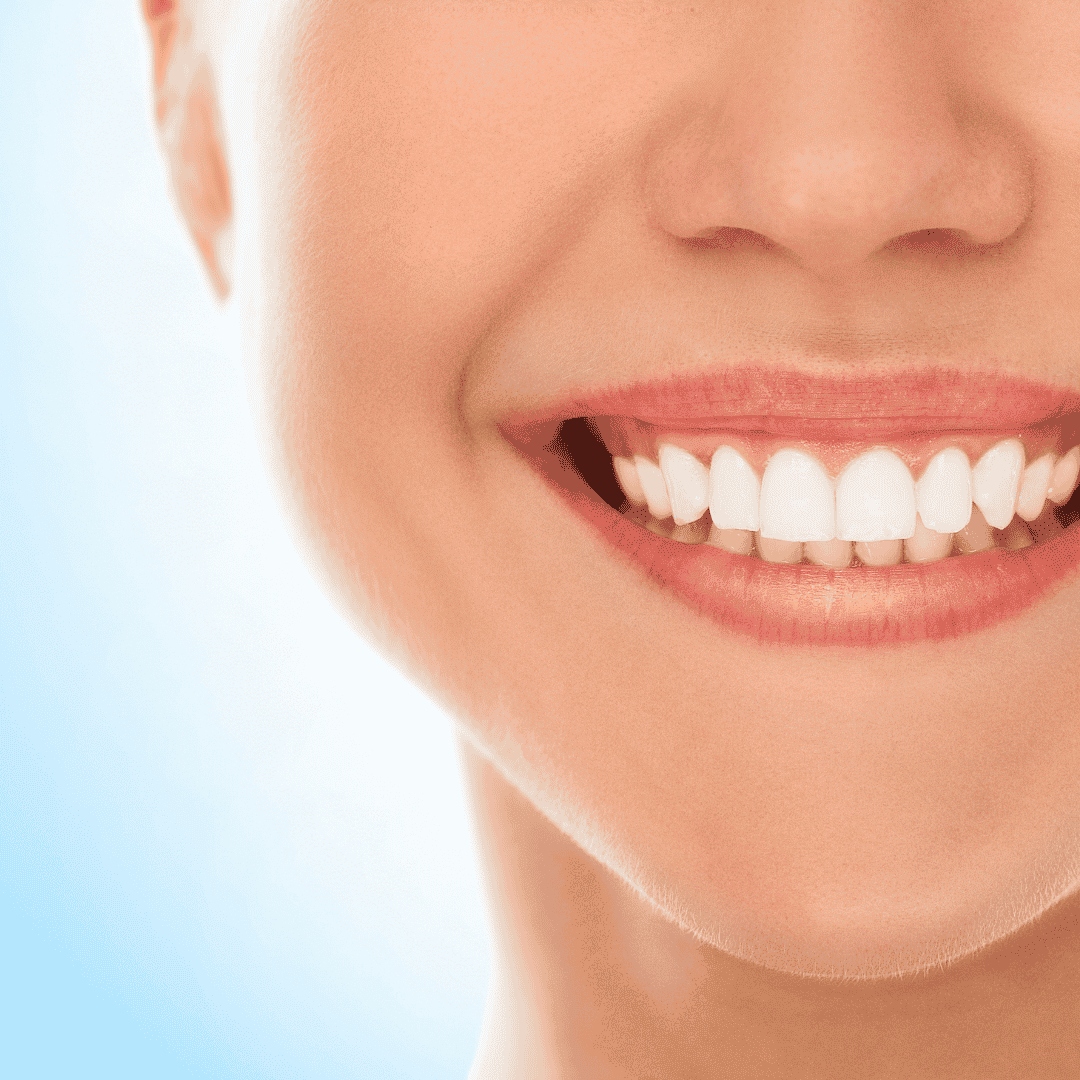
Price starting from $8,500
Tijuana, Mexico
Discover the power of Dentistry through compelling patient experiences. Uncover detailed insights into procedures, recovery journeys, and life-changing results.
.png)
.png)
Price starting from $4,500
Los Algodones, Mexico
.png)
.png)


.png)
.png)