
What treatment


Most Asked Questions About Medical Treatments Abroad
Read Helpful Answers on Various Treatments Questions
Trusted Medical Tourism Platform Since 2007
.png)
How Much Does Stem Cell Treatment for Periodontal Disease Cost in Japan?
The stem cell treatment for periodontal disease cost in Japan typically ranges from $3,000 to $8,000 per treated area. This estimate fluctuates based on cellular extraction methods, advanced laboratory processing requirements, and disease severity. Medical Disclaimer: All provided figures are estimates. Actual costs vary based on case complexity, individual patient requirements, and facility policies. This content is for informational purposes and does not replace professional medical advice. Key Takeaways Regenerative dental therapies aim to restore damaged gum and bone tissues caused by advanced periodontitis. The Act on the Safety of Regenerative Medicine strictly governs all clinical protocols and laboratory standards. Biological materials are frequently sourced from dental pulp or adipose tissue, depending on the specialized facility. Standard health insurance policies generally classify these interventions as investigational, requiring complete self-funding. Patients must plan for multiple visits or extended stays to accommodate laboratory cell cultivation timelines. What Factors Influence the Stem Cell Treatment for Periodontal Disease Cost in Japan? Financial requirements depend heavily on the cellular source utilized, the extent of jawbone degradation, and the fees associated with operating certified cleanroom laboratories. The primary factor driving the overall clinical invoice is the cellular harvesting method. Utilizing dental pulp often involves extracting a compromised or wisdom tooth and sending it to a highly specialized cellular bank. Alternatively, gathering adipose-derived materials requires a minor liposuction procedure. Both extraction methods carry unique surgical and facility fees that contribute to the baseline financial estimate. Laboratory processing represents another significant portion of the patient budget. Expanding robust, viable cells requires multi-week cultivation within heavily regulated, sterile environments. Facilities must purchase expensive single-use consumables, conduct rigorous multi-phase sterility testing, and maintain highly calibrated equipment to ensure the biological material meets national safety standards before clinical administration. Finally, the clinical severity of the condition dictates the required cellular volume and surgical complexity. Addressing a single localized osseous defect demands far fewer laboratory resources than attempting widespread regeneration across the entire oral cavity. Comprehensive full-mouth protocols require extensive surgical time and maximum cellular expansion, pushing estimates into the highest pricing tiers. Dental Procedure Type Estimated Cost Range (USD) Clinical Details Simple Growth Factor Gel $500 - $1,200 Per localized site, non-cultured biological support. Cultured Cellular Therapy $3,000 - $8,000 Includes harvesting, multi-week culture, and surgical application. Single Dental Implant $3,000 - $5,000 Traditional surgical alternative for unsalvageable teeth. How Does the National Regulatory Framework Ensure Patient Safety? The government mandates that every medical facility adheres to stringent regulatory acts, requiring independent committee approvals and the use of certified laboratory processing centers. The national healthcare landscape operates under the Act on the Safety of Regenerative Medicine. This comprehensive legal framework strictly prohibits unregulated clinical applications. Before any specialized dental provider can offer advanced cellular therapies to patients, they must submit a highly detailed clinical provision plan to the national health ministry for rigorous review. This submitted plan undergoes meticulous evaluation by an independent, government-certified committee composed of leading scientific experts. They scrutinize the proposed cell harvesting techniques, the targeted medical conditions, and the established adverse event reporting systems. Only after receiving formal authorization can a facility legally administer these biological materials. Furthermore, all cellular cultivation must take place within an officially certified Cell Processing Center. These specialized cleanrooms feature advanced air filtration and continuous environmental monitoring to eliminate contamination risks. This exceptional level of traceability ensures that regulators can track the biological materials from the initial extraction phase through to final patient administration. Did You Know? The national regulatory agencies classify biological therapies into distinct risk tiers, ensuring that highly manipulated cultured cells undergo far more rigorous oversight than simple uncultured protein extracts. Are Dental Pulp Cells or Adipose Cells Better for Jawbone Regeneration? Both cellular sources possess strong regenerative potential, but specialists select the appropriate material based on the desired clinical outcome and the patient specific physiological baseline. Dental pulp cells naturally originate from the neural crest and possess an inherent biological affinity for developing into specialized dental structures, including jawbone tissue and periodontal ligaments. Because they are biologically predisposed to oral environments, many specialists prefer them for highly targeted localized bone defect repairs. Harvesting typically requires the extraction of a healthy wisdom tooth. Adipose-derived cells offer distinct advantages regarding volume and accessibility. These cells are harvested from localized fat deposits via a minimally invasive extraction procedure. Adipose tissue generally yields a significantly higher baseline cell count than a single tooth, which expedites the laboratory cultivation process and provides ample material for treating widespread periodontal damage. Ultimately, a qualified specialist will determine the optimal cellular source following a comprehensive diagnostic review. The clinical decision hinges on the severity of the alveolar bone loss, the overall health of the patient, and the specific cultivation technologies available at their designated laboratory processing center. Does National Health Insurance Cover Advanced Dental Regeneration? Standard international and domestic health policies classify these advanced procedures as free medical practice, requiring patients to fund the entire treatment out of their personal savings. Navigating the financial realities of biological dentistry often requires careful planning. Within the national healthcare system, these complex regenerative protocols are generally designated as Jiyu shinryo, which translates to free medical practice. This classification means they fall entirely outside the scope of standardized, government-subsidized medical coverage. For individuals traveling from abroad, the financial burden is absolute. Standard international travel insurance policies explicitly exclude coverage for elective or investigational procedures. Consequently, foreign visitors must prepare to absorb one hundred percent of the clinical fees, laboratory costs, and specialized surgical facility charges independently. Prospective patients should also budget for essential auxiliary expenses. Comprehensive treatment plans routinely mandate advanced 3D diagnostic imaging, specialized blood panels, and post-operative medications. Requesting a fully itemized clinical quote prior to booking international travel prevents unexpected financial strain during the dental journey. How Do Regenerative Therapies Compare to Traditional Dental Implants? Biological interventions aim to salvage the natural tooth structure through tissue repair, whereas implants require extracting the compromised tooth and replacing it entirely with artificial components. The primary objective of undergoing stem cell treatment for periodontal disease in Japan is the preservation of native biology. By attempting to regenerate lost alveolar bone and periodontal ligaments, specialists strive to stabilize a loose tooth within its natural socket. Preserving the natural tooth root helps maintain the organic proprioception and physical stress distribution of the jawline. Traditional dental implants present an alternative mechanical solution. This well-established procedure involves extracting the failing tooth, potentially grafting synthetic bone, and placing a titanium post to support an artificial crown. While highly successful, implants lack natural shock absorption and cannot adapt biologically to ongoing changes within the surrounding gum tissue. From a long-term financial perspective, attempting regeneration may prove cost-effective for suitable candidates. While biological therapy requires a significant initial investment, preventing an extraction can eliminate the future need for multi-stage implant surgeries, prosthetic maintenance, and the potential complications associated with placing artificial hardware into compromised bone. Important Consideration: Biological therapies are not universally successful. Patients with severe, end-stage bone loss may be advised that traditional extraction and immediate implant placement represents the most predictable clinical path forward. What Diagnostic Tests Are Required Before Undergoing Treatment? Medical professionals require comprehensive 3D cone beam imaging, detailed localized periodontal probing, and extensive blood panels to verify physiological suitability before treatment approval. Accurate anatomical visualization remains critical for predictable outcomes. Clinicians routinely utilize 3D Cone Beam Computed Tomography scans to evaluate the precise three-dimensional architecture of the jawbone. This advanced imaging allows specialists to measure the exact volume of bone loss and identify the optimal spatial positioning for the cellular injection or grafting material. Systemic health significantly influences regenerative potential. Patients must undergo comprehensive blood testing to screen for underlying active infections, severe immune deficiencies, or undiagnosed metabolic conditions like diabetes. Poor systemic health severely impairs the ability of the body to support new vascular growth and integrate the administered biological materials safely. Additionally, meticulous physical periodontal charting is mandatory. Dentists carefully measure the depth of the gingival pockets surrounding the affected teeth to establish a clinical baseline. This detailed mapping is essential for tracking long-term tissue attachment progress and evaluating the objective success of the procedure during follow-up visits. How Should International Patients Plan for Medical Tourism in Japan? Organizing an international medical journey requires coordinating flexible travel logistics, budgeting for extended accommodations, and navigating potential language barriers proactively. Logistical preparation forms the foundation of a successful clinical experience. Because cellular cultivation often requires several weeks, patients must choose between making two separate short trips or planning one extended stay. The initial visit involves diagnostic confirmation and cellular extraction, while the subsequent visit focuses entirely on the surgical administration procedure. Accommodations must support proper post-operative recovery. Booking a comfortable, quiet hotel in close proximity to the medical center reduces physical strain following the dental surgery. Patients should select lodging that allows for easy preparation of soft foods and provides a restful environment during the mandatory localized observation window. Finally, individuals engaging in medical tourism in Japan must prioritize clear communication. While many renowned medical professionals comprehend English medical terminology, conversational fluency varies. Selecting a facility that provides dedicated bilingual patient coordinators ensures accurate comprehension of complex informed consent documents and critical post-operative hygiene protocols. What Recovery Protocols Apply After Receiving Dental Cellular Injections? Optimal tissue integration requires strict adherence to dietary modifications, specialized oral hygiene practices, and the avoidance of activities that disrupt the healing surgical site. Protecting the newly administered biological material is paramount during the initial healing phase. Patients are consistently instructed to maintain a strict soft-food diet for several days to weeks, depending on the procedural complexity. Avoiding hard, crunchy, or excessively hot foods prevents mechanical disruption of the delicate cellular matrix integrating into the jawbone. Standard oral hygiene routines require significant temporary modification. Forceful brushing or rigorous flossing near the surgical site can dislodge the biological graft and invite unwanted bacterial contamination. Dentists typically prescribe specialized antimicrobial mouth rinses to maintain localized sterility without applying detrimental physical friction to the healing gum tissue. Managing mild post-operative symptoms involves careful medication usage. While minor swelling and localized tenderness are expected, patients must avoid certain over-the-counter anti-inflammatory drugs unless explicitly approved by their specialist, as some common medications can inadvertently suppress the natural inflammatory cascade required to trigger new cellular growth. How Can Individuals Locate a Reputable Clinic? Prospective patients must diligently verify facility regulatory licenses, review the clinical credentials of the attending specialists, and request comprehensive transparency regarding laboratory partnerships. Identifying a compliant medical facility requires independent verification. Patients should explicitly ask the clinic to provide their official Regenerative Medicine Provision Plan registration number. Reputable centers readily share this documentation, proving their clinical protocols have successfully passed the rigorous national committee review process. Evaluating clinical expertise is equally critical. The attending physician should possess advanced board certifications in periodontics or oral surgery, rather than functioning simply as a general dental practitioner. Experience managing complex bone grafting and soft tissue manipulation drastically improves the probability of a safe and successful biological intervention. Transparency regarding cellular processing is non-negotiable. A trustworthy stem cell treatment for periodontal disease clinic in Japan will clearly disclose whether they operate a certified in-house cleanroom or partner with an external state-audited laboratory. If a facility hesitates to discuss their specific cultivation methods or sterility testing protocols, patients should immediately seek alternative care providers. Why Choose PlacidWay for Your International Dental Journey? PlacidWay offers a structured, data-driven platform designed to help patients evaluate complex global healthcare options and connect with verified international medical teams safely. Transparent Pricing Comparisons: Users can easily access baseline financial estimates across multiple highly regulated regions, facilitating objective budget planning without hidden clinical fees. Detailed Provider Profiles: The platform supplies comprehensive overviews of facility certifications, clinical specialties, and specific physician credentials to support informed decision-making. Educational Patient Resources: A robust library of articles helps individuals understand complex biological terminology, regulatory standards, and realistic procedural expectations before committing to care. Streamlined Clinic Communication: Patients can utilize secure digital channels to share preliminary medical histories and request direct professional consultations efficiently. Global Facility Connections: The network encompasses established clinical centers worldwide, allowing individuals to research medical environments that best align with their specific healthcare requirements. Frequently Asked Questions Is regenerative dentistry legal for international patients traveling abroad? Yes, regenerative dental procedures are completely legal for foreign visitors when performed at authorized facilities. These medical centers must operate under the strict guidelines mandated by the national health ministry to ensure patient safety. How long does the cellular cultivation process take in the laboratory? The laboratory expansion phase typically requires three to four weeks. During this time, extracted cells are carefully multiplied in a sterile cleanroom environment until they reach the required volume for successful clinical application. Can receding gums be fully restored with this biological therapy? While regenerative treatments aim to stimulate tissue growth, outcomes vary significantly among individuals. Physicians cannot guarantee full restoration, as success depends on baseline oral health, systemic conditions, and post-procedure hygiene. Do I need a specific visa to receive dental care in Tokyo or Osaka? Citizens of many North American and European countries can typically enter using a standard short-term visitor visa. However, individuals must always verify exact entry requirements based on their specific nationality before booking international flights. Are there age limits for receiving dental tissue regeneration? Medical professionals evaluate physiological health rather than relying on strict chronological age limits. Candidates must possess adequate immune function and manageable systemic comorbidities to safely undergo cellular extraction and administration. What are the primary risks associated with biological gum treatments? Potential adverse events include localized injection site inflammation, minor bleeding, or temporary oral discomfort. Additionally, there remains a clinical risk that the biological material may fail to integrate, resulting in minimal therapeutic benefit. How long must I stay in the country following the administration procedure? Patients are generally advised to remain locally available for five to seven days after the cellular injection. This mandatory observation window allows the clinical team to monitor early healing and manage any unexpected localized swelling. Will my local dentist be able to manage my follow-up care effectively? Yes, provided you securely transfer your international medical records and operative reports. Local dental professionals require this documentation to safely monitor ongoing tissue integration during your routine cleaning appointments. Can specialists combine bone grafting with these advanced biological therapies? Physicians frequently utilize biological materials alongside physical structural scaffolds or traditional bone grafts. This synergistic approach may help provide necessary structural support while the administered cells promote natural tissue regeneration. Are English speaking coordinators available at major international dental centers? Reputable facilities catering to foreign visitors typically employ bilingual staff or provide professional medical translation services. Clear communication is essential for obtaining informed consent and delivering accurate post-operative instructions. Compare Dental Regenerative Options Evaluate global clinical facilities, review detailed pricing estimates, and request transparent information to support your healthcare journey safely. Request Treatment Information References Regenerative Medical Products Guidelines – Pharmaceuticals and Medical Devices Agency (PMDA) Mesenchymal Stem Cells: Clinical Applications and Biological Characterization – National Institutes of Health (NIH) FDA Warns About Unapproved Therapies – U.S. Food and Drug Administration (FDA) Guidelines for Stem Cell Research and Clinical Translation – International Society for Stem Cell Research (ISSCR) Medical Tourism Safety Guidelines – Centers for Disease Control and Prevention (CDC) Patient Safety and Quality of Care – World Health Organization (WHO)...
Read more details

.png)
How Much Does Stem Cell Therapy Cost in Japan?
The stem cell therapy cost in Japan typically ranges from $10,000 to $40,000 per treatment. This pricing depends on the specific condition, cellular protocol, and the stem cell therapy clinic in Japan administering care. Medical Disclaimer: All provided figures are estimates. Actual costs vary based on case complexity, individual patient requirements, and facility policies. This content is for informational purposes and does not replace professional medical advice. Key Takeaways Treatments in East Asia are heavily regulated, ensuring high laboratory standards and procedural safety. Autologous treatments and allogeneic cord cell therapies carry distinct financial and medical profiles. Systemic intravenous infusions generally demand a significantly higher budget than localized joint injections. Patients must account for airfare, lodging, and extended observation periods when planning their trip. Comprehensive pre-treatment evaluation is mandatory before any clinical facility approves an international candidate. What Factors Influence The Stem Cell Therapy Cost In Japan? The stem cell therapy cost in Japan depends on the condition being treated, the source of the biological material, and the laboratory processing time required. Complex systemic therapies naturally incur higher expenses. Cellular source plays a significant role in determining the final price. Autologous treatments using a patient own adipose tissue or bone marrow require specialized surgical extraction procedures. Conversely, allogeneic therapies utilizing donor cells involve rigorous third-party laboratory screening and advanced cultivation techniques, which also command a premium. The total cell count administered acts as another primary driver of the financial estimate. Treating localized joint degeneration requires fewer cells than addressing systemic autoimmune or neurological conditions. Producing tens of millions of viable, high-quality cells demands extended sterile laboratory time and sophisticated equipment, which naturally increases the overall investment. Finally, the specific stem cell therapy clinic in Japan chosen by the patient influences the budget. Facilities maintaining in-house certified cell processing centers or partnering with highly accredited external laboratories often charge higher fees reflecting their elevated safety and strict quality control standards. How Do Prices Differ Between Joint Injections And Systemic Stem Cell Therapy In Japan? Localized joint injections generally cost between $6,500 and $13,000, while systemic intravenous protocols often range from $20,000 to over $40,000. This variance reflects the differing cellular volumes required. Orthopedic procedures targeting a single knee or shoulder use smaller cellular volumes, keeping laboratory processing costs on the lower end of the spectrum. Systemic therapies for neurological or autoimmune challenges require massive cellular expansion to attempt system-wide immune modulation. Intravenous infusions demand advanced monitoring and sometimes multi-day administration protocols, increasing facility and medical staff fees. Joint injections are often completed in a single outpatient visit, minimizing the total time spent in the clinical setting. Comprehensive multi-session packages for severe chronic conditions consistently sit at the highest tier of the pricing scale. Treatment Category Estimated JPY Estimated USD Localized Joint Injection (Single) ¥1,000,000 - ¥1,500,000 $6,500 - $9,700 Localized Joint Injection (Bilateral) ¥1,400,000 - ¥2,000,000 $9,000 - $13,000 Systemic IV Infusion (Neurological) ¥3,000,000 - ¥6,000,000 $20,000 - $40,000+ Which Conditions Are Commonly Treated By A Stem Cell Therapy Clinic In Japan? A qualified stem cell therapy clinic in Japan typically addresses osteoarthritis, various autoimmune disorders, and specific neurological challenges. Treatment eligibility depends entirely on thorough individual medical evaluation. Orthopedic applications remain highly sought after by international patients. Physicians frequently utilize regenerative protocols to address knee osteoarthritis, cartilage degeneration, and sports-related joint injuries, aiming to reduce localized inflammation and promote natural tissue repair in suitable candidates. Neurological and autoimmune conditions represent another major focus for these specialized centers. While outcomes vary significantly from patient to patient, clinics offer targeted systemic protocols for individuals facing chronic degenerative diseases, seeking to modulate the immune system and potentially slow symptom progression. Additionally, numerous facilities provide comprehensive anti-aging and longevity therapies. These systemic wellness protocols focus on cellular rejuvenation and generalized inflammatory reduction across the body. However, these complex preventative regimens often represent the highest tier of the stem cell therapy cost in Japan. Did You Know? The nation has established specialized regulatory tracks to accelerate the safe clinical application of regenerative technologies, placing it at the global forefront of biological medicine research. What Types Of Cells Are Utilized For Stem Cell Therapy In Japan? Medical professionals primarily utilize adipose-derived, bone marrow-derived, or umbilical cord tissue cells. The exact cellular selection depends entirely on the patient diagnosis, age, and clinical protocol. Adipose-derived cells are harvested directly from the patient fat tissue through a minor surgical procedure. This autologous approach is highly popular because it typically yields a robust number of viable cells and eliminates the risk of tissue rejection, making it suitable for various orthopedic and systemic applications. Bone marrow extraction serves as another autologous option. While the harvesting procedure from the hip bone is slightly more invasive than fat extraction, bone marrow contains specialized cells that physicians often prefer for specific orthopedic repairs and complex bone-related regenerative treatments. Umbilical cord-derived cells offer an allogeneic alternative. These donated cells are ethically sourced from healthy, full-term pregnancies. They are heavily screened for safety and disease, providing a potent treatment option without requiring the patient to undergo an invasive extraction procedure. How Does The Act On The Safety Of Regenerative Medicine Impact Stem Cell Therapy In Japan? The Act on the Safety of Regenerative Medicine establishes strict regulatory frameworks for every stem cell therapy clinic in Japan. It mandates rigorous safety measures, ethical considerations, and clinical reporting. Implemented to promote safe cellular therapies, this comprehensive legislation classifies biological procedures into distinct risk categories. High-risk and moderate-risk protocols require extensive prior review and approval by certified regenerative medicine committees before any facility can legally offer them to patients. The law also heavily regulates the cultivation of biological materials. Facilities must either process cells in strictly audited in-house laboratories or outsource to state-certified cell processing centers. This dual-pathway requirement ensures all cellular materials meet exceptional sterility and viability standards. For individuals pursuing medical tourism in Japan, this robust legal framework offers significant peace of mind. The mandatory continuous reporting of adverse events to the Ministry of Health ensures a highly monitored, transparent, and patient-focused clinical environment. Are There Hidden Expenses When Planning Medical Tourism In Japan? While medical quotes cover the clinical procedure, patients must independently budget for international airfare, extended lodging accommodations, specialized dietary needs, and ground transportation during their stay. When calculating the total stem cell therapy cost in Japan, travel logistics represent a substantial secondary budget. Flights to major hubs like Tokyo or Osaka fluctuate heavily based on the season, and patients should strongly consider flexible ticketing in case their physical recovery timeline shifts slightly. Accommodation is another critical financial factor. Because many regenerative protocols require a multi-day observation period after the infusion, securing a comfortable, accessible hotel near the facility is essential. Major city hospitality can be expensive, so early booking and budget planning are highly recommended. Patients must also account for specialized travel health insurance. Standard domestic health policies do not cover international care, and a dedicated medical travel policy provides vital financial protection against unexpected logistical disruptions or non-related health emergencies during the trip. Important Consideration: Always request an itemized clinical quote before traveling. Clarify whether pre-procedure diagnostic blood panels or specialized imaging scans are included in the bundled price or billed separately. Does Health Insurance Cover The Stem Cell Therapy Cost In Japan? Major health insurance networks and national programs typically classify these cellular procedures as investigative. Consequently, patients almost always pay the entire stem cell therapy cost in Japan out of pocket. Navigating insurance for regenerative medicine remains challenging globally. Most standard North American and European health insurance policies explicitly deny coverage for cellular therapies targeting joints, aging, or neurological conditions, viewing them as falling outside standard institutional care protocols. Even when engaging in medical tourism in Japan, international medical insurance rarely absorbs the clinical fees associated with the primary therapy. Patients must arrange alternative funding, utilize personal savings, or secure specialized medical financing before committing to an international treatment plan. However, patients should still maintain robust international travel health insurance. While it will not fund the cellular procedure itself, it remains crucial for covering standard medical emergencies, sudden accidents, or unavoidable travel interruptions while navigating a foreign healthcare system. What Recovery Protocols Are Required After Stem Cell Therapy In Japan? Post-procedure care typically involves mandated physical rest, temporary activity restrictions, and a monitored clinical observation period before the patient receives medical clearance to travel home. Following localized joint injections, physicians consistently instruct patients to avoid bearing heavy weight on the treated area. Systemic intravenous treatments often require aggressive hydration and prolonged rest to manage temporary mild fatigue. Most clinics mandate a follow-up consultation a few days post-procedure to accurately assess initial healing and stability. Patients must generally avoid standard anti-inflammatory medications unless explicitly approved by their treating specialist. Prematurely stressing the body can severely compromise the potential biological benefits of the entire cellular investment. What Makes Medical Tourism In Japan Favorable For Stem Cell Therapy? Medical tourism in Japan offers access to highly regulated clinical environments, advanced laboratory technology, and renowned medical expertise, making it a premier destination for complex cellular care. The country consistently stands at the forefront of global regenerative research. Supported by aggressive government initiatives and strict health ministry oversight, a stem cell therapy clinic in Japan operates under some of the most rigorous safety and quality control standards existing in the world today. Beyond clinical excellence, the nation offers an exceptionally safe and highly hospitable environment for international visitors. The national infrastructure is highly efficient, public transportation is pristine, and major medical centers frequently provide professional translation services to ensure clear patient communication. Ultimately, patients choose this destination because it combines cutting-edge biological science with unparalleled procedural safety frameworks. While the stem cell therapy cost in Japan may be higher than in some developing nations, the regulatory guarantees provide invaluable clinical confidence. Why Choose PlacidWay For Finding A Stem Cell Therapy Clinic In Japan? Navigating international healthcare requires reliable information and structured, factual guidance. PlacidWay connects patients with verified medical options worldwide through a transparent, informational framework. Access to Transparent Pricing Structures PlacidWay provides clear, upfront pricing estimates for various procedures, helping patients compare the stem cell therapy cost in Japan without encountering hidden clinical fees during their initial research. Detailed Provider Profiles The platform offers extensive digital profiles on international facilities, allowing users to review physician credentials, verify facility certifications, and explore specific medical specialty areas. Streamlined Clinic Communication PlacidWay facilitates the initial communication channels between patients and international medical teams, making it significantly easier to request specific medical consultations and share basic health histories. Educational Patient Resources Users gain immediate access to a comprehensive library of informative articles, detailed treatment explanations, and procedural expectations to support an empowered, knowledgeable decision-making process. Global Facility Connections The network includes connections to established medical centers across numerous highly regulated countries, giving patients the complete freedom to evaluate different regional clinical environments safely. Frequently Asked Questions Is stem cell therapy in Japan safe for international patients? Patient safety is highly prioritized. The government heavily regulates every stem cell therapy clinic in Japan through the Act on the Safety of Regenerative Medicine, ensuring strict compliance with laboratory sterility and clinical protocols. How long do I need to stay for medical tourism in Japan? Treatment timelines vary significantly by protocol. Most individuals engaging in medical tourism in Japan stay between five to ten days to allow for initial consultations, the procedure, and post-treatment observation. What is the average recovery time for stem cell therapy in Japan? Recovery fluctuates based on the specific condition and cellular administration route. Localized joint treatments may require weeks of physical restriction, while systemic infusions usually involve only a few days of mild fatigue. Are umbilical cord cells legal for stem cell therapy in Japan? Yes, the use of ethically sourced, heavily screened allogeneic cord cells is permitted when administered by licensed professionals under the strict regulatory frameworks managed by the local health ministries. How soon can I see results from a stem cell therapy clinic in Japan? Clinical outcomes remain highly individualized. Some patients report gradual improvements in mobility or energy levels over several months, while others may experience minimal clinical changes following their procedure. Is English spoken widely during medical tourism in Japan? Major medical centers catering to international visitors typically employ bilingual staff or utilize professional medical translators to ensure clear communication regarding care and informed consent. Do I need a special visa for a stem cell therapy clinic in Japan? Citizens of many North American and European countries can enter on a standard short-term visitor visa. However, verifying exact entry requirements based on nationality before booking is essential. Are there age limits for stem cell therapy in Japan? Age limitations depend entirely on the clinical protocol and the overall health baseline of the patient. Facilities evaluate each candidate individually, assessing organ function before granting approval. Can I combine other treatments with stem cell therapy in Japan? Combining therapies depends entirely on medical compatibility. Clinicians generally advise against simultaneous intensive procedures to avoid overwhelming the immune system during the cellular integration phase. What is the success rate for stem cell therapy in Japan? Success rates fluctuate heavily based on the specific condition, patient health, and cellular quality. No reputable facility can guarantee a specific medical outcome, and results vary significantly among suitable patients. Compare Regenerative Care Options Review verified international clinical facilities, access transparent pricing estimates, and request factual information to support your medical journey. Request Treatment Information References Act on the Safety of Regenerative Medicine – Japanese Law Translation Regenerative Medical Products Guidelines – Pharmaceuticals and Medical Devices Agency (PMDA) Japan FDA Warns About Unapproved Therapies – U.S. Food and Drug Administration Medical Tourism Safety Guidelines – Centers for Disease Control and Prevention Mesenchymal Stem Cells: Clinical Applications – National Institutes of Health Stem Cells: What They Are and What They Do – Mayo Clinic Patient Safety and Quality of Care – World Health Organization...
Read more details
How much does limb lengthening surgery cost in Istanbul?
The average limb lengthening surgery cost in Istanbul typically costs between US$15,000 and US$45,000, depending on the surgical method. This expense varies based on the chosen surgical method, hardware specifications, hospital tier, and required rehabilitation duration. Key Takeaways Prices fluctuate significantly based on whether the procedure utilizes internal magnetic nails, external fixators, or hybrid lengthening techniques. Comprehensive budgeting must account for operating room charges, surgeon fees, hardware expenses, and prolonged physical therapy. Patients exploring options evaluate limb lengthening surgery cost in Istanbul alongside international alternatives in other major hubs. Official verification of orthopedic surgeon credentials through national medical registries is essential for clinical safety. The lengthy recovery timeline requires strict nutritional compliance, psychological readiness, and continuity of care after returning home. What Factors Determine Total Limb Lengthening Surgery Cost in Istanbul? Total expenses are shaped by the surgical hardware chosen, facility overhead, geographic location, and the extended duration of postoperative rehabilitation. Calculating the true financial investment required for stature lengthening involves examining multiple interdependent variables. The single largest factor influencing the bill is the type of fixation device implanted during the operation. Sophisticated internal magnetic intramedullary nails command higher prices due to their advanced engineering and manufacturing precision, whereas traditional external fixators or hybrid lengthening over nail techniques offer more budget-friendly alternatives. Facility fees also play a major role in the financial breakdown. Private orthopedic hospitals that maintain advanced surgical theaters, intensive care units, and specialized inpatient nursing care charge higher rates than smaller surgical centers. Furthermore, the geographic destination within the metropolitan area heavily dictates baseline operational costs, allowing international medical travelers to find diverse pricing structures. Prospective patients must also factor in secondary expenses that accumulate over the year-long healing cycle. These include frequent digital X-ray evaluations, specialized physical therapy sessions, nutritional supplements to support bone calcification, mobility equipment rentals, and extended accommodation expenses during the critical distraction phase. Procedure Method Estimated Cost Range (Istanbul) External Fixation Methods $15,000 - $22,000 LON Method (Lengthening Over Nail) $18,000 - $28,000 Internal Magnetic Nail Systems $35,000 - $45,000 How Does Limb Lengthening Surgery Cost in Istanbul Compare Internationally? Istanbul offers competitive pricing structures for advanced orthopedic procedures, often making it a prominent destination for international medical tourism. When evaluating global options, many individuals examine the specific limb lengthening surgery cost in Istanbul because the city has established specialized orthopedic centers focusing on distraction osteogenesis. Procedures utilizing internal magnetic rods or hybrid techniques in local facilities generally range between $15,000 and $45,000, presenting a substantial financial difference compared to similar surgeries performed in Western Europe or the United States. This regional pricing differential is driven by lower domestic operational overhead, favorable exchange rates, and government-supported medical tourism frameworks designed to attract international patients. However, prospective patients must look beyond the initial price tag to evaluate the exact services included in a package, such as airport transfers, translation support, and postoperative rehabilitation housing. Despite these economic advantages, patients must maintain rigorous standards when selecting a provider. Investigating hospital accreditations, analyzing surgeon experience with complex limb reconstruction, and confirming the origin of implant hardware are vital steps that should never be compromised in pursuit of lower costs. Expert Insight When reviewing international medical quotes, always request an itemized list that explicitly details whether medications, physical therapy sessions, hardware removal surgeries, and emergency complication care are covered under the quoted price. What Is Involved In A Limb Lengthening Clinic in Istanbul? Specialized centers perform controlled bone osteotomies and guide patients through a structured, multi-month bone regeneration and rehabilitation protocol. Undergoing treatment at a dedicated limb lengthening clinic in Istanbul involves a meticulous clinical pathway. The process begins with comprehensive physical evaluations, bone density scans, and psychological clearances to ensure the candidate is fully prepared for the demanding physiological journey ahead. During the primary surgery, the orthopedic specialist creates a precise bone break, or osteotomy, in either the femurs or tibias and inserts the chosen internal or external fixation hardware. Following a brief inpatient recovery period, the patient enters the active distraction phase, where the bone is mechanically separated by approximately one millimeter per day to stimulate new bone growth. Once the desired height is achieved, the patient transitions into the prolonged consolidation phase. During this time, physical therapy becomes paramount to prevent muscle contractures while the newly formed soft tissue matrix hardens into solid, load-bearing bone. Only after full bone consolidation is achieved will the medical team consider eventual hardware removal procedures. What Are The Medical Risks And Complications Of Stature Lengthening? Potential medical complications include severe nerve stretching, joint stiffness, deep bone infections, delayed union, and hardware mechanical failure. Stature lengthening is a profound structural alteration carrying significant biological risks. As bones are separated, surrounding soft tissues, blood vessels, and nerves are placed under intense tension. If elongation occurs too rapidly, patients may suffer temporary or permanent nerve damage resulting in numbness, chronic pain, or motor dysfunction. Muscle contractures represent another persistent challenge. Because muscles adapt slower than bone elongation, they pull forcefully against adjacent joints, risking permanent stiffness or dislocation if aggressive physical therapy is neglected. Infection is also a serious threat, particularly with external fixator pin tracts or surgical incisions, requiring strict hygiene and immediate antibiotic intervention. Furthermore, the body may fail to generate sufficient bone tissue, leading to delayed union or non-union. This complication can stall the healing timeline and necessitate secondary surgical procedures, such as bone grafting, to achieve proper skeletal stabilization and structural integrity. Important Consideration Always verify that your chosen facility utilizes FDA-cleared or internationally recognized implant systems. Substandard hardware increases the risk of mechanical failure during the critical bone consolidation phase. How Can Patients Evaluate Safety Standards In Medical Tourism In Istanbul? Evaluating safety requires verifying formal hospital accreditations, checking surgeon licensing through official medical boards, and assessing clinical hygiene protocols. Engaging in medical tourism in Istanbul requires rigorous due diligence to ensure patient safety. Prospective medical travelers must not rely solely on online advertisements or promotional agency claims. Instead, they should independently verify that the operating hospital holds recognized international health accreditations. Verifying surgeon credentials is equally critical. Patients should obtain the practitioner full legal name and license number to check their standing through official government medical registries. Confirming that the surgeon holds specialized board certification in orthopedics and traumatology, alongside documented fellowship training in limb reconstruction, provides objective proof of their clinical competence. Additionally, patients should inquire about the clinic complication management protocols, infection control statistics, and the availability of 24/7 on-site orthopedic nursing care during the vulnerable early stages of postoperative recovery. What Is The Importance Of Postoperative Continuity Of Care? Long-term success relies on establishing a relationship with a domestic orthopedic specialist to oversee rehabilitation after returning home. The medical journey does not conclude when a patient boards a flight home. Postoperative management spans many months, making continuity of care an absolute necessity. Before undergoing surgery abroad, individuals must secure a local orthopedic physician or physical therapist willing to take over their long-term management. Patients are responsible for obtaining comprehensive medical records from their operating team, including detailed surgical notes, discharge summaries, hardware specifications, and baseline digital X-rays. Handing these files to the domestic provider ensures a smooth transition of medical oversight. Routine tasks such as monitoring bone calcification progress, reviewing X-ray imagery, managing physical therapy regimens, and addressing unexpected late-stage symptoms must be handled locally. Clear communication channels between the international surgeon and the domestic specialist safeguard the patient recovery trajectory. Did You Know? Air travel is strictly restricted during the active distraction and early consolidation phases due to the severe risk of deep vein thrombosis and increased pressure on healing bone structures. Patients must secure explicit medical clearance before flying. Why Choose PlacidWay To Research Your Medical Journey? PlacidWay provides an objective informational platform to help patients compare international healthcare facilities, review transparent estimates, and connect with credentialed specialists. Global Facility Directory Access structured profiles to research accredited orthopedic centers and specialized surgical providers worldwide. Transparent Estimates Review estimated pricing structures to assist with comprehensive financial planning before making clinical commitments. Direct Inquiries Connect securely with international medical teams to ask preliminary procedural questions and evaluate responses. Objective Data Explore documented facility capabilities, available technologies, and patient care protocols based on factual information. Educational Guides Read extensive articles detailing surgical methodologies, recovery timelines, and essential medical travel safety tips. Frequently Asked Questions About Limb Lengthening Surgery In Istanbul What factors influence limb lengthening surgery cost in Istanbul? Limb lengthening surgery cost in Istanbul depends on the choice of surgical hardware such as internal magnetic nails or external fixators, hospital fees, surgeon experience, and case complexity. Are postoperative physical therapy sessions included in the initial surgical quote? Initial surgical quotes typically do not cover long-term postoperative physical therapy. Patients should budget separately for months of rehabilitation sessions and necessary nutritional support. How does the choice of surgical technique impact overall expenses in Istanbul? Advanced internal magnetic nail systems require sophisticated engineering and manufacturing, making them notably more expensive than traditional external fixators or hybrid lengthening methods. Does health insurance cover cosmetic stature lengthening procedures in Istanbul? Domestic and international health insurance providers generally classify elective stature lengthening as a cosmetic or non-essential procedure, meaning policies almost never cover associated expenses. What out-of-pocket expenses should patients anticipate when traveling to Istanbul? Patients must anticipate additional out-of-pocket expenses beyond hospital bills, including extended local accommodation during the distraction phase, transport, specialized clothing, and routine imaging. Why are hardware removal or revision procedures billed separately in Istanbul? Planned hardware removal operations occur months after the initial lengthening phase as distinct surgical events requiring new operating room bookings, anesthesia, and separate team fees. What financial provisions should be made for potential medical complications? Patients should maintain emergency financial reserves to cover unforeseen medical complications such as delayed bone healing, infections, or unexpected readmissions requiring secondary interventions. How can patients accurately compare price quotes from different clinics in Istanbul? Patients can accurately compare price quotes by requesting fully itemized breakdowns that clearly separate hardware expenses, surgeon fees, anesthesia charges, room rates, and rehabilitation durations. What role do specialized medical tourism facilitators play in planning an Istanbul trip? Specialized medical tourism facilitators help coordinate hospital stays, local ground transfers, and accommodation packages, though patients must verify exactly which clinical services are included. How do currency exchange fluctuations affect international surgical budgeting in Istanbul? Currency exchange rate volatility can unexpectedly alter the final cost of care when converting domestic funds into local currency, making financial buffers prudent. Explore Your Orthopedic Options Today Compare verified global facilities, review transparent pricing estimates, and connect with credentialed medical specialists to plan your healthcare journey. Request Treatment Information References Musculoskeletal conditions – World Health Organization Limb Lengthening and Deformity Correction – OrthoInfo AAOS Surgical Site Infection (SSI) – Centers for Disease Control and Prevention Complications of limb lengthening – National Center for Biotechnology Information Leg lengthening and shortening – MedlinePlus Medical Encyclopedia Cosmetic Limb Lengthening Outcomes – National Institutes of Health...
Read more detailsDiscover your treatment options with a free, no-obligation quote!
Get your quote now!.png)
Spinal Fusion Surgery Cost Without Insurance
The spinal fusion surgery cost without insurance depending on the country, surgical technique, hospital, and case complexity. This spinal fusion surgery expense varies significantly based on the country, facility tier, hardware requirements, and case complexity. Key Takeaways Uninsured patients in domestic healthcare systems often face prohibitive financial burdens, prompting many to explore accredited international options. Total pricing depends heavily on whether the procedure is single-level or multi-level, and whether it utilizes open or minimally invasive techniques. Comprehensive self-pay budgeting must account for surgeon fees, hospital room charges, anesthesia, and specialized spinal hardware. Official verification of specialist credentials through national medical registries remains essential for patient safety and clinical outcomes. Long-term recovery requires strict adherence to physical therapy, nutritional support, and coordinated follow-up care after returning home. What Factors Determine the Total spinal fusion surgery cost without insurance? Total expenses are shaped by procedure complexity, hospital facility tier, implant hardware requirements, and the duration of inpatient admission. Calculating the true financial investment required for orthopedic interventions involves examining multiple interdependent variables. The single largest factor influencing the bill is the complexity of the spinal pathology and the number of vertebral levels requiring stabilization. Single-level fusions involve shorter operating times and fewer components, whereas complex multi-level fusions require extensive instrumentation and extended theater time. Facility fees also play a major role in the financial breakdown. Advanced private and university-affiliated hospitals that maintain state-of-the-art surgical navigation systems, intensive care units, and specialized inpatient nursing care charge higher rates than smaller surgical centers. Furthermore, the geographic location within major metropolitan areas dictates baseline operational costs. Uninsured patients must also factor in secondary expenses that accumulate over the healing cycle. These include diagnostic imaging, specialized rehabilitation sessions, prescribed medications, and extended accommodation expenses during the initial recovery phase before receiving medical clearance to travel. Region / Country Single-Level Fusion Cost Range Multi-Level Fusion Cost Range United States $80,000 - $150,000 $150,000 - $250,000+ South Korea $18,000 - $28,000 $30,000 - $45,000 Mexico $10,000 - $18,000 $20,000 - $32,000 How Do International Options Compare for Uninsured Patients? International medical destinations offer advanced surgical infrastructure and structured self-pay packages that significantly reduce out-of-pocket medical expenses. When evaluating global options, many self-pay individuals examine the specific spinal fusion surgery cost without insurance across different countries because international healthcare providers frequently offer bundled packages. Procedures performed in accredited foreign facilities generally present a notable financial difference compared to unbundled hospital bills in Western countries. This regional pricing differential is influenced by local healthcare regulations, operational cost structures, and government-backed medical tourism initiatives designed to welcome international patients. However, prospective patients must look beyond the initial price tag to evaluate the exact services included in a package, such as interpretation services, airport transfers, and local lodging. Despite these economic factors, patients must maintain rigorous standards when selecting a provider. Investigating hospital accreditations, analyzing surgeon experience with complex spinal pathologies, and confirming the origin of implant hardware are vital steps that should never be compromised. Expert Insight When reviewing international medical quotes, always request an itemized list that explicitly details whether medications, physical therapy sessions, hardware components, and complication management are covered under the quoted price. What Is Involved in a spinal fusion surgery Procedure? Specialized orthopedic surgeons perform comprehensive diagnostic evaluations and utilize advanced fixation techniques to permanently stabilize unstable vertebrae. Undergoing treatment involves a meticulous clinical pathway designed to correct structural instability or severe nerve compression. The process begins with thorough diagnostic evaluations, including high-resolution MRI and CT scans, to map the exact pathology of the spinal deformity or degenerative disc disease. During the primary surgery, the neurosurgeon or orthopedic spine specialist removes damaged disc material and applies bone grafts—either autografts from the patient or allografts—between the affected vertebrae. To hold the bones firmly in place while natural fusion occurs, surgeons utilize metallic hardware such as titanium rods, plates, and pedicle screws. Following a structured inpatient recovery period, patients receive detailed physical therapy guidance. Once initial bone healing is confirmed through follow-up imaging, the patient transitions into outpatient rehabilitation, ensuring safe functional recovery before granting official medical clearance for travel. What Are the Medical Risks and Complications of Spinal Operations? Potential medical complications include surgical site infections, nerve root irritation, dural tears, pseudoarthrosis, and anesthesia risks. Spinal surgery is a delicate intervention carrying inherent biological risks. Because operations occur near the spinal cord and major nerve roots, patients face risks of temporary or permanent nerve injury, which can manifest as numbness, weakness, or chronic neuropathic pain. Surgical site infections represent another concern, requiring strict adherence to sterile operating protocols and prompt antibiotic intervention if redness or drainage occurs. For patients undergoing spinal fusion, there is a risk of pseudoarthrosis, where the bone fails to fuse properly, potentially necessitating secondary revision surgery. Additionally, immobility during long international flights increases the risk of deep vein thrombosis. Patients must secure explicit medical clearance from their operating surgeon before considering commercial air travel back to their home country. Important Consideration Always verify that your chosen facility utilizes FDA-cleared or internationally recognized implant systems. High-quality hardware ensures optimal biocompatibility and structural integrity during the healing process. How Can Uninsured Patients Evaluate Safety Standards Abroad? Evaluating safety requires verifying formal hospital accreditations, checking surgeon licensing through official medical boards, and assessing clinical hygiene protocols. Engaging in cross-border healthcare requires rigorous due diligence to ensure patient safety. Prospective medical travelers must not rely solely on online advertisements or promotional agency claims. Instead, they should independently verify that the operating hospital holds recognized international health accreditations. Verifying surgeon credentials is equally critical. Patients should obtain the practitioner full legal name and license number to check their standing through official government medical registries. Confirming that the surgeon holds specialized board certification in neurosurgery or orthopedic spine surgery provides objective proof of their clinical competence. Additionally, patients should inquire about the clinic complication management protocols, infection control statistics, and the availability of dedicated multidisciplinary support teams during the vulnerable early stages of postoperative recovery. What Is the Importance of Postoperative Continuity of Care? Long-term success relies on establishing a relationship with a domestic spine specialist or physical therapist to oversee rehabilitation after returning home. The medical journey does not conclude when a patient boards a flight home. Postoperative management spans several months, making continuity of care an absolute necessity. Before undergoing surgery abroad, uninsured individuals must secure a local spine physician or physical therapist willing to take over their long-term management. Patients are responsible for obtaining comprehensive medical records from their operating team, including detailed surgical notes, discharge summaries, hardware specifications, and baseline digital imaging. Handing these files to the domestic provider ensures a smooth transition of medical oversight. Routine tasks such as suture removal, physical therapy progression, and monitoring neurological recovery must be handled locally. Clear communication channels between the international surgeon and the domestic specialist safeguard the patient recovery trajectory. Did You Know? Many specialized spine centers provide international coordination offices that assist with medical translation, record transfer, and scheduling, helping to alleviate logistical stress for visiting patients. Why Choose PlacidWay to Research Your Medical Journey? PlacidWay provides an objective informational platform to help patients compare international healthcare facilities, review transparent estimates, and connect with credentialed specialists. Global Facility Directory Access structured profiles to research accredited spine centers and specialized surgical providers worldwide. Transparent Estimates Review estimated pricing structures to assist with comprehensive financial planning before making clinical commitments. Direct Inquiries Connect securely with international medical teams to ask preliminary procedural questions and evaluate responses. Objective Data Explore documented facility capabilities, available technologies, and patient care protocols based on factual information. Educational Guides Read extensive articles detailing surgical methodologies, recovery timelines, and essential medical travel safety tips. Frequently Asked Questions About spinal fusion surgery What is included in international estimates for spinal fusion surgery cost without insurance? International cost estimates for spinal fusion surgery typically cover the operating room fees, surgeon charges, anesthesia, basic hospital stay, and standard surgical hardware. Patients must verify whether specialized diagnostic imaging and postoperative physical therapy are included in the package. How do domestic and international expenses compare for uninsurred patients? Uninsured patients in the United States often face bills exceeding $100,000 for a single-level spinal fusion. Conversely, traveling to accredited international destinations can reduce these total expenses significantly while maintaining access to modern surgical infrastructure and experienced specialists. Can patients utilize financing or medical loans for cross-border orthopedic procedures? Many uninsured patients choose to finance international medical procedures using specialized personal medical loans, patient financing companies, or out-of-pocket savings since domestic insurance plans rarely cover elective care performed abroad. What financial provisions should be made for unexpected postoperative complications? Uninsured patients must maintain an emergency financial buffer to cover unforeseen medical events such as prolonged hospital admissions, secondary surgical revisions, or extended pharmacological treatments required during recovery. Why are hardware components itemized separately in surgical billing? Titanium rods, cages, and pedicle screws are often billed separately because their exact type, quantity, and brand depend entirely on the patient anatomical requirements discovered during the operation. How does case complexity alter the baseline spinal fusion surgery cost without insurance? Multi-level fusions, severe spinal deformities, or revision procedures require significantly more operating room time, specialized instrumentation, and extended inpatient nursing care, which substantially increases the overall price. What hidden logistical expenses do medical travelers face during recovery? Beyond the hospital invoice, medical travelers must anticipate expenses for extended hotel lodging during the initial healing phase, local ground transportation, specialized travel pillows, and prescribed medications. How do currency exchange rates affect out-of-pocket medical budgeting? Fluctuations in currency exchange rates can unexpectedly alter the final cost of medical care when converting domestic funds into the local currency of the destination country, making it wise to monitor rates closely. Are follow-up physical therapy sessions covered in self-pay packages? Most international self-pay surgical packages cover only the acute hospital phase, requiring patients to budget separately for months of structured outpatient physical therapy and rehabilitation. What steps ensure transparent pricing when requesting an international estimate? Patients can ensure transparency by submitting detailed diagnostic imaging and requesting a fully itemized, written cost breakdown that separates surgeon fees, facility charges, anesthesia, and hardware expenses. Explore Your Orthopedic Options Today Compare verified global facilities, review transparent pricing estimates, and connect with credentialed medical specialists to plan your healthcare journey. Request Treatment Information References Musculoskeletal conditions – World Health Organization Spinal Fusion – OrthoInfo AAOS Surgical Site Infection (SSI) – Centers for Disease Control and Prevention Minimally invasive spine surgery outcomes – National Center for Biotechnology Information Spinal fusion – MedlinePlus Medical Encyclopedia Complications of spinal surgery – National Institutes of Health...
Read more details.png)
How Much is a Full Set of Veneers in Colombia?
A full set of veneers in Colombia typically ranges from $4,500 to $8,000 for 16 to 20 porcelain teeth. Composite options average $3,000 to $4,500. These estimates vary based on clinical complexity, chosen materials, and provider expertise. Key Takeaways Patients typically save up to seventy percent compared to average North American cosmetic dental fees. A full smile makeover generally involves placing eight to ten individual shells on the upper and lower visible arches. Provider verification requires checking the specialist credentials through the official ReTHUS national medical registry. Lithium disilicate and monolithic zirconia are the most common highly durable materials used by top professionals. Travel expenses, local accommodations, and potential preliminary dental treatments must be factored into your total budget. What Determines the veneers cost in Colombia? The full set of veneers cost in Colombia depends on the number of teeth being restored, the specific materials selected, and the clinical expertise of the attending specialist. Additional necessary preliminary treatments also influence the final estimate. The primary financial variable is the choice of material. Laboratory-crafted porcelain ceramics demand a higher initial investment due to the specialized manufacturing process and their exceptional durability. Conversely, direct composite resins are more affordable because the dentist sculpts them directly onto the tooth in a single visit, bypassing external laboratory fees. Geographic location within the country also plays a role in pricing variations. Premium clinical facilities located in upscale districts of major medical hubs like Bogota, Medellin, and Cartagena may command slightly higher fees reflecting their advanced in-house technology, bilingual staff, and focus on international patient coordination. Finally, patients must account for the clinical reality of their oral health. A cosmetic enhancement cannot be successfully placed on a foundation of active dental disease. Diagnosed issues such as periodontal inflammation, untreated cavities, or the need for a deep cleaning will require separate restorative procedures prior to bonding, adding to the total project cost. How Does the Price Compare for a full set of veneers in Colombia? A full set of veneers in Colombia typically offers savings of up to seventy percent compared to standard North American fees, maintaining access to globally recognized biomaterials. The comprehensive cost remains highly competitive. In the United States and Canada, transforming an entire smile with sixteen to twenty porcelain shells can easily exceed thirty thousand dollars. This exorbitant pricing often places high-quality cosmetic dentistry out of reach for the average consumer, driving the demand for cross-border medical alternatives. The substantial price disparity is not indicative of inferior medical quality, but rather reflects structural economic differences. South American clinics operate with significantly lower overhead expenses, including more affordable commercial real estate and a lack of the hyper-inflated malpractice insurance premiums that severely burden the North American healthcare system. By leveraging favorable currency exchange rates and lower operational costs, specialized clinics can pass these savings directly to the patient. They maintain the ability to invest in advanced digital impression technology and premium ceramic materials while keeping the consumer price point accessible. Procedure Scope Average US Estimate Average Colombia Estimate Single Porcelain Unit $1,500 - $2,500 $350 - $600 Upper Arch (8-10 Teeth) $15,000 - $22,000 $3,500 - $5,000 Full Set Porcelain (16-20 Teeth) $30,000 - $50,000 $4,500 - $8,000 Full Set Composite (16-20 Teeth) $12,000 - $20,000 $2,500 - $4,500 What Materials Are Utilized at a veneers clinic in Colombia? A reputable veneers clinic in Colombia utilizes FDA-cleared or internationally recognized implant systems and ceramic materials. These include advanced lithium disilicate, monolithic zirconia, and high-grade composite resins. Lithium Disilicate (E-max): A premium glass-ceramic material prized for its exceptional translucency and ability to mimic the natural light-reflecting properties of biological enamel. Monolithic Zirconia: An incredibly strong ceramic compound frequently recommended for patients who exhibit heavy biting forces or those seeking a highly opaque, bright aesthetic. Composite Resin: A tooth-colored synthetic material applied directly in layers. While more economical, it requires an artistic touch from the specialist and is more susceptible to future staining. Temporary Acrylics: Short-term protective shells milled and placed temporarily to protect the sensitive dentin while the permanent ceramics are fabricated in the laboratory. Material Passports: Elite clinics provide patients with official documentation and lot numbers for their ceramic materials, ensuring international traceability and quality assurance. Expert Insight Patients have the right to request documentation confirming the brand names of the materials used. Top facilities adhere strictly to regulations overseen by INVIMA, mirroring international safety protocols. Is medical tourism in Colombia Safe for Dental Patients? Engaging in medical tourism in Colombia can be secure when patients rigorously verify clinic credentials, ensure the use of certified materials, and follow standard international travel precautions. Success depends heavily on proper facility selection. Safety in international healthcare begins with the rigorous oversight of medical supplies. In Colombia, the National Institute for Food and Drug Surveillance (INVIMA) actively regulates the importation and utilization of all medical devices and biomaterials, ensuring they meet strict international safety parameters before entering clinical use. Beyond material safety, the clinical environments in major medical hubs like Bogota and Medellin rival those found in North America. Reputable facilities utilize hospital-grade autoclaves and strictly adhere to infection control protocols. These upscale districts are accustomed to hosting international visitors, providing modern infrastructure, secure accommodations, and reliable transportation networks. However, the inherent risk in cross-border care lies in choosing an unverified provider. Patients must take personal responsibility for checking the specialist credentials through the official ReTHUS national medical registry to confirm valid licensing. Relying solely on polished social media campaigns without verifying official governmental documentation compromises patient safety. What Is the Typical Timeline for Smile Makeovers? A complete smile restoration typically requires a commitment of seven to twelve days in the destination city. This timeframe allows for initial consultations, laboratory fabrication, bonding, and necessary follow-up adjustments. The journey begins with a comprehensive clinical evaluation involving 3D intraoral scanning and digital smile design. During this phase, the specialist meticulously plans the aesthetic outcome, ensuring the proposed tooth shapes and shades complement the patient facial symmetry and bite mechanics before any physical work begins. The subsequent preparation phase involves the careful removal of a minimal layer of natural enamel to create space for the ceramics. The specialist then takes final impressions and places protective temporary shells over the prepared teeth. The patient must wear these temporaries carefully for several days while master ceramists custom-fabricate the permanent restorations in a dedicated laboratory. The final critical phase occurs during the second week, where the temporary acrylics are removed, and the permanent ceramics are evaluated for fit and aesthetics. Once approved by the patient, the specialist permanently bonds them into place using advanced dental cements, followed by precise bite adjustments to ensure long-term functional harmony. How Long Do Porcelain and Composite Veneers Last? Porcelain restorations may last ten to fifteen years in suitable patients who maintain excellent oral hygiene. Composite resin alternatives generally have a shorter lifespan, typically requiring replacement after five to seven years. Clinical studies analyzing longevity consistently demonstrate the superior endurance of laboratory-fabricated ceramics over direct resin applications. The etched porcelain provides increased structural strength, unparalleled color stability, and high biological compatibility with the surrounding gum tissues, allowing them to withstand the rigorous daily forces of chewing and speaking. However, the longevity of any dental restoration is heavily dependent on patient habits. Individuals who consume highly acidic or staining diets, chew on foreign objects, or use their teeth as tools will significantly accelerate the degradation of the bonding agents and increase the risk of mechanical fractures, regardless of the material chosen. Maximizing the lifespan of cosmetic dental work requires a steadfast commitment to diligent daily maintenance and regular professional supervision. While the materials themselves do not decay, the underlying biological tooth structure remains vulnerable to cavities at the margins, making meticulous flossing and brushing absolutely non-negotiable. What Are the Potential Risks of Dental Veneers? Cosmetic dental enhancements carry inherent clinical risks, including permanent enamel reduction, increased tooth sensitivity, and the potential for material chipping. Patients must understand these limitations before proceeding with irreversible procedures. Irreversible Enamel Loss: The necessary preparation permanently alters the biological tooth structure; a prepared tooth will always require some form of artificial covering. Thermal Sensitivity: Patients frequently experience heightened sensitivity to hot and cold temperatures for several weeks following the removal of natural protective enamel. Marginal Decay: If oral hygiene is neglected, bacterial decay can develop along the microscopic junction where the ceramic meets the natural tooth root. Mechanical Fracture: Despite their immense strength, extreme localized pressure from biting hard foods or accidental trauma can cause the porcelain to chip or crack entirely. Eventual Replacement: No dental restoration is designed to last a lifetime; patients must financially prepare for the likelihood of replacing the units decades later. Important Consideration Patients seeking cosmetic alterations must prioritize physiological function over aesthetics. Modifying healthy enamel for purely cosmetic reasons should be carefully weighed against the long-term biological consequences. How Can Patients Verify a Colombian Dental Professional? Prospective patients must verify their provider by checking the official ReTHUS national registry to confirm valid licensing. Relying solely on social media or clinic marketing materials is insufficient for medical safety. The cornerstone of safe cross-border healthcare is independent validation. Before transferring any funds or booking travel, patients should request the specialist registration number. This number must be cross-referenced within the ReTHUS database, the official registry overseen by the Colombian Ministry of Health, confirming the provider holds an active and valid medical license. Furthermore, placing twenty delicate ceramic restorations requires specific biomechanical expertise. Patients should seek out professionals who have completed rigorous postgraduate university training in prosthodontics or advanced aesthetic dentistry, rather than general practitioners attempting complex rehabilitations without specialized education. Patients should also inquire about the facility Habilitacion certification. This official government document verifies that the physical clinic environment has passed mandatory health inspections, possesses emergency response protocols, and strictly adheres to national sterilization standards for patient safety. What Post-Procedure Aftercare Is Required When Returning Home? Maintaining your new smile requires establishing a relationship with a local dentist for regular examinations and professional cleanings. Patients should also utilize a custom night guard to protect the ceramics from nocturnal grinding. The conclusion of your international travel marks the beginning of your long-term maintenance phase. Patients must adopt rigorous daily hygiene protocols, utilizing non-abrasive toothpaste to avoid scratching the highly polished ceramic surface, and employing gentle flossing techniques to maintain the health of the surrounding gingival tissues. Dietary modifications are often recommended to protect the investment. While porcelain is highly resistant to staining from coffee or wine, the underlying bonding cement is not. Furthermore, patients must consciously avoid using their teeth to open packaging or biting into excessively hard objects like ice, which can easily fracture the restorations. It is vital to provide your local domestic dentist with the detailed material specifications and clinical notes from your international procedure. This information ensures that any future professional cleanings or necessary adjustments are performed using techniques that are mechanically compatible with your specific restorations. Why Should You Choose PlacidWay for Your Dental Journey? PlacidWay provides a structured digital directory to assist patients in navigating the complex landscape of international healthcare, offering objective tools to evaluate providers and compare financial estimates. Transparent Cost Estimates: Access to clear, itemized pricing structures across various geographic regions to help you budget effectively for restorative procedures. Verified Provider Profiles: Comprehensive directories detailing clinic accreditations, available medical technology, and specialist academic qualifications. Direct Communication Channels: The ability to consult digitally with clinical staff to discuss your specific anatomical requirements and request personalized evaluations. Educational Resources: Objective information regarding clinical risks, material choices, and international healthcare regulatory standards. Empowered Decision Making: Digital tools designed to help patients compare global options thoroughly, facilitating independent and informed healthcare choices. Frequently Asked Questions Are preliminary treatments included in the veneer price? Initial promotional estimates rarely include preliminary procedures such as cavity fillings, root canals, or periodontal therapies. Patients must request a fully itemized treatment plan to understand the total financial commitment. Can patients with severe crowding receive veneers? Veneers cannot correct severe malocclusion or significant crowding. In such cases, patients may require orthodontic intervention, such as clear aligners or traditional braces, before cosmetic shells can be safely applied. Do US dental insurance plans cover procedures in South America? Most domestic dental insurance policies strictly limit coverage to treatments performed within the United States. Furthermore, cosmetic procedures like veneers are rarely covered by insurance, regardless of the geographic location. What is the difference between E-max and zirconia materials? E-max, a lithium disilicate ceramic, offers superior translucency mimicking natural enamel, making it ideal for front teeth. Zirconia provides exceptional mechanical strength and durability, often recommended for patients with heavy bites or bruxism. Are temporary restorations provided during the fabrication process? Yes, once the natural enamel is prepared, the dentist will place temporary acrylic resin veneers to protect the teeth and reduce thermal sensitivity while the permanent ceramic shells are manufactured in the laboratory. How soon can patients fly after getting their final veneers? Because veneer placement is not a major oral surgery and does not involve deep tissue incisions, patients can generally fly home the same day or the day after the final bonding and bite adjustment. What happens if a veneer chips after returning home? If a fracture occurs, a local hometown dentist may be able to polish minor chips, but severe damage requires complete replacement. Utilizing international warranties requires traveling back to the original clinic at the patient expense. Do specialists in Bogota and Medellin speak English? Many specialists operating within major medical tourism hubs speak proficient English or employ dedicated bilingual patient coordinators to ensure clear communication regarding clinical consent and procedural expectations. Is a root canal necessary before placing cosmetic shells? A root canal is typically not required for standard veneer placement. However, if a tooth has extensive preexisting decay or suffers nerve damage during the preparation phase, endodontic therapy may become necessary. Can bruxism affect the longevity of cosmetic dental work? Yes, chronic teeth grinding places immense mechanical stress on porcelain and composite materials, significantly increasing the risk of premature fractures. Patients with bruxism must wear a custom occlusal night guard while sleeping. Compare Cosmetic Dental Options Explore verified international dental providers and receive transparent treatment estimates tailored to your specific clinical needs. Request Treatment Information References Porcelain and resin veneers clinically evaluated: 2-year results – PubMed Direct composite or bonded porcelain: a clinical choice for anterior aesthetics – PubMed Direct composite veneers versus etched porcelain laminate veneers – PubMed Medical Device Databases – U.S. Food and Drug Administration Manufacturer and User Facility Device Experience (MAUDE) Database – accessdata.fda.gov Product Code Classification Database – U.S. Food and Drug Administration New Laws Aim to Improve Oral Health – ADA Commons Travelers Health: Colombia – Centers for Disease Control and Prevention...
Read more details
How much does limb lengthening cost in Mexico?
The average limb lengthening cost in Mexico ranges from $20,000 to $45,000, depending on the surgical technique and required hospitalization. This estimate covers the orthopedic surgery, anesthesia, and internal or external fixation devices utilized. Key Takeaways Expenses are notably lower than North American averages while maintaining access to modern surgical interventions. The procedure requires specialized intramedullary nails or external frames to facilitate gradual bone distraction. Intensive daily physical therapy is mandatory to prevent severe muscle contractures and preserve joint mobility. Patients must independently verify the operating surgeon credentials through the official federal registry. Successful recovery demands long-term commitment, nutritional support, and local medical supervision after returning home. What Factors Influence The Overall limb lengthening cost in Mexico? Total expenses fluctuate based on the specific fixation technology used, length of required hospital admission, and postoperative rehabilitation needs. Understanding the financial commitment requires analyzing multiple procedural variables. The most significant price variable is the choice of hardware. Modern internal magnetic nails, which allow for adjustments without external pins, represent the higher end of the pricing spectrum. Conversely, traditional external fixators may be more affordable but require different maintenance and lifestyle adjustments. Facility fees also play a crucial role in determining the final estimate. Extended hospital stays in private suites with dedicated nursing care will increase the baseline cost. Patients must ensure that their initial quotation clearly outlines all fees, including operating room time, anesthesia, and any specialized diagnostic imaging required before and immediately after surgery. Additionally, prospective patients must budget for long-term supportive care. The distraction phase requires ongoing physical therapy sessions, nutritional supplements, and specialized mobility equipment. While the initial surgical expense in this region is lower, the cumulative costs of rehabilitation must be carefully calculated to avoid unexpected financial strain. Procedure Component Estimated Cost Range (Mexico) Bilateral Femur (Internal Nail) $55,000 - $70,000 Bilateral Tibia (Internal Nail) $60,000 - $75,000 External Fixation Methods $35,000 - $50,000 Postoperative Physical Therapy (Monthly) $800 - $1,500 How Does The Procedure Work At A limb lengthening clinic in Mexico? Surgeons perform a controlled bone division called an osteotomy, followed by the insertion of specialized hardware to slowly separate the bone segments. When attending a limb lengthening clinic in Mexico, patients undergo a highly precise surgical intervention based on the principle of distraction osteogenesis. The orthopedic surgeon first creates a strategic surgical break in the targeted bone, typically the femur or tibia. This controlled fracture triggers the body's natural regenerative response, prompting the production of new bone tissue. Following the osteotomy, the medical team implants the chosen lengthening device. Over the ensuing weeks, this device is gradually adjusted to separate the two bone segments at a microscopic rate, usually around one millimeter per day. As the gap slowly widens, the body continuously fills the void with new, healthy bone matrix, alongside expanding nerves, muscles, and blood vessels. This process is carefully monitored through frequent radiographic imaging. The clinical team evaluates the rate of bone formation to ensure it is neither too rapid, which could cause a non-union, nor too slow, which could result in premature consolidation. Patients are taught how to manage the distraction schedule accurately to maintain the optimal healing environment. Expert Insight The biological mechanism driving this process, distraction osteogenesis, relies heavily on optimal patient nutrition. Deficiencies in Vitamin D, calcium, or protein may significantly impair the calcification phase, prolonging the overall recovery timeline. What Are The Differences Between Internal And External Fixation Devices? Internal devices utilize a magnetic nail implanted within the bone marrow cavity, whereas external fixators rely on metal frames attached via pins through the skin. The choice of hardware dictates a significant portion of the postoperative lifestyle. Internal intramedullary nails are favored for their cosmetic advantages and reduced infection risk, as they leave minimal external scarring. These telescopic rods are implanted directly inside the bone and interact with an external magnetic remote to achieve the daily distraction rate. Conversely, external fixators, such as the Ilizarov apparatus, involve circular or unilateral metal frames worn outside the leg. These are secured by rigid pins passing through the skin and muscle into the bone. While they offer surgeons excellent versatility in correcting complex bone deformities simultaneously with lengthening, they demand meticulous daily pin-site care to prevent superficial or deep bone infections. Internal nails generally offer a more comfortable daily experience and easier clothing choices. However, they may restrict early weight-bearing depending on the specific model used. External frames, while cumbersome, sometimes allow for earlier load-bearing, which can stimulate bone growth. The optimal choice depends entirely on patient anatomy, budget, and the surgeon clinical recommendation. What Are The Primary Medical Risks Associated With This Orthopedic Surgery? Major complications may include severe joint stiffness, nerve stretching, deep bone infections, delayed bone union, and hardware failure. Undertaking such a profound alteration to the skeletal structure carries substantial medical risks. As the bone is lengthened, the surrounding soft tissues, including nerves and blood vessels, are placed under immense tension. If stretched too quickly, patients may experience severe nerve damage, leading to temporary or permanent numbness and loss of motor function. Muscle contractures represent another frequent complication. The muscles often struggle to lengthen at the same pace as the bone, pulling strongly against the joints. Without aggressive physical therapy, this tension can lead to permanent joint stiffness or dislocation, particularly in the hips or ankles. Infection is also a persistent threat, especially with external pin tracts, requiring vigilant hygiene and prompt antibiotic treatment if redness or discharge occurs. Additionally, the bone regeneration process may fail. Poor calcification or delayed union happens when the body does not produce sufficient bone tissue to fill the distracted gap. This complication may necessitate surgical intervention, such as bone grafting, to stimulate healing and prevent structural collapse. How Can Patients Verify Orthopedic Surgeon Credentials Properly? Verification requires searching the federal professional registry to confirm the specialist possesses a valid license and formal orthopedic surgery training. Patient safety hinges on objective credential verification. It is essential not to rely on marketing materials or broad medical associations as sole proof of competence. In this jurisdiction, medical professionals must possess a federal professional license, known as the cédula profesional, issued by the Secretariat of Public Education. Patients should obtain the surgeon full legal name and license number to verify their status online through official government portals. Furthermore, an operating surgeon must hold a specialization certificate in orthopedics and traumatology. Verification of this advanced training confirms they have completed the rigorous academic and clinical requirements necessary for complex skeletal interventions. Beyond legal licensing, patients should directly inquire about the surgeon specific experience with distraction osteogenesis. Evaluating the number of successful cases performed annually, reviewing their clinical protocols for managing non-unions, and confirming their hospital accreditation status are crucial steps in the vetting process. Important Consideration Always confirm the exact brand and origin of the internal or external hardware proposed for your surgery. Ensure the facility uses FDA-cleared or internationally recognized implant systems, where applicable, to guarantee structural integrity and safe biological compatibility. What Is The Expected Recovery Timeline For Bone Consolidation? The entire journey typically requires up to twelve months, divided into the active distraction phase and the subsequent prolonged consolidation phase. The timeline for healing is extensive and requires profound patience. The initial surgical recovery lasts a few weeks, leading immediately into the distraction phase. During distraction, which may last two to three months depending on the desired height, the bone is actively separated. Patients rely heavily on walking aids and wheelchairs during this restricted mobility period. Once the target length is achieved, the consolidation phase begins. The newly formed soft tissue matrix must calcify and harden into solid bone. This hardening process generally takes twice as long as the distraction phase. During this time, the hardware remains in place to support the limb and prevent bone collapse. Full clinical recovery, characterized by the safe removal of hardware and a return to unrestricted athletic activities, can easily exceed a full calendar year. Patients must temper their expectations and prepare for a long, demanding rehabilitation period characterized by gradual, incremental progress. How Do International Patients Manage Postoperative Care After Returning Home? Continuity of care depends on securing a local orthopedic specialist willing to monitor X-rays and manage physical therapy prescriptions locally. The medical protocol does not end upon leaving the surgical destination. Before undertaking the procedure, individuals must establish a relationship with a domestic healthcare provider. This local specialist will be responsible for taking routine radiographic images, evaluating bone density progress, and diagnosing any late-stage complications such as deep infections. Patients must travel home with comprehensive medical documentation. This includes detailed operative reports, discharge summaries, hardware specifications, and baseline digital imaging. Providing this comprehensive data to the domestic physician ensures a safe and informed transition of medical oversight. Clear communication channels between the international surgical team and the domestic provider are highly beneficial. If unexpected issues arise, such as a hardware malfunction or a stalled consolidation process, collaborative clinical decision-making will ensure the patient receives appropriate, timely interventions. Why Is Physical Therapy Crucial During The Lengthening Phase? Consistent physical therapy prevents severe muscle tightening, maintains essential joint flexibility, and promotes healthy blood circulation around the surgical site. Muscle Adaptation: Exercises force the surrounding muscles and tendons to stretch alongside the rapidly growing bone. Joint Preservation: Specialized stretching prevents the hips, knees, and ankles from locking or dislocating due to muscle tension. Circulation Boost: Guided movement stimulates blood flow, delivering vital nutrients to the fracture site for optimal healing. Gait Training: Therapists assist patients in relearning balanced walking mechanics to accommodate their altered biomechanics. Pain Mitigation: Proper stretching and movement can alleviate the acute muscle cramping frequently associated with the distraction phase. What Makes medical tourism in Mexico A Viable Option For This Procedure? The destination offers advanced private healthcare infrastructure combined with significant financial accessibility for complex orthopedic interventions. Seeking healthcare across borders has become a pragmatic solution for individuals requiring specialized treatments unavailable or unaffordable in their home regions. Medical tourism in Mexico thrives because it bridges the gap between high clinical standards and economic feasibility. The private hospital sector has heavily invested in modern operating theaters and advanced diagnostic imaging technologies. Furthermore, many facilities cater specifically to international visitors by providing dedicated support services. Bilingual medical staff, transparent pricing structures, and comprehensive preoperative evaluations streamline the clinical experience. This organized approach reduces the immense stress associated with undergoing major surgery in a foreign environment. Accessibility is another primary driver. The geographic proximity for North American patients allows for shorter, less demanding travel itineraries. While medical clearance is strictly required before flying, shorter travel times generally reduce the physical discomfort and physiological risks associated with prolonged postoperative transit. Did You Know? Many patients opting for this procedure choose to remain near their chosen clinic for the duration of the active distraction phase. This allows the primary surgeon to directly monitor nerve function and bone separation through weekly physical examinations and rapid clinical imaging. Why Choose PlacidWay To Evaluate Your Orthopedic Options? PlacidWay provides a structured informational platform to help patients compare specialized orthopedic centers, review transparent estimates, and access objective provider data. Transparent Pricing Estimates: Obtain clear, unbundled procedural cost structures to assist with accurate long-term financial planning. Credential Verification Guidance: Access resources detailing how to check professional licenses and specialty certifications for international medical staff. Direct Clinic Communication: Utilize secure channels to submit medical histories and receive preliminary feedback directly from specialized surgical teams. Objective Facility Information: Review factual profiles detailing hospital accreditations, available surgical technologies, and postoperative care protocols. Comprehensive Medical Resources: Explore extensive educational materials outlining procedural risks, necessary aftercare, and realistic recovery timelines. Frequently Asked Questions About limb lengthening in Mexico Am I a suitable candidate for cosmetic stature lengthening? Candidacy depends on rigorous psychological and physical evaluations. Specialists typically assess bone density, joint stability, and mental readiness before approving individuals for this demanding procedure. How much height can typically be gained through this surgery? Most patients may achieve between two to three inches of additional height per surgical segment. Pushing beyond safe limits increases the risk of nerve damage and severe muscle contractures. Is the bone generated during the procedure as strong as natural bone? Once fully consolidated and healed, the newly generated bone tissue generally possesses the same strength and durability as the surrounding natural bone tissue. What happens if the newly formed bone fails to consolidate properly? Delayed union or non-union requires immediate medical intervention. Surgeons may recommend bone grafting or adjustments to the hardware to stimulate appropriate calcification. Will my domestic health insurance cover cross-border orthopedic procedures? Domestic health insurance plans rarely cover elective or cosmetic procedures performed internationally. Patients generally finance these operations out-of-pocket or through specialized personal loans. Are internationally recognized implant systems utilized during surgery? Reputable facilities utilize FDA-cleared or globally recognized internal nails and external fixators. Patients should always request documentation regarding the specific brands used for their surgery. How soon after the initial operation can I begin bearing weight? Weight-bearing timelines vary significantly based on the device used. Patients with certain internal magnetic nails may be restricted from full weight-bearing for several months. Can I travel by airplane immediately after the hardware is placed? Immediate air travel is highly restricted due to the severe risk of deep vein thrombosis. Patients must secure explicit medical clearance from their surgeon before considering commercial flights. What type of pain management is typically provided during the process? Pain management involves a combination of pharmaceutical interventions during the acute phase, transitioning to over-the-counter analgesics as the active distraction phase progresses. How do facility standards in popular medical travel destinations compare internationally? Standards vary widely among providers. It is essential to select hospitals holding recognized international accreditations to ensure strict adherence to infection control and patient safety protocols. Ready to Compare Your Orthopedic Options? Explore detailed facility profiles, review transparent pricing estimates, and connect with credentialed specialists to plan your healthcare journey. Request Treatment Information References Musculoskeletal conditions – World Health Organization Leg lengthening and shortening – MedlinePlus Medical Encyclopedia Limb Lengthening and Deformity Correction – OrthoInfo AAOS Surgical Site Infection (SSI) – Centers for Disease Control and Prevention Complications of limb lengthening – National Center for Biotechnology Information Registro Nacional de Profesionistas – Secretariat of Public Education...
Read more details.png)
Does Cancer Treatment in Mexico Work?
Cancer treatment in Mexico works effectively when patients select internationally accredited hospitals, such as JCI-certified facilities, and receive care from board-certified oncologists using standard protocols. Outcomes depend on cancer stage, treatment type, and facility quality rather than simply location. Key Takeaways Mexico provides access to both advanced conventional oncology and alternative therapy options. Patient safety relies heavily on verifying clinic accreditations (like JCI or CSG) and physician credentials. While standard medical costs are lower, total expenses vary significantly based on treatment complexity and required duration. Alternative therapies require extreme caution as many lack robust clinical data or regulatory clearance. Coordinating post-treatment follow-up care with a local physician before traveling is essential for long-term health. What Types of Cancer Therapies Are Available in Mexico? Patients seeking cancer treatment in Mexico can access conventional medical therapies, such as surgery and chemotherapy, as well as integrative approaches. The effectiveness depends heavily on the specific protocols and the patient's diagnostic profile. Conventional oncology in major Mexican medical hubs closely mirrors the standard of care found in the United States and Europe. Accredited hospitals provide access to advanced surgical oncology, targeted radiation therapies, immunotherapy, and standard chemotherapy regimens. These treatments are administered by specialists who typically follow guidelines established by international medical organizations, aiming for measurable clinical outcomes. In addition to conventional medicine, Mexico is widely known for hosting numerous integrative and alternative clinics. These facilities offer modalities that may include high-dose intravenous vitamins, hyperthermia, ozone therapy, and specific nutritional protocols. While some patients report subjective improvements in quality of life, it is vital to understand that many of these alternative therapies lack rigorous clinical trial data and are not replacements for standard care. Integrative oncology attempts to blend conventional treatments with supportive therapies to manage side effects and boost patient wellness. Patients must carefully distinguish between complementary therapies designed to support standard care and alternative treatments marketed as outright replacements for conventional medicine, as the latter carries significant risk. How Does the Cancer Treatment Cost in Mexico Compare to the US? The cancer treatment cost in Mexico is generally lower than in the United States or Canada, often yielding savings of 40% to 70% for self-pay patients. However, total expenses vary widely based on case complexity and medications. Expense Category Cost Factors in Mexico Consultations & Diagnostics Initial specialist consultations, PET scans, and biopsies typically cost a fraction of North American prices. Chemotherapy Medications Generic oncology drugs are affordable, but newer targeted therapies may still be expensive, though less than US retail. Surgical Interventions Costs are reduced primarily due to lower administrative overhead and facility fees, not compromised surgical skill. Facility Fees Hospital stays and intensive care unit daily rates are significantly lower. When evaluating costs, patients must look beyond the initial quote. Integrative programs often bundle their services into weekly or monthly intensive programs, which can range widely in price and require out-of-pocket payment upfront. Did You Know? Many international patients must factor in flights, extended lodging, specialized dietary needs, and travel insurance when calculating the true cost of their medical journey, as traditional health insurance rarely covers cross-border elective oncology care. Are Alternative Cancer Clinics in Mexico Safe and Effective? Alternative therapies at any cancer clinic in Mexico must be approached with high caution, as some treatments lack regulatory clearance and scientific validation. Patients should consult their primary oncologist before altering conventional care. The safety and efficacy of alternative cancer clinics represent a highly debated topic within the global medical community. While some clinics operate with safety protocols and aim to support the immune system through holistic means, others promote unverified treatments that lack peer-reviewed clinical validation. Patients run the risk of experiencing adverse effects from unregulated substances or dangerous interactions with standard medications. One of the primary medical safety concerns regarding alternative facilities is the potential delay of conventional, potentially curative treatments. When patients forego standard surgery or chemotherapy in favor of experimental holistic protocols, disease progression may occur rapidly. Consequently, medical professionals urge patients to view alternative options with intense scrutiny and realistic expectations. For patients determined to explore these avenues, choosing an integrative approach is often deemed safer. Integrative facilities combine evidence-based conventional treatments with complementary therapies aimed at pain management, nutritional support, and psychological well-being, ensuring the primary disease is still actively targeted by standard medicine. What Should Patients Look For in a Cancer Treatment Clinic in Mexico? When selecting a facility for cancer treatment in Mexico, patients must prioritize internationally accredited hospitals with transparent treatment plans and verifiable staff credentials. Comprehensive safety and emergency protocols are essential. International Accreditation: Look for hospitals that hold Joint Commission International (JCI) accreditation or certification from the Mexican General Health Council (CSG), which indicates adherence to strict quality standards. Multidisciplinary Tumor Boards: High-quality facilities utilize teams of specialists, including medical oncologists, radiation oncologists, and surgeons, who collaborate to design personalized treatment plans. Verifiable Credentials: Ensure the leading physicians are licensed (possess a Cédula Profesional) and board-certified by the Mexican Council of Oncology, and check for international fellowships. Transparent Communication: The clinic should provide clear, written documentation regarding proposed treatments, expected side effects, detailed cost breakdowns, and realistic prognostic outlooks without making absolute guarantees. Emergency Infrastructure: Standalone clinics must have immediate, formalized transfer agreements with comprehensive intensive care hospitals to manage unforeseen medical emergencies. What Are the Risks Associated With Medical Tourism in Mexico for Oncology? Engaging in medical tourism in Mexico for oncology carries inherent risks, including varying facility standards, complex logistics, and potential post-treatment complications. Thorough research and local follow-up coordination are mandatory. Traveling across borders with a serious illness introduces physical and logistical stress. Patients undergoing chemotherapy or radiation often have severely compromised immune systems, making them highly susceptible to travel-related infections. The physical toll of flights or long drives can exacerbate fatigue and weaken the body's ability to recover from aggressive therapies. Another significant risk involves the continuity of medical care. Once a patient returns home, local oncologists may be hesitant to assume care, especially if the patient received unconventional treatments or if medical records are incomplete or solely in Spanish. This lack of follow-up can lead to mismanaged side effects or delayed responses to potential relapses. Furthermore, the regulatory environment in Mexico differs from that of the US or Europe. If medical malpractice occurs, international patients may find it extremely difficult to seek legal recourse or financial compensation. Understanding patient rights and securing specialized medical tourism complications insurance can mitigate some of these financial vulnerabilities. Do Mexican Oncology Centers Follow US or International Standards? Many top-tier hospitals offering cancer treatment in Mexico adhere to strict international standard of care guidelines and hold global accreditations. Conversely, unregulated alternative centers may not follow these rigorous protocols. The landscape of healthcare in Mexico is highly diverse. In major metropolitan areas like Mexico City, Monterrey, and Guadalajara, premium private hospitals function at a level comparable to top US medical centers. These institutions invest heavily in cutting-edge technology, robotic surgical systems, and advanced linear accelerators for precise radiation therapy. These top-tier facilities strictly follow clinical guidelines established by global authorities such as the American Society of Clinical Oncology (ASCO) or the European Society for Medical Oncology (ESMO). By aligning with these international standards, these centers ensure that patients receive evidence-based care tailored precisely to their pathology reports and genetic markers. However, a sharp contrast exists when evaluating smaller, specialized alternative clinics, particularly those clustered near border towns. Because the regulatory framework allows for more flexibility regarding complementary medicine, these clinics often operate outside standard international oncology guidelines. Patients must actively verify which set of standards a prospective clinic follows. Important Consideration Always request a clinic's medical standard operating procedures document. Reputable hospitals are transparent about their adherence to global safety and hygiene protocols. How Can Patients Verify the Credentials of Oncologists in Mexico? Patients can verify a Mexican doctor's credentials by checking their national professional license (Cédula Profesional) through the official government registry. Confirming board certification in oncology is also a crucial step. Cédula Profesional: Every licensed physician in Mexico holds a unique registry number. Patients can verify this number through the official Secretariat of Public Education (SEP) online database to ensure the doctor is legally authorized to practice medicine. Specialty Board Certification: Beyond basic licensing, oncologists should be certified by the Mexican Council of Oncology. This demonstrates specialized training and adherence to ongoing medical education. Hospital Privileges: Inquire if the physician holds admitting privileges at major, accredited hospitals. Top hospitals conduct their own rigorous background checks before granting privileges to independent doctors. International Memberships: Active membership in recognized global associations, such as ASCO or the American Association for Cancer Research (AACR), often indicates a commitment to modern, evidence-based practices. Transparent Curriculum Vitae: Clinics should willingly provide comprehensive doctor CVs detailing their medical school, residency, specialized fellowships, and years of specific oncology experience. Why Do Patients Choose Medical Tourism in Mexico for Cancer Care? Individuals often pursue medical tourism in Mexico due to the combination of reduced healthcare costs, immediate access to care without long waiting lists, and availability of diverse treatment modalities. For many patients, the decision is driven primarily by financial necessity. When life-saving treatments or novel immunotherapies are prohibitively expensive or explicitly denied by insurance networks in their home countries, Mexico offers a more accessible price point. This financial relief allows patients to access comprehensive care protocols that might otherwise be out of reach. Speed of care is another critical factor. In healthcare systems burdened by long wait times for specialist consultations and advanced imaging, disease progression is a terrifying reality. Private Mexican hospitals typically offer rapid scheduling, allowing patients to begin diagnostic testing and initiate treatment plans within days rather than months. Additionally, many patients are drawn to the highly personalized culture of Mexican healthcare. Medical tourists frequently report experiencing a warmer, more holistic bedside manner from their physicians and nursing staff. While subjective, this environment can reduce the severe anxiety associated with a cancer diagnosis. Why Choose PlacidWay for Finding Cancer Care Options? PlacidWay assists patients in navigating global healthcare options by providing access to comprehensive information about medical facilities worldwide. Our platform prioritizes educational resources to help patients make informed decisions. Global Healthcare Network We provide access to an extensive directory of international hospitals and specialized clinics, allowing patients to compare diverse medical capabilities across different regions. Transparent Credentials Our platform highlights facility accreditations and verifiable physician qualifications, empowering patients to perform thorough due diligence. Educational Patient Resources We offer comprehensive guides, treatment overviews, and realistic cost expectations to help patients understand complex medical modalities. Direct Communication PlacidWay facilitates direct lines of communication between patients and international medical teams to efficiently request objective cost estimates. Patient Autonomy We are committed to providing objective healthcare data, ensuring individuals maintain complete autonomy and control over their healthcare journey choices. Frequently Asked Questions About Mexican Cancer Care Is it safe to travel to Mexico for cancer treatment? Traveling to Mexico for oncology care can be safe if patients choose internationally accredited hospitals and verify the credentials of their medical team. However, patients with compromised immune systems should consult their primary physician before undertaking international travel. Are cancer drugs cheaper in Mexico? Many standard chemotherapy and targeted therapy drugs cost less in Mexico compared to the US or Canada due to different pharmaceutical pricing regulations. However, the exact savings depend on the specific medication and the chosen facility. Do Mexican hospitals accept US health insurance for cancer care? Most Mexican healthcare facilities do not directly accept US domestic health insurance. Patients usually pay out of pocket, though some global insurance policies or specific cross-border plans might offer partial reimbursement. What is the difference between conventional and holistic cancer clinics in Mexico? Conventional clinics utilize evidence-based therapies like chemotherapy, radiation, and surgery based on international protocols. Holistic or alternative clinics often focus on therapies that may lack scientific evidence, which should be approached with high caution. How long do I need to stay in Mexico for oncology treatments? The length of stay varies entirely based on the treatment plan. Some diagnostic or localized treatments require only a few days, while comprehensive systemic protocols might require patients to stay for several weeks to monitor progress and manage side effects. Can I bring a companion with me to a Mexican cancer clinic? Yes, bringing a companion is highly recommended for emotional support and logistical assistance. Many larger hospitals and clinics offer accommodations or partner with nearby hotels designed for medical tourists and their families. What happens if I have a medical emergency during treatment in Mexico? Accredited hospitals in Mexico are equipped with intensive care units and emergency protocols to handle complications. However, patients visiting standalone alternative clinics must ensure the facility has immediate transfer agreements with full-service hospitals. Do doctors at Mexican cancer centers speak English? Many board-certified oncologists and medical staff in popular medical tourism destinations in Mexico are bilingual and fluent in English. Reputable facilities also employ patient coordinators to assist with communication and translation. Will my home doctor continue my care after treatment in Mexico? Continuity of care depends on the willingness of your local physician and the type of treatment received. It is crucial to obtain all medical records in English before leaving Mexico and to coordinate post-treatment follow-ups with your home oncologist. Are integrative cancer treatments in Mexico FDA approved? While standard medications used in Mexico often have FDA equivalents, many specialized alternative and integrative therapies offered in border clinics are not FDA-cleared. Patients must independently research the safety and clinical evidence of these specific modalities. Compare Your Treatment Options Today Take the next step in your medical journey. Request comprehensive, objective information about treatment facilities and international oncology care options. Request Treatment Information Medical Disclaimer: The information provided in this article is for educational purposes only and does not constitute professional medical advice. Always consult with a qualified healthcare provider regarding a medical condition or treatment plan. References Alternative cancer treatment clinics | Complementary and alternative therapy – Cancer Research UK Types of Cancer Treatment – American Cancer Society Medical Tourism Safety Guidelines – Centers for Disease Control and Prevention (CDC) Cancer Fact Sheet and Global Standards – World Health Organization (WHO)...
Read more detailsDiscover your treatment options with a free, no-obligation quote!
Get your quote now!
How Much Does Dental Braces Cost in Egypt?
The dental braces cost in Egypt typically ranges from $700 to $1,500, depending on case complexity and materials used. Traditional metal brackets are the most affordable, while ceramic braces and clear aligners require a higher investment. Key Takeaways Average savings for comprehensive orthodontic care are typically 60 to 75 percent compared to standard North American fees. Patients have access to a variety of globally recognized materials, including stainless steel, ceramic, and medical-grade polyurethane aligners. Thorough provider verification involves checking the practitioner credentials with the Egyptian Dental Syndicate. Traditional bracket systems require frequent in-person adjustments, making them challenging for patients who cannot travel regularly. Clear aligner therapy may offer a more flexible travel schedule for international patients with mild to moderate malocclusion. What Is The Average dental braces cost in Egypt Compared To The US? The financial investment for orthodontic care in North Africa generally falls between $700 and $1,500. This presents a significant contrast to the United States, where similar procedures range from $3,000 to over $7,000. The overall price of orthodontic treatment depends heavily on the specific materials selected and the projected duration of the clinical intervention. Metal brackets represent the most economical pathway for bite correction, offering durable mechanics at a fraction of the cost found in domestic medical markets. These comprehensive estimates usually cover the initial application and standard diagnostic imaging. Patients seeking discreet aesthetic options will find that ceramic components and transparent removable trays require a higher initial financial commitment. Despite this premium, the international pricing for these advanced systems remains highly competitive, allowing patients to achieve their cosmetic goals without incurring insurmountable medical debt. It is critical to recognize that these figures represent base estimates for standard cases. Complex anatomical corrections, such as impacted canines or severe skeletal discrepancies requiring surgical intervention, will alter the final financial requirements. Geographic location within the country also plays a minor role, with central metropolitan clinics occasionally commanding slightly higher fees than suburban facilities. Procedure Category Average US Estimate Average Egypt Estimate Traditional Metal Brackets $3,000 - $7,000 $700 - $1,000 Ceramic Aesthetic Brackets $4,000 - $8,000 $1,000 - $1,300 Clear Aligners Therapy $4,500 - $8,000 $1,200 - $1,500 Why Are Procedures At A dental braces clinic in Egypt More Affordable? The affordability stems directly from lower regional living costs, reduced commercial real estate overhead, and highly favorable currency exchange rates, rather than a reduction in clinical quality. The primary driver behind this pricing disparity is the broader macroeconomic environment of the region. Clinical facilities operate with substantially lower administrative overhead, including affordable commercial leasing and manageable utility costs. These operational savings enable practitioners to provide high-level care without transferring excessive operational burdens to the patient. Additionally, dental and medical education receives significant governmental subsidies, allowing specialists to graduate without the massive student debt that burdens many North American providers. Because doctors are not required to inflate their procedural fees to manage personal educational loans, the cost savings are passed directly to the consumer. The regulatory and legal landscape also contributes to the lower pricing structure. Malpractice insurance premiums and administrative compliance costs do not reach the exorbitant levels seen in Western healthcare systems. This permits clinics to allocate their financial resources toward acquiring advanced diagnostic technology and internationally certified biomaterials instead of paying inflated legal fees. What Orthodontic Systems Are Used For dental braces in Egypt? Specialists utilize FDA-cleared or internationally recognized orthodontic systems, including traditional metal brackets, aesthetic ceramic options, and modern removable clear aligners to address various clinical needs. Traditional Metal Brackets: Manufactured from high-grade stainless steel, these reliable systems excel at correcting severe crowding and complex bite alignment issues. Ceramic Aesthetic Brackets: Constructed from tooth-colored or translucent polycrystalline materials that blend with the natural enamel for a highly discreet appearance. Lingual Orthodontic Systems: Custom-fabricated attachments placed on the interior surface of the teeth, offering a completely invisible solution for specific clinical cases. Self-Ligating Brackets: Advanced mechanical designs utilizing specialized doors rather than elastic bands to hold the archwire, which may reduce friction during tooth movement. Clear Aligner Therapy: A sequential series of removable, transparent polyurethane trays designed to gradually shift teeth without fixed wires or brackets. Did You Know? Many highly rated international clinics procure their brackets, archwires, and elastomeric materials from the exact same global manufacturers that supply leading orthodontists in North America and Europe. How Can Patients Verify Orthodontists For medical tourism in Egypt? Prospective patients must verify clinical credentials by checking the practitioners registration with the Egyptian Dental Syndicate and confirming advanced specialty training recognized by the Egyptian Health Council. The foundation of safe medical travel lies in rigorous provider verification before making any financial commitments. Patients should not rely on social media testimonials or flashy clinic websites alone. It is essential to request the specialists official registration numbers and verify their active status through the appropriate national medical registries. It is also crucial to distinguish between a general practitioner offering basic alignment services and a dedicated orthodontic specialist. A qualified orthodontist has completed rigorous postgraduate university training specifically focused on the biomechanics of tooth movement and jaw alignment. Patients have the right to request proof of this specialized educational background. Beyond evaluating the individual doctor, patients must assess the facility itself. Reputable clinics adhere to strict sterilization protocols overseen by the Ministry of Health and Population. During initial consultations, patients should ask detailed questions regarding infection control standards, cross-contamination prevention, and the specific brands of biomaterials utilized within the practice. What Are The Potential Risks Of Traveling For Braces In Egypt? Patients face distinct challenges regarding the logistics of regular monthly adjustments, managing unexpected mechanical breakages from afar, and navigating limited legal recourse if clinical complications arise. The most significant hurdle in international orthodontic care is fulfilling the strict demands of the adjustment schedule. Archwire tightening and progress monitoring typically require physical clinic visits every four to eight weeks. Missing these critical appointments can severely stall treatment progress, prolong the overall timeline, and potentially compromise the final aesthetic result. Unforeseen mechanical failures, such as a detached bracket or a snapped archwire, present immediate logistical complications. While a domestic dentist may provide temporary palliative care to alleviate physical discomfort, they will rarely perform permanent repairs on foreign mechanical systems, forcing the patient to schedule an unexpected international journey. Additionally, patients must understand the legal complexities inherent in medical tourism. Seeking legal recourse for medical malpractice across international borders is highly complex and often financially prohibitive. Patients assume a substantial degree of responsibility for their continuity of care and must establish a clear contingency plan for managing potential clinical complications. Important Consideration Orthodontic movement can occasionally cause root resorption or gingival irritation. Patients traveling abroad must understand that managing these clinical risks requires open, consistent digital communication with their attending international specialist. How Often Must Patients Travel For Braces Adjustments In Egypt? Traditional bracket systems typically require in-person clinical adjustments every four to eight weeks, necessitating a significant commitment to frequent international travel throughout the treatment duration. Orthodontic treatment is a prolonged process of guided anatomical change rather than a single surgical event. The specialist must regularly evaluate the movement of the dental roots and apply new directional forces via wire replacements and elastic adjustments to ensure the treatment plan remains on the correct clinical trajectory. For patients residing across the globe, the accumulated cost of international flights, local ground transportation, and overnight hotel accommodations can quickly diminish the initial procedural savings. It is absolutely essential to calculate the total projected travel expenses across twenty or more potential clinical visits before committing to a foreign provider. Some modern facilities are beginning to integrate tele-orthodontics for specific monitoring phases. However, remote digital evaluation is generally reserved for patients using removable clear aligner systems, as physical brackets inherently require hands-on mechanical manipulation by the attending clinical specialist. Can You Transfer Care For Braces In Egypt Back To A US Orthodontist? Transferring active orthodontic care is highly complex and often discouraged, as many domestic specialists hesitate to accept liability for cases initiated abroad due to differing bracket systems and treatment philosophies. Patients occasionally begin treatment internationally with the intention of completing the final phases closer to home. However, finding a domestic orthodontist willing to accept an active international transfer case is notoriously difficult. Practitioners are naturally reluctant to assume legal and clinical liability for a comprehensive treatment plan they did not originally design or initiate. Furthermore, the specific brands, slot sizes, and mechanical prescriptions of brackets used internationally may differ from those utilized by the local provider. If the domestic specialist lacks the compatible proprietary tools or replacement parts for that specific system, they cannot safely perform the necessary wire adjustments. In the majority of transfer scenarios, the local orthodontist will require the complete removal of the foreign brackets and the initiation of an entirely new treatment plan from scratch. This comprehensive restart incurs full domestic clinical fees, entirely negating any financial advantages achieved during the initial medical travel experience. Are Clear Aligners A Better Option Than Traditional Braces In Egypt? Clear aligner therapy may offer substantial benefits for traveling patients because the custom trays can often be monitored remotely, significantly reducing the number of required physical visits to the international clinic. For international patients, the primary advantage of clear aligner systems lies in the reduced frequency of mandatory clinic visits. Specialists can provide patients with multiple sets of sequential trays to take home, allowing the treatment to progress steadily for several months before an in-person clinical evaluation is strictly required. While the base cost of these advanced proprietary manufacturing systems is higher than traditional metal brackets, the resulting reduction in recurring travel expenses often balances the overall project budget. However, patients must strictly adhere to the required wear time of twenty to twenty-two hours per day; failure to comply will inevitably result in teeth not tracking correctly with the trays. It is important to note that not all malocclusions can be effectively corrected with removable transparent trays. Severe dental crowding, significant vertical discrepancies, or complex surgical jaw realignments often necessitate the sustained, rigid force provided only by fixed traditional brackets. A comprehensive clinical evaluation is mandatory to determine true aligner candidacy. What Hidden Fees Should Patients Watch Out For When Getting Braces In Egypt? Patients must request fully itemized treatment plans, as initial promotional quotes may intentionally exclude necessary preliminary procedures, advanced diagnostic imaging, monthly adjustment fees, and the final retention devices. A seemingly attractive promotional rate may only cover the initial clinical application of the brackets. Patients must explicitly ask if the quoted price comprehensively includes all subsequent monthly adjustment visits, or if those routine appointments carry an additional, recurring clinic fee that will substantially inflate the total budget over time. Preliminary dental work is frequently required before active alignment can safely begin. Undiagnosed carious lesions, active periodontal disease, or the need for strategic tooth extractions are not included in standard orthodontic packages and will be billed as entirely separate restorative procedures prior to bracket placement. The conclusion of active treatment requires the creation and fitting of custom retainers to prevent the teeth from relapsing back to their original positions. The cost of these essential retention devices, along with the final panoramic x-rays utilized to verify root parallelism, are often billed separately at the end of the clinical journey. Why Choose PlacidWay To Compare Providers For Braces In Egypt? PlacidWay provides an extensive directory that allows patients to research international healthcare facilities, review provider credentials, and request detailed clinical estimates for their specific dental needs. Offers a comprehensive database of registered international dental professionals and modern medical clinics. Facilitates direct communication with clinical coordinators to request itemized pricing based on your unique anatomical case. Provides educational resources to help patients understand complex restorative and orthodontic procedures prior to consultation. Allows users to systematically compare facility profiles and specialized dental technology across various geographic regions. Assists patients in gathering factual clinical information to make informed, independent healthcare decisions. Frequently Asked Questions Do US dental insurance plans cover orthodontic procedures in Egypt? Most domestic dental insurance policies restrict coverage to treatments performed within the United States. Patients usually pay out of pocket for international orthodontic care, though a few specialized plans may offer partial reimbursement for out-of-network foreign providers. Are the brackets and wires used in Cairo the same as those in North America? Reputable clinics commonly use the exact same globally recognized and FDA-cleared brands of brackets, wires, and clear aligners found in North American practices. Patients can always request the brand names and original packaging of the materials used. Can adult patients receive cosmetic alignment treatments abroad? Yes, adult orthodontics is highly common and widely available across international dental hubs. Specialists offer discreet options like ceramic brackets and clear aligners specifically tailored to adult patients seeking aesthetic corrections. What happens if a bracket breaks after returning home from Cairo? If a bracket dislodges or a wire snaps, you will need to visit a local dentist for emergency palliative care to clip the wire or secure the bracket. You must then schedule a trip back to your primary orthodontist for a permanent repair. Is it safe to travel to major Egyptian cities for dental treatments? Major metropolitan areas possess modern medical districts that cater to international patients, but standard travel precautions apply. Patients should stay in vetted areas, travel during daylight, and remain aware of their surroundings at all times. How do payment installments work for international orthodontic care? Clinics typically require a substantial upfront deposit covering thirty to fifty percent of the total cost to begin treatment. The remaining balance is often paid in monthly installments during subsequent adjustment visits. What distinguishes an orthodontic specialist from a general dentist? An orthodontist is a specialist who has completed standard dental school followed by several years of advanced university training specifically focused on tooth movement and jaw alignment. General dentists do not have this specialized postgraduate degree. How long does the initial consultation for alignment treatments take? Initial consultations usually take one to two hours. This time includes taking panoramic x-rays, performing 3D intraoral scans, capturing clinical photographs, and discussing the comprehensive treatment timeline with the specialist. Are final retainers factored into the initial estimate provided by the clinic? Retainers are sometimes billed separately at the end of the treatment plan. Patients should carefully review their initial itemized quote to confirm whether the final retention phase and the physical retainers are included in the base price. Can I utilize my Health Savings Account for international dental care? Under certain conditions, patients may use funds from a Health Savings Account or Flexible Spending Account for eligible dental expenses incurred abroad. It is essential to consult with a tax advisor and the account administrator to verify specific documentation requirements. Compare Dental Implant Options and Orthodontic Providers Explore verified international dental providers and receive transparent treatment estimates tailored to your specific clinical needs. Request Treatment Information References Clear Aligners Overview – American Dental Association Travelers Health: Egypt – Centers for Disease Control and Prevention Transferring to a New Orthodontist – American Association of Orthodontists Dental Braces Risks and Results – Mayo Clinic Dental Materials and Devices – U.S. Food and Drug Administration Malocclusion and Orthodontic Treatments – National Institute of Dental and Craniofacial Research...
Read more details.png)
What Cancer Treatment Options Are Available In Mexico?
Cancer treatment in Mexico provides conventional therapies like chemotherapy, radiation, and surgery alongside integrative options. The average cancer treatment cost in Mexico is typically 40% to 70% lower than in the US, offering accessible care for global patients. Key Takeaways Patients have access to both standard oncology protocols and supportive integrative therapies. Significant cost reductions are possible without necessarily compromising the standard of care. Major medical hubs include Tijuana, Cancun, and Guadalajara, catering heavily to international visitors. Thoroughly researching a cancer clinic in Mexico is essential for ensuring safety and credential verification. Medical tourism in Mexico offers streamlined access to therapies that may have long wait times elsewhere. What Conventional Options For Cancer Treatment In Mexico Are Available? Conventional oncology approaches typically include surgery, chemotherapy, and radiation therapy. These medical strategies aim to remove localized tumors, slow systemic disease progression, and manage complex symptoms for individuals. Many specialized facilities across the country provide access to systemic chemotherapy, which utilizes powerful medications to destroy rapidly dividing abnormal cells. Treatment protocols are generally tailored to the specific diagnosis, the staging of the disease, and the overall physiological health of the individual receiving care. Medical oncologists oversee these regimens, monitoring patient responses and adjusting dosages as needed to manage side effects. Radiation therapy serves as another cornerstone of conventional care available at numerous medical centers. This approach uses high-energy radiation beams to shrink tumors and eliminate targeted abnormal cells. It is frequently utilized in conjunction with other primary therapeutic methods to enhance the overall effectiveness of the oncology plan. Surgical interventions remain a primary therapeutic method for solid tumors when the disease is strictly localized. Highly trained surgical oncologists evaluate patients to determine if removing the tumor is a viable and safe option. They often collaborate closely with multidisciplinary teams to ensure a comprehensive approach to preoperative and postoperative care. How Much Does Cancer Treatment Cost In Mexico Compare To The US? The financial aspect is a major factor, as the cancer treatment cost in Mexico is often a fraction of North American prices. Patients can typically expect savings ranging from 40% to 70% depending on the specific protocols required. Understanding the economic disparity requires looking at several factors. Lower overhead costs for medical facilities, reduced administrative expenses, and differences in pharmaceutical pricing structures all contribute to the lower final bills for patients. This makes complex therapeutic regimens more accessible to those who might face prohibitive out-of-pocket expenses in their home healthcare systems. Did You Know? Many international patients use their savings from medical procedures to cover necessary travel and accommodation expenses, effectively combining necessary healthcare with a change of environment during their recovery period. It is vital to recognize that prices vary significantly based on the chosen location, the specific cancer clinic in Mexico, and the duration of the required therapeutic intervention. While initial consultations may cost only a few hundred dollars, comprehensive multidisciplinary programs can still represent a significant investment, often ranging from $15,000 to $40,000 for extensive multi-week programs. Treatment Type (Estimates) Estimated Cost in US Estimated Cost in Mexico Chemotherapy (per cycle) $10,000 - $15,000 $2,000 - $5,000 Radiation Therapy (full course) $30,000 - $50,000 $8,000 - $15,000 Integrative Care Program (3 weeks) $50,000+ $18,000 - $30,000 *Note: These figures are general estimates. Actual prices depend on the medical facility, specific medication brands, and individual patient needs. What Alternative Therapies For Cancer Treatment In Mexico Exist? Integrative and alternative therapies focus on supporting the immune system and improving quality of life. These options often include hyperthermia, high-dose vitamin infusions, and specific nutritional protocols. Integrative oncology centers frequently employ hyperthermia therapy, a procedure that carefully raises body tissue temperatures to help destroy abnormal cells or make them more sensitive to radiation and medication. This method is typically administered under strict clinical supervision and is often used alongside conventional modalities to enhance overall therapeutic response. Intravenous nutrient therapies, particularly high-dose Vitamin C infusions, are another common alternative approach sought by international patients. Proponents suggest these infusions can help reduce the debilitating side effects of conventional treatments while supporting the body natural immune defenses, although clinical results vary among individuals. Furthermore, metabolic therapies and rigorous nutritional planning play a large role in alternative centers. These programs focus on specific diets, detoxification protocols, and natural supplementation designed to alter the metabolic environment of the body. Patients should always discuss these alternative methods with their primary oncologist to prevent unintended interactions with standard care. How Can Patients Find A Reliable Cancer Clinic In Mexico? Locating a reputable cancer clinic in Mexico requires diligent research into facility accreditations and physician credentials. Patients should verify licenses through official registries and request detailed treatment plans prior to travel. Verify the professional license of the treating physician through the Mexican government professional registry. Check if the medical facility holds accreditations from recognized international or national health organizations. Request a comprehensive, written outline of the proposed therapeutic approach and itemized cost estimates. Inquire about the emergency protocols the clinic has established in case of severe complications. Ensure the facility provides transparent communication, including access to fluent bilingual medical staff or translators. Consult with an independent healthcare professional in your home country regarding the proposed therapies. What Are The Benefits Of Medical Tourism In Mexico For Oncology Care? The rise of medical tourism in Mexico offers patients prompt access to diverse medical interventions. Benefits include reduced financial burden, access to innovative therapies, and comprehensive care environments. One of the primary drivers for patients crossing borders is the speed of care delivery. In many public healthcare systems worldwide, individuals face extensive waiting periods for diagnostic imaging and the initiation of oncology therapies. Private international facilities can often process admissions and begin necessary interventions within a matter of days. Additionally, certain therapeutic approaches or specific medical devices may be available internationally before gaining clearance in a patient home country. This provides access to a broader spectrum of potentially beneficial modalities, particularly for individuals who have exhausted standard options available domestically. Many centers catering to international visitors also emphasize a highly personalized patient experience. This often includes longer consultation times with specialists, dedicated patient coordinators, and a holistic focus on psychological well-being during the challenging recovery process. Are Facilities Providing Cancer Treatment In Mexico Regulated? Healthcare facilities in the country operate under the regulatory oversight of national health authorities. However, the standard of care can vary, making patient due diligence critically important before committing to a program. The Federal Commission for the Protection against Sanitary Risk acts as the primary regulatory body overseeing medical devices, pharmaceuticals, and facility health standards. Legitimate oncology centers must comply with these national guidelines and maintain current operational licenses to legally provide services to both domestic and international patients. Important Consideration While regulations exist, enforcement and standards can differ between private upscale facilities and smaller rural clinics. Patients must take personal responsibility for verifying that their chosen facility meets their expectations for safety and hygiene. Beyond national requirements, many top-tier facilities actively seek out voluntary international accreditations. These rigorous independent evaluations assess clinical protocols, patient safety measures, and overall management quality, providing an additional layer of reassurance for individuals traveling abroad for complex healthcare needs. What Should Patients Know Before Traveling For Cancer Treatment In Mexico? Thorough preparation is essential for a safe and productive medical journey. Patients must organize their complete medical history, understand entry requirements, and arrange for appropriate post-therapy follow-up care. Before departure, individuals must compile all relevant medical documentation. This includes recent pathology reports, biopsy results, diagnostic imaging files, and detailed notes from current healthcare providers. Providing the international medical team with a comprehensive health history is vital for creating an accurate and safe therapeutic plan. Understanding travel logistics and physical limitations is also crucial. Oncology interventions can cause significant fatigue and compromise the immune system. Patients should plan for comfortable transportation, suitable recovery accommodations close to the medical facility, and strongly consider traveling with a dedicated companion for physical and emotional support. Finally, establishing a transition plan for returning home is a mandatory step. Patients must ensure they have a local physician willing to oversee their continued recovery, monitor potential delayed complications, and administer any necessary ongoing maintenance medications once they have left the international facility. How Does Immunotherapy Work As A Cancer Treatment In Mexico? Immunotherapy utilizes biological substances to stimulate the body natural immune defenses to identify and attack abnormal cells. Specialized clinics offer various immunological protocols depending on the specific diagnosis. This modern approach differs fundamentally from chemotherapy, which directly attacks rapidly dividing cells. Instead, immunological therapies aim to educate the immune system. Certain medications called checkpoint inhibitors are frequently utilized; these drugs remove the natural brakes on immune cells, allowing them to recognize and aggressively target tumors that previously evaded detection. Another technique involves therapeutic vaccines designed to boost the immune response against specific cellular antigens. Unlike preventative vaccines, these are administered after a diagnosis to help the body fight the existing disease, though their application remains highly specific to certain types of conditions. While immunotherapy has shown significant promise, results vary widely among individuals, and it is not suitable for all diagnoses. Medical professionals must conduct specific biomarker testing to determine if an individual is a suitable candidate for this targeted biological approach before initiating therapy. Why Choose PlacidWay For Cancer Treatment In Mexico Planning? Navigating international healthcare options can be complex and overwhelming. PlacidWay provides specialized informational resources to help patients compare medical facilities and understand available therapeutic modalities abroad. Access an extensive directory of healthcare facilities and specialized centers dedicated to oncology care across various cities. Compare transparent cost estimates and detailed descriptions of diverse therapeutic protocols from different medical providers. Review verified patient testimonials and documented experiences to gain insight into the standard of care at specific institutions. Connect directly with clinic representatives to ask specific questions about medical credentials, available technologies, and safety protocols. Utilize educational resources to better understand the differences between conventional, integrative, and alternative medical approaches available internationally. Frequently Asked Questions Is cancer treatment in Mexico safe for international patients? Seeking medical care abroad carries inherent risks, but many facilities in Mexico maintain strict safety protocols. Patients should carefully verify clinic credentials, physician qualifications, and regulatory compliance before beginning any therapy. Do Mexican oncology centers offer targeted therapy? Yes, several specialized facilities provide targeted therapy. This approach uses medication to target specific genes and proteins involved in the growth of abnormal cells, though availability depends on the specific diagnosis and facility. How long do patients usually stay in Mexico for cancer treatment? Treatment duration varies significantly based on the chosen therapy protocol. Some patients stay for a few days for diagnostic tests or outpatient procedures, while comprehensive treatment programs may require a stay of several weeks. Can I receive both conventional and alternative cancer treatments simultaneously? Integrative oncology approaches often combine conventional methods with supportive alternative therapies. It is crucial to discuss all intended treatments with a primary oncologist to avoid potentially dangerous interactions. What languages are spoken by medical staff at a cancer clinic in Mexico? Facilities catering to international patients typically employ bilingual staff who speak fluent English and Spanish. Many centers also provide dedicated translation services for other languages upon request. Are prescription medications for oncology cheaper in Mexico? Certain pharmaceutical drugs and supportive medications may be obtained at a lower cost due to different pricing regulations. However, patients must ensure they are receiving authentic medications from licensed pharmacies. Do health insurance plans cover cancer treatment in Mexico? Most standard domestic insurance plans do not cover elective treatments performed internationally. Patients should consult their insurance provider regarding out-of-network coverage, though most individuals pay out-of-pocket. What happens if complications arise during cancer treatment abroad? Reputable facilities have emergency protocols in place to handle complications. Patients should establish a clear post-treatment follow-up plan with local healthcare providers in their home country before traveling. How quickly can a patient start cancer treatment in Mexico? Private healthcare systems often have shorter waiting lists than public systems in other countries. Once medical records are reviewed and an initial consultation is completed, therapies can typically begin within days or weeks. Do medical facilities in Mexico follow international treatment guidelines? Many specialized centers align their protocols with internationally recognized oncology guidelines. Patients are encouraged to inquire about the specific standards and protocols followed by their chosen facility. Explore Your Medical Options Today Discover detailed information about facilities, available therapies, and obtain transparent cost estimates for your specific medical needs. Request Treatment Information Medical Disclaimer: The information provided in this article is for educational purposes only and does not constitute medical advice. Always consult with a qualified healthcare provider regarding diagnostic and therapeutic decisions. Pricing Disclaimer: All mentioned costs are estimates and vary significantly by facility, city, specific case complexity, and required therapeutic regimens. References Types of Cancer Treatment – National Cancer Institute Complementary and Integrative Methods – American Cancer Society Medical Tourism Safety and Information – Centers for Disease Control and Prevention Immunotherapy for Cancer Overview – Mayo Clinic Cancer Fact Sheet and Global Standards – World Health Organization...
Read more details
How Much Cheaper Are Braces in Turkey for International Patients?
Braces cost in Turkey typically costs between $1,000 and $2,500, which is 50% to 70% cheaper than in the US or UK. This price difference makes Turkey an attractive destination for high-quality, affordable orthodontic care for international patients. Key Takeaways Patients typically save a significant percentage on orthodontic care compared to Western healthcare markets. Clear aligners offer a more practical solution for travelers than fixed metal brackets due to fewer required clinical visits. Verifying a specialist education and clinic accreditations is a critical step for patient safety. Travel expenses and local aftercare fees must be factored into the total estimated budget. Coordination with a home-country provider is essential for ongoing adjustments and emergency management. Why Is the Braces Cost in Turkey So Affordable? The affordability stems from lower local living expenses and favorable exchange rates rather than a compromise in medical standards. Many prospective patients wonder how clinics can offer such competitive pricing without sacrificing the standard of care. The primary driver of these lower fees is the macroeconomic environment. The cost of living, clinic operational expenses, and staff salaries are notably lower than in North America or Western Europe. These reduced overhead costs allow providers to pass significant savings directly to the patient. Furthermore, favorable currency exchange rates play a massive role for international visitors. When converting Dollars, Euros, or Pounds into the local currency, the purchasing power increases dramatically. This economic advantage is a cornerstone of the medical travel industry, enabling complex dental procedures to become financially accessible to a broader global audience. Lastly, the government actively supports and subsidizes the healthcare export sector. By providing incentives to facilities that cater to global patients, the state helps these centers maintain modern infrastructure and competitive pricing. This combination of economic factors ensures that the braces cost in Turkey remains highly attractive while supporting robust clinical infrastructure. What Types of Braces in Turkey Are Available for Patients? Patients can select traditional metal brackets, aesthetic ceramic options, lingual systems, or removable clear aligners based on clinical evaluation. Traditional Metal Brackets: These are the standard, highly durable options utilizing stainless steel brackets and wires. They are typically the most cost-effective method for correcting severe bite issues. Ceramic Brackets: Designed to blend in with natural tooth color, these function similarly to metal brackets but offer a far more discreet appearance for self-conscious patients. Lingual Systems: These brackets attach to the back surface of the teeth facing the tongue, rendering them completely invisible from the outside, though they may require a longer adjustment period. Clear Aligners: Removable, transparent plastic trays that gradually shift teeth. They are highly popular among travelers because they demand fewer in-person adjustments compared to fixed hardware. Self-Ligating Systems: These utilize a specialized clip instead of elastic bands to hold the archwire in place, potentially reducing friction and the frequency of necessary clinical visits. Did You Know? Clear aligner therapy is frequently recommended for international patients because the entire series of trays can often be manufactured and provided in just one or two trips, minimizing the need for monthly international flights. How Do I Choose a Reliable Braces Clinic in Turkey? Selecting a reputable facility requires verifying the specialist credentials, reviewing clinical hygiene standards, and confirming international certifications. Identifying a safe and effective braces clinic in Turkey involves thorough independent research. Patients should prioritize facilities that prominently display their registration with the national Ministry of Health. This registration indicates that the center meets baseline regulatory requirements for hygiene, equipment, and facility safety. Beyond basic facility registration, verifying the individual provider credentials is paramount. Orthodontics is a specialized field requiring years of postgraduate study. Prospective patients should request proof of the dentist specialty diploma and ensure they are registered as an orthodontic specialist, not just a general dental practitioner offering alignment services. Transparency is another crucial indicator of reliability. A trustworthy center will provide clear, written estimates detailing what is included in the fee. They should willingly discuss the origin and brand of the materials used and clearly outline the limitations and risks of managing orthodontic care across international borders. How Does Medical Tourism in Turkey Benefit Dental Patients? It allows patients to access modern dental facilities and highly experienced orthodontists while saving significantly on overall treatment expenses. Financial Accessibility: The primary benefit remains the drastic reduction in out-of-pocket expenses for treatments that are often poorly covered by domestic insurance plans. Advanced Infrastructure: Many centers catering to foreign visitors invest heavily in 3D panoramic imaging, intraoral scanners, and digital smile design technology to expedite care. High Case Volume: Providers in popular destinations handle a massive volume of complex cases, which typically translates to refined clinical skills and extensive practical experience. Multilingual Support: To accommodate the global influx, dedicated international patient departments employ fluent English speakers to ensure clear medical communication. Holistic Experience: Medical tourism in Turkey often blends necessary healthcare with the opportunity to recover in a culturally rich, geographically beautiful environment. How Many Trips Are Required for Orthodontic Treatment Abroad? Traditional orthodontics usually require monthly adjustments, while clear aligner systems might only necessitate one initial trip for scanning and fitting. The logistical reality of traveling for orthodontic care depends entirely on the chosen appliance. Fixed brackets require regular manipulation by a specialist. Wires must be tightened, changed, and adjusted every four to six weeks. Flying internationally for these brief, frequent appointments is usually entirely impractical and rapidly negates any initial financial savings. Because of this barrier, patients opting for fixed hardware abroad must have a concrete plan to transfer their ongoing care to a local provider upon returning home. This hybrid approach allows patients to save on the heavy initial placement fees while managing the routine maintenance domestically. Conversely, clear aligner therapy is highly compatible with international travel. A patient can visit the foreign clinic for a comprehensive evaluation, 3D scanning, and treatment planning. Once the custom trays are fabricated, the patient can often take the entire series home, conducting virtual check-ins with their overseas doctor and swapping trays independently as directed. Are There Any Hidden Fees When Traveling for Orthodontic Work? While the clinical fees are lower, patients must carefully calculate travel expenses, local accommodation, and potential home-country adjustment costs. Travel and Lodging: Airfare, hotel stays, and local transportation can add hundreds or thousands of dollars to the total budget, depending on the distance and length of stay. Diagnostic Imaging: Some initial quotes may only cover the hardware placement, leaving out mandatory preliminary steps like cephalometric x-rays or 3D cone beam scans. Pre-treatment Requirements: Patients may discover they need extractions, cavity fillings, or periodontal cleaning before brackets can safely be applied, adding unforeseen costs. Local Adjustments: Paying a domestic provider to take over monthly tightening can be surprisingly expensive, as many charge premium rates to manage foreign-placed appliances. Post-treatment Retention: Removable or fixed retainers are essential for maintaining results, and these devices often carry separate fabrication fees not included in the initial estimate. Important Consideration Always request an itemized treatment plan before traveling. Ensure you understand exactly what the estimated price covers, particularly regarding diagnostics, extractions, and post-treatment retainers. What Should I Know About Aftercare and Adjustments Back Home? Routine wire tightening must be done locally, so patients must find a home-country orthodontist willing to manage the appliance placed abroad. Continuity of care is the single most challenging aspect of cross-border orthodontics. Getting braces in Turkey is only step one. Moving teeth safely is a continuous biological process that requires close monitoring. If you receive fixed brackets abroad, you absolutely must secure a local professional willing to take over the case before you board your flight. Finding a local doctor to accept a transfer case can occasionally be difficult. Many practitioners prefer to work exclusively with specific hardware brands and may refuse to adjust unfamiliar systems. Furthermore, taking over a case mid-treatment carries certain liabilities, prompting some local doctors to insist on removing the foreign hardware and starting over completely. Therefore, thorough communication is vital. Patients should ask the overseas provider exactly what brand of brackets and wires will be used. Armed with this information, they can call local offices to confirm that someone nearby can and will provide the necessary monthly adjustments and emergency repairs. What Are the Risks Associated With Dental Tourism for Orthodontics? The primary risks involve the logistical difficulty of managing bracket breakages from afar and ensuring consistent continuity of care across borders. Emergency Management: A snapped archwire or detached bracket requires prompt attention to prevent pain or unintended tooth movement, which is difficult if your primary doctor is in another country. Communication Gaps: Even with translators, subtle nuances regarding pain levels, aesthetic preferences, and clinical expectations can sometimes be lost in translation. Fragmented Care: Splitting treatment between two different practitioners in two different countries increases the likelihood of miscommunication regarding the overall treatment goals. Travel Fatigue: Undergoing major dental work followed immediately by international air travel can be physically exhausting and uncomfortable. Legal Recourse: If clinical complications arise, pursuing legal or financial remedies across international borders is highly complex and often impractical. Why Choose PlacidWay for Your Dental Journey Abroad? PlacidWay assists patients in comparing international dental providers and understanding treatment variables without promotional bias. Facilitates straightforward comparisons of certified international dental providers to help patients make informed, independent decisions. Offers transparent, detailed pricing estimates to help individuals budget effectively for cross-border medical expenses. Provides robust access to verified clinic profiles, highlighting specialist credentials, facility accreditations, and available technologies. Supplies comprehensive educational resources regarding international healthcare standards, patient safety protocols, and realistic clinical expectations. Connects prospective patients with a vast global network of specialized orthodontic centers equipped to handle complex international cases. Frequently Asked Questions Can adults get orthodontic treatment in Turkey? Yes, adults can safely undergo orthodontic treatment in Turkish clinics. Many facilities specialize in discreet adult orthodontics, offering aesthetic options that fit professional lifestyles while addressing long-standing alignment issues. How long does it take to fit the brackets initially? The initial bonding process typically takes one to two hours per arch. This includes cleaning the teeth, applying the adhesive, positioning the brackets, and placing the initial archwire to begin the alignment process. Are clear aligners cheaper abroad than domestically? Clear aligners are generally more affordable in Turkish dental centers compared to North American or European practices, though the exact savings depend on the specific brand chosen and the complexity of the required tooth movements. Do orthodontists in popular Turkish cities speak English? Many specialists in major hubs like Istanbul and Antalya are fluent in English. Additionally, facilities catering to international visitors often employ dedicated patient coordinators to assist with communication throughout the clinical process. Is it safe to get dental work done in Istanbul? Receiving dental care in major Turkish cities can be safe when patients choose officially registered, highly credentialed facilities. It is essential to verify the clinic adheres to international infection control protocols and local health ministry regulations. What happens if a bracket breaks when I return home? If hardware breaks after returning home, you must visit a local orthodontist for immediate repair. This highlights the importance of securing a local provider willing to manage emergencies for hardware placed outside the country. Can I switch to a local orthodontist after starting treatment abroad? Transferring care is possible but can be challenging. Some local providers may require removing the foreign brackets and starting fresh with their preferred system, which can increase overall expenses and treatment duration. How do I verify a Turkish dentist credentials? You can verify qualifications by asking the facility for the specialist diploma and checking their registration with the Turkish Dental Association. Ensuring they have completed recognized postgraduate orthodontic training is a vital safety step. Are the materials used internationally recognized? Reputable centers utilize globally recognized, CE-certified or FDA-cleared materials and bracket systems. Patients should always ask their chosen provider to specify the brand and origin of the orthodontic hardware being used. Can I get a retainer made abroad after my treatment ends? Yes, if your treatment concludes while you are visiting, the specialist can fabricate and fit a custom retainer. However, if your treatment finishes after you return home, your local provider will need to handle the retention phase. Compare Dental Implant Options Worldwide Explore verified clinics, review specialist credentials, and request transparent treatment estimates to make an informed decision about your orthodontic care. Request Treatment Information Disclaimer: The pricing data provided is based on estimates and is subject to change. Medical outcomes vary, and international travel for healthcare carries inherent logistical risks. Always consult with a licensed healthcare provider before making medical decisions. References Orthodontics overview – National Health Service (NHS) Braces and Orthodontic Treatment – American Dental Association (ADA) Medical Tourism Safety Guidelines – Centers for Disease Control and Prevention (CDC) Risks and Benefits of Dental Tourism – National Center for Biotechnology Information (NCBI) Patient Safety Fact Sheet – World Health Organization (WHO) Guidelines on Quality in Dentistry – FDI World Dental Federation...
Read more details
What I Wish I Knew Before Visiting Vietnam for Dental Work?
Before getting dental work in Vietnam, understand that while you can save on treatments, thorough research is essential. You must verify credentials, account for multiple trips for implants, and plan for adequate recovery time. Key Takeaways Thoroughly verifying facility accreditation and dentist specialty training is critical for safety. Complex restorative procedures often require two separate international trips spanning several months. Patients must explicitly request documentation for FDA-cleared or internationally recognized materials. Establishing a relationship with a home-country dentist for ongoing maintenance is highly recommended. Travel expenses, accommodation, and potential time off work must be calculated into the final budget. How Much Does dental work cost in Vietnam for International Patients? The dental work cost in Vietnam is generally 50 to 70 percent lower than in North America, with a single implant ranging from $800 to $1,500 depending on materials. When calculating these estimates, patients must clearly distinguish between the price of the surgical titanium post and the total cost of the complete restoration. A widely advertised low price often only covers the placement of the post. The abutment, the final ceramic crown, required 3D imaging, surgical extractions, and potential bone grafting are frequently billed as separate expenses. Furthermore, pricing fluctuates significantly based on the chosen city, the infrastructure of the facility, and the origin of the dental materials. Clinics utilizing globally recognized brands imported from Switzerland, Germany, or the United States will naturally charge more than those using regional alternatives. It is vital to request an itemized treatment plan to understand exactly what the estimate includes. While the initial clinical fees are highly attractive, patients must view the total financial picture. If complications arise or if local diagnostic tests reveal a need for additional preparatory surgeries, the baseline cost can increase. Always maintain a financial buffer for unexpected clinical requirements. What Types of dental work in Vietnam Are Most Common for Travelers? International visitors primarily seek high-value restorative and cosmetic procedures when booking dental work in Vietnam to maximize their savings. Dental Implants: Replacing missing teeth using internationally recognized titanium implant systems to restore bite function. Full Arch Restorations: Complex rehabilitation for patients with severe tooth loss, utilizing multiple implants to support fixed prosthetics. Porcelain Veneers: Cosmetic enhancements utilizing strong materials like E-max or Zirconia to improve smile aesthetics. Crowns and Bridges: Restoring heavily damaged or previously treated teeth to their proper anatomical function and appearance. Root Canal Therapy: Endodontic treatments managed with modern rotary tools to clear deep infections and preserve the natural tooth structure. Did You Know? Titanium implant posts require a biological healing period called osseointegration. This means a permanent, heavy-duty chewing crown typically cannot be placed immediately after the surgery, necessitating a second trip. How Do I Select a Reputable dental clinic in Vietnam Safely? Finding a trustworthy dental clinic in Vietnam requires verifying the facility registration and confirming the specialized postgraduate training of the treating dentist. Patients should begin by checking if the facility adheres to international infection control protocols and holds proper local Ministry of Health registration. Do not base your selection purely on a polished website or low promotional pricing. Look for objective indicators of quality, such as ISO certifications or specific healthcare accreditations that demonstrate a commitment to standardized safety protocols. Verifying individual provider credentials is just as critical. A general practitioner should not be performing complex bone grafts or full-mouth implant rehabilitation. Patients must ask to see the specific diplomas and confirm that the practitioner has completed formal, recognized postgraduate training in implantology, prosthodontics, or oral surgery. Finally, a reliable center will operate with complete transparency. They will provide clear, written estimates, willingly discuss the brands of materials they use, and openly outline the limitations and potential risks of managing ongoing care across international borders. Is medical tourism in Vietnam Regulated for Patient Safety? While medical tourism in Vietnam is expanding, the regulatory environment varies, making independent verification of clinic standards absolutely crucial. The local health authorities oversee basic licensing, but the strict enforcement of advanced clinical standards can differ from region to region. Major facilities that specifically cater to the international market typically adhere to stricter, voluntary global standards to attract and reassure foreign visitors. However, there is no universal mandate forcing every small practice to maintain these expensive accreditations. This reality places the responsibility squarely on the patient to perform due diligence. Relying solely on marketing brochures can be highly misleading. Prospective patients must request direct evidence of modern sterilization procedures, ethical material sourcing, and specialized staff qualifications before committing to invasive surgical interventions. Engaging with platforms that aggregate credential data or seeking out facilities that actively publish their compliance with international health organizations can help mitigate these regulatory discrepancies and improve overall patient safety. What Are the Hidden Expenses of Seeking Dental Care Abroad? The initial procedure quote rarely reflects the total financial commitment required, as patients must account for flights, prolonged hotel stays, and local aftercare. Multiple Flights: Implant integration usually demands an initial trip for surgical placement and a second trip months later to attach the permanent crown. Accommodation Costs: Complex restorative work may require staying in the destination city for two to three weeks per trip to allow for proper laboratory fabrication. Pre-treatment Requirements: Unexpected clinical needs, such as periodontal cleaning, extractions, or sinus lifts, will increase the baseline fee upon physical examination. Diagnostic Testing: Mandatory 3D cone beam CT scans and panoramic x-rays are sometimes excluded from the advertised surgical package price. Home Country Management: Local professionals may charge premium diagnostic fees to assess, adjust, or repair work that was originally performed overseas. What Should I Know About the Dental Materials Used Overseas? Reputable centers use FDA-cleared or CE-certified materials, but patients must explicitly request the brand passport to confirm the product origin. When undergoing major restorative work, the longevity of the results depends heavily on the quality of the raw materials. Patients should always ask their provider to list the exact brands of implants, bone grafts, and ceramics being utilized. Internationally recognized implant systems carry a unique serial number or product passport that you must keep for your permanent medical records. Possessing this official documentation is non-negotiable if you experience a mechanical issue after returning home. If a domestic dentist needs to adjust a loose screw or replace a crown, they must know the exact implant system used to order the correct specialized tools and compatible replacement components. Do not assume that all facilities utilize premium brands by default. Lower-cost centers may employ regional or generic materials that lack decades of peer-reviewed clinical data, which can negatively affect the durability, safety, and predictability of the final restoration. Important Consideration Never allow a general dentist to perform advanced oral surgery or place complex implants. Always verify that the practitioner handling the surgical phase holds specialized credentials in oral surgery or implantology. How Long Do I Need to Stay for Extensive Dental Treatments? The required length of stay depends entirely on biological healing times; a simple veneer might take a week, while full mouth implants require multiple lengthy trips. For primarily aesthetic work like custom veneers or standard crowns, patients typically need to remain in the host city for seven to twelve days. This timeframe allows the local dental laboratory to carefully fabricate the custom ceramics and gives the specialist adequate time to make precise bite adjustments before you board a flight home. Surgical interventions demand a much more extensive timeline. Placing an implant post usually requires a one-week stay to ensure initial tissue healing and the safe removal of sutures. Following this, patients must return home for three to six months to allow the jawbone to fuse tightly with the titanium post before flying back for another week to receive the final prosthesis. Attempting to artificially rush complex clinical work to fit a tight vacation itinerary drastically increases the risk of early implant failure or severe infection. Always follow the conservative timeline dictated by your specialist rather than your travel schedule. What Are the Risks and Post-Treatment Care Requirements? All surgical procedures carry risks such as infection or implant failure, requiring strict oral hygiene and prompt local monitoring if complications occur. Infection Risk: Maintaining meticulous oral hygiene and adhering strictly to prescribed antibiotics post-surgery is vital to prevent localized infections. Implant Non-Integration: A small percentage of implants may fail to fuse with the bone, necessitating complete removal and future retreatment. Occlusal Misalignment: Extensive restorative changes can alter your natural bite, which may require minor, ongoing adjustments by a local practitioner. Emergency Logistics: If severe swelling or pain occurs after flying back, you must have a domestic professional willing and ready to intervene immediately. Long-term Maintenance: Professional examinations and deep cleanings every six months are mandatory to maintain the structural integrity of the restorations. Why Choose PlacidWay for Finding Dental Care Abroad? PlacidWay assists patients in navigating complex international healthcare options by providing access to vetted provider profiles and transparent cost estimates. Offers a comprehensive, centralized directory of globally registered healthcare facilities and highly specialized dental centers. Allows prospective patients to review detailed specialist credentials, facility accreditations, and available diagnostic technologies. Facilitates direct, secure communication with international clinics to request itemized and transparent pricing estimates. Provides robust educational resources regarding patient safety guidelines, realistic clinical expectations, and cross-border health standards. Helps patients objectively compare multiple geographic locations to find the most suitable medical environment for their clinical needs. Frequently Asked Questions Can I get travel insurance that covers dental complications in Ho Chi Minh City? Standard travel insurance rarely covers elective medical complications. You must purchase specialized medical tourism insurance that explicitly covers corrective procedures or emergency interventions related to overseas treatments. Do most dental professionals in Hanoi speak fluent English? Professionals at major facilities catering to international visitors often speak English fluently. However, smaller local practices may require you to rely on dedicated patient coordinators for translation. Is it safe to eat local street food immediately after oral surgery? Eating street food immediately after extractions or implant placement poses a severe infection risk. Patients should consume strictly controlled, soft, and hygienic foods provided by reputable restaurants or their hotel. What happens if my dental implant fails after I return home? If failure occurs, you will likely need immediate intervention from a local specialist to remove the post and manage infection, which will incur out-of-pocket expenses that the overseas facility cannot cover. Are root canals typically completed in a single visit overseas? While some simple cases can be finished in one session using modern rotary technology, complex infections may require medication and multiple visits spanning a week or more to ensure the root is fully sterilized. Can I use my home country dental insurance at a Vietnamese facility? Most domestic insurance plans do not directly pay foreign providers. Patients generally must pay upfront in full and attempt to submit translated, itemized receipts for partial out-of-network reimbursement, though success is never guaranteed. How long should I wait to fly after a major extraction? Surgeons typically advise waiting at least 48 to 72 hours before flying after major oral surgery. Cabin pressure changes can cause discomfort or dislodge blood clots, leading to a painful condition known as dry socket. Do facilities in Da Nang accept credit cards for large payments? Large centers usually accept major international credit cards, but patients should notify their bank before traveling to prevent fraud blocks. Keep in mind that some facilities may apply a surcharge for credit card processing. Will my local dentist refuse to treat me if I get work done abroad? Some local practitioners hesitate to assume liability for foreign-placed implants, especially if they lack the specific tools for that brand. It is vital to confirm local aftercare before you travel. What is the standard warranty protocol for dental crowns placed overseas? Facilities often offer a time-limited guarantee on the physical crown material, but this usually requires the patient to travel back to the original facility for the free replacement, meaning travel costs still apply. Compare Dental Treatment Options Worldwide Explore verified clinic profiles, review specialist credentials, and request transparent treatment estimates to make an informed, confident decision about your healthcare journey. Request Treatment Information Disclaimer: The pricing data provided is based on general estimates and is subject to change based on individual case complexity. Medical outcomes vary, and international travel for healthcare carries inherent logistical and clinical risks. Always consult with a licensed healthcare provider before making medical decisions. References Medical Tourism Safety Guidelines – Centers for Disease Control and Prevention (CDC) Dental Implants Overview – American Dental Association (ADA) Risks and Benefits of Dental Tourism – National Center for Biotechnology Information (NCBI) Patient Safety Fact Sheet – World Health Organization (WHO) Guidelines on Quality in Dentistry – FDI World Dental Federation Dental Implants: What You Should Know – U.S. Food and Drug Administration (FDA)...
Read more details
How much is average cost for Dental Veneers in Cairo, Egypt?
The average dental veneers cost in Cairo typically ranges from $150 to $400 per tooth. This price varies depending on the materials used, such as porcelain or composite resin, case complexity, and the chosen dental facility's location. Key Takeaways Patients can expect significant savings on cosmetic dental procedures compared to North American and European healthcare markets. The total expense depends heavily on the chosen material, with E-max and Zirconia ceramics costing more than composite resins. Thoroughly researching the treating prosthodontist's credentials is a mandatory step for ensuring aesthetic and structural success. International visitors must factor in the cost of flights, accommodation, and potential local aftercare into their overall budget. Proper maintenance and regular dental checkups in your home country are essential for the longevity of your restorations. Why Is the Dental Veneers Cost in Cairo Lower Than in Other Countries? The competitive pricing is primarily driven by lower regional living expenses and favorable currency exchange rates rather than a reduction in clinical quality. A major factor contributing to the affordable dental veneers cost in Cairo is the overall macroeconomic landscape of the region. The operational overhead for running a modern medical facility, including commercial real estate, administrative staff salaries, and domestic utilities, is substantially lower than in Western nations. These reduced baseline expenses allow providers to offer services at a fraction of the cost. Additionally, the strength of foreign currencies against the Egyptian Pound provides a massive financial advantage for international travelers. When patients convert Dollars, Euros, or Pounds, their purchasing power increases exponentially. This economic shift makes premium, imported dental materials far more accessible for the average international patient seeking comprehensive cosmetic work. Finally, the government has actively encouraged the development of a robust healthcare export sector. By fostering a competitive environment among specialized clinics, facilities are incentivized to maintain high standards of care while keeping out-of-pocket expenses reasonable to attract a steady flow of international visitors. What Types of Dental Veneers in Cairo Are Available for Patients? Patients seeking dental veneers in Cairo can typically choose between highly durable porcelain, translucent E-max, Zirconia, or cost-effective composite resin materials. Porcelain veneers remain the gold standard in cosmetic dentistry due to their exceptional durability and natural light-reflecting properties. These ultra-thin ceramic shells are custom-milled in a dental laboratory to cover the front surface of the teeth, effectively masking severe discoloration, minor chips, and slight misalignments. Materials like E-max (lithium disilicate) offer superior strength and aesthetic vitality. Zirconia is another premium option frequently offered by modern facilities. Known for its incredible fracture resistance, Zirconia is often recommended for patients who have a heavy bite or a history of teeth grinding (bruxism). While it is immensely strong, some specialists argue it may lack the slight translucency of E-max, making material selection a highly individualized clinical decision. Composite resin is a more budget-friendly alternative that can often be applied in a single visit without extensive laboratory involvement. The dentist directly sculpts the resin onto the tooth surface and hardens it with a specialized light. While more affordable, composite materials are generally more susceptible to staining and typically have a shorter clinical lifespan than their ceramic counterparts. Material Type Durability Aesthetics Preparation Required Porcelain (E-max) High (10-15 years) Excellent, highly translucent Moderate enamel removal (0.3-0.5mm) Zirconia Very High Good, slightly opaque Moderate enamel removal Composite Resin Moderate (5-7 years) Good, prone to staining Minimal to no enamel removal What Is Included in the Dental Veneers Cost in Egypt? A standard estimate for the dental veneers cost in Egypt usually covers the consultation, tooth preparation, temporary restorations, and final laboratory-crafted ceramics. Understanding what your quoted price entails is crucial for accurate financial planning. Most reputable facilities will provide a comprehensive package that begins with a detailed clinical assessment and digital smile design. The core fee generally includes the clinical time required to prepare the natural teeth, the physical fabrication of the permanent veneers, and the specialized bonding agents used to adhere them securely. Patients are typically provided with temporary resin veneers to protect their sensitive prepared teeth while the permanent ceramics are being manufactured. The cost of placing and eventually removing these temporaries is ordinarily rolled into the total per-tooth estimate provided by the treating specialist. However, you must be aware of common exclusions. Preparatory treatments such as professional periodontal scaling, treating existing cavities, or preliminary teeth whitening are often billed as separate, line-item expenses. Diagnostic x-rays or 3D scans may also incur additional fees depending on the facility's specific billing policies. Did You Know? Digital Smile Design (DSD) technology allows patients to see a virtual 3D mockup of their final results before any irreversible enamel removal takes place, ensuring the proposed aesthetic aligns with the patient's expectations. How Can I Choose a Safe Dental Veneers Clinic in Cairo? Selecting a reliable dental veneers clinic in Cairo requires verifying the dentist's specialized training in prosthodontics and confirming the facility's sterilization protocols. Patient safety and aesthetic success depend heavily on the specific credentials of the treating professional. Cosmetic dentistry is an intricate field; therefore, patients should actively seek out specialists holding advanced degrees in prosthodontics or restorative dentistry, rather than relying solely on general practitioners who offer aesthetic services as a secondary offering. Evaluating the clinical infrastructure is equally vital. Before committing to a procedure, prospective patients should inquire about the center's infection control protocols. A trustworthy clinic will willingly demonstrate compliance with international hygiene standards, utilizing hospital-grade sterilization equipment (autoclaves) and strictly employing single-use disposable tools where appropriate. Transparency regarding materials is another hallmark of a safe facility. The chosen provider should readily disclose the brand names and origins of the ceramic blocks or composite resins they utilize. Facilities that use FDA-cleared or CE-certified materials provide an added layer of assurance regarding the biocompatibility and durability of the final restorations. How Does Medical Tourism in Cairo Benefit Dental Patients? Engaging in medical tourism in Cairo allows international patients to access highly experienced specialists and advanced dental technology at deeply discounted rates. Financial Viability: Patients can achieve comprehensive smile makeovers that would otherwise be financially out of reach in their home countries. High Clinical Volume: Specialists catering to international visitors handle a massive volume of complex cosmetic cases, refining their aesthetic skills and clinical efficiency. Advanced Diagnostics: Many facilities heavily invest in in-house CAD/CAM technology, 3D printing, and panoramic imaging to streamline the international patient experience. Multidisciplinary Care: Larger centers often house endodontists, periodontists, and prosthodontists under one roof, allowing for coordinated, comprehensive treatment plans. Cultural Experience: Medical travel offers the unique opportunity to recover while exploring historic landmarks and experiencing a rich cultural environment. Expert Insight Patients traveling for cosmetic dentistry should always ask for physical documentation or a "material passport" that identifies the exact brand of ceramics used, which is critical if future repairs are needed locally. How Long Does It Take to Get Dental Veneers in Egypt? The entire process for placing dental veneers in Egypt generally takes between 5 and 10 days, requiring at least two major clinical appointments. The timeline for cosmetic restorations is dictated by the biological requirements of tooth preparation and the technical requirements of laboratory fabrication. The initial visit involves the consultation, precise enamel reduction, and taking digital or physical impressions of the prepared teeth. Temporary veneers are then placed to protect the sensitive dentin. Following this first appointment, the dental laboratory requires several days to expertly craft, color-match, and glaze the custom ceramics. Some clinics equipped with advanced in-house CAD/CAM milling machines (like CEREC) may be able to expedite this process, occasionally offering same-day or next-day turnarounds, though this is less common for large, multi-tooth cases. The final appointment involves removing the temporaries, thoroughly cleaning the underlying teeth, and permanently bonding the new restorations in place using specialized dental cements. The dentist will make necessary bite adjustments and ensure the margins are perfectly sealed to prevent future decay. Are There Additional Expenses When Visiting a Dental Veneers Clinic in Egypt? Beyond the clinical fees paid directly to a dental veneers clinic in Egypt, patients must meticulously budget for international flights, accommodation, and unforeseen medical needs. Travel and Lodging: Airfare, hotel stays for a minimum of a week, and daily local transportation can add a significant amount to the overall out-of-pocket expenses. Prerequisite Dental Work: If a clinical examination reveals active decay, receding gums, or the need for a root canal, these issues must be treated at an additional cost before proceeding. Protective Night Guards: Specialists strongly recommend purchasing a custom-fitted occlusal guard to protect the new ceramics from nighttime grinding, which usually incurs a separate fee. Travel Insurance: Standard travel insurance does not cover elective medical complications. Specialized medical tourism insurance may be necessary for financial peace of mind. Local Aftercare: Budgeting for post-treatment checkups or minor bite adjustments with a dentist in your home country is a necessary step in the recovery process. Important Consideration Never attempt to fit complex dental work into a tightly scheduled vacation. Healing times can vary, and laboratory delays occasionally happen. Always allow a buffer of a few extra days before your scheduled flight home. What Are the Potential Risks of Traveling for Cosmetic Dentistry? Elective cosmetic dentistry carries inherent clinical risks such as post-operative sensitivity, material fracture, and the logistical challenge of managing complications from abroad. The most fundamental risk associated with traditional veneers is the irreversible nature of the procedure. Because healthy enamel must be removed to accommodate the ceramic shell, the tooth will require a permanent covering for the rest of the patient's life. If a restoration eventually fails, it must be replaced, leading to a lifelong commitment to maintenance. Post-operative tooth sensitivity is a common occurrence as the nerve reacts to the preparation process and the bonding chemicals. While this usually subsides within a few weeks, severe or prolonged pain may indicate a deeper issue, such as nerve inflammation, which could necessitate unexpected root canal therapy. From a travel perspective, continuity of care is a major hurdle. If a veneer debonds (falls off) or cracks shortly after you return home, resolving the issue requires intervention from a local domestic provider. Because they did not perform the original work, they will charge standard domestic fees to fix the problem, which can quickly negate any initial savings. How Should I Maintain My Restorations After Returning Home? Maximizing the lifespan of your new smile requires excellent daily oral hygiene, wearing a protective night guard, and avoiding habits that can fracture ceramics. Non-Abrasive Hygiene: Use a soft-bristled toothbrush and a non-abrasive gel toothpaste to prevent scratching the polished surface of the ceramic. Daily Flossing: Plaque can easily accumulate at the margins where the veneer meets the natural tooth line, leading to severe underlying decay if not meticulously flossed. Avoid Hard Foods: Refrain from biting directly into hard objects like ice, hard candies, or tough nuts, which can cause the delicate ceramic edges to chip or shear off entirely. Wear an Occlusal Guard: If you clench or grind your teeth during sleep (bruxism), wearing a custom-fitted night guard is mandatory to prevent devastating fractures to your restorations. Routine Professional Care: Schedule checkups and professional cleanings every six months with a local hygienist to monitor the health of the underlying tooth structure and gums. Why Choose PlacidWay for Medical Tourism in Egypt? PlacidWay facilitates safe and transparent medical travel by connecting patients with vetted, highly specialized dental centers focused on international standards. Provides direct access to verified clinic profiles, allowing patients to thoroughly review specialist accreditations and facility infrastructure before committing. Assists in securing transparent, itemized pricing estimates to ensure patients can accurately budget for their medical expenses without hidden surprises. Offers a vast directory of globally recognized centers that utilize FDA-cleared and CE-certified materials for reliable clinical outcomes. Supplies comprehensive educational resources to help patients understand realistic treatment timelines, clinical risks, and post-operative care requirements. Enables direct communication between the prospective patient and the international healthcare provider to discuss specific clinical needs and expectations. Frequently Asked Questions Can I get a full set of veneers in a single trip to Cairo? Yes, patients can typically complete their veneer treatment during a single trip lasting 7 to 10 days, allowing adequate time for initial preparation, laboratory fabrication, and final bonding. Do I need to have my teeth shaved down for veneers overseas? Most traditional porcelain veneers require the removal of a thin layer of natural tooth enamel (typically 0.3mm to 0.5mm) to ensure the restoration sits flush against the gum line without appearing bulky. How long do porcelain veneers typically last if placed in Egypt? When crafted from high-quality, internationally recognized ceramics and maintained with strict oral hygiene, porcelain veneers can typically last 10 to 15 years before requiring repair or replacement. What happens if a veneer cracks after I fly back home? If a restoration chips or cracks after you return home, you will need to seek immediate care from a domestic dentist, which will result in out-of-pocket expenses for replacement or repair. Are the ceramic materials used in Cairo internationally certified? Reputable dental facilities typically use CE-certified or FDA-cleared materials imported from global manufacturers, but patients must explicitly request documentation verifying the brand and origin. Can I combine my veneer treatment with teeth whitening? Yes, many specialists recommend professionally whitening surrounding natural teeth prior to color-matching the new veneers, ensuring a seamless and consistent aesthetic result across your smile. Will local anesthetics be used during the veneer preparation phase? Local anesthesia is standard during the enamel reduction phase to ensure patient comfort. The final bonding appointment may or may not require anesthesia depending on individual tooth sensitivity. Can gum disease prevent me from getting veneers abroad? Active periodontal (gum) disease must be fully treated and resolved before any cosmetic restorations can be safely applied, which may delay treatment or require prerequisite procedures. Do Cairo dental clinics accept international health insurance? Cosmetic dentistry is rarely covered by any health insurance. Patients should expect to pay out-of-pocket, though many clinics accept major international credit cards. How soon after the final placement can I travel on an airplane? Since veneers do not involve invasive oral surgery or extractions, patients are generally safe to fly within 24 to 48 hours after the final bonding process is completed. Compare Cosmetic Dental Options Worldwide Explore verified clinic profiles, review specialist credentials, and request transparent treatment estimates to make an informed, confident decision about your healthcare journey. Request Treatment Information Disclaimer: The pricing data provided is based on general estimates and is subject to change based on individual case complexity. Medical outcomes vary, and international travel for healthcare carries inherent logistical and clinical risks. Always consult with a licensed healthcare provider before making medical decisions. References Veneers Overview – American Dental Association (ADA) Medical Tourism Safety Guidelines – Centers for Disease Control and Prevention (CDC) Dental Veneers – National Health Service (NHS) Oral Health Fact Sheet – World Health Organization (WHO) Guidelines on Quality in Dentistry – FDI World Dental Federation Clinical Longevity of Ceramic Veneers – National Center for Biotechnology Information (NCBI) Dental Devices Regulations – U.S. Food and Drug Administration (FDA)...
Read more details.png)
How Much Does Immunotherapy for Cancer Cost in Mexico?
The cost of immunotherapy for cancer in Mexico typically ranges from $5,000 to $12,000 per infusion cycle for standard biological drugs. Comprehensive, multi-week integrative programs that include cellular therapies and supportive care can range from $18,000 to $45,000, saving patients 50% to 70% compared to U.S. prices. Key Takeaways: Cancer Immunotherapy in Mexico Significant Savings: Patients can reduce treatment costs by up to 70% without sacrificing drug quality. Authentic Medications: Facilities use globally recognized, FDA-cleared checkpoint inhibitors like Keytruda and Opdivo. Integrative Approaches: Many top centers combine advanced biologics with holistic therapies (nutrition, hyperthermia) for comprehensive care. Rapid Access: Medical tourism eliminates long wait times, allowing patients to begin vital protocols almost immediately. Comprehensive Logistics: Specialized clinics offer full concierge support, managing travel, borders, and lodging. What Factors Influence the Immunotherapy Cost in Mexico? The final immunotherapy cost in Mexico is not a flat rate; it fluctuates based on a variety of clinical and logistical variables. Understanding these factors is crucial for patients trying to budget for out-of-pocket medical travel. The most significant driver of cost is the specific type of drug prescribed. While standard checkpoint inhibitors might cost $5,000 per cycle, specialized cellular therapies like CAR-T or dendritic cell vaccines require complex laboratory preparation, pushing costs higher. Location also plays a vital role in pricing. Seeking treatment at an immunotherapy clinic in Mexico located in major urban centers like Mexico City or Monterrey often carries a 20-30% premium due to higher overhead costs compared to facilities in border towns like Tijuana or coastal destinations like Cancun. Furthermore, the inclusion of integrative therapies will impact the total package price. Many international patients opt for comprehensive programs that bundle the primary biological drugs with ozone therapy, high-dose IV vitamins, specialized oncology nutrition, and psychological support. While these integrative packages increase the upfront cost, they offer a holistic approach to healing. Important Consideration When comparing quotes, ensure you understand exactly what is included. Ask if the estimate covers pre-treatment blood work, specialized biomarker testing (which can add $800-$1,200), facility fees, and the cost of the actual drug infusion. How Does the Price Compare Between Different Cancer Types? Costs vary by diagnosis because different cancers require specific drugs and varying numbers of treatment cycles. For instance, lung or kidney cancer protocols using standard checkpoint inhibitors often range from $22,000 to $38,000 for a full course, while complex CAR-T therapies can exceed $60,000. The specific biological targets of different malignancies dictate the pharmaceutical approach, which directly impacts the bottom line. For example, lung cancer immunotherapy in Mexico frequently utilizes well-established drugs like Pembrolizumab or Nivolumab. Because these drugs are widely used, the pricing is relatively standardized, offering predictable, massive savings compared to U.S. hospital markups. Conversely, treatments for complex or refractory cases, such as certain blood cancers requiring CAR-T cell therapy, represent the higher end of the pricing spectrum. This process involves genetically modifying a patient's own T-cells in a specialized laboratory, a resource-intensive procedure that commands a premium, though it remains substantially more affordable than North American equivalents. Prostate and breast cancer protocols often utilize a blend of dendritic cell vaccines and targeted therapies. These individualized vaccines, formulated from the patient's own blood to train the immune system against specific tumor antigens, usually fall in the mid-tier pricing range, typically between $30,000 and $45,000 for a comprehensive 3-week inpatient program. Treatment Focus Estimated Cost in US Estimated Cost in Mexico Checkpoint Inhibitors (Per Cycle) $12,000 - $25,000 $4,500 - $8,000 Dendritic Cell Therapy (Protocol) $90,000+ $18,000 - $35,000 Comprehensive Integrative Care (3 Weeks) $150,000+ $30,000 - $45,000 *Estimates only. Actual costs vary by clinic, dosage, and case complexity. What Medical Quality and Safety Standards Can I Expect? Top-tier facilities offering medical tourism in Mexico operate under strict regulatory oversight. They employ board-certified oncologists and adhere to international treatment guidelines (like NCCN), utilizing the same FDA-cleared medications found globally. Safety is the primary concern for any patient traveling for critical care. The landscape of oncology south of the border is highly regulated. Reputable clinics are overseen by COFEPRIS (the Mexican equivalent of the FDA), which ensures that only approved, authentic medications are imported and administered. Furthermore, the best centers prioritize credentialing. Patients should look for facilities staffed by oncologists who are certified by CONACEM (Mexico's leading medical accreditation body) and who often hold memberships in prestigious international organizations like ASCO (American Society of Clinical Oncology). This ensures that the doctors prescribing the treatment are fully qualified to manage both the administration and any potential immune-related adverse events. To ensure the highest safety standards, prospective patients should seek out hospitals with national certification from the General Health Council (CSG) or the gold standard of international medical travel, Joint Commission International (JCI) accreditation. These seals indicate that a facility meets rigorous protocols for patient safety, infection control, and emergency preparedness. Did You Know? Many top oncology specialists in Mexico have completed fellowships or specialized training at renowned institutions in the United States, Europe, or Canada, bringing global expertise back to their local practices. Why Choose PlacidWay for Your Medical Journey? Navigating international healthcare options can be overwhelming, especially when managing a serious diagnosis. PlacidWay Medical Tourism simplifies this process by connecting patients with vetted, high-quality oncology centers. Extensive Network Access a curated directory of specialized cancer clinics across major Mexican medical hubs, allowing you to compare options. Transparent Pricing Receive detailed, upfront cost estimates for treatments, helping you avoid hidden fees and plan your budget effectively. Dedicated Coordination Benefit from personalized support teams that assist with gathering medical records, facilitating consultations, and answering procedural questions. Verified Credentials PlacidWay provides access to facility accreditation information and doctor profiles, ensuring you choose reputable providers. Patient-Centric Focus Our platform prioritizes educational resources and unbiased guidance, empowering you to make informed decisions about your care. Frequently Asked Questions Is immunotherapy for cancer in Mexico safe? Yes, immunotherapy in Mexico is safe when administered at accredited clinics under the supervision of board-certified oncologists. Reputable facilities use the same FDA-cleared and internationally recognized pharmaceutical brands (like Keytruda and Opdivo) as U.S. hospitals. Always verify the clinic's COFEPRIS registration and ensure they have strict cold-chain storage protocols for biological drugs. Are the immunotherapy drugs used in Mexico authentic? Top-tier oncology centers in Mexico source their medications directly from licensed global manufacturers. These are the exact same drugs used in the United States and Europe. Reputable clinics will transparently provide documentation regarding their pharmaceutical supply chain and drug authenticity. Does insurance cover the immunotherapy cost in Mexico? Most standard U.S. health insurance plans do not cover treatments received outside the country. However, some international health insurance policies or specialized medical travel plans may offer partial reimbursement. Patients typically pay out-of-pocket, utilizing savings, medical loans, or specialized financing options, but still save significantly compared to U.S. cash prices. How many days do I need to stay in Mexico for immunotherapy? The length of stay depends heavily on your specific cancer type and the treatment protocol. A single infusion cycle might require only a 3-to-5-day trip. However, comprehensive integrative protocols (which include dendritic cell vaccines, detox, and hyperthermia) often require residential stays ranging from 14 to 21 days. Do doctors in Mexican cancer clinics speak English? Yes, the vast majority of oncologists and medical staff at facilities catering to international medical tourists are fully bilingual in English and Spanish. Many have completed fellowships or specialized training in the United States or Europe. What happens if I experience side effects after returning home? Before leaving Mexico, your medical team will provide a detailed follow-up plan and a comprehensive medical file outlining the drugs administered. It is highly recommended to establish a co-management relationship with a local oncologist in your home country who can monitor your progress and manage any delayed immune-related adverse events. Can I bring a companion with me for medical tourism in Mexico? Yes, bringing a support person is strongly encouraged. Many medical tourism packages and inpatient oncology clinics include accommodations and meals for one companion at no extra charge, or for a very minimal fee, to ensure you have emotional and logistical support. Is it safe to travel to border cities like Tijuana for cancer care? Millions of patients travel safely to border cities like Tijuana every year. Medical tourism clinics typically offer concierge services, including private shuttle pick-ups directly from the San Diego airport to the clinic, minimizing travel stress. Patients are advised to follow standard travel safety guidelines and remain within designated medical and tourist districts. What documents do I need to cross the border for medical care? U.S. and Canadian citizens traveling by air will need a valid passport. If crossing by land, a valid passport, passport card, or enhanced driver's license is required. It is also essential to carry all your medical records, pathology reports, and imaging scans (CT/PET/MRI) either physically or digitally. How do I choose the best clinic for my specific cancer type? Look for facilities that hold national (CSG) or international (JCI) accreditations. Verify the lead oncologist's credentials, ensuring they are board-certified and experienced with your specific cancer type. Request virtual consultations to discuss your case, and ask for detailed, written treatment plans and cost estimates before committing. Ready to Explore Your Options? Compare treatment plans, check clinic availability, and receive personalized cost estimates for advanced oncology care. Request Treatment Information Medical Disclaimer: The information provided in this article is for educational purposes only and does not constitute medical advice. Treatment outcomes, costs, and availability vary. Always consult with a qualified healthcare professional or your primary oncologist before making decisions regarding international medical travel or altering your cancer treatment plan. Pricing data reflects estimates gathered in mid-2026 and is subject to change based on clinic protocols and global pharmaceutical markets. References Immunotherapy to Treat Cancer – National Cancer Institute (NCI) How Immunotherapy is Used to Treat Cancer – American Cancer Society Medical Tourism: Travel to Another Country for Medical Care – Centers for Disease Control and Prevention (CDC) Oncology (Cancer) / Hematologic Malignancies Approval Notifications – U.S. Food and Drug Administration (FDA)...
Read more details.png)
How Much Does Dendritic Cell Therapy for Cancer Cost in Mexico?
Dendritic cell therapy for cancer cost in Mexico typically ranges from $15,000 to $25,000 per complete treatment protocol. This price fluctuates based on the facility standards, specific cancer type, and the customized laboratory preparation required for each individual patient. Key Takeaways Estimates range between $15,000 and $25,000 depending on protocol complexity. The therapy involves a highly customized laboratory process to culture patient immune cells. Regulatory oversight is managed by COFEPRIS, ensuring facilities meet biological safety standards. Coordination with a local oncologist back home is mandatory for post-treatment monitoring. Treatment viability depends heavily on individual pathology and comprehensive medical evaluation. What exactly is dendritic cell therapy and how does it work? Dendritic cell therapy is a personalized immunotherapy that helps the body identify and attack tumor cells. It involves extracting immune cells, training them in a laboratory environment, and reintroducing them to the patient. The immune system naturally uses dendritic cells to present antigens to T-cells, which then mount an attack against biological threats. In cancer patients, this natural mechanism often fails because tumors develop sophisticated ways to evade immune detection. Medical professionals address this evasion by isolating specific precursor cells from the patient blood sample. In specialized biological laboratories, these cells are carefully cultured and exposed to tumor-specific antigens alongside activating factors to mature them. Once fully developed and primed to recognize the specific cancer markers, these enhanced cells are infused back into the patient. The primary clinical goal is to stimulate a robust, targeted, and sustained immune response against the existing tumor cells. Why do patients seek dendritic cell therapy for cancer in Mexico? Patients often consider this option abroad due to the accessibility of specialized treatments and customized protocols. The geographic proximity to North America also makes it a logistically viable choice for many individuals. Access to specialized cellular immunotherapy protocols that might have different regulatory accessibility timelines in other regions. Geographic proximity allows North American patients to travel with less logistical strain compared to long-haul overseas destinations. Many private facilities are equipped with modern cleanroom laboratories required for complex cell culturing and processing. Multidisciplinary medical teams frequently collaborate to integrate these advanced immunotherapies with conventional oncological care. The overall financial structure can sometimes be more manageable while still adhering to rigorous international medical protocols. What factors influence the dendritic cell therapy for cancer cost in Mexico? The final price of dendritic cell therapy in Mexico depends heavily on the complexity of the laboratory preparation and the total number of required infusions. Additional factors include facility infrastructure standards, the specific type of cancer, and necessary diagnostic testing. The biological laboratory process itself represents the most significant portion of the overall medical expense. Creating a custom cellular vaccine requires sophisticated equipment, highly trained biological specialists, and stringent quality control measures to ensure the product remains viable and completely sterile. Treatment protocols vary significantly between individual patients. Some individuals may require a short, concentrated series of infusions, while others might need a prolonged schedule accompanied by adjunctive therapies or immune modulators, which substantially increases the overall financial requirement. Ancillary medical services also contribute to the total treatment estimate. Comprehensive blood panels, advanced imaging scans, extensive medical consultations, and supportive clinical care during the patient stay are all essential components that facilities factor into their comprehensive packages. How do I verify the credentials of a dendritic cell therapy for cancer clinic in Mexico? Validating a medical facility involves checking national regulatory approvals and the specific qualifications of the oncology team. Patients must ensure the clinic adheres strictly to recognized biological processing and safety standards. Confirm the facility holds current operational certification from COFEPRIS, the primary Mexican regulatory body for health and medical safety. Verify the medical licenses and specialty training of the attending oncologists and immunologists through the national professional registry. Request documentation regarding the laboratory infrastructure, specifically focusing on cleanroom certifications required for safe cell processing. Inquire thoroughly about the specific clinical protocols in place for handling medical emergencies and potential adverse reactions during treatment. Ask for clear, documented explanations of how the clinic tracks long term patient outcomes and coordinates follow up care internationally. Important Consideration Cellular therapies require handling living biological material. The quality of the laboratory environment directly impacts the viability and safety of the final infusion. Never compromise on facility credential verification when researching options abroad. What happens during the typical treatment process for this immunotherapy? The clinical procedure is generally conducted in an outpatient setting and involves three main phases: blood collection, cell preparation, and re-infusion. The complete timeline typically spans several weeks from start to finish. The initial phase involves a clinical process called leukapheresis, where blood is drawn from the patient to extract specific white blood cells. The remaining blood components, including red cells and plasma, are safely returned to the body, a procedure that generally takes a few hours under close medical supervision. Following collection, the biological material is transported immediately to a specialized laboratory environment. Scientists isolate the precursor cells and culture them over several days, exposing them to specific tumor antigens so they learn to recognize and target the cancer cells effectively. The final phase involves returning the educated cells back to the patient. This is typically done through a controlled intravenous infusion or sometimes via direct localized injection. Patients are monitored closely in the clinic for several hours post-infusion to manage any immediate reactions. Are there specific cancers that respond better to this treatment? Immunotherapy research suggests that certain highly immunogenic tumors may show better responses to custom cell vaccines. However, clinical outcomes remain highly variable and depend entirely on individual biological factors. Clinical studies often focus heavily on melanoma because of its known biological responsiveness to immune system stimulation. Prostate cancer has been a significant area of sustained research, leading to some internationally recognized and structured cellular therapies. Renal cell carcinoma is another tumor type frequently evaluated in modern immunotherapy trials due to its specific biological characteristics. Glioblastoma, a particularly challenging brain tumor, is currently the subject of extensive ongoing research regarding cellular vaccine efficacy. Suitability for any treatment protocol always requires a comprehensive, individualized evaluation by an oncologist based on pathology reports and staging. What are the potential risks and side effects of this therapy? While often tolerated better than systemic chemotherapy, cellular therapies still carry inherent medical risks. Immune stimulation can lead to localized reactions, systemic inflammatory responses, or rare autoimmune complications. The most common side effects observed immediately following the clinical infusion are flu-like symptoms. Patients frequently report mild to moderate fever, chills, temporary fatigue, and muscle aches as the immune system activates and responds to the newly introduced biological material. Injection site reactions are also prevalent, particularly if the therapy is administered intradermally or near superficial lymph nodes. These reactions typically present as localized redness, minor swelling, and tenderness that generally resolve within a few days using conservative medical management. More severe but statistically less common risks involve an overactive immune response. In rare instances, the stimulated immune system might mistakenly target healthy tissues, leading to inflammatory complications that require prompt medical intervention and potential adjustment of the entire treatment protocol. Did You Know? Because dendritic cell therapy uses your own biological material (autologous cells), the risk of traditional rejection associated with donor cells is eliminated. The primary side effects stem from the intended immune system activation rather than tissue incompatibility. How does the cost in Mexico compare to alternative destinations? Patients often find that treatment estimates in Latin America are notably lower than in North America or Europe. This price difference is primarily driven by lower operational overhead and varying national healthcare economic structures. When comparing international clinical estimates, the operational costs of maintaining high-level biological laboratories vary significantly by region. Facilities in regions with lower administrative, legal, and infrastructure costs can often provide complex cellular processing at a reduced financial threshold for patients. However, the raw biological materials, specialized medical equipment, and necessary reagents for cell culturing maintain standard international pricing. Therefore, the financial savings are mostly realized in the labor, facility usage fees, and professional consultation charges rather than the biological components themselves. Patients must carefully calculate the complete, realistic financial picture. While the medical procedure itself might carry a lower estimate, individuals must add the costs of international flights, extended hotel accommodations, specialized medical transport, and potential out-of-pocket expenses for local follow-up care. Region Category Estimated Cost Range Typical Package Inclusions North America (US/Canada) $80,000 - $120,000+ Extensive lab processing, high facility fees, rigorous administrative costs. Latin America (including Mexico) $15,000 - $25,000 Medical consultation, leukapheresis, laboratory culturing, standard infusions. What should patients know about medical tourism in Mexico for advanced therapies? Traveling for complex medical care requires extensive upfront planning, careful vetting of clinical providers, and strict coordination with local healthcare teams back home. Patients must prioritize medical safety and continuity of care above all else. Establishing a clear, documented communication channel between the international treatment facility and the local primary oncologist is absolutely crucial. Travel logistics must accommodate potential physical limitations, unexpected delays, or fatigue associated with the underlying cancer diagnosis and treatment. Patients should thoroughly understand all border and entry requirements, ensuring all necessary personal and medical travel documentation is valid and accessible. Comprehensive financial planning should include dedicated contingency funds for unexpected medical needs, extended clinic stays, or specialized supportive medications. Securing physical and digital copies of all laboratory reports, treatment protocols, and physician notes is essential for maintaining an accurate medical record back home. Why choose PlacidWay for exploring medical options abroad? PlacidWay provides a comprehensive informational platform to help patients research, compare, and connect directly with healthcare facilities worldwide. The primary focus is on empowering individuals with accessible data for informed decision-making. The digital platform offers structured access to a diverse network of international healthcare providers and specialized medical centers. Patients can review detailed provider clinical profiles, stated medical credentials, and facility accreditations in one centralized location. The system securely facilitates direct communication and allows patients to request initial cost estimates for objective treatment comparisons. Extensive educational resources and detailed destination guides help individuals understand the varying medical landscapes in different geographic regions. Dedicated patient coordination teams are available to assist with navigating the platform information and connecting with chosen medical professionals globally. Frequently Asked Questions Is dendritic cell therapy an approved cancer treatment globally? Regulatory status varies significantly by country and specific cancer type. While some cellular vaccines have formal approval in certain nations, many protocols remain classified as experimental or are accessible strictly through clinical trials and compassionate use programs. How long does a standard dendritic cell preparation take? The laboratory phase of culturing and maturing the cells typically requires seven to fourteen days. This timeline can fluctuate depending on the specific protocol utilized by the laboratory and the growth rate of the biological material. Can cellular immunotherapy be administered alongside traditional chemotherapy? Oncologists sometimes integrate these therapies, but timing is critical. Chemotherapy can suppress the immune system, so cellular treatments must be carefully scheduled to ensure the patient has sufficient immune function to mount an appropriate response. What is the specific procedure for extracting the necessary immune cells? Medical teams use a process called leukapheresis. Blood is drawn through an intravenous line, processed through a machine that separates out the white blood cells, and the remaining red blood cells and plasma are safely returned to the patient. Will my health insurance cover experimental therapies received in another country? Most standard health insurance policies do not provide coverage for unapproved or experimental treatments, especially those administered outside the policyholder domestic network. Patients typically secure independent funding for international medical travel. How long do the therapeutic effects of the custom vaccine last? The duration of the immune response varies widely among individuals. Some patients may develop long-term immune memory against the specific tumor antigens, while others might require periodic booster infusions to maintain immune system activation. Are there specific age limitations for receiving this type of immunotherapy? While there are no absolute age cutoffs, medical professionals assess the overall health, organ function, and functional status of each patient. Elderly patients with significant underlying health conditions may face increased risks during the leukapheresis process. What kind of follow up monitoring is required after returning home? Continuous monitoring by a local oncologist is essential. This includes regular blood tests to check immune function and tumor markers, as well as periodic imaging studies like PET or CT scans to evaluate the physical response of the tumor. How are the biological processing laboratories regulated in Latin America? Facilities must comply with national health authority regulations, such as COFEPRIS. Patients should specifically verify that the laboratory adheres to Good Manufacturing Practices and holds current certifications for handling human biological products. What is the typical timeframe to begin treatment after the first consultation? Following a comprehensive medical evaluation and approval, treatment can usually commence within a few weeks. The timeline depends on the current health status of the patient, the need for additional diagnostic testing, and laboratory scheduling availability. Compare Immunology Options Globally Connect with specialized facilities and request transparent information to help you make informed decisions about your healthcare journey. Request Treatment Information References Immunotherapy to Treat Cancer – National Cancer Institute Cancer Vaccines – American Cancer Society Medical Tourism Safety Information – Centers for Disease Control and Prevention Dendritic Cell Vaccines for Cancer Immunotherapy – National Institutes of Health Cellular and Gene Therapy Products – U.S. Food and Drug Administration Patient Safety Fact Sheet – World Health Organization...
Read more details.png)
Is Stem Cell Therapy Legal in Japan?
Yes, stem cell therapy is legal in Japan under the Act on the Safety of Regenerative Medicine. The Ministry of Health, Labour and Welfare tightly regulates clinics and certified cell processing centers to ensure rigorous patient safety standards. Medical Disclaimer: All provided figures are estimates. Actual costs vary based on case complexity, individual patient requirements, and facility policies. This content is for informational purposes and does not replace professional medical advice. Key Takeaways The Act on the Safety of Regenerative Medicine establishes strict regulatory frameworks for biological treatments. The Ministry of Health, Labour and Welfare oversees all clinical approvals and facility inspections. Biological materials must be processed in strictly audited, certified Cell Processing Centers. Treatments are classified by risk levels, ensuring tailored safety protocols for different cellular applications. International patients must undergo comprehensive medical evaluation prior to receiving preliminary treatment approval. How Does The ASRM Regulate A Stem Cell Therapy Clinic In Japan? Every stem cell therapy clinic in Japan must adhere to the Act on the Safety of Regenerative Medicine, requiring detailed treatment plan registration and independent committee approval before treating any patient. The regulatory landscape transformed significantly when the national government implemented the Act on the Safety of Regenerative Medicine (ASRM) in 2014. This dedicated legal framework was designed to safely accelerate the availability of biological therapies while maintaining uncompromising patient safety. Under this law, a clinic cannot simply decide to offer regenerative treatments; they must navigate a multi-tiered approval process managed by the Ministry of Health, Labour and Welfare (MHLW). Before any clinical administration occurs, the medical facility must submit a comprehensive Regenerative Medicine Provision Plan. This detailed document outlines the specific cell types utilized, the exact laboratory processing methods, the targeted medical condition, and the strict safety monitoring protocols in place. This plan is then rigorously reviewed by an independent, government-certified committee composed of medical and scientific experts. Furthermore, the ASRM mandates that all cellular cultivation and preparation occur within certified Cell Processing Centers (CPC). Clinics must either construct highly regulated in-house laboratories that pass government inspection or contract with external, state-certified facilities. This level of traceability ensures that regulators can track biological materials from initial harvesting through sterile expansion to final patient administration, preventing unauthorized or unsafe practices. Did You Know? The creation of this purpose-built regulatory framework was heavily motivated by the desire to lead global biological research following Dr. Shinya Yamanaka receiving the Nobel Prize for his work on induced pluripotent stem cells. What Is The Average Stem Cell Therapy Cost In Japan? The stem cell therapy cost in Japan generally ranges between $10,000 and $40,000. This estimate varies drastically depending on the medical condition, required cellular volume, and laboratory cultivation time. Financial estimates for biological care depend primarily on the complexity of the clinical protocol. Procedures addressing localized joint degeneration require fewer viable cells and less laboratory processing time. Consequently, these orthopedic applications sit at the lower end of the pricing spectrum, often ranging from $8,000 to $15,000. The administration is typically straightforward, minimizing extended facility utilization fees. Conversely, protocols designed for systemic neurological or autoimmune challenges require massive cellular expansion. Cultivating tens of millions of robust, sterile cells demands specialized laboratory equipment, expensive consumables, and extended multi-day viability testing. Due to this intense resource requirement, systemic intravenous packages frequently exceed $25,000 to $40,000. Patients must also account for secondary expenses beyond the clinical invoice. Engaging in cross-border healthcare requires budgeting for international flights, specialized travel health insurance, and extended hotel accommodations, as most clinics mandate a multi-day post-procedure observation window before medical travel clearance is granted. Treatment Category Primary Administration Method Estimated Cost Range (USD) Orthopedic / Joint Degeneration Localized Intra-articular Injection $8,000 - $15,000 Autoimmune Modulations Systemic Intravenous Infusion $15,000 - $25,000 Neurological Challenges Systemic IV / Specialized Delivery $25,000 - $40,000+ Which Medical Conditions Can Be Addressed Through Medical Tourism In Japan? Physicians managing medical tourism in Japan frequently evaluate patients facing severe osteoarthritis, targeted autoimmune disorders, and specific neurological challenges, though suitability depends entirely on individual health baselines. Orthopedic medicine represents a major focus for international patients seeking care. Clinical specialists utilize regenerative protocols to address chronic knee osteoarthritis, persistent cartilage defects, and severe sports injuries. In suitable candidates, these localized therapies aim to modulate joint inflammation and potentially support the natural tissue healing environment, often pursued by patients hoping to delay invasive joint replacement surgeries. Facilities also provide complex systemic protocols aimed at specific autoimmune and neurological conditions. These treatments involve administering high volumes of expanded cells intravenously to attempt immune system modulation. It is crucial to understand that outcomes for these systemic interventions vary significantly among individuals, and success depends heavily on disease progression and overall patient vitality. Furthermore, specialized clinics offer comprehensive anti-aging and cellular wellness regimens. These protocols focus on generalized inflammatory reduction and cellular rejuvenation. However, patients pursuing these therapies must maintain highly realistic expectations regarding measurable physiological changes, as long-term efficacy remains under continuous scientific evaluation globally. Are Laboratory Processing Standards Safe For International Patients? Yes, laboratory processing adheres to strict national regulations. Facilities must operate certified Cell Processing Centers that enforce rigorous Good Gene, Cellular, and Tissue-based Products Manufacturing Practice guidelines. The safety of any biological therapy relies entirely on the environment where the cells are cultivated. Under national law, all processing must occur in facilities that comply with specialized manufacturing practice standards dictated by the Pharmaceuticals and Medical Devices Agency. These cleanrooms feature advanced air filtration systems and highly controlled environmental parameters to eliminate contamination risks. Every cellular batch undergoes meticulous quality control before it is cleared for clinical use. Technicians perform comprehensive endotoxin assays, multi-day sterility cultures, and precise viability counting. This traceable documentation ensures that physicians administer a known quantity of robust, living cells, which is essential for both patient safety and potential clinical efficacy. This stringent oversight is a primary reason why international patients choose this specific destination for care. The mandatory continuous reporting of adverse events and regular facility audits by regulatory authorities create a transparent, highly monitored clinical environment that actively protects foreign visitors from substandard biological processing. Important Consideration: When evaluating a clinic, patients should explicitly request the facility MHLW treatment plan registration number and confirm the name of their certified Cell Processing Center to ensure legal compliance. What Are The Known Risks And Side Effects Of Regenerative Treatments? While strict regulations minimize laboratory dangers, patients may experience localized injection site pain, temporary fatigue, rare immune reactions, or a complete lack of measurable clinical improvement following the procedure. Biological interventions carry inherent risks that patients must carefully weigh. The most common side effects are directly related to the physical administration method. Following an intra-articular joint injection, patients frequently report temporary localized swelling, mild stiffness, or minor discomfort at the injection site that typically resolves naturally within a few days. Systemic intravenous treatments present different potential reactions. As the body processes the large cellular influx, patients may experience temporary fatigue, low-grade fevers, or mild flu-like symptoms during the immediate post-procedure observation window. While severe systemic infections are exceptionally rare due to stringent cleanroom standards, unpredictable immune responses remain a medical possibility. The most significant clinical risk remains varying efficacy. Ethical medical professionals cannot guarantee specific health outcomes. Some highly suitable candidates may invest substantial financial resources into a comprehensive cellular protocol only to experience minimal or transient symptom relief. Honest consultations that transparently discuss these realities are a hallmark of compliant clinical practice. How Do Physicians Determine If A Patient Is A Suitable Candidate? Specialists require comprehensive pre-treatment evaluations, involving detailed health history reviews, recent diagnostic imaging, and recent blood panels to ensure the patient can safely tolerate the specific biological intervention. Clinics mandate the submission of translated medical records before issuing any preliminary travel approval or financial estimate. Patients must provide recent laboratory blood panels to identify underlying contraindications, such as active infections or severe immune deficiencies. Physicians meticulously review current MRI or CT scans to assess the exact severity of joint degeneration or targeted neurological damage. A thorough evaluation of existing comorbidities ensures the patient systemic health can manage the physiological stress of the procedure. Detailed clinical consultations are conducted to manage expectations and discuss the variable probability of clinical success. Individuals who fail to meet strict physiological safety criteria are ethically denied treatment to protect their long-term health. What Does A Standard Treatment Protocol Entail For Foreign Visitors? A typical international protocol involves remote diagnostic clearance, immediate in-person consultations upon arrival, the cellular administration, and a mandatory localized observation period before medical clearance for air travel. The clinical journey begins long before the patient boards a flight, starting with meticulous remote medical vetting. Once preliminary approval is granted and the patient arrives in the country, the clinic conducts a final in-person diagnostic assessment. This vital step confirms the remote findings and ensures the patient remains in an optimal health state after experiencing international travel stress. The administration process itself is generally performed in an outpatient clinical setting under local anesthesia or mild sedation, depending on the route of delivery. For orthopedic concerns, specialists often utilize advanced ultrasound guidance for precise joint targeting. For systemic conditions, the cells are delivered via a monitored intravenous line over several hours. Following the procedure, facilities strictly enforce a localized observation window. Patients must remain nearby for follow-up examinations over a few days. This protocol allows the medical team to accurately monitor for any immediate adverse reactions and confirm patient stability before issuing authorization for a long-haul return flight. What Types Of Biological Materials Are Permitted For Stem Cell Therapy In Japan? The national regulatory framework classifies biological therapies by risk, permitting the use of autologous somatic cells, allogeneic donor materials, and heavily monitored induced pluripotent stem cells under specific committee approvals. The national classification system organizes cellular treatments into three distinct risk categories to appropriately gauge regulatory oversight. Class III (Low Risk) encompasses minimally manipulated materials, such as platelet-rich plasma (PRP), often used in standard sports medicine recovery. These procedures require less intense regulatory review but still mandate strict facility processing standards. Class II (Medium Risk) includes the most commonly sought treatments involving somatic cells, such as adipose-derived mesenchymal stem cells (MSCs). These materials are either extracted directly from the patient fat tissue or ethically sourced from umbilical cord donors. Because these cells undergo significant laboratory expansion, they require robust independent committee review and continuous safety reporting. Class I (High Risk) treatments utilize highly complex materials like embryonic cells or induced pluripotent stem cells (iPSCs). While the nation is a pioneer in iPSC research, these therapies are generally restricted to highly controlled clinical settings and specific experimental protocols, representing the forefront of advanced regenerative medical science. How Do Japanese Regulations Compare To Other Countries? Unlike regions that require multi-decade clinical trials for all biologicals, the local framework provides a fast-track pathway for therapies to be offered safely after rigorous independent safety review. The global regulatory landscape for regenerative medicine varies wildly. In the United States, regulatory bodies often classify heavily expanded cellular materials similarly to traditional pharmaceutical drugs, requiring exhaustive, multi-phase clinical trials that can take decades and cost millions before a therapy becomes publicly available. Alternatively, some developing nations possess minimal specific legislation regarding biological therapies. This lack of oversight enables cheaper treatments but exposes patients to significant risks regarding uncertified laboratory processing, unverified cellular viability, and a lack of formalized adverse event reporting protocols. The local regulatory approach strikes a unique balance. By creating purpose-built legislation, the government allows clinics to offer advanced therapies outside of traditional long-term trials, provided they prove the rationale and safety of their methods to a government-certified committee. This system accelerates patient access to promising treatments while maintaining uncompromised scientific accountability. Why Choose PlacidWay For Finding Regenerative Healthcare Options? PlacidWay provides a structured informational platform designed to help patients evaluate complex global healthcare options, compare transparent clinical pricing, and connect directly with verified international medical teams safely. Transparent Pricing Comparisons: Users can easily access and evaluate baseline cost estimates for various medical protocols across multiple highly regulated global regions without hidden fees. Detailed Provider Profiles: The platform offers comprehensive overviews of facility certifications, clinical specialties, and physician credentials to support informed decision-making. Streamlined Clinic Communication: Patients can utilize secure channels to share preliminary medical histories and request direct consultations with international specialists efficiently. Educational Patient Resources: A robust library of articles and procedure guides helps users understand complex medical terminology and realistic procedural expectations before committing to care. Global Facility Connections: The network encompasses established clinical centers worldwide, allowing individuals to research medical environments that best align with their specific healthcare requirements. Frequently Asked Questions Is it safe to undergo cellular treatments in Japanese medical centers? Patient safety is heavily prioritized under national law. When individuals receive care at a regulated facility utilizing a certified cell processing center, the procedures adhere to stringent clinical safety and laboratory sterility protocols. How long do international patients need to stay in the country for care? Most clinical protocols require foreign visitors to remain locally available for five to ten days. This timeframe accommodates initial diagnostic testing, the medical procedure itself, and a mandatory post-treatment observation period. Do I require a specific medical visa to receive treatment? Citizens from many North American and European countries can typically enter on a standard short-term visitor visa for medical consultations. However, verifying exact entry requirements based on your specific nationality is essential before booking travel. Does health insurance cover these procedures performed abroad? Standard global health insurance networks generally classify these specialized regenerative protocols as investigational. Consequently, international patients almost always pay the entire clinical fee out of their personal funds. Are umbilical cord derivatives allowed under current national laws? Yes, ethically sourced and heavily screened allogeneic materials, such as umbilical cord derivatives, are permitted for therapeutic use when processed in authorized laboratories under the supervision of licensed medical committees. How soon might someone notice physiological changes post-treatment? Clinical outcomes fluctuate significantly among suitable candidates. Some individuals report gradual improvements in mobility or comfort over several months, while others may experience minimal to no therapeutic changes. Can I receive complementary therapies alongside my cellular infusions? Medical professionals usually advise against combining systemic cellular therapies with other intensive interventions simultaneously. All complementary protocols must be individually assessed to ensure they do not compromise the healing process. Are medical translators available for foreign visitors? Major facilities dedicated to international patient care typically employ bilingual medical staff or utilize professional translators to ensure clear communication regarding informed consent, procedural risks, and recovery instructions. What is the standard recovery protocol for joint injections? Following localized joint injections, physicians consistently instruct patients to avoid bearing heavy weight on the treated area for several weeks to allow optimal tissue integration and minimize localized inflammation. Are there specific age constraints for undergoing these protocols? Age restrictions depend entirely on the specific medical protocol and the overall health baseline of the patient. Clinicians evaluate organ function, systemic vitality, and existing comorbidities rather than relying solely on a strict chronological limit. Compare Regenerative Care Options Evaluate global clinical facilities, review detailed pricing estimates, and request transparent information to support your healthcare journey. Request Treatment Information References Regenerative Medical Products Guidelines – Pharmaceuticals and Medical Devices Agency (PMDA) Amendment of the Act on the Safety of Regenerative Medicine – National Center for Biotechnology Information (NCBI) Guidelines for Stem Cell Research and Clinical Translation – International Society for Stem Cell Research (ISSCR) Medical Tourism Safety Guidelines – Centers for Disease Control and Prevention (CDC) Patient Safety and Quality of Care – World Health Organization (WHO)...
Read more details.png)
What are the Prices for Spine Surgeries in South Korea?
The spine surgery cost in South Korea typically ranges from $8,000 to $35,000. This spine surgery in South Korea expense varies based on procedure complexity, hospital tier, and required rehabilitation duration. Key Takeaways Prices fluctuate significantly based on whether the procedure involves minimally invasive techniques, decompression, or multi-level fusions. Comprehensive financial planning must account for operating room charges, surgeon fees, implant hardware, and postoperative care. Patients exploring options evaluate spine surgery cost in South Korea alongside global destinations like Turkey and Mexico. Official verification of specialist credentials through national medical registries remains essential for patient safety. Successful recovery requires adherence to physical therapy, nutritional support, and coordinated follow-up care after returning home. What Factors Determine the Total spine surgery cost in South Korea? Total expenses are shaped by the specific surgical technique chosen, hospital facility tier, implant materials, and the duration of inpatient admission. Calculating the true financial investment required for orthopedic interventions involves examining multiple interdependent variables. The single largest factor influencing the bill is the complexity of the pathology and the specific procedure performed. Standard microdiscectomies command lower prices due to shorter operative times, whereas complex multi-level spinal fusions or artificial disc replacements require sophisticated hardware and extended theater time. Facility fees also play a major role in the financial breakdown. Advanced private and university-affiliated hospitals that maintain state-of-the-art robotic surgical systems, intensive care units, and specialized inpatient nursing care charge higher rates than smaller community clinics. Furthermore, the geographic location within major metropolitan areas dictates baseline operational costs. Prospective patients must also factor in secondary expenses that accumulate over the healing cycle. These include diagnostic imaging, specialized rehabilitation sessions, prescribed medications, and extended accommodation expenses during the initial recovery phase before receiving medical clearance to travel. Procedure Type Estimated Cost Range (South Korea) Microdiscectomy / Decompression $8,000 - $14,000 Laminectomy $10,000 - $18,000 Single-Level Spinal Fusion $18,000 - $28,000 Artificial Disc Replacement $22,000 - $35,000 How Does spine surgery cost in South Korea Compare Internationally? South Korea offers advanced technological infrastructure and competitive pricing structures for complex orthopedic and neurosurgical treatments. When evaluating global options, many individuals examine the specific spine surgery cost in South Korea because the country has established specialized spine centers focusing on advanced endoscopic and robotic procedures. Procedures performed in local facilities generally range between $8,000 and $35,000, presenting a notable financial difference compared to similar surgeries performed in the United States. This regional pricing differential is influenced by local healthcare regulations, operational cost structures, and government-backed medical tourism initiatives designed to welcome international patients. However, prospective patients must look beyond the initial price tag to evaluate the exact services included in a package, such as interpretation services, airport transfers, and local lodging. Despite these economic factors, patients must maintain rigorous standards when selecting a provider. Investigating hospital accreditations, analyzing surgeon experience with complex spinal pathologies, and confirming the origin of implant hardware are vital steps that should never be compromised. Expert Insight When reviewing international medical quotes, always request an itemized list that explicitly details whether medications, physical therapy sessions, hardware components, and complication management are covered under the quoted price. What Is Involved in a spine surgery clinic in South Korea? Specialized centers perform comprehensive diagnostic evaluations and utilize advanced minimally invasive techniques to treat spinal disorders effectively. Undergoing treatment at a dedicated spine surgery clinic in South Korea involves a meticulous clinical pathway. The process begins with thorough diagnostic evaluations, including high-resolution MRI and CT scans, to map the exact pathology of the spinal compression or instability. During the primary surgery, the neurosurgeon or orthopedic spine specialist utilizes advanced instrumentation, such as endoscopic cameras or microscopic visualization tools, to decompress neural elements or stabilize vertebrae with minimal disruption to surrounding muscle tissue. Following a structured inpatient recovery period, patients receive detailed physical therapy guidance. Once initial healing is confirmed through follow-up imaging, the patient transitions into outpatient rehabilitation. The clinical team monitors progress carefully to ensure safe functional recovery before granting official medical clearance for return travel. What Are the Medical Risks and Complications of Spinal Operations? Potential medical complications include surgical site infections, nerve root irritation, dural tears, pseudoarthrosis in fusion cases, and anesthesia risks. Spinal surgery is a delicate intervention carrying inherent biological risks. Because operations occur near the spinal cord and major nerve roots, patients face risks of temporary or permanent nerve injury, which can manifest as numbness, weakness, or chronic neuropathic pain. Surgical site infections represent another concern, requiring strict adherence to sterile operating protocols and prompt antibiotic intervention if redness or drainage occurs. For patients undergoing spinal fusion, there is a risk of pseudoarthrosis, where the bone fails to fuse properly, potentially necessitating secondary revision surgery. Additionally, immobility during long international flights increases the risk of deep vein thrombosis. Patients must secure explicit medical clearance from their operating surgeon before considering commercial air travel back to their home country. Important Consideration Always verify that your chosen facility utilizes FDA-cleared or internationally recognized implant systems. High-quality hardware ensures optimal biocompatibility and structural integrity during the healing process. How Can Patients Evaluate Safety Standards in medical tourism in South Korea? Evaluating safety requires verifying formal hospital accreditations, checking surgeon licensing through official medical boards, and assessing clinical hygiene protocols. Engaging in medical tourism in South Korea requires rigorous due diligence to ensure patient safety. Prospective medical travelers must not rely solely on online advertisements or promotional agency claims. Instead, they should independently verify that the operating hospital holds recognized international health accreditations. Verifying surgeon credentials is equally critical. Patients should obtain the practitioner full legal name and license number to check their standing through official government medical registries. Confirming that the surgeon holds specialized board certification in neurosurgery or orthopedic spine surgery provides objective proof of their clinical competence. Additionally, patients should inquire about the clinic complication management protocols, infection control statistics, and the availability of dedicated multidisciplinary support teams during the vulnerable early stages of postoperative recovery. What Is the Importance of Postoperative Continuity of Care? Long-term success relies on establishing a relationship with a domestic spine specialist or physical therapist to oversee rehabilitation after returning home. The medical journey does not conclude when a patient boards a flight home. Postoperative management spans several weeks or months, making continuity of care an absolute necessity. Before undergoing surgery abroad, individuals must secure a local spine physician or physical therapist willing to take over their long-term management. Patients are responsible for obtaining comprehensive medical records from their operating team, including detailed surgical notes, discharge summaries, hardware specifications, and baseline digital imaging. Handing these files to the domestic provider ensures a smooth transition of medical oversight. Routine tasks such as suture removal, physical therapy progression, and monitoring neurological recovery must be handled locally. Clear communication channels between the international surgeon and the domestic specialist safeguard the patient recovery trajectory. Did You Know? Many specialized Korean spine centers provide international coordination offices that assist with medical translation, record transfer, and scheduling, helping to alleviate logistical stress for visiting patients. Why Choose PlacidWay to Research Your Medical Journey? PlacidWay provides an objective informational platform to help patients compare international healthcare facilities, review transparent estimates, and connect with credentialed specialists. Global Facility Directory Access structured profiles to research accredited spine centers and specialized surgical providers worldwide. Transparent Estimates Review estimated pricing structures to assist with comprehensive financial planning before making clinical commitments. Direct Inquiries Connect securely with international medical teams to ask preliminary procedural questions and evaluate responses. Objective Data Explore documented facility capabilities, available technologies, and patient care protocols based on factual information. Educational Guides Read extensive articles detailing surgical methodologies, recovery timelines, and essential medical travel safety tips. Frequently Asked Questions About spine surgery in South Korea What factors influence the total price of spine surgery in South Korea? The total price of spine surgery in South Korea depends on the specific procedure type, hospital tier, surgeon expertise, hardware requirements, and the duration of inpatient hospital stay. Are follow-up physical therapy sessions included in initial cost estimates? Initial surgical cost estimates typically do not cover long-term postoperative physical therapy or rehabilitation sessions, which patients must budget for separately. How does the choice of surgical technique impact overall expenses? Minimally invasive and robotic-assisted techniques often involve higher facility and technology fees compared to traditional open surgical approaches. Does international health insurance cover spine surgery abroad? Most standard domestic health insurance plans do not cover elective medical procedures performed internationally, requiring patients to pay out-of-pocket. What additional out-of-pocket expenses should international patients anticipate? Patients must anticipate secondary expenses such as extended hotel stays during recovery, domestic transport, diagnostic imaging, and prescribed medications. Why are hardware removal or revision surgeries billed separately? Revision procedures or planned hardware removals occur months later as separate clinical events requiring new operating room bookings and separate medical fees. What financial provisions should be made for potential medical complications? Patients should maintain financial reserves to cover unexpected complications such as delayed healing, infections, or readmissions that require secondary interventions. How can international patients accurately compare price quotes? Patients can compare quotes by requesting itemized breakdowns that clearly separate surgeon fees, anesthesia, operating room charges, and inpatient room rates. What role do medical tourism facilitators play in cost management? Medical tourism facilitators can assist in coordinating hospital packages and logistics, though patients must verify which specific clinical services are included. How do currency exchange fluctuations affect international budgeting? Exchange rate volatility can alter the final cost of care when converting funds into local currency, making it wise for patients to maintain a financial buffer. Explore Your Orthopedic Options Today Compare verified global facilities, review transparent pricing estimates, and connect with credentialed medical specialists to plan your healthcare journey. Request Treatment Information References Musculoskeletal conditions – World Health Organization Spinal Fusion – OrthoInfo AAOS Surgical Site Infection (SSI) – Centers for Disease Control and Prevention Minimally invasive spine surgery outcomes – National Center for Biotechnology Information Spinal fusion – MedlinePlus Medical Encyclopedia Complications of spinal surgery – National Institutes of Health...
Read more details
How Much Limb Lengthening Surgery Cost in India?
The total limb lengthening surgery cost in India typically ranges from $14,000 to $35,000. This orthopedic expense varies based on the chosen surgical method, hardware specifications, hospital tier, and required rehabilitation duration. Key Takeaways Prices fluctuate significantly based on whether the procedure utilizes internal magnetic nails, external fixators, or hybrid lengthening techniques. Comprehensive budgeting must account for operating room charges, surgeon fees, hardware expenses, and prolonged physical therapy. Patients exploring options evaluate limb lengthening surgery cost in India alongside international alternatives in regions like Turkey and Mexico. Official verification of orthopedic surgeon credentials through national medical registries is essential for clinical safety. The lengthy recovery timeline requires strict nutritional compliance, psychological readiness, and continuity of care after returning home. What Factors Determine Total limb lengthening surgery cost in India? Total expenses are shaped by the surgical hardware chosen, facility overhead, geographic location, and the extended duration of postoperative rehabilitation. Calculating the true financial investment required for stature lengthening involves examining numerous interdependent variables. The single largest factor influencing the bill is the type of fixation device implanted during the operation. Sophisticated internal magnetic intramedullary nails command higher prices due to their advanced engineering and manufacturing precision, whereas traditional external fixators or hybrid lengthening over nail techniques offer more budget-friendly alternatives. Facility fees also play a major role in the financial breakdown. Private orthopedic hospitals that maintain advanced surgical theaters, intensive care units, and specialized inpatient nursing care charge higher rates than smaller surgical centers. Furthermore, the geographic destination within the country heavily dictates baseline operational costs, allowing international medical travelers to find diverse pricing structures across different metropolitan hubs. Prospective patients must also factor in secondary expenses that accumulate over the year-long healing cycle. These include frequent digital X-ray evaluations, specialized physical therapy sessions, nutritional supplements to support bone calcification, mobility equipment rentals, and extended accommodation expenses during the critical distraction phase. Procedure Method Estimated Cost Range (India) External Fixation Methods $14,000 - $22,000 LON Method (Lengthening Over Nail) $18,000 - $28,000 Internal Magnetic Nail Systems $28,000 - $35,000 How Does limb lengthening surgery cost in India Compare Internationally? India offers competitive pricing structures for advanced orthopedic procedures, often making it a prominent destination for international medical tourism. When evaluating global options, many individuals examine the specific limb lengthening surgery cost in India because the country has established specialized orthopedic centers focusing on distraction osteogenesis. Procedures utilizing internal magnetic rods or hybrid techniques in local facilities generally range between $14,000 and $35,000, presenting a substantial financial difference compared to similar surgeries performed in Western Europe or the United States. This regional pricing differential is driven by lower domestic operational overhead, favorable exchange rates, and government-supported medical tourism frameworks designed to attract international patients. However, prospective patients must look beyond the initial price tag to evaluate the exact services included in a package, such as airport transfers, translation support, and postoperative rehabilitation housing. Despite these economic advantages, patients must maintain rigorous standards when selecting a provider. Investigating hospital accreditations, analyzing surgeon experience with complex limb reconstruction, and confirming the origin of implant hardware are vital steps that should never be compromised in pursuit of lower costs. Expert Insight When reviewing international medical quotes, always request an itemized list that explicitly details whether medications, physical therapy sessions, hardware removal surgeries, and emergency complication care are covered under the quoted price. What Is Involved In A limb lengthening clinic in India or Abroad? Specialized centers perform controlled bone osteotomies and guide patients through a structured, multi-month bone regeneration and rehabilitation protocol. Undergoing treatment at a dedicated limb lengthening clinic in India or any other specialized international medical center involves a meticulous clinical pathway. The process begins with comprehensive physical evaluations, bone density scans, and psychological clearances to ensure the candidate is fully prepared for the demanding physiological journey ahead. During the primary surgery, the orthopedic specialist creates a precise bone break, or osteotomy, in either the femurs or tibias and inserts the chosen internal or external fixation hardware. Following a brief inpatient recovery period, the patient enters the active distraction phase, where the bone is mechanically separated by approximately one millimeter per day to stimulate new bone growth. Once the desired height is achieved, the patient transitions into the prolonged consolidation phase. During this time, physical therapy becomes paramount to prevent muscle contractures while the newly formed soft tissue matrix hardens into solid, load-bearing bone. Only after full bone consolidation is achieved will the medical team consider eventual hardware removal procedures. What Are The Medical Risks And Complications Of Stature Lengthening? Potential medical complications include severe nerve stretching, joint stiffness, deep bone infections, delayed union, and hardware mechanical failure. Stature lengthening is a profound structural alteration carrying significant biological risks. As bones are separated, surrounding soft tissues, blood vessels, and nerves are placed under intense tension. If elongation occurs too rapidly, patients may suffer temporary or permanent nerve damage resulting in numbness, chronic pain, or motor dysfunction. Muscle contractures represent another persistent challenge. Because muscles adapt slower than bone elongation, they pull forcefully against adjacent joints, risking permanent stiffness or dislocation if aggressive physical therapy is neglected. Infection is also a serious threat, particularly with external fixator pin tracts or surgical incisions, requiring strict hygiene and immediate antibiotic intervention. Furthermore, the body may fail to generate sufficient bone tissue, leading to delayed union or non-union. This complication can stall the healing timeline and necessitate secondary surgical procedures, such as bone grafting, to achieve proper skeletal stabilization and structural integrity. Important Consideration Always verify that your chosen facility utilizes FDA-cleared or internationally recognized implant systems. Substandard hardware increases the risk of mechanical failure during the critical bone consolidation phase. How Can Patients Evaluate Safety Standards In medical tourism in India? Evaluating safety requires verifying formal hospital accreditations, checking surgeon licensing through official medical boards, and assessing clinical hygiene protocols. Engaging in medical tourism in India or any foreign destination requires rigorous due diligence to ensure patient safety. Prospective medical travelers must not rely solely on online advertisements or promotional agency claims. Instead, they should independently verify that the operating hospital holds recognized international health accreditations. Verifying surgeon credentials is equally critical. Patients should obtain the practitioner full legal name and license number to check their standing through official government medical registries. Confirming that the surgeon holds specialized board certification in orthopedics and traumatology, alongside documented fellowship training in limb reconstruction, provides objective proof of their clinical competence. Additionally, patients should inquire about the clinic complication management protocols, infection control statistics, and the availability of 24/7 on-site orthopedic nursing care during the vulnerable early stages of postoperative recovery. What Is The Importance Of Postoperative Continuity Of Care? Long-term success relies on establishing a relationship with a domestic orthopedic specialist to oversee rehabilitation after returning home. The medical journey does not conclude when a patient boards a flight home. Postoperative management spans many months, making continuity of care an absolute necessity. Before undergoing surgery abroad, individuals must secure a local orthopedic physician or physical therapist willing to take over their long-term management. Patients are responsible for obtaining comprehensive medical records from their operating team, including detailed surgical notes, discharge summaries, hardware specifications, and baseline digital X-rays. Handing these files to the domestic provider ensures a smooth transition of medical oversight. Routine tasks such as monitoring bone calcification progress, reviewing X-ray imagery, managing physical therapy regimens, and addressing unexpected late-stage symptoms must be handled locally. Clear communication channels between the international surgeon and the domestic specialist safeguard the patient recovery trajectory. Did You Know? Air travel is strictly restricted during the active distraction and early consolidation phases due to the severe risk of deep vein thrombosis and increased pressure on healing bone structures. Patients must secure explicit medical clearance before flying. Why Choose PlacidWay To Research Your Medical Journey? PlacidWay provides an objective informational platform to help patients compare international healthcare facilities, review transparent estimates, and connect with credentialed specialists. Global Facility Directory Access structured profiles to research accredited orthopedic centers and specialized surgical providers worldwide. Transparent Estimates Review estimated pricing structures to assist with comprehensive financial planning before making clinical commitments. Direct Inquiries Connect securely with international medical teams to ask preliminary procedural questions and evaluate responses. Objective Data Explore documented facility capabilities, available technologies, and patient care protocols based on factual information. Educational Guides Read extensive articles detailing surgical methodologies, recovery timelines, and essential medical travel safety tips. Frequently Asked Questions About limb lengthening surgery in India What factors influence limb lengthening surgery cost in India? Limb lengthening surgery cost in India depends on the choice of hardware such as internal nails or external fixators, hospital fees, surgeon experience, case complexity, and the duration of inpatient care. Are follow-up physical therapy sessions included in the initial surgical quote? Initial surgical quotes typically do not include long-term postoperative physical therapy. Patients should budget separately for months of rehabilitation sessions, specialized mobility equipment, and necessary nutritional supplements. How does the choice of surgical technique impact overall expenses? Advanced internal magnetic nail systems require sophisticated engineering and advanced manufacturing, making them notably more expensive than traditional external fixators or hybrid lengthening over nail methods. Does health insurance cover cosmetic stature lengthening procedures? Domestic and international health insurance providers generally classify elective stature lengthening as a cosmetic or non-essential procedure, meaning policies almost never cover the associated expenses. What out-of-pocket expenses should patients anticipate when traveling abroad? Patients must anticipate additional out-of-pocket expenses beyond hospital bills, including extended local accommodation during the distraction phase, domestic transport, specialized clothing, and routine X-ray imaging. Why are revision procedures or hardware removal billed separately? Planned hardware removal operations occur months after the initial lengthening phase as entirely distinct surgical events, requiring a new operating room booking, anesthesia, and separate surgical team fees. What financial provisions should be made for potential medical complications? Patients should maintain emergency financial reserves to cover unforeseen medical complications such as delayed bone healing, superficial or deep infections, or unexpected readmissions requiring secondary interventions. How can patients accurately compare price quotes from different clinics? Patients can accurately compare price quotes by requesting fully itemized breakdowns that clearly separate hardware expenses, surgeon fees, anesthesia charges, room rates, and estimated rehabilitation durations. What role do specialized medical tourism facilitators play in planning? Specialized medical tourism facilitators help coordinate hospital stays, local ground transfers, and accommodation packages, though patients must still verify exactly which clinical services are included. How do currency exchange fluctuations affect international surgical budgeting? Currency exchange rate volatility can unexpectedly alter the final cost of care when converting domestic funds into the local currency of the surgical destination, making financial buffers prudent. Explore Your Orthopedic Options Today Compare verified global facilities, review transparent pricing estimates, and connect with credentialed medical specialists to plan your healthcare journey. Request Treatment Information References Musculoskeletal conditions – World Health Organization Limb Lengthening and Deformity Correction – OrthoInfo AAOS Surgical Site Infection (SSI) – Centers for Disease Control and Prevention Complications of limb lengthening – National Center for Biotechnology Information Leg lengthening and shortening – MedlinePlus Medical Encyclopedia Cosmetic Limb Lengthening Outcomes – National Institutes of Health...
Read more details.png)
How much does limb lengthening surgery cost?
The total limb lengthening surgery cost typically ranges from $15,000 to over $100,000 globally. This major orthopedic expense varies widely depending on the chosen country, surgical technique, hardware brand, and required rehabilitation duration. Key Takeaways Global prices fluctuate significantly based on whether the procedure utilizes internal magnetic nails, external fixators, or hybrid methods. Comprehensive budgeting must account for operating room charges, surgeon fees, hardware expenses, and prolonged physical therapy. Patients exploring international options often evaluate limb lengthening surgery cost in Turkey alongside alternatives in regions like Mexico and North America. Official verification of orthopedic surgeon credentials through national medical registries is essential for clinical safety. The lengthy recovery timeline requires strict nutritional compliance, psychological readiness, and continuity of care after returning home. What Factors Determine Total limb lengthening surgery cost? Total expenses are shaped by the surgical hardware chosen, facility overhead, geographic location, and the extended duration of postoperative rehabilitation. Calculating the true financial investment required for stature lengthening involves examining numerous interdependent variables. The single largest factor influencing the bill is the type of fixation device implanted during the operation. Sophisticated internal magnetic intramedullary nails command higher prices due to their advanced engineering and manufacturing precision, whereas traditional external fixators or hybrid lengthening over nail techniques offer more budget-friendly alternatives. Facility fees also play a major role in the financial breakdown. Private orthopedic hospitals that maintain advanced surgical theaters, intensive care units, and specialized inpatient nursing care charge higher rates than smaller surgical centers. Furthermore, the geographic destination heavily dictates baseline operational costs, allowing international medical travelers to find diverse pricing structures across different countries. Prospective patients must also factor in secondary expenses that accumulate over the year-long healing cycle. These include frequent digital X-ray evaluations, specialized physical therapy sessions, nutritional supplements to support bone calcification, mobility equipment rentals, and extended accommodation expenses during the critical distraction phase. Region / Country External Fixation / LON Cost Internal Magnetic Nail Cost United States $75,000 - $100,000+ $130,000 - $250,000+ Turkey $15,000 - $25,000 $35,000 - $48,000 Mexico $35,000 - $50,000 $55,000 - $75,000 How Does limb lengthening surgery cost in Turkey Compare Internationally? Turkey offers competitive pricing structures for advanced orthopedic procedures, often making it a prominent destination for international medical tourism. When evaluating global options, many individuals examine the specific limb lengthening surgery cost in Turkey because the country has established specialized orthopedic centers focusing on distraction osteogenesis. Procedures utilizing internal magnetic rods or hybrid techniques in Turkish facilities generally range between $15,000 and $48,000, presenting a substantial financial difference compared to similar surgeries performed in Western Europe or the United States. This regional pricing differential is driven by lower domestic operational overhead, favorable exchange rates, and government-supported medical tourism frameworks designed to attract international patients. However, prospective patients must look beyond the initial price tag to evaluate the exact services included in a package, such as airport transfers, translation support, and postoperative rehabilitation housing. Despite these economic advantages, patients must maintain rigorous standards when selecting a provider. Investigating hospital accreditations, analyzing surgeon experience with complex limb reconstruction, and confirming the origin of implant hardware are vital steps that should never be compromised in pursuit of lower costs. Expert Insight When reviewing international medical quotes, always request an itemized list that explicitly details whether medications, physical therapy sessions, hardware removal surgeries, and emergency complication care are covered under the quoted price. What Is Involved In A limb lengthening clinic in Turkey or Abroad? Specialized centers perform controlled bone osteotomies and guide patients through a structured, multi-month bone regeneration and rehabilitation protocol. Undergoing treatment at a dedicated limb lengthening clinic in Turkey or any other specialized international medical center involves a meticulous clinical pathway. The process begins with comprehensive physical evaluations, bone density scans, and psychological clearances to ensure the candidate is fully prepared for the demanding physiological journey ahead. During the primary surgery, the orthopedic specialist creates a precise bone break, or osteotomy, in either the femurs or tibias and inserts the chosen internal or external fixation hardware. Following a brief inpatient recovery period, the patient enters the active distraction phase, where the bone is mechanically separated by approximately one millimeter per day to stimulate new bone growth. Once the desired height is achieved, the patient transitions into the prolonged consolidation phase. During this time, physical therapy becomes paramount to prevent muscle contractures while the newly formed soft tissue matrix hardens into solid, load-bearing bone. Only after full bone consolidation is achieved will the medical team consider eventual hardware removal procedures. What Are The Medical Risks And Complications Of Stature Lengthening? Potential medical complications include severe nerve stretching, joint stiffness, deep bone infections, delayed union, and hardware mechanical failure. Stature lengthening is a profound structural alteration carrying significant biological risks. As bones are separated, surrounding soft tissues, blood vessels, and nerves are placed under intense tension. If elongation occurs too rapidly, patients may suffer temporary or permanent nerve damage resulting in numbness, chronic pain, or motor dysfunction. Muscle contractures represent another persistent challenge. Because muscles adapt slower than bone elongation, they pull forcefully against adjacent joints, risking permanent stiffness or dislocation if aggressive physical therapy is neglected. Infection is also a serious threat, particularly with external fixator pin tracts or surgical incisions, requiring strict hygiene and immediate antibiotic intervention. Furthermore, the body may fail to generate sufficient bone tissue, leading to delayed union or non-union. This complication can stall the healing timeline and necessitate secondary surgical procedures, such as bone grafting, to achieve proper skeletal stabilization and structural integrity. Important Consideration Always verify that your chosen facility utilizes FDA-cleared or internationally recognized implant systems. Substandard hardware increases the risk of mechanical failure during the critical bone consolidation phase. How Can Patients Evaluate Safety Standards In medical tourism in Turkey? Evaluating safety requires verifying formal hospital accreditations, checking surgeon licensing through official medical boards, and assessing clinical hygiene protocols. Engaging in medical tourism in Turkey or any foreign destination requires rigorous due diligence to ensure patient safety. Prospective medical travelers must not rely solely on online advertisements or promotional agency claims. Instead, they should independently verify that the operating hospital holds recognized international health accreditations. Verifying surgeon credentials is equally critical. Patients should obtain the practitioner full legal name and license number to check their standing through official government medical registries. Confirming that the surgeon holds specialized board certification in orthopedics and traumatology, alongside documented fellowship training in limb reconstruction, provides objective proof of their clinical competence. Additionally, patients should inquire about the clinic complication management protocols, infection control statistics, and the availability of 24/7 on-site orthopedic nursing care during the vulnerable early stages of postoperative recovery. What Is The Importance Of Postoperative Continuity Of Care? Long-term success relies on establishing a relationship with a domestic orthopedic specialist to oversee rehabilitation after returning home. The medical journey does not conclude when a patient boards a flight home. Postoperative management spans many months, making continuity of care an absolute necessity. Before undergoing surgery abroad, individuals must secure a local orthopedic physician or physical therapist willing to take over their long-term management. Patients are responsible for obtaining comprehensive medical records from their operating team, including detailed surgical notes, discharge summaries, hardware specifications, and baseline digital X-rays. Handing these files to the domestic provider ensures a smooth transition of medical oversight. Routine tasks such as monitoring bone calcification progress, reviewing X-ray imagery, managing physical therapy regimens, and addressing unexpected late-stage symptoms must be handled locally. Clear communication channels between the international surgeon and the domestic specialist safeguard the patient recovery trajectory. Did You Know? Air travel is strictly restricted during the active distraction and early consolidation phases due to the severe risk of deep vein thrombosis and increased pressure on healing bone structures. Patients must secure explicit medical clearance before flying. Why Choose PlacidWay To Research Your Medical Journey? PlacidWay provides an objective informational platform to help patients compare international healthcare facilities, review transparent estimates, and connect with credentialed specialists. Global Facility Directory Access structured profiles to research accredited orthopedic centers and specialized surgical providers worldwide. Transparent Estimates Review estimated pricing structures to assist with comprehensive financial planning before making clinical commitments. Direct Inquiries Connect securely with international medical teams to ask preliminary procedural questions and evaluate responses. Objective Data Explore documented facility capabilities, available technologies, and patient care protocols based on factual information. Educational Guides Read extensive articles detailing surgical methodologies, recovery timelines, and essential medical travel safety tips. Frequently Asked Questions About limb lengthening surgery cost What factors cause limb lengthening surgery cost to vary between countries? Limb lengthening surgery cost varies significantly due to differences in local operational overhead, surgeon fee structures, hospital admission duration, and the specific brand of internal magnetic nail or external fixation hardware utilized during the orthopedic procedure. Are follow-up physical therapy sessions included in the initial surgical quote? Initial surgical quotes rarely include the full, long-term cost of postoperative physical therapy. Patients typically need to budget separately for months of daily rehabilitation sessions, specialized mobility equipment, and nutritional supplements necessary during bone consolidation. How does the choice of surgical technique impact overall expenses? The choice of surgical technique heavily influences overall expenses. Purely internal magnetic nail systems require sophisticated proprietary engineering and advanced manufacturing, placing them at a much higher price point compared to traditional external fixators or hybrid lengthening over nail methods. Do international health insurance policies cover cosmetic stature lengthening? Most international and domestic health insurance providers classify elective stature lengthening as a cosmetic or non-essential procedure. Consequently, policies almost never cover the costs, requiring patients to finance the intervention entirely out-of-pocket. What hidden expenses should patients anticipate when traveling abroad for surgery? Patients must anticipate various out-of-pocket expenses beyond the hospital bill, including extended hotel accommodations during the distraction phase, domestic ground transportation, specialized clothing modifications, air travel upgrades for medical comfort, and routine local X-ray imaging. How do currency exchange fluctuations affect international surgical budgeting? Currency exchange rate volatility can unexpectedly increase or decrease the final cost of care when converting domestic funds into the local currency of the surgical destination, making it prudent for patients to maintain a financial buffer. Why are revision procedures or hardware removal billed separately? Revision surgeries or planned hardware removal operations are typically billed separately from the initial lengthening procedure because they occur months later as an entirely distinct surgical event requiring a new operating room booking, anesthesia, and medical team fees. What financial provisions should be made for potential medical complications? Patients should set aside emergency funds to cover unforeseen medical complications such as delayed bone healing, superficial or deep infections, or unexpected readmissions, which require additional pharmacological treatments or secondary surgical interventions. How can patients accurately compare price quotes from different international clinics? Patients can accurately compare price quotes by requesting fully itemized breakdowns that clearly separate hardware costs, surgeon fees, anesthesia charges, inpatient room rates, and estimated physical therapy durations rather than relying on bundled lump-sum estimates. What role do specialized medical tourism facilitators play in cost management? Specialized medical tourism facilitators help streamline cost management by bundling hospital stays, local ground transfers, and partner hotel accommodations into transparent package options, though patients must still verify exactly which clinical services are included. Explore Your Orthopedic Options Today Compare verified global facilities, review transparent pricing estimates, and connect with credentialed medical specialists to plan your healthcare journey. Request Treatment Information References Musculoskeletal conditions – World Health Organization Limb Lengthening and Deformity Correction – OrthoInfo AAOS Surgical Site Infection (SSI) – Centers for Disease Control and Prevention Complications of limb lengthening – National Center for Biotechnology Information Leg lengthening and shortening – MedlinePlus Medical Encyclopedia Cosmetic Limb Lengthening Outcomes – National Institutes of Health...
Read more details.png)
What Is The Current State Of Germany’s Stem Cell Therapy Market?
The stem cell therapy cost in Germany typically ranges between $8,000 and $25,000. The market operates under strict regulations governed by the Paul-Ehrlich-Institut, ensuring high laboratory standards and robust patient safety protocols. Medical Disclaimer: All provided figures are estimates. Actual costs vary based on case complexity, individual patient requirements, and facility policies. This content is for informational purposes and does not replace professional medical advice. Key Takeaways The Advanced Therapy Medicinal Products framework dictates all regenerative cellular procedures within the national healthcare system. Prices fluctuate significantly based on whether the medical protocol targets localized joints or systemic neurological conditions. Most standard health insurance policies classify these cellular treatments as investigational, requiring complete out-of-pocket patient funding. Facilities operating legally often utilize the hospital exemption clause to provide individualized patient care under strict specialist supervision. Comprehensive pre-treatment diagnostics and post-procedure observation periods are mandatory components of the clinical timeline. How Are Regulations Managed For Stem Cell Therapy In Germany? The Paul-Ehrlich-Institut serves as the higher federal authority overseeing all regenerative medical protocols. They enforce the Advanced Therapy Medicinal Products guidelines to mandate exceptional manufacturing and clinical administration standards. The national regulatory environment is widely recognized as one of the most robust and structured in the world. Rather than allowing unregulated clinical applications, the government classifies manipulated biological materials under the highly controlled Advanced Therapy Medicinal Products framework. This classification ensures that any biological product administered to a patient meets the identical purity, sterility, and efficacy standards expected of traditional pharmaceutical medications. A central pillar of this regulatory landscape involves the hospital exemption clause found within the national Medicinal Products Act. This specific legal provision permits authorized medical facilities to prepare custom, non-routine cellular treatments for individual patients. This exemption prevents mass-market commercialization while allowing skilled physicians to provide personalized regenerative care under strict professional medical supervision. For individuals evaluating a stem cell clinic in Germany, this extensive oversight provides a high degree of clinical confidence. Facilities must undergo rigorous periodic inspections, maintain comprehensive adverse event reporting systems, and ensure all laboratory staff hold specialized certifications. This federal dedication to scientific rigor heavily influences why the nation remains a leading destination for complex biological medicine. What Factors Influence The Stem Cell Therapy Cost In Germany? The final financial estimate depends primarily on the cellular extraction method, the total volume of biological material required, and the specific disease pathology. Complex systemic protocols naturally demand greater laboratory resources and specialist involvement. The primary driver of the stem cell therapy cost in Germany stems from the laboratory cultivation process. Autologous treatments, where material is harvested directly from the patient via bone marrow or adipose tissue, require specialized surgical extraction time and localized anesthesia. In contrast, utilizing ethically sourced allogeneic donor cells requires advanced third-party infectious disease screening and extended sterile laboratory expansion, which commands a premium price. Additionally, the total cellular volume dictated by the medical protocol heavily alters the budget. Treating a localized sports injury may require a fraction of the viable cells needed to address a systemic autoimmune condition. Expanding millions of cells in a certified cleanroom involves expensive sterile consumables, highly trained technicians, and multi-day quality control viability testing before clinical administration. Finally, the administrative and facility fees associated with the medical center contribute to the overall package. Clinics that maintain their own in-house Good Manufacturing Practice certified laboratories often have higher operational overhead than those outsourcing cell processing. Furthermore, the inclusion of supportive therapies, advanced diagnostic imaging, and extended post-procedure observation periods will proportionately increase the comprehensive medical invoice. Expert Insight: Patients should always request a fully itemized clinical quote prior to traveling. Understanding exactly how much of the budget is allocated to cellular processing versus facility administration helps patients compare international options objectively. Which Medical Conditions Can Be Addressed By A Stem Cell Clinic In Germany? Specialists primarily focus on orthopedic joint degeneration, specific autoimmune disorders, and targeted neurological challenges. Every prospective patient must undergo individual medical vetting to determine if biological intervention is clinically appropriate. Orthopedic medicine represents one of the most established avenues for regenerative procedures. Physicians frequently evaluate patients suffering from severe osteoarthritis, chronic cartilage defects, and complex sports injuries. In suitable candidates, specialized intra-articular injections aim to modulate localized joint inflammation and potentially support the natural tissue healing environment, often delaying the need for highly invasive joint replacement surgeries. Beyond musculoskeletal issues, specialized clinics address various systemic autoimmune and neurological conditions. Protocols targeting multiple sclerosis, Parkinson disease progression, and systemic lupus involve complex intravenous infusions designed to attempt immune system modulation. It is critical to understand that these applications are highly individualized, and clinical outcomes fluctuate dramatically based on patient baseline health and disease progression. Furthermore, some facilities offer comprehensive cellular wellness and longevity protocols. These specific regimens focus on reducing generalized systemic inflammation and promoting overall cellular vitality. Because the clinical efficacy of anti-aging cellular therapy remains under continuous scientific study, patients must approach these specific interventions with realistic expectations regarding long-term physiological changes. What Is The Difference Between Orthopedic And Neurological Treatment Costs? Orthopedic localized treatments generally sit at the lower end of the pricing spectrum, while systemic neurological interventions require significantly higher cellular volumes, pushing them into the highest pricing tiers. Condition Category Estimated Cost Range (USD) Primary Administration Route Orthopedic / Joint Degeneration $8,000 - $15,000 Localized Intra-articular Injection Autoimmune Disorders $12,000 - $20,000 Systemic Intravenous Infusion Neurological Challenges $15,000 - $25,000+ Systemic IV / Specialized Delivery The substantial price gap directly relates to laboratory processing demands. A single knee injection requires a concentrated but relatively low volume of biological material. The extraction, rapid processing, and immediate administration can often occur within a single outpatient clinical day, which keeps facility utilization fees manageable and limits extended specialist involvement. Conversely, neurological challenges demand advanced clinical strategies. Attempting to influence systemic inflammation or cross the blood-brain barrier requires tens of millions of viable cells. Cultivating this massive volume requires extended multi-day laboratory expansion, advanced sterility testing, and highly specialized multi-disciplinary medical teams to oversee the intravenous administration safely. Because neurological care packages often mandate extended pre-treatment diagnostics and prolonged post-infusion observation periods, the associated clinical overhead rises sharply. Patients planning for systemic interventions must ensure they hold adequate financial reserves to accommodate these inherently complex medical requirements. What Protocols Must Patients Follow For Medical Tourism In Germany? Engaging in medical tourism in Germany requires meticulous preliminary medical record reviews, securing appropriate travel visas, and planning for an extended in-country post-treatment observation period. The journey begins long before the patient boards a flight. Reputable facilities require prospective international candidates to submit comprehensive medical histories, recent laboratory blood panels, and current diagnostic imaging for preliminary remote review. Physicians meticulously analyze these documents to determine if the patient is a viable candidate, preventing individuals from traveling for treatments that offer no clinical merit. Logistical preparation represents the next critical phase. Citizens of many nations must secure a short-term Schengen visa, which occasionally requires a formal letter of invitation from the treating medical facility. Additionally, patients must independently budget for international flights, flexible ticketing, and specialized travel health insurance to cover unexpected non-procedure related emergencies. Upon arrival, the clinical timeline dictates the schedule. The patient typically undergoes immediate in-person diagnostic confirmation before any cellular processing begins. Following the administration, clinics strictly mandate a localized observation window spanning several days. This ensures the medical team can monitor for any rare adverse reactions and confirm patient stability before authorizing return international air travel. Important Consideration: Never book non-refundable travel arrangements until the specific medical facility has issued formal, written preliminary approval for the intended cellular protocol based on individualized medical records. How Do Cell Cultivation Methods Impact The Final Financial Estimate? Adhering to Good Manufacturing Practice standards and maintaining accredited sterile cleanrooms requires immense capital investment. These exceptional laboratory safety protocols directly elevate the baseline cost of care. The environment where biological materials are processed is arguably the most critical component of patient safety. Any stem cell clinic in Germany operating legally must utilize laboratories that adhere strictly to Good Manufacturing Practice standards. These highly regulated cleanrooms feature specialized air filtration, strictly controlled environmental parameters, and rigorous daily sterility testing. Some prominent medical facilities also hold independent accreditations, such as JACIE certification, which specifically monitors quality management systems in cellular therapy. Maintaining these elite international credentials requires continuous staff training, expensive specialized equipment calibration, and routine external audits, all of which contribute to higher operational overhead. While these stringent cultivation methods undeniably increase the financial burden on the patient, they provide an invaluable safeguard. Properly cultivated biological material vastly reduces the risk of contamination, ensures higher cellular viability upon administration, and maximizes the overall safety profile of the clinical intervention. Are These Advanced Regenerative Treatments Covered By Health Insurance? Major international health insurance networks generally classify these specialized regenerative protocols as experimental or investigational, meaning standard policies rarely provide financial reimbursement for the procedures. Navigating the financial realities of biological medicine often proves frustrating for insured individuals. Despite extensive clinical research, standard health insurance providers strictly rely on traditional, long-established institutional treatment algorithms. Consequently, therapies targeting joint degeneration or autoimmune conditions utilizing customized cellular protocols almost uniformly face coverage denials. Even for patients residing within the European Union, cross-border healthcare directives rarely apply to treatments operating under hospital exemption frameworks. Therefore, individuals choosing to travel for these specific interventions must prepare to fund the entire clinical package out of their personal savings or secure specialized independent medical financing. It remains vital, however, to inform primary insurance providers of the intended procedure. While they will not fund the cellular administration, having the event noted in the patient file ensures continuity of care if traditional medical interventions are required upon returning home. Furthermore, securing robust international travel medical coverage remains essential for logistical peace of mind. What Are The Risks And Potential Complications Of Cellular Medicine? While utilizing heavily regulated laboratories minimizes danger, patients may still experience localized site pain, temporary fatigue, rare immune reactions, or a complete lack of measurable clinical improvement. No medical procedure exists entirely without risk, and biological therapies require serious consideration. The most common adverse events relate directly to the administration method. Patients receiving intra-articular joint injections frequently report temporary localized swelling, mild stiffness, or injection site discomfort lasting several days as the body processes the biological influx. Systemic intravenous infusions carry distinct systemic risks. Individuals may experience temporary fatigue, low-grade fever, or mild flu-like symptoms during the immediate post-procedure window. While severe infections or graft-versus-host complications are exceptionally rare when utilizing properly screened allogeneic materials in certified facilities, the possibility of unforeseen immune reactions always persists. The most significant clinical risk remains a lack of efficacy. Reputable physicians cannot guarantee specific outcomes, and some patients may invest significant financial resources only to experience minimal or transient symptom relief. Honest clinical consultations that transparently discuss both potential benefits and the realistic possibility of failure are the hallmark of ethical regenerative medicine. Why Choose PlacidWay For Finding Regenerative Healthcare Options? PlacidWay provides a structured informational platform designed to help patients evaluate complex global healthcare options, compare transparent clinical pricing, and connect directly with verified international medical teams. Transparent Pricing Comparisons: Users can easily access and evaluate baseline cost estimates for various medical protocols across multiple highly regulated global regions. Detailed Provider Profiles: The platform offers comprehensive overviews of facility certifications, clinical specialties, and physician credentials to support informed decision-making. Streamlined Clinic Communication: Patients can utilize secure channels to share preliminary medical histories and request direct consultations with international specialists efficiently. Educational Patient Resources: A robust library of articles and procedure guides helps users understand complex medical terminology and procedural expectations before committing to care. Global Facility Connections: The network encompasses established clinical centers worldwide, allowing individuals to research medical environments that best align with their specific healthcare requirements. Frequently Asked Questions Is stem cell therapy legal and regulated in Germany? Yes, regenerative cellular procedures are strictly regulated by the Paul-Ehrlich-Institut under the Advanced Therapy Medicinal Products framework to ensure exceptional laboratory safety and clinical compliance. How long do I need to stay in the country for treatment? Patients typically remain locally available for seven to fourteen days. This window allows for initial diagnostic consultations, the cellular administration, and mandatory preliminary observation before medical travel clearance is granted. Do German medical facilities use ethically sourced biological materials? Yes, facilities operating legally under national regulations utilize ethically sourced donor materials that undergo rigorous third-party infectious disease screening and strict quality control viability testing. Can I combine my regenerative treatment with standard rehabilitation? Many physicians encourage combining cellular interventions with specialized physical therapy. However, all complementary protocols must be individually assessed to ensure they do not interfere with cellular integration. Are consultations conducted in English at major medical centers? Major medical facilities catering to international visitors maintain bilingual staff or provide professional medical translators to guarantee clear communication regarding informed consent and post-procedure protocols. How soon can patients observe changes following the procedure? Clinical outcomes fluctuate significantly among individuals. Some suitable patients report gradual improvements over several weeks to months, while others may experience minimal therapeutic changes depending on their baseline health. Do I need a referral from my primary physician to seek treatment abroad? While a formal referral is not strictly mandatory for private clinics, providing comprehensive medical records, recent diagnostic imaging, and detailed physician notes is critical for determining preliminary clinical eligibility. What is the hospital exemption rule in German healthcare? The hospital exemption allows specialized medical facilities to prepare and administer non-routine advanced therapy medicinal products for individual patients under the strict professional supervision of a licensed physician. Are there specific age restrictions for receiving cellular therapies? Age limitations are entirely dependent on the specific clinical protocol and the overall health baseline of the patient. Physicians evaluate organ function and existing comorbidities individually before granting procedural approval. Will my local doctor be able to provide follow up care? Patients must securely transfer their international treatment records to their local primary care providers to facilitate ongoing health monitoring and manage any potential long-term recovery needs safely. Explore Your Medical Options Evaluate global clinical facilities, review detailed pricing estimates, and request transparent information to support your healthcare journey. Request Treatment Information References Advanced Therapy Medicinal Products Overview – European Medicines Agency (EMA) Guidelines for Stem Cell Research and Clinical Translation – International Society for Stem Cell Research (ISSCR) Mesenchymal Stem Cells: Clinical Applications and Biological Properties – National Institutes of Health (NIH) Medical Tourism Safety Guidelines – Centers for Disease Control and Prevention (CDC) Patient Safety and Quality of Care – World Health Organization (WHO)...
Read more details.png)
How Much Does Prostate Cancer Treatment Cost in Germany?
The average Prostate Cancer Treatment cost in Germany typically ranges from $15,000 to $25,000. This estimate varies significantly based on the specific procedure type, disease stage, selected facility, and whether advanced robotic technology is utilized. Key Takeaways Costs are comprehensive but vary based on the need for surgery, radiation, or combined therapies. Internationally recognized facilities utilize evidence based protocols and multidisciplinary oncology boards. Patients have access to minimally invasive techniques including robotic assisted radical prostatectomy. Medical records and diagnostic images must be thoroughly evaluated before an exact quote is provided. Post treatment rehabilitation and localized follow up care are critical components of the healing journey. What are the different types of Prostate Cancer Treatment in Germany? Facilities offer diverse therapeutic options ranging from active surveillance for low risk tumors to comprehensive surgical and radiation interventions for advanced cases. When exploring Prostate Cancer Treatment in Germany, patients will find a broad spectrum of medical approaches tailored to individual disease characteristics. Treatment plans are generally formulated by tumor boards comprising urologists, radiation oncologists, and medical oncologists. This multidisciplinary strategy ensures that all potential pathways are carefully evaluated before making a final recommendation. Surgical intervention remains a primary option for localized disease. Radical prostatectomy involves the complete removal of the prostate gland and surrounding tissues. Many institutions prioritize nerve sparing techniques when clinically appropriate to help preserve urinary continence and erectile function. Alternatively, radiation therapy utilizing external beam methods or internal brachytherapy may be recommended for suitable candidates who wish to avoid surgery. In instances of advanced or metastatic disease, systemic therapies become the standard of care. These include hormone therapy to reduce testosterone levels, chemotherapy, or targeted therapies based on specific genetic markers. Active surveillance is also widely utilized for indolent, slow growing tumors, involving regular monitoring through blood tests and periodic imaging rather than immediate invasive treatment. How is the Prostate Cancer Treatment cost in Germany structured? The financial structure typically encompasses preoperative diagnostics, the primary procedure, facility fees, anesthesia, and the standard inpatient recovery period. Understanding the components of the Prostate Cancer Treatment cost in Germany is essential for proper financial planning. Healthcare providers generally offer structured package estimates that consolidate multiple medical services. These comprehensive estimates help international patients anticipate their core medical expenses, though unforeseen medical needs can occasionally alter final invoices. A standard surgical estimate usually includes surgical team fees, operating room utilization, anesthesia services, and standard medical supplies. It also covers a predetermined number of days for the inpatient hospital stay, routine nursing care, and standard post operative medications administered within the facility. Preoperative consultations and baseline laboratory testing are frequently bundled into these packages. However, it is crucial to note that initial estimates rarely cover extended hospital stays required due to complications, highly specialized targeted therapies, or extensive physical rehabilitation programs. Patients must carefully review their specific medical proposals to understand exactly which services are included and which may incur additional charges. Treatment Category Estimated Cost Range (USD) Typical Variables Radical Prostatectomy $14,000 - $18,000 Surgical approach, days hospitalized Robotic Assisted Surgery $18,000 - $24,000 Technology fees, surgeon expertise Radiation Therapy (Course) $12,000 - $20,000 Number of sessions, technology type *Disclaimer: All provided prices are estimates that vary by specific clinic, chosen materials, disease complexity, and individual patient requirements. Are there advanced robotic options for Prostate Cancer Treatment in Germany? Yes, numerous medical centers utilize advanced robotic surgical platforms to perform minimally invasive prostatectomies with enhanced precision. A significant aspect of Prostate Cancer Treatment in Germany is the widespread integration of robotic assisted technology. Specialized surgical teams operate highly advanced robotic arms through a computerized console, translating their hand movements into smaller, more precise actions within the patient. This technology is particularly beneficial for navigating the complex anatomy of the pelvic region. The utilization of robotic systems typically allows for smaller incisions compared to traditional open surgery. Consequently, patients may experience reduced intraoperative blood loss, lower risk of certain infections, and potentially shorter hospital stays. Furthermore, the enhanced 3D visualization assists surgeons in preserving crucial nerve bundles, which is vital for maintaining post operative urinary and sexual functions in suitable patients. While robotic surgery presents numerous advantages, it is not universally appropriate for every clinical scenario. The decision to employ this technology depends on the size and location of the tumor, the patient's anatomical structure, and previous surgical history. Prospective patients must undergo a thorough evaluation to determine if they are ideal candidates for this sophisticated approach. Did You Know? Robotic assisted surgery requires specialized training, and many surgeons in these facilities have performed hundreds or even thousands of these specific procedures, contributing to optimized patient care pathways. What factors influence the final Prostate Cancer Treatment cost in Germany? The total expense is influenced by clinical variables such as disease stage, required technological interventions, and the duration of post operative hospitalization. While initial estimates provide a baseline, the final Prostate Cancer Treatment cost in Germany can fluctuate based on a variety of individual medical factors. Because cancer care is inherently personalized, no two treatment pathways are perfectly identical. A comprehensive understanding of these cost drivers helps patients prepare adequately for their medical journey. Several key elements directly impact the overall financial requirement for this medical care: Diagnostic Complexity: Additional MRI imaging, bone scans, or specialized genomic testing required for accurate staging will increase total expenses. Treatment Modality: Utilizing advanced technology like proton beam therapy or robotic surgery commands a higher premium than traditional external beam radiation or open surgery. Hospital Infrastructure: Choosing a private luxury room versus a standard ward room significantly affects daily facility fees. Inpatient Duration: Complications or the need for extended intensive care monitoring will add to the daily hospital charges. Rehabilitation Needs: Enrolling in specialized post operative physical therapy or continence rehabilitation programs incurs additional costs. How do patients select a Prostate Cancer Treatment clinic in Germany? Patients should evaluate facilities based on specific oncology accreditations, surgeon case volumes, multidisciplinary care models, and internationally recognized quality certifications. Choosing the right Prostate Cancer Treatment clinic in Germany requires careful research and evaluation of several objective quality indicators. Medical tourists should prioritize institutions that maintain transparent track records regarding their oncological outcomes and surgical volumes. High volume centers often possess deeper institutional experience in managing complex cases and potential complications. International patients must look for established quality certifications. Facilities frequently undergo rigorous auditing processes by independent organizations to ensure adherence to strict hygiene, safety, and clinical protocols. Evaluating whether a center operates an integrated tumor board is also crucial, as this guarantees that multiple specialists review the case collaboratively before treatment commences. Furthermore, it is advisable to request detailed information regarding the specific medical technology available on site. The presence of modern diagnostic imaging equipment and contemporary surgical platforms is indicative of a facility dedicated to providing current standards of care. Patients should also inquire about the availability of dedicated patient coordinators who facilitate communication between medical staff and international visitors. Important Consideration Always verify the treating physician's specialty credentials and their specific experience level with the proposed procedure before committing to a treatment plan. What should international patients expect regarding medical tourism in Germany? International visitors can expect structured medical processes, strict adherence to privacy regulations, and highly regulated clinical environments focused on patient safety. Engaging in medical tourism in Germany involves navigating a highly systematic and regulated healthcare environment. The system is renowned for its organizational efficiency, meaning appointments, diagnostics, and surgical interventions are typically scheduled with precision. Patients should arrive with meticulously organized medical records, translated into English or German, to prevent diagnostic delays. The clinical culture heavily emphasizes evidence based medicine and straightforward communication. Physicians generally provide transparent, factual assessments of prognoses and potential risks, avoiding overly optimistic or guaranteed promises. This direct communication style ensures patients are fully informed about their medical realities and the statistical probabilities of treatment outcomes. Additionally, the healthcare framework operates under stringent patient privacy and data protection laws. Medical information is securely managed, and consent processes are thoroughly documented. International patients frequently benefit from specialized international offices within larger hospitals, which assist with administrative tasks, financial estimations, and navigating the complexities of cross border healthcare delivery. What is the typical recovery process after Prostate Cancer Treatment in Germany? Recovery involves an initial inpatient stay for acute care, followed by weeks of activity restriction and specialized rehabilitation to restore pelvic function. The recovery journey following major intervention requires patience and adherence to structured medical guidelines. Immediately post surgery, patients typically remain hospitalized for three to seven days. During this acute phase, medical staff closely monitor vital signs, manage pain protocols, and ensure the urinary catheter functions correctly. Early mobilization, such as short walks in the hospital corridor, is usually encouraged to prevent circulatory complications. Upon discharge from the facility, patients enter the outpatient recovery phase. A urinary catheter typically remains in place for one to two weeks, after which it is removed during a follow up consultation. Following catheter removal, it is common to experience temporary urinary incontinence. Healthcare providers often recommend specialized pelvic floor exercises to strengthen the relevant musculature and accelerate the return of urinary control. Full recovery is a gradual process. While patients may resume sedentary work and light activities within a few weeks, strenuous physical exertion and heavy lifting must be avoided for at least six weeks. Long term follow up involves routine Prostate Specific Antigen testing to monitor for disease recurrence, alongside ongoing management of any persistent functional side effects. What are the potential risks of Prostate Cancer Treatment in Germany? Potential risks include general surgical complications, varying degrees of temporary or permanent urinary incontinence, and possible erectile dysfunction depending on the nerves affected. While medical standards are rigorous, all major oncological treatments carry inherent risks that patients must carefully consider. General surgical risks include adverse reactions to anesthesia, postoperative bleeding, and the potential for deep vein thrombosis or localized infections. Medical teams employ strict protocols, such as prophylactic antibiotics and blood thinners, to mitigate these standard surgical hazards. Specific to prostate procedures, urinary incontinence is a primary concern. Because the prostate surrounds the urethra, its removal or irradiation can temporarily disrupt normal urinary control. Most patients regain substantial control over several months through dedicated rehabilitation, though a small percentage may experience long term leakage requiring further management. Erectile dysfunction is another significant potential side effect. The delicate nerves controlling erections run immediately adjacent to the prostate gland. Even with advanced nerve sparing surgical techniques or focused radiation, these nerves may suffer temporary trauma or permanent damage. The likelihood of preserving sexual function depends heavily on patient age, baseline function, and the proximity of the tumor to the nerve bundles. Why Choose PlacidWay for accessing Prostate Cancer Treatment in Germany? PlacidWay provides a comprehensive informational platform that connects international patients with internationally recognized healthcare facilities and specialists. Navigating international healthcare options can be complex, particularly when addressing serious oncological diagnoses. Utilizing a structured platform can simplify the information gathering phase. Consider these factual benefits when using PlacidWay to research your medical options: Provider Comparison: Access detailed profiles of various medical centers, allowing you to compare available technologies, facility accreditations, and specialized oncology departments. Transparent Information: Review cost estimates and treatment packages upfront to better understand the financial requirements associated with different clinical pathways. Educational Resources: Utilize an extensive library of articles and medical content to understand treatment modalities, risks, and expected clinical protocols. Direct Communication: Submit inquiries to request specific medical details, facilitating initial dialogue between you and the prospective medical teams. Patient Privacy: Submit your health inquiries through a secure platform designed to protect sensitive personal and medical data during the research phase. Frequently Asked Questions How long does prostate cancer surgery typically take? Prostate cancer surgery generally takes between two to four hours depending on the complexity of the case and the specific surgical approach utilized. Is proton therapy available for prostate cancer in German cities? Yes, several specialized oncology centers across German cities offer proton therapy as an advanced radiation option for suitable candidates. What happens during the initial oncology consultation? During the initial consultation, oncologists review medical records, perform physical examinations, discuss biopsy results, and outline potential treatment pathways based on the cancer stage. How soon can I return to normal activities after treatment? Most patients can resume light activities within two to four weeks, while strenuous exercises and heavy lifting may require up to six weeks of recovery time. Do German clinics provide English speaking coordinators? Many facilities catering to international patients employ dedicated English speaking coordinators to assist with communication and medical record translation. What is the typical hospital stay duration for robotic prostatectomy? Patients undergoing robotic prostatectomy typically remain in the hospital for three to five days for close monitoring and initial recovery. Are there non surgical options for early stage prostate cancer? Yes, early stage localized prostate cancer may be managed through active surveillance, radiation therapy, or focused treatments rather than immediate surgery. How often are follow up appointments required after treatment? Follow up appointments are generally scheduled every three to six months during the first few years to monitor PSA levels and assess recovery progress. What diagnostic tests are performed before prostate cancer treatment? Pre-treatment diagnostics often include blood tests, MRI scans, bone scans, and sometimes a secondary biopsy review to precisely stage the disease. Can I undergo focal therapy for localized prostate cancer in Germany? Focal therapies such as High Intensity Focused Ultrasound are available at select institutions for highly specific cases of localized disease. Explore Your Treatment Options Connect with specialized facilities to review your medical records and receive comprehensive information tailored to your diagnosis. Request Treatment Information Medical Disclaimer: The information provided in this article is for educational purposes only and does not substitute professional medical advice, diagnosis, or treatment. Treatment outcomes and costs vary significantly based on individual medical conditions. Always consult with a qualified healthcare provider regarding your specific health needs. References Prostate Cancer Treatment (PDQ) – National Cancer Institute Prostate Cancer Diagnosis & Treatment – Mayo Clinic Treating Prostate Cancer – American Cancer Society Surgery for Prostate Cancer – Prostate Cancer UK Prostate Cancer Overview – Urology Care Foundation...
Read more detailsShare with AI
Share this page with AI assistants to get summaries and insights


Explore : Stories, Testimonials, and Procedures
Watch in-depth videos covering everything from success stories to detailed procedure explanations. Learn what to expect and hear from real patients.
Durham Patel Shares His Dental Treatment Experience in Ahmedabad, India by House of Dontics
Dentistry
House of Dontics Dental Clinic in Ahmedabad, India
Ahmedabad, India
Krunal Patel from Melbourne Chose Invisalign Treatment in Ahmedabad, India by House of Dontics
Dentistry
House of Dontics Dental Clinic in Ahmedabad, India
Ahmedabad, India

Hrishi from London Restored His Smile with Dental Implants in Ahmedabad, India by House of Dontics
Dentistry
House of Dontics Dental Clinic in Ahmedabad, India
Ahmedabad, India
Pandya from Denver, Colorado Shares a Dental Treatment Journey in Ahmedabad, India by House of Dontics
Dentistry
House of Dontics Dental Clinic in Ahmedabad, India
Ahmedabad, India
Unlock the Best Packages Just for You
Discover the ultimate packages designed to meet your health and wellness goals. Choose the perfect fit for your journey.

Price starting from $2,650
Labial Reduction Premium Package at Wolistic Center - Aesthetic & Wellness Clinic in Istanbul Turkey, Istanbul, Turkey
Wolistic Center - Aesthetic & Wellness Clinic in Istanbul Turkey
- Cosmetic/Plastic Surgery
Istanbul, Turkey
Price starting from $4,450
Vaginoplasty Premium Package at Wolistic Center - Aesthetic & Wellness Clinic in Istanbul Turkey, Istanbul, Turkey
Wolistic Center - Aesthetic & Wellness Clinic in Istanbul Turkey
- Cosmetic/Plastic Surgery
Istanbul, Turkey
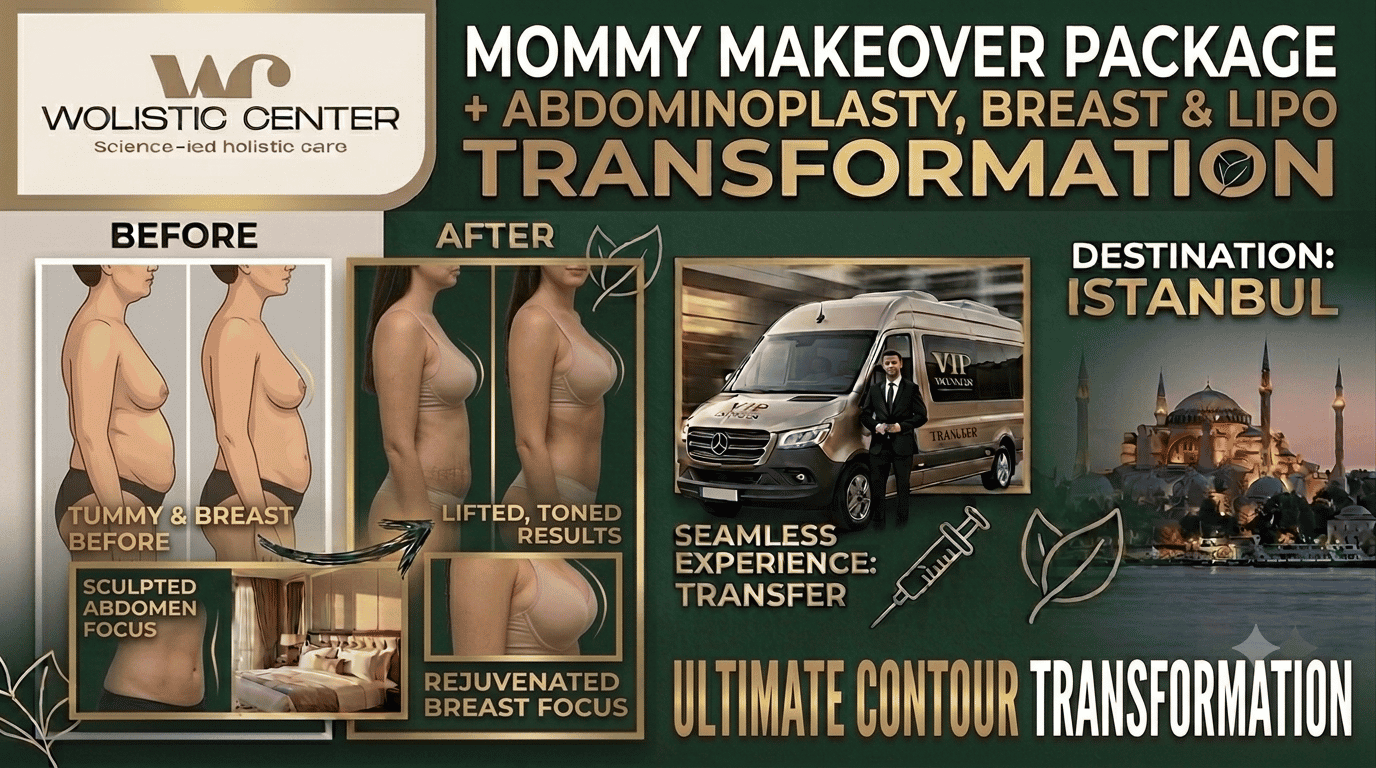
Price starting from $12,000
Mommy Makeover Package at Wolistic Center - Aesthetic & Wellness Clinic in Istanbul Turkey, Istanbul, Turkey
Wolistic Center - Aesthetic & Wellness Clinic in Istanbul Turkey
- Cosmetic/Plastic Surgery
Istanbul, Turkey
Price starting from $3,750
Neck Lift Premium Package at Wolistic Center - Aesthetic & Wellness Clinic in Istanbul Turkey, Istanbul, Turkey
Wolistic Center - Aesthetic & Wellness Clinic in Istanbul Turkey
- Cosmetic/Plastic Surgery
Istanbul, Turkey
Transformative Experiences: Dive into Procedure Insights
Discover the power of through compelling patient experiences. Uncover detailed insights into procedures, recovery journeys, and life-changing results.
.png)
Price starting from $5,500
Gender Reassignment Male to Female Surgery in Thailand
- Sex Change Operation, Cosmetic/Plastic Surgery
Thailand
.png)
Price starting from $4,600
Choose Breast Implants in Antalya - Turkey
- Breast Implants, Cosmetic/Plastic Surgery
Antalya, Turkey
.png)
Price starting from $10,000
Stem Cell Therapy for Knee Osteoarthritis in Japan
- Stem Cell Treatment for Knee Osteoarthritis Abroad, Stem Cell Therapy
Japan

Price starting from $8,000
Stem Cell Therapy for Longevity in Colombia
- Stem Cell Therapy for Longevity
Colombia







