
Hair loss can deeply impact your confidence and how you see yourself. If you are researching solutions, you might be wondering how to find a high-quality procedure without spending a fortune. Traveling abroad offers excellent options, but it requires careful research into surgeon credentials, hygiene standards, and hidden fees. This guide walks you through exactly what to look for, from expected costs to verifying specific medical licenses, helping you make a safe and informed decision.
Quick Answer Summary
- Estimated Cost: Typically ranges from $1,500 to $4,000 USD, depending on the graft count and package inclusions.
- Safety Overview: Generally safe when performed in facilities licensed by the Turkish Ministry of Health (Sa?l?k Bakanl???).
- Ideal Candidate: You should have stabilized hair loss and sufficient healthy donor hair on the back or sides of your head.
- Recovery Time: Initial healing takes 7 to 14 days, with full results visible after 12 to 18 months.
- Why Istanbul, Turkey: Patients choose this destination for highly experienced surgical teams and comprehensive, all-inclusive medical packages.
- Important Caution: Always verify that a registered doctor, not an unlicensed technician, is leading your procedure and planning your graft extractions.
Introduction to Hair Restoration in Istanbul, Turkey
Restoring your hairline is a major decision that requires clinical expertise and careful planning. You want natural-looking results, a safe surgical environment, and transparent pricing. Many international patients look beyond their home borders to find specialized care that fits their budget.
Istanbul has developed a sophisticated medical infrastructure specifically tailored to cosmetic and reconstructive procedures. Clinics here frequently handle complex hair restoration cases daily. This high volume of procedures translates to extensive practical experience for local medical teams.
However, navigating a foreign healthcare system requires diligence. You must differentiate between marketing claims and true medical quality. This guide provides the factual information you need to evaluate facilities, compare treatment techniques, and plan your patient journey safely.
Why International Patients Choose Istanbul for Hair Transplants
Thousands of patients travel to Turkey annually for medical treatments. Hair restoration stands out as one of the most sought-after specialties. The primary reasons patients make this journey go beyond just financial savings.
- Specialized Expertise: Surgeons handle a high volume of complex cases, allowing them to refine advanced techniques.
- Comprehensive Packages: Clinics frequently provide structured packages that include hotel stays, airport transfers, and interpreter services.
- Advanced Technology: Leading hospitals utilize modern extraction devices and high-magnification surgical tools.
- Regulatory Oversight: Legitimate clinics operate strictly under the Turkish Ministry of Health guidelines.
- Geographic Accessibility: Istanbul serves as a major global transit hub, making flights from Europe, the Middle East, and North America convenient.
Understanding Hair Transplant Techniques in Istanbul, Turkey
Your surgeon will recommend a specific technique based on your hair type, the extent of your hair loss, and your desired density. Understanding these medical approaches helps you ask better questions during your consultation.
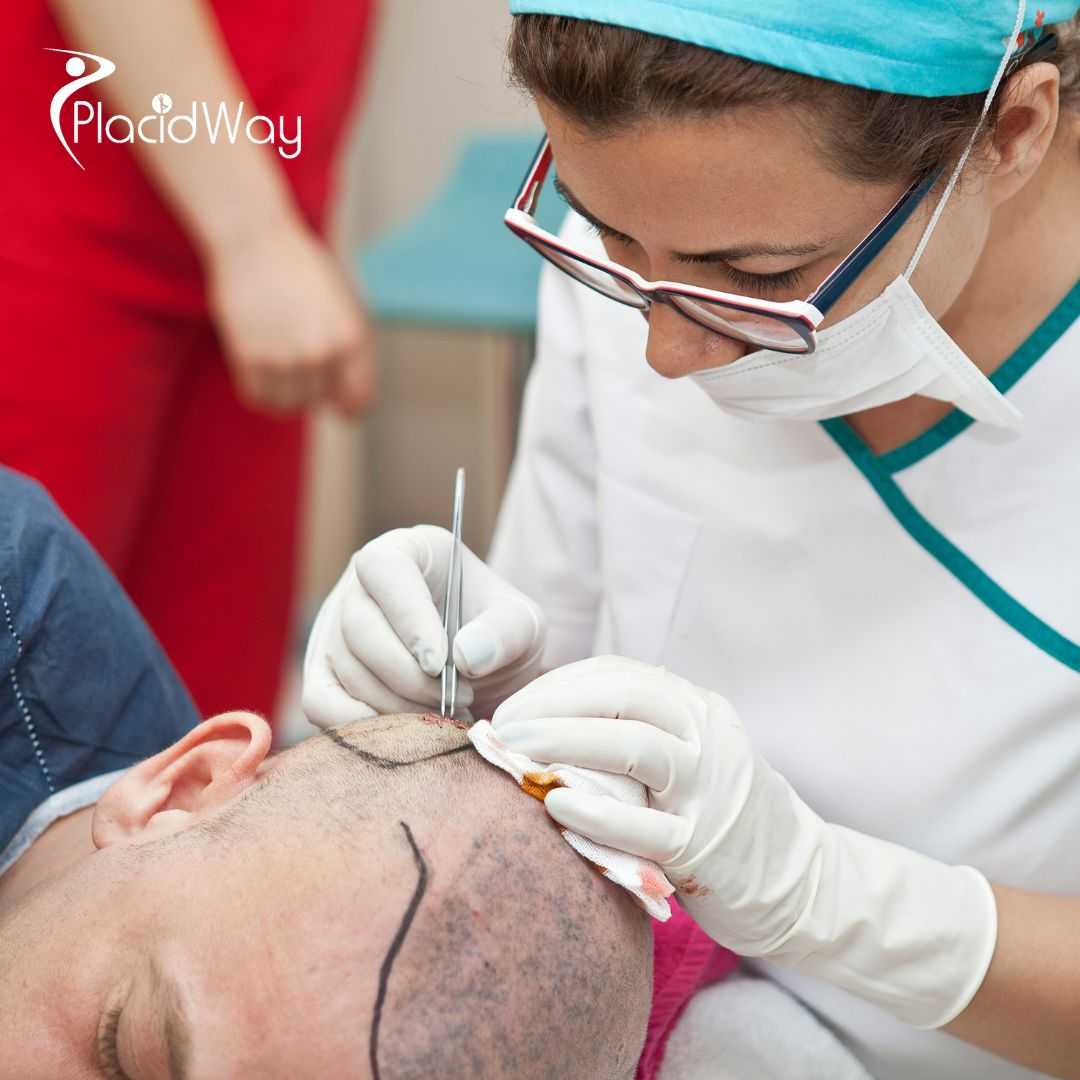
Follicular Unit Extraction (FUE) is the most common method. The surgeon extracts individual hair follicles from the donor area using a micro-punch tool. They then create tiny incisions in the recipient area to implant the grafts. This technique typically leaves minimal scarring.
Hair Transplant modifies the FUE process. Instead of making pre-incisions, the surgeon uses a specialized tool called a Choi Implanter Pen. This tool simultaneously punctures the skin and implants the follicle, which may offer greater control over the angle and depth of the hair.
| Technique | Best Suited For | Primary Benefit |
|---|---|---|
| Traditional FUE | Large areas of hair loss | Allows for high graft counts in a single session |
| Sapphire FUE | Patients wanting denser packing | Uses sapphire blades for finer incisions and potentially faster healing |
| DHI | Targeted areas, avoiding full shaving | Provides precise control over hair direction and angle |
Are You a Suitable Candidate for a Hair Transplant?
Not everyone experiencing hair loss is a safe or viable candidate for surgical restoration. Your doctor will perform a thorough medical assessment before approving you for treatment. Proceeding without proper screening can lead to poor results or complications.
The most critical factor is having a healthy and dense donor area. The hair on the back and sides of your head must be resistant to the hormone DHT, which causes male pattern baldness. If your donor area is too weak, the transplanted hair may thin over time.
You should also be in good general health. Conditions like uncontrolled diabetes, blood clotting disorders, or autoimmune diseases may disqualify you from surgery. Additionally, younger patients (under 25) are often advised to wait, as their hair loss pattern may not be fully stabilized yet.
Patient Demographics and Global Travel Trends
The landscape of cross-border healthcare is constantly evolving. In 2024, data from national health tourism registries indicates a steady rise in international patients traveling specifically for hair restoration. Understanding these demographics helps illustrate the global trust in this medical sector.
The vast majority of patients are male, though female hair restoration is gradually increasing. The most common age group seeking this treatment falls between 30 and 45 years old. Patients typically travel from the United Kingdom, the United States, Canada, and various European nations.
Age Distribution of International Hair Transplant Patients (2024 Clinical Data)
The bar chart below illustrates the primary age brackets of patients traveling for hair restoration procedures in 2024.
Quarterly Patient Volume Growth Index (2024-2025)
This line graph shows the seasonal trend of medical arrivals for elective procedures, highlighting peak travel periods.
Estimated Costs of Hair Transplant in Istanbul, Turkey
Financial transparency is vital when planning medical travel. The costs in this region are generally lower due to favorable exchange rates and lower operational overhead, not necessarily a lack of quality. However, prices vary based on the technique used and the clinic's reputation.
Most clinics offer comprehensive packages rather than charging per graft. A standard package typically includes the surgery, local anesthesia, post-operative medications, hotel accommodation, and local VIP transfers. You should always request a written, itemized quote to understand exactly what is included.
Beware of extremely low prices. If a clinic offers a procedure for significantly less than the regional average, it may indicate compromised hygiene standards or reliance on unlicensed technicians. Safe, high-quality medical care requires a baseline investment.
| Procedure / Package Type | Estimated Price Range (USD) |
|---|---|
| Standard FUE Package (up to 4,000 grafts) | $1,500 – $2,500 |
| / Sapphire FUE Package | $2,000 – $3,500 |
| Premium Package (Chief Surgeon led) | $3,000 – $4,500+ |
Comparing Hair Transplant Costs Globally
To understand the financial benefits of traveling, it helps to compare standard procedural fees across different countries. In many Western countries, clinics charge per graft rather than offering flat-rate packages, which can quickly escalate the total bill.
When comparing these fees, remember that domestic prices rarely include aftercare products, multiple follow-up visits, or blood tests. International packages bundle these necessities to create a seamless experience for traveling patients.
| Country | Estimated Cost (USD) | Pricing Model |
|---|---|---|
| United States | $8,000 – $15,000 | Usually Per Graft |
| United Kingdom | $6,000 – $10,000 | Usually Per Graft |
| Canada | $7,000 – $12,000 | Usually Per Graft |
| Istanbul, Turkey | $1,500 – $4,000 | All-Inclusive Package |
How to Choose a Safe Hair Transplant Clinic in Istanbul
Finding a trustworthy facility is your most important task as a patient. A visually appealing website does not guarantee medical excellence. You must look for official documentation and structural safety protocols.
First, verify that the clinic holds an active license from the Turkish Ministry of Health (Sa?l?k Bakanl???). This license ensures the facility meets national hygiene, emergency response, and staffing regulations. Licensed clinics undergo regular government inspections.
Additionally, check the clinic's emergency protocols. Safe clinics have defibrillators, oxygen supplies, and protocols for transferring patients to an intensive care unit if an adverse allergic reaction occurs. Never undergo surgery in an office space that lacks basic life-support equipment.
Selecting a Qualified Hair Transplant Surgeon in Turkey
The success of your procedure depends primarily on the medical professional designing your hairline and extracting your grafts. In many regions, there is a risk of technicians performing the entire surgery without a doctor present. You must explicitly ask who will perform each stage of the procedure.
A qualified doctor should be registered with the Turkish Medical Association (TTB). Ideally, they should also hold memberships in specialized organizations such as the Turkish Society of Plastic Reconstructive and Aesthetic Surgeons (TSPRAS) or the International Society of Hair Restoration Surgery (ISHRS).
During your virtual consultation, ask the doctor about their specific experience. How many years have they performed this exact procedure? How do they handle complications? A competent surgeon will gladly answer these questions and discuss potential risks openly.
The Patient Journey: Arrival and Consultation in Istanbul
Understanding the logistical flow of your trip can significantly reduce pre-surgery anxiety. Most clinics structure the itinerary over a three-to-four-day period. Upon arrival at the airport, a designated driver typically transports you directly to your hotel.
Your medical journey begins the following day with an in-person clinical consultation. The doctor will review your medical history, perform blood tests, and assess your donor area. They will then draw the proposed hairline on your scalp, ensuring you agree with the aesthetic design before moving forward.
The surgery itself usually takes between six and eight hours, depending on the number of grafts. You will be awake but under local anesthesia. After the procedure, the medical team will bandage your donor area and provide you with specific sleeping instructions and medications.
The Hair Transplant Recovery Timeline
Post-operative care is critical for the survival of your new grafts. You must follow your doctor's instructions strictly to prevent infection and ensure optimal growth. The initial healing phase requires patience and careful attention to your scalp.
Swelling around the forehead and eyes is common during the first few days. Scabs will form around the transplanted follicles; you must not pick at them. Your clinic will typically wash your hair for the first time before you fly home and teach you how to do it gently yourself.
It is entirely normal for the transplanted hair to fall out a few weeks after surgery. This is called "shock loss" and is a natural part of the hair growth cycle. The permanent roots remain secure beneath the skin, and new growth will begin shortly after.
| Timeframe | Clinical Process | Action Required |
|---|---|---|
| Days 1 - 3 | Swelling and initial scab formation. Grafts are highly vulnerable. | Sleep with your head elevated. Take prescribed antibiotics. |
| Days 4 - 10 | Scabs begin to soften and naturally flake off. | Wash hair gently using the special clinic-provided lotion. |
| Weeks 3 - 6 | Shock loss occurs. Transplanted hairs shed. | Stay calm and continue normal, gentle hair washing. |
| Months 3 - 6 | New, thin hairs begin to sprout from the scalp. | Protect scalp from direct, harsh sunburn. |
| Months 12 - 18 | Final density and hair thickness are achieved. | Enjoy final results; regular haircuts can resume. |
Potential Risks and Medical Complications to Consider
Every surgical procedure carries inherent risks, and hair restoration is no exception. While generally considered safe when performed by qualified professionals, you must be aware of potential complications to identify issues early.
Infection is a rare but serious risk. It usually stems from poor clinic hygiene or improper post-operative care at home. Signs of infection include excessive redness, persistent severe pain, or pus around the surgical sites. Immediate medical attention is required if these symptoms occur.
Over-harvesting is another significant concern. If an inexperienced technician removes too many grafts from the donor area, it can result in permanent patchiness and visible scarring at the back of the head. This emphasizes the need to choose a credentialed, ethical surgeon.
Travel, Visa, and Accommodation Guide for Turkey
Planning the travel logistics ensures a smooth and stress-free medical experience. Depending on your nationality, you may need an e-Visa to enter the country. The application process is typically quick and can be completed online before your departure.
Most inclusive clinic packages provide accommodation in 4 or 5-star hotels located near the medical facility. This proximity is vital, as it reduces travel time during your immediate recovery period when you may feel tired or uncomfortable.
It is generally safe to fly home two to three days after the procedure. However, you must take precautions during your flight. Avoid bumping your head when placing luggage in overhead bins, and stay hydrated throughout the journey. Inform the airline staff if you need assistance.
Long-Term Results and Hair Care Maintenance
A hair transplant provides long-lasting results, but it does not stop the natural aging process or cure the underlying genetics of hair loss. The transplanted hairs are resistant to DHT, meaning they are typically permanent, but your native, non-transplanted hair may continue to thin.
To maintain your overall hair density, your doctor may recommend supplementary treatments. Options often include medications like Minoxidil or Finasteride, which help preserve your remaining natural hair. Always consult your doctor before starting any new medication protocol.
Platelet-Rich Plasma (PRP) therapy is another common maintenance tool. Many patients return to their home country and schedule occasional PRP sessions to stimulate follicle health. Proper diet, hydration, and avoiding excessive heat styling also contribute to long-term scalp health.
Frequently Asked Questions
Is a hair transplant in Istanbul, Turkey painful?
The procedure is performed under local anesthesia, meaning your scalp will be completely numb during the surgery. You may feel a slight pinching sensation during the initial injections. Mild soreness and tightness are common during the first few days of recovery, which can typically be managed with prescribed painkillers.
How do I know if the clinic is licensed by the Ministry of Health?
You can ask the clinic to provide their official Sa?l?k Bakanl??? (Ministry of Health) registration number. Reputable facilities display this documentation openly on their premises and will willingly share it during your initial online consultation.
Will I need a second hair transplant in the future?
Depending on the progression of your natural hair loss and the size of your balding area, a second procedure may be required. If your native hair continues to thin over the years, a subsequent session can help fill in new gaps, provided you still have enough healthy donor hair.
Can women get a hair transplant in Istanbul?
Yes, many clinics specialize in female hair restoration. The approach often differs, sometimes utilizing techniques that do not require fully shaving the head. A thorough medical evaluation is necessary to determine if female pattern hair loss or another condition is causing the thinning.
What is shock loss, and is it permanent?
Shock loss is the temporary shedding of transplanted hair—and sometimes native hair—a few weeks after surgery due to surgical trauma. It is a normal part of the healing process. The follicles remain intact under the skin, and new hair typically begins to regrow within three to four months.
How soon can I wear a hat after the procedure?
You must avoid wearing tight caps or hard hats for at least 10 to 14 days, as they can dislodge the newly implanted grafts. Your clinic may provide a loose-fitting bucket hat to wear immediately after surgery to protect your scalp from the sun and dust.
Are hotel and flight costs included in the package?
Most medical packages in Istanbul include hotel accommodation, VIP airport transfers, and local transport between the hotel and clinic. However, international flight tickets are almost always excluded and must be purchased separately by the patient.
Can I drink alcohol or smoke before the surgery?
You should stop smoking and avoid consuming alcohol for at least one week prior to your procedure. Smoking constricts blood vessels, reducing oxygen flow to the scalp, which can negatively impact graft survival and slow down your overall healing process.
What happens if I experience complications after returning home?
Reputable clinics provide long-term online follow-up care via messaging applications. Before choosing a clinic, ask about their specific revision policy and how they handle post-operative emergencies once you have returned to your home country.
How do I know if I have enough donor hair?
During your online consultation, you will be asked to submit high-quality photos of the back and sides of your head. The surgeon will visually estimate your donor density. A final, definitive assessment is always conducted in person before the surgery begins.
Ready to Plan Your Hair Transplant Journey?
Navigating international healthcare can feel complex. PlacidWay can help you compare licensed providers, understand detailed treatment costs, and request specific information from top-rated clinics in Istanbul.
Get a Free Quote & Clinic InformationDisclaimer
Disclaimer: This information is for educational purposes only and does not replace professional medical advice. Always consult a qualified healthcare provider before making medical decisions. Statistics and demographic data are based on recent national and clinical reports and may vary individually.
References
- Hair Transplant Surgery Overview – International Society of Hair Restoration Surgery (ISHRS)
- Healthcare Regulations and Patient Rights – Turkish Ministry of Health (Sa?l?k Bakanl???)
- Health Tourism Data and Demographics 2024 – USHA? (International Health Services)
- Medical Professional Registration Standards – Turkish Medical Association (TTB)
- Hair Transplant Preparation and Recovery Guidelines – American Academy of Dermatology (AAD)
- Board Certification in Hair Restoration – American Board of Hair Restoration Surgery (ABHRS)
- Complications in Hair Transplantation: A Review – National Institutes of Health (NIH)





















Share this listing