
Finding the Best Spine Centers in Europe involves far more than picking the highest-ranked facility or lowest price tag. The "best" spine center is not necessarily the most expensive or technologically advanced facility; it is the center that offers appropriate expertise, personalized treatment, safety standards, technology, and structured follow-up for your specific condition.
Europe offers a diverse landscape of advanced healthcare systems, cutting-edge surgical technologies, and world-renowned specialists. Whether you are exploring conservative care, minimally invasive spine surgery, disc replacement, or complex reconstructive procedures, understanding your options is the first step toward long-term relief.
Key Takeaways
- Diagnosis: Treatment should start with an accurate diagnosis.
- Specialization: Spine expertise matters for complex conditions.
- Treatment: Surgery is only one possible treatment pathway.
- Technology: Advanced technology can support, but not replace, clinical expertise.
- Cost: Prices vary significantly between European countries and procedures.
- Recovery: Rehabilitation and follow-up are part of the treatment journey.
- Safety: Patients should verify accreditation, surgeon qualifications, and hospital standards.
- Comparison: The best center depends on the patient's condition and goals.
- Travel: International patients should plan medical care and recovery before traveling.
- Decision: Compare outcomes, expertise, treatment suitability, and total costs—not price alone.
Finding the Right Spine Center Starts With the Right Treatment
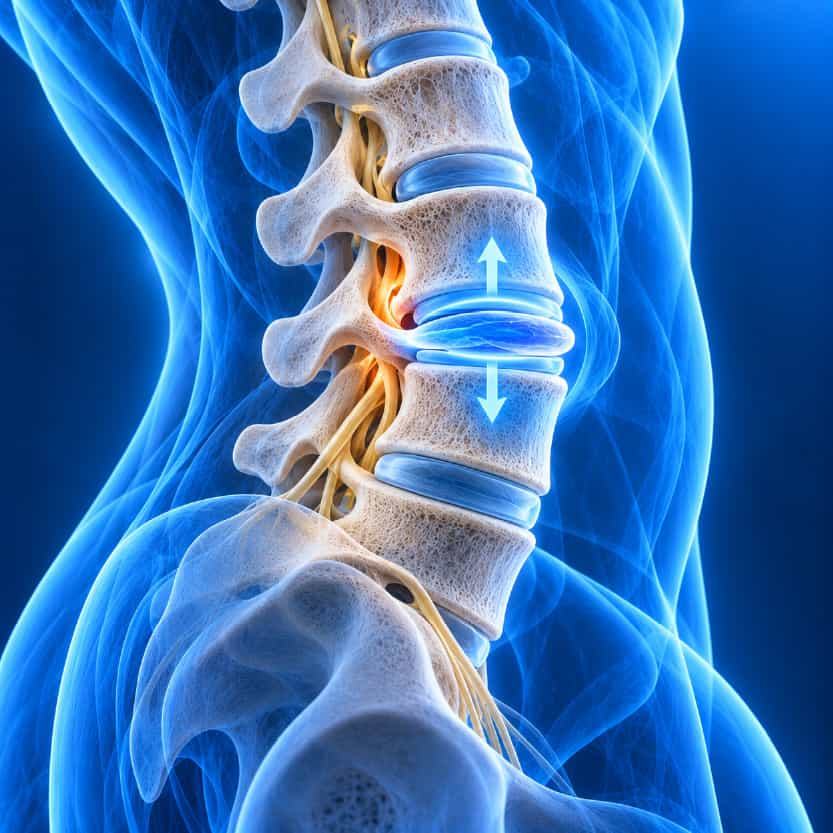
Back pain can make simple activities feel difficult. Whether you are dealing with chronic lower back pain, persistent neck stiffness, or sharp radiating pain down your leg, spinal conditions deeply affect every aspect of daily life.
International patients frequently seek back pain treatment in Europe for conditions including:
- Chronic lower back pain and neck pain
- Sciatica and nerve compression
- Herniated discs and degenerative disc disease
- Spinal stenosis
- Scoliosis and complex spinal deformities
- Failed previous spine surgery
Important Positioning: The "best" spine center in Europe is not simply the facility with the highest marketing profile or most expensive robotic equipment. It is the center that delivers precise diagnosis, multidisciplinary clinical collaboration, tailored surgical or conservative care, and structured follow-up suited to your specific anatomy and functional goals.
Global Impact of Low Back Pain
According to data published by the World Health Organization (WHO) and the Global Burden of Disease (GBD) study, low back pain remains the single leading cause of disability worldwide. Affecting over 619 million people globally in recent years, prevalent cases are projected to surge beyond 840 million by 2050 due to population growth and aging.
Global Low Back Pain Prevalent Cases (1990–2050 Projection)
Source: World Health Organization (WHO) Low Back Pain Fact Sheet & IHME Global Burden of Disease (GBD) Study.
What Should Patients Look for in a Top Spine Center?
When evaluating the best spine clinics in Europe, look beyond decorative hospital amenities and focus on core medical pillars.
Experienced Spine Specialists
Look for fellowship-trained surgeons specializing in neurosurgery, orthopedic spine surgery, deformity correction, and minimally invasive techniques.
Multidisciplinary Spine Care
Collaboration between spine surgeons, neurologists, radiologists, pain management specialists, and physical therapists ensures balanced evaluations.
Advanced Diagnostics
State-of-the-art MRI, CT, dynamic X-rays, electromyography (EMG), and intraoperative 3D imaging provide detailed anatomical clarity.
Surgical & Non-Surgical Options
Leading centers do not automatically recommend surgery; they may offer conservative rehabilitation alongside advanced surgical options.
Minimally Invasive Techniques
Selected patients may benefit from minimally invasive approaches designed to reduce tissue disruption and support recovery.
Robotic & Navigation Technology
Computer-assisted navigation and robotic systems may help surgeons plan procedures and improve precision during selected spinal operations.
Personalized Treatment Plans
Treatment should be based on your diagnosis, symptoms, imaging findings, medical history, lifestyle, and individual recovery goals.
Rehabilitation & Recovery
Structured physiotherapy and rehabilitation can support mobility, strength, function, and recovery after appropriate spine procedures.
International Patient Support
International patients can benefit from coordinated consultations, treatment planning, travel assistance, hospital logistics, and follow-up arrangements.
What Is Causing Your Back Pain?
Understanding the underlying anatomical cause of back pain is essential before choosing a spine center abroad.
| Condition | Common Symptoms | Potential Treatment |
|---|---|---|
| Herniated disc | Back pain, radiating leg pain, numbness, tingling | Conservative care, injections, microdiscectomy when indicated |
| Spinal stenosis | Leg weakness, pain when walking, relief when sitting | Rehabilitation, medication, endoscopic/open decompression |
| Degenerative disc disease | Chronic dull back pain, stiffness, flexibility loss | Physical therapy, injections, disc replacement or fusion |
| Scoliosis | Visible spinal curvature, postural asymmetry, fatigue | Monitoring, specialized bracing, deformity correction surgery |
| Spondylolisthesis | Localized back pain, hamstring tightness, nerve symptoms | Rehabilitation, decompression, targeted spinal fusion |
| Sciatica | Sharp, burning pain radiating down nerve pathways | Targeted injections, physical therapy, targeted decompression |
| Vertebral fracture | Sudden severe back pain, height loss, deformity | Medical management, vertebroplasty, kyphoplasty, stabilization |
When Is Back Pain Serious Enough to Require Specialist Evaluation?
Specialist evaluation is recommended if pain persists for more than six weeks, progressively worsens, causes progressive numbness or weakness, or interferes with daily functional mobility.
Emergency Warning Signs (Red Flags)
Seek immediate, urgent medical assessment if back pain is accompanied by:
- Sudden, severe, or progressive leg weakness (e.g., foot drop)
- Loss of bowel or bladder control
- Numbness in the saddle area (inner thighs, groin, or buttocks)
- Fever, unexplained weight loss, or history of recent major trauma
- Rapid neurological deterioration or suspected spinal infection
Spine Treatment & Surgery Options in Europe
A top spine clinic will explore non-surgical pathways before recommending surgery. Non-surgical alternatives include targeted physical therapy, exercise-based rehabilitation, activity modification, weight management, and epidural steroid injections.
Comprehensive Surgical Spectrum
When conservative treatments do not provide sufficient relief, European centers offer world-class spine surgery options:
Microdiscectomy
Minimally invasive removal of herniated disc material to relieve nerve compression with limited tissue disruption.
Spinal Decompression
Laminectomy or laminotomy procedures designed to widen the spinal canal and relieve symptoms associated with spinal stenosis.
Spinal Fusion
Joining two or more vertebrae to stabilize spinal segments and address certain forms of instability or deformity.
Disc Replacement
Motion-preserving cervical or lumbar artificial disc replacement for selected patients as an alternative to fusion.
Foraminotomy
A decompression procedure that enlarges the opening where spinal nerves exit to help relieve nerve compression.
Spinal Deformity Correction
Surgical techniques used to address complex conditions such as scoliosis, kyphosis, and other spinal alignment problems.
Minimally Invasive & Robotic Spine Surgery Technologies
European spine surgery in Europe is heavily supported by surgical innovations. Minimally invasive approaches use smaller incisions, leading to reduced tissue trauma, less postoperative pain, and faster early recovery. However, open surgery remains the safer, more appropriate choice for complex deformities or extensive revision cases.
Key Technologies in Modern Spine Surgery
| Technology | Potential Role in Surgical Care |
|---|---|
| Robotic-Assisted Surgery | Assists with preoperative planning and precise implant placement trajectory |
| Intraoperative Navigation | Provides real-time 3D tracking of surgical instruments relative to patient anatomy |
| Endoscopic Systems | Ultra-minimally invasive visual access for disc herniation and stenosis decompression |
| Intraoperative Neuromonitoring | Continuously monitors neural pathways during surgical instrumentation to protect safety |
Note: Advanced technology assists the surgeon but does not replace clinical judgment or surgical skill.
Leading European Destinations for Spine Care
Rather than ranking countries arbitrarily, international patients should evaluate destinations based on healthcare infrastructure, specialist availability, and international patient coordination.
| Country | Potential Clinical Strength | Patient Consideration |
|---|---|---|
| Germany | Advanced hospital infrastructure, research-driven spine centers | Potentially higher total costs compared to Eastern Europe |
| Austria & Switzerland | Highly specialized medical care, renowned rehabilitation centers | Premium pricing structures |
| Slovakia & Czech Republic | Strong medical tourism infrastructure, innovative therapies | Highly cost-competitive within the European Union |
| Turkey | Extensive JCI-accredited facilities, all-inclusive international packages | Verify surgeon credentials and facility specialization |
| Spain & Italy | Established private healthcare networks, advanced surgical care | Regional differences in international patient support |
Spine Treatment & Surgery Costs in Europe
Spine surgery cost in Europe varies significantly depending on procedure complexity, hospital stay, surgeon expertise, implants used, and geographical location. Below is a relative cost indication across standard treatment tiers.
| Treatment / Procedure | Relative Cost Tier (USD) | Main Cost Drivers |
|---|---|---|
| Specialist Consultation | $ ($200 – $600) | Specialist reputation and hospital location |
| Spinal MRI / Diagnostic Imaging | $$ ($400 – $1,200) | Number of spinal segments and facility technology |
| Epidural Injection / Pain Therapy | $$ ($800 – $2,500) | Fluoroscopic guidance and medication type |
| Microdiscectomy / Decompression | $$$ ($6,000 – $14,000) | OR time, surgical technique, inpatient stay |
| Spinal Fusion (1–2 levels) | $$$$ ($14,000 – $28,000) | Surgical implants, hospital stay, ICU availability |
| Artificial Disc Replacement | $$$$ ($15,000 – $30,000) | Prosthetic implant cost and surgical complexity |
| Complex Revision Surgery / Deformity | $$$$$ ($30,000+) | Multiple levels, specialized instrumentation, extended stay |
How to Compare Spine Centers: Evaluation Framework
To find the best spine centers in Europe for back pain treatment abroad, use this weighted evaluation framework:
| Evaluation Factor | Suggested Weight |
|---|---|
| Relevant Specialist Expertise & Surgical Volume | 25% |
| Treatment Suitability & Multidisciplinary Care | 20% |
| Hospital Infrastructure & Emergency Capability | 15% |
| Safety, Licensing & National Accreditation | 15% |
| Technology & Surgical Navigation Capabilities | 10% |
| Rehabilitation Services & Post-Op Follow-Up | 10% |
| Cost Transparency & Package Inclusions | 5% |
Patient Profile & Treatment Journey at a Glance
What a Spine Center Needs to Know
- Diagnosis: Confirmed or provisional spinal condition.
- Symptoms: Specific pain points and neurological findings.
- Duration: How long symptoms have been present.
- Imaging: Recent MRI, CT scans, or X-rays.
- History: Documented past treatments, physical therapy, or surgeries.
Spine Treatment Journey Step-by-Step
- Records: Send medical records and MRI scans.
- Consultation: Remote review with a European specialist.
- Planning: Receive an individualized treatment plan.
- Procedure: Surgical or conservative inpatient care.
- Follow-Up: Post-op clearance and long-term home rehab.
Red Flags & Important Questions to Ask
10 Red Flags When Choosing a Spine Center Abroad
- Guaranteed 100% pain relief or guaranteed surgical success
- Claims of "zero-risk" spine surgery
- Pressure to book immediately or pay non-refundable deposits
- No thorough explanation of non-surgical alternatives
- Unwillingness to share surgeon credentials or specialty board status
- Lack of detailed hospital infrastructure information
- Vague or unclear information regarding implant brands
- Absence of a structured postoperative follow-up plan
- Extremely low prices with hidden unexplained exclusions
- Communication solely through facilitators with no direct medical review
15 Questions to Ask Your Spine Specialist
- What exact anatomical condition is causing my symptoms?
- Is spine surgery actually necessary at this stage?
- What non-surgical options are still available to me?
- What specific procedure do you recommend and why?
- How many times have you performed this specific operation?
- What are the risks and potential complications involved?
- What is the expected recovery timeline?
- What technology (navigation, robotics) will be used?
- Will surgical implants be required, and what brand?
- What happens if the primary treatment does not achieve expected results?
- What exact items are included in the quoted cost?
- How long must I remain in the country post-surgery?
- When will I be medically cleared to fly home safely?
- Who manages my follow-up care once I return to my home country?
- Can you assist me in obtaining a formal second opinion?
Spine Care & Regenerative Medicine in Europe
CellCenter - Stem Cell Therapy in Bratislava and Malacky, Slovakia
Frequently Asked Questions
Find the Right Spine Treatment in Europe
Your back pain deserves more than a generic treatment recommendation. Compare your diagnosis, treatment options, specialist expertise, technology, costs, and follow-up requirements to identify the European spine care pathway that fits your needs.
Request Free Spine Consultation InfoDisclaimer: The information provided in this guide is for educational and informational purposes only and does not constitute medical advice, diagnosis, or treatment. Always seek the advice of a qualified healthcare provider with any questions you may have regarding a medical condition or surgical decision. PlacidWay and its affiliates do not endorse or guarantee specific medical outcomes or individual spine center services.
References
- World Health Organization (WHO). Low Back Pain. WHO
- National Institute for Health and Care Excellence (NICE). Low Back Pain and Sciatica in Over 16s: Assessment and Management. NICE
- American Association of Neurological Surgeons (AANS). Low Back Pain. AANS
- National Institute of Arthritis and Musculoskeletal and Skin Diseases (NIAMS). Back Pain. NIAMS
- Mayo Clinic. Back Pain: Symptoms, Causes and Definition. Mayo Clinic

























Share this listing