

Facing a spinal cord injury brings unimaginable physical and emotional challenges, leading many patients to seek alternative regenerative medicine options abroad. If you are exploring stem cell therapy for spinal cord injury in Colombia, you need clear, medically accurate information to make a safe decision. This comprehensive guide will help you understand the true costs of treatment, the vital government certifications to verify, and how to evaluate legitimate clinics so you can pursue your healing journey with confidence.
Quick Answer Summary
- Estimated Cost: Typically ranges from $10,000 to $25,000 USD, depending on the specific protocol and number of cell applications.
- Safety Overview: Generally well-tolerated when performed by licensed specialists, but risks include infection, immune reaction, and varied individual outcomes.
- Ideal Candidate: Patients with stable neurological conditions who have realistic expectations and clearance from their primary neurologist.
- Recovery Time: Initial clinic recovery takes 1 to 2 weeks, while biological healing and physical rehabilitation require 6 to 12 months.
- Why Choose Colombia: Highly skilled specialists, modern medical infrastructure, and significantly lower treatment costs compared to North America.
- Important Caution: Always verify that the facility is registered with Colombia's Ministry of Health (MinSalud) and that cell labs comply with INVIMA regulations.
Understanding Stem Cell Therapy for Spinal Cord Injury
Spinal cord injuries disrupt the vital communication between the brain and the body, often leading to permanent loss of motor and sensory function. Traditional medicine focuses primarily on physical rehabilitation and preventing further complications, as there is currently no conventional cure for reversing the neurological damage. However, regenerative medicine has introduced new possibilities for patients seeking functional improvements.
Stem cell therapy aims to introduce specialized cells into the body that can help reduce inflammation, protect surviving nerve cells, and potentially stimulate tissue regeneration. While this treatment does not guarantee a complete reversal of paralysis, many patients report improvements in sensation, muscle control, and overall quality of life. Understanding the types of injuries that may benefit from this intervention is the first step in your evaluation.
- Complete Spinal Cord Injury: Total loss of sensory and motor function below the level of injury. Outcomes with stem cells are typically focused on marginal sensory gains and neuroprotection.
- Incomplete Spinal Cord Injury: Some sensory or motor function remains below the injury level. These patients often see the most measurable responses to cellular therapy.
- Cervical Injuries: Affecting the neck area, potentially impacting all four limbs. Treatment aims to improve upper body mobility and respiratory function.
- Thoracic and Lumbar Injuries: Affecting the middle and lower back, impacting the legs and lower organs. Therapy often targets bowel/bladder control and lower extremity sensation.
It is critical to approach stem cell treatments with measured expectations. The biological response varies significantly from person to person based on age, time since injury, and overall health. A thorough clinical assessment by a qualified neurologist is mandatory before proceeding.
Why Patients Choose Colombia for Regenerative Medicine
In recent years, Colombia has emerged as a leading destination in South America for advanced medical treatments, including regenerative medicine. Patients facing the high costs and strict regulatory limitations of stem cell research in their home countries often look abroad for accessible care. Colombia offers a unique combination of rigorous medical training, modern infrastructure, and compassionate patient care.
The decision to travel for a complex medical procedure is deeply personal and driven by several compelling factors. International patients consistently highlight specific advantages that make Colombia an attractive option for spinal cord injury treatment.
- Advanced Medical Expertise: Many Colombian specialists train in the US or Europe, bringing cutting-edge regenerative techniques back to top-tier hospitals in Bogotá and Medellín.
- Significant Cost Savings: Treatment packages in Colombia can be 50% to 70% less expensive than similar experimental protocols in North America or Europe.
- Access to Expanded Protocols: Colombia's regulatory framework allows for the safe, ethical use of expanded mesenchymal stem cells, which are heavily restricted in the US.
- Holistic Care Approach: Clinics frequently bundle cellular therapy with intensive physical rehabilitation, hyperbaric oxygen therapy, and nutritional support.
- Geographic Proximity: For North American patients, direct flights to major Colombian cities are short, minimizing travel fatigue for individuals with mobility challenges.
- Robust Healthcare Infrastructure: The World Health Organization consistently ranks Colombia’s healthcare system among the best in Latin America, ensuring high safety standards.
Patient Demographics and Medical Tourism Trends
Understanding who travels to Colombia for stem cell therapy provides valuable context for your own decision-making process. Recent data from 2024 and 2025 highlights a steady increase in international patients seeking regenerative care in major Colombian medical hubs. These patients typically originate from countries where out-of-pocket healthcare costs are prohibitive.
The majority of international inquiries for neurological regenerative medicine come from North America and Europe. The following chart illustrates the documented distribution of international patients traveling to Colombia for medical care in 2024 and 2025.
2024-2025 Origin of International Patients in Colombia
In addition to geographic origins, age plays a significant role in patient demographics. Many individuals seeking treatment for spinal cord injuries are younger adults who sustained trauma through sports or motor vehicle accidents. The data reflects a high concentration of proactive, rehabilitation-focused individuals seeking these therapies.
2024-2026 Age Distribution of SCI Patients Seeking Stem Cells
How Stem Cells Target Spinal Cord Damage
To understand the potential benefits of this treatment, it is helpful to know how stem cells interact with damaged neurological tissue. When a spinal cord injury occurs, the initial trauma is followed by a secondary phase of inflammation, swelling, and scarring. This glial scar tissue physically blocks nerve signals and prevents natural healing.
Stem cells, particularly Mesenchymal Stem Cells (MSCs), are introduced into the body to combat this hostile environment. They do not magically transform into new nerves overnight; instead, they act as cellular managers, releasing powerful growth factors and anti-inflammatory proteins that modify the injury site.
| Biological Mechanism | How It Helps the Spinal Cord | Expected Clinical Outcome |
|---|---|---|
| Immunomodulation | Calms severe inflammation around the injury site. | Reduces further nerve cell death and decreases localized swelling. |
| Neuroprotection | Releases growth factors that protect surviving neurons. | Preserves existing motor and sensory function. |
| Angiogenesis | Stimulates the formation of new blood vessels. | Improves blood flow and oxygen delivery to damaged spinal tissue. |
| Tissue Remodeling | Breaks down dense, restrictive glial scar tissue. | Creates a more favorable environment for nerve signal transmission. |
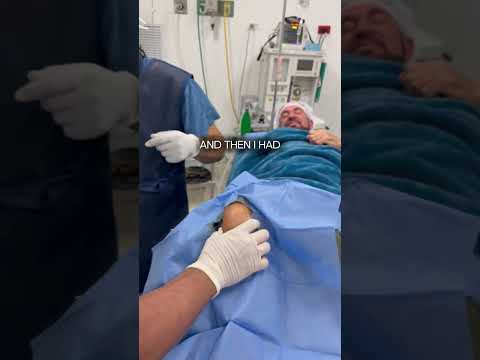
The method of delivery is crucial for these mechanisms to work. In Colombia, specialists typically utilize a combination of intravenous (IV) drips and intrathecal injections. Intrathecal delivery places the stem cells directly into the spinal fluid, allowing them to bypass the blood-brain barrier and reach the spinal cord injury site more efficiently.
The Evaluation Process: Are You a Candidate?
Not every patient with a spinal cord injury is suitable for stem cell therapy. Reputable clinics in Colombia employ strict evaluation protocols to ensure patient safety and optimize the chances of a positive outcome. This process typically begins long before you book a flight.
You will be asked to provide recent MRI scans, detailed medical records, and reports from your primary physician or neurologist. The medical team will review these documents to assess the severity of the injury, the extent of scar tissue, and your overall physical health. They use specific criteria to determine your eligibility.
- Ideal Candidates: Patients who have completed primary surgical interventions, are medically stable, have no active severe infections, and possess a strong commitment to post-treatment physical therapy.
- Time Since Injury: While treatments can be performed years after an injury, many specialists suggest that interventions within the first few years may yield more favorable cellular responses before dense scarring permanently sets in.
- Contraindications: You may be denied treatment if you have a history of active cancer, severe blood clotting disorders, uncontrolled infections, or depend on advanced life support systems.
- Psychological Readiness: Candidates must demonstrate realistic expectations. The emotional toll of SCI is profound, and patients must understand that recovery is slow, incremental, and not guaranteed.
Cost of Stem Cell Therapy for Spinal Cord Injury in Colombia
One of the primary reasons patients choose Colombia is the affordability of complex regenerative treatments. The cost of living and operational overhead for hospitals in Colombia is significantly lower than in the US or Europe, allowing clinics to offer world-class treatments at a fraction of the price. However, pricing structures can be complex.
The final cost depends heavily on the source of the stem cells, the total cell count required, and the number of days you need to stay at the clinic. Comprehensive packages often bundle the medical procedure with necessary supportive therapies. Below is an estimated breakdown of treatment components.
| Treatment Component | Estimated Cost (USD) |
|---|---|
| Basic Stem Cell Protocol (IV + Intrathecal) | $10,000 - $15,000 |
| Advanced Protocol (Multiple applications + high cell count) | $15,000 - $25,000 |
| Pre-treatment Medical Evaluation & MRIs | $500 - $1,200 |
| In-patient physical therapy (per week) | $800 - $1,500 |
When reviewing a quote from a Colombian clinic, you must carefully ask for an itemized breakdown. Medical tourism packages sometimes include airport transfers and basic accommodation, but hidden costs can arise if complications occur. Always clarify what happens if your stay needs to be extended.
- Does the quote include the anesthesiologist fee for intrathecal injections?
- Are follow-up consultations via telemedicine included in the base price?
- Does the clinic provide medical complication insurance for international patients?
- Are companion accommodation costs covered during the hospital stay?
Comparing Treatment Costs: Colombia vs. Global Destinations
To fully appreciate the financial advantage of traveling to Colombia, it is helpful to compare the estimated costs with other popular medical tourism destinations. The United States generally prohibits the expansion of stem cells in private clinics, making advanced therapies there extremely rare and exceptionally expensive.
Other countries in Latin America and Asia offer similar treatments, but Colombia maintains a highly competitive edge by combining rigorous national medical standards with highly accessible pricing. This comparison highlights why Colombia remains a top choice.
| Country | Estimated Cost for SCI Protocol (USD) | Regulatory Environment |
|---|---|---|
| United States | $30,000 - $50,000+ | Highly restricted; limited to strict clinical trials. |
| Panama | $20,000 - $35,000 | Established, specialized private institutes. |
| Mexico | $12,000 - $25,000 | Regulated by COFEPRIS; widely available. |
| Colombia | $10,000 - $25,000 | Regulated by INVIMA; high quality-to-cost ratio. |
Choosing the Right Hospital and Clinic in Colombia
The safety and success of your treatment depend entirely on the quality of the facility you choose. Not all clinics offering stem cell therapy are created equal. In Colombia, legitimate healthcare providers operate under strict government oversight, and you must verify their credentials before transferring any funds or booking travel.
Do not rely solely on a clinic's marketing website or social media presence. You must request official documentation proving that they are authorized to perform cellular therapies. The Colombian government has specific bodies that regulate hospitals and laboratories.
- INVIMA Certification: The National Food and Drug Surveillance Institute (INVIMA) is Colombia’s equivalent to the FDA. The laboratory processing the stem cells must be INVIMA-approved.
- MinSalud Registration: The clinic itself must be registered with the Ministry of Health and Social Protection (Ministerio de Salud y Protección Social).
- Secretaría de Salud: Local health departments inspect and certify the physical safety and operational standards of medical facilities in their specific cities (e.g., Bogotá, Medellín).
- ICU Access: Ensure the facility has a fully equipped Intensive Care Unit on-site, or a formal emergency transfer agreement with a major hospital, in case of rare complications.
Selecting a Qualified Stem Cell Specialist
Administering stem cells into the spinal canal is a delicate procedure that requires immense precision and anatomical knowledge. Your primary doctor should not be a general practitioner; they must be a board-certified specialist with extensive training in neurology, neurosurgery, or interventional pain management.
When vetting a doctor in Colombia, ask for their complete professional resume. Legitimate specialists will proudly share their medical registration numbers and evidence of their specialized training. You should look for several specific trust signals during your consultation.
- Registro Médico: The doctor must be fully licensed and registered with the Colombian Medical Federation (Federación Médica Colombiana).
- Specialty Board Certification: Verify that they hold board certification in Neurology, Neurosurgery, or Physical Medicine and Rehabilitation.
- International Affiliations: Many top doctors are members of international organizations like the International Society for Cellular Therapy (ISCT).
- Case Volume: Ask how many spinal cord injury patients the doctor has treated specifically using stem cells in the last year. Experience directly correlates with patient safety.
Treatment Timeline and What to Expect in Colombia
Traveling for stem cell therapy requires careful logistical planning. You will not simply fly in, receive an injection, and fly home the next day. A proper, safe protocol involves a multi-day process of medical evaluation, treatment, and immediate post-procedure observation.
Most clinics require patients to stay in Colombia for a minimum of 7 to 10 days. This timeline ensures that your body handles the treatment well and allows the medical team to monitor you for any immediate adverse immune reactions. Below is a standard itinerary for international patients.
| Day | Medical Activity | Patient Requirement |
|---|---|---|
| Day 1-2 | Arrival, clinic orientation, comprehensive blood tests, and MRI reviews. | Rest, acclimatize to the altitude (especially in Bogotá), and fast if required for bloodwork. |
| Day 3 | Initial pre-treatments, such as physical therapy assessments or IV vitamin infusions. | Attend consultations with the lead neurologist and anesthesiologist. |
| Day 4 | Stem Cell Procedure day (IV and Intrathecal injections). | Strict bed rest at the clinic or hotel for 24 hours post-procedure. |
| Day 5-7 | Follow-up evaluations, initiation of physical therapy, and discharge planning. | Attend daily check-ups. Follow travel clearance protocols provided by the doctor. |
Safety Considerations and Potential Risks
While regenerative medicine offers hope, it is crucial to acknowledge that stem cell therapy is not risk-free. Patient safety must be the absolute priority. Because the treatment involves inserting cellular material into the spinal fluid, there are inherent medical risks that must be managed by a highly skilled team.
Most side effects are mild and temporary, such as a low-grade fever, fatigue, or mild pain at the injection site. However, more severe complications can occur, especially if the cell preparation was not conducted under strict GMP laboratory standards. Understanding these risks helps you ask better questions during your clinic evaluation.
| Potential Risk | Cause | Prevention / Clinic Protocol |
|---|---|---|
| Infection (Meningitis) | Non-sterile injection technique or contaminated cell batches. | Strict adherence to INVIMA laboratory standards and surgical sterility. |
| Spinal Headache | Leakage of cerebrospinal fluid following the intrathecal needle puncture. | Using atraumatic needles and enforcing strict 24-hour post-procedure bed rest. |
| Immune Reaction | Body rejecting donor cells or reacting to cell preservation fluids. | Comprehensive pre-screening and using thoroughly washed, immunoprivileged MSCs. |
Post-Treatment Recovery and Rehabilitation
The stem cell injection is merely the beginning of your regenerative journey. Biological healing takes time. You will not wake up the day after the procedure with completely restored function. The cells require months to engraft, reduce inflammation, and promote structural repair within the spinal cord.
Intensive physical therapy is absolutely mandatory following stem cell therapy. The newly introduced cells need mechanical stimulation and signals from your body to understand how to rebuild neural pathways. Without rigorous rehabilitation, the biological potential of the stem cells is largely wasted.
| Timeframe | Biological Process | Patient Sensation | Required Action |
|---|---|---|---|
| Weeks 1-4 | Immediate immunomodulation and reduction of spinal inflammation. | Fatigue, mild temperature fluctuations, or minor localized pain. | Light stretching, adequate rest, and hydration. Avoid strenuous strain. |
| Months 2-6 | Secretion of growth factors and early tissue remodeling. | Potential tingling, changes in spasticity, or minor sensory shifts. | Aggressive daily physical therapy, occupational therapy, and neuro-rehabilitation. |
| Months 6-12 | Long-term cellular support and potential neuroprotection maturation. | Stabilization of any new motor or sensory gains achieved. | Continued physical therapy and scheduling a clinical follow-up evaluation. |
Travel Planning and Visa Requirements for Colombia
Preparing for medical travel requires careful attention to logistics, especially for individuals using wheelchairs or requiring mobility assistance. Major cities like Bogotá, Medellín, and Cali have international airports equipped to assist disabled travelers, but you must coordinate these services well in advance.
Citizens of the United States, Canada, the UK, and the EU do not require a tourist visa for stays in Colombia up to 90 days, which is more than enough time for standard stem cell protocols. However, you should still prepare specific documentation for a smooth entry.
- Medical Letter: Carry a formal letter from your Colombian clinic detailing your medical appointments and the purpose of your visit to present to customs officials.
- Accessible Accommodation: Verify directly with your hotel that their rooms and bathrooms are fully wheelchair accessible, as standards vary outside major international chains.
- Altitude Considerations: Bogotá is situated at over 8,600 feet (2,600 meters). Patients with respiratory complications related to their SCI should discuss altitude risks with their doctor, or consider clinics in Medellín or Cali.
- Medical Escort: It is highly recommended to travel with a family member or hire a professional medical escort to assist with transfers, personal care, and airport navigation.
Frequently Asked Questions
Is stem cell therapy for spinal cord injury a guaranteed cure?
No. Stem cell therapy is an advanced regenerative treatment that aims to improve quality of life, reduce inflammation, and promote tissue repair. It does not guarantee a complete cure or full reversal of paralysis. Outcomes vary widely based on individual diagnosis and injury severity.
How much does stem cell therapy for spinal cord injury cost in Colombia?
The estimated cost typically ranges from $10,000 to $25,000 USD. This price varies depending on the number of cell applications, the specific delivery method (IV vs. Intrathecal), and the inclusion of physical rehabilitation packages.
What type of stem cells do Colombian clinics use for neurological injuries?
Most top-rated clinics use Mesenchymal Stem Cells (MSCs) ethically sourced from donated human umbilical cord tissue (Wharton’s Jelly). These cells are highly potent, extensively tested for safety, and carry a very low risk of immune rejection.
How long must I stay in Colombia for the treatment?
Patients are generally advised to stay for 7 to 10 days. This allows adequate time for pre-treatment medical evaluations, the procedures themselves, and several days of essential post-procedure monitoring before flying home.
Is medical treatment in Colombia safe for international patients?
Yes, when utilizing licensed providers. Colombia has a highly regarded healthcare system. Safety is ensured by selecting clinics certified by the Ministry of Health (MinSalud) and laboratories regulated by INVIMA.
Does the therapy hurt?
Intravenous (IV) drips are virtually painless. Intrathecal injections, which place cells into the spinal fluid, involve a needle puncture in the lower back. Local anesthesia is used, but patients may experience mild discomfort or a temporary spinal headache afterward.
When will I start seeing results after treatment?
Biological healing is a slow process. While some patients report reduced spasticity within weeks, structural tissue remodeling and potential sensory or motor improvements generally take 3 to 6 months to become noticeable, heavily depending on concurrent physical therapy.
Do I need to continue physical therapy back home?
Absolutely. Stem cells provide the biological building blocks for repair, but intensive physical therapy is required to train the nervous system and stimulate the newly formed neural pathways. Treatment without rehabilitation is rarely effective.
Can I be treated if my injury happened ten years ago?
Yes, patients with older injuries can be treated, but expectations must be managed. Dense scar tissue over time can limit the extent of cellular repair. A thorough MRI review by the Colombian specialist will determine your specific candidacy.
How do I verify a Colombian doctor's credentials?
You should ask for their medical license number and verify their registration with the Colombian Medical Federation. Additionally, confirm their board certification in neurology or neurosurgery, and ask about their specific experience treating spinal cord injuries with stem cells.
Ready to Explore Your Options?
Navigating medical tourism can be complex. PlacidWay can help you compare certified providers in Colombia, understand treatment costs, and request personalized evaluations from top-rated specialists.
Request Information NowDisclaimer: This information is for educational purposes only and does not replace professional medical advice. Always consult a qualified healthcare provider before making medical decisions.
References
- Spinal cord injury fact sheet – World Health Organization (WHO)
- National Food and Drug Surveillance Institute – INVIMA Colombia
- Ministry of Health and Social Protection – MinSalud Colombia
- International Society for Cell & Gene Therapy – ISCT
- Mesenchymal Stem Cells for Spinal Cord Injury – National Institutes of Health (NIH)
- Stem Cell Therapy Information – Christopher & Dana Reeve Foundation
























Share this listing