



Chronic pain is an invisible burden that affects millions globally, often leading patients on a desperate search for relief beyond traditional painkillers and invasive surgeries. In recent years, stem cell therapy for chronic pain in Japan has emerged as a beacon of hope, leveraging the body’s innate ability to heal itself. Japan’s unique position at the forefront of biotechnology makes it a premier destination for those seeking advanced regenerative medicine.
The journey toward pain relief in Japan is characterized by a blend of ancient hospitality and cutting-edge science. Patients typically explore these options when conventional treatments, such as physical therapy or corticosteroid injections, no longer provide the necessary quality of life. By focusing on cellular repair, regenerative medicine in Japan offers a sophisticated alternative for managing long-term discomfort without the extensive downtime associated with major surgery.
Japan was the home of Dr. Shinya Yamanaka, who won the Nobel Prize in 2012 for the discovery of induced pluripotent stem cells (iPS cells), cementing the country’s status as a global leader in regenerative research.
Why Japan is a Leader in Regenerative Medicine
Japan has established a regulatory environment that is arguably the most progressive in the world for cellular therapies. The government’s proactive stance has fast-tracked the availability of innovative stem cell treatments, allowing patients to access therapies that might still be in clinical trials elsewhere. This dedication to science ensures that medical tourism in Japan is backed by rigorous national standards and a culture of precision.
Beyond legislation, the infrastructure for regenerative medicine in Japan is supported by significant investment from both the public and private sectors. Research institutions and specialized clinics collaborate to refine protocols for various conditions, ensuring that the technology is not only advanced but also applied with meticulous care. For the international patient, this means accessing a level of expertise that is globally recognized for its excellence and safety.
Japan enacted the Act on the Safety of Regenerative Medicine (ASRM) in 2014, creating a specialized framework to ensure every clinic providing stem cell therapy is strictly monitored by the Ministry of Health.
Types of Chronic Pain Treated with Stem Cells in Japan
The versatility of stem cell therapy for pain management allows it to address a wide array of debilitating conditions. In Japanese clinics, medical professionals generally target musculoskeletal issues, nerve damage, and degenerative joint diseases. By injecting concentrated stem cells into damaged tissues, the goal is to modulate inflammation and stimulate the growth of healthy new cells, potentially providing long-term pain relief in Japan.
Patients seeking treatment often present with conditions that have resisted other forms of care. The most commonly addressed issues include:
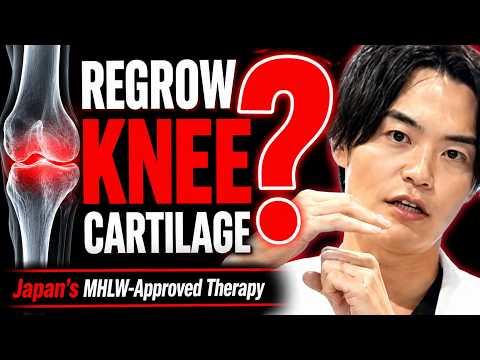
- Osteoarthritis of the knee, hip, or shoulder: Focusing on cartilage regeneration.
- Degenerative Disc Disease: Aiming to repair wear and tear in the spinal column.
- Neuropathic Pain: Addressing chronic nerve discomfort and dysfunction.
- Sports-Related Injuries: Repairing chronic ligament and tendon tears.
- Rheumatoid Arthritis: Modulating the immune response to reduce systemic inflammation.
Stem Cell Treatment Cost in Japan Comparison
Understanding the financial commitment is a vital part of planning medical tourism in Japan. While Japan is known for its high-quality healthcare, the stem cell treatment cost in Japan is often competitive when compared to the United States, especially when factoring in the advanced technology and regulatory oversight provided. Most patients experience a transparent pricing structure that covers the harvesting, processing, and administration of the cells.
The following table provides a general market range for various regenerative procedures, comparing Japan with other common patient-origin countries. Please note that these are average price ranges and individual costs may vary based on the specific needs of the patient.
| Procedure Type | Average Cost in Japan (USD) | Cost in USA/UK (USD) |
|---|---|---|
| Adipose-Derived Stem Cell Injection | $12,000 - $18,000 | $20,000 - $35,000 |
| Bone Marrow Aspirate Concentrate (BMAC) | $10,000 - $15,000 | $15,000 - $25,000 |
| Mesenchymal Stem Cell (MSC) IV Infusion | $15,000 - $25,000 | $25,000 - $50,000 |
Always ask for a comprehensive quote that includes pre-treatment diagnostics and follow-up consultations to avoid unexpected expenses during your trip.
Understanding the Different Stem Cell Sources in Japan
Not all stem cells are created equal, and Japanese specialists are adept at choosing the right source for the specific type of chronic pain being treated. Autologous stem cells—those derived from the patient’s own body—are the most common choice, as they significantly reduce the risk of rejection or allergic reactions. The most frequent sources utilized in Japan regenerative clinics are adipose (fat) tissue and bone marrow.
Adipose-derived cells are often favored for joint and soft tissue repair due to the ease of harvesting and the high concentration of mesenchymal stem cells (MSCs). Bone marrow concentrate, while slightly more invasive to collect, has a long clinical history of success in spinal and orthopedic applications. Recently, some advanced facilities have also begun exploring umbilical cord-derived MSCs for their potent anti-inflammatory properties and "young" cellular profile.
The Clinical Procedure for Stem Cell Therapy in Japan
The typical experience for stem cell therapy for chronic pain in Japan is a multi-step process designed for safety and efficacy. It begins with an extensive consultation and diagnostic imaging to pinpoint the source of pain. If using autologous cells, the "harvesting" phase involves a minor procedure, such as a mini-liposuction or a bone marrow aspiration, performed under local anesthesia.
Once harvested, the cells are processed in a high-tech laboratory—often an on-site Cell Processing Center (CPC)—where they are isolated and sometimes expanded over several weeks to reach a therapeutic dose. The final step is the reinjection of these concentrated cells into the painful area, often guided by ultrasound or fluoroscopy to ensure precise placement. This meticulous approach is what defines high-quality medical care in Japan.
According to various clinical surveys in Japan, approximately 70-80% of patients with knee osteoarthritis report a noticeable reduction in pain levels within six months of receiving stem cell injections.
Regulatory Standards and Safety of Regenerative Medicine in Japan
When considering stem cell clinics in Japan, patients are protected by some of the most stringent safety laws in the world. The Ministry of Health, Labour and Welfare (MHLW) requires every facility to submit a detailed treatment plan for review by a certified committee before they can offer regenerative services. This ensures that the stem cell treatment for pain is performed using standardized, ethical, and safe methods.
This oversight extends to the laboratories where cells are cultured. These facilities must adhere to Good Gene, Cellular, and Tissue-based Products Manufacturing Practice (GCTP), which are the Japanese equivalent of global pharmaceutical manufacturing standards. For international patients, this regulatory rigor provides a layer of trust and security that is often missing in less-regulated medical tourism hubs.
Identifying Ideal Candidates for Chronic Pain Relief in Japan
While regenerative medicine in Japan offers exciting possibilities, it is not a "magic bullet" for everyone. Typically, the best candidates are those with localized chronic pain resulting from tissue degeneration or injury rather than systemic autoimmune disorders. Doctors generally look for patients who still have some healthy tissue left for the stem cells to interact with and support.
Ideal candidates for stem cell therapy in Japan often meet the following criteria:
- Non-smokers or those willing to quit (as smoking impairs stem cell function).
- Individuals with mild to moderate joint degeneration (Grade 2 or 3 osteoarthritis).
- Patients who have failed to find relief through physical therapy or medication.
- Those in good overall health with no active infections or cancers.
- Patients with realistic expectations regarding the gradual nature of cellular healing.
Case Study: Knee Pain Recovery
"After years of struggling with bone-on-bone knee pain, I traveled to Tokyo for adipose-derived stem cell therapy. Within four months, the constant throbbing subsided, and I could finally walk through my local park without a cane. The precision of the Japanese medical team was unlike anything I had experienced." — Robert M., Australia
Potential Risks and Side Effects of Stem Cell Therapy in Japan
As with any medical intervention, stem cell therapy for chronic pain carries inherent risks that must be transparently discussed. Generally, the procedure is considered safe, especially when using the patient’s own cells; however, most patients experience some level of temporary discomfort. It is crucial to manage expectations, as biological treatments do not yield instant results and vary significantly between individuals.
While complications are rare, potential risks include infection at the injection site, localized swelling, or a lack of significant clinical improvement. Always ensure your provider has a clear protocol for handling adverse reactions.
Patients should also be aware of the "unproven" nature of some experimental applications. While Japan has legalized many of these procedures, they are often still categorized under "Class II" or "Class III" regenerative medicine, meaning they are monitored for safety but may not have the decades of data that traditional surgeries possess. Always consult with a qualified specialist to weigh the benefits of stem cell therapy in Japan against these risks.
Preparing for Your Medical Tourism Trip to Japan
Organizing a trip for medical tourism in Japan requires careful logistical planning beyond just the clinical procedure. Patients must ensure their medical records, including recent MRI or CT scans, are translated or easily accessible for the Japanese specialists. Proper communication is the foundation of a successful outcome, so verifying the availability of English-speaking staff is a top priority.
Preparation should also include a deep dive into the visa requirements for Japan. Many patients apply for a "Visa for Medical Stay," which allows for a longer duration than a standard tourist visa, facilitating both the procedure and the initial recovery phase. Navigating a foreign healthcare system can be daunting, but the legendary Japanese Omotenashi (hospitality) usually makes the process much smoother for international visitors.
Book your flight with a flexible return date. Depending on how your body reacts to the initial injection, your doctor may recommend staying an extra few days for observation.
Expected Recovery and Rehabilitation Protocols in Japan
The "work" of stem cell therapy for chronic pain in Japan doesn't end when the needle is removed. Recovery is a gradual process that involves protecting the treated area while the new cells begin their regenerative work. Most clinics provide a structured rehabilitation program that may include gentle stretching, specific movements to avoid, and dietary recommendations to support cellular health.
Generally, patients are advised to avoid strenuous activity or heavy lifting for at least 2 to 4 weeks post-procedure. During this time, the "inflammatory phase" occurs, which is a necessary part of the healing process and may cause temporary stiffness. Follow-up appointments are often conducted via tele-health once the patient returns home, ensuring that the long-term pain relief journey is monitored by the original medical team.
Case Study: Back Pain Relief
"I had lived with a herniated disc for ten years. The stem cell treatment in Osaka was professional and nearly painless. It took about three months to feel a difference, but now my morning stiffness is gone. It was worth every mile of the journey." — Sarah T., UK
Comparing Japan’s Stem Cell Therapy to Other Global Destinations
When looking for affordable stem cell therapy, patients often compare Japan to destinations like Mexico, Panama, or Thailand. While Japan may have a higher price point than some of these regions, the value lies in its regulatory infrastructure and scientific heritage. Unlike some "offshore" clinics that operate in regulatory gray areas, Japanese clinics function under the watchful eye of the national government.
Furthermore, Japan's focus on autologous stem cells and ethically sourced materials provides a level of medical ethics that many international patients find comforting. The integration of advanced robotics and AI in cell processing also sets Japan regenerative medicine apart, offering a level of precision in cell counting and viability testing that is difficult to match in less developed medical hubs.
Japan's healthcare system is consistently ranked in the top 10 worldwide for efficiency and outcomes, a standard that extends to its private regenerative medicine sector.
Future Innovations in Regenerative Pain Management in Japan
The landscape of pain relief in Japan is constantly shifting as new research comes to light. The current focus is moving toward "Exosome Therapy," which uses the signaling bubbles released by stem cells rather than the cells themselves. This could potentially offer a more shelf-stable and targeted approach to reducing chronic inflammation and repairing damaged nerves.
Additionally, Japanese researchers are leading the way in combining 3D bioprinting with stem cell technology. This could eventually allow for the creation of "custom-fit" cartilage patches for joints or specialized scaffolds for spinal cord repair. By choosing regenerative medicine in Japan today, patients are tapping into an ecosystem that is perpetually defining the future of global healthcare.
Japanese scientists are currently conducting some of the world's first human trials using iPS cells to treat spinal cord injuries, pushing the boundaries of what is possible in chronic pain recovery.
How PlacidWay Assists Your Stem Cell Therapy Journey in Japan
Navigating the complexities of medical tourism in Japan can be overwhelming, but you don't have to do it alone. PlacidWay acts as a bridge, connecting international patients with top-tier facilities and ensuring a seamless experience from initial inquiry to post-treatment follow-up.
- Providing access to a curated network of certified regenerative medicine clinics in Japan.
- Facilitating direct communication with medical specialists for personalized treatment plans.
- Assisting with the collection and submission of medical records for specialist review.
- Offering transparent information regarding stem cell therapy costs and procedures.
- Helping patients understand the regulatory landscape and safety standards in Japan.
- Providing resources for navigating medical visas and local logistics.
- Supporting patients with multi-lingual coordination to bridge the language gap.
The word 'Kaizen' means continuous improvement, and it is a philosophy applied not just to Japanese industry, but also to how they refine their regenerative medicine protocols.
Frequently Asked Questions (FAQ)
Is stem cell therapy for chronic pain in Japan legally regulated?
Yes, Japan has some of the world's most robust regulations under the Act on the Safety of Regenerative Medicine (ASRM), ensuring clinics meet strict safety and quality standards.
What is the typical cost of stem cell therapy in Japan?
The cost generally ranges from $10,000 to $25,000, depending on the number of sessions and the source of the stem cells used for the treatment.
Do I need a special visa for medical treatment in Japan?
Most international patients apply for a 'Visa for Medical Stay,' which allows for multiple entries and longer stays if the treatment requires extended recovery.
How long does the procedure take?
The injection or infusion procedure itself typically takes 1 to 3 hours, though preparation and harvesting of cells may require several weeks if using autologous methods.
Can stem cell therapy cure my chronic back pain?
While regenerative medicine aims to repair tissue and reduce inflammation, results vary, and it is generally considered a management tool rather than a guaranteed cure.
Are there age limits for this treatment?
There is no strict age limit, but a patient's overall health and the quality of their own stem cells are key factors in candidacy.
What are the common side effects?
Patients most experience mild swelling, localized pain at the injection site, or a slight fever, which usually resolves within a few days.
Is the staff in Japanese clinics fluent in English?
Many top-tier medical tourism clinics in Japan provide English-speaking coordinators or translation services to assist international patients.
How soon can I fly home after the treatment?
Most doctors recommend waiting 3 to 5 days before long-haul flights to monitor for any immediate adverse reactions.
How do I choose the right clinic in Japan?
Look for facilities that are certified by the Ministry of Health, Labour and Welfare and have documented experience treating chronic pain.
Medical Disclaimer: This article is for informational purposes only and is not medical advice. Always consult a qualified healthcare provider before any medical decisions. Results may vary. Read Full Disclaimer here.
- Nobel Prize Outreach. The 2012 Nobel Prize in Physiology or Medicine (Shinya Yamanaka). https://www.nobelprize.org/prizes/medicine/2012/summary/
- ScienceDirect. Regenerative Medicine Regulation in Japan. https://www.sciencedirect.com/science/article/abs/pii/S152500162500108X
- Nature Journal. Stem-cell therapies set for approval in Japan. https://www.nature.com/articles/d41586-026-00585-x

















Share this listing