



The concept of Family Balancing and PGT-A Genetic Screening in Thailand has gained immense popularity among international patients seeking advanced reproductive technologies. Preimplantation Genetic Testing for Aneuploidies (PGT-A) allows specialists to screen embryos created through In Vitro Fertilization (IVF) for chromosomal normalcy before they are transferred to the uterus. This highly sophisticated procedure helps prospective parents mitigate the risk of genetic disorders while enabling family balancing based on chromosomal identification.
In recent years, an increasing number of Middle Eastern couples have turned to Southeast Asia for these specialized treatments. Driven by the availability of cutting-edge technology and world-class healthcare infrastructure, medical tourism in Thailand has become a premier choice for UAE residents. The country offers a discreet, highly regulated, and patient-centric environment where families can pursue their reproductive goals with the guidance of internationally trained fertility experts.
Thailand is consistently ranked among the top global destinations for medical tourism, attracting over two million international patients annually for various advanced medical procedures.
Why UAE Families Prefer Medical Tourism in Thailand for Genetic Screening
Many UAE families seeking reproductive care face local limitations regarding specific genetic testing protocols and family balancing regulations. By choosing to pursue IVF for UAE families in Thailand, patients gain access to comprehensive genetic screening options that might be restricted or heavily regulated in their home country. Thailand’s healthcare system provides a welcoming, private environment that heavily emphasizes patient confidentiality, a crucial factor for families undergoing sensitive fertility treatments.
Furthermore, the high standard of medical care in Thailand rivals that of Western nations, but is often accessible with significantly reduced waiting times. Many leading fertility clinics in Thailand possess prominent international accreditations, meaning they adhere to stringent global safety and quality standards. This combination of clinical excellence, immediate accessibility, and a highly supportive cultural atmosphere makes Thailand a preferred destination.
- Thailand boasts numerous Joint Commission International (JCI) accredited hospitals.
- Many Thai fertility specialists have completed fellowships in the USA, UK, or Australia.
- English is widely spoken across all major medical facilities catering to international tourists.
The Science Behind Advanced PGT-A Genetic Screening in Thailand
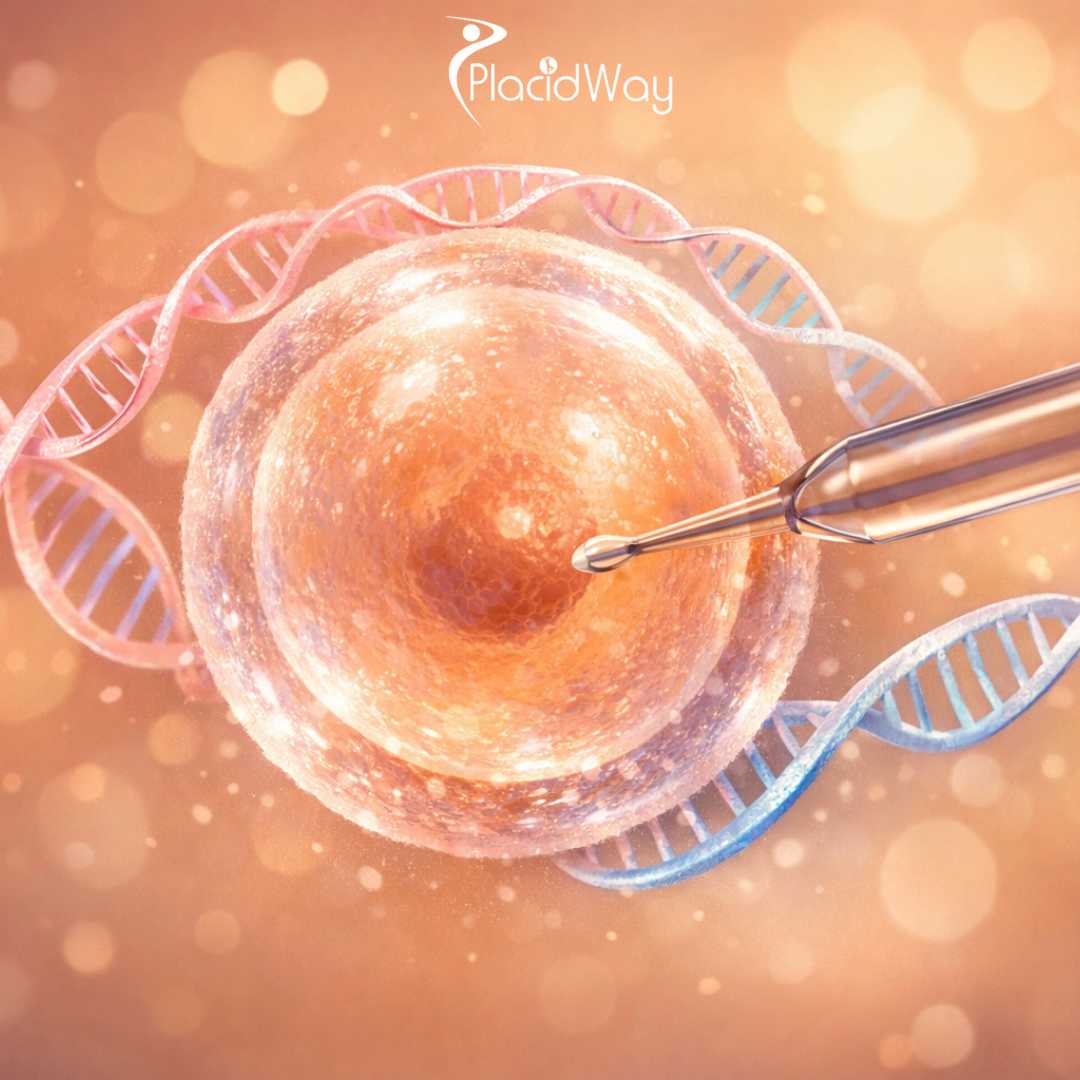
The foundation of a successful reproductive journey lies in understanding how advanced PGT-A genetic screening functions at a cellular level. Following the fertilization of eggs in an embryology laboratory, the resulting embryos are allowed to develop for five to six days until they reach the blastocyst stage. At this point, highly skilled embryologists perform a precise biopsy, extracting a few cells from the outer layer (trophectoderm) which will eventually form the placenta, leaving the inner cell mass intact.
These biopsied cells are then analyzed using Next-Generation Sequencing (NGS) to verify that the embryo possesses the correct number of 46 chromosomes. This screening process typically identifies missing or extra chromosomes, which are primary causes of implantation failure or early pregnancy loss. Because this technology maps out the entire chromosomal structure, it inherently reveals the sex chromosomes (XX or XY), facilitating the gender selection process in Thailand for families seeking balance.
Studies suggest that utilizing PGT-A can potentially increase the implantation rate per embryo transfer while simultaneously decreasing the risk of miscarriage by ensuring only chromosomally normal embryos are utilized.
Cost of Family Balancing and PGT-A Genetic Screening in Thailand vs UAE
One of the primary drivers of cross-border healthcare is the affordable Family Balancing in Thailand compared to the pricing structures found in the Middle East. While advanced fertility treatments represent a significant financial investment, UAE residents often find that comprehensive packages in Southeast Asia offer more value. The overarching costs typically cover laboratory fees, embryology services, and genetic testing, all integrated into a more manageable financial framework.
It is important to note that the final PGT-A Genetic Screening cost in Thailand can fluctuate based on the patient's individual medical requirements, medication dosages, and the number of embryos needing biopsy. Prospective patients must consult directly with their chosen healthcare provider to obtain an accurate, customized treatment estimate. Below is a general cost comparison to illustrate typical market ranges.
| Procedure Name | Average Cost in Thailand (USD) | Cost Comparison with UAE (USD) |
|---|---|---|
| Standard IVF/ICSI Cycle | $5,500 - $7,000 | $8,000 - $12,000 |
| PGT-A Screening (Per Embryo/Batch) | $2,000 - $3,500 | $4,500 - $6,000 |
| Comprehensive Package (IVF + PGT-A) | $8,000 - $11,000 | $14,000 - $20,000 |
| Embryo Freezing (Cryopreservation) | $600 - $1,000 | $1,200 - $2,500 |
Legal Landscape of Family Balancing Procedures in Thailand
Navigating the ethical and legal parameters of reproductive medicine is a vital step for any international patient. In Thailand, the Medical Council has specific guidelines regarding Assisted Reproductive Technology (ART). Generally, undergoing PGT-A for the explicit purpose of screening out severe genetic diseases is widely supported and legally protected within the family balancing procedures in Thailand framework.
However, it is vital to understand that laws regarding pure gender selection for non-medical reasons can be complex and subject to regulatory updates. Many top-tier facilities operate strictly within the ethical guidelines that permit family balancing when it is an ancillary benefit of comprehensive chromosomal screening for aneuploidy. Patients must maintain open communication with their chosen specialists to ensure total compliance with local medical laws.
Medical regulations in international destinations are subject to change. Always verify the current legal status of family balancing and PGT-A testing with a certified Thai reproductive legal specialist before committing to travel and treatment.
Comprehensive Step-by-Step PGT-A Genetic Screening Process in Thailand
The journey toward parenthood via assisted reproductive technology involves a meticulously coordinated series of medical steps. Upon arrival, the PGT-A genetic screening process begins with extensive diagnostic testing, bloodwork, and pelvic ultrasounds to assess ovarian reserve. Once cleared, the female patient typically undergoes ovarian stimulation using carefully monitored hormonal injections for about 10 to 12 days to produce multiple viable eggs.
Following this stimulation phase, the eggs are retrieved under mild sedation and immediately fertilized in the laboratory, usually via Intracytoplasmic Sperm Injection (ICSI). The resulting embryos are cultured for five days before the delicate PGT-A biopsy is performed. Once the genetic results are returned—usually within one to two weeks—the healthiest, chromosomally normal embryo of the desired sex is selected for transfer into the patient's prepared uterus.
- Step 1: Initial remote consultation and local pre-testing in the UAE.
- Step 2: Travel to Thailand for ovarian stimulation and monitoring.
- Step 3: Minimally invasive egg retrieval and semen collection.
- Step 4: ICSI fertilization and embryo culture to the blastocyst stage.
- Step 5: PGT-A biopsy and comprehensive genomic sequencing.
- Step 6: Frozen Embryo Transfer (FET) of a healthy embryo.
Choosing the Right Fertility Specialists and Clinics in Thailand
Selecting an appropriate medical facility is arguably the most critical decision a medical tourist will make. When researching fertility clinics in Thailand, prospective UAE patients should look for institutions that specialize specifically in international medical care. High-quality clinics typically showcase transparent success rates, employ bilingual patient coordinators, and maintain state-of-the-art embryology laboratories equipped with advanced air filtration and incubation systems.
Equally important is the expertise of the medical personnel. The best outcomes are generally achieved by board-certified reproductive endocrinologists and senior embryologists who have extensive experience handling delicate embryo biopsies. Patients are encouraged to review physician credentials, inquire about the clinic's specific experience with Middle Eastern patients, and request detailed information about laboratory protocols.
Always ask prospective clinics about their lab’s specific NGS technology and their embryologists' biopsy success rates. A well-equipped lab is just as crucial as a skilled physician when it comes to PGT-A.
Success Rates and Expectations for Family Balancing in Thailand
Understanding realistic outcomes is essential for maintaining emotional well-being throughout an IVF cycle. The success rates for family balancing in Thailand are generally highly competitive on a global scale, but they remain heavily dependent on individual biological factors. Maternal age, ovarian reserve, sperm quality, and the overall health profile of both partners play significant roles in determining the likelihood of generating healthy, euploid (chromosomally normal) embryos.
While PGT-A significantly reduces the risk of miscarriage and improves implantation rates per transfer, patients must understand that no fertility treatment can guarantee a successful pregnancy. Medical professionals emphasize the importance of managing expectations, as some cycles may result in no chromosomally normal embryos of the desired gender. Transparent counseling prior to the procedure is standard practice among reputable Thai providers.
Embryos that have been screened via PGT-A and classified as euploid typically show a 60% to 70% chance of successful implantation across favorable age brackets.
Safety and Risks of Advanced PGT-A Genetic Screening in Thailand
Patient safety is the cornerstone of any ethical medical practice. The IVF and PGT-A safety protocols implemented in top Thai fertility centers are rigorous, adhering to international reproductive medicine guidelines. The actual procedure of removing a few cells from a Day 5 blastocyst is generally considered safe when performed by an experienced embryologist, with a very low risk of harming the embryo's development potential.
However, patients must be fully informed about the general risks associated with IVF treatments. These typically include the potential for Ovarian Hyperstimulation Syndrome (OHSS) during the medication phase, risks associated with mild anesthesia during egg retrieval, and the slight chance of multiple pregnancies if more than one embryo is transferred. Continuous medical monitoring throughout the cycle aims to mitigate these risks effectively.
Modern "freeze-all" protocols, where embryos are cryopreserved while waiting for PGT-A results and transferred in a subsequent cycle, have significantly reduced the incidence of late-onset OHSS in patients.
Cultural Competence and Halal Medical Tourism in Thailand
A major factor driving UAE residents toward Southeast Asia is the region’s exceptional cultural competence. Thailand has heavily invested in halal medical tourism, recognizing the specific lifestyle and religious requirements of its Middle Eastern visitors. Many leading international hospitals and specialized fertility centers provide dedicated prayer rooms, offer certified halal dietary menus, and ensure female patients are treated by female healthcare providers whenever requested.
This level of cultural sensitivity dramatically reduces the anxiety often associated with seeking healthcare in a foreign country. Clinics frequently employ dedicated Middle Eastern patient departments featuring native Arabic speakers. These coordinators assist with everything from translating complex medical terminology to ensuring that cultural boundaries are deeply respected throughout the physical examinations and testing phases.
Bangkok features vibrant Middle Eastern neighborhoods, meaning patients have easy access to familiar cuisine, cultural communities, and comforts from home during their medical stay.
Patient Experiences with Family Balancing in Thailand
Reading about the real-world experiences of others can provide immense comfort and clarity for families considering cross-border reproductive care. Many UAE couples who have traveled for affordable Family Balancing in Thailand report feeling highly supported by the medical staff and impressed by the technological sophistication of the laboratories. These shared stories highlight the emotional resilience required for IVF and the profound joy of achieving reproductive success.
While every medical journey is distinct, past patient testimonials consistently emphasize the importance of choosing a highly communicative clinic. Hearing how others navigated the logistical elements of international travel, managed their medical anxieties, and successfully returned home helps prospective patients set realistic, healthy expectations for their own upcoming procedures.
A Journey of Hope from Dubai
"We traveled from Dubai to Bangkok for PGT-A screening. The Arabic-speaking staff made us feel incredibly at ease, and the medical team explained every step of the embryo biopsy process. We felt completely respected and cared for."
Professionalism and Privacy
"Privacy was our biggest concern coming from Abu Dhabi. The clinic in Thailand was exceptionally discreet. The level of confidentiality and the advanced technology they used gave us immense confidence in our family balancing journey."
Clear Communication and Care
"Understanding the genetics part was overwhelming at first. However, our Thai embryologist sat with us on a video call before we even flew out, explaining how PGT-A works. Their transparency was exactly what we needed."
A Seamless Medical Experience
"The coordination between our local gynecologist in Sharjah and the fertility clinic in Thailand was seamless. We did our initial scans at home and only traveled for the egg retrieval and transfer, which saved us a lot of time."
Preparation Guidelines for Your Medical Journey to Thailand
Proper preparation is key to ensuring a smooth and stress-free experience when engaging in medical tourism in Thailand. Patients are generally advised to optimize their health for at least three months prior to an IVF cycle. This involves adopting a nutrient-rich diet, eliminating smoking, managing stress levels, and taking recommended prenatal vitamins and supplements, such as folic acid and CoQ10, to support egg and sperm quality.
Logistically, patients should organize all previous medical records, diagnostic imaging, and blood test results to be securely shared with their Thai specialist prior to departure. Coordinating the exact timing of the trip with the female partner’s menstrual cycle is crucial. Couples should also mentally prepare for a stay of roughly three to four weeks, allowing ample time for the body to recover between medical milestones.
Request a detailed treatment timeline from your chosen clinic before booking flights. Ensure your itinerary has a buffer of a few extra days, as ovarian stimulation can sometimes take slightly longer than anticipated.
How PlacidWay Assists Your Family Balancing Medical Tourism Journey in Thailand
Embarking on international fertility treatments requires meticulous planning and reliable medical connections. PlacidWay serves as a dedicated global medical tourism facilitator, bridging the gap between UAE families and internationally recognized fertility specialists. By leveraging an extensive network of accredited providers, PlacidWay ensures that patients have access to transparent, high-quality healthcare options abroad.
The primary goal is to empower patients to make highly informed healthcare decisions without the stress of navigating a foreign medical system alone. Through continuous support and expert coordination, the process of seeking specialized reproductive treatments becomes significantly more manageable and patient-focused.
- Providing comprehensive information on internationally accredited fertility centers and board-certified specialists.
- Facilitating secure, direct communication and preliminary video consultations with top-tier reproductive endocrinologists.
- Assisting patients in comparing transparent, detailed cost estimates for various medical packages.
- Guiding families through the collection and secure transfer of required medical records and diagnostic tests.
- Offering dedicated customer support to ensure patients understand their medical itineraries and treatment protocols.
Frequently Asked Questions About Family Balancing and PGT-A in Thailand
It is perfectly natural to have numerous questions before committing to an international IVF journey. Asking the right questions helps alleviate anxiety and ensures that patients are completely aligned with their medical providers regarding protocols and expected outcomes.
Below is a curated list of common inquiries from Middle Eastern families seeking IVF for UAE families in Thailand. These answers aim to provide foundational knowledge, though personal medical advice should always be sought from a qualified physician.
Is PGT-A genetic screening in Thailand safe for international patients?
Yes, PGT-A genetic screening in Thailand is generally considered safe when performed at internationally accredited medical facilities. However, like any medical procedure, it carries standard IVF risks that should be thoroughly discussed with your specialist.
How long do UAE families typically need to stay in Thailand for IVF and PGT-A?
Most international patients typically plan to stay in Thailand for about three to four weeks to complete a full IVF cycle with PGT-A. This duration allows ample time for ovarian stimulation, egg retrieval, embryo testing, and the final embryo transfer.
Does PGT-A guarantee the gender of the baby?
While PGT-A is highly accurate in identifying chromosomal composition, including sex chromosomes, no medical procedure can offer a 100% guarantee. Medical professionals generally cite an accuracy rate of over 98% for this type of screening.
Are there Arabic-speaking medical staff in fertility clinics in Thailand?
Many top-tier medical facilities catering to medical tourism in Thailand employ dedicated Arabic-speaking coordinators and translators. This ensures seamless communication between UAE patients and their reproductive specialists throughout the treatment.
What is the recommended age limit for undergoing family balancing in Thailand?
Most specialists recommend undergoing IVF and PGT-A before the maternal age of 40 to ensure optimal egg quality, though treatments are often evaluated on a case-by-case basis. Your medical provider will conduct comprehensive ovarian reserve testing to determine your individual candidacy.
Do UAE citizens need a special medical visa for treatment in Thailand?
UAE citizens typically enjoy visa exemption for short tourist visits, but those planning extended medical treatments may apply for a specific medical visa. It is highly recommended to consult the Thai embassy for the most current entry regulations prior to travel.
Can embryos be transported if we already started IVF in the UAE?
Yes, embryos can generally be transported internationally using specialized medical courier services equipped with cryo-shipping technology. However, strict legal and logistical protocols must be followed by both the originating and receiving clinics.
What happens to the embryos that are not transferred?
Patients typically have the option to cryopreserve (freeze) remaining healthy embryos for future use. Alternatively, depending on legal and ethical guidelines, patients may choose to donate them to research or opt for compassionate disposal.
Can PGT-A detect all known genetic diseases?
PGT-A specifically screens for aneuploidies, meaning missing or extra chromosomes, such as Down syndrome. If a family carries a specific single-gene mutation, a different test called PGT-M (Monogenic) is typically required alongside PGT-A.
When can patients safely fly back to the UAE after an embryo transfer?
Specialists generally recommend waiting 48 to 72 hours after an embryo transfer before taking a long-haul flight back to the Middle East. This brief resting period allows patients to recover from the procedure and minimizes immediate travel-related stress.
Ready to start your family balancing journey with expert guidance? Contact PlacidWay today for a comprehensive overview of top-rated fertility treatments abroad.
Medical Disclaimer: This article is for informational purposes only and is not medical advice. Always consult a qualified healthcare provider before any medical decisions. Results may vary. Read Full Disclaimer here.
References
- Cleveland Clinic. Preimplantation Genetic Testing (PGT).https://my.clevelandclinic.org/health/diagnostics/preimplantation-genetic-testing-pgt
- Mayo Clinic. In vitro fertilization (IVF) - About. https://www.mayoclinic.org/tests-procedures/in-vitro-fertilization/about/pac-20384716
- World Health Organization (WHO). Infertility. https://www.who.int/news-room/fact-sheets/detail/infertility
- Centers for Disease Control and Prevention (CDC). Assisted Reproductive Technology (ART). https://www.cdc.gov/art/index.html
.png)








.jpg)









Share this listing