


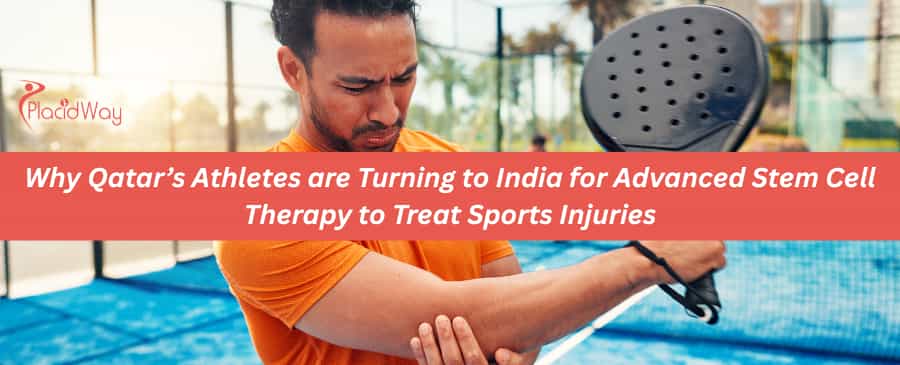
Advanced regenerative medicine is fundamentally changing how professional athletes recover from severe musculoskeletal trauma and chronic wear. For competitors pushing their bodies to the absolute limit, traditional surgical interventions often mean prolonged downtime and unpredictable rehabilitation outcomes. Regenerative medicine offers a minimally invasive alternative that focuses on stimulating the repair of damaged tissue at the cellular level. By utilizing the body's intrinsic restorative mechanisms, this modern approach generally aims to reduce localized inflammation and promote the regeneration of cartilage, tendons, and ligaments.
As this medical technology evolves, international sports professionals are increasingly looking beyond their borders to access cutting-edge regenerative treatments. Among the most sought-after global destinations, the options for stem cell therapy for sports injuries in India have gained significant traction among elite athletes based in the Middle East. High-performance competitors from Qatar, in particular, are frequently exploring these advanced orthopedic solutions to effectively manage joint pain and extend their athletic careers. This growing trend highlights a broader shift toward specialized medical travel for performance preservation.
Mesenchymal stem cells (MSCs) used in sports medicine possess uniquely immunomodulatory properties, meaning they can actually help regulate the local immune response to reduce chronic joint inflammation.
- Autologous Extraction: Cells are typically harvested from the patient's own bone marrow or fat tissue to prevent rejection.
- Targeted Delivery: Physicians utilize advanced ultrasound or fluoroscopy to guide injections precisely into the damaged joint or tendon.
- Cellular Signaling: The introduced cells generally release growth factors that signal the body's natural healing cascade to accelerate.
- Outpatient Procedure: Most of these treatments are performed on a same-day outpatient basis, requiring no general anesthesia.
Why Qatar Athletes Choose Medical Tourism in India for Orthopedic Care
The sports culture in Qatar has grown exponentially, resulting in a higher volume of elite athletes requiring sophisticated orthopedic care for repetitive strain injuries. While domestic healthcare facilities in the Gulf are modern, specialized regenerative medicine protocols can sometimes be limited in scope or prohibitively expensive. Consequently, professional athletes are seeking out international medical hubs that combine deep clinical expertise with a high volume of successfully treated orthopedic cases. Medical tourism in India has rapidly emerged as a primary solution due to the country's heavy investments in regenerative biotechnology.
Healthcare providers in this South Asian nation have developed highly specialized departments focused exclusively on sports medicine and regenerative therapies. For athletes from Qatar, the geographical proximity, combined with direct flight routes to major medical centers, makes the logistical aspect of seeking treatment highly manageable. Furthermore, the presence of internationally trained orthopedic surgeons utilizing globally recognized protocols instills a high level of confidence among traveling sports professionals. These factors collectively create an environment where athletes feel prioritized and medically secure.
India's medical tourism sector is growing at a compound annual growth rate of approximately 22%, driven largely by advancements in specialized orthopedic and cardiac care.
- Global Expertise: Many specialized physicians have trained in North America or Europe before returning to practice.
- Advanced Infrastructure: Top-tier centers feature dedicated cell-processing laboratories that adhere to stringent international standards.
- Language Accessibility: English is universally spoken across all major private healthcare facilities, eliminating communication barriers.
- Comprehensive Care Teams: Patients typically receive collaborative care involving orthopedic surgeons, sports physiotherapists, and cellular biologists.
Common Sports Injuries Treated with Regenerative Medicine in India
Athletes subjected to rigorous training regimens are highly susceptible to an array of soft tissue injuries and joint degradation over time. Traditional treatment for conditions like severe tendonitis or partial ligament tears often involved invasive surgical reconstruction followed by months of total immobilization. Today, regenerative medicine in India offers a viable alternative for structural repairs that do not necessarily mandate full surgical intervention. These therapies are generally directed toward injuries where blood supply is naturally poor, making self-healing a slow and inefficient process.
Orthopedic specialists typically evaluate each injury meticulously through advanced MRI imaging to determine if the structural damage is appropriate for biological therapy. While full ruptures still generally require surgery, degenerative conditions and partial tears show promising responsiveness to regenerative applications. By introducing a high concentration of healing factors directly into the injury site, physicians aim to restore functional integrity without altering the joint's natural biomechanics. This targeted approach is particularly beneficial for athletes whose careers depend on maintaining precise physical mechanics.
Testimonial Summary: Chronic Achilles Tendinopathy
A professional track athlete from Doha struggled with chronic Achilles pain for two years. After exploring stem cell clinics in India, they received an autologous bone marrow treatment. Within four months of focused rehabilitation, they reported a significant reduction in morning stiffness and successfully returned to competitive sprinting without surgical intervention.
- Meniscus Tears: Partial tears of the knee cartilage are frequently treated to potentially avoid arthroscopic removal of the tissue.
- Rotator Cuff Injuries: Overuse shoulder injuries common in tennis and swimming often respond well to targeted cellular therapy.
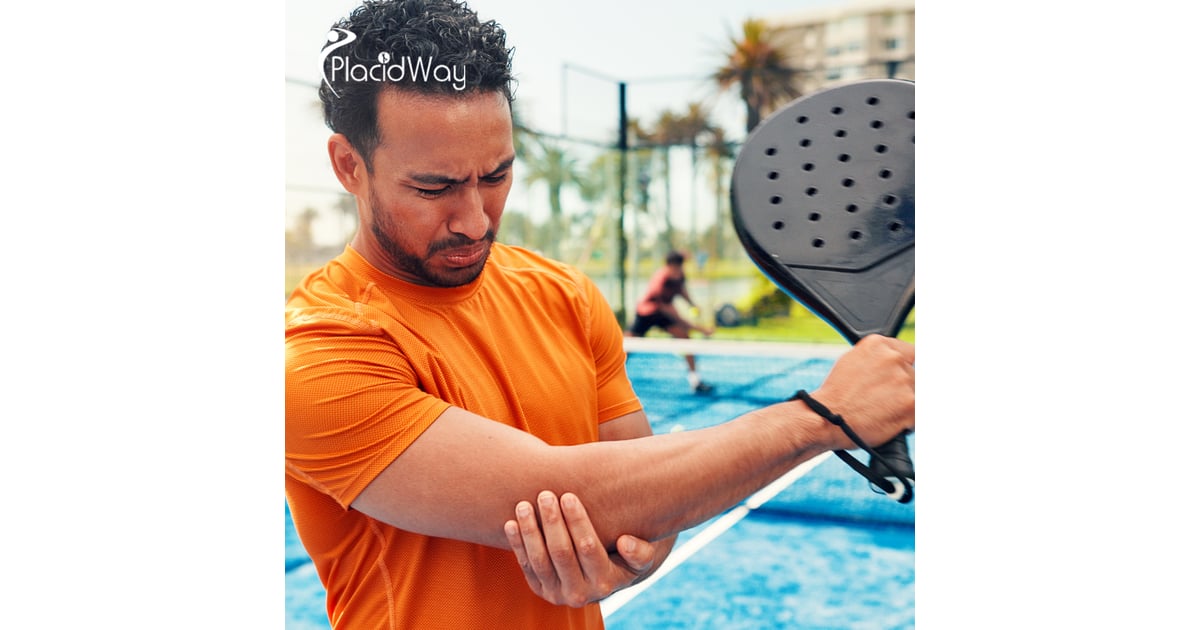
- Tennis/Golfer's Elbow: Chronic epicondylitis, which typically resists standard steroid treatments, is a primary candidate for regenerative care.
- Early Osteoarthritis: Weight-bearing joints showing early signs of wear are often treated to slow progression and manage pain.
Affordable Stem Cell Therapy Cost in India vs Qatar
The financial aspect of advanced medical treatments is a significant driver in the decision-making process for international patients evaluating their options. In Western countries and the Middle East, the out-of-pocket costs for uninsurable regenerative treatments can be exceptionally high, often restricting access to only the wealthiest individuals. The affordable stem cell therapy in India provides a stark contrast, offering equitable access to advanced biotechnology without compromising on clinical quality or safety standards. This cost efficiency is primarily due to lower administrative overhead and differences in currency valuation, rather than a reduction in medical efficacy.
When athletes compare the stem cell therapy cost in India against prices in Qatar or Europe, they frequently find savings ranging from 50% to 70%. It is important to note that these figures generally encompass the full spectrum of care, including initial consultations, the cell harvesting procedure, laboratory processing, and the final image-guided injection. By choosing to travel, athletes can often afford a more comprehensive regenerative package—sometimes combining stem cells with Platelet-Rich Plasma (PRP)—for less than the cost of a basic standalone procedure back home.
Always request an itemized preliminary quote from the healthcare provider before traveling. Ensure the estimate explicitly includes facility fees, physician fees, laboratory processing, and necessary imaging to avoid unexpected medical expenses.
| Procedure Name | Average Cost Range in India (USD) | Estimated Cost Range in Qatar/Middle East (USD) |
|---|---|---|
| Autologous Bone Marrow Aspirate Concentrate (BMAC) | $3,500 - $6,000 | $9,000 - $15,000 |
| Adipose-Derived Stem Cell Therapy | $4,000 - $7,500 | $10,000 - $18,000 |
| Combination Therapy (Stem Cells + PRP) | $4,500 - $8,000 | $12,000 - $20,000 |
| Standalone Platelet-Rich Plasma (PRP) | $300 - $800 per session | $1,000 - $2,500 per session |
The Science Behind Stem Cell Therapy Clinics in India
At the core of regenerative orthopedics lies the body's innate ability to repair cellular damage when provided with the proper biological catalysts. Premier stem cell therapy clinics in India operate at the intersection of clinical orthopedics and advanced cellular biology. When an athlete sustains a soft tissue injury, the natural healing response is often hindered by poor local blood flow, particularly in ligaments and tendons. Introducing a concentrated matrix of mesenchymal stem cells directly into this deficient environment is designed to artificially stimulate and sustain the tissue repair process over several months.
The processing phase of the harvested cells is crucial to the potential success of the therapy. Once bone marrow or adipose tissue is extracted, laboratory technicians utilize specialized centrifugation equipment to isolate the most robust regenerative cells from the biological sample. These concentrated cells are then carefully prepared for immediate reinjection. Indian medical centers heavily invest in closed-system processing technology to ensure the biologic material remains sterile, viable, and uncontaminated throughout the short transition from extraction to application.
Stem cells do not simply turn into new cartilage or tendon tissue automatically. Instead, they act as "general contractors," secreting bioactive molecules that command local resident cells to multiply and repair the damaged structural matrix.
- Paracrine Effect: The process by which injected stem cells release signaling proteins that reduce local inflammation and inhibit cell death.
- Scaffold Integration: Sometimes, physicians use a biological scaffold to hold the cells in place within a torn tendon or ligament.
- Synergistic Approach: Combining stem cells with hyaluronic acid is common to provide immediate joint lubrication while cellular healing begins.
Evaluating the Safety of Stem Cell Treatment for Athletes in India
Safety is the paramount concern for any professional athlete considering medical interventions that could impact their physical capabilities. When researching the safety of stem cell treatment for athletes in India, it is vital to understand that the most reputable centers strictly adhere to autologous protocols. This means that only the patient’s own biological material is used, which typically eliminates the risk of immune rejection or disease transmission associated with donor materials. Furthermore, established clinics follow stringent guidelines that mirror international best practices for tissue handling.
Despite the generally safe profile of autologous treatments, international patients must still exercise rigorous due diligence when selecting a healthcare provider. The regulatory landscape for regenerative medicine is complex globally, and patients should actively seek out facilities that hold accreditations from recognized international healthcare quality boards. Medical tourists are advised to have frank discussions with their prospective physicians regarding how the cells are processed, ensuring that the facility does not engage in unproven or controversial cell expansion (culturing) techniques without clear regulatory approval.
Patients should be extremely cautious of any clinic, regardless of location, that guarantees a 100% cure rate or claims that regenerative therapy is a replacement for necessary acute surgical trauma care.
- Infection Control: Top clinics utilize state-of-the-art sterile environments (clean rooms) for all cell processing to prevent bacterial contamination.
- Image Guidance: The use of ultrasound or fluoroscopy is mandatory for safety, ensuring needles do not damage surrounding nerves or blood vessels.
- Contraindications: Patients with active infections, certain blood disorders, or a history of specific cancers are generally excluded from receiving these therapies.
The Typical Recovery Timeline for Stem Cell Therapy in India
A common misconception regarding regenerative medicine is that it provides instantaneous pain relief and immediate structural repair. In reality, biological healing requires patience, and the recovery timeline for regenerative medicine in India is a progressive journey. Following the procedure, the initial phase involves a deliberate inflammatory response triggered by the injection, which may cause temporary soreness or swelling in the treated joint. This early reaction is a normal part of the cellular cascade and typically subsides within the first week to ten days post-treatment.
Athletes must adhere strictly to a customized post-procedural rehabilitation protocol to maximize the potential benefits of the newly introduced cells. Prematurely loading a treated joint can disrupt the delicate cellular scaffolding and halt the regenerative process. Most orthopedic specialists outline a structured physical therapy plan that gradually reintroduces range of motion exercises before eventually progressing to load-bearing and sports-specific functional movements over several months.
Testimonial Summary: Knee Osteoarthritis Management
A competitive weightlifter from Qatar was facing early retirement due to bilateral knee degeneration. Opting for targeted stem cell injections in India, they adhered to a strict 12-week unloading protocol. By the six-month mark, they generally experienced improved joint fluid mobility and a notable decrease in sharp pain during deep squats.
- Weeks 1-2: Strict rest and immobilization of the treated area. Bracing is often required, and anti-inflammatory medications are strictly prohibited as they hinder the healing cascade.
- Weeks 3-6: Initiation of gentle physical therapy focusing strictly on restoring passive and active range of motion without adding resistance.
- Months 2-3: Gradual introduction of strengthening exercises under the supervision of a sports physiotherapist.
- Months 4-6: Phased return to sport-specific drills, assessing joint stability and pain levels before full competitive clearance is considered.
Advantages of Choosing Stem Cell Therapy in India for Professional Athletes
For athletes whose livelihoods depend on their physical performance, the decision to pursue any medical intervention is heavily weighed against the potential for career disruption. One of the primary advantages of seeking stem cell therapy for sports injuries in India is the minimally invasive nature of the treatments offered. Traditional joint surgeries inevitably result in scar tissue formation, altered joint biomechanics, and extensive muscular atrophy due to prolonged immobilization. Regenerative injections generally aim to bypass these surgical complications, preserving the joint's original architectural integrity.
Furthermore, the customized approach taken by specialized sports medicine teams in India is highly appealing to international competitors. Treatment plans are rarely one-size-fits-all; they are meticulously tailored based on the athlete's specific sport, biomechanical demands, and metabolic profile. This personalized attention, combined with access to leading-edge biologic processing technology, creates an environment where athletes feel their performance longevity is the primary clinical objective rather than just basic symptom management.
Some advanced protocols now combine regenerative injections with hyperbaric oxygen therapy (HBOT) to saturate the body's tissues with oxygen, which is believed to further support cellular survival and replication post-treatment.
- Tissue Preservation: By avoiding surgical cutting, the athlete retains their native tissues and proprioceptive (balance) nerve endings.
- Reduced Complication Rates: The absence of general anesthesia and large incisions significantly lowers the risk of post-operative blood clots and hospital-acquired infections.
- Potential for Avoidance of Surgery: Successful biological intervention can sometimes delay or completely negate the future need for total joint replacement.
Patient Criteria for Stem Cell Therapy for Sports Injuries in India
Not every athlete suffering from joint pain or soft tissue damage is a suitable candidate for regenerative orthopedic treatments. Establishing proper patient criteria is an essential step in ensuring optimal outcomes for medical tourism in India. Physicians typically require comprehensive medical records, recent high-resolution MRI scans, and a detailed history of the injury before accepting an international patient. Ideal candidates are generally younger to middle-aged athletes suffering from partial thickness tears, localized cartilage defects, or mild to moderate joint degeneration.
Conversely, patients with severe, "bone-on-bone" advanced osteoarthritis or completely retracted tendon tears are generally advised against these therapies, as cells cannot recreate missing anatomical structures entirely. Additionally, lifestyle factors play a crucial role in patient selection. Smoking, excessive alcohol consumption, and certain metabolic disorders can severely impair the viability of a patient's stem cells, rendering the treatment less effective. Comprehensive pre-screening helps manage expectations and directs patients toward the most medically appropriate interventions.
Clinical studies suggest that proper patient selection can improve the reported satisfaction rates of orthopedic regenerative procedures by up to 40% compared to non-selective application.
- Ideal Candidates: Those with isolated cartilage defects, grade 1 or 2 ligament sprains, and chronic tendinopathies that have failed conservative physical therapy.
- Non-Ideal Candidates: Individuals with active systemic infections, severe joint malalignment requiring surgical correction, or those actively undergoing chemotherapy.
- Nutritional Status: Athletes with optimized nutrition and hydration generally provide higher quality cellular yields during extraction.
Preparing for Regenerative Medicine and Stem Cell Therapy in India
Successful medical travel requires meticulous preparation far beyond booking flights and securing visas. When an athlete decides to pursue stem cell clinics in India, the preparation phase begins weeks before departure. Physicians generally advise patients to optimize their cellular health prior to the extraction procedure. This often involves adopting an anti-inflammatory diet, ensuring adequate hydration, and temporarily ceasing the use of non-steroidal anti-inflammatory drugs (NSAIDs) like ibuprofen, as these medications can directly interfere with the regenerative cellular pathways.
Logistically, medical tourists must coordinate their travel itineraries to accommodate both the procedure and the crucial initial recovery period. While the treatment itself may only take a single day, patients are typically advised to remain in the host country for one to two weeks. This buffer allows for comprehensive follow-up evaluations and ensures the patient is medically cleared for the physical demands of international air travel, thereby mitigating risks such as deep vein thrombosis.
Compile all your medical imaging (MRIs, X-rays) on a digital drive and bring physical medical reports. Do not rely solely on email transfers, as large medical files can sometimes be delayed or blocked by hospital firewalls.
- Medical Visa Acquisition: Ensure you apply for the correct medical visa category, which usually requires a formal invitation letter from the treating Indian hospital.
- Supplement Review: Disclose all sports supplements to the treating physician, as some herbal compounds can increase bleeding risks during extraction.
- Companion Travel: It is highly recommended to travel with a support person to assist with mobility and logistics during the initial days of post-procedure soreness.
Alternative Orthopedic Treatments vs Stem Cell Therapy in India
While biological treatments are highly innovative, they are part of a broader spectrum of orthopedic interventions available to athletes. Understanding how the affordable stem cell therapy in India compares to traditional alternatives is essential for informed medical decision-making. Conventional treatments often begin with corticosteroid injections, which provide rapid and powerful inflammation reduction. However, frequent steroid use is known to progressively weaken tendon structures and degrade cartilage over time, making it a less-than-ideal long-term solution for young athletes.
On the more invasive end of the spectrum are arthroscopic surgeries and joint reconstructions. While surgery is unparalleled for acute structural repairs—such as reattaching a completely severed ACL—it inherently involves permanent alterations to the body. Regenerative medicine sits comfortably in the middle of this spectrum. It aims to provide structural healing without the destructive side effects of steroids or the invasive trauma associated with the surgeon's scalpel, offering a biological bridge between conservative care and major surgery.
Testimonial Summary: Tennis Elbow Recovery
A competitive racket sports player sought alternatives to steroid injections for debilitating lateral epicondylitis. They chose a specialized clinic for stem cell treatment for athletes in India. While recovery took three months compared to the instant relief of steroids, the patient reported lasting strength restoration and no recurrence of pain upon returning to daily practice.
- Corticosteroids: Fast pain relief but potentially damaging to tissue longevity; generally avoided by elite sports physicians for chronic use.
- Arthroscopy: Excellent for removing loose mechanical bodies in a joint, but invasive and carries standard surgical risks.
- Hyaluronic Acid: Acts as an artificial lubricant for joints (viscosupplementation) but does not actively repair damaged cellular tissue.
Success Rates and Expectations for Stem Cell Therapy in India
Setting realistic clinical expectations is one of the most critical aspects of engaging in regenerative medicine. International patients must understand that measuring success in biological therapies is highly subjective and depends deeply on the nature of the initial injury. For regenerative medicine in India, success is typically defined by a significant reduction in resting pain, an increase in functional joint mobility, and the successful delay or avoidance of invasive surgery. It is not generally considered an outright "cure" that magically restores an aging joint to a pristine, youthful state.
Clinical observation suggests that most patients who strictly follow post-operative protocols experience noticeable improvements between the three- and six-month marks. However, individual biological responses vary widely. Factors such as the patient's age, baseline metabolic health, and the severity of the localized tissue damage all play a role in the ultimate efficacy of the cell graft. Reputable specialists prioritize transparent communication, ensuring athletes understand that while regenerative potential is high, results cannot be medically guaranteed.
Magnetic Resonance Imaging (MRI) taken 6 to 12 months post-treatment can sometimes show an actual increase in cartilage volume or improved tendon tissue density, corroborating the patient's reported decrease in pain.
- Pain Reduction: Generally the most consistently reported benefit, significantly improving an athlete's daily quality of life.
- Functional Improvement: Enhanced ability to bear weight and perform complex mechanical movements specific to their sport.
- Variable Timelines: Some athletes report feeling improvement in weeks, while others require several months to notice significant biological shifts.
Navigating Post-Treatment Care After Stem Cell Therapy in India
The success of regenerative treatments heavily relies on the quality of aftercare and the patient's dedication to the prescribed rehabilitation journey. Once an athlete returns home from their trip for stem cell therapy cost in India, the physical work truly begins. Managing the transition back to Qatar or another home country requires coordination between the treating physician in India and a local physical therapist. The local therapist must be fully briefed on the specific regenerative protocols, as traditional aggressive sports rehab can be detrimental to newly injected cells.
Follow-up care is typically conducted via teleconsultation to monitor progress and adjust physical therapy parameters. Patients are generally advised to avoid high-impact activities, such as running or heavy jumping, until cleared by their medical team. The integration of proper nutrition, adequate sleep, and targeted, gentle mobilization exercises creates an optimal internal environment for the cellular graft to thrive and execute its reparative functions.
Testimonial Summary: Rotator Cuff Preservation
An elite swimmer from the Middle East underwent cell therapy in India for a partial rotator cuff tear. By meticulously following a coordinated, cross-border physical therapy plan established by their Indian surgeon and local Doha physiotherapist, the athlete successfully avoided shoulder surgery and returned to international competition within eight months.
Biomechanical offloading braces are frequently prescribed for the first few weeks post-injection. These devices help reduce physical pressure on the treated joint space, allowing the newly introduced cells to adhere and proliferate undisturbed.
- Cross-Border Communication: Establish a clear line of communication between your overseas surgeon and your local physical therapist.
- Activity Modification: Expect to substitute high-impact sports training with low-impact alternatives like stationary cycling or gentle water therapy during early recovery.
- Symptom Tracking: Keep a daily log of pain levels and mobility milestones to share during virtual follow-up appointments.
How PlacidWay Assists Your Stem Cell Therapy for Sports Injuries Medical Tourism Journey in India
Navigating international healthcare systems can be complex, especially when seeking highly specialized regenerative treatments. Connecting with verified medical providers who strictly adhere to international safety standards is crucial for professional athletes seeking to protect their health and careers. Proper facilitation ensures that patients can focus entirely on their treatment and subsequent recovery rather than administrative burdens.
PlacidWay serves as a dedicated global medical tourism platform, bridging the gap between international patients and premier healthcare facilities. By utilizing established networks, patients from the Middle East can seamlessly access top-tier orthopedic care tailored to their specific athletic requirements.
- Specialist Matching: Facilitating connections with board-certified orthopedic surgeons who specialize exclusively in sports-related regenerative medicine.
- Virtual Consultations: Assisting in arranging pre-travel teleconsultations so athletes can discuss their MRIs and medical history directly with physicians.
- Transparent Estimates: Providing comprehensive, itemized cost comparisons to help patients make informed financial decisions regarding their care.
- Medical Record Transfer: Ensuring secure and efficient transfer of crucial medical imaging and patient files to the treating facility prior to arrival.
- Dedicated Coordination: Offering ongoing support and communication facilitation between the patient and the medical center throughout the treatment continuum.
Frequently Asked Questions
Is stem cell therapy safe for professional athletes?
Stem cell therapy is generally considered safe when performed by qualified specialists using autologous (patient's own) cells. While risks are typically low, patients may experience mild swelling or pain at the injection site.
How long does a stem cell procedure take in India?
The actual procedure typically takes a few hours and is usually performed on an outpatient basis. However, international patients should plan to stay in India for a week or two for comprehensive evaluations and initial follow-up care.
Are the results of stem cell therapy guaranteed?
No medical procedure can guarantee specific results, as individual healing responses vary widely. Most patients experience varying degrees of pain relief and improved function, but outcomes depend on the injury's severity and the patient's overall health.
Do Qatar citizens need a medical visa for India?
Yes, patients traveling from Qatar to India for treatments typically require a specific Medical Visa (Med Visa). This visa process generally requires an invitation letter from the receiving medical institution.
What sports injuries respond best to stem cells?
Orthopedic specialists generally see the best responses in partial ligament tears, chronic tendonitis, and mild to moderate osteoarthritis. Complete tendon ruptures typically still require traditional surgical intervention.
Can I resume playing sports immediately after treatment?
No, immediate return to sports is strictly contraindicated to allow the cells time to promote healing. Athletes generally require a structured rehabilitation program lasting several weeks to months before resuming competitive play.
How much does stem cell therapy cost in India compared to Qatar?
The cost of regenerative treatments in India is typically 50% to 70% lower than in Qatar or Western nations. A standard joint treatment in India generally ranges from $3,000 to $6,000, depending on the complexity.
Where do the stem cells come from?
For orthopedic sports injuries, physicians typically harvest mesenchymal stem cells directly from the patient's own bone marrow or adipose (fat) tissue. This autologous approach generally minimizes the risk of immune rejection.
Does PlacidWay help with medical consultations?
Yes, PlacidWay assists patients by facilitating initial teleconsultations between the athlete and qualified orthopedic specialists in India. This helps set clear expectations before any international travel occurs.
Will I need multiple stem cell injections?
Many patients generally require only a single comprehensive treatment session to initiate the healing process. However, depending on the injury's progression, a physician might recommend subsequent booster treatments or complementary PRP therapies.
Ready to explore advanced regenerative treatments and take control of your athletic recovery? Let PlacidWay connect you with premier orthopedic specialists in India.
Medical Disclaimer: This article is for informational purposes only and is not medical advice. Always consult a qualified healthcare provider before any medical decisions. Results may vary. Read Full Disclaimer here.
References
- National Institutes of Health (NIH). Stem Cells in Sports Medicine. https://pmc.ncbi.nlm.nih.gov/articles/PMC8589434/
- Mayo Clinic. Regenerative Medicine: What it is and how it works. https://www.mayoclinic.org/tests-procedures/bone-marrow-transplant/in-depth/stem-cells/art-20048117
- American Academy of Orthopaedic Surgeons (AAOS) - OrthoInfo. Platelet-Rich Plasma (PRP) and Stem Cells. https://orthoinfo.aaos.org/en/treatment/platelet-rich-plasma-prp/
- Wikipedia. Medical Tourism in India. https://en.wikipedia.org/wiki/Medical_tourism_in_India














Share this listing