


In recent years, an increasing number of Dutch families have begun exploring cross-border healthcare options to address complex pediatric spinal conditions. Faced with extended waiting lists and strict criteria for specialized orthopedic interventions at home, parents are actively seeking advanced scoliosis surgery in Turkey. This vibrant transcontinental destination has rapidly positioned itself as a global hub for medical tourism, combining world-class medical infrastructure with highly competitive pricing structures.
The primary motivation for this shift often centers on the prompt availability of high-quality care without compromising on medical standards. Turkish healthcare institutions have invested heavily in cutting-edge spinal technologies and attract globally trained specialists capable of managing severe spinal curvatures. For families navigating the emotional stress of a child's deteriorating condition, finding scoliosis clinics in Turkey that offer timely, comprehensive, and compassionate care is a life-changing alternative.
Approximately 2-3% of the adolescent population is affected by scoliosis globally. Many international clinics report that up to 30% of their pediatric spine patients now travel from Western Europe to bypass local healthcare delays.
Understanding Advanced Scoliosis Treatment Options in Turkey
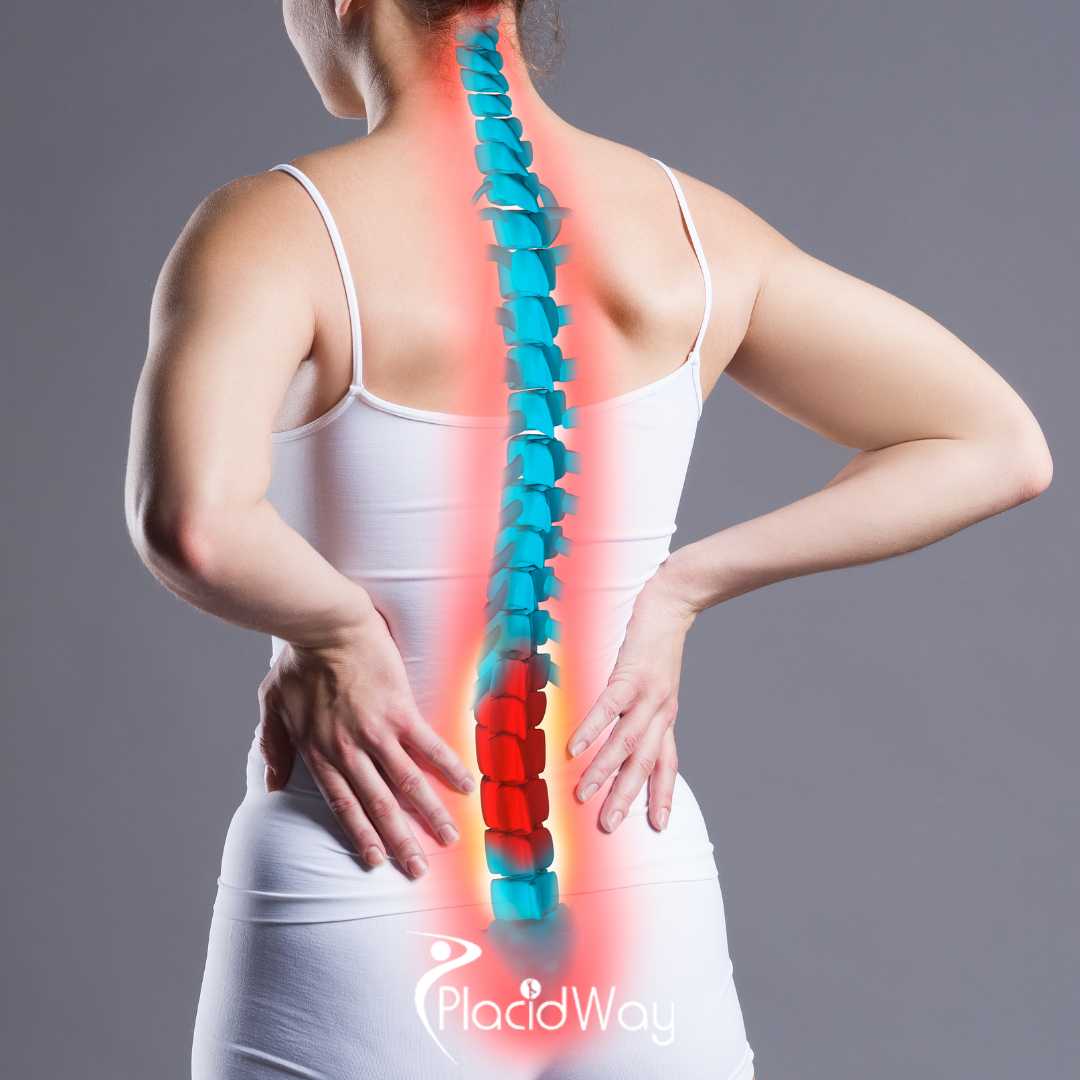
Scoliosis is a complex, three-dimensional deformity of the spine that requires highly customized treatment strategies based on the patient's age, growth potential, and curve magnitude. Medical tourism in Turkey provides access to a broad spectrum of interventions, ranging from traditional spinal fusion to innovative non-fusion techniques. Specialists take a conservative approach whenever possible, but when surgery is indicated, they utilize state-of-the-art methods designed to halt progression and improve posture.
Before recommending a surgical path, multi-disciplinary boards at these hospitals conduct exhaustive evaluations. Most patients experience a highly tailored approach where the surgical team outlines exactly which technique will yield the safest and most effective stabilization. The integration of modern medical science ensures that pediatric spinal deformity correction is handled with the utmost precision.
- Posterior Spinal Fusion: The most common approach, typically utilizing biocompatible titanium rods and screws to realign and fuse the curved vertebrae.
- Anterior Spinal Fusion: Generally used for specific thoracolumbar curves, allowing for a shorter fusion segment and preserving more lower back mobility.
- Vertebral Body Tethering (VBT): An advanced, non-fusion technique suitable for growing children, which uses a flexible cord to guide future spinal growth and correct the curve over time.
- Growth-Sparing Devices: Magnetically controlled growing rods (MAGEC) are often utilized for early-onset scoliosis, allowing for non-invasive adjustments as the child grows.
Turkey is home to some of the earliest adopters of Vertebral Body Tethering (VBT) in Europe, making it a prime destination for parents seeking alternatives to traditional fusion for their growing children.
The Role of JCI-Accredited Hospitals in Turkish Healthcare
When traveling abroad for major procedures like spinal correction, patient safety and institutional quality are paramount concerns for families. This is why JCI-accredited hospitals in Turkey are the preferred choice for discerning medical tourists. The Joint Commission International (JCI) is widely considered the gold standard in global healthcare accreditation, mandating rigorous adherence to hundreds of specific quality and safety metrics.
These accredited institutions operate under stringent guidelines that govern everything from surgical theater sterility to international patient communication protocols. By choosing facilities with this distinction, Dutch families are generally assured that the quality of care in Turkey aligns with, or sometimes exceeds, the standards they expect in the European Union. This independent validation serves to alleviate the natural anxieties associated with seeking medical care far from home.
Turkey consistently ranks among the top countries globally for the highest number of JCI-accredited healthcare facilities, boasting dozens of certified hospitals dedicated to maintaining exceptional clinical standards.
Affordable Scoliosis Surgery Cost in Turkey Versus the Netherlands
One of the most compelling factors driving the influx of European patients is the availability of affordable scoliosis treatment without compromising clinical excellence. The financial burden of private healthcare in Western Europe can be overwhelming, particularly for complex, hardware-intensive surgeries. In contrast, the favorable economic landscape and government incentives for medical tourism allow Turkish clinics to offer highly competitive pricing models.
It is important to understand that the pediatric spine surgery costs will fluctuate depending on the specific surgical approach, the number of vertebrae involved, and the type of implants utilized. However, families typically find that the comprehensive packages provided by international hospitals—which often include diagnostic imaging, surgery, hospitalization, and immediate post-operative care—amount to a fraction of the out-of-pocket expenses they would incur privately in the Netherlands.
| Procedure Name | Average Cost in Turkey (€) | Cost Comparison: Netherlands (€) |
|---|---|---|
| Standard Posterior Spinal Fusion | €12,000 - €16,000 | €30,000 - €45,000 |
| Anterior Spinal Fusion | €14,000 - €18,000 | €35,000 - €50,000 |
| Vertebral Body Tethering (VBT) | €18,000 - €25,000 | €45,000 - €60,000+ |
| Growing Rods (e.g., MAGEC) Placement | €15,000 - €22,000 | €40,000 - €55,000 |
Always request an itemized cost estimate from your chosen international clinic before traveling. Verify exactly what is covered, such as ICU stays, specific hardware brands, and physical therapy sessions, to prevent unexpected out-of-pocket expenses.
Evaluating Pediatric Spinal Deformity Correction Specialists in Turkey
The success of complex spinal interventions relies heavily on the expertise, training, and experience of the surgical team. When seeking spine specialists in Turkey, families must conduct thorough research to evaluate the credentials of the operating physician. Many top-tier orthopedic surgeons in the region have completed extensive fellowships in North America or Western Europe, ensuring they are well-versed in the latest global advancements in scoliosis management.
A hallmark of a distinguished specialist is their commitment to a multidisciplinary approach, often collaborating closely with pediatric neurologists, anesthesiologists, and rehabilitation therapists. Prospective patients should generally look for surgeons who actively participate in international spine societies and possess a high volume of successfully completed pediatric deformity cases. Transparency regarding their clinical outcomes and a willingness to provide detailed, second-opinion consultations are excellent indicators of trustworthiness.
High-volume spine centers are statistically linked to better patient outcomes. Surgeons who perform specialized deformity corrections regularly are typically better equipped to handle anatomical anomalies efficiently.
Advanced Surgical Technologies for Spinal Fusion in Turkey
The integration of sophisticated medical technology is a major draw for families seeking spinal fusion in Turkey. Leading international hospitals continually upgrade their operating theaters to include equipment that maximizes precision and minimizes surgical risks. This technological edge is particularly vital in pediatric cases, where preserving neurological function and achieving optimal anatomical alignment are the primary goals.
From pre-operative planning to intraoperative execution, Turkish surgical centers employ tools that were once considered futuristic. Most patients experience the benefits of these advancements through reduced blood loss, shorter anesthesia times, and more accurate hardware placement. The utilization of these medical tourism surgical advancements demonstrates a commitment to delivering world-class healthcare solutions.
- Intraoperative Neuromonitoring (IONM): Continuous real-time tracking of spinal cord function during surgery to prevent neurological injury.
- O-Arm Imaging and Neuronavigation: Provides 3D, real-time imaging of the spine, allowing surgeons to place screws with pinpoint accuracy.
- 3D Printed Anatomical Models: Surgeons often utilize customized 3D models of the patient's spine for meticulous pre-surgical planning in severe deformity cases.
- Cell Salvage Systems: Technology that collects and returns the patient's own blood lost during surgery, significantly reducing the need for donor blood transfusions.
The use of computer-assisted navigation and O-Arm technology in spine surgery has been shown to improve pedicle screw placement accuracy to over 95%, drastically reducing the risk of revision surgeries.
Navigating the Medical Tourism Journey to Turkey for Dutch Patients
Planning a cross-border medical journey for a major surgical procedure requires meticulous coordination, especially when a child's health is involved. Fortunately, the infrastructure supporting medical tourism in Turkey is exceptionally mature, designed specifically to alleviate logistical burdens for international families. Most top-tier hospitals feature dedicated international patient departments that act as personal liaisons throughout the entire process.
From the moment of the first inquiry, these departments typically assist with translating medical records, scheduling virtual consultations with surgeons, and organizing airport transfers. For Dutch families, understanding the visa requirements, flight logistics, and local accommodation options for the recovery period is essential. Clear, consistent communication with the clinic's coordinators ensures that the family can focus entirely on the patient's health and recovery rather than administrative stressors.
Ensure you carry both physical and digital copies of all pre-operative imaging (X-rays, MRIs) and medical histories in English when you travel. This prevents any delays upon admission to the hospital.
What to Expect During the Pre-Operative Assessment in Turkey
Upon arriving at a JCI-accredited hospital in Turkey, the first critical phase is the comprehensive pre-operative assessment. Even if extensive testing was completed in the Netherlands, the surgical team will generally conduct their own localized diagnostic workup to confirm the exact degree of the curvature and the patient's overall surgical readiness. This rigorous approach is a cornerstone of international patient safety protocols.
The assessment usually spans one to two days and involves consultations with various specialists. Families will meet the lead surgeon, the anesthesiologist, and internal medicine doctors to discuss the surgical plan in detail and address any lingering concerns. These thorough scoliosis evaluations in Turkey are designed to leave no stone unturned, ensuring the patient is physically optimized for the upcoming procedure.
Pre-operative assessments for severe scoliosis typically include full-spine EOS imaging, pulmonary function tests, cardiac screening (ECG/Echocardiogram), and comprehensive blood panels to ensure anesthesia safety.
The Typical Recovery Timeline for Spinal Deformity Procedures
Understanding the recovery trajectory is crucial for families planning their stay. While minimally invasive techniques have improved healing rates, advanced scoliosis surgery in Turkey is still a major intervention requiring dedicated rehabilitation time. Most patients experience significant post-operative fatigue and require closely monitored pain management during the first few days.
Generally, the immediate hospital stay ranges from five to seven days, during which physical therapists begin gentle mobilization exercises. After discharge, families are typically advised to remain in the country for an additional 10 to 14 days for outpatient follow-ups and to ensure the patient is stable enough for a commercial flight. Adhering to this pediatric spine surgery recovery timeline is vital for preventing complications.
Thanks to modern surgical protocols and early mobilization techniques, many scoliosis patients are encouraged to stand and take small steps as early as the second day following their spinal fusion surgery.
Addressing Potential Risks and Safety Protocols in Turkish Clinics
Transparency regarding medical risks is an essential component of informed consent and ethical healthcare. Like any major orthopedic operation, spinal deformity correction carries inherent risks, including infection, excessive bleeding, pseudoarthrosis (failure of fusion), and rare neurological complications. It is imperative that families have candid discussions with their surgical team about these possibilities.
However, top-tier international clinics mitigate these risks through aggressive safety protocols. The strict standards enforced at JCI-accredited hospitals in Turkey require robust infection control measures, state-of-the-art sterilization techniques, and highly trained intensive care staff. By combining advanced technology with rigorous surgical discipline, these institutions generally maintain complication rates that align with top global benchmarks.
Medical tourism requires careful post-operative planning. Flying too soon after major spine surgery can increase the risk of deep vein thrombosis (DVT) and exacerbate pain. Always adhere strictly to the surgeon’s medical clearance regarding when it is safe to board an aircraft.
Comprehensive Post-Operative Rehabilitation Care in Turkey
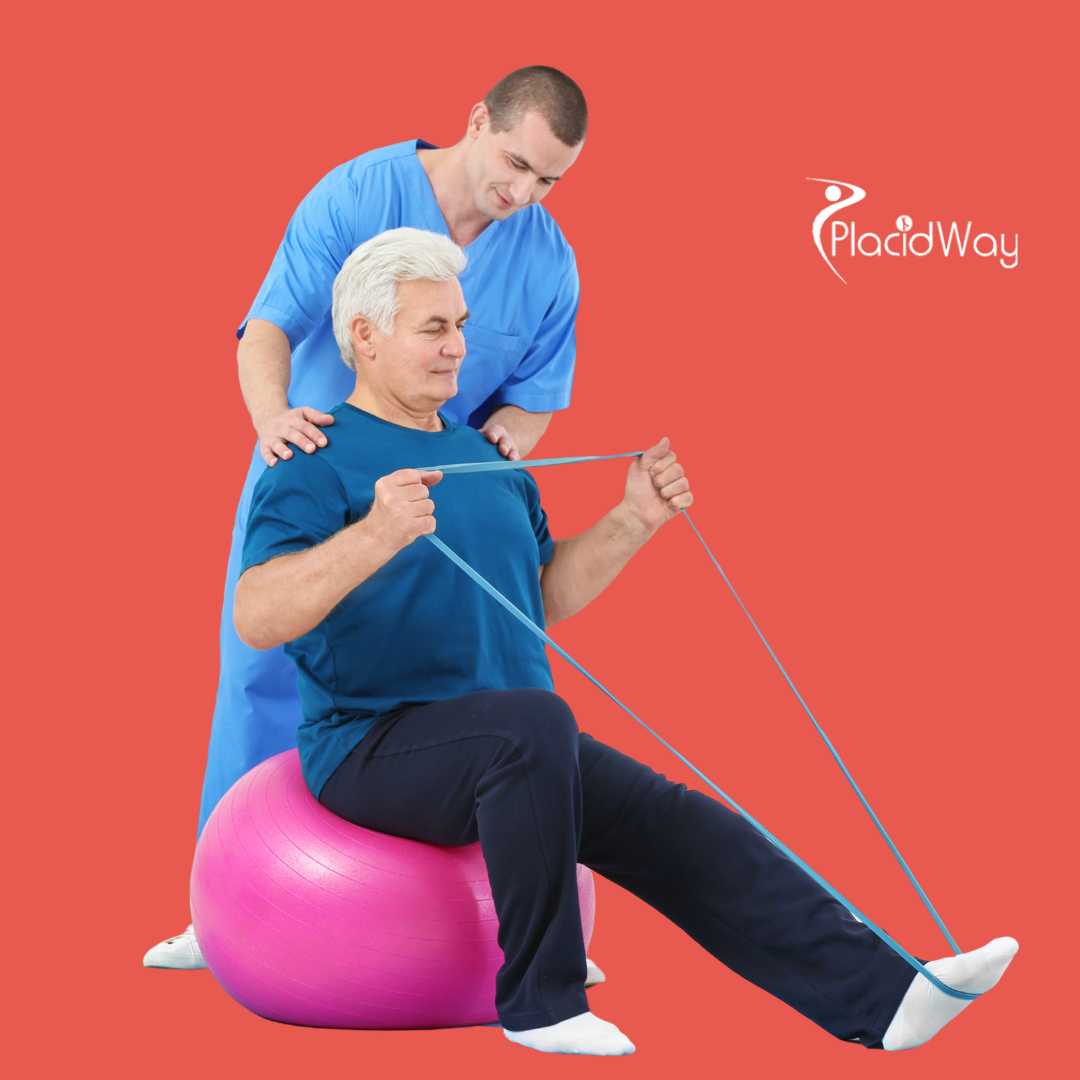
Surgery is only the first step in correcting a spinal deformity; structured rehabilitation is essential to achieve the ultimate goal of functional mobility and pain relief. Scoliosis clinics in Turkey prioritize early physical therapy, integrating it into the patient's care plan almost immediately after surgery. This proactive approach helps to restore muscle tone, improve respiratory function, and build the patient's confidence in their new spinal alignment.
During the extended stay in the country, patients usually participate in light, supervised physiotherapy sessions designed to teach safe movement mechanics, such as getting in and out of bed without twisting the spine. The local medical team typically provides families with a comprehensive, translated rehabilitation manual to guide their ongoing recovery once they return to the Netherlands. This continuity of post-operative care in Turkey is crucial for long-term success.
A successful rehabilitation plan often requires avoiding high-impact sports and heavy lifting for at least 6 to 12 months post-surgery, allowing the bone grafts sufficient time to achieve solid fusion.
Real Stories of Medical Tourism in Turkey for Spinal Surgery
Making the decision to travel for a child's medical care is profoundly personal, and hearing from others who have navigated the same path can provide immense comfort. Countless Dutch families have successfully utilized medical tourism in Turkey to access timely, high-quality scoliosis interventions. Their experiences highlight the combination of clinical expertise, modern facilities, and warm hospitality that characterizes the Turkish healthcare sector.
While every medical journey is unique, the common threads in these stories are relief from long waiting lists and satisfaction with the comprehensive care models provided. These testimonial summaries offer a glimpse into what families typically experience when they choose to undergo advanced scoliosis surgery in Turkey.
A Faster Path to Recovery
Facing a two-year waitlist in Europe, a family traveled to a major Turkish clinic for their 14-year-old daughter's fusion. They were impressed by the swift diagnostic process, the advanced 3D imaging used for pre-planning, and the successful stabilization of her 55-degree curve.
Choosing an Advanced Non-Fusion Alternative
A Dutch mother sought an alternative to traditional fusion for her growing son. After extensive research, they found a specialized center in Turkey offering Vertebral Body Tethering (VBT). The personalized care and cutting-edge technique allowed her son to maintain spinal flexibility as he matures.
Overcoming Language Barriers Smoothly
Initially hesitant about communication, a family was relieved to find that their entire medical team spoke fluent English, and a dedicated patient coordinator was available 24/7. This support network made their 18-day medical journey for complex deformity correction highly manageable.
Cost-Effective Care Without Compromise
Seeking private care due to insurance limitations, parents found that the inclusive cost of surgery in an internationally accredited Turkish hospital was significantly lower than local private options. They appreciated the transparency in pricing and the exceptional standard of ICU care.
How PlacidWay Assists Your Scoliosis Surgery Medical Tourism Journey in Turkey
Navigating international healthcare options can be overwhelming, particularly when dealing with specialized procedures like spinal deformity correction. Choosing the right medical facilitator ensures that you connect with reputable, highly vetted healthcare providers. PlacidWay acts as a bridge, empowering patients to make informed decisions regarding their global healthcare options.
Our goal is to streamline the research phase, providing families with direct access to comprehensive information and verified medical networks. By partnering with globally recognized institutions, we facilitate a smoother transition into cross-border care.
- Provides direct access to a curated network of JCI-accredited hospitals and globally trained spine specialists.
- Facilitates transparent communication and the exchange of pre-operative medical records for specialized second opinions.
- Delivers comprehensive, customized treatment quotes directly from top-tier medical facilities.
- Offers objective information and resources to help families evaluate hospital credentials and surgical technologies.
- Assists in coordinating virtual consultations with leading orthopedic surgeons prior to making any travel commitments.
Frequently Asked Questions About Scoliosis Clinics in Turkey
Before committing to advanced scoliosis surgery in Turkey, it is natural for families to have numerous questions regarding logistics, costs, and safety. Gathering as much information as possible is the key to a stress-free medical tourism experience. A well-informed patient is better equipped to focus on recovery and positive health outcomes.
Below are some of the most common inquiries Dutch families have when exploring cross-border spinal treatments. These answers provide general guidance on what to expect when interacting with scoliosis clinics in Turkey.
How much does scoliosis surgery cost in Turkey compared to the Netherlands?
The cost of scoliosis surgery in Turkey typically ranges from €12,000 to €25,000, depending on the complexity of the spinal curvature and the hardware used. In the Netherlands, similar private procedures can exceed €35,000 to €50,000. Many international patients find that seeking care in Turkey offers significant financial relief while maintaining rigorous medical standards.
Is it safe for a child to travel to Turkey for spinal deformity correction?
Traveling for pediatric spinal deformity correction is generally safe when coordinated carefully with experienced medical professionals. JCI-accredited hospitals in Turkey follow strict international patient safety protocols to minimize travel-related stress. Families are usually advised to wait a few weeks post-surgery before flying back to ensure stable recovery.
What does JCI accreditation mean for Turkish hospitals?
Joint Commission International (JCI) accreditation indicates that a hospital meets globally recognized standards for healthcare quality and patient safety. Facilities in Turkey with this credential undergo rigorous audits regarding infection control, surgical safety, and overall clinical outcomes. It is a benchmark that often gives international medical tourists peace of mind.
How long will we need to stay in Turkey for the procedure and recovery?
Patients are typically required to stay in Turkey for about 14 to 21 days in total. This timeframe includes pre-operative consultations, the hospital stay (usually 5 to 7 days), and initial outpatient follow-up appointments. Extending the stay slightly is sometimes recommended to manage initial post-operative discomfort before a long flight.
Do doctors in Turkey speak English or Dutch?
Most leading orthopedic surgeons and spine specialists at international hospitals in Turkey are highly fluent in English, and many have trained in the US or Europe. While direct Dutch speakers are less common, major medical tourism departments often provide dedicated translators. This ensures that families fully understand every aspect of the diagnosis and treatment plan.
What kind of hardware is used for spinal fusion in Turkey?
Top-tier Turkish spine centers generally use FDA-approved or CE-marked titanium rods, screws, and hooks from globally recognized medical device manufacturers. The specific hardware is chosen based on the patient's anatomy and the severity of the curve. Surgeons prioritize biocompatible materials to ensure long-term stability and minimize the risk of rejection.
Can my Dutch health insurance cover scoliosis treatment in Turkey?
Coverage for planned medical treatment abroad depends entirely on your specific Dutch health insurance policy and whether you have supplementary international coverage. Some insurers may reimburse costs up to the amount the procedure would cost in the Netherlands, provided prior authorization is granted. Families should always consult their insurance provider in writing before traveling.
What is the success rate of scoliosis surgery in Turkey?
While individual results vary based on the curve's severity and patient age, spinal fusion procedures generally have high success rates in halting curve progression. JCI-accredited clinics in Turkey report success outcomes comparable to top European centers. Modern techniques, such as continuous intraoperative neuromonitoring, have significantly reduced the risk of neurological complications.
How do we arrange follow-up care once we return to the Netherlands?
Before leaving Turkey, patients typically receive a comprehensive medical dossier, including surgical reports, X-rays, and post-operative care instructions in English. Families are advised to establish a relationship with a local Dutch orthopedic specialist or physical therapist prior to their trip. Turkish surgeons often remain available for remote video consultations to monitor long-term healing.
What are the common risks associated with advanced scoliosis surgery?
As with any major procedure, scoliosis surgery carries potential risks, including infection, bleeding, hardware failure, or neurological deficits. Most patients experience temporary pain and stiffness during the initial recovery phase. Surgeons in Turkey utilize advanced imaging and nerve monitoring technologies to mitigate these risks and prioritize patient safety.
Ready to explore advanced, affordable scoliosis surgery options in Turkey? Let PlacidWay guide you toward JCI-accredited excellence.
Medical Disclaimer: This article is for informational purposes only and is not medical advice. Always consult a qualified healthcare provider before any medical decisions. Results may vary. Read Full Disclaimer here.
References:
- Mayo Clinic. Scoliosis - Diagnosis and treatment. https://www.mayoclinic.org/diseases-conditions/scoliosis/diagnosis-treatment/drc-20350721
- Scoliosis Research Society. Surgical Treatment for Adolescent Idiopathic Scoliosis. https://www.srs.org/patients-and-families/conditions-and-treatments/adolescents/surgical-treatment
- National Center for Biotechnology Information (NCBI). Intraoperative neuromonitoring in spine surgery. https://pubmed.ncbi.nlm.nih.gov/37008516/
- World Health Organization (WHO). Medical Tourism and Cross-Border Health Care. https://iris.who.int/bitstream/handle/10665/351085/Eurohealth-28-1-51-56-eng.pdf
.png)

.png)


.png)









Share this listing