



For individuals suffering from the debilitating symptoms of spinal narrowing, finding effective and minimally invasive relief is often a top priority. In recent years, stem cell therapy for spinal stenosis in Japan has emerged as a compelling alternative for those looking to avoid major spinal surgery. This advanced form of regenerative medicine generally aims to harness the body's natural healing mechanisms to reduce chronic inflammation, potentially repairing damaged tissue around the spinal canal.
Many international patients, particularly from Southeast Asia, are turning their attention to Japanese medical facilities renowned for their cutting-edge technology and stringent safety standards. Regenerative medicine for spine in Japan is strictly regulated, providing patients with a high level of reassurance. As the science of cellular therapy progresses, medical tourists are finding renewed hope in these non-surgical avenues, aiming to restore their mobility and quality of life without the extended recovery times associated with traditional spinal fusion or laminectomy procedures.
Japan was one of the first nations in the world to establish a fast-track regulatory framework specifically dedicated to advancing the safe clinical application of regenerative medicine.
- Utilizes the patient's own biological materials to foster healing.
- Focuses on modulating inflammation and improving joint environment.
- Conducted under some of the world's strictest medical regulations.
Understanding Non-Surgical Spinal Stenosis Treatment in Osaka
Osaka has rapidly grown into a prominent hub for advanced medical technology, attracting patients seeking world-class healthcare. Non-surgical spinal stenosis treatment in Osaka typically involves the precise injection of mesenchymal stem cells directly into the affected areas of the lumbar or cervical spine. This targeted approach is designed to address the root causes of neuropathic pain and inflammation rather than merely masking the symptoms with temporary pain relievers or steroids.
Patients exploring advanced spine treatments in Japan will find that Osaka’s medical professionals emphasize comprehensive diagnostic protocols before proceeding with any cellular therapy. By utilizing high-resolution imaging and thorough neurological assessments, specialists can determine exactly where the stenosis is causing nerve compression. This meticulous preparation ensures that the stem cells are delivered exactly where they are needed most, optimizing the potential for therapeutic success while prioritizing patient safety.
Testimonial: Finding Hope Without Surgery
"I struggled with severe leg weakness due to lumbar stenosis for years. After exploring non-surgical options, I traveled to Osaka for cellular therapy. While recovery takes time, within three months, I generally felt a significant reduction in nerve pain and was able to walk longer distances than I had in a decade." – David, 58
Why Malaysians Choose Regenerative Medicine for Spine in Japan
The geographic proximity and cultural affinity make Japan an increasingly popular destination for Southeast Asian medical travelers. When it comes to spinal health, a growing number of patients are seeking medical tourism in Japan specifically to access therapies that might be restricted or unavailable in their home countries. Malaysians, in particular, are showing a strong preference for Japanese regenerative therapies due to the country's impeccable reputation for medical hygiene, technological superiority, and clinical precision.
Furthermore, navigating traditional healthcare systems for severe back pain often leads patients down a pathway of repeated steroid injections or high-risk surgeries. By opting for stem cell clinics in Japan, Malaysian patients are exploring an avenue that typically offers a much shorter recovery window. The appeal lies not just in the medical intervention itself, but in the holistic, patient-centered care approach that Japanese clinics provide, making the international medical journey feel secure, transparent, and highly professional.
Degenerative spinal stenosis is most commonly diagnosed in adults over the age of 50, primarily resulting from the natural wear and tear associated with osteoarthritis.
According to industry reports, the Asia-Pacific region has seen a steady annual growth of over 15% in cross-border medical travel specifically for regenerative orthopedics.
Affordable Stem Cell Therapy for Spinal Stenosis Cost in Japan
One of the primary questions medical tourists ask revolves around the financial investment required for regenerative therapies abroad. While cellular medicine is a premium treatment, analyzing the stem cell therapy for spinal stenosis cost in Japan often reveals a strong value proposition. When patients weigh the cost of this minimally invasive procedure against the expenses of traditional spine surgery—which includes lengthy hospital stays, extensive rehabilitation, and potential lost wages—the regenerative route can be highly competitive.
It is important to understand that affordable spine treatments in Japan are structured around transparent pricing models. Top-tier clinics typically provide comprehensive packages that cover laboratory cell culturing, medical consultations, imaging, and the injection procedure itself. Below is a realistic comparison of costs, illustrating why many Malaysian patients find traveling to Japan financially viable when seeking alternative treatments for spinal degeneration.
| Procedure / Care Type | Average Cost in Japan (USD) | Cost Comparison: Traditional Surgery Alternative in Malaysia/Singapore (USD) |
|---|---|---|
| Autologous Stem Cell Therapy for Spine | $15,000 - $22,000 | N/A (Limited Availability) |
| Complex Spinal Fusion / Laminectomy | $25,000 - $40,000 | $18,000 - $35,000+ |
| Diagnostic MRI & Orthopedic Consultation | $500 - $1,200 | $400 - $900 |
The Science Behind Stem Cells for Spinal Degeneration in Japan
The foundation of cellular therapy for back pain in Japan lies in the unique capabilities of mesenchymal stem cells (MSCs). These cells act as the body's natural maintenance crew. When introduced to a localized area of injury or degeneration, such as a narrowed spinal canal, they generally work by releasing powerful anti-inflammatory cytokines and growth factors. This biological response is designed to calm chronic nerve irritation, which is a leading cause of the pain associated with spinal stenosis.
Furthermore, scientific advancements in regenerative spine care in Osaka focus heavily on cellular culturing techniques. In certified Japanese laboratories, harvested stem cells are meticulously isolated, purified, and expanded to ensure optimal viability and potency before reinjection. While these cells do not mechanically "un-pinch" a nerve, they aim to optimize the microenvironment of the spine, potentially slowing further degeneration and fostering an environment where natural tissue repair can occur more effectively.
Mesenchymal stem cells are "multipotent," meaning they have the remarkable ability to differentiate into various cell types, including bone, cartilage, and fat cells, depending on the signals they receive from the body.
What to Expect During Stem Cell Spine Treatment in Osaka
Embarking on a journey for minimally invasive spine treatments in Japan requires a clear understanding of the clinical process. The procedure generally begins with the harvesting phase, where a small amount of adipose (fat) tissue is extracted from the patient’s abdomen or flank under local anesthesia. This extraction process is relatively quick and usually causes minimal discomfort. The harvested tissue is then sent to a highly regulated laboratory where the crucial stem cells are separated and cultured over several weeks.
Once the cells are ready, the patient returns for the implantation phase of their stem cell spine treatment in Osaka. Utilizing advanced fluoroscopic or ultrasound imaging, specialists carefully guide a fine needle into the precise epidural space or facet joints affected by stenosis. The cultured stem cells are injected, completing the outpatient procedure. Because it avoids general anesthesia and large incisions, most patients are able to walk out of the clinic on the same day.
Always wear loose, comfortable clothing on the day of your injection, and ensure you have a designated companion to help you navigate back to your accommodation safely post-treatment.
Evaluating Top Stem Cell Clinics in Japan for Spinal Stenosis
Choosing the right medical facility is a critical step for anyone considering cellular therapy. Patients must look for top stem cell clinics in Japan that strictly adhere to the regulatory standards enforced by the Japanese Ministry of Health, Labour and Welfare. A reputable clinic will always prioritize transparent communication, offering thorough pre-treatment consultations, realistic expectations, and detailed explanations of the laboratory processes used to handle biological materials.
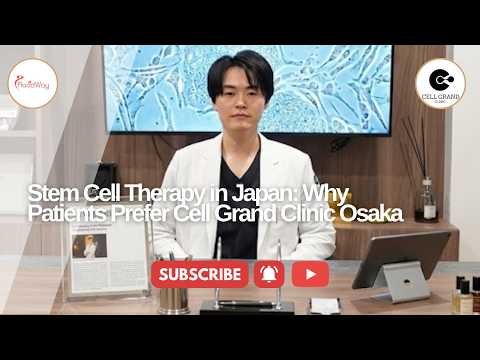
Many international medical tourists successfully seek out specialized centers renowned for their regenerative orthopedic expertise. For example, patients often look into Cell Grand Clinic in Osaka, Japan, recognized as a leading facility in the region. By consulting with experts at the best stem cell clinic in Japan, individuals can access highly customized treatment plans designed specifically to address complex conditions like spinal stenosis safely and effectively.
Testimonial: Professionalism at its Best
"Traveling abroad for a medical procedure is daunting, but the Japanese medical team was exceptional. From the thorough diagnostic MRI to the clear explanation of how the cultured cells work, I felt completely safe. My chronic back pain has generally diminished significantly." – Siti, 62
Safety and Regulations for Regenerative Treatments in Japan
A primary reason international patients confidently pursue safe stem cell therapy in Japan is the country's robust legal framework surrounding regenerative medicine. The Act on the Safety of Regenerative Medicine (ASRM) ensures that all clinics and cell processing centers undergo rigorous inspections and maintain strict operational licenses. This legal structure protects patients by ensuring that all cellular therapies are scientifically sound, ethically sourced, and executed in sterile, state-of-the-art environments.
For patients seeking spinal stenosis relief in Osaka, this regulatory environment translates to immense peace of mind. Strict contraindications are observed; individuals with active systemic infections, certain active cancers, or severe bleeding disorders are typically advised against this therapy. By maintaining these strict safety protocols, Japanese medical authorities minimize procedural risks and ensure that regenerative medicine maintains its high standard of clinical excellence.
Japan requires all clinics providing stem cell treatments to submit detailed therapeutic plans to an independent, government-approved certified committee for rigorous ethical and scientific review before offering treatments to patients.
Ideal Candidates for Non-Surgical Back Pain Relief in Osaka
While regenerative medicine offers immense potential, it is vital to acknowledge that not everyone is an ideal candidate. The best candidates for non-surgical back pain relief in Osaka are typically adults suffering from mild to moderate spinal stenosis who have not found adequate relief through conservative methods like physical therapy or oral medications. These patients are looking for an intervention that bridges the gap between basic pain management and invasive spinal fusion surgery.
Conversely, patients with severe structural instability of the spine, complete nerve root compression causing sudden bowel or bladder incontinence, or advanced spinal deformities may not benefit substantially from cellular therapy. During the initial consultation for regenerative medicine for spine in Japan, specialists conduct comprehensive assessments to ensure that the treatment aligns with the patient's specific anatomical condition and health goals.
Autologous stem cell therapy exclusively uses the patient's own biological tissue, which generally eliminates the risk of disease transmission or immune rejection commonly associated with donor materials.
Stem cell therapy is not recommended for patients currently undergoing active treatment for cancer, those with active systemic infections, or individuals presenting with severe neurological deficits like foot drop or loss of bowel control. Immediate surgical consultation is usually required for severe neurological symptoms.
Preparing for Your Medical Journey for Stem Cells in Japan
Strategic preparation is essential for a smooth cross-border healthcare experience. When planning for medical tourism in Osaka, patients should begin by gathering all relevant medical records, including recent MRI scans (preferably within the last three to six months), medical history reports, and a list of current medications. Providing these documents to the chosen Japanese clinic well in advance allows the medical team to conduct a preliminary remote evaluation, saving valuable time once the patient arrives in the country.
Patients organizing their stem cell journey to Japan must also consider logistical factors. This includes verifying passport validity, understanding visa requirements (though many nationalities enjoy short-term visa exemptions), and planning for adequate recovery time before flying back. Ensuring you have a companion to assist you post-procedure and securing a comfortable place to rest locally will greatly enhance your overall recovery experience.
Pause the use of non-steroidal anti-inflammatory drugs (NSAIDs) such as ibuprofen for at least a week prior to your procedure, as these medications can interfere with the stem cells' natural inflammatory signaling process necessary for initial healing.
Recovery After Stem Cell Therapy for Back Pain in Osaka
The immediate recovery following stem cell therapy for back pain in Osaka is generally straightforward, owing to the non-invasive nature of the injection. Patients may experience mild soreness, localized swelling, or a temporary flare-up of pain at the injection or harvest sites for the first few days. This is typically a normal biological response indicating that the cellular healing cascade has been activated. Rest and gentle movement are highly encouraged during this initial phase.
As patients return home and progress through the weeks following their minimally invasive spine care in Japan, committing to a structured physical rehabilitation program is vital. Physical therapy helps to stabilize the spinal column, strengthen the supporting musculature, and optimize the environment for the stem cells to function effectively. Adhering to the physician’s post-care guidelines ensures the highest probability of experiencing sustained symptomatic relief.
Testimonial: A Gradual Return to Life
"I didn't feel a difference immediately after the injection, which my doctor told me to expect. But around week six, the deep, aching pain in my lower back started to fade. By month three, I was generally back to gardening and enjoying my retirement without relying on daily painkillers." – Ahmad, 65
Long-Term Outcomes of Regenerative Spinal Treatments in Japan
Setting realistic expectations regarding the long-term efficacy of cellular therapy is crucial. The outcomes of regenerative spinal treatments in Japan vary from patient to patient, depending largely on the severity of the stenosis, age, and overall health status. While stem cells cannot magically reverse decades of structural bone changes or remove large osteophytes (bone spurs), most patients experience a meaningful reduction in neuropathic pain and an increase in functional mobility.
The success of advanced stem cell spine care in Osaka is often measured by the patient's ability to delay or completely avoid invasive back surgery while regaining their quality of life. Ongoing clinical observations suggest that patients who maintain a healthy weight, practice good posture, and engage in regular, low-impact exercise tend to sustain the anti-inflammatory and pain-relieving benefits of the therapy for significantly longer durations.
Testimonial: Avoiding the Operating Table
"My local orthopedist suggested a spinal fusion, which terrified me. I opted for stem cell therapy in Osaka as a last resort before surgery. It has been over a year, and my pain is typically manageable enough that surgery is no longer on the table for me right now." – Mei Lin, 59
How PlacidWay Assists Your Stem Cell Therapy Medical Tourism Journey in Japan
Navigating international healthcare options can be overwhelming, particularly when dealing with specialized treatments like regenerative medicine. PlacidWay acts as your dedicated facilitator, connecting you with reputable stem cell clinics in Japan while streamlining the complexities of medical tourism.
- Connecting you directly with internationally accredited regenerative medicine facilities in Japan.
- Facilitating secure transfers of your medical records and MRI scans for remote clinical evaluations.
- Assisting with acquiring comprehensive treatment plans and transparent cost estimates directly from the medical providers.
- Providing access to patient coordinators to help bridge communication between you and the Japanese medical staff.
- Offering unbiased guidance to help you confidently select the right medical experts for your specific spinal condition.
Frequently Asked Questions About Stem Cells for Spinal Stenosis in Japan
Is stem cell therapy for spinal stenosis painful?
The procedure is typically minimally invasive, and most patients experience only mild discomfort during the injection process. Local anesthesia is often used to ensure patient comfort throughout the treatment.
How long does a patient need to stay in Japan for treatment?
While the injection itself is an outpatient procedure, medical tourists are generally advised to stay in Japan for 5 to 7 days. This timeframe allows for proper pre-treatment consultations and initial post-procedure monitoring.
Can stem cells cure my spinal stenosis?
Stem cell therapy is not a guaranteed cure for spinal stenosis, as the condition involves structural changes in the spine. However, the treatment generally aims to reduce inflammation, promote tissue repair, and manage pain effectively.
Do Malaysian citizens need a special medical visa for Japan?
Malaysian passport holders typically enjoy visa-free entry to Japan for short-term visits up to 90 days, which is usually sufficient for this procedure. However, always verify current immigration rules before traveling.
Are the results of stem cell therapy immediate?
Results are typically not immediate, as biological tissue repair takes time. Most patients report noticing gradual improvements in pain and mobility within a few weeks to several months following the procedure.
Is stem cell therapy safe in Japan?
Japan has stringent regulatory frameworks governing regenerative medicine, making it one of the safest destinations for these therapies. Clinics must adhere strictly to the Act on the Safety of Regenerative Medicine.
What type of stem cells are used for spinal stenosis?
Clinics typically utilize mesenchymal stem cells (MSCs) derived from the patient's own adipose (fat) tissue or bone marrow. These cells are preferred due to their anti-inflammatory and regenerative properties.
Will I still need physical therapy after the stem cell treatment?
Yes, physical rehabilitation is generally a crucial component of the recovery process. A guided physical therapy regimen helps strengthen the supportive spinal muscles and maximizes the potential benefits of the stem cells.
How do I communicate with Japanese medical staff?
Top international clinics in Japan usually provide dedicated English-speaking coordinators and medical translators. This ensures all medical instructions and patient concerns are communicated accurately.
What happens if my body rejects the stem cells?
Because most spinal stenosis treatments use autologous stem cells (harvested from your own body), the risk of immune rejection is typically extremely low. However, patients undergo thorough screening to ensure optimal safety.
Ready to explore non-surgical relief for your back pain? Contact PlacidWay today to connect with top regenerative medicine experts in Japan and receive your customized treatment plan.
Medical Disclaimer: This article is for informational purposes only and is not medical advice. Always consult a qualified healthcare provider before any medical decisions. Results may vary. Read Full Disclaimer here.
References
- Mayo Clinic. Spinal stenosis - Symptoms and causes. https://www.mayoclinic.org/diseases-conditions/spinal-stenosis/symptoms-causes/syc-20352961
- Pharmaceuticals and Medical Devices Agency (PMDA) Japan. Act on the Safety of Regenerative Medicine Overview. https://www.pmda.go.jp/english/rs-sb-std/rs/0001.html
- U.S. Food and Drug Administration (FDA). Important Patient and Consumer Information About Regenerative Medicine Therapies. https://www.fda.gov/vaccines-blood-biologics/consumers-biologics/important-patient-and-consumer-information-about-regenerative-medicine-therapies
.png)


















Share this listing