



Multiple Sclerosis (MS) is a complex autoimmune condition that affects the central nervous system, leading to a wide array of physical and cognitive challenges. For many patients, traditional disease-modifying therapies provide necessary symptom management but may fall short of addressing underlying tissue repair. This gap in conventional care has led to a rising interest in regenerative medicine, specifically Stem Cell Therapy in Japan, which has become a focal point for international patients seeking advanced alternative protocols.
Japan has positioned itself at the forefront of global regenerative science. Through heavily funded research and a progressive legislative framework, Japanese medical institutions have cultivated highly advanced techniques for harvesting and deploying stem cells. For Singaporean patients facing the daily hurdles of MS, these medical advancements in Tokyo represent a promising avenue for potentially managing inflammation and supporting the nervous system.
Japan was the first country to establish a fast-track regulatory approval system specifically designed to bring safe regenerative medicines and cell therapies to patients more efficiently.
- Immunomodulation: Stem cells are generally utilized to help modulate the immune system, potentially reducing the frequency of autoimmune attacks on myelin sheaths.
- Neuroprotection: The therapy aims to secrete neurotrophic factors that support the survival and health of existing nerve cells.
- Customized Protocols: Treatments in Tokyo are often highly personalized, adjusting cell counts and delivery methods based on the specific progression of a patient's MS.
Why Singaporeans Choose Medical Tourism in Japan for MS
The geographical and cultural proximity between Singapore and Japan makes Tokyo an inherently attractive destination for medical travelers. A direct flight takes roughly seven hours, minimizing the physical toll of travel on patients who already struggle with fatigue and mobility issues. Furthermore, the minimal time zone difference ensures that patients do not suffer from severe jet lag, allowing them to commence consultations and treatments feeling relatively rested.
Beyond convenience, the primary driver for this specific route of medical tourism in Japan is the country's impeccable reputation for healthcare excellence. Japanese clinics are globally recognized for their stringent hygiene protocols, meticulous attention to detail, and use of cutting-edge biomedical technology. Singaporeans, accustomed to high medical standards at home, often find that Tokyo’s healthcare infrastructure meets or exceeds their rigorous expectations.
According to international medical travel indices, Japan consistently ranks among the top 10 countries globally for quality of care and healthcare innovation.
- Direct Accessibility: Multiple daily direct flights connect Changi Airport to Narita and Haneda airports.
- Advanced Infrastructure: Access to state-of-the-art laboratories where cells are cultivated under the strictest internationally recognized protocols.
- Cultural Alignment: A shared emphasis on respect, privacy, and exceptional hospitality, ensuring a comfortable patient experience.
Exploring Top Stem Cell Clinics in Tokyo for Autoimmune Diseases
When seeking regenerative treatments for chronic conditions, selecting the right medical facility is the most critical decision a patient will make. Tokyo is home to several elite clinics that specialize in autoimmune disorders, offering comprehensive care that bridges the gap between innovative research and clinical application. These Stem Cell Therapy clinics in Japan employ multidisciplinary teams consisting of neurologists, immunologists, and regenerative medicine specialists.
Among the leading institutions drawing international attention is the Helene Clinic Stem Cell Therapy in Tokyo Japan. Facilities of this caliber are distinguished by their state-of-the-art in-house cultivation laboratories and strict adherence to government-mandated safety guidelines. Patients evaluating their options should look for clinics that prioritize transparent communication, comprehensive pre-treatment screening, and dedicated international patient departments.
Always verify that a clinic holds the necessary certifications from Japan's Ministry of Health, Labour and Welfare to perform regenerative medicine procedures legally.
- Look for clinics offering in-depth initial consultations via video call before you commit to traveling.
- Ensure the medical team provides thorough translation services to avoid any miscommunication regarding your health.
- Request detailed information about the specific type and source of the stem cells the facility intends to use.
Analyzing Stem Cell Treatment Cost in Japan Compared to Singapore
Understanding the financial commitment is a vital step for any patient considering cross-border healthcare. The Stem Cell Therapy cost in Japan is influenced by several factors, including the specific type of cells used, the number of infusions required, and the duration of the laboratory cultivation process. While regenerative treatments represent a significant investment, many patients find that Japan offers competitive pricing when weighed against the advanced technology and regulatory safety provided.
In Singapore, while traditional healthcare is world-class, commercial stem cell therapies for conditions like MS are still largely in clinical trial phases or highly restricted, making direct price comparisons complex. However, when looking at similar regenerative treatments available in the broader Asian region, Japan presents a compelling value proposition. Below is an estimated cost comparison table to help patients gauge the expected financial parameters.
| Procedure / Service | Average Cost in Japan (USD) | Estimated Cost in Singapore / Region (USD) |
|---|---|---|
| Adipose-Derived MSC Therapy | $15,000 - $22,000 | $20,000 - $30,000 (If available privately) |
| Umbilical Cord Tissue MSC Therapy | $18,000 - $25,000 | $25,000 - $35,000 |
| Comprehensive MS Treatment Package | $25,000 - $35,000 | $35,000 - $45,000+ |
| Initial Specialist Consultation | $200 - $400 | $300 - $600 |
The Science Behind Mesenchymal Stem Cells for Multiple Sclerosis
The core of regenerative treatment for autoimmune conditions typically relies on Mesenchymal Stem Cells (MSCs). These are multipotent adult stem cells primarily found in bone marrow, fat (adipose tissue), and umbilical cord tissue. MSCs are highly valued in the medical community for their unique ability to migrate to areas of injury and inflammation, a property known as "homing."
For Multiple Sclerosis patients, the primary goal of introducing MSCs is not just tissue regeneration, but profound immune modulation. MS is characterized by the immune system mistakenly attacking the protective myelin sheath of nerves. MSCs are generally thought to release therapeutic factors that calm this overactive immune response, creating a microenvironment that is more conducive to natural healing and potentially preventing further neural degradation.
MSCs do not typically provoke an immune response when introduced into the body, which minimizes the risk of rejection even when using ethically sourced donor cells.
- Autologous Cells: Harvested from the patient's own body, ensuring complete biocompatibility and zero risk of disease transmission.
- Allogeneic Cells: Sourced from healthy donors (like umbilical cords), which are robust and readily available without the need for extraction procedures on the patient.
- Paracrine Effect: The process by which stem cells secrete proteins and growth factors to influence the behavior of surrounding, damaged cells.
Evaluating the Success Rates of Stem Cell Therapy in Tokyo
When discussing medical outcomes, it is crucial to maintain realistic expectations. Stem cell therapy is typically considered an adjunctive or supportive treatment for Multiple Sclerosis, rather than an absolute cure. Success is generally measured by the stabilization of the disease, a reduction in the frequency of relapses, and improvements in the patient's overall quality of life and daily functionality.
Data gathered from clinics providing affordable Stem Cell Therapy in Japan suggests a varied but predominantly positive trend in patient outcomes. While some patients may only experience subtle changes in their energy levels, others report more pronounced improvements in motor skills and a reduction in neuropathic pain. Results are highly individualized and depend heavily on the patient's age, overall health, and the specific stage of their MS.
Clinical observations indicate that a significant percentage of MS patients receiving MSC therapy report an improvement in their fatigue levels, which is one of the most debilitating symptoms of the disease.
- Symptom Management: Most patients experience changes primarily in spasticity, fatigue, and bladder function.
- Disease Slowing: A key objective is delaying the progression of disability over the long term.
- Variable Timelines: Improvements may be noticed anywhere from a few weeks post-infusion to several months down the line.
Safety and Regulations of Regenerative Medicine in Japan
Patient safety is a paramount concern for anyone traveling abroad for complex medical procedures. Japan offers peace of mind through its rigorous legislative environment. The Act on the Safety of Regenerative Medicine (ASRM) was enacted to ensure that all cell-based therapies are conducted under strict governmental oversight. Clinics must pass extensive inspections and have their treatment protocols approved by certified ethical review boards before treating any patients.
This regulatory framework means that the laboratories cultivating your stem cells adhere to Good Gene, Cellular, and Tissue-based Products Manufacturing Practice (GCTP) standards. For Singaporeans, who are accustomed to an exceptionally secure healthcare system, Japan's structured oversight provides the necessary trust and assurance required to pursue these advanced treatments confidently.
Stem cell therapy is generally well-tolerated, but it carries strict contraindications. Patients with active infections, certain types of advanced cancers, or severe bleeding disorders are typically advised against this procedure.
- Clinics must register their treatment plans with the Ministry of Health, Labour and Welfare.
- Regular third-party audits are conducted to maintain laboratory purity and cell viability standards.
- Detailed informed consent, clearly outlining all potential risks, is legally mandated before any procedure begins.
Preparing for Your Medical Journey from Singapore to Tokyo
Preparation is the key to a seamless medical travel experience. Before booking any flights, patients must gather comprehensive medical dossiers. This includes recent MRI scans of the brain and spine, extensive neurologist reports, current medication lists, and detailed blood work. Japanese specialists require this data to conduct thorough preliminary assessments and design a personalized treatment blueprint.
Logistically, traveling with MS requires careful planning regarding mobility aids and airport assistance. While Singaporeans typically enjoy easy travel to Japan, coordinating the trip to align precisely with your medical appointments and the laboratory cell cultivation schedule is crucial. Partnering with a dedicated medical facilitation service can significantly reduce the stress associated with these complex logistics.
Request wheelchair assistance at both Changi Airport and your destination airport in Tokyo well in advance, even if you only occasionally use a mobility aid, to conserve your energy.
- Ensure all medical records are translated into English, if not already, for the Japanese medical team.
- Pack all current medications in their original, clearly labeled containers, bringing extra supplies in case of delays.
- Discuss your travel plans thoroughly with your local neurologist in Singapore prior to departure.
The Procedure Process for Stem Cell Therapy in Japan
The clinical journey in Tokyo typically unfolds in a methodical, phased approach. Upon arrival, patients undergo a comprehensive in-person medical evaluation, which may include fresh blood tests and physical assessments to confirm they remain suitable candidates for the therapy. If autologous (self-derived) cells are being used, the next step is a minor, minimally invasive procedure to extract a small amount of adipose (fat) tissue, usually from the abdominal area.
Following the extraction, the tissue is sent to a specialized laboratory where the stem cells are isolated and cultivated. This multiplication phase can take up to two to three weeks to yield the millions of high-quality cells required for therapeutic efficacy. Once the cells are ready, they are administered back into the patient, most commonly via a straightforward intravenous (IV) drip, though sometimes targeted intrathecal injections are used depending on the specific protocol.
The intravenous administration of stem cells is an outpatient procedure that typically takes just one to two hours, allowing patients to rest comfortably in their hotel room later the same day.
- Phase 1: Thorough medical screening and consultation with the chief physician.
- Phase 2: Tissue harvesting under local anesthesia (for autologous treatments).
- Phase 3: Intravenous infusion of the expanded stem cells while closely monitored by medical staff.
Post-Treatment Recovery and Follow-Up Care in Tokyo
The immediate post-procedure period is generally focused on rest and observation. Because the administration is minimally invasive, extensive hospital stays are rarely required. Most patients are advised to remain in Tokyo for a few days following the final infusion to allow the medical team to monitor for any immediate, albeit rare, adverse reactions. During this time, mild fatigue is a common and expected response as the body integrates the new cells.
Long-term recovery and monitoring are just as critical as the procedure itself. Top-tier clinics provide structured follow-up schedules, conducting regular check-ins via telemedicine once the patient has returned to Singapore. This ongoing dialogue ensures that any changes in symptoms are documented and that local healthcare providers are kept informed of the patient's regenerative journey.
The regenerative and immunomodulatory processes initiated by stem cells can continue to work within the body for up to six to nine months following the initial infusion.
- Patients are typically advised to avoid strenuous physical activity for at least two to four weeks post-treatment.
- A nutrient-rich diet and adequate hydration are strongly recommended to support cellular health.
- Scheduled video consultations typically occur at the 1-month, 3-month, and 6-month marks.
Understanding the Risks and Limitations of MS Stem Cell Therapy
Transparency regarding risks is a cornerstone of ethical medical practice. While MSC therapies are broadly considered safe, no medical intervention is entirely without risk. The most common side effects are transient and mild, including slight bruising at the injection site, transient low-grade fever, or temporary lethargy. Severe complications, such as infection or unexpected immune responses, are exceedingly rare due to the strict laboratory protocols enforced in Japan.
It is equally important to acknowledge the limitations of the therapy. Stem cell treatment is not guaranteed to yield positive results for every patient. Factors such as advanced age, the duration of the disease, and the specific subtype of Multiple Sclerosis can heavily influence the outcome. Patients must approach this therapy with cautious optimism, viewing it as a potential tool for improving quality of life rather than a definitive cure.
Autologous stem cell therapy virtually eliminates the risk of graft-versus-host disease (GVHD), a severe complication sometimes associated with other types of bone marrow transplants.
- Patients with bleeding disorders must undergo careful evaluation before any tissue harvesting.
- Results are highly variable; while some see rapid symptom relief, others experience more gradual stabilization.
- Ongoing traditional MS therapies may still be required and should only be altered under the guidance of a neurologist.
Real Patient Experiences with Multiple Sclerosis Treatment in Japan
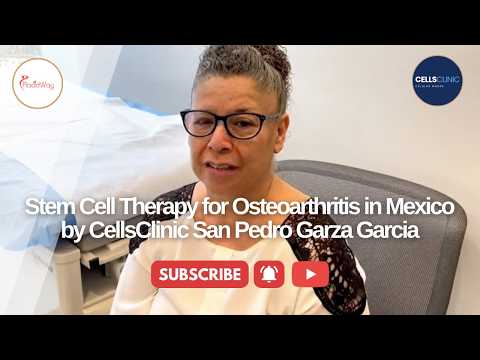
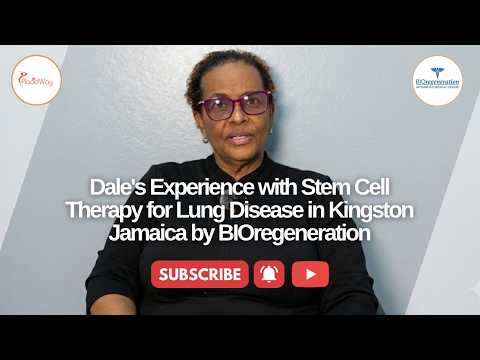
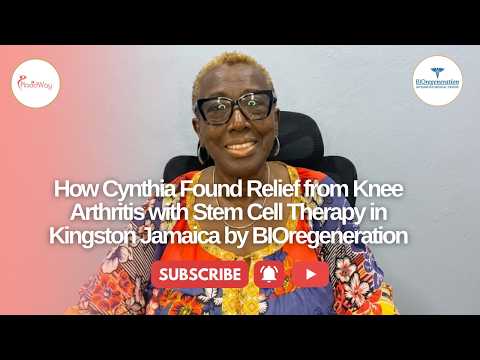
Navigating the complex landscape of chronic illness can feel isolating, but reading about the journeys of others can provide valuable perspectives. Patient testimonials highlight the diverse ways regenerative therapies impact daily life, offering both hope and a realistic view of the recovery timeline. These summaries reflect the general experiences of international patients who have traveled to Tokyo for care.
While every medical case is distinct, these stories underscore the importance of professional care, advanced laboratory techniques, and the supportive environment provided by Japanese medical professionals.
Increased Energy and Mobility
A 45-year-old patient from Southeast Asia reported a significant reduction in daily fatigue roughly three months post-infusion. They noted that their ability to perform daily household tasks without needing extended rest periods improved substantially, allowing them to regain a sense of independence.
Stabilization of Symptoms
A patient diagnosed with Relapsing-Remitting MS traveled to Tokyo hoping to slow the frequency of their flare-ups. After their treatment, they observed a prolonged period of stability with no major relapses over the following year, which their local neurologist confirmed through follow-up MRI scans.
Reduction in Neuropathic Pain
Struggling with severe neuropathic pain in their lower extremities, a 52-year-old patient opted for MSC therapy. While motor function improvements were subtle, the patient experienced a marked decrease in nerve pain, allowing them to reduce their reliance on traditional pain management medications.
Exceptional Medical Care Experience
A recent traveler highlighted the profound professionalism of their Tokyo medical team. They were particularly impressed by the rigorous pre-treatment testing and the transparent communication provided by the clinic's English-speaking liaisons, which greatly alleviated their anxiety.
How PlacidWay Assists Your Stem Cell Therapy Medical Tourism Journey in Tokyo
Embarking on a cross-border medical journey involves numerous critical decisions, from selecting an accredited facility to ensuring secure transfer of medical histories. PlacidWay acts as your dedicated medical facilitation partner, bridging the gap between Singaporean patients and top-tier regenerative specialists in Japan. We focus entirely on the medical aspects of your journey, ensuring you are connected with authoritative, legally compliant healthcare providers.
Our role is to streamline the complex process of international medical access, allowing you to direct your energy toward your health and recovery rather than administrative burdens.
- Clinic Matching: We connect you with globally recognized, certified regenerative medicine clinics in Tokyo.
- Medical Record Facilitation: We assist in the secure transfer of your MRI scans, lab results, and neurological reports to Japanese specialists.
- Consultation Coordination: We help schedule initial teleconsultations so you can speak directly with the medical team before traveling.
- Transparent Cost Estimates: We provide detailed, upfront cost breakdowns directly from the clinics, ensuring you understand the financial commitments.
- Dedicated Patient Support: Our team offers continuous guidance, answering your questions and helping you navigate the clinical requirements of your chosen facility.
Frequently Asked Questions About Stem Cell Therapy in Japan
When considering advanced medical procedures abroad, having clear, accurate information is essential. Patients naturally have numerous questions regarding efficacy, logistics, and safety protocols. We have compiled the most common inquiries from international patients to help clarify the process.
Reviewing these FAQs is an excellent first step in preparing for your consultation with a specialist in Tokyo.
Is stem cell therapy a cure for Multiple Sclerosis?
Stem cell therapy is not a cure for Multiple Sclerosis. It is typically utilized to help manage symptoms, reduce inflammation, and potentially slow disease progression.
Why do Singaporeans travel to Tokyo for MS treatment?
Singaporeans often choose Tokyo due to its close geographical proximity, advanced regenerative medicine framework, and access to highly specialized, internationally accredited clinics.
How long does the stem cell procedure take in Japan?
The entire process generally takes two to three weeks, including initial consultations, cell harvesting, cultivation, and the final intravenous administration.
What type of stem cells are used for MS in Tokyo?
Clinics in Tokyo primarily use Mesenchymal Stem Cells (MSCs), which are typically derived from the patient's own adipose (fat) tissue, bone marrow, or ethically sourced umbilical cord tissue.
Are there any side effects to the treatment?
Most patients experience mild side effects such as fatigue, localized pain at the injection site, or a low-grade fever. Severe complications are generally rare but are always discussed during consultation.
Do I need a visa to travel from Singapore to Japan for medical reasons?
Singaporean citizens typically enjoy visa-free entry to Japan for short-term stays. However, for extended medical treatments, it is always advisable to check current entry requirements.
How soon will I see results after the therapy?
Results vary significantly among individuals. Some patients report feeling improvements in energy and mobility within a few weeks, while for others, changes may unfold over several months.
Is regenerative medicine safely regulated in Japan?
Yes, Japan has some of the strictest regulations globally under the Act on the Safety of Regenerative Medicine (ASRM), ensuring high standards of safety and clinical oversight.
Can PlacidWay help me communicate with doctors in Tokyo?
Yes, PlacidWay facilitates communication between you and top medical teams in Japan, helping to organize initial teleconsultations and ensuring your medical records are properly shared.
What is the follow-up process once I return to Singapore?
Follow-up care typically involves regular online consultations with your Japanese medical team and coordination with your local neurologist in Singapore to monitor your progress safely.
Ready to explore advanced regenerative treatments? Contact PlacidWay today to connect with top-rated clinics in Tokyo and begin your journey toward better health.
References
- National Institutes of Health (NIH) / PubMed. Mesenchymal stem cells for the treatment of multiple sclerosis. https://pubmed.ncbi.nlm.nih.gov/21683930/
- Mayo Clinic. Stem cells: What they are and what they do. https://www.mayoclinic.org/tests-procedures/bone-marrow-transplant/in-depth/stem-cells/art-20048117
- WebMD. Multiple Sclerosis and Stem Cell Therapy. https://www.webmd.com/multiple-sclerosis/experimental-treatments-ms
.png)

















Share this listing