



The landscape of obesity treatment has shifted dramatically with the recent introduction of GLP-1 receptor agonists. While injectable medications like Semaglutide offer an accessible entry point for weight management, many individuals eventually face limitations regarding ongoing costs and plateauing results. As a result, patients are increasingly exploring alternative interventions that offer permanent structural changes. For many international patients, pursuing these advanced treatments abroad has become a highly practical and effective strategy.
This is where gastric bypass in Tijuana comes into focus as a leading solution for sustainable health. Tijuana has established itself as a premier hub for bariatric medical tourism, combining advanced medical infrastructure with highly experienced surgical teams. By comparing the lifelong commitment of monthly injections to the one-time intervention of bariatric surgery, patients can make informed decisions about their health. Ultimately, understanding the mechanics behind these two paths is crucial for achieving lasting vitality and weight control.
The World Health Organization recognizes obesity as a chronic, progressive disease. This paradigm shift highlights why structural interventions like gastric bypass are often considered medically necessary rather than merely cosmetic.
The Medical Science Behind Gastric Bypass Surgery in Tijuana
Roux-en-Y gastric bypass is a highly studied, meticulously refined procedure that alters both the size of the stomach and the routing of the digestive tract. During this procedure, a small stomach pouch is created, which is then connected directly to the small intestine, bypassing a significant portion of the stomach and duodenum. This dual-action mechanism typically restricts food intake while simultaneously reducing the body's ability to absorb calories and fats. The resulting physiological changes are profound, often leading to rapid and sustained weight reduction.
Beyond simple restriction, gastric bypass surgery in Tijuana initiates critical metabolic changes that medications struggle to replicate permanently. The rerouting of the digestive system positively alters gut hormones, naturally suppressing appetite and often resolving type 2 diabetes almost immediately post-surgery. These hormonal shifts generally diminish the body's hunger signals, making portion control a natural reflex rather than a daily struggle. This complex interplay of restriction, malabsorption, and metabolic reset is what establishes surgery as a powerful medical tool.
The Roux-en-Y gastric bypass has been performed for over 50 years, giving the medical community decades of longitudinal data to support its long-term safety and efficacy profiles.
How Semaglutide Works and Why Bariatric Surgery in Tijuana Often Wins Long-Term
Semaglutide operates by mimicking the GLP-1 hormone, which targets areas of the brain that regulate appetite and food intake. Most patients experience a significant decrease in cravings and a slower gastric emptying process, which helps them feel fuller for longer periods. However, this pharmacological approach requires lifelong adherence; if the injections stop, the appetite returns, and clinical trials show that the majority of patients regain the weight. This reality forces individuals into a lifetime dependency on expensive pharmaceuticals to maintain their results.
In contrast, those seeking long-term weight management in Mexico often find that surgery offers a more definitive resolution. While both methods require lifestyle changes, bariatric surgery enforces these changes through permanent physical anatomy alterations. Once the recovery phase is complete, patients generally do not have to worry about medication shortages, fluctuating pharmaceutical costs, or the fading efficacy of a drug. The structural permanence of a gastric bypass often provides a more stable, predictable path for individuals struggling with severe obesity.
According to studies published in top medical journals, patients who discontinue GLP-1 medications typically regain up to two-thirds of their lost weight within the first year of stopping the drug.
Cost Comparison: Affordable Gastric Bypass in Tijuana
The financial burden of continuous weight loss medication is one of the primary reasons patients look toward surgical alternatives. In the United States and Canada, weight loss injections can cost upward of $1,000 per month, totaling over $12,000 annually, often without insurance coverage. Over a five-year period, a patient might easily spend $60,000 on medications alone, not including the cost of accompanying medical consultations. This ongoing financial drain makes the one-time cost of gastric bypass in Tijuana highly attractive to international travelers.
By opting for affordable bariatric surgery in Mexico, patients gain access to comprehensive, all-inclusive packages that cover surgical fees, hospital stays, and post-operative care. This transparent pricing model eliminates the stress of unpredictable healthcare bills and out-of-pocket expenses common in North American systems. When viewing the investment through a long-term lens, the upfront cost of surgery in Mexico is typically recouped within the first year when compared to the perpetual cost of monthly injections. The table below illustrates standard market ranges for these options.
| Procedure / Treatment | Average Cost in Tijuana | Cost Comparison (US/Canada) |
|---|---|---|
| Gastric Bypass Surgery | $5,500 - $7,500 (One-time) | $20,000 - $30,000 (One-time) |
| Gastric Sleeve Surgery | $4,000 - $6,000 (One-time) | $15,000 - $25,000 (One-time) |
| Semaglutide Injections | Varies (Usually Pharmacy-based) | $12,000 - $15,000 (Annually) |
| Pre-Op Medical Tests | Included in Package | $1,000 - $2,500 |
Candidacy for Medical Tourism in Tijuana for Weight Loss Procedures
Determining whether you are an ideal fit for surgical intervention requires a thorough evaluation of your medical history, body mass index (BMI), and previous weight loss attempts. Typically, bariatric surgery candidates possess a BMI of 40 or higher, or a BMI of 35 or higher accompanied by obesity-related comorbidities like sleep apnea or hypertension. It is also generally expected that candidates have previously attempted to lose weight through diet, exercise, or medications without achieving sustained success. Mental readiness and a commitment to lifelong dietary adjustments are equally critical for surgical approval.
While many patients qualify, certain medical conditions may render individuals ineligible for complex gastrointestinal surgeries. Those with severe heart conditions, advanced liver disease, or untreated psychological disorders are typically advised to avoid surgical risks. Furthermore, patients must be physically stable enough to travel internationally and handle the initial phases of post-operative recovery away from home. A meticulous pre-operative screening process ensures that only those who can safely benefit from the procedure are approved for travel.
Not everyone is a suitable candidate for gastric bypass. Strict contraindications exist, including active substance abuse, certain gastrointestinal diseases, and severe untreated psychiatric illness. Always consult with a qualified bariatric surgeon to discuss your unique medical profile before considering medical travel.
The Long-Term Effectiveness of Tijuana Bariatric Surgery Over Injections
The true measure of any obesity treatment lies in its ability to maintain weight reduction five, ten, and twenty years down the line. Studies consistently demonstrate that patients undergoing Roux-en-Y gastric bypass often lose 60% to 80% of their excess body weight within the first 18 months. More importantly, the vast majority successfully maintain this weight loss long-term, provided they adhere to nutritional guidelines. This contrasts sharply with pharmacological treatments, where efficacy can wane over time or cease entirely if the medication is discontinued.
Choosing effective bariatric procedures in Tijuana provides a foundational tool that actively works against the body's biological drive to regain fat. The surgery essentially rewires the metabolic set point, making it biologically easier for patients to sustain their healthier lifestyles. While individuals on Semaglutide must constantly battle the financial and logistical realities of medication refills, surgical patients are empowered by a permanent biological advantage. This long-term reliability continues to position surgical bypass as the premier standard in bariatric medicine.
Gastric bypass surgery has been shown to induce remission in up to 80% of patients suffering from Type 2 Diabetes, often within days of the procedure, long before significant weight loss has occurred.
Evaluating Safety Protocols for Gastric Bypass Clinics in Tijuana
The perception of international medical care has evolved significantly, largely due to the rigorous safety protocols implemented by top-tier facilities abroad. Today, many safe bariatric clinics in Tijuana rival or exceed the standards found in North American hospitals, boasting state-of-the-art surgical suites and comprehensive intensive care units. These facilities are often accredited by prestigious international organizations, ensuring they adhere to strict hygiene, patient care, and emergency response guidelines. Patients are generally pleasantly surprised by the modern, pristine environments waiting for them.
Surgeons performing these procedures in Mexico are typically highly credentialed, with many having trained or completed fellowships in the United States or Europe. They often perform hundreds of bariatric surgeries annually, cultivating a level of specialized expertise that translates into lower complication rates and highly refined surgical techniques. Ensuring safety relies on selecting institutions that offer transparent infection control data, robust pre-operative testing, and dedicated post-operative care teams. By prioritizing accredited facilities, patients can confidently pursue their health transformations.
When evaluating facilities, ask about their international accreditations (like the Joint Commission International) and verify that the operating surgeon holds specific, verifiable board certifications in bariatric surgery.
Preparing for Your Gastric Bypass Procedure in Mexico
Proper preparation is paramount to minimizing risks and ensuring a smooth surgical experience across borders. Preparing for bariatric surgery in Mexico begins weeks in advance, heavily focusing on a mandatory pre-operative liquid diet designed to shrink the liver. This specialized diet is crucial because a smaller liver provides the surgeon with safer, easier access to the stomach during the laparoscopic procedure. Patients are also required to undergo comprehensive cardiovascular and pulmonary clearances to confirm their bodies can handle general anesthesia safely.
Alongside medical preparations, organizing the logistical aspects of medical tourism helps reduce preoperative anxiety. Patients are encouraged to coordinate their travel documents, arrange for an adult companion to accompany them, and pack comfortable, loose-fitting clothing for the journey home. Establishing a clear communication channel with the international medical team allows patients to ask questions and clarify post-operative expectations before departing. This proactive approach ensures a stress-free transition into the surgical phase.
- Adhere strictly to the prescribed pre-operative liver-shrinking diet.
- Ensure all passports and necessary travel documents are valid and up to date.
- Discontinue certain medications (like blood thinners) only as directed by the medical team.
- Pack a dedicated recovery bag with chewable vitamins and comfortable slip-on shoes.
The Surgical Process and Technique for Bariatric Patients in Tijuana
The actual operation typically utilizes minimally invasive techniques, which significantly reduce trauma to the body and accelerate the healing timeline. The laparoscopic gastric bypass procedure involves making several small incisions in the abdomen, through which specialized instruments and a high-definition camera are inserted. This advanced approach allows the surgeon to visualize the internal organs on a monitor and perform complex rerouting with incredible precision. The use of laparoscopy is standard in leading facilities, generally resulting in less pain and minimal scarring for the patient.
During the procedure, the surgeon carefully staples the upper portion of the stomach to create a pouch roughly the size of an egg. Following this, the small intestine is divided, and the lower end is brought up and connected to the newly formed pouch. Finally, the upper portion of the divided intestine is reconnected further down the digestive tract, allowing stomach acids and digestive enzymes to mix with the food. The entire surgery usually takes between two to three hours, followed by immediate transfer to a specialized recovery ward for close monitoring.
Laparoscopic techniques have revolutionized bariatric surgery. Compared to traditional open surgery, patients experience significantly lower rates of incisional hernias and wound infections.
Post-Operative Recovery After Gastric Bypass Surgery in Tijuana
The immediate recovery period involves structured rest, careful monitoring, and a gradual reintroduction to hydration. Most individuals undergoing bariatric surgery recovery in Tijuana will spend two to three nights in the hospital, allowing medical staff to manage pain and ensure there are no signs of immediate complications. During this time, patients are encouraged to take short, frequent walks down the hospital corridors, which promotes healthy blood circulation and helps alleviate trapped gas pain. Once cleared for discharge, patients typically spend a few more days in a local recovery boutique before flying home.
Upon returning home, the focus shifts to adjusting to a new digestive reality and slowly rebuilding physical stamina. Fatigue is generally common during the first few weeks as the body adjusts to a drastically reduced caloric intake. However, as the weeks progress, patients typically experience a surge in energy as the initial rapid weight loss begins to relieve stress on weight-bearing joints. Following the strict dietary phases and keeping in touch with the remote bariatric team ensures that patients navigate this critical healing window safely.
Stay hydrated! Dehydration is a leading cause of hospital readmission post-surgery. Sip water constantly throughout the day, aiming for at least 64 ounces, but avoid drinking 30 minutes before or after meals.
Dietary Milestones and Lifestyle Changes Post-Bariatric Surgery
The success of the gastric bypass procedure relies heavily on the patient's commitment to profound, lifelong dietary changes. The post-bariatric diet guidelines are implemented in strict phases, starting with clear liquids to allow the surgical connections to heal without strain. This is followed by a transition to pureed foods, soft foods, and eventually, after several weeks, a return to solid textures. This gradual progression is non-negotiable; rushing the introduction of solid foods can cause severe pain, vomiting, or dangerous damage to the staple lines.
Beyond the texture of the food, the nutritional composition of meals must permanently shift toward high-protein, low-sugar choices. Because the stomach pouch is so small, every bite must carry nutritional value to prevent muscle loss and maintain energy levels. Additionally, because the bypass causes malabsorption, patients must commit to a lifelong regimen of specialized bariatric multivitamins, calcium, iron, and B12 supplements. Embracing these dietary milestones alongside regular physical activity forms the foundation of sustainable, long-term health.
The physical capacity of the new stomach pouch is roughly one ounce immediately after surgery. Over several months, it will gently stretch, but it will generally remain much smaller than a typical adult stomach.
Managing Complications: Semaglutide Side Effects vs. Bariatric Surgery Risks
Every medical intervention carries inherent risks, and comparing the side effects of medications against surgical complications is a vital step in the decision-making process. Patients using GLP-1 medications frequently report ongoing gastrointestinal issues, including persistent nausea, diarrhea, and in some cases, severe muscle mass depletion. While these side effects often lessen over time, they can severely impact the daily quality of life for the duration of the treatment. Furthermore, long-term data on the effects of decades-long use of these specific medications is still being collected by the medical community.
Conversely, evaluating gastric bypass risks and benefits involves understanding potential surgical complications such as anastomotic leaks, strictures, or dumping syndrome. Dumping syndrome occurs when high-sugar or high-fat foods move too quickly into the small intestine, causing nausea, dizziness, and cramping. However, surgical complications are generally acute and closely managed during the post-operative period. Once completely healed, patients who follow their nutritional protocols typically experience very few ongoing side effects, favoring the one-time risk over persistent pharmacological discomfort.
The mortality rate for bariatric surgery has dropped dramatically over the past two decades and is now widely considered to be roughly 0.1%, making it statistically safer than procedures like gallbladder removal or hip replacement.
Real Patient Experiences with Weight Loss Medical Tourism in Mexico
Reading about the emotional and physical transformations of others often provides the reassurance prospective patients need. Reviewing gastric bypass patient reviews in Tijuana highlights a consistent theme of reclaimed mobility, improved self-esteem, and liberation from chronic obesity-related ailments. Many express relief at no longer having to worry about refilling expensive medications or dealing with the fluctuating side effects of weight-loss injections. The comprehensive care and compassion received in Mexico frequently exceed their initial expectations.
These real-world experiences underscore the human element behind the statistics and medical jargon. Individuals from diverse backgrounds travel south seeking a fresh start, and they return with the biological tools necessary to succeed. By committing to the post-operative guidelines and utilizing remote support systems, these patients demonstrate that international medical tourism can facilitate truly life-altering health milestones. Below are examples of typical patient journeys.
Michael's Journey to Health
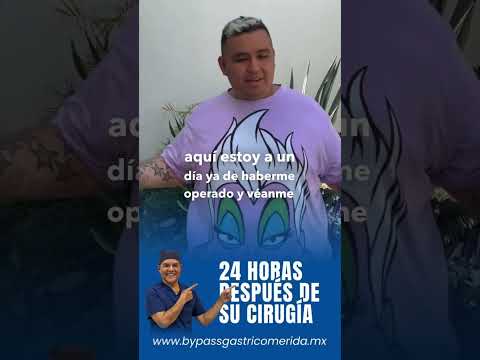
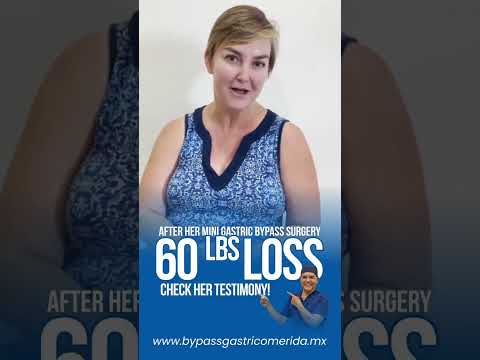
After struggling with weight regain following a year on injectable medications, Michael opted for a more permanent solution in Mexico. He reports that the structural change of the bypass naturally controlled his portions, allowing him to lose 110 pounds over 14 months while completely reversing his pre-diabetes.
Elena's Financial Relief
Paying completely out-of-pocket for monthly GLP-1 drugs was straining Elena's finances. By traveling for an all-inclusive surgical package, she was able to achieve her health goals within her budget. She notes the level of personalized care from the nursing staff was exceptional.
David's Active Lifestyle
David felt lethargic on pharmaceutical weight loss methods. Post-surgery, the rapid initial weight loss reduced the pain in his knees, allowing him to take up hiking. He emphasizes that surgery gave him the physical energy that medications simply could not provide.
Sarah's Long-Term Success
Five years out from her bypass procedure, Sarah has successfully maintained her 90-pound weight loss. She praises the comprehensive nutritional education she received abroad, which equipped her to handle real-world dietary challenges long after the surgery was completed.
How PlacidWay Assists Your Gastric Bypass Medical Tourism Journey in Tijuana
Navigating international healthcare options can feel overwhelming, especially when evaluating complex surgical procedures against long-term pharmacological treatments. Having an experienced medical tourism facilitator by your side ensures that you are connecting with vetted, highly accredited medical professionals who prioritize patient safety above all else. PlacidWay exists to bridge the gap between global patients and world-class healthcare solutions, simplifying the research and communication process.
Our goal is to empower you to make informed decisions regarding your health transformation without the stress of coordinating international medical logistics alone. By utilizing our comprehensive platform, you can seamlessly explore your options for sustainable, long-term weight management. Here is how PlacidWay adds value to your medical journey:
- Providing access to a curated network of internationally accredited bariatric centers.
- Facilitating direct communication and virtual consultations with board-certified surgeons.
- Offering detailed, transparent breakdowns of medical packages and hospital inclusions.
- Assisting with the secure transfer of your medical records and pre-operative evaluations.
- Guiding you through the intricacies of international medical protocols and safety standards.
Frequently Asked Questions
Why do patients choose gastric bypass in Tijuana over Semaglutide?
Many patients choose surgery because it typically provides a permanent structural change to the digestive system, reducing the need for lifelong, expensive medication. Tijuana offers this high-quality surgical intervention at a fraction of the cost found in the United States or Canada.
How much does a gastric bypass cost in Tijuana?
The cost of a gastric bypass in Tijuana generally ranges from $5,500 to $7,500, depending on the specific facility and comprehensive care package. This is significantly lower than the $20,000 to $30,000 average seen in North American healthcare systems.
Is it safe to travel to Tijuana for bariatric surgery?
Yes, many modern healthcare facilities in Tijuana are internationally accredited and adhere to strict safety protocols. Patients are generally advised to research thoroughly and use reputable medical tourism facilitators to ensure they select highly rated, certified institutions.
Do I have to take medication forever after a gastric bypass?
While you will not need weight-loss injections like Semaglutide, you will typically be required to take daily bariatric multivitamins to prevent nutritional deficiencies. This is a standard and essential part of post-bariatric lifelong care.
What happens if I stop taking Semaglutide?
Clinical studies show that most patients experience significant weight regain after discontinuing GLP-1 medications like Semaglutide. This lifelong dependency is a primary reason many opt for the structural longevity of a gastric bypass procedure.
How long is the recovery for a gastric bypass in Mexico?
Most patients stay in the hospital for two to three days and remain in Mexico for an additional few days for follow-up observation. Most individuals can typically return to light activities within two to three weeks post-surgery.
Do I need a passport to travel to Tijuana for surgery?
Yes, international patients traveling from the United States, Canada, or other countries will need a valid passport to enter Mexico and return home. It is always recommended to check the latest visa and travel requirements before booking.
Can I switch from Semaglutide to a gastric bypass?
Yes, many bariatric surgery candidates are individuals who previously tried GLP-1 medications but seek more sustainable, long-term results. Your medical team will generally require you to stop the medication for a certain period before undergoing surgery.
What kind of follow-up care is available after surgery in Tijuana?
Reputable healthcare providers offer robust post-operative support, including virtual consultations with dietitians and surgical staff. Patients are also encouraged to establish a relationship with a local primary care physician to monitor their long-term progress.
Will I experience hair loss after gastric bypass surgery?
It is common for patients to experience temporary hair thinning between three to six months post-surgery due to rapid weight loss and hormonal shifts. Following strict nutritional guidelines and taking prescribed supplements generally helps hair regrow naturally.
Ready to explore your options for Gastric Bypass in Tijuana? Let PlacidWay guide you toward highly rated, accredited medical facilities abroad.
References
- National Institute of Diabetes and Digestive and Kidney Diseases (NIDDK). Bariatric Surgery. https://www.niddk.nih.gov/health-information/weight-management/bariatric-surgery
- Mayo Clinic. Gastric bypass (Roux-en-Y). https://www.mayoclinic.org/tests-procedures/gastric-bypass-surgery/about/pac-20385189
- American Society for Metabolic and Bariatric Surgery (ASMBS). Bariatric Surgery Procedures. https://asmbs.org/patients/bariatric-surgery-procedures
- Centers for Disease Control and Prevention (CDC). Adult Obesity Facts. https://www.cdc.gov/obesity/adult-obesity-facts/index.html
- World Health Organization (WHO). Obesity and Overweight. https://www.who.int/news-room/fact-sheets/detail/obesity-and-overweight








.jpg)

.jpg)








Share this listing