



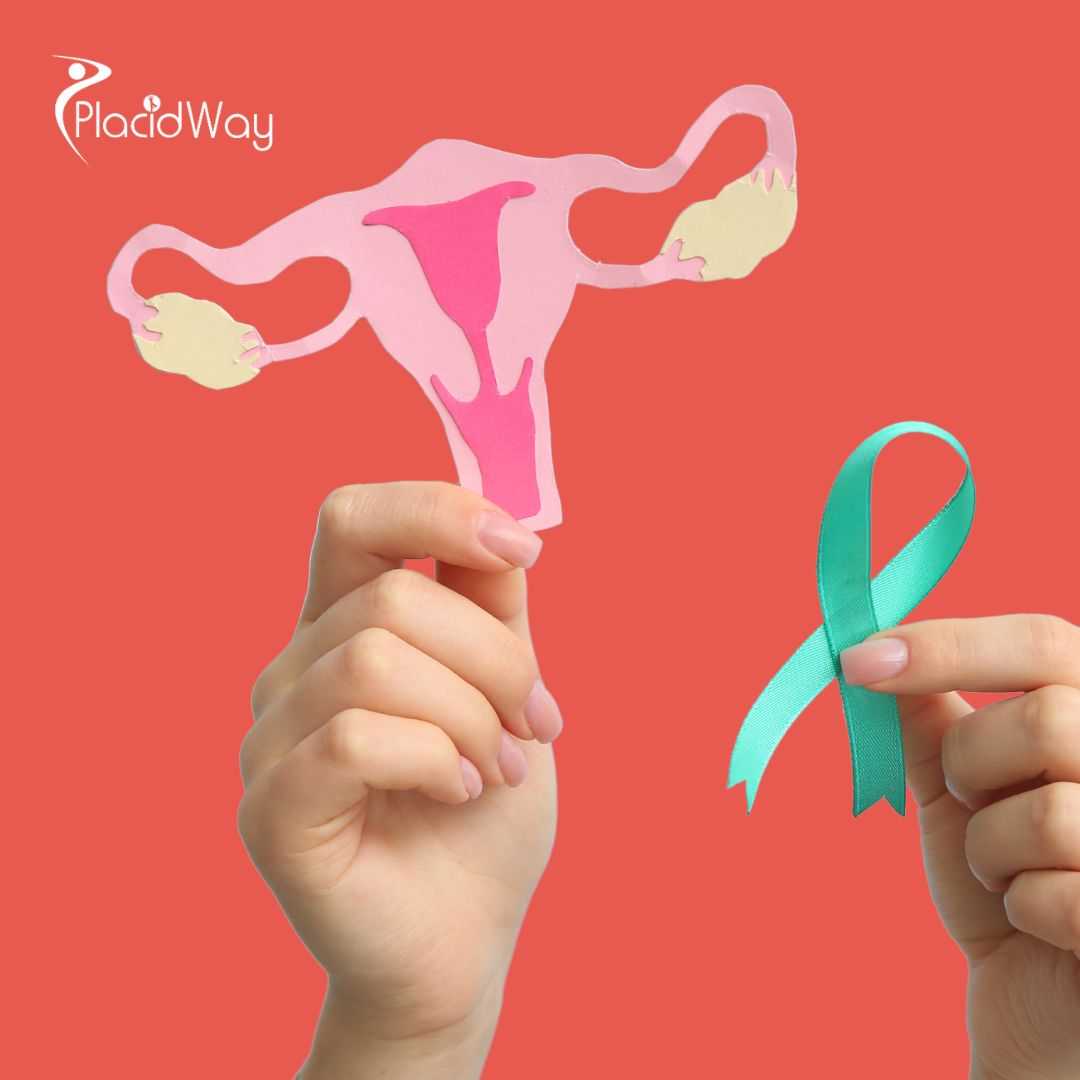
The landscape of women's healthcare is rapidly evolving, with Photodynamic Therapy in Tijuana emerging as a sought-after option for international patients. This innovative approach combines specialized light-sensitive medications with targeted light wavelengths to destroy abnormal cells. For individuals facing precancerous lesions or localized cervical cancer, this therapy represents a sophisticated addition to modern oncological protocols.
As patients seek out progressive and less invasive care models, the demand for integrative cervical cancer treatment in Mexico has surged. Tijuana, situated just across the US border, hosts numerous state-of-the-art facilities dedicated to holistic and advanced medical technologies. Women exploring these avenues find a supportive environment where cutting-edge science meets compassionate, patient-centered healing.
- Utilizes photosensitizing agents to selectively target rapidly dividing cells.
- Preserves healthy surrounding tissue, generally reducing systemic side effects.
- Often performed as a minimally invasive, outpatient procedure.
- Frequently integrated with immune-boosting protocols for holistic care.
Photodynamic Therapy (PDT) has actually been utilized in dermatology and oncology for decades, but recent advancements in targeted light delivery systems have significantly improved its application for gynecological health.
The Rise of Integrative Cervical Cancer Treatment in Mexico
Standard oncological treatments often focus solely on eradicating the disease, sometimes taking a heavy toll on the patient's physical and emotional well-being. By contrast, integrative cervical cancer treatment in Mexico focuses on treating the whole person rather than just the diagnosis. This approach merges evidence-based conventional therapies with supportive alternative medicine to optimize the body's natural healing capacity.
International patients are increasingly drawn to PDT clinics in Tijuana because these centers recognize the complex nature of women’s health. Integrative protocols typically involve nutritional counseling, detoxification, mind-body therapies, and advanced treatments like PDT. By fostering a comprehensive healing ecosystem, these facilities empower women to actively participate in their recovery journey.
- Focuses on enhancing the immune system while targeting cancer cells.
- Incorporates metabolic therapies to disrupt cancer cell energy pathways.
- Provides rigorous emotional and psychological support systems.
- Customizes treatment plans based on comprehensive genetic and biological profiling.
Integrative oncology utilizes a multimodal approach. Studies suggest that combining conventional treatments with holistic immune support can generally improve a patient's quality of life and tolerance to medical procedures.
Why Choose Medical Tourism in Tijuana for Women's Health
The decision to travel abroad for healthcare is significant, and medical tourism in Tijuana has established itself as a premier choice for North American patients. The city's geographic proximity to major US airports, notably San Diego International Airport, removes the stress of grueling long-haul international flights. This seamless accessibility makes it highly convenient for patients seeking specialized care without traveling overseas.
Furthermore, cervical cancer specialists in Tijuana are often bilingual and highly trained, with many having completed fellowships or certifications in the United States or Europe. The medical infrastructure rivals top-tier international hospitals, offering modern amenities paired with an empathetic bedside manner. This combination of world-class expertise and accessible location provides a reassuring environment for women facing serious health challenges.
- Easy cross-border access via medical lanes for expedited travel.
- Multidisciplinary teams fluent in English and Spanish.
- Patient-centric care models that prioritize comfort and dignity.
- Access to innovative therapies that may still be in clinical trials elsewhere.
When planning your travel, fly into San Diego International Airport. Many established medical centers offer dedicated shuttle services directly from the airport across the border, ensuring a safe and stress-free transit.
Photodynamic Therapy Cost in Tijuana vs. US and Canada
Navigating the financial realities of chronic illness is incredibly stressful, leading many to search for affordable Photodynamic Therapy in Tijuana. The cost of complex oncological care in the United States and Canada can be prohibitive, often involving high deductibles and uncovered alternative treatments. Mexico’s healthcare economy allows patients to access premium medical services at a fraction of the cost, without compromising on quality or safety.
Understanding the Photodynamic Therapy cost in Tijuana empowers patients to make informed financial decisions. The pricing models are generally transparent, allowing individuals to budget for holistic treatment packages rather than facing unexpected bills. Below is a comparative estimate to illustrate the financial advantages of seeking care south of the border.
| Procedure / Treatment Phase | Average Cost in Tijuana (USD) | Estimated Cost in US/Canada (USD) |
|---|---|---|
| Initial Oncology Consultation & Diagnostics | $300 - $800 | $1,500 - $4,000 |
| Photodynamic Therapy (Per Session) | $2,500 - $4,500 | $8,000 - $15,000+ |
| Integrative IV Therapies (e.g., Vitamin C) | $150 - $300 per infusion | $400 - $800 per infusion |
| Comprehensive 3-Week Integrative Package | $15,000 - $25,000 | $50,000 - $100,000+ |
Note: Costs are approximate estimates based on recent market trends and will vary based on individual patient needs, clinical protocols, and required follow-up care.
How PDT Targets Cervical Dysplasia and Cancer Cells
The mechanism behind Photodynamic Therapy in Tijuana is a fascinating intersection of pharmacology and physics. The process begins with the administration of a photosensitizing agent, which is either applied topically to the cervix or administered intravenously. These specific agents have a unique characteristic: they tend to accumulate much more heavily in abnormal, rapidly dividing cells than in healthy surrounding tissue.
Once the agent has been sufficiently absorbed, cervical cancer treatment clinics in Mexico use highly calibrated light sources, often lasers or specialized LEDs, to illuminate the targeted area. When the specific wavelength of light interacts with the photosensitizer, it produces an active form of oxygen. This oxygen molecule destroys the nearby cancer cells, damages the blood vessels feeding the tumor, and can also prompt the immune system to attack the malignancy.
- Administration: Introduction of the light-sensitive drug.
- Incubation: Allowing time for the drug to concentrate in tumor cells.
- Activation: Precise application of light to the cervical region.
- Eradication: Cellular destruction and localized immune response activation.
Photodynamic Therapy is not suitable for all types of cancer. It is generally contraindicated for patients with blood diseases like porphyria, or those with tumors that are actively bleeding or deeply invading major blood vessels. Always undergo a thorough medical evaluation.
Comprehensive Diagnostics for Cervical Cancer Treatment in Tijuana
Accurate staging and deep cellular understanding are the foundations of effective integrative cervical cancer treatment in Mexico. Top facilities do not rely on standard pap smears alone; they utilize comprehensive diagnostic imaging and molecular profiling to understand the exact nature of the disease. This detailed diagnostic phase ensures that the subsequent treatment protocols are uniquely tailored to the individual's specific pathology.
By leveraging advanced diagnostic tools, cervical cancer specialists in Tijuana can meticulously map the location, depth, and spread of abnormal cells. This is particularly crucial before initiating therapies like PDT, where the precise application of light is vital for therapeutic success. Thorough diagnostics generally reduce the risk of under-treating or over-treating the affected area.
- High-resolution Colposcopy for detailed visual inspection.
- PET/CT Scans to evaluate metabolic activity and rule out metastasis.
- Advanced liquid biopsies and circulating tumor cell (CTC) tests.
- Genetic sequencing to identify specific tumor markers and vulnerabilities.
Some advanced clinics in Mexico utilize AI-assisted imaging software during colposcopy to help doctors identify microscopic areas of cervical dysplasia that might be missed by the naked eye.
Combining PDT with Integrative Oncological Therapies
The true power of medical tourism in Tijuana lies in the synergistic combination of various treatment modalities. While PDT effectively targets localized disease, doctors understand that cancer is a systemic issue. Therefore, therapies are often combined to create a hostile environment for cancer cells throughout the entire body, while simultaneously fortifying the patient's natural immune defenses.
When searching for affordable Photodynamic Therapy in Tijuana, patients will find that it is rarely administered in isolation. It is typically part of a comprehensive protocol that may include orthomolecular medicine, targeted supplementation, and detoxification strategies. This holistic matrix aims to optimize the patient’s overall vitality, generally promoting better clinical outcomes and faster recovery times.
- High-Dose Vitamin C IVs: Used to induce oxidative stress specifically in cancer cells.
- Ozone Therapy: Aims to increase tissue oxygenation, creating a less favorable environment for tumors.
- Hyperthermia: Elevating core or localized body temperature to weaken cancer cell membranes.
- Dendritic Cell Therapy: A specialized immunotherapy designed to train the immune system to recognize cancer.
According to global oncology research, integrative care approaches that combine psychological support, targeted treatments, and nutritional interventions are generally associated with a significant reduction in patient-reported fatigue and treatment-related anxiety.
What to Expect During Your PDT Procedure in Tijuana
Anxiety is a natural response to medical procedures, but understanding the timeline of Photodynamic Therapy in Tijuana can greatly alleviate these fears. The process is typically conducted on an outpatient basis, meaning patients can return to their accommodations the same day. The atmosphere in these modern clinics is designed to be calming, often resembling wellness retreats rather than sterile hospital environments.
For those seeking integrative cervical cancer treatment in Mexico, the clinical staff prioritizes constant communication throughout the procedure. From the initial administration of the photosensitizer to the final application of the light source, patients are monitored closely by skilled nursing teams. The goal is to ensure utmost comfort and safety while the targeted therapy takes effect.
- Step 1: Thorough medical clearance and baseline vitals check.
- Step 2: Painless administration of the photosensitizing drug (IV or topical).
- Step 3: A waiting period (incubation) lasting from a few hours to a couple of days.
- Step 4: The light application phase, which typically takes 15 to 45 minutes in a specialized treatment room.
Elena's Experience
"I was terrified of traditional procedures, but the medical team in Tijuana walked me through every step of the PDT process. It was minimally invasive, and the supportive therapies made a huge difference in my energy levels."
Sarah's Journey
"Combining my localized treatment with hyperthermia and nutrition counseling gave me a sense of control over my health that I hadn't felt since my diagnosis. The staff treated me like family."
Recovery and Aftercare Following Photodynamic Therapy
The post-treatment phase is a critical component of cervical cancer treatment clinics in Mexico. Following PDT, patients generally experience a much milder recovery compared to radical surgeries or intense systemic chemotherapy. However, there are specific and stringent aftercare protocols that must be followed to ensure the treatment's safety and effectiveness.
Because the photosensitizing agents circulate in the body, the most notable side effect is extreme sensitivity to bright light and sunlight. Medical tourism in Tijuana facilities provide detailed discharge instructions, often supplying special protective gear. Adhering to these guidelines is crucial to prevent severe sunburns or localized tissue reactions during the drug clearance period.
- Strict avoidance of direct sunlight and bright indoor lights for several weeks.
- Wearing heavy protective clothing, wide-brimmed hats, and dark sunglasses when outdoors.
- Managing mild localized discomfort with doctor-approved, over-the-counter anti-inflammatories.
- Attending scheduled follow-up colposcopies to monitor tissue healing and cellular changes.
Before your trip, pack "sun-safe" clothing. Think long sleeves, UV-protective fabrics, and scarves. It is highly recommended to draw the curtains in your accommodation during the peak daylight hours of your recovery.
Efficacy and Success Rates of Alternative Cervical Cancer Care
When researching Photodynamic Therapy in Tijuana, it is imperative to maintain realistic expectations regarding efficacy. While integrative and alternative approaches offer tremendous benefits in terms of reducing toxicity and improving the quality of life, results vary widely from patient to patient. Success is typically defined not just by tumor reduction, but by overall physical resilience and symptom management.
The efficacy of integrative cervical cancer treatment in Mexico is most pronounced in patients with early-stage dysplasia (CIN) or localized micro-invasive cancers. For more advanced stages, these alternative therapies are generally utilized as adjunctive care to manage pain, slow disease progression, and bolster the immune system, rather than as a definitive standalone cure.
- High success rates in treating localized high-grade cervical dysplasia.
- Generally effective at preserving cervical architecture, which is vital for patients wishing to maintain fertility.
- Often results in improved immunological markers and overall vitality.
- Outcomes are heavily dependent on the patient's initial staging and adherence to lifestyle changes.
Unlike ionizing radiation therapy, Photodynamic Therapy can typically be repeated if necessary at the same site without the cumulative tissue toxicity risks associated with standard radiation.
Patient Safety and Medical Standards in Mexican Healthcare
A common concern for international patients considering medical tourism in Tijuana is the regulation and safety of foreign medical facilities. Fortunately, Mexico’s private healthcare sector has experienced rapid modernization, with stringent regulatory oversight provided by COFEPRIS (the Mexican equivalent of the FDA). Reputable clinics operate under strict international safety guidelines to ensure exceptional patient care.
The leading PDT clinics in Tijuana are frequently staffed by oncologists, gynecologists, and holistic practitioners who maintain international board certifications. These centers implement rigorous infection control protocols, utilize cutting-edge medical equipment, and maintain high ethical standards in their marketing and patient acquisition, providing a secure environment for vulnerable patients.
- Adherence to strict biohazard and infection control protocols.
- Regular auditing by national and international healthcare accreditation bodies.
- Utilization of FDA-approved or internationally recognized photosensitizing agents.
- Comprehensive pre-operative cardiovascular and hematological screenings.
Many top private hospitals and specialty clinics in Tijuana hold certifications from the Joint Commission International (JCI) or the General Health Council of Mexico (CSG), ensuring global standards of patient safety.
Preparing for Your Medical Journey to Tijuana
Thorough preparation is the key to a successful experience when seeking affordable Photodynamic Therapy in Tijuana. Logistical planning should begin weeks in advance, ensuring that all necessary travel documents, including a valid passport, are secured. Patients should also verify their banking limits for international transactions and notify their card issuers of upcoming travel to Mexico.
Equally important is the medical preparation before arriving for your integrative cervical cancer treatment in Mexico. Patients must consolidate their comprehensive medical records, including recent lab work, biopsy reports, MRI/CT imaging, and a complete history of prior treatments. Having this data neatly organized allows the Mexican specialists to formulate a precise and safe treatment protocol immediately upon your arrival.
- Ensure your passport is valid for at least six months beyond your travel dates.
- Obtain digital copies and physical backups of all pathology reports and scans.
- Compile a detailed list of all current medications, supplements, and allergies.
- Coordinate with a trusted medical tourism facilitator for smooth transitions and communication.
Every year, over 1 million international patients travel to Mexico for healthcare, making it one of the top two global destinations for medical tourism, driven heavily by specialized treatments and cost savings.
Real Patient Experiences with PDT in Mexico
Reading about the lived experiences of others can be profoundly reassuring for those considering Photodynamic Therapy in Tijuana. Women from diverse backgrounds travel to these specialized centers, carrying a shared hope for a holistic recovery. Their stories frequently highlight the stark contrast between the clinical, rushed nature of conventional hospitals and the deeply empathetic care found in Mexican integrative facilities.
These testimonials underscore the psychological benefits of medical tourism in Tijuana. Beyond the clinical application of targeted light therapies, patients often speak of the emotional healing that occurs when they feel truly listened to by their medical team. This compassionate approach fosters a resilient mindset, which is a vital component of overcoming chronic health challenges.
Maria's Testimonial
"After finding out I had severe dysplasia, my local doctors rushed to recommend surgery. I opted for a second opinion in Tijuana. The integrative approach utilizing PDT preserved my cervix, and the nutritional IVs helped me bounce back faster than I ever expected."
Rebecca's Story
"The level of transparency regarding the treatment and the genuine care from the oncologists in Mexico was unparalleled. I felt empowered, educated, and safe. The light therapy was straightforward, but the whole-body care I received was truly transformative."
How PlacidWay Assists Your Photodynamic Therapy Journey in Tijuana
Navigating international healthcare options can feel overwhelming, especially when managing a complex diagnosis. PlacidWay serves as your trusted guide, simplifying the process of connecting with premier facilities offering integrative cervical cancer treatment in Mexico. Our mission is to empower patients with transparent information and seamless access to global medical excellence.
By leveraging our extensive network of vetted healthcare providers, we ensure that you are matched with highly qualified cervical cancer specialists in Tijuana. PlacidWay focuses entirely on optimizing your medical journey, providing the resources and advocacy you need to make confident healthcare decisions.
- Connecting you directly with internationally accredited oncology centers in Tijuana.
- Facilitating the secure transfer of your medical records for preliminary specialist reviews.
- Providing transparent, comprehensive treatment cost estimates to help you plan your finances.
- Offering dedicated patient coordination to answer questions and align your treatment timelines.
- Empowering you with verified patient reviews and detailed facility profiles.
Frequently Asked Questions
Am I a candidate for Photodynamic Therapy for cervical cancer?
Candidacy typically depends on the stage of cervical dysplasia or cancer, previous treatments, and overall health. Generally, patients with localized lesions are evaluated closely to determine if PDT is a safe and viable option.
How long does a typical PDT session take in Tijuana?
The actual light application procedure usually takes between 15 to 45 minutes, depending on the targeted area. However, the preparation and photosensitizer absorption phase can take several hours to a few days prior to the light exposure.
Is medical tourism in Tijuana safe for international patients?
Yes, many facilities catering to international patients maintain strict safety protocols and are staffed by board-certified professionals. Patients are advised to use trusted medical tourism facilitators to ensure they connect with reputable, accredited medical centers.
What are the side effects of Photodynamic Therapy?
Most patients experience temporary light sensitivity, mild cramping, or localized inflammation at the treatment site. These side effects are typically manageable with over-the-counter pain relievers and strict avoidance of direct sunlight for a specified period.
Do I need a passport to receive medical care in Mexico?
Yes, international patients traveling from the US, Canada, or other countries must have a valid passport to enter Mexico and return home. It is crucial to ensure your travel documents are up to date well before your scheduled procedure.
Why is the Photodynamic Therapy cost in Tijuana lower than in the US?
The lower costs are primarily due to differences in the cost of living, administrative overhead, and malpractice insurance rates, rather than a reduction in the quality of care. This economic difference allows top-tier facilities to offer advanced treatments at accessible prices.
Can PDT cure advanced cervical cancer?
PDT is generally utilized for early-stage localized cervical cancer or precancerous dysplasia rather than advanced, metastatic disease. For advanced stages, it may be used palliatively to relieve symptoms or combined with other systemic integrative therapies.
How soon can I return home after integrative cervical cancer treatment in Mexico?
Because PDT is typically an outpatient procedure, many patients can travel home within a few days of their final session. Your oncologist will provide a specific clearance timeline based on your individual recovery progress.
Will my local doctor coordinate with specialists in Tijuana?
Many progressive oncologists in North America are open to co-managing patient care alongside international specialists. It is highly recommended to establish clear communication lines and securely transfer your medical records for a cohesive treatment approach.
Are alternative therapies like Vitamin C infusions included in PDT?
Alternative therapies are generally part of a broader integrative oncology protocol rather than the PDT procedure itself. These supportive treatments are often customized and priced separately or bundled into a comprehensive holistic treatment package.
Medical Disclaimer: This article is for informational purposes only and is not medical advice. Always consult a qualified healthcare provider before any medical decisions. Results may vary. Read Full Disclaimer here.
References
- National Cancer Institute. Photodynamic Therapy to Treat Cancer. https://www.cancer.gov/about-cancer/treatment/types/photodynamic-therapy
- American Cancer Society. Treating Cervical Cancer. https://www.cancer.org/cancer/types/cervical-cancer/treating.html
- World Health Organization. Cervical Cancer. https://www.who.int/news-room/fact-sheets/detail/cervical-cancer
- National Center for Biotechnology Information (NCBI). Integrative Oncology: Best Practices. https://pmc.ncbi.nlm.nih.gov/articles/PMC6333385/
- Mayo Clinic. Cervical Cancer - Diagnosis and Treatment. https://www.mayoclinic.org/diseases-conditions/cervical-cancer/diagnosis-treatment/drc-20352506















Share this listing