



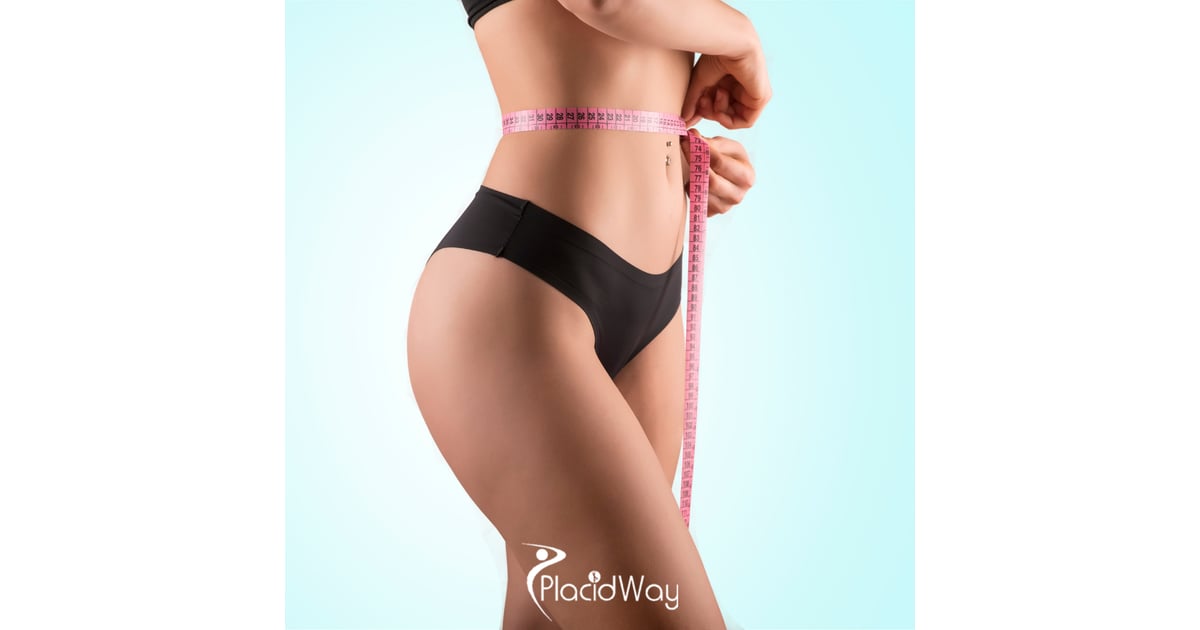
The global landscape of body contouring is undergoing a rapid technological evolution, and Robotic Lipo-360 in South Korea has emerged as the premier choice for international patients seeking highly defined aesthetic outcomes. Unlike traditional fat removal methods that rely heavily on manual force, this advanced modality integrates robotic-assisted technology to map, target, and extract fat with unprecedented precision. By focusing on the entire midsection—including the abdomen, flanks, and lower back—surgeons can generally create a cohesive, 360-degree sculpted appearance that highlights natural musculature.
As we approach 2026, the demand for the "etched" physique has shifted patient preferences away from mere volume reduction toward high-definition contouring. South Korea’s medical infrastructure has rapidly adapted to this trend, utilizing robotic systems that typically reduce tissue trauma while maximizing fat viability for potential grafting. For medical tourists, understanding the nuances of high-definition body sculpting is the first step toward making informed, safe decisions regarding their aesthetic journey.
Robotic-assisted liposuction devices utilize real-time thermal monitoring to protect the skin from burns while simultaneously promoting skin tightening—a feature that is generally not available in older, manual liposuction techniques.
- Focuses comprehensively on the entire torso (360 degrees).
- Utilizes robotic guidance to preserve surrounding nerves and blood vessels.
- Typically results in less postoperative bruising compared to manual liposuction.
- Highly sought after for achieving an athletic, "etched" abdominal appearance.
Why Medical Tourism in South Korea Excels for Body Sculpting
The epicenter of aesthetic innovation is undeniably nestled within the upscale district of Gangnam, which has long been recognized as a global capital for cosmetic enhancement. Medical tourism in South Korea excels precisely because of the country's stringent medical regulations, highly competitive technological landscape, and board-certified specialists who dedicate years to mastering specific, niche procedures. The government heavily invests in medical tourism infrastructure, ensuring that international patients generally receive care that meets or exceeds global healthcare standards.
Furthermore, the high volume of procedures performed annually in the region means that South Korean specialists typically possess an extraordinary level of hands-on experience. This extensive practice, combined with a cultural emphasis on meticulous detail and harmonious body proportions, makes top liposuction clinics in Gangnam uniquely equipped to deliver high-definition results. Patients traveling from North America, Europe, and neighboring Asian nations often find that the level of specialized care, coupled with advanced aftercare protocols, creates an unparalleled medical travel experience.
According to international aesthetic society data, South Korea consistently ranks among the top five nations globally for the total number of cosmetic procedures performed annually, reflecting immense clinical experience and patient trust.
How Advanced Robotic Lipo-360 Clinics in South Korea Operate
Stepping into a modern facility dedicated to Robotic Lipo-360 in South Korea often feels more like entering a high-tech research center than a traditional hospital. These institutions generally integrate 3D body scanning, artificial intelligence-driven aesthetic planning, and state-of-the-art robotic surgical suites. Before any physical procedure begins, patients typically undergo comprehensive digital mapping, allowing the surgical team to simulate potential outcomes and identify the exact fat deposits that obscure the underlying musculature.
Operationally, these centers prioritize patient safety through multi-disciplinary teams that include dedicated anesthesiologists, robotic technicians, and post-operative care nurses. The integration of robotic technology allows the primary surgeon to manipulate micro-cannulas with enhanced stability, generally minimizing human fatigue during lengthy contouring sessions. This operational excellence ensures that advanced body sculpting procedures are executed with a focus on both aesthetic refinement and clinical safety.
Many elite facilities in Gangnam utilize specialized "deswelling" centers post-surgery, offering hyperbaric oxygen therapy and advanced radiofrequency treatments to potentially accelerate the body's natural healing process.
Affordable Robotic Lipo-360 Cost in South Korea Compared to the West
One of the primary drivers for international patients seeking cosmetic enhancement abroad is the significant financial advantage, and the affordable Robotic Lipo-360 cost in South Korea is highly compelling. Despite the integration of cutting-edge robotics and luxury clinic environments, the overall pricing structure remains highly competitive due to the concentration of clinics and lower operational overheads compared to Western nations. Patients can often access next-generation technology for a fraction of what it would cost in their home countries.
When evaluating the financial aspect of medical tourism in South Korea, it is crucial to look at comprehensive procedural costs. While prices vary based on individual anatomy, the amount of fat being removed, and the specific technology utilized, the value proposition is undeniable. The table below outlines a realistic market range comparison, highlighting why so many patients are choosing to cross borders for their body sculpting goals.
| Procedure Name | Average Cost in South Korea | Average Cost in USA / UK |
|---|---|---|
| Standard Lipo-360 (Manual/Traditional) | $3,500 - $5,000 | $8,000 - $12,000 |
| Robotic High-Definition Lipo-360 | $4,500 - $8,500 | $12,000 - $18,000 |
| Robotic Lipo-360 + Fat Transfer (BBL/Breast) | $6,500 - $10,500 | $15,000 - $25,000 |
Who is a Good Candidate for High-Definition Lipo-360 in Gangnam?
While the prospect of an etched physique is highly appealing, it is important to recognize that high-definition body sculpting is not a weight-loss solution. The ideal candidates for this specialized procedure are typically individuals who are already at or near their target body weight but struggle with stubborn, localized pockets of fat that are resistant to diet and exercise. Good skin elasticity is generally a crucial prerequisite, as the skin must be able to retract and conform to the newly sculpted contours of the underlying muscle.
Medical professionals generally require candidates to be in good overall physical health, non-smokers, and possess realistic expectations regarding the outcome. Comprehensive pre-operative consultations evaluate a patient’s medical history, underlying muscle tone, and specific anatomical factors. If a patient has significant skin laxity or a high BMI, a Robotic Lipo-360 procedure in South Korea might not be recommended as a standalone treatment, and alternative or supplementary surgeries may be discussed.
Patients with a Body Mass Index (BMI) significantly over 30, or those with underlying cardiovascular conditions, are typically contraindicated for elective high-definition liposuction. Always undergo a rigorous medical clearance process before planning surgical travel.
- Individuals within 10-15% of their ideal body weight.
- Patients exhibiting strong underlying muscle tone.
- Those with good to excellent skin elasticity.
- Individuals committed to maintaining a healthy lifestyle post-surgery.
The Step-by-Step Robotic Lipo-360 Procedure in South Korea
The journey to achieving an etched physique involves a meticulously orchestrated surgical process. On the day of the procedure, patients are typically placed under deep sedation or general anesthesia, depending on the complexity of the body sculpting medical trip to South Korea. The surgeon begins by making tiny, strategically hidden incisions through which a specialized tumescent fluid is infused; this fluid helps to numb the area, minimize bleeding, and swell the fat cells for easier extraction.
Following the tumescent phase, the robotic-assisted device is introduced. The system gently disrupts the fat cells while providing the surgeon with tactile and visual feedback. The robotic arm generally aids in creating smooth, even strokes, meticulously contouring around the abdominal muscles, flanks, and back to reveal the natural definition. Once the desired Robotic Lipo-360 aesthetic is achieved, the incisions are carefully closed, and the patient is placed in a specialized compression garment to support the new contours.
The tumescent fluid used during liposuction contains epinephrine, which typically constricts blood vessels to significantly reduce intra-operative blood loss, increasing overall procedural safety.
What to Expect During Your Lipo-360 Recovery in South Korea
Recovery is arguably one of the most critical phases for achieving optimal results, and South Korean clinics are renowned for their intensive post-operative care protocols. Immediately following surgery, most patients experience moderate swelling, bruising, and discomfort, which are typically managed with prescribed medications. Lipo-360 recovery in South Korea usually involves staying in the country for approximately 10 to 14 days to attend crucial follow-up appointments and engage in specialized deswelling therapies.
During the initial weeks, wearing a medical-grade compression garment 24/7 is generally mandatory to help the skin adhere to the new muscle contours and minimize fluid retention. While patients can typically resume light walking within a few days, strenuous exercise must be strictly avoided for several weeks. It is vital for international patients to understand that the final "etched" results of high-definition liposuction may take anywhere from three to six months to fully manifest as the body heals and residual swelling subsides.
Pack loose, easy-to-wear clothing that buttons or zips in the front for your post-surgery days. Avoid anything tight or restrictive that could press uncomfortably against your surgical sites or compression garments.
Safety Protocols and Potential Risks of Robotic Liposuction
Any surgical intervention carries inherent risks, and transparency is paramount when considering elective aesthetic procedures. The safety protocols for liposuction in Gangnam are generally quite rigorous, adhering to international standards to mitigate complications. However, patients must be aware that potential risks of robotic liposuction include infection, asymmetry, changes in skin sensation, fluid accumulation (seromas), and, in rare instances, deep vein thrombosis (DVT) or fat embolism.
To ensure maximum safety, reputable clinics typically conduct extensive pre-operative blood work, EKGs, and medical history reviews. Patients are strongly advised to honestly disclose all medications, supplements, and lifestyle habits to their surgical team. Strict adherence to both pre- and post-operative instructions—especially concerning mobility and hydration—generally plays a significant role in minimizing the potential risks of Robotic Liposuction.
- General risks include localized bruising, swelling, and temporary numbness.
- Strict contraindications typically include severe cardiovascular disease, poorly controlled diabetes, and active smoking.
- Medical tourists must factor in flight-related risks, such as DVT, and generally wait the recommended period before flying.
- Results are never guaranteed, as individual healing responses and skin retraction vary widely.
Robotic Lipo-360 vs Traditional Liposuction in South Korea
When evaluating body contouring options, understanding the technological distinctions is crucial for aligning patient expectations with potential outcomes. Traditional liposuction has been a reliable method for volume reduction for decades, relying on the surgeon's manual manipulation of a cannula to break apart and suction fat. While effective for general debulking, it generally lacks the finesse required to safely contour closely to the dermis and underlying musculature without a higher risk of contour irregularities.
Conversely, Robotic Lipo-360 vs Traditional Liposuction in South Korea highlights a shift toward high-fidelity sculpting. The robotic systems provide real-time feedback, allowing for smoother, more uniform fat extraction. This technological edge generally enables surgeons to create the coveted "etched" look—subtly defining the linea alba and lateral abdominal borders—with a lower likelihood of the divots or bumps that can sometimes accompany aggressive manual techniques. The modern medical tourist frequently opts for robotic methods when ultimate precision is the primary goal.
Robotic-assisted devices often utilize ultrasound or radiofrequency energy to emulsify fat cells before extraction, which typically makes the removal process gentler on the body’s vascular and nervous systems.
Combining Robotic Lipo-360 with Fat Transfer in South Korea
A significant trend driving the 2026 standard of body sculpting is the dual-purpose utilization of extracted adipose tissue. Many international patients choose to enhance their overall silhouette by combining Robotic Lipo-360 with Fat Transfer in South Korea. Because robotic techniques typically extract fat cells with less trauma than manual methods, the viability of the harvested fat is often highly preserved, making it an excellent resource for autologous grafting to areas such as the buttocks, hips, or breasts.
This comprehensive approach allows surgeons to not only carve out a defined, etched midsection but also enhance adjacent curves for a fully harmonized, hourglass, or athletic V-taper physique. While combining procedures generally yields a more dramatic transformation, patients should be aware that it typically extends the surgical time and requires a more complex recovery protocol, including specific restrictions on sitting or sleeping positions to ensure the grafted fat survives and integrates successfully.
Data suggests that high-definition liposuction techniques can yield a fat viability rate of up to 80-90% for transfer purposes, compared to lower survival rates often seen with traditional, more aggressive manual harvesting methods.
Real Patient Experiences with Robotic Lipo-360 in South Korea
Understanding the firsthand journeys of those who have traveled for body sculpting can provide invaluable insights for prospective patients. Real experiences often highlight not just the surgical outcomes, but the comprehensive nature of care, the cultural nuances of recovery in a foreign country, and the psychological impact of achieving aesthetic goals. Medical tourism for Lipo-360 is as much about the holistic journey as it is about the medical procedure itself.
Below are summaries based on the common experiences of international individuals who pursued the etched physique in Gangnam. While results generally vary, these narratives reflect the typical trajectory of dedicated medical tourists seeking advanced aesthetic enhancement.
A Journey to Athletic Definition
A 32-year-old fitness enthusiast from Australia found that despite rigorous training, his lower abdomen lacked definition. He traveled to Seoul for robotic high-definition liposuction. He reported that the initial recovery was uncomfortable, but by month four, the subtle etching around his abdominal muscles perfectly complemented his active lifestyle.
Comprehensive Post-Operative Care
A 40-year-old mother of two from the US opted for Lipo-360 to address postpartum contour changes. She was particularly impressed by the daily lymphatic massages provided by the clinic, which she credited for significantly reducing her swelling before her flight home.
Combining Procedures for Balance
A 28-year-old patient from the UK chose to combine her Lipo-360 with a minor fat transfer to her hips. She noted that managing the recovery required strict adherence to sleeping on her stomach, but felt the comprehensive pre-surgical planning in Gangnam prepared her well for the process.
Overcoming Travel Hesitations
Initially hesitant about language barriers, a 35-year-old Canadian patient highlighted how the seamless integration of international patient coordinators made her experience stress-free. She achieved the targeted contouring she desired and felt fully supported throughout her two-week stay.
Preparing for Your Body Sculpting Medical Trip to South Korea
Meticulous preparation is the cornerstone of a successful international medical journey. When planning a body sculpting medical trip to South Korea, patients must address logistical, medical, and psychological readiness months in advance. Securing the appropriate medical clearance from a local physician is typically the first step, ensuring you are physically robust enough to undergo general anesthesia and manage the demands of international travel post-surgery.
Logistically, it is essential to plan for an adequate recovery period within the country. Medical professionals generally advise staying in South Korea for at least 10 to 14 days post-procedure to monitor healing and clear you for the physiological stress of a long-haul flight. During this preparatory phase, optimizing your diet, ceasing all nicotine use, and avoiding certain blood-thinning medications are critical steps that typically influence the safety and success of your affordable Robotic Lipo-360 in South Korea.
Organize your medical records, including recent blood work and any relevant imaging, into a digital folder that is easily accessible. Having clear communication with your overseas surgical team prior to arrival generally prevents delays and ensures a smoother consultation process.
South Korea’s Incheon International Airport features dedicated medical tourism help desks designed specifically to assist incoming patients with information, translation services, and safe transit directions upon arrival.
How PlacidWay Assists Your Robotic Lipo-360 Journey in South Korea
Navigating the complexities of international healthcare can be daunting, but utilizing an experienced medical tourism facilitator can bridge the gap between initial research and surgical success. PlacidWay specializes in connecting patients globally with accredited, highly specialized centers tailored to specific aesthetic goals. For patients seeking the top liposuction clinics in Gangnam, PlacidWay provides structured, value-driven assistance to ensure a transparent and informed decision-making process.
By prioritizing patient education and access to reputable healthcare providers, PlacidWay streamlines the preliminary phases of your medical journey. Here is how PlacidWay adds value to your pursuit of an etched physique:
- Provides direct access to detailed clinic profiles, board-certified surgeon credentials, and facility accreditations.
- Facilitates preliminary virtual consultations between patients and specialized medical teams to assess candidacy.
- Assists in gathering and comparing comprehensive, itemized treatment quotes from multiple verified institutions.
- Offers dedicated patient coordination to help streamline communication and overcome potential language barriers.
- Supplies extensive educational resources regarding procedure specifics, expected recovery protocols, and medical travel safety.
Frequently Asked Questions About Robotic Lipo-360 in South Korea
When researching an advanced cosmetic procedure abroad, international patients naturally have numerous questions regarding safety, logistics, and expected outcomes. Thoroughly addressing these concerns is essential for establishing realistic expectations and ensuring a comfortable medical travel experience. The nuances of medical tourism in South Korea require specific planning, particularly regarding recovery timelines and post-operative care.
Below is a curated compilation of the most common inquiries prospective patients have when considering Robotic Lipo-360 in South Korea. These answers are designed to provide clear, concise insights into what you can generally expect throughout your aesthetic journey.
How long does it take to recover from Robotic Lipo-360 in South Korea?
Most patients typically return to light activities within 7 to 10 days, though full recovery and the settling of swelling generally take several months. It is widely recommended to wear a compression garment during this time to support optimal healing.
Is Robotic Lipo-360 safe for international patients traveling to Gangnam?
Yes, it is generally considered safe when performed by certified specialists in accredited facilities. However, patients must follow all pre-flight and post-flight medical guidelines to minimize risks like deep vein thrombosis.
Will I have visible scars after high-definition robotic liposuction?
The procedure typically utilizes very small incisions strategically placed in natural body creases, meaning scarring is generally minimal. Over time, these small marks usually fade significantly, though individual skin healing varies.
How is robotic assistance different from traditional liposuction?
Robotic assistance provides enhanced precision and real-time feedback, allowing surgeons to contour fat around muscles more accurately. This generally results in less trauma to surrounding tissues and a more defined, etched appearance compared to traditional manual methods.
Can I combine my Lipo-360 procedure with a fat transfer?
Yes, many patients choose to combine their body sculpting with a fat transfer to areas like the buttocks or breasts. This is a common approach in medical tourism, though it may extend your required recovery time before flying.
What is the average cost of Robotic Lipo-360 in South Korea?
The cost generally ranges between $4,500 and $8,500 depending on the complexity of the sculpting and the technology used. This is often significantly more affordable than comparable high-definition procedures in the US or UK.
Do I need a special medical visa for surgery in South Korea?
Many international patients can enter South Korea for short-term medical procedures on a standard tourist visa or visa waiver, depending on their home country. However, for extended stays or specific requirements, a dedicated medical visa (C-3-3 or G-1-10) might be necessary.
How soon after my Lipo-360 surgery can I fly back home?
Surgeons typically advise international patients to wait at least 10 to 14 days before taking a long-haul flight. This waiting period is crucial to attend follow-up appointments and mitigate the risk of post-operative complications.
Are the results of Robotic Lipo-360 permanent?
The fat cells removed during the procedure are permanently destroyed; however, weight fluctuations can alter the remaining fat cells and change your results. Maintaining a stable weight through diet and exercise is essential for long-lasting effects.
What kind of post-operative care will I receive in South Korea?
High-end facilities typically offer comprehensive aftercare, including lymphatic drainage massages, deswelling treatments, and regular check-ups. These therapies are generally designed to accelerate healing and improve the final contoured result.
References
- American Society of Plastic Surgeons (ASPS). Liposuction - How It Works. https://www.plasticsurgery.org/cosmetic-procedures/liposuction
- International Society of Aesthetic Plastic Surgery (ISAPS). Global Survey on Aesthetic/Cosmetic Procedures. https://www.isaps.org/discover/about-isaps/global-statistics/
- U.S. Food and Drug Administration (FDA). Liposuction: What You Need to Know. https://www.fda.gov/medical-devices/aesthetic-cosmetic-devices/non-invasive-body-contouring-technologies
.jpg)

.jpg)



.jpg)









Share this listing