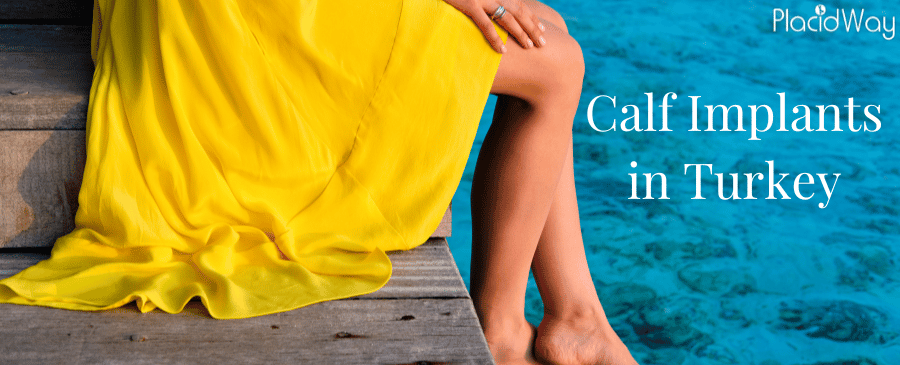
Calf Implants in Turkey

Publish date: Modified date: Medically reviewed by: Dr. Lorenzo Halverson on Oct 06, 2026 Author: Amelia Pricilia
Calf Implants in Turkey

Contents

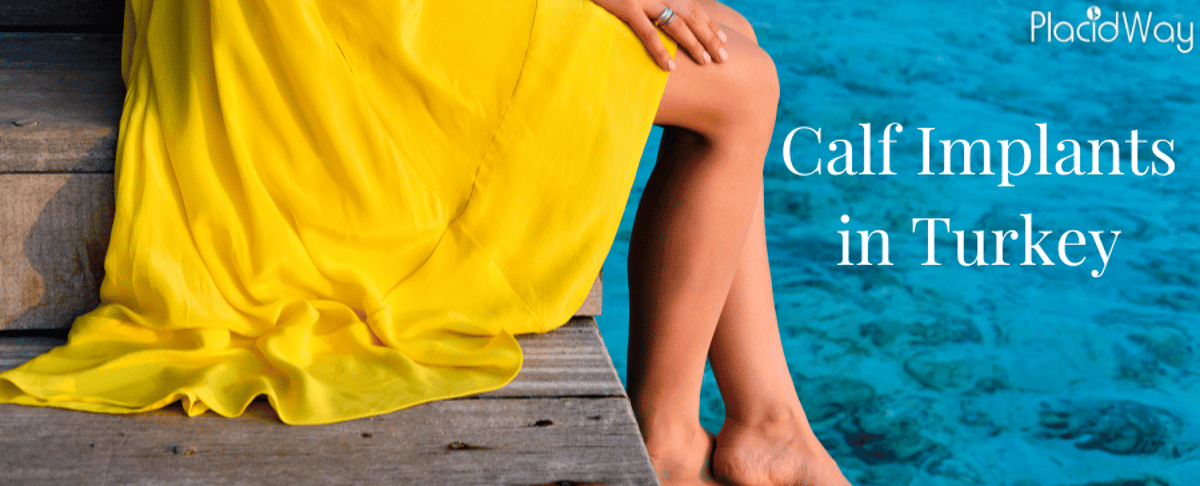
You have done the squats, the heel raises, and basically lived on the step machine, but your calves simply refuse to grow. For many fitness enthusiasts in the US, UK, and Europe, genetic lower leg stubbornness is a frustrating reality, and local plastic surgery quotes hovering around $9,000 to $10,000 only add insult to injury. That is exactly why so many people are packing their bags and flying out for calf implants in Turkey to finally achieve the lower leg proportions they have been working toward.

Besides getting to explore a beautiful destination, the primary draw is straightforward: high-quality medical care without the crushing price tag. You can generally expect to pay around $3,500 for the entire procedure, saving thousands compared to options at home. However, it is vital to look past the attractive price tag and verify that the facility holds a Turkish Ministry of Health accreditation or an international JCI certification to ensure your medical safety.

Quick Facts at a Glance

Procedure Cost
Typically averages around $3,500
Anesthesia Type
General anesthesia or epidural block
Recovery Time
1 to 2 weeks for walking comfortably
Recommended Stay
Minimum 5 to 7 days in Turkey
Key Certifications
JCI, Turkish Ministry of Health, ISAPS

Navigating medical travel becomes significantly easier when your logistics are handled for you. Many Turkish facilities offer comprehensive bundles that cover much more than just the time spent in the operating room.

A standard calf augmentation package generally includes your surgical fees, anesthesia, pre-operative medical tests, and the FDA-approved silicone implants. Beyond the clinical necessities, high-quality bundles frequently feature VIP airport transfers, nearby hotel accommodations, and a dedicated English-speaking patient coordinator. Be sure to request a detailed itinerary of exactly what is included, such as post-surgery compression garments. Review the medical packages below to see which combination of services best fits your travel plans.

`

Transparent pricing is absolutely crucial when planning international surgery. The average cost for calf implants in Turkey sits at approximately $3,500, which is a massive drop from the $8,000 to $10,000 often quoted in North America or the UK.

This lower price point is not a reflection of poor quality, but rather Turkey's lower local cost of living and favorable healthcare exchange rates. Keep in mind that specialized high-end implant brands or extended hospital stays might adjust your final bill. Always request a fully itemized quote that breaks down the surgeon’s fee and facility costs. Compare the pricing details below to get a realistic picture of your potential budget.

Calf Implants Centers Cost Comparison in Turkey

Provider Procedure Price
Dr. Sibel Atalay International Clinic Calf Implants, Cosmetic/Plastic Surgery $4000

Calf Implants Cost Comparison in Turkey

Country Procedure Price
Australia Calf Implants, Cosmetic/Plastic Surgery $8363
Canada Calf Implants, Cosmetic/Plastic Surgery $6479
United States Calf Implants, Cosmetic/Plastic Surgery $7500

A glossy website is never enough when you are trusting someone with your physical well-being. When evaluating facilities for lower leg augmentation abroad, your focus should be on medical infrastructure and verifiable safety credentials.

Look for providers that operate out of fully equipped hospitals rather than small independent surgical suites, ensuring immediate access to emergency care if needed. Check for independent endorsements like a Joint Commission International (JCI) accreditation or national approval from the Turkish Ministry of Health. Do not hesitate to ask for actual license numbers to cross-reference them independently. Take some time to compare the clinics listed below to find a facility that prioritizes strict safety protocols.

Seeing is believing, especially when it comes to surgical transformations and recovery expectations. Videos offer an unfiltered look at what you can actually anticipate from lower leg contouring.

Rather than just looking at static before-and-after photos, video walkthroughs allow you to see the clinic environment and watch patients share their firsthand experiences. Pay attention to clips where surgeons explain the incision placement behind the knee and how they select implant shapes based on natural anatomy. Watching these visual guides helps demystify the process and sets realistic aesthetic expectations. Browse the video gallery below to hear directly from past patients and medical professionals.

The most reliable insights often come from those who have already made the journey. Reading candid patient experiences is an essential step in your medical research process.

Authentic reviews reveal the nuances of medical travel, from how a clinic handles pre-flight anxiety to the actual discomfort experienced during the first few days of walking post-surgery. Look for detailed feedback regarding the surgeon's bedside manner, the cleanliness of the recovery hotel, and the responsiveness of the aftercare team once the patient returned home. These personal stories provide vital context. Take a moment to read through the patient reviews below to help finalize your decision confidently.

Preparing for cosmetic surgery abroad involves asking the right questions. Below, we address the most common inquiries patients have about getting lower leg implants in this popular medical hub.

What makes Turkey a top destination for calf implants?

Turkey has invested heavily in its medical tourism infrastructure, offering board-certified surgeons, JCI-accredited hospitals, and affordable care. Patients travel here to combine expert body contouring with significant cost savings.

How much time should I plan to stay in Turkey for this procedure?

You should plan to stay in Turkey for at least 5 to 7 days. This allows your surgeon to monitor your early healing and ensures you are safely cleared for your return flight home.

Are the silicone implants used in Turkish clinics safe?

Yes, highly rated clinics in Turkey use solid, FDA-approved or CE-marked silicone elastomers specifically designed for the calves. These implants are durable and do not rupture or leak like breast implants might.

Will I be able to walk immediately after calf augmentation?

You will be encouraged to take short steps with assistance shortly after surgery to promote circulation, but your legs will feel stiff and sore. Normal, unassisted walking usually takes about one to two weeks.

What kind of anesthesia is used for lower leg implants?

Surgeons typically use general anesthesia, though some may opt for an epidural block combined with heavy sedation depending on your medical history and the surgeon's preference.

How long does the calf implant surgery take to complete?

The procedure usually takes between one to two hours to complete. It involves making a small incision in the natural crease behind the knee and carefully inserting the silicone implant into the muscle pocket.

What should I look for in a Turkish plastic surgeon?

Ensure they hold board certification in plastic surgery, have specific experience with lower body contouring, and are registered with international medical boards like ISAPS.

Are there visible scars after getting calf implants?

The surgeon places the incision in the natural crease directly behind your knee. Once fully healed, the resulting scar usually blends into the natural folds of the skin and is very difficult to see.

When can I fly back home after my leg surgery?

Most surgeons clear patients to fly home 5 to 7 days post-surgery. You will need to wear compression stockings and walk around the cabin periodically to prevent blood clots during the flight.

Can I combine calf implants with other cosmetic procedures in Istanbul?

Yes, many patients combine leg contouring with liposuction or upper body surgeries. However, combining procedures increases your time under anesthesia and may complicate your initial mobility during recovery.

Who are the Top 5 Plastic Surgeons in Istanbul Turkey?

Ranking the top 5 plastic surgeons in Istanbul, Turkey, is subjective and depends on diverse perspectives, specific procedure needs, and individual anatomy. Instead of focusing on a ranked list, patients should seek board-certified specialists. When searching for highly qualified plastic surgeons in Istanbul Turkey, many patients look for definitive lists or rankings. However, assessing medical professionals is highly subjective. A surgeon who excels in facial reconstruction might not be the most suitable choice for body contouring. Because individual medical needs, aesthetic goals, and anatomical structures differ widely, there is no universal "top 5" that applies to everyone. Instead of relying on arbitrary rankings, your focus should be on verifying credentials, evaluating experience, and understanding how to navigate the healthcare system safely as an international patient. This guide will help you understand how to evaluate specialists and plan your healthcare journey responsibly. Key Takeaways Rankings of surgeons are subjective; prioritize board certification and specialized experience over internet lists. Look for memberships in recognized organizations like ISAPS, EBOPRAS, and the Turkish Medical Association. Thoroughly research your chosen plastic surgery clinic in Turkey for international accreditation and safety standards. Realistic expectations and careful medical screening are essential for patient safety. Plan for a sufficient recovery period in Istanbul before attempting to travel back home. 1. Why Is Istanbul a Leading Destination for Plastic Surgery? Istanbul has developed a robust medical infrastructure featuring experienced specialists, modern healthcare facilities, and a strategic geographic location bridging Europe and Asia. Over the last decade, Istanbul has positioned itself as a prominent hub for individuals seeking medical treatments abroad. The city hosts numerous private hospitals and specialized clinics that frequently cater to international patients. The combination of medical expertise, accessibility, and modern technology attracts thousands of people each year. Many surgeons practicing in Istanbul have pursued advanced training or fellowships internationally, bringing global standards back to their local practices. Furthermore, the high volume of procedures performed in the city allows specialists to gain extensive hands-on experience in their specific fields of aesthetic and reconstructive surgery. However, while the city offers numerous high-quality options, it is important to remember that not all facilities operate at the same level. Thorough independent research remains a critical step in ensuring your health and safety. 2. What Qualifications Should You Look for in a Plastic Surgeon in Istanbul? Patients should prioritize surgeons who hold specialized board certifications, maintain active memberships in recognized professional societies, and have extensive experience in the specific procedure desired. When evaluating plastic surgery in Turkey, credentials are your primary indicator of a surgeon's foundational competence. In Turkey, a qualified plastic surgeon completes medical school followed by a rigorous multi-year residency program specifically in plastic, reconstructive, and aesthetic surgery. Key qualifications to look for include: Turkish Board Certification: Ensure the doctor is a registered specialist with the Turkish Ministry of Health. Professional Memberships: Look for affiliations with the Turkish Society of Plastic Reconstructive and Aesthetic Surgeons (TPRCD). International Affiliations: Memberships in the International Society of Aesthetic Plastic Surgery (ISAPS) or certification by the European Board of Plastic Reconstructive and Aesthetic Surgery (EBOPRAS) suggest adherence to global medical standards. 3. How Can You Verify a Surgeon's Credentials in Turkey? You can verify a surgeon's credentials by cross-referencing their name with official databases, such as the Turkish Medical Association and international surgical societies. Taking the time to verify a doctor's background can help you make a more informed and safer decision. Start by asking the clinic directly for the surgeon's full name and medical license number. You can often check this information against the Turkish Medical Association's records to confirm they are licensed to practice. Additionally, if a surgeon claims membership in international bodies like ISAPS, you can usually visit the organization's official website and use their "Find a Surgeon" tool to verify the doctor's active status. Do not rely solely on badges or logos displayed on a clinic's marketing materials, as these are sometimes used improperly. Expert Insight: Asking a surgeon about their complication rates and how they manage post-operative emergencies is a vital part of the credentialing process. A responsible professional will discuss risks openly. 4. What Are the Most Popular Plastic Surgery Procedures in Turkey? Patients frequently travel to Istanbul for procedures such as rhinoplasty, breast augmentation, hair transplantation, and various body contouring surgeries. Different surgeons typically focus on specific areas of the body. For instance, some specialists dedicate their practice entirely to facial aesthetics, making them highly experienced in complex procedures like revision rhinoplasty or facelifts. Others may focus on body contouring, performing tummy tucks, liposuction, and breast surgeries. While these procedures are popular, suitability varies greatly from person to person. A procedure that yields excellent results for one patient may be contraindicated for another due to differing anatomy, skin elasticity, or underlying medical conditions. A comprehensive medical evaluation is always required to determine if a specific surgery is appropriate for you. 5. How Much Does Plastic Surgery Cost in Turkey Compared to Other Countries? While individual pricing varies widely, the estimated plastic surgery cost in Turkey is often lower than in the US or Western Europe, primarily due to differences in currency valuation and local operational costs. Financial considerations are a major driver for international patients. It is common to find that procedural estimates in Istanbul are more accessible than in many Western nations. However, it is vital to understand that lower costs do not automatically equate to lower quality, nor do they guarantee a successful outcome. The price difference is largely driven by local economic factors, lower labor costs, and government incentives for healthcare exports. When comparing estimates, be sure you understand exactly what is included. Ask whether the quoted price covers anesthesia, hospital fees, post-operative garments, medications, and follow-up consultations. Unanticipated expenses can quickly inflate the overall cost of your trip. Procedure Factor Impact on Final Cost Estimate Surgeon's Expertise Highly sought-after, board-certified specialists typically charge more. Facility Type JCI-accredited hospitals may have higher fees than private day clinics. Complexity Revision surgeries or combining multiple procedures increases the price. 6. Are Clinics and Facilities Safe and Regulated? Legitimate clinics and hospitals in Turkey are regulated by the Ministry of Health, and many reputable facilities voluntarily seek international accreditation to demonstrate high safety standards. Patient safety heavily depends on the facility where the surgery is performed. The Turkish Ministry of Health conducts regular inspections of registered healthcare providers. However, for an added layer of assurance, many international patients seek out hospitals that hold accreditation from the Joint Commission International (JCI) or similar global bodies. Before selecting a facility, ask about their emergency protocols, intensive care unit (ICU) availability, and infection control measures. Surgery inherently carries risks, and having access to comprehensive medical support is crucial if complications arise during or immediately after the procedure. 7. What Should You Expect During the Consultation Process? A thorough consultation will involve a review of your medical history, a physical assessment, a candid discussion of potential risks and alternatives, and the setting of realistic expectations. The consultation is an opportunity for both you and the surgeon to determine if proceeding is medically appropriate. A responsible doctor will review your current medications, past surgeries, and underlying health conditions to assess your surgical risk. During this time, the surgeon should outline the expected recovery timeline and discuss possible complications, such as infection, bleeding, scarring, or unfavorable aesthetic results. Be wary of any provider who minimizes risks or promises "perfect" results, as no medical procedure can be guaranteed. 8. How Long Should You Plan to Stay in Istanbul for Recovery? Patients are generally advised to stay in Istanbul for 7 to 14 days post-surgery to allow for initial healing, drain removal, and essential follow-up appointments before flying. Your length of stay depends heavily on the complexity of your surgery. Rushing home too soon can severely compromise your health. Air travel shortly after surgery increases the risk of deep vein thrombosis (DVT) and pulmonary embolism due to prolonged immobility and cabin pressure changes. During your post-operative stay, you will likely have one or more follow-up visits with your surgeon to monitor healing, remove stitches or drains, and ensure no early signs of infection are present. Always follow your surgeon's explicit clearance regarding when it is safe for you to board an airplane. 9. What Are the Risks Associated With Medical Tourism for Surgery? Participating in medical tourism in Turkey involves specific risks, including challenges with continuity of care, long-distance travel during recovery, and managing complications once back home. While traveling for healthcare can offer benefits, it introduces unique challenges. Language barriers, despite the availability of translators, can sometimes lead to miscommunications regarding aftercare instructions or symptoms. Furthermore, the physical stress of traveling can negatively impact your recovery process. The most significant risk is continuity of care. If you develop a late-stage complication—such as an infection or issues with wound healing—weeks after returning home, your operating surgeon will not be available to treat you in person. You must be prepared to seek care from a local healthcare provider, which may incur additional, sometimes substantial, out-of-pocket costs. Important Consideration: Before traveling, it is highly advisable to consult with a primary care doctor in your home country to discuss your plans and establish a safety net for local aftercare. 10. How Can You Prepare for a Successful Surgery and Trip? Preparation involves obtaining medical clearance, optimizing your health by quitting smoking or adjusting medications as advised, and organizing your travel logistics well in advance. Successful outcomes often begin weeks before you arrive in the operating room. Your surgeon will likely require you to stop smoking and cease taking certain medications or supplements (like aspirin or herbal blood thinners) that can increase bleeding risks. Strict adherence to these pre-operative instructions is critical for your safety. Logistically, plan your trip to minimize stress. Choose accommodation that is comfortable, easily accessible (avoiding steep stairs if you are having body surgery), and located near your clinic. Having a companion travel with you can significantly ease the burden of the initial recovery days. Why Choose PlacidWay for Medical Tourism in Turkey? Navigating the options for medical care abroad can be a complex process. PlacidWay acts as an informational platform designed to help patients connect with healthcare providers worldwide. Here are factual points about how the platform functions: Extensive Directory: PlacidWay offers an international directory of healthcare facilities and clinics, allowing patients to review diverse options in Turkey. Provider Information: The platform displays available profiles, facility details, and listed credentials to help patients in their research phase. Direct Communication: Users can request information directly from the listed clinics to ask specific questions about treatments and medical protocols. Procedure Education: PlacidWay provides articles and resources to help educate patients on various medical procedures and general medical tourism practices. Global Reach: The network covers multiple specialties, allowing patients to compare options across different cities and countries according to their preferences. Frequently Asked Questions Do plastic surgeons in Istanbul speak English? Many board-certified plastic surgeons who work frequently with international patients speak English fluently. Clinics often provide translation services for patients who speak other languages to ensure clear communication regarding medical history and treatment goals. How long after plastic surgery in Turkey can I fly home? The recommended time to wait before flying varies by procedure and individual recovery, but it typically ranges from 7 to 14 days. Flying too soon after major surgery can increase the risk of deep vein thrombosis (DVT) and other complications. Will I need to pay for a consultation with a surgeon in Istanbul? Consultation fees vary. Some clinics offer free initial online consultations to review photos and discuss preliminary goals, while others charge a fee that may be deducted from the final procedure cost if you proceed with surgery. Can I combine multiple plastic surgeries in one trip to Turkey? Combining procedures is sometimes possible and can reduce overall recovery time and travel costs. However, this depends heavily on your overall health, the length of time you will be under anesthesia, and the surgeon's medical assessment of your safety. What happens if I experience complications after returning home from Istanbul? If complications arise after returning home, you will need to seek care from a local healthcare provider. It is highly recommended to establish a relationship with a local doctor before traveling and to ensure you have comprehensive medical tourism insurance. How can I pay for plastic surgery in Istanbul? Most clinics in Istanbul accept major credit cards, cash in major currencies (such as Euros, US Dollars, or GBP), and direct bank transfers. Financing options are rarely offered directly to international patients, so securing funds prior to travel is necessary. Are the results of plastic surgery permanent? While plastic surgery can provide long-lasting changes, results are not strictly permanent. Aging, gravity, weight fluctuations, and lifestyle choices will continue to affect your body and skin over time. What is the European Board of Plastic Reconstructive and Aesthetic Surgery (EBOPRAS)? EBOPRAS is a professional organization that sets high standards for plastic surgery training and practice in Europe. Many top surgeons in Turkey hold EBOPRAS certification, indicating they meet rigorous international medical standards. Should I travel alone for plastic surgery in Turkey? While some patients do travel alone, having a companion can provide valuable emotional and physical support during the initial recovery days, especially when navigating a foreign city and managing post-operative discomfort. Do clinics in Turkey provide aftercare supplies? Many clinics include basic aftercare supplies, such as compression garments, prescribed medications, and specialized dressings, in their surgical packages. You should confirm exactly what is included during your consultation. Compare Treatment Options Ready to learn more? Connect with medical providers to ask questions and gather detailed information about your specific treatment needs. Request Treatment Information References Patient Safety and Medical Tourism – International Society of Aesthetic Plastic Surgery (ISAPS) Medical Tourism: Traveling Abroad for Plastic Surgery – American Society of Plastic Surgeons (ASPS) Medical Tourism Travel Information – Centers for Disease Control and Prevention (CDC) Health Care Quality and Patient Safety – World Health Organization (WHO) Find an Accredited Organization – Joint Commission International (JCI) Information for Patients – European Board of Plastic Reconstructive and Aesthetic Surgery (EBOPRAS) Disclaimer: The information provided in this article is for educational and informational purposes only and does not constitute medical advice. Treatment outcomes, recovery times, and risks vary by individual patient. Always consult with a qualified, board-certified healthcare professional for an individualized medical assessment before making any decisions regarding surgery or medical travel.

Your physical safety and final aesthetic contour rely entirely on the hands holding the scalpel. Choosing the right plastic surgeon is arguably the most critical decision of your entire medical journey.

Look for specialists who are board-certified in plastic and reconstructive surgery and hold memberships in global organizations like the International Society of Aesthetic Plastic Surgery (ISAPS). Ask about their specific complication rates with calf augmentation and request to see long-term follow-up photos. A qualified doctor will openly discuss the risks of implant shifting or capsular contracture without minimizing them. Review the surgeon profiles below to compare their qualifications and specific areas of lower body expertise.

Traveling to a new country for surgery can feel daunting at first, but Turkey has built an impressive, streamlined infrastructure specifically designed for international patients. Every year, thousands of men and women from the US, UK, and Western Europe fly into major hubs like Istanbul and Antalya specifically for specialized body contouring.

Getting there is relatively simple, with major airlines offering direct, frequent flights to Istanbul Airport (IST) from cities like London, New York, and Frankfurt. While the country is well-known for blending world-class medical tourism with rich cultural history, your primary focus will be on resting and healing safely in a comfortable environment.

Most patients spend their early recovery in clinic-partnered hotels that cater directly to post-operative needs, offering accessible rooms and easy transport to follow-up appointments. To ensure a smooth and stress-free trip, consider these essential travel logistics before booking your flight:

Visa RequirementsE-visas are required for many tourists (including US/UK citizens) and easily obtainable online.
Local CurrencyTurkish Lira (TRY), though major clinics gladly accept USD, EUR, or GBP.
Flight DurationRoughly 4 hours from London; 10-11 hours direct from New York.
Best Time to VisitSpring (April-May) and Autumn (September-October) offer mild weather for comfortable recovery.
LanguageTurkish, but English is widely spoken in all major hospitals and tourist areas.

By understanding these travel basics, you can focus entirely on your procedure and your recovery. Take the time to review the destination details below to prepare for a safe and comfortable trip abroad.

Planning your calf augmentation abroad does not have to be overwhelming when you have the right support structure in place. PlacidWay can help connect you with fully accredited Turkish clinics, arrange virtual consultations with board-certified surgeons, and assist in comparing comprehensive packages tailored specifically to your needs.

If you are ready to take the next step toward achieving your aesthetic goals and want clear, transparent information without the pressure, we are here to help guide you safely through every part of the process.

References

Trusted Medical Tourism Platform Since 2007

60+
Countries
2k+
Clinics
19.5k+
Reviews
2.5k+
Qualified Doctors
1.1M+
Patients Served Since 2007