

Contenuto
Istanbul si è rapidamente affermata come una delle destinazioni più ambite al mondo per l'odontoiatria restaurativa, in particolare per la rivoluzionaria procedura implantare All-on-4. Per i pazienti che lottano con protesi mobili o una significativa perdita di denti, questa città storica offre una proposta unica: la possibilità di ricevere impianti di marchi svizzeri o tedeschi di alto livello (come Nobel Biocare e Straumann) a una frazione del costo praticato nel Regno Unito, negli Stati Uniti o nell'Europa occidentale.
L'"Esperienza Istanbul" unisce la tecnologia odontoiatrica più avanzata alla leggendaria ospitalità turca. Le cliniche qui non sono semplici strutture mediche; sono progettate come studi dentistici di alto livello, pensati specificamente per i pazienti internazionali. Scoprirete che i dentisti di Istanbul sono spesso membri di prestigiosi albi internazionali e vantano una vasta esperienza nelle ricostruzioni complete, grazie all'enorme volume di pazienti internazionali che trattano ogni anno.
Scegliere All-on-4 a Istanbul non significa solo risparmiare: è una questione di efficienza. Molte cliniche dispongono di laboratori interni, consentendo la realizzazione di protesi provvisorie in meno di 24 ore. Questo significa che è possibile arrivare con denti mancanti e tornare dopo pochi giorni con un sorriso provvisorio perfettamente funzionante ed esteticamente gradevole.
Che tu stia esplorando il Gran Bazar tra un appuntamento e l'altro o godendoti una crociera al tramonto sul Bosforo, Istanbul trasforma una complessa procedura dentistica in una vacanza rigenerante.
Lo sapevate?
Istanbul è l'unica città al mondo che si trova su due continenti: Europa e Asia. Molti turisti odontoiatrici ne approfittano prenotando il loro intervento sul lato europeo (dove si trovano la maggior parte delle cliniche più prestigiose) e prendendo un breve traghetto per gustare un tè tradizionale sul lato asiatico, viaggiando di fatto da un continente all'altro in pochi minuti.
Informazioni chiave a colpo d'occhio
Aspettatevi di pagare fino al 70% in meno rispetto ai prezzi nel Regno Unito o negli Stati Uniti per gli stessi identici marchi di impianti.
Il trattamento richiede in genere due visite a distanza di 3-6 mesi l'una dall'altra per consentire l'osteointegrazione (guarigione ossea).
Le cliniche utilizzano la tomografia 3D e la tecnologia CAD/CAM per il posizionamento preciso degli impianti e la fresatura delle corone.
La maggior parte dei pacchetti include trasferimenti privati con autista tra l'aeroporto, l'hotel e la clinica.
Spesso i pazienti lasciano la clinica con denti fissi provvisori il giorno stesso dell'intervento o il giorno successivo.
Le cliniche più affidabili offrono garanzie a vita sulle viti degli impianti e garanzie estese sulle protesi.
Il polo del "sorriso di Hollywood"
Istanbul si è guadagnata il soprannome di "Capitale Europea del Sorriso" non solo per i volumi, ma anche per lo stile. Gli odontotecnici turchi sono rinomati in tutto il mondo per la loro maestria nella creazione di corone in zirconia, attirando celebrità e influencer da tutto il mondo, in particolare per il restyling estetico delle "Faccette Turche" o del "Sorriso di Istanbul".
Orientarsi in un sistema sanitario estero è molto più semplice quando tutto è integrato. La sezione seguente presenta le migliori cliniche dentistiche di Istanbul specializzate in "Pacchetti di Turismo Dentale". Queste offerte complete sono pensate per eliminare lo stress logistico e in genere includono radiografie panoramiche, l'inserimento chirurgico di 4 impianti per arcata, protesi provvisorie, trasferimenti aeroportuali e sistemazione in hotel a 4 o 5 stelle.
Nota: i voli sono raramente inclusi in questi pacchetti, ma il risparmio sul trattamento solitamente copre più volte il costo del biglietto aereo.

Price starting from $5,400
NOBEL All on 4 Dental Implants Package in Istanbul, Turkey by Tower Dental Clinic
Tower Dental Clinic
- Dentistry
Istanbul, Turkey

Price starting from $5,500
Hiossen All on 4 Dental Implants Package in Istanbul, Turkey by Tower Dental Clinic
Tower Dental Clinic
- Dentistry
Istanbul, Turkey

Price starting from $4,200
Osstem All on 4 Dental Implants Package in Istanbul, Turkey by Tower Dental Clinic
Tower Dental Clinic
- Dentistry
Istanbul, Turkey

Price starting from $4,500
All on 4 Dental Implants Package in Istanbul Turkey
DentSpa - Best Dental Clinic in Istanbul
- Dentistry
Istanbul, Turkey

Price starting from $4,193
All on 4 Dental Implants Istanbul Turkey Package by Novusklinik
Novusklinik Istanbul Turkey
- Dentistry
Istanbul, Turkey
Il costo è il fattore principale per molti pazienti e Istanbul offre un valore eccezionale. Nella tabella sottostante, riportiamo i costi medi per le procedure All-on-4. Noterete notevoli differenze rispetto ai prezzi nel Regno Unito o in Nord America. È importante ricordare che questi prezzi spesso includono l'intervento chirurgico e gli impianti stessi, ma è sempre opportuno verificare se la protesi permanente finale (la protesi ibrida o il ponte) è inclusa nel preventivo iniziale o addebitata separatamente durante la seconda visita.
Suggerimento: chiedi se il preventivo include "Monconi" e "Denti provvisori", poiché a volte potrebbero essere costi aggiuntivi nascosti.
All on 4 Dental Implants Confronto dei costi dei centri in Istanbul, Turkey
| Fornitore | Procedura | Prezzo |
|---|---|---|
| Tower Dental Clinic | All on 4 Dental Implants, Dentistry | $4200 |
| Novusklinik Istanbul Turkey | All on 4 Dental Implants, Dentistry | $5654 |
All on 4 Dental Implants Confronto dei costi in Turkey
| Paese | Procedura | Prezzo |
|---|---|---|
| United Kingdom | All on 4 Dental Implants, Dentistry | $15500 |
| Canada | All on 4 Dental Implants, Dentistry | $22500 |
| Australia | All on 4 Dental Implants, Dentistry | $18000 |
| United States | All on 4 Dental Implants, Dentistry | $35000 |
Il successo della tua procedura implantare dipende in larga misura dalla tecnologia e dagli standard igienici della clinica. Abbiamo selezionato per te un elenco dei migliori centri odontoiatrici di Istanbul, specializzati specificamente in restauri di arcate complete. Queste strutture sono spesso dotate di laboratori in loco, scanner per tomografia 3D e servizi di sedazione cosciente. Molte sono certificate ISO e dispongono di personale multilingue dedicato al servizio di pazienti internazionali. Esplora le opzioni qui sotto per trovare la struttura più adatta a te.
La sicurezza prima di tutto: cerca cliniche che forniscano un "passaporto dentale" o un certificato di autenticità per ogni impianto inserito.

Tower Dental Clinic
Istanbul, Turkey
DentSpa - Best Dental Clinic in Istanbul
Istanbul, Turkey
YEG Clinic - Best Dental Clinic Istanbul
Istanbul, Turkey

Novusklinik Istanbul Turkey
Istanbul, Turkey
Vedere per credere, soprattutto quando si tratta di trasformazioni dentali. Le testimonianze video selezionate di seguito presentano storie vere di pazienti che si sono recati a Istanbul per sottoporsi a un impianto All-on-4. Guardate i loro viaggi per comprendere l'intero processo, dalla consulenza iniziale all'estrazione, fino al momento in cui vedono il loro nuovo sorriso allo specchio. Questi racconti sinceri offrono una visione approfondita dei livelli di dolore, della velocità di recupero e dell'ospitalità che potete aspettarvi.
Approfondimento: prestate attenzione ai commenti dei pazienti sulla fase dei "denti provvisori", poiché è fondamentale per il vostro comfort tra una visita e l'altra.

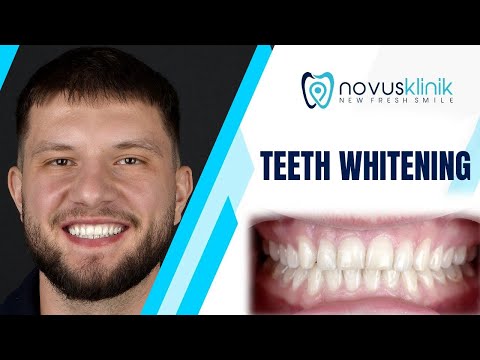

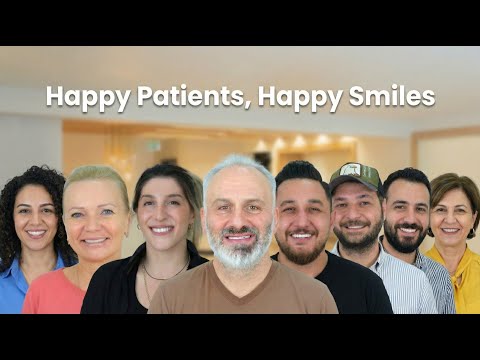
Migliaia di pazienti si recano in Turchia ogni anno per cure odontoiatriche, creando un'ampia raccolta di feedback. In questa sezione troverete recensioni e valutazioni verificate di persone che si sono sottoposte a trattamenti All-on-4 a Istanbul. Leggete le loro esperienze in merito alle capacità comunicative del dentista, alla pulizia della clinica e alla durata dei risultati. Un feedback onesto è lo strumento migliore per stabilire aspettative realistiche.
Suggerimento per la recensione: cerca recensioni risalenti a 6-12 mesi fa per sapere cosa pensano i pazienti dopo l'inserimento dei denti permanenti.

Are There Any Unexpected Costs for Dental Treatment in Turkey for Europeans?
Are There Any Hidden Costs for Dental Treatment in Turkey For Europeans? Turkey has become a global hotspot for high-quality, affordable dental care, attracting thousands of international patients each year. The significant price difference compared to countries like the US, UK, and Australia is a major draw. However, the prospect of traveling abroad for dental work can come with concerns about transparency and unexpected expenses. The question on many people's minds is: are there any hidden costs for dental treatment in Turkey? The straightforward answer is that while reputable clinics strive for transparency, potential extra charges can exist if patients are not fully aware of what their treatment package includes. Understanding these potential costs is key to a smooth and stress-free dental tourism experience. This guide is designed to shed light on all the potential hidden costs you might encounter. We will break down what is typically included in the initial quote and what might be considered an 'extra'. From the initial consultation and diagnostic tests to the materials used and aftercare, being well-informed will empower you to ask the right questions and choose a clinic that offers true value and transparency. The goal is to ensure that the attractive price you are quoted is the price you actually pay, with no unwelcome surprises along the way. By the end of this article, you will have a clear understanding of how to navigate the financial aspects of getting your dental work done in Turkey, ensuring your journey to a new smile is as seamless as it is affordable. What is typically included in the advertised price for dental treatment in Turkey for Europeans? "Typically, the advertised price for dental treatment in Turkey for europeans, especially in 'all-inclusive' packages, covers the core dental procedure, the dentist's fees, and often accommodation and airport transfers." When you see a price for dental implants, veneers, or a full smile makeover in Turkey, it usually encompasses the main components of your treatment. For instance, a dental implant package will generally include the implant itself, the abutment, and the crown. Similarly, a veneer package will cover the cost of the veneers per tooth. Many clinics, especially those catering to international patients, bundle their services into packages to simplify the process. These packages often include a set number of nights in a partner hotel and VIP transfers between the airport, hotel, and the clinic. However, it's crucial to remember that the level of inclusivity can vary significantly from one clinic to another. A lower advertised price might not be as comprehensive as a slightly higher one. Always request a detailed breakdown of what is included in the quoted price. This should be a clear and itemized list that leaves no room for ambiguity. A reputable clinic will be more than happy to provide this information, as it builds trust and demonstrates their commitment to transparency. Are initial consultations and X-rays considered extra costs? "In most cases, initial consultations and standard X-rays (like panoramic X-rays) are included in the treatment package at reputable dental clinics in Turkey. However, more advanced scans may incur an additional fee." Most dental clinics in Turkey offer free initial consultations to attract international patients. These consultations can often be done remotely, where you send pictures of your teeth and any existing X-rays for a preliminary assessment. Once you arrive in Turkey, a more thorough in-person consultation will be conducted, which typically includes a panoramic X-ray to assess your overall dental health. For straightforward cases, these initial diagnostic services are usually part of the package. Where you might encounter an extra charge is if you require more detailed imaging, such as a 3D Cone Beam Computed Tomography (CBCT) scan. This type of scan provides a much more detailed view of your jawbone and is often necessary for complex implant placements. While some premium 'all-inclusive' packages may cover the cost of a CBCT scan, many clinics will charge for it separately. It is essential to clarify this with the clinic beforehand, especially if you suspect you might need a more complex procedure. What about the cost of anesthesia? Is it always included? "Local anesthesia is almost always included in the quoted price for dental procedures in Turkey. However, if you opt for or require sedation or general anesthesia, this will likely be an additional cost." For the vast majority of dental treatments, including fillings, crowns, and even standard implant placements, local anesthesia is sufficient to ensure a painless experience. The cost of local anesthesia is minimal and is factored into the overall price of the procedure. You should not expect to see a separate charge for this on your bill. However, for patients who have dental anxiety or are undergoing extensive procedures like a full mouth reconstruction, sedation or even general anesthesia might be an option. These services are provided by a qualified anesthesiologist and require more resources and monitoring, hence they come at an extra cost. If you think you might prefer sedation, you should inquire about the availability and the associated fees when you are getting your initial quote. This will prevent any surprises on the day of your treatment. Are there different prices for different materials for Europeans? "Yes, the type and brand of materials used for your dental treatment can significantly impact the final cost. The initial quote you receive may be for standard materials, with premium options available at an extra charge." This is one of the most common areas where "hidden" costs can appear. For example, when getting dental crowns or veneers, the price will vary depending on whether you choose porcelain-fused-to-metal (PFM), zirconia, or E-max. Zirconia and E-max are considered premium materials due to their superior aesthetics and durability, and they will be more expensive than PFM. Similarly, for dental implants, the brand of the implant plays a crucial role in the cost. A well-known, high-quality implant brand from Switzerland or Germany will cost more than a lesser-known brand. When you receive a quote, it's vital to ask which specific materials and brands are included. If the quote seems significantly lower than others, it might be because it's for standard, lower-cost materials. A transparent clinic will present you with all the options and explain the pros, cons, and price differences of each. This allows you to make an informed decision based on your budget and preferences. What if I need additional procedures like a bone graft or sinus lift? "Additional procedures such as bone grafts, sinus lifts, or tooth extractions are typically not included in the standard price for dental implants and will be charged separately." For a dental implant to be successful, there needs to be sufficient bone density in the jaw to support it. If you have been missing a tooth for a while, you may have experienced bone loss. In such cases, a bone graft is necessary to build up the bone. Similarly, if you are getting implants in the upper jaw, a sinus lift might be required to create enough space for the implant. These are surgical procedures that require additional time, materials, and expertise, and therefore, they are not part of the standard implant price. A good dental clinic will identify the need for these additional procedures during your initial assessment (ideally through a CBCT scan) and include them in your detailed treatment plan and quote from the beginning. However, if the need for a bone graft or sinus lift is only discovered after you have arrived in Turkey, it will be an unexpected but necessary additional cost. To avoid this, it's best to provide the clinic with as much information as possible, including recent X-rays, before you travel. Are temporary crowns or veneers included in the price? "In most comprehensive dental treatment packages in Turkey, the cost of temporary crowns or veneers is included. However, it's always wise to confirm this with your chosen clinic." When you are getting dental crowns or veneers, the process usually involves two stages. In the first stage, your teeth are prepared, and impressions are taken. These impressions are then sent to a dental lab to create your permanent restorations. This process can take a few days. In the meantime, you will be fitted with temporary crowns or veneers to protect your prepared teeth and maintain your appearance. The cost of these temporary restorations is usually factored into the overall price of your treatment. However, you should not take this for granted. Some clinics might offer a very low baseline price that excludes temporaries. It's a simple but important question to ask during your consultation. Ensuring that temporaries are included will prevent the inconvenience of having to pay extra for them or, in a worst-case scenario, having to go without them while you wait for your permanent restorations. What are the costs for aftercare and follow-up appointments? "Immediate aftercare and follow-up appointments within your treatment period in Turkey are generally included. However, long-term follow-up care in your home country will be your own responsibility and cost." Reputable dental clinics in Turkey will provide you with all the necessary aftercare instructions and any immediate follow-up appointments required before you head back home. This is part of ensuring a successful treatment outcome. You will also be given a supply of any necessary medications, such as painkillers or antibiotics, which are usually included in the package price. The "hidden" cost in this area relates to long-term care. Dental implants, for example, require regular check-ups and professional cleanings, just like natural teeth. These ongoing maintenance appointments will need to be done with a dentist in your home country, and you will be responsible for these costs. It's important to factor in the long-term maintenance costs when considering the overall affordability of getting dental treatment abroad. Do I have to pay for medication separately? "Most all-inclusive dental packages in Turkey include the cost of essential medications required immediately after your procedure, such as antibiotics and painkillers." When you undergo a dental procedure like an extraction, root canal, or implant placement, your dentist will likely prescribe antibiotics to prevent infection and painkillers to manage any discomfort. The cost of these initial medications is typically included in your treatment package. The clinic will usually provide you with the necessary supply to cover the first few days of your recovery. However, if you require any special medication due to a pre-existing condition or if you need a repeat prescription after you have finished the initial supply, you may have to pay for it separately. It's always a good idea to bring any regular medications you take from home and to clarify with the clinic what is included in terms of post-operative medication. Are there any hidden fees related to travel and accommodation in "all-inclusive" packages? "While 'all-inclusive' packages are designed to cover your accommodation and transfers, there can be hidden fees related to flight tickets, hotel upgrades, extra nights, or personal expenses." The term "all-inclusive" in the context of dental tourism in Turkey usually refers to the dental treatment, accommodation, and ground transfers. Your flight tickets are almost always your own responsibility. When it comes to accommodation, the package will typically include a specific number of nights in a standard room at a partner hotel. If you wish to upgrade to a better room, stay for extra nights, or have a companion stay with you, there will be additional charges. Furthermore, your personal expenses, such as food, sightseeing, and shopping, are not included in the package. It's important to budget for these separately. To avoid any misunderstandings, ask the clinic for the name of the hotel and what is included in the accommodation (e.g., breakfast). This will help you plan your budget more accurately. What happens if there are complications? Are correction procedures free? "Reputable dental clinics in Turkey provide a warranty or guarantee for their work. Minor adjustments are usually free, but the terms for correcting more significant complications can vary." This is a critical aspect to clarify before you commit to any treatment. A good clinic will stand by its work and offer a warranty, especially for procedures like implants and crowns. This warranty should cover any defects in the materials or workmanship. For example, if a crown cracks or an implant fails within the warranty period, the clinic should rectify the issue at no extra cost for the dental work itself. However, you will likely have to cover your own travel and accommodation expenses for the return trip. It's essential to get the warranty terms in writing. Understand what is covered, for how long, and what might void the warranty (e.g., poor oral hygiene or getting work done on the same tooth by another dentist). A transparent clinic will have a clear and fair warranty policy. How can I get a fully transparent and all-inclusive quote? "To get a fully transparent and all-inclusive quote, you must provide the clinic with detailed information about your dental health, including recent X-rays, and ask for an itemized breakdown of all potential costs." The key to avoiding hidden costs is proactive and clear communication. Don't just accept the initial price you are given. Engage with the clinic's patient coordinator and ask detailed questions. Here’s how you can ensure transparency: Provide comprehensive information: Share clear photos of your teeth and gums, and if possible, a recent panoramic X-ray. The more information the dentist has, the more accurate your initial treatment plan and quote will be. Request an itemized quote: Ask for a detailed written quote that lists every single component of your treatment, including the consultation, X-rays, the procedure itself, the materials to be used, anesthesia, temporary restorations, and aftercare. Discuss potential additional procedures: Ask the dentist if they foresee the need for any other treatments, like a bone graft or extractions, and what the costs for these would be. What specific questions should I ask my dental clinic to avoid hidden costs? "To avoid hidden costs, you should ask your dental clinic in Turkey a series of specific questions about what is included in the quote, the materials they use, their warranty policy, and any potential additional charges." Being prepared with a list of questions can save you a lot of money and stress. Here are some essential questions to ask: Is the price quoted a package deal? What exactly does it include? Are there any additional charges for consultations, X-rays, or 3D scans? What type and brand of materials will be used for my crowns/veneers/implants? Are there other options, and what are the price differences? Is the cost of local anesthesia, sedation, or general anesthesia included? Will I need any additional procedures like a bone graft or sinus lift? If so, what is the cost? Is the cost of temporary restorations included? What does the warranty cover, and for how long? Do I have to pay for travel and accommodation if a correction is needed? What are the payment terms? Are there any fees for using a credit card or for currency exchange? Are there any currency exchange or payment processing fees? "Yes, there can be additional fees related to currency exchange and payment processing when paying for your dental treatment in Turkey. It's important to clarify the accepted payment methods and any associated charges." Most dental clinics in Turkey will quote their prices in Euros, US Dollars, or British Pounds for international patients. When you pay, the final amount in your home currency will depend on the exchange rate at that time. If you are paying by credit card, your bank may charge a foreign transaction fee. Some clinics may also add a small percentage (typically 2-3%) for credit card payments to cover their own processing fees. To keep costs down, you might consider paying in cash, but be mindful of the risks of carrying large amounts of money. Another option is a bank transfer, but check for any fees from your bank. The best approach is to discuss all payment options with the clinic in advance and choose the one that is most cost-effective for you. Do I need to pay for a translator? "At most dental clinics in Turkey that cater to international patients, translation services are provided free of charge. The staff, including dentists and patient coordinators, are often fluent in English and other languages." Language barriers are a common concern for medical tourists. However, the top dental clinics in Turkey have invested heavily in creating a welcoming environment for international patients. This includes having multilingual staff. Your patient coordinator, who will be your main point of contact, will likely be fluent in your language. The dentists themselves often have excellent English skills, having trained or attended conferences internationally. It is highly unlikely that you would need to hire and pay for your own translator. However, it's always a good idea to confirm this with the clinic. A good clinic will ensure that you can communicate effectively and comfortably throughout your treatment journey. How do I ensure the quoted price is the final price? "To ensure the quoted price for your dental treatment in Turkey is the final price, you need to choose a reputable clinic, get a detailed and itemized treatment plan in writing, and have a clear understanding of the clinic's warranty and complication policies." Ultimately, the best way to avoid hidden costs is to do your due diligence. Here's a summary of the key steps: Research and choose a reputable clinic: Look for clinics with a long history of treating international patients, positive reviews, and international accreditations. Have a thorough remote consultation: Provide them with all the necessary information to create an accurate initial plan. Get everything in writing: Your treatment plan should be detailed and itemized. Your warranty policy should be clear and comprehensive. Ask questions: Don't be shy about asking all the questions we've outlined in this guide. A good clinic will welcome your questions. By taking these steps, you can be confident that the attractive price you are quoted for your dental treatment in Turkey will be the final price you pay, allowing you to focus on what truly matters: achieving a healthy and beautiful smile. Ready to explore your options for high-quality, affordable dental care in Turkey? PlacidWay can help you connect with trusted and pre-screened dental clinics. Explore our network of world-class dental providers and get a free, no-obligation quote for your personalized treatment plan. Your journey to a new smile starts here!
What Do All-Inclusive Dental Packages in Turkey Include?
All-inclusive dental packages in Turkey typically bundle your specific dental treatment, such as implants or veneers, with local transfers, hotel accommodation, and translation services. Treatment costs generally range from $3,000 to $8,000. Key Takeaways Packages usually combine clinical treatments with hotel stays and local transit. Prices depend heavily on case complexity and the international materials used. Verifying dentist credentials through official registries is a vital step before traveling. Patients must plan for local aftercare and maintenance upon returning home. International flights are rarely included and must be booked separately by the patient. What specific treatments do all-inclusive dental packages in Turkey cover? These packages typically cover major restorative and cosmetic procedures such as implants, veneers, and full mouth rehabilitations. They bundle the clinical work with logistical support for international patients. Most international patients travel for comprehensive restorative work rather than routine checkups. This usually includes placing multiple titanium posts, fitting custom ceramic crowns, or completing extensive cosmetic adjustments using porcelain veneers. The clinical portion generally encompasses the initial remote consultation, on-site panoramic X-rays or 3D scans, the main surgical or cosmetic procedure, and necessary follow-up checks before the patient departs. Basic procedures like simple fillings or routine cleanings are rarely the primary reason individuals seek these bundles due to the associated travel costs. Instead, complex clinical cases that require specialized laboratory equipment and significant chair time are the primary focus. Some comprehensive bundles may also incorporate necessary preparatory work, such as dental extractions or sinus lifts, though these additions often alter the final financial estimate. It is crucial to understand that not all individuals are suitable candidates for every advertised treatment. A thorough remote assessment utilizing recent dental records is usually the first step to determine what a bundle might realistically cover. Final treatment plans and their associated clinical steps are always subject to an in-person physical examination upon arrival. How much does the average dental packages cost in Turkey compared to other regions? The estimated dental packages cost in Turkey generally ranges from $3,000 to $8,000 depending on the procedure. This is often significantly lower than estimates in North America or Western Europe. Cost variations are driven by several clinical and logistical factors, including the brand of materials used, the complexity of the patient case, and the specific city where the facility is located. Bundles utilizing internationally recognized implant systems naturally cost more than those using regional alternatives. Patients should always request an itemized financial breakdown to understand exactly what clinical materials and logistical services are included. Treatment Type Estimated Cost in Turkey Estimated Cost in US/UK Single Dental Implant (with Crown) $700 - $1,200 $3,500 - $5,000 Full Veneer Set (20 Teeth) $3,500 - $5,500 $15,000 - $25,000 Full Mouth Restoration (Implants) $6,000 - $12,000 $25,000 - $40,000 While the upfront financial estimate is often attractive, patients must budget for additional travel expenses. These typically include international flights, meals consumed outside the hotel, comprehensive travel insurance, and potential costs for local aftercare once they return home. Unforeseen clinical complications could also lead to extended hotel stays, adding to the overall financial commitment. It is highly advisable to avoid choosing a facility based solely on the lowest advertised price. Unusually cheap bundles might compromise on material quality or the experience level of the attending professionals. Verifying standard pricing across multiple reputable facilities helps ensure a realistic and safe budget for your journey. Did You Know? Dental treatment plans can change after an in-person physical examination, meaning initial cost estimates provided online may be adjusted once you arrive at the clinic and undergo detailed 3D imaging. What accommodation and logistics are typically provided in these packages? Most comprehensive bundles include a set number of nights in a partner hotel and local transfers between the airport, hotel, and clinical facility. International flights are almost never included in the quoted estimate. The accommodation provided usually ranges from comfortable business hotels to luxury lodging located reasonably close to the dental facility. The duration of the stay is tailored strictly to the expected clinical recovery time and the number of mandatory facility visits required. Patients are typically responsible for their own daily meals unless a basic breakfast is covered by the standard hotel policy. Local transportation is a standard staple of these bundles designed to reduce stress for international visitors. A designated driver usually picks up the patient from the airport upon arrival and manages all necessary transit to and from scheduled dental appointments. This eliminates the need to navigate unfamiliar public transportation networks or negotiate with local taxis while recovering from surgical treatment. Dedicated patient coordinators often assist with daily logistics and scheduling throughout the clinical stay. They help ensure patients arrive on time for their mandatory check-ups and can sometimes assist with minor local translation requests. However, patients should always confirm the exact scope of these logistical services in writing before finalizing their travel plans. How do I verify the credentials of a dental clinic in Turkey? Verifying a dental clinic in Turkey involves checking the professional registration of the dentists and the accreditation status of the facility. Always look for transparent documentation of their qualifications. Verify that the treating dentist holds a valid registration with the Turkish Dental Association and relevant health ministries. Request specific details about the specialist handling complex surgeries, ensuring they hold appropriate postgraduate qualifications. Inquire about the facility adherence to international sterilization and patient safety protocols. Ask for documented details on the brands and materials used, ensuring they are globally recognized and cleared for use. Review the facility policy on post-treatment complications and what clinical support they offer if issues arise after you return home. Avoid relying solely on promotional social media imagery; seek verifiable patient histories and official credentials. What are the potential risks and complications of dental treatments abroad? Traveling for dental work carries inherent medical risks such as infection, implant failure, or dissatisfaction with cosmetic results. Treating these unexpected complications back home can be clinically complex. Surgical procedures always involve a baseline risk of infection, unexpected bleeding, or adverse reactions to local anesthesia, regardless of where they are performed globally. In a travel context, flying shortly after oral surgery can exacerbate certain clinical issues, such as sinus pressure or localized swelling. Following all post-operative travel guidelines provided by the treating professional is strictly necessary to mitigate these risks. If an implant fails to integrate or a veneer chips after the patient has returned to their home country, addressing the issue requires either a return flight or finding a local professional willing to take over the case. Many local practitioners hesitate to modify or repair work performed abroad due to strict liability concerns or unfamiliarity with the specific implant systems used. Communication barriers can sometimes lead to clinical misunderstandings regarding aesthetic expectations or vital medical instructions. Ensuring that the chosen facility provides fluent translation services and clear, written post-treatment guidelines is essential. Patients must advocate for themselves and ensure they fully understand all risks before consenting to extensive work. Important Consideration Always request your complete dental records, including pre-operative and post-operative X-rays, before leaving the facility. You will likely need these records for your local dentist back home. How does medical tourism in Turkey ensure patient safety and care quality? Medical tourism in Turkey is regulated by local health authorities, which require facilities treating international patients to hold specific health tourism authorization certificates. Facilities operating within the international sector must meet strict criteria set by the Turkish government regarding clinical hygiene, technical infrastructure, and staff qualifications. Regular administrative inspections are conducted to ensure these facilities maintain operational standards. However, regulatory enforcement can vary by region, making thorough patient due diligence highly critical before booking. Many reputable facilities pursue independent international accreditations to visually demonstrate their commitment to quality clinical care. These voluntary accreditations require strict adherence to global protocols for patient safety, rigorous infection control, and continuous medical education for all staff. Identifying facilities with these voluntary certifications adds an extra layer of reassurance for traveling patients. The rapid growth of the sector has led to significantly improved clinical infrastructure, including advanced imaging technology and modern surgical suites. Reputable facilities invest heavily in modern equipment such as advanced 3D scanners and computerized milling machines to enhance surgical precision and reduce overall treatment times for traveling international patients. What is the typical timeline for completing extensive dental work abroad? Treatment timelines vary significantly by procedure, but cosmetic work usually requires a single visit of five to seven days, while implant procedures often require two separate visits. For aesthetic treatments like custom dental veneers or ceramic crowns, the clinical process involves initial tooth preparation, laboratory fabrication, and the final permanent fitting. This sequence generally takes about one full week, allowing sufficient time for the specialized dental lab to create custom pieces and for the dentist to make necessary functional adjustments before the patient departs. Standard dental implants are typically a multi-stage clinical process. The first visit involves surgically placing the titanium posts into the jawbone, which generally requires a local stay of roughly three to five days for monitoring. The patient then returns to their home country for three to six months to allow the bone to properly heal and functionally integrate with the new implant. The second mandatory visit involves attaching the permanent abutments and placing the custom artificial crowns. This final restorative stage usually requires another five to eight-day local stay. While some facilities advertise immediate loading implants that condense this timeline, these are only suitable for highly specific clinical cases and carry different, often elevated, risk profiles. What kind of aftercare is required once I return home from my dental procedure? Proper post-operative aftercare involves maintaining rigorous oral hygiene, adhering to specific dietary restrictions during the healing phase, and scheduling routine check-ups locally. Follow all prescribed medication schedules carefully, including antibiotic courses and pain management protocols, exactly as directed. Stick strictly to soft food diets during the initial weeks after surgery to avoid placing undue mechanical stress on healing implants. Maintain excellent daily brushing and flossing routines to proactively prevent peri-implantitis or localized gum disease. Establish a working relationship with a local dentist for routine prophylactic cleanings and immediate attention if discomfort arises. Wear provided protective night guards if prescribed to shield new ceramic restorations from nocturnal grinding or clenching. Why Choose PlacidWay for exploring global dental treatment options? PlacidWay provides a comprehensive informational platform for patients to research and compare global healthcare providers. We focus on offering transparent data to help you make informed decisions. Access a vast global directory of internationally recognized healthcare facilities and specialized dental centers. Compare estimated clinical treatment costs and available supportive services across multiple global destinations. Review detailed facility profiles that clearly outline structural accreditations and listed staff qualifications. Connect directly with designated clinic coordinators to ask specific clinical questions and request customized preliminary estimates. Utilize free educational resources to better understand complex medical procedures and the realistic logistics of health tourism. Empower yourself with transparent, side-by-side informational comparisons without the pressure of committed bookings. Frequently Asked Questions Are consultation fees included in Turkish dental packages? Yes, initial consultations and preliminary imaging are usually included. Most comprehensive bundles package the preliminary panoramic X-ray and the initial doctor evaluation into the total advertised cost. However, complex 3D scans might incur separate fees depending on the facility policy. Do dental packages in Turkey cover flights? No, international airfare is almost never included in these bundles. Patients are strictly responsible for booking and financing their own flights to and from the destination. Local airport transfers, however, are a standard inclusion to assist with ground logistics. Can I bring a companion with my dental package? Yes, traveling companions are generally welcome to accompany you. The hotel rooms provided are typically double occupancy, allowing a companion to stay without incurring extra accommodation charges. Their daily meals and separate travel expenses are not covered. What happens if I need a bone graft before implants? Bone grafting is usually an additional clinical cost not covered in standard estimates. If pre-operative scans reveal insufficient bone density, a graft is medically required, which extends the overall treatment timeline and adds to the final financial bill. Are medications included in the overall package price? Basic post-operative medications are often provided upon clinical discharge. Antibiotics, standard painkillers, and specialized mouthwashes necessary for immediate surgical recovery are typically handed to the patient before they return to their hotel. How long are the hotel stays usually covered? Covered hotel stays generally range from five to eight nights. The exact duration depends entirely on the specific clinical requirements of the procedure being performed and the mandatory post-operative monitoring period required by the dentist. Is language translation provided during dental appointments? Yes, professional translation services are a standard logistical inclusion. Facilities catering to international patients employ dedicated patient coordinators who are fluent in English and other major languages to ensure clear medical communication. What payment methods are generally accepted by Turkish clinics? Facilities typically accept major international credit cards and physical cash. Visa, Mastercard, and cash payments in major global currencies like US Dollars, Euros, or British Pounds are commonly accepted, though patients should verify exchange rates. Do I need a visa for dental treatment in Turkey? Visa requirements depend entirely on your specific nationality and citizenship. Many North American and European citizens require a standard tourist e-Visa, which must be obtained online prior to boarding their international flight. What types of materials are used for crowns and veneers in Turkey? Reputable facilities typically use globally recognized dental materials. High-grade Zirconia, E-max ceramics, and medical-grade titanium are industry standards, but patients should always independently verify the specific international brands utilized by their chosen facility. Compare Dental Implant Options Explore reputable clinics, compare estimated costs, and gather transparent information to make an informed decision about your dental care abroad. Request Treatment Information References Medical Tourism Guidelines – Centers for Disease Control and Prevention (CDC) Patient Safety Fact Sheet – World Health Organization (WHO) Going Abroad for Treatment – National Health Service (NHS) Policy on Dental Tourism – American Dental Association (ADA) International Principles on Dental Care – FDI World Dental Federation Accreditation Standards for International Healthcare – International Society for Quality in Health Care (ISQua) Guidelines for Professional Conduct – Turkish Dental Association
What is the Average Price for All on 4 Dental Implants in Istanbul Turkey
The estimated average price for All on 4 dental implants in Istanbul Turkey generally ranges from $2,500 to $4,500 per jaw. This usually covers the implants and a temporary prosthesis, though final costs vary based on materials and individual clinical needs. When considering extensive dental restoration, many patients explore international options to manage expenses. Searching for the All on 4 dental implants cost in Turkey reveals a wide range of estimates, heavily influenced by the specific materials used, the complexity of your dental health, and the facility you choose. While the financial aspect is a significant driver for medical tourism in Turkey, understanding the medical realities of the procedure is essential for making an informed decision about your health. Key Takeaways Cost Estimates: Treatment typically costs between $2,500 and $4,500 per jaw, though complex cases can exceed this range. Multi-Stage Process: The procedure usually requires at least two separate international trips spaced months apart. Medical Evaluation: Suitability depends heavily on bone density, general health, and lifestyle factors like smoking. Variable Inclusions: Package prices may exclude travel, accommodations, local follow-up care, and potential complication management. Local Support: Establishing a relationship with a dentist in your home country is vital for long-term maintenance and emergency care. What factors affect the overall cost of this procedure in Istanbul? The total expense is primarily influenced by the brand of the implants, the material chosen for the final dental bridge, and the individual clinical requirements of the patient. While baseline estimates provide a starting point, no two dental cases are identical. The most significant variable in pricing is the choice of materials. Implant posts are manufactured by various global companies, and premium, globally recognized brands with decades of clinical research behind them generally cost more than newer or regional brands. Similarly, the final prosthesis attached to the implants can be crafted from acrylic, porcelain, or solid zirconia. Zirconia is known for its durability and aesthetic appeal but often comes at a higher price point. Additionally, a patient's anatomical needs can alter the final bill. If a patient requires extractions of remaining damaged teeth or localized bone smoothing before implant placement, these steps may add to the cost. The experience and credentials of the oral surgeon and the prosthodontist overseeing the case also play a role in how a facility structures its pricing. What is typically included in a dental implant package in Turkey? Many treatment estimates bundle the core medical components, including clinical consultations, 3D imaging, surgical placement of four implants, and a temporary acrylic prosthesis. When looking at an All on 4 dental implants clinic in Turkey, patients often encounter bundled packages. These packages are designed to simplify the financial aspects for international patients. A standard surgical package generally covers the initial in-person consultation, necessary panoramic X-rays or CBCT (3D) scans, the local anesthesia, the four titanium implant posts, and the surgical abutments. Crucially, the initial package usually includes a temporary, fixed acrylic bridge. Because the implants need time to integrate with the jawbone (a process called osseointegration), the permanent teeth cannot be placed immediately. Some facilities may also include localized logistics, such as airport transfers and rides between your hotel and the clinic, though this varies widely. It is important to request a highly detailed, itemized breakdown to understand exactly what the quoted price covers. Are there additional or hidden expenses I should plan for? Yes, patients must account for the cost of two separate round-trip flights, multiple weeks of accommodation, the final permanent prosthesis, and ongoing local dental care upon returning home. Patients traveling abroad for extensive dentistry sometimes overlook the logistical and secondary medical costs. Because the All-on-4 process is done in phases, you will likely need to pay for international flights and hotels twice. The initial surgical visit usually requires a stay of 5 to 7 days, while the return trip for the permanent teeth may require a stay of 7 to 10 days to allow for proper fittings and adjustments. Potential Additional Expenses Description Travel & Accommodation Flights, hotels, and daily meals for two separate trips. The Final Prosthesis Often billed separately during the second trip, depending on materials. Local Aftercare X-rays, professional cleanings, and maintenance by your local dentist. Complication Management Costs to treat infections or implant failures if they occur once you return home. How does the All-on-4 procedure actually work? The technique involves placing four strategic titanium implants into the jaw, with the back two tilted at an angle to maximize contact with existing bone and support a full arch of teeth. The All-on-4 concept was developed to rehabilitate completely edentulous (toothless) arches without always requiring extensive bone grafting. During the surgical phase, a specialist places two implants straight down in the anterior (front) of the jaw, where bone density is usually highest. The two posterior (back) implants are placed at angles up to 45 degrees. This tilting technique avoids critical anatomical structures like the sinus cavity in the upper jaw and the nerve canal in the lower jaw, while utilizing the stronger anterior bone. Once the implants are secured, special abutments are attached. In most cases, if the implants achieve high initial stability, a temporary acrylic denture is screwed onto the abutments within 24 to 48 hours. This allows the patient to leave the clinic with fixed teeth, though they must adhere strictly to a soft-food diet while the bone heals and fuses to the titanium over the following several months. Who is generally considered a suitable candidate for this treatment? Ideal candidates are individuals missing most or all of their teeth in one or both jaws, who are in good general health, and have sufficient bone volume in the anterior jaw. Determining candidacy requires a thorough clinical and radiographic evaluation by a qualified dental professional. Patients who have suffered significant tooth loss due to decay, gum disease, or trauma may benefit from this approach. However, adequate bone density at the specific implant sites is a prerequisite. While the angled placement reduces the need for bone grafting, patients with severe, long-standing bone resorption may still require additional grafting procedures before implants can be placed safely. Systemic health is equally critical. Conditions that impair healing, such as uncontrolled diabetes, autoimmune disorders, or a history of radiation therapy to the head and neck, may contraindicate the procedure. Furthermore, active periodontal (gum) disease must be treated before surgery, and heavy smokers are often advised against the procedure, as smoking drastically increases the risk of implant failure. What potential risks and complications should patients consider? As with any invasive surgery, risks include infection, nerve damage, sinus complications, and the potential failure of the implant to integrate with the bone. While dental implants have a generally high historical success rate in suitable candidates, they are not risk-free, and outcomes vary by patient. Surgical complications can occur, such as unexpected bleeding, localized infection, or damage to surrounding structures like blood vessels or the inferior alveolar nerve (which can cause temporary or, rarely, permanent numbness in the lip or chin). Another significant risk is non-integration, where the bone fails to fuse with the titanium post. This can happen due to micromovement during the healing phase, poor bone quality, or post-operative infections (peri-implantitis). If an implant fails, it usually must be removed, the area allowed to heal, and the procedure potentially attempted again later. Patients traveling internationally must consider how they will handle these complications if they arise after returning home, as local emergency care will be billed out-of-pocket or through domestic insurance, which may not cover complications from overseas treatments. How long is the typical recovery process after implant surgery? Initial soft tissue healing takes about two weeks, while the underlying bone requires three to six months to fully fuse with the implants. The immediate post-operative period is often characterized by swelling, bruising, and minor bleeding around the surgical sites. This acute phase usually peaks around the third day and subsides over the following week to ten days. Pain is generally manageable with prescribed medications. During this time, strict adherence to post-operative hygiene instructions is necessary to prevent infection. The longer, more critical phase of recovery is osseointegration. For three to six months following surgery, the jawbone cells grow around and attach to the porous surface of the titanium implants. During this entire phase, patients must maintain a strictly soft diet. Chewing hard, crunchy, or tough foods can cause the implants to shift slightly, which severely disrupts the bone healing process and can lead to immediate implant failure. How many trips to Istanbul are usually required to complete the process? The standard protocol requires a minimum of two separate trips, spaced several months apart, to allow for adequate bone healing before the final teeth are placed. The phased nature of the All-on-4 treatment means it cannot be responsibly completed in a single short vacation. Trip One (Surgical Phase): This visit typically requires a stay of 5 to 7 days. It involves the clinical evaluation, extractions if necessary, surgical placement of the implants, and the fitting of the temporary acrylic bridge. The Healing Period: The patient returns home for 3 to 6 months to allow the implants to integrate securely into the jawbone. Trip Two (Restorative Phase): This visit often requires a slightly longer stay, around 7 to 10 days. The temporary bridge is removed, final impressions are taken, and the permanent, reinforced prosthesis is fabricated, tested for bite alignment, and securely attached. What should I do for aftercare and local follow-up once I return home? Consistent daily oral hygiene is mandatory, and you must establish a relationship with a local dentist for bi-annual professional cleanings and X-rays to monitor the implants. Treating dental implants like natural teeth in terms of hygiene is vital. While the artificial teeth will not decay, the gums and bone surrounding the implants are highly susceptible to bacterial infection (peri-implantitis). Patients should brush gently but thoroughly twice a day, and use specific tools like a water flosser or specialized interdental brushes to clean the crucial space between the gums and the prosthetic bridge. Before traveling for treatment, it is strongly advised to find a local dentist in your home country who is willing to provide long-term maintenance. Not all dentists are comfortable maintaining restorative work performed overseas. You will need a professional to take periodic X-rays to check bone levels, perform deep cleanings under the bridge, and adjust the bite if necessary over the years. Always request an "implant passport" from your overseas provider, which lists the exact brand, size, and model of your implants, so future dentists know what tools and parts to use. How can I verify the quality and safety of a clinic abroad? Focus on objective evidence such as international healthcare accreditations, the surgeon's verifiable board certifications, and comprehensive medical reviews rather than relying solely on social media marketing. Evaluating a medical facility from another country requires diligence. Look for clinics that hold recognized international accreditations, such as from the Joint Commission International (JCI), which signifies adherence to strict patient safety, hygiene, and sterilization protocols. Furthermore, research the specific dental professionals who will be performing your surgery. Verify their educational background, specialized training in implantology or maxillofacial surgery, and memberships in recognized international dental organizations. Be cautious of facilities that pressure you into quick decisions, offer estimates without reviewing your dental X-rays, or make absolute guarantees about medical outcomes. A reputable medical provider will always explain the potential risks, require a thorough health history, and be willing to consult with your local primary care physician or dentist if necessary. Why Choose PlacidWay for Medical Tourism in Turkey? Navigating international healthcare options can be complex. PlacidWay acts as an informational platform to help patients research and connect with providers globally. Here are a few ways the platform can assist you: Global Directory: Access a wide-ranging directory of medical and dental facilities operating internationally. Educational Resources: Utilize articles, guides, and comparative tools to better understand treatment protocols and typical cost structures. Provider Transparency: View facility profiles that list their respective accreditations, specializations, and available technologies. Direct Communication: Use the platform to send inquiries and request initial information directly from clinics for your own evaluation. Free Information Access: Patients can explore facility profiles, read FAQs, and request treatment information at no cost. Frequently Asked Questions Is it safe to get dental implants in Istanbul? Safety largely depends on the specific clinic’s adherence to international hygiene and surgical standards, as well as the patient's individual health. While many facilities maintain high standards, risks associated with surgery and travel always exist. Thoroughly researching providers is essential. Do I need bone grafting for an All-on-4 procedure? The All-on-4 technique is specifically designed to maximize existing bone by placing the posterior implants at an angle, which often eliminates the need for bone grafting. However, patients with severe bone loss may still require grafting to ensure a stable foundation. How long do these implants typically last? With proper oral hygiene and regular professional maintenance, the titanium implant posts can offer a long-term, sometimes lifelong, solution. The attached prosthetic bridge experiences daily wear and tear and may require repair or replacement after 10 to 15 years. Can I get my final permanent teeth during my first visit to Istanbul? Generally, no. Most protocols involve placing a temporary, lightweight acrylic bridge during the first visit. This allows the gums to heal and the implants to fuse with the jawbone. The final, heavier permanent bridge is typically attached during a second trip 3 to 6 months later. What materials are used for the final prosthesis? Final prostheses are commonly made from acrylic with a titanium framework, porcelain fused to metal, or solid zirconia. Zirconia is often favored for its exceptional durability and natural appearance, though it typically increases the overall cost. Will the implant procedure be painful? The surgery is performed under local anesthesia, and sometimes conscious sedation, meaning patients generally do not feel pain during the procedure. Post-operative discomfort, swelling, and bruising are common but can usually be managed with prescribed pain medications. Are financing options available for international patients in Turkey? While some local clinics offer financing for residents, international patients are typically required to pay directly via cash or credit card. Some patients secure personal medical loans or use third-party healthcare financing in their home countries before traveling. Can smoking affect the success of my dental implants? Yes. Smoking restricts blood flow to the gums, significantly increasing the risk of infection, delayed healing, and ultimately, implant failure. Most dental professionals strongly advise quitting smoking well before the procedure and during the entire recovery phase. What happens if I experience complications after flying home? If complications arise after returning home, you will need to seek care from a local dentist or oral surgeon. It is highly recommended to secure a local provider who is willing to monitor your foreign implants before you travel, and always request your complete medical records and implant passports from the overseas clinic. How soon can I fly after dental implant surgery? Most oral surgeons recommend waiting at least 48 to 72 hours before flying. Cabin pressure changes can cause discomfort in the sinuses and affect healing areas, particularly if the upper jaw was treated. Always follow your specific surgeon's travel clearance guidelines. Compare Treatment Options Internationally If you are researching dental restoration options and want to learn more about facilities, estimated costs, and medical travel considerations, explore educational resources and provider profiles. Request Treatment Information References Medical Tourism: Travel for Medical Care – Centers for Disease Control and Prevention (CDC) Dental Implants: What You Should Know – U.S. Food and Drug Administration (FDA) Dental Implant Surgery – Mayo Clinic Considerations for All-on-4 Treatment – American College of Prosthodontists Dental Treatments (Implants) – National Health Service (NHS) Oral Health Fact Sheet – World Health Organization (WHO) Medical Disclaimer: The information provided in this article is for educational and informational purposes only and does not constitute medical advice, diagnosis, or treatment recommendations. The costs, recovery times, and procedural details discussed are estimates and general guidelines; individual experiences will vary. Always consult with a qualified, appropriately licensed healthcare provider or dental specialist to determine if a specific medical procedure is safe and appropriate for your unique health condition before making any medical or travel decisions.
can i find a french speaking dentist in turkey
Yes, you can easily find a french speaking dentist in Turkey. Many dental clinics that focus on international patients employ francophone dentists or provide dedicated in-house French translators to ensure clear communication throughout your entire treatment journey. Effective communication is a cornerstone of safe and successful healthcare. When considering dental treatments abroad, being able to explain your symptoms, understand complex treatment plans, and ask questions in your native language can significantly reduce anxiety. For patients traveling from France, Belgium, Switzerland, or francophone Africa, finding a dental professional who speaks French is often a primary requirement. Key Takeaways Major cities like Istanbul and Antalya frequently host clinics with French-speaking dental staff. Dedicated French patient coordinators often assist with translation during consultations and procedures. It is important to request all treatment plans, medical histories, and consent forms in French before signing. Always verify a dentist’s credentials through official channels like the Turkish Dental Association. Patients must plan for post-treatment care and establish a relationship with a local dentist upon returning home. Why are there French-speaking dental professionals in Turkey? Turkey’s position as a prominent destination for international healthcare has led clinics to hire multilingual staff, including French speakers, to accommodate the growing number of patients arriving from francophone countries. Over the past decade, Turkey has developed a robust infrastructure to support international patients seeking various medical services. To remain competitive and provide safe, patient-centered care, many facilities have established dedicated international patient departments. These departments are staffed by coordinators and medical professionals fluent in multiple languages. Because clear communication is vital for medical consent and understanding post-operative instructions, clinics prioritize hiring staff who can speak directly to patients in their native tongue. In some cases, the dentists themselves have studied or trained in francophone countries. In other situations, clinics employ full-time medical translators who specialize in dental terminology to bridge any communication gaps. Which Turkish cities are best for finding francophone dental care? Istanbul, Antalya, and Izmir are the primary cities where you are most likely to find a francophone dental team or clinics with dedicated French translation departments. Istanbul serves as the central hub for healthcare travel in the region. Due to its large international airports and dense concentration of healthcare facilities, it attracts a diverse patient demographic. Consequently, you will find the highest number of clinics here that cater specifically to French speakers. Antalya and Izmir are also significant locations for dental care. These coastal cities are popular among international visitors, prompting local medical facilities to adapt to European language requirements. When researching a dental clinic in Turkey, focusing your search on these major metropolitan areas will typically yield the best options for native-language support. How does the consultation process work for French speakers? Your initial consultation usually begins online via a video or phone call with a French-speaking coordinator or dentist, allowing you to discuss your dental history and treatment goals before traveling. The process typically starts when you submit an inquiry. A clinic representative who speaks French will contact you to gather preliminary information. You will often be asked to provide a recent panoramic X-ray and well-lit photographs of your teeth. The medical team reviews these images to determine if you are a suitable candidate for the procedures you are requesting. Once the initial assessment is complete, the coordinator will explain the proposed treatment plan, estimated timelines, and potential alternatives in French. This remote consultation is a crucial step for setting realistic expectations, though patients must remember that the final treatment plan can only be confirmed after a physical examination and 3D imaging at the clinic. Are medical documents and consent forms provided in French? Facilities that regularly treat francophone patients typically provide medical questionnaires, detailed treatment plans, and informed consent forms translated into French. Informed consent is a fundamental requirement in healthcare. You must fully understand the risks, benefits, and alternatives of any procedure before agreeing to it. If a clinic presents you with medical documents or consent forms in a language you do not fully comprehend, you should request translated versions. A reputable clinic will ensure that you have ample time to read through these documents and ask questions. Your French-speaking coordinator or translator should be available to clarify any medical terminology. Never sign a medical consent form that you do not thoroughly understand. Are there extra fees for French translation services? In most major clinics focused on international patients, the cost of a French-speaking patient coordinator or in-house translator is typically included in your overall treatment estimate. When you are evaluating the estimated dental treatment cost in Turkey, you will find that many facilities offer comprehensive packages. These packages often bundle the medical procedure, necessary medications, and language support into one straightforward estimate. However, billing practices vary by institution. It is highly recommended to ask for an itemized breakdown of your proposed treatment plan before making any commitments. Clarify in writing whether translation services, airport transfers, and post-operative medications are included in the quoted estimate or if they will incur additional charges. What types of dental treatments are available? Francophone patients can access a full range of dental procedures, including dental implants, crowns, veneers, root canals, sinus lifts, and general restorative dentistry. Dental clinics equipped for international patients generally offer comprehensive care. Whether a patient requires a single crown, a full-mouth restoration with implants, or cosmetic adjustments, the necessary specialists—such as oral surgeons, endodontists, and prosthodontists—are often available within the same facility. It is important to note that not every patient is a candidate for every procedure. For example, successful dental implants require sufficient jawbone density and healthy gums. If you have underlying health issues such as uncontrolled diabetes or active periodontal disease, a responsible dentist will recommend addressing those conditions before proceeding with elective treatments. How can I verify a Turkish dentist's credentials? You can verify a dentist's qualifications by checking their registration with the Turkish Dental Association (TDB) and asking the clinic for details regarding their specialized training and board certifications. Patient safety relies heavily on the expertise of the treating professional. In Turkey, all practicing dentists must be registered with the Turkish Dental Association (Türk Di?hekimleri Birli?i). You have the right to ask for your dentist's full name, their registration number, and information about where they completed their education. Additionally, you may look for dentists who hold memberships in recognized international organizations, such as the International Team for Implantology (ITI) or the European Prosthodontic Association. While international memberships do not guarantee outcomes, they often indicate a commitment to continuing education and global clinical standards. What should I consider regarding the dental clinic environment? When choosing a facility, look for clinics that adhere to strict international sterilization protocols, utilize modern diagnostic imaging, and prioritize patient safety over high-volume turnover. The physical environment of the clinic plays a vital role in infection control and treatment success. A reputable facility will maintain rigorous hygiene standards, using autoclaves for instrument sterilization and maintaining clean, well-lit treatment rooms. You can often request information about a clinic's specific infection control protocols during your initial inquiry. Furthermore, modern dental treatments rely on accurate diagnostics. Clinics that perform complex procedures like implant placements should have access to 3D Cone Beam Computed Tomography (CBCT) scanners. This technology allows the dentist to accurately assess your bone structure and plan the surgery safely, minimizing the risk of nerve damage or implant failure. How do I handle dental aftercare after returning home? You will need to maintain excellent oral hygiene and establish a relationship with a local dentist in your home country for regular check-ups, professional cleanings, and emergency support. Dental work requires ongoing maintenance. Implants, crowns, and veneers are not entirely maintenance-free; they depend on the health of the surrounding gums and bone. Patients must adhere to the post-operative care instructions provided by their Turkish clinic, which should be available to you in French. It is highly recommended to inform a local dentist in your home country about your decision to receive treatment abroad. Some local practitioners may be hesitant to adjust or repair dental work performed elsewhere without access to your detailed medical records. Having your treatment records, implant brand details, and X-rays provided by the Turkish clinic (ideally translated) will make it much easier for a local dentist to assist you if complications arise later. Is medical tourism in Turkey safe for dental procedures? Participating in medical tourism in Turkey can be safe if you carefully select an appropriately accredited clinic, understand the potential medical risks, and ensure you are medically cleared for travel. Traveling across borders for healthcare inherently involves certain variables. Safety depends heavily on thorough research and realistic expectations. While many patients experience positive outcomes, complications such as infections, implant rejection, or dissatisfaction with aesthetic results can occur regardless of where in the world the treatment is performed. To mitigate risks, avoid making decisions based solely on price. Prioritize the qualifications of the medical staff, the hygiene standards of the facility, and the clarity of communication. Ensure you allow adequate time in your travel schedule for proper recovery before flying, as changes in cabin pressure can affect healing tissues and sinuses shortly after oral surgery. Why Choose PlacidWay for Medical Tourism in Turkey? PlacidWay provides access to a global network of healthcare providers, including dental clinics located throughout Turkey. Patients can browse detailed clinic profiles, read about doctor credentials, and review facility accreditations in one centralized location. The platform allows users to compare different dental treatment options and estimated costs across multiple destinations to make informed decisions. PlacidWay offers educational resources to help patients better understand the logistics, preparation, and general expectations of international medical travel. Patients can request information directly from clinics through the platform, enabling them to ask specific questions about language support and treatment protocols. Frequently Asked Questions Do Turkish dentists use the same materials as dentists in France? Many clinics treating international patients use globally recognized brands for implants, crowns, and veneers. However, materials can vary by clinic, so you should always ask for the specific brand names and material types in your treatment plan. Can I get a preliminary dental quote before traveling to Turkey? Yes, most clinics offer a preliminary estimate if you provide a recent panoramic X-ray and photographs of your teeth. Keep in mind that this is only an estimate and the final plan may change after a physical examination. What happens if I experience a complication after returning from Turkey? If a complication arises, you should contact your treating clinic immediately for guidance and seek care from a local dentist in your home country. It is crucial to have a plan for local emergency care before you travel abroad. Do I need a referral from my local dentist to get treatment in Turkey? A referral is not legally required for medical travel. However, discussing your plans with your local dentist is highly recommended to ensure you are medically fit for the procedure and to arrange for post-treatment maintenance. How long do I need to stay in Turkey for extensive dental work? The length of stay depends entirely on the procedure. Simple crowns may take a few days, while dental implants often require two separate trips spaced several months apart to allow the implants to integrate with your jawbone. Are dental treatments in Turkey covered by the French health insurance system (Ameli)? Some treatments performed within Europe or under specific cross-border healthcare directives may be partially reimbursable, but coverage for treatments in non-EU countries like Turkey is generally very limited or nonexistent. Always consult your health insurance provider directly for policy details. Is it safe to fly immediately after having dental implants in Turkey? Flying too soon after oral surgery can increase the risk of bleeding, swelling, and sinus discomfort due to cabin pressure changes. Dentists typically advise waiting at least a few days after surgery before flying. Will my French-speaking coordinator stay with me during the actual surgery? In many clinics that cater to international patients, a translator or coordinator can remain in the treatment room to facilitate communication during the procedure, provided it adheres to the clinic's hygiene and safety protocols. What medical conditions might prevent me from getting dental implants abroad? Conditions such as uncontrolled diabetes, severe osteoporosis, active gum disease, or heavy smoking can compromise healing and increase the risk of implant failure. A thorough medical evaluation is required before treatment. How can I communicate with the clinic if I need post-operative advice after going home? Clinics usually provide ongoing support via email, phone, or messaging apps. Your French-speaking coordinator will typically remain your point of contact for any questions regarding recovery or follow-up care. Compare Dental Treatment Options Connect with clinics, ask about French language support, and gather the information you need to make an informed decision about your dental health. Request Treatment Information Medical Disclaimer: The information provided in this article is for educational and informational purposes only and does not constitute medical advice. Treatment outcomes, recovery times, and suitability vary by individual. Always consult with a qualified healthcare professional before making decisions regarding dental treatments or medical travel. References Medical Tourism - Centers for Disease Control and Prevention (CDC) What are the risks of dental treatment abroad? - National Health Service (NHS) Turkish Dental Association (Türk Di?hekimleri Birli?i) Official Regulations Global Oral Health Information - FDI World Dental Federation Oral Health Fact Sheet - World Health Organization (WHO) Dental Implants: Procedure & Risks - Cleveland Clinic
L'abilità del chirurgo orale e del protesista è il fattore più critico per il successo del trattamento All-on-4. Abbiamo selezionato specialisti a Istanbul ampiamente riconosciuti per la loro competenza in implantologia. Questi professionisti sono spesso membri dell'Associazione Odontoiatrica Turca (TDA) e di enti internazionali come l'ITI (International Team for Implantology). Esaminate i loro profili per trovare uno specialista la cui esperienza e il cui feedback dei pazienti siano in linea con le vostre esigenze.
Chirurghi orali specializzati
Esperti in innesti ossei e posizionamento di impianti
I migliori professionisti di Istanbul non sono solo dentisti generici; sono anche chirurghi orali specializzati che hanno eseguito migliaia di impianti. Sono esperti in casi complessi che coinvolgono perdita ossea, rialzi del seno mascellare e protocolli di carico immediato.
Protesisti estetici
Maestri dell'estetica del "sorriso hollywoodiano"
Mentre il chirurgo posiziona l'ancoraggio, il protesista disegna il sorriso. Gli specialisti di Istanbul sono rinomati per il loro occhio artistico, garantendo che il ponte finale abbia un aspetto naturale, si allinei perfettamente ai lineamenti del viso e funzioni come denti veri.
Credenziali internazionali
Formatosi in Europa e negli Stati Uniti
Molti degli specialisti raccomandati hanno ricevuto formazione o borse di studio in Germania, Regno Unito o Stati Uniti. Questo garantisce che siano aggiornati sui più recenti standard occidentali in materia di sterilizzazione, sicurezza e tecniche chirurgiche.
Centro globale di eccellenza odontoiatrica
Istanbul non è solo una meta turistica; è un centro globale per il turismo medico, che attrae ogni anno oltre 150.000 pazienti odontoiatrici. Questa elevata domanda ha creato un mercato competitivo in cui le cliniche devono mantenere standard elevati e offrire le tecnologie più all'avanguardia (come l'odontoiatria laser e il digital smile design) per sopravvivere.
La città vanta un'elevata concentrazione di ospedali accreditati JCI e di cliniche certificate ISO, in particolare nei quartieri esclusivi come Ni?anta?? e Be?ikta?, che forniscono cure che soddisfano o superano gli standard europei.
Valore ineguagliabile e assistenza completa
Il tasso di cambio economico offre un vantaggio significativo ai pazienti internazionali. È possibile ricevere impianti Nobel Biocare o Straumann di alta qualità a una frazione del costo nel proprio Paese.
Le cliniche di Istanbul hanno padroneggiato l'arte dell'ospitalità, offrendo pacchetti che trattano i pazienti come ospiti VIP. Dal momento in cui atterri all'aeroporto di Istanbul (IST), la tua logistica, inclusi trasporti di lusso e soggiorni in hotel di lusso, è spesso gestita interamente dalla clinica, permettendoti di concentrarti esclusivamente sulla tua guarigione.
Lo sfondo perfetto per il recupero
La convalescenza dopo un intervento di chirurgia dentale è molto più piacevole in una città ricca di cultura e bellezza. Tra un appuntamento e l'altro, i pazienti possono esplorare la Moschea Blu, acquistare spezie al Bazar Egiziano o semplicemente rilassarsi in un hammam turco.
La disponibilità di voli diretti da quasi tutte le principali città del mondo a Istanbul rende la logistica di una procedura di due viaggi sorprendentemente semplice e comoda.
Scegliere la clinica giusta per una procedura importante come gli impianti All-on-4 è una decisione importante. PlacidWay funge da rete di sicurezza e guida, mettendoti in contatto con professionisti qualificati per garantire che il tuo percorso dentistico a Istanbul sia di successo, trasparente e sicuro.
Controllo clinico rigoroso
Collaboriamo solo con cliniche che soddisfano rigorosi standard di igiene, tecnologia e credenziali chirurgiche, escludendo i fornitori di qualità inferiore.
Confronto trasparente dei costi
Ottieni preventivi dettagliati da diverse cliniche di prim'ordine. Ti aiutiamo a confrontare le offerte, chiarendo cosa è incluso (denti provvisori, farmaci, trasferimenti), così non avrai sorprese.
Consulti medici gratuiti
Prima del tuo volo, facilitiamo le videochiamate preliminari o la revisione delle tue radiografie con il dentista, per assicurarci che tu sia un buon candidato per la procedura.
Controllo della garanzia degli impianti
Ti indirizziamo verso cliniche che offrono garanzie internazionali verificabili su marchi di impianti di alta qualità come Straumann e Nobel Biocare.
Difesa dei diritti dei pazienti
Dalla prima richiesta fino al controllo finale, il nostro team ti supporta, aiutandoti a colmare eventuali lacune comunicative e garantendo che le tue esigenze siano considerate prioritarie.
Non lasciare che il costo delle cure dentistiche ti impedisca di ottenere il sorriso che meriti. Contatta PlacidWay oggi stesso per ricevere un preventivo gratuito e senza impegno e iniziare a pianificare la tua trasformazione dentale a Istanbul.
Richiedi subito un preventivo dentistico gratuito












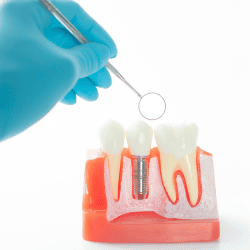










Share this listing