


.png)
Contents
Regain Confident Smile with All on 4 Teeth Implants in Turkey?
Losing an entire arch of teeth can be an incredibly isolating and difficult experience, affecting everything from your nutritional health to your self-confidence. Traditional dentures often slip, cause discomfort, and restrict your diet. Fortunately, modern dentistry offers a permanent, life-changing solution: the All-on-4 dental implant system. And today, tens of thousands of international patients are discovering that Turkey is arguably the best place on the planet to receive this transformative procedure.
The All-on-4 technique is a revolutionary approach that restores a full arch of teeth using just four strategically angled titanium implants. Because the posterior implants are tilted to maximize contact with your existing jawbone, this method frequently eliminates the need for painful, expensive bone grafting. Within just a few days of arriving at a Turkish clinic, you can walk out with a fully functional, natural-looking temporary smile, followed by a permanent, highly durable bridge a few months later.
Choosing Turkey for your All-on-4 journey means stepping into a medical culture that has perfected the art of dental tourism. Cities like Istanbul, Antalya, and Izmir boast mega-clinics that look more like luxury hotels than medical facilities. These centers are equipped with cutting-edge digital dentistry, including 3D CBCT scanners, intraoral cameras, and in-house CAD/CAM milling laboratories. This hyper-advanced infrastructure allows Turkish prosthodontists and oral surgeons to plan and execute your smile restoration with pinpoint, computer-guided accuracy.
What truly sets Turkey apart, however, is the sheer volume of cases these elite surgeons perform. They handle complex full-mouth rehabilitations daily, giving them a level of clinical mastery that is hard to match globally. When you combine this unmatched expertise with the warmth of Turkish hospitality and savings of up to 70% compared to US or UK prices, it is easy to see why Turkey has become the undisputed capital of global dental restorations. You aren't just getting new teeth; you are getting a VIP medical experience in one of the most beautiful destinations in the world.
Did You Know?
Istanbul is the only metropolis in the world situated on two continents! Many international dental patients enjoy a unique "transcontinental" experience, recovering in a luxury hotel in Europe while having their state-of-the-art dental appointments in Asia, crossing the breathtaking Bosphorus Strait in a VIP clinic transfer vehicle.
Key Insights at a Glance
Patients routinely save between 50% and 70% compared to the US or UK, even when factoring in travel expenses.
Top clinics exclusively use globally recognized, lifetime-warrantied implant brands like Straumann, Nobel Biocare, and Osstem.
The specialized 45-degree angle placement of the back implants often eliminates the need for extensive bone grafting.
Many centers feature on-site 3D printing and milling labs, allowing for ultra-fast creation of custom temporary and permanent teeth.
You receive functional, temporary teeth within 24 hours of surgery, meaning you never have to leave the clinic toothless.
VIP Hospitality Standard
Turkish dental tourism goes beyond medicine; it is an experience. Most premier clinics include a dedicated "Patient Experience Manager," personal translators, and luxurious black-van transfers to ferry you seamlessly between the airport, your hotel, and the clinic like absolute royalty!
Affordable All on 4 Implants Packages in Turkey
Organizing complex dental surgery abroad is effortless when you opt for a comprehensive package. In the section below, we have curated a selection of elite, all-inclusive All-on-4 packages from top-rated dental centers in Turkey. These comprehensive bundles typically cover the entirety of your clinical needs: panoramic 3D scans, surgeon fees, the titanium implants, temporary prosthetics, and local anesthesia. Many of these packages are structured to take the guesswork out of your medical journey, allowing you to focus entirely on your new smile.
Note: All-inclusive packages offer unparalleled peace of mind by transparently combining your complex surgical needs into a single, predictable price point.
.png)
Price starting from $5,845
Top Package for All on 4 Dental Implants in Izmir, Turkey
WestDent Clinic Turkey
- Dentistry
Izmir, Turkey

Price starting from $10,480
NOBEL All on 4 Dental Implants Package in Izmir, Turkey by WestDent Clinic
WestDent Clinic Turkey
- Dentistry
Izmir, Turkey

Price starting from $4,200
Osstem All on 4 Dental Implants Package in Istanbul, Turkey by Tower Dental Clinic
Tower Dental Clinic
- Dentistry
Istanbul, Turkey

Price starting from $16,896
All on 4 Dental Implant Istanbul Package Available Now at DentSpa
DentSpa - Best Dental Clinic in Istanbul
- Dentistry
Istanbul, Turkey

Price starting from $4,193
All on 4 Dental Implants Istanbul Turkey Package by Novusklinik
Novusklinik Istanbul Turkey
- Dentistry
Istanbul, Turkey

Price starting from $3,800
All on 4 Dental Implants Package in Istanbul, Turkey by YEG Clinic
YEG Clinic - Best Dental Clinic Istanbul
- Dentistry
Istanbul, Turkey
Cost of All on 4 Dental Implants in Turkey - Implants Price Comparison
Financial accessibility is the driving force behind Turkey's dental tourism boom. The table below outlines the average cost ranges for All-on-4 restorations in Turkey, giving you a clear comparison against the exorbitant prices typically found in North America and Western Europe. While these figures serve as a highly accurate baseline, please remember that your final estimate will depend on the specific brand of implants you choose (such as Swiss-made Straumann vs. South Korean-made Osstem) and the material selected for your permanent crowns.
Tip: Always ask for a fully itemized quote to ensure there are no hidden fees for extractions, bone grafting, or temporary dentures.
All on 4 Dental Implants Centers Cost Comparison in Turkey
| Provider | Procedure | Price |
|---|---|---|
| Tower Dental Clinic | All on 4 Dental Implants, Dentistry | $4200 |
| DentSpa - Best Dental Clinic in Istanbul | All on 4 Dental Implants, Dentistry | $16896 |
| WestDent Clinic Turkey | All on 4 Dental Implants, Dentistry | $4400 |
| YEG Clinic - Best Dental Clinic Istanbul | All on 4 Dental Implants, Dentistry | $2300 |
| Novusklinik Istanbul Turkey | All on 4 Dental Implants, Dentistry | $5654 |
All on 4 Dental Implants Cost Comparison in Turkey
| Country | Procedure | Price |
|---|---|---|
| United Kingdom | All on 4 Dental Implants, Dentistry | $15500 |
| Canada | All on 4 Dental Implants, Dentistry | $22500 |
| United States | All on 4 Dental Implants, Dentistry | $35000 |
Top 6 Best Clinics for All on 4 Dental Implants in Turkey
The success of a full-mouth restoration hinges heavily on the facility’s technological capabilities and strict adherence to hygiene protocols. Below, we highlight premier dental hospitals and boutique implantology clinics across Turkey that possess proven expertise in the All-on-4 protocol. These centers are rigorously vetted for their international accreditations, use of authentic global implant brands, and highly specialized in-house digital laboratories. Review their profiles to find a clinic that aligns with your clinical needs.
Safety First: Ensure the facility you choose is officially authorized by the Turkish Ministry of Health to treat international patients.

Tower Dental Clinic
Istanbul, Turkey
WestDent Clinic Turkey
Izmir, Turkey
DentSpa - Best Dental Clinic in Istanbul
Istanbul, Turkey
YEG Clinic - Best Dental Clinic Istanbul
Istanbul, Turkey
.png)
Novusklinik Istanbul Turkey
Istanbul, Turkey
Phinova Clinics - Dental Clinic Izmir
Izmir, Turkey
Informative Videos about All on Four Teeth Replacement in Turkey
There is nothing quite as powerful as seeing the joy of a fully restored smile. The video testimonials featured below showcase real stories from international patients who traveled to Turkey for their All-on-4 procedures. Watch these genuine accounts to gain insights into their clinical experiences, the ease of their travel, their interactions with the dental staff, and most importantly, the life-changing aesthetic and functional results they achieved.
Insight: Video diaries offer a transparent look at the genuine, day-by-day healing process and the impressive artistry of Turkish dentists.
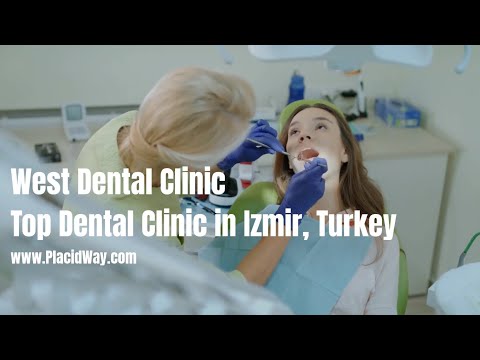
Patients Reviews about Dental Care in Turkey
Comprehensive patient reviews are critical when selecting your oral surgeon. In this section, you will find authentic, verified feedback from global patients who have entrusted their complex dental restorations to clinics in Turkey. Read their detailed accounts regarding the pain management protocols, the precision of the fit of their new bridges, the communication skills of the medical team, and their overall satisfaction with their renewed ability to eat, speak, and smile freely.
Review Tip: Pay special attention to reviews that discuss the second trip (the permanent fitting phase) and the clinic's dedication to perfecting the final bite.

Common Question Asked about All on 4 Implants in Turkey
How much are Dental Implants in Turkey?
Dreaming of a full, healthy smile but worried about the high costs of dental implants in your home country? Turkey has rapidly become a top destination for dental tourism, offering cutting-edge treatments at remarkably affordable prices. This comprehensive guide answers your most pressing questions about the cost of dental implants in Turkey, helping you navigate your options for a confident new smile. How much are dental implants in Turkey? "The cost of dental implants in Turkey is significantly more affordable than in the United States, UK, Canada, or Europe. A single tooth implant (including implant, abutment, and crown) typically ranges from €350 to €1,350 (approximately $380 to $1,460 USD). For All-on-4 dental implants, the cost per jaw can range from €2,000 to €3,500 (approximately $2,150 to $3,800 USD)." The appeal of dental implants in Turkey lies in their exceptional value. Patients can often achieve a complete smile restoration for a fraction of the cost they would incur back home, sometimes saving as much as 80-90%. What factors influence the cost of a single dental implant in Turkey? "The cost of a single dental implant in Turkey is influenced by the brand of the implant, the material of the crown, the dentist's experience, the clinic's reputation, and whether additional procedures like bone grafting are needed." When considering a single tooth implant, several elements determine the final price. The brand of the titanium implant (e.g., Nobel Biocare, Straumann vs. other quality brands) can affect cost. The material of the final crown (porcelain-fused-to-metal, full ceramic, or zirconia) also plays a significant role, with zirconia being a more aesthetic and durable, albeit more expensive, option. The expertise of your implant dentist and the standing of the clinic itself also contribute to the overall fee. Furthermore, if you require a bone graft or a sinus lift to ensure sufficient bone for the implant, these will add to the total cost. How do All-on-4 dental implant costs in Turkey compare to single implants? "While a single dental implant in Turkey ranges from €350 to €1,350, All-on-4 dental implants offer a full arch solution at a price point per jaw ranging from €2,000 to €3,500 (approximately $2,150 to $3,800 USD), representing a more cost-effective option for replacing multiple teeth." The All-on-4 concept is designed to restore an entire arch of teeth with just four implants, offering a comprehensive and efficient solution. While the upfront cost for All-on-4 is higher than a single implant, it provides a full set of fixed teeth, making it a very economical choice for patients needing extensive restoration. What is the cost range for full mouth dental implants in Turkey? "A full mouth dental implant restoration in Turkey (both upper and lower jaws, potentially using All-on-4, All-on-6, or All-on-8 approaches) typically ranges from €15,000 to €17,000 (approximately $16,200 to $18,400 USD), though this can vary based on the number of implants and prosthetic materials." For patients requiring a complete smile makeover, Turkey offers incredibly competitive prices for full mouth reconstructions. This typically involves placing multiple implants (e.g., 4, 6, or 8 per jaw) to support custom-made bridges that restore both function and aesthetics to the entire mouth. Why are dental implants so much cheaper in Turkey compared to Western countries? "Dental implants are significantly cheaper in Turkey due to a lower cost of living, favorable exchange rates, reduced operational expenses for dental clinics, high competition within the dental tourism sector, and government support for medical tourism." The affordability of dental implants in Turkey isn't a reflection of lower quality, but rather a combination of economic advantages. The overall cost of living and running a business is lower in Turkey, which translates to reduced overhead for dental clinics. The favorable exchange rate for major currencies further amplifies the savings for international patients. A highly competitive market driven by a large volume of medical tourists also encourages clinics to offer attractive pricing. Do clinics in Turkey offer all-inclusive packages for dental implants? "Yes, many reputable dental clinics in Turkey offer comprehensive all-inclusive packages for dental implants, which often cover consultations, X-rays, 3D CT scans, surgery, local anesthesia, temporary and permanent prosthetics, follow-up visits, VIP transfers, and sometimes even accommodation." These packages are designed to provide transparency and convenience, helping patients manage their budget effectively without unexpected costs. Always confirm the exact inclusions of any package you consider. What are the common additional costs for dental implants in Turkey? "Common additional costs for dental implants in Turkey may include bone grafting (if insufficient bone density), sinus lifts (for upper jaw implants), and potentially IV sedation if preferred over local anesthesia. These are typically not part of the base implant cost." While many packages are comprehensive, certain preliminary procedures might be necessary to ensure the success of your implants. Bone grafting adds around €90-€385 per unit, and sinus lifts around €190-€370. It's crucial to discuss these potential needs with your dentist during the consultation. Is the quality of dental implants in Turkey comparable to Western standards despite the lower cost? "Yes, many reputable dental clinics in Turkey adhere to high international standards of quality, employing experienced, often internationally trained implantologists and utilizing state-of-the-art technology and globally recognized implant brands (like Nobel Biocare or Straumann)." The lower cost is generally due to economic factors, not a compromise on quality. Many Turkish dentists are highly skilled specialists with extensive experience in implantology, and clinics invest in modern equipment and high-quality implant materials. What should I look for in a reputable dental clinic for implants in Turkey? "When choosing a dental clinic for implants in Turkey, look for international accreditations, dentists' qualifications and experience in implantology, transparent treatment plans and pricing, positive patient reviews, and clear communication about aftercare and warranties." Thorough research is key. Check for certifications, ask about the dentists' specific training in implant surgery, and read testimonials. Ensure the clinic provides a detailed treatment plan outlining all steps and costs, and clarify their policies on warranties for the implants and prosthetics. How long is the typical process for getting dental implants in Turkey? "The typical process for dental implants in Turkey usually involves two trips: an initial trip for implant placement (2-7 days), followed by a healing period of 3-6 months, and then a second trip for prosthetic placement (5-10 days)." This two-stage process allows sufficient time for osseointegration, where the implant fuses with your jawbone, ensuring a strong and stable foundation for your new teeth. Restoring your smile with dental implants in Turkey offers an appealing combination of affordability and quality. By understanding the costs, the influencing factors, and diligently researching reputable clinics, you can make an informed decision and embark on your journey to a confident, healthy smile. Contact PlacidWay today to explore leading dental clinics in Turkey specializing in dental implants.
Are There Any Unexpected Costs for Dental Treatment in Turkey for Europeans?
Are There Any Hidden Costs for Dental Treatment in Turkey For Europeans? Turkey has become a global hotspot for high-quality, affordable dental care, attracting thousands of international patients each year. The significant price difference compared to countries like the US, UK, and Australia is a major draw. However, the prospect of traveling abroad for dental work can come with concerns about transparency and unexpected expenses. The question on many people's minds is: are there any hidden costs for dental treatment in Turkey? The straightforward answer is that while reputable clinics strive for transparency, potential extra charges can exist if patients are not fully aware of what their treatment package includes. Understanding these potential costs is key to a smooth and stress-free dental tourism experience. This guide is designed to shed light on all the potential hidden costs you might encounter. We will break down what is typically included in the initial quote and what might be considered an 'extra'. From the initial consultation and diagnostic tests to the materials used and aftercare, being well-informed will empower you to ask the right questions and choose a clinic that offers true value and transparency. The goal is to ensure that the attractive price you are quoted is the price you actually pay, with no unwelcome surprises along the way. By the end of this article, you will have a clear understanding of how to navigate the financial aspects of getting your dental work done in Turkey, ensuring your journey to a new smile is as seamless as it is affordable. What is typically included in the advertised price for dental treatment in Turkey for Europeans? "Typically, the advertised price for dental treatment in Turkey for europeans, especially in 'all-inclusive' packages, covers the core dental procedure, the dentist's fees, and often accommodation and airport transfers." When you see a price for dental implants, veneers, or a full smile makeover in Turkey, it usually encompasses the main components of your treatment. For instance, a dental implant package will generally include the implant itself, the abutment, and the crown. Similarly, a veneer package will cover the cost of the veneers per tooth. Many clinics, especially those catering to international patients, bundle their services into packages to simplify the process. These packages often include a set number of nights in a partner hotel and VIP transfers between the airport, hotel, and the clinic. However, it's crucial to remember that the level of inclusivity can vary significantly from one clinic to another. A lower advertised price might not be as comprehensive as a slightly higher one. Always request a detailed breakdown of what is included in the quoted price. This should be a clear and itemized list that leaves no room for ambiguity. A reputable clinic will be more than happy to provide this information, as it builds trust and demonstrates their commitment to transparency. Are initial consultations and X-rays considered extra costs? "In most cases, initial consultations and standard X-rays (like panoramic X-rays) are included in the treatment package at reputable dental clinics in Turkey. However, more advanced scans may incur an additional fee." Most dental clinics in Turkey offer free initial consultations to attract international patients. These consultations can often be done remotely, where you send pictures of your teeth and any existing X-rays for a preliminary assessment. Once you arrive in Turkey, a more thorough in-person consultation will be conducted, which typically includes a panoramic X-ray to assess your overall dental health. For straightforward cases, these initial diagnostic services are usually part of the package. Where you might encounter an extra charge is if you require more detailed imaging, such as a 3D Cone Beam Computed Tomography (CBCT) scan. This type of scan provides a much more detailed view of your jawbone and is often necessary for complex implant placements. While some premium 'all-inclusive' packages may cover the cost of a CBCT scan, many clinics will charge for it separately. It is essential to clarify this with the clinic beforehand, especially if you suspect you might need a more complex procedure. What about the cost of anesthesia? Is it always included? "Local anesthesia is almost always included in the quoted price for dental procedures in Turkey. However, if you opt for or require sedation or general anesthesia, this will likely be an additional cost." For the vast majority of dental treatments, including fillings, crowns, and even standard implant placements, local anesthesia is sufficient to ensure a painless experience. The cost of local anesthesia is minimal and is factored into the overall price of the procedure. You should not expect to see a separate charge for this on your bill. However, for patients who have dental anxiety or are undergoing extensive procedures like a full mouth reconstruction, sedation or even general anesthesia might be an option. These services are provided by a qualified anesthesiologist and require more resources and monitoring, hence they come at an extra cost. If you think you might prefer sedation, you should inquire about the availability and the associated fees when you are getting your initial quote. This will prevent any surprises on the day of your treatment. Are there different prices for different materials for Europeans? "Yes, the type and brand of materials used for your dental treatment can significantly impact the final cost. The initial quote you receive may be for standard materials, with premium options available at an extra charge." This is one of the most common areas where "hidden" costs can appear. For example, when getting dental crowns or veneers, the price will vary depending on whether you choose porcelain-fused-to-metal (PFM), zirconia, or E-max. Zirconia and E-max are considered premium materials due to their superior aesthetics and durability, and they will be more expensive than PFM. Similarly, for dental implants, the brand of the implant plays a crucial role in the cost. A well-known, high-quality implant brand from Switzerland or Germany will cost more than a lesser-known brand. When you receive a quote, it's vital to ask which specific materials and brands are included. If the quote seems significantly lower than others, it might be because it's for standard, lower-cost materials. A transparent clinic will present you with all the options and explain the pros, cons, and price differences of each. This allows you to make an informed decision based on your budget and preferences. What if I need additional procedures like a bone graft or sinus lift? "Additional procedures such as bone grafts, sinus lifts, or tooth extractions are typically not included in the standard price for dental implants and will be charged separately." For a dental implant to be successful, there needs to be sufficient bone density in the jaw to support it. If you have been missing a tooth for a while, you may have experienced bone loss. In such cases, a bone graft is necessary to build up the bone. Similarly, if you are getting implants in the upper jaw, a sinus lift might be required to create enough space for the implant. These are surgical procedures that require additional time, materials, and expertise, and therefore, they are not part of the standard implant price. A good dental clinic will identify the need for these additional procedures during your initial assessment (ideally through a CBCT scan) and include them in your detailed treatment plan and quote from the beginning. However, if the need for a bone graft or sinus lift is only discovered after you have arrived in Turkey, it will be an unexpected but necessary additional cost. To avoid this, it's best to provide the clinic with as much information as possible, including recent X-rays, before you travel. Are temporary crowns or veneers included in the price? "In most comprehensive dental treatment packages in Turkey, the cost of temporary crowns or veneers is included. However, it's always wise to confirm this with your chosen clinic." When you are getting dental crowns or veneers, the process usually involves two stages. In the first stage, your teeth are prepared, and impressions are taken. These impressions are then sent to a dental lab to create your permanent restorations. This process can take a few days. In the meantime, you will be fitted with temporary crowns or veneers to protect your prepared teeth and maintain your appearance. The cost of these temporary restorations is usually factored into the overall price of your treatment. However, you should not take this for granted. Some clinics might offer a very low baseline price that excludes temporaries. It's a simple but important question to ask during your consultation. Ensuring that temporaries are included will prevent the inconvenience of having to pay extra for them or, in a worst-case scenario, having to go without them while you wait for your permanent restorations. What are the costs for aftercare and follow-up appointments? "Immediate aftercare and follow-up appointments within your treatment period in Turkey are generally included. However, long-term follow-up care in your home country will be your own responsibility and cost." Reputable dental clinics in Turkey will provide you with all the necessary aftercare instructions and any immediate follow-up appointments required before you head back home. This is part of ensuring a successful treatment outcome. You will also be given a supply of any necessary medications, such as painkillers or antibiotics, which are usually included in the package price. The "hidden" cost in this area relates to long-term care. Dental implants, for example, require regular check-ups and professional cleanings, just like natural teeth. These ongoing maintenance appointments will need to be done with a dentist in your home country, and you will be responsible for these costs. It's important to factor in the long-term maintenance costs when considering the overall affordability of getting dental treatment abroad. Do I have to pay for medication separately? "Most all-inclusive dental packages in Turkey include the cost of essential medications required immediately after your procedure, such as antibiotics and painkillers." When you undergo a dental procedure like an extraction, root canal, or implant placement, your dentist will likely prescribe antibiotics to prevent infection and painkillers to manage any discomfort. The cost of these initial medications is typically included in your treatment package. The clinic will usually provide you with the necessary supply to cover the first few days of your recovery. However, if you require any special medication due to a pre-existing condition or if you need a repeat prescription after you have finished the initial supply, you may have to pay for it separately. It's always a good idea to bring any regular medications you take from home and to clarify with the clinic what is included in terms of post-operative medication. Are there any hidden fees related to travel and accommodation in "all-inclusive" packages? "While 'all-inclusive' packages are designed to cover your accommodation and transfers, there can be hidden fees related to flight tickets, hotel upgrades, extra nights, or personal expenses." The term "all-inclusive" in the context of dental tourism in Turkey usually refers to the dental treatment, accommodation, and ground transfers. Your flight tickets are almost always your own responsibility. When it comes to accommodation, the package will typically include a specific number of nights in a standard room at a partner hotel. If you wish to upgrade to a better room, stay for extra nights, or have a companion stay with you, there will be additional charges. Furthermore, your personal expenses, such as food, sightseeing, and shopping, are not included in the package. It's important to budget for these separately. To avoid any misunderstandings, ask the clinic for the name of the hotel and what is included in the accommodation (e.g., breakfast). This will help you plan your budget more accurately. What happens if there are complications? Are correction procedures free? "Reputable dental clinics in Turkey provide a warranty or guarantee for their work. Minor adjustments are usually free, but the terms for correcting more significant complications can vary." This is a critical aspect to clarify before you commit to any treatment. A good clinic will stand by its work and offer a warranty, especially for procedures like implants and crowns. This warranty should cover any defects in the materials or workmanship. For example, if a crown cracks or an implant fails within the warranty period, the clinic should rectify the issue at no extra cost for the dental work itself. However, you will likely have to cover your own travel and accommodation expenses for the return trip. It's essential to get the warranty terms in writing. Understand what is covered, for how long, and what might void the warranty (e.g., poor oral hygiene or getting work done on the same tooth by another dentist). A transparent clinic will have a clear and fair warranty policy. How can I get a fully transparent and all-inclusive quote? "To get a fully transparent and all-inclusive quote, you must provide the clinic with detailed information about your dental health, including recent X-rays, and ask for an itemized breakdown of all potential costs." The key to avoiding hidden costs is proactive and clear communication. Don't just accept the initial price you are given. Engage with the clinic's patient coordinator and ask detailed questions. Here’s how you can ensure transparency: Provide comprehensive information: Share clear photos of your teeth and gums, and if possible, a recent panoramic X-ray. The more information the dentist has, the more accurate your initial treatment plan and quote will be. Request an itemized quote: Ask for a detailed written quote that lists every single component of your treatment, including the consultation, X-rays, the procedure itself, the materials to be used, anesthesia, temporary restorations, and aftercare. Discuss potential additional procedures: Ask the dentist if they foresee the need for any other treatments, like a bone graft or extractions, and what the costs for these would be. What specific questions should I ask my dental clinic to avoid hidden costs? "To avoid hidden costs, you should ask your dental clinic in Turkey a series of specific questions about what is included in the quote, the materials they use, their warranty policy, and any potential additional charges." Being prepared with a list of questions can save you a lot of money and stress. Here are some essential questions to ask: Is the price quoted a package deal? What exactly does it include? Are there any additional charges for consultations, X-rays, or 3D scans? What type and brand of materials will be used for my crowns/veneers/implants? Are there other options, and what are the price differences? Is the cost of local anesthesia, sedation, or general anesthesia included? Will I need any additional procedures like a bone graft or sinus lift? If so, what is the cost? Is the cost of temporary restorations included? What does the warranty cover, and for how long? Do I have to pay for travel and accommodation if a correction is needed? What are the payment terms? Are there any fees for using a credit card or for currency exchange? Are there any currency exchange or payment processing fees? "Yes, there can be additional fees related to currency exchange and payment processing when paying for your dental treatment in Turkey. It's important to clarify the accepted payment methods and any associated charges." Most dental clinics in Turkey will quote their prices in Euros, US Dollars, or British Pounds for international patients. When you pay, the final amount in your home currency will depend on the exchange rate at that time. If you are paying by credit card, your bank may charge a foreign transaction fee. Some clinics may also add a small percentage (typically 2-3%) for credit card payments to cover their own processing fees. To keep costs down, you might consider paying in cash, but be mindful of the risks of carrying large amounts of money. Another option is a bank transfer, but check for any fees from your bank. The best approach is to discuss all payment options with the clinic in advance and choose the one that is most cost-effective for you. Do I need to pay for a translator? "At most dental clinics in Turkey that cater to international patients, translation services are provided free of charge. The staff, including dentists and patient coordinators, are often fluent in English and other languages." Language barriers are a common concern for medical tourists. However, the top dental clinics in Turkey have invested heavily in creating a welcoming environment for international patients. This includes having multilingual staff. Your patient coordinator, who will be your main point of contact, will likely be fluent in your language. The dentists themselves often have excellent English skills, having trained or attended conferences internationally. It is highly unlikely that you would need to hire and pay for your own translator. However, it's always a good idea to confirm this with the clinic. A good clinic will ensure that you can communicate effectively and comfortably throughout your treatment journey. How do I ensure the quoted price is the final price? "To ensure the quoted price for your dental treatment in Turkey is the final price, you need to choose a reputable clinic, get a detailed and itemized treatment plan in writing, and have a clear understanding of the clinic's warranty and complication policies." Ultimately, the best way to avoid hidden costs is to do your due diligence. Here's a summary of the key steps: Research and choose a reputable clinic: Look for clinics with a long history of treating international patients, positive reviews, and international accreditations. Have a thorough remote consultation: Provide them with all the necessary information to create an accurate initial plan. Get everything in writing: Your treatment plan should be detailed and itemized. Your warranty policy should be clear and comprehensive. Ask questions: Don't be shy about asking all the questions we've outlined in this guide. A good clinic will welcome your questions. By taking these steps, you can be confident that the attractive price you are quoted for your dental treatment in Turkey will be the final price you pay, allowing you to focus on what truly matters: achieving a healthy and beautiful smile. Ready to explore your options for high-quality, affordable dental care in Turkey? PlacidWay can help you connect with trusted and pre-screened dental clinics. Explore our network of world-class dental providers and get a free, no-obligation quote for your personalized treatment plan. Your journey to a new smile starts here!
What Do All-Inclusive Dental Packages in Turkey Include?
Turkey has firmly established itself as a premier destination for dental tourism, offering a compelling blend of high-quality care, advanced technology, and significantly lower prices. A key reason for its popularity is the widespread availability of all-inclusive dental packages. These packages are designed to simplify the entire process for international patients, bundling multiple services into a single, transparent price. The idea is to remove the stress and uncertainty of arranging treatment in a foreign country, allowing you to focus solely on achieving your new smile. But what exactly does "all-inclusive" mean in this context? For anyone considering dental work in Turkey, understanding the components of these packages is crucial. While they offer incredible convenience and value, the specifics can vary from one clinic to another. This guide will provide a detailed and comprehensive look into what you can typically expect from an all-inclusive dental package in Turkey in 2025. We will explore the core dental treatments, the logistical arrangements like accommodation and transfers, and the supporting services that make the journey smoother. We'll also shed light on what is often left out of these packages, so you can plan your budget accurately and avoid any unwelcome surprises. By the end of this article, you will have a clear and realistic picture of what a dental holiday in Turkey truly entails. What is the core component of any all-inclusive dental package? "The core component of any all-inclusive dental package is the dental procedure itself. This includes the cost of the materials (like implants or veneers), the dentist's fees, and laboratory costs for creating the restorations." At the heart of every package is the specific dental treatment you are traveling for. Whether you are getting a full set of dental veneers, dental implants, or a complete smile makeover, the cost of this procedure forms the foundation of the package price. This typically covers all necessary clinical steps, from tooth preparation to the final fitting of your new crowns or veneers. For example, an all-inclusive dental implant package will usually cover the cost of the implant post, the abutment (the connecting piece), and the final crown. A veneer package will include the price per veneer, the lab work involved in fabricating them, and the dentist's time for preparation and bonding. A reputable clinic will be transparent about the brands and materials used, as premium options (like Straumann implants or E-max veneers) can influence the overall package price. Does the package include initial consultations and diagnostic tests? "Yes, all-inclusive packages almost always include the initial consultation upon arrival and standard diagnostic tests like a panoramic X-ray. Some premium packages may also include 3D/CT scans." To create an accurate treatment plan, your dentist needs to perform a thorough examination. All-inclusive packages facilitate this by including the necessary diagnostic steps in the price. This typically starts with a remote consultation before you travel, where you might share photos and existing records. Upon your arrival in Turkey, a comprehensive in-person examination is conducted. This examination will always include a panoramic X-ray, which gives a broad overview of your teeth and jaw. For more complex procedures like All-on-4 dental implants, a 3D Cone Beam Computed Tomography (CBCT) scan is often required for precise planning. While some clinics include this advanced scan in their premium packages, others may charge for it separately. It's an important question to ask, as a CBCT scan is vital for the success and safety of implant surgery. Is accommodation part of the all-inclusive deal? "Accommodation is a key feature of all-inclusive dental packages in Turkey. Clinics typically provide a set number of nights in a 4 or 5-star partner hotel, often including breakfast." One of the biggest conveniences of these packages is having your accommodation sorted. Dental clinics have partnerships with nearby hotels to offer patients a comfortable and convenient stay. The package will specify the number of nights included, which is calculated based on the duration of your treatment. For example, a veneer treatment might include 7 nights, while a more complex implant procedure requiring two visits will have accommodation included for both trips. The standard offering is a single or double room, and breakfast is commonly included. It's important to clarify the specifics, such as the name of the hotel, the type of room, and the cost for any additional nights or for a travel companion if not already included. This logistical support significantly reduces the stress of planning your trip. Are airport and clinic transfers included? "Yes, VIP transfers are a hallmark of all-inclusive dental packages. This service includes being picked up from the airport, and all transportation between your hotel and the dental clinic for your appointments." Navigating a new city can be daunting, especially when you're there for a medical procedure. All-inclusive packages eliminate this concern by providing dedicated transfer services. From the moment you land, a representative from the clinic is typically there to greet you and take you to your hotel in a comfortable, private vehicle. Furthermore, all your travel to and from the clinic for your various appointments is completely taken care of. This punctual and hassle-free service ensures you are always on time for your appointments without having to worry about public transport or taxis. This 'VIP' treatment is a significant part of the patient experience and a major selling point for these packages. What about flights? Are they included in the price? "No, international flights are almost never included in all-inclusive dental packages in Turkey. Patients are responsible for booking and paying for their own airfare to and from their home country." This is the most common misconception about "all-inclusive" dental tourism. While the package covers most of your expenses on the ground in Turkey, the journey to get there is your responsibility. The cost and logistics of flights vary dramatically depending on the patient's location, the time of year, and how far in advance they book. Clinics do not include flights to keep the package prices competitive and to give patients the flexibility to choose their preferred airline, travel dates, and departure airport. When budgeting for your dental trip, you must factor in the cost of round-trip airfare as a separate and significant expense. Is food and drink covered by the package? "Generally, food and drinks are not included in all-inclusive dental packages, with the common exception of breakfast at the hotel. All other meals and personal expenses are the patient's responsibility." While your accommodation often comes with complimentary breakfast, you will need to budget for your lunches, dinners, snacks, and any other personal spending. This gives you the freedom to explore Turkey's rich culinary scene and dine according to your own preferences and budget. Some clinics may offer light refreshments during your appointments, but your daily meals are not part of the deal. This is an important distinction from an "all-inclusive" resort holiday. Factoring in an average daily cost for food will help you create a more accurate overall budget for your trip. Are temporary teeth and aftercare medications included? "Yes, a comprehensive all-inclusive package will include the cost of temporary restorations (like crowns or veneers) and any necessary post-procedure medications such as painkillers and antibiotics." During procedures like smile makeovers or implants, temporary teeth are essential. They protect the prepared teeth and allow you to eat and smile comfortably while your permanent restorations are being custom-made in the lab. The cost of these temporaries is a standard inclusion in good packages. Similarly, to ensure a smooth recovery, clinics provide a starter pack of necessary medications. This typically includes pain relievers to manage any discomfort and antibiotics to prevent infection. You won't have to worry about finding a pharmacy immediately after your procedure, as this is all taken care of for you. What kind of guarantees or warranties are part of the package? "Reputable clinics back their work with a warranty, which is an integral part of the all-inclusive package. This typically covers material failure or workmanship issues for a specified period." A good warranty is a sign of a clinic's confidence in its work and materials. For dental implants, it's common to see a lifetime guarantee on the implant screw itself. For restorations like crowns and veneers, warranties typically range from 5 to 10 years. It is vital to get the warranty details in writing. Understand what is covered (e.g., a cracked crown) and what is not (e.g., damage from an accident or poor oral hygiene). The warranty covers the cost of the corrective dental work, but be aware that you would likely still be responsible for the cost of flights and accommodation for a return trip if needed. Do packages include translation services? "Yes, translation and patient hosting services are included. Clinics that cater to international patients have a dedicated, multilingual team to ensure clear communication and support throughout your journey." The language barrier is a common concern, but top Turkish dental clinics have this completely covered. You will be assigned a patient coordinator or host who speaks your language fluently. This person will be your main point of contact, helping you with everything from understanding the treatment plan to asking the dentist questions. This seamless communication ensures you are fully informed and comfortable at every stage. The dentists and clinical staff also typically have a high level of English proficiency. This focus on communication is key to a positive and stress-free patient experience. Are follow-up appointments in Turkey included? "All necessary follow-up appointments and final check-ups that take place during your stay in Turkey are included in the all-inclusive package price." Your treatment doesn't end the moment you leave the dentist's chair. The package price covers any required check-ups before you fly home. For veneers, this would be the final fitting and bite check. For implants, it would be a post-surgical review to ensure everything is healing correctly. These appointments are crucial for the long-term success of your treatment. The clinic wants to ensure you are happy and that the work is perfect before you depart. However, any long-term, routine check-ups you have with your local dentist back home are not covered. What is explicitly NOT included in all-inclusive dental packages? "Exclusions from all-inclusive dental packages universally include international flights, food and drink (besides hotel breakfast), travel insurance, and personal expenses for tourism or shopping." Understanding the exclusions is just as important as knowing the inclusions. To summarize, here is a list of what you will need to budget for separately: International Flights: You must book and pay for your own airfare. Most Meals: Budget for lunches, dinners, and any other food and drink. Travel Insurance: It is highly recommended to get comprehensive travel insurance for your trip. Personal Expenses: Any money for sightseeing, tours, or shopping is your own responsibility. Complex Additional Procedures: Unexpected needs like a bone graft or sinus lift, if not identified initially, may be extra. A good clinic will quote this upfront after a CT scan. Long-term Aftercare: Routine dental check-ups and hygiene appointments back in your home country. How do I verify what my specific package includes? "To verify the exact inclusions of your package, you must request a detailed, itemized treatment plan and quotation in writing from the all-inclusive clinic before making any payment or booking flights." Never rely on assumptions. The key to a successful dental tourism journey is clear and transparent communication. A reputable clinic will be happy to provide you with a formal document that lists every single service included in the price. This document should detail the dental procedure, the material brands, the number of hotel nights, the specifics of the transfer services, and the terms of the warranty. Review this document carefully and ask questions about anything that seems unclear. This written confirmation is your contract with the clinic and your best tool for ensuring there are no hidden costs or misunderstandings down the line. A transparent clinic builds trust from the very first interaction. Ready to explore a seamless and affordable dental experience? PlacidWay connects you with top-tier, pre-vetted clinics in Turkey that offer transparent, all-inclusive dental packages. Let us help you find the perfect solution for your smile transformation. Explore your options and receive a free, personalized quote today!
Does German Health Insurance Cover Dental Treatment in Turkey?
Turkey has emerged as a top destination for dental tourism, attracting thousands of patients from Germany with its promise of high-quality dental care at significantly lower prices. If you're a resident of Germany considering this option, your most pressing question is likely: "Does German health insurance cover dental treatment in Turkey?" The answer is encouraging, but it comes with important conditions and processes you must follow. Navigating the rules of German health insurance, whether you have public insurance (Gesetzliche Krankenversicherung - GKV) or private insurance (Private Krankenversicherung - PKV), can feel complex, especially when seeking treatment abroad. The key isn't just about finding a great clinic in Istanbul or Antalya; it's about understanding how to get your domestic insurance to contribute to the costs. This guide is designed to demystify the process for you. We will explore how both GKV and PKV handle claims for dental work performed in non-EU countries like Turkey. We'll introduce you to the most critical document in this entire process: the Heil- und Kostenplan (treatment and cost plan). Understanding this document is the first step toward securing a reimbursement. We'll walk you through the necessary steps, from getting pre-approval to submitting your claim after the treatment. While the savings can be substantial, success depends on careful planning and communication with your insurance provider. Let's dive into the details to ensure your journey to a new smile is not only successful but also financially savvy. Can I use my German health insurance for dental work in Turkey? "Yes, you can use your German health insurance for planned dental work in Turkey, but you must get prior approval. You will typically have to pay the costs upfront in Turkey and then claim a reimbursement from your insurer in Germany." The principle of seeking medical treatment in other countries is well-established within the German healthcare system. While the process is more streamlined within the European Union, it is still possible to receive coverage for treatment in countries like Turkey, with which Germany has a social security agreement. However, this is not an automatic process. For any planned dental treatment, you cannot simply go to Turkey, have the work done, and expect your insurance to pay the bill. You must engage with your insurer beforehand. The cornerstone of this process is getting a detailed treatment and cost plan from your Turkish dentist and submitting it to your German health insurance for approval. Without this pre-approval, your claim for reimbursement will almost certainly be denied. What is the difference in coverage between public (GKV) and private (PKV) insurance? "Public insurance (GKV) provides a fixed subsidy (Festzuschuss) based on standard German treatment costs, not the actual cost in Turkey. Private insurance (PKV) coverage depends entirely on your individual policy and can be much more comprehensive, potentially covering a larger percentage of the actual bill." The level of financial support you can expect for your dental treatment in Turkey varies significantly depending on whether you are insured under the GKV or PKV system. Public Health Insurance (GKV): The GKV system is based on solidarity and provides a defined set of benefits. For dental prosthetics (like crowns, bridges, and implants), it pays a fixed amount, known as the Festzuschuss. This amount is calculated based on the average cost of the standard, most basic treatment for your specific dental condition in Germany. It doesn't matter if your treatment in Turkey is cheaper or more expensive; the subsidy remains the same. Private Health Insurance (PKV): Coverage under PKV is not standardized; it is determined by the specific contract (Tarif) you have with your insurer. Generally, private plans offer more extensive benefits. They might cover a certain percentage (e.g., 80% or 100%) of the actual costs of your treatment, including for high-quality materials and advanced procedures. However, you must verify the specifics of your plan, particularly its terms for treatment outside the EU. How does the German public health insurance (GKV) cover dental treatment in Turkey? "GKV covers dental treatment in Turkey by providing a fixed subsidy (Festzuschuss) after the treatment is completed. To qualify, you must submit a treatment and cost plan (Heil- und Kostenplan) from the Turkish dentist to your GKV for approval before starting the procedure." If you are publicly insured in Germany, you are entitled to the same fixed subsidy for dental prosthetics whether you get the treatment in Germany, another EU country, or Turkey. The key is that the treatment must be medically necessary. The GKV does not reimburse the full cost but provides a defined contribution towards it. This system ensures that everyone receives a basic level of support, but patients are responsible for any costs exceeding this subsidy. This is known as the Eigenantei, or your personal share. Because dental work in Turkey is often much cheaper, the fixed subsidy from your GKV can cover a much larger percentage of the total bill than it would in Germany, making it a financially attractive option. What is a 'Festzuschuss' (Fixed Subsidy)? "A Festzuschuss is a fixed financial subsidy provided by German public health insurance (GKV) for medically necessary dental prosthetics. It covers approximately 60% of the cost of the standard, basic treatment option in Germany, regardless of the actual treatment chosen or where it is performed." The amount of the Festzuschuss is determined by your dental diagnosis (Befund), not by the type of treatment you ultimately choose. For example, if you are missing a tooth, the GKV determines the standard care is a basic metal bridge and calculates the subsidy based on that. If you instead opt for a more expensive zirconium bridge or a dental implant in Turkey, you still only receive the fixed subsidy calculated for the standard metal bridge. This subsidy can be increased if you have diligently maintained your dental health. By proving regular annual check-ups in your Bonusheft (bonus booklet), the subsidy increases. After 5 consecutive years of check-ups, it rises to 70% of the standard care cost, and after 10 years, it reaches 75%. Does the Germany-Turkey social security agreement help? "Yes, the social security agreement between Germany and Turkey facilitates the process for getting reimbursed for planned dental treatment. It establishes the legal framework that allows your German public insurance to contribute to costs incurred in Turkey, provided you follow the pre-approval procedure." The agreement (specifically forms like T/A 11) is crucial because it sets the basis for cross-border healthcare cooperation. While it's often associated with emergency care during a holiday, it also applies to planned medical treatments. It ensures that your right to a subsidy for dental work is not lost just because you cross the border into Turkey. However, it does not mean you can simply present your German insurance card at a Turkish dental clinic for direct billing. The reimbursement model, based on a pre-approved cost plan, is the standard procedure under this agreement for planned care. What is a 'Heil- und Kostenplan' (HKP) and why is it essential? "A Heil- und Kostenplan (HKP) is a detailed treatment and cost plan prepared by a dentist. It is the most critical document for getting your dental treatment in Turkey reimbursed by German health insurance. It must be submitted to and approved by your insurer *before* the treatment begins." Think of the HKP as a formal quotation that details your dental diagnosis, the planned procedures, and the estimated costs. For German insurance companies, this document is non-negotiable. It allows them to assess the medical necessity of the treatment and calculate the exact amount of the subsidy or reimbursement you are entitled to. An HKP from a Turkish clinic should be as detailed as one from a German clinic, often using the same coding systems for procedures to ensure clarity. Submitting an HKP and waiting for approval is your green light. Proceeding with treatment without an approved HKP means you are taking a significant financial risk, as the insurer is under no obligation to reimburse you retroactively. What is the exact process for getting GKV reimbursement for dental treatment in Turkey? "The process involves five steps: 1) Get a Heil- und Kostenplan (HKP) from a Turkish dentist. 2) Submit the HKP to your German public insurer (GKV) for approval. 3) Receive approval and confirmation of your fixed subsidy (*Festzuschuss*). 4) Travel to Turkey, complete the treatment, and pay the clinic in full. 5) Submit the final paid invoice and other documents to your GKV for reimbursement." Following a structured process is key to a successful claim. Here is a step-by-step breakdown: Consultation and Cost Plan: Choose a reputable clinic in Turkey. After an examination (which may require an initial visit or be based on X-rays sent from Germany), the clinic will prepare a detailed HKP. Ensure it is in German or professionally translated. Submit for Approval: Send this HKP to your GKV in Germany. This is the most crucial waiting period. Receive Approval: Your GKV will review the plan and send you a letter confirming that the treatment is approved and stating the exact amount of the Festzuschuss you will receive. Do not proceed without this letter. Undergo Treatment: With approval in hand, you can travel to Turkey for your dental work. You will pay the clinic's bill directly and in full. Claim Reimbursement: Upon your return to Germany, submit the final, itemized, and paid invoice from the Turkish clinic, along with your original approval letter, to your GKV. They will then process the reimbursement and transfer the approved subsidy to your bank account. Does German private health insurance (PKV) cover dental treatment in Turkey? "Yes, most German private health insurance (PKV) plans cover dental treatment in Turkey, often more comprehensively than public insurance. However, coverage is dictated by your specific insurance policy (Tarif), so you must check your contract and get pre-approval before treatment." If you are privately insured, your potential for reimbursement is generally higher, but it is entirely dependent on the fine print of your policy. Private insurers offer a wide range of plans, from basic to premium. Most good plans include worldwide coverage for dental treatments. The process is similar to the GKV: you will need to get a Heil- und Kostenplan from the Turkish dentist and submit it for approval. The key difference is the reimbursement amount. Instead of a small fixed subsidy, your PKV might cover a high percentage (e.g., 75%, 90%, or even 100%) of the total invoice, up to the annual limits specified in your contract. Always clarify with your insurer what their specific requirements are for treatment in a non-EU country. Are cosmetic dental procedures like veneers or teeth whitening covered? "Generally, purely cosmetic procedures like teeth whitening or veneers for aesthetic reasons are not covered by German public health insurance (GKV). Some high-end private insurance (PKV) plans may offer partial or full coverage, but this is rare and depends entirely on the policy." German health insurance, particularly the public GKV, operates on the principle of medical necessity. Treatments that are purely for improving appearance do not qualify for reimbursement. For example, if a crown is needed to restore a damaged tooth, it is considered medically necessary and a subsidy will be paid. However, if you want veneers on healthy teeth just to improve your smile, you will have to bear the full cost yourself. Private insurance plans are more flexible. Some premium tariffs may include a budget for cosmetic procedures, but you must confirm this by reading your policy documents or contacting your insurer directly. Never assume a cosmetic treatment will be covered. What about dental implants? Are they covered by German insurance in Turkey? "Yes, dental implants are covered to an extent. Public insurance (GKV) provides the same fixed subsidy (Festzuschuss) for an implant as it would for a conventional bridge. Private insurance (PKV) often provides much better coverage for implants, but this depends on your specific plan." Dental implants are a popular treatment for patients traveling to Turkey. From the perspective of the German public health insurance (GKV), an implant is considered a "different type of care" (andersartige Versorgung) compared to the standard treatment (a bridge). You will not get a subsidy specifically for the implant surgery itself, but you will receive the Festzuschuss that would have been allocated for the standard bridge procedure. This subsidy can still significantly reduce your out-of-pocket expenses. Private health insurance (PKV) plans often have explicit and much more generous coverage for dental implants. Many tariffs cover a high percentage of the cost for both the surgical placement of the implant and the final crown. Given the high cost of implants, checking your PKV policy's terms for this specific treatment is essential before you commit. Ready to explore your options for high-quality, affordable dental care that works with your German insurance? Explore PlacidWay's extensive network of accredited dental clinics in Turkey that are experienced in providing the necessary documentation, like the Heil- und Kostenplan, for German patients. Get a free quote for your treatment today.
What Are The Reviews For Hollywood Smile in Turkey?
The "Hollywood Smile in Turkey" has become a magical phrase in the world of cosmetic dentistry, promising a perfect, white, and aligned smile worthy of the biggest movie stars. Turkey has quickly established itself as the number one destination to achieve this dream, attracting thousands of international patients, including many from France, thanks to prices that defy all competition. But beyond the spectacular before-and-after photos shared on social media, what do French patients really think of their experience? Is getting a Hollywood Smile in Turkey truly the great deal it seems to be? Navigating through testimonials can be confusing. On one hand, there is a wave of glowing reviews praising the professionalism of the clinics, the quality of the welcome, and, of course, the substantial savings. On the other, there are alarming stories of "botched jobs," chronic pain, and aggressive treatments that turned into nightmares. This article aims to provide a balanced overview of the reviews on the Hollywood Smile in Turkey for French patients. We will analyze the positive aspects that attract so many people, but also transparently expose the most frequent risks and criticisms to help you make an informed decision. Why Do So Many French People Choose Turkey for a Hollywood Smile? "French people primarily choose Turkey for a Hollywood Smile because of the extremely competitive prices, which can be up to 70% cheaper than in France, and the all-inclusive packages that simplify travel arrangements (flights, hotel, transfers)." The main attraction of Turkey is undeniably financial. The cost of a complete smile makeover, involving the placement of 20 to 28 veneers or crowns, can be exorbitant in France. In Turkey, the same procedures are offered at a fraction of the price. This cost difference allows many people to access cosmetic treatments that would otherwise be beyond their financial reach. Beyond the price, Turkish clinics have developed a very attractive service offering for international clients. "All-inclusive" packages have become the norm. These packages include not only dental care but also: Accommodation in good quality hotels. Private transfers between the airport, hotel, and clinic. The services of a French-speaking translator to facilitate communication. Sometimes even tourist activities. This turnkey organization reassures many patients who do not have to worry about the logistics of their medical stay abroad. What Are the Most Common Positive Reviews? "Positive reviews most often mention a warm and professional welcome, modern and well-equipped clinics, aesthetic results that meet expectations, and a renewed sense of confidence thanks to their new smile." Many testimonials from French patients are extremely positive. These patients describe a smooth and satisfying experience from start to finish. The strengths that come up most often in positive reviews are the professionalism of the teams and the quality of the infrastructure. Patients are often impressed by the modernity of the clinics, which use cutting-edge technology (like computer-aided design/computer-aided manufacturing, CAD/CAM). The final result is, for many, a source of great joy. They speak of a transformation that has "changed their life," giving them back the confidence to smile without self-consciousness. The aesthetic aspect, with perfectly white and aligned teeth, often corresponds exactly to what they came for. What Are the Most Frequent Risks and Negative Reviews? "The most serious negative reviews concern overly aggressive treatments (healthy teeth filed down into 'shark teeth'), chronic pain, infections, bite problems, and a total lack of follow-up or recourse once back in France." It is crucial not to ignore the dark side of dental tourism in Turkey. Many French-speaking forums and discussion groups are filled with horror stories. The most frequently reported problem is the practice of "overtreatment." Unscrupulous dentists aggressively file down perfectly healthy teeth to place crowns, when much less invasive veneers would have been sufficient. This practice, sometimes described as "mutilation," can cause irreversible damage. Post-operative complications are also a major source of complaints: Chronic pain: Pain in the gums or nerves that persists for months after the procedure. Infections: Abscesses or infections due to poorly executed work. Chewing problems: Poorly fitted crowns that prevent proper eating. Unaesthetic results: A tooth color or shape that does not look natural, or crowns that become loose. The most critical problem is the lack of after-sales service. Once back in France, patients find themselves alone with their complications. The guarantees promised by Turkish clinics are often difficult, if not impossible, to enforce. Dentists in France are often reluctant to intervene on work done abroad, and the repair costs can ultimately exceed the initial savings. Veneers or Crowns: What is the Big Hollywood Smile Confusion? "The main confusion is that many patients think they are getting dental veneers (a thin shell bonded to the tooth) when they are actually receiving crowns, which require filing down 60-70% of the healthy tooth. This procedure is much more invasive and irreversible." This is the number one point of caution. A true Hollywood Smile is traditionally achieved with dental veneers. A veneer is a thin ceramic shell that is bonded to the front surface of the tooth. It requires only minimal preparation of the tooth, thus preserving its natural structure. However, for reasons of speed and cost, many clinics in Turkey actually offer the placement of dental crowns on all visible teeth. A crown covers the entire tooth, which requires the dentist to file it down significantly, reducing it to a stump. While this procedure is justified on a badly damaged tooth, it is considered mutilation on a healthy tooth. Many French patients report not understanding this distinction until it was too late. How to Choose a Good Dental Clinic in Turkey? "To choose a good clinic, you should favor those with verifiable and independent reviews, who offer a detailed consultation, are transparent about procedures (veneers vs. crowns), and are accredited by recognized medical organizations." If you decide to take the plunge, thorough research is essential to minimize risks. Do not rely solely on reviews on the clinic's website or its social media, which can be controlled. Look for independent reviews: Check discussion forums, dedicated Facebook groups, and review platforms like Google Reviews or Trustpilot. Pay attention to detailed testimonials, whether positive or negative. Demand a clear consultation: A serious clinic will ask for a panoramic X-ray and photos to establish a treatment plan. It must clearly explain the options, the materials used, and the difference between veneers and crowns. Check qualifications: Inquire about the dentist who will perform the treatment. What is their experience? Are they specialized in cosmetic dentistry? Beware of prices that are too low: If an offer seems too good to be true, it often is. Abnormally low prices can hide the use of poor-quality materials or questionable practices. Is Follow-up Care in France Possible After a Hollywood Smile in Turkey? "Follow-up care in France is very complicated. Most French dentists are reluctant to intervene on complex work done abroad due to liability issues and lack of knowledge about the materials used. The patient is often left alone in case of a problem." This is one of the biggest risks. Some Turkish agencies or clinics promise "follow-up" or a "guarantee" through partner dentists in France. In reality, these partnerships are often non-existent or very limited. In case of a complication, you will have to find a dentist in France who agrees to take on the repairs. This poses several problems: the French dentist does not know what protocols or materials were used, and taking responsibility for another practitioner's work is delicate. The repair costs can be very high and are generally not well reimbursed by Social Security or mutual insurance, especially if it was originally cosmetic treatment. Are you considering a smile makeover but want to minimize the risks? Explore the options offered by PlacidWay to connect with a network of accredited and verified international dental clinics. Make an informed decision by comparing transparent offers and reading authentic patient reviews.
How much are all-on-4 dental implants in Istanbul, Turkey?
Dental implants have revolutionized the way people regain their smiles and confidence, and All-on-4 dental implants are a leading solution for those seeking a full arch restoration. Istanbul, Turkey, has emerged as a popular destination for dental tourism, offering high-quality dental care at a significantly lower cost compared to many Western countries. This blog post aims to answer all your important questions about the cost, procedure, and benefits of getting All-on-4 dental implants in Istanbul. We'll cover everything from what to expect during your consultation to the factors influencing the price, ensuring you have all the information you need to make an informed decision. How much do All-on-4 dental implants typically cost in Istanbul, Turkey? "All-on-4 dental implants in Istanbul, Turkey, generally range from $3,000 to $9,500 per jaw, with variations depending on the clinic, materials, and included services." The cost of All-on-4 dental implants in Istanbul can vary significantly, but it typically falls within a range that is considerably more affordable than in countries like the USA, UK, or Canada. This price usually covers the four implants, the temporary prosthesis, and the final fixed bridge (which can be acrylic or a hybrid of acrylic and ceramic). Some clinics also offer all-inclusive packages that may cover accommodation, transfers, and post-operative care, making the overall experience more convenient and transparent for international patients. It is important to remember that the final cost will be determined after a thorough examination by the dentist, as individual needs and any additional procedures (like extractions or minor bone shaping) can influence the total price. However, even with these potential additions, the cost-effectiveness of getting All-on-4 in Turkey remains a significant draw for many. Why are All-on-4 dental implants more affordable in Istanbul, Turkey? "All-on-4 dental implants are more affordable in Istanbul due to lower operational costs, favorable exchange rates, competitive market pricing, and reduced labor expenses compared to Western countries." The primary reason for the significant cost difference is the lower cost of living and operating a dental clinic in Turkey. This translates into reduced overheads for rent, utilities, and staff salaries. Additionally, a favorable exchange rate for currencies like USD, GBP, and EUR against the Turkish Lira further amplifies the affordability for international patients. The strong competition among numerous high-quality dental clinics in Istanbul also encourages competitive pricing to attract a global clientele. This combination of factors allows clinics to offer advanced procedures like All-on-4 dental implants at prices that are often a fraction of what they would cost elsewhere, without compromising on quality or technology. What is included in the All-on-4 dental implant package in Istanbul? "An All-on-4 dental implant package in Istanbul typically includes the initial consultation, panoramic X-rays and 3D tomography, placement of four dental implants per jaw, a temporary prosthesis, and the final fixed bridge, often with additional services like airport transfers and hotel accommodation." The specifics of an All-on-4 package can vary between clinics, but most reputable providers in Istanbul offer comprehensive deals. These packages are designed to make the process as smooth as possible for international patients. Beyond the core dental procedures, common inclusions are airport pick-up and drop-off, local transportation to and from the clinic, and sometimes even hotel stays. Medications for post-operative care, follow-up consultations, and warranties on the implants are also frequently part of the package. It's always advisable to get a detailed breakdown of what is included before committing to a clinic. What factors influence the total cost of All-on-4 dental implants in Istanbul? "The total cost of All-on-4 dental implants in Istanbul is influenced by the brand of implants used, the type of prosthetic teeth (acrylic vs. ceramic/zirconia), the dentist's experience and clinic's reputation, and the need for any additional procedures like bone grafting or extractions." Several key factors play a role in determining the final price of your All-on-4 dental implants. The brand of dental implants chosen is a significant one; premium brands like Straumann or Nobel Biocare may cost more than other reputable but lesser-known brands. The material of your final prosthetic teeth also impacts the price: acrylic bridges are generally more affordable than hybrid (acrylic and metal) or full zirconia/ceramic bridges, which offer superior aesthetics and durability. The expertise and reputation of the dental surgeon and the clinic's facilities also contribute to the cost. Lastly, if you require any preparatory treatments such as tooth extractions, gum disease treatment, or minor bone shaping before the implant placement, these will add to the overall expense. How long does the All-on-4 dental implant procedure take in Istanbul? "The initial surgical phase of the All-on-4 dental implant procedure in Istanbul typically takes 3 to 7 days, requiring two visits to Turkey, with the second visit for the final prosthesis usually occurring 3 to 6 months later." The All-on-4 procedure is generally completed in two main phases. The first visit, lasting approximately 3 to 7 days, involves the initial consultation, diagnostic imaging (X-rays, 3D scans), tooth extractions (if necessary), and the surgical placement of the four implants. A temporary prosthesis is usually fitted on the same day or within a few days. After this, a healing period of 3 to 6 months is required for the implants to integrate with the jawbone (osseointegration). The second visit, also lasting around 5 to 7 days, is for the fabrication and placement of your permanent, custom-made bridge. This two-phase approach ensures optimal healing and the long-term success of your All-on-4 dental implants. Are All-on-4 dental implants in Istanbul safe and reliable? "Yes, All-on-4 dental implants in Istanbul are generally safe and reliable, with many clinics adhering to international standards of hygiene and care, employing experienced dentists, and utilizing high-quality materials." Istanbul has many modern dental clinics equipped with state-of-the-art technology and staffed by highly qualified and experienced dentists, many of whom have international training. These clinics often follow strict sterilization protocols and use internationally recognized implant brands, ensuring a high standard of care. It's crucial for patients to research clinics thoroughly, check for certifications and patient reviews, and communicate openly with their chosen clinic to ensure their peace of mind regarding the safety and reliability of the procedure. The success rates for All-on-4 dental implants in reputable Istanbul clinics are comparable to those in Western countries. What are the benefits of choosing Istanbul for All-on-4 dental implants? "Choosing Istanbul for All-on-4 dental implants offers numerous benefits, including significant cost savings, access to experienced dentists and modern facilities, the opportunity for dental tourism and cultural exploration, and often all-inclusive packages for convenience." Beyond the attractive pricing, Istanbul provides a compelling proposition for dental tourists. The city boasts a large number of highly skilled dental professionals who are accustomed to treating international patients. Clinics are often equipped with the latest dental technology, ensuring precise and efficient procedures. Patients can combine their dental treatment with a memorable travel experience, exploring Istanbul's rich history, vibrant culture, and stunning architecture. Many clinics further enhance the appeal by offering comprehensive packages that simplify travel logistics, making the entire process stress-free. What should I look for in an Istanbul dental clinic for All-on-4 implants? "When selecting an Istanbul dental clinic for All-on-4 implants, look for international accreditations, a dentist's qualifications and experience in implantology, positive patient reviews and testimonials, transparency in pricing and treatment plans, and the quality of implant brands used." Thorough research is key to finding the right clinic. Prioritize clinics with international accreditations, such as ISO certifications, which indicate adherence to global standards of quality and safety. Investigate the qualifications and experience of the dentists, especially their specialization in implantology. Reading patient reviews and testimonials on independent platforms can provide valuable insights into other patients' experiences. Ensure the clinic offers a detailed and transparent treatment plan with no hidden costs. Finally, inquire about the brands of dental implants they use to ensure they are reputable and have a proven track record. Is bone grafting usually required for All-on-4 dental implants? "No, bone grafting is often not required for All-on-4 dental implants because the technique strategically places implants in areas of the jaw with denser bone, even if there is some bone loss." One of the key advantages of the All-on-4 concept is its ability to maximize existing bone density, often negating the need for extensive bone grafting procedures. The two posterior implants are typically placed at an angle, allowing them to anchor into the denser bone at the front of the jaw, bypassing areas where bone volume might be insufficient. While this is a significant benefit for many patients, a small percentage might still require minor bone shaping or, in rare cases, a limited graft if bone quality or quantity is severely compromised. A detailed 3D scan during the initial consultation will determine if any such procedures are necessary. What is the recovery process like after All-on-4 dental implant surgery? "The recovery process after All-on-4 dental implant surgery typically involves initial swelling and discomfort for a few days, managed with pain medication, followed by a softer diet and diligent oral hygiene for several weeks, leading to full integration over 3 to 6 months." Immediately after the All-on-4 surgery, you can expect some swelling and mild discomfort, which can be managed with prescribed pain relievers and cold compresses. It's crucial to follow your dentist's post-operative instructions carefully, which will include advice on diet (initially soft foods), oral hygiene, and activity restrictions. The temporary prosthesis allows you to have functional teeth immediately, but it's important to avoid hard or chewy foods to allow for proper healing and osseointegration. Over the next 3 to 6 months, the implants will fuse with your jawbone, a process vital for the long-term stability of your new teeth. Regular follow-up appointments, either in person or remotely, will monitor your healing progress. How long do All-on-4 dental implants last? "With proper care and maintenance, All-on-4 dental implants are designed to last for many years, often a lifetime, while the prosthetic bridge typically has a lifespan of 10 to 15 years or more before needing replacement." The longevity of All-on-4 dental implants depends on several factors, including the quality of the implants, the patient's oral hygiene, overall health, and regular dental check-ups. The titanium implants themselves are highly durable and are expected to last indefinitely once successfully integrated with the bone. The prosthetic bridge, which is the visible set of teeth attached to the implants, is subject to wear and tear. While durable, it may need replacement after 10 to 15 years, or even longer, depending on the materials used (e.g., zirconia often lasts longer than acrylic) and how well it is cared for. Consistent oral hygiene, including brushing and flossing, and routine dental visits are essential for maximizing the lifespan of your All-on-4 dental implants. What types of prosthetic teeth are available for All-on-4 implants? "For All-on-4 dental implants, the most common types of prosthetic teeth are acrylic (often with a metal framework), hybrid (acrylic and ceramic/zirconia over a metal framework), and full zirconia or ceramic bridges, each offering varying levels of aesthetics, durability, and cost." The choice of prosthetic teeth largely influences the final look, feel, and cost of your All-on-4 dental implants. Acrylic dentures on a metal framework are a popular and more economical option. They provide good aesthetics and function but may be less durable over very long periods compared to other materials. Hybrid prostheses combine acrylic with ceramic or zirconia, offering improved aesthetics and durability while still being cost-effective. Full zirconia or ceramic bridges are the most premium option. They offer superior aesthetics, mimicking natural teeth with high translucency, and are exceptionally durable and resistant to staining. Your dentist will discuss the pros and cons of each material to help you choose the best option based on your budget and desired outcome. What is the difference between All-on-4 and traditional dental implants? "All-on-4 dental implants use only four strategically placed implants to support a full arch of teeth, often avoiding bone grafting and providing immediate function, whereas traditional dental implants typically involve more implants (6-10 per arch) and may require bone grafting, with a longer overall treatment time." The key distinction lies in the number and placement of implants, as well as the treatment timeline. Traditional dental implants are used to replace individual teeth or small bridges and generally require a separate implant for each missing tooth or a few implants for a small bridge. For a full arch, this could mean 6 to 10 or more implants, often necessitating extensive bone grafting if bone density is insufficient, leading to a longer and more invasive treatment process. All-on-4, however, is specifically designed for full arch rehabilitation, using just four implants angled to take advantage of existing bone, minimizing the need for bone grafts and allowing for the placement of a temporary fixed bridge almost immediately after surgery. This significantly shortens the treatment time and recovery compared to full mouth traditional implants. Can I get a temporary bridge on the same day as my All-on-4 surgery in Istanbul? "Yes, in most cases, you can receive a temporary bridge on the same day as your All-on-4 dental implant surgery in Istanbul, allowing you to leave the clinic with a functional and aesthetically pleasing set of teeth." One of the most appealing aspects of the All-on-4 procedure is the concept of "immediate loading" or "teeth in a day." After the four implants are surgically placed, a temporary fixed bridge is typically attached to them during the same appointment or shortly thereafter. This means you won't have to go without teeth during the healing period, which is a significant advantage for both function and aesthetics. This temporary bridge will be replaced with your permanent, custom-made bridge after the implants have fully integrated with your jawbone, usually 3 to 6 months later. What are the alternatives to All-on-4 dental implants? "Alternatives to All-on-4 dental implants include traditional full mouth dental implants (All-on-6, All-on-8), removable dentures, and implant-supported overdentures, each offering different levels of stability, cost, and comfort." If All-on-4 dental implants are not suitable or preferred, there are other options for full arch tooth replacement. All-on-6 or All-on-8 implants are similar to All-on-4 but use more implants (six or eight) to provide even greater stability, which might be recommended for patients with specific bone conditions or higher biting forces. Removable dentures are the most traditional and least expensive option. They rest on the gums and can be removed for cleaning, but they may slip, cause discomfort, and require adhesives. Implant-supported overdentures are a middle-ground solution. They are removable dentures that snap onto a few implants (typically 2-4) for improved stability and retention compared to traditional dentures, but they are still removable. Is a consultation necessary before traveling to Istanbul for All-on-4 implants? "Yes, a consultation is absolutely necessary before traveling to Istanbul for All-on-4 implants, often conducted remotely via video call, where your dental history and diagnostic images are reviewed to determine your suitability and create a preliminary treatment plan." A comprehensive consultation is a crucial first step in the All-on-4 dental implant process. While an in-person consultation might happen upon arrival, many reputable clinics in Istanbul offer remote consultations. You'll typically be asked to send recent panoramic X-rays or 3D CT scans, along with photos of your teeth and a detailed medical history. This allows the dental team to assess your oral health, bone density, and overall suitability for All-on-4, and to develop a preliminary treatment plan and cost estimate. This remote consultation helps ensure that the procedure is appropriate for you before you travel, saving time and potential disappointment. Do I need to speak Turkish to get All-on-4 implants in Istanbul? "No, you do not need to speak Turkish to get All-on-4 implants in Istanbul, as many reputable dental clinics cater to international patients and provide English-speaking staff and professional interpreters." Dental tourism is a significant industry in Istanbul, and clinics that attract international patients are well-prepared to accommodate diverse linguistic needs. Most modern clinics have English-speaking dentists and support staff. Additionally, many clinics provide professional interpreters who can facilitate clear communication between you and the dental team throughout your entire treatment process, from initial consultation to post-operative instructions. This ensures that you understand every step of your All-on-4 procedure and feel comfortable and well-informed. What kind of aftercare is needed for All-on-4 dental implants? "Aftercare for All-on-4 dental implants involves meticulous oral hygiene (brushing, flossing, mouthwash), regular dental check-ups and professional cleanings, and avoiding habits like smoking and chewing hard foods to ensure long-term success." Proper aftercare is vital for the longevity and success of your All-on-4 dental implants. This includes maintaining excellent oral hygiene, which means brushing at least twice a day, flossing around your implants daily (often with specialized floss or water flossers), and using an antimicrobial mouthwash as recommended by your dentist. Regular dental check-ups and professional cleanings are equally important to monitor the health of your implants and surrounding gums. Avoiding detrimental habits such as smoking, chewing on ice, or using your teeth as tools will also contribute significantly to the long-term health and stability of your All-on-4 dental implants. Will I experience pain during or after the All-on-4 procedure? "During the All-on-4 procedure, you will typically experience no pain as it is performed under local anesthesia, with sedation options available; after the procedure, you may experience mild to moderate discomfort and swelling, manageable with prescribed pain medication." The All-on-4 dental implant surgery itself is performed under local anesthesia, ensuring you do not feel any pain during the procedure. Many clinics also offer sedation options, such as oral sedation or IV sedation, to help anxious patients relax. After the anesthesia wears off, it is normal to experience some swelling, bruising, and discomfort in the surgical area. Your dentist will prescribe pain medication to help manage this, and most patients find that discomfort subsides significantly within a few days. Following post-operative care instructions, including applying ice packs, will also help minimize swelling and promote a comfortable recovery. What is the success rate of All-on-4 dental implants in Istanbul? "The success rate of All-on-4 dental implants in Istanbul clinics is generally high, comparable to international standards, typically ranging from 95% to 98% when performed by experienced professionals using quality materials." Istanbul's reputable dental clinics boast high success rates for All-on-4 dental implants, aligning with global benchmarks. This high success rate is attributed to the expertise of the dental surgeons, the use of advanced diagnostic and surgical technologies, and the quality of the implant systems employed. Patient factors, such as maintaining good oral hygiene and overall health, also play a crucial role in the long-term success of the implants. Clinics often provide guarantees or warranties on the implants, further reflecting their confidence in the treatment outcomes. Are there any age restrictions for All-on-4 dental implants? "Generally, there are no upper age restrictions for All-on-4 dental implants, as the primary criteria are good general health and sufficient bone density, but patients must be at least 18 years old to ensure jawbone development is complete." While there isn't typically an upper age limit for All-on-4 dental implants, the procedure is usually recommended for adults whose jawbones have fully developed, typically after the age of 18. The more critical factors are the patient's overall health and the quality and quantity of their jawbone. Patients with controlled chronic conditions like diabetes or heart disease can often undergo the procedure, provided their medical conditions are well-managed. A thorough medical history review and diagnostic imaging will determine if you are a suitable candidate, regardless of your age. How do I prepare for my All-on-4 dental implant trip to Istanbul? "To prepare for your All-on-4 dental implant trip to Istanbul, ensure you have a remote consultation with your chosen clinic, secure your travel documents (passport, visa if needed), arrange for flights and accommodation (if not part of a package), and follow any pre-operative instructions provided by your dentist." Preparation is key for a smooth dental tourism experience. After your remote consultation and receiving your treatment plan, confirm all travel dates and make sure your passport is valid for at least six months beyond your planned return date. Check if you need a visa for Turkey based on your nationality. If your clinic's package doesn't include accommodation, book a hotel close to the clinic. Follow any specific pre-operative instructions, such as avoiding certain medications or foods before your surgery. It's also wise to inform your bank of your travel plans to avoid any issues with credit card usage abroad. What are common myths about dental implants in Turkey? "Common myths about dental implants in Turkey include that they are of lower quality, that the dentists are less qualified, or that the treatment is not safe, all of which are generally untrue for reputable, internationally-focused clinics." One prevalent myth is that lower prices in Turkey equate to lower quality or unqualified dentists. In reality, many Turkish dentists are highly trained, with degrees from prestigious universities and often international experience. Clinics catering to international patients invest in state-of-the-art technology and use the same high-quality, internationally recognized implant brands found in Western countries. Another myth is that procedures are unsafe. Reputable clinics adhere to strict hygiene and sterilization protocols, prioritizing patient safety. The cost difference is primarily due to economic factors and lower operational overheads, not a compromise on quality or safety. Can I combine All-on-4 treatment with other dental procedures in Istanbul? "Yes, it is often possible to combine All-on-4 treatment with other dental procedures in Istanbul, such as veneers, crowns on existing teeth, or teeth whitening, to achieve a comprehensive smile makeover during your visit." Many patients choose to maximize their trip to Istanbul by combining their All-on-4 dental implant treatment with other cosmetic or restorative dental procedures. Common combinations include getting veneers or crowns on remaining natural teeth, teeth whitening, or even orthodontic consultations. Discussing your comprehensive dental goals with your chosen clinic during the initial consultation is essential. They can then create a tailored treatment plan that optimizes your time in Istanbul and helps you achieve your desired smile transformation efficiently. Ready to rediscover your confident smile with All-on-4 dental implants in Istanbul? Explore PlacidWay for trusted clinics and comprehensive solutions that can help you connect with high-quality healthcare services worldwide.
Best Dentists in Turkey for All-on-4 Implants
A full-arch restoration is an intricate procedure that demands surgical precision and profound aesthetic artistry. We have compiled a directory of elite dental specialists in Turkey who possess exceptional expertise in complex implantology and prosthodontics. Reviewing these curated profiles will give you insight into their rigorous board certifications, their thousands of hours of clinical experience, and their proven track records in delivering flawless, highly functional All-on-4 restorations.
Board-Certified Oral Surgeons
Experts in Complex Maxillofacial Anatomy
The foundation of the All-on-4 lies in precise surgical placement. These highly credentialed specialists focus entirely on safe extractions, sinus management, and the optimal angled placement of titanium implants within your jawbone, ensuring long-term structural integrity.
Master Prosthodontists
Architects of the Perfect Smile
Once the implants are secure, prosthodontists take over the aesthetic and functional design. They utilize 3D digital smile design to craft your permanent Zirconia crowns, meticulously adjusting the bite, tooth color, and shape to harmonize perfectly with your facial features.
Internationally Recognized Memberships
Adhering to Global Standards
Top Turkish dentists maintain active memberships in prestigious global organizations like the International Congress of Oral Implantologists (ICOI) or the ITI (International Team for Implantology), ensuring they are always utilizing the most advanced, evidence-based techniques available worldwide.
Dr. Alp Erdem
Dentaray Clinic: luxury Dental Clinic in Istanbul
- Maxillofacial Surgeon
gayrettepe, Turkey
Why Choose All on 4 Dental Implants in Turkey?
Unmatched Clinical Experience and Volume
Surgical mastery is born from repetition. Because Turkey attracts hundreds of thousands of international dental tourists annually, its top prosthodontists and oral surgeons perform full-mouth rehabilitations at an extraordinarily high volume.
An elite Turkish implantologist may perform more All-on-4 surgeries in a single month than a standard Western dentist performs in an entire year. This intense, continuous practice results in an unparalleled level of surgical precision, faster operative times, and highly predictable, gorgeous aesthetic outcomes.
State-of-the-Art Digital Infrastructure
Turkey has embraced "Digital Dentistry" wholeheartedly. Premier clinics are heavily capitalized and function as highly self-sufficient mega-centers. They feature on-site 3D CBCT scanners for computer-guided implant placement, drastically reducing surgical trauma and enhancing safety.
Furthermore, the presence of in-house CAD/CAM milling laboratories means that your custom temporary and permanent teeth are designed and manufactured on the spot. This eliminates the weeks of waiting associated with sending molds to external labs in the US or UK, allowing for a remarkably fast and efficient treatment timeline.
The Intersection of Value and VIP Tourism
Favorable exchange rates and lower operational overhead allow Turkish clinics to provide premium, FDA-approved implant materials (like Nobel Biocare or Straumann) at a fraction of Western prices. But cost is only half the equation.
Turkey elevates the medical journey by turning it into a luxury vacation. Cities like Istanbul and Antalya are consistently ranked among the world's most visited destinations. Patients are treated to a VIP concierge experience, recovering in breathtaking locations, supported by English-speaking patient coordinators who ensure your medical trip feels remarkably like a relaxing holiday.
Choose Affordable All on 4 Implants in Turkey at PlacidWay!
Traveling abroad for a complete smile restoration requires absolute trust and flawless coordination. PlacidWay serves as your dedicated medical liaison, removing the guesswork from your international procedure. We empower you with verified information and direct connections to the most prestigious dental centers in Turkey, ensuring your journey is safe, transparent, and professionally managed.
Rigorous Clinic Vetting
We exclusively partner with highly accredited Turkish dental centers that utilize authentic, globally recognized implant brands and adhere to strict international sterilization standards.
Transparent Pricing Quotes
We procure detailed, itemized quotes on your behalf, so you understand exactly what implants, extractions, and prosthetics are included without any hidden fees.
Direct Dentist Consultations
We facilitate direct virtual consultations with leading Turkish prosthodontists, allowing you to ask clinical questions and discuss your aesthetic goals before booking.
Medical Record Coordination
Our secure platform helps safely transmit your panoramic dental X-rays or 3D scans to Turkish clinics for highly accurate preliminary treatment planning.
Package Comparison
We present unbiased comparisons of all-inclusive dental packages, helping you choose the best value and technological fit for your specific oral health needs.
Dedicated Patient Advocacy
Our experienced care team is always available to answer your logistical questions and guide you confidently through the inquiry and booking process.
Take the first confident step toward restoring your bite, your smile, and your confidence. Contact PlacidWay today to request your free, customized treatment plan and connect with elite All-on-4 specialists in Turkey.
Get Your Free Personalized Quote.png)

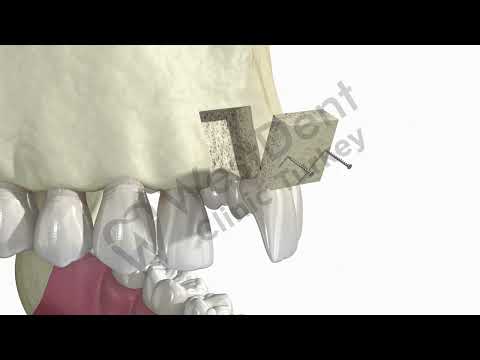
.png)
.png)
.png)
.png)








Share this listing