


-1-(1).png)
Contenuto
Ritrova un sorriso sicuro con gli impianti dentali All on 4 in Turchia?
Perdere un'intera arcata dentale può essere un'esperienza incredibilmente isolante e difficile, che influisce su tutto, dalla salute nutrizionale alla fiducia in se stessi. Le protesi tradizionali spesso scivolano, causano disagio e limitano la dieta. Fortunatamente, l'odontoiatria moderna offre una soluzione permanente e in grado di cambiare la vita: il sistema implantare All-on-4. E oggi, decine di migliaia di pazienti internazionali stanno scoprendo che la Turchia è probabilmente il posto migliore al mondo per sottoporsi a questa procedura trasformativa.
La tecnica All-on-4 è un approccio rivoluzionario che ripristina un'arcata dentale completa utilizzando solo quattro impianti in titanio strategicamente angolati. Poiché gli impianti posteriori sono inclinati per massimizzare il contatto con l'osso mascellare esistente, questo metodo elimina spesso la necessità di un doloroso e costoso innesto osseo. Entro pochi giorni dall'arrivo in una clinica turca, potrete uscire con un sorriso temporaneo completamente funzionale e dall'aspetto naturale, seguito da un ponte permanente e altamente resistente pochi mesi dopo.
Scegliere la Turchia per il tuo percorso All-on-4 significa immergersi in una cultura medica che ha perfezionato l'arte del turismo dentale. Città come Istanbul, Antalya e Smirne vantano mega-cliniche che sembrano più hotel di lusso che strutture mediche. Questi centri sono dotati di tecnologie odontoiatriche digitali all'avanguardia, tra cui scanner CBCT 3D, telecamere intraorali e laboratori di fresatura CAD/CAM interni. Questa infrastruttura iper-avanzata consente ai protesisti e ai chirurghi orali turchi di pianificare ed eseguire il restauro del tuo sorriso con la massima precisione, grazie all'assistenza computerizzata.
Ciò che distingue davvero la Turchia, tuttavia, è l'enorme volume di casi eseguiti da questi chirurghi d'élite. Gestiscono quotidianamente complesse riabilitazioni complete, il che conferisce loro un livello di competenza clinica difficile da eguagliare a livello globale. Se a questa competenza ineguagliabile si unisce il calore dell'ospitalità turca e risparmi fino al 70% rispetto ai prezzi di Stati Uniti o Regno Unito, è facile capire perché la Turchia sia diventata la capitale indiscussa delle ricostruzioni odontoiatriche globali. Non si tratta solo di denti nuovi: si tratta di un'esperienza medica VIP in una delle destinazioni più belle del mondo.
Lo sapevate?
Istanbul è l'unica metropoli al mondo situata su due continenti! Molti pazienti odontoiatrici internazionali vivono un'esperienza "transcontinentale" unica, trascorrendo la convalescenza in un hotel di lusso in Europa e sottoponendosi a visite dentistiche all'avanguardia in Asia, attraversando lo splendido Stretto del Bosforo a bordo di un veicolo VIP per il trasferimento in clinica.
Informazioni chiave a colpo d'occhio
I pazienti risparmiano abitualmente tra il 50% e il 70% rispetto agli Stati Uniti o al Regno Unito, anche considerando le spese di viaggio.
Le cliniche più prestigiose utilizzano esclusivamente marchi di impianti riconosciuti a livello mondiale e garantiti a vita, come Straumann, Nobel Biocare e Osstem.
Il posizionamento specializzato degli impianti posteriori con un angolo di 45 gradi spesso elimina la necessità di un esteso innesto osseo.
Molti centri dispongono di laboratori di stampa 3D e fresatura in loco, che consentono la creazione ultrarapida di denti temporanei e permanenti personalizzati.
Riceverai denti provvisori funzionali entro 24 ore dall'intervento, il che significa che non dovrai mai lasciare la clinica senza denti.
Standard di ospitalità VIP
Il turismo dentale turco va oltre la medicina: è un'esperienza. La maggior parte delle cliniche più prestigiose offre un "Patient Experience Manager" dedicato, traduttori personali e trasferimenti in lussuosi van neri per accompagnarvi senza problemi tra l'aeroporto, l'hotel e la clinica, come dei re!
Pacchetti All on 4 Implants convenienti in Turchia
Organizzare un intervento di chirurgia odontoiatrica complesso all'estero è semplice se si opta per un pacchetto completo. Nella sezione sottostante, abbiamo selezionato una selezione di pacchetti All-on-4 esclusivi e all-inclusive, offerti dai migliori centri odontoiatrici in Turchia. Questi pacchetti completi coprono in genere tutte le esigenze cliniche: scansioni panoramiche 3D, parcella del chirurgo, impianti in titanio, protesi provvisorie e anestesia locale. Molti di questi pacchetti sono strutturati per eliminare ogni dubbio dal vostro percorso medico, permettendovi di concentrarvi esclusivamente sul vostro nuovo sorriso.
Nota: i pacchetti all-inclusive offrono una tranquillità senza pari, combinando in modo trasparente le vostre complesse esigenze chirurgiche in un unico prezzo prevedibile.
.png)
Price starting from $5,845
Top Package for All on 4 Dental Implants in Izmir, Turkey
WestDent Clinic Turkey
- Dentistry
Izmir, Turkey

Price starting from $10,480
NOBEL All on 4 Dental Implants Package in Izmir, Turkey by WestDent Clinic
WestDent Clinic Turkey
- Dentistry
Izmir, Turkey

Price starting from $4,200
Osstem All on 4 Dental Implants Package in Istanbul, Turkey by Tower Dental Clinic
Tower Dental Clinic
- Dentistry
Istanbul, Turkey

Price starting from $4,193
All on 4 Dental Implants Istanbul Turkey Package by Novusklinik
Novusklinik Istanbul Turkey
- Dentistry
Istanbul, Turkey

Price starting from $3,800
All on 4 Dental Implants Package in Istanbul, Turkey by YEG Clinic
YEG Clinic - Best Dental Clinic Istanbul
- Dentistry
Istanbul, Turkey
Costo degli impianti dentali All on 4 in Turchia - Confronto dei prezzi degli impianti
L'accessibilità economica è il motore del boom del turismo dentale in Turchia. La tabella seguente illustra i costi medi per i restauri All-on-4 in Turchia, offrendo un chiaro confronto con i prezzi esorbitanti tipici del Nord America e dell'Europa occidentale. Sebbene queste cifre costituiscano un riferimento altamente accurato, è importante ricordare che la stima finale dipenderà dalla marca specifica di impianti scelta (ad esempio, Straumann di fabbricazione svizzera rispetto a Osstem di fabbricazione sudcoreana) e dal materiale selezionato per le corone permanenti.
Suggerimento: chiedi sempre un preventivo dettagliato per assicurarti che non ci siano costi nascosti per estrazioni, innesti ossei o protesi temporanee.
All on 4 Dental Implants Confronto dei costi dei centri in Turkey
| Fornitore | Procedura | Prezzo |
|---|---|---|
| Tower Dental Clinic | All on 4 Dental Implants, Dentistry | $4200 |
| WestDent Clinic Turkey | All on 4 Dental Implants, Dentistry | $4400 |
| YEG Clinic - Best Dental Clinic Istanbul | All on 4 Dental Implants, Dentistry | $2300 |
| Novusklinik Istanbul Turkey | All on 4 Dental Implants, Dentistry | $5654 |
All on 4 Dental Implants Confronto dei costi in Turkey
| Paese | Procedura | Prezzo |
|---|---|---|
| United Kingdom | All on 4 Dental Implants, Dentistry | $15500 |
| Canada | All on 4 Dental Implants, Dentistry | $22500 |
| United States | All on 4 Dental Implants, Dentistry | $35000 |
Le 6 migliori cliniche per impianti dentali All on 4 in Turchia
Il successo di un restauro completo dipende in larga misura dalle capacità tecnologiche della struttura e dal rigoroso rispetto dei protocolli igienici. Di seguito, segnaliamo i principali ospedali odontoiatrici e cliniche di implantologia boutique in Turchia che vantano una comprovata esperienza nel protocollo All-on-4. Questi centri sono rigorosamente selezionati per le loro certificazioni internazionali, l'utilizzo di marchi implantari globali autentici e laboratori digitali interni altamente specializzati. Esaminate i loro profili per trovare una clinica in linea con le vostre esigenze cliniche.
La sicurezza prima di tutto: assicurati che la struttura scelta sia ufficialmente autorizzata dal Ministero della Salute turco a curare pazienti internazionali.

Tower Dental Clinic
Istanbul, Turkey
WestDent Clinic Turkey
Izmir, Turkey
DentSpa - Best Dental Clinic in Istanbul
Istanbul, Turkey
YEG Clinic - Best Dental Clinic Istanbul
Istanbul, Turkey
.png)
Novusklinik Istanbul Turkey
Istanbul, Turkey
Phinova Clinics - Dental Clinic Izmir
Izmir, Turkey
Video informativi sulla sostituzione di tutti e quattro i denti in Turchia
Non c'è niente di più potente che vedere la gioia di un sorriso completamente riacquistato. Le testimonianze video riportate di seguito raccontano storie vere di pazienti internazionali che si sono recati in Turchia per sottoporsi alla procedura All-on-4. Guardate queste testimonianze autentiche per scoprire le loro esperienze cliniche, la facilità del loro viaggio, le loro interazioni con lo staff odontoiatrico e, soprattutto, i risultati estetici e funzionali che hanno cambiato la loro vita.
Approfondimento: i video diari offrono uno sguardo trasparente sul genuino processo di guarigione quotidiano e sulla straordinaria abilità artistica dei dentisti turchi.
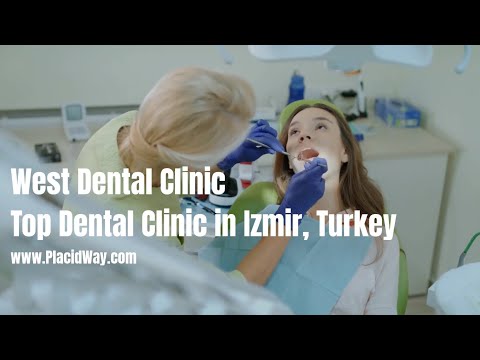
Recensioni dei pazienti sulle cure odontoiatriche in Turchia
Le recensioni complete dei pazienti sono fondamentali nella scelta del chirurgo orale. In questa sezione troverete feedback autentici e verificati da pazienti da tutto il mondo che hanno affidato i loro complessi restauri dentali a cliniche in Turchia. Leggete i loro resoconti dettagliati sui protocolli di gestione del dolore, sulla precisione dei loro nuovi ponti, sulle capacità comunicative del team medico e sulla loro soddisfazione generale per la ritrovata capacità di mangiare, parlare e sorridere liberamente.
Suggerimento per la recensione: presta particolare attenzione alle recensioni che parlano della seconda visita (la fase di adattamento permanente) e dell'impegno della clinica nel perfezionare il morso finale.

Domande frequenti sugli impianti All on 4 in Turchia
Are There Any Unexpected Costs for Dental Treatment in Turkey for Europeans?
Are There Any Hidden Costs for Dental Treatment in Turkey For Europeans? Turkey has become a global hotspot for high-quality, affordable dental care, attracting thousands of international patients each year. The significant price difference compared to countries like the US, UK, and Australia is a major draw. However, the prospect of traveling abroad for dental work can come with concerns about transparency and unexpected expenses. The question on many people's minds is: are there any hidden costs for dental treatment in Turkey? The straightforward answer is that while reputable clinics strive for transparency, potential extra charges can exist if patients are not fully aware of what their treatment package includes. Understanding these potential costs is key to a smooth and stress-free dental tourism experience. This guide is designed to shed light on all the potential hidden costs you might encounter. We will break down what is typically included in the initial quote and what might be considered an 'extra'. From the initial consultation and diagnostic tests to the materials used and aftercare, being well-informed will empower you to ask the right questions and choose a clinic that offers true value and transparency. The goal is to ensure that the attractive price you are quoted is the price you actually pay, with no unwelcome surprises along the way. By the end of this article, you will have a clear understanding of how to navigate the financial aspects of getting your dental work done in Turkey, ensuring your journey to a new smile is as seamless as it is affordable. What is typically included in the advertised price for dental treatment in Turkey for Europeans? "Typically, the advertised price for dental treatment in Turkey for europeans, especially in 'all-inclusive' packages, covers the core dental procedure, the dentist's fees, and often accommodation and airport transfers." When you see a price for dental implants, veneers, or a full smile makeover in Turkey, it usually encompasses the main components of your treatment. For instance, a dental implant package will generally include the implant itself, the abutment, and the crown. Similarly, a veneer package will cover the cost of the veneers per tooth. Many clinics, especially those catering to international patients, bundle their services into packages to simplify the process. These packages often include a set number of nights in a partner hotel and VIP transfers between the airport, hotel, and the clinic. However, it's crucial to remember that the level of inclusivity can vary significantly from one clinic to another. A lower advertised price might not be as comprehensive as a slightly higher one. Always request a detailed breakdown of what is included in the quoted price. This should be a clear and itemized list that leaves no room for ambiguity. A reputable clinic will be more than happy to provide this information, as it builds trust and demonstrates their commitment to transparency. Are initial consultations and X-rays considered extra costs? "In most cases, initial consultations and standard X-rays (like panoramic X-rays) are included in the treatment package at reputable dental clinics in Turkey. However, more advanced scans may incur an additional fee." Most dental clinics in Turkey offer free initial consultations to attract international patients. These consultations can often be done remotely, where you send pictures of your teeth and any existing X-rays for a preliminary assessment. Once you arrive in Turkey, a more thorough in-person consultation will be conducted, which typically includes a panoramic X-ray to assess your overall dental health. For straightforward cases, these initial diagnostic services are usually part of the package. Where you might encounter an extra charge is if you require more detailed imaging, such as a 3D Cone Beam Computed Tomography (CBCT) scan. This type of scan provides a much more detailed view of your jawbone and is often necessary for complex implant placements. While some premium 'all-inclusive' packages may cover the cost of a CBCT scan, many clinics will charge for it separately. It is essential to clarify this with the clinic beforehand, especially if you suspect you might need a more complex procedure. What about the cost of anesthesia? Is it always included? "Local anesthesia is almost always included in the quoted price for dental procedures in Turkey. However, if you opt for or require sedation or general anesthesia, this will likely be an additional cost." For the vast majority of dental treatments, including fillings, crowns, and even standard implant placements, local anesthesia is sufficient to ensure a painless experience. The cost of local anesthesia is minimal and is factored into the overall price of the procedure. You should not expect to see a separate charge for this on your bill. However, for patients who have dental anxiety or are undergoing extensive procedures like a full mouth reconstruction, sedation or even general anesthesia might be an option. These services are provided by a qualified anesthesiologist and require more resources and monitoring, hence they come at an extra cost. If you think you might prefer sedation, you should inquire about the availability and the associated fees when you are getting your initial quote. This will prevent any surprises on the day of your treatment. Are there different prices for different materials for Europeans? "Yes, the type and brand of materials used for your dental treatment can significantly impact the final cost. The initial quote you receive may be for standard materials, with premium options available at an extra charge." This is one of the most common areas where "hidden" costs can appear. For example, when getting dental crowns or veneers, the price will vary depending on whether you choose porcelain-fused-to-metal (PFM), zirconia, or E-max. Zirconia and E-max are considered premium materials due to their superior aesthetics and durability, and they will be more expensive than PFM. Similarly, for dental implants, the brand of the implant plays a crucial role in the cost. A well-known, high-quality implant brand from Switzerland or Germany will cost more than a lesser-known brand. When you receive a quote, it's vital to ask which specific materials and brands are included. If the quote seems significantly lower than others, it might be because it's for standard, lower-cost materials. A transparent clinic will present you with all the options and explain the pros, cons, and price differences of each. This allows you to make an informed decision based on your budget and preferences. What if I need additional procedures like a bone graft or sinus lift? "Additional procedures such as bone grafts, sinus lifts, or tooth extractions are typically not included in the standard price for dental implants and will be charged separately." For a dental implant to be successful, there needs to be sufficient bone density in the jaw to support it. If you have been missing a tooth for a while, you may have experienced bone loss. In such cases, a bone graft is necessary to build up the bone. Similarly, if you are getting implants in the upper jaw, a sinus lift might be required to create enough space for the implant. These are surgical procedures that require additional time, materials, and expertise, and therefore, they are not part of the standard implant price. A good dental clinic will identify the need for these additional procedures during your initial assessment (ideally through a CBCT scan) and include them in your detailed treatment plan and quote from the beginning. However, if the need for a bone graft or sinus lift is only discovered after you have arrived in Turkey, it will be an unexpected but necessary additional cost. To avoid this, it's best to provide the clinic with as much information as possible, including recent X-rays, before you travel. Are temporary crowns or veneers included in the price? "In most comprehensive dental treatment packages in Turkey, the cost of temporary crowns or veneers is included. However, it's always wise to confirm this with your chosen clinic." When you are getting dental crowns or veneers, the process usually involves two stages. In the first stage, your teeth are prepared, and impressions are taken. These impressions are then sent to a dental lab to create your permanent restorations. This process can take a few days. In the meantime, you will be fitted with temporary crowns or veneers to protect your prepared teeth and maintain your appearance. The cost of these temporary restorations is usually factored into the overall price of your treatment. However, you should not take this for granted. Some clinics might offer a very low baseline price that excludes temporaries. It's a simple but important question to ask during your consultation. Ensuring that temporaries are included will prevent the inconvenience of having to pay extra for them or, in a worst-case scenario, having to go without them while you wait for your permanent restorations. What are the costs for aftercare and follow-up appointments? "Immediate aftercare and follow-up appointments within your treatment period in Turkey are generally included. However, long-term follow-up care in your home country will be your own responsibility and cost." Reputable dental clinics in Turkey will provide you with all the necessary aftercare instructions and any immediate follow-up appointments required before you head back home. This is part of ensuring a successful treatment outcome. You will also be given a supply of any necessary medications, such as painkillers or antibiotics, which are usually included in the package price. The "hidden" cost in this area relates to long-term care. Dental implants, for example, require regular check-ups and professional cleanings, just like natural teeth. These ongoing maintenance appointments will need to be done with a dentist in your home country, and you will be responsible for these costs. It's important to factor in the long-term maintenance costs when considering the overall affordability of getting dental treatment abroad. Do I have to pay for medication separately? "Most all-inclusive dental packages in Turkey include the cost of essential medications required immediately after your procedure, such as antibiotics and painkillers." When you undergo a dental procedure like an extraction, root canal, or implant placement, your dentist will likely prescribe antibiotics to prevent infection and painkillers to manage any discomfort. The cost of these initial medications is typically included in your treatment package. The clinic will usually provide you with the necessary supply to cover the first few days of your recovery. However, if you require any special medication due to a pre-existing condition or if you need a repeat prescription after you have finished the initial supply, you may have to pay for it separately. It's always a good idea to bring any regular medications you take from home and to clarify with the clinic what is included in terms of post-operative medication. Are there any hidden fees related to travel and accommodation in "all-inclusive" packages? "While 'all-inclusive' packages are designed to cover your accommodation and transfers, there can be hidden fees related to flight tickets, hotel upgrades, extra nights, or personal expenses." The term "all-inclusive" in the context of dental tourism in Turkey usually refers to the dental treatment, accommodation, and ground transfers. Your flight tickets are almost always your own responsibility. When it comes to accommodation, the package will typically include a specific number of nights in a standard room at a partner hotel. If you wish to upgrade to a better room, stay for extra nights, or have a companion stay with you, there will be additional charges. Furthermore, your personal expenses, such as food, sightseeing, and shopping, are not included in the package. It's important to budget for these separately. To avoid any misunderstandings, ask the clinic for the name of the hotel and what is included in the accommodation (e.g., breakfast). This will help you plan your budget more accurately. What happens if there are complications? Are correction procedures free? "Reputable dental clinics in Turkey provide a warranty or guarantee for their work. Minor adjustments are usually free, but the terms for correcting more significant complications can vary." This is a critical aspect to clarify before you commit to any treatment. A good clinic will stand by its work and offer a warranty, especially for procedures like implants and crowns. This warranty should cover any defects in the materials or workmanship. For example, if a crown cracks or an implant fails within the warranty period, the clinic should rectify the issue at no extra cost for the dental work itself. However, you will likely have to cover your own travel and accommodation expenses for the return trip. It's essential to get the warranty terms in writing. Understand what is covered, for how long, and what might void the warranty (e.g., poor oral hygiene or getting work done on the same tooth by another dentist). A transparent clinic will have a clear and fair warranty policy. How can I get a fully transparent and all-inclusive quote? "To get a fully transparent and all-inclusive quote, you must provide the clinic with detailed information about your dental health, including recent X-rays, and ask for an itemized breakdown of all potential costs." The key to avoiding hidden costs is proactive and clear communication. Don't just accept the initial price you are given. Engage with the clinic's patient coordinator and ask detailed questions. Here’s how you can ensure transparency: Provide comprehensive information: Share clear photos of your teeth and gums, and if possible, a recent panoramic X-ray. The more information the dentist has, the more accurate your initial treatment plan and quote will be. Request an itemized quote: Ask for a detailed written quote that lists every single component of your treatment, including the consultation, X-rays, the procedure itself, the materials to be used, anesthesia, temporary restorations, and aftercare. Discuss potential additional procedures: Ask the dentist if they foresee the need for any other treatments, like a bone graft or extractions, and what the costs for these would be. What specific questions should I ask my dental clinic to avoid hidden costs? "To avoid hidden costs, you should ask your dental clinic in Turkey a series of specific questions about what is included in the quote, the materials they use, their warranty policy, and any potential additional charges." Being prepared with a list of questions can save you a lot of money and stress. Here are some essential questions to ask: Is the price quoted a package deal? What exactly does it include? Are there any additional charges for consultations, X-rays, or 3D scans? What type and brand of materials will be used for my crowns/veneers/implants? Are there other options, and what are the price differences? Is the cost of local anesthesia, sedation, or general anesthesia included? Will I need any additional procedures like a bone graft or sinus lift? If so, what is the cost? Is the cost of temporary restorations included? What does the warranty cover, and for how long? Do I have to pay for travel and accommodation if a correction is needed? What are the payment terms? Are there any fees for using a credit card or for currency exchange? Are there any currency exchange or payment processing fees? "Yes, there can be additional fees related to currency exchange and payment processing when paying for your dental treatment in Turkey. It's important to clarify the accepted payment methods and any associated charges." Most dental clinics in Turkey will quote their prices in Euros, US Dollars, or British Pounds for international patients. When you pay, the final amount in your home currency will depend on the exchange rate at that time. If you are paying by credit card, your bank may charge a foreign transaction fee. Some clinics may also add a small percentage (typically 2-3%) for credit card payments to cover their own processing fees. To keep costs down, you might consider paying in cash, but be mindful of the risks of carrying large amounts of money. Another option is a bank transfer, but check for any fees from your bank. The best approach is to discuss all payment options with the clinic in advance and choose the one that is most cost-effective for you. Do I need to pay for a translator? "At most dental clinics in Turkey that cater to international patients, translation services are provided free of charge. The staff, including dentists and patient coordinators, are often fluent in English and other languages." Language barriers are a common concern for medical tourists. However, the top dental clinics in Turkey have invested heavily in creating a welcoming environment for international patients. This includes having multilingual staff. Your patient coordinator, who will be your main point of contact, will likely be fluent in your language. The dentists themselves often have excellent English skills, having trained or attended conferences internationally. It is highly unlikely that you would need to hire and pay for your own translator. However, it's always a good idea to confirm this with the clinic. A good clinic will ensure that you can communicate effectively and comfortably throughout your treatment journey. How do I ensure the quoted price is the final price? "To ensure the quoted price for your dental treatment in Turkey is the final price, you need to choose a reputable clinic, get a detailed and itemized treatment plan in writing, and have a clear understanding of the clinic's warranty and complication policies." Ultimately, the best way to avoid hidden costs is to do your due diligence. Here's a summary of the key steps: Research and choose a reputable clinic: Look for clinics with a long history of treating international patients, positive reviews, and international accreditations. Have a thorough remote consultation: Provide them with all the necessary information to create an accurate initial plan. Get everything in writing: Your treatment plan should be detailed and itemized. Your warranty policy should be clear and comprehensive. Ask questions: Don't be shy about asking all the questions we've outlined in this guide. A good clinic will welcome your questions. By taking these steps, you can be confident that the attractive price you are quoted for your dental treatment in Turkey will be the final price you pay, allowing you to focus on what truly matters: achieving a healthy and beautiful smile. Ready to explore your options for high-quality, affordable dental care in Turkey? PlacidWay can help you connect with trusted and pre-screened dental clinics. Explore our network of world-class dental providers and get a free, no-obligation quote for your personalized treatment plan. Your journey to a new smile starts here!
What Do All-Inclusive Dental Packages in Turkey Include?
All-inclusive dental packages in Turkey typically bundle your specific dental treatment, such as implants or veneers, with local transfers, hotel accommodation, and translation services. Treatment costs generally range from $3,000 to $8,000. Key Takeaways Packages usually combine clinical treatments with hotel stays and local transit. Prices depend heavily on case complexity and the international materials used. Verifying dentist credentials through official registries is a vital step before traveling. Patients must plan for local aftercare and maintenance upon returning home. International flights are rarely included and must be booked separately by the patient. What specific treatments do all-inclusive dental packages in Turkey cover? These packages typically cover major restorative and cosmetic procedures such as implants, veneers, and full mouth rehabilitations. They bundle the clinical work with logistical support for international patients. Most international patients travel for comprehensive restorative work rather than routine checkups. This usually includes placing multiple titanium posts, fitting custom ceramic crowns, or completing extensive cosmetic adjustments using porcelain veneers. The clinical portion generally encompasses the initial remote consultation, on-site panoramic X-rays or 3D scans, the main surgical or cosmetic procedure, and necessary follow-up checks before the patient departs. Basic procedures like simple fillings or routine cleanings are rarely the primary reason individuals seek these bundles due to the associated travel costs. Instead, complex clinical cases that require specialized laboratory equipment and significant chair time are the primary focus. Some comprehensive bundles may also incorporate necessary preparatory work, such as dental extractions or sinus lifts, though these additions often alter the final financial estimate. It is crucial to understand that not all individuals are suitable candidates for every advertised treatment. A thorough remote assessment utilizing recent dental records is usually the first step to determine what a bundle might realistically cover. Final treatment plans and their associated clinical steps are always subject to an in-person physical examination upon arrival. How much does the average dental packages cost in Turkey compared to other regions? The estimated dental packages cost in Turkey generally ranges from $3,000 to $8,000 depending on the procedure. This is often significantly lower than estimates in North America or Western Europe. Cost variations are driven by several clinical and logistical factors, including the brand of materials used, the complexity of the patient case, and the specific city where the facility is located. Bundles utilizing internationally recognized implant systems naturally cost more than those using regional alternatives. Patients should always request an itemized financial breakdown to understand exactly what clinical materials and logistical services are included. Treatment Type Estimated Cost in Turkey Estimated Cost in US/UK Single Dental Implant (with Crown) $700 - $1,200 $3,500 - $5,000 Full Veneer Set (20 Teeth) $3,500 - $5,500 $15,000 - $25,000 Full Mouth Restoration (Implants) $6,000 - $12,000 $25,000 - $40,000 While the upfront financial estimate is often attractive, patients must budget for additional travel expenses. These typically include international flights, meals consumed outside the hotel, comprehensive travel insurance, and potential costs for local aftercare once they return home. Unforeseen clinical complications could also lead to extended hotel stays, adding to the overall financial commitment. It is highly advisable to avoid choosing a facility based solely on the lowest advertised price. Unusually cheap bundles might compromise on material quality or the experience level of the attending professionals. Verifying standard pricing across multiple reputable facilities helps ensure a realistic and safe budget for your journey. Did You Know? Dental treatment plans can change after an in-person physical examination, meaning initial cost estimates provided online may be adjusted once you arrive at the clinic and undergo detailed 3D imaging. What accommodation and logistics are typically provided in these packages? Most comprehensive bundles include a set number of nights in a partner hotel and local transfers between the airport, hotel, and clinical facility. International flights are almost never included in the quoted estimate. The accommodation provided usually ranges from comfortable business hotels to luxury lodging located reasonably close to the dental facility. The duration of the stay is tailored strictly to the expected clinical recovery time and the number of mandatory facility visits required. Patients are typically responsible for their own daily meals unless a basic breakfast is covered by the standard hotel policy. Local transportation is a standard staple of these bundles designed to reduce stress for international visitors. A designated driver usually picks up the patient from the airport upon arrival and manages all necessary transit to and from scheduled dental appointments. This eliminates the need to navigate unfamiliar public transportation networks or negotiate with local taxis while recovering from surgical treatment. Dedicated patient coordinators often assist with daily logistics and scheduling throughout the clinical stay. They help ensure patients arrive on time for their mandatory check-ups and can sometimes assist with minor local translation requests. However, patients should always confirm the exact scope of these logistical services in writing before finalizing their travel plans. How do I verify the credentials of a dental clinic in Turkey? Verifying a dental clinic in Turkey involves checking the professional registration of the dentists and the accreditation status of the facility. Always look for transparent documentation of their qualifications. Verify that the treating dentist holds a valid registration with the Turkish Dental Association and relevant health ministries. Request specific details about the specialist handling complex surgeries, ensuring they hold appropriate postgraduate qualifications. Inquire about the facility adherence to international sterilization and patient safety protocols. Ask for documented details on the brands and materials used, ensuring they are globally recognized and cleared for use. Review the facility policy on post-treatment complications and what clinical support they offer if issues arise after you return home. Avoid relying solely on promotional social media imagery; seek verifiable patient histories and official credentials. What are the potential risks and complications of dental treatments abroad? Traveling for dental work carries inherent medical risks such as infection, implant failure, or dissatisfaction with cosmetic results. Treating these unexpected complications back home can be clinically complex. Surgical procedures always involve a baseline risk of infection, unexpected bleeding, or adverse reactions to local anesthesia, regardless of where they are performed globally. In a travel context, flying shortly after oral surgery can exacerbate certain clinical issues, such as sinus pressure or localized swelling. Following all post-operative travel guidelines provided by the treating professional is strictly necessary to mitigate these risks. If an implant fails to integrate or a veneer chips after the patient has returned to their home country, addressing the issue requires either a return flight or finding a local professional willing to take over the case. Many local practitioners hesitate to modify or repair work performed abroad due to strict liability concerns or unfamiliarity with the specific implant systems used. Communication barriers can sometimes lead to clinical misunderstandings regarding aesthetic expectations or vital medical instructions. Ensuring that the chosen facility provides fluent translation services and clear, written post-treatment guidelines is essential. Patients must advocate for themselves and ensure they fully understand all risks before consenting to extensive work. Important Consideration Always request your complete dental records, including pre-operative and post-operative X-rays, before leaving the facility. You will likely need these records for your local dentist back home. How does medical tourism in Turkey ensure patient safety and care quality? Medical tourism in Turkey is regulated by local health authorities, which require facilities treating international patients to hold specific health tourism authorization certificates. Facilities operating within the international sector must meet strict criteria set by the Turkish government regarding clinical hygiene, technical infrastructure, and staff qualifications. Regular administrative inspections are conducted to ensure these facilities maintain operational standards. However, regulatory enforcement can vary by region, making thorough patient due diligence highly critical before booking. Many reputable facilities pursue independent international accreditations to visually demonstrate their commitment to quality clinical care. These voluntary accreditations require strict adherence to global protocols for patient safety, rigorous infection control, and continuous medical education for all staff. Identifying facilities with these voluntary certifications adds an extra layer of reassurance for traveling patients. The rapid growth of the sector has led to significantly improved clinical infrastructure, including advanced imaging technology and modern surgical suites. Reputable facilities invest heavily in modern equipment such as advanced 3D scanners and computerized milling machines to enhance surgical precision and reduce overall treatment times for traveling international patients. What is the typical timeline for completing extensive dental work abroad? Treatment timelines vary significantly by procedure, but cosmetic work usually requires a single visit of five to seven days, while implant procedures often require two separate visits. For aesthetic treatments like custom dental veneers or ceramic crowns, the clinical process involves initial tooth preparation, laboratory fabrication, and the final permanent fitting. This sequence generally takes about one full week, allowing sufficient time for the specialized dental lab to create custom pieces and for the dentist to make necessary functional adjustments before the patient departs. Standard dental implants are typically a multi-stage clinical process. The first visit involves surgically placing the titanium posts into the jawbone, which generally requires a local stay of roughly three to five days for monitoring. The patient then returns to their home country for three to six months to allow the bone to properly heal and functionally integrate with the new implant. The second mandatory visit involves attaching the permanent abutments and placing the custom artificial crowns. This final restorative stage usually requires another five to eight-day local stay. While some facilities advertise immediate loading implants that condense this timeline, these are only suitable for highly specific clinical cases and carry different, often elevated, risk profiles. What kind of aftercare is required once I return home from my dental procedure? Proper post-operative aftercare involves maintaining rigorous oral hygiene, adhering to specific dietary restrictions during the healing phase, and scheduling routine check-ups locally. Follow all prescribed medication schedules carefully, including antibiotic courses and pain management protocols, exactly as directed. Stick strictly to soft food diets during the initial weeks after surgery to avoid placing undue mechanical stress on healing implants. Maintain excellent daily brushing and flossing routines to proactively prevent peri-implantitis or localized gum disease. Establish a working relationship with a local dentist for routine prophylactic cleanings and immediate attention if discomfort arises. Wear provided protective night guards if prescribed to shield new ceramic restorations from nocturnal grinding or clenching. Why Choose PlacidWay for exploring global dental treatment options? PlacidWay provides a comprehensive informational platform for patients to research and compare global healthcare providers. We focus on offering transparent data to help you make informed decisions. Access a vast global directory of internationally recognized healthcare facilities and specialized dental centers. Compare estimated clinical treatment costs and available supportive services across multiple global destinations. Review detailed facility profiles that clearly outline structural accreditations and listed staff qualifications. Connect directly with designated clinic coordinators to ask specific clinical questions and request customized preliminary estimates. Utilize free educational resources to better understand complex medical procedures and the realistic logistics of health tourism. Empower yourself with transparent, side-by-side informational comparisons without the pressure of committed bookings. Frequently Asked Questions Are consultation fees included in Turkish dental packages? Yes, initial consultations and preliminary imaging are usually included. Most comprehensive bundles package the preliminary panoramic X-ray and the initial doctor evaluation into the total advertised cost. However, complex 3D scans might incur separate fees depending on the facility policy. Do dental packages in Turkey cover flights? No, international airfare is almost never included in these bundles. Patients are strictly responsible for booking and financing their own flights to and from the destination. Local airport transfers, however, are a standard inclusion to assist with ground logistics. Can I bring a companion with my dental package? Yes, traveling companions are generally welcome to accompany you. The hotel rooms provided are typically double occupancy, allowing a companion to stay without incurring extra accommodation charges. Their daily meals and separate travel expenses are not covered. What happens if I need a bone graft before implants? Bone grafting is usually an additional clinical cost not covered in standard estimates. If pre-operative scans reveal insufficient bone density, a graft is medically required, which extends the overall treatment timeline and adds to the final financial bill. Are medications included in the overall package price? Basic post-operative medications are often provided upon clinical discharge. Antibiotics, standard painkillers, and specialized mouthwashes necessary for immediate surgical recovery are typically handed to the patient before they return to their hotel. How long are the hotel stays usually covered? Covered hotel stays generally range from five to eight nights. The exact duration depends entirely on the specific clinical requirements of the procedure being performed and the mandatory post-operative monitoring period required by the dentist. Is language translation provided during dental appointments? Yes, professional translation services are a standard logistical inclusion. Facilities catering to international patients employ dedicated patient coordinators who are fluent in English and other major languages to ensure clear medical communication. What payment methods are generally accepted by Turkish clinics? Facilities typically accept major international credit cards and physical cash. Visa, Mastercard, and cash payments in major global currencies like US Dollars, Euros, or British Pounds are commonly accepted, though patients should verify exchange rates. Do I need a visa for dental treatment in Turkey? Visa requirements depend entirely on your specific nationality and citizenship. Many North American and European citizens require a standard tourist e-Visa, which must be obtained online prior to boarding their international flight. What types of materials are used for crowns and veneers in Turkey? Reputable facilities typically use globally recognized dental materials. High-grade Zirconia, E-max ceramics, and medical-grade titanium are industry standards, but patients should always independently verify the specific international brands utilized by their chosen facility. Compare Dental Implant Options Explore reputable clinics, compare estimated costs, and gather transparent information to make an informed decision about your dental care abroad. Request Treatment Information References Medical Tourism Guidelines – Centers for Disease Control and Prevention (CDC) Patient Safety Fact Sheet – World Health Organization (WHO) Going Abroad for Treatment – National Health Service (NHS) Policy on Dental Tourism – American Dental Association (ADA) International Principles on Dental Care – FDI World Dental Federation Accreditation Standards for International Healthcare – International Society for Quality in Health Care (ISQua) Guidelines for Professional Conduct – Turkish Dental Association
Does German Health Insurance Cover Dental Treatment in Turkey?
Turkey has emerged as a top destination for dental tourism, attracting thousands of patients from Germany with its promise of high-quality dental care at significantly lower prices. If you're a resident of Germany considering this option, your most pressing question is likely: "Does German health insurance cover dental treatment in Turkey?" The answer is encouraging, but it comes with important conditions and processes you must follow. Navigating the rules of German health insurance, whether you have public insurance (Gesetzliche Krankenversicherung - GKV) or private insurance (Private Krankenversicherung - PKV), can feel complex, especially when seeking treatment abroad. The key isn't just about finding a great clinic in Istanbul or Antalya; it's about understanding how to get your domestic insurance to contribute to the costs. This guide is designed to demystify the process for you. We will explore how both GKV and PKV handle claims for dental work performed in non-EU countries like Turkey. We'll introduce you to the most critical document in this entire process: the Heil- und Kostenplan (treatment and cost plan). Understanding this document is the first step toward securing a reimbursement. We'll walk you through the necessary steps, from getting pre-approval to submitting your claim after the treatment. While the savings can be substantial, success depends on careful planning and communication with your insurance provider. Let's dive into the details to ensure your journey to a new smile is not only successful but also financially savvy. Can I use my German health insurance for dental work in Turkey? "Yes, you can use your German health insurance for planned dental work in Turkey, but you must get prior approval. You will typically have to pay the costs upfront in Turkey and then claim a reimbursement from your insurer in Germany." The principle of seeking medical treatment in other countries is well-established within the German healthcare system. While the process is more streamlined within the European Union, it is still possible to receive coverage for treatment in countries like Turkey, with which Germany has a social security agreement. However, this is not an automatic process. For any planned dental treatment, you cannot simply go to Turkey, have the work done, and expect your insurance to pay the bill. You must engage with your insurer beforehand. The cornerstone of this process is getting a detailed treatment and cost plan from your Turkish dentist and submitting it to your German health insurance for approval. Without this pre-approval, your claim for reimbursement will almost certainly be denied. What is the difference in coverage between public (GKV) and private (PKV) insurance? "Public insurance (GKV) provides a fixed subsidy (Festzuschuss) based on standard German treatment costs, not the actual cost in Turkey. Private insurance (PKV) coverage depends entirely on your individual policy and can be much more comprehensive, potentially covering a larger percentage of the actual bill." The level of financial support you can expect for your dental treatment in Turkey varies significantly depending on whether you are insured under the GKV or PKV system. Public Health Insurance (GKV): The GKV system is based on solidarity and provides a defined set of benefits. For dental prosthetics (like crowns, bridges, and implants), it pays a fixed amount, known as the Festzuschuss. This amount is calculated based on the average cost of the standard, most basic treatment for your specific dental condition in Germany. It doesn't matter if your treatment in Turkey is cheaper or more expensive; the subsidy remains the same. Private Health Insurance (PKV): Coverage under PKV is not standardized; it is determined by the specific contract (Tarif) you have with your insurer. Generally, private plans offer more extensive benefits. They might cover a certain percentage (e.g., 80% or 100%) of the actual costs of your treatment, including for high-quality materials and advanced procedures. However, you must verify the specifics of your plan, particularly its terms for treatment outside the EU. How does the German public health insurance (GKV) cover dental treatment in Turkey? "GKV covers dental treatment in Turkey by providing a fixed subsidy (Festzuschuss) after the treatment is completed. To qualify, you must submit a treatment and cost plan (Heil- und Kostenplan) from the Turkish dentist to your GKV for approval before starting the procedure." If you are publicly insured in Germany, you are entitled to the same fixed subsidy for dental prosthetics whether you get the treatment in Germany, another EU country, or Turkey. The key is that the treatment must be medically necessary. The GKV does not reimburse the full cost but provides a defined contribution towards it. This system ensures that everyone receives a basic level of support, but patients are responsible for any costs exceeding this subsidy. This is known as the Eigenantei, or your personal share. Because dental work in Turkey is often much cheaper, the fixed subsidy from your GKV can cover a much larger percentage of the total bill than it would in Germany, making it a financially attractive option. What is a 'Festzuschuss' (Fixed Subsidy)? "A Festzuschuss is a fixed financial subsidy provided by German public health insurance (GKV) for medically necessary dental prosthetics. It covers approximately 60% of the cost of the standard, basic treatment option in Germany, regardless of the actual treatment chosen or where it is performed." The amount of the Festzuschuss is determined by your dental diagnosis (Befund), not by the type of treatment you ultimately choose. For example, if you are missing a tooth, the GKV determines the standard care is a basic metal bridge and calculates the subsidy based on that. If you instead opt for a more expensive zirconium bridge or a dental implant in Turkey, you still only receive the fixed subsidy calculated for the standard metal bridge. This subsidy can be increased if you have diligently maintained your dental health. By proving regular annual check-ups in your Bonusheft (bonus booklet), the subsidy increases. After 5 consecutive years of check-ups, it rises to 70% of the standard care cost, and after 10 years, it reaches 75%. Does the Germany-Turkey social security agreement help? "Yes, the social security agreement between Germany and Turkey facilitates the process for getting reimbursed for planned dental treatment. It establishes the legal framework that allows your German public insurance to contribute to costs incurred in Turkey, provided you follow the pre-approval procedure." The agreement (specifically forms like T/A 11) is crucial because it sets the basis for cross-border healthcare cooperation. While it's often associated with emergency care during a holiday, it also applies to planned medical treatments. It ensures that your right to a subsidy for dental work is not lost just because you cross the border into Turkey. However, it does not mean you can simply present your German insurance card at a Turkish dental clinic for direct billing. The reimbursement model, based on a pre-approved cost plan, is the standard procedure under this agreement for planned care. What is a 'Heil- und Kostenplan' (HKP) and why is it essential? "A Heil- und Kostenplan (HKP) is a detailed treatment and cost plan prepared by a dentist. It is the most critical document for getting your dental treatment in Turkey reimbursed by German health insurance. It must be submitted to and approved by your insurer *before* the treatment begins." Think of the HKP as a formal quotation that details your dental diagnosis, the planned procedures, and the estimated costs. For German insurance companies, this document is non-negotiable. It allows them to assess the medical necessity of the treatment and calculate the exact amount of the subsidy or reimbursement you are entitled to. An HKP from a Turkish clinic should be as detailed as one from a German clinic, often using the same coding systems for procedures to ensure clarity. Submitting an HKP and waiting for approval is your green light. Proceeding with treatment without an approved HKP means you are taking a significant financial risk, as the insurer is under no obligation to reimburse you retroactively. What is the exact process for getting GKV reimbursement for dental treatment in Turkey? "The process involves five steps: 1) Get a Heil- und Kostenplan (HKP) from a Turkish dentist. 2) Submit the HKP to your German public insurer (GKV) for approval. 3) Receive approval and confirmation of your fixed subsidy (*Festzuschuss*). 4) Travel to Turkey, complete the treatment, and pay the clinic in full. 5) Submit the final paid invoice and other documents to your GKV for reimbursement." Following a structured process is key to a successful claim. Here is a step-by-step breakdown: Consultation and Cost Plan: Choose a reputable clinic in Turkey. After an examination (which may require an initial visit or be based on X-rays sent from Germany), the clinic will prepare a detailed HKP. Ensure it is in German or professionally translated. Submit for Approval: Send this HKP to your GKV in Germany. This is the most crucial waiting period. Receive Approval: Your GKV will review the plan and send you a letter confirming that the treatment is approved and stating the exact amount of the Festzuschuss you will receive. Do not proceed without this letter. Undergo Treatment: With approval in hand, you can travel to Turkey for your dental work. You will pay the clinic's bill directly and in full. Claim Reimbursement: Upon your return to Germany, submit the final, itemized, and paid invoice from the Turkish clinic, along with your original approval letter, to your GKV. They will then process the reimbursement and transfer the approved subsidy to your bank account. Does German private health insurance (PKV) cover dental treatment in Turkey? "Yes, most German private health insurance (PKV) plans cover dental treatment in Turkey, often more comprehensively than public insurance. However, coverage is dictated by your specific insurance policy (Tarif), so you must check your contract and get pre-approval before treatment." If you are privately insured, your potential for reimbursement is generally higher, but it is entirely dependent on the fine print of your policy. Private insurers offer a wide range of plans, from basic to premium. Most good plans include worldwide coverage for dental treatments. The process is similar to the GKV: you will need to get a Heil- und Kostenplan from the Turkish dentist and submit it for approval. The key difference is the reimbursement amount. Instead of a small fixed subsidy, your PKV might cover a high percentage (e.g., 75%, 90%, or even 100%) of the total invoice, up to the annual limits specified in your contract. Always clarify with your insurer what their specific requirements are for treatment in a non-EU country. Are cosmetic dental procedures like veneers or teeth whitening covered? "Generally, purely cosmetic procedures like teeth whitening or veneers for aesthetic reasons are not covered by German public health insurance (GKV). Some high-end private insurance (PKV) plans may offer partial or full coverage, but this is rare and depends entirely on the policy." German health insurance, particularly the public GKV, operates on the principle of medical necessity. Treatments that are purely for improving appearance do not qualify for reimbursement. For example, if a crown is needed to restore a damaged tooth, it is considered medically necessary and a subsidy will be paid. However, if you want veneers on healthy teeth just to improve your smile, you will have to bear the full cost yourself. Private insurance plans are more flexible. Some premium tariffs may include a budget for cosmetic procedures, but you must confirm this by reading your policy documents or contacting your insurer directly. Never assume a cosmetic treatment will be covered. What about dental implants? Are they covered by German insurance in Turkey? "Yes, dental implants are covered to an extent. Public insurance (GKV) provides the same fixed subsidy (Festzuschuss) for an implant as it would for a conventional bridge. Private insurance (PKV) often provides much better coverage for implants, but this depends on your specific plan." Dental implants are a popular treatment for patients traveling to Turkey. From the perspective of the German public health insurance (GKV), an implant is considered a "different type of care" (andersartige Versorgung) compared to the standard treatment (a bridge). You will not get a subsidy specifically for the implant surgery itself, but you will receive the Festzuschuss that would have been allocated for the standard bridge procedure. This subsidy can still significantly reduce your out-of-pocket expenses. Private health insurance (PKV) plans often have explicit and much more generous coverage for dental implants. Many tariffs cover a high percentage of the cost for both the surgical placement of the implant and the final crown. Given the high cost of implants, checking your PKV policy's terms for this specific treatment is essential before you commit. Ready to explore your options for high-quality, affordable dental care that works with your German insurance? Explore PlacidWay's extensive network of accredited dental clinics in Turkey that are experienced in providing the necessary documentation, like the Heil- und Kostenplan, for German patients. Get a free quote for your treatment today.
What Are The Reviews For Hollywood Smile in Turkey?
Reviews for a Hollywood Smile in Turkey are largely positive, highlighting aesthetic improvements and modern clinics. However, some negative reviews mention over-treatment, communication issues, or challenges with post-procedure aftercare back home. When considering a Hollywood Smile in Turkey, prospective patients routinely turn to past reviews to gauge satisfaction, safety, and clinical quality. A "Hollywood Smile" is not a medical diagnosis; rather, it is a cosmetic term used to describe a full smile makeover. This process typically involves a mix of dental veneers, crowns, implants, and teeth whitening to transform the appearance of a patient's teeth. Reading authentic patient reviews helps uncover both the positive outcomes and the potential risks associated with traveling abroad for extensive dental work. This guide breaks down what real patients say about their experiences, common themes found in online feedback, and how to make a more informed decision regarding your dental care. Key Takeaways Patient reviews frequently praise the visual transformation and modern facilities of Turkish dental clinics. Negative feedback often focuses on the irreversible filing down of healthy teeth (sometimes called "Turkey Teeth"). Post-operative sensitivity and difficulties securing local aftercare are common concerns in patient testimonials. Review authenticity is crucial; patients should seek balanced feedback across multiple independent platforms. Thorough consultation and understanding the difference between veneers and crowns can heavily impact overall satisfaction. What is the General Consensus in Patient Feedback? Most patients report high satisfaction with the visual results and the modern facilities. However, experiences vary widely depending on the specific provider chosen and the patient's initial dental health. The general consensus among reviews for cosmetic dentistry in Turkey is mixed but leans positive regarding aesthetics. Many individuals who travel abroad for smile makeovers express satisfaction with the final appearance of their teeth, noting that they achieved the bright, symmetrical look they desired. Reviewers frequently comment on the efficiency of the treatment, as many clinics complete full smile makeovers within a single week. On the other hand, a subset of reviews points out the physical toll of the procedure. Patients who expected minimal intervention are sometimes surprised by the extent of tooth preparation required. This divergence in feedback highlights how crucial it is to manage expectations and clearly understand the clinical plan before agreeing to treatment. What Do Positive Reviews Typically Highlight? Positive testimonials frequently praise the speed of treatment, the advanced technology used, and the attentive, hospitable nature of the clinic staff. When reading five-star reviews for a Hollywood Smile clinic in Turkey, several recurring themes emerge. Patients frequently mention the use of modern dental technology, such as 3D intraoral scanners and computer-aided design/computer-aided manufacturing (CAD/CAM) systems, which allow for rapid creation of custom restorations. Additionally, patients often highlight the high level of customer service. Many clinics employ dedicated patient coordinators who assist with translation, scheduling, and general support throughout the process. This concierge-level service often makes patients feel comfortable and well-cared for during what can be an anxious experience. What Are the Most Common Negative Reviews or Complaints? Negative feedback often centers on aggressive tooth preparation, severe post-operative sensitivity, and difficulties managing complications once back home. The most pressing issue found in negative reviews involves the aggressive reduction of natural teeth. Some patients travel expecting thin veneers—which require minimal enamel removal—but end up receiving full crowns. Placing crowns requires filing the healthy tooth down to a small peg. Many critical reviews come from patients who realized too late that this irreversible procedure has long-term implications for their dental health. Other frequent complaints involve bite misalignment and severe sensitivity following the placement of restorations. If a bite is not adjusted correctly before the patient flies home, it can lead to jaw pain, difficulty chewing, or cracked porcelain. Resolving these issues requires professional intervention, which leads to another major theme in negative reviews: the difficulty of getting follow-up care. How Do Patients Review the Quality of Dental Materials? Patients often report that clinics use well-known global brands for materials like E-max or Zirconia, though the inability to independently verify these materials is sometimes cited as a concern. In extensive reviews, patients frequently discuss the materials used for their new teeth. E-max (a type of high-strength glass-ceramic) and Zirconia are highly favored in patient feedback due to their durability and ability to mimic the translucency of natural teeth. Reviews often praise how natural these materials look when shaded correctly. However, cautious reviews advise future patients to ask for documentation. Reputable clinics often provide a certificate or "material passport" that includes the brand, lot number, and specifications of the materials used. Patients who did not receive such documentation sometimes express anxiety in their reviews about the long-term durability of their dental work. Are There Concerns About Over-Treatment in Patient Feedback? Yes, a significant number of cautionary reviews warn against clinics that recommend full crowns for aesthetic purposes when less invasive options might suffice. Over-treatment is a critical theme across many independent dental forums and review sites. Dental associations globally warn that drilling down healthy, disease-free teeth for purely cosmetic reasons carries significant risks, including nerve damage, root canal infections, and the eventual need for extractions. Reviews from patients who experienced over-treatment often express regret, advising others to seek an independent second opinion from a local dentist before traveling. These reviews highlight the importance of understanding exactly what a "Hollywood Smile" entails clinically, ensuring that the treatment plan prioritizes long-term oral health over immediate cosmetic gratification. What Do Reviews Say About Language Barriers and Communication? While many clinics employ multilingual coordinators, some reviews note that communicating complex medical concerns directly with the treating dentist can sometimes be challenging. Communication is a vital part of any medical procedure. Positive reviews frequently commend the proficiency of clinic coordinators who translate effectively between the patient and the dental team. This setup often works well for scheduling, payment, and basic instructions. Conversely, negative reviews sometimes highlight moments of miscommunication. If a patient feels their aesthetic preferences (such as the shade of white or the shape of the teeth) were not fully understood by the dentist, it can lead to disappointment. Patients highly recommend bringing visual references and ensuring that the dentist fully understands their goals before any permanent drilling begins. How Do Patients Rate the Aftercare and Follow-Up Support? Aftercare reviews are decidedly mixed; while some patients receive excellent remote support, others express deep frustration when trying to address complications from their home country. Follow-up care is heavily debated in dental tourism reviews. Some patients report that their overseas clinic routinely checked in on them via message or video call, providing guidance during the recovery phase. In some cases, clinics honor warranties and replace fractured restorations at no extra medical cost. However, the logistical reality is that flying back for a revision is expensive and time-consuming. Reviews frequently detail the stress of trying to find a local dentist willing to fix a complication. Many domestic dentists are hesitant to adjust or repair extensive overseas work due to liability concerns, leaving some patients in a difficult position if a crown dislodges or an infection occurs. What Should You Look for in Authentic Patient Reviews? Authentic reviews usually provide detailed, balanced accounts of the experience, whereas overly generic or entirely flawless reviews may be promotional or curated. Navigating the sheer volume of online feedback requires a critical eye. When reading reviews, consider the following points to identify authentic patient experiences: Look for specifics: Genuine reviews typically mention specific details about the consultation, the temporary teeth phase, and the recovery process. Check independent platforms: Do not rely solely on a clinic’s own website or social media pages, where negative comments can be deleted. Check third-party review sites. Be wary of perfection: Even the best medical providers have some mixed feedback due to biological variations in healing. An unbroken wall of flawless 5-star reviews without any detail can be a red flag. Seek long-term updates: Reviews posted a year or more after the procedure provide invaluable insight into the durability of the restorations and long-term gum health. How Does a Hollywood Smile Cost in Turkey Compare to Patient Satisfaction? Many reviews indicate that the lower Hollywood Smile cost in Turkey provides significant value, but patients warn that choosing the absolute cheapest option often leads to poor clinical outcomes. The financial aspect is a major driver of medical tourism in Turkey. Patients consistently mention in their reviews that the cost savings allowed them to access full-mouth restorations that would have been financially out of reach in their home countries. Many feel that the value received—especially when advanced materials are used—justifies the travel. That said, experienced dental tourists strongly advise against shopping on price alone. Reviews of budget-tier clinics often feature complaints about rushed procedures, poorly fitting crowns, and sub-standard temporary teeth. Patient satisfaction is typically highest among those who selected mid-to-high-tier clinics, balancing affordability with proper clinical standards. Why Choose PlacidWay for Medical Tourism in Turkey? Navigating the complexities of international healthcare and finding reliable information can be challenging. PlacidWay acts as a medical tourism resource to help patients make informed decisions about their care. Information Aggregation: PlacidWay compiles details about various international clinics and hospitals in one accessible platform. Provider Comparisons: The platform allows patients to compare different facilities, approaches, and available technologies. Access to Credentials: Where available, PlacidWay provides information regarding clinic certifications and the professional backgrounds of treating dentists. Direct Inquiries: Patients can use the platform to send initial questions and request information directly from providers. Educational Focus: PlacidWay offers resources and articles designed to educate patients on the realities, risks, and benefits of medical tourism. Frequently Asked Questions Is a Hollywood Smile in Turkey safe? Safety varies depending on the clinic, the dentist's qualifications, and the specific procedures performed. While many patients have safe experiences, proper research, reviewing credentials, and understanding the risks of irreversible dental work are necessary. Do reviews mention pain during the procedure? Most reviews indicate that the procedure itself is relatively painless due to local anesthesia. However, post-operative sensitivity, especially when multiple teeth are prepared for crowns or veneers, is frequently reported in patient feedback. How long does the dental work typically last according to patient feedback? Patient reviews and dental guidelines suggest that well-maintained veneers or crowns can last 10 to 15 years. However, longevity depends heavily on the materials used, oral hygiene, and whether the patient grinds their teeth. What is the "Turkey Teeth" trend mentioned in reviews? The term "Turkey Teeth" often appears in reviews to describe a situation where patients receive highly opaque, perfectly white crowns. In many of these cases, healthy teeth are aggressively filed down to pegs, a practice heavily criticized by international dental associations. Can I get revisions if I am unhappy with the results? While many clinics offer warranties or free revisions, patients often report that the primary challenge is the cost and logistics of flying back to Turkey for the corrective procedures. Do clinics in Turkey speak English? Patient reviews generally note that major dental clinics catering to international patients employ English-speaking patient coordinators and translators, though the dentists themselves may have varying levels of English fluency. Will my local dentist treat complications from a Hollywood Smile done abroad? Reviews frequently highlight that domestic dentists may be reluctant to repair or alter extensive dental work done abroad due to liability concerns or unfamiliarity with the specific materials used. How long do patients recommend staying in Turkey for this procedure? Feedback typically suggests planning a stay of 6 to 8 days. This allows enough time for initial consultations, lab fabrication of the restorations, fittings, and a final check-up before flying home. What materials are most highly rated by patients? Patients tend to leave the highest reviews for restorations made from E-max (lithium disilicate) or Zirconia, as these materials are known for their durability and natural light-reflecting properties. How do I leave a review after my dental treatment in Turkey? Patients usually leave feedback on independent platforms like Google Reviews, Trustpilot, or dedicated medical tourism forums. Providing a balanced, detailed account helps future patients make informed decisions. Explore Your Dental Options Gather information, compare providers, and understand your treatment options before making a decision. Request Treatment Information Medical Disclaimer: The information provided in this article is for educational and informational purposes only and does not constitute medical advice. A "Hollywood Smile" often involves irreversible dental procedures. Outcomes, risks, and recovery vary by individual. Always consult with a qualified local healthcare professional or licensed dentist to assess your suitability for treatment and discuss potential complications before pursuing medical tourism. References Veneers – American Dental Association (ADA) Risks of Dental Tourism – British Dental Association (BDA) Medical Tourism Guidelines – Centers for Disease Control and Prevention (CDC) Yellow Book Cosmetic Procedures Abroad – National Health Service (NHS) Global Oral Health Policies – FDI World Dental Federation Complications in Fixed Prosthodontics – Journal of Clinical and Experimental Dentistry
How much are all-on-4 dental implants in Istanbul, Turkey?
Dental implants have revolutionized the way people regain their smiles and confidence, and All-on-4 dental implants are a leading solution for those seeking a full arch restoration. Istanbul, Turkey, has emerged as a popular destination for dental tourism, offering high-quality dental care at a significantly lower cost compared to many Western countries. This blog post aims to answer all your important questions about the cost, procedure, and benefits of getting All-on-4 dental implants in Istanbul. We'll cover everything from what to expect during your consultation to the factors influencing the price, ensuring you have all the information you need to make an informed decision. How much do All-on-4 dental implants typically cost in Istanbul, Turkey? "All-on-4 dental implants in Istanbul, Turkey, generally range from $3,000 to $9,500 per jaw, with variations depending on the clinic, materials, and included services." The cost of All-on-4 dental implants in Istanbul can vary significantly, but it typically falls within a range that is considerably more affordable than in countries like the USA, UK, or Canada. This price usually covers the four implants, the temporary prosthesis, and the final fixed bridge (which can be acrylic or a hybrid of acrylic and ceramic). Some clinics also offer all-inclusive packages that may cover accommodation, transfers, and post-operative care, making the overall experience more convenient and transparent for international patients. It is important to remember that the final cost will be determined after a thorough examination by the dentist, as individual needs and any additional procedures (like extractions or minor bone shaping) can influence the total price. However, even with these potential additions, the cost-effectiveness of getting All-on-4 in Turkey remains a significant draw for many. Why are All-on-4 dental implants more affordable in Istanbul, Turkey? "All-on-4 dental implants are more affordable in Istanbul due to lower operational costs, favorable exchange rates, competitive market pricing, and reduced labor expenses compared to Western countries." The primary reason for the significant cost difference is the lower cost of living and operating a dental clinic in Turkey. This translates into reduced overheads for rent, utilities, and staff salaries. Additionally, a favorable exchange rate for currencies like USD, GBP, and EUR against the Turkish Lira further amplifies the affordability for international patients. The strong competition among numerous high-quality dental clinics in Istanbul also encourages competitive pricing to attract a global clientele. This combination of factors allows clinics to offer advanced procedures like All-on-4 dental implants at prices that are often a fraction of what they would cost elsewhere, without compromising on quality or technology. What is included in the All-on-4 dental implant package in Istanbul? "An All-on-4 dental implant package in Istanbul typically includes the initial consultation, panoramic X-rays and 3D tomography, placement of four dental implants per jaw, a temporary prosthesis, and the final fixed bridge, often with additional services like airport transfers and hotel accommodation." The specifics of an All-on-4 package can vary between clinics, but most reputable providers in Istanbul offer comprehensive deals. These packages are designed to make the process as smooth as possible for international patients. Beyond the core dental procedures, common inclusions are airport pick-up and drop-off, local transportation to and from the clinic, and sometimes even hotel stays. Medications for post-operative care, follow-up consultations, and warranties on the implants are also frequently part of the package. It's always advisable to get a detailed breakdown of what is included before committing to a clinic. What factors influence the total cost of All-on-4 dental implants in Istanbul? "The total cost of All-on-4 dental implants in Istanbul is influenced by the brand of implants used, the type of prosthetic teeth (acrylic vs. ceramic/zirconia), the dentist's experience and clinic's reputation, and the need for any additional procedures like bone grafting or extractions." Several key factors play a role in determining the final price of your All-on-4 dental implants. The brand of dental implants chosen is a significant one; premium brands like Straumann or Nobel Biocare may cost more than other reputable but lesser-known brands. The material of your final prosthetic teeth also impacts the price: acrylic bridges are generally more affordable than hybrid (acrylic and metal) or full zirconia/ceramic bridges, which offer superior aesthetics and durability. The expertise and reputation of the dental surgeon and the clinic's facilities also contribute to the cost. Lastly, if you require any preparatory treatments such as tooth extractions, gum disease treatment, or minor bone shaping before the implant placement, these will add to the overall expense. How long does the All-on-4 dental implant procedure take in Istanbul? "The initial surgical phase of the All-on-4 dental implant procedure in Istanbul typically takes 3 to 7 days, requiring two visits to Turkey, with the second visit for the final prosthesis usually occurring 3 to 6 months later." The All-on-4 procedure is generally completed in two main phases. The first visit, lasting approximately 3 to 7 days, involves the initial consultation, diagnostic imaging (X-rays, 3D scans), tooth extractions (if necessary), and the surgical placement of the four implants. A temporary prosthesis is usually fitted on the same day or within a few days. After this, a healing period of 3 to 6 months is required for the implants to integrate with the jawbone (osseointegration). The second visit, also lasting around 5 to 7 days, is for the fabrication and placement of your permanent, custom-made bridge. This two-phase approach ensures optimal healing and the long-term success of your All-on-4 dental implants. Are All-on-4 dental implants in Istanbul safe and reliable? "Yes, All-on-4 dental implants in Istanbul are generally safe and reliable, with many clinics adhering to international standards of hygiene and care, employing experienced dentists, and utilizing high-quality materials." Istanbul has many modern dental clinics equipped with state-of-the-art technology and staffed by highly qualified and experienced dentists, many of whom have international training. These clinics often follow strict sterilization protocols and use internationally recognized implant brands, ensuring a high standard of care. It's crucial for patients to research clinics thoroughly, check for certifications and patient reviews, and communicate openly with their chosen clinic to ensure their peace of mind regarding the safety and reliability of the procedure. The success rates for All-on-4 dental implants in reputable Istanbul clinics are comparable to those in Western countries. What are the benefits of choosing Istanbul for All-on-4 dental implants? "Choosing Istanbul for All-on-4 dental implants offers numerous benefits, including significant cost savings, access to experienced dentists and modern facilities, the opportunity for dental tourism and cultural exploration, and often all-inclusive packages for convenience." Beyond the attractive pricing, Istanbul provides a compelling proposition for dental tourists. The city boasts a large number of highly skilled dental professionals who are accustomed to treating international patients. Clinics are often equipped with the latest dental technology, ensuring precise and efficient procedures. Patients can combine their dental treatment with a memorable travel experience, exploring Istanbul's rich history, vibrant culture, and stunning architecture. Many clinics further enhance the appeal by offering comprehensive packages that simplify travel logistics, making the entire process stress-free. What should I look for in an Istanbul dental clinic for All-on-4 implants? "When selecting an Istanbul dental clinic for All-on-4 implants, look for international accreditations, a dentist's qualifications and experience in implantology, positive patient reviews and testimonials, transparency in pricing and treatment plans, and the quality of implant brands used." Thorough research is key to finding the right clinic. Prioritize clinics with international accreditations, such as ISO certifications, which indicate adherence to global standards of quality and safety. Investigate the qualifications and experience of the dentists, especially their specialization in implantology. Reading patient reviews and testimonials on independent platforms can provide valuable insights into other patients' experiences. Ensure the clinic offers a detailed and transparent treatment plan with no hidden costs. Finally, inquire about the brands of dental implants they use to ensure they are reputable and have a proven track record. Is bone grafting usually required for All-on-4 dental implants? "No, bone grafting is often not required for All-on-4 dental implants because the technique strategically places implants in areas of the jaw with denser bone, even if there is some bone loss." One of the key advantages of the All-on-4 concept is its ability to maximize existing bone density, often negating the need for extensive bone grafting procedures. The two posterior implants are typically placed at an angle, allowing them to anchor into the denser bone at the front of the jaw, bypassing areas where bone volume might be insufficient. While this is a significant benefit for many patients, a small percentage might still require minor bone shaping or, in rare cases, a limited graft if bone quality or quantity is severely compromised. A detailed 3D scan during the initial consultation will determine if any such procedures are necessary. What is the recovery process like after All-on-4 dental implant surgery? "The recovery process after All-on-4 dental implant surgery typically involves initial swelling and discomfort for a few days, managed with pain medication, followed by a softer diet and diligent oral hygiene for several weeks, leading to full integration over 3 to 6 months." Immediately after the All-on-4 surgery, you can expect some swelling and mild discomfort, which can be managed with prescribed pain relievers and cold compresses. It's crucial to follow your dentist's post-operative instructions carefully, which will include advice on diet (initially soft foods), oral hygiene, and activity restrictions. The temporary prosthesis allows you to have functional teeth immediately, but it's important to avoid hard or chewy foods to allow for proper healing and osseointegration. Over the next 3 to 6 months, the implants will fuse with your jawbone, a process vital for the long-term stability of your new teeth. Regular follow-up appointments, either in person or remotely, will monitor your healing progress. How long do All-on-4 dental implants last? "With proper care and maintenance, All-on-4 dental implants are designed to last for many years, often a lifetime, while the prosthetic bridge typically has a lifespan of 10 to 15 years or more before needing replacement." The longevity of All-on-4 dental implants depends on several factors, including the quality of the implants, the patient's oral hygiene, overall health, and regular dental check-ups. The titanium implants themselves are highly durable and are expected to last indefinitely once successfully integrated with the bone. The prosthetic bridge, which is the visible set of teeth attached to the implants, is subject to wear and tear. While durable, it may need replacement after 10 to 15 years, or even longer, depending on the materials used (e.g., zirconia often lasts longer than acrylic) and how well it is cared for. Consistent oral hygiene, including brushing and flossing, and routine dental visits are essential for maximizing the lifespan of your All-on-4 dental implants. What types of prosthetic teeth are available for All-on-4 implants? "For All-on-4 dental implants, the most common types of prosthetic teeth are acrylic (often with a metal framework), hybrid (acrylic and ceramic/zirconia over a metal framework), and full zirconia or ceramic bridges, each offering varying levels of aesthetics, durability, and cost." The choice of prosthetic teeth largely influences the final look, feel, and cost of your All-on-4 dental implants. Acrylic dentures on a metal framework are a popular and more economical option. They provide good aesthetics and function but may be less durable over very long periods compared to other materials. Hybrid prostheses combine acrylic with ceramic or zirconia, offering improved aesthetics and durability while still being cost-effective. Full zirconia or ceramic bridges are the most premium option. They offer superior aesthetics, mimicking natural teeth with high translucency, and are exceptionally durable and resistant to staining. Your dentist will discuss the pros and cons of each material to help you choose the best option based on your budget and desired outcome. What is the difference between All-on-4 and traditional dental implants? "All-on-4 dental implants use only four strategically placed implants to support a full arch of teeth, often avoiding bone grafting and providing immediate function, whereas traditional dental implants typically involve more implants (6-10 per arch) and may require bone grafting, with a longer overall treatment time." The key distinction lies in the number and placement of implants, as well as the treatment timeline. Traditional dental implants are used to replace individual teeth or small bridges and generally require a separate implant for each missing tooth or a few implants for a small bridge. For a full arch, this could mean 6 to 10 or more implants, often necessitating extensive bone grafting if bone density is insufficient, leading to a longer and more invasive treatment process. All-on-4, however, is specifically designed for full arch rehabilitation, using just four implants angled to take advantage of existing bone, minimizing the need for bone grafts and allowing for the placement of a temporary fixed bridge almost immediately after surgery. This significantly shortens the treatment time and recovery compared to full mouth traditional implants. Can I get a temporary bridge on the same day as my All-on-4 surgery in Istanbul? "Yes, in most cases, you can receive a temporary bridge on the same day as your All-on-4 dental implant surgery in Istanbul, allowing you to leave the clinic with a functional and aesthetically pleasing set of teeth." One of the most appealing aspects of the All-on-4 procedure is the concept of "immediate loading" or "teeth in a day." After the four implants are surgically placed, a temporary fixed bridge is typically attached to them during the same appointment or shortly thereafter. This means you won't have to go without teeth during the healing period, which is a significant advantage for both function and aesthetics. This temporary bridge will be replaced with your permanent, custom-made bridge after the implants have fully integrated with your jawbone, usually 3 to 6 months later. What are the alternatives to All-on-4 dental implants? "Alternatives to All-on-4 dental implants include traditional full mouth dental implants (All-on-6, All-on-8), removable dentures, and implant-supported overdentures, each offering different levels of stability, cost, and comfort." If All-on-4 dental implants are not suitable or preferred, there are other options for full arch tooth replacement. All-on-6 or All-on-8 implants are similar to All-on-4 but use more implants (six or eight) to provide even greater stability, which might be recommended for patients with specific bone conditions or higher biting forces. Removable dentures are the most traditional and least expensive option. They rest on the gums and can be removed for cleaning, but they may slip, cause discomfort, and require adhesives. Implant-supported overdentures are a middle-ground solution. They are removable dentures that snap onto a few implants (typically 2-4) for improved stability and retention compared to traditional dentures, but they are still removable. Is a consultation necessary before traveling to Istanbul for All-on-4 implants? "Yes, a consultation is absolutely necessary before traveling to Istanbul for All-on-4 implants, often conducted remotely via video call, where your dental history and diagnostic images are reviewed to determine your suitability and create a preliminary treatment plan." A comprehensive consultation is a crucial first step in the All-on-4 dental implant process. While an in-person consultation might happen upon arrival, many reputable clinics in Istanbul offer remote consultations. You'll typically be asked to send recent panoramic X-rays or 3D CT scans, along with photos of your teeth and a detailed medical history. This allows the dental team to assess your oral health, bone density, and overall suitability for All-on-4, and to develop a preliminary treatment plan and cost estimate. This remote consultation helps ensure that the procedure is appropriate for you before you travel, saving time and potential disappointment. Do I need to speak Turkish to get All-on-4 implants in Istanbul? "No, you do not need to speak Turkish to get All-on-4 implants in Istanbul, as many reputable dental clinics cater to international patients and provide English-speaking staff and professional interpreters." Dental tourism is a significant industry in Istanbul, and clinics that attract international patients are well-prepared to accommodate diverse linguistic needs. Most modern clinics have English-speaking dentists and support staff. Additionally, many clinics provide professional interpreters who can facilitate clear communication between you and the dental team throughout your entire treatment process, from initial consultation to post-operative instructions. This ensures that you understand every step of your All-on-4 procedure and feel comfortable and well-informed. What kind of aftercare is needed for All-on-4 dental implants? "Aftercare for All-on-4 dental implants involves meticulous oral hygiene (brushing, flossing, mouthwash), regular dental check-ups and professional cleanings, and avoiding habits like smoking and chewing hard foods to ensure long-term success." Proper aftercare is vital for the longevity and success of your All-on-4 dental implants. This includes maintaining excellent oral hygiene, which means brushing at least twice a day, flossing around your implants daily (often with specialized floss or water flossers), and using an antimicrobial mouthwash as recommended by your dentist. Regular dental check-ups and professional cleanings are equally important to monitor the health of your implants and surrounding gums. Avoiding detrimental habits such as smoking, chewing on ice, or using your teeth as tools will also contribute significantly to the long-term health and stability of your All-on-4 dental implants. Will I experience pain during or after the All-on-4 procedure? "During the All-on-4 procedure, you will typically experience no pain as it is performed under local anesthesia, with sedation options available; after the procedure, you may experience mild to moderate discomfort and swelling, manageable with prescribed pain medication." The All-on-4 dental implant surgery itself is performed under local anesthesia, ensuring you do not feel any pain during the procedure. Many clinics also offer sedation options, such as oral sedation or IV sedation, to help anxious patients relax. After the anesthesia wears off, it is normal to experience some swelling, bruising, and discomfort in the surgical area. Your dentist will prescribe pain medication to help manage this, and most patients find that discomfort subsides significantly within a few days. Following post-operative care instructions, including applying ice packs, will also help minimize swelling and promote a comfortable recovery. What is the success rate of All-on-4 dental implants in Istanbul? "The success rate of All-on-4 dental implants in Istanbul clinics is generally high, comparable to international standards, typically ranging from 95% to 98% when performed by experienced professionals using quality materials." Istanbul's reputable dental clinics boast high success rates for All-on-4 dental implants, aligning with global benchmarks. This high success rate is attributed to the expertise of the dental surgeons, the use of advanced diagnostic and surgical technologies, and the quality of the implant systems employed. Patient factors, such as maintaining good oral hygiene and overall health, also play a crucial role in the long-term success of the implants. Clinics often provide guarantees or warranties on the implants, further reflecting their confidence in the treatment outcomes. Are there any age restrictions for All-on-4 dental implants? "Generally, there are no upper age restrictions for All-on-4 dental implants, as the primary criteria are good general health and sufficient bone density, but patients must be at least 18 years old to ensure jawbone development is complete." While there isn't typically an upper age limit for All-on-4 dental implants, the procedure is usually recommended for adults whose jawbones have fully developed, typically after the age of 18. The more critical factors are the patient's overall health and the quality and quantity of their jawbone. Patients with controlled chronic conditions like diabetes or heart disease can often undergo the procedure, provided their medical conditions are well-managed. A thorough medical history review and diagnostic imaging will determine if you are a suitable candidate, regardless of your age. How do I prepare for my All-on-4 dental implant trip to Istanbul? "To prepare for your All-on-4 dental implant trip to Istanbul, ensure you have a remote consultation with your chosen clinic, secure your travel documents (passport, visa if needed), arrange for flights and accommodation (if not part of a package), and follow any pre-operative instructions provided by your dentist." Preparation is key for a smooth dental tourism experience. After your remote consultation and receiving your treatment plan, confirm all travel dates and make sure your passport is valid for at least six months beyond your planned return date. Check if you need a visa for Turkey based on your nationality. If your clinic's package doesn't include accommodation, book a hotel close to the clinic. Follow any specific pre-operative instructions, such as avoiding certain medications or foods before your surgery. It's also wise to inform your bank of your travel plans to avoid any issues with credit card usage abroad. What are common myths about dental implants in Turkey? "Common myths about dental implants in Turkey include that they are of lower quality, that the dentists are less qualified, or that the treatment is not safe, all of which are generally untrue for reputable, internationally-focused clinics." One prevalent myth is that lower prices in Turkey equate to lower quality or unqualified dentists. In reality, many Turkish dentists are highly trained, with degrees from prestigious universities and often international experience. Clinics catering to international patients invest in state-of-the-art technology and use the same high-quality, internationally recognized implant brands found in Western countries. Another myth is that procedures are unsafe. Reputable clinics adhere to strict hygiene and sterilization protocols, prioritizing patient safety. The cost difference is primarily due to economic factors and lower operational overheads, not a compromise on quality or safety. Can I combine All-on-4 treatment with other dental procedures in Istanbul? "Yes, it is often possible to combine All-on-4 treatment with other dental procedures in Istanbul, such as veneers, crowns on existing teeth, or teeth whitening, to achieve a comprehensive smile makeover during your visit." Many patients choose to maximize their trip to Istanbul by combining their All-on-4 dental implant treatment with other cosmetic or restorative dental procedures. Common combinations include getting veneers or crowns on remaining natural teeth, teeth whitening, or even orthodontic consultations. Discussing your comprehensive dental goals with your chosen clinic during the initial consultation is essential. They can then create a tailored treatment plan that optimizes your time in Istanbul and helps you achieve your desired smile transformation efficiently. Ready to rediscover your confident smile with All-on-4 dental implants in Istanbul? Explore PlacidWay for trusted clinics and comprehensive solutions that can help you connect with high-quality healthcare services worldwide.
I migliori dentisti in Turchia per impianti All-on-4
Un restauro completo dell'arcata è una procedura complessa che richiede precisione chirurgica e profonda maestria estetica. Abbiamo compilato un elenco di specialisti odontoiatrici d'élite in Turchia, dotati di una competenza eccezionale in implantologia e protesi complesse. Esaminando questi profili selezionati, potrete scoprire le loro rigorose certificazioni, le loro migliaia di ore di esperienza clinica e la loro comprovata esperienza nella realizzazione di restauri All-on-4 impeccabili e altamente funzionali.
Chirurghi orali certificati
Esperti in anatomia maxillo-facciale complessa
Il fondamento della tecnica All-on-4 risiede nel posizionamento chirurgico preciso. Questi specialisti altamente qualificati si concentrano esclusivamente sulla sicurezza delle estrazioni, sulla gestione dei seni paranasali e sul posizionamento angolato ottimale degli impianti in titanio all'interno dell'osso mascellare, garantendone l'integrità strutturale a lungo termine.
Maestri protesisti
Architetti del sorriso perfetto
Una volta fissati gli impianti, i protesisti si occupano del design estetico e funzionale. Utilizzano la progettazione digitale 3D del sorriso per realizzare le vostre corone permanenti in zirconia, adattando meticolosamente il morso, il colore e la forma dei denti per armonizzarli perfettamente con i lineamenti del vostro viso.
Associazioni riconosciute a livello internazionale
Adesione agli standard globali
I migliori dentisti turchi sono membri attivi di prestigiose organizzazioni mondiali come l'International Congress of Oral Implantologists (ICOI) o l'ITI (International Team for Implantology), garantendo così di utilizzare sempre le tecniche più avanzate e basate sull'evidenza disponibili a livello mondiale.
Dr. Alp Erdem
Dentaray Clinic: luxury Dental Clinic in Istanbul
- Maxillofacial Surgeon
gayrettepe, Turkey
Perché scegliere gli impianti dentali All on 4 in Turchia?
Esperienza clinica e volume senza pari
La maestria chirurgica nasce dalla ripetizione. Poiché la Turchia attrae ogni anno centinaia di migliaia di turisti odontoiatrici internazionali, i suoi migliori protesisti e chirurghi orali eseguono riabilitazioni complete a un volume straordinariamente elevato.
Un implantologo turco d'élite può eseguire più interventi All-on-4 in un solo mese di quanti un dentista occidentale ne esegua in un anno intero. Questa pratica intensa e continuativa si traduce in un livello di precisione chirurgica senza pari, tempi operatori più rapidi e risultati estetici altamente prevedibili e di grande impatto.
Infrastruttura digitale all'avanguardia
La Turchia ha abbracciato con convinzione l'odontoiatria digitale. Le cliniche di eccellenza sono ampiamente capitalizzate e funzionano come megacentri altamente autosufficienti. Sono dotate di scanner CBCT 3D in loco per l'inserimento di impianti computerizzati, riducendo drasticamente il trauma chirurgico e aumentando la sicurezza.
Inoltre, la presenza di laboratori di fresatura CAD/CAM interni consente di progettare e realizzare denti provvisori e permanenti personalizzati sul posto. Questo elimina le settimane di attesa associate all'invio di stampi a laboratori esterni negli Stati Uniti o nel Regno Unito, consentendo tempi di trattamento notevolmente rapidi ed efficienti.
L'intersezione tra valore e turismo VIP
Tassi di cambio favorevoli e minori costi operativi consentono alle cliniche turche di fornire materiali implantari di alta qualità e approvati dalla FDA (come Nobel Biocare o Straumann) a una frazione dei prezzi occidentali. Ma il costo è solo metà dell'equazione.
La Turchia eleva il soggiorno medico trasformandolo in una vacanza di lusso. Città come Istanbul e Antalya sono costantemente classificate tra le destinazioni più visitate al mondo. I pazienti vengono accolti in un'esperienza VIP, con un soggiorno in luoghi mozzafiato e il supporto di coordinatori di lingua inglese che garantiscono che il soggiorno medico sia straordinariamente simile a una vacanza rilassante.
Scegli gli impianti All on 4 a prezzi accessibili in Turchia su PlacidWay!
Viaggiare all'estero per un restauro completo del sorriso richiede assoluta fiducia e un coordinamento impeccabile. PlacidWay funge da referente medico dedicato, eliminando ogni dubbio dalla tua procedura internazionale. Ti offriamo informazioni verificate e contatti diretti con i centri odontoiatrici più prestigiosi in Turchia, garantendoti un viaggio sicuro, trasparente e gestito professionalmente.
Rigoroso controllo clinico
Collaboriamo esclusivamente con centri odontoiatrici turchi altamente accreditati che utilizzano marchi di impianti autentici e riconosciuti a livello mondiale e aderiscono a rigorosi standard internazionali di sterilizzazione.
Preventivi trasparenti
Forniamo preventivi dettagliati e dettagliati per te, in modo che tu possa sapere esattamente quali impianti, estrazioni e protesi sono inclusi, senza costi nascosti.
Consulti diretti dal dentista
Offriamo consulenze virtuali dirette con i principali protesisti turchi, consentendoti di porre domande cliniche e discutere i tuoi obiettivi estetici prima della prenotazione.
Coordinamento della cartella clinica
La nostra piattaforma sicura ti aiuta a trasmettere in tutta sicurezza le tue radiografie panoramiche o le tue scansioni 3D alle cliniche turche per una pianificazione preliminare del trattamento estremamente accurata.
Confronto dei pacchetti
Presentiamo confronti imparziali di pacchetti dentali all-inclusive, aiutandoti a scegliere il miglior rapporto qualità-prezzo e la soluzione tecnologica più adatta alle tue specifiche esigenze di salute orale.
Difesa dei diritti dei pazienti
Il nostro team di assistenza esperto è sempre disponibile a rispondere alle vostre domande logistiche e a guidarvi con sicurezza attraverso il processo di richiesta e prenotazione.
Fai il primo passo verso il recupero del tuo morso, del tuo sorriso e della tua sicurezza. Contatta PlacidWay oggi stesso per richiedere il tuo piano di trattamento personalizzato e gratuito e per entrare in contatto con i migliori specialisti All-on-4 in Turchia.
Ottieni il tuo preventivo personalizzato gratuito-1-(1).png)
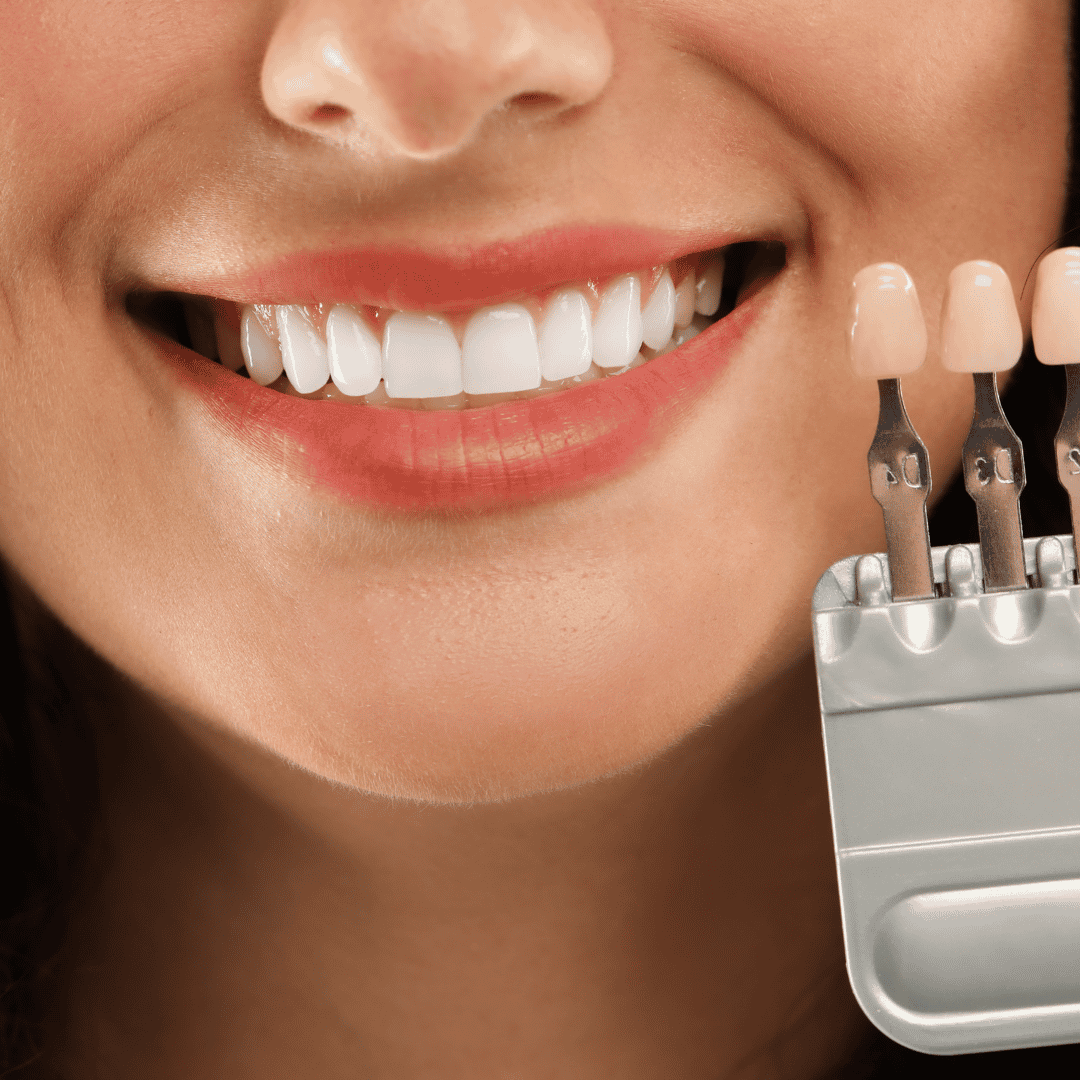

.png)
.png)
.png)
.png)
-1.png)

.jpg)
.png)









Share this listing