
.png)
Nội dung
Bangkok đã khẳng định vị thế là thủ đô phẫu thuật thẩm mỹ toàn cầu, mang đến sự kết hợp độc đáo giữa tiêu chuẩn y tế phương Tây và sự tỉ mỉ của phương Đông. Đối với những bệnh nhân tìm kiếm phẫu thuật nâng mũi (thường được gọi là sửa mũi), thủ đô Thái Lan cung cấp một môi trường nơi sự chính xác trong phẫu thuật kết hợp với sự tinh tế về mặt nghệ thuật. Cho dù bạn đang tìm kiếm phẫu thuật nâng mũi để làm cao sống mũi hay phẫu thuật thu nhỏ mũi để tinh chỉnh đầu mũi, các bác sĩ phẫu thuật ở Bangkok nổi tiếng với khả năng tạo ra kết quả tự nhiên, hài hòa, cân đối đường nét khuôn mặt.
Cơ sở hạ tầng y tế của thành phố rất rộng lớn, với nhiều bệnh viện đạt chuẩn JCI, sánh ngang với các khách sạn năm sao về sự sang trọng và dịch vụ. Tại đây, các bác sĩ phẫu thuật được chứng nhận bởi hội đồng chuyên môn—nhiều người trong số họ đã hoàn thành các chương trình đào tạo chuyên sâu tại Mỹ, Anh hoặc Úc—sử dụng các kỹ thuật tiên tiến như phẫu thuật nâng mũi hở, kín và chỉnh sửa mũi bằng silicon, Gore-Tex hoặc sụn tự thân (sụn sườn hoặc sụn tai).
Việc chọn Bangkok để thực hiện thủ thuật không chỉ đơn thuần là quyết định về mặt tài chính, mặc dù tiết kiệm chi phí là rất đáng kể. Đó còn là quyết định tiếp cận một nền văn hóa y tế ưu tiên sự thoải mái của bệnh nhân, tư vấn chi tiết và chăm sóc hậu phẫu toàn diện, tất cả đều diễn ra trong bối cảnh của một trong những thành phố sôi động nhất châu Á.
Từ thời điểm bạn đặt chân đến sân bay Suvarnabhumi cho đến lần theo dõi cuối cùng, trải nghiệm được thiết kế liền mạch, hỗ trợ bạn trong từng bước của hành trình chuyển đổi.
Bạn có biết?
Bangkok là trung tâm hàng đầu thế giới về "Phẫu thuật chỉnh sửa mũi". Do thành phố này tiếp nhận lượng lớn bệnh nhân quốc tế, các bác sĩ phẫu thuật Thái Lan đã phát triển chuyên môn sâu rộng trong việc khắc phục những kết quả không như ý từ các ca phẫu thuật được thực hiện ở nơi khác, biến họ trở thành chuyên gia hàng đầu cho các trường hợp tái tạo phức tạp.
Những điểm chính cần lưu ý
Tiết kiệm từ 50% đến 70% so với Úc, Mỹ và Anh mà vẫn đảm bảo chất lượng.
Chuyên môn về phẫu thuật hở, kín, tạo hình cánh mũi và chỉnh vách ngăn mũi, phù hợp với đặc điểm chủng tộc.
Nơi đây có mật độ bệnh viện đạt chứng nhận JCI cao nhất Đông Nam Á.
Dịch vụ nổi tiếng "Vùng đất của những nụ cười", đảm bảo môi trường phục hồi không căng thẳng.
Thông thường, bệnh nhân sẽ ở lại 7-10 ngày để tháo nẹp và kiểm tra theo dõi.
Thang máy "Giờ ăn trưa"
Thái Lan đã phổ biến phương pháp nâng mũi bằng chỉ "Hiko", thường được gọi là nâng mũi không phẫu thuật. Mặc dù phẫu thuật nâng mũi mang lại kết quả vĩnh viễn, Bangkok cũng là trung tâm của các thủ thuật nhanh chóng, ít xâm lấn này, sử dụng chỉ tự tiêu để nâng và định hình sống mũi mà không cần thời gian nghỉ dưỡng.
Chi phí thường là yếu tố quyết định đối với bệnh nhân quốc tế, và Bangkok mang đến giá trị vượt trội. Dưới đây, chúng tôi đã cung cấp một bảng nêu rõ chi phí trung bình cho các kỹ thuật phẫu thuật nâng mũi khác nhau, từ phẫu thuật tạo hình cánh mũi đơn giản đến phẫu thuật tái tạo hở phức tạp. Mặc dù giá cả thấp hơn đáng kể so với các nước phương Tây, nhưng sự khác biệt phụ thuộc vào độ phức tạp của cấu trúc mũi và các vật liệu cụ thể (silicone so với sụn) được sử dụng.
Lời khuyên: Phẫu thuật chỉnh sửa mũi thường tốn kém hơn phẫu thuật lần đầu do độ phức tạp và thời gian phẫu thuật kéo dài hơn.

Price starting from $2,000
All Inclusive Rhinoplasty Bangkok at Asia Cosmetic Hospital Thailand
Asia Cosmetic Hospital
- Cosmetic/Plastic Surgery
Bangkok, Thailand

Price starting from $4,400
Rhinoplasty Package in Bangkok, Thailand by Dr. Siripong Clinic
Dr. Siripong Plastic Surgery in Thailand
- Cosmetic/Plastic Surgery
Bangkok, Thailand

Price starting from $3,500
Affordable Bangkok Rhinoplasty Package in Bangkok, Thailand by BPS Clinic
Bangkok Plastic Surgery Clinic
- Cosmetic/Plastic Surgery
Bangkok, Thailand
Ngành du lịch y tế của Bangkok nổi bật với việc cung cấp các gói chăm sóc toàn diện. Các nhà cung cấp được liệt kê trong phần này được lựa chọn dựa trên khả năng cung cấp các gói dịch vụ trọn gói, liền mạch. Các gói này thường bao gồm phí phẫu thuật, gây mê, chi phí phòng mổ và xét nghiệm trước phẫu thuật. Nhiều gói cao cấp còn bao gồm dịch vụ đưa đón sân bay, dịch vụ phiên dịch và thậm chí cả chỗ ở khách sạn gần phòng khám để đảm bảo quá trình hồi phục thuận lợi.
Lưu ý: Các gói dịch vụ giúp đơn giản hóa việc lập ngân sách bằng cách gộp các chi phí y tế và hậu cần thiết yếu vào một mức giá minh bạch.
Nose Surgery Rhinoplasty So sánh chi phí trung tâm tại Bangkok, Thailand
| Nhà cung cấp | Thủ tục | Giá |
|---|---|---|
| Dr. Siripong Plastic Surgery in Thailand | Nose Surgery Rhinoplasty, Cosmetic/Plastic Surgery | $4400 |
| Bangkok Plastic Surgery Clinic | Nose Surgery Rhinoplasty, Cosmetic/Plastic Surgery | $3500 |
| Asia Cosmetic Hospital | Nose Surgery Rhinoplasty, Cosmetic/Plastic Surgery | $2000 |
| Capturing Beauty at The Klinique Surgery Center in Thailand | Nose Surgery Rhinoplasty, Cosmetic/Plastic Surgery | $5572 |
| DCH Dr. CHEN Surgery Hospital International Center in Bangkok, Thailand | Nose Surgery Rhinoplasty, Cosmetic/Plastic Surgery | $1384 |
Nose Surgery Rhinoplasty So sánh chi phí trong Thailand
| Quốc gia | Thủ tục | Giá |
|---|---|---|
| United States | Nose Surgery Rhinoplasty, Cosmetic/Plastic Surgery | $9500 |
| Canada | Nose Surgery Rhinoplasty, Cosmetic/Plastic Surgery | $10000 |
| Australia | Nose Surgery Rhinoplasty, Cosmetic/Plastic Surgery | $9000 |
| Germany | Nose Surgery Rhinoplasty, Cosmetic/Plastic Surgery | $9500 |
Bangkok là nơi tọa lạc của một số cơ sở y tế hàng đầu châu Á. Các phòng khám và bệnh viện được giới thiệu ở đây được lựa chọn dựa trên sự tận tâm hướng đến sự hoàn hảo về thẩm mỹ. Các trung tâm này bao gồm từ các bệnh viện quốc tế đa chuyên khoa quy mô lớn đến các phòng khám phẫu thuật thẩm mỹ cao cấp. Tất cả các cơ sở được lựa chọn đều ưu tiên sự an toàn của bệnh nhân theo tiêu chuẩn quốc tế, các quy trình khử trùng hiện đại và công nghệ phẫu thuật tiên tiến.
Tiêu chuẩn chăm sóc: Hãy tìm kiếm các cơ sở y tế có chứng nhận JCI hoặc HA (Chứng nhận Bệnh viện Thái Lan) để đảm bảo tuân thủ các tiêu chuẩn an toàn quốc tế.
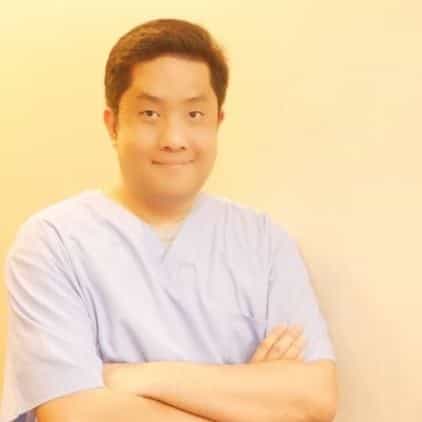
Dr. Siripong Plastic Surgery in Thailand
Bangkok, Thailand
Bangkok Plastic Surgery Clinic
Bangkok, Thailand
Asia Cosmetic Hospital
Bangkok, Thailand
Capturing Beauty at The Klinique Surgery Center in Thailand
Bangkok, Thailand
Charismma Clinic - Plastic Surgery in Bangkok Thailand
Bangkok, Thailand
DCH Dr. CHEN Surgery Hospital International Center in Bangkok, Thailand
Bangkok, Thailand
Trăm nghe không bằng mắt thấy. Các video lời chứng thực được tuyển chọn bên dưới là những chia sẻ chân thực của các bệnh nhân về phẫu thuật nâng mũi tại Bangkok. Từ nỗi lo lắng ban đầu khi phải đi ra nước ngoài đến niềm vui khi nhìn thấy diện mạo mới, những câu chuyện này mang đến cái nhìn chân thực về những gì bạn có thể mong đợi. Hãy xem những đoạn video này để đánh giá chất lượng chăm sóc và kết quả tự nhiên mà các bác sĩ phẫu thuật Thái Lan đạt được.
Thông tin hữu ích: Video đánh giá cho phép bạn quan sát chuyển động linh hoạt của mũi và khuôn mặt, mang đến góc nhìn tốt hơn so với ảnh tĩnh.

Chúng tôi đã thu thập các đánh giá đã được xác thực từ những bệnh nhân đã hoàn thành phẫu thuật nâng mũi tại Bangkok. Những đánh giá này bao gồm các khía cạnh quan trọng như thái độ của bác sĩ phẫu thuật, sự sạch sẽ của cơ sở vật chất và hiệu quả của việc kiểm soát cơn đau. Việc đọc những đánh giá khách quan này có thể giúp bạn xây dựng lòng tin và quản lý kỳ vọng của mình về quá trình phục hồi và kết quả cuối cùng.
Mẹo khi đọc đánh giá: Hãy tập trung vào các đánh giá thảo luận về kết quả dài hạn (6-12 tháng sau phẫu thuật) để hiểu rõ độ bền của cuộc phẫu thuật.

What is the Cost of Rhinoplasty in Thailand
The estimated rhinoplasty cost in Thailand typically ranges from $1,500 to $4,500. This price usually includes the surgeon's fee, operating room costs, and basic anesthesia, though complex revisions or specialized techniques may increase the total. Many patients considering cosmetic enhancement explore rhinoplasty in Thailand due to the availability of modern facilities and experienced medical professionals. Whether you are looking to refine the shape of your nose for aesthetic reasons or need to correct a functional breathing issue, understanding the financial and medical aspects of the journey is an essential first step. Traveling abroad for surgery requires careful planning. You have to consider not only the surgical expenses but also the safety standards, the recovery timeline, and the logistics of seeking healthcare in another country. Below, we break down what you need to know about the procedure, the factors influencing the price, and how to approach this decision safely. Key Takeaways Prices for primary nose reshaping in Thailand typically range between $1,500 and $4,500, varying by technique and facility. The total cost depends heavily on whether you need a closed, open, or revision procedure, as well as the materials used. Patients should plan to stay in the country for at least 7 to 10 days post-surgery for safe monitoring and splint removal. While medical travel can offer financial flexibility, patients must prioritize board-certified providers and international safety standards. Individual results, risks, and recovery times vary, making a thorough medical consultation crucial before finalizing any travel plans. What factors influence the final price of nose reshaping in Thailand? The final price depends on the complexity of the surgery, the surgeon's experience, the type of anesthesia used, and the materials required for grafting or augmentation. When reviewing a quote for your procedure, you will find that several variables can shift the overall expense. Primary rhinoplasty—a first-time surgery—is usually less expensive than a revision surgery, which requires navigating scar tissue and correcting previous alterations. The technique also plays a role; procedures utilizing autologous grafts (cartilage taken from your own ear or rib) take more time in the operating room and often cost more than those using synthetic silicone implants. Other factors that impact the quote include: Facility Fees: Treatment at an internationally accredited hospital typically costs more than at a smaller, specialized private clinic. Anesthesia: General anesthesia requires a specialized anesthesiologist and incurs higher fees than local anesthesia with sedation. Pre-operative Testing: Blood tests, chest X-rays, and physical examinations are necessary for safety and add to the initial expenses. Post-operative Care: Medications, follow-up visits, and recovery garments are usually factored into comprehensive packages, but you should always verify what is included. How does an open rhinoplasty differ from a closed procedure? An open rhinoplasty involves a small external incision between the nostrils for better visibility, while a closed procedure keeps all incisions hidden inside the nasal cavity. The choice between an open and closed approach depends largely on your anatomy and the specific changes you hope to achieve. During an open rhinoplasty, the surgeon makes an incision across the columella (the narrow strip of tissue separating the nostrils). This allows the skin to be lifted, giving the surgeon an unobstructed view of the underlying bone and cartilage. This method is often preferred for complex reshaping, significant asymmetry corrections, or intricate tip work. Conversely, a closed rhinoplasty involves incisions made entirely within the nostrils. Because there is no external incision, there is no visible scarring on the outside of the nose. This approach typically results in less post-operative swelling and a slightly faster initial recovery. However, it restricts the surgeon's visibility and maneuvering space, making it better suited for more straightforward adjustments, such as removing a small dorsal hump. Your surgeon will recommend the best approach based on a physical examination. Is it safe to travel to Thailand for cosmetic surgery? Traveling for surgery can be safe if you choose appropriately accredited facilities and board-certified surgeons, though all surgery carries inherent risks that travel can complicate. The landscape of medical tourism in Thailand is well-established, with many hospitals catering specifically to international patients. Several facilities hold accreditation from organizations like the Joint Commission International (JCI), which indicates adherence to rigorous global safety and quality standards. Many surgeons practicing in these centers have undergone international training and are members of recognized professional organizations. However, traveling for surgery introduces unique considerations. Long-distance air travel shortly before or after a major procedure can increase the risk of deep vein thrombosis (DVT) and pulmonary embolism. You also have to consider the logistics of continuity of care. Once you return to your home country, managing unexpected complications requires access to local medical professionals who are familiar with post-operative care. It is highly advisable to discuss your travel plans with your primary care physician before booking a trip. Important Consideration: Always ensure you have a clear plan for post-operative follow-up care in your home country, as complications can occasionally arise weeks or months after you have left the surgical destination. What is the typical recovery timeline after nose surgery? Most patients can return to non-strenuous work within 10 to 14 days, but residual swelling can take up to a full year to completely subside. Recovery from rhinoplasty is a gradual process. Immediately following the procedure, you will have a splint taped to the outside of your nose to support its new shape, and possibly soft packing inside the nostrils. During the first few days, you can expect noticeable swelling, bruising around the eyes, and a feeling of congestion. Pain is generally manageable with prescribed medications, and sleeping with your head elevated helps minimize fluid accumulation. Around day seven, your surgeon will typically remove the external splint and any non-dissolvable sutures. At this point, you will get the first glimpse of your new nose, though it will still be quite swollen. By the end of the second week, most of the severe bruising usually fades, allowing many patients to feel comfortable returning to social settings. However, strenuous exercise, heavy lifting, and activities that pose a risk of impact to the face must be avoided for at least four to six weeks. The final, subtle refinement of the nasal tip can take 12 to 18 months to fully manifest. Who is a suitable candidate for rhinoplasty? Ideal candidates are healthy individuals whose facial growth is complete, who do not smoke, and who hold realistic expectations about the surgical outcomes. Suitability for surgery goes beyond just wanting a change in appearance. A qualified surgeon will evaluate your physical health to ensure you can safely undergo anesthesia and heal properly. Conditions such as uncontrolled high blood pressure, bleeding disorders, or severe cardiovascular issues may preclude you from safely having the operation. Additionally, patients who smoke are often required to quit several weeks before and after surgery, as nicotine constricts blood vessels and significantly impairs the healing process. Age is also a critical factor. Surgeons typically require patients to wait until their nasal bone growth is complete—usually around age 16 for females and slightly older for males. Psychological readiness is just as important as physical health. Good candidates seek improvement rather than absolute perfection and understand that while surgery can enhance facial harmony, it will not completely alter their underlying identity or solve personal issues. What should I expect during the initial consultation? A consultation involves a comprehensive review of your medical history, an examination of your nasal structure, and a discussion of your aesthetic goals and potential risks. If you are planning to travel, your first consultation may happen virtually. During a video call, the surgeon will ask about your medical background, previous surgeries, current medications, and any breathing difficulties. You will discuss what you dislike about your current nose and what changes you desire. It is helpful to provide clear, well-lit photographs from multiple angles beforehand. Once you arrive at the clinic for your in-person evaluation, the surgeon will perform a physical examination of your skin thickness, cartilage strength, and internal nasal structures. Many modern facilities utilize 3D imaging software to create a digital simulation of your potential results. This tool helps align your expectations with what is surgically possible. The surgeon will also explain the specific technique they recommend, detail the surgical plan, and review the potential complications. How do revision rhinoplasty costs compare to primary procedures? Revision surgeries are consistently more expensive than primary procedures due to the increased complexity, longer operating times, and frequent need for tissue grafting. If you have previously had nose surgery and are dissatisfied with the functional or aesthetic outcome, you may be considering a revision procedure. Patients often find that quotes for a secondary surgery are significantly higher. This price difference reflects the highly complex nature of operating on a nose that has already been structurally altered. Scar tissue from the previous surgery makes dissection more difficult and unpredictable, requiring a high level of surgical expertise. Furthermore, revision cases often suffer from a lack of structural support. Surgeons frequently have to rebuild the nasal framework, which usually involves harvesting cartilage from the patient's ear or rib. This adds another surgical site, prolongs the time spent under anesthesia, and necessitates advanced techniques, all of which contribute to the higher overall expense. Because outcomes are harder to predict in secondary surgeries, careful selection of a highly specialized surgeon is paramount. What are the potential risks and complications of nose reshaping? Risks can include bleeding, infection, adverse reactions to anesthesia, breathing difficulties, poor wound healing, and aesthetic dissatisfaction requiring further surgery. Like any major surgical procedure, rhinoplasty carries inherent risks that you must weigh against the potential benefits. General surgical risks include infection at the incision sites, excessive bleeding, and the potential for a negative reaction to anesthesia. Following your surgeon's pre-and post-operative care instructions meticulously can help mitigate, though not entirely eliminate, these risks. Specific to nasal surgery, patients may experience prolonged numbness in the skin, temporary or permanent changes in their sense of smell, or the development of a septal perforation (a hole in the nasal septum). There is also the possibility of functional issues, such as new or worsened breathing difficulties caused by structural shifts during healing. Aesthetically, healing is unpredictable; asymmetrical results, contour irregularities, or excessive scar tissue can occur, occasionally necessitating a subsequent revision surgery. How long should I stay in Thailand after the surgery? Patients are generally advised to stay in the destination country for at least 7 to 10 days post-surgery to allow for proper medical monitoring and the safe removal of splints and sutures. Planning your travel itinerary requires factoring in adequate recovery time before you can safely board an airplane. Most surgeons require you to remain nearby for immediate post-operative check-ups. During the first week, your medical team will monitor your healing progress, check for early signs of infection, and ensure that your breathing is not compromised by swelling or blood clots. Around the one-week mark, you will typically have an appointment to remove the cast, splints, and any non-dissolvable stitches. Flying before this appointment is strongly discouraged, as the pressurized cabin environment can exacerbate swelling, cause severe discomfort, and increase the risk of nosebleeds. Even after receiving medical clearance to fly, you should plan for a relaxed journey home and arrange for assistance with heavy luggage to avoid straining yourself. How do I evaluate a rhinoplasty clinic in Thailand? You should verify the surgeon's board certification, assess the facility's international accreditations, review past patient outcomes, and ensure they have robust emergency protocols. Choosing the right rhinoplasty clinic in Thailand requires thorough independent research. Start by verifying the credentials of the operating surgeon. Look for formal training in plastic and reconstructive surgery or otolaryngology (ENT), and check if they hold active memberships in respected national or international medical boards. A reputable surgeon will be transparent about their qualifications and the volume of nasal surgeries they perform annually. Next, evaluate the facility itself. Clinics and hospitals that carry international accreditations, such as JCI, undergo regular audits for patient safety, hygiene standards, and equipment quality. Ask the clinic about their emergency transfer protocols in case complications arise during surgery that require intensive care. Finally, carefully review before-and-after portfolios of patients with similar baseline anatomy to yours, but remember that these photos represent best-case scenarios and do not guarantee your individual outcome. Why Choose PlacidWay for Medical Tourism in Thailand? Navigating international healthcare options can feel overwhelming. PlacidWay serves as a global medical tourism platform designed to help patients make informed, educated decisions about their healthcare journey. Broad Information Access: Explore detailed profiles of internationally recognized medical centers and clinics located throughout Thailand. Easy Comparisons: Evaluate different facilities, compare estimated treatment costs, and review provider credentials all in one centralized place. Educational Resources: Access comprehensive guides, articles, and patient resources about medical procedures and healthcare destinations. Direct Connections: Utilize the platform to send inquiries and request preliminary consultations directly with healthcare providers abroad. Global Network: PlacidWay connects patients with a wide network of healthcare options, fostering transparency and expanding choices for elective procedures. Frequently Asked Questions (FAQs) How long does the actual rhinoplasty surgery take? A standard primary rhinoplasty typically takes between 1.5 to 3 hours to complete. More complex procedures, such as revision surgeries or those requiring extensive cartilage grafting, can take 4 hours or longer. What type of anesthesia is used for nose reshaping in Thailand? Surgeons typically use general anesthesia for rhinoplasty, meaning you will be completely asleep. In some minor reshaping cases, local anesthesia with intravenous sedation may be offered as an alternative. Is it safe to fly shortly after having nose surgery? Flying immediately after surgery is generally discouraged due to cabin pressure changes and the risk of bleeding. Most surgeons recommend waiting at least 7 to 10 days, typically after your splint and stitches are removed, before taking a flight. Will my health insurance cover cosmetic nose surgery abroad? Health insurance usually does not cover procedures performed strictly for cosmetic reasons, whether at home or abroad. If the surgery corrects a documented functional breathing issue, your provider might cover a portion, but international coverage varies heavily by policy. What is the difference between silicone implants and autologous grafts? Silicone implants are synthetic devices used to augment the nasal bridge, commonly used in Asian rhinoplasty. Autologous grafts use your body's own tissue, such as cartilage from the ear or ribs, which may reduce the risk of long-term rejection or infection. How long will the swelling last after my procedure? Noticeable swelling and bruising typically peak within the first 72 hours and mostly subside after two to three weeks. However, subtle swelling, especially around the nasal tip, can take up to a full year to completely resolve. Can I wear glasses after having a rhinoplasty? You should avoid resting glasses directly on the bridge of your nose for at least four to six weeks following surgery, as the bones and cartilage are still healing. You can use tape to suspend your glasses from your forehead or wear contact lenses during this time. Are the results of nose surgery permanent? While rhinoplasty permanently alters the bone and cartilage structure of your nose, natural aging and changes to your skin will continue to affect your facial appearance over time. What happens if I experience complications after returning home? If you experience urgent complications like severe bleeding or signs of infection after returning home, you should seek immediate care at a local emergency room or consult a local board-certified plastic surgeon or ENT specialist. Do surgeons in Thailand perform ethnic rhinoplasty? Yes, many cosmetic surgeons in Thailand have extensive experience performing rhinoplasty on diverse facial structures, balancing structural enhancement while respecting and preserving the patient's natural ethnic features. Ready to Explore Your Options? Compare medical centers, review provider credentials, and gather detailed information to help you make an informed decision about your healthcare journey. Request Treatment Information References Rhinoplasty Overview – American Society of Plastic Surgeons (ASPS) Facial Surgery: Rhinoplasty – International Society of Aesthetic Plastic Surgery (ISAPS) Rhinoplasty: Risks, Preparation, and Results – Mayo Clinic Traveler's Health: Thailand – Centers for Disease Control and Prevention (CDC) Medical Tourism Guidelines – Centers for Disease Control and Prevention (CDC) Complications in Rhinoplasty – National Institutes of Health (NIH) / PubMed Central Quality and Patient Safety Standards – Joint Commission International (JCI) Medical Disclaimer: The information provided in this article is for educational and informational purposes only and does not constitute medical advice, diagnosis, or treatment recommendations. Prices mentioned are estimates and can vary widely based on individual circumstances, chosen facilities, and medical needs. Outcomes, risks, and recovery times for rhinoplasty vary by patient. Always consult with a qualified, board-certified healthcare professional to determine if a specific medical procedure is appropriate for you. Do not disregard professional medical advice or delay seeking it because of something you have read here.
How Much Does a Rhinoplasty Cost in Bangkok?
The estimated rhinoplasty cost in Bangkok typically ranges from $1,500 to $4,500. This depends on the complexity of the procedure, surgeon experience, and materials used. Prices generally include surgeon fees and facility charges. If you are considering altering the shape or function of your nose, you might be looking into international options. Undergoing rhinoplasty in Bangkok is a popular choice for many international patients seeking specialized facial plastic surgery. Thailand has developed a robust healthcare infrastructure aimed at international visitors, offering a wide array of cosmetic procedures. Understanding the expenses, risks, and recovery timeline is critical before planning a trip abroad. Key Takeaways Prices for a nose job in Thailand typically span between $1,500 and $4,500. Total expenses depend heavily on the surgical technique, implants, and anesthesia used. Patients generally need to remain in the country for 7 to 14 days post-surgery. Individual healing processes vary, and final results can take up to a year to settle. Traveling for medical care requires planning for potential complications upon returning home. What factors influence the cost of a nose job in Bangkok? The final price heavily depends on the surgical technique, anesthesia type, and whether you are having a primary or revision procedure. Revisions usually cost significantly more due to scar tissue and complexity. Several elements affect the final quote you receive from a facility. First, the materials used play a major role. Procedures using synthetic materials like medical-grade silicone implants are often priced lower than those utilizing autologous grafts. Autologous grafting involves taking cartilage from your own ear, septum, or rib to build up the nasal structure. Rib cartilage grafting, in particular, requires more operating time and advanced surgical skill, which increases the overall fee. Surgeon expertise and facility reputation also dictate pricing. Highly experienced surgeons with international board certifications often command higher fees. Similarly, large, internationally accredited hospitals usually charge more than smaller, independent centers. Finally, the type of anesthesia affects the bill. A procedure performed under local anesthesia with sedation is typically less expensive than one requiring general anesthesia, as the latter requires an anesthesiologist to be present throughout the operation. Important Consideration Estimates found online rarely cover the complete financial picture. Always account for non-medical expenses like flights, hotel stays, local transportation, and travel insurance when calculating your budget. What is usually included in a Bangkok rhinoplasty package? Most clinics bundle core surgical expenses into one fee covering the surgeon, operating room, standard anesthesia, and initial medications. You should always ask for an itemized breakdown before committing. When evaluating different providers, you will notice that many offer inclusive treatment packages. This approach simplifies the billing process for international patients. A typical package often incorporates: The primary surgeon’s professional fee. Anesthesiologist fees and the cost of the anesthesia itself. Use of the operating theater and standard surgical equipment. Post-operative medications for the first week, such as antibiotics and pain relief. Routine follow-up appointments and splint removal before you fly home. However, packages rarely cover everything. Pre-operative blood tests, chest X-rays, or specialized heart screenings may be billed separately. Additionally, if complications occur during or after the surgery, prolonged hospital stays or additional medications will likely result in extra charges. Be sure to request documentation detailing exactly what happens financially if an unexpected complication arises. How does the price compare to Western countries? Patients often find that procedures in Southeast Asia are priced lower than in the United States, Australia, or the UK, sometimes by a significant margin. This difference relates to lower local living and operational costs, not necessarily lower quality. The motivation behind medical tourism in Bangkok is frequently financial. In countries like the United States or Australia, an initial consultation, facility fees, anesthesiologist fees, and surgeon fees can easily total between $7,000 and $15,000. In contrast, the same procedural components in Thailand may range from $1,500 to $4,500. Region Estimated Average Price Range Primary Cost Drivers United States $7,000 - $15,000+ High facility fees, insurance overhead, high labor costs Australia $8,000 - $14,000+ Strict regulatory overhead, high cost of living Thailand (Bangkok) $1,500 - $4,500 Lower operational and local living costs *These are broad estimates. Complex revisions and travel expenses will increase the total cost. The reduced pricing structure in Thailand is primarily due to the lower cost of living, reduced administrative overhead, and different malpractice insurance models. Healthcare providers can operate large, modern hospitals at a fraction of the cost required in Western nations. While the baseline surgical fee is lower, the actual savings margin shrinks once you factor in airfare, accommodations for a two-week stay, and meals. Am I a good candidate for this surgery? Suitable candidates are generally healthy adults with realistic expectations who wish to alter the size, shape, or proportion of their nose. A thorough medical evaluation is required to confirm eligibility. Suitability for facial surgery involves both physical and psychological factors. Physically, your facial growth must be complete; this is why surgeons typically require patients to be at least in their late teens. You also need to be in good overall health. Conditions that impair healing, such as uncontrolled diabetes, autoimmune disorders, or bleeding disorders, may contraindicate surgery. Surgeons often stress the importance of realistic expectations. A procedure can refine your natural anatomy, but it cannot give you a completely different face or replicate someone else's features perfectly. During your consultation, an honest discussion about what is structurally possible with your skin thickness and cartilage strength is vital. Furthermore, smoking significantly impedes blood flow and increases the risk of tissue necrosis and infection. Medical professionals strongly advise patients to stop using all nicotine products several weeks before and after the operation. Expert Insight Your medical history matters. Be entirely transparent with your prospective surgeon about all medications, supplements, and previous nasal surgeries or traumas you have experienced. Withholding this information can lead to severe surgical complications. What techniques do surgeons typically use? Surgeons primarily perform either open or closed rhinoplasty, depending on how much reshaping is needed. Open surgery provides more visibility, while closed surgery involves incisions only inside the nostrils. The choice of surgical technique depends on your anatomy and cosmetic goals. In a closed procedure, the doctor makes all incisions internally. This approach typically results in a shorter surgery time, less post-operative swelling, and no external scarring. However, it limits the surgeon's visibility and access, making it more suitable for minor adjustments. An open approach involves a small incision across the columella, the narrow strip of tissue separating the nostrils. The surgeon lifts the skin to fully expose the nasal framework. While this leaves a tiny, often barely noticeable scar, it allows for highly precise sculpting and complex structural changes. In Southeast Asia, augmentation is a frequently requested procedure. Many patients seek to raise the nasal bridge or refine the tip. To achieve this, practitioners may use implants or perform structural grafting using the patient's own cartilage. Your doctor will recommend the most appropriate method based on your specific nasal anatomy. How long is the recovery period before I can fly home? You should plan to stay in Thailand for at least 7 to 14 days after your operation to allow for initial healing, splint removal, and follow-up checks. Flying too soon increases the risk of bleeding and swelling due to cabin pressure. Recovery requires patience. Immediately following the operation, you will likely wear an external cast or splint to support the new nasal shape and control swelling. Internal packing may also be placed, which can make breathing through your nose uncomfortable for the first few days. Swelling and bruising around the eyes are common, usually peaking around the third day. During this time, keeping your head elevated and applying cold compresses can help manage discomfort. Most clinics require patients to return around day seven to remove the splints and any non-dissolvable stitches. Airlines and medical professionals caution against flying too soon. The dry air and changing cabin pressure during a long-haul flight can exacerbate swelling or trigger nosebleeds. Remaining near your surgical team for a minimum of ten days allows them to monitor your initial healing phase and clear you for air travel safely. What are the potential risks and complications? All surgeries carry inherent risks, including infection, bleeding, adverse reactions to anesthesia, and dissatisfaction with the cosmetic result. You must weigh these carefully before traveling abroad for care. Cosmetic procedures are real medical events with potential downsides. General surgical risks include deep vein thrombosis (DVT), adverse anesthesia reactions, and localized infections. When implants are used, there is a risk of extrusion (the implant pushing through the skin) or shifting over time. Specific to this procedure, complications may include ongoing breathing difficulties, a perforated septum, altered sense of smell, or permanent numbness in and around the nose. Asymmetry or unexpected healing contours can also occur, which may necessitate revision surgery. Combining surgery with international travel introduces additional variables. Long flights increase the risk of blood clots. Furthermore, if an infection develops weeks after returning to your home country, you will need to seek treatment from a local physician who was not involved in your initial care. How do I choose a reliable facility? Finding a trustworthy rhinoplasty clinic in Bangkok requires researching surgeon credentials, checking international accreditations, and asking detailed questions during virtual consultations. Rely on verified medical board listings rather than just social media photos. The selection process should be rigorous. Begin by verifying the credentials of the specific doctor who will perform the surgery. Look for memberships in recognized professional organizations, such as the International Society of Aesthetic Plastic Surgery (ISAPS) or the Thai Society of Plastic and Reconstructive Surgeons. Investigate the facility itself. Many top-tier hospitals hold accreditation from the Joint Commission International (JCI), which indicates adherence to strict global safety and quality standards. You can also ask the clinic directly about their infection rates, emergency protocols, and intensive care capabilities. Consultations, even virtual ones, are critical. Pay attention to how the staff communicates. A reputable provider will discuss risks openly, answer your questions thoroughly, and never pressure you into booking immediately. Beware of facilities that guarantee flawless results or fail to provide transparent pricing structures. Will I need to pay for revision surgery if complications arise? Revision policies vary widely by clinic; some may cover the surgical fee for minor corrections within a specific timeframe, but you will almost always have to pay for your own travel and lodging. Medical tourism involves geographical challenges regarding follow-up care. If your nose heals asymmetrically or a complication arises months down the line, returning to your original surgeon is logistically complex. While some facilities may offer a free or discounted surgical correction if the issue is deemed a medical fault, you are typically responsible for the airfare, accommodation, and time off work required to return. In some cases, patients choose to manage complications with a specialist in their home country. Because domestic doctors charge local rates, a revision surgery at home can end up costing significantly more than the initial trip abroad. Some specialized medical travel insurance policies cover complications, and looking into these options before you depart is highly advised. Why Choose PlacidWay for Medical Tourism in Thailand? Navigating international healthcare options can be overwhelming. PlacidWay serves as a resource for patients seeking medical treatments abroad, providing structural tools to aid in research. Global Directory: Provides access to a wide-ranging directory of international clinics and specialized doctors. Credential Information: Offers details on facility accreditations and surgeon qualifications to help you verify standards. Price Comparisons: Allows patients to review estimated treatment costs across multiple providers in different regions. Direct Connection: Connects individuals directly with the international patient departments of chosen hospitals. Educational Resources: Supplies articles, guides, and checklists to help patients make informed decisions about traveling for care. Frequently Asked Questions Is it safe to get a nose job in Thailand? Safety depends largely on the facility and surgeon you choose. While Thailand has many internationally accredited hospitals, all surgery carries inherent risks such as infection or bleeding. Researching credentials and ensuring the facility meets global health standards is essential. Does health insurance cover the procedure abroad? Most standard health insurance plans do not cover cosmetic procedures, whether performed at home or abroad. If the surgery is performed to correct a functional breathing issue, your insurer might cover a portion, but coordinating cross-border billing is often complicated. Can I combine my surgery with a vacation? While many patients travel for medical purposes, a surgical trip is not a traditional vacation. You will need to rest, avoid strenuous activities, and keep your face out of the sun and water to prevent infection and excess swelling. Do doctors in Bangkok speak English? Many surgeons and medical staff at facilities catering to international patients speak English fluently. Hospitals often provide dedicated translators for various languages to ensure clear communication during consultations and aftercare. What kind of implants are used during surgery? Surgeons may use synthetic implants like medical-grade silicone or Gore-Tex, which are common in Asian rhinoplasty. Alternatively, they may use autologous grafts, which involve taking cartilage from your own ear or rib to reshape the nose. How soon can I wear glasses after surgery? You typically need to avoid resting glasses on your nose for four to six weeks following the procedure. The pressure from the frames can indent the healing bone and cartilage, potentially altering the final surgical result. Will there be visible scarring? If you undergo a closed rhinoplasty, all incisions are made inside the nostrils, leaving no visible external scars. An open rhinoplasty requires a small incision across the columella (the tissue between the nostrils), which usually fades significantly over time. How long does the actual surgery take? The procedure typically takes between one and a half to three hours, depending on the complexity of the reshaping and whether cartilage grafting is required. Complex revision surgeries can take even longer. What happens if I have an emergency after returning home? If you experience severe complications like bleeding, infection, or breathing difficulties after returning home, you should immediately visit a local emergency room or doctor. You will likely be responsible for any associated medical costs. Are virtual consultations available before traveling? Yes, many international healthcare providers offer virtual video consultations. During these calls, the surgeon can assess your facial anatomy through photos, discuss your goals, and provide an initial treatment plan and cost estimate. Compare Treatment Options Gather detailed information on procedures, estimated costs, and international providers to make an informed decision about your healthcare. Request Treatment Information References International Society of Aesthetic Plastic Surgery (ISAPS) – Patient Safety and Statistics American Society of Plastic Surgeons (ASPS) – Rhinoplasty Procedure and Candidates World Health Organization (WHO) – Travel and Health: Medical Tourism Centers for Disease Control and Prevention (CDC) – Medical Tourism Travel Advice MedlinePlus – Rhinoplasty Medical Encyclopedia National Center for Biotechnology Information – Complications in Asian Rhinoplasty Medical Disclaimer: The information provided in this article is for educational and informational purposes only and does not constitute medical advice. Treatment outcomes, risks, recovery times, and costs vary significantly based on individual medical history and anatomy. Estimates are not guaranteed final prices. Always seek the advice of a qualified and board-certified healthcare professional before making any medical decisions or traveling internationally for treatment.
Việc tìm được bác sĩ phẫu thuật phù hợp là bước quan trọng nhất trong hành trình của bạn. Chúng tôi đã tuyển chọn một danh sách các chuyên gia hàng đầu tại Bangkok, những người không chỉ được chứng nhận bởi hội đồng chuyên môn mà còn là những nghệ sĩ được công nhận trong lĩnh vực tạo hình đường nét khuôn mặt. Những chuyên gia này có nhiều năm kinh nghiệm điều trị cho bệnh nhân quốc tế và thành thạo các kỹ thuật phù hợp với cấu trúc khuôn mặt đa dạng của các dân tộc khác nhau.
Bác sĩ phẫu thuật thẩm mỹ được chứng nhận bởi hội đồng chuyên khoa
Được chứng nhận bởi Hội đồng Y khoa Thái Lan
Các chuyên gia được chúng tôi lựa chọn đều có chứng chỉ từ Hội đồng Y khoa Thái Lan và thường là thành viên của các tổ chức quốc tế như ISAPS hoặc ASPS. Điều này đảm bảo họ tuân thủ các tiêu chuẩn đạo đức và an toàn cao nhất trong ngành.
Chuyên gia sửa đổi và tái cấu trúc
Chuyên gia xử lý các vụ án phức tạp
Bangkok là trung tâm phẫu thuật thẩm mỹ. Các chuyên gia mà chúng tôi giới thiệu đều có kinh nghiệm dày dặn trong phẫu thuật chỉnh sửa mũi, có khả năng khắc phục các vấn đề từ các ca phẫu thuật trước đó và thực hiện các ca tái tạo phức tạp bằng cách sử dụng sụn sườn.
Nghệ sĩ hài hòa khuôn mặt
Phương pháp thẩm mỹ toàn diện
Các bác sĩ phẫu thuật hàng đầu ở Bangkok không chỉ tập trung vào mũi; họ phân tích toàn bộ đường nét khuôn mặt. Họ là chuyên gia trong việc đảm bảo mũi hài hòa với cằm, trán và má, mang lại kết quả trông tự nhiên và cân đối chứ không phải là "đã qua chỉnh sửa".
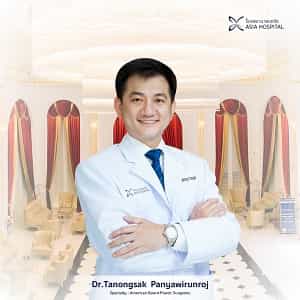
Chuyên môn y tế vượt trội
Bangkok là trung tâm phẫu thuật thẩm mỹ toàn cầu. Số lượng ca phẫu thuật được thực hiện tại đây vô cùng lớn, điều đó có nghĩa là các bác sĩ phẫu thuật đã tích lũy được một lượng kinh nghiệm khó có thể tìm thấy ở nơi khác. Họ thành thạo trong việc xử lý nhiều cấu trúc mũi khác nhau, từ mũi người da trắng đến mũi người châu Á và người Mỹ gốc Phi.
Chuyên môn này được hỗ trợ bởi cơ sở hạ tầng bệnh viện vững mạnh, bao gồm hơn 60 cơ sở đạt chứng nhận JCI, đảm bảo ca phẫu thuật của bạn diễn ra trong môi trường đạt tiêu chuẩn quốc tế.
Giá trị và dịch vụ vượt trội
Sự kết hợp giữa kết quả điều trị chất lượng cao và chi phí thấp thu hút hàng nghìn bệnh nhân mỗi năm. Tuy nhiên, chính văn hóa phục vụ tận tâm mới là điều khiến họ giới thiệu Bangkok cho người khác.
Lòng hiếu khách của người Thái nổi tiếng khắp nơi; đội ngũ điều dưỡng tận tâm, chu đáo và tôn trọng bệnh nhân. Trải nghiệm hồi phục thường giống như một kỳ nghỉ dưỡng hơn là một ca phẫu thuật, với nhiều bệnh nhân hồi phục tại các khách sạn sang trọng với chi phí chỉ bằng một phần nhỏ so với phòng tiêu chuẩn ở phương Tây.
Cơ sở hạ tầng toàn diện cho bệnh nhân
Thành phố này được xây dựng dành riêng cho du khách chữa bệnh. Từ các dịch vụ vận chuyển chuyên biệt đến các khách sạn được trang bị đầy đủ tiện nghi phục hồi sức khỏe, cơ sở hạ tầng đều hỗ trợ hành trình chữa bệnh của bạn.
Các bộ phận quốc tế tại bệnh viện sẽ lo liệu giấy tờ bảo hiểm (nếu có), gia hạn visa nếu cần thiết về mặt y tế và các nhu cầu dịch thuật, giúp bạn giảm bớt căng thẳng về mặt hậu cần để bạn có thể tập trung hoàn toàn vào việc hồi phục sức khỏe.
Việc thay đổi diện mạo ở một đất nước xa lạ đòi hỏi sự tin tưởng và chuẩn bị. PlacidWay đóng vai trò là cầu nối giúp bạn tiếp cận với giới chuyên gia y tế hàng đầu Bangkok, đảm bảo trải nghiệm an toàn, minh bạch và chất lượng cao.
Kiểm tra nhà cung cấp được chứng nhận
Chúng tôi tiến hành sàng lọc nghiêm ngặt các phòng khám và bác sĩ phẫu thuật, xác minh chứng chỉ hành nghề, chứng nhận JCI và lịch sử kiện tụng để đảm bảo an toàn cho bạn.
Báo giá y tế tùy chỉnh
Nhận báo giá chi tiết, minh bạch từ nhiều phòng khám hàng đầu, cho phép bạn so sánh các dịch vụ đi kèm và đưa ra quyết định ngân sách sáng suốt.
Khám bệnh từ xa trước phẫu thuật
Chúng tôi tạo điều kiện cho bạn tư vấn qua video với các bác sĩ phẫu thuật thẩm mỹ người Thái trước khi bạn bay, đảm bảo bạn có thể thảo luận về mục tiêu thẩm mỹ và điều kiện phẫu thuật của mình ngay tại nhà.
Minh bạch chi phí
Chúng tôi giúp bạn hiểu rõ các gói dịch vụ trọn gói và xác định các chi phí ẩn, đảm bảo giá bạn thấy chính là giá bạn phải trả.
Đánh giá và hình ảnh đã được xác minh
Hãy truy cập vào cơ sở dữ liệu hình ảnh trước và sau phẫu thuật cùng những lời chứng thực chân thực từ bệnh nhân để đánh giá phong cách nghệ thuật và sự nhất quán của bác sĩ phẫu thuật.
Hỗ trợ 24/7
Từ lần liên hệ đầu tiên đến lần kiểm tra sau phẫu thuật, đội ngũ của chúng tôi luôn sẵn sàng giải đáp thắc mắc và hỗ trợ bạn trong quá trình làm việc với nhà cung cấp dịch vụ y tế.
Đừng phó mặc diện mạo của bạn cho số phận. Liên hệ với PlacidWay ngay hôm nay để nhận báo giá cá nhân hóa miễn phí và bắt đầu lên kế hoạch phẫu thuật nâng mũi tại Bangkok một cách tự tin.
Nhận báo giá cá nhân miễn phí của bạn.png)
.jpg)
.png)

.jpg)
.png)


.jpg)
.png)
.jpg)








Share this listing