


.png)
เนื้อหา
ตัวเลือกการรักษาศัลยกรรมเสริมจมูกโดยผู้เชี่ยวชาญในกรุงเทพฯ ประเทศไทย
กรุงเทพฯ ได้รับการยกย่องให้เป็นเมืองหลวงแห่งศัลยกรรมความงามระดับโลก ด้วยการผสมผสานมาตรฐานทางการแพทย์แบบตะวันตกและความใส่ใจในรายละเอียดแบบตะวันออกอย่างลงตัว สำหรับผู้ที่ต้องการทำศัลยกรรมจมูก (หรือที่รู้จักกันทั่วไปว่าการเสริมจมูก) เมืองหลวงของไทยแห่งนี้มีสภาพแวดล้อมที่ความแม่นยำทางการผ่าตัดมาบรรจบกับความประณีตทางศิลปะ ไม่ว่าคุณจะต้องการเสริมสันจมูกหรือลดขนาดปลายจมูก ศัลยแพทย์ในกรุงเทพฯ มีชื่อเสียงในด้านความสามารถในการสร้างผลลัพธ์ที่เป็นธรรมชาติและกลมกลืน ช่วยปรับสมดุลรูปหน้าให้สวยงาม
โครงสร้างพื้นฐานทางการแพทย์ของเมืองนี้กว้างขวางมาก โดยมีโรงพยาบาลที่ได้รับการรับรองจาก JCI จำนวนมาก ซึ่งเทียบได้กับโรงแรมห้าดาวในด้านความหรูหราและการบริการ ที่นี่ ศัลยแพทย์ผู้เชี่ยวชาญที่ได้รับการรับรองจากคณะกรรมการ—ซึ่งหลายคนสำเร็จการฝึกอบรมเฉพาะทางในสหรัฐอเมริกา สหราชอาณาจักร หรือออสเตรเลีย—ใช้เทคนิคขั้นสูง เช่น การศัลยกรรมตกแต่งจมูกแบบเปิด แบบปิด และการแก้ไขจมูก โดยใช้ซิลิโคน กอร์เท็กซ์ หรือกระดูกอ่อนจากร่างกายของผู้ป่วยเอง (ซี่โครงหรือใบหู)
การเลือกกรุงเทพฯ เป็นสถานที่ทำหัตถการไม่ใช่แค่การตัดสินใจด้านการเงินเท่านั้น แม้ว่าการประหยัดค่าใช้จ่ายจะเป็นเรื่องสำคัญก็ตาม แต่เป็นการตัดสินใจเลือกใช้บริการทางการแพทย์ที่ให้ความสำคัญกับความสะดวกสบายของผู้ป่วย การให้คำปรึกษาอย่างละเอียด และการดูแลหลังการรักษาอย่างครบวงจร ทั้งหมดนี้เกิดขึ้นท่ามกลางบรรยากาศของเมืองที่คึกคักที่สุดแห่งหนึ่งในเอเชีย
ตั้งแต่วินาทีที่คุณเดินทางมาถึงสนามบินสุวรรณภูมิ จนถึงการติดตามผลครั้งสุดท้าย ประสบการณ์ทั้งหมดถูกออกแบบมาให้ราบรื่น เพื่อสนับสนุนคุณในทุกขั้นตอนของการเปลี่ยนแปลงชีวิต
คุณรู้หรือไม่?
กรุงเทพฯ เป็นผู้นำระดับโลกด้าน "การแก้ไขศัลยกรรมจมูก" เนื่องจากมีผู้ป่วยต่างชาติจำนวนมาก ศัลยแพทย์ชาวไทยจึงมีความเชี่ยวชาญเฉพาะด้านในการแก้ไขผลลัพธ์ที่ไม่เป็นที่น่าพอใจจากการผ่าตัดที่ทำในต่างประเทศ ทำให้พวกเขากลายเป็นผู้เชี่ยวชาญที่ได้รับความไว้วางใจสำหรับกรณีการผ่าตัดแก้ไขที่ซับซ้อน
ข้อมูลเชิงลึกที่สำคัญโดยสรุป
ประหยัดได้ 50% ถึง 70% เมื่อเทียบกับออสเตรเลีย สหรัฐอเมริกา และสหราชอาณาจักร โดยไม่ลดทอนคุณภาพ
มีความเชี่ยวชาญด้านการผ่าตัดเปิดจมูก ผ่าตัดปิดจมูก ผ่าตัดปีกจมูก และผ่าตัดแก้ไขผนังกั้นจมูก โดยปรับให้เหมาะสมกับลักษณะทางชาติพันธุ์
เป็นที่ตั้งของโรงพยาบาลที่ได้รับการรับรองมาตรฐาน JCI มากที่สุดในเอเชียตะวันออกเฉียงใต้
บริการอันเลื่องชื่อ "ดินแดนแห่งรอยยิ้ม" ที่สร้างสภาพแวดล้อมการพักฟื้นที่ปราศจากความเครียด
โดยทั่วไปผู้ป่วยจะพักรักษาตัวประมาณ 7-10 วัน เพื่อถอดเฝือกและตรวจติดตามผล
ลิฟต์ "พักกลางวัน"
ประเทศไทยเป็นแหล่งกำเนิดของการยกกระชับจมูกด้วยไหม "ฮิโกะ" ซึ่งมักเรียกกันว่าการปรับรูปทรงจมูกโดยไม่ต้องผ่าตัด แม้ว่าการผ่าตัดเสริมจมูกจะเป็นการแก้ไขแบบถาวร แต่กรุงเทพฯ ก็เป็นศูนย์กลางของวิธีการที่รวดเร็วและไม่รุนแรงเหล่านี้ โดยใช้ไหมละลายในการยกกระชับและกำหนดรูปทรงสันจมูกโดยไม่ต้องพักฟื้น
ค่าใช้จ่ายมักเป็นปัจจัยสำคัญสำหรับผู้ป่วยต่างชาติ และกรุงเทพฯ ก็มีราคาที่คุ้มค่าอย่างยิ่ง ตารางด้านล่างนี้แสดงราคาเฉลี่ยสำหรับเทคนิคการศัลยกรรมเสริมจมูกแบบต่างๆ ตั้งแต่การปรับปีกจมูกแบบง่ายๆ ไปจนถึงการผ่าตัดสร้างจมูกใหม่แบบเปิดที่ซับซ้อน แม้ว่าราคาจะต่ำกว่าในประเทศตะวันตกอย่างมาก แต่ความแตกต่างของราคาก็ขึ้นอยู่กับความซับซ้อนของโครงสร้างจมูกและวัสดุที่ใช้ (ซิลิโคนเทียบกับกระดูกอ่อน)
คำแนะนำ: โดยทั่วไปแล้ว การแก้ไขจมูกจะมีค่าใช้จ่ายสูงกว่าการผ่าตัดครั้งแรก เนื่องจากมีความซับซ้อนมากขึ้นและใช้เวลาในการผ่าตัดนานกว่า
Price starting from $2,000
All Inclusive Rhinoplasty Bangkok at Asia Cosmetic Hospital Thailand
Asia Cosmetic Hospital
- Cosmetic/Plastic Surgery
Bangkok, Thailand

Price starting from $4,400
Rhinoplasty Package in Bangkok, Thailand by Dr. Siripong Clinic
Dr. Siripong Plastic Surgery in Thailand
- Cosmetic/Plastic Surgery
Bangkok, Thailand

Price starting from $3,500
Affordable Bangkok Rhinoplasty Package in Bangkok, Thailand by BPS Clinic
Bangkok Plastic Surgery Clinic
- Cosmetic/Plastic Surgery
Bangkok, Thailand
ภาคการท่องเที่ยวเชิงการแพทย์ของกรุงเทพฯ โดดเด่นในการให้บริการแพ็กเกจการดูแลแบบครบวงจร ผู้ให้บริการที่ระบุไว้ในส่วนนี้ได้รับการคัดเลือกจากความสามารถในการนำเสนอแพ็กเกจแบบครบวงจรที่ราบรื่น ซึ่งโดยทั่วไปจะครอบคลุมค่าธรรมเนียมศัลยแพทย์ ค่าดมยาสลบ ค่าใช้จ่ายห้องผ่าตัด และการตรวจก่อนผ่าตัด แพ็กเกจระดับพรีเมียมหลายรายการยังรวมถึงบริการรับส่งสนามบิน บริการแปลภาษา และแม้แต่การเข้าพักโรงแรมใกล้คลินิก เพื่อให้การพักฟื้นเป็นไปอย่างสะดวกสบาย
หมายเหตุ: แพ็กเกจช่วยให้การวางแผนงบประมาณของคุณง่ายขึ้น โดยการรวมค่าใช้จ่ายทางการแพทย์และโลจิสติกส์ที่จำเป็นเข้าไว้ในราคาเดียวที่โปร่งใส
Nose Surgery Rhinoplasty เปรียบเทียบราคาศูนย์ใน Bangkok, Thailand
| ผู้ให้บริการ | ขั้นตอน | ราคา |
|---|---|---|
| Dr. Siripong Plastic Surgery in Thailand | Nose Surgery Rhinoplasty, Cosmetic/Plastic Surgery | $4400 |
| Bangkok Plastic Surgery Clinic | Nose Surgery Rhinoplasty, Cosmetic/Plastic Surgery | $3500 |
| Asia Cosmetic Hospital | Nose Surgery Rhinoplasty, Cosmetic/Plastic Surgery | $2000 |
| Capturing Beauty at The Klinique Surgery Center in Thailand | Nose Surgery Rhinoplasty, Cosmetic/Plastic Surgery | $5572 |
| DCH Dr. CHEN Surgery Hospital International Center in Bangkok, Thailand | Nose Surgery Rhinoplasty, Cosmetic/Plastic Surgery | $1384 |
Nose Surgery Rhinoplasty การเปรียบเทียบต้นทุนใน Thailand
| ประเทศ | ขั้นตอน | ราคา |
|---|---|---|
| United States | Nose Surgery Rhinoplasty, Cosmetic/Plastic Surgery | $9500 |
| Canada | Nose Surgery Rhinoplasty, Cosmetic/Plastic Surgery | $10000 |
| Australia | Nose Surgery Rhinoplasty, Cosmetic/Plastic Surgery | $9000 |
| Germany | Nose Surgery Rhinoplasty, Cosmetic/Plastic Surgery | $9500 |
กรุงเทพฯ เป็นที่ตั้งของสถานพยาบาลที่ดีที่สุดแห่งหนึ่งในเอเชีย คลินิกและโรงพยาบาลที่นำเสนอในที่นี้ได้รับการคัดเลือกจากความมุ่งมั่นในความเป็นเลิศด้านความงาม ศูนย์เหล่านี้มีตั้งแต่โรงพยาบาลนานาชาติขนาดใหญ่ที่มีความเชี่ยวชาญหลายด้าน ไปจนถึงคลินิกศัลยกรรมความงามเฉพาะทาง ทุกแห่งให้ความสำคัญกับความปลอดภัยของผู้ป่วยจากทั่วโลก โปรโตคอลการฆ่าเชื้อที่ทันสมัย และเทคโนโลยีการผ่าตัดที่ล้ำสมัย
มาตรฐานการดูแลรักษา: มองหาสถานพยาบาลที่ได้รับการรับรองจาก JCI หรือ HA (การรับรองมาตรฐานโรงพยาบาลของประเทศไทย) เพื่อให้มั่นใจได้ว่าได้มาตรฐานความปลอดภัยระดับโลก
Dr. Siripong Plastic Surgery in Thailand
Bangkok, Thailand
Bangkok Plastic Surgery Clinic
Bangkok, Thailand
Asia Cosmetic Hospital
Bangkok, Thailand
Capturing Beauty at The Klinique Surgery Center in Thailand
Bangkok, Thailand
Charismma Clinic - Plastic Surgery in Bangkok Thailand
Bangkok, Thailand
DCH Dr. CHEN Surgery Hospital International Center in Bangkok, Thailand
Bangkok, Thailand
เห็นแล้วจึงเชื่อ วิดีโอรีวิวที่รวบรวมไว้ด้านล่างนี้ เป็นเรื่องราวของผู้ป่วยจริงที่แบ่งปันประสบการณ์ตรงเกี่ยวกับการทำศัลยกรรมจมูกในกรุงเทพฯ ตั้งแต่ความกังวลใจในการเดินทางไปต่างประเทศ ไปจนถึงความสุขที่ได้เห็นรูปทรงจมูกใหม่ เรื่องราวเหล่านี้แสดงให้เห็นถึงสิ่งที่คุณคาดหวังได้อย่างแท้จริง ชมคลิปเหล่านี้เพื่อประเมินคุณภาพการดูแลและผลลัพธ์ที่ดูเป็นธรรมชาติซึ่งศัลยแพทย์ชาวไทยสามารถทำได้
ข้อคิด: การรีวิวแบบวิดีโอช่วยให้คุณเห็นการเคลื่อนไหวของจมูกและใบหน้าได้ชัดเจนขึ้น ทำให้ได้มุมมองที่ดีกว่าภาพนิ่ง

เราได้รวบรวมรีวิวที่ได้รับการตรวจสอบแล้วจากผู้ป่วยที่เข้ารับการผ่าตัดเสริมจมูกในกรุงเทพฯ รีวิวเหล่านี้ครอบคลุมประเด็นสำคัญต่างๆ เช่น อัธยาศัยของศัลยแพทย์ ความสะอาดของสถานพยาบาล และประสิทธิภาพของการจัดการความเจ็บปวด การอ่านรีวิวที่เป็นกลางเหล่านี้จะช่วยให้คุณสร้างความไว้วางใจและจัดการความคาดหวังของคุณเกี่ยวกับกระบวนการฟื้นตัวและผลลัพธ์สุดท้ายได้
เคล็ดลับการอ่านรีวิว: ควรเน้นอ่านรีวิวที่กล่าวถึงผลลัพธ์ระยะยาว (6-12 เดือนหลังผ่าตัด) เพื่อทำความเข้าใจถึงความคงทนของผลลัพธ์จากการผ่าตัด

What is the Cost of Rhinoplasty in Thailand?
Thinking about nose surgery but startled by the price tag in your home country? You're in good company. Thousands are turning to Thailand, a world-renowned hub for medical tourism, for high-quality, affordable rhinoplasty. Nose surgery in Thailand can cost anywhere from $900 for a simple augmentation to over $12,000 for a complex revision, with most standard procedures falling between $2,500 and $5,000. This makes it a financially savvy choice without compromising on quality. This comprehensive Q&A blog post will guide you through everything you need to know about getting a nose job in Thailand. We will explore the different types of procedures, break down the costs, answer your most critical questions about safety and recovery, and provide tips on how to choose the best surgeon for you. With internationally accredited hospitals and highly skilled specialists, achieving the look you desire is more attainable than you might think. How much does nose surgery really cost in Thailand? "The cost of nose surgery in Thailand typically ranges from $2,500 to $5,000 for a standard primary rhinoplasty. However, simpler procedures like alarplasty can start as low as $900, while complex corrective surgeries can exceed $12,000." The final price tag is directly tied to the complexity of the procedure. A straightforward augmentation using a silicone implant is on the lower end of the spectrum, whereas a revision rhinoplasty that requires cartilage grafts from the ear or rib will be at the higher end. The significant savings compared to the US or Australia (often 40-70% less) make even the most complex procedures more accessible. Here’s a general breakdown of costs by procedure type: Procedure Type Average Price (THB) Average Price (USD) Augmentation (Implant) 30,000 - 70,000 $870 - $1,900 Alarplasty (Nostril Reduction) 30,000 - 45,000 $870 - $1,200 Tip Plasty (Tip Refinement) 45,000 - 85,000 $1,200 - $2,300 Open Rhinoplasty (with Grafts) 100,000 - 250,000+ $2,700 - $6,800+ Revision Rhinoplasty 150,000 - 450,000+ $4,100 - $12,200+ What are the different types of nose surgery available? "The main types of nose surgery in Thailand include augmentation rhinoplasty (using implants or cartilage), reduction rhinoplasty, alarplasty (nostril narrowing), tip plasty, and complex revision rhinoplasty. The best technique for you depends entirely on your unique anatomy and aesthetic goals." Understanding the different approaches is key to a successful consultation: Augmentation Rhinoplasty: This increases the size or height of the nasal bridge, often using a silicone implant or the patient’s own cartilage. Reduction Rhinoplasty: This involves removing or reshaping bone and cartilage to reduce the overall size of the nose or remove a dorsal hump. Tip Plasty: This procedure focuses exclusively on reshaping the cartilage at the tip of the nose to make it more refined, lifted, or defined. Alarplasty: A relatively simple procedure to narrow the width of the nostrils for better facial harmony. Revision Rhinoplasty: A highly complex surgery performed to correct or improve the results of a previous nose job. It requires a surgeon with specialized expertise. Is it safe to get a nose job in Thailand? "Yes, getting nose surgery in Thailand is very safe, provided you choose a JCI-accredited hospital and a board-certified, experienced plastic surgeon. Top facilities in Thailand use the same advanced technology and adhere to the same stringent safety protocols as leading hospitals in the West." Thailand's medical tourism industry is built on a foundation of high standards. The key to ensuring your safety is to do thorough research. Avoid clinics that offer rock-bottom prices with no verifiable credentials. A qualified surgeon in a reputable hospital is the best way to minimize risks and ensure a successful outcome. How do I choose the best surgeon in Thailand? "To choose the best surgeon, verify their credentials (board certification), review their portfolio of before-and-after photos, and read patient testimonials. A good surgeon will have extensive experience in the specific type of rhinoplasty you need and will conduct a thorough, pressure-free consultation." Here's a quick checklist for your search: Board Certification: Ensure the surgeon is certified by a recognized plastic surgery board in Thailand or internationally. Specialization: Look for a surgeon who specializes in facial plastic surgery and frequently performs rhinoplasties. Portfolio: Analyze their before-and-after gallery. Do their results look natural? Does their aesthetic style match your goals? Communication: The surgeon should listen to your goals, explain the procedure clearly, and be transparent about potential risks. What's included in a rhinoplasty package in Thailand? "A typical rhinoplasty package in Thailand includes the surgeon's fee, anesthesiologist's fee, operating room costs, and sometimes a one-night hospital stay for more complex procedures. However, initial consultations and certain medications are often extra." While packages offer convenience, always ask for a detailed breakdown of what's covered. Often, the initial consultation fee, pre-operative lab tests, take-home medications, and accommodation are not included in the surgical price. Getting a clear, itemized quote will help you avoid any unexpected costs. What is the recovery process like? "Recovery from rhinoplasty involves about one week of initial downtime. You can expect bruising and swelling around the nose and eyes, which will significantly subside after the first week. Most patients feel comfortable returning to public activities within 10-14 days." Your surgeon will place a splint on your nose, which is typically removed after about a week. While the most visible swelling and bruising fade quickly, it's important to know that residual, minor swelling can take up to a year to fully resolve as the nose settles into its final shape. You'll be advised to avoid strenuous activities and contact sports for at least four to six weeks. Who is a good candidate for nose surgery? "A good candidate for rhinoplasty is someone who is in good overall health, a non-smoker, has finished their facial growth (typically 16-17+ years old), and has realistic expectations about the outcome. It's for individuals looking to improve the shape or function of their nose, not achieve an unrealistic 'perfect' look." During your consultation, the surgeon will assess your nasal structure, skin quality, and overall facial harmony to determine what is surgically possible. Being clear about your goals while also being open to the surgeon's expert opinion is the key to a result you will be happy with. Ready to take the next step towards the look you've always wanted? PlacidWay connects you with a network of accredited, world-class hospitals and surgeons in Thailand and beyond. Explore trusted and affordable rhinoplasty solutions with PlacidWay today!
How Much Does a Rhinoplasty Cost in Bangkok?
The estimated rhinoplasty cost in Bangkok typically ranges from $1,500 to $4,500. This depends on the complexity of the procedure, surgeon experience, and materials used. Prices generally include surgeon fees and facility charges. If you are considering altering the shape or function of your nose, you might be looking into international options. Undergoing rhinoplasty in Bangkok is a popular choice for many international patients seeking specialized facial plastic surgery. Thailand has developed a robust healthcare infrastructure aimed at international visitors, offering a wide array of cosmetic procedures. Understanding the expenses, risks, and recovery timeline is critical before planning a trip abroad. Key Takeaways Prices for a nose job in Thailand typically span between $1,500 and $4,500. Total expenses depend heavily on the surgical technique, implants, and anesthesia used. Patients generally need to remain in the country for 7 to 14 days post-surgery. Individual healing processes vary, and final results can take up to a year to settle. Traveling for medical care requires planning for potential complications upon returning home. What factors influence the cost of a nose job in Bangkok? The final price heavily depends on the surgical technique, anesthesia type, and whether you are having a primary or revision procedure. Revisions usually cost significantly more due to scar tissue and complexity. Several elements affect the final quote you receive from a facility. First, the materials used play a major role. Procedures using synthetic materials like medical-grade silicone implants are often priced lower than those utilizing autologous grafts. Autologous grafting involves taking cartilage from your own ear, septum, or rib to build up the nasal structure. Rib cartilage grafting, in particular, requires more operating time and advanced surgical skill, which increases the overall fee. Surgeon expertise and facility reputation also dictate pricing. Highly experienced surgeons with international board certifications often command higher fees. Similarly, large, internationally accredited hospitals usually charge more than smaller, independent centers. Finally, the type of anesthesia affects the bill. A procedure performed under local anesthesia with sedation is typically less expensive than one requiring general anesthesia, as the latter requires an anesthesiologist to be present throughout the operation. Important Consideration Estimates found online rarely cover the complete financial picture. Always account for non-medical expenses like flights, hotel stays, local transportation, and travel insurance when calculating your budget. What is usually included in a Bangkok rhinoplasty package? Most clinics bundle core surgical expenses into one fee covering the surgeon, operating room, standard anesthesia, and initial medications. You should always ask for an itemized breakdown before committing. When evaluating different providers, you will notice that many offer inclusive treatment packages. This approach simplifies the billing process for international patients. A typical package often incorporates: The primary surgeon’s professional fee. Anesthesiologist fees and the cost of the anesthesia itself. Use of the operating theater and standard surgical equipment. Post-operative medications for the first week, such as antibiotics and pain relief. Routine follow-up appointments and splint removal before you fly home. However, packages rarely cover everything. Pre-operative blood tests, chest X-rays, or specialized heart screenings may be billed separately. Additionally, if complications occur during or after the surgery, prolonged hospital stays or additional medications will likely result in extra charges. Be sure to request documentation detailing exactly what happens financially if an unexpected complication arises. How does the price compare to Western countries? Patients often find that procedures in Southeast Asia are priced lower than in the United States, Australia, or the UK, sometimes by a significant margin. This difference relates to lower local living and operational costs, not necessarily lower quality. The motivation behind medical tourism in Bangkok is frequently financial. In countries like the United States or Australia, an initial consultation, facility fees, anesthesiologist fees, and surgeon fees can easily total between $7,000 and $15,000. In contrast, the same procedural components in Thailand may range from $1,500 to $4,500. Region Estimated Average Price Range Primary Cost Drivers United States $7,000 - $15,000+ High facility fees, insurance overhead, high labor costs Australia $8,000 - $14,000+ Strict regulatory overhead, high cost of living Thailand (Bangkok) $1,500 - $4,500 Lower operational and local living costs *These are broad estimates. Complex revisions and travel expenses will increase the total cost. The reduced pricing structure in Thailand is primarily due to the lower cost of living, reduced administrative overhead, and different malpractice insurance models. Healthcare providers can operate large, modern hospitals at a fraction of the cost required in Western nations. While the baseline surgical fee is lower, the actual savings margin shrinks once you factor in airfare, accommodations for a two-week stay, and meals. Am I a good candidate for this surgery? Suitable candidates are generally healthy adults with realistic expectations who wish to alter the size, shape, or proportion of their nose. A thorough medical evaluation is required to confirm eligibility. Suitability for facial surgery involves both physical and psychological factors. Physically, your facial growth must be complete; this is why surgeons typically require patients to be at least in their late teens. You also need to be in good overall health. Conditions that impair healing, such as uncontrolled diabetes, autoimmune disorders, or bleeding disorders, may contraindicate surgery. Surgeons often stress the importance of realistic expectations. A procedure can refine your natural anatomy, but it cannot give you a completely different face or replicate someone else's features perfectly. During your consultation, an honest discussion about what is structurally possible with your skin thickness and cartilage strength is vital. Furthermore, smoking significantly impedes blood flow and increases the risk of tissue necrosis and infection. Medical professionals strongly advise patients to stop using all nicotine products several weeks before and after the operation. Expert Insight Your medical history matters. Be entirely transparent with your prospective surgeon about all medications, supplements, and previous nasal surgeries or traumas you have experienced. Withholding this information can lead to severe surgical complications. What techniques do surgeons typically use? Surgeons primarily perform either open or closed rhinoplasty, depending on how much reshaping is needed. Open surgery provides more visibility, while closed surgery involves incisions only inside the nostrils. The choice of surgical technique depends on your anatomy and cosmetic goals. In a closed procedure, the doctor makes all incisions internally. This approach typically results in a shorter surgery time, less post-operative swelling, and no external scarring. However, it limits the surgeon's visibility and access, making it more suitable for minor adjustments. An open approach involves a small incision across the columella, the narrow strip of tissue separating the nostrils. The surgeon lifts the skin to fully expose the nasal framework. While this leaves a tiny, often barely noticeable scar, it allows for highly precise sculpting and complex structural changes. In Southeast Asia, augmentation is a frequently requested procedure. Many patients seek to raise the nasal bridge or refine the tip. To achieve this, practitioners may use implants or perform structural grafting using the patient's own cartilage. Your doctor will recommend the most appropriate method based on your specific nasal anatomy. How long is the recovery period before I can fly home? You should plan to stay in Thailand for at least 7 to 14 days after your operation to allow for initial healing, splint removal, and follow-up checks. Flying too soon increases the risk of bleeding and swelling due to cabin pressure. Recovery requires patience. Immediately following the operation, you will likely wear an external cast or splint to support the new nasal shape and control swelling. Internal packing may also be placed, which can make breathing through your nose uncomfortable for the first few days. Swelling and bruising around the eyes are common, usually peaking around the third day. During this time, keeping your head elevated and applying cold compresses can help manage discomfort. Most clinics require patients to return around day seven to remove the splints and any non-dissolvable stitches. Airlines and medical professionals caution against flying too soon. The dry air and changing cabin pressure during a long-haul flight can exacerbate swelling or trigger nosebleeds. Remaining near your surgical team for a minimum of ten days allows them to monitor your initial healing phase and clear you for air travel safely. What are the potential risks and complications? All surgeries carry inherent risks, including infection, bleeding, adverse reactions to anesthesia, and dissatisfaction with the cosmetic result. You must weigh these carefully before traveling abroad for care. Cosmetic procedures are real medical events with potential downsides. General surgical risks include deep vein thrombosis (DVT), adverse anesthesia reactions, and localized infections. When implants are used, there is a risk of extrusion (the implant pushing through the skin) or shifting over time. Specific to this procedure, complications may include ongoing breathing difficulties, a perforated septum, altered sense of smell, or permanent numbness in and around the nose. Asymmetry or unexpected healing contours can also occur, which may necessitate revision surgery. Combining surgery with international travel introduces additional variables. Long flights increase the risk of blood clots. Furthermore, if an infection develops weeks after returning to your home country, you will need to seek treatment from a local physician who was not involved in your initial care. How do I choose a reliable facility? Finding a trustworthy rhinoplasty clinic in Bangkok requires researching surgeon credentials, checking international accreditations, and asking detailed questions during virtual consultations. Rely on verified medical board listings rather than just social media photos. The selection process should be rigorous. Begin by verifying the credentials of the specific doctor who will perform the surgery. Look for memberships in recognized professional organizations, such as the International Society of Aesthetic Plastic Surgery (ISAPS) or the Thai Society of Plastic and Reconstructive Surgeons. Investigate the facility itself. Many top-tier hospitals hold accreditation from the Joint Commission International (JCI), which indicates adherence to strict global safety and quality standards. You can also ask the clinic directly about their infection rates, emergency protocols, and intensive care capabilities. Consultations, even virtual ones, are critical. Pay attention to how the staff communicates. A reputable provider will discuss risks openly, answer your questions thoroughly, and never pressure you into booking immediately. Beware of facilities that guarantee flawless results or fail to provide transparent pricing structures. Will I need to pay for revision surgery if complications arise? Revision policies vary widely by clinic; some may cover the surgical fee for minor corrections within a specific timeframe, but you will almost always have to pay for your own travel and lodging. Medical tourism involves geographical challenges regarding follow-up care. If your nose heals asymmetrically or a complication arises months down the line, returning to your original surgeon is logistically complex. While some facilities may offer a free or discounted surgical correction if the issue is deemed a medical fault, you are typically responsible for the airfare, accommodation, and time off work required to return. In some cases, patients choose to manage complications with a specialist in their home country. Because domestic doctors charge local rates, a revision surgery at home can end up costing significantly more than the initial trip abroad. Some specialized medical travel insurance policies cover complications, and looking into these options before you depart is highly advised. Why Choose PlacidWay for Medical Tourism in Thailand? Navigating international healthcare options can be overwhelming. PlacidWay serves as a resource for patients seeking medical treatments abroad, providing structural tools to aid in research. Global Directory: Provides access to a wide-ranging directory of international clinics and specialized doctors. Credential Information: Offers details on facility accreditations and surgeon qualifications to help you verify standards. Price Comparisons: Allows patients to review estimated treatment costs across multiple providers in different regions. Direct Connection: Connects individuals directly with the international patient departments of chosen hospitals. Educational Resources: Supplies articles, guides, and checklists to help patients make informed decisions about traveling for care. Frequently Asked Questions Is it safe to get a nose job in Thailand? Safety depends largely on the facility and surgeon you choose. While Thailand has many internationally accredited hospitals, all surgery carries inherent risks such as infection or bleeding. Researching credentials and ensuring the facility meets global health standards is essential. Does health insurance cover the procedure abroad? Most standard health insurance plans do not cover cosmetic procedures, whether performed at home or abroad. If the surgery is performed to correct a functional breathing issue, your insurer might cover a portion, but coordinating cross-border billing is often complicated. Can I combine my surgery with a vacation? While many patients travel for medical purposes, a surgical trip is not a traditional vacation. You will need to rest, avoid strenuous activities, and keep your face out of the sun and water to prevent infection and excess swelling. Do doctors in Bangkok speak English? Many surgeons and medical staff at facilities catering to international patients speak English fluently. Hospitals often provide dedicated translators for various languages to ensure clear communication during consultations and aftercare. What kind of implants are used during surgery? Surgeons may use synthetic implants like medical-grade silicone or Gore-Tex, which are common in Asian rhinoplasty. Alternatively, they may use autologous grafts, which involve taking cartilage from your own ear or rib to reshape the nose. How soon can I wear glasses after surgery? You typically need to avoid resting glasses on your nose for four to six weeks following the procedure. The pressure from the frames can indent the healing bone and cartilage, potentially altering the final surgical result. Will there be visible scarring? If you undergo a closed rhinoplasty, all incisions are made inside the nostrils, leaving no visible external scars. An open rhinoplasty requires a small incision across the columella (the tissue between the nostrils), which usually fades significantly over time. How long does the actual surgery take? The procedure typically takes between one and a half to three hours, depending on the complexity of the reshaping and whether cartilage grafting is required. Complex revision surgeries can take even longer. What happens if I have an emergency after returning home? If you experience severe complications like bleeding, infection, or breathing difficulties after returning home, you should immediately visit a local emergency room or doctor. You will likely be responsible for any associated medical costs. Are virtual consultations available before traveling? Yes, many international healthcare providers offer virtual video consultations. During these calls, the surgeon can assess your facial anatomy through photos, discuss your goals, and provide an initial treatment plan and cost estimate. Compare Treatment Options Gather detailed information on procedures, estimated costs, and international providers to make an informed decision about your healthcare. Request Treatment Information References International Society of Aesthetic Plastic Surgery (ISAPS) – Patient Safety and Statistics American Society of Plastic Surgeons (ASPS) – Rhinoplasty Procedure and Candidates World Health Organization (WHO) – Travel and Health: Medical Tourism Centers for Disease Control and Prevention (CDC) – Medical Tourism Travel Advice MedlinePlus – Rhinoplasty Medical Encyclopedia National Center for Biotechnology Information – Complications in Asian Rhinoplasty Medical Disclaimer: The information provided in this article is for educational and informational purposes only and does not constitute medical advice. Treatment outcomes, risks, recovery times, and costs vary significantly based on individual medical history and anatomy. Estimates are not guaranteed final prices. Always seek the advice of a qualified and board-certified healthcare professional before making any medical decisions or traveling internationally for treatment.
การหาศัลยแพทย์ที่เหมาะสมเป็นขั้นตอนที่สำคัญที่สุดในการเดินทางของคุณ เราได้รวบรวมรายชื่อผู้เชี่ยวชาญชั้นนำในกรุงเทพฯ ที่ไม่เพียงแต่ได้รับการรับรองจากสภาวิชาชีพเท่านั้น แต่ยังเป็นที่ยอมรับในฐานะศิลปินผู้เชี่ยวชาญด้านการปรับรูปหน้าอีกด้วย ผู้เชี่ยวชาญเหล่านี้มีประสบการณ์หลายปีในการดูแลผู้ป่วยจากทั่วโลก และมีความเชี่ยวชาญในเทคนิคที่เหมาะสมกับโครงสร้างใบหน้าของเชื้อชาติต่างๆ
ศัลยแพทย์ตกแต่งที่ได้รับการรับรองจากคณะกรรมการ
ได้รับการรับรองจากสภาการแพทย์แห่งประเทศไทย
ผู้เชี่ยวชาญที่เราคัดเลือกมานั้นได้รับการรับรองจากสภาการแพทย์แห่งประเทศไทย และมักเป็นสมาชิกขององค์กรระดับโลก เช่น ISAPS หรือ ASPS ซึ่งรับประกันได้ว่าพวกเขายึดมั่นในมาตรฐานด้านจริยธรรมและความปลอดภัยสูงสุดในอุตสาหกรรมนี้
ผู้เชี่ยวชาญด้านการปรับปรุงและบูรณะ
ผู้เชี่ยวชาญด้านคดีความซับซ้อน
กรุงเทพฯ เป็นศูนย์กลางของการศัลยกรรมแก้ไขรูปทรงจมูก แพทย์ผู้เชี่ยวชาญที่เราแนะนำมีประสบการณ์มากมายในการแก้ไขรูปทรงจมูก สามารถแก้ไขปัญหาจากการผ่าตัดครั้งก่อน และจัดการกับการสร้างใหม่ที่ซับซ้อนโดยใช้กระดูกอ่อนซี่โครงเป็นวัสดุปลูกถ่ายได้
ศิลปินปรับสมดุลใบหน้า
แนวทางความงามแบบองค์รวม
ศัลยแพทย์ชั้นนำในกรุงเทพฯ ไม่ได้เน้นแค่เรื่องจมูกเท่านั้น แต่พวกเขาวิเคราะห์โครงสร้างใบหน้าทั้งหมด พวกเขาเชี่ยวชาญในการทำให้จมูกเข้ากันกับคาง หน้าผาก และแก้ม เพื่อให้ได้ผลลัพธ์ที่ดูเป็นธรรมชาติและสมดุล ไม่ใช่ดูเหมือนผ่านการผ่าตัดมาแล้ว
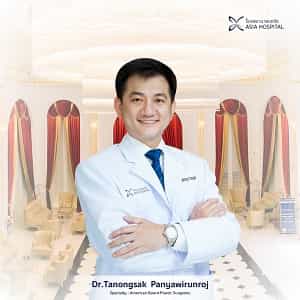
ความเชี่ยวชาญทางการแพทย์ที่หาที่เปรียบไม่ได้
กรุงเทพฯ เป็นศูนย์กลางระดับโลกด้านศัลยกรรมตกแต่ง ปริมาณการผ่าตัดที่มากมายมหาศาลทำให้ศัลยแพทย์ที่นี่สั่งสมประสบการณ์ในระดับที่หาได้ยากในที่อื่น พวกเขาเชี่ยวชาญในการจัดการกับโครงสร้างจมูกที่หลากหลาย ตั้งแต่จมูกของคนผิวขาว คนเอเชีย ไปจนถึงคนแอฟริกัน-อเมริกัน
ความเชี่ยวชาญนี้ได้รับการสนับสนุนจากโครงสร้างพื้นฐานของโรงพยาบาลที่แข็งแกร่ง ซึ่งรวมถึงสถานพยาบาลที่ได้รับการรับรองจาก JCI มากกว่า 60 แห่ง ทำให้มั่นใจได้ว่าการผ่าตัดของคุณจะเกิดขึ้นในสภาพแวดล้อมระดับโลก
คุ้มค่าและบริการเป็นเลิศ
การผสมผสานระหว่างผลลัพธ์คุณภาพสูงและค่าใช้จ่ายต่ำดึงดูดผู้ป่วยหลายพันคนต่อปี อย่างไรก็ตาม วัฒนธรรมการบริการต่างหากที่ทำให้พวกเขาแนะนำกรุงเทพฯ ให้กับผู้อื่น
การต้อนรับแบบไทยนั้นเลื่องลือ พนักงานพยาบาลเอาใจใส่ ใจดี และให้ความเคารพ การพักฟื้นมักให้ความรู้สึกเหมือนการพักผ่อนเพื่อสุขภาพมากกว่าการรักษาทางการแพทย์ โดยผู้ป่วยจำนวนมากพักฟื้นในโรงแรมหรูในราคาที่ถูกกว่าห้องพักมาตรฐานในประเทศตะวันตกมาก
โครงสร้างพื้นฐานผู้ป่วยแบบครบวงจร
เมืองนี้สร้างขึ้นเพื่อรองรับนักท่องเที่ยวเชิงการแพทย์ ตั้งแต่บริการขนส่งเฉพาะทางไปจนถึงโรงแรมที่เพียบพร้อมด้วยสิ่งอำนวยความสะดวกสำหรับการฟื้นฟู โครงสร้างพื้นฐานต่างๆ สนับสนุนการเดินทางสู่การรักษาของคุณอย่างเต็มที่
แผนกต่างประเทศในโรงพยาบาลจะจัดการเอกสารประกันภัย (หากมี) การต่อวีซ่าหากจำเป็นทางการแพทย์ และความต้องการด้านการแปล ช่วยลดความเครียดด้านโลจิสติกส์เพื่อให้คุณสามารถมุ่งเน้นไปที่การรักษาตัวได้อย่างเต็มที่
การเปลี่ยนแปลงรูปลักษณ์ของคุณในต่างประเทศต้องอาศัยความไว้วางใจและการเตรียมพร้อม PlacidWay ทำหน้าที่เป็นสะพานเชื่อมของคุณกับทีมแพทย์ชั้นนำของกรุงเทพฯ เพื่อให้มั่นใจได้ว่าคุณจะได้รับประสบการณ์ที่ปลอดภัย โปร่งใส และมีคุณภาพสูง
การตรวจสอบผู้ให้บริการที่ได้รับการรับรอง
เราคัดกรองคลินิกและศัลยแพทย์อย่างเข้มงวด โดยตรวจสอบใบรับรองจากคณะกรรมการ การรับรองจาก JCI และประวัติการฟ้องร้องเรื่องการประมาททางการแพทย์ เพื่อความปลอดภัยของคุณ
ใบเสนอราคาทางการแพทย์แบบกำหนดเอง
รับใบเสนอราคาโดยละเอียดและโปร่งใสจากคลินิกชั้นนำหลายแห่ง ช่วยให้คุณเปรียบเทียบสิ่งที่รวมอยู่ในแพ็กเกจและตัดสินใจเรื่องงบประมาณได้อย่างรอบคอบ
การแพทย์ทางไกลก่อนผ่าตัด
เราอำนวยความสะดวกในการปรึกษาผ่านวิดีโอกับศัลยแพทย์ชาวไทยก่อนที่คุณจะเดินทาง เพื่อให้คุณสามารถพูดคุยเกี่ยวกับเป้าหมายด้านความงามและคุณสมบัติของคุณได้จากที่บ้าน
ความโปร่งใสของต้นทุน
เราช่วยคุณเลือกแพ็กเกจแบบครบวงจรและระบุค่าใช้จ่ายแอบแฝงที่อาจเกิดขึ้น เพื่อให้มั่นใจว่าราคาที่คุณเห็นคือราคาที่คุณจ่ายจริง
รีวิวและรูปภาพที่ได้รับการยืนยัน
เข้าชมฐานข้อมูลภาพถ่ายก่อนและหลังการผ่าตัด รวมถึงคำรับรองจากผู้ป่วยจริง เพื่อประเมินสไตล์และความสม่ำเสมอในการสร้างสรรค์ผลงานของศัลยแพทย์
บริการสนับสนุนตลอด 24 ชั่วโมง 7 วันต่อสัปดาห์
ตั้งแต่การสอบถามครั้งแรกจนถึงการตรวจติดตามหลังผ่าตัด ทีมงานของเราพร้อมให้คำตอบทุกคำถามและให้ความช่วยเหลือในการติดต่อกับผู้ให้บริการทางการแพทย์
อย่าปล่อยให้รูปลักษณ์ของคุณเป็นเรื่องของโชคชะตา ติดต่อ PlacidWay วันนี้เพื่อรับใบเสนอราคาส่วนตัวฟรี และเริ่มต้นวางแผนการทำศัลยกรรมจมูกในกรุงเทพฯ ได้อย่างมั่นใจ
รับใบเสนอราคาส่วนตัวฟรี.png)
.jpg)

.jpg)
.png)
.png)
.jpg)


.png)

.jpg)








Share this listing