


.png)
Contents
Mga Ekspertong Opsyon sa Paggamot sa Rhinoplasty sa Bangkok, Thailand
Nakamit ng Bangkok ang titulong pandaigdigang kabisera ng aesthetic surgery, na nag-aalok ng kakaibang timpla ng mga pamantayang medikal ng Kanluran at atensyon sa detalye mula sa Silangan. Para sa mga pasyenteng naghahanap ng Rhinoplasty (karaniwang kilala bilang nose job), ang kabisera ng Thailand ay nag-aalok ng isang kapaligiran kung saan ang katumpakan ng operasyon ay nagtatagpo ng artistikong pagpipino. Naghahanap ka man ng augmentation rhinoplasty upang palakasin ang bridge o reduction rhinoplasty upang pinuhin ang dulo, ang mga siruhano ng Bangkok ay kilala sa kanilang kakayahang lumikha ng natural at maayos na mga resulta na nagbabalanse sa profile ng mukha.
Malawak ang imprastraktura ng lungsod sa medisina, tampok ang maraming ospital na kinikilala ng JCI na kapantay ng mga five-star hotel sa luho at serbisyo. Dito, ang mga board-certified surgeon—na marami sa kanila ay nakapagtapos ng fellowship sa US, UK, o Australia—ay gumagamit ng mga advanced na pamamaraan tulad ng open, closed, at revision rhinoplasty gamit ang silicone, Gore-Tex, o autologous cartilage (tadyang o tainga).
Ang pagpili ng Bangkok para sa iyong operasyon ay hindi lamang isang desisyong pinansyal, bagama't malaki ang matitipid dito. Ito ay isang desisyon na magkaroon ng kulturang medikal na inuuna ang kaginhawahan ng pasyente, detalyadong konsultasyon, at komprehensibong pangangalaga pagkatapos ng operasyon, lahat ay nakalagay sa isa sa mga pinakamasiglang lungsod sa Asya.
Mula sa sandaling dumating ka sa Suvarnabhumi Airport hanggang sa iyong huling follow-up, ang karanasan ay idinisenyo upang maging maayos, na susuporta sa iyo sa bawat hakbang ng iyong paglalakbay sa pagbabago.
Alam Mo Ba?
Ang Bangkok ay nangunguna sa mundo sa "Revision Rhinoplasty." Dahil sa napakaraming pasyente sa ibang bansa ang nakararanas ng lungsod, ang mga Thai surgeon ay nakabuo ng espesyalisadong kadalubhasaan sa pagwawasto ng mga hindi kasiya-siyang resulta mula sa mga operasyong isinagawa sa ibang lugar, kaya sila ang mga pangunahing eksperto para sa mga kumplikadong kaso ng reconstructive.
Mga Pangunahing Pananaw sa Isang Sulyap
Makatipid ng 50% hanggang 70% kumpara sa Australia, USA, at UK nang hindi isinasakripisyo ang kalidad.
Kadalubhasaan sa Open, Closed, Alarplasty, at Septoplasty na iniayon sa mga etnikong katangian.
Tahanan ng pinakamataas na konsentrasyon ng mga ospital na akreditado ng JCI sa Timog-silangang Asya.
Kilalang serbisyong "Land of Smiles", na tinitiyak ang isang kapaligirang walang stress para sa paggaling.
Karaniwang nananatili ang mga pasyente nang 7-10 araw para sa pag-alis ng splint at mga follow-up na pagsusuri.
Ang "Lunchtime" Lift
Pinasikat ng Thailand ang "Hiko" nose thread lift, na kadalasang tinatawag na non-surgical nose job. Bagama't permanente ang surgical rhinoplasty, ang Bangkok ay isa ring sentro para sa mabibilis at minimally invasive na mga pamamaraang ito na gumagamit ng mga natutunaw na sinulid upang iangat at bigyang-diin ang nose bridge nang walang downtime.
Ang gastos ay kadalasang ang pangunahing dahilan para sa mga internasyonal na pasyente, at ang Bangkok ay nag-aalok ng pambihirang halaga. Sa ibaba, nagbigay kami ng isang talahanayan na nagbabalangkas sa karaniwang gastos para sa iba't ibang pamamaraan ng rhinoplasty, mula sa simpleng alarplasty hanggang sa kumplikadong open reconstruction. Bagama't ang mga presyo ay mas mababa nang malaki kaysa sa mga bansang Kanluranin, ang pagkakaiba-iba ay depende sa pagiging kumplikado ng istraktura ng ilong at mga partikular na materyales (silicone vs. cartilage) na ginamit.
Tip: Ang revision rhinoplasty ay karaniwang mas mahal kaysa sa primary surgery dahil sa mas mataas na komplikasyon at mas matagal na oras ng operasyon.
Price starting from $2,000
All Inclusive Rhinoplasty Bangkok at Asia Cosmetic Hospital Thailand
Asia Cosmetic Hospital
- Cosmetic/Plastic Surgery
Bangkok, Thailand

Price starting from $4,400
Rhinoplasty Package in Bangkok, Thailand by Dr. Siripong Clinic
Dr. Siripong Plastic Surgery in Thailand
- Cosmetic/Plastic Surgery
Bangkok, Thailand

Price starting from $3,500
Affordable Bangkok Rhinoplasty Package in Bangkok, Thailand by BPS Clinic
Bangkok Plastic Surgery Clinic
- Cosmetic/Plastic Surgery
Bangkok, Thailand
Ang sektor ng turismo medikal sa Bangkok ay nangunguna sa pagbibigay ng komprehensibong mga bundle ng pangangalaga. Ang mga provider na nakalista sa seksyong ito ay napili dahil sa kanilang kakayahang mag-alok ng maayos at all-inclusive na mga pakete. Karaniwang sinasaklaw nito ang mga bayarin sa siruhano, anesthesia, mga gastos sa operating theatre, at pre-op testing. Kasama rin sa maraming premium na pakete ang mga airport transfer, mga serbisyo sa pagsasalin, at maging ang mga pamamalagi sa hotel malapit sa klinika upang matiyak ang walang abala na paggaling.
Paalala: Pinapasimple ng mga pakete ang iyong pagbabadyet sa pamamagitan ng pagsasama-sama ng mga mahahalagang gastos sa medikal at logistik sa iisang transparent na presyo.
Nose Surgery Rhinoplasty Centers Cost Comparison in Bangkok, Thailand
| Provider | Procedure | Price |
|---|---|---|
| Dr. Siripong Plastic Surgery in Thailand | Nose Surgery Rhinoplasty, Cosmetic/Plastic Surgery | $4400 |
| Bangkok Plastic Surgery Clinic | Nose Surgery Rhinoplasty, Cosmetic/Plastic Surgery | $3500 |
| Asia Cosmetic Hospital | Nose Surgery Rhinoplasty, Cosmetic/Plastic Surgery | $2000 |
| Capturing Beauty at The Klinique Surgery Center in Thailand | Nose Surgery Rhinoplasty, Cosmetic/Plastic Surgery | $5572 |
| DCH Dr. CHEN Surgery Hospital International Center in Bangkok, Thailand | Nose Surgery Rhinoplasty, Cosmetic/Plastic Surgery | $1384 |
Nose Surgery Rhinoplasty Cost Comparison in Thailand
| Country | Procedure | Price |
|---|---|---|
| United States | Nose Surgery Rhinoplasty, Cosmetic/Plastic Surgery | $9500 |
| Canada | Nose Surgery Rhinoplasty, Cosmetic/Plastic Surgery | $10000 |
| Australia | Nose Surgery Rhinoplasty, Cosmetic/Plastic Surgery | $9000 |
| Germany | Nose Surgery Rhinoplasty, Cosmetic/Plastic Surgery | $9500 |
Ang Bangkok ay tahanan ng ilan sa mga pinakamahusay na pasilidad medikal sa Asya. Ang mga klinika at ospital na itinatampok dito ay pinili dahil sa kanilang dedikasyon sa kahusayan sa estetika. Ang mga sentrong ito ay mula sa malalaki at multi-specialty na internasyonal na ospital hanggang sa mga boutique cosmetic surgery clinic. Inuuna ng lahat ng napiling pasilidad ang internasyonal na kaligtasan ng pasyente, mga modernong protocol ng sterilization, at makabagong teknolohiya sa pag-opera.
Pamantayan ng Pangangalaga: Maghanap ng mga pasilidad na mayroong akreditasyon ng JCI o HA (Hospital Accreditation of Thailand) upang matiyak ang mga pandaigdigang pamantayan sa kaligtasan.
Dr. Siripong Plastic Surgery in Thailand
Bangkok, Thailand
Bangkok Plastic Surgery Clinic
Bangkok, Thailand
Asia Cosmetic Hospital
Bangkok, Thailand
Capturing Beauty at The Klinique Surgery Center in Thailand
Bangkok, Thailand
Charismma Clinic - Plastic Surgery in Bangkok Thailand
Bangkok, Thailand
DCH Dr. CHEN Surgery Hospital International Center in Bangkok, Thailand
Bangkok, Thailand
Ang makakita ay paniniwala. Ang mga video testimonial na pinili sa ibaba ay nagtatampok ng mga totoong pasyente na nagbabahagi ng kanilang mga tapat na karanasan sa rhinoplasty sa Bangkok. Mula sa unang pagkabalisa ng paglalakbay sa ibang bansa hanggang sa kagalakan ng pagkakita sa kanilang bagong profile, ang mga kuwentong ito ay nagbibigay ng tunay na pagtingin sa kung ano ang maaari mong asahan. Panoorin ang mga clip na ito upang masukat ang kalidad ng pangangalaga at ang mga natural na resulta na nakakamit ng mga Thai surgeon.
Kaalaman: Ang mga video review ay nagbibigay-daan sa iyong makita ang pabago-bagong paggalaw ng ilong at mukha, na nag-aalok ng mas mahusay na perspektibo kaysa sa mga static na larawan.

Nakalap namin ang mga napatunayang review mula sa mga pasyenteng nakatapos na ng kanilang rhinoplasty journey sa Bangkok. Saklaw ng mga review na ito ang mga mahahalagang aspeto tulad ng bedside manner ng siruhano, ang kalinisan ng pasilidad, at ang bisa ng pamamahala ng sakit. Ang pagbabasa ng mga walang kinikilingang salaysay na ito ay makakatulong sa iyo na bumuo ng tiwala at pamahalaan ang iyong mga inaasahan tungkol sa proseso ng paggaling at mga huling resulta.
Tip sa Pagsusuri: Tumutok sa mga pagsusuri na tumatalakay sa mga pangmatagalang resulta (6-12 buwan pagkatapos ng operasyon) upang maunawaan ang tibay ng operasyon.

What is the Cost of Rhinoplasty in Thailand?
Thinking about nose surgery but startled by the price tag in your home country? You're in good company. Thousands are turning to Thailand, a world-renowned hub for medical tourism, for high-quality, affordable rhinoplasty. Nose surgery in Thailand can cost anywhere from $900 for a simple augmentation to over $12,000 for a complex revision, with most standard procedures falling between $2,500 and $5,000. This makes it a financially savvy choice without compromising on quality. This comprehensive Q&A blog post will guide you through everything you need to know about getting a nose job in Thailand. We will explore the different types of procedures, break down the costs, answer your most critical questions about safety and recovery, and provide tips on how to choose the best surgeon for you. With internationally accredited hospitals and highly skilled specialists, achieving the look you desire is more attainable than you might think. How much does nose surgery really cost in Thailand? "The cost of nose surgery in Thailand typically ranges from $2,500 to $5,000 for a standard primary rhinoplasty. However, simpler procedures like alarplasty can start as low as $900, while complex corrective surgeries can exceed $12,000." The final price tag is directly tied to the complexity of the procedure. A straightforward augmentation using a silicone implant is on the lower end of the spectrum, whereas a revision rhinoplasty that requires cartilage grafts from the ear or rib will be at the higher end. The significant savings compared to the US or Australia (often 40-70% less) make even the most complex procedures more accessible. Here’s a general breakdown of costs by procedure type: Procedure Type Average Price (THB) Average Price (USD) Augmentation (Implant) 30,000 - 70,000 $870 - $1,900 Alarplasty (Nostril Reduction) 30,000 - 45,000 $870 - $1,200 Tip Plasty (Tip Refinement) 45,000 - 85,000 $1,200 - $2,300 Open Rhinoplasty (with Grafts) 100,000 - 250,000+ $2,700 - $6,800+ Revision Rhinoplasty 150,000 - 450,000+ $4,100 - $12,200+ What are the different types of nose surgery available? "The main types of nose surgery in Thailand include augmentation rhinoplasty (using implants or cartilage), reduction rhinoplasty, alarplasty (nostril narrowing), tip plasty, and complex revision rhinoplasty. The best technique for you depends entirely on your unique anatomy and aesthetic goals." Understanding the different approaches is key to a successful consultation: Augmentation Rhinoplasty: This increases the size or height of the nasal bridge, often using a silicone implant or the patient’s own cartilage. Reduction Rhinoplasty: This involves removing or reshaping bone and cartilage to reduce the overall size of the nose or remove a dorsal hump. Tip Plasty: This procedure focuses exclusively on reshaping the cartilage at the tip of the nose to make it more refined, lifted, or defined. Alarplasty: A relatively simple procedure to narrow the width of the nostrils for better facial harmony. Revision Rhinoplasty: A highly complex surgery performed to correct or improve the results of a previous nose job. It requires a surgeon with specialized expertise. Is it safe to get a nose job in Thailand? "Yes, getting nose surgery in Thailand is very safe, provided you choose a JCI-accredited hospital and a board-certified, experienced plastic surgeon. Top facilities in Thailand use the same advanced technology and adhere to the same stringent safety protocols as leading hospitals in the West." Thailand's medical tourism industry is built on a foundation of high standards. The key to ensuring your safety is to do thorough research. Avoid clinics that offer rock-bottom prices with no verifiable credentials. A qualified surgeon in a reputable hospital is the best way to minimize risks and ensure a successful outcome. How do I choose the best surgeon in Thailand? "To choose the best surgeon, verify their credentials (board certification), review their portfolio of before-and-after photos, and read patient testimonials. A good surgeon will have extensive experience in the specific type of rhinoplasty you need and will conduct a thorough, pressure-free consultation." Here's a quick checklist for your search: Board Certification: Ensure the surgeon is certified by a recognized plastic surgery board in Thailand or internationally. Specialization: Look for a surgeon who specializes in facial plastic surgery and frequently performs rhinoplasties. Portfolio: Analyze their before-and-after gallery. Do their results look natural? Does their aesthetic style match your goals? Communication: The surgeon should listen to your goals, explain the procedure clearly, and be transparent about potential risks. What's included in a rhinoplasty package in Thailand? "A typical rhinoplasty package in Thailand includes the surgeon's fee, anesthesiologist's fee, operating room costs, and sometimes a one-night hospital stay for more complex procedures. However, initial consultations and certain medications are often extra." While packages offer convenience, always ask for a detailed breakdown of what's covered. Often, the initial consultation fee, pre-operative lab tests, take-home medications, and accommodation are not included in the surgical price. Getting a clear, itemized quote will help you avoid any unexpected costs. What is the recovery process like? "Recovery from rhinoplasty involves about one week of initial downtime. You can expect bruising and swelling around the nose and eyes, which will significantly subside after the first week. Most patients feel comfortable returning to public activities within 10-14 days." Your surgeon will place a splint on your nose, which is typically removed after about a week. While the most visible swelling and bruising fade quickly, it's important to know that residual, minor swelling can take up to a year to fully resolve as the nose settles into its final shape. You'll be advised to avoid strenuous activities and contact sports for at least four to six weeks. Who is a good candidate for nose surgery? "A good candidate for rhinoplasty is someone who is in good overall health, a non-smoker, has finished their facial growth (typically 16-17+ years old), and has realistic expectations about the outcome. It's for individuals looking to improve the shape or function of their nose, not achieve an unrealistic 'perfect' look." During your consultation, the surgeon will assess your nasal structure, skin quality, and overall facial harmony to determine what is surgically possible. Being clear about your goals while also being open to the surgeon's expert opinion is the key to a result you will be happy with. Ready to take the next step towards the look you've always wanted? PlacidWay connects you with a network of accredited, world-class hospitals and surgeons in Thailand and beyond. Explore trusted and affordable rhinoplasty solutions with PlacidWay today!
How Much Does a Rhinoplasty Cost in Bangkok?
The estimated rhinoplasty cost in Bangkok typically ranges from $1,500 to $4,500. This depends on the complexity of the procedure, surgeon experience, and materials used. Prices generally include surgeon fees and facility charges. If you are considering altering the shape or function of your nose, you might be looking into international options. Undergoing rhinoplasty in Bangkok is a popular choice for many international patients seeking specialized facial plastic surgery. Thailand has developed a robust healthcare infrastructure aimed at international visitors, offering a wide array of cosmetic procedures. Understanding the expenses, risks, and recovery timeline is critical before planning a trip abroad. Key Takeaways Prices for a nose job in Thailand typically span between $1,500 and $4,500. Total expenses depend heavily on the surgical technique, implants, and anesthesia used. Patients generally need to remain in the country for 7 to 14 days post-surgery. Individual healing processes vary, and final results can take up to a year to settle. Traveling for medical care requires planning for potential complications upon returning home. What factors influence the cost of a nose job in Bangkok? The final price heavily depends on the surgical technique, anesthesia type, and whether you are having a primary or revision procedure. Revisions usually cost significantly more due to scar tissue and complexity. Several elements affect the final quote you receive from a facility. First, the materials used play a major role. Procedures using synthetic materials like medical-grade silicone implants are often priced lower than those utilizing autologous grafts. Autologous grafting involves taking cartilage from your own ear, septum, or rib to build up the nasal structure. Rib cartilage grafting, in particular, requires more operating time and advanced surgical skill, which increases the overall fee. Surgeon expertise and facility reputation also dictate pricing. Highly experienced surgeons with international board certifications often command higher fees. Similarly, large, internationally accredited hospitals usually charge more than smaller, independent centers. Finally, the type of anesthesia affects the bill. A procedure performed under local anesthesia with sedation is typically less expensive than one requiring general anesthesia, as the latter requires an anesthesiologist to be present throughout the operation. Important Consideration Estimates found online rarely cover the complete financial picture. Always account for non-medical expenses like flights, hotel stays, local transportation, and travel insurance when calculating your budget. What is usually included in a Bangkok rhinoplasty package? Most clinics bundle core surgical expenses into one fee covering the surgeon, operating room, standard anesthesia, and initial medications. You should always ask for an itemized breakdown before committing. When evaluating different providers, you will notice that many offer inclusive treatment packages. This approach simplifies the billing process for international patients. A typical package often incorporates: The primary surgeon’s professional fee. Anesthesiologist fees and the cost of the anesthesia itself. Use of the operating theater and standard surgical equipment. Post-operative medications for the first week, such as antibiotics and pain relief. Routine follow-up appointments and splint removal before you fly home. However, packages rarely cover everything. Pre-operative blood tests, chest X-rays, or specialized heart screenings may be billed separately. Additionally, if complications occur during or after the surgery, prolonged hospital stays or additional medications will likely result in extra charges. Be sure to request documentation detailing exactly what happens financially if an unexpected complication arises. How does the price compare to Western countries? Patients often find that procedures in Southeast Asia are priced lower than in the United States, Australia, or the UK, sometimes by a significant margin. This difference relates to lower local living and operational costs, not necessarily lower quality. The motivation behind medical tourism in Bangkok is frequently financial. In countries like the United States or Australia, an initial consultation, facility fees, anesthesiologist fees, and surgeon fees can easily total between $7,000 and $15,000. In contrast, the same procedural components in Thailand may range from $1,500 to $4,500. Region Estimated Average Price Range Primary Cost Drivers United States $7,000 - $15,000+ High facility fees, insurance overhead, high labor costs Australia $8,000 - $14,000+ Strict regulatory overhead, high cost of living Thailand (Bangkok) $1,500 - $4,500 Lower operational and local living costs *These are broad estimates. Complex revisions and travel expenses will increase the total cost. The reduced pricing structure in Thailand is primarily due to the lower cost of living, reduced administrative overhead, and different malpractice insurance models. Healthcare providers can operate large, modern hospitals at a fraction of the cost required in Western nations. While the baseline surgical fee is lower, the actual savings margin shrinks once you factor in airfare, accommodations for a two-week stay, and meals. Am I a good candidate for this surgery? Suitable candidates are generally healthy adults with realistic expectations who wish to alter the size, shape, or proportion of their nose. A thorough medical evaluation is required to confirm eligibility. Suitability for facial surgery involves both physical and psychological factors. Physically, your facial growth must be complete; this is why surgeons typically require patients to be at least in their late teens. You also need to be in good overall health. Conditions that impair healing, such as uncontrolled diabetes, autoimmune disorders, or bleeding disorders, may contraindicate surgery. Surgeons often stress the importance of realistic expectations. A procedure can refine your natural anatomy, but it cannot give you a completely different face or replicate someone else's features perfectly. During your consultation, an honest discussion about what is structurally possible with your skin thickness and cartilage strength is vital. Furthermore, smoking significantly impedes blood flow and increases the risk of tissue necrosis and infection. Medical professionals strongly advise patients to stop using all nicotine products several weeks before and after the operation. Expert Insight Your medical history matters. Be entirely transparent with your prospective surgeon about all medications, supplements, and previous nasal surgeries or traumas you have experienced. Withholding this information can lead to severe surgical complications. What techniques do surgeons typically use? Surgeons primarily perform either open or closed rhinoplasty, depending on how much reshaping is needed. Open surgery provides more visibility, while closed surgery involves incisions only inside the nostrils. The choice of surgical technique depends on your anatomy and cosmetic goals. In a closed procedure, the doctor makes all incisions internally. This approach typically results in a shorter surgery time, less post-operative swelling, and no external scarring. However, it limits the surgeon's visibility and access, making it more suitable for minor adjustments. An open approach involves a small incision across the columella, the narrow strip of tissue separating the nostrils. The surgeon lifts the skin to fully expose the nasal framework. While this leaves a tiny, often barely noticeable scar, it allows for highly precise sculpting and complex structural changes. In Southeast Asia, augmentation is a frequently requested procedure. Many patients seek to raise the nasal bridge or refine the tip. To achieve this, practitioners may use implants or perform structural grafting using the patient's own cartilage. Your doctor will recommend the most appropriate method based on your specific nasal anatomy. How long is the recovery period before I can fly home? You should plan to stay in Thailand for at least 7 to 14 days after your operation to allow for initial healing, splint removal, and follow-up checks. Flying too soon increases the risk of bleeding and swelling due to cabin pressure. Recovery requires patience. Immediately following the operation, you will likely wear an external cast or splint to support the new nasal shape and control swelling. Internal packing may also be placed, which can make breathing through your nose uncomfortable for the first few days. Swelling and bruising around the eyes are common, usually peaking around the third day. During this time, keeping your head elevated and applying cold compresses can help manage discomfort. Most clinics require patients to return around day seven to remove the splints and any non-dissolvable stitches. Airlines and medical professionals caution against flying too soon. The dry air and changing cabin pressure during a long-haul flight can exacerbate swelling or trigger nosebleeds. Remaining near your surgical team for a minimum of ten days allows them to monitor your initial healing phase and clear you for air travel safely. What are the potential risks and complications? All surgeries carry inherent risks, including infection, bleeding, adverse reactions to anesthesia, and dissatisfaction with the cosmetic result. You must weigh these carefully before traveling abroad for care. Cosmetic procedures are real medical events with potential downsides. General surgical risks include deep vein thrombosis (DVT), adverse anesthesia reactions, and localized infections. When implants are used, there is a risk of extrusion (the implant pushing through the skin) or shifting over time. Specific to this procedure, complications may include ongoing breathing difficulties, a perforated septum, altered sense of smell, or permanent numbness in and around the nose. Asymmetry or unexpected healing contours can also occur, which may necessitate revision surgery. Combining surgery with international travel introduces additional variables. Long flights increase the risk of blood clots. Furthermore, if an infection develops weeks after returning to your home country, you will need to seek treatment from a local physician who was not involved in your initial care. How do I choose a reliable facility? Finding a trustworthy rhinoplasty clinic in Bangkok requires researching surgeon credentials, checking international accreditations, and asking detailed questions during virtual consultations. Rely on verified medical board listings rather than just social media photos. The selection process should be rigorous. Begin by verifying the credentials of the specific doctor who will perform the surgery. Look for memberships in recognized professional organizations, such as the International Society of Aesthetic Plastic Surgery (ISAPS) or the Thai Society of Plastic and Reconstructive Surgeons. Investigate the facility itself. Many top-tier hospitals hold accreditation from the Joint Commission International (JCI), which indicates adherence to strict global safety and quality standards. You can also ask the clinic directly about their infection rates, emergency protocols, and intensive care capabilities. Consultations, even virtual ones, are critical. Pay attention to how the staff communicates. A reputable provider will discuss risks openly, answer your questions thoroughly, and never pressure you into booking immediately. Beware of facilities that guarantee flawless results or fail to provide transparent pricing structures. Will I need to pay for revision surgery if complications arise? Revision policies vary widely by clinic; some may cover the surgical fee for minor corrections within a specific timeframe, but you will almost always have to pay for your own travel and lodging. Medical tourism involves geographical challenges regarding follow-up care. If your nose heals asymmetrically or a complication arises months down the line, returning to your original surgeon is logistically complex. While some facilities may offer a free or discounted surgical correction if the issue is deemed a medical fault, you are typically responsible for the airfare, accommodation, and time off work required to return. In some cases, patients choose to manage complications with a specialist in their home country. Because domestic doctors charge local rates, a revision surgery at home can end up costing significantly more than the initial trip abroad. Some specialized medical travel insurance policies cover complications, and looking into these options before you depart is highly advised. Why Choose PlacidWay for Medical Tourism in Thailand? Navigating international healthcare options can be overwhelming. PlacidWay serves as a resource for patients seeking medical treatments abroad, providing structural tools to aid in research. Global Directory: Provides access to a wide-ranging directory of international clinics and specialized doctors. Credential Information: Offers details on facility accreditations and surgeon qualifications to help you verify standards. Price Comparisons: Allows patients to review estimated treatment costs across multiple providers in different regions. Direct Connection: Connects individuals directly with the international patient departments of chosen hospitals. Educational Resources: Supplies articles, guides, and checklists to help patients make informed decisions about traveling for care. Frequently Asked Questions Is it safe to get a nose job in Thailand? Safety depends largely on the facility and surgeon you choose. While Thailand has many internationally accredited hospitals, all surgery carries inherent risks such as infection or bleeding. Researching credentials and ensuring the facility meets global health standards is essential. Does health insurance cover the procedure abroad? Most standard health insurance plans do not cover cosmetic procedures, whether performed at home or abroad. If the surgery is performed to correct a functional breathing issue, your insurer might cover a portion, but coordinating cross-border billing is often complicated. Can I combine my surgery with a vacation? While many patients travel for medical purposes, a surgical trip is not a traditional vacation. You will need to rest, avoid strenuous activities, and keep your face out of the sun and water to prevent infection and excess swelling. Do doctors in Bangkok speak English? Many surgeons and medical staff at facilities catering to international patients speak English fluently. Hospitals often provide dedicated translators for various languages to ensure clear communication during consultations and aftercare. What kind of implants are used during surgery? Surgeons may use synthetic implants like medical-grade silicone or Gore-Tex, which are common in Asian rhinoplasty. Alternatively, they may use autologous grafts, which involve taking cartilage from your own ear or rib to reshape the nose. How soon can I wear glasses after surgery? You typically need to avoid resting glasses on your nose for four to six weeks following the procedure. The pressure from the frames can indent the healing bone and cartilage, potentially altering the final surgical result. Will there be visible scarring? If you undergo a closed rhinoplasty, all incisions are made inside the nostrils, leaving no visible external scars. An open rhinoplasty requires a small incision across the columella (the tissue between the nostrils), which usually fades significantly over time. How long does the actual surgery take? The procedure typically takes between one and a half to three hours, depending on the complexity of the reshaping and whether cartilage grafting is required. Complex revision surgeries can take even longer. What happens if I have an emergency after returning home? If you experience severe complications like bleeding, infection, or breathing difficulties after returning home, you should immediately visit a local emergency room or doctor. You will likely be responsible for any associated medical costs. Are virtual consultations available before traveling? Yes, many international healthcare providers offer virtual video consultations. During these calls, the surgeon can assess your facial anatomy through photos, discuss your goals, and provide an initial treatment plan and cost estimate. Compare Treatment Options Gather detailed information on procedures, estimated costs, and international providers to make an informed decision about your healthcare. Request Treatment Information References International Society of Aesthetic Plastic Surgery (ISAPS) – Patient Safety and Statistics American Society of Plastic Surgeons (ASPS) – Rhinoplasty Procedure and Candidates World Health Organization (WHO) – Travel and Health: Medical Tourism Centers for Disease Control and Prevention (CDC) – Medical Tourism Travel Advice MedlinePlus – Rhinoplasty Medical Encyclopedia National Center for Biotechnology Information – Complications in Asian Rhinoplasty Medical Disclaimer: The information provided in this article is for educational and informational purposes only and does not constitute medical advice. Treatment outcomes, risks, recovery times, and costs vary significantly based on individual medical history and anatomy. Estimates are not guaranteed final prices. Always seek the advice of a qualified and board-certified healthcare professional before making any medical decisions or traveling internationally for treatment.
Ang paghahanap ng tamang siruhano ang pinakamahalagang hakbang sa iyong paglalakbay. Nakapili kami ng listahan ng mga nangungunang espesyalista sa Bangkok na hindi lamang board-certified kundi kinikilala rin bilang mga artista sa facial contouring. Ang mga propesyonal na ito ay may mga taon ng karanasan sa mga internasyonal na pasyente at bihasa sa mga pamamaraan na angkop sa magkakaibang etnikong istruktura ng mukha.
Mga Plastic Surgeon na Sertipikado ng Lupon
Sertipikado ng Medical Council of Thailand
Ang aming mga piling espesyalista ay may mga sertipikasyon mula sa Medical Council of Thailand at kadalasang nagpapanatili ng mga miyembro sa mga pandaigdigang organisasyon tulad ng ISAPS o ASPS. Tinitiyak nito na sumusunod sila sa pinakamataas na pamantayan ng etika at kaligtasan sa industriya.
Mga Eksperto sa Rebisyon at Rekonstruksyon
Mga Masters ng mga Komplikadong Kaso
Ang Bangkok ay isang sentro para sa corrective surgery. Ang mga espesyalistang aming itinatampok ay may malawak na karanasan sa revision rhinoplasty, na may kakayahang ayusin ang mga problema mula sa mga nakaraang operasyon at pangasiwaan ang kumplikadong reconstruction gamit ang rib cartilage grafts.
Mga Artista ng Harmony sa Mukha
Holistikong Pamamaraan sa Estetika
Ang mga nangungunang siruhano sa Bangkok ay hindi lamang nakatuon sa ilong; sinusuri nila ang buong profile ng mukha. Sila ay mga eksperto sa pagtiyak na ang ilong ay tumutugma sa baba, noo, at pisngi, na nagbibigay ng mga resulta na mukhang natural at balanse sa halip na "tapos na."
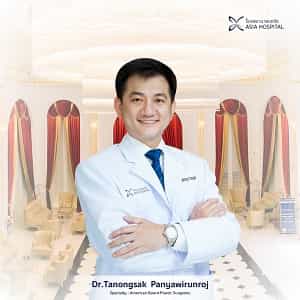
Walang Kapantay na Kadalubhasaan sa Medikal
Ang Bangkok ay isang pandaigdigang sentro ng plastic surgery. Ang dami ng mga pamamaraang isinasagawa rito ay nangangahulugan na ang mga siruhano ay nakapag-ipon ng antas ng karanasan na mahirap pantayan sa ibang lugar. Mahusay sila sa paghawak ng iba't ibang istruktura ng ilong, mula sa Caucasian hanggang sa Asian at African-American na mga ilong.
Ang kadalubhasaan na ito ay sinusuportahan ng isang matibay na imprastraktura ng ospital na kinabibilangan ng mahigit 60 pasilidad na akreditado ng JCI, na tinitiyak na ang iyong operasyon ay magaganap sa isang kapaligirang may pinakamataas na kalidad sa buong mundo.
Natatanging Halaga at Serbisyo
Ang kombinasyon ng mataas na kalidad na mga resulta at mababang gastos ay umaakit ng libu-libong pasyente taun-taon. Gayunpaman, ang kultura ng serbisyo ang dahilan kung bakit nila inirerekomenda ang Bangkok sa iba.
Maalamat ang pagiging maasikaso ng mga Thai; ang mga nars ay maasikaso, mabait, at magalang. Ang karanasan sa paggaling ay kadalasang parang isang wellness retreat kaysa sa isang medikal na pamamaraan, kung saan maraming pasyente ang nagpapagaling sa mga luxury hotel sa mas mababang halaga kumpara sa isang standard room sa Kanluran.
Komprehensibong Imprastraktura ng Pasyente
Ang lungsod ay itinayo para sa mga turistang medikal. Mula sa mga espesyal na serbisyo sa transportasyon hanggang sa mga hotel na may mga pasilidad sa paggaling, sinusuportahan ng imprastraktura ang iyong paglalakbay sa paggaling.
Ang mga internasyonal na departamento sa mga ospital ang humahawak sa mga papeles ng insurance (kung naaangkop), mga extension ng visa kung kinakailangan sa medikal na paraan, at mga pangangailangan sa pagsasalin, na nag-aalis ng stress sa logistik upang makapagtuon ka nang buo sa pagpapagaling.
Ang pagbabago ng iyong anyo sa ibang bansa ay nangangailangan ng tiwala at paghahanda. Ang PlacidWay ay nagsisilbing tulay mo sa mga piling medikal ng Bangkok, na tinitiyak ang isang ligtas, malinaw, at de-kalidad na karanasan.
Pagsusuri ng Sertipikadong Tagapagbigay ng Serbisyo
Mahigpit naming sinusuri ang mga klinika at siruhano, bineberipika ang kanilang mga sertipikasyon sa board, mga akreditasyon ng JCI, at kasaysayan ng malpractice upang matiyak ang iyong kaligtasan.
Mga Pasadyang Presyo sa Medikal
Kumuha ng detalyado at malinaw na mga pagtatantya ng presyo mula sa maraming nangungunang klinika, na magbibigay-daan sa iyong paghambingin ang mga inklusyon at gumawa ng matalinong desisyon sa badyet.
Telemedicine Bago ang Operasyon
Nagbibigay kami ng mga konsultasyon sa pamamagitan ng video kasama ang mga Thai surgeon bago ka lumipad, para matiyak na mapag-uusapan ninyo ang inyong mga layunin sa pagpapaganda at ang inyong pagiging kwalipikado mula sa inyong tahanan.
Transparency sa Gastos
Tutulungan ka naming pumili ng mga all-inclusive na pakete at tukuyin ang mga potensyal na nakatagong gastos, tinitiyak na ang presyong nakikita mo ay siyang presyong babayaran mo.
Mga Na-verify na Review at Larawan
I-access ang aming database ng mga larawan bago at pagkatapos ng operasyon at mga tunay na testimonial ng pasyente upang masuri ang artistikong istilo at pagiging matatag ng siruhano.
Suporta 24/7
Mula sa iyong unang katanungan hanggang sa iyong post-op checkup, ang aming koponan ay handang sumagot sa mga tanong at makipag-ugnayan sa aming medical provider para sa iyong mga pangangailangan.
Huwag mong ipasa sa pagkakataon ang iyong hitsura. Makipag-ugnayan sa PlacidWay ngayon para makatanggap ng libre at personalized na quote at simulang planuhin ang iyong rhinoplasty sa Bangkok nang may kumpiyansa.
Kunin ang Iyong Libreng Personalized na Sipi.png)
.jpg)
.jpg)
.jpg)
.png)
.png)




.png)









Share this listing