


.png)
内容
泰国曼谷的专家级隆鼻治疗方案
曼谷素有“全球整形之都”的美誉,完美融合了西方医疗标准与东方精益求精的匠心精神。对于寻求隆鼻手术(俗称鼻部整形)的患者而言,这座泰国首都提供了一个将外科手术的精准性与艺术美感完美结合的理想环境。无论您是希望通过隆鼻手术来提升鼻梁,还是通过缩鼻手术来修饰鼻尖,曼谷的整形外科医生都以其精湛的技艺而闻名,他们能够打造自然和谐、平衡面部轮廓的整形效果。
该市医疗基础设施完善,拥有众多获得JCI认证的医院,其豪华程度和服务水平堪比五星级酒店。在这里,许多曾在美国、英国或澳大利亚完成专科培训的认证外科医生,运用先进的技术,例如使用硅胶、戈尔特斯(Gore-Tex)或自体软骨(肋软骨或耳软骨)进行开放式、封闭式和修复性鼻整形手术。
选择在曼谷进行手术不仅仅是出于经济考虑,尽管费用确实可以节省不少。更重要的是,您将体验到一种以患者舒适度、细致咨询和全面术后护理为优先的医疗文化,所有这一切都发生在亚洲最具活力的城市之一的背景下。
从您抵达素万那普机场的那一刻起,直到您最后一次跟进,整个体验都旨在做到无缝衔接,在您的转型之旅的每一步都为您提供支持。
你可知道?
曼谷是“鼻部修复手术”的世界领先者。由于该市接待了大量的国际患者,泰国外科医生已经发展出专门的技术来纠正其他地方手术造成的不满意结果,这使他们成为复杂重建病例的首选专家。
关键信息概览
与澳大利亚、美国和英国相比,可节省 50% 至 70% 的费用,且质量不受影响。
擅长开放式、封闭式鼻翼成形术和鼻中隔成形术,并可根据种族特征进行个性化治疗。
这里拥有东南亚地区最集中的JCI认证医院。
享有盛誉的“微笑之国”服务,确保在轻松无压力的康复环境中享受舒适体验。
患者通常需要住院 7-10 天进行夹板拆除和后续检查。
“午餐时间”电梯
泰国推广了“Hiko”鼻部线雕提升术,这种手术通常被称为非手术隆鼻。虽然手术隆鼻效果是永久性的,但曼谷也是这种快速、微创手术的中心,该手术使用可吸收线来提升和塑造鼻梁,无需恢复期。
对于国际患者而言,费用往往是主要考虑因素,而曼谷的隆鼻手术性价比极高。下表列出了各种隆鼻手术的平均费用,从简单的鼻翼成形术到复杂的开放式重建手术。虽然价格远低于西方国家,但具体费用取决于鼻部结构的复杂程度以及所使用的材料(硅胶或软骨)。
提示:由于修复性鼻整形手术的复杂性和所需手术时间增加,因此通常比初次手术更昂贵。
Price starting from $2,000
All Inclusive Rhinoplasty Bangkok at Asia Cosmetic Hospital Thailand
Asia Cosmetic Hospital
- Cosmetic/Plastic Surgery
Bangkok, Thailand

Price starting from $4,400
Rhinoplasty Package in Bangkok, Thailand by Dr. Siripong Clinic
Dr. Siripong Plastic Surgery in Thailand
- Cosmetic/Plastic Surgery
Bangkok, Thailand

Price starting from $3,500
Affordable Bangkok Rhinoplasty Package in Bangkok, Thailand by BPS Clinic
Bangkok Plastic Surgery Clinic
- Cosmetic/Plastic Surgery
Bangkok, Thailand
曼谷的医疗旅游业以提供全面的医疗服务套餐而著称。本节列出的医疗机构均因其能够提供无缝衔接的全包式服务而入选。这些套餐通常涵盖外科医生费用、麻醉费用、手术室费用和术前检查费用。许多高端套餐还包括机场接送、翻译服务,甚至诊所附近的酒店住宿,以确保患者术后顺利康复。
注:套餐将必要的医疗和后勤费用合并为一个透明的价格,简化您的预算。
Nose Surgery Rhinoplasty 中心成本比较 Bangkok, Thailand
| 提供者 | 程序 | 价格 |
|---|---|---|
| Dr. Siripong Plastic Surgery in Thailand | Nose Surgery Rhinoplasty, Cosmetic/Plastic Surgery | $4400 |
| Bangkok Plastic Surgery Clinic | Nose Surgery Rhinoplasty, Cosmetic/Plastic Surgery | $3500 |
| Asia Cosmetic Hospital | Nose Surgery Rhinoplasty, Cosmetic/Plastic Surgery | $2000 |
| Capturing Beauty at The Klinique Surgery Center in Thailand | Nose Surgery Rhinoplasty, Cosmetic/Plastic Surgery | $5572 |
| DCH Dr. CHEN Surgery Hospital International Center in Bangkok, Thailand | Nose Surgery Rhinoplasty, Cosmetic/Plastic Surgery | $1384 |
Nose Surgery Rhinoplasty 成本比较 Thailand
| 国家 | 程序 | 价格 |
|---|---|---|
| United States | Nose Surgery Rhinoplasty, Cosmetic/Plastic Surgery | $9500 |
| Canada | Nose Surgery Rhinoplasty, Cosmetic/Plastic Surgery | $10000 |
| Australia | Nose Surgery Rhinoplasty, Cosmetic/Plastic Surgery | $9000 |
| Germany | Nose Surgery Rhinoplasty, Cosmetic/Plastic Surgery | $9500 |
曼谷拥有亚洲一些最顶尖的医疗机构。本文推荐的诊所和医院均以其卓越的医术和对美学的执着追求而入选。这些机构涵盖了从大型综合性国际医院到精品整形外科诊所等各类类型。所有入选机构都优先考虑国际患者安全、采用现代化消毒流程和尖端手术技术。
护理标准:寻找拥有 JCI 认证或 HA(泰国医院认证)的机构,以确保符合全球安全标准。
Dr. Siripong Plastic Surgery in Thailand
Bangkok, Thailand
Bangkok Plastic Surgery Clinic
Bangkok, Thailand
Asia Cosmetic Hospital
Bangkok, Thailand
Capturing Beauty at The Klinique Surgery Center in Thailand
Bangkok, Thailand
Charismma Clinic - Plastic Surgery in Bangkok Thailand
Bangkok, Thailand
DCH Dr. CHEN Surgery Hospital International Center in Bangkok, Thailand
Bangkok, Thailand
眼见为实。以下精选的视频见证了真实患者在曼谷接受隆鼻手术的真实经历。从最初出国手术的焦虑,到看到全新面貌的喜悦,这些故事真实地展现了您术后可以期待的体验。观看这些视频,即可了解泰国外科医生提供的优质医疗服务和自然逼真的术后效果。
洞察:视频评测可以让您看到鼻子和脸部的动态变化,提供比静态照片更好的视角。

我们收集了在曼谷完成隆鼻手术的患者的真实评价。这些评价涵盖了诸多关键方面,例如医生的医德、诊所的卫生状况以及疼痛管理的有效性。阅读这些客观的评价可以帮助您建立信任,并合理预期术后恢复过程和最终效果。
点评提示:重点关注讨论长期效果(术后 6-12 个月)的点评,以了解手术的持久性。

What is the Cost of Rhinoplasty in Thailand?
Thinking about nose surgery but startled by the price tag in your home country? You're in good company. Thousands are turning to Thailand, a world-renowned hub for medical tourism, for high-quality, affordable rhinoplasty. Nose surgery in Thailand can cost anywhere from $900 for a simple augmentation to over $12,000 for a complex revision, with most standard procedures falling between $2,500 and $5,000. This makes it a financially savvy choice without compromising on quality. This comprehensive Q&A blog post will guide you through everything you need to know about getting a nose job in Thailand. We will explore the different types of procedures, break down the costs, answer your most critical questions about safety and recovery, and provide tips on how to choose the best surgeon for you. With internationally accredited hospitals and highly skilled specialists, achieving the look you desire is more attainable than you might think. How much does nose surgery really cost in Thailand? "The cost of nose surgery in Thailand typically ranges from $2,500 to $5,000 for a standard primary rhinoplasty. However, simpler procedures like alarplasty can start as low as $900, while complex corrective surgeries can exceed $12,000." The final price tag is directly tied to the complexity of the procedure. A straightforward augmentation using a silicone implant is on the lower end of the spectrum, whereas a revision rhinoplasty that requires cartilage grafts from the ear or rib will be at the higher end. The significant savings compared to the US or Australia (often 40-70% less) make even the most complex procedures more accessible. Here’s a general breakdown of costs by procedure type: Procedure Type Average Price (THB) Average Price (USD) Augmentation (Implant) 30,000 - 70,000 $870 - $1,900 Alarplasty (Nostril Reduction) 30,000 - 45,000 $870 - $1,200 Tip Plasty (Tip Refinement) 45,000 - 85,000 $1,200 - $2,300 Open Rhinoplasty (with Grafts) 100,000 - 250,000+ $2,700 - $6,800+ Revision Rhinoplasty 150,000 - 450,000+ $4,100 - $12,200+ What are the different types of nose surgery available? "The main types of nose surgery in Thailand include augmentation rhinoplasty (using implants or cartilage), reduction rhinoplasty, alarplasty (nostril narrowing), tip plasty, and complex revision rhinoplasty. The best technique for you depends entirely on your unique anatomy and aesthetic goals." Understanding the different approaches is key to a successful consultation: Augmentation Rhinoplasty: This increases the size or height of the nasal bridge, often using a silicone implant or the patient’s own cartilage. Reduction Rhinoplasty: This involves removing or reshaping bone and cartilage to reduce the overall size of the nose or remove a dorsal hump. Tip Plasty: This procedure focuses exclusively on reshaping the cartilage at the tip of the nose to make it more refined, lifted, or defined. Alarplasty: A relatively simple procedure to narrow the width of the nostrils for better facial harmony. Revision Rhinoplasty: A highly complex surgery performed to correct or improve the results of a previous nose job. It requires a surgeon with specialized expertise. Is it safe to get a nose job in Thailand? "Yes, getting nose surgery in Thailand is very safe, provided you choose a JCI-accredited hospital and a board-certified, experienced plastic surgeon. Top facilities in Thailand use the same advanced technology and adhere to the same stringent safety protocols as leading hospitals in the West." Thailand's medical tourism industry is built on a foundation of high standards. The key to ensuring your safety is to do thorough research. Avoid clinics that offer rock-bottom prices with no verifiable credentials. A qualified surgeon in a reputable hospital is the best way to minimize risks and ensure a successful outcome. How do I choose the best surgeon in Thailand? "To choose the best surgeon, verify their credentials (board certification), review their portfolio of before-and-after photos, and read patient testimonials. A good surgeon will have extensive experience in the specific type of rhinoplasty you need and will conduct a thorough, pressure-free consultation." Here's a quick checklist for your search: Board Certification: Ensure the surgeon is certified by a recognized plastic surgery board in Thailand or internationally. Specialization: Look for a surgeon who specializes in facial plastic surgery and frequently performs rhinoplasties. Portfolio: Analyze their before-and-after gallery. Do their results look natural? Does their aesthetic style match your goals? Communication: The surgeon should listen to your goals, explain the procedure clearly, and be transparent about potential risks. What's included in a rhinoplasty package in Thailand? "A typical rhinoplasty package in Thailand includes the surgeon's fee, anesthesiologist's fee, operating room costs, and sometimes a one-night hospital stay for more complex procedures. However, initial consultations and certain medications are often extra." While packages offer convenience, always ask for a detailed breakdown of what's covered. Often, the initial consultation fee, pre-operative lab tests, take-home medications, and accommodation are not included in the surgical price. Getting a clear, itemized quote will help you avoid any unexpected costs. What is the recovery process like? "Recovery from rhinoplasty involves about one week of initial downtime. You can expect bruising and swelling around the nose and eyes, which will significantly subside after the first week. Most patients feel comfortable returning to public activities within 10-14 days." Your surgeon will place a splint on your nose, which is typically removed after about a week. While the most visible swelling and bruising fade quickly, it's important to know that residual, minor swelling can take up to a year to fully resolve as the nose settles into its final shape. You'll be advised to avoid strenuous activities and contact sports for at least four to six weeks. Who is a good candidate for nose surgery? "A good candidate for rhinoplasty is someone who is in good overall health, a non-smoker, has finished their facial growth (typically 16-17+ years old), and has realistic expectations about the outcome. It's for individuals looking to improve the shape or function of their nose, not achieve an unrealistic 'perfect' look." During your consultation, the surgeon will assess your nasal structure, skin quality, and overall facial harmony to determine what is surgically possible. Being clear about your goals while also being open to the surgeon's expert opinion is the key to a result you will be happy with. Ready to take the next step towards the look you've always wanted? PlacidWay connects you with a network of accredited, world-class hospitals and surgeons in Thailand and beyond. Explore trusted and affordable rhinoplasty solutions with PlacidWay today!
How Much Does a Rhinoplasty Cost in Bangkok?
The estimated rhinoplasty cost in Bangkok typically ranges from $1,500 to $4,500. This depends on the complexity of the procedure, surgeon experience, and materials used. Prices generally include surgeon fees and facility charges. If you are considering altering the shape or function of your nose, you might be looking into international options. Undergoing rhinoplasty in Bangkok is a popular choice for many international patients seeking specialized facial plastic surgery. Thailand has developed a robust healthcare infrastructure aimed at international visitors, offering a wide array of cosmetic procedures. Understanding the expenses, risks, and recovery timeline is critical before planning a trip abroad. Key Takeaways Prices for a nose job in Thailand typically span between $1,500 and $4,500. Total expenses depend heavily on the surgical technique, implants, and anesthesia used. Patients generally need to remain in the country for 7 to 14 days post-surgery. Individual healing processes vary, and final results can take up to a year to settle. Traveling for medical care requires planning for potential complications upon returning home. What factors influence the cost of a nose job in Bangkok? The final price heavily depends on the surgical technique, anesthesia type, and whether you are having a primary or revision procedure. Revisions usually cost significantly more due to scar tissue and complexity. Several elements affect the final quote you receive from a facility. First, the materials used play a major role. Procedures using synthetic materials like medical-grade silicone implants are often priced lower than those utilizing autologous grafts. Autologous grafting involves taking cartilage from your own ear, septum, or rib to build up the nasal structure. Rib cartilage grafting, in particular, requires more operating time and advanced surgical skill, which increases the overall fee. Surgeon expertise and facility reputation also dictate pricing. Highly experienced surgeons with international board certifications often command higher fees. Similarly, large, internationally accredited hospitals usually charge more than smaller, independent centers. Finally, the type of anesthesia affects the bill. A procedure performed under local anesthesia with sedation is typically less expensive than one requiring general anesthesia, as the latter requires an anesthesiologist to be present throughout the operation. Important Consideration Estimates found online rarely cover the complete financial picture. Always account for non-medical expenses like flights, hotel stays, local transportation, and travel insurance when calculating your budget. What is usually included in a Bangkok rhinoplasty package? Most clinics bundle core surgical expenses into one fee covering the surgeon, operating room, standard anesthesia, and initial medications. You should always ask for an itemized breakdown before committing. When evaluating different providers, you will notice that many offer inclusive treatment packages. This approach simplifies the billing process for international patients. A typical package often incorporates: The primary surgeon’s professional fee. Anesthesiologist fees and the cost of the anesthesia itself. Use of the operating theater and standard surgical equipment. Post-operative medications for the first week, such as antibiotics and pain relief. Routine follow-up appointments and splint removal before you fly home. However, packages rarely cover everything. Pre-operative blood tests, chest X-rays, or specialized heart screenings may be billed separately. Additionally, if complications occur during or after the surgery, prolonged hospital stays or additional medications will likely result in extra charges. Be sure to request documentation detailing exactly what happens financially if an unexpected complication arises. How does the price compare to Western countries? Patients often find that procedures in Southeast Asia are priced lower than in the United States, Australia, or the UK, sometimes by a significant margin. This difference relates to lower local living and operational costs, not necessarily lower quality. The motivation behind medical tourism in Bangkok is frequently financial. In countries like the United States or Australia, an initial consultation, facility fees, anesthesiologist fees, and surgeon fees can easily total between $7,000 and $15,000. In contrast, the same procedural components in Thailand may range from $1,500 to $4,500. Region Estimated Average Price Range Primary Cost Drivers United States $7,000 - $15,000+ High facility fees, insurance overhead, high labor costs Australia $8,000 - $14,000+ Strict regulatory overhead, high cost of living Thailand (Bangkok) $1,500 - $4,500 Lower operational and local living costs *These are broad estimates. Complex revisions and travel expenses will increase the total cost. The reduced pricing structure in Thailand is primarily due to the lower cost of living, reduced administrative overhead, and different malpractice insurance models. Healthcare providers can operate large, modern hospitals at a fraction of the cost required in Western nations. While the baseline surgical fee is lower, the actual savings margin shrinks once you factor in airfare, accommodations for a two-week stay, and meals. Am I a good candidate for this surgery? Suitable candidates are generally healthy adults with realistic expectations who wish to alter the size, shape, or proportion of their nose. A thorough medical evaluation is required to confirm eligibility. Suitability for facial surgery involves both physical and psychological factors. Physically, your facial growth must be complete; this is why surgeons typically require patients to be at least in their late teens. You also need to be in good overall health. Conditions that impair healing, such as uncontrolled diabetes, autoimmune disorders, or bleeding disorders, may contraindicate surgery. Surgeons often stress the importance of realistic expectations. A procedure can refine your natural anatomy, but it cannot give you a completely different face or replicate someone else's features perfectly. During your consultation, an honest discussion about what is structurally possible with your skin thickness and cartilage strength is vital. Furthermore, smoking significantly impedes blood flow and increases the risk of tissue necrosis and infection. Medical professionals strongly advise patients to stop using all nicotine products several weeks before and after the operation. Expert Insight Your medical history matters. Be entirely transparent with your prospective surgeon about all medications, supplements, and previous nasal surgeries or traumas you have experienced. Withholding this information can lead to severe surgical complications. What techniques do surgeons typically use? Surgeons primarily perform either open or closed rhinoplasty, depending on how much reshaping is needed. Open surgery provides more visibility, while closed surgery involves incisions only inside the nostrils. The choice of surgical technique depends on your anatomy and cosmetic goals. In a closed procedure, the doctor makes all incisions internally. This approach typically results in a shorter surgery time, less post-operative swelling, and no external scarring. However, it limits the surgeon's visibility and access, making it more suitable for minor adjustments. An open approach involves a small incision across the columella, the narrow strip of tissue separating the nostrils. The surgeon lifts the skin to fully expose the nasal framework. While this leaves a tiny, often barely noticeable scar, it allows for highly precise sculpting and complex structural changes. In Southeast Asia, augmentation is a frequently requested procedure. Many patients seek to raise the nasal bridge or refine the tip. To achieve this, practitioners may use implants or perform structural grafting using the patient's own cartilage. Your doctor will recommend the most appropriate method based on your specific nasal anatomy. How long is the recovery period before I can fly home? You should plan to stay in Thailand for at least 7 to 14 days after your operation to allow for initial healing, splint removal, and follow-up checks. Flying too soon increases the risk of bleeding and swelling due to cabin pressure. Recovery requires patience. Immediately following the operation, you will likely wear an external cast or splint to support the new nasal shape and control swelling. Internal packing may also be placed, which can make breathing through your nose uncomfortable for the first few days. Swelling and bruising around the eyes are common, usually peaking around the third day. During this time, keeping your head elevated and applying cold compresses can help manage discomfort. Most clinics require patients to return around day seven to remove the splints and any non-dissolvable stitches. Airlines and medical professionals caution against flying too soon. The dry air and changing cabin pressure during a long-haul flight can exacerbate swelling or trigger nosebleeds. Remaining near your surgical team for a minimum of ten days allows them to monitor your initial healing phase and clear you for air travel safely. What are the potential risks and complications? All surgeries carry inherent risks, including infection, bleeding, adverse reactions to anesthesia, and dissatisfaction with the cosmetic result. You must weigh these carefully before traveling abroad for care. Cosmetic procedures are real medical events with potential downsides. General surgical risks include deep vein thrombosis (DVT), adverse anesthesia reactions, and localized infections. When implants are used, there is a risk of extrusion (the implant pushing through the skin) or shifting over time. Specific to this procedure, complications may include ongoing breathing difficulties, a perforated septum, altered sense of smell, or permanent numbness in and around the nose. Asymmetry or unexpected healing contours can also occur, which may necessitate revision surgery. Combining surgery with international travel introduces additional variables. Long flights increase the risk of blood clots. Furthermore, if an infection develops weeks after returning to your home country, you will need to seek treatment from a local physician who was not involved in your initial care. How do I choose a reliable facility? Finding a trustworthy rhinoplasty clinic in Bangkok requires researching surgeon credentials, checking international accreditations, and asking detailed questions during virtual consultations. Rely on verified medical board listings rather than just social media photos. The selection process should be rigorous. Begin by verifying the credentials of the specific doctor who will perform the surgery. Look for memberships in recognized professional organizations, such as the International Society of Aesthetic Plastic Surgery (ISAPS) or the Thai Society of Plastic and Reconstructive Surgeons. Investigate the facility itself. Many top-tier hospitals hold accreditation from the Joint Commission International (JCI), which indicates adherence to strict global safety and quality standards. You can also ask the clinic directly about their infection rates, emergency protocols, and intensive care capabilities. Consultations, even virtual ones, are critical. Pay attention to how the staff communicates. A reputable provider will discuss risks openly, answer your questions thoroughly, and never pressure you into booking immediately. Beware of facilities that guarantee flawless results or fail to provide transparent pricing structures. Will I need to pay for revision surgery if complications arise? Revision policies vary widely by clinic; some may cover the surgical fee for minor corrections within a specific timeframe, but you will almost always have to pay for your own travel and lodging. Medical tourism involves geographical challenges regarding follow-up care. If your nose heals asymmetrically or a complication arises months down the line, returning to your original surgeon is logistically complex. While some facilities may offer a free or discounted surgical correction if the issue is deemed a medical fault, you are typically responsible for the airfare, accommodation, and time off work required to return. In some cases, patients choose to manage complications with a specialist in their home country. Because domestic doctors charge local rates, a revision surgery at home can end up costing significantly more than the initial trip abroad. Some specialized medical travel insurance policies cover complications, and looking into these options before you depart is highly advised. Why Choose PlacidWay for Medical Tourism in Thailand? Navigating international healthcare options can be overwhelming. PlacidWay serves as a resource for patients seeking medical treatments abroad, providing structural tools to aid in research. Global Directory: Provides access to a wide-ranging directory of international clinics and specialized doctors. Credential Information: Offers details on facility accreditations and surgeon qualifications to help you verify standards. Price Comparisons: Allows patients to review estimated treatment costs across multiple providers in different regions. Direct Connection: Connects individuals directly with the international patient departments of chosen hospitals. Educational Resources: Supplies articles, guides, and checklists to help patients make informed decisions about traveling for care. Frequently Asked Questions Is it safe to get a nose job in Thailand? Safety depends largely on the facility and surgeon you choose. While Thailand has many internationally accredited hospitals, all surgery carries inherent risks such as infection or bleeding. Researching credentials and ensuring the facility meets global health standards is essential. Does health insurance cover the procedure abroad? Most standard health insurance plans do not cover cosmetic procedures, whether performed at home or abroad. If the surgery is performed to correct a functional breathing issue, your insurer might cover a portion, but coordinating cross-border billing is often complicated. Can I combine my surgery with a vacation? While many patients travel for medical purposes, a surgical trip is not a traditional vacation. You will need to rest, avoid strenuous activities, and keep your face out of the sun and water to prevent infection and excess swelling. Do doctors in Bangkok speak English? Many surgeons and medical staff at facilities catering to international patients speak English fluently. Hospitals often provide dedicated translators for various languages to ensure clear communication during consultations and aftercare. What kind of implants are used during surgery? Surgeons may use synthetic implants like medical-grade silicone or Gore-Tex, which are common in Asian rhinoplasty. Alternatively, they may use autologous grafts, which involve taking cartilage from your own ear or rib to reshape the nose. How soon can I wear glasses after surgery? You typically need to avoid resting glasses on your nose for four to six weeks following the procedure. The pressure from the frames can indent the healing bone and cartilage, potentially altering the final surgical result. Will there be visible scarring? If you undergo a closed rhinoplasty, all incisions are made inside the nostrils, leaving no visible external scars. An open rhinoplasty requires a small incision across the columella (the tissue between the nostrils), which usually fades significantly over time. How long does the actual surgery take? The procedure typically takes between one and a half to three hours, depending on the complexity of the reshaping and whether cartilage grafting is required. Complex revision surgeries can take even longer. What happens if I have an emergency after returning home? If you experience severe complications like bleeding, infection, or breathing difficulties after returning home, you should immediately visit a local emergency room or doctor. You will likely be responsible for any associated medical costs. Are virtual consultations available before traveling? Yes, many international healthcare providers offer virtual video consultations. During these calls, the surgeon can assess your facial anatomy through photos, discuss your goals, and provide an initial treatment plan and cost estimate. Compare Treatment Options Gather detailed information on procedures, estimated costs, and international providers to make an informed decision about your healthcare. Request Treatment Information References International Society of Aesthetic Plastic Surgery (ISAPS) – Patient Safety and Statistics American Society of Plastic Surgeons (ASPS) – Rhinoplasty Procedure and Candidates World Health Organization (WHO) – Travel and Health: Medical Tourism Centers for Disease Control and Prevention (CDC) – Medical Tourism Travel Advice MedlinePlus – Rhinoplasty Medical Encyclopedia National Center for Biotechnology Information – Complications in Asian Rhinoplasty Medical Disclaimer: The information provided in this article is for educational and informational purposes only and does not constitute medical advice. Treatment outcomes, risks, recovery times, and costs vary significantly based on individual medical history and anatomy. Estimates are not guaranteed final prices. Always seek the advice of a qualified and board-certified healthcare professional before making any medical decisions or traveling internationally for treatment.
找到合适的整形外科医生是您整个整形之旅中最关键的一步。我们精心挑选了曼谷顶尖的整形专家,他们不仅拥有专业资质认证,而且在面部轮廓整形领域也享有盛誉。这些专家拥有多年服务国际患者的经验,并精通各种适合不同种族面部结构的整形技术。
获得委员会认证的整形外科医生
经泰国医学委员会认证
我们甄选的专家均持有泰国医学委员会颁发的证书,并且通常是国际美容整形外科学会(ISAPS)或美国美容整形外科学会(ASPS)等国际组织的会员。这确保他们遵守业内最高的道德和安全标准。
修订与重建专家
复杂案件大师
曼谷是整形外科中心。我们重点介绍的专家在鼻部修复手术方面经验丰富,能够修复先前手术遗留的问题,并能使用肋软骨移植进行复杂的重建手术。
面部和谐艺术家
整体美学方法
曼谷顶尖的整形外科医生不仅关注鼻子,还会分析整个面部轮廓。他们擅长确保鼻子与下巴、额头和脸颊协调一致,从而打造自然平衡而非“过度修饰”的效果。
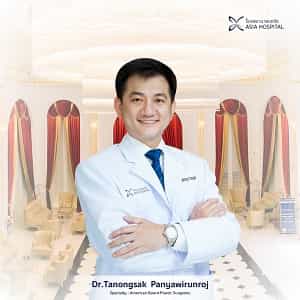
无与伦比的医疗专业知识
曼谷是全球整形外科中心。这里手术量巨大,外科医生积累了其他地方难以匹敌的经验。他们擅长处理各种不同的鼻部结构,从白种人到亚洲人,再到非裔美国人的鼻子,无所不包。
这项专业技术得到了强大的医院基础设施的支持,其中包括 60 多个获得 JCI 认证的设施,确保您的手术在世界一流的环境中进行。
卓越的价值和服务
高质量的治疗效果和低廉的价格每年吸引着成千上万的患者。然而,真正让他们向他人推荐曼谷的,是曼谷优质的服务文化。
泰国的待客之道闻名遐迩;护理人员细致周到、和蔼可亲、尊重病人。康复体验往往更像是一次养生之旅,而非单纯的医疗程序,许多患者入住豪华酒店,费用仅为西方普通客房的一小部分。
综合患者基础设施
这座城市专为医疗旅游而建。从专业的交通服务到配备完善康复设施的酒店,完善的基础设施为您的康复之旅提供全方位支持。
医院的国际部门负责处理保险文件(如适用)、医疗需要时办理签证延期以及翻译需求,从而消除后勤压力,让您能够全心全意地专注于康复。
在异国他乡改变容貌需要信任和充分的准备。PlacidWay 为您连接曼谷顶尖医疗机构,确保您获得安全、透明且高质量的体验。
认证供应商审核
我们对诊所和外科医生进行严格筛选,核实他们的资格认证、JCI认证和医疗事故记录,以确保您的安全。
定制医疗报价
从多家顶级诊所获取详细、透明的价格估算,让您可以比较服务内容并做出明智的预算决定。
术前远程医疗
我们会在您飞往泰国之前安排与泰国外科医生进行视频咨询,确保您可以在家讨论您的美容目标和手术资格。
成本透明度
我们帮助您了解全包套餐并识别潜在的隐藏费用,确保您看到的价格就是您最终支付的价格。
已验证的评论和照片
访问我们的数据库,查看术前术后照片和真实患者评价,以评估外科医生的艺术风格和稳定性。
全天候支持
从您最初的咨询到术后复查,我们的团队随时为您解答疑问,并代表您与医疗机构沟通,维护您的权益。
不要让您的容貌听天由命。立即联系 PlacidWay,获取免费的个性化报价,并自信地开始规划您在曼谷的隆鼻手术。
获取您的免费个性化报价.png)

.png)
.jpg)
.jpg)
.png)





.jpg)









Share this listing