


.png)
コンテンツ
タイ・バンコクにおける専門的な鼻形成術治療オプション
バンコクは、西洋医学の基準と東洋の細部へのこだわりが融合した独自の医療を提供することで、美容整形の世界的な中心地としての地位を確立しています。鼻整形(一般的に鼻の手術として知られています)を希望する患者にとって、タイの首都バンコクは、外科的な精密さと芸術的な洗練さが融合した環境を提供します。鼻筋を高くする隆鼻術、鼻先を整える縮小術など、どのような施術を希望する場合でも、バンコクの外科医は、顔全体のバランスを整える自然で調和のとれた結果を生み出す能力で高い評価を得ています。
この都市の医療インフラは非常に充実しており、豪華さとサービスにおいて五つ星ホテルに匹敵する、JCI認定病院が数多く存在する。ここでは、米国、英国、オーストラリアで専門研修を修了した医師を含む、資格認定を受けた外科医たちが、シリコン、ゴアテックス、または自家軟骨(肋骨または耳介)を用いた開放式、閉鎖式、修正式鼻形成術などの高度な技術を駆使している。
バンコクで施術を受けることは、費用面でのメリットが大きいだけでなく、患者の快適さを最優先する医療文化、綿密なカウンセリング、そして包括的なアフターケアを、アジアで最も活気のある都市の一つという環境の中で享受できるという、単なる経済的な選択ではありません。
スワンナプーム空港に到着した瞬間から、最終的なフォローアップまで、お客様の変革の旅のあらゆる段階をサポートする、シームレスな体験となるよう設計されています。
知っていましたか?
バンコクは「修正鼻形成術」において世界をリードする都市です。この都市には外国人患者が非常に多く訪れるため、タイの外科医は他国で行われた手術の不満足な結果を修正するための専門的な技術を培ってきました。そのため、複雑な再建手術の際には、タイの外科医が頼りになる存在となっています。
主なポイントを一覧でご紹介
品質を損なうことなく、オーストラリア、アメリカ、イギリスと比較して50%から70%の節約が可能です。
民族的特徴に合わせた、開放式、閉鎖式、鼻翼形成術、鼻中隔形成術における専門知識。
東南アジアで最も多くのJCI認定病院が集中している地域。
定評のある「微笑みの国」サービスで、ストレスのない療養環境を保証します。
患者は通常、副木除去と経過観察のために7~10日間入院します。
「ランチタイム」リフト
タイは、非外科的鼻整形とも呼ばれる「ヒコ」と呼ばれる糸リフト鼻整形を普及させた。外科的な鼻整形は永続的な効果が得られるが、バンコクは、吸収性の糸を用いて鼻筋を持ち上げ、形を整える、ダウンタイムゼロの迅速で低侵襲な施術の中心地でもある。
費用は海外からの患者にとって重要な決定要因となることが多く、バンコクは非常にコストパフォーマンスに優れています。以下に、単純な鼻翼形成術から複雑な開放式再建術まで、さまざまな鼻形成術の平均費用をまとめた表を示します。価格は欧米諸国よりも大幅に低いものの、鼻の構造の複雑さや使用する材料(シリコンか軟骨か)によって価格差が生じます。
ヒント:修正鼻形成術は、手術の複雑さと所要時間の増加に伴い、一般的に初回手術よりも費用が高くなります。
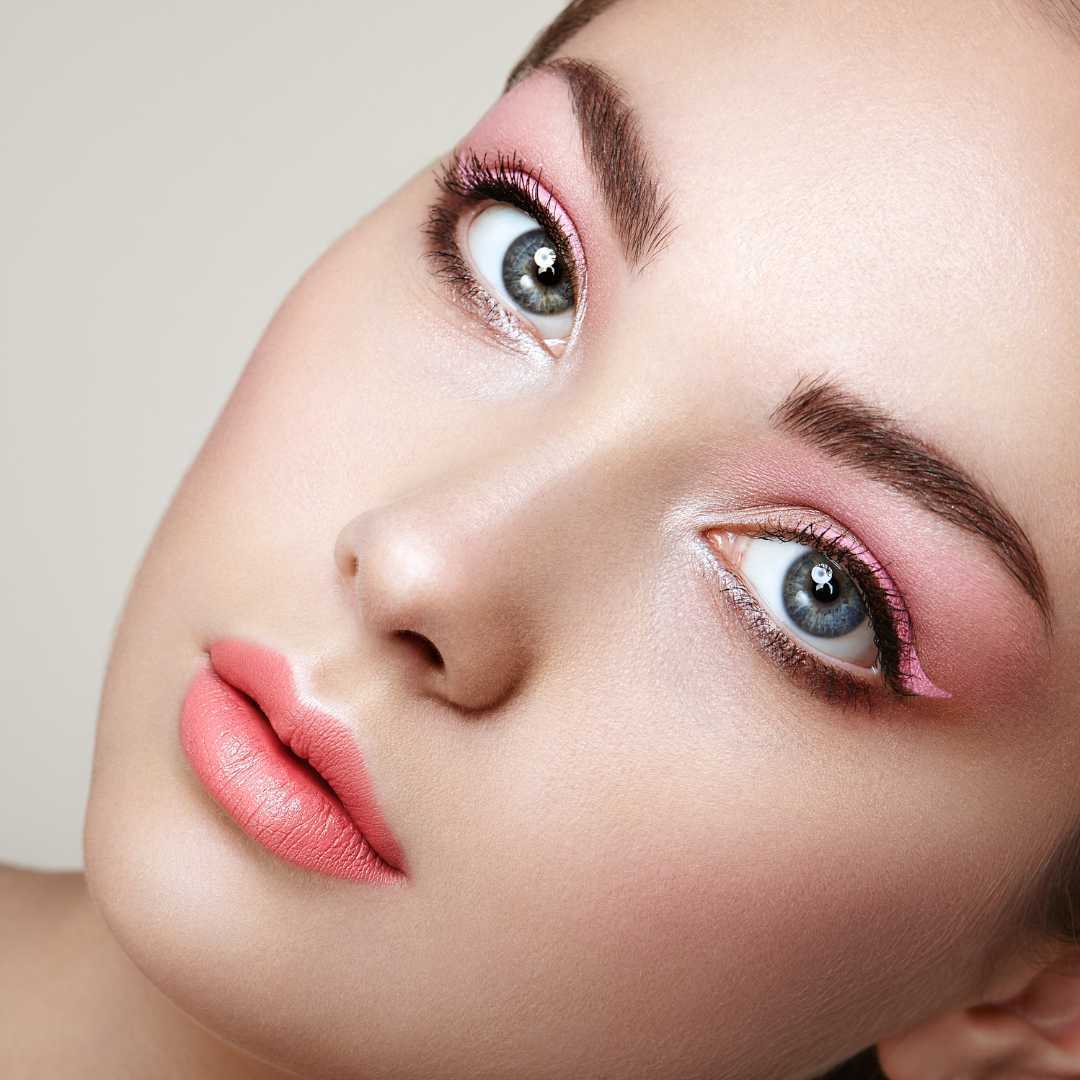
Price starting from $2,000
All Inclusive Rhinoplasty Bangkok at Asia Cosmetic Hospital Thailand
Asia Cosmetic Hospital
- Cosmetic/Plastic Surgery
Bangkok, Thailand

Price starting from $4,400
Rhinoplasty Package in Bangkok, Thailand by Dr. Siripong Clinic
Dr. Siripong Plastic Surgery in Thailand
- Cosmetic/Plastic Surgery
Bangkok, Thailand

Price starting from $3,500
Affordable Bangkok Rhinoplasty Package in Bangkok, Thailand by BPS Clinic
Bangkok Plastic Surgery Clinic
- Cosmetic/Plastic Surgery
Bangkok, Thailand
バンコクの医療ツーリズム業界は、包括的なケアパッケージの提供において卓越しています。このセクションに掲載されている医療機関は、スムーズで包括的なパッケージを提供できる能力に基づいて選定されています。これらのパッケージには通常、外科医の費用、麻酔、手術室の使用料、術前検査などが含まれます。多くのプレミアムパッケージには、空港送迎、通訳サービス、さらにはクリニック近くのホテル宿泊も含まれており、スムーズな回復をサポートします。
注:パッケージプランは、必要な医療費と物流費を一つの分かりやすい価格にまとめることで、予算管理を簡素化します。
Nose Surgery Rhinoplasty センターのコスト比較 Bangkok, Thailand
| プロバイダー | 手順 | 価格 |
|---|---|---|
| Dr. Siripong Plastic Surgery in Thailand | Nose Surgery Rhinoplasty, Cosmetic/Plastic Surgery | $4400 |
| Bangkok Plastic Surgery Clinic | Nose Surgery Rhinoplasty, Cosmetic/Plastic Surgery | $3500 |
| Asia Cosmetic Hospital | Nose Surgery Rhinoplasty, Cosmetic/Plastic Surgery | $2000 |
| Capturing Beauty at The Klinique Surgery Center in Thailand | Nose Surgery Rhinoplasty, Cosmetic/Plastic Surgery | $5572 |
| DCH Dr. CHEN Surgery Hospital International Center in Bangkok, Thailand | Nose Surgery Rhinoplasty, Cosmetic/Plastic Surgery | $1384 |
Nose Surgery Rhinoplasty コスト比較 Thailand
| 国 | 手順 | 価格 |
|---|---|---|
| United States | Nose Surgery Rhinoplasty, Cosmetic/Plastic Surgery | $9500 |
| Canada | Nose Surgery Rhinoplasty, Cosmetic/Plastic Surgery | $10000 |
| Australia | Nose Surgery Rhinoplasty, Cosmetic/Plastic Surgery | $9000 |
| Germany | Nose Surgery Rhinoplasty, Cosmetic/Plastic Surgery | $9500 |
バンコクには、アジア屈指の医療施設が数多くあります。ここに掲載されているクリニックや病院は、卓越した美容医療へのこだわりを基準に厳選されています。これらの施設は、大規模な総合国際病院から、小規模な美容外科クリニックまで多岐にわたります。選ばれたすべての施設は、国際的な患者安全基準、最新の滅菌プロトコル、そして最先端の外科手術技術を最優先事項としています。
医療水準:世界的な安全基準を確保するため、JCI認証またはHA(タイ病院認証)を取得している施設を探しましょう。
Dr. Siripong Plastic Surgery in Thailand
Bangkok, Thailand
Bangkok Plastic Surgery Clinic
Bangkok, Thailand
Asia Cosmetic Hospital
Bangkok, Thailand
Capturing Beauty at The Klinique Surgery Center in Thailand
Bangkok, Thailand
Charismma Clinic - Plastic Surgery in Bangkok Thailand
Bangkok, Thailand
DCH Dr. CHEN Surgery Hospital International Center in Bangkok, Thailand
Bangkok, Thailand
百聞は一見に如かず。以下にご紹介するビデオ証言では、バンコクで鼻整形手術を受けた実際の患者さんたちが、率直な体験談を語っています。海外旅行への不安から、新しい顔立ちを見た時の喜びまで、これらのストーリーは、実際にどのような手術を受けられるのかをリアルに伝えています。これらの動画をご覧になり、タイの外科医による質の高いケアと、自然な仕上がりを実感してください。
解説:動画レビューでは、鼻や顔の動的な動きを確認できるため、静止画よりも優れた視点が得られます。

バンコクで鼻形成術を受けた患者様から、検証済みのレビューを集めました。これらのレビューは、医師の患者対応、施設の清潔さ、痛みの管理効果など、重要な側面を網羅しています。これらの偏りのない体験談を読むことで、信頼関係を築き、回復過程や最終的な結果に対する期待値を適切に管理するのに役立ちます。
レビューのヒント:手術の持続性を理解するために、長期的な結果(術後6~12ヶ月)について言及しているレビューに注目しましょう。

What is the Cost of Rhinoplasty in Thailand?
Thinking about nose surgery but startled by the price tag in your home country? You're in good company. Thousands are turning to Thailand, a world-renowned hub for medical tourism, for high-quality, affordable rhinoplasty. Nose surgery in Thailand can cost anywhere from $900 for a simple augmentation to over $12,000 for a complex revision, with most standard procedures falling between $2,500 and $5,000. This makes it a financially savvy choice without compromising on quality. This comprehensive Q&A blog post will guide you through everything you need to know about getting a nose job in Thailand. We will explore the different types of procedures, break down the costs, answer your most critical questions about safety and recovery, and provide tips on how to choose the best surgeon for you. With internationally accredited hospitals and highly skilled specialists, achieving the look you desire is more attainable than you might think. How much does nose surgery really cost in Thailand? "The cost of nose surgery in Thailand typically ranges from $2,500 to $5,000 for a standard primary rhinoplasty. However, simpler procedures like alarplasty can start as low as $900, while complex corrective surgeries can exceed $12,000." The final price tag is directly tied to the complexity of the procedure. A straightforward augmentation using a silicone implant is on the lower end of the spectrum, whereas a revision rhinoplasty that requires cartilage grafts from the ear or rib will be at the higher end. The significant savings compared to the US or Australia (often 40-70% less) make even the most complex procedures more accessible. Here’s a general breakdown of costs by procedure type: Procedure Type Average Price (THB) Average Price (USD) Augmentation (Implant) 30,000 - 70,000 $870 - $1,900 Alarplasty (Nostril Reduction) 30,000 - 45,000 $870 - $1,200 Tip Plasty (Tip Refinement) 45,000 - 85,000 $1,200 - $2,300 Open Rhinoplasty (with Grafts) 100,000 - 250,000+ $2,700 - $6,800+ Revision Rhinoplasty 150,000 - 450,000+ $4,100 - $12,200+ What are the different types of nose surgery available? "The main types of nose surgery in Thailand include augmentation rhinoplasty (using implants or cartilage), reduction rhinoplasty, alarplasty (nostril narrowing), tip plasty, and complex revision rhinoplasty. The best technique for you depends entirely on your unique anatomy and aesthetic goals." Understanding the different approaches is key to a successful consultation: Augmentation Rhinoplasty: This increases the size or height of the nasal bridge, often using a silicone implant or the patient’s own cartilage. Reduction Rhinoplasty: This involves removing or reshaping bone and cartilage to reduce the overall size of the nose or remove a dorsal hump. Tip Plasty: This procedure focuses exclusively on reshaping the cartilage at the tip of the nose to make it more refined, lifted, or defined. Alarplasty: A relatively simple procedure to narrow the width of the nostrils for better facial harmony. Revision Rhinoplasty: A highly complex surgery performed to correct or improve the results of a previous nose job. It requires a surgeon with specialized expertise. Is it safe to get a nose job in Thailand? "Yes, getting nose surgery in Thailand is very safe, provided you choose a JCI-accredited hospital and a board-certified, experienced plastic surgeon. Top facilities in Thailand use the same advanced technology and adhere to the same stringent safety protocols as leading hospitals in the West." Thailand's medical tourism industry is built on a foundation of high standards. The key to ensuring your safety is to do thorough research. Avoid clinics that offer rock-bottom prices with no verifiable credentials. A qualified surgeon in a reputable hospital is the best way to minimize risks and ensure a successful outcome. How do I choose the best surgeon in Thailand? "To choose the best surgeon, verify their credentials (board certification), review their portfolio of before-and-after photos, and read patient testimonials. A good surgeon will have extensive experience in the specific type of rhinoplasty you need and will conduct a thorough, pressure-free consultation." Here's a quick checklist for your search: Board Certification: Ensure the surgeon is certified by a recognized plastic surgery board in Thailand or internationally. Specialization: Look for a surgeon who specializes in facial plastic surgery and frequently performs rhinoplasties. Portfolio: Analyze their before-and-after gallery. Do their results look natural? Does their aesthetic style match your goals? Communication: The surgeon should listen to your goals, explain the procedure clearly, and be transparent about potential risks. What's included in a rhinoplasty package in Thailand? "A typical rhinoplasty package in Thailand includes the surgeon's fee, anesthesiologist's fee, operating room costs, and sometimes a one-night hospital stay for more complex procedures. However, initial consultations and certain medications are often extra." While packages offer convenience, always ask for a detailed breakdown of what's covered. Often, the initial consultation fee, pre-operative lab tests, take-home medications, and accommodation are not included in the surgical price. Getting a clear, itemized quote will help you avoid any unexpected costs. What is the recovery process like? "Recovery from rhinoplasty involves about one week of initial downtime. You can expect bruising and swelling around the nose and eyes, which will significantly subside after the first week. Most patients feel comfortable returning to public activities within 10-14 days." Your surgeon will place a splint on your nose, which is typically removed after about a week. While the most visible swelling and bruising fade quickly, it's important to know that residual, minor swelling can take up to a year to fully resolve as the nose settles into its final shape. You'll be advised to avoid strenuous activities and contact sports for at least four to six weeks. Who is a good candidate for nose surgery? "A good candidate for rhinoplasty is someone who is in good overall health, a non-smoker, has finished their facial growth (typically 16-17+ years old), and has realistic expectations about the outcome. It's for individuals looking to improve the shape or function of their nose, not achieve an unrealistic 'perfect' look." During your consultation, the surgeon will assess your nasal structure, skin quality, and overall facial harmony to determine what is surgically possible. Being clear about your goals while also being open to the surgeon's expert opinion is the key to a result you will be happy with. Ready to take the next step towards the look you've always wanted? PlacidWay connects you with a network of accredited, world-class hospitals and surgeons in Thailand and beyond. Explore trusted and affordable rhinoplasty solutions with PlacidWay today!
How Much Does a Rhinoplasty Cost in Bangkok?
The estimated rhinoplasty cost in Bangkok typically ranges from $1,500 to $4,500. This depends on the complexity of the procedure, surgeon experience, and materials used. Prices generally include surgeon fees and facility charges. If you are considering altering the shape or function of your nose, you might be looking into international options. Undergoing rhinoplasty in Bangkok is a popular choice for many international patients seeking specialized facial plastic surgery. Thailand has developed a robust healthcare infrastructure aimed at international visitors, offering a wide array of cosmetic procedures. Understanding the expenses, risks, and recovery timeline is critical before planning a trip abroad. Key Takeaways Prices for a nose job in Thailand typically span between $1,500 and $4,500. Total expenses depend heavily on the surgical technique, implants, and anesthesia used. Patients generally need to remain in the country for 7 to 14 days post-surgery. Individual healing processes vary, and final results can take up to a year to settle. Traveling for medical care requires planning for potential complications upon returning home. What factors influence the cost of a nose job in Bangkok? The final price heavily depends on the surgical technique, anesthesia type, and whether you are having a primary or revision procedure. Revisions usually cost significantly more due to scar tissue and complexity. Several elements affect the final quote you receive from a facility. First, the materials used play a major role. Procedures using synthetic materials like medical-grade silicone implants are often priced lower than those utilizing autologous grafts. Autologous grafting involves taking cartilage from your own ear, septum, or rib to build up the nasal structure. Rib cartilage grafting, in particular, requires more operating time and advanced surgical skill, which increases the overall fee. Surgeon expertise and facility reputation also dictate pricing. Highly experienced surgeons with international board certifications often command higher fees. Similarly, large, internationally accredited hospitals usually charge more than smaller, independent centers. Finally, the type of anesthesia affects the bill. A procedure performed under local anesthesia with sedation is typically less expensive than one requiring general anesthesia, as the latter requires an anesthesiologist to be present throughout the operation. Important Consideration Estimates found online rarely cover the complete financial picture. Always account for non-medical expenses like flights, hotel stays, local transportation, and travel insurance when calculating your budget. What is usually included in a Bangkok rhinoplasty package? Most clinics bundle core surgical expenses into one fee covering the surgeon, operating room, standard anesthesia, and initial medications. You should always ask for an itemized breakdown before committing. When evaluating different providers, you will notice that many offer inclusive treatment packages. This approach simplifies the billing process for international patients. A typical package often incorporates: The primary surgeon’s professional fee. Anesthesiologist fees and the cost of the anesthesia itself. Use of the operating theater and standard surgical equipment. Post-operative medications for the first week, such as antibiotics and pain relief. Routine follow-up appointments and splint removal before you fly home. However, packages rarely cover everything. Pre-operative blood tests, chest X-rays, or specialized heart screenings may be billed separately. Additionally, if complications occur during or after the surgery, prolonged hospital stays or additional medications will likely result in extra charges. Be sure to request documentation detailing exactly what happens financially if an unexpected complication arises. How does the price compare to Western countries? Patients often find that procedures in Southeast Asia are priced lower than in the United States, Australia, or the UK, sometimes by a significant margin. This difference relates to lower local living and operational costs, not necessarily lower quality. The motivation behind medical tourism in Bangkok is frequently financial. In countries like the United States or Australia, an initial consultation, facility fees, anesthesiologist fees, and surgeon fees can easily total between $7,000 and $15,000. In contrast, the same procedural components in Thailand may range from $1,500 to $4,500. Region Estimated Average Price Range Primary Cost Drivers United States $7,000 - $15,000+ High facility fees, insurance overhead, high labor costs Australia $8,000 - $14,000+ Strict regulatory overhead, high cost of living Thailand (Bangkok) $1,500 - $4,500 Lower operational and local living costs *These are broad estimates. Complex revisions and travel expenses will increase the total cost. The reduced pricing structure in Thailand is primarily due to the lower cost of living, reduced administrative overhead, and different malpractice insurance models. Healthcare providers can operate large, modern hospitals at a fraction of the cost required in Western nations. While the baseline surgical fee is lower, the actual savings margin shrinks once you factor in airfare, accommodations for a two-week stay, and meals. Am I a good candidate for this surgery? Suitable candidates are generally healthy adults with realistic expectations who wish to alter the size, shape, or proportion of their nose. A thorough medical evaluation is required to confirm eligibility. Suitability for facial surgery involves both physical and psychological factors. Physically, your facial growth must be complete; this is why surgeons typically require patients to be at least in their late teens. You also need to be in good overall health. Conditions that impair healing, such as uncontrolled diabetes, autoimmune disorders, or bleeding disorders, may contraindicate surgery. Surgeons often stress the importance of realistic expectations. A procedure can refine your natural anatomy, but it cannot give you a completely different face or replicate someone else's features perfectly. During your consultation, an honest discussion about what is structurally possible with your skin thickness and cartilage strength is vital. Furthermore, smoking significantly impedes blood flow and increases the risk of tissue necrosis and infection. Medical professionals strongly advise patients to stop using all nicotine products several weeks before and after the operation. Expert Insight Your medical history matters. Be entirely transparent with your prospective surgeon about all medications, supplements, and previous nasal surgeries or traumas you have experienced. Withholding this information can lead to severe surgical complications. What techniques do surgeons typically use? Surgeons primarily perform either open or closed rhinoplasty, depending on how much reshaping is needed. Open surgery provides more visibility, while closed surgery involves incisions only inside the nostrils. The choice of surgical technique depends on your anatomy and cosmetic goals. In a closed procedure, the doctor makes all incisions internally. This approach typically results in a shorter surgery time, less post-operative swelling, and no external scarring. However, it limits the surgeon's visibility and access, making it more suitable for minor adjustments. An open approach involves a small incision across the columella, the narrow strip of tissue separating the nostrils. The surgeon lifts the skin to fully expose the nasal framework. While this leaves a tiny, often barely noticeable scar, it allows for highly precise sculpting and complex structural changes. In Southeast Asia, augmentation is a frequently requested procedure. Many patients seek to raise the nasal bridge or refine the tip. To achieve this, practitioners may use implants or perform structural grafting using the patient's own cartilage. Your doctor will recommend the most appropriate method based on your specific nasal anatomy. How long is the recovery period before I can fly home? You should plan to stay in Thailand for at least 7 to 14 days after your operation to allow for initial healing, splint removal, and follow-up checks. Flying too soon increases the risk of bleeding and swelling due to cabin pressure. Recovery requires patience. Immediately following the operation, you will likely wear an external cast or splint to support the new nasal shape and control swelling. Internal packing may also be placed, which can make breathing through your nose uncomfortable for the first few days. Swelling and bruising around the eyes are common, usually peaking around the third day. During this time, keeping your head elevated and applying cold compresses can help manage discomfort. Most clinics require patients to return around day seven to remove the splints and any non-dissolvable stitches. Airlines and medical professionals caution against flying too soon. The dry air and changing cabin pressure during a long-haul flight can exacerbate swelling or trigger nosebleeds. Remaining near your surgical team for a minimum of ten days allows them to monitor your initial healing phase and clear you for air travel safely. What are the potential risks and complications? All surgeries carry inherent risks, including infection, bleeding, adverse reactions to anesthesia, and dissatisfaction with the cosmetic result. You must weigh these carefully before traveling abroad for care. Cosmetic procedures are real medical events with potential downsides. General surgical risks include deep vein thrombosis (DVT), adverse anesthesia reactions, and localized infections. When implants are used, there is a risk of extrusion (the implant pushing through the skin) or shifting over time. Specific to this procedure, complications may include ongoing breathing difficulties, a perforated septum, altered sense of smell, or permanent numbness in and around the nose. Asymmetry or unexpected healing contours can also occur, which may necessitate revision surgery. Combining surgery with international travel introduces additional variables. Long flights increase the risk of blood clots. Furthermore, if an infection develops weeks after returning to your home country, you will need to seek treatment from a local physician who was not involved in your initial care. How do I choose a reliable facility? Finding a trustworthy rhinoplasty clinic in Bangkok requires researching surgeon credentials, checking international accreditations, and asking detailed questions during virtual consultations. Rely on verified medical board listings rather than just social media photos. The selection process should be rigorous. Begin by verifying the credentials of the specific doctor who will perform the surgery. Look for memberships in recognized professional organizations, such as the International Society of Aesthetic Plastic Surgery (ISAPS) or the Thai Society of Plastic and Reconstructive Surgeons. Investigate the facility itself. Many top-tier hospitals hold accreditation from the Joint Commission International (JCI), which indicates adherence to strict global safety and quality standards. You can also ask the clinic directly about their infection rates, emergency protocols, and intensive care capabilities. Consultations, even virtual ones, are critical. Pay attention to how the staff communicates. A reputable provider will discuss risks openly, answer your questions thoroughly, and never pressure you into booking immediately. Beware of facilities that guarantee flawless results or fail to provide transparent pricing structures. Will I need to pay for revision surgery if complications arise? Revision policies vary widely by clinic; some may cover the surgical fee for minor corrections within a specific timeframe, but you will almost always have to pay for your own travel and lodging. Medical tourism involves geographical challenges regarding follow-up care. If your nose heals asymmetrically or a complication arises months down the line, returning to your original surgeon is logistically complex. While some facilities may offer a free or discounted surgical correction if the issue is deemed a medical fault, you are typically responsible for the airfare, accommodation, and time off work required to return. In some cases, patients choose to manage complications with a specialist in their home country. Because domestic doctors charge local rates, a revision surgery at home can end up costing significantly more than the initial trip abroad. Some specialized medical travel insurance policies cover complications, and looking into these options before you depart is highly advised. Why Choose PlacidWay for Medical Tourism in Thailand? Navigating international healthcare options can be overwhelming. PlacidWay serves as a resource for patients seeking medical treatments abroad, providing structural tools to aid in research. Global Directory: Provides access to a wide-ranging directory of international clinics and specialized doctors. Credential Information: Offers details on facility accreditations and surgeon qualifications to help you verify standards. Price Comparisons: Allows patients to review estimated treatment costs across multiple providers in different regions. Direct Connection: Connects individuals directly with the international patient departments of chosen hospitals. Educational Resources: Supplies articles, guides, and checklists to help patients make informed decisions about traveling for care. Frequently Asked Questions Is it safe to get a nose job in Thailand? Safety depends largely on the facility and surgeon you choose. While Thailand has many internationally accredited hospitals, all surgery carries inherent risks such as infection or bleeding. Researching credentials and ensuring the facility meets global health standards is essential. Does health insurance cover the procedure abroad? Most standard health insurance plans do not cover cosmetic procedures, whether performed at home or abroad. If the surgery is performed to correct a functional breathing issue, your insurer might cover a portion, but coordinating cross-border billing is often complicated. Can I combine my surgery with a vacation? While many patients travel for medical purposes, a surgical trip is not a traditional vacation. You will need to rest, avoid strenuous activities, and keep your face out of the sun and water to prevent infection and excess swelling. Do doctors in Bangkok speak English? Many surgeons and medical staff at facilities catering to international patients speak English fluently. Hospitals often provide dedicated translators for various languages to ensure clear communication during consultations and aftercare. What kind of implants are used during surgery? Surgeons may use synthetic implants like medical-grade silicone or Gore-Tex, which are common in Asian rhinoplasty. Alternatively, they may use autologous grafts, which involve taking cartilage from your own ear or rib to reshape the nose. How soon can I wear glasses after surgery? You typically need to avoid resting glasses on your nose for four to six weeks following the procedure. The pressure from the frames can indent the healing bone and cartilage, potentially altering the final surgical result. Will there be visible scarring? If you undergo a closed rhinoplasty, all incisions are made inside the nostrils, leaving no visible external scars. An open rhinoplasty requires a small incision across the columella (the tissue between the nostrils), which usually fades significantly over time. How long does the actual surgery take? The procedure typically takes between one and a half to three hours, depending on the complexity of the reshaping and whether cartilage grafting is required. Complex revision surgeries can take even longer. What happens if I have an emergency after returning home? If you experience severe complications like bleeding, infection, or breathing difficulties after returning home, you should immediately visit a local emergency room or doctor. You will likely be responsible for any associated medical costs. Are virtual consultations available before traveling? Yes, many international healthcare providers offer virtual video consultations. During these calls, the surgeon can assess your facial anatomy through photos, discuss your goals, and provide an initial treatment plan and cost estimate. Compare Treatment Options Gather detailed information on procedures, estimated costs, and international providers to make an informed decision about your healthcare. Request Treatment Information References International Society of Aesthetic Plastic Surgery (ISAPS) – Patient Safety and Statistics American Society of Plastic Surgeons (ASPS) – Rhinoplasty Procedure and Candidates World Health Organization (WHO) – Travel and Health: Medical Tourism Centers for Disease Control and Prevention (CDC) – Medical Tourism Travel Advice MedlinePlus – Rhinoplasty Medical Encyclopedia National Center for Biotechnology Information – Complications in Asian Rhinoplasty Medical Disclaimer: The information provided in this article is for educational and informational purposes only and does not constitute medical advice. Treatment outcomes, risks, recovery times, and costs vary significantly based on individual medical history and anatomy. Estimates are not guaranteed final prices. Always seek the advice of a qualified and board-certified healthcare professional before making any medical decisions or traveling internationally for treatment.
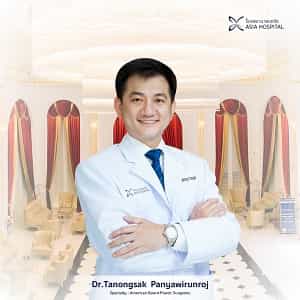
最適な外科医を見つけることは、あなたの道のりにおいて最も重要なステップです。私たちは、バンコクで活躍するトップクラスの専門医を厳選しました。彼らは認定資格を持つだけでなく、顔面輪郭形成の分野で高い評価を得ているアーティストでもあります。これらの専門家は、長年にわたり多くの外国人患者を治療してきた経験を持ち、多様な民族の顔立ちに合わせた高度な技術を備えています。
認定形成外科医
タイ医師会認定
当院が選定した専門医は、タイ医師会の認定資格を有しており、ISAPSやASPSといった国際的な組織の会員資格も保持している場合が多くあります。これにより、業界最高水準の倫理基準と安全基準を遵守していることが保証されます。
修正・再構築の専門家
複雑な事件の達人
バンコクは矯正手術の中心地です。ご紹介する専門医は、鼻形成術の修正手術において豊富な経験を持ち、過去の手術による問題点の修正や、肋軟骨移植を用いた複雑な再建手術にも対応可能です。
顔面調和アーティスト
ホリスティックな美的アプローチ
バンコクの一流外科医は、鼻だけに注目するのではなく、顔全体のバランスを分析します。彼らは、鼻が顎、額、頬と調和するように施術する専門家であり、「整形した」という印象ではなく、自然でバランスの取れた仕上がりを実現します。
比類なき医療専門知識
バンコクは美容整形手術の世界的な中心地です。ここで行われる手術の膨大な数により、外科医たちは他ではなかなか見られないほどの経験を蓄積してきました。彼らは白人からアジア人、アフリカ系アメリカ人まで、多様な鼻の構造に対応することに長けています。
この専門知識は、60以上のJCI認証施設を含む強固な病院インフラによって支えられており、世界最高水準の環境で手術が行われることを保証します。
卓越した価値とサービス
質の高い治療結果と低価格の組み合わせが、毎年何千人もの患者を引きつけている。しかし、彼らがバンコクを他人に勧める最大の理由は、そのサービス文化にある。
タイのおもてなしは伝説的で、看護スタッフは親切で丁寧、そして礼儀正しい。回復過程は医療処置というより、まるでウェルネスリトリートのような感覚で、多くの患者が欧米の標準的な客室料金のほんの一部で高級ホテルに滞在して療養している。
包括的な患者インフラ
この街は医療ツーリズムのために整備されています。専門的な送迎サービスから、回復のための設備を備えたホテルまで、あらゆるインフラがあなたの療養の旅をサポートします。
病院の国際部門は、保険関連の手続き(該当する場合)、医学的に必要な場合のビザ延長、翻訳などのニーズに対応し、煩雑な事務手続きの負担を軽減することで、患者様が治療に専念できるようサポートします。
海外で外見を変えるには、信頼と準備が不可欠です。PlacidWayは、バンコクの医療エリートへの架け橋となり、安全で透明性の高い、質の高い体験をお約束します。
認定プロバイダー審査
私たちは、患者様の安全を確保するため、クリニックや外科医を厳しく審査し、専門医資格、JCI認証、医療過誤歴などを検証しています。
カスタマイズされた医療見積もり
複数の評価の高いクリニックから、詳細かつ透明性の高い料金見積もりを入手することで、含まれる内容を比較し、情報に基づいた予算決定を行うことができます。
術前遠隔医療
渡航前にタイの外科医とのビデオ相談を手配することで、ご自宅から美容に関するご希望や施術の適否についてご相談いただけます。
コストの透明性
私たちは、オールインクルーシブパッケージを分かりやすく説明し、隠れた費用を特定することで、表示されている価格が実際に支払う価格であることを保証します。
検証済みのレビューと写真
当院のデータベースには、術前術後の写真や患者様からの生の声が掲載されていますので、それらをご覧いただき、執刀医の芸術的なセンスや施術の一貫性を評価してください。
24時間365日サポート
最初のお問い合わせから術後検診まで、当チームは皆様のご質問にお答えし、医療機関に対して皆様のニーズを代弁いたします。
見た目を運任せにしないでください。今すぐPlacidWayにご連絡いただければ、無料の個別見積もりをご提供し、バンコクでの鼻整形手術の計画を自信を持ってスタートできます。
無料の個別見積もりを入手.png)

.jpg)
.png)
.png)
.jpg)
.jpg)




.jpg)








Share this listing