


Indonesians Choose Osaka Stem Cell Science for Gut Health

Driven by rising chronic digestive issues, a massive wave of Indonesian patients is abandoning lifelong medications. They are now traveling for Stem Cell Therapy for Gut Health in Osaka, seeking regenerative cures that heal the microbiome rather than masking symptoms with temporary pills.
The Shifting Paradigm: Treating the Root Cause of Gastrointestinal Disorders
For decades, the standard medical approach to chronic gastrointestinal conditions—such as Irritable Bowel Syndrome (IBS), Crohn’s disease, and ulcerative colitis—has revolved entirely around symptom management. Patients are routinely prescribed heavy regimens of immunosuppressants, anti-inflammatory corticosteroids, and biologic modifiers. While these pharmaceuticals can temporarily ease acute flare-ups and reduce immediate discomfort, they inherently fail to address the underlying cellular damage within the intestinal walls. Furthermore, prolonged reliance on these intense medications often triggers a cascade of severe side effects, including compromised immune function, bone density loss, and overwhelming chronic fatigue, leaving patients trapped in a relentless cycle of pharmaceutical dependence.
The global medical community is currently witnessing a massive paradigm shift away from this suppressive model, pivoting instead toward regenerative medicine for gastrointestinal disorders. By utilizing advanced biological sciences, physicians are now able to target the precise location of cellular degradation within the digestive tract. Rather than simply muting the body’s immune response, regenerative treatments actively stimulate the repair of damaged mucosal linings, reduce systemic inflammation organically, and help restore a balanced, flourishing gut microbiome. This revolutionary approach is transforming the narrative from merely "managing" a lifelong disease to actively healing the fundamental cellular infrastructure of the human gut.
Did You Know? Clinical data indicates that up to 40% of patients suffering from severe inflammatory bowel diseases eventually develop a clinical resistance to standard biological therapies, necessitating alternative, cellular-level interventions to prevent irreversible intestinal scarring and surgical bowel resection.
Why the Indonesian Demographic is Looking Beyond Conventional Medications
In Indonesia, the healthcare landscape for complex, chronic autoimmune and digestive disorders presents distinct challenges. While the nation possesses capable medical professionals, the availability of hyper-advanced regenerative treatments remains strictly limited by infrastructural and regulatory constraints. Consequently, Indonesian patients facing severe gastrointestinal distress are often confined to traditional pharmacological pathways. As the cost of imported biologic medications continues to surge, many patients find themselves allocating substantial portions of their income toward maintenance drugs that offer diminishing returns and fail to improve their baseline quality of life.
Frustrated by this therapeutic plateau, a rapidly expanding demographic of health-conscious Indonesians is transforming into proactive medical tourists. Seeking definitive solutions, they are turning their attention to East Asia—specifically targeting the highly advanced medical corridors of Japan. The geographical proximity, combined with the availability of direct, comfortable flights from Jakarta and Bali to Kansai International Airport, has positioned Japan as an incredibly accessible destination. Beyond mere logistics, Japanese medical culture resonates deeply with Southeast Asian patients, offering a compelling blend of meticulous technological precision, pristine clinical environments, and an unwavering commitment to holistic patient hospitality.
The Science of Stem Cell Therapy for Gut Health in Osaka
At the core of this medical migration is the profound efficacy of Mesenchymal Stem Cells (MSCs). These multipotent cells possess an extraordinary ability to migrate directly to sites of tissue injury and profound inflammation—a phenomenon scientifically known as "homing." When introduced into a patient suffering from severe gut degradation, these advanced stem cell treatments in Japan deploy powerful immunomodulatory effects. They actively halt the autoimmune attacks on the digestive lining while simultaneously releasing a wealth of growth factors and cytokines. This cellular action prompts the body to regenerate healthy, functional intestinal epithelium, fundamentally rebuilding the barrier that protects the bloodstream from toxic gut pathogens.
Furthermore, Osaka's pioneering laboratories are leading the global charge in exosome therapy—the utilization of tiny extracellular vesicles secreted by stem cells. These exosomes act as vital communication packets, instructing damaged gut cells to repair themselves and deeply suppressing the inflammatory cascades responsible for chronic pain and malabsorption. By restoring the structural integrity of the gut lining, this regenerative science creates an optimal environment for a healthy microbiome to flourish naturally. Patients frequently report not just the cessation of severe digestive symptoms, but a radical improvement in nutrient absorption, energy levels, and overall systemic immunity.
Pioneering Excellence: Inside Osaka's Elite Regenerative Centers
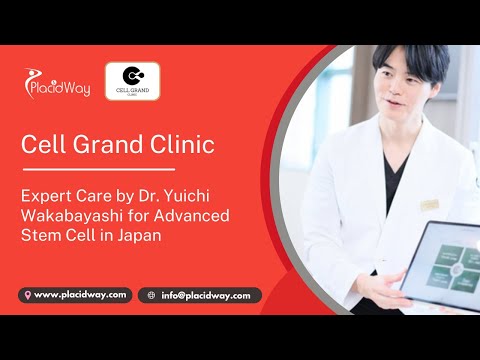
The physical and technological infrastructure in Japan is explicitly designed to push the boundaries of biological healing. Osaka has rapidly evolved into a premier sanctuary for medical innovation, housing bespoke clinics that function more like elite research institutes than traditional hospitals. At the forefront of this movement is the highly acclaimed Cell Grand Clinic in Osaka, Japan, which has garnered international prestige for its mastery of cellular extraction, cultivation, and targeted application. Facilities of this caliber utilize heavily regulated, ultra-sterile clean rooms to cultivate autologous (patient-derived) or ethically sourced allogeneic stem cells, ensuring the absolute highest viability and safety metrics before any treatment is administered.
The patient protocol at these elite institutions is exhaustively comprehensive. Upon arrival, individuals undergo rigorous diagnostic imaging, comprehensive gut microbiome mapping, and advanced genetic blood profiling. This intense analytical phase allows specialists to tailor exact cellular dosages and delivery methods—often combining localized injections with systemic intravenous infusions—to maximize the therapeutic impact on the gastrointestinal tract. This uncompromising dedication to personalized, hyper-targeted medicine is exactly what draws discerning Indonesian patients away from mass-market pharmaceutical solutions and into the realm of bespoke cellular regeneration.
"The massive influx of Indonesian patients into Japan’s regenerative medicine sector highlights a critical evolution in global healthcare consumerism. Patients are no longer willing to accept the side effects of lifelong symptom management. They are actively seeking out highly regulated, scientifically validated destinations like Osaka to access cellular therapies that promise profound, root-cause healing and a genuine restoration of their quality of life."
— Pramod Goel, CEO of PlacidWay
Cost vs. Value: Evaluating the Investment in Japanese Regenerative Healthcare
When evaluating the financial implications of treating chronic gut disorders, it is vital to look beyond the initial price tag and consider the long-term economic burden of the disease. In Indonesia, the cumulative cost of ongoing specialist consultations, continuous biological prescriptions, repeated hospitalizations for acute flare-ups, and the inevitable loss of workplace productivity creates a staggering lifelong financial drain. While traveling abroad for regenerative therapy requires a higher initial capital outlay, the profound value proposition lies in its potential to dramatically reduce, or entirely eliminate, the need for future medical interventions.
By comparing the traditional domestic healthcare model with the comprehensive regenerative packages offered in Japan, the strategic financial logic of medical tourism becomes vividly clear. Indonesian medical tourists are fundamentally reallocating their healthcare budgets away from endless, low-yield pharmaceutical maintenance and toward high-impact, technologically advanced cellular investments that offer a true pathway to sustained physical remission.
The Medical Tourism Infrastructure Welcoming Southeast Asian Patients
Recognizing the rapid surge of medical travelers from Southeast Asia, Japanese clinics have meticulously optimized their international patient departments. Navigating a foreign healthcare system can be inherently daunting, but elite facilities in this region have transformed the experience into a seamless, highly supportive journey. These medical hubs provide comprehensive concierge frameworks designed to eliminate cultural friction, language barriers, and logistical stress, allowing the patient to focus entirely on their physical healing.
- Dedicated Multilingual Medical Interpreters: Fluent Indonesian and English-speaking liaisons are assigned to patients to ensure perfect translation of complex medical terminologies during every consultation.
- Streamlined Visa Assistance: Clinics actively cooperate with international consulates to expedite specialized Medical Visas, ensuring legal and swift entry for treatment purposes.
- VIP Ground Logistics: From the moment patients land at Kansai International Airport, private medical transfers safely escort them directly to their accommodations or clinical suites.
- Culturally Tailored Dietary Support: Recognizing the delicate nature of gut health, recovery hotels offer highly customized, anti-inflammatory dietary menus that respect Southeast Asian culinary preferences while promoting optimal microbiome recovery.
- Virtual Post-Therapy Monitoring: Care does not end at departure; rigorous telehealth follow-ups ensure the patient's integration of stem cells is tracking beautifully long after they return home.
Safety and Regulation: The Gold Standard of Japanese Stem Cell Research
When dealing with advanced regenerative sciences, patient safety and clinical legitimacy are paramount. Unlike many loosely regulated medical destinations globally, Japan operates under an exceptionally strict, government-mandated regulatory framework. The nation's definitive legislative mandates require every single regenerative medical facility to undergo rigorous audits, demonstrating flawless laboratory sterility, transparent sourcing of biological materials, and proven clinical safety data before treating a single patient. This uncompromising governmental oversight eliminates the risk of encountering unverified "miracle cure" clinics.
For Indonesian patients, this robust legal and ethical infrastructure provides an invaluable sense of security. The physicians administering these treatments are not merely practitioners; they are highly specialized researchers affiliated with globally recognized scientific bodies. Every stem cell dosage is meticulously tracked, tested for chromosomal stability, and cleared for infectious diseases utilizing state-of-the-art genomic sequencing. This absolute adherence to the gold standard of scientific safety is the primary catalyst driving the massive influx of international patients seeking gastroenterological salvation in Japanese medical centers.
Did You Know? Japan is recognized globally as a pioneer in regenerative medicine legislation, having established a dedicated legal framework designed specifically to fast-track the safe clinical application of thoroughly vetted stem cell therapies, placing them years ahead of many Western healthcare systems.
Navigating Your Regenerative Medical Journey with PlacidWay
Transitioning from conventional domestic care to sophisticated international regenerative treatments is a life-altering decision that requires meticulous planning. The vast landscape of medical tourism can present overwhelming choices regarding clinic selection, physician credentials, and accurate cost estimations. To navigate this highly specialized market successfully, patients require a trusted, transparent facilitator to bridge the gap between their medical needs and the world’s elite regenerative providers.
PlacidWay serves as the essential compass for Indonesian patients embarking on this restorative journey to Japan. By offering a curated network of strictly vetted, legally compliant medical institutions, PlacidWay removes the guesswork from cross-border healthcare. Patients can securely compare comprehensive medical profiles, access transparent pricing structures, read verified testimonials, and seamlessly schedule direct virtual consultations with top-tier Japanese stem cell experts. This dedicated advocacy ensures that patients can confidently secure the optimal cellular therapy needed to permanently reclaim their gut health and overall vitality.

.png)

.png)
.png)
-(2).png)
.png)


-(10).png)









Share this listing