
What treatment


Most Asked Questions About Medical Treatments Abroad
Read Helpful Answers on Various Treatments Questions
Trusted Medical Tourism Platform Since 2007
.png)
Which Country Offers The Most Affordable Liposuction Procedures?
Turkey, Colombia, Thailand, and Mexico can offer lower liposuction prices than some U.S. or UK settings. Current listed ranges vary widely, roughly $1,150-$10,500, depending on destination, technique, areas treated, and inclusions. If you are exploring your options for body contouring, you might be wondering which countries offer the most affordable liposuction procedures. With healthcare costs differing substantially between countries, some patients look abroad for elective cosmetic surgery and compare total treatment and travel costs. Traveling for surgery presents unique opportunities to manage your budget, but it also introduces specific travel and medical variables you need to carefully evaluate. What Are the Key Takeaways? Turkey, Mexico, Colombia, and Thailand are commonly researched by patients comparing international liposuction pricing and medical travel options. Lower international pricing can reflect differences in local wages, facility overhead, insurance costs, and currency values; clinical standards still vary by facility and country. Safety should take priority over price; verify the surgeon's current license and specialty credentials and confirm the facility's authorization or accreditation where applicable. Patients must plan for an extended stay in the destination country to allow for safe post-operative monitoring before flying home. Establishing a relationship with a local doctor in your home country is vital for managing your long-term recovery and any potential complications. What are the most popular countries for affordable liposuction? Turkey, Mexico, Colombia, and Thailand stand out globally as the primary destinations offering affordable liposuction alongside established medical tourism infrastructures. When looking into options abroad, a few specific nations consistently emerge as leaders in cosmetic surgery. For North American patients, opting for liposuction in Mexico is often considered because of geographic proximity. Several Mexican cities have facilities serving international patients. Travel time may be shorter for some patients from the United States or Canada, but recovery and follow-up planning remain important. For patients in Europe or the Middle East, Turkey is an established medical tourism destination. Istanbul has clinics and hospitals offering cosmetic surgery, with package inclusions varying by provider. Colombia is another destination patients may compare. In either country, availability does not establish quality, so credentials and facility authorization should be checked independently. Finally, if you are located in Australia or Asia, researching medical tourism in Thailand may be practical from a travel-distance perspective. Thailand has private hospitals and clinics offering cosmetic surgery to international patients. Verify the surgeon's qualifications, facility authorization, and follow-up plan rather than relying on destination reputation. How do liposuction costs abroad compare to domestic prices? International liposuction prices vary widely. Current destination listings show ranges from about $1,150 in Thailand to more than $10,000 in parts of Mexico, while U.S. surgeon fees alone may run several thousand dollars before other charges. Understanding pricing requires looking at estimates, as every human body is different, and the amount of fat removal required varies. However, the baseline prices show a stark contrast. In the United States, the American Society of Plastic Surgeons reports an average liposuction surgeon fee of $4,711. That figure excludes anesthesia, facility fees, tests, garments, prescriptions, and other related expenses, so the final bill can be higher. In contrast, when reviewing the liposuction cost in Turkey or Mexico, you may see package-style quotes. Inclusions vary: a quote may cover the surgeon, anesthesia, operating facility, medications, garments, or postoperative checks, while accommodation and other non-medical expenses may be separate. Ask for a written itemized quote before comparing destinations. Destination Country Estimated Starting Cost (USD) Typical Inclusions Turkey $1,500 - $5,000 Confirm surgery, anesthesia, facility, garments, and extras Mexico $3,500 - $10,500 Confirm surgeon, facility, anesthesia, tests, and aftercare Colombia $3,500 - $5,000 Confirm surgeon, anesthesia, facility, garments, and follow-up Thailand $1,150 - $4,750 Confirm procedure, anesthesia, facility, tests, garments, and follow-up United States $4,300 - $7,500 surgeon fee range Surgeon fee only; other medical charges may be additional United Kingdom About £3,000 - £8,500 Private estimate; inclusions vary by provider and areas treated *Pricing note: Estimates were checked on August 27, 2026. Prices vary by destination, city, surgeon, facility, technique, number of areas, anesthesia, tests, aftercare, and package inclusions. Always request a current itemized quote. Why is liposuction cheaper in countries like Turkey and Mexico? The lower price tag for surgery abroad is primarily due to a lower cost of living, favorable currency exchange rates, and significantly reduced overhead costs for medical facilities. A lower price does not by itself establish either lower or higher quality. Regulatory systems and facility standards vary, while the main reasons prices differ between countries can include local wages, rent, staffing costs, insurance, taxes, and other operating expenses. These economic differences can affect what a clinic or hospital charges without telling you whether a particular provider is appropriate for your case. Medical liability costs, administrative expenses, and reimbursement structures also differ by country. Currency exchange rates can further change the effective price for an international patient. Because these factors fluctuate, a low advertised price should be treated as a starting point for comparison rather than evidence of medical quality or the final amount you will pay. Expert Insight Do not choose a provider solely on price. An unusually low quote should prompt questions about exactly what is included, the surgeon's credentials, the facility's authorization, anesthesia arrangements, emergency capability, follow-up care, and the policy for revisions or complications. What variables influence your total treatment cost? Your final out-of-pocket expenses will depend on the number of body areas treated, the specific liposuction technique utilized, and all associated travel and accommodation expenses. When reviewing a quote from any liposuction clinic in Colombia or elsewhere, you need to understand what is actually included. The most significant medical variable is the volume of fat removed and the number of areas being addressed (e.g., abdomen, flanks, thighs, arms). Treating multiple areas will naturally increase the time you spend in surgery and, consequently, the price. The technology used also impacts the bill. Traditional tumescent liposuction is usually the most cost-effective. However, if your surgeon recommends specialized techniques like VASER (ultrasound-assisted) or SmartLipo (laser-assisted) to help with skin tightening or fibrous fat, the equipment costs are higher, which may raise your estimate. Beyond the medical bill, you need to factor in non-medical costs. These can include round-trip transport, accommodation for the recovery period recommended by your treating team, meals, insurance that is appropriate for your situation, and a companion if your surgeon advises that you should not recover alone during the first days. A useful comparison is the total expected cost rather than the headline surgery price. Ask whether the quote includes pre-operative testing, anesthesia, operating-room fees, medications, compression garments, drains, follow-up visits, pathology if relevant, and management of routine postoperative concerns. Also ask what would be charged separately if the operation is postponed, extended, or changed after the in-person assessment. Is it safe to travel abroad for affordable liposuction? Traveling for surgery requires additional planning because safety depends on your health, the procedure, the surgeon and facility, and the timing of travel. Recent surgery and prolonged immobility can both increase blood-clot risk. Patient safety should override potential cost savings. Standards, licensing systems, facility oversight, infection-control practices, and emergency resources can vary between countries and between facilities in the same country. Medical tourism also adds travel-related considerations to the normal risks of surgery. Long-distance travel soon after surgery can add to the risk of Deep Vein Thrombosis (DVT) and pulmonary embolism because recent surgery and prolonged immobility are both recognized risk factors. The appropriate waiting period before flying is not identical for every liposuction patient; it depends on the extent of surgery, your health, mobility, complications, and the treating clinician's assessment. A pre-travel medical review can help identify personal risks before you commit to an elective procedure abroad. Before booking, ask how the facility handles an unexpected admission, infection, bleeding, suspected blood clot, or anesthesia complication. Confirm who provides anesthesia, where emergency transfer would occur, how you will contact the surgical team after discharge, and what written records you will receive before returning home. Accreditation can be useful context, but it does not guarantee a complication-free outcome. What are the medical risks and potential complications? Liposuction is a major surgical procedure that carries standard medical risks, including infection, bleeding, adverse reactions to anesthesia, fluid accumulation, and contour irregularities. Infection and Bleeding: Any incision carries a risk of infection or excess bleeding. Proper sterile environments and post-operative care are crucial. Contour Irregularities: The skin may appear bumpy, wavy, or withered if fat is removed unevenly or if your skin has poor elasticity. This can sometimes be permanent. Fluid Accumulation: Seromas (pockets of fluid) can form under the skin and may need to be drained with a needle by a healthcare professional. Numbness: You may feel temporary or, rarely, permanent numbness or nerve irritation in the treated areas. Severe Risks: Though less common, severe complications include fat embolism (where loose fat gets trapped in a blood vessel and gathers in the lungs), lidocaine toxicity, and organ puncture. How can you identify a qualified liposuction surgeon abroad? Independently verify the surgeon's current medical license and specialty training through the relevant national regulator or professional registry, and confirm that the surgical facility is legally authorized for the planned procedure. Do not rely solely on clinic marketing, social media, or before-and-after photos. Verify the surgeon's license and specialty credentials with the appropriate official regulator whenever a public registry is available. Professional-society membership, including membership in organizations such as ISAPS or ASPS, may provide additional background information, but it should not be treated as proof of licensure, specialty certification, or suitability for your procedure. Equally important is the facility itself. Confirm that the clinic or hospital is authorized by the relevant health authority to perform the type of surgery and anesthesia being proposed. International accreditation, where present, can add information about assessed processes, but accreditation does not guarantee a specific outcome. Ask about emergency protocols, transfer arrangements, overnight monitoring, infection control, and access to higher-level care if a serious complication occurs. How long should you stay in the destination country? Many liposuction travel plans involve remaining near the surgical team for several days to one or two weeks, but there is no single safe travel date for every patient. The treating surgeon should clear you based on the procedure and your recovery. You should not assume that you can fly home immediately after surgery. The first few days of recovery involve managing swelling, dealing with drainage from the incision sites, and monitoring for any early signs of infection. Your surgeon will need to see you for a follow-up appointment to check your healing progress and remove any drains or stitches. Your surgeon should assess you before air travel. Recent surgery and prolonged immobility can increase blood-clot risk, and complications such as infection, bleeding, uncontrolled pain, or breathing symptoms may require delaying travel. Budget enough time and accommodation flexibility to remain near the surgical team until you have been medically cleared. What happens if you experience complications after returning home? If you develop medical issues once you return home, you must immediately seek care from a local physician or emergency room, as your overseas surgeon cannot treat you from afar. Continuity of care is one of the biggest challenges in medical tourism. While your international clinic may offer virtual follow-ups via email or video calls, they cannot physically treat an infection, drain a seroma, or intervene in an emergency once you have left the country. Arrange a realistic follow-up plan at home before you depart, including knowing where you would seek urgent care if needed. Always ask your international clinic to provide a comprehensive, translated copy of your medical records, operative notes, and details of any medications or implants used, so your local doctors know exactly what was done. Am I a suitable candidate for traveling abroad for liposuction? Liposuction candidates are generally adults in good health with localized fat deposits and realistic goals. Smoking, poor healing risk, clotting risk, major medical conditions, or extensive surgery may affect candidacy. Liposuction is a body-contouring procedure, not a treatment for obesity. Medical conditions that affect circulation, healing, anesthesia risk, or blood-clot risk need individualized assessment. Long-haul travel can add another layer of risk, so being considered a surgical candidate does not automatically mean that traveling abroad for the procedure is appropriate. Honesty during your consultation is essential. Provide an accurate medical history, medication and supplement list, smoking or vaping history, previous blood clots, allergies, prior surgery, and relevant test results. Ask what pre-operative tests are required, who reviews them, and what findings could postpone or cancel surgery. Final candidacy may require an in-person assessment rather than photographs or an online estimate alone. Why Choose PlacidWay? PlacidWay can be used as an informational starting point for patients researching international healthcare options. It does not replace independent credential checks or medical advice. The platform can support the research process in the following ways: Provider Information: Provides access to profiles of international healthcare providers and treatment facilities. Cost Comparisons: Lets patients review and compare published treatment price estimates, while recognizing that final quotes depend on the individual case. Profile Details: Provider pages may include information about facility features, stated accreditations, and clinician backgrounds for patients to verify independently. Information Requests: Facilitates initial treatment-information and consultation requests between patients and participating medical centers. Educational Resources: Provides procedure and destination information that patients can use alongside advice from qualified healthcare professionals. Frequently Asked Questions Can I combine liposuction with other procedures while abroad? Some patients combine liposuction with procedures such as tummy tuck or fat transfer, but combined surgery can increase operative time, recovery demands, and complication risk. Whether procedures can be combined should be decided after an individualized surgical and anesthesia assessment. Are the surgical techniques used abroad different from those at home? Clinics abroad may offer traditional tumescent, power-assisted, ultrasound-assisted, or laser-assisted liposuction. Availability does not mean every technique is appropriate for every patient; the choice should be based on anatomy, treatment goals, surgeon training, and the risks and limitations of the method. Do international clinics provide post-operative compression garments? Some treatment quotes include one or more compression garments, while others charge separately. Compression may be recommended after liposuction to support healing and manage swelling, but the type and duration should follow the treating surgeon's instructions. Will my local health insurance cover complications from a procedure done abroad? Coverage varies by insurer, policy, country, and the reason care is needed. Elective cosmetic surgery itself is often excluded, and follow-up or complication care may also be limited. Review your policy directly and ask what emergency, postoperative, evacuation, or complication-related costs are covered before travel. How is the initial consultation handled before I travel? Many international providers use remote consultations before travel. You may be asked for photographs, medical history, medication details, and prior test results so the team can give a preliminary assessment and estimate. Final candidacy may still depend on an in-person examination and pre-operative testing. What medical tests are required before traveling for liposuction? Pre-operative testing depends on your age, health, anesthesia plan, procedure extent, and the surgeon or facility protocol. Common tests may include blood work and, when clinically indicated, an ECG or other medical clearance. Ask which tests are required, when they must be completed, and who reviews the results. Is there a weight limit for undergoing liposuction abroad? Liposuction is a body-contouring procedure rather than a weight-loss treatment. There is no universal BMI cutoff that applies to every patient or facility. Surgeons may use BMI together with medical history, skin quality, treatment extent, anesthesia risk, and blood-clot risk when deciding candidacy. Can I engage in tourist activities after my surgery? Recovery should take priority over sightseeing. Gentle walking may be recommended, while strenuous exercise, heavy lifting, swimming, and other activities may be restricted for a period determined by your surgeon. Follow the postoperative plan and do not schedule activities that could interfere with wound care or follow-up visits. How are language barriers managed in international clinics? Language support varies by provider. Some facilities offer bilingual staff, patient coordinators, or interpreters, but patients should verify this before booking. Important discussions about consent, medications, risks, discharge instructions, and emergencies should be understandable to the patient without relying on assumptions. What happens if I am deemed ineligible for surgery upon arrival? If the in-person assessment or pre-operative tests identify a medical concern, the procedure may be postponed, modified, or cancelled. Ask for the written cancellation and refund policy before paying, including what happens if the treating clinician decides that surgery should not proceed. Ready to Explore Your International Liposuction Options? Review provider profiles, compare published price estimates, and request treatment information so you can ask questions and independently verify medical and facility details before making a decision. Request Information Medical Disclaimer: This article is educational and does not provide medical advice, diagnosis, or treatment recommendations. Discuss your health, surgical candidacy, travel timing, and follow-up needs with qualified healthcare professionals. Risks, recovery, and outcomes vary by patient. References: Medical Tourism: Travel to Another Country for Medical Care – Centers for Disease Control and Prevention Medical Tourism – CDC Yellow Book Understanding Your Risk for Blood Clots with Travel – Centers for Disease Control and Prevention Liposuction Risks and Safety – American Society of Plastic Surgeons Liposuction Recovery – American Society of Plastic Surgeons Liposuction Cost – American Society of Plastic Surgeons Liposuction – National Health Service...
Read more details

.png)
What is the price of blepharoplasty in Tijuana, Mexicco?
The estimated price of blepharoplasty in Tijuana generally ranges from $1,500 to $3,500. This estimate depends on whether you have upper, lower, or bilateral surgery. Total costs vary based on facility fees and surgical complexity. If you are researching options for cosmetic eyelid surgery, you might be wondering about the logistics and costs of traveling abroad. Finding the right provider for blepharoplasty in Tijuana has become a common step for many North American patients seeking medical care across the border. Because the cost of living and operational overhead is different in Mexico, patients often explore this route to manage their healthcare expenses. Traveling for eyelid surgery requires careful planning because the procedure involves sensitive structures around the eyes. Before deciding, understand the procedure, provider checks, expected costs, potential risks, recovery needs, and follow-up arrangements for treatment in Tijuana. Key Takeaways The estimated cost for eyelid surgery in Tijuana is between $1,500 and $3,500. Thoroughly verifying your surgeon's board certifications and clinic accreditation is a vital step for your safety. Patients typically need to stay in the city for five to seven days post-surgery for initial recovery and follow-up. Surgical outcomes, risks, and recovery timelines vary significantly depending on the individual's health and anatomy. Medical tourism involves logistical planning, including crossing the border and organizing safe local transportation. What is Blepharoplasty and Why Do Patients Travel to Tijuana? Blepharoplasty is a surgical procedure that removes excess skin, muscle, or fat from the eyelids, and many patients travel to Tijuana to access this treatment at a lower estimated cost than in their home country. Blepharoplasty, commonly known as eyelid surgery, addresses issues like drooping upper eyelids and puffy bags below the eyes. As people age, the skin naturally loses elasticity, and the muscles supporting the eyelids can weaken. This allows excess fat to gather above and below the eyelids, leading to sagging eyebrows, upper lids that drape over the eyelashes, and noticeable under-eye puffiness. For some, these changes are strictly a cosmetic concern, making them look tired or older than they feel. For others, severely sagging skin around the eyes can actually impair peripheral vision, making the surgery a functional necessity. During the procedure, a surgeon makes targeted incisions to remove or reposition the tissue, aiming to restore a more rested appearance or clear the visual field. The reason Tijuana stands out as a destination relates primarily to geography and economics. Located just south of San Diego, California, the city is highly accessible for patients living in or traveling through the United States. Many established clinics cater specifically to international patients, offering English-speaking staff and organized transportation from the border. When balancing the financial benefits against the travel requirements, many individuals determine that traveling for their procedure aligns with their personal budget and healthcare goals. How Much Can I Expect a Blepharoplasty Cost in Tijuana to Be? A typical blepharoplasty cost in Tijuana ranges between $1,500 and $3,500, though final prices depend on the surgical approach, anesthesia type, and specific clinic fees. Understanding the financial breakdown is usually one of the first steps for anyone considering medical travel. The price you pay will depend heavily on the extent of the surgery. For instance, addressing only the upper eyelids is generally less complex and less expensive than treating both the upper and lower eyelids simultaneously. When comparing prices, it helps to look at estimates. In the United States, average surgeon fees for eyelid surgery often sit between $3,000 and $5,000. However, that figure typically excludes operating room facilities, anesthesia, and related expenses, meaning the total bill can easily reach $5,000 to $8,000 or more. In Mexico, the quoted prices often bundle these fees together, providing a more comprehensive upfront estimate. Procedure Type Estimated Tijuana Cost Estimated US Cost Upper Eyelid Surgery $1,500 - $2,200 $3,500 - $5,000+ Lower Eyelid Surgery $1,800 - $2,500 $4,000 - $6,000+ Combined (Upper & Lower) $2,800 - $3,500 $6,500 - $9,000+ Keep in mind that these are just estimates. Before finalizing your budget, you should ask the clinic for a detailed quote. Find out exactly what is included. Some facilities include local transportation, a night in a recovery hotel, and post-operative medications, while others bill these separately. Am I a Suitable Candidate for Blepharoplasty in Tijuana? Suitable candidates are typically non-smokers in good overall health who have realistic expectations about correcting drooping upper eyelids or removing under-eye bags. Not everyone who wants eyelid surgery is an ideal candidate for it. Because the procedure involves surgery around a sensitive organ, your overall health and specific eye conditions play a massive role in determining your eligibility. A qualified surgeon will evaluate your medical history thoroughly before agreeing to operate. Generally, good candidates do not have life-threatening illnesses or medical conditions that can impair healing, such as uncontrolled diabetes or severe high blood pressure. Smoking is a significant contraindication because it restricts blood flow, increasing the risk of poor healing and complications. Surgeons usually require patients to quit smoking several weeks before and after the procedure. Additionally, specific eye conditions require careful assessment. If you suffer from dry eye syndrome, glaucoma, a detached retina, or thyroid eye disease (such as Graves' disease), surgery might pose additional risks. A comprehensive consultation, sometimes including input from your ophthalmologist, can help determine whether surgery is appropriate for your eye health and individual anatomy. How Do I Find a Qualified Blepharoplasty Clinic in Tijuana? Evaluating a blepharoplasty clinic in Tijuana requires checking the surgeon’s credentials, reviewing facility documentation, and understanding the clinic’s safety and complication protocols. When considering international healthcare, verify each provider independently because clinic standards can vary. Compare credentials, facility documentation, complication protocols, and follow-up arrangements rather than making a decision on price alone. Start by looking into the specific surgeon who will perform the procedure. In Mexico, verify the surgeon’s professional license through the official professional registry and confirm any claimed plastic-surgery specialty certification with the relevant Mexican certifying body, such as the Consejo Mexicano de Cirugía Plástica, Estética y Reconstructiva (CMCPER). Membership in a professional association can be additional background information, but it should not be treated as proof of licensing or specialty certification. Next, evaluate the clinic or hospital itself. Ask whether the facility is appropriately licensed for the procedures it performs, what emergency capabilities are available, and whether any claimed accreditation can be independently verified. Ask about infection-control procedures, anesthesia staffing, transfer arrangements, and the specific plan for handling complications. Expert Insight During your virtual consultation, do not hesitate to ask detailed questions. Request to see before-and-after photos of previous patients with similar eye shapes to yours, and ask the surgeon how frequently they perform blepharoplasties specifically. What Happens During Blepharoplasty in Tijuana? The surgery typically takes one to two hours, during which the surgeon makes precise incisions in the natural eyelid creases to remove or reposition tissue before closing with fine sutures. Depending on your specific surgical plan, eyelid surgery is usually performed on an outpatient basis. Your medical team will administer anesthesia for your comfort. While some complex cases require general anesthesia, many blepharoplasties may be performed using local anesthesia combined with intravenous sedation, meaning your eye area is numb and you are relaxed, but not fully unconscious. For an upper blepharoplasty, the surgeon typically creates an incision along the natural fold of the eyelid. Through this opening, they remove excess skin, muscle, and sometimes fat. Because the incision follows the natural crease, the resulting scar is usually well-hidden once healed. For lower eyelid surgery, the approach varies based on the patient's anatomy. The surgeon may make an incision just below the lower eyelashes to remove excess skin and fat. Alternatively, they may use a transconjunctival approach, making the incision inside the lower eyelid. This method is often used for patients who need fat removed or redistributed to eliminate under-eye bags but do not require skin removal. Once the necessary adjustments are made, the incisions are carefully closed with sutures or surgical glue. How Long Is Recovery After Blepharoplasty in Tijuana? Recovery generally involves one to two weeks of noticeable swelling and bruising, though healing timelines vary significantly depending on the individual patient and the surgical extent. After the procedure, you will spend time in a recovery area while the clinical staff monitors you as the anesthesia wears off. It is completely normal to experience blurred vision from the lubricating ointment applied to your eyes, sensitivity to light, watering eyes, and mild discomfort. Your surgeon will provide instructions on using cold compresses and prescribed medications to manage swelling and pain. The first few days usually involve the most significant swelling and bruising. Patients are often advised to sleep with their head elevated to help reduce fluid buildup. Most people can return to regular, non-strenuous activities within 10 to 14 days, though you will need to avoid heavy lifting, intense exercise, and swimming for several weeks. If your surgeon uses traditional stitches, they will typically need to be removed about five to seven days after the operation. This timeline is a major reason why patients traveling for surgery are advised to plan an extended stay. Traveling too soon after surgery can disrupt healing and makes it difficult for your surgeon to monitor your progress or address any early complications. What Are the Potential Risks of Blepharoplasty in Tijuana? Like any surgery, blepharoplasty carries risks such as infection, bleeding, dry eyes, difficulty closing the eyes, and in rare cases, temporary or permanent vision changes. No surgical procedure is entirely risk-free, and it is crucial to approach cosmetic surgery with a realistic understanding of potential complications. While many patients experience smooth recoveries, adverse events can happen. General surgical risks include reactions to anesthesia, hematoma (blood pooling under the skin), and infection at the incision sites. Specific to eyelid surgery, some patients may develop dry, irritated eyes that require ongoing treatment with lubricating drops. Another potential complication is ectropion, an outward rolling of the lower eyelid that can expose the inner surface of the eye, sometimes necessitating additional corrective surgery. You might also experience temporary difficulty closing your eyes completely while sleeping, though this often resolves as swelling goes down. Before deciding on treatment, discuss these risks candidly with your surgeon. You must also have a clear plan for what you will do if a complication arises after you return home. Because your operating surgeon is in another country, establishing a relationship with a local healthcare provider for follow-up care or emergencies is a highly recommended safety measure. Is Medical Tourism in Tijuana Safe for Patients? Planning medical tourism in Tijuana requires evaluating both medical risks and travel logistics, including provider credentials, follow-up arrangements, current travel guidance, and local transportation. Safety in medical tourism includes both the medical care itself and the logistics of receiving treatment away from home. Tijuana’s proximity to the San Diego border makes it accessible to many U.S. patients, but proximity does not replace the need to verify the surgeon, facility, anesthesia plan, and post-operative follow-up before traveling. For local transportation, use arrangements you can verify in advance, such as transportation coordinated by the clinic or established transportation services. Review current destination-specific travel guidance before departure and make sure a responsible adult can accompany you when required after anesthesia or sedation. From a medical-safety standpoint, receiving care abroad may place treatment under a different regulatory and legal framework than at home. Check current government travel guidance and read insurance terms carefully, because standard travel policies may exclude elective procedures, complications related to planned treatment, or medical evacuation. Can I Combine Blepharoplasty in Tijuana with Other Procedures? Many patients choose to combine eyelid surgery with other facial procedures like facelifts or brow lifts, though doing so increases surgical time, costs, and potential complication risks. It is fairly common for patients undergoing cosmetic enhancement to combine multiple procedures into a single surgical session. Because you are already traveling and going under anesthesia, combining treatments might seem like an efficient use of time. Often, blepharoplasty is paired with a brow lift to address heavily sagging upper facial skin, or a facelift to rejuvenate the lower face and neck concurrently. However, compounding surgeries also compounds the physical toll on your body. A longer time under anesthesia inherently carries slightly elevated risks. Your post-operative recovery will likely be more uncomfortable, and the swelling and bruising will be more extensive across your face. Your surgeon will evaluate your health status to determine if a combined approach is safe for you. They will consider factors such as your age, cardiovascular health, and the total anticipated operating time before approving multiple procedures in one sitting. How Should I Prepare for Blepharoplasty and Travel to Tijuana? Preparation involves organizing border logistics, securing comfortable accommodation for early recovery, and adjusting current medications or lifestyle habits as advised by your healthcare provider. Adequate preparation is essential for a smooth medical trip. Medically, you will likely need to undergo lab testing, such as a complete blood count (CBC) or an electrocardiogram (ECG), depending on your age and health history. Your surgeon will provide a specific list of medications to avoid, which usually includes aspirin, anti-inflammatory drugs, and certain herbal supplements that can increase bleeding. Logistically, confirm current entry and return-document requirements for your citizenship and method of travel, since rules can differ for air, land, and sea crossings. Check official border information close to your travel date rather than relying only on clinic instructions. When packing for recovery, bring items that will make your stay comfortable. Consider packing: Dark sunglasses to protect your sensitive eyes from wind and sun post-surgery. Shirts that button down the front so you do not have to pull clothing over your head. A travel neck pillow to help keep your head elevated while sleeping. Prescription medications you normally take, keeping them in their original, labeled bottles. How Can PlacidWay Help Me Research Blepharoplasty in Tijuana? Comparing international treatment options can involve reviewing procedure information, estimated prices, provider profiles, and questions for clinics before deciding whether to travel. PlacidWay provides online information and inquiry tools that patients can use as part of that research process. Provider Information: PlacidWay publishes provider profiles and treatment pages that patients can review when comparing options. Educational Resources: The platform publishes articles and guides covering procedures, destinations, costs, and medical-travel considerations. Pricing Information: Patients can review published price estimates and then request an itemized quote directly for their individual case. Inquiry Tools: Patients can submit questions or treatment inquiries to request information before making a decision. Comparison: Information from more than one provider can be reviewed alongside credentials, inclusions, exclusions, and follow-up plans. Frequently Asked Questions How long do blepharoplasty results typically last after surgery in Tijuana? The results of upper eyelid surgery can last five to seven years, while lower eyelid surgery rarely needs to be repeated. However, aging naturally continues, which can affect the long-term appearance. Does blepharoplasty in Tijuana leave visible scars? Surgeons typically place incisions in the natural creases of the eyelids or inside the lower eyelid to minimize visible scarring. While scars are permanent, they usually fade significantly over several months. When can I wear makeup after blepharoplasty in Tijuana? Most surgeons advise waiting at least one to two weeks before applying eye makeup to prevent infection and allow the incisions to heal properly. Is blepharoplasty in Tijuana painful? Patients generally report mild to moderate discomfort rather than severe pain. Surgeons use local anesthesia with sedation or general anesthesia during the procedure, and prescribe medication for recovery. How long should I stay in Tijuana after blepharoplasty? It is generally recommended to stay in Tijuana for at least five to seven days post-surgery. This allows your surgeon to monitor your initial healing and remove stitches before you travel home. Can blepharoplasty in Tijuana fix dark circles under the eyes? Blepharoplasty can remove under-eye bags caused by fat deposits, which may reduce shadows. However, it does not treat dark circles caused by pigmentation issues or thin skin. Will my health insurance cover blepharoplasty in Tijuana, Mexico? Health insurance typically does not cover cosmetic surgery abroad. If the procedure is deemed medically necessary (e.g., drooping skin impairing vision), you would need to check your specific policy, though out-of-network international coverage is rare. What is the difference between upper and lower blepharoplasty in Tijuana? Upper blepharoplasty removes excess skin and fat from the upper eyelids to treat hooding. Lower blepharoplasty targets fat deposits and sagging skin below the eyes to reduce puffiness and under-eye bags. How should I compare blepharoplasty surgeon qualifications in Tijuana and the US? Training, licensing, specialty certification, and experience vary among individual surgeons in Tijuana and the United States. Compare each surgeon’s independently verifiable credentials and procedure-specific experience rather than assuming equivalence based on location. Can I drive myself across the border after blepharoplasty in Tijuana? You should not drive yourself immediately after eyelid surgery, as swelling, ointments, and lingering anesthesia effects can temporarily impair your vision and reaction times. Explore Your Treatment Options Take the next step in your research. Compare clinics, review estimated pricing, and gather the information you need to make an informed decision about your medical care. Request Information Medical Disclaimer: The information provided in this article is for educational purposes only and does not substitute for professional medical advice, diagnosis, or treatment. Outcomes, risks, and recovery times vary significantly by individual patient. Always consult with a qualified healthcare provider regarding your specific medical needs before deciding on surgery. References Eyelid Surgery Safety and Risks – American Society of Plastic Surgeons (ASPS) Eyelid Surgery Cost – American Society of Plastic Surgeons (ASPS) Blepharoplasty Overview – Mayo Clinic Medical Tourism Guidelines – Centers for Disease Control and Prevention (CDC) Patient Safety Information – International Society of Aesthetic Plastic Surgery (ISAPS) Upper Eyelid Blepharoplasty – EyeWiki, American Academy of Ophthalmology Mexico Travel Advisory – U.S. Department of State Eyelid Surgery Information – MedlinePlus...
Read more details.png)
How Much Does a Deep Plane Facelift Cost in Gangnam, South Korea?
The estimated deep plane facelift cost in South Korea typically ranges from $8,000 to $15,000 USD. Prices vary based on surgical complexity, anesthesia fees, and the facility. Always consult a qualified surgeon for exact pricing. For patients seeking advanced facial rejuvenation, Gangnam—a district in Seoul renowned for its high concentration of aesthetic medical facilities—has become a prominent destination. When evaluating a deep plane facelift in South Korea, prospective patients must balance the anticipated expenses with the qualifications of the surgical team, the standards of the medical facility, and the realities of traveling abroad for healthcare. This guide explores the factors that influence the overall investment, what the procedure entails, the typical recovery timelines, and essential safety considerations for those navigating medical tourism in South Korea. Key Takeaways Estimates for this procedure generally sit between $8,000 and $15,000 USD, though complex cases can exceed this range. The deep plane technique repositions deeper facial tissues rather than merely pulling the skin, which may result in more natural-looking tension. International patients should budget for flights, 10 to 14 days of accommodation, and local transportation. Selecting a properly credentialed surgeon in a certified facility is paramount for patient safety and minimizing risks. Outcomes, surgical risks, and recovery times vary uniquely from patient to patient. What is a deep plane facelift and how does it differ from a traditional facelift? A deep plane facelift accesses the structural layer beneath the facial muscles (the SMAS) to lift tissues as a single unit. This differs from traditional methods that primarily separate and pull the skin, often resulting in less surface tension. In a standard SMAS (Superficial Musculoaponeurotic System) facelift, surgeons typically lift the skin away from the underlying muscle layer, tighten the muscle, and then redrape the skin. While effective for many, this can sometimes lead to a "pulled" appearance if tension is placed on the skin itself. The deep plane technique requires advanced anatomical knowledge. The surgeon releases the retaining ligaments of the face, allowing the skin and the underlying muscle/fat pads to be elevated together. By lifting the deeper structural framework, the skin can be re-draped without tension. This approach is frequently utilized to address severe jowling and mid-face drooping more comprehensively. Because this surgery involves dissecting deeper into the face—near delicate facial nerves—it is considered a more complex operation. It demands a high level of surgical skill and carries specific risks that patients must discuss thoroughly with their provider. Why do patients travel for a deep plane facelift in South Korea? Many international patients travel to Seoul due to the high concentration of specialized surgical facilities, access to experienced plastic surgeons, and comprehensive medical infrastructure dedicated to aesthetic procedures. The Gangnam district is globally recognized for its dense infrastructure of aesthetic clinics. Surgeons in this area often perform a high volume of facial contouring and rejuvenation surgeries, which can contribute to their technical proficiency. Furthermore, many facilities are equipped with modern surgical technology and dedicated recovery suites designed to cater specifically to cosmetic surgery patients. Beyond the medical expertise, the appeal often lies in the structured support systems developed for international visitors. Recognizing the influx of patients from abroad, many major centers have established dedicated international departments that assist with language translation, medical records transfers, and post-operative nursing care. However, traveling for surgery is not without challenges. Patients must carefully consider the physical toll of long-haul flights shortly before and after major surgery, the difficulty of managing complications once they return home, and the vital importance of finding an unbiased, verifiable standard of care in a foreign healthcare system. What factors influence the deep plane facelift cost in South Korea? Pricing fluctuates based on the surgeon's expertise, the facility's accreditation level, the complexity of your specific facial anatomy, and what is included in the surgical package. When reviewing a quote for treatment, it is essential to understand that the baseline price often reflects several distinct components. A quoted price from one center might seem lower initially, but it may exclude necessary fees that another center includes upfront. Surgeon Credentials: Board-certified surgeons (or the South Korean equivalent) who specialize exclusively in facial plastic surgery or have extensive training in the deep plane technique typically charge higher fees for their expertise. Facility Fees: Operating in a fully accredited hospital or a clinic with an on-site intensive care unit and board-certified anesthesiologists will generally increase the overall cost compared to smaller ambulatory centers. Anesthesia: Fees vary depending on whether deep IV sedation or general anesthesia is used, and whether a dedicated anesthesiologist is present throughout the entire operation. Inclusions: Some packages bundle pre-operative blood tests, post-operative garments, overnight hospital stays, and follow-up care, while others bill these separately. Adjunct Procedures: Patients frequently combine this surgery with a neck lift, eyelid surgery (blepharoplasty), or fat grafting, which alters the final financial investment. Cost Component What to Ask Your Clinic? Surgeon & Operating Room Are these fees fixed regardless of how long the surgery takes? Anesthesia Is a board-certified anesthesiologist present the entire time? Pre-Op & Post-Op Care Are EKGs, blood work, medications, and garments included? Overnight Stay Does the facility require overnight monitoring, and is it covered? Who is an ideal candidate for this type of facial rejuvenation? Ideal candidates are typically healthy adults experiencing moderate to severe sagging in the mid-face, deep nasolabial folds, and pronounced jowling, who have realistic expectations about surgical outcomes. Suitability for a deep plane facelift is determined through a comprehensive medical evaluation. Surgeons generally look for patients who have significant structural descent of the facial fat pads and musculature, rather than just superficial skin laxity. Good overall health is critical. Patients with unmanaged high blood pressure, bleeding disorders, or significant cardiovascular conditions may not be safely cleared for surgery. Furthermore, nicotine use severely constricts blood vessels, drastically increasing the risk of tissue death (necrosis) and poor wound healing. Most surgeons mandate that patients completely cease smoking and nicotine use for several weeks before and after the procedure. Psychological readiness is equally important. Candidates must understand that while a facelift can rejuvenate their appearance, it cannot halt the aging process, guarantee perfection, or resolve underlying personal or psychological issues. How do I find a qualified deep plane facelift clinic in South Korea? Finding a reputable deep plane facelift clinic in South Korea requires verifying surgeon credentials, assessing facility safety standards, and ensuring clear, translated communication. The process of selecting a medical provider abroad requires thorough due diligence. Relying solely on social media before-and-after photos or marketing materials is highly discouraged. Instead, patients should look for objective indicators of quality and safety. Verify Specialization: Ensure the surgeon is a certified specialist in plastic and reconstructive surgery. You can often inquire if they hold membership in recognized bodies like the Korean Society of Plastic and Reconstructive Surgeons (KSPRS) or international equivalents like ISAPS. Facility Accreditation: Look for hospitals or clinics that meet rigorous safety standards, potentially indicated by national accreditation from the Korean Ministry of Health and Welfare or international bodies like the Joint Commission International (JCI). Emergency Protocols: Ask explicit questions about the clinic's ability to handle surgical emergencies. Does the facility have a power backup system? Is there an ICU on-site or a formal transfer agreement with a nearby major hospital? Clear Communication: Medical nuances must not be lost in translation. If you do not speak fluent Korean, ensure the clinic provides dedicated medical interpreters, not just administrative staff. What does the recovery process entail after a deep plane facelift? Recovery typically involves 1 to 2 weeks of significant swelling and bruising, with initial healing allowing most patients to return to non-strenuous work within 14 to 21 days. Full tissue settling can take several months. The immediate post-operative period is characterized by swelling, bruising, and a feeling of tightness. Clinics often place small drainage tubes behind the ears for the first 24 to 48 hours to prevent fluid accumulation. Patients are usually instructed to sleep with their heads elevated to help minimize swelling. During the first week, discomfort is generally managed with prescribed medications. Sutures and staples are typically removed in stages between days 5 and 10. By the end of the second week, much of the visible bruising may have subsided or can be easily camouflaged, allowing patients to feel more comfortable in public. However, it is crucial to understand that recovery is a marathon, not a sprint. While you may look socially acceptable at three weeks, residual deep tissue swelling and minor numbness can persist for several months. Adhering strictly to your surgeon's aftercare instructions—including avoiding strenuous exercise, heavy lifting, and sun exposure—is vital for optimal healing. Important Consideration: Post-Operative Care Proper aftercare is as important as the surgery itself. Traveling back to your home country too soon can jeopardize your healing. Always secure explicit medical clearance from your surgeon before attempting to fly. What are the potential risks and complications of this procedure? Like all major surgeries, a deep plane facelift carries risks, including hematoma, infection, adverse reactions to anesthesia, poor scarring, and, rarely, facial nerve injury resulting in muscle weakness. It is medically irresponsible to view any surgical procedure as entirely risk-free. A deep plane facelift is an invasive operation that alters complex facial anatomy. Patients must weigh the potential benefits against the possibility of complications. One of the most common early complications is a hematoma (a collection of blood under the skin), which requires prompt medical attention to drain and prevent tissue damage. Infection is another risk, though typically mitigated by sterile environments and prophylactic antibiotics. Because the deep plane technique involves operating very close to the branches of the facial nerve, there is a small but serious risk of nerve injury. This can cause temporary or, in extremely rare cases, permanent facial asymmetry or muscle weakness. Other risks include prolonged swelling, changes in skin sensation, hair loss around incisions, and the possibility of needing revisional surgery. An open, honest discussion with your provider about these risks is a mandatory part of the consultation process. How long should I plan to stay in Gangnam for my recovery? International patients are generally advised to stay in South Korea for a minimum of 10 to 14 days following their surgery to allow for crucial follow-up appointments and the removal of all sutures. Planning your itinerary requires building in sufficient time for medical observation. Arriving a day or two before the surgery is necessary for pre-operative consultations, final blood work, and settling into your accommodation. Post-surgery, you will need to visit the clinic multiple times. The first few days are critical for monitoring immediate complications like hematomas. Between days 5 and 10, the surgeon will typically remove drains, stitches, and staples. Leaving the country before this process is complete is highly discouraged, as handling post-operative care while in transit or relying on an unfamiliar doctor back home can lead to suboptimal outcomes. Furthermore, cabin pressure during long flights can exacerbate swelling and increase the risk of deep vein thrombosis (DVT). Most surgeons will only issue a "fit to fly" certificate once they are confident you have passed the most vulnerable stages of early recovery. How does medical tourism in South Korea support international patients? South Korea's healthcare infrastructure often provides robust support for foreign patients, including specialized international patient departments, medical visa assistance, and coordinated care programs. Navigating a foreign healthcare system can be intimidating, but South Korea has taken significant steps to institutionalize its medical tourism sector. Many recognized clinics and major hospitals in Gangnam have established comprehensive departments dedicated exclusively to the needs of overseas visitors. These departments typically offer end-to-end administrative support. This can include assistance with applying for a medical visa (if required by your home country), arranging airport transfers directly to your hotel or clinic, and providing dedicated interpreters who accompany you to all medical appointments. Despite these conveniences, the onus remains on the patient to arrange adequate local care upon returning home. It is imperative to establish a relationship with a local primary care physician or specialist who can step in if delayed complications arise months after you have left South Korea. Why Choose PlacidWay? PlacidWay is an international medical resource platform designed to help patients navigate healthcare options globally. When researching procedures abroad, PlacidWay offers several informational benefits: Extensive Directory: Access an extensive global directory of healthcare facilities, clinics, and medical professionals. Educational Resources: Review informational guides, articles, and cost estimates related to various international medical procedures. Provider Information: View profiles that list facility accreditations, surgeon qualifications, and available services as provided by the clinics. Direct Communication: Utilize the platform to send inquiries and request initial quotes directly from medical providers. Global Focus: Explore comparative healthcare options across multiple countries and specialties in one centralized location. Frequently Asked Questions Is it safe to fly after a deep plane facelift? Flying immediately after surgery is generally discouraged due to the risk of blood clots and the effects of cabin pressure on swelling. Most surgeons recommend waiting at least 10 to 14 days before taking a long-haul flight, though this timeline varies based on your individual healing process and your surgeon's specific clearance. Will I have visible scars after the surgery? While all surgeries leave scars, deep plane facelift incisions are typically placed strategically within the hairline and in the natural creases around the ears to minimize visibility. Over time, these scars usually fade significantly, provided you follow proper wound care and sun protection protocols. Are consultations typically free in Gangnam clinics? Consultation policies vary. Some clinics offer free initial online assessments, while others charge a consultation fee for an in-person evaluation with a specialized surgeon. This fee is sometimes deducted from the total surgical cost if you proceed with the treatment. Does the surgical cost usually include post-operative medications? In many comprehensive international patient packages, standard post-operative medications (like antibiotics and pain relievers) are included. However, it is essential to ask for a detailed, itemized quote to confirm exactly what is and is not covered. What type of anesthesia is used for a deep plane facelift? A deep plane facelift is a complex procedure typically performed under general anesthesia or deep intravenous (IV) sedation. The specific method depends on the surgeon's recommendation, the facility's protocols, and your overall health profile. How long do the results of a deep plane facelift last? While no procedure stops the aging process completely, the results of a deep plane facelift are generally long-lasting, often remaining apparent for 10 to 15 years. Longevity depends heavily on genetics, lifestyle choices, sun exposure, and skincare habits. Can I combine a deep plane facelift with a neck lift? Yes, it is very common to combine a deep plane facelift with a neck lift. Addressing both the mid-face and the neck simultaneously often provides a more harmonious and comprehensive rejuvenation, though it will increase the overall cost and may extend recovery. What should I bring with me for my recovery in Seoul? Patients often find it helpful to bring button-down shirts (to avoid pulling clothing over the head), a travel neck pillow for sleeping upright, any regular prescription medications, and a wide-brimmed hat or scarf for sun protection and privacy while moving around. Do clinics in Gangnam provide English translation services? Many facilities that cater to international patients provide in-house English interpreters or patient coordinators. It is crucial to verify the availability of dedicated translation services before booking to ensure clear communication regarding your medical care. How soon can I wear makeup after the procedure? Most surgeons advise waiting until your incisions have fully closed and all sutures are removed, which is typically about two weeks. Applying makeup too soon can introduce bacteria into healing wounds and increase the risk of infection. Compare Treatment Options Gather more information, review facility profiles, and explore your medical options to make an informed decision about your care. Request Information The information provided in this article is for educational and informational purposes only and does not constitute medical advice, diagnosis, or treatment recommendations. The costs, recovery times, and outcomes described are estimates and averages; individual results will vary significantly based on personal health, medical history, and specific surgical complexity. Always seek the advice of a qualified, board-certified healthcare provider regarding any medical condition or proposed treatment plan. Do not disregard professional medical advice or delay seeking it because of something you have read here. Traveling for medical care involves inherent risks, and it is crucial to thoroughly research and verify the credentials of any international healthcare provider or facility. References Facelift Safety and Risks – American Society of Plastic Surgeons (ASPS) Global Statistics on Aesthetic Procedures – International Society of Aesthetic Plastic Surgery (ISAPS) Medical Tourism Travel Information – Centers for Disease Control and Prevention (CDC) Patient Safety Guidelines – World Health Organization (WHO) Face-lift: Risks, Preparation, and Results – Mayo Clinic...
Read more detailsDiscover your treatment options with a free, no-obligation quote!
Get your quote now!.png)
How Much Does a Hip Replacement Cost in Puerto Vallarta, Mexico?
The total hip replacement cost in Puerto Vallarta, Mexico, is currently listed at $12,000 for a complete package, including hospital charges, doctor’s fees, equipment, nursing care, medications, pre-operative tests, and hospital stay. Key Takeaways Uninsured joint procedures often carry significant out-of-pocket expenses across hospital and surgical bills. Medical packages for a hip replacement in Puerto Vallarta generally bundle surgeon fees, operating room charges, and initial hospital stays. Patients must plan for travel logistics, local recovery lodging, and postoperative physical therapy expenses. Verifying surgeon licensing and hospital safety standards is essential prior to scheduling treatment. Continuity of care with a local orthopedic specialist back home must be established before traveling. How does the hip replacement cost in Puerto Vallarta Mexico compare to domestic pricing? Uninsured patients frequently find that undergoing a hip replacement in Puerto Vallarta offers substantial financial savings compared to receiving the same operation at hospitals within the United States or Canada. In North America, major joint arthroplasty involves complex billing structures where patients receive separate charges from the orthopedic surgeon, the anesthesiologist, the surgical facility, and specialized hardware manufacturers. Without health insurance coverage, these combined bills can escalate rapidly, creating severe financial strain for individuals suffering from severe osteoarthritis or joint degeneration. Conversely, private medical centers catering to international patients in Puerto Vallarta often provide bundled pricing models. These estimates typically encompass professional surgeon fees, operating room utilization, standard anesthesia, prosthetic hip components, and a multi-night hospital stay. However, you should always request a fully itemized breakdown from your chosen hip replacement clinic in Puerto Vallarta to ensure you understand what is included. When calculating your total budget, remember to factor in secondary expenses such as air travel, recovery lodging, prescription medications, and physical therapy sessions required after the procedure. While the core surgical fees are lower, these logistical additions are vital parts of your overall financial planning. Cost Component Estimated US/Canadian Out-of-Pocket Estimated Puerto Vallarta Expense Surgeon & Anesthesia Fees $10,000 – $20,000 $4,000 – $6,500 Facility, Implants & OR $20,000 – $35,000+ $6,000 – $9,500 Total Estimated Range $30,000 – $55,000+ $10,000 – $16,000 Why are patients exploring medical tourism in Mexico for orthopedic joint care? Access to coastal recovery environments, shorter wait times, and personalized care coordination make medical travel to coastal resort destinations an appealing option for individuals seeking prompt joint relief. Engaging in medical tourism in Mexico allows patients from North America to access private healthcare facilities without enduring lengthy administrative delays common in domestic healthcare systems. Many private hospitals in Puerto Vallarta feature modern surgical suites, advanced imaging technology, and sterile operating environments comparable to facilities north of the border. Additionally, international patient departments often handle logistical details such as coordinating airport transfers, arranging comfortable recovery lodging, and providing bilingual staff. This support helps ease the anxiety of traveling abroad for a significant medical intervention. However, traveling for major joint replacement surgery requires meticulous preparation. You must ensure that your clinical records are thoroughly reviewed by the operating surgeon beforehand to confirm your candidacy and minimize the risk of complications upon arrival. Expert Insight Always verify whether your medical package covers potential emergency revisions or extended hospital monitoring if your postoperative recovery requires extra time. Who is an appropriate candidate for a hip replacement? Candidates typically present with advanced hip osteoarthritis, rheumatoid arthritis, or severe joint degeneration causing chronic pain and restricted mobility that has failed to improve with conservative treatments. A hip replacement is a surgical procedure where damaged bone and cartilage are removed and replaced with prosthetic components. Individuals experiencing severe groin or thigh pain, stiffness that limits putting on shoes or socks, and pain that disrupts sleep are frequently evaluated for this intervention. Before scheduling surgery, your specialist will review detailed X-rays to assess the extent of joint wear. They will also assess your general health status, ensuring you can safely undergo general or regional anesthesia and tolerate the rigorous rehabilitation process. Patients with active systemic infections, severe cardiovascular instability, or uncontrolled medical conditions may require stabilization before elective joint surgery can be considered. What preoperative diagnostics are required before surgery? Thorough diagnostic testing is mandatory to confirm joint degeneration severity, assess bone structure, and clear the patient for anesthesia safely. High-resolution X-rays to visualize joint space narrowing, bone spurs, and overall pelvic and femoral alignment. Comprehensive blood panels, including complete blood counts and coagulation profiles, to screen for infection and bleeding risks. Cardiovascular evaluations, such as an electrocardiogram, to ensure heart stability under anesthesia. Medical clearances from secondary specialists if you manage chronic conditions like diabetes or hypertension. Detailed physical examinations to document baseline range of motion and muscle strength. What are the potential risks and complications of hip replacement surgery? While highly successful, major joint arthroplasty carries inherent medical risks that require careful monitoring and adherence to postoperative precautions. Deep vein thrombosis remains a primary concern when combining major bone surgery with travel. Preventative measures, including blood thinners, mechanical compression devices, and early ambulation, are routinely prescribed to minimize vascular complications. Infection at the surgical site or deep within the joint capsule represents another critical risk requiring prompt medical evaluation and potential antibiotic treatment or secondary intervention. Patients must maintain strict incision hygiene and report unusual swelling or fever immediately. Other potential issues include joint dislocation, leg length discrepancy, or implant wear over time. Selecting an experienced orthopedic surgeon and using FDA-cleared prosthetic components helps mitigate these long-term mechanical risks. Did You Know? Early mobilization is a cornerstone of modern hip replacement protocols, with patients typically encouraged to stand and take supported steps within twenty-four hours of their operation to promote healing. How should patients plan for recovery and travel after joint replacement? A structured recovery timeline is crucial. Medical guidelines prohibit immediate long-distance travel, requiring patients to remain near their surgical center for at least two to three weeks. Following discharge from the hospital, you will need to stay in a comfortable recovery hotel or apartment in Puerto Vallarta to attend early postoperative check-ups and supervised physical therapy sessions. Before taking a flight home, your operating surgeon must perform a clinical evaluation to grant formal travel clearance. When traveling, arrange for frequent rest stops or adequate legroom to prevent prolonged immobility and reduce strain. Establishing ongoing physical therapy with a local provider in your home country ensures a safe transition back to normal daily activities and long-term joint stability. Why Choose PlacidWay? PlacidWay connects individuals with structured resources to compare global medical providers effectively. Provider Directories Access structured databases of international hospitals and specialized orthopedic centers for independent review. Cost Comparison Review estimated pricing structures across different global regions to manage healthcare budgets responsibly. Direct Communication Connect directly with hospital representatives to ask clinical questions and request detailed treatment estimates. Accreditation Review Evaluate facility credentials and safety standards to support informed medical travel decisions. Educational Resources Explore guides detailing surgical preparation, recovery timelines, and continuity of care requirements. Frequently Asked Questions Are orthopedic surgeons in Puerto Vallarta board certified? Many orthopedic surgeons in Puerto Vallarta hold professional licenses and certifications from national medical boards, with several completing international fellowship training. Patients should verify individual credentials and state licensing, such as the cedula profesional, through official government registries before scheduling care. Is physical therapy included in hip replacement packages in Puerto Vallarta? Initial inpatient physical therapy during your hospital stay is typically included in standard surgical packages. However, extended outpatient rehabilitation sessions required after discharge usually require separate financial arrangements, so you should clarify this directly with your chosen healthcare provider. Can I travel home immediately after hip replacement surgery in Puerto Vallarta? Medical guidelines strictly advise against taking long flights or long-distance car rides immediately following major joint arthroplasty due to the elevated risk of deep vein thrombosis and surgical site strain. Patients generally need to remain near the surgical center for two to three weeks before receiving formal travel clearance. What happens if complications arise after returning home from Mexico? You must establish a relationship with a local orthopedic specialist or primary care physician in your home country prior to traveling. Having your complete medical records translated and transferred ensures seamless continuity of care if postoperative issues arise after your return. Are English-speaking medical staff available in Puerto Vallarta hospitals? Private medical facilities that cater to international patients usually employ English-speaking physicians, nurses, and dedicated patient coordinators. These professionals ensure clear communication regarding medical instructions, informed consent, and postoperative care. How long does the actual hip replacement surgical procedure take? The surgical procedure itself generally lasts between one and two hours. Additional time is required for preoperative preparation, anesthesia administration, and immediate postoperative monitoring in the recovery unit. Do I need a special visa to travel for spine or joint surgery in Mexico? Visa requirements depend entirely on your citizenship and current national entry regulations. Many international travelers crossing the land border or flying into Mexico for short-term medical care use standard tourist entry documents, which should be verified well in advance of your travel dates. What is the difference between anterior and posterior hip replacement approaches? The anterior approach accesses the hip joint from the front without cutting major gluteal muscles, which can reduce early movement restrictions. The posterior approach enters from the back and is a widely practiced, highly reliable traditional technique. Your surgeon will recommend the best approach based on your anatomy. What pain management protocols are utilized postoperatively? Hospitals typically employ a multimodal pain management approach, combining oral analgesics, anti-inflammatory medications, and short-term prescription pain relief to keep patients comfortable and facilitate early mobilization. When can a patient resume normal walking unassisted after hip replacement? Patients are typically encouraged to stand and walk with assistive devices within twenty-four hours of surgery. Achieving a normal, unassisted gait generally takes several months of dedicated physical therapy and consistent daily exercise. Compare Treatment Options Review accredited facilities, compare estimates, and connect with medical providers to make an informed decision regarding your healthcare journey. Request Treatment Information References Total Hip Replacement – American Academy of Orthopaedic Surgeons Hip Replacement Overview – Mayo Clinic Medical Tourism Safety Guidelines – Centers for Disease Control and Prevention Patient Safety and Quality Care – World Health Organization International Healthcare Accreditation Standards – ISQua Planning for Joint Surgery Abroad – Arthritis Foundation Disclaimer: This content is for informational purposes only and does not constitute professional medical advice, diagnosis, or treatment. Always seek the advice of your physician or other qualified health provider with any questions you may have regarding a medical condition. Never disregard professional medical advice or delay in seeking it because of something you have read here. ```...
Read more details.png)
How Affordable is Total Knee Replacement Surgery in Mexico for Canadian Patients?
Total knee replacement cost in Mexico typically ranges from $8,500 to $14,000, offering Canadian patients a private alternative when access time or provider choice is a concern. Key Takeaways Canadian patients often bypass extended domestic orthopedic waitlists by traveling south for joint arthroplasty. Total estimated expenses usually cover surgeon fees, operating room use, standard hospital stays, and the prosthetic implant. Patients must plan for a multi-week stay to manage initial wound healing and secure travel clearance. Continuity of care with a local physical therapist back home must be arranged before departure. Why are Canadian patients exploring total knee replacement in Mexico? Extended wait times within Canada's public healthcare system drive many individuals to seek timely surgical intervention through medical tourism in Mexico. Accessing timely joint reconstruction can be challenging under provincial healthcare models where waitlists for orthopedic evaluations and procedures often span many months or even years. For individuals experiencing chronic knee pain and functional decline, this delay impacts overall quality of life. Consequently, many Canadians look abroad to private international facilities that can schedule interventions promptly. Private medical centers in popular Mexican destinations feature advanced surgical suites, modern diagnostic imaging, and sterile operating environments comparable to North American standards. International patient departments assist with logistics, making the transition seamless for travelers seeking structured care. However, traveling internationally for major surgery requires careful preparation. You must ensure that your medical records are thoroughly reviewed by the operating team beforehand to confirm your candidacy and establish a realistic timeline. What is the estimated total knee replacement cost in Mexico? The financial commitment for a total knee arthroplasty in Mexico typically spans between $7,000 and $14,000 USD, depending on facility choice, surgeon expertise, and implant selection. When evaluating financial estimates for total knee replacement cost in Mexico, understanding the breakdown of expenses helps prevent unexpected out-of-pocket costs. Comprehensive medical packages frequently bundle surgeon fees, operating room utilization, standard prosthetic components, nursing care, and a multi-night hospital stay. However, preoperative diagnostic imaging, specialized medications, or extended rehabilitation sessions may require separate financial arrangements. The choice of implant materials also influences the overall price. High-grade titanium or customized high-flexion components can alter baseline estimates. It is vital to request an itemized billing statement from your chosen total knee replacement clinic in Mexico to ensure complete transparency before committing to care. Regional economic factors and competitive private healthcare structures allow hospitals in Mexico to offer advanced surgical care at a fraction of North American costs. Even so, clinical quality, sterile operating conditions, and surgeon experience should always take precedence over finding the lowest advertised price. Procedure Type Estimated Cost Range (USD) Included Components & Variables Unilateral Total Knee Replacement $8,500 – $11,000 Surgeon fees, standard implant, 3-night hospital stay Advanced Robotic-Assisted Package $11,000 – $14,000 Navigation software, premium components, extended care Secondary Travel Expenses $1,000 – $2,500 Flights from Canada, recovery hotel lodging, outpatient therapy How does medical tourism in Mexico assist international travelers? The structured ecosystem for international patients provides dedicated coordination, bilingual support, and modern clinical facilities equipped for complex joint reconstruction procedures. Participating in medical tourism in Mexico offers access to internationally accredited medical centers featuring advanced surgical suites and specialized orthopedic units. Many hospitals maintain partnerships with global healthcare networks, ensuring adherence to strict sterilization and patient safety protocols. International patient departments help navigate logistical hurdles by managing medical record translations, scheduling consultations, and organizing accessible accommodation near the treatment center. This administrative support reduces the stress of planning major orthopedic surgery abroad. Nevertheless, you must perform independent research to verify that the chosen facility adheres to rigorous clinical standards. Reviewing institutional accreditations and speaking directly with medical coordinators helps establish transparency before departure. Expert Insight Always request written confirmation detailing whether your quoted medical package covers unexpected revisions, extended hospital stays, or emergency medication requirements. Who is an appropriate candidate for joint replacement surgery? Candidates typically present with advanced knee osteoarthritis, rheumatoid arthritis, or post-traumatic damage causing chronic pain and stiffness that has failed to improve with conservative treatments. Joint replacement is designed to relieve debilitating pain and restore mobility when non-surgical options—such as physical therapy, weight management, anti-inflammatory medications, and intra-articular injections—no longer provide relief. Your orthopedic surgeon will evaluate your functional limitations, imaging scans, and overall health status to determine suitability. Medical conditions such as active systemic infections, severe peripheral vascular disease, or uncontrolled medical comorbidities may temporarily or permanently disqualify a patient from elective joint surgery. Prioritizing physiological stability ensures the body can safely tolerate anesthesia and the physical demands of rehabilitation. Realistic expectations are also crucial. While modern arthroplasty significantly reduces pain and improves day-to-day functioning, high-impact athletic activities may be discouraged to protect the longevity of the prosthetic implant. What preoperative diagnostics are required before scheduling surgery? Comprehensive diagnostic testing is mandatory to assess bone structure, joint degeneration severity, and overall physiological fitness for general or regional anesthesia. Full-length standing X-rays to evaluate joint space narrowing, bone spurs, and overall mechanical alignment of the leg. Magnetic Resonance Imaging scans when soft tissue, ligamentous, or complex cartilage damage needs clearer visualization. Comprehensive blood panels to screen for infection markers, coagulation parameters, and baseline organ function. Cardiovascular evaluations, including electrocardiograms, to ensure heart stability under anesthesia. Medical clearances from specialists if you manage chronic conditions like diabetes, hypertension, or pulmonary issues. What are the potential risks and complications of knee replacement? Like all major orthopedic interventions, joint replacement carries inherent medical risks that require careful monitoring, infection control, and strict adherence to postoperative care guidelines. Deep vein thrombosis represents a primary concern, especially when combining major bone surgery with long-distance air travel back to Canada. Preventative measures, including blood thinners, mechanical compression devices, and early ambulation, are routinely prescribed to minimize vascular complications. Infection at the surgical site or deep within the joint capsule represents another critical risk requiring prompt antibiotic treatment or secondary surgical washout. Patients must maintain strict incision hygiene and report unusual swelling, redness, or fever immediately. Other potential issues include persistent stiffness, instability, or implant wear over time. Selecting an experienced surgeon and using FDA-cleared or CE-marked prosthetic components helps mitigate these long-term mechanical risks. Did You Know? Early mobilization is a cornerstone of modern knee replacement protocols, with patients typically encouraged to stand and take supported steps within twenty-four hours of their operation to promote healing. How should patients plan for post-surgical recovery and travel? A structured recovery timeline is vital. Medical guidelines strictly prohibit immediate air travel back to Canada, requiring patients to remain near their surgical center for at least two to three weeks. The initial days post-surgery focus on acute pain management and supervised physical therapy sessions to restore basic knee flexion and extension. Once discharged from the hospital, patients transition to a recovery hotel where light exercises continue under professional guidance. Before boarding a return flight, your operating surgeon must perform a clinical evaluation to provide formal travel clearance. Travelers should request aisle seating to allow leg movement, maintain hydration, and perform gentle seated leg exercises during flight. Establishing ongoing rehabilitation with a local physical therapist in Canada ensures continuous progress and reduces the likelihood of developing scar tissue or permanent range-of-motion deficits. What are the requirements for follow-up care upon returning to Canada? Long-term success relies heavily on consistent outpatient rehabilitation and periodic radiographic evaluations to monitor implant stability. After returning home, you will need to continue physical therapy for several months to regain muscle strength and natural gait mechanics. Your local orthopedic specialist should review follow-up X-rays at scheduled intervals, such as at six weeks, three months, and one year postoperatively. Maintaining transparent communication between your international surgical team and your Canadian healthcare providers ensures that any minor concerns are addressed promptly before developing into more complex issues. Why Choose PlacidWay? PlacidWay provides an informative platform designed to help patients research global healthcare providers and compare medical options objectively. Provider Directories Access structured databases of international hospitals and specialized orthopedic centers for independent review. Cost Comparison Review estimated pricing structures across different global regions to manage healthcare budgets responsibly. Direct Communication Connect directly with hospital representatives to ask clinical questions and request detailed treatment estimates. Accreditation Review Evaluate facility credentials and safety standards to support informed medical travel decisions. Educational Resources Explore guides detailing surgical preparation, recovery timelines, and continuity of care requirements. Frequently Asked Questions Are orthopedic surgeons in Mexico qualified to perform total knee replacement for Canadian patients? Many orthopedic surgeons in Mexico hold professional board certifications and have completed international fellowship training in joint arthroplasty. Patients should verify individual credentials and state licensing, such as the cedula profesional, through official government registries before scheduling care. Is physical therapy included in knee replacement packages in Mexico? Initial inpatient physical therapy during your hospital stay is typically included in standard surgical packages. However, extended outpatient rehabilitation sessions required after discharge usually require separate financial arrangements, so you should clarify this directly with your chosen healthcare provider. Can Canadian patients fly home immediately after knee replacement surgery in Mexico? Medical guidelines strictly advise against taking long flights immediately following major joint arthroplasty due to the elevated risk of deep vein thrombosis and surgical site strain. Patients generally need to remain near the surgical center for two to three weeks before receiving formal travel clearance. What happens if postoperative complications arise after returning to Canada? You must establish a relationship with a local orthopedic specialist or primary care physician in Canada prior to traveling. Having your complete medical records translated and transferred ensures seamless continuity of care if postoperative issues arise after your return. Are English-speaking medical staff available in private Mexican hospitals? Private medical facilities that cater to international patients usually employ English-speaking physicians, nurses, and dedicated patient coordinators. These professionals ensure clear communication regarding medical instructions, informed consent, and postoperative care. How long does the actual knee replacement surgical procedure take? The surgical procedure itself generally lasts between one and two hours. Additional time is required for preoperative preparation, anesthesia administration, and immediate postoperative monitoring in the recovery unit. Do Canadian patients need a special visa to travel for joint surgery in Mexico? Visa requirements depend entirely on citizenship and current national entry regulations. Many Canadian citizens traveling to Mexico for short-term medical care use standard tourist entry documentation, which should be verified well in advance of travel dates. Does Canadian provincial health insurance cover surgery performed in Mexico? Provincial healthcare plans in Canada typically do not cover elective surgical procedures performed abroad. Patients must pay out-of-pocket or utilize private international health coverage where applicable. What pain management protocols are utilized postoperatively? Hospitals typically employ a multimodal pain management approach, combining oral analgesics, anti-inflammatory medications, and short-term prescription pain relief to keep patients comfortable and facilitate early mobilization. When can a patient resume normal walking unassisted after knee replacement? Patients are typically encouraged to stand and walk with assistive devices within twenty-four hours of surgery. Achieving a normal, unassisted gait generally takes several months of dedicated physical therapy and consistent daily exercise. Compare Treatment Options Review accredited facilities, compare estimates, and connect with medical providers to make an informed decision regarding your healthcare journey. Request Treatment Information References Total Knee Replacement – American Academy of Orthopaedic Surgeons Total Knee Replacement Overview – Mayo Clinic Medical Tourism Safety Guidelines – Centers for Disease Control and Prevention Patient Safety and Quality Care – World Health Organization International Healthcare Accreditation Standards – ISQua Planning for Joint Surgery Abroad – Arthritis Foundation Disclaimer: This content is for informational purposes only and does not constitute professional medical advice, diagnosis, or treatment. Always seek the advice of your physician or other qualified health provider with any questions you may have regarding a medical condition. Never disregard professional medical advice or delay in seeking it because of something you have read here. ```...
Read more details.png)
How Much Will I Pay for Knee Surgery in Istanbul, Turkey?
Patients undergoing knee surgery in Turkey can expect estimated costs ranging from about $2,500 for arthroscopic meniscus repair to $8,500 for total joint replacement, depending on the procedure, hospital, implant, and patient-specific requirements. Key Takeaways Total estimated expenses cover surgeon fees, hospital stays, anesthesia, and standard prosthetic implants where applicable. Patients must plan for a multi-week stay to complete initial rehabilitation and secure travel clearance. Verifying facility accreditations and surgeon credentials is essential for a safe medical travel experience. Continuity of care with a local physical therapist back home must be arranged prior to departure. What factors influence the knee surgery cost in Turkey? The financial commitment for knee surgery in Turkey depends heavily on whether you need a minor arthroscopic repair or a complete joint replacement. When planning orthopedic care abroad, understanding the breakdown of expenses helps prevent unexpected out-of-pocket costs. Comprehensive medical packages frequently bundle surgeon fees, operating room charges, standard prosthetic components, nursing care, and hospital stays. However, preoperative diagnostic imaging, specialized medications, or extended rehabilitation sessions may require separate financial arrangements. The choice of surgical technique and implant materials also influences the overall price. High-grade titanium components or robotic assistance can alter baseline estimates. It is vital to request an itemized billing statement from your chosen knee surgery clinic in Turkey to ensure complete transparency before committing to treatment. Regional economic factors and currency exchange rates allow Turkish private hospitals to offer competitive pricing compared to North American or Western European systems. Even so, clinical quality, sterile operating conditions, and surgeon experience should always take precedence over finding the lowest advertised price. Procedure Type Estimated Cost Range (USD) Included Services & Variables Arthroscopic Knee Surgery $2,500 – $5,000 Surgeon fees, outpatient OR time, local/general anesthesia Partial Knee Replacement $7,000 – $11,000 Unicompartmental implant, 2 to 3-night hospital stay Total Knee Replacement $9,000 – $15,000 Total joint prosthesis, 3 to 5-night stay, basic inpatient therapy How does medical tourism in Turkey support orthopedic patients? The structured ecosystem for international patients provides dedicated coordination, multilingual support, and modern clinical facilities equipped for complex joint interventions. Participating in medical tourism in Turkey offers access to internationally accredited medical centers featuring advanced surgical suites and specialized orthopedic units. Many hospitals maintain partnerships with global healthcare networks, ensuring adherence to strict sterilization and patient safety protocols. International patient departments help navigate logistical hurdles by managing medical record translations, scheduling consultations, and organizing accessible accommodation near the treatment center. This administrative support reduces the stress of planning major orthopedic surgery abroad. Nevertheless, you must perform independent research to verify that the chosen facility adheres to rigorous clinical standards. Reviewing institutional accreditations and speaking directly with medical coordinators helps establish transparency before departure. Expert Insight Always request written confirmation detailing whether your quoted medical package covers unexpected revisions, extended hospital stays, or emergency medication requirements. Who is an appropriate candidate for orthopedic knee interventions? Candidates typically present with structural meniscal tears, ligamentous instability, or advanced osteoarthritis causing chronic pain and functional limitation that has failed conservative care. Surgical intervention is recommended when non-surgical options—such as physical therapy, weight management, anti-inflammatory medications, and intra-articular injections—no longer provide relief. Your orthopedic surgeon will evaluate your functional limitations, imaging scans, and overall health status to determine suitability. Medical conditions such as active systemic infections, severe peripheral vascular disease, or uncontrolled medical comorbidities may temporarily or permanently disqualify a patient from elective joint surgery. Prioritizing physiological stability ensures the body can safely tolerate anesthesia and the physical demands of rehabilitation. Realistic expectations are also crucial. While modern knee procedures significantly reduce pain and improve day-to-day functioning, recovery requires strict adherence to post-operative physical therapy guidelines. What preoperative diagnostics are required before surgery? Comprehensive diagnostic testing is mandatory to assess joint structure, soft-tissue damage severity, and overall physiological fitness for general or regional anesthesia. Full-length standing X-rays to evaluate joint space narrowing, bone spurs, and overall mechanical alignment of the leg. Magnetic Resonance Imaging scans when soft tissue, meniscal, or ligamentous damage needs clearer visualization. Comprehensive blood panels to screen for infection markers, coagulation parameters, and baseline organ function. Cardiovascular evaluations, including electrocardiograms, to ensure heart stability under anesthesia. Medical clearances from specialists if you manage chronic conditions like diabetes, hypertension, or pulmonary issues. What are the potential risks and complications of knee procedures? Like all major orthopedic interventions, knee operations carry inherent medical risks that require careful monitoring, infection control, and strict adherence to postoperative care guidelines. Deep vein thrombosis represents a primary concern, especially when combining major bone surgery with long-distance air travel. Preventative measures, including blood thinners, mechanical compression devices, and early ambulation, are routinely prescribed to minimize vascular complications. Infection at the surgical site or deep within the joint capsule represents another critical risk requiring prompt antibiotic treatment or secondary intervention. Patients must maintain strict incision hygiene and report unusual swelling, redness, or fever immediately. Other potential issues include persistent stiffness, instability, or implant wear over time. Selecting an experienced surgeon and using FDA-cleared or CE-marked prosthetic components helps mitigate these long-term mechanical risks. Did You Know? Early mobilization is a cornerstone of modern knee surgery protocols, with patients typically encouraged to stand and take supported steps within twenty-four hours of their operation to promote healing. How should patients plan for post-surgical recovery and travel? A structured recovery timeline is vital. Medical guidelines strictly prohibit immediate air travel, requiring patients to remain near their surgical center for at least one to three weeks depending on the procedure. The initial days post-surgery focus on acute pain management and supervised physical therapy sessions to restore basic knee movement. Once discharged from the hospital or outpatient clinic, patients transition to a recovery hotel where light exercises continue under professional guidance. Before boarding a return flight, your operating surgeon must perform a clinical evaluation to provide formal travel clearance. Travelers should request aisle seating to allow leg movement, maintain hydration, and perform gentle seated leg exercises during flight. Establishing ongoing rehabilitation with a local physical therapist in your home country ensures continuous progress and reduces the likelihood of developing scar tissue or permanent range-of-motion deficits. What are the requirements for long-term follow-up care? Long-term success relies heavily on consistent outpatient rehabilitation and periodic radiographic evaluations to monitor healing and joint stability. After returning home, you will need to continue physical therapy for several weeks or months to regain muscle strength and natural gait mechanics. Your local orthopedic specialist should review follow-up evaluations at scheduled intervals postoperatively. Maintaining transparent communication between your international surgical team and your local healthcare providers ensures that any minor concerns are addressed promptly before developing into more complex issues. Why Choose PlacidWay? PlacidWay provides an informative platform designed to help patients research global healthcare providers and compare medical options objectively. Provider Directories Access structured databases of international hospitals and specialized orthopedic centers for independent review. Cost Comparison Review estimated pricing structures across different global regions to manage healthcare budgets responsibly. Direct Communication Connect directly with hospital representatives to ask clinical questions and request detailed treatment estimates. Accreditation Review Evaluate facility credentials and safety standards to support informed medical travel decisions. Educational Resources Explore guides detailing surgical preparation, recovery timelines, and continuity of care requirements. Frequently Asked Questions Are orthopedic surgeons in Istanbul qualified to perform knee operations? Many orthopedic specialists in Istanbul hold national board certifications and have completed specialized fellowship training in joint reconstruction and arthroscopic procedures. Patients should verify their specific licensing and training credentials through official medical registries before scheduling treatment. Is physical therapy included in knee surgery packages across Turkey? Initial inpatient physical therapy during your hospital stay is typically included in standard surgical packages. However, extended outpatient rehabilitation sessions often require separate financial arrangements, so you should clarify this directly with your chosen healthcare provider. Can I fly home immediately after knee surgery in Turkey? Medical guidelines strictly prohibit long-haul flights immediately following major joint procedures due to the elevated risk of deep vein thrombosis and cabin pressure swelling. Patients generally need to remain in the destination country for at least one to three weeks before receiving travel clearance. What happens if complications arise after returning home from Turkey? You must establish a relationship with a local orthopedic specialist in your home country prior to traveling. Having your complete medical records translated and transferred ensures seamless continuity of care if postoperative issues arise after your return. Are English-speaking medical staff available in private Turkish hospitals? Private medical facilities that cater to international patients usually employ English-speaking physicians, nurses, and dedicated patient coordinators. These professionals ensure clear communication regarding medical instructions, informed consent, and postoperative care. How long does the actual knee surgery procedure take? The surgical procedure itself generally lasts between one and two hours, depending on whether you undergo arthroscopic cleaning or full joint replacement. Additional time is required for preoperative preparation and immediate postoperative monitoring. Do I need a medical visa to travel for orthopedic treatment in Turkey? Visa requirements depend entirely on your citizenship and current national entry regulations. Many travelers require an electronic visa, which should be secured well in advance of your scheduled medical appointments and travel dates. Are FDA-cleared implants used during joint surgery in Turkey? Reputable private hospitals typically source FDA-cleared or CE-marked prosthetic components from global manufacturers. Patients have the right to ask for the exact brand and model of implant proposed for their procedure. What pain management protocols are utilized postoperatively? Hospitals typically employ a multimodal pain management approach, combining localized nerve blocks, oral analgesics, and intravenous medications to keep patients comfortable and facilitate early mobilization. When can a patient resume normal walking unassisted after surgery? Patients typically begin standing and walking with assistive devices within twenty-four hours of surgery. Achieving a normal, unassisted gait generally takes several weeks to months of dedicated physical therapy and consistent daily exercise. Compare Treatment Options Review accredited facilities, compare estimates, and connect with medical providers to make an informed decision regarding your healthcare journey. Request Treatment Information References Total Knee Replacement – American Academy of Orthopaedic Surgeons Knee Replacement Overview – Mayo Clinic Medical Tourism Safety Guidelines – Centers for Disease Control and Prevention Patient Safety and Quality Care – World Health Organization International Healthcare Accreditation Standards – ISQua Planning for Joint Surgery Abroad – Arthritis Foundation Disclaimer: This content is for informational purposes only and does not constitute professional medical advice, diagnosis, or treatment. Always seek the advice of your physician or other qualified health provider with any questions you may have regarding a medical condition. Never disregard professional medical advice or delay in seeking it because of something you have read here. ```...
Read more details.png)
How much does a mini facelift cost in Mexico?
A mini facelift in Mexico generally costs between $3,500 and $5,500, compared to $8,000 to $12,000 in the US. This estimate typically covers surgeon, anesthesia, and facility fees, though individual needs and location will affect your final price. If you are exploring a mini facelift in Mexico, you are likely looking for a balance of quality medical care and more accessible pricing. Facial rejuvenation surgery is a significant personal and financial decision, and understanding what to expect is the first step in your journey. Also known as a short-scar facelift, this procedure addresses early signs of aging in the lower face and neck, offering a less extensive alternative to a traditional facelift. Navigating healthcare across borders requires careful planning. This guide provides comprehensive, medically responsible information regarding costs, candidate eligibility, recovery timelines, and safety considerations to help you determine if pursuing treatment abroad aligns with your needs. Key Takeaways Estimated costs are typically 40% to 60% lower than comparable procedures in the United States or Canada. The surgery primarily targets mild to moderate sagging in the lower face, jawline, and upper neck. Recovery periods are generally shorter than full facelifts, but still require proper rest and restricted activity. Verifying the credentials of a board-certified plastic surgeon is the most important step for patient safety. Patients traveling internationally must plan for an adequate post-operative stay (usually 7-10 days) before flying home. What exactly is a mini facelift and how does it work? A mini facelift is a surgical procedure that tightens the skin and underlying tissues of the lower third of the face. It uses shorter incisions, typically hidden around the ears, to improve the appearance of the jawline and jowls. Unlike surface-level cosmetic treatments, a mini facelift addresses the underlying structural tissues of the face. Surgeons often utilize a technique called SMAS (Superficial Musculoaponeurotic System) plication or imbrication. This involves lifting and securing the deeper muscle layers before draping the skin smoothly over the new contour. By focusing on the deeper structures rather than just pulling the skin, surgeons aim to create a more natural, refreshed appearance without an overly tightened look. The incisions for this procedure are generally shorter than those used in a traditional facelift. They typically begin in the hairline above the ear, follow the natural curves down the front of the ear, and may stop at the earlobe or extend just slightly behind it. Through these small incisions, excess skin is gently removed, and tissues are repositioned. Because the surgical intervention is less extensive, the trauma to the facial tissues is reduced. This often translates to a somewhat easier initial recovery phase, though it is still a delicate surgical procedure that requires careful medical supervision and strict adherence to post-operative instructions. What is the average mini facelift cost in Mexico? The average mini facelift cost in Mexico ranges from $3,500 to $5,500. This is an estimate that typically groups the primary surgical expenses, but geographical location and individual treatment complexity can alter the final price. When evaluating the financial aspect of this procedure, it helps to understand what is generally included in a standard surgical quote. In many Mexican clinics, the provided estimate covers the surgeon's professional fee, the anesthesiologist's fee, the use of the operating room, and basic medical supplies required during the surgery. However, the total cost of your medical journey will likely include additional expenses. You should budget for pre-operative medical tests (like blood work or an EKG), post-surgical garments, prescription medications for pain and infection prevention, and your travel and accommodation costs. Prices also fluctuate based on the specific city; renowned medical hubs or popular resort destinations may feature slightly higher clinic fees compared to smaller inland cities. Even when factoring in travel and hotel accommodations, many North American patients find that the total expenditure remains significantly lower than domestic options. It is crucial, however, to request a formalized, written quote from any prospective clinic detailing exactly what is and is not included before making financial commitments. Am I a good candidate for this facial rejuvenation surgery? Ideal candidates are typically healthy adults in their 40s to early 50s experiencing mild to moderate sagging in the lower face and jawline. Patients must have realistic expectations and be non-smokers in good overall health. Candidacy for any elective cosmetic surgery is determined on an individual basis during a thorough medical consultation. A mini facelift is not a one-size-fits-all solution. It is specifically designed for individuals who have begun to notice the early signs of aging—such as the formation of jowls, minor skin laxity around the cheeks, or a less defined jawline—but who do not yet require the extensive skin removal associated with a full facelift. Your physical health plays a major role in determining if you are suitable for surgery. Conditions such as uncontrolled high blood pressure, diabetes, or blood-clotting disorders can significantly increase surgical risks and may disqualify you as a candidate. Furthermore, surgeons universally require patients to cease smoking and all nicotine use several weeks before and after surgery, as nicotine restricts blood flow and drastically increases the risk of tissue death and poor wound healing. Mental readiness and realistic expectations are equally important. While a mini facelift can "turn back the clock" by a few years, it will not stop the aging process altogether, nor will it drastically alter your fundamental facial structure. A qualified surgeon will help you understand exactly what the procedure can and cannot achieve for your unique anatomy. How does a mini facelift differ from a traditional full facelift? A traditional facelift targets severe sagging across the entire face and neck with longer incisions, while a mini facelift addresses mild lower-face sagging using shorter incisions and generally involves a shorter recovery time. Understanding the distinction between these two procedures is vital for choosing the right surgical path. A traditional facelift (rhytidectomy) is a more comprehensive operation. It addresses moderate to severe aging signs in the mid-face, lower face, and heavily involved the neck. The incisions typically start higher in the temples, run down around the ear, and extend further back into the lower scalp. Because more tissue is manipulated, the traditional approach carries a longer recovery period. Conversely, the mini facelift is more localized. The primary differences lie in the scope of the tissue lifted and the length of the incision. Here is a brief comparison of typical characteristics: Feature Mini Facelift Traditional Facelift Target Area Lower face, jowls, jawline Mid-face, lower face, extensive neck Incision Length Shorter, mostly limited to the ear area Longer, extending into temple and scalp Estimated Recovery 1 to 2 weeks for initial social readiness 2 to 4 weeks for initial social readiness Best For Early to moderate signs of aging Advanced signs of facial and neck aging Is it safe to get a mini facelift in Mexico? Getting a mini facelift in Mexico can be safe if you choose a properly accredited facility and a verified, board-certified plastic surgeon, though traveling abroad for medical care always introduces unique logistical and health risks. Safety is the most critical consideration when contemplating medical procedures in a foreign country. No surgery, regardless of where it is performed, is entirely risk-free. However, the standard of care in many established Mexican medical facilities is comparable to that found in the US, provided patients conduct rigorous due diligence. Patient safety relies heavily on the individual surgeon's skill and the facility's adherence to stringent hygiene and emergency protocols. To mitigate risks, it is imperative to verify your surgeon's credentials. Look for surgeons who are certified by the Mexican Council of Plastic, Aesthetic and Reconstructive Surgery (CMCPER). This certification indicates that the physician has completed the necessary formal training and passed rigorous examinations. Furthermore, many elite plastic surgeons in Mexico hold memberships in international organizations such as the International Society of Aesthetic Plastic Surgery (ISAPS) or the American Society of Plastic Surgeons (ASPS). The facility itself should also be evaluated. Seek clinics or hospitals that are accredited by recognized bodies, such as the Joint Commission International (JCI) or the Mexican General Health Council (CSG). These accreditations demonstrate that the facility meets strict standards for patient care, sterilization, and emergency preparedness. Never base your decision on price alone; safety must always be the priority. How long does it take to recover from the procedure? Most patients require 1 to 2 weeks of downtime before returning to work and normal social activities. Initial swelling and bruising peak in the first few days, while full internal healing can take several months. Recovery experiences vary from person to person, but a general timeline can help you plan your trip and post-operative care. Immediately following the surgery, your face will be bandaged, and you may have small drainage tubes placed to prevent fluid buildup. The first 48 to 72 hours typically involve the most significant swelling and mild to moderate discomfort, which is managed with prescribed medications. During the first week, resting with your head elevated is crucial to minimize swelling. Most surgeons schedule a follow-up appointment within 5 to 7 days to evaluate your healing and remove sutures. By the end of the second week, bruising usually begins to fade and can often be covered with makeup, allowing many patients to feel comfortable returning to non-strenuous work. While you may feel socially ready within a couple of weeks, strenuous exercise and heavy lifting must be avoided for at least four to six weeks to prevent complications like bleeding or increased swelling. It is important to note that while the visible signs of surgery heal quickly, the deeper tissues take months to fully settle into their final contours. What are the potential risks and complications? Possible complications include infection, bleeding (hematoma), poor wound healing, adverse reactions to anesthesia, noticeable scarring, and rare but serious risks like facial nerve injury leading to temporary or permanent weakness. Understanding the risks associated with a mini facelift is a fundamental part of the informed consent process. A hematoma—a collection of blood under the skin—is the most common complication following facelift surgery and typically requires prompt medical attention to drain the blood and prevent skin damage. Infection is relatively rare due to preventative antibiotics but remains a risk whenever the skin barrier is broken. Nerve damage is a rare but severe risk. The facial nerves control muscle movement, and if they are stretched, bruised, or severed during surgery, it can result in temporary or, in very rare cases, permanent facial asymmetry or weakness. Sensation changes, such as numbness around the ears or cheeks, are common and usually resolve on their own over several months. Poor wound healing and unfavorable scarring are also possibilities, particularly for patients with underlying health conditions or those who smoke. If you develop a complication after returning home, you must seek local medical care immediately. This highlights the importance of having a clear plan for post-operative support in your home country before you travel for surgery. How should I choose a mini facelift clinic in Mexico? To select a reliable mini facelift clinic in Mexico, prioritize board-certified surgeons, request verifiable patient reviews and before-and-after photos, confirm facility accreditations, and ensure clear, transparent communication. Choosing the right clinic requires active research and a willingness to ask direct questions. Start by looking into the specific surgeon who will perform the procedure, not just the clinic's brand name. Ask about their specific experience with facial rejuvenation and request to see long-term before-and-after photos of patients with similar facial structures to yours. Communication is a vital indicator of a clinic's quality. A reputable medical provider will offer a thorough consultation, take a detailed medical history, and clearly explain the risks, benefits, and realistic outcomes of the surgery. If you feel rushed, pressured into booking, or if the clinic guarantees perfect results, view these as significant warning signs and consider looking elsewhere. Additionally, clarify all logistical details before committing. Ask exactly what is included in the quoted price, what emergency protocols are in place, and how the clinic handles potential complications or the need for revision surgery. Ensure there are no language barriers that could compromise your understanding of medical instructions or consent forms. What should I expect regarding medical tourism in Mexico? Medical tourism in Mexico requires careful logistical planning, including securing a valid passport, arranging travel with an adult companion, and budgeting time for a mandatory local recovery period before flying back. Traveling for medical care adds a layer of complexity to standard surgery. You will need a valid passport and, depending on your home country, possibly a visa. It is highly recommended that you travel with a responsible adult companion who can assist you during the initial days of recovery, as you will be impaired by anesthesia, pain medications, and limited mobility. The post-operative recovery timeline is dictated by medical necessity, not your vacation schedule. Most plastic surgeons require international patients to remain in the same city as the clinic for a minimum of 7 to 10 days post-surgery. This period is crucial for attending follow-up appointments, having sutures removed, and allowing the surgeon to monitor for early signs of complications like hematomas or infection. Flying too soon after surgery can be dangerous. The changes in cabin pressure, combined with prolonged sitting, increase the risk of deep vein thrombosis (blood clots) and can exacerbate facial swelling. Always wait for explicit medical clearance from your surgeon before boarding a flight home, and arrange for comfortable travel conditions. How long do the results of this surgery typically last? While individual outcomes vary, the results of a mini facelift generally last between 5 and 10 years. The surgery sets back the clock, but natural aging, genetics, and lifestyle factors will cause facial tissues to relax over time. A mini facelift offers long-lasting, though not permanent, improvements. The procedure effectively repositions underlying tissues and removes excess skin, establishing a firmer baseline. However, your skin will continue to age from this new starting point. Gravity, sun exposure, and the natural loss of skin elasticity will eventually lead to the reappearance of mild laxity over the years. You can help maintain the longevity of your surgical results by adopting a healthy lifestyle. Strict sun protection, a consistent medical-grade skincare routine, maintaining a stable weight, and avoiding smoking all contribute significantly to preserving tissue quality. Significant weight fluctuations, in particular, can stretch the facial skin and prematurely diminish the effects of the lift. Some patients choose to complement their surgical results with non-invasive maintenance treatments over time. Injectable fillers, neurotoxins (like Botox), and skin-resurfacing treatments can address minor volume loss or skin texture issues that arise years after the initial procedure, helping to prolong a youthful appearance. Why Choose PlacidWay? PlacidWay is a medical tourism resource designed to help patients navigate international healthcare options. Global Provider Network: PlacidWay offers access to a directory of medical centers and clinics across multiple countries. Patient Resources: The platform provides tools and articles to assist patients in researching international medical procedures. Cost Comparisons: Patients can utilize the site to compare estimated pricing structures across different regions. Initial Communication: PlacidWay facilitates the first steps of contact between prospective patients and their chosen international clinics. Educational Information: The service supplies informative guides regarding various medical treatments and what to expect when seeking care abroad. Frequently Asked Questions Will I need general anesthesia for a mini facelift? Many mini facelifts can be performed using local anesthesia combined with intravenous (IV) sedation, though some surgeons and patients prefer general anesthesia. The choice depends on the complexity of your specific procedure and your surgeon's recommendations. Can I combine this surgery with an eyelid lift (blepharoplasty)? Yes, many patients choose to combine a mini facelift with an eyelid lift, brow lift, or fat grafting to achieve a more comprehensive facial rejuvenation. Combining procedures may increase the overall recovery time and surgical risk. How soon can I fly home after facial surgery in Mexico? Surgeons typically recommend staying in Mexico for 7 to 10 days after your procedure. This allows time for initial healing, suture removal, and a follow-up evaluation to ensure it is safe for you to travel. Will there be visible scarring after the incisions heal? Scarring is a natural part of any surgery, but experienced surgeons strategically place mini facelift incisions within the hairline and natural creases around the ear to make them as inconspicuous as possible once fully healed. Do clinics in Mexico use the same medical technology as the US? Many internationally accredited facilities in Mexico utilize modern surgical equipment and technology comparable to what is found in the United States or Canada. However, facility standards vary, making independent research essential. Are consultations available before traveling for surgery? Yes, reputable surgeons typically offer virtual consultations via video call. During these sessions, you can discuss your goals, share photos, receive an initial assessment, and ask questions before committing to travel. Does insurance cover complications from cosmetic surgery abroad? Standard domestic health insurance usually does not cover elective cosmetic surgery or complications arising from procedures performed abroad. Patients often purchase specialized medical tourism insurance policies to mitigate these risks. How much swelling and bruising should I expect? Swelling and bruising are normal and typically peak within the first 48 to 72 hours. While most visible signs subside within two weeks, subtle residual swelling can last for several months. What happens if I need revision surgery later? If revision surgery is required due to complications or unsatisfactory results, returning to the original surgeon abroad involves additional travel time and expense. You should discuss revision policies with your prospective clinic prior to treatment. Are medications and follow-up visits included in the initial quote? Inclusions vary widely by clinic. Some provide all-inclusive packages covering medications, compression garments, and local follow-up visits, while others bill these separately. Always request a detailed, itemized breakdown of your quote. Compare Treatment Options Gather the information you need to make an informed decision about your medical care. Connect with clinics to review qualifications, discuss your needs, and request specific treatment details. Request Treatment Information References Facelift Overview – American Society of Plastic Surgeons (ASPS) Medical Tourism Guidelines – Centers for Disease Control and Prevention (CDC) Facelift Guide – American Board of Cosmetic Surgery (ABCS) Global Statistics on Aesthetic Procedures – International Society of Aesthetic Plastic Surgery (ISAPS) Face-lift: Risks and Results – Mayo Clinic Anesthesia Safety Information – U.S. Food and Drug Administration (FDA) Medical Disclaimer: The information provided in this article is for educational purposes only and does not constitute medical advice, diagnosis, or treatment planning. Individual anatomy, medical history, and treatment outcomes vary significantly. Always consult with a qualified, board-certified healthcare professional to evaluate your personal eligibility and discuss the risks associated with cosmetic surgery....
Read more detailsDiscover your treatment options with a free, no-obligation quote!
Get your quote now!.png)
How Much Does Eyelid Surgery Cost in Tijuana?
The estimated eyelid surgery cost in Tijuana typically ranges from $1,500 to $3,200. Prices vary widely based on whether you require upper, lower, or both eyelids treated, specific clinic fees, and the type of anesthesia used. For many North American patients seeking facial rejuvenation or functional vision improvement, the high cost of healthcare at home can be a significant barrier. As a result, many look across the border to explore options for eyelid surgery in Tijuana. Situated just south of San Diego, California, Tijuana has developed into a major hub for international patients seeking various medical treatments, including aesthetic and functional plastic surgery. Blepharoplasty, commonly known as eyelid surgery, is a procedure designed to remove excess skin, muscle, and sometimes fat from the upper or lower eyelids. Whether you are considering the procedure to reduce the appearance of heavy, sagging eyelids or to address visual impairments caused by drooping skin, understanding the medical, financial, and logistical aspects of treatment in Mexico is essential. This comprehensive guide will break down what you need to know about pursuing this procedure, setting realistic expectations, and navigating the landscape of medical tourism in Tijuana safely. Key Takeaways The estimated cost for blepharoplasty in Tijuana generally falls between $1,500 and $3,200, though complex cases may cost more. Patients must undergo thorough medical evaluations to ensure they are suitable candidates for surgery abroad. The procedure can target the upper eyelids, lower eyelids, or both, depending on individual anatomical needs. Recovery typically requires planning for a 5 to 7-day stay in Mexico before it is safe to travel home. Safety, hygiene standards, and board certification should always be prioritized over finding the lowest possible price. What is eyelid surgery and how is it performed in Tijuana? Eyelid surgery, or blepharoplasty, is a surgical procedure that modifies the eyelids by removing excess skin, muscle, or fat. It is performed to improve the functional or aesthetic appearance of the eye area. When you visit an eyelid surgery clinic in Tijuana, the process begins with a detailed consultation. The surgeon will evaluate your facial anatomy, discuss your goals, and review your medical history. The procedure itself can vary significantly depending on whether the upper or lower eyelids are being treated. For upper eyelid surgery, the surgeon typically makes an incision along the natural fold of the eyelid. Through this incision, they remove excess skin and sometimes small amounts of muscle and fat. Lower eyelid surgery is often utilized to address puffiness or "bags" under the eyes. This can be approached in two ways: through an incision just below the lower eyelash line, or via an incision inside the lower eyelid (known as a transconjunctival approach). The internal approach is often preferred when only fat needs to be removed or repositioned, as it leaves no visible external scar. The surgery can be performed under local anesthesia with sedation, where you are relaxed and pain-free but partially awake, or under general anesthesia, where you are completely unconscious. The duration of the procedure typically ranges from one to two hours, depending on the complexity and whether both the upper and lower lids are being operated on simultaneously. What exactly determines the final price of eyelid surgery? The final price of blepharoplasty is influenced by the extent of the surgery (upper, lower, or both), the surgeon's experience, anesthesia fees, operating room costs, and geographic location. While the estimated cost range is helpful, patients should understand that a quoted price from a clinic in Mexico can encompass various elements. Typically, a comprehensive quote should include the surgeon's fee, the cost of the surgical facility, and the anesthesiologist's fee. However, prices can fluctuate based on the specific techniques required. For instance, addressing both the upper and lower eyelids in a single session will naturally cost more than a standalone upper blepharoplasty, though it is usually more cost-effective than scheduling them as two separate surgeries. Additional factors that can influence your total expenditure include pre-operative medical clearances, blood tests, and specialized ophthalmology exams if you have a history of eye issues. Post-operative needs, such as prescription medications (antibiotics and pain relief), lubricating eye drops, and cold compresses, are sometimes excluded from the initial quote and should be factored into your budget. Furthermore, patients traveling for medical care must account for travel and accommodation expenses. While not part of the clinical bill, flights, ground transportation from San Diego to Tijuana, and hotel stays for the required 5 to 7-day recovery period add to the total financial commitment of pursuing medical tourism. Am I a good candidate for blepharoplasty? Ideal candidates are generally healthy non-smokers without serious underlying eye conditions, who have realistic expectations regarding the outcomes of cosmetic or functional eyelid surgery. Suitability for any surgical procedure requires a comprehensive medical evaluation. A qualified surgeon will review your medical history in detail. Conditions such as glaucoma, dry eye syndrome, detached retina, thyroid disorders (like Graves' disease), cardiovascular disease, and diabetes can increase surgical risks or complicate recovery, potentially making you an unsuitable candidate for this procedure. From a physical standpoint, candidates usually display excess, drooping skin on the upper eyelids that may interfere with peripheral vision, or prominent puffiness and bags beneath the eyes. It is crucial to have healthy facial tissue and muscles. Psychological readiness is equally important. Good candidates have specific, realistic goals for the improvement of their upper and lower eyelids. It is important to understand that while blepharoplasty can rejuvenate the eye area, it will not alter your fundamental facial structure, erase dark circles completely, or stop the natural aging process. Open communication with your chosen provider about what can and cannot be achieved is a critical step in the consultation phase. What should I expect during the recovery period? Recovery involves a week of initial downtime characterized by swelling and bruising. Patients are typically advised to rest, keep their head elevated, and avoid strenuous activities for several weeks. The immediate postoperative period requires careful attention to healing. Right after surgery, you may experience blurry vision (often due to lubricating ointment applied to the eyes), light sensitivity, mild pain, and a feeling of tightness around the eyelids. Swelling and bruising are to be expected; they usually peak within the first 48 hours and gradually subside over the next one to two weeks. During the first few days of recovery, patients are instructed to apply cold compresses frequently to manage swelling and to sleep with their head elevated on several pillows. It is vital to keep the surgical sites clean and to administer any prescribed eye drops or oral medications exactly as directed by your clinical team. Stitches are usually removed within 5 to 7 days. Most individuals feel comfortable returning to normal, non-strenuous daily activities after 10 to 14 days, though residual swelling may take several months to fully resolve. You will need to protect your healing eyes from sun exposure by wearing dark sunglasses and avoid activities that raise blood pressure, such as heavy lifting, aerobics, or intense sports, for at least three to four weeks. Important Consideration: Medical Follow-up When undergoing medical treatment abroad, it is critical to plan for post-operative care once you return home. Establish a relationship with a local primary care physician or specialist who can monitor your long-term healing and assist you if any delayed complications arise after you have left Mexico. What are the potential risks and complications of eyelid surgery? While generally considered safe when performed by qualified professionals, blepharoplasty carries risks including infection, dry eyes, visible scarring, and in extremely rare cases, changes in vision. All surgical procedures, regardless of where they are performed in the world, carry inherent risks. It is essential to weigh these carefully. Common, short-term side effects include temporary numbness, dry or irritated eyes, and sensitivity to light. These issues typically resolve as the tissue heals. More significant, though less common, complications can occur. These include infection, excessive bleeding, or the formation of a hematoma (a collection of blood under the skin). There is also a risk of ectropion, a condition where the lower eyelid pulls downward or turns outward, which may require revision surgery to correct. Some patients may experience difficulty closing their eyes completely while sleeping during the initial recovery phase, which can lead to severe corneal dryness if not managed properly. Extremely rare but severe complications involve adverse reactions to anesthesia, permanent changes in vision, or loss of eyesight. Discussing your full medical history with your surgeon and ensuring they operate in a fully equipped, accredited medical facility is the most effective way to mitigate these risks. How do I choose a safe and qualified clinic in Tijuana? Choosing a safe clinic for eyelid surgery in Tijuana requires verifying the surgeon's board certifications, checking the facility's accreditations, asking detailed questions during consultations, and prioritizing medical standards over cost. Verify Board Certification: Ensure your surgeon is certified by recognized Mexican medical boards, such as the Consejo Mexicano de Cirugía Plástica, Estética y Reconstructiva (CMCPER), which signifies they have undergone rigorous training. Check Facility Accreditation: The clinic or hospital should meet high standards for hygiene, emergency protocols, and intensive care capabilities. Look for facilities accredited by the General Health Council (CSG) in Mexico or international bodies like the Joint Commission International (JCI). Request Before and After Portfolios: Reviewing the surgeon's past work on patients with similar eye structures can provide insight into their aesthetic approach and technical skill. Evaluate Communication: Clear communication is vital. Ensure that you can converse fluently with the medical team, either directly or through a provided medical translator, so that you fully understand the risks, instructions, and expectations. Beware of Red Flags: Be cautious of clinics that use high-pressure sales tactics, offer prices that seem suspiciously low compared to the regional average, or downplay the potential risks of surgery. How long do the results of eyelid surgery typically last? Results from upper eyelid surgery typically last 5 to 7 years, while lower eyelid surgery rarely needs to be repeated. However, blepharoplasty does not stop the natural aging process. The longevity of blepharoplasty results varies from patient to patient, influenced heavily by genetics, skin elasticity, and lifestyle factors. For most individuals, the results are long-lasting and provide a more rested, alert appearance for many years. Upper eyelid surgery generally offers durable results, but as skin continues to age and lose elasticity, a degree of drooping may eventually recur. Lower eyelid surgery, which often involves the removal or repositioning of fat pads that cause under-eye bags, is usually considered permanent. The fat cells removed during the procedure do not grow back. However, over time, the skin may loosen, and fine lines can develop as a natural part of aging. To maintain the results for as long as possible, dermatologists and plastic surgeons often recommend adopting a healthy lifestyle, avoiding smoking (which rapidly degrades skin collagen), using high-quality sun protection, and incorporating a good skincare routine tailored to the delicate eye area. Can blepharoplasty be combined with other facial procedures? Yes, it is common for patients to combine eyelid surgery with other procedures, such as a brow lift, facelift, or non-surgical treatments, to achieve a more comprehensive facial rejuvenation. Many patients seeking treatment in Mexico opt to consolidate their surgical plans to minimize overall downtime and travel expenses. A common combination is pairing upper eyelid surgery with a brow lift. While blepharoplasty addresses the eyelid skin directly, it does not elevate a descending eyebrow. If a low brow is pushing skin down onto the upper eyelid, addressing both simultaneously often yields a more harmonious result. Facelifts and neck lifts are also frequently performed alongside blepharoplasty for comprehensive anti-aging effects. However, combining multiple surgical procedures increases the time spent under anesthesia and can lengthen the initial recovery period. For those who prefer a less invasive approach, surgeons may recommend combining the surgery with non-surgical treatments like Botox or dermal fillers. These can help address issues that surgery cannot fix, such as crow's feet (dynamic wrinkles around the eyes) or volume loss in the cheeks. Your medical team must carefully evaluate your health to determine if combining treatments is medically safe for your specific physiology. What are the travel logistics for having surgery in Tijuana? Traveling to Tijuana typically involves flying into San Diego, California, and crossing the land border. Proper documentation, including a valid passport, is required for re-entry into the United States. The logistics of medical tourism in Tijuana are generally straightforward for North American patients, largely due to the city's proximity to the United States. Most international patients fly into San Diego International Airport (SAN). From there, Tijuana is only about a 30 to 40-minute drive to the main border crossing at San Ysidro. Many established clinics provide ground transportation, offering shuttle services that pick patients up from the airport or a designated hotel in San Diego and drive them directly to the medical facility in Mexico. This service can significantly reduce travel stress. When crossing back into the United States, patients must present a valid passport or an enhanced driver's license. Some clinics provide patients with a "medical pass" (Fast Pass), which grants access to a dedicated lane at the border, expediting the return journey. Accommodation is another critical factor. Patients are generally advised not to travel immediately after surgery. Tijuana offers numerous recovery boutiques and hotels accustomed to hosting post-operative patients. These facilities often provide tailored meals, nursing assistance, and transportation to your follow-up appointments, ensuring you have a comfortable environment during the crucial first days of healing. Why Choose PlacidWay for Your Medical Journey? PlacidWay is a leading global medical tourism platform designed to help patients research, compare, and connect with healthcare providers worldwide. Global Directory Access a comprehensive database of international clinics and healthcare providers across dozens of countries. Direct Communication The platform facilitates direct contact between you and the medical facilities to ask questions and request detailed quotes. Educational Resources Find articles, guides, and patient resources to help you understand procedures and navigate medical travel. Transparent Comparisons Easily compare estimated costs, facility details, and available treatments in one centralized location. Empowered Choices Gather the information you need to make independent, educated decisions without pressure to commit to treatment. Frequently Asked Questions Does eyelid surgery in Tijuana require an overnight hospital stay? In most cases, eyelid surgery is performed as an outpatient procedure. Patients typically return to their hotel or recovery facility in Tijuana the same day, provided there are no complications and the medical team clears them for discharge. Will I have visible scars after blepharoplasty? Surgeons typically place incisions in the natural creases of the upper eyelids or just below the lash line for lower eyelids to minimize visibility. While scars are permanent, they usually fade significantly over time and are well-hidden within the natural contours of the eye. Can eyelid surgery fix my drooping eyebrows? No, blepharoplasty specifically targets excess skin and fat in the eyelids. If you have sagging or drooping eyebrows, a brow lift may be required, which is a separate procedure that can sometimes be performed in conjunction with eyelid surgery. When can I wear makeup again after the procedure? Most surgeons advise waiting at least one to two weeks before applying eye makeup to prevent infection and avoid irritating the healing incisions. Always wait for specific clearance from your treating physician before resuming your makeup routine. Is it safe to fly home immediately after eyelid surgery? Flying immediately after surgery is generally discouraged due to the risks of altitude changes, dry cabin air, and increased swelling. Most medical professionals recommend waiting at least a few days to a week before flying, depending on your specific healing progress. Will I be awake during the eyelid surgery? Blepharoplasty can be performed under local anesthesia with sedation or general anesthesia. The choice depends on the complexity of the procedure, whether you are having both upper and lower eyelids treated, and the recommendation of your anesthesiologist and surgeon. How long should I stay in Tijuana after my blepharoplasty? Patients are usually advised to remain in Tijuana for 5 to 7 days post-surgery. This allows the surgical team to monitor your initial recovery, manage any immediate swelling, and safely remove your stitches before you travel home. Does eyelid surgery improve my vision? If heavily drooping upper eyelid skin is obstructing your peripheral vision (a condition known as ptosis or dermatochalasis), removing that excess skin may help restore your normal field of vision. However, it does not improve visual acuity or correct underlying eye conditions. Can dry eye syndrome affect my eligibility for blepharoplasty? Yes. Because eyelid surgery can temporarily exacerbate dry eyes, pre-existing dry eye syndrome is a significant consideration. A thorough ophthalmological evaluation is often necessary to determine if the procedure is safe for you. How quickly can I return to work after eyelid surgery? Most patients feel ready to return to office work or non-strenuous jobs within 10 to 14 days, once the majority of the bruising and swelling has subsided. Jobs requiring heavy lifting or physical strain will require a longer period of clearance. Compare Treatment Options Research clinics, compare estimated costs, and gather the information you need to make an informed decision about eyelid surgery. Request Information Medical Disclaimer: The information provided in this article is for educational and informational purposes only and does not constitute medical advice, diagnosis, or treatment planning. Eyelid surgery (blepharoplasty) is a medical procedure that carries inherent risks, and outcomes vary significantly based on individual anatomy and health status. Never disregard professional medical advice or delay seeking it because of something you have read here. You should always consult with a qualified, board-certified healthcare provider to discuss whether this procedure is safe and appropriate for your specific medical situation. Prices and regulations mentioned are estimates and subject to change. References Eyelid Surgery Overview & Safety – American Society of Plastic Surgeons (ASPS) Blepharoplasty: Why it's done and risks – Mayo Clinic Medical Tourism Guidelines and Risks – Centers for Disease Control and Prevention (CDC) Global Aesthetic Survey and Safety Standards – International Society of Aesthetic Plastic Surgery (ISAPS) Blepharoplasty Recovery and Details – Cleveland Clinic What Is Blepharoplasty? Cosmetic vs. Functional – American Academy of Ophthalmology (AAO)...
Read more details.png)
How Much Does a Facelift Cost in Seoul?
The estimated cost for a facelift in Seoul typically ranges from $6,000 to $10,000 USD, depending on the surgical technique and individual patient needs. This estimate generally covers the primary surgery, anesthesia, and standard facility fees. Many people seeking aesthetic rejuvenation are exploring medical tourism in South Korea due to the country's extensive medical infrastructure and surgical experience. Understanding the full scope of a procedure abroad requires looking far beyond just the initial price tag. Planning a trip for complex surgery means evaluating safety, recovery timelines, the qualifications of the providers, and the logistical challenges of healing away from home. This guide is designed to help you understand the nuances of estimating facelift cost in Seoul, what the surgical journey entails, and how to approach your research with a focus on patient safety and realistic expectations. Key Takeaways Estimates for a facelift in the city generally range from $6,000 to $10,000 USD, varying by technique and individual anatomy. Patients should anticipate spending at least 10 to 14 days in the city for safe post-operative monitoring and suture removal. Thoroughly verifying board certification and clinical safety standards is an essential step in medical planning. Travel expenses, accommodations, meals, and post-operative medications are separate from the base surgical quote. Flying too soon after major surgery increases the risk of deep vein thrombosis (DVT) and requires medical clearance. What Factors Influence the Price of a Facelift in Seoul? The cost varies based on the specific surgical technique required, the experience of the surgeon, the type of anesthesia used, and the clinical facilities. Combining the facelift with other facial procedures also increases the overall estimate. When you receive a quote from a facelift clinic in Seoul, the number reflects several interconnected elements. The most significant factor is the surgical approach. A mini facelift, which requires shorter incisions and targets early signs of aging, typically costs less than a comprehensive SMAS facelift that addresses deeper muscle layers and significant skin laxity. The complexity and duration of your operation directly dictate the fees for the operating room and the anesthesia provider. Another major variable is the surgeon's background and specialization. Surgeons with extensive experience, advanced training, and international board certifications often command higher fees. Furthermore, the geographic location of the facility within the city plays a role; clinics located in premium districts often reflect their overhead costs in their pricing structures. Lastly, you must consider what the quoted price actually includes. Some estimates are comprehensive, covering pre-operative blood work, anesthesia, the surgery itself, overnight stays if required, and post-operative garments. Other quotes might represent only the surgeon's fee, leaving anesthesia, facility costs, and follow-up care as out-of-pocket add-ons. You should always request a fully itemized breakdown before committing to a financial agreement. What Are the Different Types of Facelift Procedures Available? Surgeons offer several techniques, primarily including the deep plane facelift, the SMAS facelift, and the mini facelift. The right choice depends on your facial anatomy, skin elasticity, and the specific aging concerns you want to address. The terminology surrounding facial rejuvenation can be confusing. The most common traditional approach is the SMAS (Superficial Musculoaponeurotic System) facelift. Instead of merely pulling the skin tighter—which can result in an unnatural, swept-back appearance—this technique lifts and repositions the underlying muscle layer. The skin is then gently redraped over the new foundation, often yielding longer-lasting and more natural-looking results. For patients with less severe signs of aging, usually in their 40s or early 50s, a mini facelift may be an option. This procedure involves shorter incisions, typically placed around the ears, and focuses on the lower third of the face, improving the jawline and minor jowling. The recovery time is often slightly shorter compared to more extensive surgeries, though the results are less dramatic and may not last as long. Advanced techniques, such as the deep plane facelift, go even further beneath the muscular layer to release specific ligaments, allowing for a comprehensive lifting of the mid-face and lower face. This is highly complex surgery requiring an experienced surgeon. During a consultation, a qualified provider will evaluate your facial structure and explain which technique aligns with your physical suitability and expectations. Is Medical Tourism in South Korea Safe for Plastic Surgery? While South Korea has robust medical infrastructure, traveling for surgery always introduces additional risks. Safety depends heavily on choosing verified, board-certified providers, understanding communication barriers, and strictly following travel health guidelines. The country has developed a strong reputation for medical and aesthetic procedures, supported by modern hospitals and well-trained specialists. However, international medical travel requires careful risk management. Standards for medical facility accreditation, infection control, and patient privacy can differ from those in your home country. It is vital to research whether a facility is accredited by recognized international organizations, such as the Joint Commission International (JCI). Language barriers present a significant safety consideration. Clear communication is crucial for obtaining informed consent, understanding pre-operative instructions, and explaining your medical history, including allergies and current medications. While many large facilities employ interpreters, you must ensure that complex medical terminology can be accurately translated and understood during consultations and in the event of an emergency. Furthermore, combining long-distance travel with major surgery creates physiological stress. Sitting in an airplane seat for hours increases the risk of deep vein thrombosis (blood clots), a risk that is already elevated after surgery. Planning an adequate recovery period in the destination country before flying home is non-negotiable for your safety. Expert Insight on Eligibility Not everyone is a suitable candidate for elective surgery. Individuals with poorly controlled high blood pressure, diabetes, bleeding disorders, or those who smoke face significantly higher risks of complications. A responsible surgeon will require a comprehensive medical evaluation before approving any procedure. What Should I Expect During the Recovery Period? Recovery involves significant swelling, bruising, and a feeling of tightness that peaks in the first few days. Most patients need at least two to three weeks of dedicated downtime before resuming normal, non-strenuous social activities. The first few days following a facelift are usually the most uncomfortable. You will likely experience moderate pain, which can be managed with prescribed medications, along with significant swelling and bruising around the face and neck. Your head will be wrapped in bandages, and small drainage tubes may be placed under the skin to prevent fluid buildup. These drains are typically removed within the first 48 hours during a follow-up appointment. During the first two weeks, you must rest with your head elevated to minimize swelling. Strenuous activities, heavy lifting, and bending over are strictly prohibited, as these actions can raise your blood pressure and trigger bleeding. Sutures and staples are generally removed in stages between five and ten days post-surgery. As the bruising gradually shifts in color and fades, the tightness in your facial muscles will persist as your body heals. While you may feel comfortable returning to desk work or casual social interactions after about three weeks, the healing process continues internally for months. Residual numbness, subtle swelling, and incision maturation can take up to a year to fully resolve. Patience and strict adherence to your surgeon's aftercare instructions are critical to minimizing complications and achieving a favorable outcome. How Long Do I Need to Stay in Seoul After Surgery? Patients should plan to stay in the city for a minimum of 10 to 14 days following their operation. This timeframe allows the medical team to remove sutures, monitor early healing, and medically clear you for air travel. Planning your itinerary requires building in sufficient time for post-operative care. You cannot schedule a major surgery and fly home a few days later. Your plastic surgeon in Seoul will need to see you for multiple follow-up appointments to remove drains, take out stitches, and ensure there are no signs of early complications, such as hematoma or infection. Rushing this process puts your health in serious jeopardy. The physical environment of your recovery is also important. You will need a comfortable, quiet place to rest, preferably close to your clinic. You will not feel well enough to navigate busy city streets or act as a tourist during the first week. Many patients arrange for a companion to travel with them, as having help with meals, medication schedules, and emotional support is invaluable when recovering in an unfamiliar setting. Finally, securing medical clearance to fly is a critical milestone. The changes in cabin pressure, combined with prolonged immobility on a flight, pose serious risks to recent surgical patients. Always book flexible flights, as healing is unpredictable, and your surgeon may require you to stay a few extra days if your recovery is slower than anticipated. What Are the Potential Risks and Complications? Like all major surgeries, a facelift carries inherent risks, including bleeding, infection, and adverse reactions to anesthesia. Specific risks to this procedure include nerve injury, hair loss near incisions, and unfavorable scarring. Hematoma: A collection of blood under the skin is the most common complication, typically occurring within the first 24 hours. It causes swelling and pain and requires prompt surgical intervention to drain the blood and prevent skin damage. Nerve Injury: The facial nerves control muscle movement and sensation. While rare, surgery can result in temporary or, very rarely, permanent nerve damage, leading to temporary facial asymmetry or muscle weakness. Wound Healing Issues: Poor blood supply can lead to delayed healing or skin necrosis (tissue death), particularly in individuals who smoke. This may require additional wound care and can lead to wider scars. Scarring: Incision lines are designed to be hidden, but scars can become thick, red, or prominent depending on an individual's genetic predisposition to scarring. Infection: Though surgeons use sterile techniques and prescribe preventative antibiotics, localized infections at the incision sites can occur and require medical treatment. Hair Loss: You may experience temporary or permanent hair loss localized around the incision sites near the temples or behind the ears. When undergoing surgery abroad, you must also plan for how complications will be managed once you return home. Ensure you establish a relationship with a local healthcare provider who is willing to take over your post-operative care and handle any delayed complications that might arise weeks or months after your return. How Do I Choose the Right Facelift Clinic in Seoul? Selecting a safe facility involves rigorous research into the surgeon's credentials, the clinic's safety accreditations, and the emergency protocols they have in place. Never base your decision solely on marketing materials or the lowest price. The initial step is verifying the surgeon's qualifications. Look for a surgeon who is formally trained in plastic and reconstructive surgery and holds membership in recognized national or international professional organizations, such as the International Society of Aesthetic Plastic Surgery (ISAPS). Board certification indicates that the physician has completed rigorous training and adheres to established ethical and safety standards. Assess the clinic's infrastructure. Inquire whether the surgeries are performed in fully accredited surgical centers equipped to handle emergencies. Ask specific questions about their anesthesia providers; procedures of this magnitude should involve a dedicated, qualified anesthesiologist monitoring your vital signs throughout the operation, not just a surgical assistant. Finally, engage in a thorough consultation before committing. Pay attention to how the medical team communicates. A responsible surgeon will spend time discussing the risks, evaluating your medical history, and explaining what the procedure cannot achieve. If a consultation feels rushed, overly promotional, or dismissive of the risks, it is a significant warning sign. What Is the Difference Between a Mini Facelift and a Full Facelift? A mini facelift involves shorter incisions and primarily targets minor jowling in the lower face. A full facelift utilizes longer incisions to comprehensively address moderate to severe aging in the mid-face, lower face, and neck. Understanding the distinction helps manage expectations regarding the surgical outcome and the associated costs. A mini facelift is often described as a preventive or early-intervention procedure. Because it is less invasive, it may be performed under local anesthesia with sedation, and the recovery timeline may be somewhat accelerated. However, it cannot effectively address significant loose skin on the neck or severe mid-facial sagging. A full traditional facelift is a more extensive operation. The incisions typically start at the temples, trace around the front of the ear, and end behind the ear in the lower scalp. This allows the surgeon wide access to lift the deep facial tissues, remove excess skin, and significantly contour the jawline. While it requires a longer recovery and a higher financial investment, the structural changes are more comprehensive. Feature Mini Facelift Full Facelift Primary Focus Lower face and mild jowling Mid-face, jowls, and often the neck Incision Length Shorter, mostly around the ears Longer, extending into the hairline Estimated Surgery Time Typically 2 to 3 hours Typically 4 to 6 hours Typical Candidate Early signs of aging, mild laxity Moderate to severe skin laxity Are Hidden Costs Common When Traveling for Surgery? Patients often encounter unexpected expenses if they do not carefully review what is excluded from their surgical quote. Travel, extended accommodations, and post-operative supplies can add thousands of dollars to the total budget. When organizing a medical trip, the surgical fee is only one part of the financial equation. Unanticipated expenses frequently arise. For instance, pre-operative medical clearances, including blood tests and electrocardiograms (EKGs), may be required once you arrive and might be billed separately from the surgical package. Post-operative medications, compression garments, and specialized skincare products required for healing are also typical out-of-pocket costs. Travel logistics represent a significant portion of the hidden budget. You must factor in round-trip international airfare, ground transportation to and from appointments, and the cost of daily meals. Accommodations can become unexpectedly expensive if you suffer a minor complication or delayed healing that requires you to extend your hotel stay beyond your initial booking. Furthermore, you need to plan financially for the possibility of complications. If a surgical complication occurs while you are abroad, or shortly after you return home, your standard health insurance policy may not cover medical interventions related to elective cosmetic surgery. Exploring specialized medical complication insurance prior to travel is a crucial financial safeguard. Can I Combine a Facelift with Other Procedures? It is common for patients to combine a facelift with a neck lift, eyelid surgery, or fat grafting to achieve a more cohesive facial rejuvenation. However, combining surgeries increases the time under anesthesia and the risk of complications. Many individuals find that addressing only the lower face leaves a stark contrast with an aging neck or tired-looking eyes. Consequently, a neck lift (platysmaplasty) is frequently performed concurrently to remove excess skin and tighten the neck muscles. Blepharoplasty (eyelid surgery) or a brow lift are also popular additions to brighten the upper third of the face. While combining procedures can be cost-effective and requires only one period of anesthesia and one recovery phase, it places greater physiological stress on the body. A longer surgical time increases the risk of blood clots, anesthesia-related issues, and elevated post-operative pain. Your surgeon will evaluate your overall health to determine if your body can safely tolerate a prolonged, multi-procedure operation. From a financial perspective, adding procedures will significantly increase the total estimate provided by your clinic. When requesting a consultation, be transparent about all the areas you wish to address so the medical team can provide a realistic assessment of the safety, expected outcomes, and comprehensive costs involved. Important Consideration: Follow-Up Care at Home Before traveling internationally for surgery, it is essential to arrange a relationship with a local primary care physician or plastic surgeon in your home country. You will need a medical professional to monitor your long-term healing and manage any potential delayed complications once you return from your trip. Why Choose PlacidWay? PlacidWay is an informational platform designed to help patients research international medical providers. Here is how the platform can assist in your planning process: Provider Connectivity: PlacidWay connects individuals with a network of registered international clinics and hospitals. Information Access: The platform allows users to review provider profiles, facility details, and available treatments. Comparison Tools: Patients can request and compare cost estimates from multiple facilities in different regions. Educational Resources: PlacidWay provides articles and guides to help patients understand medical tourism concepts. Initial Communication: The platform facilitates the initial contact between the patient and the chosen medical facility's international department. Frequently Asked Questions What is a SMAS facelift? A SMAS facelift is a surgical technique that lifts and tightens the Superficial Musculoaponeurotic System, which is the layer of muscle and connective tissue beneath the skin. By repositioning this deeper layer, surgeons aim to create more natural-looking and longer-lasting results compared to older skin-only lifting techniques. Will I have visible scars after a facelift? While scarring is an unavoidable part of any surgery, facelift incisions are typically placed in natural facial creases, in front of and behind the ear, and extending into the hairline. Over several months, these scars usually fade significantly and can often be easily hidden by your hair. How do I wash my hair after the procedure? Your surgeon will provide specific instructions, but patients are usually advised to wait a few days before gently washing their hair with a mild baby shampoo. You must be extremely careful to avoid scrubbing the incision sites, pulling on the skin, or using hot water. What age is most appropriate for a facelift? There is no single correct age for a facelift, as candidacy depends on individual skin laxity, facial structure, and overall health rather than a number. However, many patients choose to undergo this procedure between their late 40s and late 60s when signs of aging become more pronounced. How long does a typical facelift surgery take? Depending on the extent of the procedure and the specific techniques used, a facelift generally takes between three to six hours to complete. If you are combining the surgery with other procedures, such as eyelid surgery, the operative time will be longer. Can I fly immediately after my drain tubes are removed? You should not fly immediately after drain removal. Air travel shortly after major surgery increases the risk of deep vein thrombosis and pulmonary embolism. Most surgeons require international patients to wait 10 to 14 days before taking a long-haul flight home. What kind of anesthesia is used during a facelift? Surgeons typically perform facelifts using either general anesthesia, which puts you completely to sleep, or intravenous sedation combined with local anesthesia. Your medical team will recommend the safest option based on your health profile and the complexity of the surgery. Does a facelift address drooping eyelids? A traditional facelift targets the middle and lower face, including the jawline and neck, but it does not treat drooping eyelids or brow lines. To address aging around the eyes, patients often choose to have a blepharoplasty performed at the same time as their facelift. Are touch-up procedures necessary later in life? A facelift sets the clock back, but your face will continue to age naturally over time. While the results can last a decade or more, some patients opt for minor surgical touch-ups or non-surgical treatments later in life to maintain their desired appearance. How do I prepare my body for facelift surgery? Preparation involves stopping smoking several weeks before and after surgery to ensure proper blood flow and healing. You may also need to adjust or stop certain medications, particularly blood thinners and certain supplements, as directed by your healthcare provider. Research Your Options Request information to explore facility details, evaluate estimated costs, and connect with international providers for consultations. Request Information Medical Disclaimer: The information provided in this article is for educational and informational purposes only and does not constitute medical advice, diagnosis, or a recommendation for surgical intervention. Surgery involves inherent risks, and outcomes vary based on individual anatomy and health history. Estimated costs are averages and subject to change. Always consult directly with a qualified, board-certified healthcare provider to discuss whether a facelift or any other procedure is appropriate for your specific physical condition and medical needs. References Facelift Guide – American Society of Plastic Surgeons (ASPS) Medical Tourism Guidelines – Centers for Disease Control and Prevention (CDC) Face-lift Overview and Risks – Mayo Clinic Patient Safety and Education – International Society of Aesthetic Plastic Surgery (ISAPS) Rhytidectomy (Facelift) Procedure Details – Cleveland Clinic Facelift (Rhytidectomy) – National Health Service (NHS)...
Read more details
How Much Does In Vitro Fertilization Cost in Georgia?
The estimated In Vitro Fertilization cost in Georgia typically ranges from $3,500 to $6,500 per cycle. This price often includes consultations, ultrasounds, egg retrieval, fertilization, and embryo transfer, though stimulation medications are usually billed separately ($1,000 – $2,000). Key Takeaways: IVF Treatment in Georgia Affordability: A standard IVF cycle in Georgia generally costs between $3,500 and $6,500, offering significant savings compared to North America and Western Europe. Medication Costs: Ovarian stimulation medications typically add an estimated $1,000 to $2,000 to your total budget. Advanced Add-Ons: Specialized procedures like ICSI or genetic testing (PGT-A) will increase the overall package price. Legal Regulations: Georgian law currently restricts third-party reproductive care (such as egg donation and surrogacy) strictly to legally married heterosexual couples. Variable Outcomes: Success rates depend heavily on individual factors—especially maternal age and egg quality—and clinical outcomes are never guaranteed. Starting a family is a deeply personal and sometimes challenging journey. For many couples facing fertility hurdles, assisted reproductive technologies offer a viable pathway to parenthood. If you are exploring international options, you might be considering In Vitro Fertilization in Georgia. The Republic of Georgia has emerged as a frequent choice for patients seeking accessible reproductive care, blending modern medical facilities with favorable legal frameworks for fertility treatments. Navigating cross-border healthcare requires careful planning, a clear understanding of potential expenses, and realistic expectations about medical outcomes. Costs can vary widely depending on your specific diagnosis, the protocols your doctor recommends, and the level of advanced laboratory techniques required. This guide explores the financial landscape, the medical process, and the practical considerations of traveling to Georgia for fertility care. What is the Average In Vitro Fertilization Cost in Georgia? You can expect the average In Vitro Fertilization cost in Georgia to sit between $3,500 and $6,500 for one fresh cycle, excluding prescription medications. Understanding fertility pricing requires looking beyond the advertised base rate. When clinics quote a price for a standard IVF cycle, they are usually referring to the clinical and laboratory work. This involves the initial consultations, the series of monitoring ultrasounds, the surgical retrieval of eggs, the laboratory fertilization process, and the final transfer of the embryo into the uterus. Hormonal medications represent a significant additional expense. Because every patient responds differently to ovarian stimulation, medication protocols are highly customized. A patient with a lower ovarian reserve may require higher doses of medication, which naturally increases the cost. Generally, you should budget an extra $1,000 to $2,000 for these prescription drugs. It is also wise to budget for potential additional cycles. IVF is a complex biological process, and success on the first attempt is never assured. Having a financial cushion for a secondary frozen embryo transfer or a completely new stimulation cycle can reduce stress during your treatment. What Factors Affect the Price of IVF in Georgia? The final price of your treatment is influenced by your specific medical diagnosis, the need for advanced laboratory techniques, medication dosages, and whether you require donor genetic material. No two fertility journeys are exactly alike, which means costs can fluctuate widely from patient to patient. Your reproductive endocrinologist will map out a treatment plan based on your initial diagnostic testing. If male factor infertility is present, the lab may need to use Intracytoplasmic Sperm Injection (ICSI) to assist fertilization. This precise technique, where a single sperm is injected into an egg, typically carries an extra fee. Another significant variable is genetic testing. Preimplantation Genetic Testing (PGT-A) is often recommended for older patients or those with a history of recurrent pregnancy loss. This testing screens embryos for chromosomal abnormalities before transfer, which can improve the chances of a healthy pregnancy. However, PGT involves specialized biopsy and laboratory analysis, substantially increasing the total cycle cost. Finally, the use of donor eggs or donor sperm changes the financial landscape entirely. If you require an egg donor, you must account for the donor's compensation, her medical screening, and her stimulation medications. This effectively adds a second patient to the treatment protocol, making donor cycles notably more expensive than autologous cycles. Fertility Service / Procedure Estimated Cost Range (USD) Standard IVF Base Cycle (Retrieval & Transfer) $3,500 - $6,500 Ovarian Stimulation Medications $1,000 - $2,000 ICSI (Intracytoplasmic Sperm Injection) $600 - $1,200 Preimplantation Genetic Testing (PGT-A) $1,500 - $3,000 Egg Donor Program Surcharge $3,000 - $6,000 Total Standard Estimated Range $4,500 - $8,500+ What is Typically Included in an IVF Package in Georgia? A standard IVF package typically includes doctor consultations, cycle monitoring, egg retrieval surgery, standard in vitro fertilization in the lab, and one embryo transfer procedure. Our clinical evaluation highlights five primary clinical components provided in standard packages: Cycle Monitoring: Regular pelvic ultrasounds and blood tests to track follicle growth and adjust medication dosages safely. Egg Retrieval: A minor surgical procedure performed under light sedation to collect mature eggs from the ovaries. Sperm Preparation: The washing and laboratory preparation of the male partner's sperm sample on the day of retrieval. Fertilization and Culturing: Combining the eggs and sperm in the laboratory and monitoring embryo development for three to five days. Embryo Transfer: The precise placement of the healthiest embryo or embryos into the uterine cavity. Important Consideration Always ask for an itemized price list before beginning treatment. Clarify exactly what happens financially if a cycle is canceled before retrieval due to poor ovarian response, or if there are no viable embryos available for transfer. How Does the Cost of IVF in Georgia Compare to Other Countries? Georgia offers highly competitive pricing, with treatments often costing 50% to 70% less than comparable procedures in the United States or the United Kingdom. The rising interest in medical tourism in Georgia is largely driven by economics. In the United States, a single IVF cycle can easily exceed $15,000 to $20,000, and that is before adding medications or advanced laboratory techniques. For patients without comprehensive fertility insurance, these out-of-pocket costs can be an insurmountable barrier. Similarly, patients in the United Kingdom or parts of Western Europe may face long public healthcare waitlists or high private clinic fees often reaching £5,000 to £8,000. Georgia's lower cost of living and different healthcare economic structures allow clinics to offer these complex medical services at a fraction of the price, without necessarily compromising on the technology or equipment used in their embryology labs. Destination / Country Average Standard IVF Cycle Cost (USD) United States $15,000 - $22,000 United Kingdom $6,500 - $10,000 (£5,000 - £8,000) Western Europe (Germany / France) $6,000 - $9,000 Republic of Georgia $3,500 - $6,500 (Save up to 70%) However, when comparing costs, you must calculate the total expense of your journey. Traveling abroad requires budgeting for round-trip flights, accommodation for two to three weeks, local transportation, and daily living expenses. Even with these travel costs factored in, many couples find that treatment in Georgia remains significantly more affordable. What Are the Legal Requirements for Undergoing IVF in Georgia? Georgian law currently permits IVF, egg donation, and surrogacy, but strictly limits third-party reproductive services to legally married heterosexual couples. The legal framework surrounding reproductive medicine in the Republic of Georgia is a major draw for international patients, but it is highly specific. According to Georgian legislation, particularly the Law on Health Care, assisted reproductive technologies are regulated to establish clear parental rights. If you are planning a treatment that involves an egg donor, a sperm donor, or a gestational surrogate, you must be part of a legally married, heterosexual couple. You will be required to present an apostilled marriage certificate to the clinic before treatment can begin. Unmarried couples, single individuals, and same-sex couples are currently excluded from utilizing surrogacy or donor programs under Georgian law. Because legal landscapes can shift, it is vital to verify current regulations with a specialized legal professional in Georgia before booking any travel. Medical laws undergo revisions, and ensuring your exact family dynamic is legally protected during treatment is a critical first step. Who Is a Suitable Candidate for IVF Treatment in Georgia? Suitable candidates typically include couples facing blocked fallopian tubes, severe male factor infertility, ovulation disorders, endometriosis, or unexplained infertility. Before traveling internationally, you must undergo a thorough medical evaluation with your local gynecologist or reproductive endocrinologist. IVF is an invasive and physically demanding process, and it may not be the appropriate first step for everyone. Your doctor will likely order blood panels to check your ovarian reserve, infectious disease screenings, and imaging studies of your uterus and fallopian tubes. Male partners will also need a comprehensive semen analysis to evaluate sperm count, motility, and morphology. Based on these results, an In Vitro Fertilization clinic in Georgia can determine if you are a viable candidate for standard IVF or if you require specialized protocols. Patients with certain uncontrolled medical conditions, such as severe hypertension, uncontrolled diabetes, or specific cardiac issues, may face higher risks during ovarian stimulation or pregnancy. Your safety is paramount, and a responsible clinic will review your complete medical history to ensure treatment is medically advisable. How Long Do I Need to Stay in Georgia for an IVF Cycle? A typical fresh IVF cycle requires the female patient to stay in Georgia for approximately 15 to 21 days, covering the stimulation phase, egg retrieval, and embryo transfer. The timeline for fertility treatment is dictated by biology, requiring flexibility in your travel plans. Most clinics prefer patients to arrive a day or two before their menstrual cycle begins. Ovarian stimulation involves daily hormone injections for about 10 to 12 days. During this time, you will visit the clinic frequently for transvaginal ultrasounds and blood tests to monitor your response to the medications. Once the follicles reach an optimal size, you will receive a trigger shot, and the egg retrieval will be scheduled roughly 36 hours later. The male partner must be present to provide a sperm sample on the day of retrieval. Following fertilization, embryos develop in the lab for three to five days before the transfer procedure. After the embryo transfer, most doctors recommend waiting a few days before taking a long international flight. Some patients choose to do the initial stimulation monitoring in their home country and only travel to Georgia for the final week (retrieval and transfer), but this requires seamless coordination between your local doctor and the overseas clinic. Are Donor Eggs and Sperm Available for IVF in Georgia? Yes, Georgian clinics offer comprehensive egg and sperm donation programs. By law, egg and sperm donation in Georgia is strictly anonymous. For couples facing severe premature ovarian failure, extremely poor egg quality, or an absence of viable sperm, third-party donation is a vital option. Clinics maintain detailed databases of pre-screened donors. While you cannot see photographs of the donor as an adult or learn their identity, you can typically select donors based on physical characteristics, blood type, educational background, and medical history. Donors in Georgia undergo rigorous infectious disease testing, psychological evaluation, and basic genetic screening according to international medical guidelines. Because the donor remains legally anonymous, the intended parents are recognized as the sole legal parents of the child from the moment of birth, simplifying the legal process. Keep in mind that requiring a donor will alter your treatment timeline and substantially increase the cost of your IVF package to cover the donor's compensation and medical care. What Are the Potential Risks and Success Rates of IVF? Success rates vary dramatically based on maternal age and diagnosis. Common risks include Ovarian Hyperstimulation Syndrome, multiple pregnancies, and the emotional toll of unsuccessful cycles. It is essential to approach fertility treatment with cautious optimism and a clear understanding that outcomes are never guaranteed. Success rates decline sharply as maternal age increases, particularly for women using their own eggs over the age of 35. A clinic's overall success rate is less important than their specific success rate for patients in your exact age group with your specific medical diagnosis. Medically, the most significant risk during the stimulation phase is Ovarian Hyperstimulation Syndrome (OHSS). This occurs when the ovaries overreact to the hormone medications, causing fluid to leak into the abdomen and chest. While mild OHSS is common and easily managed, severe cases require immediate medical intervention. Another primary risk is a multiple pregnancy (twins or triplets) if more than one embryo is transferred, which carries higher risks for premature birth and maternal complications. You must also plan for your post-treatment care. Once you return home, you will need a local obstetrician to manage your pregnancy if the cycle is successful, or a local doctor to help manage any delayed complications or provide support if the cycle fails. Expert Insight Reproductive medicine organizations strongly advocate for Single Embryo Transfer (SET) in most good-prognosis patients to minimize the profound medical risks associated with carrying multiples. How Do I Choose a Safe and Reliable IVF Clinic in Georgia? Look for clinics that are transparent about their laboratory standards, hold recognized accreditations, and have specialists who speak your language clearly and communicate openly. Selecting the right facility is arguably the most crucial decision in your medical tourism journey. Start by researching the credentials of the lead reproductive endocrinologists and embryologists. Verify their medical education and look for memberships in recognized professional bodies, such as the European Society of Human Reproduction and Embryology (ESHRE). The quality of the embryology lab directly impacts your chances of success. Ask clinics about their laboratory air filtration systems, the types of incubators they use, and how they handle power failures. Furthermore, clear communication is vital for your safety and peace of mind. You must be able to understand complex medical instructions, medication dosages, and consent forms in your native language. Be wary of clinics that push you toward immediate treatment without requesting your medical records or those that promise unrealistic, guaranteed success rates. A responsible clinic will discuss your risks candidly and provide a transparent, itemized quote before you commit financially. Why Choose PlacidWay for Your Medical Journey? Global Comparisons Access structured information to help you compare healthcare options, treatment scopes, and estimated costs across different international destinations. Provider Profiles Review detailed profiles of medical centers, allowing you to research their listed specialties, available technologies, and facility features. Direct Communication PlacidWay facilitates initial contact, allowing you to ask questions and request detailed information directly from international medical providers. Educational Resources Utilize free articles, guides, and checklists designed to help you understand medical tourism logistics and prepare for international consultations. Patient-Focused Approach Our platform is built to empower you with information, encouraging you to consult with local healthcare professionals before making any medical decisions abroad. Frequently Asked Questions About IVF in Georgia 1. Is gender selection allowed during IVF in Georgia? In the Republic of Georgia, gender selection during IVF is generally strictly regulated and typically only permitted to prevent severe sex-linked genetic diseases, not for family balancing. 2. Can unmarried couples undergo IVF in Georgia? Georgian fertility laws are quite specific. While autologous IVF regulations can vary, treatments involving donors or surrogacy are legally restricted to married heterosexual couples. 3. What is ICSI, and is it included in Georgian IVF costs? Intracytoplasmic Sperm Injection involves injecting a single sperm directly into an egg to aid fertilization. It is often used for male infertility and is usually billed as an additional fee on top of a standard IVF cycle. 4. Are fertility medications cheaper in Georgia? Patients often find that fertility medications cost less in Georgia compared to North America or Western Europe, but they still typically add $1,000 to $2,000 to your total treatment budget. 5. Does age limit my ability to get IVF in Georgia? While Georgian law may not specify a strict national age cutoff, individual clinics set their own medical guidelines. Many clinics treat women up to age 50, but success rates decline significantly with advanced maternal age. 6. How many embryos are usually transferred? Most modern clinics recommend single embryo transfer to minimize the high risks associated with multiple pregnancies, though two embryos may occasionally be transferred depending on the patient's age and medical history. 7. Can I freeze my remaining embryos? Yes, cryopreservation of viable surplus embryos is a standard service at most clinics. This allows you to attempt future pregnancies without undergoing another full stimulation and retrieval cycle. 8. Will my home insurance cover IVF in Georgia? Domestic health insurance policies rarely cover medical treatments performed abroad. You should expect to pay out-of-pocket for your international fertility care. 9. What happens if an IVF cycle fails? If a cycle is unsuccessful, you will meet with your specialist to review the outcomes and discuss adjustments for future attempts. If you have frozen embryos, you can plan for a frozen embryo transfer, which is less invasive and less costly. 10. Do Georgian clinics offer PGT-A testing? Yes, many modern fertility centers in Georgia offer Preimplantation Genetic Testing for Aneuploidy to screen embryos for chromosomal abnormalities before transfer. This is an optional, added-cost service. Compare Treatment Options Take the next step in your research. Explore premier, affordable treatment options for IVF in Georgia and connect with international providers to discuss your unique needs. Request Treatment Information Today Medical Disclaimer: The information provided in this article is for educational purposes only and does not constitute medical or legal advice. Always consult with a qualified healthcare professional and specialized legal counsel regarding fertility treatment arrangements abroad. References Practice Guidelines – American Society for Reproductive Medicine (ASRM) Guidelines and Legal Framework – European Society of Human Reproduction and Embryology (ESHRE) Infertility Fact Sheet – World Health Organization (WHO) Medical Tourism Safety – CDC Travelers' Health In vitro fertilisation (IVF) Information – Human Fertilisation and Embryology Authority (HFEA)...
Read more details.png)
What Is the Cost Difference for Hip Replacement Between Tijuana, Mexico, and the USA?
Hip replacement in Tijuana currently ranges from about $11,500 to $15,500, while comparable procedures in the USA can range from $30,000 to $70,000 or more, depending on the provider, procedure, and patient needs. Key Takeaways Uninsured US joint procedures carry high out-of-pocket expenses across separate hospital and surgical bills. Medical packages for a hip replacement in Tijuana generally bundle surgeon fees, operating room charges, and initial hospital stays. Patients must plan for travel logistics, local recovery lodging, and postoperative physical therapy expenses. Verifying surgeon licensing and hospital safety standards is essential prior to scheduling treatment. Continuity of care with a local orthopedic specialist back home must be established before traveling. How does the hip replacement cost in Tijuana compare to domestic pricing? Uninsured patients frequently find that undergoing a hip replacement in Tijuana offers substantial financial savings compared to receiving the same operation at hospitals within the United States. In the United States, major joint arthroplasty involves complex billing structures where patients receive separate charges from the orthopedic surgeon, the anesthesiologist, the surgical facility, and specialized hardware manufacturers. Without health insurance coverage, these combined bills can escalate rapidly, creating severe financial strain for individuals suffering from severe osteoarthritis or joint degeneration. Conversely, private medical centers catering to international patients in Tijuana often provide bundled pricing models. These estimates typically encompass professional surgeon fees, operating room utilization, standard anesthesia, prosthetic hip components, and a multi-night hospital stay. However, you should always request a fully itemized breakdown from your chosen hip replacement clinic in Tijuana to ensure you understand what is included. When calculating your total budget, remember to factor in secondary expenses such as cross-border transportation, recovery lodging, prescription medications, and physical therapy sessions required after the procedure. While the core surgical fees are lower, these logistical additions are vital parts of your overall financial planning. Cost Component Estimated US Out-of-Pocket Estimated Tijuana Expense Surgeon & Anesthesia Fees $10,000 – $20,000 $3,500 – $6,000 Facility, Implants & OR $20,000 – $35,000+ $5,500 – $9,000 Total Estimated Range $30,000 – $55,000+ $9,000 – $15,000 Why are patients exploring medical tourism in Tijuana for orthopedic joint care? Proximity to the border, shorter wait times, and personalized care coordination make medical travel across the southern border an appealing option for individuals seeking prompt joint relief. Engaging in medical tourism in Tijuana allows patients from North America to access private healthcare facilities without enduring lengthy administrative delays common in domestic healthcare systems. Many private hospitals in the region feature modern surgical suites, advanced imaging technology, and sterile operating environments comparable to facilities north of the border. Additionally, international patient departments often handle logistical details such as coordinating ground transportation from the border or airport, arranging comfortable recovery lodging, and providing bilingual staff. This support helps ease the anxiety of traveling abroad for a significant medical intervention. However, traveling for major joint replacement surgery requires meticulous preparation. You must ensure that your clinical records are thoroughly reviewed by the operating surgeon beforehand to confirm your candidacy and minimize the risk of complications upon arrival. Expert Insight Always verify whether your medical package covers potential emergency revisions or extended hospital monitoring if your postoperative recovery requires extra time. Who is an appropriate candidate for a hip replacement? Candidates typically present with advanced hip osteoarthritis, rheumatoid arthritis, or severe joint degeneration causing chronic pain and restricted mobility that has failed to improve with conservative treatments. A hip replacement is a surgical procedure where damaged bone and cartilage are removed and replaced with prosthetic components. Individuals experiencing severe groin or thigh pain, stiffness that limits putting on shoes or socks, and pain that disrupts sleep are frequently evaluated for this intervention. Before scheduling surgery, your specialist will review detailed X-rays to assess the extent of joint wear. They will also assess your general health status, ensuring you can safely undergo general or regional anesthesia and tolerate the rigorous rehabilitation process. Patients with active systemic infections, severe cardiovascular instability, or uncontrolled medical conditions may require stabilization before elective joint surgery can be considered. What preoperative diagnostics are required before surgery? Thorough diagnostic testing is mandatory to confirm joint degeneration severity, assess bone structure, and clear the patient for anesthesia safely. High-resolution X-rays to visualize joint space narrowing, bone spurs, and overall pelvic and femoral alignment. Comprehensive blood panels, including complete blood counts and coagulation profiles, to screen for infection and bleeding risks. Cardiovascular evaluations, such as an electrocardiogram, to ensure heart stability under anesthesia. Medical clearances from secondary specialists if you manage chronic conditions like diabetes or hypertension. Detailed physical examinations to document baseline range of motion and muscle strength. What are the potential risks and complications of hip replacement surgery? While highly successful, major joint arthroplasty carries inherent medical risks that require careful monitoring and adherence to postoperative precautions. Deep vein thrombosis remains a primary concern when combining major bone surgery with travel. Preventative measures, including blood thinners, mechanical compression devices, and early ambulation, are routinely prescribed to minimize vascular complications. Infection at the surgical site or deep within the joint capsule represents another critical risk requiring prompt medical evaluation and potential antibiotic treatment or secondary intervention. Patients must maintain strict incision hygiene and report unusual swelling or fever immediately. Other potential issues include joint dislocation, leg length discrepancy, or implant wear over time. Selecting an experienced orthopedic surgeon and using FDA-cleared prosthetic components helps mitigate these long-term mechanical risks. Did You Know? Early mobilization is a cornerstone of modern hip replacement protocols, with patients typically encouraged to stand and take supported steps within twenty-four hours of their operation to promote healing. How should patients plan for recovery and travel after joint replacement? A structured recovery timeline is crucial. Medical guidelines prohibit immediate long-distance travel, requiring patients to remain near their surgical center for at least two to three weeks. Following discharge from the hospital, you will need to stay in a comfortable recovery hotel or apartment in Tijuana to attend early postoperative check-ups and supervised physical therapy sessions. Before taking a car ride or flight home, your operating surgeon must perform a clinical evaluation to grant formal travel clearance. When traveling, arrange for frequent rest stops or adequate legroom to prevent prolonged immobility and reduce strain. Establishing ongoing physical therapy with a local provider in your home country ensures a safe transition back to normal daily activities and long-term joint stability. Why Choose PlacidWay? PlacidWay connects individuals with structured resources to compare global medical providers effectively. Provider Directories Access structured databases of international hospitals and specialized orthopedic centers for independent review. Cost Comparison Review estimated pricing structures across different global regions to manage healthcare budgets responsibly. Direct Communication Connect directly with hospital representatives to ask clinical questions and request detailed treatment estimates. Accreditation Review Evaluate facility credentials and safety standards to support informed medical travel decisions. Educational Resources Explore guides detailing surgical preparation, recovery timelines, and continuity of care requirements. Frequently Asked Questions Are orthopedic surgeons in Tijuana board certified? Many orthopedic surgeons in Tijuana hold professional licenses and certifications from national medical boards, with several completing international fellowship training. Patients should verify individual credentials and state licensing, such as the cedula profesional, through official government registries before scheduling care. Is physical therapy included in hip replacement packages in Tijuana? Initial inpatient physical therapy during your hospital stay is typically included in standard surgical packages. However, extended outpatient rehabilitation sessions required after discharge usually require separate financial arrangements, so you should clarify this directly with your chosen healthcare provider. Can I travel home immediately after hip replacement surgery in Tijuana? Medical guidelines strictly advise against taking long flights or long-distance car rides immediately following major joint arthroplasty due to the elevated risk of deep vein thrombosis and surgical site strain. Patients generally need to remain near the surgical center for two to three weeks before receiving formal travel clearance. What happens if complications arise after returning home from Mexico? You must establish a relationship with a local orthopedic specialist or primary care physician in your home country prior to traveling. Having your complete medical records translated and transferred ensures seamless continuity of care if postoperative issues arise after your return. Are English-speaking medical staff available in Tijuana hospitals? Private medical facilities that cater to international patients usually employ English-speaking physicians, nurses, and dedicated patient coordinators. These professionals ensure clear communication regarding medical instructions, informed consent, and postoperative care. How long does the actual hip replacement surgical procedure take? The surgical procedure itself generally lasts between one and two hours. Additional time is required for preoperative preparation, anesthesia administration, and immediate postoperative monitoring in the recovery unit. Do I need a special visa to travel for spine or joint surgery in Mexico? Visa requirements depend entirely on your citizenship and current national entry regulations. Many international travelers crossing the land border for short-term medical care use standard tourist entry documents, which should be verified well in advance of your travel dates. What is the difference between anterior and posterior hip replacement approaches? The anterior approach accesses the hip joint from the front without cutting major gluteal muscles, which can reduce early movement restrictions. The posterior approach enters from the back and is a widely practiced, highly reliable traditional technique. Your surgeon will recommend the best approach based on your anatomy. What pain management protocols are utilized postoperatively? Hospitals typically employ a multimodal pain management approach, combining oral analgesics, anti-inflammatory medications, and short-term prescription pain relief to keep patients comfortable and facilitate early mobilization. When can a patient resume normal walking unassisted after hip replacement? Patients are typically encouraged to stand and walk with assistive devices within twenty-four hours of surgery. Achieving a normal, unassisted gait generally takes several months of dedicated physical therapy and consistent daily exercise. Compare Treatment Options Review accredited facilities, compare estimates, and connect with medical providers to make an informed decision regarding your healthcare journey. Request Treatment Information References Total Hip Replacement – American Academy of Orthopaedic Surgeons Hip Replacement Overview – Mayo Clinic Medical Tourism Safety Guidelines – Centers for Disease Control and Prevention Patient Safety and Quality Care – World Health Organization International Healthcare Accreditation Standards – ISQua Planning for Joint Surgery Abroad – Arthritis Foundation...
Read more details.png)
How Much Does Carpal Tunnel Surgery Cost in Mexico?
The carpal tunnel surgery cost in Mexico typically ranges from $1,500 to $3,500, depending on the hospital, surgical technique, surgeon experience, and location. Key Takeaways Carpal tunnel release is a targeted surgical procedure designed to relieve pressure on the median nerve. Total estimated expenses usually cover surgeon fees, operating room use, local or regional anesthesia, and initial follow-up. Patients should plan for a short stay of a few days to manage initial incision healing before traveling home. Continuity of care with a local hand specialist or therapist back home must be arranged before departure. What factors influence the carpal tunnel surgery cost in Mexico? The financial commitment for a carpal tunnel surgery in Mexico typically spans between $1,500 and $3,500 USD, depending on whether the procedure is performed on one or both hands. When evaluating treatment estimates for carpal tunnel surgery cost in Mexico, understanding the breakdown of expenses helps prevent unexpected out-of-pocket costs. Comprehensive medical packages frequently bundle surgeon fees, operating room utilization, local anesthesia, nursing care, and outpatient recovery. However, preoperative diagnostic testing or specialized hand therapy sessions may require separate financial arrangements. The surgical approach also influences overall pricing. Traditional open release is often more cost-effective, whereas endoscopic release may involve slightly higher facility and equipment fees due to specialized camera instrumentation. It is vital to request an itemized billing statement from your chosen carpal tunnel surgery clinic in Mexico to ensure complete transparency before committing to care. Regional economic factors and competitive private healthcare structures allow hospitals and outpatient centers in Mexico to offer quality surgical care at a fraction of U.S. or Canadian costs. Even so, clinical quality, sterile operating conditions, and surgeon experience should always take precedence over finding the lowest advertised price. Procedure Type Estimated Cost Range (USD) Included Components & Variables Unilateral Open Release $1,500 – $2,300 Surgeon fees, local anesthesia, outpatient facility use Bilateral or Endoscopic Release $2,400 – $3,500 Endoscopic equipment, dual-hand treatment, extended recovery Secondary Travel Expenses $500 – $1,200 Border transit, local lodging, initial hand therapy How does medical tourism in Mexico support outpatient hand surgery patients? The structured ecosystem for international patients provides dedicated coordination, bilingual support, and modern outpatient clinical facilities equipped for efficient orthopedic interventions. Participating in medical tourism in Mexico offers access to internationally accredited medical centers featuring advanced surgical suites and specialized orthopedic units. Many clinics maintain partnerships with global healthcare networks, ensuring adherence to strict sterilization and patient safety protocols. International patient departments help navigate logistical hurdles by managing medical record translations, scheduling consultations, and organizing accessible accommodation near the treatment center. This administrative support reduces the stress of planning outpatient surgery abroad. Nevertheless, you must perform independent research to verify that the chosen facility adheres to rigorous clinical standards. Reviewing institutional accreditations and speaking directly with medical coordinators helps establish transparency before departure. Expert Insight Always request written confirmation detailing whether your quoted medical package covers postoperative suture removal or follow-up evaluations. Who is an appropriate candidate for carpal tunnel release? Candidates typically present with chronic numbness, tingling, weakness, or sharp pain in the hand and fingers caused by compression of the median nerve within the carpal tunnel. Carpal tunnel surgery is recommended when conservative treatments—such as wrist splinting, anti-inflammatory medications, and cortisone injections—fail to provide lasting relief. Your hand surgeon will evaluate your physical symptoms, nerve conduction study results, and overall health status to determine suitability. Medical conditions such as active local skin infections, severe untreated neuropathy from systemic illness, or clotting disorders may require stabilization before elective hand surgery can be safely performed. Realistic expectations are also crucial. While surgical release successfully relieves nerve pressure and eliminates nocturnal numbness, long-standing nerve damage may require extended recovery periods for full sensory and strength restoration. What preoperative diagnostics are required before scheduling surgery? Comprehensive diagnostic testing is mandatory to confirm median nerve entrapment severity and evaluate overall physiological fitness for regional or local anesthesia. Nerve Conduction Studies and Electromyography to measure electrical impulse speed and confirm the exact site of nerve compression. Targeted X-rays of the wrist if underlying arthritis, bone spurs, or prior trauma is suspected of contributing to nerve pressure. Basic blood panels when systemic health screening or clotting evaluation is indicated by patient history. Detailed physical examinations assessing thumb opposition, grip strength, and sensory perception. What are the potential risks and complications of carpal tunnel surgery? Like all surgical interventions, carpal tunnel release carries inherent medical risks that require careful monitoring, infection control, and adherence to postoperative care guidelines. Infection at the incision site represents a primary concern requiring prompt medical evaluation and potential antibiotic therapy. Patients must maintain clean dressings and report unusual redness or swelling immediately. Other potential issues include pillar pain (discomfort around the base of the palm during gripping), temporary grip weakness, or scar sensitivity. Selecting an experienced hand surgeon helps minimize these structural risks. Nerve damage or incomplete release of the transverse carpal ligament are rare complications that underscore the importance of choosing credentialed surgical specialists. Did You Know? Carpal tunnel release involves cutting the transverse carpal ligament to instantly expand the tunnel space and relieve pressure on the median nerve running underneath it. How should patients plan for post-surgical recovery and travel? A structured recovery timeline is vital. While outpatient hand surgery involves a shorter stay than major joint replacements, patients should remain near the surgical center for a few days. The initial days post-surgery focus on keeping the hand elevated, managing mild discomfort, and performing gentle finger movements to prevent stiffness. Once the initial wound check is completed by the surgical team, travel is generally permitted. Before embarking on cross-border travel, your operating surgeon must provide formal clearance and ensure your incision is securely dressed. Travelers should avoid heavy luggage lifting during transit. Establishing ongoing rehabilitation with a local hand therapist in your home country ensures continuous progress through scar management and strengthening exercises. Why Choose PlacidWay? PlacidWay provides an informative platform designed to help patients research global healthcare providers and compare medical options objectively. Provider Directories Access structured databases of international hospitals and specialized orthopedic centers for independent review. Cost Comparison Review estimated pricing structures across different global regions to manage healthcare budgets responsibly. Direct Communication Connect directly with hospital representatives to ask clinical questions and request detailed treatment estimates. Accreditation Review Evaluate facility credentials and safety standards to support informed medical travel decisions. Educational Resources Explore guides detailing surgical preparation, recovery timelines, and continuity of care requirements. Frequently Asked Questions Are hand surgeons in Mexico board certified for carpal tunnel release? Many orthopedic hand specialists and plastic surgeons in Mexico hold board certifications from national medical boards and complete advanced fellowship training. Patients should verify individual credentials and state licensing through official government registries before scheduling care. Is physical therapy included in carpal tunnel surgery packages in Mexico? Initial postoperative follow-up care and wound checks are typically included in standard surgical estimates. However, formal hand therapy sessions required after discharge usually require separate financial arrangements, so you must clarify this directly with your chosen healthcare provider. Can I travel home immediately after carpal tunnel release surgery in Mexico? While carpal tunnel release is an outpatient procedure, medical guidelines recommend remaining near the surgical center for a few days to ensure initial incision healing and complete your first postoperative evaluation before traveling. What happens if complications arise after returning home? You must establish a relationship with a local hand surgeon or primary care physician in your home country prior to traveling. Having your complete translated medical records ensures seamless continuity of care if unexpected healing issues or persistent numbness develop after your return. Are English-speaking medical staff available in private Mexican clinics? Private medical facilities that cater to international patients usually employ English-speaking physicians, nurses, and dedicated patient coordinators. These professionals ensure clear communication regarding medical instructions, informed consent, and postoperative care. How long does the actual carpal tunnel release surgical procedure take? The surgical procedure itself generally lasts between fifteen and thirty minutes per hand, performed under local or regional anesthesia as an outpatient intervention. Do I need a special visa to travel for outpatient hand surgery in Mexico? Visa requirements depend entirely on your citizenship and current national entry regulations. Many international travelers crossing into Mexico for short-term medical care use standard tourist entry documents, which should be verified well in advance of your travel dates. What is the difference between open and endoscopic carpal tunnel release costs? Endoscopic carpal tunnel release often involves higher facility and equipment fees compared to traditional open release due to specialized camera instrumentation and specialized surgeon training. What pain management protocols are utilized following hand surgery? Surgeons typically recommend a multimodal pain management approach, combining over-the-counter analgesics, hand elevation, and ice therapy to control localized swelling and discomfort during early recovery. When can a patient resume normal hand use and heavy lifting after surgery? Light daily tasks can often be resumed within a few days to weeks, but returning to heavy gripping, strenuous exercise, or demanding manual labor typically takes several weeks to months of gradual tissue healing and hand therapy. Compare Treatment Options Review accredited facilities, compare estimates, and connect with medical providers to make an informed decision regarding your healthcare journey. Request Treatment Information References Carpal Tunnel Syndrome – American Academy of Orthopaedic Surgeons Carpal Tunnel Syndrome Care – American Society for Surgery of the Hand Carpal Tunnel Release Overview – Mayo Clinic Medical Tourism Safety Guidelines – Centers for Disease Control and Prevention Patient Safety and Quality Care – World Health Organization International Healthcare Accreditation Standards – ISQua...
Read more details.png)
Is Medical Tourism Safe in Turkey?
Medical tourism in Turkey can be very safe, provided you do thorough research and choose an accredited and reputable medical facility. The key is to prioritize quality and safety over cost. Are you considering traveling to Turkey for a medical procedure? You're not alone. Turkey has become a global hub for medical tourism, attracting hundreds of thousands of people each year for treatments ranging from cosmetic surgery to dental work. But the big question on everyone's mind is: is medical tourism in Turkey safe? The short answer is yes, it can be. However, the safety of your experience depends heavily on the choices you make. While Turkey boasts many world-class hospitals and highly skilled doctors, there are also risks associated with unregulated clinics and unqualified practitioners. This guide will walk you through everything you need to know to make an informed decision and ensure your medical journey to Turkey is a safe and successful one. In recent years, Turkey has invested heavily in its healthcare infrastructure, with many hospitals and clinics achieving international accreditation. This, combined with significantly lower costs compared to Western countries, has made it an attractive option for many. But it's crucial to look beyond the glossy advertisements and all-inclusive packages. Understanding the accreditations to look for, the qualifications of the medical staff, and the potential risks involved is essential. With the right knowledge, you can navigate the world of medical tourism in Turkey with confidence and find the high-quality care you're looking for. Is it generally safe to travel to Turkey for medical treatment? "Yes, traveling to Turkey for medical treatment is generally safe, but it requires careful planning and research. Choosing an internationally accredited hospital and a qualified, experienced surgeon is crucial to minimizing risks." The safety of medical tourism in Turkey largely depends on the individual's due diligence. The country has a robust healthcare system with many modern facilities that adhere to international standards. The Turkish government actively promotes medical tourism and has implemented regulations to ensure patient safety. However, the quality of care can vary significantly between different clinics and hospitals. To ensure a safe experience, it's vital to research your chosen facility and medical team thoroughly. Look for accreditations from reputable international organizations, read patient reviews, and don't be afraid to ask for the credentials of your surgeon. While the allure of lower prices is strong, it should not be the only factor in your decision. Prioritizing safety and quality of care is paramount. Why is Turkey so popular for medical tourism? "Turkey's popularity for medical tourism is due to a combination of high-quality healthcare services, competitive pricing, experienced medical professionals, and its appeal as a tourist destination." Several factors contribute to Turkey's rise as a top medical tourism destination. The most significant is the cost-effectiveness of treatments. Patients can often save up to 70% on procedures compared to costs in the US, UK, and other Western European countries. This affordability does not necessarily mean a compromise on quality, as many Turkish hospitals are equipped with state-of-the-art technology and staffed by highly trained doctors. Beyond the cost, Turkey offers: High-Quality Facilities: Many hospitals and clinics in Turkey are internationally accredited, particularly by the Joint Commission International (JCI). Experienced Professionals: Turkish doctors and surgeons are often trained in Europe and the US and have extensive experience in their respective fields. Comprehensive Packages: Many clinics offer all-inclusive packages that cover treatment, accommodation, and transportation, making the process more convenient for international patients. Tourist Destination: Patients can combine their medical treatment with a vacation, enjoying Turkey's rich history, culture, and beautiful landscapes. What are the most popular medical treatments in Turkey? "The most popular medical treatments in Turkey for international patients include cosmetic surgery, dental procedures, hair transplants, and eye surgery." Turkey has gained a reputation for excellence in several medical fields. The most sought-after treatments by medical tourists are: Cosmetic Surgery: Procedures like rhinoplasty, breast augmentation, liposuction, and "Brazilian Butt Lifts" (BBLs) are extremely popular. Dental Treatments: "Turkey teeth," which often refers to veneers or crowns, are in high demand, along with dental implants and other cosmetic dentistry procedures. Hair Transplants: Turkey is often referred to as the "hair transplant capital of the world," with thousands of men traveling for FUE and DHI procedures. Ophthalmology: Laser eye surgery (LASIK) and other vision correction procedures are also very common. In addition to these, Turkey is also a destination for more complex procedures such as orthopedic surgery, cardiac surgery, and fertility treatments. How much cheaper is medical treatment in Turkey? "Medical treatments in Turkey can be up to 70% cheaper than in the UK, US, and other Western European countries, making it a highly attractive option for medical tourists." The significant price difference is a major driver for medical tourism in Turkey. The lower cost of living, favorable exchange rates, and government support for the healthcare sector all contribute to the lower prices. Here's a general comparison of costs for popular procedures: Procedure Average Cost in the UK Average Cost in Turkey Rhinoplasty £6,000 - £8,000 £2,500 - £4,000 Hair Transplant (FUE) £5,000 - £15,000 £1,500 - £3,000 Dental Veneers (per tooth) £500 - £1,000 £150 - £300 It's important to remember that these are average costs and can vary depending on the clinic, the surgeon's experience, and the specifics of the procedure. Are Turkish hospitals and clinics accredited? "Many Turkish hospitals and clinics are internationally accredited, with the Joint Commission International (JCI) being the most common and respected accreditation." Accreditation is a key indicator of a healthcare facility's commitment to quality and safety. Turkey has a significant number of hospitals accredited by the Joint Commission International (JCI), a US-based organization that is considered the gold standard in global healthcare. In fact, Turkey ranks among the top countries in the world for the number of JCI-accredited hospitals. In addition to JCI, many Turkish medical facilities also hold ISO certifications and are regulated by the Turkish Ministry of Health. When choosing a clinic, always verify its accreditation status. Reputable clinics will be transparent about their certifications and will often display them on their websites. What is JCI accreditation and why is it important? "JCI accreditation is an international standard of healthcare quality and patient safety. It is important because it signifies that a hospital has undergone a rigorous evaluation and meets high standards of care." The Joint Commission International (JCI) is a non-profit organization that accredits and certifies healthcare organizations and programs across the globe. The accreditation process is voluntary and involves a comprehensive assessment of a hospital's performance in areas such as: Patient safety Quality of care Infection control Patient rights Staff qualifications Facility management Choosing a JCI-accredited hospital provides an extra layer of assurance that you will receive care that meets international standards. It demonstrates the hospital's commitment to continuous improvement and patient-centered care. How are doctors and surgeons in Turkey qualified? "Doctors and surgeons in Turkey are highly qualified, often with training and experience from Europe and the United States. They are required to be registered with the Turkish Medical Association." The qualifications of medical professionals in Turkey are generally very high. Many doctors and surgeons have completed at least part of their training in Western countries and are fluent in English. They are required to be members of the Turkish Medical Association and often belong to international medical societies as well. When researching a doctor or surgeon, you should look for: Board certification in their specialty Membership in national and international medical associations Years of experience and a high volume of procedures performed Positive patient reviews and testimonials A reputable clinic will be happy to provide you with information about your surgeon's qualifications and experience. Is cosmetic surgery in Turkey safe? "Cosmetic surgery in Turkey is safe when performed by a board-certified plastic surgeon in an accredited facility. However, there are risks, and it is crucial to choose a reputable provider." The safety of cosmetic surgery in Turkey is a topic of much discussion. While there are many success stories, there have also been reports of botched procedures and serious complications. The key to a safe experience is to choose a qualified and experienced plastic surgeon and a fully equipped, accredited hospital. Avoid clinics that offer unrealistically low prices or use high-pressure sales tactics. These can be red flags for facilities that cut corners on safety. Always have a virtual consultation with your surgeon before you travel, and make sure you have a clear understanding of the procedure, the risks, and the expected outcomes. What are the risks of plastic surgery in Turkey? "The risks of plastic surgery in Turkey are similar to those in any other country and include infection, complications from anesthesia, and unsatisfactory results. These risks are higher in unregulated clinics." All surgical procedures carry some level of risk, regardless of where they are performed. The common risks associated with plastic surgery include: Infection Bleeding Adverse reaction to anesthesia Blood clots Poor scarring Dissatisfaction with the cosmetic result In the context of medical tourism, there are additional risks to consider, such as the challenges of follow-up care once you return home and the potential for communication issues if there is a language barrier. Choosing a reputable clinic with a strong aftercare program can help mitigate these risks. Is it safe to get dental work done in Turkey? "Yes, it is safe to get dental work done in Turkey if you choose a reputable and accredited dental clinic with qualified dentists. However, be cautious of clinics that offer overly aggressive or unnecessary treatments." Turkey is a popular destination for dental tourism, with many clinics offering high-quality care at affordable prices. However, the trend of "Turkey teeth" has also raised concerns about overly aggressive and potentially damaging dental work. It's essential to choose a clinic that prioritizes the long-term health of your teeth over purely cosmetic results. Look for clinics that use modern technology, such as 3D imaging and CAD/CAM systems, and that have experienced dentists who are members of professional organizations. A good dentist will provide you with a comprehensive treatment plan and explain all your options, including the potential risks and benefits. What is the "Turkey Teeth" trend and what are the risks? "The 'Turkey Teeth' trend refers to getting a full set of crowns or veneers in Turkey for a 'perfect' smile. The risks include aggressive tooth preparation, nerve damage, and long-term complications." The "Turkey Teeth" trend, popularized on social media, often involves filing down healthy teeth to pegs to fit a full set of crowns. While this can create a very white, uniform smile, it is an aggressive and often unnecessary procedure that can lead to serious long-term problems, including: Increased tooth sensitivity Nerve damage and the need for root canals Gum disease and infection Difficulty cleaning the teeth, leading to decay The need for costly and extensive remedial work in the future A reputable dentist will recommend the most conservative treatment that will achieve your desired results, such as veneers, which require minimal tooth preparation, or professional whitening. What should I look for in a reputable clinic in Turkey? "When looking for a reputable clinic in Turkey, you should check for international accreditation, board-certified doctors, positive patient reviews, and transparent pricing." To ensure you choose a safe and reliable clinic, look for the following: Accreditation: JCI or other international accreditation is a strong indicator of quality. Qualified Staff: Verify the credentials of your surgeon and the medical team. Transparent Pricing: A reputable clinic will provide a detailed cost breakdown with no hidden fees. Positive Reviews: Look for reviews on independent platforms, not just the clinic's own website. Good Communication: The clinic should be responsive to your questions and provide clear, comprehensive information. Aftercare Support: Inquire about their follow-up care process and what support they offer once you return home. How can I verify a clinic's credentials? "You can verify a clinic's credentials by checking the websites of accrediting bodies like the JCI, looking up your surgeon on the Turkish Medical Association's website, and asking the clinic for documentation." Don't just take a clinic's word for it when it comes to their credentials. You can take the following steps to verify their claims: Check the JCI website: The JCI has a searchable database of accredited organizations. Contact the Turkish Medical Association: You can inquire about a doctor's registration and specialty. Ask for proof: A reputable clinic should be willing to provide you with copies of their accreditations and their doctors' certifications. Look for professional memberships: Check if the surgeon is a member of international societies like ISAPS (International Society of Aesthetic Plastic Surgery). What are some red flags to watch out for? "Red flags to watch out for when choosing a clinic in Turkey include unusually low prices, high-pressure sales tactics, a lack of transparency about the surgeon, and a heavy reliance on social media for marketing." Be cautious of clinics that exhibit the following warning signs: "Too good to be true" prices: Extremely low prices may indicate that the clinic is cutting corners on safety, hygiene, or the quality of materials. Aggressive sales tactics: Be wary of clinics that pressure you to book immediately or offer time-limited deals. Vague information: If a clinic is not forthcoming about the surgeon who will be performing your procedure or their qualifications, this is a major red flag. Lack of a proper consultation: You should have a thorough consultation with the surgeon, even if it's virtual, before you commit to anything. Only positive reviews: A clinic with only glowing, five-star reviews may be filtering or faking them. Look for a balanced mix of feedback. What happens if something goes wrong with my treatment? "If something goes wrong with your treatment in Turkey, your options for recourse can be limited. It is essential to have comprehensive travel insurance that covers medical complications." One of the biggest risks of medical tourism is the difficulty in seeking recourse if something goes wrong. The legal process in a foreign country can be complex and expensive. This is why it is crucial to: Choose a reputable clinic: A good clinic will have a clear policy for managing complications and will provide support if issues arise. Get comprehensive insurance: Make sure your travel insurance specifically covers medical tourism and potential complications from your procedure. Understand the consent forms: Read all the paperwork carefully before you sign it and make sure you understand the clinic's liability. Some reputable clinics offer complication insurance as part of their packages, which can provide an extra layer of protection. What legal protections do I have as a medical tourist in Turkey? "As a medical tourist in Turkey, you are protected by Turkish law, including patient rights regulations. However, pursuing a medical malpractice claim can be challenging and requires legal assistance in Turkey." Turkey has a Patient Rights Regulation that outlines the rights of all patients, including international ones. These rights include the right to information, the right to consent, and the right to privacy. In cases of medical malpractice, you have the right to seek legal action in Turkish courts. However, the legal process can be difficult to navigate from abroad. It is advisable to hire a Turkish lawyer who specializes in medical malpractice cases. This is another reason why choosing a clinic with a strong reputation and a commitment to patient care is so important, as it can help prevent such situations from occurring in the first place. What is the role of the Turkish Ministry of Health? "The Turkish Ministry of Health regulates and licenses all healthcare facilities in Turkey, including those that cater to medical tourists. It sets the standards for quality and safety in the healthcare sector." The Turkish Ministry of Health plays a crucial role in ensuring the quality and safety of healthcare in the country. It is responsible for: Licensing and regulating all hospitals and clinics. Setting and enforcing standards for hygiene, equipment, and medical practice. Issuing special "Health Tourism Authorization Certificates" to facilities that meet the requirements for treating international patients. You can check the Ministry of Health's "HealthTurkiye" website for a list of authorized medical providers. What should I expect during my medical trip to Turkey? "During your medical trip to Turkey, you can expect a comprehensive service that often includes airport transfers, accommodation, and a dedicated patient coordinator who speaks your language." Most reputable medical clinics in Turkey that cater to international patients offer a seamless experience. A typical medical tourism package will include: Airport pickup and drop-off: A representative from the clinic will often meet you at the airport. Accommodation: The package may include a stay in a comfortable hotel close to the clinic. Patient Coordinator: You will likely be assigned a patient coordinator who will be your main point of contact and will assist you with everything from translation to scheduling appointments. Pre-operative consultation: You will have a final consultation with your surgeon before the procedure. Post-operative care: The clinic will provide instructions for your recovery and will schedule follow-up appointments. How do I find reliable patient reviews? "To find reliable patient reviews, look at independent platforms like Google, Trustpilot, and Facebook, as well as online forums and communities dedicated to medical tourism." While clinics' own websites can be a starting point, it's important to seek out independent reviews to get a more balanced picture. Here are some places to look: Independent review sites: Google Reviews, Trustpilot, and RealSelf (for cosmetic procedures) are valuable resources. Online forums: Websites like Reddit have communities where people share their experiences with medical tourism in Turkey. Social media groups: There are many Facebook groups dedicated to specific procedures where members share their stories and recommendations. Be mindful of fake accounts or biased promotion within these groups. Look for detailed reviews that discuss the entire experience, from the initial consultation to the final results and aftercare. What are the best cities in Turkey for medical tourism? "The best cities in Turkey for medical tourism are Istanbul, Antalya, and Izmir, as they have a high concentration of internationally accredited hospitals and experienced medical professionals." While you can find good medical facilities throughout Turkey, three cities stand out as the main hubs for medical tourism: Istanbul: As Turkey's largest city, Istanbul has the highest number of JCI-accredited hospitals and a vast selection of clinics for all types of treatments. It is also a major international travel hub. Antalya: Located on the Mediterranean coast, Antalya is a popular choice for patients who want to combine their treatment with a beach vacation. It has a growing number of high-quality clinics, particularly for dental and cosmetic procedures. Izmir: Situated on the Aegean coast, Izmir is another major city with excellent medical facilities and a more relaxed atmosphere than Istanbul. Ready to explore your options for safe and affordable medical treatment in Turkey? Visit PlacidWay to find accredited clinics, get free quotes, and plan your medical journey with confidence....
Read more details
Which Are the Best Stem Cell Therapy Hospitals in Europe?
For patients seeking advanced regenerative medicine, Europe has become a global hub for stem cell therapy. With world-class hospitals, strict medical regulations, and highly skilled specialists, the continent offers some of the best stem cell therapy hospitals in Europe combining safety, innovation, and exceptional patient care. From treating complex neurological conditions to repairing orthopedic injuries, European hospitals are redefining what’s possible through regenerative science. This guide explores the top stem cell therapy hospitals in Europe, the leading countries for treatment, common conditions addressed, and expert tips to help you choose the right facility for your medical journey. Why Choose Europe for Stem Cell Therapy? Europe has earned its global reputation for excellence in regenerative medicine thanks to a unique combination of quality, innovation, and patient safety. Here’s why so many patients travel here for care: Advanced Medical Infrastructure European countries offer some of the most advanced healthcare systems in the world, featuring modern hospitals, cutting-edge laboratories, and state-of-the-art research centers. Strict Regulatory Standards Most European stem cell clinics operate under European Medicines Agency (EMA) and Good Manufacturing Practice (GMP) standards ensuring safety, purity, and traceability of all stem cell treatments. Leadership in Research and Innovation Europe is home to leading clinical research institutions and ongoing stem cell trials, giving patients access to the latest medical advancements and therapies not widely available elsewhere. Highly Experienced Specialists European doctors and researchers are internationally recognized experts in regenerative and cellular medicine, many with decades of clinical experience and global training backgrounds. Top Countries for Stem Cell Therapy in Europe While many nations offer excellent medical care, a few stand out as global leaders for stem cell treatment based on innovation, reputation, and patient satisfaction. Germany Germany is renowned for its precision medicine, advanced clinical standards, and regulatory excellence. Hospitals here offer treatments for orthopedic, neurological, and autoimmune conditions, using state-of-the-art cell processing technologies. Popular hospitals: Dr. Gerald Zimmerman Switzerland Switzerland combines medical innovation with luxury healthcare. It’s a top destination for anti-aging, orthopedic, and personalized regenerative treatments, focusing on cellular rejuvenation and longevity therapies. Popular hospitals: LaCLINIQUE of Switzerland Spain Spain’s progressive approach to stem cell research and therapy has made it a European hotspot for regenerative treatments. Clinics in Barcelona and Madrid specialize in neurological, orthopedic, and wellness therapies. Popular hospitals: DR. ZACARIAS GALO SANCHEZ SANCHEZ Eastern Europe (Bulgaria, Serbia, Slovakia) Eastern European nations have emerged as affordable alternatives for stem cell therapy in Europe. They offer advanced treatments with experienced specialists at lower costs than Western Europe. Popular hospitals: CellCenter (Slovakia) Common Conditions Treated at the Best Stem Cell Therapy Hospitals in Europe European hospitals use stem cell therapy to target a wide range of chronic and degenerative conditions by repairing, replacing, and regenerating damaged tissues. Orthopedic & Joint Disorders: Osteoarthritis, sports injuries, knee and shoulder degeneration, and back pain. Neurological Disorders: Multiple sclerosis (MS), Parkinson’s disease, stroke recovery, ALS, and spinal cord injuries. Autoimmune Diseases: Lupus, Crohn’s disease, and rheumatoid arthritis, where the therapy helps regulate immune response and promote tissue repair. Developmental & Pediatric Conditions: Autism Spectrum Disorder (ASD) and cerebral palsy, with therapies designed to improve neural and behavioral function. Anti-Aging & Wellness: Facial rejuvenation, energy enhancement, and longevity-focused regenerative programs. Ready to Explore Your Options? Get a FREE, no-obligation quote from a top-rated stem cell therapy hospital in Europe. Request a Free Quote Cost of Stem Cell Therapy in Europe The cost of treatment depends on the country, medical condition, and therapy complexity. Below are general price ranges across the best stem cell therapy hospitals in Europe: Type of Treatment Estimated Cost (EUR) Localized Orthopedic Treatment €3,000 – €8,000 Neurological / Autoimmune Therapy €10,000 – €20,000 Full-Body Anti-Aging Program €12,000 – €25,000 Hematopoietic Stem Cell Transplant (HSC) €20,000 – €35,000+ Tip: Always request a personalized quote based on your diagnosis, number of sessions, and treatment protocol. How to Choose the Best Stem Cell Therapy Hospital in Europe Selecting the right facility can make all the difference in your treatment success. Here’s what to look for: 1. Accreditations and Certifications Prioritize hospitals with JCI, ISO, or GMP accreditation. These confirm that the clinic adheres to global medical and laboratory standards. 2. Expert Physicians Check the credentials and specialization of the doctors. Reputable specialists in regenerative medicine often have published research or clinical trial experience. 3. Transparent Treatment Details The hospital should clearly explain: The type of stem cells used (e.g., mesenchymal, hematopoietic) Their source (e.g., bone marrow, adipose tissue, umbilical cord) The treatment protocol and expected outcomes 4. Evidence-Based Practice The best stem cell therapy hospitals in Europe actively participate in clinical trials, publish data, and maintain a record of patient outcomes demonstrating scientific credibility. Frequently Asked Questions (FAQs) What types of stem cells are used in European hospitals? Most hospitals use Mesenchymal Stem Cells (MSCs) from bone marrow, adipose tissue, or umbilical cords. For blood-related disorders, Hematopoietic Stem Cells (HSCs) are commonly used. Is stem cell therapy a cure? No. Stem cell therapy promotes tissue regeneration and symptom improvement, but it’s not considered a permanent cure. Reliable hospitals never guarantee results. How safe is stem cell therapy in Europe? Extremely safe when conducted in regulated facilities using sterile, accredited laboratories. European regulations are among the strictest in the world. Do European hospitals treat international patients? Yes. Most of the best hospitals have international patient departments that assist with travel arrangements, language interpretation, and accommodation. Start Your Regenerative Health Journey Today Choosing one of the best stem cell therapy hospitals in Europe gives you access to world-class medical expertise, advanced technology, and proven regenerative treatments. Whether you’re seeking relief from a chronic condition or looking to rejuvenate your health, Europe offers safe, effective, and innovative options. Contact PlacidWay today to connect with accredited hospitals and specialists offering personalized stem cell therapy in Europe. Take the next step toward a healthier, more vibrant life....
Read more details.png)
What Is the Cost of Knee Arthroscopy in Turkey?
The knee arthroscopy cost in Turkey typically ranges from $2,500 to $5,500, depending on the complexity of the procedure, medical facility, and surgeon’s experience. Key Takeaways Knee arthroscopy is a minimally invasive surgical procedure used to diagnose and treat joint problems. Total estimated expenses usually cover surgeon fees, operating room use, outpatient facility stays, and anesthesia. Patients must plan for a 7 to 10-day stay to manage initial wound healing and secure travel clearance. Continuity of care with a local physical therapist back home must be arranged before departure. What factors influence the knee arthroscopy cost in Turkey? The financial commitment for a knee arthroscopy in Turkey typically spans between $2,500 and $5,500 USD, depending on whether the procedure involves a simple meniscectomy or a complex ligament reconstruction. When evaluating treatment estimates for knee arthroscopy in Turkey, understanding the breakdown of expenses helps prevent unexpected out-of-pocket costs. Comprehensive medical packages frequently bundle surgeon fees, operating room utilization, standard disposable surgical instruments, nursing care, and outpatient monitoring. However, preoperative diagnostic imaging, specialized fixation devices, or extended rehabilitation sessions may require separate financial arrangements. The specific pathology being treated also influences the overall price. For example, a straightforward diagnostic scope or partial meniscectomy generally sits at the lower end of the pricing spectrum, whereas procedures involving anterior cruciate ligament (ACL) reconstruction using specialized grafts require more intensive operating time and hardware. It is vital to request an itemized billing statement from your chosen knee arthroscopy clinic in Turkey to ensure complete transparency before committing to care. Regional economic factors and competitive private healthcare structures allow hospitals in Turkey to offer advanced surgical care at a fraction of Western costs. Even so, clinical quality, sterile operating conditions, and surgeon experience should always take precedence over finding the lowest advertised price. Procedure Complexity Estimated Cost Range (USD) Included Components & Variables Diagnostic or Meniscal Trim $2,500 – $3,800 Surgeon fees, standard OR time, outpatient recovery Ligament Reconstruction (ACL/PCL) $4,000 – $5,500+ Graft preparation, fixation hardware, 1-night stay Secondary Travel Expenses $1,000 – $2,000 Flights, recovery hotel lodging, initial outpatient therapy How does medical tourism in Turkey support orthopedic patients? The structured ecosystem for international patients provides dedicated coordination, multilingual support, and modern clinical facilities equipped for complex arthroscopic joint interventions. Participating in medical tourism in Turkey offers access to internationally accredited medical centers featuring advanced surgical suites and specialized orthopedic units. Many hospitals maintain partnerships with global healthcare networks, ensuring adherence to strict sterilization and patient safety protocols. International patient departments help navigate logistical hurdles by managing medical record translations, scheduling consultations, and organizing accessible accommodation near the treatment center. This administrative support reduces the stress of planning major orthopedic surgery abroad. Nevertheless, you must perform independent research to verify that the chosen facility adheres to rigorous clinical standards. Reviewing institutional accreditations and speaking directly with medical coordinators helps establish transparency before departure. Expert Insight Always request written confirmation detailing whether your quoted medical package covers unexpected revisions, extra surgical materials, or emergency medication requirements. Who is an appropriate candidate for knee arthroscopy? Candidates typically present with persistent knee locking, catching, instability, or localized joint pain resulting from meniscus tears, ligament injuries, or loose cartilage fragments that have failed conservative care. Knee arthroscopy is a minimally invasive technique where a tiny camera (arthroscope) is inserted through small incisions, allowing surgeons to view the interior of the joint and insert specialized instruments to repair or remove damaged tissue. Your orthopedic specialist will evaluate your physical examination findings, symptom history, and imaging scans to determine if you are a suitable candidate. Medical conditions such as active skin infections around the knee joint or severe systemic health instabilities may temporarily disqualify a patient from undergoing elective arthroscopic procedures. Prioritizing physiological stability ensures the body can safely tolerate anesthesia. Realistic expectations are also crucial. While arthroscopy effectively addresses structural mechanical issues, patients with widespread degenerative osteoarthritis may experience limited relief if the primary source of pain stems from diffuse cartilage loss rather than a discrete focal tear. What preoperative diagnostics are required before scheduling surgery? Comprehensive diagnostic testing is mandatory to assess intra-articular damage severity, ligament integrity, and overall physiological fitness for anesthesia. High-resolution Magnetic Resonance Imaging scans to visualize soft tissues, menisci, and cruciate ligaments. Standard weight-bearing X-rays to evaluate bone alignment, joint space, and rule out advanced osteoarthritis. Comprehensive blood panels to screen for infection parameters, coagulation status, and baseline organ function. Cardiovascular evaluations, including electrocardiograms, to ensure heart stability under anesthesia. Medical clearances from appropriate specialists if you manage chronic conditions like diabetes or hypertension. What are the potential risks and complications of knee arthroscopy? While minimally invasive, arthroscopic surgery carries inherent medical risks that require careful monitoring, infection control, and strict adherence to postoperative care guidelines. Deep vein thrombosis represents a potential concern, especially when combining surgical intervention with travel. Preventative measures, including early ambulation and compression stockings, are routinely prescribed to minimize vascular complications. Infection at the portal incision sites or within the joint capsule represents another critical risk requiring prompt medical evaluation. Patients must maintain clean dressings and report unusual swelling, persistent fever, or excessive drainage immediately. Other potential issues include hemarthrosis (bleeding inside the joint), stiffness, or temporary nerve numbness near the incisions. Selecting an experienced orthopedic surgeon helps mitigate these mechanical and surgical risks. Did You Know? Arthroscopic surgery utilizes pencil-thin instruments and high-definition cameras, resulting in smaller incisions, reduced soft-tissue trauma, and faster early recovery compared to traditional open knee surgery. How should patients plan for post-surgical recovery and travel? A structured recovery timeline is vital. Medical guidelines advise against taking long flights immediately following joint surgery, requiring patients to remain near their surgical center for at least seven to ten days. The initial days post-surgery focus on ice therapy, elevation, pain management, and gentle range-of-motion exercises prescribed by the surgical team. Once discharged, patients stay in a nearby hotel where light movement continues under professional oversight. Before boarding a return flight, your operating surgeon must perform a clinical evaluation to provide formal travel clearance. Travelers should request seating arrangements that allow leg elevation and movement during transit. Establishing ongoing rehabilitation with a local physical therapist in your home country ensures continuous progress through strengthening exercises and a safe return to normal activities. Why Choose PlacidWay? PlacidWay provides an informative platform designed to help patients research global healthcare providers and compare medical options objectively. Provider Directories Access structured databases of international hospitals and specialized orthopedic centers for independent review. Cost Comparison Review estimated pricing structures across different global regions to manage healthcare budgets responsibly. Direct Communication Connect directly with hospital representatives to ask clinical questions and request detailed treatment estimates. Accreditation Review Evaluate facility credentials and safety standards to support informed medical travel decisions. Educational Resources Explore guides detailing surgical preparation, recovery timelines, and continuity of care requirements. Frequently Asked Questions Are orthopedic surgeons in Istanbul qualified to perform knee arthroscopy? Many orthopedic specialists in Istanbul hold national board certifications and have completed specialized fellowship training in arthroscopic and sports medicine procedures. Patients should verify their specific licensing and training credentials through official medical registries before scheduling treatment. Is physical therapy included in knee arthroscopy packages across Turkey? Initial inpatient physical therapy or immediate post-op guidance is typically included in standard surgical packages. However, extended outpatient rehabilitation sessions often require separate financial arrangements, so you should clarify this directly with your chosen healthcare provider. Can I fly home immediately after knee arthroscopy in Turkey? Medical guidelines strictly advise against taking long flights immediately following joint surgery due to the elevated risk of deep vein thrombosis and cabin pressure swelling. Patients generally need to remain in the destination country for at least seven to ten days before receiving travel clearance. What happens if complications arise after returning home from Turkey? You must establish a relationship with a local orthopedic specialist in your home country prior to traveling. Having your complete medical records translated and transferred ensures seamless continuity of care if postoperative issues arise after your return. Are English-speaking medical staff available in Antalya hospitals? Private medical facilities that cater to international patients usually employ English-speaking physicians, nurses, and dedicated patient coordinators. These professionals ensure clear communication regarding medical instructions, informed consent, and postoperative care. How long does the actual knee arthroscopy procedure take? The surgical procedure itself generally lasts between thirty minutes and one hour. Additional time is required for preoperative preparation, anesthesia administration, and immediate postoperative monitoring in the recovery unit. Do I need a medical visa to travel for orthopedic treatment in Turkey? Visa requirements depend entirely on your citizenship and current national entry regulations. Many travelers require an electronic visa, which should be secured well in advance of your scheduled medical appointments and travel dates. Can multiple knee issues be treated during the same arthroscopic session? Yes, surgeons can frequently address multiple intra-articular problems during a single procedure, such as trimming a torn meniscus while smoothing damaged articular cartilage, provided it falls within the planned scope of intervention. What pain management protocols are utilized postoperatively? Hospitals typically employ a multimodal pain management approach, combining localized nerve blocks, oral analgesics, and anti-inflammatory medications to keep patients comfortable and facilitate early mobilization. When can a patient resume normal walking unassisted after knee arthroscopy? Patients typically begin standing and walking with light support within twenty-four hours of surgery. Achieving a normal, unassisted gait generally takes a few weeks of dedicated physical therapy and consistent adherence to post-op guidelines. Compare Treatment Options Review accredited facilities, compare estimates, and connect with medical providers to make an informed decision regarding your healthcare journey. Request Treatment Information References Arthroscopy – American Academy of Orthopaedic Surgeons Arthroscopy Overview – Mayo Clinic Medical Tourism Safety Guidelines – Centers for Disease Control and Prevention Patient Safety and Quality Care – World Health Organization International Healthcare Accreditation Standards – ISQua Planning for Joint Surgery Abroad – Arthritis Foundation...
Read more details.png)
How Much Does Artificial Disc Replacement Surgery Cost in Mexico?
The artificial disc replacement cost in Mexico typically ranges from $8,000 to $18,000 USD, depending on the surgeon, hospital, implant type and brand, and the number of spinal levels being treated. Key Takeaways Artificial disc replacement aims to preserve spinal motion and reduce adjacent segment disease compared to spinal fusion. Total estimated expenses usually cover surgeon fees, operating room use, standard hospital stays, and the prosthetic device. Patients must plan for a multi-week stay to manage initial wound healing and secure travel clearance. Continuity of care with a local spine specialist back home must be arranged before departure. What factors influence the artificial disc replacement cost in Mexico? The financial commitment for an artificial disc replacement in Mexico typically spans between $8,000 and $18,000 USD, depending on whether the intervention targets the cervical or lumbar spine. When evaluating treatment estimates for artificial disc replacement surgery in Mexico, understanding the breakdown of expenses helps prevent unexpected out-of-pocket costs. Comprehensive medical packages frequently bundle surgeon fees, operating room utilization, standard prosthetic components, nursing care, and a two-to-four-night hospital stay. However, preoperative diagnostic imaging, specialized medications, or extended rehabilitation sessions may require separate financial arrangements. The choice of implant materials and the number of vertebral levels treated also influence the overall price. Multi-level interventions generally increase baseline estimates due to the requirement of additional hardware and increased surgical duration. It is vital to request an itemized billing statement from your chosen artificial disc replacement clinic in Mexico to ensure complete transparency before committing to care. Regional economic factors and competitive private healthcare structures allow hospitals in Mexico to offer advanced surgical care at a fraction of U.S. or Canadian costs. Even so, clinical quality, sterile operating conditions, and surgeon experience should always take precedence over finding the lowest advertised price. Procedure Estimated Cost Range (USD) Included Components & Variables Artificial Disc Replacement in Mexico $8,000–$18,000 Surgeon fees, hospital charges, anesthesia, and artificial disc implant Cervical vs. Lumbar Replacement Varies Lumbar procedures may cost more due to greater complexity and potentially longer hospital stays Single vs. Two-Level Replacement Varies Two-level procedures can cost significantly more because of the additional implant and surgical complexity How does medical tourism in Mexico support spine surgery patients? The structured ecosystem for international patients provides dedicated coordination, multilingual support, and modern clinical facilities equipped for complex motion-preserving spine procedures. Participating in medical tourism in Mexico offers access to internationally accredited medical centers featuring advanced surgical suites and specialized orthopedic units. Many hospitals maintain partnerships with global healthcare networks, ensuring adherence to strict sterilization and patient safety protocols. International patient departments help navigate logistical hurdles by managing medical record translations, scheduling consultations, and organizing accessible accommodation near the treatment center. This administrative support reduces the stress of planning major spine surgery abroad. Nevertheless, you must perform independent research to verify that the chosen facility adheres to rigorous clinical standards. Reviewing institutional accreditations and speaking directly with medical coordinators helps establish transparency before departure. Expert Insight Always request written confirmation detailing whether your quoted medical package covers unexpected revisions, extended hospital stays, or emergency medication requirements. Who is an appropriate candidate for artificial disc replacement? Candidates typically present with symptomatic single-level degenerative disc disease in the cervical or lumbar spine, have failed conservative treatments, and maintain adequate bone density without severe facet joint arthritis. Artificial disc replacement is designed to preserve natural spinal movement and relieve nerve compression when non-surgical options—such as physical therapy, anti-inflammatory medications, and targeted injections—no longer provide relief. Your spine surgeon will evaluate your functional limitations, dynamic imaging scans, and overall health status to determine suitability. Medical conditions such as active systemic infections, severe osteoporosis, spinal instability (spondylolisthesis), or advanced facet joint degeneration generally disqualify a patient from arthroplasty, often steering them toward a traditional spinal fusion instead. Realistic expectations are also crucial. While motion-preserving surgery aims to maintain flexibility, individual recovery timelines and functional outcomes vary depending on patient anatomy and compliance with rehabilitation guidelines. What preoperative diagnostics are required before scheduling surgery? Comprehensive diagnostic testing is mandatory to assess disc pathology, bone mineral density, spinal alignment, and overall physiological fitness for general anesthesia. High-resolution Magnetic Resonance Imaging scans to visualize disc herniation, nerve root impingement, and spinal cord status. Dynamic X-rays taken in flexion and extension to evaluate spinal stability and rule out excessive vertebral slippage. Comprehensive blood panels to screen for infection markers, coagulation parameters, and baseline organ function. Cardiovascular evaluations, including electrocardiograms, to ensure heart stability under anesthesia. Medical clearances from specialists if you manage chronic conditions like diabetes or hypertension. What are the potential risks and complications of artificial disc replacement? Like all major spine interventions, arthroplasty carries inherent medical risks that require careful monitoring, infection control, and strict adherence to postoperative movement restrictions. Deep vein thrombosis represents a primary concern, especially when combining major spine surgery with travel. Preventative measures, including blood thinners, mechanical compression devices, and early ambulation, are routinely prescribed to minimize vascular complications. Infection at the surgical site, dural tears (spinal fluid leakage), or nerve irritation represent other critical risks requiring prompt medical intervention. Patients must maintain strict incision hygiene and report unusual neurological changes immediately. Other potential issues include component migration, implant wear, or heterotopic ossification (abnormal bone growth around the artificial disc). Selecting an experienced spine surgeon and using FDA-cleared or CE-marked prosthetic devices helps mitigate these long-term mechanical risks. Did You Know? Artificial discs are engineered to replicate the biomechanical shock absorption and rotational movement of natural spinal discs, differentiating them from fusion procedures that permanently lock vertebrae together. How should patients plan for post-surgical recovery and travel? A structured recovery timeline is vital. Medical guidelines strictly prohibit immediate air travel, requiring patients to remain near their surgical center for at least ten to fourteen days. The initial days post-surgery focus on acute pain management and early mobilization. Once discharged from the hospital, patients transition to a recovery hotel where light walking and rest continue under professional guidance. Bending, heavy lifting, and twisting the spine must be strictly avoided during this initial healing phase. Before boarding a return flight, your operating surgeon must perform a clinical evaluation to provide formal travel clearance. Travelers should request appropriate seating configurations, maintain hydration, and take frequent breaks during transit. Establishing ongoing rehabilitation with a local physical therapist in your home country ensures continuous progress through core strengthening and stabilization exercises. Why Choose PlacidWay? PlacidWay provides an informative platform designed to help patients research global healthcare providers and compare medical options objectively. Provider Directories Access structured databases of international hospitals and specialized spine centers for independent review. Cost Comparison Review estimated pricing structures across different global regions to manage healthcare budgets responsibly. Direct Communication Connect directly with hospital representatives to ask clinical questions and request detailed treatment estimates. Accreditation Review Evaluate facility credentials and safety standards to support informed medical travel decisions. Educational Resources Explore guides detailing surgical preparation, recovery timelines, and continuity of care requirements. Frequently Asked Questions Are spine surgeons in Mexico qualified to perform artificial disc replacement? Many orthopedic spine surgeons and neurosurgeons in Mexico hold professional licenses and certifications from national medical boards, with several completing international fellowship training. Patients should verify individual credentials and state licensing through official government registries before scheduling care. Is physical therapy included in artificial disc replacement packages in Mexico? Initial inpatient physical therapy during your hospital stay is typically included in standard surgical packages. However, extended outpatient rehabilitation sessions required after discharge usually require separate financial arrangements, so you should clarify this directly with your chosen healthcare provider. Can I fly home immediately after artificial disc replacement surgery in Mexico? Medical guidelines strictly advise against taking long flights immediately following major spine surgery due to the elevated risk of deep vein thrombosis and surgical site strain. Patients generally need to remain near the surgical center for ten to fourteen days before receiving formal travel clearance. What happens if complications arise after returning home from Mexico? You must establish a relationship with a local spine specialist or primary care physician in your home country prior to traveling. Having your complete medical records translated and transferred ensures seamless continuity of care if postoperative issues arise after your return. Are English-speaking medical staff available in private Mexican hospitals? Private medical facilities that cater to international patients usually employ English-speaking physicians, nurses, and dedicated patient coordinators. These professionals ensure clear communication regarding medical instructions, informed consent, and postoperative care. How long does the actual artificial disc replacement surgical procedure take? The surgical procedure itself generally lasts between two and four hours, depending on whether a cervical or lumbar level is addressed and whether single or multi-level intervention is performed. Do I need a special visa to travel for spine surgery in Mexico? Visa requirements depend entirely on your citizenship and current national entry regulations. Many international travelers crossing into Mexico for short-term medical care use standard tourist entry documents, which should be verified well in advance of your travel dates. What is the difference between cervical and lumbar artificial disc replacement cost? Cervical artificial disc replacement procedures in Mexico are generally less expensive than lumbar procedures due to differing anatomical approaches, surgical durations, and implant specifications. What pain management protocols are utilized postoperatively? Hospitals typically employ a multimodal pain management approach, combining oral analgesics, anti-inflammatory medications, and short-term prescription pain relief to keep patients comfortable and facilitate early mobilization. When can a patient resume normal daily activities after artificial disc replacement? Patients are typically encouraged to walk short distances within hours of surgery. However, returning to heavy lifting, strenuous exercise, or demanding physical labor usually takes several months of gradual rehabilitation and core strengthening. Request Treatment Information Review accredited facilities, compare estimates, and connect with medical providers to make an informed decision regarding your healthcare journey. Request Treatment Information References Artificial Disc Replacement in the Lumbar Spine – American Academy of Orthopaedic Surgeons Artificial Cervical Disc Surgery – American Association of Neurological Surgeons Artificial Disc Replacement Overview – Mayo Clinic Medical Tourism Safety Guidelines – Centers for Disease Control and Prevention Patient Safety and Quality Care – World Health Organization International Healthcare Accreditation Standards – ISQua ...
Read more details.png)
How Much Does Laminectomy Cost in Turkey?
The laminectomy cost in Turkey typically ranges from $4,000–$6,500, depending on the hospital, surgeon, treatment complexity, and package inclusions. Key Takeaways Laminectomy is a decompressive surgical procedure designed to relieve pressure on the spinal cord or nerves. Total estimated expenses usually cover surgeon fees, operating room use, standard hospital stays, and anesthesia. Patients must plan for a multi-week stay to manage initial wound healing and secure travel clearance. Continuity of care with a local spine specialist back home must be arranged before departure. What factors influence the laminectomy cost in Turkey? When you evaluate the financial commitment for a laminectomy in Turkey, you need to look at what is bundled into the medical package. The total cost typically ranges from $4,000–$6,500, with the final price depending on the hospital, surgeon, treatment complexity, and services included in the package. Single-level lumbar or cervical decompressions generally sit at the lower end of the pricing spectrum. If your condition requires multi-level laminectomy or concurrent spinal fusion instrumentation, the cost will increase due to extended operating time and specialized hardware. Expense Category Estimated Cost Range (USD) Included Components & Variables Laminectomy Package $4,000–$6,500 Surgeon fees, operating room, standard anesthesia, and up to 4 days of hospitalization Additional Care Varies Diagnostic imaging, rehabilitation, and other patient-specific services How does medical tourism in Turkey support spine surgery patients? The structured medical tourism sector in Turkey provides comprehensive coordination for international patients seeking spinal interventions. Private hospitals in major hubs feature advanced neurosurgical microscopes, intraoperative imaging, and dedicated patient support teams. These departments handle airport transfers, translation services, and appointment scheduling, which helps reduce logistical stress. However, you must carefully review facility accreditations and surgeon credentials independently to ensure high standards of care. Important Consideration: Always request an itemized estimate from your chosen laminectomy clinic in Turkey to confirm whether diagnostic scans and postoperative medications are included. Who is an appropriate candidate for a decompressive laminectomy? Candidates typically suffer from severe spinal stenosis, herniated discs, or spinal tumors that compress the spinal cord or nerve roots, resulting in chronic back pain, numbness, or leg weakness. Surgeons recommend this procedure when conservative treatments—such as physical therapy, epidural steroid injections, and anti-inflammatory medications—fail to alleviate symptoms. A thorough neurological evaluation and detailed imaging scans are mandatory to confirm your candidacy. What preoperative evaluations are required before scheduling surgery? Before any spine intervention is approved, the surgical team must review diagnostic records to evaluate your spinal anatomy and systemic health. High-resolution Magnetic Resonance Imaging (MRI) scans to detail nerve compression and soft tissue structures. Computed Tomography (CT) scans or flexion-extension X-rays to check for bone spurs and spinal stability. Comprehensive blood panels to assess infection risk and clotting function. Cardiovascular assessments to clear you for general anesthesia safely. What are the potential risks and complications of laminectomy? Spine surgery carries inherent medical risks that require careful management. Potential complications include dural tears (leakage of spinal fluid), localized wound infections, nerve injury, and blood clots. Preventative measures, such as early mobilization and blood thinners, are routinely utilized. Discussing these risks with your neurosurgeon helps establish realistic recovery expectations. How should patients plan their recovery and travel timeline? Recovery requires a balanced approach of rest and guided movement. Medical guidelines prohibit long flights immediately following spine surgery due to deep vein thrombosis risks. You should plan to remain near your surgical center in Turkey for ten to fourteen days. Your surgeon will conduct a follow-up exam to remove sutures and grant official travel clearance before you fly home. Why is local follow-up care essential after returning home? Transitioning back to your home country requires establishing ongoing care with a local spine specialist or physical therapist. They will monitor your incision healing and guide your long-term rehabilitation. If you experience unexpected symptoms such as fever, worsening neurological deficits, or severe wound drainage after returning home, contact your local healthcare provider immediately. Why Choose PlacidWay? PlacidWay is an informational platform designed to help patients research global healthcare providers and compare medical options objectively: Access structured directories of international hospitals and specialized spine centers. Compare estimated pricing structures across different global regions. Connect directly with patient coordinators to ask clinical questions and request treatment plans. Review educational resources regarding medical travel and recovery planning. Evaluate facility credentials and safety standards independently. Frequently Asked Questions Are spine surgeons in Istanbul qualified to perform laminectomies? Many orthopedic spine surgeons and neurosurgeons in Istanbul hold national board certifications and have completed specialized fellowship training in spinal decompression techniques. Patients should verify their specific licensing and training credentials through official medical registries before scheduling treatment. Is physical therapy included in laminectomy surgical packages across Turkey? Initial inpatient physical therapy during your hospital stay is typically included in standard surgical packages. However, extended outpatient rehabilitation sessions often require separate financial arrangements, so you should clarify this directly with your chosen healthcare provider. Can I fly home immediately after a laminectomy procedure in Turkey? Medical guidelines strictly prohibit long-haul flights immediately following major spine surgery due to the elevated risk of deep vein thrombosis and surgical site strain. Patients generally need to remain in the destination country for ten to fourteen days before receiving formal travel clearance. What happens if complications arise after returning home from Turkey? You must establish a relationship with a local spine specialist or primary care physician in your home country prior to traveling. Having your complete medical records translated and transferred ensures seamless continuity of care if postoperative issues arise after your return. Are English-speaking medical staff available in private Turkish hospitals? Private medical facilities that cater to international patients usually employ English-speaking physicians, nurses, and dedicated patient coordinators. These professionals ensure clear communication regarding medical instructions, informed consent, and postoperative care. How long does the actual laminectomy surgical procedure take? The surgical procedure itself generally lasts between one and three hours, depending on whether single or multi-level decompression is required. Additional time is needed for preoperative preparation and immediate postoperative monitoring. Do I need a medical visa to travel for spine surgery in Turkey? Visa requirements depend entirely on your citizenship and current national entry regulations. Many international travelers require an electronic visa, which should be secured well in advance of your scheduled medical appointments and travel dates. Does a laminectomy require spinal fusion instrumentation in all cases? No, a standard laminectomy relieves pressure without fusion if the spine remains stable. However, if the surgeon must remove significant bone or joints that compromise stability, a spinal fusion may be performed concurrently. What pain management protocols are utilized postoperatively? Hospitals typically employ a multimodal pain management approach, combining oral analgesics, anti-inflammatory medications, and short-term prescription pain relief to keep patients comfortable and facilitate early mobilization. When can a patient resume normal daily activities after surgery? Patients are typically encouraged to walk short distances within hours of surgery. However, returning to heavy lifting, strenuous exercise, or demanding physical labor usually takes several weeks to months of gradual rehabilitation. Request Treatment Information Review accredited facilities, compare estimates, and connect with medical providers to make an informed decision regarding your healthcare journey. Request Treatment Information References Lumbar Laminectomy for Spinal Stenosis – American Academy of Orthopaedic Surgeons Laminectomy – American Association of Neurological Surgeons Laminectomy Overview – Mayo Clinic Medical Tourism Safety Guidelines – Centers for Disease Control and Prevention Patient Safety and Quality Care – World Health Organization International Healthcare Accreditation Standards – ISQua ...
Read more details.png)
What Is the Average Cost of Knee Replacement in India?
The average cost of knee replacement in India typically ranges from $6,000 to $11,500 per joint, depending on the procedure type, implant materials, hospital, surgeon expertise, and patient complexity. Key Takeaways Total estimated expenses generally cover surgeon fees, operating room charges, and standard hospital stays. Bilateral procedures bundle costs but increase overall physiological demands during early rehabilitation. Patients must plan for a multi-week stay to accommodate initial recovery and travel clearance. Continuity of care with a local rehabilitation specialist back home is essential for safe recovery. What is the average cost of knee replacement in India for a single joint? A unilateral total knee replacement in India typically costs $6,000–$11,500 per joint, depending on the implant, facility, surgeon, and patient complexity. When evaluating treatment estimates for knee replacement in India, understanding the breakdown of expenses helps prevent unexpected out-of-pocket costs. Comprehensive medical packages frequently bundle surgeon fees, operating room utilization, standard prosthetic components, nursing care, and a three-to-five-night hospital stay. However, preoperative diagnostic imaging, specialized medications, or extended rehabilitation sessions may require separate financial arrangements. The choice of implant materials and advanced technology also influences the overall price. High-grade titanium or customized high-flexion components can alter baseline estimates. It is vital to request an itemized billing statement from your chosen knee replacement clinic in India to ensure complete transparency before committing to care. Regional economic factors and competitive private healthcare structures allow hospitals in India to offer advanced surgical care at fractions of Western costs. Even so, clinical quality, sterile operating conditions, and surgeon experience should always take precedence over finding the lowest advertised price. Procedure Type Estimated Cost Range (USD) Standard Total Knee Replacement $6,000–$11,500 Partial Knee Replacement $5,500–$9,500 Bilateral Total Knee Replacement $12,000–$19,000 How does medical tourism in India support orthopedic patients? The structured ecosystem for international patients provides dedicated coordination, multilingual support, and modern clinical facilities equipped for complex joint reconstruction procedures. Participating in medical tourism in India offers access to internationally accredited medical centers featuring advanced surgical suites and specialized orthopedic units. Many hospitals maintain partnerships with global healthcare networks, ensuring adherence to strict sterilization and patient safety protocols. International patient departments help navigate logistical hurdles by managing medical record translations, scheduling consultations, and organizing accessible accommodation near the treatment center. This administrative support reduces the stress of planning major orthopedic surgery abroad. Nevertheless, you must perform independent research to verify that the chosen facility adheres to rigorous clinical standards. Reviewing institutional accreditations and speaking directly with medical coordinators helps establish transparency before departure. Expert Insight Always request written confirmation detailing whether your quoted medical package covers unexpected revisions, extended hospital stays, or emergency medication requirements. Who is an appropriate candidate for a joint replacement procedure? Candidates typically present with advanced knee osteoarthritis, rheumatoid arthritis, or post-traumatic damage causing chronic pain and stiffness that has failed to improve with conservative treatments. Joint replacement is designed to relieve debilitating pain and restore mobility when non-surgical options—such as physical therapy, weight management, anti-inflammatory medications, and intra-articular injections—no longer provide relief. Your orthopedic surgeon will evaluate your functional limitations, imaging scans, and overall health status to determine suitability. Medical conditions such as active systemic infections, severe peripheral vascular disease, or uncontrolled medical comorbidities may temporarily or permanently disqualify a patient from elective joint surgery. Prioritizing physiological stability ensures the body can safely tolerate anesthesia and the physical demands of rehabilitation. Realistic expectations are also crucial. While modern arthroplasty significantly reduces pain and improves day-to-day functioning, high-impact athletic activities may be discouraged to protect the longevity of the prosthetic implant. What preoperative diagnostics are required before scheduling surgery? Comprehensive diagnostic testing is mandatory to assess bone structure, joint degeneration severity, and overall physiological fitness for general or regional anesthesia. Full-length standing X-rays to evaluate joint space narrowing, bone spurs, and overall mechanical alignment of the leg. Magnetic Resonance Imaging scans when soft tissue, ligamentous, or complex cartilage damage needs clearer visualization. Comprehensive blood panels to screen for infection markers, coagulation parameters, and baseline organ function. Cardiovascular evaluations, including electrocardiograms, to ensure heart stability under anesthesia. Medical clearances from specialists if you manage chronic conditions like diabetes, hypertension, or pulmonary issues. What are the potential risks and complications of joint replacement surgery? Like all major orthopedic interventions, joint replacement carries inherent medical risks that require careful monitoring, infection control, and strict adherence to postoperative care guidelines. Deep vein thrombosis represents a primary concern, especially when combining major bone surgery with long-distance air travel. Preventative measures, including blood thinners, mechanical compression devices, and early ambulation, are routinely prescribed to minimize vascular complications. Infection at the surgical site or deep within the joint capsule represents another critical risk requiring prompt antibiotic treatment or secondary surgical washout. Patients must maintain strict incision hygiene and report unusual swelling, redness, or fever immediately. Other potential issues include persistent stiffness, instability, or implant wear over time. Selecting an experienced surgeon and using FDA-cleared or CE-marked prosthetic components helps mitigate these long-term mechanical risks. Did You Know? Early mobilization is a cornerstone of modern knee replacement protocols, with patients typically encouraged to stand and take supported steps within twenty-four hours of their operation to promote healing. How should patients plan for post-surgical recovery and travel? A structured recovery timeline is vital. Medical guidelines strictly prohibit immediate air travel, requiring patients to remain near their surgical center for at least two to three weeks. The initial days post-surgery focus on acute pain management and supervised physical therapy sessions to restore basic knee flexion and extension. Once discharged from the hospital, patients transition to a recovery hotel where light exercises continue under professional guidance. Before boarding a return flight, your operating surgeon must perform a clinical evaluation to provide formal travel clearance. Travelers should request aisle seating to allow leg movement, maintain hydration, and perform gentle seated leg exercises during flight. Establishing ongoing rehabilitation with a local physical therapist in your home country ensures continuous progress and reduces the likelihood of developing scar tissue or permanent range-of-motion deficits. What are the requirements for long-term follow-up care? Long-term success relies heavily on consistent outpatient rehabilitation and periodic radiographic evaluations to monitor implant stability and joint health. After returning home, you will need to continue physical therapy for several months to regain muscle strength and natural gait mechanics. Your local orthopedic specialist should review follow-up X-rays at scheduled intervals, such as at six weeks, three months, and one year postoperatively. Maintaining transparent communication between your international surgical team and your local healthcare providers ensures that any minor concerns are addressed promptly before developing into more complex issues. Why Choose PlacidWay? PlacidWay provides an informative platform designed to help patients research global healthcare providers and compare medical options objectively. Provider Directories Access structured databases of international hospitals and specialized orthopedic centers for independent review. Cost Comparison Review estimated pricing structures across different global regions to manage healthcare budgets responsibly. Direct Communication Connect directly with hospital representatives to ask clinical questions and request detailed treatment estimates. Accreditation Review Evaluate facility credentials and safety standards to support informed medical travel decisions. Educational Resources Explore guides detailing surgical preparation, recovery timelines, and continuity of care requirements. Frequently Asked Questions What is the average cost of knee replacement in India for a single joint? The average cost of knee replacement in India for a single unilateral total knee replacement typically ranges from ?1,50,000 to ?4,50,000 (approximately $1,800 to $5,500 USD), depending on the hospital tier, surgeon expertise, and implant selection. Does the average cost of knee replacement in India include the prosthetic implant? Most comprehensive hospital packages bundle standard imported prosthetic implants into the total price estimate. However, patients opting for high-flexion, custom, or premium-branded knee components may incur additional charges. How does bilateral knee replacement pricing compare to single joint surgery in India? Bilateral knee replacement, which involves replacing both knees during the same admission, usually ranges from ?2,60,000 to ?7,00,000 ($3,000 to $8,500 USD). While it costs more than a single knee procedure, it bundles operating room and room rent expenses. Are there hidden expenses outside the standard knee replacement cost in India? Yes, secondary expenses such as pre-surgery diagnostic scans, post-discharge outpatient physical therapy, prescription medications, assistive devices like walkers, and local accommodation must be factored into your overall budget. How do robotic-assisted procedures affect the average cost of knee replacement in India? Robotic-assisted technology generally increases the baseline surgical package by approximately 20% to 35% (adding roughly ?80,000 to ?1,50,000 or $800 to $1,500 USD) due to advanced software navigation and consumable console fees. What length of stay is recommended in India following knee replacement surgery? Medical guidelines require international patients to remain in the destination country for approximately two to three weeks post-surgery to complete initial rehabilitation and receive official clearance for air travel. Do Indian hospitals offer cashless insurance processing for joint replacements? Cashless processing is widely available for domestic policyholders at empanelled private hospitals under IRDAI guidelines, whereas international medical tourists typically pay out-of-pocket or utilize international health plans with reimbursement structures. What factors cause price variations between cities like Mumbai, Delhi, and Bengaluru? Tier-1 metropolitan corporate centers often have higher overhead and operational costs, leading to higher package pricing compared to smaller tier-2 cities or specialized orthopedic institutes. Are rehabilitation sessions bundled into the average cost of knee replacement in India? Inpatient physical therapy during your 3-to-5-day hospital stay is typically included in package rates, but long-term outpatient physical therapy sessions after discharge usually require separate payment. How can I verify the credentials of an orthopedic joint surgeon in India? You can verify a surgeon's medical council registration, board certifications, and fellowship training through official state medical registries or recognized national orthopedic associations. Compare Treatment Options Review accredited facilities, compare estimates, and connect with medical providers to make an informed decision regarding your healthcare journey. Request Treatment Information References Knee Replacement Cost Pune | Top Hospitals – VaidyaHub Knee Replacement Surgery Cost in India for International Patients – Manal Healthcare Everything to Know About Knee Replacement Surgery – Shalby Hospitals Knee Replacement Surgery Cost in India: Your Complete Guide – Aakash Healthcare Total Knee Replacement – American Academy of Orthopaedic Surgeons Patient Safety and Quality Care – World Health Organization International Healthcare Accreditation Standards – ISQua ...
Read more details.png)
What Is The Cost Of Robotic Partial Knee Replacement In Bengaluru India?
The cost of robotic partial knee replacement in Bengaluru, India, generally ranges from INR 3,00,000 to INR 5,50,000, depending on the hospital, surgeon’s expertise, implant type, robotic technology, and post-operative care. Key Takeaways Robotic-assisted unicompartmental procedures offer enhanced precision compared to traditional manual instruments. Total estimated expenses generally cover surgeon fees, operating room charges, and standard hospital stays. Patients must plan for a multi-week stay to accommodate initial recovery and travel clearance. Continuity of care with a local rehabilitation specialist back home is essential for safe recovery. How much should you expect to pay for robotic partial knee replacement cost in Bengaluru India? The estimated financial commitment for robotic partial knee replacement in Bengaluru generally ranges from INR 3,00,000 to INR 5,50,000, depending on the hospital, surgeon’s expertise, implant type, robotic technology, and post-operative care. When evaluating treatment estimates for robotic partial knee replacement in Bengaluru India, understanding the breakdown of expenses helps prevent unexpected out-of-pocket costs. Comprehensive medical packages frequently bundle surgeon fees, operating room utilization, standard prosthetic components, nursing care, and a three-to-five-night hospital stay. However, preoperative diagnostic imaging, specialized medications, or extended rehabilitation sessions may require separate financial arrangements. The choice of implant materials and advanced robotic console technology also influences the overall price. High-grade titanium or customized components can alter baseline estimates. It is vital to request an itemized billing statement from your chosen robotic partial knee replacement clinic in Bengaluru India to ensure complete transparency before committing to care. Regional economic factors and competitive private healthcare structures allow hospitals in Bengaluru to offer advanced surgical care at fractions of Western costs. Even so, clinical quality, sterile operating conditions, and surgeon experience should always take precedence over finding the lowest advertised price. Expense Category Estimated Cost Range (INR) Included Services & Variables Robotic Partial Knee Replacement ?3,00,000–?5,50,000 Surgeon fees, anesthesia, hospital stay, implant, and initial post-operative consultations Pre-operative Testing Additional / varies X-rays, MRI, consultations, and other diagnostic tests may be separate Rehabilitation & Additional Care Additional / varies Physiotherapy, extended care, or unforeseen complications may add to the total How does medical tourism in Bengaluru India support orthopedic patients? The structured ecosystem for international patients provides dedicated coordination, multilingual support, and modern clinical facilities equipped for complex joint reconstruction procedures. Participating in medical tourism in Bengaluru India offers access to internationally accredited medical centers featuring advanced surgical suites and specialized orthopedic units. Many hospitals maintain partnerships with global healthcare networks, ensuring adherence to strict sterilization and patient safety protocols. International patient departments help navigate logistical hurdles by managing medical record translations, scheduling consultations, and organizing accessible accommodation near the treatment center. This administrative support reduces the stress of planning major orthopedic surgery abroad. Nevertheless, you must perform independent research to verify that the chosen facility adheres to rigorous clinical standards. Reviewing institutional accreditations and speaking directly with medical coordinators helps establish transparency before departure. Expert Insight Always request written confirmation detailing whether your quoted medical package covers unexpected revisions, extended hospital stays, or emergency medication requirements. Who is an appropriate candidate for a robotic partial knee replacement? Candidates typically present with osteoarthritis isolated to a single compartment of the knee (medial or lateral), stable ligaments, and minimal knee deformity. Unlike total knee replacement, a unicompartmental or partial procedure preserves the healthy compartments and cruciate ligaments of the knee joint. This approach is ideal for patients whose joint degeneration is restricted to one area and who have failed conservative measures like physical therapy and injections. Medical conditions such as inflammatory arthritis, widespread multi-compartmental wear, severe ligamentous laxity, or fixed flexion deformities usually disqualify a patient from partial arthroplasty, steering them toward total knee replacement instead. A thorough evaluation involving clinical exams and precise imaging scans is required to determine whether your specific wear pattern makes you a suitable candidate for robotic unicompartmental surgery. What preoperative diagnostics are required before surgery? Comprehensive diagnostic testing is mandatory to evaluate joint architecture, bone stock quality, and overall physiological fitness for anesthesia. Full-length standing X-rays to assess alignment and measure cartilage wear across compartments. Specialized CT scans required by robotic software to construct a precise 3D virtual model of the knee. Comprehensive blood panels to screen for infection markers, coagulation parameters, and organ function. Cardiovascular evaluations, including electrocardiograms, to ensure heart stability under anesthesia. Medical clearances from appropriate specialists if you manage chronic conditions like diabetes or hypertension. What are the potential risks and complications of robotic partial knee procedures? Like all major orthopedic interventions, joint surgery carries inherent medical risks that require careful monitoring, infection control, and strict adherence to rehabilitation guidelines. Deep vein thrombosis represents a primary concern, especially when combining major bone surgery with long-distance air travel. Preventative measures, including blood thinners, mechanical compression devices, and early ambulation, are routinely prescribed to minimize vascular complications. Infection at the surgical site or deep within the joint capsule represents another critical risk requiring prompt antibiotic treatment or secondary intervention. Patients must maintain strict incision hygiene and report unusual swelling, redness, or fever immediately. Other potential issues include persistent stiffness, component wear, or disease progression in the unreplaced compartments of the knee over time. Selecting an experienced surgeon helps mitigate these mechanical risks. Did You Know? Robotic platforms use real-time feedback to guide the surgeon, ensuring bone removal matches the exact thickness of the planned prosthetic implant down to fractions of a millimeter. How should patients plan for post-surgical recovery and travel? A structured recovery timeline is vital. Medical guidelines strictly prohibit immediate air travel, requiring patients to remain near their surgical center for at least ten to fourteen days. The initial days post-surgery focus on acute pain management and supervised physical therapy sessions to restore basic knee movement. Once discharged from the hospital, patients transition to a recovery hotel where light exercises continue under professional guidance. Before boarding a return flight, your operating surgeon must perform a clinical evaluation to provide formal travel clearance. Travelers should request aisle seating to allow leg movement, maintain hydration, and perform gentle seated leg exercises during flight. Establishing ongoing rehabilitation with a local physical therapist in your home country ensures continuous progress and reduces the likelihood of developing scar tissue or range-of-motion deficits. What are the requirements for long-term follow-up care? Long-term success relies heavily on consistent outpatient rehabilitation and periodic radiographic evaluations to monitor implant stability and joint health. After returning home, you will need to continue physical therapy for several weeks to regain muscle strength and natural gait mechanics. Your local orthopedic specialist should review follow-up X-rays at scheduled intervals, such as at six weeks, three months, and one year postoperatively. Maintaining transparent communication between your international surgical team and your local healthcare providers ensures that any minor concerns are addressed promptly before developing into more complex issues. Why Choose PlacidWay? PlacidWay provides an informative platform designed to help patients research global healthcare providers and compare medical options objectively. Provider Directories Access structured databases of international hospitals and specialized orthopedic centers for independent review. Cost Comparison Review estimated pricing structures across different global regions to manage healthcare budgets responsibly. Direct Communication Connect directly with hospital representatives to ask clinical questions and request detailed treatment estimates. Accreditation Review Evaluate facility credentials and safety standards to support informed medical travel decisions. Educational Resources Explore guides detailing surgical preparation, recovery timelines, and continuity of care requirements. Frequently Asked Questions How does robotic assistance improve partial knee replacement accuracy? Robotic guidance systems utilize 3D preoperative or intraoperative modeling to help the surgeon map precise bone cuts and align the implant accurately. This technology aims to optimize soft tissue balance and preserve healthy bone stock around the knee joint, though the human surgeon maintains total control throughout the operation. What factors influence the total price of robotic unicompartmental knee arthroplasty? The final expense depends on the hospital tier, the specific robotic platform used, the quality and brand of the prosthetic implant, surgeon fees, and the length of your hospital stay. Preoperative diagnostics and required physical therapy sessions also contribute to the overall financial commitment. Are orthopedic surgeons in Bengaluru experienced with robotic joint procedures? Many orthopedic specialists practicing in Bengaluru have completed advanced fellowship training in joint arthroplasty and computer-assisted surgery. Patients should verify individual credentials and board certifications through official medical registries before scheduling care. Can international patients travel safely shortly after robotic knee surgery? Medical guidelines strictly advise against taking long-haul flights immediately following major joint procedures due to the elevated risk of deep vein thrombosis. Patients typically need to remain near the surgical facility for ten to fourteen days to receive formal travel clearance from their operating surgeon. What diagnostic imaging is required before scheduling this robotic procedure? Surgeons typically require high-resolution X-rays and specialized CT scans or MRIs to map the exact geometry of the knee joint. These images help generate the precise 3D virtual model utilized by the robotic navigation system during surgery. Is physical therapy included in standard hospital packages in Bengaluru? Initial inpatient physical therapy sessions during your hospital stay are frequently bundled into surgical packages. However, extended outpatient rehabilitation required after discharge usually demands separate financial arrangements, which should be clarified beforehand. What are the primary clinical benefits of partial over total knee replacement? Partial knee replacement targets only the damaged compartment of the joint, leaving healthy cartilage and cruciate ligaments intact. This typically results in a smaller incision, less blood loss, quicker early recovery, and a more natural-feeling joint motion compared to total replacement. What happens if postoperative complications arise after returning home? You must establish a relationship with a local orthopedic specialist in your home country prior to traveling. Having your complete translated medical records ensures seamless continuity of care if unexpected healing issues or stiffness develop after your return. Do I need a medical visa to travel for orthopedic treatment in India? Visa requirements depend entirely on your citizenship and current national entry regulations. Many international patients traveling for planned medical interventions must secure a specific medical visa well in advance of their scheduled hospital admission. Are robotic arms performing the knee surgery autonomously? No, the robotic arm is entirely guided and controlled by the human orthopedic surgeon at all times. The system acts as a precise navigational tool to execute pre-planned bone cuts, preventing the surgeon from straying outside predefined safety boundaries. Compare Treatment Options Review accredited facilities, compare estimates, and connect with medical providers to make an informed decision regarding your healthcare journey. Request Treatment Information References Understanding Knee Replacement Surgery Cost in Bangalore – Hinduja Sindhi Hospital Cost of Robotic Knee Replacement Surgery in Bangalore – Medfin Robotic Knee Replacement Cost – Pristyn Care Patient Safety and Quality Care – World Health Organization International Healthcare Accreditation Standards – ISQua ...
Read more details
How Much Does Stem Cell Therapy Cost in Costa Rica Compared to the U.S.?
The stem cell therapy cost in Costa Rica typically ranges from $5,000 to $15,000, whereas similar procedures in the U.S. often exceed $25,000 to $50,000. This gap allows patients to save up to 70 percent on care. Key Takeaways Treatments in Central America cost significantly less than North American alternatives due to distinct economic factors. Lower overhead and administrative expenses drive the primary price differences across borders. Regulatory environments vary globally, making thorough facility research essential before scheduling any procedure. International package prices often bundle medical fees, facility costs, and initial physician consultations. Patients must independently factor travel, lodging, and follow-up care into their total medical budget. What Factors Influence the Overall Stem Cell Therapy Cost in Costa Rica? The final price depends heavily on the cellular source, the total volume of cells required, and the specific medical condition. Complex treatments naturally demand more resources and laboratory time. When evaluating pricing structures abroad, patients quickly realize that medical packages are not standardized across all conditions. The primary driver of expense is the cellular cultivation process. Expanding cells in a sterile laboratory environment requires specialized equipment, strict quality control measures, and highly trained technicians. Treatments requiring millions of viable cells will inherently cost more than simpler localized applications. Another significant factor involves the clinical expertise required for administration. Injecting cells into a joint space is generally straightforward, but administering them via specialized neurological protocols may require a multidisciplinary team. The involvement of advanced specialists naturally influences the final facility fees. Finally, the inclusion of supportive therapies alters the budget. Many international clinics bundle cellular treatments with complementary protocols like intravenous vitamin infusions, hyperbaric oxygen therapy, or specialized physical rehabilitation. Understanding exactly what a clinic includes in its proposal helps patients compare options accurately. How Do Treatment Prices Compare Between Orthopedic and Neurological Conditions? Localized orthopedic joint injections sit at the lower end of the pricing scale, whereas systemic neurological protocols require much higher cellular volumes and thus larger financial budgets. Orthopedic procedures, such as injections for knee or shoulder degeneration, often utilize a smaller volume of cells directed at a single localized area. Because the laboratory preparation is less extensive and the administration is relatively brief, these interventions typically range between $5,000 and $8,000 in Central American facilities. Conversely, neurological challenges require a more intensive approach. These protocols often necessitate systemic administration, demanding a significantly higher cell count to potentially cross the blood-brain barrier or affect systemic inflammation. The extended laboratory processing time and complex delivery methods push these packages into the $10,000 to $15,000 range. Patients with autoimmune conditions find their estimates fall somewhere in the middle. These protocols require systemic delivery but may not demand the exact specialized administration routes seen in neurological care. Consulting directly with a physician is the only way to receive an accurate clinical estimate. Condition Category Estimated Cost (Central America) Estimated Cost (U.S.) Orthopedic / Joint $5,000 - $8,000 $8,000 - $15,000+ Autoimmune Disorders $7,000 - $12,000 $20,000 - $40,000 Neurological Challenges $10,000 - $15,000 $25,000 - $50,000+ Are There Hidden Expenses When Seeking Medical Tourism in Costa Rica? While clinical quotes cover the medical procedures themselves, patients must independently budget for international flights, extended lodging accommodations, and any post-procedure supplements. Engaging in medical tourism in Costa Rica requires comprehensive financial planning beyond the clinical invoice. Flights vary significantly based on the departure city and the season. Patients should also factor in the cost of flexible ticketing, as medical recovery timelines can occasionally shift. Accommodation represents another substantial out-of-pocket expense. Most medical protocols require patients to remain in the country for several days post-treatment for observation. Choosing a comfortable hotel near the medical facility ensures easy access to follow-up appointments but adds to the total trip cost. Finally, individuals should budget for specialized travel health insurance, ground transportation, and customized dietary needs during their stay. Carefully reviewing the clinic package to distinguish between included amenities and personal responsibilities prevents unexpected financial stress during the recovery period. Why Are Regenerative Procedures More Affordable Abroad Than the U.S.? Lower operational expenses, reduced facility rent, and differences in administrative overhead create a substantially lower baseline for medical pricing in Central America. The stark difference in pricing rarely relates to the quality of the cellular materials themselves, provided the patient selects a certified laboratory. Instead, the savings stem from the broader economic landscape. The cost of operating a high-level medical facility, including rent, utilities, and administrative staffing, is notably lower outside of North America. Malpractice insurance premiums also play a significant role. Physicians in the United States face some of the highest liability insurance rates globally, an expense inevitably passed down to the patient. International doctors operate under different liability frameworks, reducing their monthly overhead drastically. Furthermore, the regulatory environment in the U.S. involves extensive, multi-phase clinical trial requirements that cost pharmaceutical and biotech companies millions. While these regulations aim to ensure safety, they also drive up the end-cost for consumers. International clinics often operate under different national health ministry guidelines, allowing for more agile pricing models. Important Consideration: A lower price tag does not eliminate the need for strict medical vetting. Patients must ensure that the reduction in cost comes from economic factors, not from shortcuts in laboratory sterility or cell screening protocols. Does Health Insurance Cover These Regenerative Treatments? Major health insurance networks and federal programs typically classify cellular procedures as experimental, requiring patients to pay entirely out of pocket regardless of location. Navigating the financial landscape of regenerative medicine often leads to frustration for insured patients. In the United States, the FDA has only approved a small handful of cellular products, primarily blood-forming cells used for specific cancers and immune system disorders. Consequently, standard insurance policies deny coverage for most joint, autoimmune, or neurological cellular applications. Medicare maintains a similar stance, explicitly stating that due to the investigative nature of most of these protocols, coverage remains highly restricted. This lack of institutional financial support forces patients to explore alternative funding methods or seek more affordable care options globally. Even when traveling abroad, international medical insurance rarely covers the procedure itself. However, purchasing a dedicated medical travel policy may help cover unexpected complications or extended hospital stays unrelated to the primary cellular protocol, offering peace of mind during the journey. How Can Patients Verify the Quality of a Stem Cell Therapy Clinic in Costa Rica? Prospective patients should thoroughly verify local health ministry licensing, review physician specialty credentials, and evaluate the laboratory protocols utilized for cell cultivation. Selecting a stem cell therapy clinic in Costa Rica requires diligent independent research. Patients cannot rely solely on polished websites. The first step involves verifying the facility holds active permits from the local Ministry of Health, specifically authorizing them to perform regenerative cellular procedures. Next, individuals must investigate the medical team. Ensure the lead physicians possess relevant board certifications in their respective specialties, rather than just general medical degrees. Experience handling complex cellular administration is critical for patient safety and potential efficacy. Request detailed documentation regarding the source of the biological materials. Ask for third-party laboratory reports detailing cell viability and sterility. Inquire about the facility protocols for managing medical emergencies. Seek out verifiable patient reviews that discuss both successes and neutral outcomes. Ensure the clinic offers a formal pre-treatment consultation to determine medical suitability. Transparency is the hallmark of a reputable provider. If a facility hesitates to provide clear answers regarding their laboratory partnerships or medical credentials, patients should view that hesitation as a significant warning sign. What Are the Typical Inclusions in a Treatment Package? A comprehensive clinical package usually incorporates the initial medical consultation, the specialist fees, cellular cultivation, and basic pre-procedure diagnostic testing. When reviewing quotes for stem cell therapy in Costa Rica, understanding the itemized breakdown prevents confusion. Most reputable centers bundle the core necessities into one predictable fee. This typically covers the biological material itself, which accounts for the largest portion of the expense. The package also generally absorbs the facility fees for utilizing the sterile administration rooms and the time of the attending medical staff. Initial diagnostic blood panels, required to ensure the patient is fit for the procedure, usually fall under the bundled umbrella as well. However, patients should clarify whether the quote covers specialized diagnostic imaging, such as MRIs or CT scans, which might be necessary before targeting specific joints or neurological pathways. If these are excluded, patients must arrange and fund them independently before traveling. What Recovery Protocols Are Required After Injections? Post-procedure care typically involves strict physical rest, temporary activity restrictions, and a monitored observation period before the patient receives clearance to travel home. Recovery guidelines depend heavily on the administration method. Following localized joint injections, physicians usually advise patients to avoid bearing heavy weight or engaging in strenuous physical activity for several weeks. This window allows the biological material to settle into the targeted tissue without disruption. For systemic intravenous treatments, recovery is generally less restrictive regarding mobility, but patients may experience temporary fatigue or mild flu-like symptoms as the body processes the cellular influx. Rest and aggressive hydration remain the primary recommendations during this initial phase. Regardless of the protocol, reputable clinics require patients to remain locally available for at least a few days post-treatment. This observation window ensures the medical team can promptly address any rare adverse reactions or localized inflammation before the patient boards an international flight. Expert Insight: Following the post-care protocol is as critical as the procedure itself. Prematurely stressing a treated joint can severely compromise the potential benefits of the entire investment. How Do Different Cellular Sources Affect the Overall Price? Harvesting autologous cells from the patient involves distinct procedural costs compared to utilizing lab-expanded allogeneic cells sourced from thoroughly screened donated tissue. Autologous procedures utilize the patient body as the cellular source, typically extracting material from adipose fat tissue or bone marrow. This requires a minor surgical harvesting procedure, which incurs costs for localized anesthesia, specialized extraction equipment, and the physician time in the operating room. Allogeneic protocols, often utilizing umbilical cord tissue from healthy donors, eliminate the need for patient extraction. However, these cells undergo rigorous third-party laboratory screening, cultivation, and expansion. The high-tech laboratory processes required to ensure these donated cells are viable and safe command a premium price. Ultimately, the medical condition dictates the preferred cellular source. A qualified physician will recommend the most appropriate biological material based on the specific clinical presentation, which subsequently shapes the final financial estimate. Why Choose PlacidWay for Your Regenerative Medicine Journey? Navigating the global healthcare landscape requires reliable information and structured guidance. PlacidWay connects patients with medical options worldwide through a transparent, informational framework. Access to Transparent Pricing Structures PlacidWay provides clear, upfront pricing estimates for various procedures, helping patients compare options without encountering hidden clinical fees during their initial research. Detailed Provider Profiles The platform offers extensive profiles on international facilities, allowing users to review physician credentials, facility certifications, and specialty areas before making contact. Streamlined Clinic Communication PlacidWay facilitates the initial communication channels between patients and international medical teams, making it easier to request specific medical consultations and share health records securely. Educational Patient Resources Users gain access to a library of informative articles, treatment explanations, and procedural expectations to support an empowered, informed decision-making process. Global Facility Connections The network includes connections to established medical centers across numerous countries, giving patients the freedom to evaluate different regional regulatory environments and pricing tiers. Frequently Asked Questions Is regenerative cellular therapy abroad considered safe? Patient safety depends heavily on the chosen facility. Individuals may find reputable centers, but they must verify laboratory standards, medical credentials, and local licensing before proceeding. Rigorous research is the best defense against substandard care. How long do I need to stay in the country for treatment? Treatment timelines vary by protocol. Most patients stay between three to eight days to allow for initial consultations, the procedure itself, and a short preliminary observation period to ensure stability before air travel. What medical conditions are commonly addressed with these therapies abroad? Physicians frequently utilize these protocols for joint degeneration, specific autoimmune conditions, and select neurological challenges in suitable patients. However, clinics evaluate each case independently to determine if the therapy may offer potential benefits. Are umbilical cord cells legally utilized in Central America? Yes, many jurisdictions permit the use of ethically sourced, heavily screened allogeneic cord cells when administered by licensed medical professionals under specific regulatory frameworks managed by local health ministries. How soon can individuals expect to see changes after the procedure? Results fluctuate significantly among individuals. Some report gradual improvements in mobility or energy levels over several months, while others may experience minimal clinical changes. Patience and adherence to recovery guidelines are vital. Is English widely spoken in international medical facilities? Major medical centers catering to international visitors typically employ bilingual staff and physicians to ensure clear communication regarding medical care, procedural risks, and informed consent. Do I need a specialized visa for medical care in Central America? Citizens of many North American and European countries can enter on a standard tourist visa for short-term care. However, verifying exact entry requirements based on nationality before booking travel is always essential. Are there specific age restrictions for receiving cellular treatments? Age limitations depend entirely on the clinical protocol and the overall health baseline of the patient. Facilities evaluate each candidate individually, assessing organ function and medical history before granting approval. Can I combine regenerative therapy with other medical procedures? Combining therapies depends entirely on medical compatibility. Clinicians generally advise against simultaneous intensive procedures, like major cosmetic surgery alongside systemic cellular infusions, to avoid overwhelming the immune system. What is the expected success rate of these international protocols? Success rates fluctuate based on the specific condition, patient health, and cellular quality. No reputable facility can guarantee a specific medical outcome, and outcomes remain highly individualized. Ready to Explore Your Options? Compare verified international facilities, review pricing estimates, and request personalized information to make an informed decision about your medical journey. Request Treatment Information Medical Disclaimer: All provided figures are estimates. Actual costs vary based on case complexity, individual patient requirements, and facility policies. This content is for informational purposes and does not replace professional medical advice. References FDA Warns About Unapproved Therapies – U.S. Food and Drug Administration Medical Tourism Safety Guidelines – Centers for Disease Control and Prevention Mesenchymal Stem Cells: Clinical Applications and Biological Properties – National Institutes of Health Stem Cells: What They Are and What They Do – Mayo Clinic Patient Safety and Quality of Care – World Health Organization Guidelines for Stem Cell Research and Clinical Translation – International Society for Stem Cell Research...
Read more detailsShare with AI
Share this page with AI assistants to get summaries and insights


Table of Contents
- Which Country Offers The Most Affordable Liposuction Procedures?
- What is the price of blepharoplasty in Tijuana, Mexicco?
- How Much Does a Deep Plane Facelift Cost in Gangnam, South Korea?
- How Much Does a Hip Replacement Cost in Puerto Vallarta, Mexico?
- How Affordable is Total Knee Replacement Surgery in Mexico for Canadian Patients?
- How Much Will I Pay for Knee Surgery in Istanbul, Turkey?
Unlock the Best Packages Just for You
Discover the ultimate packages designed to meet your health and wellness goals. Choose the perfect fit for your journey.

Price starting from $6,600
Penis Enlargement with Ligamentotomy & HA Filler in Istanbul, Turkey by Assoc. Prof. Dr. Zulfu Sertkaya
Assoc. Prof. Dr. Zülfü Sertkaya - Urology in Istanbul, Turkey
- Cosmetic/Plastic Surgery
Istanbul, Turkey
Price starting from $15,500
Prostate Cancer Package at Bayindir Healthcare Group, Ankara/İstanbul , Turkey
Bayindir Healthcare Group
- Cancer Treatment
Istanbul,Ankara, Turkey

Price starting from $8,000
Stem Cell Therapy for Joint Pain Package in Kingston, Jamaica by BIOregeneration
BIOregeneration - Stem Cell Clinic in Jamaica
- Stem Cell Therapy
Kingston, Jamaica
-Package-in-Riyadh,-Saudi-Arabia-at-King-Faisal-Specialist-Hospital-Thumbnail.jpg)
Price starting from $49,600
CABG Triple Vessel Bypass (Open Heart) Package in Riyadh, Saudi Arabia at King Faisal Specialist Hospital
King Faisal Specialist Hospital & Research Center in Saudi Arabia
- Heart Care/Surgery
Riyadh, Saudi Arabia
Solutions Near You: Explore Top Medical Centers
Discover how is transforming lives at leading medical centers in , . Dive into center profile, specialties, doctors, reviews, etc. and explore the best options tailored to your needs in this region.

CellCenter - Stem Cell Therapy in Bratislava and Malacky, Slovakia
Bratislava,Malacky, Slovakia

HELENE - Stem Cell Clinic
Tokyo, Japan
Alternative Cancer Treatment by ITC - Immunity Therapy Center
Tijuana, Mexico
Cell Grand Clinic - Japan’s Best Stem Cell Clinic
Osaka, Japan
Transformative Experiences: Dive into Procedure Insights
Discover the power of through compelling patient experiences. Uncover detailed insights into procedures, recovery journeys, and life-changing results.
.png)
Dental Veneers in Dominican Republic - Affordable and Safe
- Dental Veneers, Dentistry
Dominican Republic
-(6).png)
.png)
Price starting from $200
Dental Crowns in Los Algodones, Mexico
- Dental Crowns, Dentistry
Los Algodones, Mexico
.png)
Explore : Stories, Testimonials, and Procedures
Watch in-depth videos covering everything from success stories to detailed procedure explanations. Learn what to expect and hear from real patients.

Where Science Meets Satisfaction by Dr. Ashraf Yousef at Turan Turan: Orthopedic Surgery in Istanbul, Turkey
Orthopedic/Knee Surgery
Turan Turan Robotic Surgery Center and Orthopedic Clinic in Turkey
Turkey

Orthopedic Surgery in Istanbul, Turkey: Cutting-Edge Technology at Turan Turan Hospital
Rehabilitation
Turan Turan Robotic Surgery Center and Orthopedic Clinic in Turkey
Turkey
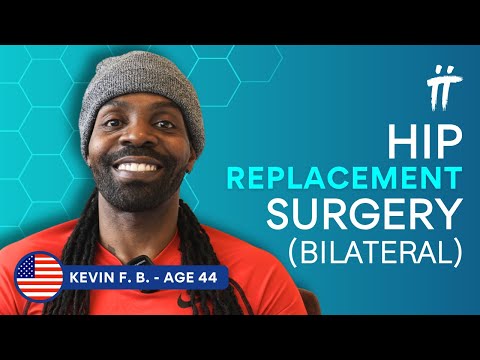
Kevin’s Bilateral Hip Replacement Surgery in Turkey: Years of Pain End with Life-Changing Treatment
Orthopedic/Knee Surgery
Turan Turan Robotic Surgery Center and Orthopedic Clinic in Turkey
Turkey

A Mother’s Experience with Stem Cell Therapy for Autism | Stem Health
Stem Cell Therapy
Stem Health Guadalajara
Mexico
Learn More with These Articles
Take a look at these interesting articles, stories and research that will help you learn more about .
.png)
The Nights He Could Not Sleep Without Medication: Edward Harrington’s PTSD Residential Treatment Story from the United Kingdom to Spain
PlacidWay Medical Tourism
- Addiction Treatment
Spain
.png)
The Business Trips He Began Declining: Omar Al-Harbi’s Obesity Gastric Balloon Story from Saudi Arabia to Turkey
PlacidWay Medical Tourism
- Obesity/Bariatric Surgery
Turkey
.png)
The Back Injury That Became Dependence: Steven Parker’s OxyContin Use Disorder Inpatient Recovery Story from the United States to Mexico
PlacidWay Medical Tourism
- Addiction Treatment
Mexico

Top-Rated Dental Clinics in Juarez, Mexico: Find Your Ideal Dentist
PlacidWay Mexico Medical Tourism
- Dentistry
Mexico







