
What treatment


10+ Important FAQs on Medical Treatments in Costa Rica
Questions on Medical Treatments in Costa Rica? Find Answers Here
Trusted Medical Tourism Platform Since 2007
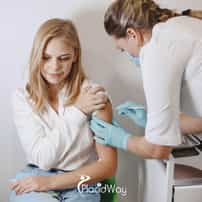
How Much Does Stem Cell Therapy Cost in Costa Rica Compared to the U.S.?
The stem cell therapy cost in Costa Rica typically ranges from $5,000 to $15,000, whereas similar procedures in the U.S. often exceed $25,000 to $50,000. This gap allows patients to save up to 70 percent on care. Medical Disclaimer: All provided figures are estimates. Actual costs vary based on case complexity, individual patient requirements, and facility policies. This content is for informational purposes and does not replace professional medical advice. Key Takeaways Treatments in Central America cost significantly less than North American alternatives due to distinct economic factors. Lower overhead and administrative expenses drive the primary price differences across borders. Regulatory environments vary globally, making thorough facility research essential before scheduling any procedure. International package prices often bundle medical fees, facility costs, and initial physician consultations. Patients must independently factor travel, lodging, and follow-up care into their total medical budget. What Factors Influence the Overall Stem Cell Therapy Cost in Costa Rica? The final price depends heavily on the cellular source, the total volume of cells required, and the specific medical condition. Complex treatments naturally demand more resources and laboratory time. When evaluating pricing structures abroad, patients quickly realize that medical packages are not standardized across all conditions. The primary driver of expense is the cellular cultivation process. Expanding cells in a sterile laboratory environment requires specialized equipment, strict quality control measures, and highly trained technicians. Treatments requiring millions of viable cells will inherently cost more than simpler localized applications. Another significant factor involves the clinical expertise required for administration. Injecting cells into a joint space is generally straightforward, but administering them via specialized neurological protocols may require a multidisciplinary team. The involvement of advanced specialists naturally influences the final facility fees. Finally, the inclusion of supportive therapies alters the budget. Many international clinics bundle cellular treatments with complementary protocols like intravenous vitamin infusions, hyperbaric oxygen therapy, or specialized physical rehabilitation. Understanding exactly what a clinic includes in its proposal helps patients compare options accurately. How Do Treatment Prices Compare Between Orthopedic and Neurological Conditions? Localized orthopedic joint injections sit at the lower end of the pricing scale, whereas systemic neurological protocols require much higher cellular volumes and thus larger financial budgets. Orthopedic procedures, such as injections for knee or shoulder degeneration, often utilize a smaller volume of cells directed at a single localized area. Because the laboratory preparation is less extensive and the administration is relatively brief, these interventions typically range between $5,000 and $8,000 in Central American facilities. Conversely, neurological challenges require a more intensive approach. These protocols often necessitate systemic administration, demanding a significantly higher cell count to potentially cross the blood-brain barrier or affect systemic inflammation. The extended laboratory processing time and complex delivery methods push these packages into the $10,000 to $15,000 range. Patients with autoimmune conditions find their estimates fall somewhere in the middle. These protocols require systemic delivery but may not demand the exact specialized administration routes seen in neurological care. Consulting directly with a physician is the only way to receive an accurate clinical estimate. Condition Category Estimated Cost (Central America) Estimated Cost (U.S.) Orthopedic / Joint $5,000 - $8,000 $8,000 - $15,000+ Autoimmune Disorders $7,000 - $12,000 $20,000 - $40,000 Neurological Challenges $10,000 - $15,000 $25,000 - $50,000+ Are There Hidden Expenses When Seeking Medical Tourism in Costa Rica? While clinical quotes cover the medical procedures themselves, patients must independently budget for international flights, extended lodging accommodations, and any post-procedure supplements. Engaging in medical tourism in Costa Rica requires comprehensive financial planning beyond the clinical invoice. Flights vary significantly based on the departure city and the season. Patients should also factor in the cost of flexible ticketing, as medical recovery timelines can occasionally shift. Accommodation represents another substantial out-of-pocket expense. Most medical protocols require patients to remain in the country for several days post-treatment for observation. Choosing a comfortable hotel near the medical facility ensures easy access to follow-up appointments but adds to the total trip cost. Finally, individuals should budget for specialized travel health insurance, ground transportation, and customized dietary needs during their stay. Carefully reviewing the clinic package to distinguish between included amenities and personal responsibilities prevents unexpected financial stress during the recovery period. Why Are Regenerative Procedures More Affordable Abroad Than the U.S.? Lower operational expenses, reduced facility rent, and differences in administrative overhead create a substantially lower baseline for medical pricing in Central America. The stark difference in pricing rarely relates to the quality of the cellular materials themselves, provided the patient selects a certified laboratory. Instead, the savings stem from the broader economic landscape. The cost of operating a high-level medical facility, including rent, utilities, and administrative staffing, is notably lower outside of North America. Malpractice insurance premiums also play a significant role. Physicians in the United States face some of the highest liability insurance rates globally, an expense inevitably passed down to the patient. International doctors operate under different liability frameworks, reducing their monthly overhead drastically. Furthermore, the regulatory environment in the U.S. involves extensive, multi-phase clinical trial requirements that cost pharmaceutical and biotech companies millions. While these regulations aim to ensure safety, they also drive up the end-cost for consumers. International clinics often operate under different national health ministry guidelines, allowing for more agile pricing models. Important Consideration: A lower price tag does not eliminate the need for strict medical vetting. Patients must ensure that the reduction in cost comes from economic factors, not from shortcuts in laboratory sterility or cell screening protocols. Does Health Insurance Cover These Regenerative Treatments? Major health insurance networks and federal programs typically classify cellular procedures as experimental, requiring patients to pay entirely out of pocket regardless of location. Navigating the financial landscape of regenerative medicine often leads to frustration for insured patients. In the United States, the FDA has only approved a small handful of cellular products, primarily blood-forming cells used for specific cancers and immune system disorders. Consequently, standard insurance policies deny coverage for most joint, autoimmune, or neurological cellular applications. Medicare maintains a similar stance, explicitly stating that due to the investigative nature of most of these protocols, coverage remains highly restricted. This lack of institutional financial support forces patients to explore alternative funding methods or seek more affordable care options globally. Even when traveling abroad, international medical insurance rarely covers the procedure itself. However, purchasing a dedicated medical travel policy may help cover unexpected complications or extended hospital stays unrelated to the primary cellular protocol, offering peace of mind during the journey. How Can Patients Verify the Quality of a Stem Cell Therapy Clinic in Costa Rica? Prospective patients should thoroughly verify local health ministry licensing, review physician specialty credentials, and evaluate the laboratory protocols utilized for cell cultivation. Selecting a stem cell therapy clinic in Costa Rica requires diligent independent research. Patients cannot rely solely on polished websites. The first step involves verifying the facility holds active permits from the local Ministry of Health, specifically authorizing them to perform regenerative cellular procedures. Next, individuals must investigate the medical team. Ensure the lead physicians possess relevant board certifications in their respective specialties, rather than just general medical degrees. Experience handling complex cellular administration is critical for patient safety and potential efficacy. Request detailed documentation regarding the source of the biological materials. Ask for third-party laboratory reports detailing cell viability and sterility. Inquire about the facility protocols for managing medical emergencies. Seek out verifiable patient reviews that discuss both successes and neutral outcomes. Ensure the clinic offers a formal pre-treatment consultation to determine medical suitability. Transparency is the hallmark of a reputable provider. If a facility hesitates to provide clear answers regarding their laboratory partnerships or medical credentials, patients should view that hesitation as a significant warning sign. What Are the Typical Inclusions in a Treatment Package? A comprehensive clinical package usually incorporates the initial medical consultation, the specialist fees, cellular cultivation, and basic pre-procedure diagnostic testing. When reviewing quotes for stem cell therapy in Costa Rica, understanding the itemized breakdown prevents confusion. Most reputable centers bundle the core necessities into one predictable fee. This typically covers the biological material itself, which accounts for the largest portion of the expense. The package also generally absorbs the facility fees for utilizing the sterile administration rooms and the time of the attending medical staff. Initial diagnostic blood panels, required to ensure the patient is fit for the procedure, usually fall under the bundled umbrella as well. However, patients should clarify whether the quote covers specialized diagnostic imaging, such as MRIs or CT scans, which might be necessary before targeting specific joints or neurological pathways. If these are excluded, patients must arrange and fund them independently before traveling. What Recovery Protocols Are Required After Injections? Post-procedure care typically involves strict physical rest, temporary activity restrictions, and a monitored observation period before the patient receives clearance to travel home. Recovery guidelines depend heavily on the administration method. Following localized joint injections, physicians usually advise patients to avoid bearing heavy weight or engaging in strenuous physical activity for several weeks. This window allows the biological material to settle into the targeted tissue without disruption. For systemic intravenous treatments, recovery is generally less restrictive regarding mobility, but patients may experience temporary fatigue or mild flu-like symptoms as the body processes the cellular influx. Rest and aggressive hydration remain the primary recommendations during this initial phase. Regardless of the protocol, reputable clinics require patients to remain locally available for at least a few days post-treatment. This observation window ensures the medical team can promptly address any rare adverse reactions or localized inflammation before the patient boards an international flight. Expert Insight: Following the post-care protocol is as critical as the procedure itself. Prematurely stressing a treated joint can severely compromise the potential benefits of the entire investment. How Do Different Cellular Sources Affect the Overall Price? Harvesting autologous cells from the patient involves distinct procedural costs compared to utilizing lab-expanded allogeneic cells sourced from thoroughly screened donated tissue. Autologous procedures utilize the patient body as the cellular source, typically extracting material from adipose fat tissue or bone marrow. This requires a minor surgical harvesting procedure, which incurs costs for localized anesthesia, specialized extraction equipment, and the physician time in the operating room. Allogeneic protocols, often utilizing umbilical cord tissue from healthy donors, eliminate the need for patient extraction. However, these cells undergo rigorous third-party laboratory screening, cultivation, and expansion. The high-tech laboratory processes required to ensure these donated cells are viable and safe command a premium price. Ultimately, the medical condition dictates the preferred cellular source. A qualified physician will recommend the most appropriate biological material based on the specific clinical presentation, which subsequently shapes the final financial estimate. Why Choose PlacidWay for Your Regenerative Medicine Journey? Navigating the global healthcare landscape requires reliable information and structured guidance. PlacidWay connects patients with medical options worldwide through a transparent, informational framework. Access to Transparent Pricing Structures PlacidWay provides clear, upfront pricing estimates for various procedures, helping patients compare options without encountering hidden clinical fees during their initial research. Detailed Provider Profiles The platform offers extensive profiles on international facilities, allowing users to review physician credentials, facility certifications, and specialty areas before making contact. Streamlined Clinic Communication PlacidWay facilitates the initial communication channels between patients and international medical teams, making it easier to request specific medical consultations and share health records securely. Educational Patient Resources Users gain access to a library of informative articles, treatment explanations, and procedural expectations to support an empowered, informed decision-making process. Global Facility Connections The network includes connections to established medical centers across numerous countries, giving patients the freedom to evaluate different regional regulatory environments and pricing tiers. Frequently Asked Questions Is regenerative cellular therapy abroad considered safe? Patient safety depends heavily on the chosen facility. Individuals may find reputable centers, but they must verify laboratory standards, medical credentials, and local licensing before proceeding. Rigorous research is the best defense against substandard care. How long do I need to stay in the country for treatment? Treatment timelines vary by protocol. Most patients stay between three to eight days to allow for initial consultations, the procedure itself, and a short preliminary observation period to ensure stability before air travel. What medical conditions are commonly addressed with these therapies abroad? Physicians frequently utilize these protocols for joint degeneration, specific autoimmune conditions, and select neurological challenges in suitable patients. However, clinics evaluate each case independently to determine if the therapy may offer potential benefits. Are umbilical cord cells legally utilized in Central America? Yes, many jurisdictions permit the use of ethically sourced, heavily screened allogeneic cord cells when administered by licensed medical professionals under specific regulatory frameworks managed by local health ministries. How soon can individuals expect to see changes after the procedure? Results fluctuate significantly among individuals. Some report gradual improvements in mobility or energy levels over several months, while others may experience minimal clinical changes. Patience and adherence to recovery guidelines are vital. Is English widely spoken in international medical facilities? Major medical centers catering to international visitors typically employ bilingual staff and physicians to ensure clear communication regarding medical care, procedural risks, and informed consent. Do I need a specialized visa for medical care in Central America? Citizens of many North American and European countries can enter on a standard tourist visa for short-term care. However, verifying exact entry requirements based on nationality before booking travel is always essential. Are there specific age restrictions for receiving cellular treatments? Age limitations depend entirely on the clinical protocol and the overall health baseline of the patient. Facilities evaluate each candidate individually, assessing organ function and medical history before granting approval. Can I combine regenerative therapy with other medical procedures? Combining therapies depends entirely on medical compatibility. Clinicians generally advise against simultaneous intensive procedures, like major cosmetic surgery alongside systemic cellular infusions, to avoid overwhelming the immune system. What is the expected success rate of these international protocols? Success rates fluctuate based on the specific condition, patient health, and cellular quality. No reputable facility can guarantee a specific medical outcome, and outcomes remain highly individualized. Ready to Explore Your Options? Compare verified international facilities, review pricing estimates, and request personalized information to make an informed decision about your medical journey. Request Treatment Information References FDA Warns About Unapproved Therapies – U.S. Food and Drug Administration Medical Tourism Safety Guidelines – Centers for Disease Control and Prevention Mesenchymal Stem Cells: Clinical Applications and Biological Properties – National Institutes of Health Stem Cells: What They Are and What They Do – Mayo Clinic Patient Safety and Quality of Care – World Health Organization Guidelines for Stem Cell Research and Clinical Translation – International Society for Stem Cell Research...
Read more details

.png)
What is the Average Price of Dental Implants in San Jose, Costa Rica?
The average cost of a single dental implant in San Jose, Costa Rica, ranges from $710 to $1,600, including the implant, abutment, and crown. This is a significant saving compared to the United States, where the same procedure can cost between $3,000 and $5,000. Are you considering dental implants but are put off by the high prices in your home country? San Jose, Costa Rica, has become a top destination for dental tourism, offering world-class care at a fraction of the cost. The city is home to numerous internationally accredited dental clinics and highly skilled surgeons who provide high-quality services. The appeal isn't just the low cost but also the comprehensive care and modern facilities available. This guide will provide a detailed breakdown of the average cost of dental implants in San Jose, Costa Rica, answer your most pressing questions about the procedure, and explain why this destination is a smart choice for your dental needs. You will learn about the price differences for various types of implants, what is included in the cost, and how you can save thousands of dollars without compromising on the quality of your new smile. Whether you need a single tooth replacement or a full mouth restoration, understanding the pricing structure in San Jose will help you plan your dental trip with confidence. What is the average price of a single dental implant in San Jose, Costa Rica? The average price of a single dental implant in San Jose, Costa Rica, ranges from $710 to $1,600. This price typically includes the titanium implant, the abutment, and the final crown, making it a highly cost-effective option. The cost of a single dental implant in San Jose, Costa Rica, is one of the main reasons for its popularity. While prices can vary based on the clinic and the specific brand of implant used, the average price remains consistently low compared to the US or Canada. A single implant in the United States can cost upwards of $5,000, which means you can save over 70% by having the procedure done in Costa Rica. This price often covers the entire process, from the surgical placement of the implant to the final crown, providing a straightforward and transparent cost structure. How much do All-on-4 dental implants cost in San Jose, Costa Rica? The cost for All-on-4 dental implants in San Jose typically ranges from $8,500 to $15,000 per arch. This comprehensive procedure offers significant savings compared to the US, where it can cost $20,000 to $30,000 or more per arch. All-on-4 is a popular full-arch restoration option that uses four implants to support a full set of fixed teeth. The cost of All-on-4 dental implants in San Jose, Costa Rica, is a major draw for patients needing extensive dental work. The price difference between Costa Rica and Western countries is most dramatic for full mouth restorations. Many clinics offer all-inclusive packages that cover the implants, the final prosthesis, temporary dentures, and sometimes even transportation and initial consultations. This makes a full smile makeover financially accessible for many people. What is the price of All-on-6 or All-on-8 dental implants in Costa Rica? All-on-6 dental implants in San Jose, Costa Rica, range from $9,000 to $14,000 per arch, while All-on-8 can start at around $13,000. These procedures are priced lower than the United States, where they can cost over $26,000. For patients who require more implants for enhanced stability and bone support, All-on-6 and All-on-8 are excellent options. The cost of dental implants in San Jose, Costa Rica, for these procedures remains incredibly competitive. The higher number of implants means a more complex surgery and a slightly higher price point, but the savings compared to the US are still substantial. These procedures are often part of a full mouth restoration plan, and clinics in San Jose are well-equipped to handle them with high success rates. Why are dental implants so much cheaper in San Jose, Costa Rica? The lower cost of dental implants in San Jose, Costa Rica, is a result of a lower cost of living and reduced operational expenses for clinics. This includes lower labor costs, real estate prices, and insurance fees, which do not compromise the quality of care. Many people wonder how clinics in Costa Rica can offer such low prices without sacrificing quality. The answer lies in the country's economic structure. The lower cost of living in Costa Rica directly translates to lower overhead for dental practices. This includes everything from rent and staff salaries to laboratory fees and dental supply costs. Unlike in the US, where high insurance costs and operational expenses drive up prices, Costa Rican clinics can pass on these savings directly to their patients. This allows them to use the same high-quality materials and technology as US clinics while offering a more affordable price. Are the materials and technology used in San Jose clinics high-quality? Yes, many leading dental clinics in San Jose use the same high-quality materials and technologies as clinics in the US and Europe. They often use internationally recognized brands for implants like Nobel Biocare, Straumann, and Zimmer. The quality of care in San Jose is a key factor in its popularity as a dental tourism destination. Reputable clinics understand that international patients are seeking both affordability and quality. As such, they invest in modern equipment and use premium materials. Many clinics in San Jose are accredited by international organizations and adhere to strict safety and sterilization protocols. You can find clinics that use advanced technology like 3D CT scans, CAD/CAM technology for crowns, and digital smile design to ensure precise and successful outcomes. What factors can influence the final cost of dental implants? The final cost of your dental implant procedure can be influenced by several factors, including the number of implants, the need for preparatory procedures like bone grafts or extractions, the brand of implant used, and the type of final restoration (e.g., zirconia vs. acrylic). While clinics provide a clear initial quote, the final price can change based on your specific needs. Here are some of the most common factors that influence the final cost: Bone Grafts and Sinus Lifts: If you have insufficient bone density in your jaw, you may need a bone graft or a sinus lift before the implant can be placed. These additional procedures can add to the total cost. Extractions: If you need to have a tooth or multiple teeth removed before the implant surgery, this will be an extra charge. Brand of Implant: Premium implant brands like Nobel Biocare or Straumann may cost more than other brands, though the success rates are typically very high across the board for reputable clinics. Type of Prosthesis: A full arch of teeth can be made from different materials, such as zirconia, which is highly durable and aesthetic but more expensive, or acrylic, which is a more budget-friendly option. How long should I plan to stay in San Jose for a dental implant procedure? For a single dental implant, a patient typically needs two separate trips to San Jose. The first trip requires a stay of 3-5 days for implant placement, followed by a 4-6 month healing period. The second trip is for the final crown and requires a stay of 5-8 days. The dental implant process is not a one-day procedure. It requires a healing period for the implant to fuse with your jawbone, a process called osseointegration. This is why most patients plan for two trips. The first trip is for the initial surgery, and the second is for the final restoration. This timeline ensures the best possible outcome and long-term success of your implant. However, some clinics offer "same-day" implants for specific cases, which can reduce your travel time. What is typically included in an all-inclusive dental implant package? All-inclusive dental implant packages in San Jose often include the surgeon's fee, the implant, abutment, and crown, anesthesia, pre-operative exams, medications during your stay, and all required follow-up appointments at the clinic. To make the process easier for international patients, many clinics offer comprehensive packages. This transparent pricing model helps you budget accurately and avoids any surprise costs. Some packages may even include airport transfers and assistance with booking local accommodations. It is important to confirm with the clinic exactly what is included in the package before you book. This ensures you know what to expect and can plan your budget accordingly. Are dental surgeons in San Jose, Costa Rica, well-qualified? Yes, many of the top dental surgeons in San Jose are highly qualified, with specialized training from institutions in the United States or other Western countries. They are often board-certified and members of international dental associations. The professional credentials of Costa Rican dentists are a source of pride for the country's medical tourism industry. Many have trained and gained experience in the US, Europe, and Canada, bringing a high level of expertise back to their home country. Reputable clinics will be transparent about their dentists' qualifications and professional affiliations. You should always ask for the surgeon's CV and look at their before-and-after portfolios to feel confident in your choice. How can I find a reputable dental clinic in San Jose, Costa Rica? You can find a reputable dental clinic in San Jose by checking for international accreditations, reading patient reviews on unbiased platforms, and having a virtual consultation to assess their professionalism and communication. Choosing the right clinic is the most important step in your dental tourism journey. You should look for clinics that have certifications from organizations like the Joint Commission International (JCI) or the American Dental Association (ADA). Patient testimonials and reviews on independent websites are also a good indicator of a clinic's reputation. A virtual consultation with the clinic's staff and the surgeon is a great way to ask questions, discuss your treatment plan, and ensure you feel comfortable with their approach before you travel. Ready to get your new smile at a price you can afford? Explore PlacidWay to connect with the leading dental clinics in San Jose, Costa Rica, and receive your free, personalized quote today....
Read more details.jpg)
How Much Does a Root Canal Cost in San Jose, Costa Rica?
The Cost of root canal in San Jose, Costa Rica, is between $350 and $700. The price varies depending on the type of tooth, with molars being the most expensive. This represents a significant saving of 50-70% compared to costs in the United States. If you've ever been told you need a root canal, you know the immediate thoughts that come to mind: anxiety about the procedure and dread about the cost. In countries like the United States, a root canal can be a major financial burden, often running into thousands of dollars, especially when you factor in the necessary crown afterward. But what if you could receive the same high-quality treatment from a certified specialist for a fraction of the price? That's the reality for thousands of people who choose dental tourism in Costa Rica. The bustling capital, San Jose, has emerged as a world-class hub for advanced, affordable dental care. The big question we're here to answer is: How much does a root canal cost in San Jose, Costa Rica? You'll be pleased to discover that the prices are dramatically lower, making top-tier dental care accessible to everyone. This guide will provide a detailed breakdown of the costs for 2025, explain why Costa Rica offers such incredible value, and cover everything you need to know about getting this essential procedure done in one of the world's most beautiful countries. It's about combining excellent healthcare with an unforgettable travel experience. What is the exact cost of a root canal in San Jose, Costa Rica? "In San Jose, Costa Rica, the cost of a root canal ranges from approximately $350 to $700. The final price is determined by the location and complexity of the tooth being treated (anterior, premolar, or molar)." The price of a root canal is not one-size-fits-all; it depends entirely on which tooth needs the procedure. Teeth have a different number of canals that need to be cleaned and sealed, which affects the complexity and time required for the treatment. In San Jose's modern dental clinics, you can expect a clear pricing structure based on this factor. Here is a typical cost breakdown for 2025: Anterior Tooth (front tooth, 1 canal): $350 - $450 Premolar Tooth (bicuspid, 1-2 canals): $450 - $550 Molar Tooth (back tooth, 3-4 canals): $550 - $700 This transparent pricing allows patients to understand exactly what they are paying for. Even at the highest end for a complex molar, the cost is significantly less than the starting price for the simplest root canal in the United States. How much can I save compared to getting a root canal in the US? "You can expect to save between 50% and 70% on a root canal in San Jose, Costa Rica, compared to the US. While a molar root canal in the US can cost $1,500 to $3,000, the same procedure in Costa Rica is typically under $700." The savings are genuinely astounding. For a single procedure, you could save over $1,000, which is more than enough to cover your flight and accommodation. The financial benefit becomes even more pronounced when you factor in the cost of a dental crown, which is almost always required after a root canal to protect the tooth. Let's look at a complete comparison for a molar tooth, which is the most common tooth to require a root canal: Procedure Average Cost in San Jose, Costa Rica (USD) Average Cost in the USA (USD) Molar Root Canal $600 $2,000 Zirconia Crown $550 $1,800 Total $1,150 $3,800 Do I need a crown after a root canal, and how much does it cost? "Yes, a dental crown is almost always recommended after a root canal, especially for molars, to protect the weakened tooth. In San Jose, a high-quality PFM crown costs around $450, while a premium solid zirconia crown costs about $500-$600." A root canal procedure involves removing the pulp from inside the tooth, which makes the tooth structure brittle and prone to fracture. A crown acts like a helmet, covering the entire tooth to restore its strength and function. Neglecting to get a crown after a root canal can lead to the tooth breaking, which might require a costly extraction and implant. The affordability of crowns in Costa Rica is another key advantage. You can get the highest quality materials, like solid zirconia (known for its supreme strength and aesthetics), for less than the price of a basic metal-based crown in the United States. What factors influence the final price of a root canal? "The primary factor is the type of tooth (molar, premolar, or anterior). Other factors include the need for a re-treatment of a previously failed root canal, the complexity of the canal anatomy, and the technology used by the endodontist, such as a surgical microscope." While the tooth type is the main determinant, a few other situations can affect the cost: Re-treatment: If you have a root canal that was done incorrectly in the past and has become re-infected, the procedure to fix it is more complex and will cost more than a first-time root canal. Complex Anatomy: Some teeth have curved or narrow canals that are harder to clean, which may increase the time and cost of the procedure. Advanced Diagnostics: Clinics may use 3D CBCT scans for a highly detailed view of the tooth's root structure. While this provides a superior diagnostic tool, it may add a small fee to the overall cost. Why is dental care in Costa Rica so affordable? "The affordability is due to Costa Rica's lower cost of living and operational expenses. Dentists have lower overhead for rent, staff, and insurance, and dental education is less expensive. These economic factors allow them to offer lower prices without compromising on quality." It's crucial to understand that lower price does not equal lower quality. The materials, equipment, and techniques used in top San Jose clinics are identical to those used in the best clinics in North America. The price difference is a reflection of the local economy. Dentists in Costa Rica can run a state-of-the-art practice for much less, and these savings are passed directly to international patients. Are dentists in San Jose, Costa Rica, properly qualified? "Yes. Dentists in Costa Rica are highly qualified, and many specialists, including endodontists (root canal specialists), have completed their advanced training in the United States, Canada, or Europe. They are often members of prestigious international organizations like the American Association of Endodontists." Costa Rica has a very high standard for dental education and practice. The top clinics that cater to dental tourists make it a point to hire specialists with international training and credentials. This ensures that patients are being treated by professionals who are at the top of their field and are familiar with the standards of care expected by American and Canadian patients. You can always ask for a specialist's credentials before committing to treatment. What is an endodontist, and why should I see one for a root canal? "An endodontist is a dental specialist who has completed 2-3 years of additional, intensive training focused exclusively on diagnosing tooth pain and performing root canal treatment. For the best outcome, it is always recommended to have a root canal performed by an endodontist." While general dentists can perform root canals, endodontists are the true experts. Their specialized training and daily experience mean they are more efficient and have a higher success rate, especially with complex cases. They are proficient in using advanced technology, such as surgical microscopes, which allow them to see tiny details inside the tooth and treat the root canals with incredible precision. Is the technology in Costa Rican clinics up to date? "Yes, leading dental clinics in San Jose are equipped with the latest dental technology, often surpassing the standards of average clinics in the US. This includes digital X-rays, 3D CBCT imaging, surgical microscopes, and CAD/CAM technology for same-day crown fabrication." Costa Rica's dental tourism industry is highly competitive, which drives clinics to invest in the best technology to attract international patients. The use of surgical microscopes, for example, is considered the gold standard in endodontics and is standard practice in top San Jose clinics. This commitment to technology ensures more precise, comfortable, and successful treatments. How long does a root canal and crown procedure take? "The entire process for a root canal and crown can typically be completed in 3 to 5 business days over two appointments. The root canal is done in the first visit, and the permanent crown is designed and placed in the second visit." The timeline is very convenient for dental tourists: Visit 1 (2-3 hours): Consultation, X-rays, and completion of the root canal procedure. A temporary crown or filling is placed. Interim Period (2-3 days): The clinic's in-house or partner lab fabricates your custom permanent crown using CAD/CAM technology. Visit 2 (1-2 hours): The temporary is removed, and your permanent crown is fitted, adjusted, and permanently cemented. This efficient process means you only need to plan for about a week-long trip to San Jose to get the entire treatment done. Is a root canal painful? "No, the procedure itself is not painful. The purpose of a root canal is to relieve pain caused by an infected tooth. With effective local anesthesia, the treatment feels similar to getting a routine filling. Post-procedure sensitivity is normal but easily managed with over-the-counter pain medication." The myth of the painful root canal is outdated. Modern techniques and anesthetics make the procedure a comfortable and pain-free experience. In fact, the most severe pain is almost always the toothache you experience before the root canal. The treatment provides immediate relief from that pain. Costa Rican specialists are highly experienced in ensuring patient comfort throughout the procedure. What does the price of a root canal typically include? "Reputable clinics in San Jose typically provide an all-inclusive quote for the procedure. This price usually includes the initial consultation, all necessary X-rays and digital imaging, local anesthesia, the root canal procedure itself, and a follow-up check." Transparency is key in dental tourism. Before you agree to any treatment, you will receive a detailed treatment plan with an itemized breakdown of costs. This ensures there are no hidden fees. The quote for the root canal is separate from the quote for the crown, but both will be provided upfront so you know the full cost of restoring your tooth before you book your flight. How do I arrange a dental trip to San Jose? "The process is very straightforward. You start with an online inquiry, providing any recent X-rays. The clinic will give you a free virtual consultation and a quote. Once you approve, they often help you coordinate appointments and can recommend hotels and transportation." Top clinics have dedicated international patient coordinators whose job is to make your trip as smooth as possible. They will guide you through every step: Initial Contact: Send an email or fill out a form on the clinic's website. Provide Records: Share any existing X-rays or a description of your dental problem. Receive a Plan: The dental team will create a treatment plan and a firm price quote. Schedule: Coordinate your travel dates with the clinic's appointment schedule. Travel: Fly into Juan Santamaría International Airport (SJO) in San Jose, where clinics can often arrange for a driver to pick you up. Can I use my dental insurance in Costa Rica? "While you cannot typically use your insurance for direct payment in Costa Rica, most clinics provide all the necessary documentation for you to file a claim for reimbursement with your provider when you return home. Many US insurance plans cover out-of-network treatment." You will be required to pay for your treatment directly to the clinic at the time of service. However, the clinic's administrative staff is very experienced in providing the detailed invoices and treatment codes that American insurance companies require. Be sure to check with your insurance provider before your trip to understand their policies on out-of-network international care. Is it safe to travel to San Jose for dental work? "Yes, San Jose is a very safe and popular destination for medical and dental tourism. Top dental clinics are located in the safest and most modern areas of the city, such as Escazú and Santa Ana. These clinics adhere to the highest international standards of hygiene and sterilization." Patient safety is the number one priority for clinics serving an international clientele. They follow strict sterilization protocols recommended by the American Dental Association (ADA) and the CDC. By choosing a well-regarded clinic, you can be confident that you are receiving care in a safe, clean, and professional environment, with the added benefit of being in a country known for its friendly people and stable infrastructure. Can I take a vacation around my dental appointments? "Definitely. With only two required appointments spread over a week, you have plenty of free time to explore Costa Rica's natural wonders. You can visit volcanoes, cloud forests, or coffee plantations near San Jose between your appointments." This is one of the greatest appeals of dental tourism in Costa Rica. A root canal involves minimal recovery time, with most patients feeling completely normal within a day. This leaves you ample time to enjoy the 'Pura Vida' lifestyle. You can take day trips from San Jose or even spend a few extra days after your treatment is complete to visit the famous beaches on the Pacific or Caribbean coasts. Ready to save thousands on your dental care without compromising on quality? Explore PlacidWay to connect with leading, accredited dental clinics in San Jose, Costa Rica, and receive a free, personalized quote for your root canal treatment....
Read more detailsDiscover your treatment options with a free, no-obligation quote!
Get your quote now!
Why do Patients Choose Medical Tourism in Costa Rica for Dental Treatments?
The primary reasons patients opt for dental tourism in Costa Rica are the substantial cost reductions on procedures, access to world-class dental facilities with highly qualified professionals, and the unique opportunity to combine their treatment with a memorable vacation. Have you ever wondered why so many people are heading to Costa Rica for their dental needs? It's a growing trend, and for very good reasons. The simple answer is that medical tourism in Costa Rica for dental treatments offers a remarkable blend of affordability, top-notch quality, and an unforgettable travel experience. Imagine getting that perfect smile you've always dreamed of, without draining your bank account, all while surrounded by lush rainforests and stunning beaches. It's not just about saving money; it's about receiving excellent care in a relaxing and beautiful environment. For many, the high cost of dental work in their home countries, particularly in the United States and Canada, can be a significant barrier to receiving necessary treatments. In Costa Rica, you'll find that the cost of dental procedures is often a fraction of what you'd pay at home. This isn't because the quality is lower; it's due to the lower cost of living and operational expenses in the country. Many Costa Rican dentists are trained in the US or Europe and use the same high-quality materials and advanced technology you would expect from your local dentist. So, you get the best of both worlds: world-class dental care and a chance to explore a tropical paradise. This combination of factors makes Costa Rica an increasingly popular and trusted destination for dental tourists from around the globe. What are the main reasons for the rise of dental tourism in Costa Rica? "The primary drivers for Costa Rica's dental tourism boom are the significant cost savings on treatments, the high standard of dental care provided by internationally accredited dentists, and the appeal of a tropical vacation destination." The surge in dental tourism in Costa Rica is not a coincidence but a result of several compelling factors. The most significant of these is the dramatic price difference for dental procedures compared to North America and Europe. Patients can save up to 70% on treatments like dental implants, crowns, and full mouth reconstructions. These are not minor savings; they can amount to thousands of dollars, making complex dental work accessible to a much wider audience. Beyond the financial benefits, the quality of care is a cornerstone of Costa Rica's dental reputation. Many dentists in the country have received their training and specializations from prestigious institutions in the United States and other developed nations. They are often members of international dental associations and are committed to continuous education to stay abreast of the latest techniques and technologies. This ensures that patients receive care that is on par with, and sometimes even exceeds, the standards they are used to at home. The combination of affordability and excellence creates a powerful value proposition for international patients. How much can I realistically save on dental work in Costa Rica? "Patients can realistically save between 50% and 70% on their dental treatments in Costa Rica compared to prices in the United States and Canada, even after accounting for travel and accommodation expenses." The potential for savings is a major draw for dental tourism in Costa Rica. To put it into perspective, a single dental implant that might cost $4,000 to $5,000 in the US can be as low as $900 to $1,500 in Costa Rica. For more extensive procedures, the savings are even more substantial. A full mouth restoration, which can be prohibitively expensive in many countries, becomes a feasible option for many when they choose to have it done in Costa Rica. Here's a comparative look at potential savings: Dental Procedure Average Cost in the US Average Cost in Costa Rica Potential Savings Dental Implant (single) $4,000 $1,200 70% Porcelain Crown $1,500 $450 70% All-on-4 Implants $25,000 $10,000 60% Root Canal $1,200 $400 67% Export to Sheets These figures clearly illustrate that the financial benefits are significant. Even when you factor in the cost of flights and a comfortable hotel stay, the total expenditure is often far less than the cost of the dental procedure alone back home. Is the quality of dental care in Costa Rica comparable to that in the US or Europe? "Yes, the quality of dental care in Costa Rica is comparable to, and often exceeds, the standards in the US and Europe. Many dentists are internationally trained, and clinics are equipped with state-of-the-art technology." One of the biggest concerns for prospective dental tourists is whether the lower cost comes at the expense of quality. In the case of dental tourism in Costa Rica, this is a resounding no. The country prides itself on its high standards of healthcare, and the dental sector is no exception. Many of the top dental clinics in Costa Rica are accredited by international bodies, which signifies their adherence to stringent global standards of hygiene, safety, and quality of care. Furthermore, these clinics invest heavily in modern dental technology. You will find facilities equipped with 3D imaging, CAD/CAM for same-day crowns, and other advanced diagnostic and treatment tools. The materials used for procedures like implants and crowns are often sourced from the same reputable international manufacturers that supply clinics in the US and Europe. This commitment to quality and technology ensures that patients receive the best possible outcomes. Are dentists in Costa Rica licensed and internationally recognized? "Absolutely. Dentists in Costa Rica are required to be licensed by the Costa Rican College of Dental Surgeons. Many also have international affiliations and have completed their advanced training in the United States or Europe." The qualifications of the dental professionals in Costa Rica are a key factor in its success as a dental tourism hub. To practice dentistry in Costa Rica, a dentist must be a member of the Colegio de Cirujanos Dentistas de Costa Rica (College of Dental Surgeons of Costa Rica). This governing body ensures that all practicing dentists meet the required educational and ethical standards. Beyond local licensure, a significant number of Costa Rican dentists pursue further education and specialization abroad. It is common to find dentists who are members of prestigious organizations such as the American Dental Association (ADA) or the International Congress of Oral Implantologists (ICOI). This international exposure not only enhances their skills but also keeps them updated on the latest advancements in dental medicine. When choosing a dentist, you can often find their credentials and affiliations proudly displayed on their clinic's website. What types of dental procedures are most popular among medical tourists in Costa Rica? "The most popular dental procedures for medical tourists in Costa Rica include dental implants, full mouth restorations, cosmetic dentistry like veneers and crowns, and All-on-4 or All-on-6 implant solutions." While you can get any type of dental work done in Costa Rica, certain procedures are particularly popular due to the significant cost savings they offer. These tend to be the more complex and expensive treatments. Here's a list of commonly sought-after procedures: Dental Implants: This is by far one of the most popular treatments. The high cost of implants in developed countries makes the savings in Costa Rica particularly attractive. Full Mouth Restoration: For patients needing extensive dental work, a full mouth reconstruction in Costa Rica can be a life-changing and affordable option. Cosmetic Dentistry: Procedures like porcelain veneers and smile makeovers are in high demand, allowing patients to achieve their aesthetic goals for a fraction of the price. All-on-4 and All-on-6 Implants: These innovative solutions for full arch replacement are a specialty in many top Costa Rican clinics. Crowns and Bridges: High-quality crowns and bridges are available at a much lower cost, making them a popular choice for restoring damaged or missing teeth. Is it safe to travel to Costa Rica for dental treatment? "Yes, it is generally very safe to travel to Costa Rica for dental treatment. The country is known for its political stability, friendly locals, and a well-developed tourism infrastructure that caters to international visitors." Safety is a top priority for anyone traveling abroad for medical care. Costa Rica is widely regarded as one of the safest and most stable countries in Latin America. It has a long history of peaceful democracy and has not had an army since 1949. The tourism industry is a major part of its economy, so there is a strong focus on ensuring the safety and well-being of visitors. The areas where reputable dental clinics are located, such as the capital city of San José and its surrounding suburbs, are generally safe and have a wide range of accommodation options to suit all budgets. The local population, known as "Ticos," are famous for their warm and welcoming nature, which adds to the positive experience for dental tourists. As with any international travel, it's always wise to take standard precautions, but overall, Costa Rica offers a secure environment for your dental journey. What is the recovery process like in Costa Rica? "The recovery process in Costa Rica can be a unique and pleasant experience. Patients can relax and recuperate in a beautiful, stress-free environment, with access to excellent aftercare from their dental clinic." One of the unique advantages of medical tourism in Costa Rica for dental treatments is the opportunity to recover in a vacation-like setting. Instead of returning to the stresses of daily life immediately after your procedure, you can take the time to heal in a tranquil environment. Many dental clinics are located near popular tourist destinations, allowing you to enjoy the natural beauty of the country as you recover. Dental clinics in Costa Rica are also very experienced in managing the recovery of international patients. They provide detailed post-operative instructions and are readily available for follow-up appointments. Many clinics offer comprehensive packages that include accommodation in comfortable hotels that are well-suited for recovering patients. The warm climate and fresh, healthy food can also contribute to a faster and more pleasant healing process. How do I find a reputable dental clinic in Costa Rica? "To find a reputable dental clinic in Costa Rica, look for international accreditations, read patient reviews and testimonials, check the dentist's qualifications and experience, and ensure the clinic uses modern technology." Doing your due diligence is crucial when selecting a dental clinic abroad. Here are some steps to help you find a trustworthy and high-quality clinic for your dental treatment in Costa Rica: Check for Accreditations: Look for clinics that are accredited by international bodies like the American Association for Accreditation of Ambulatory Surgery Facilities (AAAASF) or have affiliations with recognized dental associations. Read Patient Reviews: Testimonials and reviews from previous patients can provide valuable insights into the quality of care and the patient experience. Verify Dentist Credentials: Research the qualifications, training, and experience of the dentists who will be performing your treatment. Examine the Technology: Reputable clinics will have a modern website that showcases their facility and the technology they use. Communication is Key: A good clinic will be responsive to your inquiries and provide clear and detailed information about your treatment plan and costs. Are there language barriers for English-speaking patients? "No, language is generally not a barrier for English-speaking patients seeking dental care in Costa Rica. Most dentists and staff at clinics catering to international patients are fluent in English." Given that a large percentage of their patients come from North America, dental clinics in Costa Rica have made it a priority to have English-speaking staff. From the initial consultation to the final follow-up, you can expect clear and effective communication in English. This is crucial for ensuring that you fully understand your treatment options, the procedures involved, and the post-operative care instructions. This fluency in English extends beyond the dental team. Many people in the tourism and hospitality sectors in Costa Rica also speak English, making it easy to navigate your travel and leisure activities. This linguistic accessibility further enhances the comfort and convenience of choosing Costa Rica for your dental needs. What about the travel and accommodation arrangements? "Many dental clinics in Costa Rica offer assistance with travel and accommodation arrangements, often providing all-inclusive packages that include airport transfers, hotel stays, and transportation to and from the clinic." To make the experience as seamless as possible for their international clientele, many dental tourism providers in Costa Rica offer comprehensive packages. These packages can simplify your trip by taking care of all the logistical details. This allows you to focus solely on your dental treatment and your recovery. These packages often include: Airport pickup and drop-off. Accommodation in a partner hotel that is vetted for comfort and convenience. All ground transportation between your hotel and the dental clinic. Sometimes, they may even include some local tours or activities. Opting for such a package can be a great way to ensure a stress-free and well-organized dental vacation. Can I combine my dental treatment with a vacation? "Yes, one of the major attractions of dental tourism in Costa Rica is the ability to combine high-quality dental care with a memorable vacation in a beautiful and diverse country." The "dental vacation" is a key reason why so many choose Costa Rica for their dental treatments. The country is a world-renowned eco-tourism destination, boasting an incredible variety of landscapes and activities. Before or after your dental appointments, you can explore lush rainforests, hike to volcanic craters, relax on pristine beaches, or go zip-lining through the jungle canopy. This combination of treatment and travel allows you to make the most of your trip. You can get the dental care you need at an affordable price and enjoy a rejuvenating holiday at the same time. This holistic approach to healthcare, which includes rest and relaxation, can also have a positive impact on your overall well-being and recovery. What is the overall patient experience like? "The overall patient experience for dental tourism in Costa Rica is overwhelmingly positive. Patients consistently report high levels of satisfaction with the quality of care, the professionalism of the dentists, and the warmth and friendliness of the Costa Rican people." The patient experience is a critical aspect of medical tourism in Costa Rica for dental treatments. Reputable clinics go to great lengths to ensure that their international patients feel comfortable, safe, and well-cared for throughout their journey. From the moment you make your first inquiry to your final follow-up appointment, you can expect personalized attention and a high level of customer service. Many patients return home not only with a restored smile but also with fond memories of their time in Costa Rica. The combination of excellent dental outcomes, significant cost savings, and a wonderful travel experience makes for a truly compelling package. The numerous positive online reviews and patient testimonials are a testament to the success of Costa Rica's dental tourism industry. How does the cost of living in Costa Rica affect dental prices? "The lower cost of living in Costa Rica is a primary reason for the affordability of dental treatments. Reduced overheads for clinics, such as rent, salaries, and administrative costs, translate into significant savings for patients." The economic structure of Costa Rica plays a crucial role in the affordability of its dental care. The overall cost of living, while higher than in some other Central American countries, is still significantly lower than in the United States, Canada, and Western Europe. This directly impacts the operational costs of dental clinics. Factors that contribute to lower prices include: Lower property costs: Rent and property taxes for clinic spaces are more affordable. Competitive labor market: The salaries for dental staff, while competitive for the local market, are lower than in developed nations. Reduced administrative expenses: The general costs of running a business are less expensive. These savings are then passed on to the patients, allowing them to access high-quality care without the high price tag. Are there any hidden costs I should be aware of? "Reputable dental clinics in Costa Rica are transparent about their pricing. However, it's always wise to get a detailed treatment plan upfront that outlines all potential costs to avoid any surprises." While the vast majority of dental providers in Costa Rica are upfront about their pricing, it's always a good practice to ensure you have a clear understanding of all the costs involved. Before you commit to any treatment, you should receive a comprehensive treatment plan that details all the procedures and their associated fees. Here are some questions to ask to avoid any hidden costs: Is the initial consultation fee included in the total price? Are X-rays and other diagnostic tests covered? What is the cost of anesthesia? Are there any additional charges for follow-up appointments? By having a clear and detailed quote, you can budget for your trip with confidence and avoid any unexpected expenses. What kind of aftercare can I expect? "Patients can expect excellent aftercare following their dental treatment in Costa Rica. Clinics provide detailed post-operative instructions, are available for follow-up appointments, and often stay in touch with patients after they return home." The care you receive after your procedure is just as important as the treatment itself. Dental clinics in Costa Rica that cater to international patients are well-versed in providing comprehensive aftercare. This includes clear instructions on how to manage any discomfort, what to eat, and how to care for your new dental work. They will also schedule any necessary follow-up appointments before you leave the country to ensure that everything is healing as it should. Many clinics also provide you with contact information so you can reach them with any questions or concerns after you have returned home. This commitment to ongoing care provides peace of mind and contributes to the overall positive experience of dental tourism in Costa Rica. For more information on finding the right healthcare solutions abroad, explore the options available through PlacidWay. ...
Read more details
How Much Does Cosmetic Dentistry Cost in Costa Rica?
Thinking about enhancing your smile but worried about the high price tag? You're not alone. The desire for a perfect smile is universal, but the cost can often be a significant barrier. This is where dental tourism in Costa Rica comes into the picture, offering a remarkable solution that combines high-quality dental care with significant savings. The cosmetic dentistry cost in Costa Rica is substantially lower than in North America and Europe, making it an attractive destination for thousands of people seeking affordable and expert dental work. Many patients save enough on their procedures to pay for a tropical vacation, transforming their dental journey into a memorable experience. Costa Rica has built a stellar reputation for its advanced healthcare system, and its dental sector is no exception. Clinics are often equipped with state-of-the-art technology, and many dentists are trained in the United States or Europe, bringing world-class expertise to their practice. Whether you're considering porcelain veneers, dental crowns, teeth whitening, or a complete smile makeover, you can expect top-tier service without the exorbitant costs. This guide will walk you through everything you need to know about the costs, procedures, and what to expect when you choose Costa Rica for your cosmetic dentistry needs. What is the average cost of cosmetic dentistry in Costa Rica? The average cost of cosmetic dentistry in Costa Rica is roughly 50-70% less than in the United States. For example, a procedure that costs $10,000 in the U.S. might only cost between $3,000 and $5,000 in Costa Rica. The significant price difference is one of the primary reasons people flock to Costa Rica for dental work. This isn't due to a lack of quality but rather the lower cost of living, reduced overhead expenses for clinics, and a different insurance and administrative structure. These savings allow clinics to offer world-class services at a price point that is accessible to a much wider audience. When you receive a quote from a Costa Rican dental clinic, it's often all-inclusive, covering the procedure, materials, and lab fees. This transparency helps you budget effectively without worrying about unexpected charges. The combination of affordability and quality makes the cosmetic dentistry cost in Costa Rica an incredible value proposition. How much do porcelain veneers cost in Costa Rica? Porcelain veneers in Costa Rica typically cost between $400 and $550 per tooth. This is a significant saving compared to the U.S., where the same high-quality veneer can cost anywhere from $1,000 to $2,500 per tooth. Porcelain veneers are one of the most popular cosmetic dentistry procedures for achieving a flawless "Hollywood smile." They are thin shells of medical-grade ceramic that are attached to the front surfaces of teeth to correct issues like stains, chips, or gaps. The lower price in Costa Rica does not mean a compromise on quality. Many clinics use the exact same materials, such as E-Max or Zirconia veneers, that are favored by top dentists in the U.S. The process for getting veneers is also highly efficient. Thanks to in-house labs and advanced CAD/CAM technology, many clinics can design, create, and place your custom veneers in just a few days. This means you can achieve a complete smile transformation during a short trip. What is the price of dental crowns in Costa Rica? A single dental crown in Costa Rica generally costs between $400 and $600. In contrast, the cost for a similar quality crown in the United States can range from $1,200 to $2,500. Dental crowns are used to restore a tooth's shape, size, strength, and appearance. They are often necessary after a root canal or to cover a large filling. Costa Rican clinics offer various types of crowns to suit different needs and budgets, including: Porcelain-Fused-to-Metal (PFM): A strong and durable option. All-Porcelain or All-Ceramic: The best choice for a natural look, ideal for front teeth. Zirconia: Extremely strong and aesthetically pleasing, suitable for any tooth. The materials used are of the highest international standards, often sourced from the same suppliers used by American and European dental labs. The significant savings on dental crowns in Costa Rica allow patients to restore their oral health and smile aesthetics without financial strain. How much can I save on a full mouth reconstruction in Costa Rica? You can save tens of thousands of dollars on a full mouth reconstruction in Costa Rica. A procedure that might cost $40,000 to $80,000 in the U.S. could be completed for $15,000 to $25,000 in Costa Rica. A full mouth reconstruction (or smile makeover) is a comprehensive treatment plan that combines several cosmetic and restorative procedures to completely rebuild a patient's smile. This can include a mix of veneers, crowns, bridges, dental implants, and teeth whitening. The complexity of these cases makes them very expensive in the U.S. In Costa Rica, the affordability of individual procedures adds up to massive overall savings. Patients who thought a new smile was financially out of reach find it achievable through dental tourism in Costa Rica. Clinics specialize in managing these complex cases efficiently, often completing the entire process in one or two trips. What is the cost of teeth whitening in Costa Rica? Professional in-office teeth whitening in Costa Rica typically costs between $200 and $400. This is significantly more affordable than in the U.S., where laser teeth whitening can cost $600 to $1,200. Teeth whitening is a quick and effective way to brighten your smile and remove years of staining. Many clinics in Costa Rica use popular and effective systems like Zoom! or laser whitening to achieve dramatic results in a single session. The procedure is safe, fast, and performed by experienced professionals. Because of the low cost, many patients add a teeth whitening session to their treatment plan while getting other work done, like crowns or veneers. It's an affordable finishing touch that enhances the overall result of a smile makeover. Are All-on-4 dental implants cheaper in Costa Rica? Yes, All-on-4 dental implants are significantly cheaper in Costa Rica, with prices for a full arch typically ranging from $8,000 to $12,000. In the U.S., the same procedure can cost $24,000 or more per arch. The All-on-4® treatment concept is a revolutionary solution for patients who have lost most or all of their teeth. It uses four strategically placed dental implants to support a full, permanent bridge. This procedure restores function and aesthetics, providing a durable and natural-looking alternative to traditional dentures. The immense cost savings make Costa Rica a top destination for this life-changing procedure. Clinics use top-tier implant brands and have highly experienced oral surgeons who specialize in full-arch restorations. The combination of expertise and affordability provides incredible value for patients seeking a permanent solution for tooth loss. Why is dental work so much cheaper in Costa Rica? Dental work is cheaper in Costa Rica primarily due to the country's lower cost of living, lower overhead costs for clinics (rent, salaries, administrative fees), and the absence of a complex insurance system that inflates prices in the U.S. It's a common misconception that lower prices equate to lower quality. In the case of Costa Rica's dental industry, this is simply not true. The economic structure of the country allows for more affordable operations. Dentists pay less for their education, clinic space, and staff salaries. These savings are passed directly on to the patient. Furthermore, the competitive dental tourism market encourages clinics to offer attractive pricing while maintaining high standards to attract international patients. They invest in the latest technology and top-quality materials to build a reputation for excellence. Is cosmetic dentistry in Costa Rica safe? Yes, cosmetic dentistry in Costa Rica is very safe, provided you choose a reputable and accredited clinic. Top clinics adhere to strict international hygiene and sterilization protocols, often exceeding the standards found in many Western countries. Patient safety is a top priority for leading Costa Rican dental clinics. Many are accredited by international bodies like the American Association for Accreditation of Ambulatory Surgery Facilities (AAAASF) or have affiliations with the American Dental Association (ADA). These credentials ensure that the clinic meets rigorous standards for safety, cleanliness, and patient care. When researching clinics, look for information on their sterilization techniques, technology, and the credentials of their dental team. Reputable clinics are transparent about their safety measures and are proud to showcase their modern, clean facilities. How is the quality of dental care in Costa Rica? The quality of dental care in Costa Rica is excellent. Many dentists are trained in the U.S. or Europe, are members of international dental associations, and use the same high-quality materials and advanced technology found in top U.S. clinics. Costa Rica has invested heavily in its healthcare infrastructure, and its dental professionals are known for their skill and expertise. They participate in continuous education to stay at the forefront of the latest techniques in cosmetic and restorative dentistry. It's common to find specialists in fields like prosthodontics, periodontics, and oral surgery all working together in one clinic. This multidisciplinary approach ensures that every aspect of your treatment is handled by an expert. From digital smile design software that lets you preview your results to CAD/CAM machines that mill perfect crowns in-house, the commitment to quality is evident at every step. How do I choose the best dental clinic in Costa Rica? To choose the best dental clinic, research their credentials, read patient reviews and testimonials, examine before-and-after photos of their work, and communicate directly with the clinic to gauge their professionalism and responsiveness. Making an informed decision is key to a successful dental tourism experience. Here are some steps to follow: Check Credentials: Look for dentists who are members of the Costa Rican College of Dental Surgeons (CCDCR) and international organizations like the ADA. Read Reviews: Look for detailed reviews on independent platforms as well as the clinic's own website. Review Portfolios: A reputable cosmetic dentist will have an extensive gallery of before-and-after photos showcasing their work. Ask Questions: Contact the clinic with your questions. A good clinic will have English-speaking staff who can provide clear, detailed answers about treatments, costs, and logistics. What qualifications do dentists in Costa Rica have? Dentists in Costa Rica are highly qualified, having completed rigorous training at national universities. Many pursue postgraduate specializations and advanced training in the United States, Europe, or other leading countries. The dental education system in Costa Rica is robust. After graduating, dentists must be licensed by the College of Dental Surgeons of Costa Rica. Many top cosmetic dentists take their education a step further, seeking out specialized training in areas like aesthetic dentistry, oral implantology, and full mouth rehabilitation from prestigious international institutions. This commitment to lifelong learning ensures they are proficient in the latest techniques and technologies. When you choose a top clinic, you are being treated by a professional with a world-class education and a wealth of experience. What should I expect during my first consultation? During your first consultation, you can expect a comprehensive examination, including digital X-rays and 3D scans, a thorough discussion of your aesthetic goals, and the creation of a detailed, personalized treatment plan with a clear breakdown of costs. The initial consultation is a crucial step. Many clinics offer remote consultations, where you can send photos and records to get a preliminary treatment plan and quote before you travel. Once you arrive in Costa Rica, the in-person consultation will confirm the plan. The dentist will listen to your concerns and goals. Using advanced diagnostic tools, they will assess your oral health and design a smile that complements your facial features. This collaborative process ensures that the final result meets your expectations. Are there hidden costs I should be aware of? Reputable dental clinics in Costa Rica are very transparent about pricing. A detailed quote should include all procedural costs. However, you should budget separately for travel, accommodation, and food. The best clinics provide all-inclusive quotes for the dental work itself. This means the price you are given for your veneers, crowns, or implants covers everything from the materials to the dentist's fees. It is important to clarify this upfront. Ask if the quote includes things like temporary crowns, anesthesia, and any necessary follow-up adjustments. Costs that are typically not included are your flight, hotel, and daily expenses. However, many clinics have partnerships with nearby hotels and can help you find affordable and convenient accommodation, making your trip planning easier. What dental technologies are used in Costa Rican clinics? Top dental clinics in Costa Rica are equipped with the latest dental technology, including 3D cone beam computed tomography (CBCT), digital intraoral scanners, CAD/CAM systems for same-day restorations, and laser dentistry tools. This investment in technology allows for more precise diagnoses, more efficient treatments, and better outcomes. For example: 3D CBCT Scanners: Provide detailed images of your jawbone, crucial for planning dental implant placement. Intraoral Scanners: Eliminate the need for messy traditional impressions, creating a comfortable and accurate digital model of your teeth. CAD/CAM Technology: Allows dentists to design, mill, and place custom crowns and veneers in a single visit. This commitment to modern technology demonstrates a clinic's dedication to providing the highest standard of care and contributes to the overall quality and safety of the treatment. Do clinics in Costa Rica offer guarantees on their work? Yes, many of the best dental clinics in Costa Rica offer guarantees on their work. These guarantees can range from several years to a lifetime for certain procedures like dental implants, providing peace of mind for patients. A clinic that stands behind its work with a solid guarantee is a sign of confidence in the quality of their materials and the skill of their dentists. The terms of the guarantee will vary by clinic and procedure, so it's important to ask for the details in writing. For example, a clinic might offer a 5-10 year guarantee on crowns and veneers and a lifetime guarantee on dental implants, provided you follow proper oral hygiene and attend regular check-ups. This guarantee adds another layer of trust and security to your decision to pursue dental tourism in Costa Rica. Ready to explore your options for a beautiful, affordable smile? Explore PlacidWay's recommended dental clinics in Costa Rica to find trusted, high-quality providers and start your journey to a new smile today!...
Read more details
Is Dental Work in Costa Rica an Affordable and Safe Option for Canadians?
Are you a Canadian in need of dental work but hesitant about the high costs at home? If so, you're not alone. Many Canadians are looking for affordable alternatives, and dental work in Costa Rica has emerged as a leading option. But is it truly a safe and cost-effective choice? The short answer is a resounding yes. Costa Rica has become a premier destination for dental tourism, offering a winning combination of highly skilled dentists, modern clinics, and prices that are a fraction of what you'd pay in Canada. This guide will walk you through everything you need to know about getting your dental work done in this beautiful Central American country, from cost comparisons and safety standards to finding the right clinic and planning your trip. We'll explore the qualifications of Costa Rican dentists, the types of procedures available, and what you can expect during your visit. By the end of this article, you'll have a clear understanding of why so many Canadians are smiling brighter after their dental experience in Costa Rica. What is the cost of dental implants in Costa Rica? The cost of a single dental implant in Costa Rica typically ranges from $700 to $1,600, a significant saving compared to the $3,000 to $5,000 you might pay in Canada. Dental implants in Costa Rica are one of the most sought-after procedures due to the massive cost savings. The price difference is not due to a lack of quality but rather the lower cost of living and operating expenses in Costa Rica. This includes lower salaries for staff, cheaper rent for clinic space, and more affordable materials, all of which contribute to a lower final price for patients. Here’s a quick comparison of what you can expect to pay for dental implants in Costa Rica versus Canada: Single Dental Implant: Costa Rica: $700 - $1,600; Canada: $3,000 - $5,000 All-on-4 Dental Implants: Costa Rica: $8,500 - $11,000; Canada: $22,000 - $30,000 All-on-6 Dental Implants: Costa Rica: $10,500 - $14,000; Canada: $26,000 - $35,000 Are dentists in Costa Rica qualified? Yes, dentists in Costa Rica are highly qualified and must be licensed by the Colegio de Cirujanos Dentistas de Costa Rica (College of Dental Surgeons of Costa Rica) to practice. The quality of dental care is a major concern for anyone considering treatment abroad, and rightfully so. The good news is that dentists in Costa Rica are held to high standards. Many have received training in the United States or Europe, and they are required to complete a rigorous five-year dental degree program. After graduation, they must be licensed by the national dental board, which ensures they meet the country's professional and ethical standards. Furthermore, many top dental clinics in Costa Rica are accredited by international organizations, such as the American Association for Accreditation of Ambulatory Surgery Facilities (AAAASF) or the Global Clinic Rating (GCR). These accreditations are a testament to the clinic's commitment to safety, quality, and patient care. Is it safe to get dental work in Costa Rica? Yes, getting dental work in Costa Rica is generally safe, provided you choose a reputable and accredited clinic. Many clinics adhere to the same high standards of hygiene and sterilization as those in Canada. Safety is a top priority for dental clinics in Costa Rica that cater to international patients. They understand that their reputation depends on providing a safe and positive experience. These clinics often use state-of-the-art equipment and follow strict sterilization protocols to prevent infections and other complications. When researching clinics, look for: International accreditations: This is a strong indicator of a clinic's commitment to quality and safety. Patient reviews and testimonials: See what other patients have to say about their experiences. Before and after photos: This can give you an idea of the quality of the clinic's work. How much can I save on dental work in Costa Rica? You can expect to save between 50% and 70% on most dental procedures in Costa Rica compared to what you would pay in Canada. The savings on dental work in Costa Rica can be substantial, especially for major procedures like full mouth restorations, dental implants, and cosmetic dentistry. Even after factoring in the cost of flights and accommodation, many Canadians find that they still save thousands of dollars. Here is a table comparing the average costs of popular dental procedures in Costa Rica and Canada: Procedure Average Cost in Costa Rica (USD) Average Cost in Canada (CAD) Dental Crown $400 - $800 $1,000 - $1,500 Porcelain Veneer (per tooth) $400 - $600 $900 - $2,000 Root Canal $300 - $500 $700 - $1,500 Teeth Whitening $250 - $400 $500 - $1,000 What are the best dental clinics in Costa Rica for Canadians? Some of the best dental clinics in Costa Rica for Canadians include Goodness Dental, Meza Dental Care, and Colina Dental. These clinics are known for their experienced dentists, modern facilities, and excellent patient care. When choosing a dental clinic in Costa Rica, it's important to do your research. Look for clinics that have a strong reputation and are experienced in treating international patients. Many of the top clinics have English-speaking staff and patient coordinators who can help you with everything from scheduling your appointments to arranging your travel and accommodation. Here are a few things to look for in a dental clinic: A team of specialists: The best clinics have a team of dentists who specialize in different areas of dentistry, such as implantology, prosthodontics, and cosmetic dentistry. Modern technology: Look for clinics that use advanced technology, such as 3D imaging and CAD/CAM systems, which can lead to more precise and comfortable treatments. A focus on patient care: Choose a clinic that prioritizes patient comfort and satisfaction. Many clinics offer amenities like free Wi-Fi, transportation, and even on-site guest houses. What should I expect during my dental trip to Costa Rica? You can expect a seamless and well-organized experience. Most reputable clinics will assist you with travel arrangements, accommodation, and transportation, allowing you to focus on your dental treatment and recovery. A typical dental trip to Costa Rica involves an initial consultation, the dental procedure itself, and a follow-up appointment. The length of your stay will depend on the complexity of your treatment. For example, a single dental implant may require two trips, with a healing period in between, while a full mouth restoration could take several weeks. Many clinics offer dental tourism packages that bundle your treatment with accommodation and other services. This can be a convenient and cost-effective way to plan your trip. You can also take advantage of your time in Costa Rica to enjoy a vacation. The country is known for its stunning natural beauty, from lush rainforests to pristine beaches. Are there any hidden costs I should be aware of? While reputable clinics are transparent about their pricing, it's important to get a detailed, written quote that includes all potential costs, such as consultations, X-rays, and any necessary follow-up appointments. To avoid any surprises, be sure to ask your chosen clinic for a comprehensive treatment plan that outlines all the costs involved. This should include the cost of the procedure itself, as well as any additional fees for things like anesthesia, medications, or post-operative care. It's also a good idea to factor in the cost of travel, accommodation, and food when budgeting for your trip. Here are some questions to ask your clinic to avoid hidden costs: Is the initial consultation fee included in the total cost? Are there any additional fees for X-rays or other diagnostic tests? What is the cost of anesthesia? Are there any charges for follow-up appointments? What are the risks of getting dental work in Costa Rica? The risks of getting dental work in Costa Rica are similar to those in Canada and include infection, implant failure, and complications from anesthesia. However, these risks are minimized when you choose a reputable clinic and follow your dentist's post-operative instructions. While dental tourism in Costa Rica is generally safe, it's important to be aware of the potential risks. The best way to mitigate these risks is to do your homework and choose a clinic with a proven track record of success. Be sure to discuss any concerns you have with your dentist before your procedure. It's also important to follow your dentist's aftercare instructions carefully to ensure a smooth recovery. This may include taking prescribed medications, eating a soft diet, and avoiding certain activities. If you experience any complications after your procedure, contact your clinic immediately. How do I find a reputable dentist in Costa Rica? You can find a reputable dentist in Costa Rica by researching clinics online, reading patient reviews, and checking for international accreditations. You can also use a medical tourism agency like PlacidWay to help you find a qualified and experienced dentist. Finding the right dentist is the most important step in planning your dental trip to Costa Rica. Here are some resources you can use to find a reputable clinic: Online reviews and forums: Websites like Google, Yelp, and dental tourism forums can be a good source of patient reviews and testimonials. Medical tourism agencies: Companies like PlacidWay specialize in connecting patients with reputable clinics and dentists around the world. They can help you with everything from finding a clinic to booking your travel and accommodation. Clinic websites: Most reputable clinics have detailed websites with information about their dentists, services, and facilities. What is the quality of dental materials used in Costa Rica? Top dental clinics in Costa Rica use high-quality materials from internationally recognized brands, such as Nobel Biocare, Straumann, and Zimmer Biomet for dental implants. A common misconception about dental tourism is that the lower prices are due to the use of inferior materials. However, this is not the case in reputable Costa Rican clinics. They understand that using high-quality materials is essential for long-lasting and successful results. Many clinics use the same brands of dental implants, crowns, and veneers that are used in Canada and the United States. When you have your initial consultation, be sure to ask your dentist about the materials they use. A reputable dentist will be happy to provide you with this information and answer any questions you have. Ready to explore your options for affordable, high-quality dental care in Costa Rica? Explore PlacidWay to find the best dental clinics and get a free quote for your treatment....
Read more details
How Much Does a Facelift Cost in Costa Rica?
A facelift in Costa Rica typically costs between $4,500 and $7,500, depending on the procedure extent. This provides savings of up to seventy percent compared to the United States or Canada, while ensuring excellent care and top safety standards. Aging is a natural process, but modern medical advancements have made turning back the clock more accessible and affordable than ever. For those considering facial rejuvenation, medical tourism in Costa Rica has emerged as a premier choice. Combining breathtaking environments, rigorous healthcare standards, and highly skilled specialists, patients can achieve spectacular, natural-looking results without the exorbitant price tags found in North America. Key Takeaways: Facial Rejuvenation Value Significant Financial Savings: Expect to pay fifty to seventy percent less for identical surgical procedures compared to major US cities. Elite Surgeon Credentials: Access to bilingual, internationally trained specialists holding prestigious board certifications. Premium Healthcare Facilities: Surgeries take place in modern, JCI-accredited hospitals equipped with cutting-edge technology. Holistic Recovery Options: Availability of dedicated post-operative retreats that provide around-the-clock nursing care in a serene setting. What factors influence the facelift cost in Costa Rica? The exact price fluctuates based on the surgical complexity, the specific technique utilized, the reputation of the surgeon, and whether complementary procedures are added. Understanding the final bill for a facelift cost in Costa Rica requires looking at several distinct variables. No two faces age identically, which means no two surgical plans are exactly alike. Several critical elements will ultimately determine your customized financial estimate: Surgical Technique: Advanced methods like the Deep Plane technique require more time in the operating room and higher technical mastery, naturally increasing the baseline fee. Facility Fees: Choosing a fully accredited, state-of-the-art hospital will carry slightly higher operating room fees than a smaller ambulatory surgical center. Anesthesia Services: The utilization of a board-certified anesthesiologist for deep sedation or general anesthesia adds a crucial safety layer, along with a separate professional fee. Surgeon Expertise: Highly sought-after doctors with decades of specialized facial aesthetic experience command premium rates for their proven artistry. Complementary Procedures: Combining your surgery with an eyelid lift or neck contouring will increase the total cost, though it is cheaper than performing them separately. Did You Know? Costa Rica boasts one of the highest literacy rates in Latin America, and English proficiency within the private medical sector is exceptionally high. This guarantees clear, nuanced communication regarding your aesthetic goals without the need for a translator. Is it safe to get a facelift in Costa Rica? Yes, undergoing facial rejuvenation here is exceptionally safe. The country strictly regulates its private healthcare sector, utilizing international protocols to ensure optimal patient safety and highly successful outcomes. Safety is rightfully the primary concern for anyone traveling abroad for surgery. When exploring a facelift in Costa Rica, patients quickly discover that the nation possesses a robust and highly advanced private healthcare infrastructure. The government health ministry enforces strict regulations on medical practices, ensuring that hygiene, sterilization, and patient care standards rival those found in top-tier North American or European hospitals. Furthermore, a significant percentage of the specialists operating in this region have undergone rigorous international training. It is incredibly common to find doctors who have completed specialized fellowships in facial plastic surgery at prestigious institutions in the United States. This international cross-training means they employ the exact same advanced surgical techniques and safety protocols you would expect from a top doctor in Beverly Hills or New York. Finally, the best facilities actively maintain global accreditations, such as the Joint Commission International standard or certifications from AAAASF. These independent organizations conduct exhaustive audits of the facilities, scrutinizing everything from operating room air filtration systems to emergency response protocols. Choosing an accredited facility provides profound peace of mind regarding your physical well-being. How do I choose the best facelift clinic in Costa Rica? Selecting the premier facility requires meticulous research into surgeon board certifications, verifying clinic accreditations, and critically analyzing extensive portfolios of previous patient outcomes. Navigating the options for a top-tier facelift clinic in Costa Rica can feel overwhelming due to the abundance of choices. To ensure you select a facility that prioritizes both safety and spectacular aesthetic results, follow these strict evaluative guidelines: Verify Local Board Certification: Ensure the surgeon is registered as a specialist in plastic and reconstructive surgery with the national College of Physicians and Surgeons. Look for International Memberships: Memberships in organizations like the American Society of Plastic Surgeons demonstrate a commitment to continuous global medical education. Analyze the Portfolio: Request to see before and after photographs of patients with similar age profiles and facial structures to yours to gauge the artistic style of the doctor. Confirm Hospital Privileges: A reputable specialist will have surgical privileges at major, internationally accredited private hospitals, even if they operate their own boutique clinic. Demand Price Transparency: The chosen facility should provide a comprehensive, itemized quote that clearly outlines exactly what is included to prevent post-operative financial surprises. What is the typical recovery time for a facelift in Costa Rica? Patients should anticipate dedicating two full weeks to recovery before flying home. While initial healing takes about ten days, social readiness usually requires three weeks as residual swelling subsides. The journey to a refreshed appearance requires patience during the critical post-operative phase. During the first three to four days following your procedure, you will experience the most significant swelling and bruising. You must keep your head elevated at all times, even while sleeping, to encourage proper fluid drainage and minimize discomfort. Your medical team will monitor you closely during this acute healing window. By the end of the first week, patients typically return to the clinic for a comprehensive check-up. At this stage, external sutures are usually carefully removed, and the initial tight sensation begins to relax. You will be encouraged to take short, gentle walks to promote healthy blood circulation, though strenuous activity and heavy lifting remain strictly prohibited. Around days ten through fourteen, the visible signs of surgery diminish significantly enough that patients are medically cleared to travel internationally. By week three, utilizing standard makeup techniques, most individuals feel completely comfortable returning to professional and social environments. However, the deep underlying tissues will continue to heal and refine for several months before the absolute final aesthetic result is visible. Which facelift techniques are most popular among medical tourists in Costa Rica? The Deep Plane and SMAS lifting techniques are highly favored because they manipulate underlying muscle structures rather than just pulling skin, resulting in a remarkably natural and long-lasting rejuvenation. Aesthetic preferences have shifted globally away from the overly tightened, windblown look of the past. Today, medical travelers demand subtle, natural restorations of their youth. Specialists utilize advanced techniques to deliver these precise outcomes: The SMAS Lift: This involves lifting and tightening the Superficial Musculoaponeurotic System, the firm connective tissue beneath the skin. It addresses the lower face and jowls exceptionally well. The Deep Plane Technique: An advanced method that repositions the entire facial muscle structure as a single unit. It profoundly improves deep mid-face sagging and nasolabial folds without tension on the skin. The Mini Lift: Ideal for younger patients exhibiting the earliest signs of aging, involving shorter incisions around the ears and a much faster overall recovery timeline. The Mid-Face Lift: Specifically targets the cheekbones and under-eye area, restoring youthful volume to the central triangle of the face. Integrated Neck Contouring: Frequently combined with facial procedures to eliminate platysmal banding and tighten the loose skin beneath the chin for a seamless profile. Did You Know? Due to its proximity to the United States and Canada, the local time zones perfectly align with North America. This geographical advantage makes post-operative virtual follow-ups with your medical team incredibly convenient compared to traveling to Asia or Europe. Will I need to stay in a recovery retreat after my facelift in Costa Rica? While staying in a specialized recovery retreat is not strictly mandatory, it is overwhelmingly recommended by surgeons to ensure a stress-free healing environment under continuous professional nursing supervision. The concept of post-operative care has been completely revolutionized within the local medical tourism sector. Instead of recovering in an isolated, sterile hotel room, patients have the extraordinary option of booking specialized recovery retreats. These boutique facilities are designed explicitly for individuals healing from cosmetic surgery, bridging the gap between hospital care and luxury hospitality. These retreats provide invaluable services such as twenty-four-hour nursing staff, assistance with complex post-surgical garments, and precise administration of pain medications and antibiotics. Furthermore, they feature specialized culinary teams trained to prepare low-sodium, anti-inflammatory meals utilizing fresh tropical fruits like papaya and pineapple, which naturally aid in reducing edema and bruising. Beyond the medical benefits, these retreats offer a profound sense of community. Recovering alongside other international patients who are undergoing similar transformations provides immense psychological support. The facilities also handle all logistical concerns, including private, sanitized transportation to and from your follow-up clinic appointments, allowing you to focus one hundred percent of your energy on healing. How does a mini facelift compare to a full facelift in Costa Rica? A mini procedure specifically targets mild lower facial sagging with shorter incisions, while a comprehensive approach corrects deep jowling, mid-face volume loss, and severe neck laxity for total rejuvenation. During your initial consultation, your specialist will carefully analyze your skin elasticity and structural aging to recommend the most appropriate surgical pathway. Understanding the distinct differences between these two popular options is vital for setting realistic expectations regarding both aesthetic outcomes and financial commitments. Feature Comparison Mini Facelift Comprehensive Facelift Target Areas Lower cheeks, minor jowls, early signs of aging. Deep jowls, mid-face dropping, severe neck bands. Incision Length Short, primarily hidden just in front of the earlobe. Longer, extending behind the ear and into the hairline. Average Cost Range $4,500 to $5,500 $6,000 to $7,500 Typical Recovery Seven to ten days before returning to normal routine. Two to three weeks for significant swelling reduction. Ultimately, investing in the comprehensive approach is highly recommended for patients over the age of fifty-five, as it provides a thoroughly harmonious transformation. The mini version remains an excellent, cost-effective preventative measure for those in their early forties looking to maintain their youth. What are the hidden fees associated with getting a facelift in Costa Rica? Patients must thoroughly budget for pre-operative medical clearances, pharmacy prescriptions, required specialized compression garments, and the extended cost of their international hotel or retreat stay. While the heavily discounted surgical fees are highly attractive, smart medical travelers know that the quoted surgical price is rarely the final cost of the entire trip. To properly budget for your aesthetic journey, you must account for several peripheral expenses that ensure your safety and comfort. Firstly, all patients going under general anesthesia require extensive pre-operative medical clearances, including specialized blood panels and electrocardiograms, which often carry separate laboratory fees. Secondly, immediately following the procedure, you will be required to purchase specialized facial compression garments. These are vital for minimizing fluid build-up and supporting the newly repositioned facial tissues. Additionally, you will need to fulfill pharmacy prescriptions for potent antibiotics, anti-nausea medications, and painkillers to ensure a comfortable healing process. The most significant additional expense is your mandatory post-operative accommodation. Because doctors require you to stay in the country for up to fourteen days for crucial follow-up appointments and suture removal, you must allocate sufficient funds for lodging, meals, and local transportation. Factoring these elements into your initial financial planning guarantees a completely stress-free recovery. Why is medical tourism in Costa Rica so popular for facial plastic surgery? The destination offers an unparalleled combination of world-class surgical expertise, extraordinary financial savings, strict safety regulations, and a deeply welcoming culture situated in a serene tropical setting. The explosion of medical tourism in Costa Rica is not an accident; it is the result of decades of careful governmental planning and private sector investment. The nation recognized early on that by combining their inherent natural beauty with world-class medical facilities, they could offer an unbeatable proposition for international patients seeking cosmetic enhancement. Accessibility plays a massive role in this popularity. Dozens of direct, short-haul flights depart daily from major hubs across the United States and Canada. This geographical convenience makes the initial travel less exhausting and significantly reduces the logistical anxiety associated with flying long distances post-surgery. The medical infrastructure has evolved to cater explicitly to this influx of North American travelers, ensuring seamless, bilingual experiences from consultation to discharge. Above all, the cultural warmth of the local people transforms the intimidating prospect of foreign surgery into a deeply comforting experience. Medical staff are renowned for their incredible bedside manner, taking the time to hold hands, thoroughly explain procedures, and treat patients with profound empathy. This human touch, combined with elite surgical precision and lush, relaxing scenery, creates the ultimate environment for a physical and emotional reboot. Why Choose PlacidWay for your facelift in Costa Rica? PlacidWay provides a highly secure, transparent pathway connecting you directly to elite, thoroughly vetted specialists, eliminating the stress and uncertainty of navigating a foreign healthcare landscape independently. Making the decision to undergo facial rejuvenation abroad is monumental. Partnering with a globally trusted medical facilitator ensures that your focus remains entirely on your health and aesthetic goals. Here is why discerning patients consistently rely on our expertise: Strict Provider Verification: We rigorously audit and partner exclusively with accredited medical centers and distinguished, board-certified surgeons to guarantee maximum patient safety and clinical excellence. Absolute Price Transparency: We advocate on your behalf to provide exceptionally clear, pre-negotiated treatment estimates, completely protecting you from unexpected medical fees or inflated tourist pricing. Dedicated Patient Coordination: Our specialized team manages all clinical communications, ensuring that your specific medical questions and aesthetic desires are perfectly understood by the surgical staff. Secure Virtual Consultations: We seamlessly facilitate the secure digital transfer of your preliminary medical records and high-resolution photographs to secure accurate surgical evaluations prior to your commitment. Continuous Quality Assurance: We actively collect and analyze detailed post-operative patient feedback, ensuring that every facility within our elite network continuously delivers outstanding surgical results and compassionate care. Frequently Asked Questions How long do I need to stay in San Jose for a facelift? Most surgeons highly recommend that international patients remain in the country for at least ten to fourteen days. This timeframe allows the medical team to safely remove sutures, monitor the initial healing phase, and clear you for air travel without the risk of altitude-induced complications. Can I combine a neck lift with my facelift procedure in Costa Rica? Yes, combining these procedures is extremely common and often recommended for optimal aesthetic harmony. Addressing both the lower face and the neck simultaneously prevents a mismatched appearance and requires only one administration of anesthesia, making it highly cost-effective. Do plastic surgeons in Costa Rica speak fluent English? The vast majority of board-certified plastic surgeons who cater to international patients speak exceptional English. Many have completed advanced medical fellowships or surgical residencies in the United States or the United Kingdom, ensuring perfectly clear communication regarding your surgical goals. What type of anesthesia is used for facial rejuvenation surgery in Costa Rica? Extensive facial surgeries are typically performed under general anesthesia or deep intravenous sedation. This is administered by a highly trained, board-certified anesthesiologist who remains present throughout the entire procedure to monitor your vital signs and ensure maximum comfort. Are medical records and consultations available online before traveling to Costa Rica? Absolutely. Modern clinics utilize secure digital platforms allowing you to upload high-resolution photographs and comprehensive medical histories. Surgeons use these details to conduct virtual video consultations, providing you with a customized surgical plan and accurate financial estimate before you ever board a plane. What is the weather like in Costa Rica for surgical recovery? The central valley, where most major medical facilities are located, enjoys a mild, spring-like climate year-round. This moderate weather is incredibly conducive to healing, though patients must strictly avoid direct sun exposure on their incisions and stay in climate-controlled environments during peak daytime heat. How soon after my facelift in Costa Rica can I fly back home? Patients are generally medically cleared to fly between ten to fourteen days post-operation. Flying any sooner presents elevated risks of severe swelling and deep vein thrombosis due to cabin pressure changes, so adhering strictly to your surgeon flight timeline is mandatory for your safety. Is lymphatic drainage massage included in Costa Rican facelift packages? Many premium surgical packages and specialized recovery retreats include a set number of lymphatic drainage massage sessions. These gentle, targeted massages are scientifically proven to significantly accelerate the reduction of post-operative edema and bruising, expediting your overall recovery timeline. Do Costa Rican clinics offer revision facelift surgery? Yes, several elite facial specialists in the country specialize in complex revision surgeries to correct unsatisfactory results from previous procedures. Because revision surgery involves navigating existing scar tissue, these procedures require extensive pre-operative evaluation and typically cost slightly more than a primary surgery. What kind of aftercare medications will I receive in Costa Rica? Upon discharge, you will be provided with a comprehensive medication regimen that typically includes oral antibiotics to prevent infection, prescription analgesics for pain management, and specific anti-inflammatory medications. Your surgical team will provide detailed dosage instructions translated clearly into English. Begin Your Rejuvenation Journey Today Don't compromise on quality or safety when restoring your youthful appearance. PlacidWay connects you exclusively with the most prestigious, internationally accredited facial plastic surgeons available. Take the first step toward a radiant, confident new you by requesting a comprehensive evaluation. Get Your Free Quote...
Read more detailsDiscover your treatment options with a free, no-obligation quote!
Get your quote now!
What Is The Average Price Of Mommy Makeover Treatment In San Jose, Costa Rica?
The average price of a Mommy Makeover treatment in San Jose, Costa Rica is between $7,000 and $12,000. This comprehensive surgery typically includes a tummy tuck, breast lift, and liposuction, saving you up to sixty percent compared to US prices. Key Takeaways: Surgery & Savings in San Jose Significant Savings: Patients typically spend between $7,000 and $12,000 for a combination of extensive procedures. Comprehensive Packages: Operations usually involve abdominal contouring, breast enhancement, and targeted fat removal. World Class Facilities: San Jose boasts numerous internationally accredited private hospitals catering exclusively to foreign patients. Tropical Recovery: Healing takes place in a serene, stress free environment away from daily household responsibilities. What procedures are included in a Mommy Makeover in Costa Rica? A standard package generally combines an abdominoplasty, breast enhancement, and targeted fat removal. These surgeries are performed simultaneously to restore your pre pregnancy figure in one operative session. The foundation of this extensive operation is the abdominoplasty, commonly known as a tummy tuck. Pregnancy often causes a condition called diastasis recti, where the vertical abdominal muscles separate and cannot heal through diet and exercise alone. During your Mommy Makeover in Costa Rica, a highly skilled surgeon will physically suture these muscles back together, creating a tighter internal corset. Following the muscle repair, excess stretched skin is meticulously removed, and the belly button is repositioned to create a firm, youthful abdominal profile. The second major component addresses changes in the breasts caused by weight fluctuation and breastfeeding. Patients lose significant breast volume, resulting in sagging tissue and downward pointing nipples. Depending on your anatomical needs, the surgeon will perform a mastopexy to lift the breast tissue to a perky position. If you desire restored fullness, premium silicone implants are placed concurrently to achieve perfect upper pole volume and beautiful cleavage. Finally, tumescent liposuction is utilized as a refined contouring tool to perfect the overall silhouette. While the tummy tuck removes frontal skin, liposuction aggressively targets stubborn subcutaneous fat pockets on the flanks, lower back, and bra roll. This 360 degree approach ensures a dramatically narrowed waistline, blending seamlessly with your newly lifted breasts and tightened abdomen to deliver phenomenal, life changing results. Why is the Mommy Makeover cost in Costa Rica so affordable? The lower pricing is driven by reduced administrative expenses, lower malpractice insurance premiums, and a favorable exchange rate. Patients enjoy massive savings without compromising on medical safety or surgical quality. Favorable Cost of Living: The general economic structure in Central America allows medical facilities to operate with significantly lower overhead costs regarding facility rent, utilities, and administrative salaries compared to North American cities. Reduced Malpractice Insurance: Surgeons in the United States pay astronomical annual premiums for liability insurance, which are passed directly onto the patient. The legal framework in San Jose keeps these premiums manageable, keeping the Mommy Makeover cost in Costa Rica incredibly low. No Insurance Middlemen: Cosmetic surgery is an out of pocket expense. Clinics in San Jose offer direct, transparent cash pricing without navigating the complex, inflated billing networks associated with traditional health insurance corporations. Subsidized Medical Education: Top tier surgeons receive heavily subsidized, elite medical education from government sponsored universities, meaning they do not graduate with massive student debt that needs to be recouped through high patient fees. Package Bundling: Medical facilities create all inclusive bundles combining anesthesia fees, operating room time, and multiple procedures into one discounted session, which is far more cost effective than paying for each service individually. How do I choose the best Mommy Makeover clinic in Costa Rica? Finding a top tier facility requires looking for international accreditations such as JCI and verifying board certifications of the surgical team. It is essential to thoroughly review before and after portfolios. When selecting a Mommy Makeover clinic in Costa Rica, your first priority must be facility accreditation. The gold standard for global healthcare facilities is the Joint Commission International accreditation. Clinics that hold this esteemed certificate have proven they meet or exceed rigorous international standards for patient safety, rigorous sterilization protocols, and emergency preparedness. Do not compromise on facility quality simply for a lower price tag. Equally important is the verification of your chosen surgical specialist. You must ensure the doctor is an active, recognized member of the national association of plastic, reconstructive, and aesthetic surgery. This membership guarantees the surgeon has completed mandatory specialty residency training rather than just basic medical school. Furthermore, many elite practitioners possess dual affiliations with prestigious American or European surgical boards. Finally, analyzing the clinical portfolio is a critical step. A reputable facility will proudly display extensive galleries of prior patient transformations. Look specifically for body types that mirror your current physique to gauge realistic outcomes. Reading verified patient testimonials and utilizing trusted medical facilitators will guide you toward safe, ethical clinics that prioritize breathtaking results over high volume patient turnover. Did You Know? San Jose is renowned globally not just for its breathtaking biodiversity, but also for its exceptionally high ratio of board certified plastic surgeons per capita. The national commitment to healthcare excellence has made it a premier hub for North Americans seeking transformative aesthetics. Is medical tourism in Costa Rica safe for this procedure? Undergoing major surgery in this tropical nation is highly safe when selecting accredited private hospitals and certified specialists. The country boasts a robust healthcare infrastructure modeled after modern systems. Participating in medical tourism in Costa Rica is a highly secure endeavor, provided you conduct proper due diligence. The World Health Organization frequently ranks the national healthcare system among the best in Latin America. Private hospitals catering to foreign travelers are equipped with state of the art operating theaters, advanced cardiovascular monitoring systems, and dedicated intensive care units, ensuring maximum safety during complex, multi hour surgeries. Furthermore, the medical professionals serving international tourists are accustomed to rigorous North American safety standards. Preoperative evaluations are exceptionally thorough, requiring detailed blood panels, electrocardiograms, and comprehensive medical history reviews before any patient is cleared for anesthesia. The anesthesiologists utilized in these private sectors are highly experienced in managing prolonged cosmetic procedures safely. Postoperative safety is also elevated through specialized recovery retreats located throughout the capital city. Instead of recovering in a standard hotel, patients are transported to boutique recovery houses staffed by registered nurses around the clock. These dedicated facilities provide medical monitoring, nutritious meals tailored for wound healing, and assistance with mobility, drastically reducing the risk of postoperative complications compared to recovering alone at home. How long is the recovery for a Mommy Makeover in Costa Rica? Most surgeons require international patients to remain in San Jose for ten to fourteen days post surgery. This timeframe allows for proper wound monitoring, drain removal, and medical clearance before flying. First Forty Eight Hours: You will experience the most significant swelling and discomfort. Most patients spend the first night under direct hospital supervision before transferring to their designated recovery retreat. Pain is managed aggressively with prescribed oral medications. Days Three to Seven: Mobility begins to slowly improve. You will walk slightly hunched over to protect your abdominal incisions. Nursing staff will assist with showering and changing your specialized compression garments, ensuring the surgical sites remain sterile. Days Eight to Ten: Fluid output typically decreases enough for the surgical drains to be safely removed during a follow up clinical visit. You will feel remarkably more comfortable and energetic once these tubes are eliminated. Days Eleven to Fourteen: The surgical team conducts a final comprehensive evaluation to inspect incision healing. Once cleared, you will be provided with specific flight instructions and permitted to travel back to your home country safely. Weeks Four to Six: After returning home, you can slowly transition back to light office work. Heavy lifting, strenuous cardiovascular exercise, and abdominal core workouts must be strictly avoided until a minimum of six weeks has elapsed to protect the internal muscle repairs. What implants are used for a Mommy Makeover in Costa Rica? Facilities in San Jose exclusively utilize premium, FDA approved silicone and saline implants from globally recognized manufacturers. Patients can select between various profiles, textures, and cohesivity levels. When enhancing the breasts during a Mommy Makeover in Costa Rica, patients have access to the exact same premium medical devices utilized in elite Beverly Hills practices. The overwhelming favorite among modern patients is the highly cohesive silicone gel implant. These advanced prosthetics maintain their shape perfectly and provide a remarkably natural feel that closely mimics authentic breast tissue. They are virtually impossible to rupture and leak due to their dense internal cross linking structure. Surgeons offer comprehensive customization regarding the projection and width of the implants. Based on chest wall measurements taken during the consultation, you may choose a moderate profile for a subtle, natural enhancement, or a high profile option for maximum cleavage and upper pole fullness. Smooth surfaced implants are most commonly recommended due to their lower association with inflammatory responses and incredibly soft tactile feedback. All utilized implants come with extensive, internationally valid warranties against manufacturing defects. Top tier surgical teams maintain vast inventories of these devices, allowing them to utilize advanced intraoperative sizing techniques. The surgeon will temporarily place specialized sizers into the breast pocket while you are under anesthesia, sitting you upright on the operating table to visually confirm perfect symmetry and volume before inserting the final permanent implants. What hidden fees affect the Mommy Makeover cost in Costa Rica? While surgical packages are robust, patients should budget for medications, specific recovery garments, and mandatory laboratory tests. Requesting an all inclusive quote helps prevent unexpected financial surprises. Transparency is crucial when calculating your total financial commitment. While the baseline Mommy Makeover cost in Costa Rica covers the surgeon fee, operating room time, and general anesthesia, there are necessary peripheral expenses you must account for. Postoperative pharmacy prescriptions, including broad spectrum antibiotics and pain management pills, are usually purchased locally and not included in the raw surgical fee. Additional Expense Item Estimated Cost Range Description Preoperative Blood Panels $100 to $200 Mandatory laboratory tests and EKG required before general anesthesia clearance. Prescription Medications $50 to $100 Antibiotics, anti nausea drugs, and heavy pain relievers filled at local pharmacies. Compression Garments $100 to $150 Specialized fajas and surgical bras crucial for reducing swelling and molding results. Lymphatic Massages $40 to $70 per session Highly recommended therapies to drain excess fluid and soften scar tissue rapidly. Additionally, you must factor in the logistical costs of medical tourism. Your flight tickets, specialized recovery accommodation for two weeks, and specialized medical travel insurance policies represent significant additions to the budget. Specialized lymphatic drainage massages, which are virtually mandatory for achieving smooth liposuction results, are usually booked separately with certified therapists visiting your recovery house. How does the consultation work for a Mommy Makeover in Costa Rica? The initial evaluation is conducted virtually via secure video calls where patients share medical history and anatomical photographs. The surgeon then creates a customized surgical plan and provides an accurate estimate. Initial Intake Form: The process begins by filling out a comprehensive digital questionnaire regarding your past pregnancies, current body mass index, prior surgical history, and current medications to rule out immediate disqualifications. Secure Photo Submission: Patients are required to submit clear, well lit photographs of their abdomen, flanks, and breasts from multiple angles. These images allow the surgeon to assess skin laxity, muscle separation, and breast ptosis. Virtual Video Meeting: You will connect face to face with your chosen specialist over a secure video link. The surgeon will discuss your aesthetic goals, explain realistic outcomes, and suggest the precise combination of procedures needed to achieve your dream silhouette. Detailed Financial Quote: Following the clinical evaluation, a patient coordinator will send a formalized, itemized price breakdown. This document locks in your pricing and prevents any bait and switch tactics upon your physical arrival. Pre Arrival Instructions: Once you secure your surgical date with a deposit, you receive an extensive guide detailing exactly which vitamins to stop taking, how to prepare your body for surgery, and what essentials to pack in your suitcase. Why Choose PlacidWay for a Mommy Makeover in Costa Rica? PlacidWay serves as your dedicated advocate, connecting you with verified medical centers and highly trained specialists. Our platform ensures transparency, immense clinical safety, and a seamless healthcare experience abroad. Rigorous Facility Vetting: We perform extensive background checks on all partnered clinical environments, ensuring they hold active licenses from the Ministry of Health and possess unblemished safety records for complex combination surgeries. Exclusive Pricing Models: Through long standing relationships with elite medical providers, PlacidWay negotiates competitive, flat rate surgical packages that protect international patients from unexpected local markups and hidden consultation fees. Direct Surgeon Access: Our platform facilitates direct, transparent communication between you and board certified plastic surgeons, bypassing unqualified sales representatives so you receive accurate medical advice from the start. Medical Record Coordination: We streamline the tedious process of gathering and securely transmitting your previous medical files, local blood test results, and imaging reports directly to the surgical review board in San Jose. Dedicated Patient Advocacy: You are assigned a personal care coordinator who remains available to answer complex medical questions, assist with clinical paperwork, and provide emotional support throughout your entire preoperative journey. Frequently Asked Questions About Mommy Makeover in Costa Rica What is the ideal BMI for a Mommy Makeover in Costa Rica? The ideal Body Mass Index for this transformative procedure is generally under thirty. Surgeons prioritize patient safety and optimal aesthetic outcomes, which are best achieved when the patient is at a stable and healthy weight. Operating on individuals with a higher BMI can increase risks associated with general anesthesia and potentially compromise the final contouring results. Can I combine a Brazilian Butt Lift with my Mommy Makeover in Costa Rica? Yes, many patients choose to incorporate fat transfer techniques into their surgical plan. Because liposuction is already a standard component of the procedure, surgeons can purify the extracted fat and inject it into the gluteal region. However, combining these extensive surgeries requires strict medical clearance and may extend your mandatory recovery time in San Jose. How soon after having a baby can I get a Mommy Makeover in Costa Rica? Medical professionals strongly recommend waiting at least six months after giving birth or six months after completely finishing breastfeeding before undergoing surgery. This vital waiting period allows your body to recover naturally from childbirth, your hormone levels to stabilize, and your breast tissue to return to its baseline size, ensuring the most accurate surgical planning. Will I have surgical drains after my Mommy Makeover in Costa Rica? Surgical drains are highly common following an abdominoplasty to prevent fluid accumulation under the skin. These small silicone tubes are typically left in place for five to ten days. Your dedicated medical team in San Jose will strictly monitor your fluid output during your postoperative appointments and remove the drains painlessly once the fluid levels drop to a safe threshold. Is it safe to fly home after a Mommy Makeover in Costa Rica? Flying is safe only after you have received official medical clearance from your surgeon, which usually occurs ten to fourteen days post surgery. Patients are advised to stay well hydrated, wear specialized medical compression socks, and walk up and down the airplane aisle periodically to prevent deep vein thrombosis during their international flight back home. Do surgeons speak English for a Mommy Makeover in Costa Rica? Yes, the vast majority of board certified plastic surgeons in San Jose are highly fluent in English. Many of these elite medical professionals have completed extensive fellowships or advanced training programs in the United States or Europe, ensuring seamless communication regarding your medical history, aesthetic goals, and postoperative care instructions without ever needing a translator. What happens if I have complications after my Mommy Makeover in Costa Rica? Reputable medical facilities provide comprehensive postoperative support that extends long after you return home. Before departing San Jose, you will be given direct contact information for your medical team. In the rare event of a late complication, your surgeon can seamlessly coordinate with a local physician in your home country or conduct virtual video consultations to guide your ongoing care. Are compression garments provided for a Mommy Makeover in Costa Rica? Most comprehensive surgical packages include your primary set of medical grade compression garments. You will wake up from surgery already wearing a specialized abdominal binder and a surgical support bra. These garments are critically crucial for minimizing swelling and helping your skin adhere to your new body contours, though patients often purchase a secondary set for washing purposes. How do I pay for my Mommy Makeover in Costa Rica? Top tier medical facilities accept a wide variety of secure payment methods from international patients. These typically include major credit cards, direct international wire transfers, and sometimes specialized medical financing companies. It is highly standard practice to pay a scheduling deposit upfront to secure your surgical date, with the remaining balance due upon your physical arrival at the clinic. Can I have more children after a Mommy Makeover in Costa Rica? While it is entirely medically possible to have a healthy pregnancy after this surgery, surgeons strongly advise waiting until your family building is completely finished before undergoing the procedure. A subsequent pregnancy will severely stretch the abdominal skin and separate the repaired underlying muscles again, which will effectively reverse the surgical results and necessitate a secondary revision surgery in the future. Start Your Transformation Journey in San Jose Today Do not leave your surgical safety to chance. PlacidWay connects you directly with internationally accredited medical centers and board certified plastic surgeons. Get a free, transparent quote, receive a customized treatment plan, and unlock exclusive cosmetic surgery packages designed perfectly for your budget. Get Your Free Quote...
Read more details
What Is The Average Price Of Liposuction In San Jose, Costa Rica?
The average price of liposuction in San Jose, Costa Rica ranges from $2,500 to $4,500. This cost typically covers surgeon fees, anesthesia, and facility charges, offering patients massive savings compared to North American prices. Key Takeaways: Fat Removal in San Jose Cost Efficiency: Patients typically save forty to sixty percent on body contouring compared to prices in the US or Canada. Advanced Methods: Clinics utilize modern approaches like VASER and SmartLipo for precise fat extraction and faster recovery. High Safety Standards: Specialists are heavily regulated and frequently hold international board certifications alongside local medical licenses. Comprehensive Packages: Many initial quotes bundle the surgical suite, anesthesiologist, and routine post-op checkups together. Recovery Timeline: A mandatory stay of seven to ten days in the capital is required before flying back home. What Factors Influence The Final Cost Of Liposuction In San Jose? The total expense for fat removal depends heavily on the number of body areas treated and the specific fat extraction technology utilized. Additionally, facility fees and the surgeons level of expertise play significant roles in calculating your final bill. When calculating the liposuction cost in Costa Rica, the primary variable is the sheer volume of areas you wish to contour. Treating a single small region like the chin or upper arms requires less surgical time, less anesthesia, and lower effort, keeping the price toward the lower end of the spectrum. Conversely, comprehensive three-hundred-and-sixty-degree contouring covering the full abdomen, flanks, and lower back requires extensive hours in the operating room, which proportionately increases the financial investment. The technology selected for your procedure also dictates pricing variations. Traditional tumescent fat removal is generally the most economical choice. However, if your specific anatomical needs dictate the use of advanced modalities like ultrasound-assisted fat melting or radiofrequency-assisted skin tightening, you should expect an upcharge. These modern devices require expensive disposable components and specialized surgical training to operate effectively. Furthermore, the prestige and location of the surgical center impact your final quote. Operations performed in large, internationally accredited private hospitals with intensive care units on standby command higher facility fees compared to procedures done in smaller, private ambulatory surgical suites. Patients are encouraged to balance their budget with their personal health requirements when choosing the venue for their transformation. How Much Can I Save With Medical Tourism In Costa Rica For Fat Removal? Patients typically save between forty to sixty percent on fat removal procedures when traveling to San Jose compared to standard North American pricing. These substantial financial benefits are the primary drivers for international patients seeking care abroad. The economic advantage of medical tourism in Costa Rica is undeniable for those seeking aesthetic enhancements. In major cities across the United States or Canada, extensive body contouring treating multiple areas can easily exceed ten thousand dollars when factoring in exorbitant hospital fees and anesthesiologist hourly rates. In contrast, the robust healthcare infrastructure in Central America operates with significantly lower administrative overhead and sensible malpractice insurance premiums, allowing centers to pass these incredible savings directly to the consumer. It is important to recognize that a lower price tag does not equate to diminished clinical quality. The cost reduction is entirely a product of geographic economic differences and currency exchange rates. You receive the identical sterile environment, identical premium medical supplies, and often more personalized bedside attention than you would experience domestically. Procedure Scope Average North America Cost Average San Jose Cost Single Small Area (Chin or Arms) $3,500 - $5,000 $1,800 - $2,500 Midsection (Abdomen and Flanks) $6,000 - $9,000 $2,800 - $4,000 Comprehensive 360 Contouring $10,000 - $14,000 $4,500 - $6,500 What Techniques Are Used At A Top Liposuction Clinic In Costa Rica? San Jose medical facilities offer advanced fat reduction methods including traditional tumescent, ultrasound-assisted, and laser-assisted fat removal. Each approach is tailored to the patients specific body contouring goals and skin elasticity. Any reputable liposuction clinic in Costa Rica will offer a variety of surgical approaches to ensure the best possible anatomical outcome. Surgeons do not rely on a single method; instead, they select the technology that best matches your tissue density and cosmetic goals. Here are the most prevalent techniques utilized in the capital: Tumescent Fluid Method: The foundation of all modern fat extraction. The area is infused with a sterile solution containing saline, epinephrine to constrict blood vessels, and lidocaine for pain relief. This minimizes bleeding and makes the fat easier to suction out cleanly. Ultrasound-Assisted Technology: This approach uses high-frequency sound waves emitted from the cannula tip to literally melt dense fat deposits before extraction. It is exceptionally useful for fibrous areas like the male chest or the upper back, reducing trauma to surrounding tissues. Laser-Assisted Contouring: By utilizing targeted thermal energy, this method not only liquefies fat cells but also stimulates collagen production in the dermal layers. This dual action is perfect for patients with mild skin laxity who need slight tightening alongside volume reduction. Power-Assisted Cannulas: Surgeons utilize a vibrating mechanical cannula that breaks up tough adipose tissue rapidly. This reduces surgeon fatigue during extensive procedures and often leads to smoother results with less bruising for the patient. Microcannular Techniques: For highly delicate regions such as the chin, knees, or ankles, specialists use extremely thin instruments. This meticulous approach guarantees smooth, refined transitions without leaving noticeable indentations. Is It Safe To Undergo Liposuction In Costa Rica For International Patients? Undergoing fat reduction surgery in San Jose is highly safe when you select board-certified specialists operating in internationally accredited medical facilities. The country boasts rigorous healthcare standards that rival those found in major western nations. Safety should always be the paramount concern when pursuing any invasive procedure abroad. Fortunately, opting for liposuction in Costa Rica means entering a healthcare ecosystem that is heavily monitored by national health authorities. The nation is world-renowned for its medical excellence, drawing thousands of wellness travelers annually specifically because of its unyielding commitment to patient security and sterile clinical environments. Many of the top medical institutions in the capital hold prestigious certifications from global oversight bodies. These accreditations guarantee that the facility strictly follows international protocols regarding emergency preparedness, infection control, and continuous staff education. You are not entering a substandard clinic; you are experiencing first-rate medical care delivered in state-of-the-art surgical suites equipped with modern monitoring technology. Furthermore, the professionals performing these procedures undergo intense educational pathways. To become a recognized plastic specialist locally, doctors must complete lengthy medical degrees followed by years of dedicated surgical residencies. Many further their expertise by attending specialized fellowships in North America or Europe, bringing globally recognized techniques back to their local practices. Did You Know? The World Health Organization frequently ranks the Costa Rican healthcare system higher than that of many developed nations. Their preventative care models and high life expectancy rates reflect a deep cultural dedication to medical excellence, which directly translates to superior outcomes for surgical tourists. What Does A Typical Liposuction Recovery Timeline Look Like In San Jose? Most patients experience significant swelling for the first week and can return to light activities within ten days following their fat removal procedure. Full cosmetic results and complete tissue healing typically emerge between three to six months post-surgery. The initial twenty-four to forty-eight hours post-operation are characterized by grogginess and localized discomfort. Patients will notice copious amounts of blood-tinged fluid draining from their small incision sites; this is entirely normal and represents the tumescent fluid exiting the body. During this early stage in San Jose, resting in your hotel, staying hydrated, and walking lightly to promote blood circulation are your only required tasks. By the end of the first week, the sharp surgical pain transitions into a deep muscular soreness akin to an intense workout. Bruising will be highly visible and may travel downwards due to gravity. At this juncture, you will likely begin mandatory specialized lymphatic drainage massages. These gentle therapies are crucial for pushing out stagnant fluid, reducing painful inflammation, and preventing hard scar tissue formation under the skin. Weeks two through six involve a steady decrease in swelling, allowing you to finally catch glimpses of your new silhouette. You must wear your medical-grade compression garment diligently during this entire phase to force the skin to adhere smoothly to the newly contoured muscle wall. While you can resume normal desk work and air travel after ten days, strenuous cardiovascular exercises and heavy weightlifting must be strictly avoided until your doctor gives full clearance, usually around the six-week mark. Can I Combine Other Procedures With Liposuction In San Jose? Many international patients choose to combine fat removal with procedures like tummy tucks or fat grafting to maximize their surgical journey. Grouping surgeries is highly cost-effective and reduces the overall recovery period needed compared to separate operations. Combining aesthetic procedures is incredibly popular among individuals traveling to Central America. Because the base cost of operating room time and anesthesiologist fees are already covered, adding a secondary procedure becomes remarkably affordable. The most common combination is utilizing the extracted fat for strategic volume enhancement. Purified fat cells can be grafted into the buttocks for projection, or injected into the face and hands for profound anti-aging rejuvenation. Another frequent pairing involves addressing loose skin. Once large volumes of fat are removed from the abdominal region, older patients or mothers post-pregnancy may be left with sagging dermal tissue. Performing an abdominoplasty alongside the fat extraction ensures a taut, flat, and aesthetically pleasing core. This comprehensive approach addresses all dimensions of body contouring simultaneously. However, combining procedures does increase your total time under anesthesia, which comes with heightened physiological stress. Your chosen specialist will carefully evaluate your general health, blood count, and body mass index to determine if multiple operations can be safely performed in a single session. If the requested surgical plan is deemed too extensive, ethical practitioners will mandate splitting the procedures into separate trips to guarantee your medical safety. How Do I Choose The Best Liposuction Clinic In Costa Rica? Selecting the premier facility requires verifying surgical credentials, reading verified patient reviews, and ensuring the center holds recognized national health ministry accreditations. It is vital to prioritize medical excellence and transparent communication over simply finding the lowest price. Finding a trustworthy medical facility in a foreign country requires diligent research. You should never base your decision solely on attractive social media marketing or bargain-basement pricing. Protect your health by systematically evaluating potential clinics using the following rigorous criteria: Verify Medical Licensing: Ensure the primary doctor holds active registration with the local medical board and specifically possesses advanced certification in reconstructive and aesthetic medicine, rather than just a general medical degree. Demand Visual Evidence: Ask to review extensive galleries showcasing past patient results. Look for images demonstrating outcomes on body types that mirror your own starting physique to gauge the practitioners specific stylistic approach. Assess Facility Standards: Confirm whether the operation will occur in a fully equipped hospital environment or a private suite. The venue must possess emergency resuscitation equipment and backup power generators to handle unforeseen medical events. Evaluate Communication: The clinical staff should respond to your inquiries swiftly, comprehensively, and in fluent English. If you feel pressured into booking or if medical questions are brushed aside, seek alternative providers immediately. Demand Price Transparency: The chosen center must provide a detailed written document outlining every single inclusion and exclusion. You need to know exactly what the quoted fee covers regarding follow-up care and surgical supplies. What Are The Hidden Costs Of Liposuction In Costa Rica To Watch Out For? While surgery base prices are affordable, patients must budget for pre-operative medical clearances, post-surgical compression garments, and required prescription medications. Failing to account for these necessary medical extras can unexpectedly increase your total treatment budget. When reviewing initial price estimates online, you are often looking at the bare minimum surgical fee. To avoid unpleasant financial surprises upon arrival, you must construct a comprehensive budget that includes all peripheral clinical requirements. Foremost among these are mandatory pre-operative evaluations. You will be required to complete extensive blood panels and electrocardiograms to verify your heart health before anesthesia administration. Post-operative supplies represent another critical expense category. Specialized high-grade compression garments are non-negotiable for achieving smooth results, and you will likely need to purchase at least two different sizes as your swelling rapidly diminishes over the first month. Additionally, you must fund your recovery pharmacy run, which includes strong pain relievers, necessary broad-spectrum antibiotics, and anti-nausea medications. Finally, do not underestimate the cost of specialized aftercare. Professional lymphatic drainage massages are essential for optimal healing and pain reduction. Most recovery protocols dictate a minimum of five to ten sessions with a certified physical therapist during your stay in the city. Allocating funds for these holistic therapies ensures you achieve the flawless aesthetic outcome you traveled so far to obtain. Why Choose PlacidWay For Liposuction In San Jose Costa Rica? PlacidWay serves as your dedicated medical advocate by connecting you strictly with thoroughly vetted, globally accredited surgical centers in San Jose. Our focus remains entirely on your medical safety, transparent pricing, and comprehensive clinical care. Navigating international healthcare systems independently carries inherent risks and logistical stresses. PlacidWay exists to eliminate this uncertainty, functioning as your trusted shield and liaison in the medical sector. We ensure your clinical journey is defined by superior safety standards and ethical treatment from start to finish. Here is why discerning patients rely on our expertise: Rigorous Medical Vetting: We do not allow standard clinics into our network. We exclusively partner with certified medical professionals who boast impeccable safety records and hold verified local and international board certifications. Total Price Transparency: Our team secures comprehensive clinical packages that detail every medical expense clearly. We negotiate aggressively on your behalf so you are completely insulated from hidden institutional fees or unexpected upcharges. Direct Surgeon Communication: We facilitate secure transmission of your medical files and coordinate initial telemedicine consultations. This guarantees you and your selected specialist are clinically aligned before any commitments are made. Patient Safety Advocacy: We monitor surgical outcomes and continuously audit our partner facilities. If a center demonstrates any lapse in ethical medical practices or hygiene standards, they are immediately removed from our recommended network. Comprehensive Clinical Support: Our dedicated case managers assist with scheduling complex pre-operative laboratory tests and organizing post-operative medical evaluations, ensuring your clinical timeline progresses flawlessly. Frequently Asked Questions About Fat Removal in Costa Rica Do I need a visa for medical tourism in Costa Rica? Citizens from the United States, Canada, and most European countries do not require a visa for medical stays under ninety days. You only need a valid passport with at least six months of remaining validity and a return flight ticket to enter the country for your procedure. How long should I stay in San Jose after liposuction surgery? Surgeons generally recommend staying in the capital for at least seven to ten days following your operation. This timeframe allows the medical team to monitor your initial healing, manage your early post-operative appointments, and ensure you are medically cleared to handle changing cabin pressure during your flight home. Will I need to pay for my liposuction consultation in San Jose? Many premier surgical facilities offer complimentary initial virtual consultations for international patients. During these online assessments, doctors review your photographs and medical history to provide a preliminary treatment plan and cost estimate before you ever commit to traveling. Can I sunbathe on Costa Rican beaches after my liposuction procedure? Direct sun exposure on your surgical incisions must be strictly avoided for at least six months to prevent permanent dark scarring. Additionally, exposing your healing body to intense heat or submerging in unsterilized ocean water increases swelling and the risk of severe bacterial infections. What type of anesthesia is commonly used for liposuction in San Jose? Depending on the volume of fat being removed and the number of treatment areas, surgeons utilize either local anesthesia with intravenous sedation or general anesthesia. Smaller targeted areas usually require only sedation, while extensive body contouring requires general anesthesia administered by a certified anesthesiologist. Are compression garments included in the liposuction cost in Costa Rica? Some all-inclusive medical packages provide your first stage one compression garment within the base price. However, many facilities charge this as a separate medical supply fee, and you will likely need to purchase a secondary stage two garment as your initial swelling subsides. How soon can I fly back home after having liposuction in San Jose? Patients are typically cleared to fly seven to ten days post-surgery, provided there are no complications. You must wear your compression garments during the flight, stay highly hydrated, and regularly move your legs in the cabin to prevent the formation of deep vein thrombosis. What payment methods do clinics in San Jose accept from foreign patients? Most international surgical centers accept major credit cards, direct bank wire transfers, and sometimes cash payments in US dollars. It is important to notify your credit card provider about your international medical transaction beforehand to prevent unexpected fraud alerts or blocked payments. Do surgeons in San Jose Costa Rica speak fluent English? The vast majority of specialists catering to international patients speak excellent English, having completed fellowships or continuous medical education in the United States or the United Kingdom. Bilingual nursing staff and dedicated patient coordinators are also standard in reputable facilities to ensure seamless communication. What happens if I require additional medical care after liposuction in San Jose? Top accredited facilities maintain robust complication management protocols and partner with major private hospitals in the capital for emergency transfers if necessary. Before traveling, patients are encouraged to secure specialized medical complications insurance designed specifically for cross-border surgical treatments. Start Your Transformation Journey Today Do not leave your surgical safety to chance. PlacidWay connects you with premium, highly vetted aesthetic specialists globally. Secure your free customized estimate, receive comprehensive clinical guidance, and unlock exclusive procedural packages tailored to your body contouring goals. Get Your Free Quote...
Read more details.jpg)
What Rehab Centers In Costa Rica Provide Drug Addiction Treatment Programs?
Finding a reputable drug addiction treatment clinic in Costa Rica involves choosing luxury facilities offering detox, holistic therapies, and counseling. Costa Rica rehabs provide private, serene settings with costs ranging from $5,000 to $15,000. Key Takeaways: Healing & Recovery in Costa Rica Comprehensive Care: Programs combine medical detoxification with evidence-based psychotherapy. Holistic Integration: Recovery plans often feature yoga, meditation, and ecotherapy in tropical settings. Extreme Privacy: Facilities are tucked away in lush jungles or secluded beaches, far from familiar triggers. High-Quality Staff: Centers employ internationally certified addictionologists and clinical psychologists. Cost Effectiveness: Treatment prices are significantly lower than comparable luxury facilities in North America. What therapies are included in drug addiction treatment in Costa Rica? Programs typically utilize cognitive behavioral therapy, trauma-informed care, and group counseling. These clinical approaches are seamlessly blended with mindfulness practices to ensure full psychological rehabilitation. Modern addiction recovery requires a multifaceted approach. Facilities in this Central American paradise build their curricula on internationally recognized psychiatric standards. Individual therapy forms the cornerstone of the experience, allowing patients to unpack underlying emotional traumas with dedicated psychologists. Through one-on-one sessions, individuals learn to identify the root causes of their substance use disorders. Group therapy is equally emphasized, fostering a community of shared healing. Patients engage in daily peer-led and professionally moderated sessions, building communication skills and realizing they are not alone in their struggles. These group dynamics are essential for developing empathy and rebuilding social confidence without the reliance on chemical substances. Furthermore, specialized modalities like dialectical behavior therapy and eye movement desensitization and reprocessing are frequently available. These advanced techniques help patients manage severe emotional dysregulation and process deep-seated PTSD, which are common co-occurring factors in severe addiction cases. This clinical depth ensures lasting behavioral changes. How much does drug addiction treatment cost in Costa Rica compared to other countries? Patients can expect to pay between $5,000 and $15,000 per month for premium care. This represents a substantial savings compared to equivalent luxury inpatient programs in the United States or Europe. Financial considerations are a major factor when families search for a recovery solution. The economic structure of healthcare and hospitality in Central America allows premium facilities to operate at lower overheads. These savings are passed directly to the patient, meaning you gain access to luxury accommodations, organic meals, and top-tier psychiatric care for a fraction of standard international prices. The comprehensive nature of these prices usually covers all therapies, room and board, and on-site amenities. To provide a clear perspective on the financial advantages, below is a comparative overview of expected monthly costs for luxury inpatient rehabilitation across different global destinations. Destination Estimated Monthly Cost (USD) Level of Luxury / Setting Costa Rica $5,000 - $15,000 High End, Private Villas, Nature Integration United States $30,000 - $80,000+ High End, Clinical to Resort-style United Kingdom $20,000 - $50,000 Premium, Countryside Manors Mexico $4,000 - $12,000 Variable, Beachfront to Clinical When analyzing these figures, it becomes evident why so many individuals choose to travel for care. The investment goes much further, allowing patients to extend their stay to 60 or 90 days for the same price as a 30-day stint back home, significantly increasing the statistical likelihood of long-term sobriety. What makes medical tourism in Costa Rica ideal for addiction recovery? The country offers a unique blend of world-class medical standards and unparalleled natural beauty. Being physically removed from toxic environments allows patients to reset their nervous systems entirely. Traveling abroad for rehabilitation is a profound step toward wellness. The geographical shift plays a massive psychological role in breaking the cycle of dependence. Here are the specific reasons why this destination is preferred by international patients: Geographical Distance from Triggers: Removing oneself from familiar neighborhoods, enablers, and stressful routines severely limits the immediate temptation and ability to relapse. The Pura Vida Philosophy: The national ethos centers around pure life, emphasizing simplicity, positivity, and connection to nature, which perfectly aligns with the mindset needed for recovery. Exceptional Healthcare Infrastructure: The nation boasts highly advanced medical systems. Recovery facilities strictly adhere to international health and safety certifications. Absolute Anonymity: Seeking help internationally provides a layer of confidentiality that is highly valued by executives, public figures, and professionals protecting their careers. Biodiversity and Ecotherapy: The dense rainforests and pristine coastlines offer built-in therapeutic environments for mindfulness, hiking, and grounding exercises. Are medical detox programs available at a drug addiction treatment clinic in Costa Rica? Yes, medically supervised detoxification is the critical first step offered at premium facilities. A team of doctors and nurses manages withdrawal symptoms safely using specialized medications to ensure patient comfort. Attempting to stop substance use abruptly without medical supervision can be highly dangerous and psychologically agonizing. Reputable centers prioritize safety by providing 24/7 medical monitoring during the acute withdrawal phase. Upon arrival, patients undergo comprehensive blood panels and psychiatric evaluations to determine the exact protocol needed to safely clear toxins from their bodies. During the detox phase, comfort medications are administered strategically. These medications help to mitigate severe physical symptoms such as tremors, nausea, insomnia, and intense cravings. The goal is to make the transition as smooth and painless as possible, reducing the risk of early program abandonment. Because the body undergoes immense stress during this phase, nutritional support is heavily emphasized. Intravenous vitamin therapy, hydration protocols, and specialized amino acid supplements are utilized to rapidly repair neurochemical imbalances. Only after the patient is physically stabilized do they transition into the rigorous therapeutic phases of the program. Did You Know? Many facilities incorporate holistic detox aids alongside traditional medicine. This includes fresh tropical fruit juices rich in antioxidants, local botanical teas designed to soothe the digestive tract, and mild acupuncture to reduce nerve pain during withdrawal. How long do inpatient programs last for drug addiction treatment in Costa Rica? Program lengths are highly personalized, typically offered in 30, 60, or 90-day increments. Medical professionals highly recommend extended stays of 90 days to achieve profound neurological resetting and behavioral change. The journey to sobriety is not a race, and the timeline varies based on the severity of the dependence and the individual's psychological background. A standard 30-day program serves as an excellent foundation. It allows sufficient time for complete physical detoxification, basic cognitive restructuring, and the establishment of an aftercare plan. However, for chronic conditions, a single month may only scratch the surface of deep-rooted trauma. Stepping up to a 60-day program provides patients with a crucial buffer period. During the second month, the brain chemistry begins to stabilize more fully, and the emotional fog lifts. Patients in 60-day programs can dive deeper into intensive trauma therapies, practice their newly acquired coping mechanisms in a safe environment, and rebuild their physical strength through fitness and nutrition. The gold standard recognized by addictionologists globally is the 90-day treatment track. Three months of immersive care allows for genuine neural pathway rewiring. Patients have time to truly integrate holistic habits, process dual-diagnosis mental health issues, and gain unshakeable confidence in their sobriety before facing the pressures of the outside world. What holistic approaches complement a drug addiction treatment clinic in Costa Rica? Holistic care goes beyond traditional medicine by treating the mind, body, and spirit simultaneously. Facilities incorporate ancient wellness practices and nature-based activities to heal emotional wounds and reduce anxiety. The integration of alternative therapies is what sets these Central American recovery programs apart. These methods are designed to help patients rediscover joy and purpose without chemical stimulation: Equine Therapy: Working closely with horses teaches emotional regulation, builds trust, and provides immediate, non-judgmental feedback on a patient's emotional state. Surf Therapy: Utilizing the powerful ocean waves to promote physical fitness, focus, and metaphorical lessons about overcoming overwhelming natural forces. Yoga and Breathwork: Daily guided practices help soothe the central nervous system, drastically lowering anxiety levels that often trigger relapse. Art and Music Therapy: Creative outlets allow patients to express complex emotions and suppressed traumas that are difficult to articulate through standard conversation. Organic Nutrition: Farm-to-table culinary programs heal the gut microbiome, which is intrinsically linked to mood stabilization and serotonin production. Expert Insight Integrating physical movement and nature-based therapies actually accelerates neuroplasticity. When recovering individuals engage in novel, healthy activities like surfing or jungle hiking, their brains rapidly form new dopamine pathways, replacing the old habits associated with substance use. Is patient privacy guaranteed during drug addiction treatment in Costa Rica? Absolute confidentiality is a foundational pillar of these recovery centers. Facilities adhere to strict international privacy protocols, ensuring your identity and medical records remain completely shielded from public record. Stigma remains a significant barrier for many seeking help. Traveling internationally for care provides an automatic veil of privacy that local facilities cannot match. When you embark on this journey, your absence can easily be explained as an extended vacation or a professional wellness retreat, entirely avoiding community gossip or professional scrutiny. Premium centers are physically designed with discretion in mind. They are typically situated on expansive, gated private reserves with high-level security to prevent unauthorized access. The staff undergo rigorous confidentiality training and sign binding non-disclosure agreements regarding patient identities and treatment details. Furthermore, electronic communications and medical charting utilize encrypted servers. You retain total control over who is notified of your presence and progress. For high-profile individuals, some boutique centers even offer exclusive buy-outs or ultra-private wings to ensure zero interaction with the general patient population if desired. What aftercare support follows drug addiction treatment in Costa Rica? Recovery does not end upon checkout. Robust aftercare programs include virtual counseling, alumni network connections, and detailed relapse prevention plans to support patients as they transition homeward. A successful discharge plan is just as critical as the inpatient therapy itself. Quality clinics provide comprehensive transitional strategies to ensure the tools learned in rehab are successfully applied to everyday life. Key elements of this ongoing support include: Telehealth Therapy: Continued weekly video sessions with the primary therapist to maintain momentum and address new stressors as they arise. Local Referrals: Assistance in connecting with vetted local support groups, sober sponsors, and outpatient psychiatrists in the patient's home city. Alumni Retreats: Invitations to annual wellness reunions, allowing former patients to reconnect with their peers and celebrate sobriety milestones. Crisis Management Plans: Detailed, written protocols mapping out exact steps to take and individuals to call if the patient experiences overwhelming cravings. Family Integration: Ongoing support and education sessions for family members to help them create a supportive, boundary-respecting home environment. Why Choose PlacidWay for your drug addiction treatment in Costa Rica? PlacidWay acts as your trusted medical liaison, ensuring you connect with highly accredited, ethical facilities. We provide transparent resources and personalized guidance to remove the stress of finding quality care abroad. Navigating the global healthcare landscape while dealing with substance use issues can be overwhelming. PlacidWay simplifies this journey by offering unparalleled expertise in global healthcare connectivity. Here is why patients rely on our platform for their recovery needs: Strict Facility Vetting: We partner exclusively with centers that hold international accreditations, employ certified medical staff, and maintain flawless safety records, ensuring you never compromise on care quality. Transparent Pricing Models: We advocate for financial clarity. By utilizing our network, you receive comprehensive, upfront cost breakdowns devoid of hidden clinical fees or surprise medical bills. Personalized Therapy Matching: Every addiction profile is unique. Our team works closely with you to identify the specific therapeutic modalities you require and matches you with the facility best equipped to handle your specific diagnosis. Comprehensive Medical Reviews: We facilitate secure, confidential sharing of your previous medical history with overseas specialists, guaranteeing that your chosen doctors are fully prepared for your arrival and detox needs. Ongoing Patient Advocacy: From the initial inquiry through to your discharge planning, our dedicated support team remains available to answer concerns, advocate for your comfort, and ensure your treatment goals are met. Frequently Asked Questions About Recovery in Costa Rica Can I use my health insurance for rehab in Costa Rica? Many international health insurance providers offer partial or full reimbursement for medical treatments abroad, including addiction recovery programs. Patients should contact their insurance company directly to request out-of-network international coverage details before committing to a specific program. Are the medical staff at Costa Rican rehabs fluent in English? Yes, facilities catering to international patients employ highly qualified, bilingual medical professionals. Doctors, therapists, and support staff are completely fluent in English, ensuring clear communication during vulnerable recovery stages. What items should I pack for a residential rehab stay in Costa Rica? Patients are advised to pack comfortable, lightweight clothing suitable for a tropical climate. Essential items include athletic wear for yoga or fitness, swimwear, hiking shoes, personal hygiene products without alcohol, and a journal. Electronic devices are often restricted during initial phases. Can family members visit during my addiction treatment in Costa Rica? Family visitation policies vary by facility, but most programs encourage family involvement during specific phases of recovery. Therapeutic family weeks are often integrated into the treatment plan, allowing loved ones to participate in counseling sessions. Are luxury amenities standard in Costa Rican addiction treatment centers? Facilities designed for international patients typically offer premium amenities. These can include private villas, organic chef-prepared meals, infinity pools, onsite spas, and access to private beaches, providing an environment that feels more like a wellness retreat than a clinical hospital. How do dual diagnosis treatments work in Costa Rica? Dual diagnosis treatment addresses both substance abuse and underlying mental health conditions like depression or anxiety simultaneously. Expert psychiatrists evaluate patients to create integrated care plans utilizing cognitive behavioral therapy alongside addiction counseling. What happens if I experience a medical emergency during detox? Top facilities maintain around-the-clock nursing staff and have physicians on call. In the event of a severe complication, centers have established rapid-response protocols with major accredited hospitals in San Jose to ensure immediate, high-level emergency care. Is the climate in Costa Rica beneficial for addiction recovery? The warm, tropical climate is highly therapeutic. Sunlight naturally boosts vitamin D and serotonin levels, which helps stabilize mood during early recovery. The ability to spend significant time outdoors engaging in nature therapies greatly accelerates psychological healing. Are holistic therapies scientifically proven to help addiction? Yes, many holistic practices like mindfulness meditation and yoga are evidence-based methods for reducing stress, lowering cortisol levels, and managing cravings. They serve as excellent complementary tools to traditional clinical psychotherapy. Can I transition to a sober living facility in Costa Rica after my treatment? Many centers offer extended care or partnerships with local sober living homes. This allows patients to gradually integrate back into daily life while maintaining a supportive, substance-free environment and continuing outpatient therapy sessions. Begin Your Path to Lifelong Recovery Today Take the brave first step toward healing. PlacidWay connects you with globally accredited, luxury rehabilitation facilities. Receive a personalized consultation, explore comprehensive care packages, and reclaim your life in a serene, supportive environment. Get Your Free Quote & Info...
Read more details.jpg)
What Services Are Provided At Rehab Centers In Costa Rica?
Rehab centers in Costa Rica provide medical detox, behavioral therapies, holistic treatments like yoga, and dual diagnosis care. Programs blend modern addiction science with nature based healing in luxury or standard facilities. Seeking help for substance abuse or behavioral addiction is a deeply personal and often challenging decision. In recent years, an increasing number of individuals have looked beyond their domestic borders for comprehensive care, leading to a massive rise in international recovery programs. This vibrant Central American destination has emerged as a global leader in providing world class psychological care, combining cutting edge clinical methodologies with unparalleled natural beauty. Patients exploring these options will find highly structured environments that cater to every facet of the healing journey. From the moment of intake, comprehensive services address the physical, mental, and spiritual toll of addiction. Whether you require intensive medical oversight for severe substance dependency or are seeking a serene environment to overcome psychological burnout, understanding the full spectrum of available services is essential for making an informed healthcare decision. Key Takeaways: Comprehensive Recovery Services Clinical Excellence: Facilities offer 24/7 medically supervised detoxification to ensure maximum physical safety during withdrawal. Holistic Integration: Recovery protocols heavily feature eco therapy, mindfulness, and somatic healing practices. Financial Accessibility: Patients discover significant cost savings without sacrificing the quality of psychiatric care or amenities. Dual Diagnosis Focus: Treating underlying mental health conditions simultaneously prevents future relapse. Absolute Privacy: Secluded tropical campuses guarantee anonymity for international patients seeking discreet treatment. What medical treatments are included during rehab in Costa Rica? Medical treatments include medically supervised detoxification, medication assisted treatment, and comprehensive psychiatric evaluations to ensure patient safety. These clinical services form the foundational step for sustainable recovery. Medical detox is the crucial first phase at any reputable facility. When a patient arrives, they are often physically dependent on substances, and abrupt cessation can lead to severe, sometimes life threatening, physiological reactions. Patients receive round the clock monitoring from licensed medical professionals, including registered nurses and specialized physicians, to manage these acute withdrawal symptoms safely and comfortably. These specialized centers utilize evidence based pharmacological protocols to ease physical dependence. This might include prescribing specific, highly regulated medications that gradually reduce cravings, prevent seizures, and stabilize volatile brain chemistry during the most critical days of early sobriety. This approach minimizes physical suffering, allowing the patient to focus entirely on their upcoming behavioral therapies rather than fighting unbearable physical urges. Furthermore, comprehensive health assessments are conducted immediately upon admission. Prolonged substance abuse frequently masks or directly causes severe physical ailments such as liver dysfunction, cardiovascular stress, or severe malnutrition. Medical teams run extensive blood panels and metabolic tests to address these co-occurring physical health issues, utilizing intravenous vitamin therapies and targeted nutrition to ensure the body heals alongside the mind. How does a rehab clinic in Costa Rica integrate holistic therapies? Facilities seamlessly blend traditional clinical methods with holistic practices like yoga, mindfulness meditation, acupuncture, and nutritional therapy. This integrated approach heals the mind, body, and spirit simultaneously. ? Daily yoga and meditation sessions designed to lower cortisol levels, reduce systemic stress, and drastically improve mental clarity during early recovery. ? Equine assisted therapy that helps patients build trust, develop empathy, and practice nonverbal emotional regulation with gentle animals. ? Acupuncture and therapeutic massage therapies implemented specifically to relieve trapped physical tension and promote the bodys natural detoxification pathways. ? Organic farm to table nutritional programs tailored by dietitians to restore vital gut health and optimize neurotransmitter production in the brain. ? Art and music therapy sessions providing a safe, creative outlet to help patients express complex, deeply rooted trauma and emotions nonverbally. ? Breathwork and somatic sound healing workshops that aid in deep trauma release and nervous system recalibration without traditional talk therapy. Expert Insight on Holistic Care Holistic therapies are not merely luxurious additions; they are scientifically proven to accelerate neuroplasticity. Activities like mindfulness meditation actually increase the density of the prefrontal cortex, which is the exact area of the brain responsible for impulse control and rational decision making disrupted by addiction. What is the average rehab cost in Costa Rica compared to other destinations? The rehab cost in Costa Rica is exceptionally affordable, typically ranging from $4,000 to $15,000 per month. This provides a saving of fifty to seventy percent compared to equivalent luxury facilities in North America. Patients exploring options for medical tourism in Costa Rica consistently find that their healthcare budget stretches significantly further. In North America or parts of Europe, basic inpatient care can quickly exceed thirty thousand dollars a month. Here, standard inpatient programs provide exceptional clinical care, highly comfortable lodging, and intensive daily therapy at a mere fraction of those exorbitant Western prices. Even the most elite luxury programs remain highly accessible. These high end centers feature amenities such as private villas with ocean views, dedicated personal chefs, and highly personalized daily holistic treatments. Such boutique experiences would easily cost upwards of eighty thousand dollars in places like Malibu or Switzerland, making top tier recovery completely attainable for a much broader demographic. The total price quoted by these international facilities usually encompasses all aspects of care: housing, gourmet meals, clinical psychiatric therapies, medical detox monitoring, and holistic excursions. This straightforward, all inclusive pricing model ensures that patients and their families can focus entirely on the healing journey without the chronic anxiety of hidden medical fees or surprise hospital bills arriving months later. Facility Tier Estimated Monthly Cost Typical Inclusions Standard Inpatient $4,000 - $7,000 Shared rooms, group therapy, clinical detox, basic holistic care, all meals. Premium Care $7,000 - $12,000 Private rooms, higher ratio of individual therapy, specialized holistic add ons, fitness programs. Luxury / Executive $12,000 - $25,000+ Private villas, 1 on 1 bespoke therapy, executive business centers, private chefs, extensive spa therapies. Are mental health and dual diagnosis conditions treated during addiction treatment in Costa Rica? Yes, top tier facilities provide specialized dual diagnosis treatment programs that address both substance use disorders and underlying mental health conditions. Treating both simultaneously is essential for long term relapse prevention. The vast majority of individuals struggling with severe substance dependencies also face deeply entrenched psychological challenges such as chronic anxiety, major depressive disorder, severe PTSD, or bipolar disorder. Recognizing this vital connection, clinical professionals at a modern rehab clinic in Costa Rica conduct incredibly thorough psychiatric evaluations upon intake to identify all co-occurring mental health disorders that may be driving the addiction. Once these dual diagnoses are established, on site psychiatrists and specialized behavioral therapists work collaboratively to design highly individualized treatment matrices. These integrated plans ensure that severe mental health symptoms are not simply masked by the removal of substances, but are actively treated through targeted cognitive therapies, EMDR for trauma processing, and highly precise non addictive medication management. By thoroughly addressing the root psychological and emotional causes of addiction, patients build a much stronger, impenetrable foundation for lasting sobriety. They actively learn healthy coping mechanisms and advanced emotional regulation skills, which significantly reduces the statistical risk of returning to substance use when inevitably facing complex life stressors upon returning home. What role does nature play for patients engaging in medical tourism in Costa Rica? The lush tropical environment provides a serene, distraction free backdrop that actively promotes stress reduction and psychological healing. Eco therapy is heavily utilized to reconnect patients with the natural world. ? Guided eco therapy excursions deep into primary rainforests to promote sensory mindfulness and ground an overactive nervous system. ? Oceanfront sunrise meditation sessions that utilize the rhythmic, calming sounds of crashing waves to drastically reduce clinical anxiety. ? Outdoor physical activities such as paddleboarding, surfing, or volcano hiking that naturally boost depleted endorphin and dopamine levels. ? Total immersion in vibrant tropical biodiversity which helps shift negative cognitive perspectives and inspires a profoundly renewed sense of life purpose. ? Strategically secluded campus locations that ensure absolute patient privacy far away from the chaotic urban triggers and societal stressors of home. Did You Know? This country contains nearly six percent of the worlds total biodiversity. Psychological studies show that spending time in highly diverse ecological environments lowers heart rates and decreases the production of stress hormones faster than urban clinical settings, making it an optimal theater for deep psychological healing. What types of behavioral therapies are standard for recovery programs here? Standard therapies include Cognitive Behavioral Therapy, Dialectical Behavior Therapy, individual psychoanalysis, and structured group counseling. These evidence based modalities help rewire destructive thought patterns and behaviors. Cognitive Behavioral Therapy is considered a foundational cornerstone of rehab in Costa Rica. Highly trained therapists guide patients to identify and isolate the deeply ingrained negative thought cycles that invariably lead to substance abuse. Through intensive daily practice, patients learn highly practical cognitive skills to intercept, challenge, and fundamentally change these destructive patterns in real time. Dialectical Behavior Therapy is also widely utilized, particularly for patients dealing with severe emotional dysregulation, self harm tendencies, or severe trauma. This powerful modality focuses heavily on four main pillars: distress tolerance, advanced emotional regulation, mindfulness, and interpersonal effectiveness. These tools empower patients to handle overwhelming physical cravings without immediately reverting to substance use. Alongside individual analysis, highly structured group therapy sessions foster a profound sense of community and shared understanding. Patients connect deeply with peers from around the globe, actively breaking the crippling isolation that fuels active addiction. Learning from the diverse recovery experiences and setbacks of others in a professionally moderated, entirely safe environment is often cited by alumni as the most transformative aspect of their stay. How do luxury facilities differ from standard centers in this region? Luxury facilities offer resort style amenities, private suites, gourmet organic dining, and highly individualized one on one therapy ratios. Standard centers provide excellent clinical care but with shared accommodations and fewer premium holistic add ons. Choosing a premium luxury rehab clinic in Costa Rica means accessing world class, resort tier amenities that rival international five star vacation destinations. Patients enrolled in these elite programs might enjoy spectacular private infinity pools, dedicated personal fitness trainers, on site comprehensive spa services, and highly customized dietary plans prepared daily by internationally trained executive chefs. However, the most significant clinical difference often lies in the staff to patient ratio. Luxury programs strictly limit their total patient intake, sometimes accepting fewer than ten individuals at any given time. This exclusivity ensures that each individual receives multiple hours of personalized, intensive one on one psychiatric counseling and bespoke holistic care every single day, rather than relying predominantly on generalized group therapy. Conversely, standard programs are still exceptionally effective and clinically robust but focus much more heavily on community dynamics, peer support, and communal living. Both facility tiers rigidly maintain the highest medical standards and safety protocols. Ultimately, luxury options simply provide an environment of absolute supreme comfort that can make the daunting, exhausting psychological work of recovery feel far less overwhelming. Is it safe to travel internationally for addiction recovery? Participating in medical tourism in Costa Rica for addiction treatment is incredibly safe. The country boasts a highly regulated healthcare system, stable government, and specialized recovery centers staffed by internationally credentialed experts. ? Healthcare facilities must meet strict, mandatory accreditation standards set by national health ministries and international governing bodies. ? Clinical treatment teams very often include internationally trained, board certified psychiatrists, experienced addictionologists, and trauma specialists. ? English is fluently and widely spoken by all core medical and psychiatric staff, ensuring perfectly clear communication and eliminating dangerous language barriers. ? Centers are purposefully located in exceptionally safe, affluent, and gated residential environments complete with round the clock private security personnel. ? The nation possesses a long standing, globally recognized reputation as a peaceful, politically stable, and deeply welcoming destination for international healthcare seekers. Why Choose PlacidWay for your recovery journey? PlacidWay connects patients with the most reputable and strictly accredited treatment facilities globally. Our trusted platform ensures extreme transparency, clinical safety, and highly personalized treatment matching for your unique recovery journey. Rigorous Clinic Vetting: We provide exclusive access to an extensive network of highly vetted, internationally accredited rehabilitation centers that must pass our stringent quality control and safety checks. Absolute Price Transparency: Our facilitation services deliver comprehensive cost breakdowns to help you understand the exact rehab cost in Costa Rica entirely upfront, ensuring zero hidden medical fees before committing. Precision Treatment Matching: We offer highly personalized assistance in flawlessly matching your highly specific clinical needs and complex dual diagnosis psychiatric requirements with the perfect specialized facility. Expert Medical Connections: We facilitate direct, secure connections to esteemed, board certified psychiatrists and addiction specialists for vital pre admission clinical consultations and health evaluations. Unwavering Patient Advocacy: You receive access to a dedicated patient support team that fiercely prioritizes your physical medical safety, absolute data privacy, and overall clinical care above all else throughout the entire process. Frequently Asked Questions About Recovery Centers How long do addiction recovery programs typically last in this region? Most inpatient programs range from thirty to ninety days. Short term stays of thirty days focus on intensive medical detoxification and foundational behavioral therapy. However, addiction specialists highly recommend sixty to ninety day stays. Extended durations allow the brain chemistry to fully stabilize and provide ample time for patients to internalize vital relapse prevention skills essential for long term success. Are family members involved in the therapeutic recovery process? Yes, comprehensive family therapy is a vital component of long term recovery success. Facilities often incorporate virtual family counseling sessions to repair fractured relationships and establish healthy boundaries. Some elite centers even host specialized family weeks where loved ones visit the campus to participate in intensive educational workshops and joint clinical therapy sessions. What happens after completing an inpatient program? Reputable centers prioritize robust aftercare planning well before a patient is discharged. This transitional care involves setting up outpatient therapy, connecting the individual with local support groups in their home country, and establishing virtual follow up sessions with their primary therapist. A strong continuum of care drastically reduces the statistical likelihood of experiencing a relapse. Do these facilities treat behavioral addictions alongside substance abuse? Absolutely. Clinical teams are expertly trained to treat a wide spectrum of behavioral issues, including gambling addiction, sex and love addiction, and technology or gaming dependencies. These are often treated using similar cognitive behavioral frameworks, addressing the underlying psychological compulsions and trauma that drive destructive reward seeking behaviors. Is medical detoxification always required upon admission? Detoxification is evaluated on a case by case basis during the initial medical assessment. Patients who have been actively using physically addictive substances like alcohol, opioids, or benzodiazepines will require supervised medical detox to ensure absolute safety. Those seeking treatment for strictly psychological dependencies may bypass acute detox and move directly into behavioral therapeutic immersion. Can I continue working remotely while attending an inpatient treatment program? While complete disconnection is highly encouraged to maximize focus on healing, executive treatment tracks do exist. Certain luxury facilities offer specialized programs tailored for high level professionals. These tracks provide designated access to private business centers and high speed internet during specific hours, allowing patients to maintain critical career responsibilities without compromising their clinical progress. Are complex dietary restrictions and personal preferences accommodated? Nutrition is a fundamental pillar of holistic recovery. Top tier centers employ professional chefs and registered dietitians who cater to all dietary requirements, including vegan, gluten free, kosher, and allergy specific protocols. The focus is always on anti inflammatory, nutrient dense organic foods that accelerate brain healing, stabilize mood swings, and restore physical vitality. Will my medical records and treatment stay strictly confidential? Privacy is a paramount concern for international patients, and facilities adhere to stringent global confidentiality protocols similar to rigorous international healthcare laws. Campuses are completely secluded, staff members sign heavy non disclosure agreements, and your medical data is highly encrypted. High profile individuals frequently choose these destinations specifically for the unmatched level of anonymity provided. What makes the tropical climate beneficial for substance abuse recovery? The consistent warmth and abundant sunshine naturally boost essential vitamins which play a crucial role in regulating mood and combating underlying depression. Furthermore, the tropical climate encourages year round outdoor physical activity. Engaging in daily exercise surrounded by lush flora accelerates the natural production of endorphins, aiding significantly in the restoration of a healthy neurochemical balance. How do I know if a rehabilitation facility is properly accredited? When researching international options, patients should look for accreditations from recognized global healthcare organizations and national health ministries. Valid facilities will proudly display their certifications. Utilizing a trusted medical facilitation platform ensures that the clinic has undergone rigorous, independent background checks regarding their medical licensing, safety protocols, and psychiatric staff credentialing. Start Your Healing Journey Today Taking the first step toward recovery is the most important decision of your life. Do not leave your clinical safety to chance. PlacidWay seamlessly connects you with the highest rated, fully accredited luxury and standard rehabilitation facilities globally. Get a completely free, highly confidential quote, receive a personalized recovery plan from board certified experts, and take back control of your future. Get Your Free Quote...
Read more details
Is the Dentist Expensive Without Insurance?
Yes, visiting a dentist without insurance in the US or Canada is extremely expensive, with implants costing over four thousand dollars. Fortunately, choosing dental work in Mexico provides savings of up to eighty percent for top quality dental care. Key Takeaways: Dental Work in Mexico Without Insurance Massive Financial Relief: Save between fifty and eighty percent on major procedures compared to domestic uninsured rates. Premium Materials: Receive the exact same FDA approved titanium implants and pure zirconia crowns used in the United States. Advanced Technology: Benefit from 3D CT scans, digital intraoral mapping, and precise computerized milling. Uncompromised Safety: Top tier cross border clinics follow stringent international sterilization and hygiene protocols. Comprehensive Expertise: Board certified specialists handle complex full mouth restorations securely and efficiently. How much does dental work cost in Mexico compared to the US without insurance? Uninsured patients face exorbitant fees domestically, but dental work cost in Mexico is exceptionally affordable. You can expect to save between fifty and eighty percent on everything from routine cleanings to complex mouth reconstructions. Without insurance coverage, a single dental implant in the United States can easily exceed four thousand dollars. When you factor in the abutment and the customized crown, the total out of pocket expense becomes highly unmanageable for the average person. This high pricing structure forces many individuals to delay necessary oral health care, leading to severe complications and even higher future medical bills. By contrast, traveling across the southern border completely changes the financial landscape for uninsured patients. A premium titanium implant at a top rated facility in popular border towns typically runs around eight hundred to one thousand two hundred dollars. Even after factoring in short term accommodation, transportation, and meals, the total expenditure remains a mere fraction of the standard domestic quote. Furthermore, these massive financial savings apply universally across all oral health disciplines. Root canals, porcelain veneers, and complete implant supported denture systems are priced highly competitively. Patients routinely discover that they can comfortably afford comprehensive smile makeovers that would have been entirely out of their financial reach back home. Why is dental work in Mexico so much cheaper for uninsured patients? The affordability stems from significantly lower overhead costs, reduced administrative burdens, and a favorable exchange rate. These economic factors allow highly skilled professionals to offer premium care at a fraction of the northern price. The primary driver behind these affordable prices is the lower cost of living and operating a commercial business south of the border. Real estate, commercial utilities, and staff salaries are markedly less expensive than in American or Canadian metropolitan areas. Ethical practitioners choose to pass these operational savings directly onto the international patient rather than artificially inflating their profit margins. Another major factor contributing to lower costs is the absence of exorbitant student loan debt. Medical and university education in this region is often heavily subsidized by government programs. Consequently, new clinical practitioners do not enter the healthcare workforce burdened by hundreds of thousands of dollars in debt, eliminating the systemic need to charge astronomical fees just to break even. Finally, the administrative landscape is much simpler and more direct. Domestic practices spend a massive portion of their annual revenue maintaining complex insurance billing departments and paying inflated malpractice premiums. Facilities catering to international medical tourists operate primarily on a cash or direct payment basis, streamlining their daily operations and entirely cutting out the costly corporate middleman. Did You Know? Many border towns have transformed their entire local economies to cater specifically to visiting medical tourists. These specialized medical districts offer dedicated pharmacies, English speaking staff everywhere, and robust security measures designed specifically to make your visit safe, affordable, and incredibly convenient. What are the most popular procedures at a dental clinic in Mexico? International patients primarily seek out high value restorative and cosmetic treatments that carry massive out of pocket costs at home. Titanium implants, full mouth restorations, porcelain veneers, and complex root canals top the list of requested procedures. Surgical implants are undoubtedly the most sought after treatment for visiting patients. Because losing a tooth causes progressive bone loss and shifting of adjacent teeth, replacing it quickly is vital for long term structural health. Uninsured individuals flock to specialized centers across the border to receive top tier titanium posts and custom crowns for a quarter of the typical domestic fee. Cosmetic enhancement also drives massive cross border healthcare traffic. Hollywood smile makeovers utilizing eMax or pure zirconia veneers are incredibly popular among tourists. Patients can completely transform their facial appearance with a full custom set of veneers over a few short days, enjoying a luxurious vacation while still spending significantly less than they would for just a few treated teeth locally. Lastly, extensive restorative work like all on four or all on six denture systems draw thousands of visitors annually. These life changing oral surgeries require specialized prosthodontic and surgical skills. Reputable centers provide these comprehensive permanent restorations using globally recognized materials, giving patients back their absolute ability to eat comfortably, speak clearly, and smile with tremendous confidence. Is medical tourism in Mexico safe for major dental procedures? Yes, undergoing oral treatments internationally is extremely safe when you select accredited and thoroughly vetted facilities. Top tier centers maintain rigorous hygiene and technology standards that meet or exceed international health guidelines. Safety is understandably the biggest concern for any individual considering cross border healthcare solutions. Fortunately, the leading destinations for international patients have invested millions of dollars into state of the art medical infrastructure. These elite facilities utilize the exact same strict sterilization protocols as top American hospitals, ensuring an impeccably clean and perfectly safe environment for every single surgical procedure. The medical professionals operating in these tourist hubs are incredibly well trained and highly credentialed. Many top practitioners actively complete their postgraduate studies, specialized clinical fellowships, or continuous training courses in the United States, Europe, or Canada. They hold active memberships in prestigious international organizations, meaning their clinical skills are rigorously peer reviewed and constantly updated to reflect modern standards. Additionally, modern international clinics prioritize advanced diagnostic safety above all else. They routinely employ 3D CBCT bone scanners, intraoral HD cameras, and digital mapping software to plan out intricate surgeries with absolute pinpoint accuracy before making a single physical incision. This massive technological advantage drastically reduces the overall risk of surgical complications and ensures highly predictable, successful aesthetic outcomes. How do I verify the quality of a dental clinic in Mexico without insurance? You must conduct thorough objective research by checking international accreditations, verifying practitioner credentials, and reading extensive patient reviews. Partnering with a reputable medical facilitator entirely eliminates the guesswork and guarantees high standards. The critical first step in verifying clinical quality is checking for relevant official certifications. Look closely for facilities actively affiliated with global health organizations or those holding specific international patient care accreditations. These prestigious badges indicate that the center regularly undergoes strict, independent audits of their clinical practices, daily sterilization methods, and overall patient safety protocols. Next, you must dive deep into the specific qualifications of the practitioner who will physically perform your procedure. Verify their educational background, specialized years of experience, and whether they are officially board certified in their specific specialty area, such as periodontics or advanced prosthodontics. A standard general practitioner should never be performing complex bone grafts or full mouth reconstructive surgeries. Finally, leverage the immense power of verified patient testimonials and extensive before and after photographic portfolios. However, instead of relying solely on the potentially biased clinic website, use independent medical travel platforms to verify results. Utilizing a dedicated facilitator ensures you are only looking at pre screened, highly rated facilities with a proven track record of clinical excellence and absolutely zero history of malpractice issues. Expert Insight When evaluating an international facility, always ask to see their physical laboratory setup or inquire about their milling partners. Clinics that utilize authentic, universally recognized brands provide transparent documentation and official warranty cards for every single implant placed in your mouth. Can I complete my dental work in Mexico in a single trip? The precise timeline depends entirely on your specific biological healing needs and the overall complexity of the treatment plan. While many cosmetic procedures are completed in days, complex surgical surgeries usually require two separate visits. If your primary medical goal is aesthetic cosmetic enhancement or basic restorative repair, a single dedicated trip is usually more than sufficient. Routine procedures like customized porcelain crowns, pure veneers, laser teeth whitening, and standard root canals can easily be finalized within three to seven days. Many top tier centers feature an advanced in house laboratory, allowing them to mill custom fitting crowns in a matter of hours rather than weeks. However, if you require standard surgical implants, fundamental human biology strictly dictates the treatment timeline. The initial surgical visit involves careful tooth extractions, structural bone grafting if medically necessary, and the precise surgical placement of the titanium post. You must then wait three to six months for osseointegration, which is the vital process where your natural jawbone fuses solidly to the metal implant. Once this necessary biological healing phase is completely finished, you return for a much shorter second trip to have the connecting abutment and final permanent crown securely attached. While the dual trip requirement might initially seem inconvenient, the massive financial savings still heavily outweigh the minor cost of two flights and short hotel stays, making it a highly logical choice for uninsured patients seeking permanent solutions. What materials are used for dental work in Mexico compared to American clinics? Leading cross border facilities use the exact same globally recognized, FDA approved materials found in premium domestic offices. You receive top tier titanium, pure solid zirconia, and high grade porcelain from world renowned manufacturers. A persistent common misconception is that lower healthcare prices automatically equate to inferior or dangerous materials. This is entirely false when visiting reputable, vetted international centers. Elite practitioners exclusively source their surgical supplies from the industry leading global medical brands. When you receive a restorative implant, it is from the exact same Swiss or American manufacturing facility your local periodontist would utilize. For restorative visible crowns and premium cosmetic veneers, high quality clinics utilize pure dense zirconia and eMax lithium disilicate porcelain. These advanced materials are celebrated worldwide for their incredible physical durability, heavy stain resistance, and highly natural light reflecting properties. There are absolutely no substandard base metals or cheap easily broken acrylics used in these high end modern smile makeovers. Furthermore, the specialized laboratories crafting your physical prosthetics employ cutting edge CAD CAM computerized milling machines. This digital dentistry approach ensures that your brand new teeth are carved with microscopic precision from solid blocks of premium structural material. The end clinical result is a flawless, long lasting smile that perfectly matches your natural facial aesthetics and bite alignment. How does the consultation process work for medical tourism in Mexico? The restorative journey begins with a comprehensive remote evaluation using your local diagnostic imaging records. This allows the international specialists to formulate a precise clinical plan and provide a transparent financial estimate before you travel. The modern cross border healthcare experience is highly streamlined and wonderfully patient focused. You typically begin by acquiring a recent panoramic X ray or a comprehensive 3D CBCT scan from a local imaging center right in your hometown. You then securely transmit these digital medical files, along with clear close up photographs of your teeth, to your chosen international facility for an expert clinical review. A dedicated specialized team of experts closely analyzes your diagnostic scans to evaluate your exact bone density, underlying root health, and overall anatomical oral structure. Based on this highly thorough clinical assessment, they draft a detailed, step by step customized treatment protocol. They will actively schedule a video or phone consultation to walk you through every phase of the proposed procedure, addressing any clinical concerns you might hold. Alongside the customized clinical plan, you receive a completely transparent, locked in financial quote. This detailed itemized document clearly outlines the exact cost of every necessary extraction, metal post, and porcelain crown, ensuring absolutely no hidden fees upon your physical arrival. This elite level of upfront clarity intensely empowers uninsured patients to confidently budget for their life changing oral health journey. Why Choose PlacidWay for your dental work in Mexico? PlacidWay serves as your ultimate patient advocate, connecting you exclusively with rigorously vetted, elite medical practitioners. We completely remove the stress from international healthcare, ensuring a safe and highly successful restorative journey. Navigating the vast world of international healthcare can feel overwhelming, particularly when dealing with complex oral restorations and lacking domestic insurance. PlacidWay exists to completely eliminate these exact barriers. Here are the core reasons uninsured patients trust us for their life changing transformations: Uncompromising Quality Control: We actively partner strictly with fully accredited, top tier medical centers that exclusively employ internationally board certified healthcare specialists. Transparent Financial Clarity: Our comprehensive platform guarantees upfront, precisely itemized pricing so you can confidently maximize your savings without ever worrying about hidden fees or sudden post operative charges. Comprehensive Remote Evaluations: We seamlessly facilitate highly secure communication between you and your chosen clinical specialist, ensuring your medical records are thoroughly reviewed before you ever leave home. Dedicated Patient Advocacy: From your very first initial inquiry to your final post operative clinical checkup, our highly trained international support staff is constantly available to navigate administrative hurdles on your behalf. Verified Patient Testimonials: We proudly provide highly transparent access to thousands of fully authentic medical reviews and proven before and after photographic portfolios, allowing you to choose your practitioner with absolute peace of mind. What are the most Frequently Asked Questions About Dental Work in Mexico? Do Mexican dentists speak English fluently? Yes, the vast majority of medical professionals catering to international patients are completely fluent in English. Many of them completed significant portions of their advanced medical education in the United States or Canada, ensuring seamless clinical communication and absolutely zero language barriers during your restorative procedure. What payment methods are accepted for dental procedures in Mexico? Highly reputable clinical centers readily accept all major international credit and debit cards, secure bank wire transfers, and standard cash. Many premium facilities also actively partner with specialized third party healthcare financing companies, allowing you to smoothly establish comfortable monthly payment plans for your treatments. Is there a guarantee on dental implants placed in Mexico? Absolutely. Elite international facilities proudly provide comprehensive written warranties on their meticulous surgical work and the physical prosthetic materials. If a titanium implant unexpectedly fails to biologically integrate or a zirconia crown cracks due to normal daily wear, these dedicated centers will typically replace the component completely free of charge. How long do I need to stay in Mexico for dental crowns? If the chosen facility actively utilizes an advanced in house CAD CAM computerized milling laboratory, you can often successfully receive your permanent solid zirconia or porcelain crowns in just three to five days. This rapid clinical turnaround is specifically designed to effortlessly accommodate the tight schedules of visiting international tourists. Are Mexican dental clinics equipped with modern technology? Yes, the top rated international centers are often significantly more technologically advanced than standard domestic American offices. They heavily utilize high definition 3D panoramic imaging, flawless intraoral digital scanners, and rapid computerized milling machines to provide highly precise, incredibly minimally invasive restorative treatments. Can I cross the border easily for dental appointments in Mexico? Crossing the southern medical border is generally a remarkably straightforward process. Many highly popular border towns feature specially dedicated medical tourism driving lanes that significantly expedite the international crossing process. Furthermore, premium clinics very often send highly secure, dedicated chauffeurs to safely pick you up directly from the closest American airport. What happens if I experience complications after Mexican dental work? Top tier medical practitioners stringently maintain actively open lines of communication for all necessary post operative care. If extremely minor functional adjustments are needed, they will readily coordinate with your local hometown practitioner. For significant complex warranty work, the international clinic will happily perform the necessary clinical corrections at absolutely no additional surgical cost. Do I need a passport to travel for dental treatments in Mexico? Yes, a fully valid international passport is legally mandatory for safe re entry into the United States or Canada by either land vehicle or airplane. It is always highly recommended to carefully ensure your official passport remains fully valid for at least six full months beyond your specifically planned date of medical travel to actively avoid any frustrating administrative delays. How much can I save on a root canal in Mexico without insurance? Completely uninsured patients typically save an impressive sixty to eighty percent on complex root canal therapies. While a domestic American specialist might aggressively charge upwards of one thousand five hundred dollars, a highly skilled endodontic specialist operating just south of the border usually charges between two hundred and four hundred dollars for the exact same clinical service. Are the sterilization protocols in Mexican dental facilities strict? Extremely strict. Clinics specifically catering to global international patients strictly adhere to the rigorous clinical standards set by the American Dental Association and major international health boards. They exclusively utilize hospital grade pressurized autoclaves and stringently maintain pristine, heavily regulated surgical environments to absolutely guarantee patient safety. Start Your Smile Transformation Journey Today Do not let the lack of insurance keep you from achieving the healthy, functional smile you deserve. PlacidWay connects you strictly with top rated, heavily accredited clinics offering massive savings. Get a completely free, no obligation quote, receive a highly personalized treatment plan from board certified experts, and actively unlock exclusive medical packages designed exactly for you. Get Your Free Quote...
Read more details
Where Are the Best Clinics for Health Tourism in Costa Rica? Your Quality Care Guide
The best clinics for health tourism in Costa Rica are located in San Jose, Escazu, and Liberia. These internationally accredited facilities offer premium dental, cosmetic, and orthopedic care, saving patients up to 70% compared to US prices. Key Takeaways: Quality Care in Costa Rica Prime Locations: The capital city of San Jose and the upscale district of Escazu host the most advanced medical centers. Exceptional Savings: Patients consistently save between fifty and seventy percent on major procedures. Global Standards: Top hospitals hold prestigious international accreditations ensuring rigorous safety protocols. Bilingual Expertise: Medical teams are highly fluent in English, offering seamless communication for international guests. Recovery Paradises: Specialized recovery retreats offer nursing care surrounded by lush, healing tropical landscapes. What are the most popular procedures for health tourism in Costa Rica? Patients primarily travel to Costa Rica for advanced dental restorations, cosmetic enhancements, joint replacements, and bariatric surgeries. These specialties combine high demand with exceptional clinical outcomes. Dental care remains the undisputed leader for international patients arriving in Central America. Searching for dental implants in Costa Rica has become a primary trend for North Americans needing full mouth restorations. The specialized dental centers utilize the exact same premium titanium materials and panoramic imaging technology found in top-tier American clinics. The profound difference lies entirely in the significantly reduced overhead costs, allowing for premium care at accessible rates. Beyond dentistry, seeking plastic surgery in Costa Rica attracts thousands of individuals annually. From comprehensive facial rejuvenation to complex body contouring after weight loss, board-certified plastic surgeons deliver exceptional, natural-looking results. Many of these elite specialists have trained extensively in North America or Europe, returning to practice in state-of-the-art private hospitals. Additionally, orthopedic and bariatric interventions have seen massive growth within the sector. Minimally invasive knee replacements and specialized gastric sleeve operations are performed in ultra-modern facilities. These private hospitals boast dedicated intensive care units and advanced robotic surgical tools, ensuring the highest possible levels of patient safety and surgical precision. Did You Know? Costa Rica ranks consistently among the top five global destinations for dental tourism. The country features dedicated dental laboratories equipped with CAD/CAM technology, allowing for custom crowns and veneers to be manufactured in a matter of hours rather than weeks. How much does health tourism cost in Costa Rica compared to the US? The health tourism cost in Costa Rica is generally fifty to seventy percent lower than comparable procedures in the United States. This dramatic reduction covers surgeon fees, hospital facilities, and necessary anesthesia. Dental restorations such as single implants typically average around $1000 to $1500 per tooth, a stark contrast to the $4000 or more often charged in North America. Major orthopedic procedures like total knee or hip replacements offer massive financial relief, often priced between $12000 and $15000 compared to the exorbitant $40000 average US price tag. Cosmetic interventions provide substantial savings, allowing patients to achieve their aesthetic goals while spending less than half of what local domestic clinics would invoice. Bariatric weight loss surgeries, including specialized gastric bypass operations, usually range from $9000 to $12000, which typically includes pre-operative testing and initial post-operative care. Diagnostic imaging services, such as MRIs and CT scans required before major surgeries, are heavily discounted, removing the financial burden of essential pre-surgical preparations. Prescription medications and localized physical therapy sessions are highly affordable, making the complete recovery process budget-friendly for international travelers. How do I choose a safe health tourism clinic in Costa Rica? Selecting a secure health tourism clinic in Costa Rica requires thorough verification of international accreditations, board certifications of the surgical staff, and genuine international patient reviews. Safety must always be the primary priority when engaging in medical tourism in Costa Rica. The first step is to demand complete transparency regarding the specific credentials of the attending surgeon. Top specialists will gladly share their educational background, specialized fellowship training details, and active memberships in recognized international medical societies. Furthermore, evaluating the medical facility itself is crucial. Elite centers operate out of comprehensive private hospitals rather than isolated surgical suites. This distinction is vital because major hospitals are equipped with intensive care units, emergency blood banks, and advanced life support systems, which are essential safeguards in the rare event of a surgical complication. Finally, communication is a powerful indicator of clinical safety. A reputable center will provide thorough pre-operative virtual consultations, require detailed reviews of your existing medical records, and clearly outline all potential risks associated with your procedure before you ever board an airplane. What accreditations should a health tourism clinic in Costa Rica hold? Premier facilities should possess Joint Commission International accreditations or certifications from the American Association for Accreditation of Ambulatory Surgery Facilities, alongside local health ministry approvals. The Joint Commission International represents the absolute gold standard in global healthcare evaluation, ensuring the hospital meets identical safety benchmarks as leading North American institutions. Certifications from the American Association for Accreditation of Ambulatory Surgery Facilities demonstrate rigorous adherence to safety protocols specifically designed for outpatient surgical centers. Approval from the Costa Rican Ministry of Health is the baseline legal requirement, confirming the facility operates legally under national medical hygiene and safety laws. ISO 9001 certifications indicate that the clinical administration maintains superior quality management systems, streamlining patient care and operational efficiency. Specific departmental accreditations, such as those from global dental or bariatric associations, highlight a specialized commitment to excellence within a particular medical discipline. Expert Insight Always ask your prospective clinic for their specific accreditation certificates. Reputable institutions proudly display these credentials on their websites and will quickly provide verification numbers upon request, ensuring your complete peace of mind. Are English-speaking medical staff available for health tourism in Costa Rica? Yes, the vast majority of medical professionals catering to international patients are fully bilingual. Many doctors and specialized nurses have completed significant portions of their training in English-speaking countries. Language barriers are a common concern for individuals considering care abroad, but this issue is virtually non-existent at top-tier facilities. The leading hospitals and specialized surgical centers employ dedicated international patient departments. These teams are fluent in English and are specifically trained to guide foreign patients through every single step of their medical journey seamlessly. The surgeons themselves are highly proficient communicators. Due to the proximity to North America, an overwhelming number of Costa Rican medical specialists attend conferences, publish research, and undergo fellowship training in the United States or Canada. This ensures that complex medical terminology and nuanced patient concerns are clearly understood and addressed without translation errors. Beyond the clinical staff, the entire patient experience is optimized for English speakers. Medical intake forms, informed consent documents, post-operative care instructions, and daily hospital menus are routinely provided in English, ensuring total clarity and comfort during your admission and recovery phases. What is the recovery process like for medical tourism in Costa Rica? Recovering from procedures related to health tourism in Costa Rica is highly organized and serene. Patients typically transition from the hospital to specialized medical retreats offering continuous nursing support. Specialized medical retreats function as intermediate care facilities, bridging the gap between hospital discharge and your flight home with round-the-clock nursing supervision. These recovery centers provide customized nutritional meal plans designed to reduce inflammation and promote rapid tissue healing based on your surgeons specific dietary protocols. Transportation to and from all follow-up appointments is strictly coordinated by the retreat staff in medically appropriate vehicles to prevent physical strain. The healing environments often feature tranquil gardens and mountain views, scientifically proven to lower patient stress levels and positively impact overall physical recovery times. On-site therapeutic services, such as lymphatic drainage massages required after cosmetic procedures, are readily available and performed by certified post-operative therapists. Which cities have the best facilities for health tourism in Costa Rica? San Jose and its affluent suburb Escazu are the undisputed centers for complex medical procedures, while Liberia is rapidly emerging as a preferred destination for excellent dental and outpatient care. San Jose serves as the heart of the national healthcare system. The capital city houses the largest, most technologically advanced private hospitals capable of handling highly complex surgeries. Patients choosing San Jose benefit from immediate proximity to the main international airport and the highest concentration of specialized surgical talent in the entire country. Escazu, often referred to as the Beverly Hills of Costa Rica, is a district just outside the capital that caters heavily to international expectations. It is home to exceptionally modern boutique clinics and luxurious recovery accommodations. The infrastructure here is pristine, offering premium dining, high-end shopping, and secure, beautifully landscaped environments ideal for relaxed convalescence. Liberia, located in the northern province of Guanacaste, provides a unique alternative. Serviced by its own international airport, this region is famous for its proximity to spectacular Pacific beaches. While major inpatient surgeries are best suited for San Jose, Liberia is perfect for patients seeking world-class dental restorations or minor cosmetic treatments combined with a tranquil coastal atmosphere. Is health tourism in Costa Rica safe for international patients? Medical tourism in Costa Rica is exceptionally safe when patients partner with rigorously vetted clinics. The nation possesses a highly stable democracy and a heavily regulated, robust private healthcare sector. Costa Rica is globally recognized for its political stability and high standard of living, creating a secure societal environment for international travelers seeking medical care. The Ministry of Health strictly enforces stringent hygiene and operational guidelines across all private medical facilities, ensuring compliance with modern epidemiological standards. Medical malpractice laws are firmly established, providing legal frameworks that demand a high degree of accountability from all practicing physicians and surgical centers. Pre-operative screening protocols are exhaustive, ensuring that patients are truly healthy enough to undergo anesthesia before any procedure is formally authorized. Dedicated medical tourism facilitators provide secure, end-to-end logistical support, ensuring patients are safely transported between the airport, clinic, and their designated recovery retreat. How long should I stay after my health tourism procedure in Costa Rica? The required duration of your stay depends entirely on the surgical complexity, ranging from three days for basic dental work to fourteen days for major orthopedic or multi-stage cosmetic surgeries. For minor outpatient interventions, such as the placement of single dental implants or non-invasive aesthetic treatments, patients can generally return home within three to five days. This brief period ensures the clinical team can monitor the initial healing phase and manage any immediate discomfort before authorizing international travel. Moderate procedures, including single-area body contouring or laparoscopic bariatric surgery, typically require an in-country stay of seven to ten days. During this window, surgeons will conduct necessary follow-up examinations, remove surgical drains, and ensure that the risk of deep vein thrombosis associated with flying is properly mitigated. Complex surgical interventions, such as total joint replacements or extensive facial rejuvenation, necessitate a minimum stay of two weeks. Rushing the journey home after major surgery dramatically increases the risk of complications. Your surgical team will provide a definitive timeframe during your initial consultation, and adherence to this schedule is mandatory for a successful outcome. Why choose PlacidWay for your health tourism clinic in Costa Rica? PlacidWay acts as your ultimate safety net, providing exclusive access to fully vetted, globally accredited medical centers while ensuring complete price transparency and unbiased patient advocacy throughout your journey. Navigating international healthcare systems independently can be overwhelming. PlacidWay simplifies this process by serving as your trusted, dedicated medical coordinator. Here is why thousands of patients rely on PlacidWay for their medical journey: Rigorous Clinic Verification: We strictly partner with medical facilities that have passed comprehensive background checks, verifying international accreditations and spotless clinical safety records. Transparent Price Estimations: We eliminate financial surprises by providing detailed, all-inclusive medical quotes that clearly outline surgical fees, facility costs, and necessary aftercare expenses. Comprehensive Specialist Matching: Our platform evaluates your specific medical requirements and connects you directly with board-certified specialists who possess proven expertise in your required procedure. Dedicated Multilingual Coordination: Our patient support team facilitates seamless communication between you and the surgical staff, ensuring your questions are answered promptly and accurately. Secure Medical Record Transfers: We utilize encrypted digital platforms to safely share your preliminary health records and diagnostic imaging with prospective surgeons prior to your consultation. Unbiased Patient Advocacy: PlacidWay operates with your best medical interests in mind, providing objective information to help you select the safest, most effective clinical option available. Frequently Asked Questions About Health Tourism in Costa Rica What makes Costa Rica a top destination for medical procedures? Costa Rica combines world-class healthcare infrastructure with highly trained specialists, many of whom completed their medical fellowships in North America. The country offers significant cost savings without compromising on medical safety, alongside a peaceful environment ideal for postoperative recovery. Are the medical devices and implants used in Costa Rica FDA approved? Yes, accredited medical facilities in Costa Rica exclusively utilize medical devices, dental materials, and surgical implants that hold approvals from the United States Food and Drug Administration or equivalent strict international regulatory bodies. Can I combine a vacation with my medical treatment in Costa Rica? Depending on your specific procedure, many patients enjoy light tourism before their scheduled surgery. However, post-operative periods should be strictly dedicated to rest and recovery according to your surgeons guidelines, avoiding strenuous activities or ocean swimming. Do private health insurance plans cover treatments in Costa Rica? While standard domestic health insurance usually does not cover elective procedures abroad, some premium global insurance networks and specialized medical tourism policies do offer international coverage or reimbursement options for specific medically necessary surgeries. What payment methods are accepted by clinics in Costa Rica? Most international patient departments accept major credit cards, direct bank wire transfers, and sometimes cash payments in US dollars. It is important to confirm payment schedules and accepted methods with your chosen facility well before your arrival. Are prescription medications cheaper in Costa Rica? Yes, prescription medications required for your recovery are generally much more affordable in Costa Rica compared to North American pharmacies. Your clinical team will provide all necessary prescriptions, which can be easily filled at local pharmacies near your recovery facility. What happens if there is a complication after my surgery in Costa Rica? Top-tier private hospitals are fully equipped with intensive care units and emergency response teams to handle any immediate medical complications. Additionally, comprehensive medical tourism insurance can be purchased prior to your trip to cover any unexpected extended medical care. Do I need special vaccinations before traveling to Costa Rica for surgery? Routine travel to major medical hubs like San Jose typically does not require specialized tropical disease vaccinations. However, patients should ensure their standard immunizations are up to date and consult their primary care physician regarding any specific pre-surgical health protocols. How far in advance should I book my medical procedure in Costa Rica? It is highly recommended to begin the consultation and booking process at least two to three months in advance. This timeframe allows for proper medical record review, comprehensive pre-operative testing, and securing your preferred dates with high-demand specialists. Can I bring a companion with me to my medical facility in Costa Rica? Absolutely. Bringing a companion is encouraged for emotional support and assistance during your initial recovery phase. Many private hospitals offer comfortable accommodations for a guest in your private recovery room or partner with nearby medical recovery retreats. Start Your Transformation Journey in Costa Rica Today Do not leave your medical safety to chance. PlacidWay connects you exclusively with Costa Ricas highest-rated, internationally accredited medical centers. Secure a free, no-obligation clinical evaluation, receive a transparent cost estimate from board-certified specialists, and unlock premium healthcare options designed specifically for you. Get Your Free Quote * Responses typically within 24 hours. Privacy guaranteed....
Read more details
Which Are the Best Mommy Makeover clinics in San Jose, Costa Rica?
The best facilities for a Mommy Makeover in San Jose, Costa Rica, are accredited surgical centers offering board-certified care. These premium clinics provide advanced body contouring with costs typically ranging from $7,000 to $12,000 per patient. Key Takeaways: Transforming Your Body in Costa Rica Comprehensive Packages: Procedures blend tummy tucks, breast enhancement, and liposuction into one transformative session. Massive Financial Savings: Patients easily save between fifty to sixty percent compared to cosmetic surgery costs in North America. Unrivaled Medical Safety: Facilities hold prestigious international accreditations ensuring top-tier surgical and emergency protocols. Expert Medical Staff: Surgeries are performed strictly by highly trained, board-certified plastic surgeons specializing in post-pregnancy bodies. Idyllic Healing Environment: The tropical climate and premium recovery retreats offer a perfectly peaceful setting for swift post-operative healing. What exactly does a Mommy Makeover in Costa Rica include for international patients? A comprehensive procedure typically includes a tummy tuck, breast augmentation or lift, and targeted liposuction to restore pre-pregnancy contours. Patients receive tailored surgical plans addressing their unique physical changes following childbirth. The core of this transformative procedure addresses the specific physical areas most heavily impacted by pregnancy and the breastfeeding journey. For the abdominal region, surgeons routinely perform an abdominoplasty to surgically remove excess, sagging skin and meticulously repair diastasis recti, which is the painful separation of the central abdominal muscles. This crucial step restores core muscular strength and provides a significantly flatter, firmer stomach profile that rigorous diet and exercise routines alone simply cannot achieve. Breast rejuvenation serves as the second vital component of the overall surgery. Depending entirely on how nursing and extreme weight fluctuations have naturally impacted the existing breast tissue, specialists will highly recommend either an augmentation with implants to restore lost fullness, a breast lift to correct severe sagging and reposition the nipple, or a beautiful combination of both techniques. This deep level of customization ensures that the upper body perfectly regains its youthful volume and perky, natural position seamlessly. Finally, precision liposuction acts as the ultimate unifying touch for the entire body contouring process. Surgeons skillfully and safely remove stubborn, localized fat pockets from surrounding areas like the flanks, lower back, or inner thighs to create a flawlessly harmonious silhouette. By successfully combining these three major elements into a single, well-planned surgical session, international patients achieve dramatic, full-body transformations while effectively minimizing their total time spent under general anesthesia. How much does a Mommy Makeover cost in Costa Rica compared to the United States? The Mommy Makeover cost in Costa Rica ranges from $7,000 to $12,000, saving patients up to sixty percent compared to North American prices. This bundled pricing typically includes surgeon fees, anesthesia, and operating room expenses. Understanding the financial aspect is absolutely crucial for any patient actively exploring medical tourism in Costa Rica. In the United States or Canada, undergoing multiple combined procedures like a full tummy tuck, a complex breast lift with implants, and multi-area liposuction can easily exceed twenty-five thousand dollars. In San Jose, the highly favorable international exchange rate and significantly lower administrative hospital overhead allow top-tier surgical facilities to offer the exact same exceptional quality of medical care at a mere fraction of the price, making premium cosmetic surgery highly accessible to a much broader demographic. It is vital to note that the final Mommy Makeover cost in Costa Rica depends heavily on the highly specific combination of individual procedures required to achieve your ultimate aesthetic desires. A patient needing only a minor mini tummy tuck and simple breast augmentation will logically pay significantly less than someone requiring an extended, wrap-around abdominoplasty, complex breast lift, and aggressive 360-degree liposuction. During the initial virtual medical consultation, surgeons provide highly detailed, brilliantly transparent financial quotes so patients can budget accurately without any fear of hidden or unexpected medical fees. Furthermore, many premium facilities offer comprehensive, all-inclusive surgical packages designed specifically to alleviate stress for international visitors. These robust packages frequently bundle the mandatory hospital stay, all necessary post-operative compression garments, required prescription medications, and routine follow-up medical consultations into one highly predictable lump sum. This absolute financial predictability is a massive relief for patients traveling abroad, allowing them to redirect their focus entirely onto their physical recovery and beautiful transformation. Typical Included Procedures Average Cost in USA Average Cost in Costa Rica Full Abdominoplasty (Tummy Tuck) $8,000 - $12,000 $4,500 - $6,000 Breast Augmentation with Lift $9,000 - $14,000 $5,000 - $7,000 Comprehensive Combined Package $20,000 - $30,000 $7,000 - $12,000 What makes a Mommy Makeover clinic in Costa Rica safe for international travelers? Any top-rated Mommy Makeover clinic in Costa Rica prioritizes patient safety by maintaining rigorous international accreditations. Surgeons utilize advanced medical technology and strictly adhere to global surgical protocols. Rigorous Accreditation Standards: Top surgical centers in San Jose voluntarily undergo strict, unannounced inspections by international health organizations to ensure their operating rooms, sterilization processes, and emergency protocols match North American standards. Board-Certified Specialists: Procedures are exclusively performed by highly trained plastic surgeons who are active members of recognized professional bodies, meaning they have successfully completed over a decade of rigorous medical training. Comprehensive Pre-Operative Testing: Before any surgery takes place, patients must undergo an exhaustive battery of health screenings, including comprehensive blood panels and electrocardiograms, to guarantee they are perfectly healthy for anesthesia. Advanced Hospital Infrastructure: Complex combined surgeries always take place in modern, fully equipped hospitals rather than small private offices, ensuring immediate, reliable access to intensive care units if ever necessary. Dedicated Anesthesiology Teams: A dedicated, board-certified anesthesiologist monitors the patient continuously throughout the entire surgical process, utilizing state-of-the-art vital sign tracking equipment to ensure absolute, unwavering safety. Detailed Post-Operative Monitoring: Strict safety protocols extend well beyond the operating room, featuring mandatory overnight hospital stays carefully managed by specialized nursing staff trained specifically in immediate post-surgical care. How long is the recovery period for a Mommy Makeover in San Jose Costa Rica? Patients should expect an initial recovery period of ten to fourteen days in San Jose before receiving medical clearance to fly home. Full recovery and the final settling of surgical results will take approximately three to six months. The first few days immediately following a Mommy Makeover in Costa Rica represent the most critical and sensitive phase of your entire healing journey. Patients typically spend their first post-operative night securely in the hospital under close, dedicated medical supervision to manage initial pain levels and actively monitor all surgical drains. Once safely discharged to their chosen recovery accommodation, total bodily rest is absolutely paramount. While mild, frequent walking is strongly encouraged to promote healthy blood circulation and actively prevent deep vein clotting, patients must strictly avoid any strenuous activity, heavy lifting, or sudden bending over during this delicate initial week. By the time the second week begins, the vast majority of individuals joyfully report a highly significant reduction in localized swelling and general physical discomfort. At this specific stage, the dedicated surgical team conducts comprehensive follow-up appointments to gently remove surgical drains, carefully assess incision healing progress, and ensure that the body is responding perfectly to the combined procedures. It is during this crucial window of time that the attending surgeon will expertly evaluate the healing progress and provide the highly anticipated official medical clearance required for the patient to safely board an international flight back to their home country. Long-term physical recovery genuinely requires deep patience and strict, unwavering adherence to all provided post-operative medical instructions. Patients must continuously wear specialized, medical-grade compression garments for several consecutive weeks to properly support the newly contoured tissues and aggressively minimize bodily fluid retention. While most motivated people can comfortably return to sedentary desk jobs within roughly three weeks, rigorous cardiovascular exercise and heavy abdominal weight workouts must remain completely paused for at least eight full weeks. The final, beautifully refined physical contours will emerge gradually and gracefully as all residual deep tissue swelling entirely dissipates over the following several months. Did You Know? The World Health Organization routinely ranks the Costa Rican healthcare system highly on a global scale, frequently placing it above many fully developed nations. This exceptional national dedication to medical excellence is a primary reason why countless thousands of international patients trust the country for their most complex cosmetic transformations every single year. Are the breast implants used for a Mommy Makeover in Costa Rica FDA approved? Premium clinics exclusively use globally recognized, FDA-approved silicone and saline breast implants from leading industry brands. All surgical materials meet the absolute highest international safety and quality standards available today. When courageously undergoing a Mommy Makeover in Costa Rica, international patients never have to compromise even slightly on the inherent quality of the medical devices or surgical materials used inside their bodies. The country has successfully established itself as a premier global destination for medical tourists precisely because its top-tier medical facilities outright refuse to use subpar, generic, or counterfeit cosmetic products. Surgeons confidently partner exclusively with world-renowned pharmaceutical and medical device manufacturers, thereby ensuring that every single implant, dissolving suture, and advanced surgical tool is entirely identical to those actively utilized in elite cosmetic clinics in Beverly Hills or London. Specifically for the breast augmentation portion of the combined surgery, patients enjoy unrestricted access to the absolute latest generation of cohesive gel implants, which are very frequently referred to in the medical community as gummy bear implants. These highly advanced medical devices are globally prized for their incredibly natural feel, their exceptional structural durability, and their truly outstanding safety profile. Because the internal silicone gel is heavily cross-linked, it holds its original shape perfectly over time and effectively eliminates the dangerous risk of liquid silicone leakage into the body, thus providing patients with lifelong, profound peace of mind regarding their long-term breast health. During the incredibly thorough virtual medical consultation phase, top surgeons consistently spend significant amounts of time deeply discussing all available implant options, actively helping patients choose the absolute perfect size, profile projection, and surface texture for their highly specific anatomical needs and aesthetic goals. Furthermore, highly reputable clinics always provide their patients with official, legally binding implant identification cards immediately post-surgery. These crucial documents clearly feature unique serial numbers and verifiable warranty information provided directly from the medical manufacturer, serving as definitive, undeniable proof of the product authenticity and validating long-term global warranty coverage. Who is the ideal candidate for a Mommy Makeover in Costa Rica? The ideal candidate is a healthy woman who has fully recovered from childbirth and does not plan to have future pregnancies. She should be at a stable weight and possess highly realistic expectations regarding her final surgical outcome. Completed Family Planning: Because any future pregnancies can severely stretch the repaired abdominal muscles and freshly tightened skin again, significantly reversing the beautiful surgical results, specialists strongly advise women to wait until they are absolutely certain they are totally finished having children. Stable Target Weight: This extensive surgery is fundamentally not a weight-loss tool but rather a highly targeted body contouring procedure. Excellent candidates should ideally be within ten to fifteen pounds of their ultimate, sustainable goal body weight for at least six consecutive months prior to scheduling the operation. Good Overall Health: A truly strong surgical candidate must be a dedicated non-smoker with absolutely no unmanaged chronic medical conditions like severe diabetes or dangerous hypertension, as maintaining optimal cardiovascular and immune health is strictly required for safely administering general anesthesia and ensuring proper wound healing. Post-Breastfeeding Timeline: To ensure the breast tissue has completely settled into its final natural size and structural shape, dedicated mothers must patiently wait a minimum of six full months after they have completely stopped all breastfeeding before undergoing any form of breast rejuvenation surgery. Positive Psychological Outlook: The absolute best candidates choose to undergo the procedure entirely for themselves, not to desperately meet the unfair expectations of others. Possessing a genuinely healthy mindset and highly realistic physical goals regarding the absolute limits of modern cosmetic surgery predictably leads to the highest possible levels of long-term patient satisfaction. What role does medical tourism in Costa Rica play for post-pregnancy surgeries? Medical tourism in Costa Rica brilliantly transforms a necessary cosmetic recovery into a serene, stress-free healing retreat. The country offers a highly developed healthcare infrastructure perfectly paired with world-class hospitality. The rapid, impressive global growth of medical tourism in Costa Rica is certainly no random accident. The vibrant nation has purposefully and meticulously developed a sophisticated healthcare ecosystem that caters absolutely seamlessly to international patients actively seeking high-end medical care. San Jose, the bustling capital city, is proudly home to a highly robust network of internationally accredited hospitals that specifically employ fully bilingual medical staff, highly specialized patient care coordinators, and elite surgical teams trained extensively across the globe. This incredible infrastructure specifically means English-speaking patients never have to worry about frustrating communication barriers when discussing highly complex medical terms or receiving vital post-operative care instructions. Beyond the undeniable clinical excellence provided, the beautiful natural environment plays a genuinely massive role in the overall patient healing experience. Successfully recovering from extensive, full-body contouring surgery naturally requires deep peace, total physical privacy, and profoundly low emotional stress levels. Costa Rica effortlessly provides an undeniably idyllic, lush backdrop for this critical healing process. Instead of recovering in a stressful, noisy urban environment back home, patients can peacefully spend their critical two-week recovery phase resting in specialized medical retreat centers or gorgeous luxury hotels that cater specifically to post-surgical dietary requirements and limited mobility needs, all while enjoying the gentle, soothing tropical climate. Furthermore, the highly favorable geographical proximity to North America makes it an incredibly convenient and logical choice. With numerous direct, relatively short-haul airline flights readily available daily from major United States and Canadian travel hubs, the physical toll of traveling immediately post-surgery is drastically minimized. This totally perfect trifecta featuring exceptional medical expertise, an incredibly nurturing natural recovery environment, and unbeatable geographic convenience has firmly and rightfully established Costa Rica as an unstoppable global powerhouse in the rapidly expanding cosmetic surgery industry. How do I choose the best Mommy Makeover clinic in Costa Rica without knowing specific names? Selecting the best Mommy Makeover clinic in Costa Rica involves verifying international medical accreditations, reviewing extensive before-and-after portfolios, and ensuring the facility utilizes board-certified anesthesiologists and surgical staff. The first and undeniably most critical step in properly evaluating any Mommy Makeover clinic in Costa Rica is to firmly demand unquestionable proof of their medical accreditation. Highly reputable surgical centers will always proudly display their hard-earned certifications from globally recognized entities like the Joint Commission International or the esteemed American Association for Accreditation of Ambulatory Surgery Facilities. These highly coveted seals of absolute approval guarantee that the medical facility successfully undergoes rigorous, entirely unannounced safety inspections and flawlessly operates under the exact same stringent medical protocols as top-tier hospitals located in the United States or Europe. Secondly, highly informed prospective patients must critically and objectively analyze the surgical teams past body of work. A genuinely high-quality clinic will gladly and swiftly provide unrestricted access to a massive, highly detailed portfolio of before-and-after photographs featuring incredibly diverse body types and starting anatomies. When carefully reviewing these vital images, look closely for obvious consistency in surgical results, brilliantly well-hidden incision lines, beautifully natural-looking breast contours, and incredibly smooth, flat abdominal outcomes. It is also highly recommended to proactively search for independent patient testimonials and third-party reviews located on reputable medical forums to properly gauge the true patient experience regarding bedside manner and aftercare support. Finally, the depth of thorough communication experienced during the initial consultation phase brilliantly reveals the true underlying quality of any clinic. The absolute best medical centers will always seamlessly facilitate direct, face-to-face video consultations with the actual lead surgeon rather than just utilizing a high-pressure sales representative. During this crucial meeting, the medical surgeon should listen highly attentively, provide a totally comprehensive medical evaluation, openly and honestly discuss all potential surgical risks, and strictly refuse to pressure the patient into booking their surgery immediately. A clinic that genuinely prioritizes patient medical education and bodily safety over aggressive financial sales tactics is exactly the one you want to trust with your life-changing transformation. Why choose PlacidWay for your Mommy Makeover in Costa Rica? PlacidWay empowers your medical journey by connecting you exclusively with meticulously vetted, top-tier medical facilities. We ensure complete pricing transparency and provide unwavering advocacy throughout your entire surgical transformation. Uncompromising Safety Standards: PlacidWay proudly partners exclusively with rigorously vetted medical clinics and elite board-certified surgeons who possess absolutely flawless safety records, ensuring you receive world-class medical care without ever compromising your physical well-being. Absolute Price Transparency: We completely eliminate the terrible anxiety of hidden medical fees by providing highly comprehensive, all-inclusive medical treatment quotes entirely upfront, allowing you to clearly understand your financial commitment before making any surgical decisions. Dedicated Patient Advocacy: Our highly trained medical coordination team acts as your personal, fiercely loyal medical liaison, facilitating seamless, accurate communication between you and the surgical facility to ensure all your clinical questions are answered promptly and accurately. Customized Medical Matchmaking: We deeply and scientifically analyze your highly specific anatomical needs, aesthetic cosmetic goals, and personal budget to perfectly connect you with the specific surgical specialist who has the exact expertise required to achieve your dream body contour. Continuous Care Commitment: Our passionate support absolutely does not end when you safely leave the operating room; we remain actively engaged throughout your entire healing process, ensuring you continuously receive the absolute highest standard of post-operative care and medical follow-up. Frequently Asked Questions About Body Contouring in San Jose Is it safe to fly after undergoing a Mommy Makeover in Costa Rica? Yes, it is completely safe to fly, provided you wait for official medical clearance from your attending surgeon. Typically, patients are required to stay in San Jose for ten to fourteen days post-surgery. This waiting period allows the medical team to monitor your initial healing, remove any surgical drains, and ensure your risk of deep vein thrombosis is minimized. During the flight home, wearing compression socks, staying highly hydrated, and walking the airplane aisle periodically are mandatory safety steps. Will pregnancy ruin the results of my Mommy Makeover in Costa Rica? Getting pregnant after this comprehensive surgery will likely compromise the aesthetic results you achieved. A subsequent pregnancy will naturally stretch the abdominal wall, potentially causing the surgically repaired muscles to separate once again, and will alter the volume and shape of your breasts. For this exact reason, all board-certified surgeons strongly recommend waiting to undergo this transformative procedure until you are absolutely certain you have completed your family building. Can I combine liposuction with my Mommy Makeover in Costa Rica? Absolutely. In fact, targeted liposuction is almost always a standard component of this comprehensive procedure. Surgeons utilize advanced liposuction techniques to remove stubborn, localized fat deposits from areas like the flanks, lower back, inner thighs, and bra roll. This precise fat removal is crucial for sculpting a seamless, hourglass silhouette and ensuring that the final results of the tummy tuck and breast rejuvenation blend harmoniously with the rest of your body proportions. What type of anesthesia is used during a Mommy Makeover in San Jose Costa Rica? Because this is a major, multi-faceted operation combining several distinct procedures, it is universally performed under general anesthesia. This ensures that you are completely asleep, entirely pain-free, and unaware of the surgery. Premium clinics employ dedicated, board-certified anesthesiologists who stay by your side for the entire duration of the procedure, utilizing state-of-the-art monitoring equipment to regulate your vital signs and guarantee maximum safety while you are sedated. How soon after giving birth can I schedule a Mommy Makeover in Costa Rica? Medical professionals strictly require mothers to wait a minimum of six to twelve months after childbirth before undergoing these surgeries. This mandatory waiting period allows your body to fully recover from the physical trauma of delivery, ensures your hormones have stabilized, and gives your tissues time to shrink naturally. Additionally, if you are breastfeeding, you must wait at least six months after complete weaning before any breast surgery can be safely performed. Are drains always necessary for a Mommy Makeover in Costa Rica? In the vast majority of cases, temporary surgical drains are utilized following an abdominoplasty to prevent fluid buildup under the skin, which can cause painful complications like seromas. These small, unobtrusive tubes are typically placed during surgery and remain there for five to ten days. Your dedicated nursing staff will teach you exactly how to empty and track the fluid at your recovery accommodation, and the surgeon will painlessly remove them during a post-operative follow-up visit. Does a Mommy Makeover in Costa Rica fix muscle separation from pregnancy? Yes, repairing abdominal muscle separation, medically known as diastasis recti, is one of the most vital components of the tummy tuck portion of the surgery. During pregnancy, the growing uterus pushes the central abdominal muscles apart, often leaving a permanent bulge that diet and exercise cannot fix. The surgeon will physically stitch these underlying core muscles back together tightly like an internal corset, restoring your core strength and creating a flat, firm abdominal profile. How much weight should I lose before getting a Mommy Makeover in Costa Rica? You should aim to reach your ideal, long-term sustainable weight before scheduling your operation. The surgery is specifically designed to remove excess skin and contour the body, not to serve as a primary weight-loss method. Surgeons recommend maintaining your goal weight for at least three to six months prior to the procedure. Significant weight fluctuations after the surgery can negatively impact the final aesthetic outcome by causing new skin laxity or altering breast volume. Will my insurance cover any part of a Mommy Makeover in Costa Rica? Because these procedures are classified as elective cosmetic surgeries, standard health insurance providers do not offer coverage, regardless of whether the surgery is performed domestically or internationally. The entire cost of the operation, including travel and accommodation, will be an out-of-pocket expense. However, the highly affordable pricing structures found in Central America make the total investment significantly more manageable than domestic out-of-pocket costs, often saving patients tens of thousands of dollars. What happens if I experience complications after my Mommy Makeover in Costa Rica? Top-tier surgical facilities maintain rigorous emergency protocols to handle any unforeseen medical complications swiftly and effectively. Because surgeries are performed in fully equipped, accredited hospitals, immediate access to intensive care is always available. Furthermore, comprehensive medical tourism packages often include specialized complication insurance. Before booking, your patient advocate will ensure you fully understand the medical safety net provided, giving you absolute confidence in your continued care and well-being. Start Your Transformational Journey in San Jose Today Do not leave your bodily safety and aesthetic dreams to mere chance. PlacidWay connects you directly with the most highly rated, internationally accredited medical facilities in Central America. Get a free, zero-obligation quote, receive a beautifully personalized treatment plan from board-certified plastic surgeons, and unlock completely exclusive surgical packages designed entirely for your success. Get Your Free Quote * Medical responses typically provided within 24 hours. Absolute patient privacy strictly guaranteed....
Read more details
What Do Parents Need to Know About Autism Stem Cell Therapy in Costa Rica?
Parents exploring autism stem cell therapy in Costa Rica should know it uses mesenchymal stem cells to reduce neuroinflammation. The average cost ranges from $5,000 to $12,000, offering regulated, high-quality medical tourism options for families. Key Takeaways: Healing and Hope for Families Advanced Science: Treatments utilize ethically sourced Wharton jelly mesenchymal stem cells to target brain inflammation. Regulatory Safety: Costa Rican medical protocols operate under strict Ministry of Health oversight. Affordable Care: Procedures cost a fraction of North American prices without compromising laboratory quality. Holistic Environment: The peaceful, nature-rich surroundings minimize sensory stress for neurodivergent children. Developmental Milestones: Many parents report meaningful improvements in speech, socialization, and cognitive focus. How does autism stem cell therapy in Costa Rica work for children? The treatment utilizes mesenchymal stem cells administered intravenously to target brain inflammation. These cells promote neural repair and immunomodulation in children with autism. When families pursue autism stem cell therapy in Costa Rica, they are engaging with advanced regenerative medicine. Research indicates that many children on the autism spectrum suffer from chronic neuroinflammation and immune system dysregulation. Mesenchymal stem cells possess a unique ability to detect inflammatory markers within the body. Once introduced into the childs bloodstream, these cells naturally migrate toward areas of tissue distress, including the central nervous system. Upon reaching the inflamed neural tissues, the cells begin a process known as paracrine signaling. They release essential growth factors, anti-inflammatory cytokines, and exosomes. This biological action helps to calm the overactive immune responses that often hinder proper neurological development. By lowering this inflammatory barrier, the brain is provided with a superior biological environment to form healthy synaptic connections. Furthermore, this therapy encourages angiogenesis, which is the formation of new blood vessels. Enhanced blood flow to the brain means better oxygenation and nutrient delivery to cognitive centers. This physiological improvement is precisely what allows many children to better integrate traditional therapies, such as speech and occupational training, following their medical procedure. Did You Know? Mesenchymal stem cells act like microscopic paramedics. They do not necessarily become new brain cells; rather, they serve as biological managers that command the childs own local cells to repair damage and reduce swelling. What is the average autism stem cell therapy cost in Costa Rica? The autism stem cell therapy cost in Costa Rica typically ranges between $5,000 and $12,000 per session. This is significantly more affordable compared to equivalent treatments in North America. Financial planning is a crucial step for parents considering regenerative therapies. The total expenditure depends heavily on the prescribed cell dosage, which is calculated based on the childs current weight and specific medical requirements. A comprehensive multi-day infusion protocol generally falls into the higher end of this price spectrum. This cost encompasses the specialized laboratory expansion required to cultivate high-yield cellular batches. Compared to other global destinations, Costa Rica offers exceptional value due to a lower cost of living and favorable healthcare economics, not a reduction in medical quality. Families looking into North American alternatives often face prices exceeding twenty-five thousand dollars for identical laboratory standards. By choosing Central America, parents can allocate those saved funds toward ongoing behavioral therapies and specialized education. Most premier facilities provide transparent, all-inclusive pricing models. These medical packages usually cover the initial neurological consultations, the laboratory cell processing fees, the clinical administration, and the immediate post-operative observation. Families should always request a detailed invoice prior to traveling to ensure there are no unexpected laboratory surcharges. How do parents select a reputable autism stem cell therapy clinic in Costa Rica? Finding a reliable autism stem cell therapy clinic in Costa Rica requires checking for Ministry of Health certifications and proper laboratory accreditations. Parents should prioritize facilities with pediatric neurologists on staff. Government Verification: Ensure the facility holds a current, active license from the Costa Rican Ministry of Health specifically authorizing the use and application of human cellular tissues. In-House Pediatrics: The best centers employ board-certified pediatric neurologists who understand the complex behavioral nuances of children on the spectrum. Laboratory Transparency: Reputable clinics openly share their cellular viability reports, detailing cell counts, sterility tests, and the specific expansion protocols used in their clean rooms. Bilingual Communication: Effective medical care requires precise communication. Top clinics maintain dedicated English-speaking medical coordinators to guide international families smoothly. Structured Follow-Up: A trustworthy clinic does not sever contact after the final infusion. They provide structured, long-term telemedicine follow-up to monitor the childs developmental progress. Why is medical tourism in Costa Rica popular for autism treatments? Experiencing medical tourism in Costa Rica provides families with world-class healthcare infrastructure combined with a peaceful recovery environment. The country enforces strict medical regulations ensuring patient safety. The geographic proximity of Costa Rica to the United States and Canada makes it an incredibly convenient destination for families traveling with neurodivergent children. Direct flights from major hubs keep travel time short, reducing the sensory strain and routine disruption that long-haul international flights often cause for autistic children. The logistical ease is a major contributing factor to its rising popularity. Beyond logistics, the countrys ecological environment plays a surprisingly therapeutic role. Known for its lush rainforests, pristine beaches, and tranquil atmosphere, Costa Rica provides a natural, low-stress backdrop for medical recovery. Children with sensory processing challenges often respond positively to this calm, nature-integrated setting, which stands in stark contrast to chaotic urban hospital environments. Finally, the nation consistently ranks as having one of the best healthcare systems in Latin America. The government heavily regulates medical practices to maintain its international reputation. Facilities catering to medical tourists invest heavily in state-of-the-art technology and employ internationally trained physicians, ensuring families receive care that meets or exceeds standards found in their home countries. Typical Medical Itinerary for Families Day 1 Arrival, clinical orientation, baseline pediatric neurology assessment, and final blood evaluations. Day 2 First session of intravenous cellular infusion in a sensory-controlled pediatric suite. Day 3 Rest period, nutritional counseling, and holistic therapies if included in the protocol. Day 4 Second cellular infusion session, followed by immediate pediatric observation. Day 5 Final medical discharge, post-care instructions, and clearance for travel back home. Are the stem cells used for autism in Costa Rica safe and ethically sourced? Facilities providing autism stem cell therapy in Costa Rica strictly use ethically sourced Wharton jelly-derived mesenchymal stem cells. These undergo rigorous screening to ensure zero risk of rejection or genetic abnormalities. Safety is understandably the primary concern for any parent seeking medical treatments for their child. Costa Rican laboratories utilize mesenchymal stem cells harvested exclusively from the umbilical cords of healthy, full-term deliveries. These cords are donated by thoroughly vetted mothers following healthy births. This method is entirely non-controversial, ethically sound, and completely painless for both mother and infant. These specific cells are chosen because they are immune-privileged. This medical term means the cells do not express the complex markers that typically trigger immune system attacks. As a result, the childs body accepts the cells naturally, completely eliminating the need for harsh immunosuppressive drugs or blood-type matching prior to the procedure. Before any cellular material reaches a patient, it is subjected to exhaustive laboratory screening. Specialized technicians test the biological batches for communicable diseases, bacterial contamination, and genetic integrity. Only the highest-grade, most robust cells are selected for expansion, guaranteeing that the child receives a safe, sterile, and potent therapeutic dose. What improvements might parents see after autism stem cell therapy in Costa Rica? Following autism stem cell therapy in Costa Rica, parents frequently report enhanced eye contact, better verbal communication, and reduced repetitive behaviors. Results vary depending on the childs individual neurological baseline. Enhanced Communication: Many non-verbal children begin attempting vocalizations, while verbal children often demonstrate an expanded vocabulary and better sentence structure. Improved Social Awareness: Parents consistently note an increase in meaningful eye contact, shared attention, and a stronger desire to interact with siblings and peers. Decreased Hyperactivity: A reduction in severe neuroinflammation frequently leads to a calmer demeanor, allowing the child to sit still for longer periods during educational tasks. Better Sleep Architecture: As the nervous system regulates, families often report that their children fall asleep faster and experience deeper, uninterrupted rest throughout the night. Gastrointestinal Relief: Because the gut and brain are intimately connected, immunomodulation often alleviates chronic digestive discomfort commonly experienced by autistic children. Reduced Stimming: Repetitive self-stimulating behaviors and intense sensory meltdowns often decrease in both frequency and severity as the brain heals. How long does the autism stem cell therapy procedure take in Costa Rica? The entire process for autism stem cell therapy in Costa Rica usually requires a stay of five to seven days. The actual cellular administration takes only a few hours over one or two consecutive days. Medical teams design the treatment schedule to be as gentle and unintrusive as possible. The initial day is dedicated to building rapport with the child, finalizing medical evaluations, and ensuring the family feels completely comfortable with the clinical environment. Establishing this trust is vital to keeping the child relaxed during the subsequent clinical interventions. The core treatment involves administering the cellular fluid via a standard intravenous drip. This specific process is incredibly straightforward and typically lasts between forty-five minutes to two hours per session, depending on the fluid volume. Children can comfortably watch their favorite shows on a tablet, play with toys, or even nap while the therapeutic cells are introduced into their system. Following the final infusion, the medical staff monitors the child briefly to ensure there are no immediate mild reactions, such as a low-grade temperature. Once cleared by the presiding physician, the family is free to return to their accommodation. The quick recovery time allows families to enjoy a few relaxing days in the country before embarking on their journey home. Did You Know? Because the cells are administered intravenously, there are no surgical incisions, no stitches, and no required physical rehabilitation. The child can resume completely normal physical activities the very next day. What pre-treatment tests are required for autism stem cell therapy in Costa Rica? Before starting autism stem cell therapy in Costa Rica, doctors require comprehensive blood panels, heavy metal toxicity screenings, and recent neurological evaluations. These ensure the child is a suitable candidate. Thorough medical preparation is the hallmark of responsible regenerative medicine. Before a family is even accepted for treatment, the international medical board will request copies of the childs existing diagnostic paperwork. This historical data provides a vital baseline regarding the childs cognitive abilities, behavioral challenges, and any co-occurring conditions like epilepsy or severe allergies. Once preliminary approval is granted, parents are asked to facilitate specialized laboratory tests in their home country a few weeks prior to travel. These panels closely examine liver and kidney function, overall immune system health, and inflammatory markers. Identifying underlying viral loads or heavy metal toxicities allows the Costa Rican specialists to adjust the treatment protocol for maximum efficacy. This stringent screening process protects the child. It ensures that the cellular therapy is administered only when the childs body is biologically prepared to utilize the cells properly. It also allows the laboratory scientists to calculate the exact cellular volume needed based on the precise metabolic data revealed in the bloodwork. What makes the medical infrastructure for autism stem cell therapy in Costa Rica superior to other regions? The medical infrastructure for autism stem cell therapy in Costa Rica excels by combining advanced biotechnology laboratories with deeply compassionate pediatric care models. This creates a superior, patient-first clinical ecosystem. Unlike clinics in some loosely regulated regions that act merely as middlemen importing cellular products, top Costa Rican facilities house their own sophisticated clean-room laboratories. This vertical integration means the doctors and the cellular biologists work in tandem. They have complete quality control over the biological product from the moment of ethically sourced tissue collection to the final intravenous application. Furthermore, the medical culture in Latin America is inherently warm and family-centric. Doctors dedicate significant time to listening to parental concerns rather than rushing through appointments. For a child on the autism spectrum, feeling this patience and lack of pressure from medical authority figures dramatically reduces clinical anxiety, making the procedure much smoother. The integration of holistic support also sets this infrastructure apart. Many facilities collaborate with local hyperbaric oxygen therapy centers and clinical nutritionists. This creates a multi-disciplinary medical hub where parents can access a full spectrum of synergistic therapies during their stay, maximizing the regenerative potential of the central treatment. Why Choose PlacidWay for autism stem cell therapy in Costa Rica? PlacidWay connects parents with the most trusted facilities for autism stem cell therapy in Costa Rica through rigorous vetting processes. We ensure transparent pricing and direct access to top-tier pediatric medical teams. Comprehensive Clinical Vetting: We partner exclusively with regenerative centers that pass stringent background checks, possessing verifiable Ministry of Health licenses and internationally certified laboratory standards. Direct Medical Facilitation: Our system seamlessly transfers your childs medical records between your local pediatrician and the Costa Rican specialists, ensuring a unified approach to healthcare planning. Transparent Financial Breakdowns: We provide absolute clarity regarding treatment packages, guaranteeing there are no hidden medical fees or surprise laboratory expansion charges upon arrival. Dedicated Patient Coordination: Families receive a dedicated health coordinator who focuses entirely on translating medical jargon, facilitating physician consultations, and answering specific healthcare protocol questions. Documented Clinical Outcomes: We offer access to verified patient reviews and documented medical outcomes from other families who have navigated similar pediatric neurodevelopmental challenges. Frequently Asked Questions About Autism Treatments in Costa Rica Is anesthesia required for stem cell administration in children in Costa Rica? General anesthesia is rarely required for this procedure. Costa Rican medical professionals typically use a simple intravenous drip which is virtually painless. For children who experience severe sensory overload or anxiety, mild oral sedatives might be provided under strict pediatric supervision to ensure they remain comfortable and calm during the brief infusion process. What is the recommended age to begin stem cell treatment for autism in San Jose? Most pediatric neurologists and regenerative medicine specialists in San Jose recommend evaluating children between the ages of three and twelve. Early intervention often yields the most significant behavioral and cognitive improvements because the developing brain possesses higher neuroplasticity. However, older teenagers and young adults can still benefit from the neuro-inflammatory reduction that these cellular treatments provide. How many sessions of stem cell therapy are typically needed for autistic children? The number of sessions depends entirely on the childs specific spectrum placement and baseline neurological assessment. Many families opt for an initial comprehensive treatment protocol that spans three to five days. Following this initial protocol, doctors evaluate progress over six months. Some children achieve their developmental goals with one protocol, while others may return to Costa Rica annually for booster infusions. Do Costa Rican medical facilities offer specific sensory-friendly environments? Yes, top-tier regenerative facilities catering to international patients understand the unique needs of neurodivergent children. These centers often feature sensory-friendly recovery rooms with dimmable lighting, noise-canceling acoustics, and minimal clinical odors. The medical staff is specially trained in pediatric behavioral management to minimize stress and prevent sensory meltdowns during medical evaluations. Are there any side effects associated with umbilical cord stem cells? Umbilical cord-derived mesenchymal stem cells are extremely safe because they are immunologically immature, meaning they do not trigger rejection responses in the recipients body. The most commonly reported side effects are exceptionally mild, including slight fatigue, a low-grade fever, or minor localized bruising at the intravenous injection site. These minor symptoms typically resolve independently within twenty-four hours. Can dietary interventions be combined with stem cell treatments in Costa Rica? Absolutely. Costa Rican medical teams strongly encourage a holistic approach to pediatric neurodevelopment. Doctors often advise parents to maintain or implement gluten-free, casein-free, or anti-inflammatory diets prior to and following the cellular therapy. Combining nutritional optimization with regenerative medicine helps maximize the cellular healing process and promotes a healthier gut-brain axis. How long does it take to see behavioral changes after the procedure? Cellular regeneration is a gradual biological process. While a few parents report noticing subtle changes in eye contact or calmness within a few weeks, the most significant developmental milestones usually manifest between three and six months post-treatment. This timeline reflects the period required for the cells to reduce neuroinflammation and for the brain to establish new neural pathways. Does Costa Rican health regulation permit stem cell expansion in laboratories? Yes, Costa Rica possesses highly progressive yet strictly regulated medical frameworks overseen by their Ministry of Health. Accredited laboratories are legally permitted to cultivate and expand mesenchymal stem cells to achieve the high cellular counts necessary for effective neurological treatment. This controlled expansion ensures that each pediatric patient receives a robust and therapeutic cellular dosage. What type of follow-up care is provided by Costa Rican doctors once we return home? Reputable medical teams provide comprehensive telemedicine follow-ups for international patients. Parents receive scheduled virtual consultations at specific intervals, typically one, three, and six months post-treatment. During these calls, doctors review behavioral tracking charts, discuss therapy integrations like speech or occupational therapy, and determine if any additional medical support is necessary. Are the stem cell laboratories in Costa Rica internationally accredited? The premier laboratories processing biological materials for international patients hold rigorous international certifications, such as ISO standard compliance and Good Manufacturing Practice guidelines. This ensures that the cellular processing, screening for infectious diseases, and viability testing meet the exact same stringent safety criteria expected in leading North American or European medical institutions. Explore New Possibilities for Your Child Today Guiding your child toward a brighter developmental future requires trusted medical partnerships. PlacidWay connects your family with elite, internationally accredited regenerative medicine specialists. Access customized medical plans, transparent clinic insights, and unparalleled pediatric support. Get Your Free Medical Evaluation Quote * Secure, confidential process. Expect specialized assistance within 24 hours....
Read more details
Why More Americans Are Choosing Costa Rica for Stem Cell Therapy?
Americans select stem cell therapy in Costa Rica for advanced treatments, top safety standards, and affordability. Patients save up to 60 percent compared to US prices while enjoying world-class care in a premier medical tourism destination. Key Takeaways: Healing and Innovation in Central America Cost Effectiveness: Treatments are significantly more affordable than in North America without compromising medical excellence. Expanded Cell Protocols: Local regulations allow for the cultivation of high-dose, highly potent cells for maximum therapeutic effect. Expert Medical Teams: Bilingual, internationally trained specialists lead the regenerative protocols. Holistic Environment: The serene tropical setting directly contributes to lower stress and faster recovery times. Strict Safety Laws: Facilities operate strictly under the Costa Rican Ministry of Health regulations. The landscape of healthcare is shifting dramatically as thousands of US citizens cross borders to access treatments restricted or heavily priced in their home country. The rise of regenerative medicine has placed Central America on the global healthcare map. Patients dealing with chronic pain, degenerative diseases, and autoimmune conditions are increasingly looking southward to find profound healing and improved quality of life. How much does stem cell therapy cost in Costa Rica compared to the United States? The stem cell therapy cost in Costa Rica typically ranges from $5,000 to $15,000 based on the protocol. This represents a massive savings of 50 to 70 percent compared to similar regenerative treatments in the United States. The financial aspect is often the primary catalyst for patients looking abroad. In the US, complex regenerative treatments can easily exceed $25,000 to $40,000 because these therapies are rarely covered by conventional health insurance. Private clinics in North America must pass massive operational, malpractice insurance, and administrative costs directly onto the patient. This prices middle-class Americans entirely out of life-changing treatments. Conversely, the healthcare economy in Central America operates differently. The lower cost of living, subsidized medical education, and streamlined administrative processes allow premium facilities to offer identical or superior services at a fraction of the price. The total package often covers the cellular products, physician fees, lab work, and specialized aftercare therapies. Even after factoring in flights, premium accommodation, and local transportation, patients report saving thousands of dollars. The financial accessibility means patients can actually afford the necessary multi-day protocols or follow-up booster treatments required for complex neurological or autoimmune conditions, rather than settling for a single, insufficient dose back home. Treatment Type Average US Cost Average Costa Rica Cost Orthopedic Joint Injections $8,000 - $12,000 $3,500 - $6,000 Anti-Aging IV Therapy $15,000 - $20,000 $5,000 - $8,000 Autoimmune Protocol $25,000 - $35,000 $9,000 - $15,000 What specific medical conditions are treated with stem cell therapy in Costa Rica? Patients seek stem cell therapy in Costa Rica for orthopedic issues, autoimmune diseases, and neurodegenerative conditions. Clinics also provide highly sought-after anti-aging and wellness cellular treatments. Orthopedic and Joint Degeneration: Osteoarthritis, meniscus tears, and chronic back pain are effectively targeted. Cells are injected directly into the damaged joint to stimulate cartilage repair and reduce localized inflammation. Autoimmune Disorders: Conditions like Lupus, Rheumatoid Arthritis, and Crohn disease are treated using systemic IV infusions. The cells act as immunomodulators to calm the body and prevent it from attacking its own tissues. Neurodegenerative Diseases: Multiple Sclerosis, Parkinson disease, and early-stage Alzheimer disease patients travel to receive specialized protocols aimed at protecting neurons and promoting nerve tissue regeneration. Chronic Fatigue and Fibromyalgia: High-dose intravenous therapies help reset the cellular energy centers. Patients often report dramatic improvements in daily energy levels and a reduction in widespread musculoskeletal pain. Anti-Aging and Vitality: Proactive patients utilize systemic infusions to repair accumulated cellular damage, improve skin elasticity, boost cognitive function, and enhance overall physical longevity. Are treatments at a stem cell therapy clinic in Costa Rica safe and properly regulated? Yes, any reputable stem cell therapy clinic in Costa Rica operates under strict regulations set by the local Ministry of Health. These facilities maintain lab standards comparable to top international modern hospitals. Safety is the primary concern for anyone traveling abroad for healthcare. The government has taken proactive steps to establish a robust legal framework surrounding regenerative medicine. Unlike unregulated destinations, this country requires all biomedical facilities to pass rigorous inspections, ensuring that tissue processing, storage, and patient administration meet exact international scientific guidelines. The laboratories where the cells are cultivated are designed as ISO-certified cleanrooms. This means the air quality, sterility, and equipment are constantly monitored to prevent any contamination. Medical staff use closed-system processing units and adhere strictly to Good Manufacturing Practices. Patients are guaranteed that the biological material they receive is entirely pure and viable. Furthermore, patient safety extends to the medical professionals administering the care. The attending physicians, anesthetists, and lab technicians are thoroughly vetted. Many leaders at these clinics have trained in North America or Europe, bringing globally recognized standards to their daily practice. Comprehensive blood work and medical history evaluations are mandatory before any patient is approved for treatment. Did You Know? Costa Rica was one of the first Latin American nations to legally formalize and regulate adult stem cell research and application, creating a safe haven for scientists and patients alike while banning unethical embryonic research. What types of stem cells are primarily used for treatments in Costa Rican facilities? Facilities offering stem cell therapy in Costa Rica primarily utilize human umbilical cord tissue-derived mesenchymal stem cells. These are favored for their high potency and zero risk of patient rejection. The cornerstone of modern regenerative therapies in Latin America is the use of Mesenchymal Stem Cells derived from Wharton Jelly, which is the substance found inside human umbilical cords. These tissues are ethically donated by healthy mothers after normal, full-term cesarean births. These specific cells are considered immune-privileged, meaning the patient body will not recognize them as foreign, completely eliminating the risk of rejection or graft-versus-host disease. While some clinics still offer autologous therapies using the patient own fat or bone marrow, umbilical cord cells are vastly superior for older adults. As humans age, their own cellular reserves deplete in number and lose their regenerative vitality. By using day-zero cells from umbilical cords, patients receive young, robust, and highly active biological agents capable of immense anti-inflammatory and repair work. In the specialized laboratories, scientists isolate these young cells and multiply them. This expansion process creates a customized, highly concentrated dose tailored to the exact medical condition of the patient. The result is a premium biological product that delivers millions of potent signaling cells directly into the patient bloodstream or damaged joints. How does medical tourism in Costa Rica enhance the overall patient experience? The booming sector of medical tourism in Costa Rica provides patients with seamless healthcare experiences combining world-class facilities with a tranquil environment. Patients enjoy personalized care and stress-free healing. Traveling for medical reasons can be daunting, but the infrastructure here is specifically designed to eliminate patient anxiety. Clinics cater almost entirely to North American and European visitors, meaning English is the primary language spoken throughout the medical journey. From the receptionist to the head physician, clear communication ensures patients fully understand their treatment protocols. The environment plays a massive role in clinical outcomes. Stress hormones like cortisol actively inhibit the body healing mechanisms. By recovering in a tropical paradise surrounded by lush rainforests and calming ocean sounds, patients experience a natural reduction in stress. This peaceful setting creates the optimal physiological state for the newly introduced cells to begin their regenerative work. Furthermore, the hospitality intertwined with the medical care is unmatched. Patients are not treated as mere numbers on a chart. They receive extended consultation times, VIP hospital transport, and dedicated concierge services. This holistic approach ensures that the emotional and psychological well-being of the patient is prioritized just as highly as their physical health. What is the typical recovery timeline after receiving stem cell injections in Costa Rica? Recovery from stem cell therapy in Costa Rica is generally very rapid, with most patients resuming normal activities within two to three days. The minimally invasive nature of the procedure ensures absolute minimal downtime. Day 1 Post-Treatment: Patients are advised to rest completely. Mild lethargy is common as the body begins processing the immense influx of new biological signals. Hydration is highly encouraged. Days 2 to 3: Light activities can be resumed. Joint injection patients should continue to avoid putting heavy strain on the treated area. Patients usually feel well enough to fly home during this window. Weeks 1 to 4: The cells begin their core regenerative and anti-inflammatory work. Patients often notice subtle improvements in sleep quality, reduction in joint stiffness, and a decrease in systemic pain. Months 2 to 3: Cellular repair becomes structurally apparent. Orthopedic patients experience increased range of motion, while autoimmune patients report sustained periods without disease flare-ups. Months 4 to 6: The peak therapeutic benefits are usually realized. The newly formed tissue matures, and systemic inflammation markers generally show significant improvement on laboratory blood tests. How do I evaluate and select the best stem cell therapy clinic in Costa Rica? Choosing the right stem cell therapy clinic in Costa Rica requires checking for verifiable lab certifications, specialized medical teams, and transparent protocols. Always look for facilities with dedicated onsite laboratories. Patient due diligence is the most critical step before booking a procedure abroad. Start by verifying the credentials of the medical director and the attending physicians. A premier facility will prominently display their medical licenses, international board certifications, and specialized training in regenerative medicine on their official platforms. The existence of an onsite cleanroom laboratory is a massive indicator of quality. Clinics that process and expand their own cells maintain total quality control over the biological product from donation to injection. Facilities that must ship cells from external third-party labs run the risk of temperature fluctuations and delayed transit times, which can severely compromise cell viability and treatment success. Lastly, demand total transparency regarding treatment protocols and pricing. An ethical clinic will require a review of your current medical records, MRIs, or blood panels before ever accepting a deposit. They should provide a detailed itinerary explaining exactly how many millions of cells you will receive, the method of administration, and a clear breakdown of all included medical costs without hidden fees. Expert Insight Always ask for a Certificate of Analysis for the specific batch of cells you are receiving. This document proves the exact cell count, viability percentage (which should be above 90 percent), and confirms that the batch passed all sterility and endotoxin screenings. What makes the cellular expansion process in Costa Rica superior to US alternatives? Unlike the United States where cell expansion is heavily restricted, stem cell therapy in Costa Rica allows for legally expanding cells to therapeutic millions. This ensures patients receive a potent dose necessary for true healing. The core scientific advantage of seeking treatment outside of North America lies in the laws governing tissue manipulation. In the US, the FDA enforces strict minimal manipulation rules. This means clinics are legally barred from taking umbilical cord cells, placing them in an incubator, and allowing them to multiply. As a result, US clinics can only offer low-dose treatments that often lack the sheer volume of cells required to combat severe chronic diseases. In contrast, the legal framework in Latin America actively permits and regulates extensive cell cultivation. Scientists can take a small, pure sample of donated mesenchymal cells and nurture them over several weeks. This ethical expansion process multiplies the cell count from a few thousand to hundreds of millions, transforming a weak biological sample into a highly potent medical therapeutic. This high-dosage capability is what drives the remarkable success rates reported by medical tourists. A patient treating multiple sclerosis or severe bilateral knee arthritis needs a massive cellular army to reduce systemic inflammation and trigger tissue repair. Expanding the cells ensures the patient receives a scientifically valid dose tailored precisely to their body weight and disease severity. Why Choose PlacidWay to book your stem cell therapy in Costa Rica? PlacidWay simplifies your journey by connecting you exclusively with vetted regenerative medicine centers. We ensure transparent pricing and personalized medical support throughout your entire healthcare journey. Rigorous Facility Vetting: We partner solely with internationally accredited facilities that adhere to the highest global standards for lab sterility, patient safety, and ethical cellular expansion protocols. Seamless Medical Record Transfer: Our dedicated patient coordinators facilitate the secure transmission of your MRI reports and blood panels directly to top-tier specialists for accurate pre-evaluations. Complete Price Transparency: We provide comprehensive quotes that clearly outline every medical cost involved. You will never encounter hidden fees, ensuring you can plan your budget with total confidence. Direct Specialist Access: We arrange initial virtual consultations allowing you to speak directly with the attending physician to discuss your specific condition and understand the proposed scientific protocol. Dedicated Patient Advocacy: From your very first inquiry until you complete your medical protocol and return home, our team provides continuous support, acting as your trusted advocate in international healthcare. Frequently Asked Questions About Regenerative Care Is a visa required for Americans traveling to Costa Rica for medical treatments? US citizens do not need a special medical visa to enter Costa Rica for treatments. A standard tourist entry is granted upon arrival, which allows you to stay for up to 90 days. You simply need a valid passport and a return flight ticket. This hassle-free entry process makes medical tourism in Costa Rica highly convenient for North American patients seeking quick access to regenerative therapies. How long do I need to stay in Costa Rica for a complete stem cell treatment cycle? Most patients stay in Costa Rica for four to seven days. The actual treatment usually takes only a few hours per session, typically administered over one to three consecutive days depending on the protocol. The remaining days are used for initial consultations, mandatory post-treatment observation, and allowing the body to rest before flying back home. Can I use my US health insurance to pay for regenerative medicine in Costa Rica? US health insurance providers currently do not cover regenerative medicine procedures performed abroad. Patients pay out of pocket for these therapies. However, because the stem cell therapy cost in Costa Rica is remarkably lower than in the United States, patients still save thousands of dollars even when paying privately for their entire medical journey. What is the success rate for joint pain relief using stem cells in Costa Rican clinics? Clinical observations from top facilities indicate that approximately 80 percent of patients report significant reduction in joint pain and improved mobility within three to six months. Success rates depend heavily on the severity of the osteoarthritis or joint damage, the age of the patient, and strict adherence to post-procedure rehabilitation guidelines. Are there any age restrictions for receiving stem cell therapy in Costa Rica? There is no strict upper age limit for receiving regenerative treatments. Many patients in their seventies and eighties successfully undergo therapy for age-related degenerative conditions. However, every patient must pass a comprehensive medical screening prior to approval to ensure their heart and overall health can safely handle the mild physical stress of the procedure. How are mesenchymal stem cells screened for safety before treatment in Costa Rica? Leading laboratories subject all donor tissues to rigorous viral and bacterial screening that exceeds standard international protocols. The tissue is tested for HIV, Hepatitis, Syphilis, and other infectious diseases. Furthermore, the cultivated cells undergo chromosomal karyotyping to ensure genetic stability, guaranteeing that only pure and healthy cells are administered to the patient. Will I experience any side effects after my stem cell IV infusion in Costa Rica? Side effects are generally mild and temporary. Some patients experience low-grade fatigue, mild headaches, or slight flushing on the day of the IV infusion. For localized joint injections, there may be temporary swelling or tenderness at the injection site. Serious adverse reactions are extremely rare because mesenchymal cells do not trigger an immune response. Can stem cell therapy in Costa Rica cure autoimmune diseases completely? Regenerative medicine is not considered a complete cure for autoimmune diseases, but rather a powerful management tool. The therapy works by modulating the overactive immune system and reducing systemic inflammation. Many patients experience prolonged periods of remission, a decrease in flare-ups, and a significant reduction in their reliance on harsh immunosuppressive medications. How soon will I notice improvements after receiving stem cell therapy in Costa Rica? While some patients report an initial surge of energy within the first week, actual cellular repair takes time. Noticeable clinical improvements typically begin around the three to four-week mark. The regenerative process continues to compound over time, with maximum therapeutic benefits usually observed between three and six months post-treatment. Are the doctors providing stem cell treatments in Costa Rica board-certified? Yes, physicians performing these specialized treatments are highly credentialed. They are board-certified within Costa Rica and often hold additional fellowships or certifications from medical boards in the United States or Europe. They undergo continuous medical education in regenerative protocols to ensure patients receive safe and evidence-based care. Start Your Cellular Healing Journey Today Do not let chronic pain or degenerative disease define your future. PlacidWay connects you with premium, government-accredited regenerative centers. Get a free, no-obligation evaluation of your medical records and receive a personalized treatment quote from leading international specialists. Get Your Free Quote * Medical reviews are completely confidential. Responses typically provided within 24 hours....
Read more details
How Much Do Dentures Cost in Costa Rica?
The dentures cost in Costa Rica typically ranges from $400 to $1,500 per arch based on materials used. Implant supported types average $3,000 to $5,000. These rates allow international patients to save up to 70 percent compared to North American fees. Key Takeaways for Dental Patients Massive Financial Savings: Patients consistently save between 50 and 70 percent on comprehensive restorations. High Quality Materials: Use of internationally certified acrylics, flexible resins, and durable zirconia. Rapid Laboratory Turnaround: On site dental labs allow for much faster fitting and trial adjustments. Expert Prosthodontists: Highly trained specialists with globally recognized board certifications. Seamless Communication: Fully bilingual medical staff ensuring total clarity regarding your treatment plan. What types of dentures in Costa Rica are available for international patients? Patients traveling for dental care can choose from conventional full acrylic arches, partial metal frameworks, and advanced implant secured overdentures. Dental professionals utilize cutting edge technology to customize each prosthetic based on individual oral health needs. Conventional full arches are specifically designed for individuals who are missing all their natural teeth on either the upper or lower jaw. These carefully molded prosthetics rest comfortably against the soft gum tissue and rely on the natural anatomical suction of the palate to remain securely in place. They offer a fast, highly effective way to completely restore basic chewing functionality and facial structural support. Partial prosthetics serve those who still retain a healthy number of natural teeth. These devices flawlessly bridge the empty gaps using either traditional rigid metal clasps or highly modern flexible thermoplastic materials that blend perfectly with the gums. Getting partial dentures in Costa Rica prevents your remaining natural teeth from shifting out of alignment while restoring an aesthetically complete smile. For individuals seeking absolute maximum stability, implant supported overdentures represent the ultimate pinnacle of modern restorative dentistry. Unlike traditional removable plates, these advanced systems snap firmly onto surgically placed titanium anchors within the jawbone. This innovative approach completely eliminates the fear of slipping while speaking or eating, offering a permanent feeling solution. Did You Know? Many top tier dental facilities in Latin America operate their own in house manufacturing laboratories. This allows prosthodontists and master ceramists to collaborate instantly, significantly reducing the waiting time for your final smile reveal. Why is the dentures cost in Costa Rica so much lower than in the United States? The affordable dentures cost in Costa Rica stems from lower commercial overhead expenses, reduced administrative insurance burdens, and a highly favorable economic cost of living. Dental professionals pass these immense operational savings directly to visiting patients. One of the primary driving factors behind this remarkable price difference is the dramatically lower cost of commercial real estate and daily facility operations. Maintaining a state of the art dental practice requires a fraction of the capital compared to major North American cities. Because clinic owners spend far less on building leases and utility overhead, they do not need to drastically inflate treatment prices to remain highly profitable. Furthermore, the entire medical education system operates differently. Many exceptional dental specialists benefit from heavily subsidized higher education programs, meaning they enter the professional workforce without the crushing burden of massive student loan debt. This financial freedom directly influences the final prices they charge, allowing them to focus entirely on patient care rather than aggressive debt repayment schedules. Finally, the administrative side of dentistry is much leaner. The complex, highly bureaucratic nature of the North American medical insurance system forces doctors to hire large administrative teams simply to process claims and fight for approvals. Facilities catering to international cash paying clients avoid this immense administrative friction entirely, making the overall operational workflow incredibly cost efficient. How long does it take to get fitted at a dentures clinic in Costa Rica? The complete restorative process at a top rated dentures clinic in Costa Rica usually takes between five and ten business days. This precise timeframe allows for initial digital impressions, laboratory fabrication, trial fittings, and crucial final adjustments. The journey begins on your first day with a comprehensive clinical examination. The specialist will closely evaluate your current oral health, take high resolution panoramic x rays, and capture highly detailed physical or digital impressions of your gums and jaw. These exact anatomical blueprints are immediately sent to the dental laboratory to begin constructing the customized prosthetic base. During the middle of your stay, usually around day three or four, you will return to the facility for a critical wax try in appointment. At this specific stage, the replacement teeth are temporarily set in pliable wax. This allows you and your doctor to evaluate the bite alignment, tooth color, and overall facial aesthetic before the final acrylic or porcelain materials are permanently processed and hardened. The concluding phase occurs toward the end of your scheduled trip. The fully finished prosthetic is placed in your mouth, and the dentist performs meticulous bite adjustments to eliminate any high spots or points of friction. By spending a full week at the destination, you guarantee ample time to test the device during actual meals and return for any minor smoothing before flying home. What are the differences between traditional and implant supported dentures in Costa Rica? Traditional prosthetics rest directly on the gums relying on natural anatomical suction, while implant supported options anchor securely to titanium posts firmly embedded in the jawbone. The latter vastly improves bite force and prevents future bone loss. Feature Comparison Traditional Removable Option Implant Supported Option Stability Level Moderate relies entirely on gum suction Excellent firmly locked into place Chewing Power Restores about 25 percent of natural bite Restores up to 90 percent of natural bite Jawbone Health Does not prevent natural bone resorption Actively stimulates and preserves jawbone Upfront Cost Level Highly affordable and budget friendly Higher initial investment required Choosing traditional dentures in Costa Rica is an excellent, highly cost effective pathway for patients seeking immediate cosmetic improvement without undergoing oral surgery. These removable plates are beautifully crafted to look entirely natural, though they do require the ongoing use of dental adhesives and regular relining as the natural gum line gradually changes shape over the years. Conversely, opting for an implant supported system transforms the entire patient experience. By surgically inserting titanium roots into the bone structure, the replacement teeth securely snap or screw into place. This method completely eliminates awkward slipping, bulky palate coverage, and dietary restrictions, offering the closest possible alternative to having your own natural, healthy teeth restored. Is medical tourism in Costa Rica safe for major dental restoration procedures? Engaging in medical tourism in Costa Rica for dental restorations is highly secure due to strict national health regulations and rigorous international accreditation standards. Premium facilities operate with state of the art sterilization protocols matching North American guidelines. The national Ministry of Health rigorously governs all clinical facilities, conducting frequent evaluations to ensure absolute compliance with stringent hygiene and patient safety laws. Top rated providers actively pursue additional voluntary certifications from prestigious international oversight boards, demonstrating their unwavering commitment to maintaining world class clinical environments. Furthermore, the physical infrastructure of these specialized centers often surpasses what patients typically experience back home. Treatment rooms are routinely equipped with advanced HEPA air filtration systems, sophisticated digital diagnostic machines, and hospital grade sterilization autoclaves. Every single surgical instrument is heavily sanitized, vacuum sealed, and opened exclusively in the immediate presence of the patient. Patient safety is also profoundly enhanced by the high caliber of the medical staff. Many leading prosthodontists have completed extensive postgraduate fellowships at elite universities across North America and Europe. Their deep familiarity with global best practices ensures that every surgical intervention and cosmetic fitting is executed flawlessly, drastically minimizing any potential risk of post operative complications. Expert Insight Selecting a globally accredited facility guarantees that the exact same FDA approved sterilization indicators and barrier protections used in top New York or London clinics are actively enforced throughout your entire treatment process. How do prosthodontists match the color and shape for new dentures in Costa Rica? Specialists utilize advanced digital smile design software and comprehensive physical shade guides to perfectly match your facial structure and remaining natural teeth. This meticulous artistic process ensures a completely seamless, highly natural looking smile. The aesthetic design process begins with an in depth facial symmetry analysis. The doctor evaluates the natural curve of your lips, the fundamental shape of your face, and your specific skin tone. By understanding these critical visual parameters, the specialist can select a tooth shape that looks entirely organic, completely avoiding the artificial blocky appearance associated with poorly made prosthetics. Color matching is an incredibly precise science. Dentists use standardized universal shade guides holding dozens of distinct color variations to find the perfect hue. For partial prosthetics, they meticulously match the exact gradient of your adjacent natural teeth, ensuring the replacement seamlessly disappears into your smile. They even customize the acrylic gum base to match the unique pink pigmentation of your natural soft tissue. Before the final product is permanently cured, patients participate in an essential wax try in session. You get the opportunity to look in a mirror, speak, and evaluate the aesthetics in real time. If the teeth appear too bright, too large, or improperly angled, the dentist makes immediate physical adjustments to the wax right in the chair, guaranteeing absolute satisfaction before completion. What materials are typically used for high quality prosthetics at a dentures clinic in Costa Rica? High tier facilities craft prosthetics using premium imported materials such as high impact PMMA acrylics, flexible thermoplastics, and ultra durable zirconia. These globally recognized FDA approved materials ensure absolute longevity and superior comfort. For traditional full arches, high impact Polymethyl Methacrylate acrylic is the undisputed global standard. This exceptionally durable plastic compound is celebrated for its incredible lightweight properties and remarkable resistance to sudden fractures. It can be intricately characterized by skilled lab technicians with tiny visible blood vessels to perfectly mimic the appearance of actual human gum tissue. When creating removable partials, many top clinics favor advanced flexible thermoplastics, commonly known by brand names like Valplast. Unlike old fashioned rigid metal frameworks that rely on highly visible wire clasps, these flexible materials gracefully bend to snap around existing teeth. They are virtually unbreakable under normal chewing conditions and provide a much higher degree of daily comfort. For the elite implant supported options, pure monolithic Zirconia is increasingly becoming the ultimate material of choice. Zirconia is an incredibly strong, brilliant white ceramic that completely resists all forms of staining and chipping. When milled using highly precise computer aided manufacturing, Zirconia provides a breathtakingly beautiful, permanent solution that rivals the strength and translucency of actual dental enamel. How long do dental prosthetics last after getting them through medical tourism in Costa Rica? With proper daily maintenance and regular routine checkups, your new prosthetics can effectively last anywhere from seven to fifteen years. Implant supported structures often enjoy an even longer functional lifespan due to their secure titanium foundation. Daily Brushing and Soaking: Gently brushing your device with a specialized non abrasive paste and soaking it overnight in a designated cleansing solution prevents harmful plaque buildup and material degradation. Avoiding Highly Abrasive Cleaners: Never use standard commercial toothpaste or stiff bristled brushes on acrylic surfaces, as these cause microscopic scratches that rapidly collect dark stains and foul smelling bacteria. Handling with Extreme Care: Always handle your removable plate over a folded towel or a basin filled with water to completely prevent shattering the delicate acrylic if accidentally dropped during cleaning. Scheduling Professional Relines: Because natural jawbones slowly change shape over time, visiting a local professional every two years for a customized structural reline ensures the device maintains a tight, healthy fit. Maintaining Healthy Gum Tissue: Lightly brushing your natural gums, tongue, and the roof of your mouth daily dramatically stimulates blood circulation and severely reduces the risk of painful fungal infections under the plate. Why Choose PlacidWay to find your ideal dentures clinic in Costa Rica? Selecting PlacidWay ensures you instantly connect with fully vetted, internationally accredited dental specialists who strictly prioritize your clinical safety. Our comprehensive digital platform empowers you to make fully informed healthcare decisions with absolute confidence. Rigorous Clinic Vetting Protocol: We maintain incredibly strict quality control standards, partnering exclusively with top tier medical facilities that proudly hold verified board certifications and flawless local malpractice records. Complete Treatment Price Transparency: We completely eliminate hidden clinical fees by providing crystal clear, all inclusive restorative packages, ensuring you completely understand your final financial investment before ever leaving home. Direct Patient to Doctor Communication: Our integrated platform seamlessly facilitates initial virtual consultations, allowing you to discuss your specific oral health concerns directly with the attending prosthodontist prior to making any commitments. Verified International Patient Reviews: We aggregate hundreds of authentic testimonials from previous medical tourists, giving you completely transparent, unbiased insights into the actual clinical bedside manner and long term aesthetic results. Dedicated Medical Coordination Support: Our highly experienced advisory team expertly manages the complex transfer of your local dental records, x rays, and medical history directly to your chosen specialist to guarantee totally uninterrupted healthcare continuity. Frequently Asked Questions About Dental Restoration Abroad Are there hidden fees when calculating the dentures cost in Costa Rica? Reputable dental facilities typically provide comprehensive quotes, but patients should always ask for an itemized breakdown. Potential extra costs might include panoramic X rays, 3D CT scans, necessary tooth extractions, temporary healing plates, and prescribed post procedure medications. Securing an all inclusive package through a trusted coordinator prevents unexpected financial surprises. Do dental professionals in San Jose clinics speak fluent English? Yes, the vast majority of dental specialists catering to international patients are highly fluent in English. Many of these prosthodontists and oral surgeons have completed advanced fellowships or specialized training programs in the United States or the United Kingdom, ensuring perfectly clear medical communication throughout your treatment. Can I get my teeth extracted and receive immediate restorations on the same trip? It is absolutely possible to undergo extractions and receive immediate healing prosthetics during a single visit. However, because your gums and underlying bone will shrink significantly during the healing phase over several months, you will either need to return for a permanent set later or have your temporary set professionally relined by a local dentist back home. What happens if my new dental prosthetic breaks after returning home? Premium facilities offer extensive international warranties on their laboratory work and materials. If a structural failure occurs under normal use, the facility will typically replace or repair the device at no additional clinical cost. Patients would only need to manage their return logistics, though minor adjustments can often be handled by your local neighborhood dentist. How do I verify the credentials of a prosthodontist prior to booking? You can verify a specialist by checking their active registration with the national dental college of their country. Furthermore, top tier professionals often hold international affiliations, such as memberships with the American Dental Association or global prosthodontic societies, which serve as strong indicators of exceptional clinical standards. Are flexible partials available for international patients? Yes, flexible partials made from advanced thermoplastic materials are widely available and highly requested. These specific devices lack rigid metal clasps, making them incredibly comfortable and aesthetically pleasing because they blend seamlessly with your natural gum tissue while securely holding the replacement teeth in place. Can I use my local dental insurance to cover treatments abroad? While direct billing to foreign insurance companies is rare, many North American dental insurance plans offer out of network reimbursement for international care. Patients must request detailed, translated invoices and specific dental treatment codes from their chosen overseas provider to submit manually to their insurance provider upon returning home. Will I experience a lot of pain during the fitting process? The fabrication and fitting of traditional removable prosthetics is an entirely non invasive and painless procedure. If your treatment plan requires extractions or the placement of titanium posts for support, local anesthesia and modern sedation options are utilized to ensure you remain completely comfortable and pain free during the clinical interventions. Is bone grafting necessary before getting implant supported models? Bone grafting is only required if you have suffered significant jawbone deterioration due to long term tooth loss or severe periodontal disease. During your initial consultation, the specialist will perform a 3D scan to accurately assess your bone density and determine if grafting is biologically necessary to ensure a stable foundation for the titanium anchors. What dietary restrictions should I follow immediately after receiving new prosthetics? During the initial adjustment period, patients should strictly adhere to a soft food diet, including items like yogurt, scrambled eggs, and mashed vegetables. You should avoid hard, sticky, or incredibly chewy foods until your oral tissues fully adapt to the new device and you learn to balance your chewing forces evenly on both sides of your mouth. Restore Your Confident Smile Today Do not let the high cost of local dental care prevent you from achieving the perfect, fully functional smile you deserve. PlacidWay connects you instantly with world renowned, globally accredited dental specialists. Secure your personalized restoration plan and discover exclusive medical tourism savings designed specifically for your unique oral health needs. Get Your Free Quote * Responses typically within 24 hours. Patient privacy absolutely guaranteed....
Read more details
How much does a full set of veneers cost in Costa Rica?
A full set of veneers in Costa Rica typically costs between $4,000 and $8,000, depending on materials like porcelain or composite. This price represents a savings of up to seventy percent compared to average dental prices in the United States. Key Takeaways: Dental Enhancements in Central America Massive Cost Savings: Patients save thousands of dollars on full mouth restorations while maintaining premium material quality. Premium Materials: Access to world-renowned brands like E-max and highly durable Zirconia ceramics. Rapid Turnaround: Advanced CAD/CAM technology allows for complete smile makeovers in under a week. Specialized Experts: Treatments are performed by highly trained prosthodontists with international certifications. Vacation Environment: Recover in a tropical paradise known for its pristine beaches and eco-tourism. Achieving a flawless, Hollywood-style smile is a dream for many, but the exorbitant prices of cosmetic dentistry in North America and Europe often put this goal out of reach. Recently, thousands of patients have discovered that combining world-class dental care with a tropical vacation is not only possible but incredibly cost-effective. Seeking veneers in Costa Rica has become a premier choice for those wanting top-tier aesthetic improvements without the crushing financial burden. The landscape of international healthcare has shifted dramatically over the past decade. Central American medical hubs now boast state-of-the-art facilities that rival, and sometimes surpass, local neighborhood clinics in the US or UK. From 3D panoramic imaging to in-house porcelain milling machines, the technological advancements available south of the border are astounding. This guide will walk you through every aspect of securing a beautiful new smile abroad. What factors influence the veneers cost in Costa Rica? The total price depends largely on the number of teeth being treated and the specific material chosen. Additional preliminary treatments like teeth cleaning or contouring also impact the final bill. • Number of Units: A full smile makeover typically requires treating the visible teeth in your smile line. This usually means six to eight teeth on the top arch and occasionally the same number on the bottom, drastically multiplying the single-tooth rate. • Material Quality: The choice between direct composite resin and premium laboratory-milled porcelain makes the biggest difference in pricing. High-end E-max ceramics will always carry a higher price tag than basic resin. • Preliminary Dental Health: If a patient has active gum disease, cavities, or requires a root canal prior to cosmetic placement, these functional health issues must be addressed and billed before any aesthetic work begins. • Manufacturing Method: Clinics that outsource their dental molds to third-party laboratories might have different fee structures compared to elite centers equipped with their own in-house milling technology. • Specialist Credentials: Selecting a board-certified prosthodontist who exclusively handles complex cosmetic rehabilitations may cost slightly more than visiting a general dentist, but it ensures masterful aesthetic results. Which materials are best for veneers in Costa Rica? Porcelain and zirconia are considered the top materials due to their incredible durability and natural translucency. Composite resin is a budget-friendly alternative but may require replacement sooner. When investing in a permanent smile transformation, selecting the right material is paramount to achieving a natural look. E-max porcelain is the reigning champion in the world of cosmetic dentistry. Crafted from lithium disilicate glass-ceramic, E-max offers an unparalleled combination of strength and beauty. It perfectly mimics the light-reflecting properties of natural human enamel, ensuring that the teeth do not look flat or artificial under harsh lighting. Zirconia is another highly requested premium option. Known for its indestructible nature, zirconia is often utilized for patients who have a history of heavy teeth grinding or clenching. While slightly less translucent than E-max, modern layered zirconia provides phenomenal aesthetics while offering maximum resistance against chipping and fracturing over time. For patients on a strict budget, composite resin offers a viable alternative. This material is applied directly to the tooth layer by layer and sculpted by the dentist in a single visit. While composite provides immediate aesthetic improvements and costs significantly less, it is more prone to staining from coffee or red wine and generally has a shorter lifespan than its ceramic counterparts. Did You Know? Many Central American laboratories import their raw ceramic blocks directly from Germany and Switzerland. This means the physical material bonded to your teeth is exactly the same premium product used by luxury dentists in Beverly Hills or London. How long does the procedure take at a veneers clinic in Costa Rica? Most international patients need to stay for five to seven days to complete a full set of dental restorations. Clinics with on-site milling technology can sometimes finish the process in just three days. The journey to a perfect smile begins on the very first day of your arrival. During the initial consultation, the specialist will take digital x-rays, perform a comprehensive oral examination, and capture 3D impressions of your mouth. Following a collaborative discussion about your desired tooth shape and shade, the dentist will carefully prepare your natural teeth by removing a microscopic layer of enamel to make room for the ceramic shells. Once the teeth are prepped, you will be fitted with temporary acrylic covers. The digital impressions are then sent to the laboratory where master ceramists begin crafting your customized smile. This manufacturing phase usually takes two to four days. During this waiting period, patients have the perfect opportunity to relax by the hotel pool, explore local museums, or enjoy the world-renowned biodiversity of the surrounding region. The final appointment involves removing the temporaries and performing a meticulous try-in of the permanent porcelain. The dentist will evaluate the fit, bite alignment, and color harmony. Once you approve the stunning new look, the ceramics are permanently bonded to your teeth using a specialized light-cured dental cement, instantly completing your transformation. How do the prices compare between North American clinics and international dental centers? Patients typically save between fifty and seventy percent when traveling south for cosmetic dentistry. A single porcelain unit in North America costs around two thousand dollars, whereas it is roughly four hundred dollars internationally. The stark contrast in medical pricing is the primary catalyst driving the explosive growth of healthcare travel. In the United States, exorbitant overhead costs, predatory malpractice insurance rates, and high laboratory fees force dentists to charge a premium for cosmetic treatments. By crossing borders, patients escape this inflated pricing structure while retaining high clinical quality. Procedure Type Average Cost in USA Average Cost Abroad Single Porcelain Unit $1,800 - $2,500 $350 - $450 Single Composite Unit $800 - $1,200 $150 - $250 Full Set (16 Porcelain) $28,800 - $40,000 $5,600 - $7,200 As demonstrated in the table, opting for a comprehensive smile makeover internationally leaves plenty of room in the budget to cover a luxurious hotel stay and high-end dining experiences, all while still returning home with thousands of dollars in savings. How do I choose the best veneers clinic in Costa Rica? You should look for board-certified prosthodontists who specialize in cosmetic smile makeovers and utilize modern CAD/CAM technology. Reading international patient reviews and verifying clinic accreditations are also vital steps. • Verify Accreditations: Ensure the facility holds certifications from recognized international bodies, such as the AAAHC or global ISO quality standards, guaranteeing strict hygiene and operational protocols. • Demand Portfolio Evidence: A reputable specialist will have an extensive gallery of high-resolution before-and-after photographs showcasing their artistic ability on previous foreign patients. • Check Technological Capabilities: The best centers employ panoramic 3D CBCT scanners, intraoral digital cameras, and advanced sterilization autoclaves to ensure precision and ultimate safety. • Assess Communication Skills: Clear communication is non-negotiable. The medical staff must be highly proficient in English to perfectly understand your aesthetic goals and alleviate any pre-treatment anxieties. • Evaluate Warranty Offers: Elite practitioners stand firmly behind their craftsmanship. Look for centers that offer long-term guarantees against material defects or structural failures in their ceramic restorations. Is medical tourism in Costa Rica safe for dental procedures? Yes, undergoing cosmetic dentistry in this Central American destination is highly safe when visiting accredited facilities. The country boasts world-class healthcare infrastructure and stringent sanitation protocols. Safety is the primary concern for anyone seeking treatment abroad, and rightfully so. This tropical nation has spent decades solidifying its reputation as a safe, highly regulated sanctuary for health travelers. The Ministry of Health mandates strict licensing requirements for all practitioners and clinical facilities, ensuring that cross-contamination protocols and sterilization standards match those found in premium North American hospitals. Furthermore, the geographic concentration of top-tier facilities creates an environment of excellence. Premium districts are home to exclusive healthcare corridors where state-of-the-art clinics operate side-by-side. These areas are incredibly safe, heavily policed, and entirely tailored to the needs of international visitors seeking high-end surgical and cosmetic interventions. Beyond clinical safety, the overarching environment of the country contributes to a stress-free recovery. Known for its peaceful culture and abolition of a standing army, the local population is exceptionally welcoming. The combination of advanced clinical safety measures and a serene recovery atmosphere makes it one of the most trusted locations on the globe for health-based travel. Expert Insight Many lead specialists in major international hubs complete continuous education courses at prestigious institutions like the American Dental Association. This cross-border education guarantees they remain updated on the absolute latest bonding techniques and cosmetic trends. How long will my new dental restorations last after treatment? High-quality porcelain restorations can last anywhere from ten to fifteen years with proper oral hygiene and regular dental checkups. Composite alternatives generally have a lifespan of five to seven years. The longevity of your aesthetic investment depends entirely on two factors: the material chosen during your trip and how well you care for your teeth once you return home. Premium E-max and zirconia ceramics are highly resistant to structural wear and tear. Unlike natural enamel, they do not easily stain from dark liquids like coffee or tea, meaning your bright smile will remain radiant for over a decade if properly maintained. Maintenance requires treating your new restorations with the same care as natural teeth. Brushing twice a day with non-abrasive toothpaste and flossing daily is mandatory to prevent gum disease around the margins of the ceramic. While the porcelain itself cannot decay, the natural tooth structure underneath is still susceptible to cavities if plaque is allowed to accumulate at the gum line. Finally, mechanical protection is crucial. Dentists strongly advise against using your newly restored teeth as tools to open packages or bite fingernails. If you have a known history of bruxism or grinding your teeth during sleep, your specialist will fabricate a custom acrylic night guard. Wearing this protective appliance religiously every night is the absolute best way to protect your new investment from unnecessary chipping or fracturing. What is the difference between crowns and a full set of veneers? Veneers only cover the front surface of the tooth to improve aesthetics, while crowns encase the entire tooth structure for added strength. Your dentist will recommend the best option based on your existing tooth health. Understanding the structural difference between these two treatments is essential for managing expectations. A veneer is essentially an ultra-thin cosmetic shield, usually about the thickness of a contact lens. It is designed solely to alter the shape, size, and color of the tooth. Because it only bonds to the front-facing enamel, the natural core of the tooth remains largely intact, making it a highly conservative procedure. Crowns, conversely, serve a profound restorative purpose. If a tooth has suffered severe decay, has large existing fillings, or has undergone a root canal, a thin front shield will not provide enough structural support. In these cases, the tooth must be shaped down into a small peg, and a thick porcelain crown is placed entirely over it, capping it completely to restore massive biting strength and function. During your international consultation, it is incredibly common for the specialist to recommend a hybrid approach. For example, a patient might receive thin cosmetic shields on their healthy front incisors to create a beautiful smile line, while receiving full crowns on their back molars to withstand heavy chewing forces. This customized approach ensures both flawless aesthetics and long-term functional stability. Why choose PlacidWay for veneers in Costa Rica? PlacidWay connects you with top-tier, rigorously vetted dental professionals worldwide to ensure a safe and successful smile makeover. We provide transparent pricing, dedicated support, and access to elite clinics. Strict Clinic Vetting Process We never partner with unverified facilities. PlacidWay ensures every listed clinic holds proper governmental licenses, international accreditations, and maintains an impeccable record of patient safety. Absolute Price Transparency Medical pricing should never be a mystery. We provide clear, comprehensive quotes before you ever make a decision, protecting you from hidden clinical fees or unexpected laboratory upcharges. Dedicated Consultation Coordination Our team facilitates direct communication between you and the foreign specialist. We help securely transfer your local x-rays and medical records so the doctor can evaluate your case remotely. Access to Verified Patient Reviews We believe in the power of shared experiences. PlacidWay provides access to testimonials and extensive visual portfolios from real international patients who have completed similar smile transformations. Continuous Patient Support From the moment of your initial inquiry until long after your medical treatment is finalized, our customer service team acts as your dedicated advocate, ensuring every clinical concern is promptly addressed. Frequently Asked Questions About Dental Tourism Are temporary restorations provided while waiting for the final set in San Jose? Yes, after your teeth are prepared, the dentist will place temporary acrylic resin shells over your teeth. This protects the exposed enamel and allows you to eat and speak normally while the permanent porcelain restorations are being milled in the dental laboratory. You will never have to leave the clinic with exposed or sensitive teeth. Can I get my teeth whitened before placing veneers in Costa Rica? It is highly recommended to undergo professional teeth whitening before selecting the shade for your new smile. Because porcelain does not respond to bleaching agents, you want your natural teeth to be at their brightest so the custom shells can be matched perfectly to your ideal, brightened natural tooth color. Is anesthesia used during the preparation phase in a Costa Rican dental clinic? Yes, local anesthesia is standard protocol to ensure you are completely comfortable during the enamel preparation phase. The dentist will numb the gums and surrounding tissues before removing the micro-layer of enamel, making the entire procedure virtually painless for the patient. Will I need a passport or visa for dental tourism in Costa Rica? International patients traveling from the United States, Canada, and most European countries need a valid passport to enter the country. Most of these nationalities do not require a special medical visa for stays under ninety days, which is more than enough time to complete extensive cosmetic dentistry. Are there age restrictions for getting cosmetic dentistry in Central America? While there is no upper age limit for cosmetic dental enhancements, dentists typically advise against placing them on teenagers or individuals under the age of eighteen. The jawbone and teeth must be fully developed, and the patient must have healthy gums without active periodontal disease before undergoing the procedure. What happens if a veneer chips after I return from my medical tourism trip? High-quality porcelain is incredibly durable, but accidents can happen. Many top-tier international clinics offer warranties or guarantees on their lab work for several years. If a chip occurs, you can often have it repaired locally, or if it falls under warranty, the international clinic may provide a replacement during a future visit. Can I eat normally after getting my new smile in Escazu? Once the final porcelain shells are permanently cemented and the anesthesia wears off, you can resume a normal diet. However, dentists advise cutting hard foods like apples or crusty bread into smaller pieces and avoiding biting directly into very hard items like ice or hard candies to preserve the integrity of the ceramic. Do Costa Rican dentists speak English fluently? The vast majority of specialists working in the medical travel sector are bilingual. Many have completed advanced training, fellowships, or specialized degrees in the United States or the United Kingdom, ensuring that clinical communication, treatment planning, and post-operative instructions are delivered in perfect English. Are payment plans available for international dental patients? Direct in-house financing is generally not provided to foreign citizens due to international credit restrictions. However, major clinics accept all standard international credit cards. Patients often utilize third-party medical financing companies based in their home countries to cover the upfront costs of the trip. How soon can I swim or exercise after my dental appointments in San Jose? Because cosmetic dentistry is minimally invasive, you can usually return to light activities and sightseeing the very next day. However, it is recommended to avoid heavy cardiovascular exercise or swimming in chlorinated pools for the first twenty-four hours after local anesthesia and gum contouring to prevent unnecessary bleeding or irritation. Transform Your Smile & Your Life Today Do not let the overwhelming cost of domestic dental care hold you back from achieving the brilliant smile you deserve. PlacidWay connects you with globally recognized specialists. Request a personalized, no-obligation evaluation and discover how affordable luxury dentistry can truly be. Get Your Free Dental Quote * Patient privacy is guaranteed. Our medical coordination team typically responds within 24 hours....
Read more details
Is Costa Rica a good place to get dental implants?
Costa Rica is an excellent destination for dental implants, offering top tier care at a fraction of US prices. Patients save up to seventy percent while receiving FDA approved materials from board certified specialists in modern facilities. Key Takeaways: Dental Excellence in Central America Massive Cost Savings: Patients consistently save fifty to seventy percent compared to average North American dental quotes. Premium Materials: Specialists utilize strictly internationally approved biocompatible titanium and ultra durable zirconia. Expert Specialists: The majority of treating physicians possess advanced degrees from prestigious universities in the United States and Europe. Advanced Technology: Clinics are fully equipped with state of the art 3D CBCT scanners and digital impression systems. Serene Recovery: The destination offers a peaceful, tropical environment that profoundly reduces post surgical stress. How much do dental implants cost in Costa Rica compared to the US and Canada? The dental implants cost in Costa Rica ranges from eight hundred to fifteen hundred dollars per tooth. This represents an incredible savings of fifty to seventy percent compared to the excessive pricing found in North American clinics. The primary reason thousands of patients cross borders every year is the dramatic difference in healthcare pricing. In the United States and Canada, the overwhelming burden of administrative overhead, exorbitant malpractice insurance premiums, and high labor costs are directly passed onto the patient. This inflates the price of oral surgery to a point where it becomes entirely unaffordable for the average citizen seeking to restore their smile and chewing functionality. Conversely, the dental implants cost in Costa Rica is kept highly accessible due to the country having a significantly lower overall cost of living and standardized educational subsidies for medical professionals. Dentists there do not graduate with crippling student loan debt, allowing them to charge fair, realistic prices for their expertise. They are able to run highly efficient, patient focused practices without the bloated corporate administrative costs seen in northern countries. It is crucial to understand that lower prices do not equate to lower quality. The savings are purely economic and geographical. You are still paying for elite surgical skill and premium physical components. When patients receive their final bill, they are often astounded to find that even after factoring in international flights and luxury hotel accommodations, their total financial output is still less than half of what their local hometown dentist quoted them. Procedure Type Average US Cost Average Costa Rica Cost Estimated Savings Single Titanium Implant (Post Only) $2,500 - $3,000 $800 - $1,000 Up to 65% Implant + Abutment + Crown $4,000 - $5,000 $1,200 - $1,800 Up to 60% Bone Grafting (Per Arch) $800 - $1,200 $300 - $500 Up to 70% Are the materials used for dental implants in Costa Rica safe and reliable? Yes, specialists performing dental implants in Costa Rica use globally recognized, internationally certified materials. You will receive the exact same high grade titanium posts and zirconia crowns utilized by top tier practices worldwide. A common misconception regarding affordable international healthcare is the fear of counterfeit or substandard physical materials. This is entirely unfounded when dealing with accredited facilities. The best dental centers in this region import their supplies directly from industry leading global manufacturers based in the United States, Switzerland, and Germany. They rely on established, scientifically proven brands known for their exceptional osseointegration rates. The foundation of the procedure relies on pure medical grade titanium alloys. Titanium is completely biocompatible, meaning the human body will not reject it as a foreign object. Over several months, the living bone tissue actually fuses directly onto the microscopic grooves of the titanium post, creating an artificial root that is often stronger than your original natural tooth root. For patients with severe metal allergies, modern clinics also offer cutting edge ceramic zirconia implants. For the visible portion of your smile, specialists craft stunningly natural restorations. While older practices might have relied on porcelain fused to metal, modern laboratories now mill custom crowns from solid blocks of translucent zirconia. This material perfectly mimics the light reflecting properties of natural dental enamel while being virtually indestructible, ensuring your new smile remains brilliant and functional for decades to come. Did You Know? Many high end clinics in San Jose have their own in house CAD CAM dental laboratories. This means they do not have to ship your digital impressions to a third party facility. Instead, robotic milling machines carve your custom permanent crowns right down the hall while you relax, drastically reducing wait times. What is the typical process for getting dental implants in Costa Rica? The journey for dental implants in Costa Rica usually requires two distinct trips spaced four to six months apart. The first trip focuses on surgical placement, while the second trip is dedicated to attaching your final permanent teeth. Your journey begins long before you board an airplane. The process initiates with a comprehensive remote consultation. You will send your local panoramic X rays or 3D CBCT scans to the international specialist via a secure portal. The doctor will analyze your bone density, sinus cavity placement, and overall oral health to determine if you are a viable candidate. Once approved, you will receive a detailed, itemized treatment itinerary. During your first visit, the surgical phase takes place. The doctor will safely extract any remaining failing teeth, perform necessary bone grafting to fortify the jaw, and surgically embed the titanium posts into the bone. You will not leave the office without teeth; the dentist will provide comfortable, temporary prosthetics so you can smile and eat soft foods immediately. You will then return home to allow the biological process of osseointegration to occur over the next several months. After your jawbone has solidly healed around the metal posts, you will return for the restorative phase. During this second visit, the dentist uncovers the implants, attaches a connecting piece called an abutment, and secures your final, masterfully crafted porcelain or zirconia crowns. This second trip is typically much faster and requires zero invasive surgery, allowing you to spend the majority of your time enjoying the beautiful local scenery with your brand new smile. How do I choose the best dental implant clinic in Costa Rica for my procedure? Selecting the perfect dental implant clinic in Costa Rica requires verifying the surgeon's specialized credentials, assessing their digital technology, and rigorously reviewing authentic international patient testimonials. Because there is an abundance of options, due diligence is absolutely mandatory. You should never select a facility based solely on the lowest price tag. The first step is to verify the exact qualifications of the doctor performing the surgery. Look for specialists designated as Prosthodontists, Periodontists, or Oral and Maxillofacial Surgeons. These professionals have undergone years of rigorous additional training specifically dedicated to complex oral surgery and artificial tooth restoration. Next, evaluate the technological capabilities of the practice. A modern, safe facility must be equipped with an in house 3D CBCT scanner. Traditional flat two dimensional X rays are completely inadequate for safely planning intricate implant surgeries, as they cannot show the exact location of vital facial nerves or blood vessels. You should also look for clinics that utilize intraoral digital scanners, which eliminate the need for those uncomfortable, gag inducing putty impressions. Finally, communication and sterilization protocols are paramount. The best clinics pride themselves on exceeding international sanitation standards, utilizing hospital grade autoclaves to sterilize all instrumentation. Furthermore, you must ensure that the clinic has a dedicated patient coordination team that speaks fluent English. Clear communication is critical for understanding your surgical consent forms, post operative care requirements, and financial obligations without any confusing ambiguity. Is it safe to combine a vacation with medical tourism in Costa Rica? Combining recovery with medical tourism in Costa Rica is incredibly popular and entirely safe, provided you follow your surgeon's specific guidelines regarding physical exertion, diet, and sun exposure during your healing phase. This lush Central American nation is globally renowned not just for its healthcare, but for its breathtaking biodiversity, pristine beaches, and tranquil eco lodges. Many international patients deliberately schedule extra days around their dental appointments to experience the immense natural beauty. Recovering in a serene, stress free environment looking out over a rainforest or listening to ocean waves has been shown to lower blood pressure and positively impact the body's natural healing response. However, safety must remain your absolute priority. While light sightseeing, relaxing by a pool, and visiting wildlife sanctuaries are highly encouraged, you must refrain from extreme activities. Post oral surgery, your body is vulnerable. Activities like white water rafting, intensive jungle trekking, or scuba diving must be strictly avoided as they elevate blood pressure and can cause the surgical site to bleed or become infected. Additionally, patients must be highly mindful of their diet while traveling. Following an implant procedure, you will be restricted to a soft food diet. Fortunately, local cuisine is incredibly accommodating, offering delicious options like soft tropical fruits, pureed vegetable soups, and delicate locally caught fish. You must also avoid using straws for any tropical beverages, as the suction can dislodge the vital blood clot forming over your surgical wound. Did You Know? The country abolished its military back in nineteen forty eight, choosing instead to redirect those massive national funds directly into public education and healthcare infrastructure. This historical decision is a major reason why the nation currently boasts some of the highest literacy and medical competence rates in all of Latin America. What is the difference between All on 4 and traditional dental implants in Costa Rica? All on 4 dental implants in Costa Rica replace a complete arch of teeth using only four strategically angled posts, completely bypassing the need for bone grafts. Traditional methods require up to eight posts and extensive grafting. For patients suffering from total tooth loss or wearing uncomfortable removable dentures, the All on 4 technique is nothing short of revolutionary. Instead of replacing every single missing tooth with an individual metal root, the surgeon places four specialized titanium posts into the thickest available parts of the jaw. The rear two posts are tilted at a sharp forty five degree angle, which maximizes contact with the existing bone and provides incredible structural support. This angled placement is highly beneficial because it almost always eliminates the need for expensive, painful, and time consuming sinus lifts or bone grafts. Furthermore, the All on 4 system utilizes a principle called immediate loading. This means that on the exact same day your failing teeth are extracted and the four posts are placed, a fixed, non removable bridge is screwed directly onto the implants. You walk into the clinic in the morning and leave that afternoon with a fully functioning, beautiful smile. Traditional methods, while still highly effective for single missing teeth, become incredibly invasive and cost prohibitive when attempting to replace a full mouth. Placing eight individual implants per arch requires immense bone volume and subjects the patient to significantly more surgical trauma. Costa Rican specialists are world leaders in the All on 4 protocol, performing hundreds of these life changing full mouth restorations every single month for international visitors. What type of guarantee is provided for dental implants in Costa Rica? A reputable dental implant clinic in Costa Rica will provide comprehensive written warranties protecting your investment. The structural titanium posts typically carry a lifetime guarantee, while the custom crowns are covered for several years. High quality practices stand firmly behind their surgical expertise and the premium materials they utilize. When you agree to a treatment plan, you should receive formal documentation outlining your warranty coverage. Because top clinics use globally recognized brands, the manufacturer itself usually guarantees the structural integrity of the titanium post against fracturing or breaking for the entire lifespan of the patient, providing immense peace of mind. The prosthetics, such as the zirconia crowns or the acrylic bridges, also come with their own dedicated warranties, typically ranging from three to seven years against chipping or cracking under normal chewing conditions. If a material failure occurs within this timeframe, the international clinic will replace the defective component completely free of charge. This level of accountability is a hallmark of elite medical tourism destinations. However, patients must clearly understand that these warranties come with specific conditions. Your guarantee remains valid only if you strictly adhere to the prescribed oral hygiene regimen. If an implant fails due to a lack of brushing, avoiding routine professional cleanings back home, or picking up heavy smoking habits, the warranty becomes entirely void. The success of the procedure is a collaborative effort between the surgeon's skill and the patient's daily dedication to oral health. What advanced technologies are used for dental implants in Costa Rica? Leading practices rely heavily on digital dentistry to ensure perfect accuracy. They utilize 3D cone beam scanners for surgical mapping, intraoral wand scanners for virtual impressions, and precision CAD CAM milling technology. The era of guesswork in oral surgery is completely over. The finest facilities catering to international patients operate entirely within the digital realm. The cornerstone of this technological approach is the 3D CBCT scanner. This sophisticated machine creates a highly detailed, three dimensional rendering of your entire skull, allowing the surgeon to virtually place the implant on a computer screen before they ever touch your physical jawbone. This ensures perfect depth and angle alignment. Furthermore, digital intraoral wands have completely revolutionized the patient experience. Instead of biting down on trays filled with unpleasant, gag inducing putty, a technician simply waves a small wand inside your mouth. This device captures thousands of microscopic images per second, creating a flawlessly accurate 3D model of your gums and existing teeth. This digital file is instantly transmitted to the laboratory to begin designing your new smile. Finally, the fabrication process relies on computer aided design and manufacturing software. Master ceramists design the exact shape, color, and bite alignment of your new teeth on high definition monitors. That digital blueprint is then sent to automated milling machines that carve the final restoration out of solid ceramic blocks with microscopic precision. This workflow drastically reduces human error, ensuring your new teeth fit comfortably and function perfectly from day one. Did You Know? Many advanced clinics now utilize surgical guides created by 3D printers. The surgeon prints a custom physical template that snaps securely over your gums during the procedure, featuring tiny guide holes that dictate the exact surgical trajectory. This allows for minimally invasive, flapless surgery with practically zero post operative swelling. Why choose PlacidWay for your dental implants in Costa Rica? PlacidWay simplifies your medical journey by directly connecting you with strictly vetted, top rated dental professionals. We ensure you receive the highest quality clinical care and transparent pricing without the stress of navigating foreign healthcare systems alone. Attempting to research and select a trustworthy international clinic entirely on your own can be an overwhelming, anxiety inducing process. The internet is flooded with confusing marketing materials and conflicting reviews. PlacidWay exists to remove that burden entirely, acting as your dedicated medical advocate and ensuring your journey to a new smile is secure, predictable, and highly successful. Here is exactly why thousands of patients trust our platform: Strict Clinic Vetting Protocol: We refuse to partner with unverified practices. We rigorously audit every clinic network, checking the specific board certifications of their surgeons, facility hygiene standards, and valid operating licenses to guarantee your physical safety. Absolute Price Transparency: We help you completely bypass predatory foreigner pricing. Through our platform, you access pre negotiated, itemized treatment quotes that clearly detail the cost of every single screw and crown, ensuring zero hidden financial surprises. Dedicated Patient Coordination: From your initial inquiry to your final post op checkup, our highly trained support team manages the complex communications between you and the international medical staff, ensuring your questions are answered promptly and accurately. Access to Authentic Case Studies: We provide you with verified, high resolution before and after portfolios alongside authentic patient testimonials, allowing you to visually verify the artistic skill and clinical success rate of your prospective surgeon. Seamless Remote Consultations: We facilitate secure digital transfers of your X rays and coordinate virtual video consultations directly with the head surgeons, allowing you to establish trust and fully understand your treatment plan before making any commitments. Frequently Asked Questions About Dental Care in Costa Rica Are dental implants in Costa Rica covered by United States dental insurance? Most North American dental insurance plans do not provide direct billing for international treatments. However, many insurance providers will reimburse you for out of network care if you submit the properly translated itemized receipts and digital X rays provided by your Costa Rican dentist. It is highly recommended to speak directly with your insurance representative prior to booking your procedure to thoroughly understand your specific international reimbursement policies and required documentation. Do dentists performing dental implants in Costa Rica speak fluent English? Yes, the vast majority of specialists catering to international patients speak fluent English. Many of these dental professionals have completed advanced training, fellowships, or specialized residency programs in the United States or the United Kingdom. This ensures that communication regarding your medical history, surgical preferences, and post operative care instructions is crystal clear, eliminating any language barrier anxiety during your treatment. How long do I need to stay in Costa Rica for dental implants? The required length of stay depends entirely on the complexity of your procedure. For a single implant placement or a straightforward extraction, a stay of five to seven days is usually sufficient for the first phase. If you are undergoing a complex full mouth restoration or requiring extensive bone grafting, you may be advised to stay for ten to fourteen days so the surgical team can monitor your initial healing and safely remove your sutures before you fly home. Can I get a bone graft and dental implant placed on the same day in Costa Rica? In many cases involving minor bone loss, specialists can perform a minor bone graft and place the titanium post during the exact same surgical appointment. However, if you have experienced severe jawbone deterioration from years of missing teeth, the dentist will likely need to perform a major graft or sinus lift first. You would then need to wait four to six months for the new bone to solidify before the actual implant can be safely anchored. What is the success rate for dental implants performed in Costa Rica? The success rate for implant procedures in this region mirrors the global clinical standard, typically resting between ninety five and ninety eight percent. This exceptionally high success rate is achieved because top clinics utilize advanced 3D imaging to plan the exact angle and depth of the insertion. Furthermore, patient compliance regarding strict oral hygiene and avoiding smoking during the critical healing phase plays a massive role in ensuring the implant integrates successfully with the jawbone. Are there hidden fees when paying for dental work in Costa Rica? Reputable facilities pride themselves on absolute price transparency. When you receive a comprehensive treatment plan, it should clearly itemize the cost of the titanium post, the abutment, the final crown, and any necessary imaging or temporary prosthetics. To prevent any financial surprises, you should always ask your chosen clinic for a total all inclusive quote that details every single phase of the treatment before you agree to proceed. Is it safe to drink tap water after oral surgery in Costa Rica? While the tap water in major metropolitan areas like San Jose is generally considered safe and heavily purified, dentists strongly advise international patients to drink and rinse exclusively with bottled water immediately following oral surgery. This simple precaution prevents any unfamiliar local microflora from entering the fresh surgical site, significantly reducing the risk of developing a post operative infection while your immune system is focused on healing the gum tissue. Do I need a passport or visa to travel to Costa Rica for dental care? Citizens of the United States, Canada, and most European nations do not need a special medical visa to enter the country for dental treatments. You simply need a valid passport with at least six months of remaining validity and a verifiable return flight ticket. Upon arrival, you are typically granted a standard tourist visa that is valid for up to ninety days, which is more than enough time to complete any phase of your dental restoration. Can I bring a companion to the dental clinic in Costa Rica? Absolutely. Clinics that specialize in treating international visitors are highly accommodating to friends and family members. Most facilities feature comfortable, modern waiting rooms equipped with complimentary high speed internet and refreshments. Having a travel companion is especially recommended if you plan on receiving intravenous sedation, as you will need a trusted person to escort you back to your hotel room while the sedatives completely wear off. What happens if I experience complications after returning home from Costa Rica? Top tier practices provide extensive post operative support through secure telehealth platforms. If you experience unexpected swelling or discomfort back home, you can immediately video call your specialist. In the rare event of a physical complication, your international dentist will coordinate with a local professional in your home city to provide emergency care, and reputable international warranties generally cover the cost of replacing any defective materials during your next visit. Restore Your Smile Confidently and Affordably Do not let the overwhelming cost of local healthcare prevent you from achieving the healthy, fully functional smile you deserve. PlacidWay connects you with Central America's most elite, rigorously vetted dental implant specialists. Secure your free, no obligation treatment quote and customized clinical plan today. Get Your Free Quote * Responses typically within 24 hours. Your medical privacy is completely guaranteed....
Read more details
Who is recognized as the best dentist in Costa Rica for foreign patients?
There isn’t one definitive best dentist in Costa Rica. The most trusted options for international patients are dentists at accredited clinics with U.S. training and advanced expertise. Leading examples include Goodness Dental and Meza Dental Care in San José. Costa Rica has masterfully blended its "Pura Vida" lifestyle with a world-class healthcare system, making it a premier destination for dental tourism. Foreign patients, particularly from the U.S. and Canada, flock to the country for its combination of U.S.-trained dentists, state-of-the-art facilities, and savings of 50-70% on major procedures. This influx of patients naturally leads to a critical question: "Who is the best dentist in Costa Rica?" While the desire for a simple answer is understandable, the truth is that no official "best of" list exists. The "best" dentist is a subjective title that depends entirely on your specific needs, whether for a full mouth reconstruction with dental implants or a cosmetic smile makeover with porcelain veneers. The most reliable way to find a top-tier provider is to become an educated patient and learn the criteria that define excellence in Costa Rican dentistry. This guide, current for September 2025, will not provide a ranking. Instead, it will profile several of the most consistently reputable and highly-rated clinics and teach you exactly what to look for, empowering you to make the best possible choice for your dental care journey. Is There an Official 'Best Dentist' in Costa Rica? No, there is no official, medically-recognized ranking of the 'best' dentist. A top dentist's quality is proven by verifiable credentials (especially U.S. training), international clinic accreditations, and a long track record of excellent outcomes with foreign patients. It is vital to understand that any "best of" list you see online is a marketing tool, not an objective medical evaluation. The dentist who is the "best" at cosmetic veneers may not be the same one who is the "best" at complex surgical implant placements. The most empowered approach is to ignore subjective rankings and focus on a methodical vetting process based on the objective criteria that truly matter. This ensures your decision is based on facts that are relevant to the quality and safety of your specific treatment. What Defines a World-Class Dentist for Foreign Patients? A world-class dentist for foreign patients is defined by their U.S. or international postgraduate training, membership in American dental associations (like the ADA), and their practice within an internationally accredited clinic that has a dedicated, English-speaking patient coordination team. Top clinics in Costa Rica that cater to medical tourists are set up to provide a seamless, U.S.-standard experience. The key markers of this high standard include: U.S. Credentials: Many of the most respected dentists in Costa Rica have completed their specialty training (e.g., in prosthodontics or periodontics) at leading U.S. dental schools. This is a primary indicator of a commitment to the highest level of care. International Clinic Accreditation: The clinic itself holds certifications from global bodies like the American Association for Accreditation of Ambulatory Surgery Facilities (AAAHC) or holds a top ranking from the Global Clinic Rating (GCR). Specialist Team: The clinic operates with a team of specialists under one roof—a prosthodontist for crowns and veneers, a periodontist or oral surgeon for implants, and an endodontist for root canals. Dedicated International Patient Services: A fluent, English-speaking team that manages your case from the initial quote to your final appointment. Which Clinics are Consistently Recognized as Leaders? While not a formal ranking, clinics such as Goodness Dental, Meza Dental Care, and Prisma Dental are consistently cited by patients and industry experts as leaders in Costa Rican dental tourism due to their high accreditation standards and focus on international patients. These clinics, all located in or near the capital city of San José, have built their reputations on providing U.S.-quality care. Consistently High-Rated Clinic Known For Goodness Dental Consistently top-ranked by the Global Clinic Rating (GCR). Known for its large team of specialists, excellent patient communication, and providing outstanding value for major procedures. Meza Dental Care One of the few AAAHC-accredited clinics in the country. Founded by a U.S.-trained prosthodontist, it is a leader in high-end cosmetic dentistry like porcelain veneers and smile makeovers. Prisma Dental One of the pioneering clinics in Costa Rican dental tourism with decades of experience. Known for its large, in-house team of specialists and a long track record of handling complex full-mouth reconstructions. How Does Technology and Material Quality Compare to the US? Top dental clinics in Costa Rica use the exact same high-quality materials and advanced technology as the best dental offices in the United States. This includes premium implant brands, E.max porcelain for veneers, and in-house 3D scanning and milling technology. There is no compromise on quality at a top-tier Costa Rican clinic. They invest heavily in technology to provide the best and most efficient care. This includes: 3D Cone Beam CT (CBCT) Scanners: The gold standard for precisely planning dental implant placement by mapping bone, nerves, and sinuses. In-house CAD/CAM Milling: Technology like CEREC allows dentists to design, mill, and place a perfect, permanent porcelain crown in a single visit, saving valuable travel time. Premium Brands: The use of globally recognized, FDA-approved implant brands like Zimmer Biomet, Straumann, and Nobel Biocare, and top-of-the-line porcelain like E.max for veneers and crowns. How to Vet a Clinic Before You Book Your Trip You can vet a clinic by verifying their accreditations, checking the credentials of their specialists (especially for U.S. training), reading recent independent patient reviews, and having a direct and detailed phone or video consultation with their patient coordinator. Your due diligence is the key to a successful trip. Verify Accreditations: Check the official websites of the GCR or AAAHC to confirm the clinic's status. Review the Specialists: Look at the "Our Team" section of the clinic's website. Are they specialists (prosthodontists, periodontists)? Where did they receive their training? Read Independent Reviews: Search for the clinic on Google, Trustpilot, and dental tourism forums to get an unfiltered perspective from recent patients. Request a Detailed Quote: A professional clinic will provide a comprehensive treatment plan in writing, detailing the procedures, materials, timeline, and all-inclusive cost. A top clinic will be transparent and happy to provide all of this information. Finding the right dentist in Costa Rica is the first step toward a healthy new smile. Placidway is a leading medical tourism platform that connects you with a global network of pre-vetted, accredited, and high-quality dental clinics....
Read more detailsShare with AI
Share this page with AI assistants to get summaries and insights


Table of Contents
- How Much Does Stem Cell Therapy Cost in Costa Rica Compared to the U.S.?
- What is the Average Price of Dental Implants in San Jose, Costa Rica?
- How Much Does a Root Canal Cost in San Jose, Costa Rica?
- Why do Patients Choose Medical Tourism in Costa Rica for Dental Treatments?
- How Much Does Cosmetic Dentistry Cost in Costa Rica?
Explore : Stories, Testimonials, and Procedures
Watch in-depth videos covering everything from success stories to detailed procedure explanations. Learn what to expect and hear from real patients.
Stem Cell Therapy Success Story in Costa Rica: Female Patient Shares Her Life-Changing Journey
Stem Cell Therapy
Cellebration Wellness - Stem Cell Clinic San Jose
San Jose, Costa Rica
Breakthrough Stem Cell Therapy for Psoriasis in San Jose, Costa Rica
Cancer Treatment
Cellebration Wellness - Stem Cell Clinic San Jose
San Jose, Costa Rica
Healing Safely Abroad – Advanced Stem Cell Therapy in San Jose, Costa Rica
Stem Cell Therapy
Cellebration Wellness - Stem Cell Clinic San Jose
San Jose, Costa Rica
Preventative Stem Cell Therapy for Heart Attacks in San Jose, Costa Rica
Stem Cell Therapy
Cellebration Wellness - Stem Cell Clinic San Jose
San Jose, Costa Rica
Unlock the Best Packages Just for You
Discover the ultimate packages designed to meet your health and wellness goals. Choose the perfect fit for your journey.

Price starting from $14,950
Fentanyl Addiction Treatment Package in Riverside, Costa Rica by CRTC
Costa Rica Treatment Center - Riverside
- Addiction Treatment
Riverside, Costa Rica

Price starting from $17,500
Stem Cell Therapy for Erectile Dysfunction Convenience Package in Costa Rica by Nordic Stem Cell Clinic
Nordic Stem Cell Clinic – Leading ED Clinic in Costa Rica
- Urology
San Jose, Costa Rica
Price starting from $14,950
Methadone Addiction Treatment Package in Riverside, Costa Rica by CRTC
Costa Rica Treatment Center - Riverside
- Addiction Treatment
Riverside, Costa Rica

Price starting from $22,500
Clinically Validated Stem Cell Therapy for ED Package in San Jose, Costa Rica by Nordic Stem Cell Clinic
Nordic Stem Cell Clinic – Leading ED Clinic in Costa Rica
- Urology
San Jose, Costa Rica
Transformative Experiences: Dive into Procedure Insights
Discover the power of through compelling patient experiences. Uncover detailed insights into procedures, recovery journeys, and life-changing results.
.png)
.png)
.png)
Get Pregnant with IVF Fertility Treatment in Costa Rica
- In Vitro Fertilization (IVF), Fertility Treatment
Costa Rica

Price starting from $9,500
All on 6 Dental Implants in Costa Rica
- All on 6 Dental Implants, Dentistry
Costa Rica







