
What treatment


10+ Most Common FAQs About Stem Cell Therapy for Spinal Stenosis
Find Reliable Answers About Stem Cell Therapy for Spinal Stenosis to Make Informed Decisions
Trusted Medical Tourism Platform Since 2007
.jpg)
Can stem cells provide permanent, non-surgical pain relief for patients suffering from spinal stenosis?
Stem cell therapy for spinal stenosis in Japan offers long-lasting, non-surgical pain relief by reducing inflammation and repairing tissue. While not universally permanent, it vastly improves mobility and delays or prevents invasive spinal surgery. Key Takeaways: Regenerative Spine Care in Japan Advanced Cell Culturing: Japanese law allows for the expansion of mesenchymal cells to millions of highly potent units, vastly improving treatment efficacy compared to strict Western regulations. Non Surgical Alternative: The treatment is performed via precise injection, avoiding the long recovery times, hospital stays, and hardware associated with traditional spine surgery. Long Lasting Relief: While stopping the biological aging process permanently is impossible, patients frequently experience three to five years of significant pain reduction and improved mobility. Strict Safety Laws: The Act on the Safety of Regenerative Medicine ensures that all clinics and laboratories operate under rigorous government oversight. How does stem cell therapy for spinal stenosis in Japan work to relieve chronic pain? Stem cell therapy for spinal stenosis in Japan works by injecting potent mesenchymal cells directly into the damaged spinal areas. These cells release anti inflammatory proteins, repair degraded facet joints, and improve blood flow to compressed nerves. Spinal stenosis pain is not merely caused by the mechanical pinching of nerves; a massive component of the pain profile comes from chronic, localized inflammation inside the spinal canal. When a disc degenerates or a facet joint becomes arthritic, the surrounding tissues swell, further reducing the already limited space for the nerve roots. This creates a painful cycle of neurogenic claudication, where standing or walking becomes incredibly difficult. When specialists administer these advanced biological injections, they utilize fluoroscopic guidance to place the regenerative material precisely where the damage exists. Once introduced to the injured microenvironment, these intelligent cells begin acting like microscopic general contractors. They do not just mask the pain like corticosteroid injections; instead, they secrete growth factors and cytokines that actively instruct the surrounding tissues to begin the healing process. Furthermore, the high concentration of cultured cells available in Asian facilities encourages angiogenesis, which is the formation of new blood vessels. Compressed nerves in the spinal canal often suffer from a lack of oxygen and nutrients due to restricted blood flow. By rebuilding this vital blood supply and powerfully modulating the immune systems inflammatory response, patients experience a profound and natural reduction in their daily pain levels. What is the average stem cell therapy for spinal stenosis cost in Japan compared to Western countries? The average stem cell therapy for spinal stenosis cost in Japan ranges between $12,000 and $25,000 depending on cell culturing requirements. This is highly competitive when compared to the $20,000 to $40,000 price tag often seen in North America for similar cellular expansions. Understanding the financial investment required for regenerative medicine is crucial for international patients. While standard, uncultured bone marrow aspirate treatments might be cheaper in some regions, the true value lies in the advanced cell culturing techniques permitted by Japanese law. Culturing allows doctors to multiply your cells in a lab over several weeks, resulting in a vastly superior therapeutic dose that delivers much stronger clinical outcomes. When evaluating the total expenses, it is important to consider that traditional spinal fusion surgery in Western countries can easily exceed $100,000 before factoring in months of lost wages and expensive physical rehabilitation. In contrast, the non surgical approach requires zero hospitalization time, allowing patients to return to light duties almost immediately, which represents a massive hidden cost saving. Below is a general breakdown of how international treatment costs compare, illustrating why many patients choose to travel overseas for their spinal health needs. Treatment Feature North American Average Cost Japanese Average Cost Same Day Uncultured Treatment $5,000 to $10,000 $4,000 to $8,000 Advanced Cultured Cell Expansion $20,000 to $40,000 (Highly Restricted) $12,000 to $25,000 (Government Regulated) Traditional Spinal Fusion Surgery $80,000 to $120,000+ $25,000 to $40,000 How to choose the best stem cell therapy for spinal stenosis clinic in Japan? To choose the optimal stem cell therapy for spinal stenosis clinic in Japan, you must verify their certification under the Ministry of Health, Labour and Welfare, ensuring they possess in house cell processing facilities and specialized orthopedic expertise. The success of regenerative treatments relies heavily on the quality of the cellular material and the precision of the injection. Therefore, facility selection is paramount. You should seek out centers that hold a Class II or Class III regenerative medicine license, which legally permits them to culture and inject biological materials for orthopedic conditions safely. When researching options, connecting with a best stem cell therapy for spinal stenosis clinic in Osaka provides an excellent benchmark for high quality care. Facilities like Cell Grand Clinic in Osaka, Japan represent the pinnacle of regenerative medicine, utilizing state of the art clean rooms and employing specialists who dedicate their entire practice to non surgical spine restoration. Furthermore, an excellent facility will offer comprehensive pre treatment consultations via video call, allowing international visitors to discuss their MRI results directly with the treating physician before booking any flights. They should also provide a clear, itemized breakdown of costs, avoiding any hidden fees for laboratory work or post procedure medications. Expert Insight Always ask a prospective facility about their cell viability rates. The most prestigious centers will provide documentation proving that over ninety percent of the cultured cells they inject are alive, robust, and capable of active tissue regeneration upon entering your spinal canal. What makes medical tourism in Japan ideal for advanced regenerative spine treatments? Medical tourism in Japan is highly sought after due to the countrys progressive PMDA regulatory laws, exceptionally high clinical hygiene standards, and the integration of world class hospitality known as Omotenashi into patient care. • Progressive Legislation: The government passed specific laws in 2014 to fast track safe regenerative therapies, allowing patients access to expanded cell treatments that remain heavily restricted or unavailable in North America and Europe. • Impeccable Hygiene Standards: Japanese medical facilities are globally renowned for their obsessive cleanliness and rigorous infection control protocols, which is vital when performing intricate biological injections. • Technological Superiority: Centers utilize the latest generation of fluoroscopy and ultrasound equipment to ensure the regenerative materials are delivered with millimeter precision to the damaged spinal facets. • Holistic Patient Experience: The culture of Omotenashi ensures that international visitors receive compassionate, highly attentive care, often including dedicated concierge services and medical translation to remove all language barriers. • Post Procedure Comfort: Recovering in cities like Tokyo or Osaka offers access to therapeutic hot springs, highly nutritious anti inflammatory cuisine, and a peaceful environment conducive to bodily healing. Are results from regenerative spine treatments in Japanese clinics considered completely permanent? While cellular therapies repair existing damage and provide profound, long lasting relief, they are not considered absolutely permanent. The natural aging process and ongoing mechanical wear on the spine will continue over the patients lifetime. Addressing the concept of permanency requires a realistic understanding of human biology. Spinal stenosis is generally a progressive, age related condition caused by decades of mechanical stress, gravity, and ligament thickening. When cultured biological materials are injected into the spine, they effectively turn back the clock by healing micro tears, reducing chronic swelling, and restoring the health of the intervertebral environment. Many patients who were entirely dependent on walking aids or pain medication find themselves able to hike, golf, and enjoy life without restrictions following treatment. This massive improvement in quality of life typically lasts anywhere from three to seven years, depending on the patients age, weight, and lifestyle habits. Therefore, while it may not be a permanent cure that makes you invincible to future aging, it is an incredibly effective long term management strategy. Unlike invasive spinal fusion, which permanently alters the biomechanics of your back and often accelerates degeneration in adjacent spinal segments, cellular injections do not burn any bridges. If the pain begins to return years later as the body naturally ages, the procedure can be safely repeated to provide another extended period of profound relief. Who is the ideal candidate for non surgical spinal stenosis treatment in Japanese medical centers? Ideal candidates are patients experiencing chronic lower back pain, leg numbness, or neurogenic claudication who wish to avoid invasive fusion surgery. They should have mild to moderate narrowing without severe bony deformities or active spinal infections. • Failed Conservative Care: Patients who have tried months of physical therapy, chiropractic adjustments, and epidural steroid injections without achieving lasting relief from their nerve compression symptoms. • Surgery Avoidance: Individuals who have been recommended for laminectomy or spinal fusion but are searching for a minimally invasive alternative that preserves the natural movement and biomechanics of their spine. • Soft Tissue Dominant Stenosis: Patients whose spinal narrowing is primarily caused by ligamentum flavum hypertrophy, facet joint inflammation, or bulging discs, rather than massive structural bone spurs. • General Health Requirements: Candidates must be free of active cancers, severe bleeding disorders, and active systemic infections to safely undergo the biological harvesting and injection process. • Realistic Expectations: Those who understand that biological healing takes several months to reach maximum efficacy, unlike the immediate numbing effect of chemical nerve blocks. What is the standard recovery timeline after receiving regenerative injections for the spine in Japan? The recovery is highly accelerated compared to surgery. Patients typically rest for two days post injection, experience gradual pain reduction over the first month, and achieve optimal structural healing between three to six months as cells regenerate. Because no bone is cut and no muscles are severed during the injection process, the immediate recovery phase is exceptionally manageable. Following the outpatient procedure, patients are usually advised to return to their hotel and rest for the first forty eight hours. Some mild soreness at the injection site or a temporary ache in the back is normal as the inflammatory healing cascade is intentionally triggered by the biological material. During the first three to four weeks, the injected cells are highly active, secreting growth factors and beginning the process of tissue repair. Many patients start to notice a significant decrease in their radicular pain and leg numbness during this window. Walking distances generally begin to increase, and the heavy, fatigued feeling in the lower extremities starts to fade. The true magic of regenerative medicine, however, is witnessed over the long term. Between months three and six, the structural integrity of the spinal tissues improves. Ligaments become healthier, and chronic swelling within the spinal canal subsides dramatically. Doctors usually recommend engaging in a targeted physical therapy program during this phase to build core strength and lock in the newly gained spinal stability. Did You Know? In Japan, many regenerative specialists advise against using powerful NSAID medications like Ibuprofen or Naproxen for several weeks following your treatment. These medications forcefully stop inflammation, but controlled inflammation is actually the exact mechanism your newly injected cells use to signal the body to repair the damaged spinal tissue! How do cultured mesenchymal cells used in Japan differ from standard treatments globally? Cultured treatments in Japan involve multiplying the patients harvested cells in a specialized laboratory over several weeks. This yields tens of millions of highly potent cells, creating a vastly superior biological response compared to basic same day procedures. In many Western countries, FDA regulations strictly prohibit doctors from expanding or culturing a patients cellular material. If you receive a treatment in North America, the doctor must extract your bone marrow or fat, spin it in a centrifuge, and inject whatever small number of cells happen to be present on that exact same day. For older patients with depleted cellular reserves, this often results in a clinically weak treatment dose. Japan has fundamentally solved this issue through its advanced regulatory framework. Under the oversight of the PMDA, licensed Japanese facilities are permitted to take a tiny sample of your biological material and send it to an accredited clean room laboratory. Over the course of three to four weeks, scientists nourish these cells, allowing them to multiply exponentially until they form an incredibly robust, pure army of regenerative units. This massive discrepancy in cell count directly correlates to clinical success rates. Injecting fifty million pure, young, highly active mesenchymal cells into a narrowed spinal canal provides a profound anti inflammatory and tissue repairing effect that simple same day centrifuge treatments simply cannot match. This technological advantage is the primary reason international patients travel to Asia for orthopedic care. Why choose PlacidWay for your regenerative medicine journey to Japan? PlacidWay is a premier medical tourism facilitator that ensures your safety by rigorously vetting international clinics. We provide seamless medical record transfers, transparent pricing, and direct access to top tier Japanese orthopedic specialists. Navigating the complexities of foreign healthcare systems, especially when dealing with advanced regenerative medicine, requires a trusted partner. PlacidWay removes the stress and uncertainty from your medical journey, allowing you to focus entirely on your spinal recovery. Here is why thousands of patients trust our platform: Strict Facility Verification: We conduct rigorous background checks on all partnered clinics, ensuring they hold valid Ministry of Health licenses, maintain certified cell processing centers, and employ board certified orthopedic specialists. Medical Record Coordination: Our team facilitates the secure transfer of your MRI scans, X rays, and medical history directly to the Japanese medical team for a comprehensive pre treatment evaluation. Pre Consultation Access: We arrange direct communication between you and the leading regenerative doctors, ensuring you understand the customized treatment plan and expected outcomes before making any financial commitments. Absolute Price Transparency: We negotiate comprehensive medical packages that clearly outline all clinical costs, lab culturing fees, and specialist consultations, protecting you from unexpected medical bills. Dedicated Patient Advocacy: From the moment you request a quote until your post treatment follow up, our dedicated patient coordinators act as your personal advocates within the international healthcare system. Frequently Asked Questions Is regenerative spine treatment painful for international patients visiting Japan? The procedure is minimally invasive and involves localized injections rather than open surgery. Most patients report only mild discomfort during the injection process, which is carefully managed with local anesthetics by highly trained Japanese medical specialists. Are there side effects to receiving cellular injections for the spine in Asian medical centers? Side effects are typically minimal because the treatment uses your own biological material or highly screened donor cells. Some patients may experience temporary soreness or mild swelling at the injection site, but severe complications are extremely rare under strict Japanese medical regulations. How many cellular injections are required to treat lumbar stenosis effectively? The number of injections depends on the severity of the spinal narrowing and the specific protocol of your chosen facility. Many patients achieve significant relief with a single, highly concentrated cultured cell session, while severe cases might require a secondary follow up treatment months later. Can this non surgical approach cure severe nerve compression completely? While cellular treatments excel at reducing inflammation and repairing soft tissue damage, they cannot reverse severe bone spurs or structural bony deformities that cause extreme nerve compression. It is a powerful management tool rather than an absolute cure for severe mechanical blockages. Do Japanese medical professionals speak English during the procedure? Top tier medical facilities catering to international visitors provide dedicated medical translators who accompany you throughout your entire clinical journey. This ensures that every step, from the initial consultation to the final post treatment review, is clearly understood. How long does the actual cellular injection procedure take to complete? The injection process itself is surprisingly brief, often taking less than one hour in the treatment room. However, if your treatment involves same day fat harvesting and cell isolation, the entire outpatient visit may last between three to four hours. Will I need physical therapy after my regenerative spine treatment in Tokyo? Yes, targeted physical therapy is highly recommended to maximize the benefits of your cellular treatment. Strengthening the core and stabilizing the spine helps support the newly repairing tissues, extending the longevity of your pain relief. Can international patients use health insurance for regenerative medicine in Japan? Regenerative therapies for the spine are generally considered elective or experimental by standard international health insurance providers. Therefore, patients usually pay out of pocket, making comprehensive medical travel packages highly beneficial for cost management. Is it safe to fly immediately after receiving spinal injections? Medical experts usually advise waiting at least 48 to 72 hours before taking a long haul flight. This brief resting period allows the injected cells to settle into the targeted spinal tissues and helps prevent any potential complications from cabin pressure changes. What pre treatment medical records do Japanese specialists require for spinal evaluations? To determine your eligibility, specialists require recent MRI scans of your spine, detailed medical history reports, and notes on any previous back surgeries or conservative treatments you have tried. These documents allow doctors to create a highly personalized treatment plan before you arrive. Start Your Spine Regeneration Journey Today Stop letting spinal pain dictate your life. PlacidWay connects you with Japans most advanced, government accredited regenerative clinics. Get a free, no obligation quote, receive a personalized treatment evaluation from leading specialists, and unlock an innovative, non surgical path to a pain free future. Get Your Free Quote * Medical evaluations typically returned within 24 to 48 hours. Your privacy is absolutely guaranteed....
Read more details

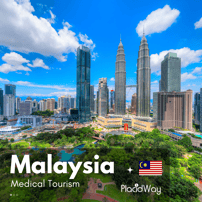
How Effective is Stem Cell Therapy for Spinal Stenosis Treatment in Malaysia?
Stem cell therapy for spinal stenosis in Malaysia shows promising potential as a regenerative treatment, aiming to reduce pain and improve function by addressing tissue damage. While not a universal cure, many patients report significant improvements in their symptoms and overall quality of life. Living with spinal stenosis can be incredibly challenging, bringing persistent back pain, numbness, tingling, and weakness that significantly impact daily life. This condition, often caused by the natural wear and tear of aging, can severely restrict mobility and diminish overall well-being, leading many to search for effective, long-lasting relief beyond traditional methods. For those grappling with the debilitating effects of spinal stenosis, the prospect of regenerative treatments offers a beacon of hope. One such innovative approach gaining considerable attention globally, and particularly in regions known for advanced medical care, is stem cell therapy. Understanding its effectiveness for spinal stenosis treatment in Malaysia has become a crucial point of inquiry for patients exploring their options. Malaysia has impressively positioned itself as a premier hub for medical tourism, distinguishing itself with state-of-the-art healthcare facilities and an embrace of cutting-edge medical solutions. Stem cell therapy, a key pillar of regenerative medicine, fundamentally aims to harness the body's intrinsic healing capabilities. This involves using specialized cells to promote the repair of damaged tissues and to reduce the chronic inflammation typically associated with spinal stenosis. The appeal of this approach lies in its potential to not just alleviate current symptoms, but also to potentially address the root causes of the condition, offering a more sustainable path to recovery. Given Malaysia's commitment to high standards in medical care and its growing expertise in regenerative therapies, it’s no wonder many patients are looking to this nation for advanced spinal stenosis treatments. What is spinal stenosis? Spinal stenosis is a narrowing of the spaces within your spine, which can put pressure on the nerves that travel through the spine, leading to pain, numbness, or weakness, particularly in the lower back and legs. Spinal stenosis is a common condition that typically develops as people age, though it can also be caused by injuries, tumors, or congenital factors. It occurs when the spinal canal, which houses the spinal cord and nerve roots, becomes constricted. This narrowing can be due to several factors, including thickened ligaments, bone spurs (osteophytes), bulging or herniated discs, and degenerative arthritis (osteoarthritis) of the spine. The pressure on the nerves within the narrowed spinal canal can cause a range of symptoms. These often include pain, tingling, numbness, and muscle weakness in the lower back, buttocks, and legs. Symptoms are often exacerbated by standing or walking and may be relieved by sitting or leaning forward. The severity of symptoms can vary widely, from mild discomfort to debilitating pain that significantly affects mobility and quality of life. How does stem cell therapy work for spinal stenosis? Stem cell therapy for spinal stenosis involves injecting specialized cells into the affected spinal area to promote tissue repair, reduce inflammation, and regenerate damaged cartilage or disc material, thereby alleviating nerve compression. Stem cell therapy leverages the unique ability of stem cells to differentiate into various cell types and to promote tissue regeneration. For spinal stenosis, mesenchymal stem cells (MSCs) are often used. These cells are typically harvested from a patient's own bone marrow or adipose (fat) tissue, ensuring biocompatibility and minimizing rejection risks. Once processed, these concentrated cells are precisely injected into the damaged areas of the spine, such as degenerated discs, ligaments, or facet joints. The injected stem cells work through several mechanisms. They possess strong anti-inflammatory properties, which can help to reduce swelling and pain in the compressed spinal area. Furthermore, stem cells release growth factors and cytokines that stimulate the body's own healing processes, encouraging the repair and regeneration of damaged cartilage, bone, and disc tissue. This regenerative potential can help to restore the structural integrity of the spinal components, potentially increasing the space around the nerves and alleviating pressure. The goal is to not only reduce symptoms but also to address the underlying degenerative changes that contribute to spinal stenosis, offering a more long-term solution compared to symptomatic treatments. The exact protocol, including the type and source of stem cells, as well as the number of injections, will depend on the individual patient's condition and the specific approach chosen by the medical professional. Is stem cell therapy for spinal stenosis approved in Malaysia? In Malaysia, stem cell therapy for certain conditions is regulated, and specific treatments for spinal stenosis may be available under approved clinical trials or through registered medical practitioners adhering to strict guidelines set by the Ministry of Health. Malaysia has a progressive stance on regenerative medicine, including stem cell therapies, balancing innovation with patient safety. The country's Ministry of Health (MOH) oversees the regulation of cell and gene therapy products (CGTPs), ensuring that treatments offered meet stringent safety and efficacy standards. While broad approval for all stem cell applications might still be evolving, specific protocols and indications for therapies, including those for degenerative conditions like spinal stenosis, are available through licensed medical facilities. Patients considering stem cell therapy for spinal stenosis in Malaysia should ensure that the clinic and the treatment protocol are compliant with the local regulations. This typically means that the therapy is administered by qualified medical professionals in accredited facilities, often as part of approved clinical research or under specific compassionate use programs. It is crucial to consult with a medical professional in Malaysia to understand the current regulatory landscape and the availability of specific stem cell treatments for your condition. What are the reported success rates of stem cell therapy for spinal stenosis? Reported success rates for stem cell therapy for spinal stenosis vary, with many studies and patient testimonials indicating significant improvement in pain reduction and functional abilities, ranging from 60% to 80% effectiveness in symptom relief for suitable candidates. The effectiveness of stem cell therapy for spinal stenosis is a subject of ongoing research and clinical observation. While large-scale, long-term randomized controlled trials are still developing, existing studies and clinical experiences offer encouraging data. Many patients undergoing stem cell therapy for spinal stenosis report noticeable improvements in their symptoms, including reduced pain, decreased numbness, and enhanced mobility. These improvements can lead to a significant increase in their quality of life, allowing them to perform daily activities with greater ease. It's important to understand that "success" can be measured in various ways, from complete pain resolution to a substantial reduction in symptoms that lessens the need for pain medication or further invasive procedures. Factors influencing success rates include the severity of the stenosis, the patient's overall health, the source and type of stem cells used, and the precision of the injection. While some individuals may experience remarkable recovery, others might find more modest but still meaningful relief. Patients should have realistic expectations and discuss potential outcomes thoroughly with their medical team. The therapy is generally considered to be most effective for patients with mild to moderate stenosis and those who have not responded well to conventional non-surgical treatments. Who is a suitable candidate for stem cell therapy for spinal stenosis? Suitable candidates for stem cell therapy for spinal stenosis typically include individuals with mild to moderate symptoms who have not found relief from conservative treatments and are generally in good overall health without certain contraindications. Determining suitability for stem cell therapy for spinal stenosis involves a comprehensive medical evaluation by a qualified specialist. Ideal candidates often present with chronic back and leg pain, numbness, or weakness attributable to spinal stenosis, particularly if these symptoms have not significantly improved with physical therapy, medication, or other conventional non-surgical approaches. The degree of stenosis is also a factor; patients with severe spinal cord compression may require surgical intervention. General health plays a crucial role. Patients should ideally be free from active infections, certain types of cancer, or severe underlying medical conditions that could compromise the safety or effectiveness of the procedure. A detailed review of the patient's medical history, imaging studies (such as MRI scans), and a physical examination are essential to confirm the diagnosis and assess the extent of the spinal degeneration. The goal is to ensure that stem cell therapy offers a reasonable prospect of benefit with minimal risks. Contraindications may include uncontrolled diabetes, specific blood disorders, or certain autoimmune conditions. The medical team will evaluate each case individually to determine if stem cell therapy is the most appropriate and beneficial treatment option, ensuring patient safety and maximizing potential outcomes. What are the potential risks and side effects of stem cell therapy for spinal stenosis? Potential risks of stem cell therapy for spinal stenosis are generally low but can include injection-related issues like pain, bruising, infection, or nerve irritation, and rarely, adverse reactions to the cells themselves, though serious complications are uncommon with proper medical protocols. As with any medical procedure, stem cell therapy carries some potential risks and side effects, though generally considered to be minimal, especially when using autologous cells (cells from the patient's own body). Most reported side effects are associated with the injection process itself, rather than the stem cells. These can include temporary localized pain, bruising, or swelling at the injection site or at the site where stem cells were harvested (e.g., hip for bone marrow, abdomen for fat). More serious, though rare, risks can include infection, bleeding, or nerve damage from the injection. There is also a theoretical risk of adverse immune reactions, though this is significantly reduced with autologous stem cells. Patients should be monitored for any signs of allergic reaction or systemic issues. It is important to choose a reputable clinic with experienced medical professionals who adhere to strict sterile techniques and safety protocols to mitigate these risks. Patients should always discuss all potential risks and benefits with their treating physician before undergoing stem cell therapy. Understanding these possibilities allows for informed decision-making and ensures that any post-procedure symptoms are promptly addressed. Serious complications from properly administered stem cell therapies for spinal conditions are generally uncommon. What is the typical cost of stem cell therapy for spinal stenosis in Malaysia? The typical cost of stem cell therapy for spinal stenosis in Malaysia can range from approximately $8,000 to $15,000 USD or more, depending on the severity of the condition, the type and number of stem cell injections required, and the specific clinic or facility. The cost of stem cell therapy for spinal stenosis in Malaysia is a significant consideration for many patients, especially those traveling for medical tourism. The exact price can vary widely based on several factors. These include the complexity of the patient's condition, the source of the stem cells (e.g., bone marrow aspirate concentrate (BMAC) or adipose-derived stem cells (ADSCs)), the number of treatment sessions needed, and the specific medical facility or clinic chosen. Generally, the costs are competitive when compared to Western countries, often offering high-quality treatment at a more affordable price point. Patients should expect the total cost to encompass not only the stem cell procedure itself but potentially also pre-treatment consultations, diagnostic imaging (like MRI scans), post-treatment follow-ups, and any necessary medications. It is advisable to obtain a detailed cost breakdown from the medical provider beforehand to understand what is included in the quoted price. When comparing costs, it's also important to consider the overall value, which includes the expertise of the medical team, the quality of the facility, and the level of personalized care. Malaysia's reputation for high-quality, cost-effective medical care makes it an attractive destination for advanced treatments like stem cell therapy. Why consider Malaysia for spinal stenosis stem cell treatment? Malaysia is a compelling destination for spinal stenosis stem cell treatment due to its advanced medical infrastructure, highly skilled specialists, competitive treatment costs, and a well-regulated healthcare system, making it an excellent choice for medical tourism. Malaysia has firmly established itself as a leading destination for medical tourism, attracting patients from around the globe seeking high-quality healthcare services. For individuals considering stem cell therapy for spinal stenosis, Malaysia offers several distinct advantages. The country boasts state-of-the-art medical facilities equipped with modern technology and staffed by internationally trained and experienced medical professionals. Many doctors and surgeons in Malaysia have specialized training in regenerative medicine and spinal care, ensuring a high standard of treatment. Furthermore, the cost-effectiveness of medical treatments in Malaysia is a significant draw. Patients can often receive advanced therapies, including stem cell procedures, at a fraction of the cost compared to similar treatments in Western countries, without compromising on quality or safety. The Malaysian government actively supports and regulates the medical tourism industry, ensuring that facilities adhere to strict international standards and provide transparent pricing. Beyond the medical aspects, Malaysia offers a comfortable and welcoming environment for international patients. English is widely spoken, facilitating easy communication, and the country's rich cultural diversity and excellent hospitality services contribute to a positive overall patient experience. This combination of medical excellence, affordability, and patient-centric services makes Malaysia an appealing choice for those seeking stem cell therapy for spinal stenosis. How long does it take to see results after stem cell therapy for spinal stenosis? Patients typically begin to experience noticeable improvements within 4 to 8 weeks after stem cell therapy for spinal stenosis, with continued enhancement over several months as the regenerative processes take effect. Full results may develop over 3 to 6 months. The timeline for experiencing results after stem cell therapy for spinal stenosis can vary from patient to patient, as the regenerative process is gradual and depends on individual healing capabilities and the severity of the condition. While some patients might report subtle improvements in pain or mobility within a few weeks, more significant and sustained benefits typically become evident after 1 to 2 months. This initial period allows the anti-inflammatory effects of the stem cells to reduce swelling and irritation around the nerves. As the stem cells continue their work, promoting tissue repair and regeneration, patients often experience progressive improvement over the subsequent months. The full benefits of the therapy, such as increased functional ability and reduced reliance on pain medication, often manifest between 3 to 6 months post-treatment. It's crucial for patients to understand that stem cell therapy is not an instant cure but rather a biological process that encourages the body's natural healing mechanisms. Adherence to post-treatment guidelines, including physical therapy and lifestyle modifications, can also play a crucial role in optimizing and accelerating recovery. Regular follow-ups with the medical team are important to monitor progress and address any concerns throughout the healing period. What alternative treatments are available for spinal stenosis in Malaysia? Alternative treatments for spinal stenosis in Malaysia include conservative options like physical therapy, medication, and epidural steroid injections, as well as surgical interventions such as laminectomy or spinal fusion for severe cases. For individuals diagnosed with spinal stenosis, a range of treatment options are available in Malaysia, catering to varying degrees of severity and patient preferences. These treatments can broadly be categorized into conservative (non-surgical) and surgical approaches. Conservative treatments are often the first line of defense, aiming to manage symptoms and improve function without invasive procedures. Non-Surgical Treatments: Physical Therapy: Exercises to strengthen core muscles, improve posture, and increase flexibility can alleviate pressure on spinal nerves. Medications: Pain relievers (NSAIDs), muscle relaxants, and nerve pain medications can help manage symptoms. Epidural Steroid Injections: Corticosteroids injected into the epidural space can reduce inflammation and pain around the nerve roots. Chiropractic Care and Acupuncture: Some patients find relief through these complementary therapies. Surgical Treatments: When conservative treatments fail to provide adequate relief, or in cases of severe nerve compression causing progressive neurological deficits, surgical options may be considered. These include: Laminectomy: The most common surgery for spinal stenosis, it involves removing part of the vertebral bone (lamina) to create more space for the nerves. Laminotomy: A less invasive procedure where only a small part of the lamina is removed. Spinal Fusion: May be performed alongside laminectomy to stabilize the spine, especially if there is instability or multiple levels are affected. This involves permanently joining two or more vertebrae. Minimally Invasive Spine Surgery (MISS): These techniques use smaller incisions and specialized instruments to reduce tissue damage and recovery time. The choice of treatment depends on the individual's specific condition, symptom severity, overall health, and personal preferences, all discussed in detail with a spinal specialist. If you're exploring advanced healthcare solutions or medical tourism options for spinal stenosis or other conditions, PlacidWay can connect you with leading global healthcare providers. Explore our comprehensive services to find the right treatment path for you....
Read more details(56).jpg)
How Much Does Stem Cell Therapy for Spinal Stenosis Cost in Mexico?
Stem cell therapy for spinal stenosis in Mexico typically costs between $5,000 and $15,000 USD, though prices can vary based on the clinic, type of stem cells, and the extent of treatment required. This makes it a significantly more affordable option compared to many Western countries. Understanding the financial aspect of medical treatments is always a primary concern, especially for innovative therapies like stem cell treatment for spinal stenosis. Many individuals suffering from chronic back pain and mobility issues due to spinal stenosis are exploring options beyond conventional surgery or long-term medication, and Mexico has emerged as a leading destination for advanced stem cell therapies. The country offers a compelling combination of experienced medical professionals, state-of-the-art facilities, and often more accessible pricing. This blog post aims to shed light on the costs associated with stem cell therapy for spinal stenosis in Mexico, providing a clear breakdown of what you can expect. We'll delve into the factors that influence pricing, the various types of treatments available, and address common questions related to the procedure and choosing a reputable clinic. If you're considering stem cell therapy as a potential solution for your spinal stenosis, understanding these details is a crucial first step toward making an informed decision. What factors influence the cost of stem cell therapy for spinal stenosis in Mexico? The cost of stem cell therapy for spinal stenosis in Mexico is influenced by the type of stem cells used, the number of injections, the clinic's reputation, included services, and the complexity of the patient's condition. Several key factors contribute to the overall price tag of stem cell therapy for spinal stenosis in Mexico. Understanding these variables can help you better anticipate the expenses involved and compare different treatment packages effectively. It's not a one-size-fits-all cost, as each patient's situation is unique. Primarily, the type and source of stem cells play a significant role. Treatments using mesenchymal stem cells (MSCs) derived from umbilical cord tissue, adipose tissue (fat), or bone marrow can have different price points due to harvesting methods, processing, and cell potency. The number of stem cell injections or applications required, often determined by the severity and extent of your spinal stenosis, will also directly impact the total cost. More extensive or multiple treatments naturally lead to higher expenses. Furthermore, the reputation and experience of the clinic and its medical team are crucial. Established clinics with advanced technology, highly qualified specialists, and a strong track record of successful outcomes may charge more. Additional services, such as initial consultations, diagnostic tests (e.g., MRI scans), post-procedure care, follow-up appointments, and sometimes even local transportation or accommodation assistance, can also be bundled into the overall price, so it's essential to clarify what's included. Is stem cell therapy for spinal stenosis effective? While research is ongoing, many patients undergoing stem cell therapy for spinal stenosis report significant improvements in pain reduction, increased mobility, and enhanced quality of life by promoting tissue regeneration and reducing inflammation. Stem cell therapy offers a promising alternative for individuals suffering from spinal stenosis, a condition where the spinal canal narrows, compressing nerves and causing pain, numbness, and weakness. The goal of stem cell therapy is not just to manage symptoms but to potentially repair damaged tissues and reduce the underlying inflammation contributing to the condition. The mechanism involves injecting concentrated stem cells into the affected areas of the spine. These cells have regenerative properties, meaning they can differentiate into various cell types, such as cartilage, bone, or disc tissue, and release growth factors that stimulate natural healing processes. They also possess powerful anti-inflammatory and immunomodulatory properties, which can help alleviate nerve compression and reduce pain. Patients often seek this therapy when conventional treatments like physical therapy, medication, or even surgery have not provided sufficient relief. Many individuals who have undergone stem cell therapy for spinal stenosis report positive outcomes, including a decrease in chronic pain, improved range of motion, and a return to activities they once enjoyed. However, individual results can vary, and it's important to have realistic expectations and discuss potential outcomes with your doctor. What types of stem cells are used for spinal stenosis treatment in Mexico? In Mexico, mesenchymal stem cells (MSCs) derived from umbilical cord tissue, adipose tissue (fat), and bone marrow are commonly used for spinal stenosis treatment due to their regenerative and anti-inflammatory properties. The choice of stem cell source is a critical aspect of spinal stenosis treatment, as different types of stem cells have varying characteristics and applications. Mexican clinics typically specialize in certain types of stem cells based on their expertise and available technology. Mesenchymal Stem Cells (MSCs): These are the most widely used type of stem cells for orthopedic and degenerative conditions like spinal stenosis. MSCs are multipotent, meaning they can differentiate into various cell types, including bone, cartilage, muscle, and fat cells. They also secrete growth factors and anti-inflammatory molecules that promote healing and reduce pain. Umbilical Cord Stem Cells: Often considered "younger" and more potent, these allogeneic (donor-derived) MSCs are harvested from donated umbilical cords after healthy births. They are typically abundant, highly proliferative, and have low immunogenicity, meaning they are less likely to be rejected by the recipient's body. They do not require harvesting from the patient, simplifying the procedure. Adipose-Derived Stem Cells (ADSCs): These autologous (patient's own) stem cells are harvested from the patient's fat tissue, usually through a mini-liposuction procedure. ADSCs are relatively easy to obtain in large quantities and are known for their regenerative potential and ability to modulate inflammation. Bone Marrow Aspirate Concentrate (BMAC): Also autologous, BMAC involves extracting bone marrow, typically from the hip bone, and concentrating the stem cells and growth factors present in it. This concentrate is then injected back into the patient. BMAC is rich in MSCs and other progenitor cells that support tissue repair. The selection of the stem cell type will depend on the patient's overall health, the severity of their condition, and the specific protocols of the treating clinic. Each source has its advantages and considerations regarding harvesting, processing, and therapeutic potential. What does the stem cell therapy procedure for spinal stenosis involve? The stem cell therapy procedure for spinal stenosis typically involves an initial consultation, diagnostic imaging, stem cell harvesting (if autologous), processing the cells, and then precise injection into the affected spinal areas, often guided by fluoroscopy. The process of receiving stem cell therapy for spinal stenosis is usually well-structured, involving several key stages designed to ensure safety and effectiveness. While specific protocols can vary slightly between clinics and based on the type of stem cells used, the general steps remain consistent. It begins with a comprehensive consultation and evaluation by the medical team. This includes a thorough review of your medical history, physical examination, and analysis of diagnostic images such as MRI or CT scans to precisely identify the affected areas of spinal stenosis. This initial assessment is crucial for determining if you are a suitable candidate for the therapy and for tailoring a personalized treatment plan. If autologous stem cells (from your own body) are used, the next step is the harvesting procedure. For adipose-derived stem cells, a small amount of fat is typically removed from the abdomen or flank via a mini-liposuction. For bone marrow aspirate concentrate, bone marrow is extracted from the iliac crest (hip bone). These harvested cells are then carefully processed in a specialized laboratory to concentrate the stem cells, preparing them for injection. If allogeneic stem cells (like umbilical cord-derived MSCs) are used, this harvesting step is not required. Finally, the concentrated stem cells are precisely injected into the target areas of the spine, which might include epidural space, facet joints, or damaged discs. This injection is often performed under fluoroscopic (X-ray) or ultrasound guidance to ensure accurate placement and maximize therapeutic benefit. The procedure is typically minimally invasive, often performed on an outpatient basis, and patients can usually return home the same day. How long is the recovery period after stem cell therapy for spinal stenosis? The recovery period after stem cell therapy for spinal stenosis is generally short, with most patients resuming light activities within a few days, though significant improvements in symptoms may take weeks to months as the cells work to regenerate tissue. One of the appealing aspects of stem cell therapy is its minimally invasive nature, which often translates to a relatively quick initial recovery compared to surgical interventions. Immediately following the procedure, patients might experience some mild soreness, bruising, or swelling at the injection site, which usually subsides within a few days. Patients are typically advised to rest and avoid strenuous activities for the first 24-48 hours. Light activities, such as walking, can usually be resumed shortly thereafter. However, it's important to follow your doctor's specific post-treatment instructions, which may include avoiding heavy lifting, high-impact exercises, or certain medications that could interfere with the healing process. While the initial recovery from the procedure itself is quick, the biological process of tissue regeneration and inflammation reduction takes time. Patients often begin to notice improvements in their symptoms, such as reduced pain and increased mobility, within a few weeks to a couple of months, with continued improvement over six months to a year. Physical therapy or specific exercises may be recommended as part of a comprehensive recovery plan to optimize results. Why choose Mexico for stem cell therapy for spinal stenosis? Mexico is a popular destination for stem cell therapy for spinal stenosis due to its significantly lower costs, advanced medical facilities, highly trained specialists, and less stringent regulatory environment, offering accessible treatment options. Mexico has become a leading hub for medical tourism, particularly for advanced and regenerative therapies like stem cell treatment. Several compelling reasons draw international patients seeking relief from spinal stenosis to clinics south of the border. Firstly, cost-effectiveness is a major driver. The price of stem cell therapy in Mexico can be considerably lower than in countries like the United States, Canada, or Europe, often representing savings of 50% or more, even when accounting for travel and accommodation. This makes innovative treatments more accessible to a wider range of patients who might otherwise be unable to afford them. Secondly, Mexico boasts a growing number of modern medical facilities equipped with cutting-edge technology and staffed by highly skilled doctors and specialists. Many of these professionals have received training in the U.S. or Europe and are experienced in performing complex regenerative procedures. The country's medical tourism sector is well-developed, with clinics often providing comprehensive services tailored to international patients, including English-speaking staff and logistical support. Lastly, while regulatory frameworks exist, some aspects of stem cell research and application in Mexico are perceived as less restrictive than in some other nations, allowing for the faster adoption of promising therapies. This environment, combined with the factors above, makes Mexico an attractive option for those exploring alternative treatments for chronic conditions like spinal stenosis. Are Mexican clinics regulated for stem cell therapy? Yes, Mexican clinics offering stem cell therapy are regulated by Cofepris, the federal health authority. It's crucial for patients to research and choose clinics that are properly licensed and adhere to strict safety and quality standards. The regulation of stem cell therapy is a significant concern for patients, and rightfully so. In Mexico, the primary regulatory body overseeing healthcare facilities and treatments, including stem cell therapies, is the Federal Commission for the Protection against Sanitary Risks (Cofepris). Cofepris is responsible for issuing licenses, monitoring medical practices, and ensuring that health products and services meet national standards. Reputable clinics in Mexico that offer stem cell therapy for spinal stenosis operate under the guidelines set forth by Cofepris. They must adhere to strict protocols regarding the sourcing, processing, and administration of stem cells, ensuring patient safety and treatment efficacy. These clinics often have state-of-the-art laboratories that comply with Good Manufacturing Practices (GMP) and Good Laboratory Practices (GLP). However, as with any medical tourism destination, it is paramount for patients to conduct thorough due diligence. Verifying a clinic's licensing, accreditation, and the qualifications of its medical staff is essential. Asking for proof of regulatory compliance and patient testimonials can help ensure you are choosing a legitimate and safe provider for your stem cell treatment in Mexico. What are the benefits of stem cell therapy for spinal stenosis? Benefits of stem cell therapy for spinal stenosis include reduced chronic pain, improved spinal mobility, potential tissue regeneration, decreased reliance on pain medication, and a minimally invasive approach compared to surgery. For individuals struggling with the debilitating symptoms of spinal stenosis, stem cell therapy offers a range of potential benefits that can significantly improve their quality of life. Unlike traditional treatments that often focus solely on symptom management or involve invasive surgery, stem cell therapy aims to address the root causes of the condition. One of the most immediate and impactful benefits reported by patients is a significant reduction in chronic pain. By reducing inflammation and potentially repairing damaged nerve and disc tissue, stem cells can alleviate the pressure on spinal nerves, which is the primary source of pain, numbness, and tingling associated with spinal stenosis. This can lead to a decreased reliance on pain medications, improving overall well-being and reducing potential side effects from long-term drug use. Furthermore, stem cell therapy can contribute to improved spinal mobility and function. As inflammation subsides and tissues regenerate, patients often experience an increased range of motion, allowing them to participate in activities they previously found difficult or impossible. This regenerative potential offers a more holistic healing approach, fostering natural repair mechanisms within the body. Being a minimally invasive procedure, it also avoids the risks and prolonged recovery associated with spinal surgery, making it an attractive option for many. What are the potential risks and side effects of stem cell therapy for spinal stenosis? Potential risks of stem cell therapy for spinal stenosis are generally low but can include temporary pain or swelling at the injection site, infection, bleeding, nerve damage, or, in very rare cases, adverse reactions to the cells. While stem cell therapy is generally considered safe, particularly with proper medical oversight, it's essential to be aware of potential risks and side effects, as with any medical procedure. Most side effects are minor and temporary, but understanding them can help patients make informed decisions and prepare for their treatment. The most common side effects are usually localized to the injection site. These can include temporary pain, soreness, bruising, or swelling. In cases where autologous cells (from the patient's own body) are harvested, there might also be discomfort or minor complications at the donor site, such as the hip for bone marrow aspirate or the abdomen for adipose tissue. These typically resolve within a few days. More serious, though rare, risks can include infection, bleeding, or nerve damage from the injection itself. There's also a theoretical, albeit very low, risk of adverse immune reactions, especially with allogeneic (donor) cells, though mesenchymal stem cells are known for their low immunogenicity. Choosing a reputable clinic that follows strict sterile protocols and uses image guidance for injections significantly mitigates these risks. Discussing all potential complications with your doctor before treatment is crucial. How to find a reputable clinic in Mexico for stem cell therapy for spinal stenosis? To find a reputable clinic in Mexico for stem cell therapy for spinal stenosis, look for Cofepris licensing, experienced medical staff, transparent pricing, positive patient testimonials, and clinics that offer comprehensive pre- and post-treatment care. Selecting the right clinic is perhaps the most critical step when considering stem cell therapy for spinal stenosis in Mexico. With the growing popularity of medical tourism, it's vital to differentiate between legitimate, high-quality providers and those that may not meet rigorous standards. Start by researching clinics that specialize in regenerative medicine and specifically treat spinal conditions. Verify their licensing with Cofepris, Mexico's federal health authority. A reputable clinic will be transparent about its regulatory compliance and accreditations. Look for clinics that employ board-certified physicians with extensive experience in stem cell applications for spinal stenosis, ideally with affiliations to reputable medical institutions. Furthermore, pay attention to the clinic's transparency regarding treatment protocols, the source of their stem cells, and detailed pricing. They should provide a clear breakdown of costs and what is included in the package. Seek out patient testimonials, reviews, and success stories, but also be realistic about individual outcomes. Finally, a good clinic will offer thorough pre-treatment evaluations, explain the procedure in detail, and provide comprehensive post-treatment follow-up and support, ensuring continuity of care. Don't hesitate to ask questions and seek multiple opinions before making your decision. If you are exploring stem cell therapy for spinal stenosis or other innovative healthcare solutions, PlacidWay can help guide you through your options. Visit PlacidWay to connect with leading clinics and specialists worldwide, ensuring you receive the care you deserve....
Read more detailsShare with AI
Share this page with AI assistants to get summaries and insights


Explore Stem Cell Therapy for Spinal Stenosis: Stories, Testimonials, and Procedures
Watch in-depth videos covering everything from Stem Cell Therapy for Spinal Stenosis success stories to detailed procedure explanations. Learn what to expect and hear from real patients.

Can Stem Cell Therapy in Bangkok Thailand Really Fix Everything Explained by EDNA Wellness
Cancer Treatment
EDNA Wellness - Surgeon-Led Stem Cell Clinic in Bangkok Thailand
Bangkok, Thailand
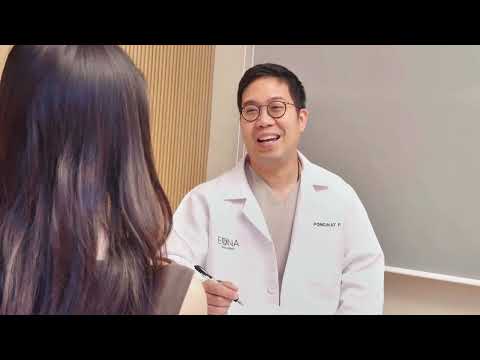
Experience Deep Healing and Better Living at EDNA Wellness Stem Cell Clinic in Bangkok
Cancer Treatment
EDNA Wellness - Surgeon-Led Stem Cell Clinic in Bangkok Thailand
Bangkok, Thailand

Chloe Jade Experience: NAD Therapy in Bangkok Thailand at EDNA Wellness
Cancer Treatment
EDNA Wellness - Surgeon-Led Stem Cell Clinic in Bangkok Thailand
Bangkok, Thailand
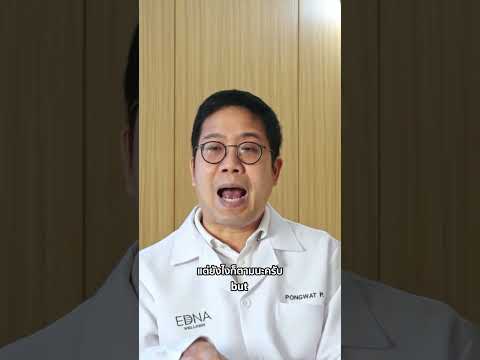
Can Driving Cause Knee Pain and How Stem Cell in Bangkok Thailand May Help
Cancer Treatment
EDNA Wellness - Surgeon-Led Stem Cell Clinic in Bangkok Thailand
Bangkok, Thailand
Unlock the Best Stem Cell Therapy for Spinal Stenosis Packages Just for You
Discover the ultimate Stem Cell Therapy for Spinal Stenosis packages designed to meet your health and wellness goals. Choose the perfect fit for your journey.

Price starting from $7,099
Stem Cell Therapy for Spinal Stenosis Package in Tijuana, Mexico by CellsTime Clinique
CellsTime Clinique Tijuana
- Stem Cell Therapy
Tijuana, Mexico

Price starting from $4,000
Advanced Shoulder Regeneration & Recovery Protocol
CellsClinic in in San Pedro Garza Garcia, Mexico
- Stem Cell Therapy
San Pedro Garza Garcia, Mexico

Price starting from $6,000
Stem Cell Therapy for Cellular Rejuvenation and Longevity Package in San Pedro Garza Garcia, Mexico by CellsClinic
CellsClinic in in San Pedro Garza Garcia, Mexico
- Stem Cell Therapy
San Pedro Garza Garcia, Mexico

Price starting from $3,000
Stem Cell Therapy for Cellular Wellness Package in San Pedro Garza Garcia, Mexico by CellsClinic
CellsClinic in in San Pedro Garza Garcia, Mexico
- Stem Cell Therapy
San Pedro Garza Garcia, Mexico
Transformative Stem Cell Therapy for Spinal Stenosis Experiences: Dive into Procedure Insights
Discover the power of Stem Cell Therapy for Spinal Stenosis through compelling patient experiences. Uncover detailed insights into procedures, recovery journeys, and life-changing results.

Price starting from $18,000
Stem Cell Therapy for Alzheimer’s Disease in Puerto Vallarta, Mexico
- Stem Cell Treatment for Alzheimers Disease, Stem Cell Therapy
Puerto Vallarta, Mexico

Price starting from $15,000
Stem Cell Therapy for Autism in Puerto Vallarta, Mexico
- Stem Cell Treatment for Autism, Stem Cell Therapy
Puerto Vallarta, Mexico

Price starting from $7,099
Stem Cell Therapy for Spinal Stenosis in Tijuana, Mexico
- Stem Cell Therapy for Spinal Stenosis, Stem Cell Therapy
Tijuana, Mexico

Price starting from $19,500
Stem Cell Therapy for Heart Disease in Puerto Vallarta, Mexico
- Stem Cell Therapy for Heart Disease, Stem Cell Therapy
Puerto Vallarta, Mexico







