
What treatment


10+ Most Common FAQs About Stem Cell Therapy for a Meniscus Tear
Find Reliable Answers About Stem Cell Therapy for a Meniscus Tear to Make Informed Decisions
Trusted Medical Tourism Platform Since 2007
.jpg)
What Are the Benefits of Stem Cell Therapy for Joint Pain in Costa Rica?
The main benefits of stem cell therapy for joint pain in Costa Rica include access to expanded mesenchymal stem cells (MSCs) which are often restricted in the US, cost savings of 60%, and minimally invasive treatments that speed up recovery and reduce inflammation effectively. Living with chronic joint pain can feel like a losing battle. Whether it is osteoarthritis in your knees, a nagging shoulder injury, or hip pain that keeps you up at night, the standard options are often grim: a lifetime of painkillers or invasive joint replacement surgery. If you have been searching for alternatives, you have likely heard about the regenerative potential of stem cells. However, in many Western countries, strict regulations limit the types of stem cell treatments available, often making them less effective or incredibly expensive. This is why thousands of patients are turning their eyes south. Stem cell therapy for joint pain in Costa Rica has become a beacon of hope for those seeking real relief. Unlike the United States, where treatments are often limited to "same-day" procedures with lower cell counts, Costa Rica allows for the cultivation and expansion of stem cells. This means you can receive millions more potent cells, potentially leading to better healing outcomes. It is not just about a vacation in paradise; it is about accessing advanced medical science that focuses on repairing your body rather than just masking the symptoms. In this guide, we will cut through the medical jargon and explain exactly why this small Central American nation is a giant in the field of regenerative medicine. We will look at the legal framework that makes these treatments possible, break down the costs compared to North America, and answer the safety questions keeping you up at night. From understanding how these cells work to knowing what to expect during recovery, we cover every angle to help you decide if this path is right for you. What is stem cell therapy for joint pain? Stem cell therapy is a regenerative procedure where potent cells, usually mesenchymal stem cells (MSCs), are injected into damaged joints. These cells reduce inflammation and modulate the immune system to promote the repair of cartilage, tendons, and ligaments. Think of stem cells as the body's master repairmen. When injected into an arthritic knee or a torn rotator cuff, they don't just sit there; they signal your body to start healing. They release growth factors and anti-inflammatory proteins that calm the angry, swollen environment inside a damaged joint. This process helps to stop the degradation of cartilage and, in many cases, helps rebuild tissue that has been worn away. The therapy typically uses adult stem cells, which can be harvested from your own body (autologous) or from a donor (allogeneic), such as from umbilical cord tissue. In the context of joint pain, the goal is to improve function and reduce pain without the downtime and risks associated with surgery. It is important to note that this is different from a simple cortisone shot, which only reduces inflammation temporarily. Stem cell therapy aims to change the biology of the joint environment for long-term relief. Why is Costa Rica a top destination for this treatment? Costa Rica is a top destination because its regulations allow for the cultivation and expansion of stem cells. This allows clinics to administer dosages of 100 million+ cells, which is vastly higher than what is typically permitted in the US, leading to potentially superior results. The key difference lies in the "cell count." In the United States, the FDA generally restricts clinics to using stem cells that are harvested and re-injected on the same day without manipulating them. This often results in a lower number of viable cells. In Costa Rica, laboratories are legally permitted to culture these cells over several weeks, multiplying them into the millions. For a patient with severe arthritis, receiving 100 million expanded cells offers a much stronger therapeutic punch than receiving a few thousand. This "expansion" is the primary medical reason patients travel here. Additionally, Costa Rica has a long history of medical tourism, with highly trained doctors who often speak perfect English and facilities that rival those in Miami or Houston. How much does stem cell therapy cost in Costa Rica? Stem cell therapy for joint pain in Costa Rica typically ranges from $5,000 to $25,000 depending on the number of joints treated and the cell count. This is often 50-60% less than comparable high-dose treatments available in other countries. Cost is a major factor. While regenerative medicine is an investment, the value proposition in Costa Rica is undeniable. You are paying for the advanced laboratory work required to grow the cells, not just the doctor's time. Below is a comparison of estimated costs for similar protocols (note that high-dose expanded cell treatments are not widely available in the US, making direct comparison difficult, so we compare against available alternatives): Treatment Type Costa Rica Cost (Avg) USA Cost (Avg) Panama Cost (Avg) Single Joint (Knee/Hip) $3,000 - $6,000 $5,000 - $10,000* $4,000 - $8,000 Multiple Joints + IV $15,000 - $25,000 $30,000+ (if avail) $18,000 - $28,000 Cell Count (Avg) 50 - 100 Million+ Low (Non-expanded) 50 - 100 Million+ *US prices often reflect non-expanded bone marrow concentrate, not high-dose cultured cells. What types of stem cells are used? Clinics in Costa Rica primarily use Mesenchymal Stem Cells (MSCs) derived from Umbilical Cord Tissue (Wharton's Jelly) or the patient's own Adipose (Fat) Tissue. Umbilical cells are popular because they are "young," potent, and immune-privileged. Umbilical Cord Stem Cells (donated from healthy C-section births) are the gold standard for many international patients. These cells are considered "day zero" cells—they haven't been exposed to aging, toxins, or disease. They replicate faster and secrete more healing factors than stem cells taken from an older patient's body. Adipose-derived cells are taken from your own fat via a mini-liposuction. While effective, the potency of these cells can decline with age. If you are over 60, using your own cells might not be as effective as using donor cells. Bone marrow stem cells are less common for simple joint pain in Costa Rica because the extraction is painful and yields fewer MSCs compared to fat or umbilical cord tissue. Is stem cell therapy legal in Costa Rica? Yes, it is legal and regulated. The Ministry of Health in Costa Rica oversees stem cell clinics. Unlike "wild west" markets, Costa Rica has a framework permitting the use of adult stem cells, provided the clinic has the proper permits and follows ethical guidelines. Costa Rica is not an unregulated black market. In fact, it was one of the first countries in the region to establish clear regulations for regenerative medicine. The Ministry of Health grants licenses to clinics that meet strict bio-safety and laboratory standards. However, you must still do your homework. Ensure the clinic you choose is fully licensed to perform stem cell therapy specifically, not just general medicine. The use of embryonic stem cells (from unborn fetuses) is illegal and ethically prohibited; reputable clinics only use adult MSCs. Which joints can be treated effectively? The most common and effective treatments are for knees (osteoarthritis), hips, and shoulders (rotator cuff). It is also used for elbows, ankles, and sometimes spinal facets, though spinal success rates can vary more than peripheral joints. Knees respond particularly well to stem cell therapy because the joint space is easy to access and contains cartilage that can be preserved. Patients with "bone-on-bone" friction may find relief from pain, though regrowing a full meniscus is rare. The goal is to reduce the inflammation causing the pain. Shoulders are another success story. Partial tears in the rotator cuff often heal well with stem cell injections, potentially saving the patient from difficult shoulder surgery. Hips are trickier due to the depth of the joint, often requiring ultrasound or fluoroscopic guidance to ensure the cells land exactly where they are needed. Can stem cells actually regrow cartilage? Stem cells can stimulate the repair of cartilage tissue, but they do not typically regrow an entire joint that is completely worn away. They work best by preserving remaining cartilage, improving lubrication, and healing micro-tears. It is important to manage expectations. If you have absolutely no cartilage left, stem cells won't magically grow you a new knee. However, they can significantly improve the quality of the tissue that remains. The primary mechanism is actually anti-inflammatory. By stopping the chronic inflammation that eats away at cartilage, the cells arrest the disease process. This often leads to significant pain reduction and improved mobility, even if X-rays don't show a massive increase in cartilage thickness. What are the benefits compared to joint replacement surgery? The main benefits are minimal downtime, no risk of implant rejection, and avoiding the major risks of surgery like clots or infection. Stem cell therapy is a needle-based procedure, allowing you to walk out of the clinic the same day. Joint replacement is a major trauma. It involves sawing off bone and inserting metal and plastic. Recovery takes months, and the implant has a limited lifespan. Stem cell therapy for joint pain in Costa Rica is minimally invasive. There are no large incisions and no general anesthesia required for the injection itself. You preserve your natural anatomy. If the treatment works, you delay or completely avoid the need for metal implants. If it fails, you can still have surgery later—you haven't burned any bridges. How long does the procedure take? The actual injection process takes only 60 to 90 minutes. However, most treatment protocols in Costa Rica span 3 to 5 days to allow for multiple sessions, IV infusions, and monitoring. While the injection is quick, you don't just fly in and fly out. A typical itinerary involves an initial consultation and blood work on day one. Day two or three involves the treatment, often combined with IV vitamin therapies or exosomes to boost the cells' effectiveness. Some clinics offer a "loading dose" where you might receive millions of cells via IV (intravenously) for systemic benefits, followed by direct injections into the painful joints. This comprehensive approach is why a multi-day stay is recommended. What is the recovery time like? Recovery is quick. Most patients can walk immediately after the procedure, though the joint may feel stiff or sore for 24 to 48 hours. You are usually advised to rest for a few days and avoid strenuous exercise for at least 4 weeks. Compared to the months of rehab after surgery, this is a breeze. You might experience a "flare-up" of pain in the joint for a day or two—this is actually a good sign that the inflammatory healing response has been triggered. By week 4, most patients start to notice improvements in pain levels. The full benefits typically peak around the 3 to 6-month mark as the tissues repair and inflammation subsides. Are there any side effects? Serious side effects are extremely rare. The most common issues are temporary swelling and pain at the injection site. Because MSCs lack the proteins that trigger immune rejection, there is almost zero risk of your body rejecting donor cells. Safety is a common worry. However, Mesenchymal Stem Cells are "immune-privileged," meaning the patient's immune system doesn't recognize them as foreign. This eliminates the need for immune-suppressing drugs. Infection is a risk with any injection, which is why choosing a sterile, accredited facility in Costa Rica is crucial. To date, reputable clinics have excellent safety records comparable to US standards. How do I know if I am a good candidate? Ideal candidates are those with mild to moderate osteoarthritis or soft tissue injuries who want to avoid surgery. If your joint is completely fused or you have active cancer or a severe infection, you may not be eligible. Doctors will review your X-rays or MRI scans before you ever book a flight. They look for the amount of joint space remaining. If you are "bone-on-bone" with severe deformity, stem cells might help with pain but won't correct the mechanical alignment issue. Age is also a factor. While there is no upper age limit, general health matters. Patients who are generally healthy, non-smokers, and active tend to see the best results. What safety standards do Costa Rican clinics follow? Top clinics adhere to ISO laboratory standards and often have AAAHC or equivalent accreditation. They use ISO-7 clean rooms for cell processing to ensure sterility and verify cell viability before implantation. Not all clinics are created equal. You want to look for a facility that processes its cells in a certified clean room. Ask for their "Certificate of Analysis" (COA). This document proves that the cells they are giving you are alive, sterile, and free from disease markers. Reputable doctors in Costa Rica are often members of international boards and regularly attend conferences in the US and Europe to stay updated on protocols. How many treatments will I need? Many patients see significant relief after just one comprehensive treatment. However, depending on the severity of the degeneration, a "booster" treatment may be recommended 12 to 18 months later to maintain the benefits. Unlike a daily pill, this is a long-acting therapy. One high-dose injection of 50-100 million cells can provide relief for years. The cells continue to work in your body for months after the initial visit. Some progressive conditions might require annual maintenance, but for a specific injury or moderate arthritis, "one and done" is often the goal. ...
Read more details

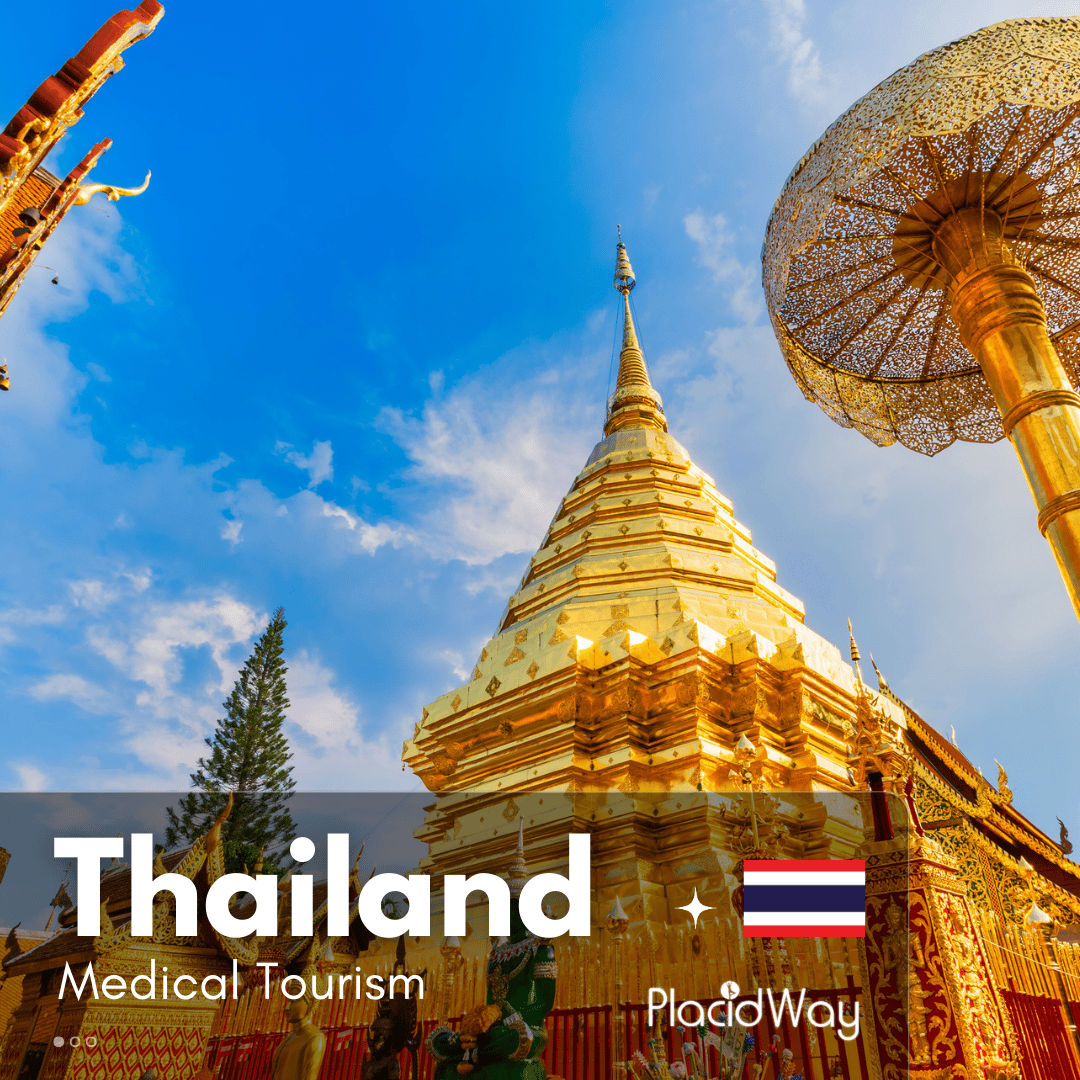
When is Meniscus Tear Stem Cell Therapy Most Effective in Thailand?
Stem cell therapy for meniscus tears in Thailand is most effective for partial tears, "red zone" injuries with blood supply, and degenerative tears, where the goal is to regenerate tissue and avoid surgical removal (meniscectomy). Knee pain from a torn meniscus can feel like a constant roadblock, stopping you from running, hiking, or simply climbing stairs without a sharp reminder of the injury. For years, the standard solution has been surgery to cut out the damaged part. But in Thailand, a growing number of international patients are finding a different path: regeneration. Thailand has established itself as a global hub for medical tourism, particularly in the field of orthopedics and regenerative medicine. The country combines advanced biotechnology with highly skilled specialists to offer treatments that aim to repair rather than remove. But is it right for everyone? Timing and the specific type of tear matter immensely. In this guide, we will explore exactly when this therapy works best, the costs involved compared to the West, and why Thailand's regulatory environment makes it a trusted destination for your knee recovery. When is the "Golden Window" for effectiveness? "The therapy is most effective when treated early, specifically for tears located in the vascular 'red zone' or 'red-white zone' of the meniscus, where there is still some natural blood supply to support regeneration." Not all meniscus tears are created equal. The meniscus has two distinct zones: the outer third (Red Zone), which has a blood supply, and the inner two-thirds (White Zone), which does not. Stem cells thrive where there is blood flow. Therapy is considered most effective for: Partial Tears: Incomplete tears that haven't displaced the meniscus tissue. Degenerative Tears: Fraying caused by aging or osteoarthritis, which responds poorly to surgery but well to the anti-inflammatory boost of stem cells. Red Zone Injuries: Tears on the outer rim where stem cells can synergize with the body's natural healing mechanisms. It is generally less effective for complex "bucket-handle" tears that have flipped into the joint or fully detached roots, which usually require surgical reattachment first. What is the cost of meniscus stem cell therapy in Thailand? "The cost of stem cell therapy for meniscus tears in Thailand range from $1,750 to $8,500 USD per knee, offering a potential savings of 50-70% compared to the US, where similar regenerative protocols can exceed $15,000." One of the primary reasons patients travel to Bangkok or Phuket is the value proposition. You receive premium care in JCI-accredited hospitals for a fraction of the price back home. The cost varies based on the source of the cells (your own vs. donor) and the number of injections required. Estimated Cost Comparison: Thailand: $1,750 - $8,500 USD United States: $6,000 - $25,000 USD Europe: $7,000 - $15,000 USD Mexico: $3,000 - $8,000 USD How does the procedure actually repair the tear? "Stem cells injected into the knee release potent growth factors and cytokines that reduce inflammation, prevent cell death (apoptosis), and stimulate the recruitment of the body's own repair cells to bridge the tear." Think of stem cells not just as "building blocks," but as "managers." When Mesenchymal Stem Cells (MSCs) are injected into the knee joint, they detect the injury signals. They immediately start working to modulate the immune system, switching it from a chronic inflammatory state (which eats away at cartilage) to a healing state. They secrete trophic factors—biological signals that encourage new blood vessels to form (angiogenesis) and stimulate the resident cartilage cells (chondrocytes) to lay down new tissue matrix. This biological boost can be the difference between a tear that heals and one that becomes chronic. What types of stem cells are used in Thailand? "Thai clinics primarily use Allogeneic Umbilical Cord MSCs due to their superior potency and anti-inflammatory properties, though Autologous cells (from your own fat or bone marrow) are also widely available." You will typically be offered two choices: Umbilical Cord MSCs (Allogeneic): Sourced from healthy, screened donors. These cells are "young" (day zero) and replicate very fast. They are often preferred for older patients whose own stem cells may be less active. Autologous Cells: Harvested from your own body via a mini-liposuction (fat) or bone marrow draw. This eliminates any fear of disease transmission, but the potency depends on your age and health. What is the success rate for this treatment? "Clinical data and patient outcomes in Thailand indicate a success rate of 70% to 80%, measured by significant pain reduction and the avoidance of surgery within 1-2 years of treatment." Success is defined by the patient's ability to return to daily activities without pain. Most patients report a noticeable decrease in pain within 3-4 weeks as the inflammation subsides. Structural improvements—the actual healing of the meniscus tissue—take longer, typically appearing on MRI scans 6 to 12 months post-treatment. It is important to note that while stem cells can repair tears, they cannot regrow a meniscus that has been completely removed in a previous surgery. They work best on tissue that is still present. Is the therapy regulated and safe? "Yes, stem cell therapy is legal and regulated by the Thai Food and Drug Administration (TFDA) and the Medical Council, ensuring that licensed clinics adhere to strict safety and GMP (Good Manufacturing Practice) standards." Thailand is not the "Wild West" of medicine. The government actively promotes medical tourism and enforces high standards to protect that reputation. The TFDA oversees the safety of cellular products, ensuring they are free from contaminants and viable for treatment. Top hospitals in Bangkok often hold JCI accreditation, the gold standard for global healthcare safety. Ready to Heal Your Knee? Don't let a meniscus tear dictate your mobility. Explore safe, effective, and affordable stem cell options in Thailand. Get a free quote and personalized treatment plan from top-rated specialists today with PlacidWay Medical Tourism. Get a Free Quote & Treatment Plan Today...
Read more details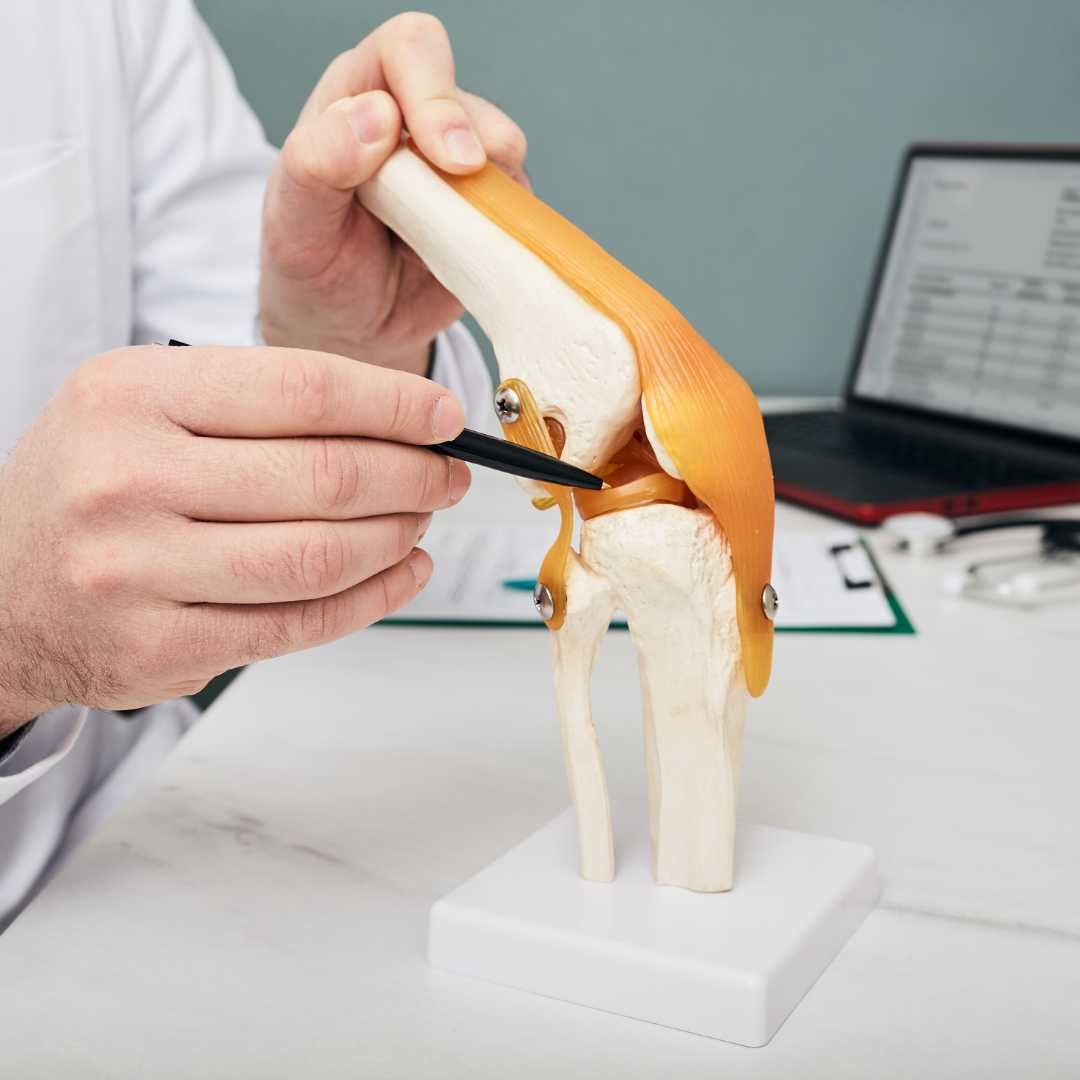
How Advanced is Meniscus Injury Stem Cell Technology in Japan?
Japan is the global leader in meniscus regeneration, utilizing legally authorized "high-dose expansion" technology to administer over 100 million stem cells per treatment, alongside cutting-edge innovations like Synovial MSCs and scaffold-free tissue engineering. If you are researching stem cell therapy for a torn meniscus, you have likely hit a wall of conflicting information. In many Western countries, "stem cell therapy" often refers to a simple same-day procedure where a small amount of bone marrow is harvested and reinjected immediately. While helpful, this approach is often limited by the low number of stem cells available in a single harvest. Japan, however, has taken a completely different path. Thanks to the groundbreaking "Act on the Safety of Regenerative Medicine" passed in 2014, Japan has created a regulatory environment that allows for the safe culturing and expansion of stem cells. This means doctors can take a tiny sample of your tissue, grow the cells in a lab for weeks, and multiply them into the hundreds of millions before injecting them. This "dosage" difference is massive—like comparing a garden hose to a fire hose. But it goes beyond just numbers. Japanese researchers at institutions like Tokyo Medical and Dental University and Osaka University are pioneering entirely new technologies, such as Synovial Mesenchymal Stem Cells (which mimic the knee's natural environment) and scaffold-free synthetic tissues that can patch holes in the meniscus without artificial glue. In this post, we will dive deep into just how advanced these technologies are and whether they are the right solution for your knee injury. What makes Japan's technology "advanced" compared to the US? The primary advancement is the legal ability to "culture" cells, allowing Japanese clinics to deliver 100 million+ active stem cells, whereas US regulations typically limit treatments to roughly 50,000 non-expanded cells. The definition of "advanced" in regenerative medicine often comes down to cell count and viability. In the United States, the FDA generally classifies expanded stem cells as a drug, requiring years of clinical trials before they can be sold. Therefore, most US clinics perform "point-of-care" procedures: they extract cells and reinject them typically within the same hour. The result is a "soup" that contains very few actual stem cells (often fewer than 50,000). In Japan, the technology focuses on Cell Processing Centers (CPCs). These are high-tech, sterile laboratories where your cells are fed and nurtured for 3 to 5 weeks. During this time, they multiply exponentially. When you return for your injection, you are receiving a pure, concentrated dose of 100 million to 200 million Mesenchymal Stem Cells (MSCs). This massive volume is crucial for the meniscus, a tissue with very poor blood supply that needs a powerful signal to initiate repair. Furthermore, Japanese technology allows for the preservation of cell "stemness." In lower-quality culturing, cells can age and lose their potency. Japanese protocols use proprietary mediums to ensure the cells remain young and active even after expanding to huge numbers. What is the "Synovial Stem Cell" breakthrough? Japanese researchers have identified that Synovial MSCs (derived from the joint lining) have superior potential for regenerating meniscus cartilage compared to traditional fat or bone marrow stem cells. Most commercial stem cell clinics around the world use Adipose (fat) tissue because it is easy to harvest. However, advanced research from Tokyo Medical and Dental University has shown that Synovial MSCs—stem cells found in the lining of the knee joint itself—might be the "holy grail" for meniscus repair. The logic is biological: Synovial cells are already programmed to support the joint environment. Studies have shown they have a higher capacity to differentiate into cartilage cells (chondrogenesis) and attach to the meniscal defect than cells taken from belly fat. Leading pharmaceutical companies in Japan, like Fujifilm, are currently conducting Phase III clinical trials (such as the FF-31501 trial) using these specific synovial cells. This represents a shift from "general" stem cell therapy to "tissue-specific" regenerative medicine. What is "Scaffold-Free" Tissue Engineering? Osaka University has developed a technology that creates 3D stem cell structures without artificial scaffolds, allowing the cells to bond naturally to the torn meniscus and minimize rejection risks. One of the biggest challenges in repairing a meniscus is getting the new cells to stay in the hole. Traditional methods often use a "scaffold"—a sponge-like material made of collagen or plastic—to hold the cells in place. However, scaffolds can sometimes cause inflammation or fail to integrate with the body. Osaka University has developed a revolutionary "Scaffold-Free Tissue Engineered Construct" (TEC). By using special culture vessels and fluid dynamics, they can encourage stem cells to naturally clump together and form their own 3D structure—essentially a "patch" made entirely of living cells and their own natural proteins. This "living patch" is then surgically placed into the meniscal tear. Because there is no foreign material (plastic or cow collagen), the integration with the patient's native tissue is exceptionally smooth. This technology is currently moving through advanced clinical trials and represents the cutting edge of what is biologically possible. What are the success rates for meniscus repair in Japan? Clinical trials and patient data indicate success rates of 60-80% for pain relief and functional improvement, with MRI evidence showing tissue regeneration in partial tears. It is important to manage expectations: "success" does not always mean a brand-new knee. However, the data coming out of Japan is compelling. For the high-dose cultured treatments, clinics report that approximately 70% to 80% of patients experience significant improvements in Lysholm scores (a scale measuring knee stability and pain) within 6 to 12 months. For the specific Synovial MSC trials, results have shown that these cells can actually promote the healing of "intrasubstance" tears—types of damage that were previously thought to be impossible to heal because they are deep inside the tissue. MRI follow-ups in these studies often show the disappearance of the white "signal intensity" that indicates a tear, suggesting true structural repair is happening, not just pain masking. How much does advanced meniscus therapy cost in Japan? Treatment costs typically range from $6,500 to over $15,000 USD, reflecting the complex lab work required to culture millions of cells safely. Advanced technology comes with a higher price tag. Unlike a simple 30-minute procedure, the process in Japan involves weeks of laboratory work by skilled technicians. Below is a breakdown of what you might expect to pay for these advanced protocols compared to other regions. Region Estimated Cost (USD) Cell Count & Technology Japan (Private Clinic) $6,500 - $15,000 100M+ Cultured Adipose or Synovial MSCs Japan (University Trial) Varies / Funded Experimental Scaffold-Free / Synovial Tech United States $5,000 - $10,000 < 50k Non-Cultured Bone Marrow Cells Mexico $3,500 - $8,000 100M+ Cultured Cells (Similar tech, less regulation) Keep in mind that the higher cost in Japan also pays for the rigorous safety testing required by the Ministry of Health, Labour and Welfare, ensuring you aren't getting contaminated or non-viable cells. Is the technology safe and regulated? Yes, Japan has the world's most comprehensive legal framework for regenerative medicine, requiring all clinics to be licensed and all cell processing to occur in certified facilities. The "Wild West" days of stem cells don't exist in Japan. The Act on the Safety of Regenerative Medicine categorizes treatments by risk level. Meniscus repair using stem cells is generally considered Class II (medium risk). This means every clinic must submit a detailed plan to a certified committee for approval before they can treat a single patient. Furthermore, the Cell Processing Centers are inspected to standards similar to pharmaceutical factories. They test for bacteria, viruses, and endotoxins at multiple stages of the culturing process. This level of oversight provides a safety net that is rare in the global medical tourism market. Who is the ideal candidate for this advanced therapy? Ideal candidates are active individuals with degenerative meniscus tears or partial traumatic tears who wish to avoid meniscectomy (removal of the meniscus) and preserve long-term joint health. Advanced Japanese stem cell therapy is best suited for patients who are in the "treatment gap"—their injury is too severe for physical therapy but they want to avoid removing the meniscus (which leads to arthritis later in life). It is particularly effective for: Degenerative Tears: Common in patients over 40, where the tissue is fraying. Partial Tears: Where the structure is still intact but damaged. Failed Surgeries: Patients who still have pain after a previous meniscal repair. However, if your meniscus is completely detached (bucket-handle tear) and flipping into the joint, you may still require a mechanical fixation (suture surgery) first, potentially followed by stem cells to accelerate the healing. Interested in Japan's Advanced Stem Cell Options? Connect with top licensed clinics in Tokyo and Osaka to see if you are a candidate for high-dose meniscus repair with PlacidWay Medical Tourism. Check Availability on PlacidWay...
Read more detailsDiscover your treatment options with a free, no-obligation quote!
Get your quote now!.png)
Can Stem Cell Therapy Heal a Torn Meniscus?
Yes, stem cell therapy shows promising potential to help heal a torn meniscus by promoting natural tissue repair and reducing pain and inflammation, often as a non-surgical alternative. When you experience knee pain, especially after an injury, a torn meniscus is often the culprit. This C-shaped piece of cartilage acts as a shock absorber in your knee, and a tear can lead to significant discomfort, swelling, and limited movement. Traditionally, treatment options have ranged from rest and physical therapy to surgical repair or removal of the damaged meniscal tissue. However, a new frontier in medicine, regenerative medicine, is offering exciting possibilities, particularly with stem cell therapy. Many are wondering if this innovative approach can truly mend a torn meniscus and get them back on their feet without invasive surgery. The idea of using the body's own healing mechanisms to repair injuries is incredibly appealing. Stem cell therapy for a torn meniscus involves injecting concentrated stem cells, often derived from your own bone marrow or fat tissue, directly into the injured area. These cells have the unique ability to differentiate into various cell types and secrete growth factors, which can stimulate tissue regeneration, reduce inflammation, and alleviate pain. This blog post will dive deep into how stem cell therapy works for meniscus tears, its effectiveness, recovery expectations, and what you should consider if exploring this treatment, including aspects of medical tourism for such advanced procedures. How does stem cell therapy work for a torn meniscus? Stem cell therapy for a torn meniscus works by injecting concentrated stem cells directly into the injured area, where they promote tissue regeneration, reduce inflammation, and modulate the immune response, facilitating natural healing. Detailed Explanation: The mechanism behind stem cell therapy is rooted in the remarkable properties of **mesenchymal stem cells** (MSCs), which are typically used for orthopedic applications like a torn meniscus. Once injected into the site of the injury, these powerful cells perform several crucial functions. Firstly, they have the ability to differentiate into various cell types, including cartilage cells (chondrocytes), which are essential for repairing the meniscus. This means they can contribute directly to the structural integrity of the damaged tissue. Secondly, and equally important, MSCs act as powerful signaling cells. They release a variety of growth factors, cytokines, and other bioactive molecules that create an optimal healing environment. These factors work to: Reduce inflammation: By dampening the inflammatory response, stem cells help alleviate pain and swelling, which are common symptoms of a meniscus tear. Promote blood vessel growth (angiogenesis): Improved blood supply to the injured area can enhance nutrient delivery and waste removal, both vital for tissue repair, especially in areas of the meniscus with poor natural blood flow. Recruit other healing cells: Stem cells can attract the body's native healing cells to the injury site, amplifying the regenerative process. This multi-faceted approach aims to not just alleviate symptoms but to actively repair the damaged meniscal tissue, potentially restoring function and preventing further degeneration. What types of meniscus tears can stem cell therapy treat? Stem cell therapy is most promising for certain types of meniscus tears, particularly those in the "red-red" zone with better blood supply and degenerative tears, though its efficacy for all types is still under investigation. Detailed Explanation: The meniscus has different zones based on its blood supply, which significantly impacts its natural healing capacity. The outer third, known as the "red-red" zone, has a good blood supply and often heals better than the inner two-thirds, or "white-white" zone, which has very limited blood flow. Stem cell therapy is often considered most effective for: Degenerative meniscus tears: These tears often occur in older individuals due to wear and tear over time, rather than a specific traumatic injury. Stem cells can help promote regeneration and reduce the pain associated with this chronic condition. Tears in the "red-red" zone: While these tears might heal better on their own, stem cell therapy can potentially accelerate and enhance the healing process, leading to stronger repair. Partial thickness tears: These tears don't extend through the entire meniscus and may respond well to the regenerative properties of stem cells. It's important to note that very large, complex tears or those in the "white-white" zone might still require surgical intervention, as the regenerative capacity of stem cells alone might not be sufficient to bridge large gaps or repair severely compromised tissue. A thorough evaluation by a qualified physician is crucial to determine suitability. Is stem cell therapy effective for meniscus repair? Many studies and clinical observations indicate that stem cell therapy is effective in reducing pain and improving function for a torn meniscus, with some evidence of tissue repair, making it a viable option for many patients seeking non-surgical treatment. Detailed Explanation: The growing body of research and clinical experience suggests that stem cell therapy holds significant promise for meniscus repair. Patients often report substantial improvements in pain levels, increased range of motion, and enhanced physical function after receiving stem cell injections. While the complete regeneration of a fully intact meniscus exactly as it was before the injury is still a complex goal, the ability of stem cells to promote partial repair, reduce inflammation, and create a more favorable healing environment is well-documented. Many individuals who were facing surgery for their torn meniscus have found relief through stem cell therapy, avoiding the risks and extended recovery times associated with invasive procedures. The effectiveness can vary depending on factors such as: The patient's overall health and age. The specific type and severity of the meniscus tear. The source and concentration of the stem cells used. The expertise of the physician performing the procedure. It's essential to have realistic expectations and discuss potential outcomes thoroughly with your healthcare provider. What is the typical recovery time after stem cell therapy for a torn meniscus? The typical recovery time after stem cell therapy for a torn meniscus varies but generally involves a gradual return to activities over several weeks to months, with initial rest followed by progressive physical therapy to maximize healing. Detailed Explanation: One of the significant advantages of stem cell therapy over surgery for a torn meniscus is the potentially shorter and less restrictive recovery period. Immediately after the procedure, patients are usually advised to rest the knee for a few days to a week to allow the injected cells to settle and begin their work. During this initial phase, activities that put excessive stress on the knee are typically avoided. Following this initial rest period, a progressive rehabilitation program, often including physical therapy, is usually recommended. This helps to restore strength, flexibility, and range of motion in the knee. The full benefits of stem cell therapy may not be felt for several weeks or even months as the cells work to repair the tissue. Patients often experience a gradual improvement in pain and function over a period of: First few weeks: Reduced inflammation and initial pain relief. 1-3 months: Significant improvement in function and discomfort as tissue healing progresses. 3-6 months and beyond: Continued strengthening and functional gains as the regenerative processes mature. Adhering to post-treatment instructions and engaging in prescribed physical therapy are crucial for optimizing recovery and achieving the best possible outcome from the stem cell treatment. What are the risks and side effects of stem cell therapy for meniscus injuries? The risks and side effects of stem cell therapy for meniscus injuries are generally low, typically involving mild pain, swelling, or bruising at the injection or harvest site, with serious complications like infection being rare. Detailed Explanation: Since stem cell therapy for orthopedic conditions like a torn meniscus often uses autologous cells (from the patient's own body), the risk of allergic reactions or rejection is extremely low. However, as with any medical procedure involving injections, there are some potential risks and side effects to be aware of: Injection site discomfort: Patients may experience temporary pain, soreness, bruising, or swelling at the injection site in the knee, or at the harvest site if bone marrow or fat tissue was extracted. Infection: Though rare, there's a small risk of infection at the injection site. This risk is minimized by performing the procedure in a sterile environment. Nerve damage or bleeding: These are very rare complications associated with any injection, and minimized by using ultrasound or fluoroscopic guidance to ensure precise placement. It's crucial to choose a reputable clinic with experienced practitioners who follow strict sterile protocols and appropriate safety guidelines. Discussing all potential risks with your physician before undergoing stem cell treatment is highly recommended. How does stem cell therapy compare to traditional surgery for a torn meniscus? Stem cell therapy offers a less invasive, non-surgical alternative to traditional surgery for a torn meniscus, focusing on natural repair rather than removal or stitching, often with shorter recovery times and fewer post-operative complications. Detailed Explanation: When considering treatment for a torn meniscus, patients often weigh the options between conventional surgery and newer regenerative medicine approaches like stem cell therapy. Here's a comparison: Feature Traditional Surgery (e.g., Arthroscopy) Stem Cell Therapy Invasiveness Invasive (arthroscopic incisions, removal or stitching of tissue) Minimally invasive (injection procedure) Mechanism Surgical repair (stitching) or removal of damaged meniscal tissue Stimulates body's natural healing and tissue regeneration Recovery Time Weeks to several months, often with crutches and physical therapy Often shorter, gradual return to activity over weeks to months, less downtime Risks Anesthesia risks, infection, stiffness, nerve damage, re-tear Low; injection site pain, bruising, very rare infection Outcome Can be effective, but removal of meniscus can increase risk of future arthritis Pain reduction, functional improvement, potential tissue repair; aims to preserve native meniscus While surgery may be necessary for severe or complex tears, stem cell therapy offers a compelling option for those seeking to avoid surgery, preserve their native meniscus, and utilize their body's inherent healing capabilities. What is the cost of stem cell therapy for a torn meniscus? The cost of stem cell therapy for a torn meniscus typically ranges from $5,000 to $15,000 in the USA, varying based on the type of cells used, clinic, and geographic location. Detailed Explanation: The cost of stem cell therapy for a torn meniscus can vary significantly based on several factors. In the United States, the price generally falls within a range of $5,000 to $15,000 per knee. This cost can fluctuate due to: Type of stem cells used: Whether bone marrow aspirate concentrate (BMAC), adipose-derived stem cells, or other sources are utilized can influence the price. Clinic and physician expertise: Highly experienced practitioners and well-established clinics may charge more for their services. Geographic location: Costs can differ between major metropolitan areas and smaller regions, and significantly between countries. Ancillary treatments: Some clinics include additional therapies, such as platelet-rich plasma (PRP) or post-procedure physical therapy, which can impact the overall cost. It's important to note that stem cell therapy for orthopedic conditions like a torn meniscus is often considered experimental by many insurance companies and may not be covered, meaning patients typically pay out-of-pocket. Therefore, thoroughly researching clinics and understanding all included costs before committing to treatment is essential. Can I travel for stem cell therapy for a torn meniscus (medical tourism)? Yes, many individuals travel internationally for stem cell therapy for a torn meniscus, engaging in medical tourism to access treatment options that may be more affordable, more readily available, or offer different approaches than in their home country. Detailed Explanation: Medical tourism for stem cell therapy has become a growing trend, with patients seeking advanced treatments for various conditions, including a torn meniscus, in countries outside their own. Several factors drive this trend: Cost-effectiveness: Procedures, including the cost of stem cell therapy, can be significantly more affordable in certain countries compared to Western nations, even when factoring in travel and accommodation. Availability of treatments: Some countries may offer specific types of stem cell therapies or protocols that are not yet widely available or approved in a patient's home country. Access to specialized clinics: Certain destinations have developed reputations for excellence in regenerative medicine, attracting patients from around the globe. Reduced wait times: In some healthcare systems, waiting lists for orthopedic procedures can be long, prompting patients to seek quicker access to treatment abroad. Popular destinations for medical tourism* for stem cell therapy include countries in Latin America (e.g., Mexico, Costa Rica), Asia (e.g., Thailand, South Korea), and some parts of Europe. It's crucial for patients considering this option to conduct extensive research on clinics, physician qualifications, and regulatory standards in the destination country. What should I look for when choosing a clinic for stem cell therapy abroad for meniscus repair? When choosing a clinic for stem cell therapy abroad for meniscus repair, look for accredited facilities, experienced doctors, transparent protocols, clear pricing, and positive patient testimonials to ensure safety and efficacy. Detailed Explanation: Selecting the right clinic for stem cell therapy for a torn meniscus, especially when traveling abroad, requires careful consideration. Here are key factors to evaluate: Accreditation and Licensing: Ensure the clinic and its medical staff are properly licensed and accredited by relevant international or national health authorities. This indicates adherence to certain safety and quality standards. Physician Expertise: Verify the qualifications, experience, and specialization of the doctors who will be performing the procedure. Look for orthopedic surgeons or regenerative medicine specialists with a proven track record. Treatment Protocols: Understand the specific types of stem cells used (e.g., autologous bone marrow, fat-derived), how they are processed, and the exact procedure for injection. Reputable clinics will be transparent about their methods. Patient Safety and Follow-up: Inquire about safety protocols, potential risks, and what kind of post-treatment care and follow-up is provided, both during your stay and upon your return home. Transparency in Pricing: Get a clear, itemized breakdown of all costs, including the procedure itself, consultations, diagnostics, medications, and any recommended rehabilitation. Avoid clinics with hidden fees. Patient Testimonials and Reviews: While not the sole factor, reviewing feedback from previous patients can provide insights into their experiences and satisfaction with the clinic's services. Thorough due diligence is essential to make an informed decision and ensure a safe and effective stem cell therapy experience abroad for your meniscus repair. What are the potential long-term benefits of stem cell therapy for knee injuries like a torn meniscus? The potential long-term benefits of stem cell therapy for a torn meniscus include sustained pain reduction, improved knee function, preservation of native meniscal tissue, and potentially delaying or preventing the onset of knee osteoarthritis. Detailed Explanation: Beyond the immediate relief and functional improvements, stem cell therapy for a torn meniscus offers several compelling potential long-term benefits that aim to improve overall knee health and quality of life. By promoting natural repair and regeneration, this treatment seeks to provide more than just a temporary fix. Key long-term benefits can include: Sustained Pain Relief: As the regenerative process continues and inflammation subsides, patients often experience prolonged periods of reduced knee pain, allowing for a more active lifestyle. Improved Joint Function and Stability: The repair of meniscal tissue can lead to better shock absorption and load distribution in the knee, enhancing overall joint mechanics and stability. Preservation of Native Tissue: Unlike surgical meniscectomy (removal of meniscal tissue), stem cell therapy aims to heal and preserve the body's natural meniscus. Preserving the meniscus is crucial because its absence or damage can accelerate the progression of knee osteoarthritis. Delayed Onset or Prevention of Osteoarthritis: By restoring meniscal integrity and reducing inflammation, stem cell therapy may play a protective role, potentially slowing down or preventing the degenerative changes associated with knee osteoarthritis, a common long-term complication of **meniscus tears**. These long-term outcomes highlight the potential of stem cell therapy as a durable solution for patients suffering from torn meniscus and other knee injuries, offering a path towards healthier, more functional knees for years to come. Where can I find reputable information and support for stem cell therapy for meniscus repair? You can find reputable information and support for stem cell therapy for meniscus repair through medical organizations, clinical trial databases, and platforms like PlacidWay, which connects patients with qualified international clinics and specialists. Detailed Explanation: Navigating the world of stem cell therapy can be complex, especially when considering treatment for a torn meniscus. It's vital to rely on credible sources for information and to seek support from trusted organizations. Here are some avenues: Medical Professionals: Consult with orthopedic specialists, sports medicine doctors, or regenerative medicine experts who can provide personalized advice based on your specific condition. Clinical Trial Databases: Websites like ClinicalTrials.gov (for trials in the US) or the World Health Organization's International Clinical Trials Registry Platform can offer insights into ongoing research and safety data. Professional Medical Organizations: Associations focused on orthopedics, sports medicine, or regenerative medicine often publish guidelines and provide resources on current therapies. Medical Tourism Facilitators: For those considering treatment abroad, reputable medical tourism platforms can be invaluable. They often partner with accredited international clinics and provide comprehensive support, from treatment planning to travel logistics. When evaluating any source, prioritize those that offer evidence-based information, transparency about potential risks and benefits, and are not solely driven by commercial interests. Always verify credentials and seek second opinions if needed. Ready to explore your options for stem cell therapy for a torn meniscus? Whether you're considering treatment at home or exploring medical tourism, PlacidWay can help you connect with top-tier clinics and specialists worldwide. Contact PlacidWay today to learn more and begin your journey to recovery!...
Read more details.png)
Can you Recover 100% from a Meniscus Tear?
While achieving 100% recovery from a meniscus tear is often possible, it heavily depends on the tear's type, severity, the chosen treatment, and a dedicated rehabilitation program. Many individuals successfully return to their full activity levels. When you experience a knee injury, especially one involving a meniscus tear, a common and pressing question often arises: "Can I truly recover 100% from this?" It's a valid concern, as the meniscus plays a crucial role in knee stability, shock absorption, and smooth joint movement. The journey to recovery can seem daunting, filled with questions about treatment options, rehabilitation, and the potential for long-term impact on your active lifestyle. Understanding what a meniscus tear entails and the various paths to healing is the first step toward regaining your knee health. The good news is that for many people, a full and complete recovery from a meniscus tear is not just a hope, but a realistic outcome. However, what "100% recovery" means can vary for each individual. For some, it's returning to high-impact sports; for others, it's living pain-free and enjoying daily activities without limitation. This guide will explore the nuances of meniscus tear recovery, breaking down the factors that influence healing, the available treatment approaches, and what you can realistically expect on your path to regaining full knee function and strength. Is 100% recovery from a meniscus tear truly possible? "Yes, 100% recovery from a meniscus tear, meaning a return to pre-injury function and activities without pain, is often achievable, especially with timely and appropriate treatment, followed by dedicated physical therapy and adherence to medical advice." Achieving a full recovery from a meniscus tear is a common goal for patients, and it's frequently realized. The human body has an incredible capacity for healing, and modern medical advancements provide several effective treatment pathways. However, the definition of "100%" can be subjective. For athletes, it might mean returning to competitive play without performance compromise. For others, it’s about performing daily tasks, walking, and enjoying hobbies free of pain and instability. The key lies in understanding that while the tissue might not regenerate identically, the functional outcome can be indistinguishable from the knee's state before the injury. Factors like the patient's age, overall health, the specific type and location of the tear, and commitment to rehabilitation significantly influence the recovery process. A minor tear might heal with conservative management, while a more complex one may require surgery. Regardless of the approach, a structured and consistent rehabilitation program is paramount to restoring strength, flexibility, and stability to the knee joint. This dedicated effort ensures that the knee can withstand the demands of everyday life and desired activities without recurring issues, ultimately leading to a successful and complete return to function. What factors influence the chances of a full meniscus tear recovery? "The chances of a full meniscus tear recovery are influenced by the tear's type, size, and location, the patient's age and health, chosen treatment, and adherence to rehabilitation protocols." Several critical factors play a role in determining the likelihood and completeness of meniscus tear recovery. Firstly, the characteristics of the tear itself are paramount. Radial tears, bucket-handle tears, or degenerative tears each present different challenges and healing potentials. Tears located in the "red zone" (the outer, blood-rich part of the meniscus) generally have a better chance of healing due to better blood supply compared to tears in the "white zone" (the inner, avascular part). The size of the tear also matters, with smaller tears typically recovering faster and more completely than larger, more complex ones. Secondly, individual patient factors such as age, overall health, and activity level significantly impact recovery. Younger patients with good blood supply and no underlying knee issues tend to heal more effectively. A patient's commitment to following post-treatment instructions, including rest, activity modification, and especially consistent physical therapy, is crucial. The chosen treatment method—whether conservative management or surgical repair—also dictates the recovery trajectory. Ultimately, a combination of these factors dictates the success and timeline of achieving a full meniscus tear recovery. What are the main treatment options for a torn meniscus? "Main treatment options for a torn meniscus include conservative management (rest, ice, physical therapy) for minor tears and surgical intervention (meniscus repair or partial meniscectomy) for more severe or persistent tears." When faced with a torn meniscus, there are generally two broad categories of treatment options: conservative management and surgical intervention. The decision between these two paths is based on several factors, including the type, size, and location of the tear, the patient's age, activity level, and overall knee health. Your doctor will assess these elements to recommend the most suitable course of action to promote effective meniscus tear recovery. Conservative management is often the first approach for smaller, stable tears, particularly those in the outer, well-vascularized "red zone" of the meniscus. This typically involves: Rest: Avoiding activities that aggravate the knee pain. Ice: Applying ice packs to reduce swelling and pain. Compression: Using bandages or sleeves to control swelling. Elevation: Keeping the leg raised to minimize fluid accumulation. Physical Therapy: Strengthening surrounding muscles and improving knee mobility. Pain Medication: Over-the-counter anti-inflammatory drugs to manage discomfort. Surgical intervention is considered for larger, unstable tears, tears in the "white zone" that lack blood supply, or when conservative treatment fails to provide relief. The most common surgical procedures are: Meniscus Repair: The surgeon stitches the torn pieces of the meniscus back together. This is ideal for tears in the red zone with good healing potential. Partial Meniscectomy (Meniscus Trimming): If the tear is not repairable, the damaged portion of the meniscus is carefully trimmed away to smooth the edges and relieve symptoms. This is often performed for degenerative tears or complex tears in the white zone. Both procedures are usually performed arthroscopically, using small incisions and a camera, which generally leads to quicker recovery times compared to traditional open surgery. How long does it take to recover after meniscus surgery? "Recovery after meniscus surgery typically ranges from 6 weeks to 6 months, depending on the type of surgery (repair vs. meniscectomy), tear severity, and adherence to physical therapy." The recovery timeline after meniscus surgery can vary significantly based on the specific surgical procedure performed and the individual's healing capacity. Generally, a partial meniscectomy (where a portion of the meniscus is removed) has a shorter recovery period than a meniscus repair (where the torn pieces are stitched back together). This is because a repair requires more time for the tissue to heal itself. For a partial meniscectomy, many patients can expect to return to light activities within 2-4 weeks and full activity, including some sports, within 4-6 weeks to 3 months. Weight-bearing is usually allowed quickly, often immediately, with a focus on restoring range of motion and strength through physical therapy. The goal is to get the knee moving and functional as soon as safely possible to prevent stiffness. A meniscus repair, being a more involved procedure aimed at preserving the meniscus, demands a longer and more cautious recovery. Patients typically use crutches and have restricted weight-bearing for 4-6 weeks to protect the repair site. Full recovery, allowing a return to sports or strenuous activities, can take 4 to 6 months, or even longer. This extended period is crucial for the repaired tissue to fully heal and regain strength. Strict adherence to the physical therapy program is essential to achieve optimal results and a successful meniscus tear recovery without re-injury. What is the role of physical therapy in meniscus tear rehabilitation? "Physical therapy is crucial for meniscus tear rehabilitation, helping to restore knee strength, flexibility, balance, and function, whether recovering from surgery or managing a tear conservatively." Physical therapy (PT) is an indispensable component of successful meniscus tear recovery, regardless of whether the tear is treated conservatively or surgically. Its primary goal is to systematically guide the knee back to its full strength, mobility, and stability, minimizing the risk of re-injury. A well-structured PT program is tailored to the individual's specific tear, treatment, and recovery phase, ensuring a progressive and safe return to activity. For conservative management, PT focuses on reducing pain and swelling, gradually increasing range of motion, and strengthening the muscles surrounding the knee (quadriceps, hamstrings, and calf muscles) to provide better support and stability. This helps to offload stress on the injured meniscus and improve overall knee mechanics. Following surgery (meniscectomy or repair), PT guides the patient through different stages of healing. Initially, the focus is on pain management, protecting the surgical site, and gentle range-of-motion exercises. As healing progresses, the program advances to include: Strengthening exercises: To rebuild muscle mass and power. Flexibility exercises: To restore full knee movement. Proprioception and balance training: To improve joint awareness and stability. Functional training: To prepare the knee for daily activities and sports-specific movements. Consistent attendance and adherence to the exercises prescribed by a physical therapist are critical for achieving optimal long-term outcomes and a complete meniscus tear recovery. Can a meniscus tear heal on its own without surgery? "Yes, some meniscus tears can heal on their own without surgery, particularly small tears located in the outer 'red zone' of the meniscus, which has a better blood supply for natural healing." It is a common misconception that all meniscus tears require surgery. In reality, the potential for a meniscus tear to heal on its own largely depends on its location and type. The meniscus has a limited blood supply, which is critical for healing. The outer one-third of the meniscus, often referred to as the "red zone," has a relatively good blood supply. Tears in this region, especially smaller, stable ones, have a higher chance of healing naturally with conservative management. Conversely, tears in the inner two-thirds of the meniscus, known as the "white zone," have little to no blood supply. These tears are less likely to heal on their own and often require surgical intervention if they cause persistent symptoms or mechanical issues within the knee. Degenerative tears, common in older individuals, are also less prone to natural healing. For tears with healing potential, conservative management involving rest, ice, compression, elevation (RICE), non-steroidal anti-inflammatory drugs (NSAIDs), and a structured physical therapy program can be highly effective. The goal is to allow the tear to mend while strengthening the surrounding muscles to support the knee. Regular medical follow-ups are important to monitor progress and ensure effective meniscus tear recovery. What are the potential long-term implications of a meniscus tear? "Long-term implications of a meniscus tear can include an increased risk of knee osteoarthritis, persistent pain or stiffness, and potential re-injury if not properly managed, even after successful initial recovery." While many individuals achieve excellent meniscus tear recovery, it's important to be aware of potential long-term implications. The meniscus serves as a vital shock absorber and stabilizer in the knee. Even after a successful repair or partial removal, the knee's biomechanics can be subtly altered, which may have consequences over many years. One of the most significant long-term concerns is the increased risk of developing knee osteoarthritis. When the meniscus is damaged or partially removed, the cartilage in the knee joint may experience greater stress, potentially leading to its premature wear and tear. Studies show that patients who undergo meniscectomy (removal of meniscus tissue) have a higher incidence of arthritis development compared to those whose meniscus is repaired or who manage tears conservatively. Other potential long-term issues can include chronic or intermittent knee pain, stiffness, or a feeling of instability, especially during high-impact activities. The risk of re-injury also remains, particularly if the knee is not adequately strengthened through ongoing exercises. Therefore, even after initial recovery, maintaining good knee health through strength training, flexibility, and avoiding excessive stress is crucial for preventing future problems and preserving the benefits of your meniscus tear recovery. How can medical tourism help with meniscus tear treatment? "Medical tourism for meniscus tear treatment offers access to high-quality care, advanced surgical techniques, shorter wait times, and often significantly lower costs in renowned international clinics, facilitating timely recovery." For individuals seeking specialized care for a meniscus tear, medical tourism presents an increasingly viable and attractive option. Many patients explore treatment abroad due to various factors, including the desire for more affordable procedures, shorter waiting lists, access to specific specialists or advanced techniques not readily available locally, or simply a wish for a more personalized healthcare experience. International medical centers in countries like Turkey, India, and Mexico have developed strong reputations for orthopedic surgery, including intricate knee procedures like meniscus repair. The advantages of opting for medical tourism for meniscus tear treatment are multifaceted. Patients can often benefit from cutting-edge diagnostic equipment and surgical technologies, sometimes unavailable in their home countries or offered at a premium price. Additionally, the concentrated focus on specific procedures in high-volume clinics abroad often translates to a high level of surgeon expertise and potentially better outcomes. The comprehensive care packages frequently offered by these facilities can also simplify the patient journey, covering everything from initial consultation to post-operative follow-up and even accommodation. Choosing medical tourism allows patients to proactively manage their health, find solutions that align with their budget and timeline, and potentially accelerate their path to meniscus tear recovery. It’s an option that empowers individuals to take control of their healthcare decisions and seek the best possible treatment worldwide. What are the cost considerations for meniscus surgery in popular medical tourism destinations? "The cost of meniscus surgery in popular medical tourism destinations often ranges from $3,000 to $8,000, which can be significantly lower than in Western countries, typically including the procedure, hospital stay, and initial consultations." One of the primary drivers for considering medical tourism for meniscus surgery is the substantial cost savings it can offer. The price of orthopedic procedures, including arthroscopic meniscus repair or meniscectomy, can vary dramatically between countries. In many Western nations, the cost can be prohibitive, especially for those without adequate insurance coverage or facing high deductibles. In popular medical tourism destinations such as Turkey, India, Mexico, and Thailand, the same high-quality procedures are often available at a fraction of the cost. For instance, a meniscus surgery that might cost upwards of $10,000-$20,000 or more in the United States or Canada could be available for $3,000-$8,000 in these international hubs. This price typically includes the surgical fee, anesthesia, hospital stay, and initial post-operative follow-ups, making it an attractive option for budget-conscious patients. It is important to obtain detailed quotes from clinics that clearly outline all inclusions and exclusions. While the primary medical costs are lower, patients should also factor in travel expenses, accommodation, and potential costs for extended recovery or follow-up physical therapy abroad, if desired. Despite these additional considerations, the overall expense for a complete meniscus tear recovery through medical tourism often remains significantly more affordable, making world-class care accessible to a broader population. Are international clinics for meniscus repair reliable and high-quality? "Many international clinics specializing in meniscus repair are highly reliable and offer high-quality care, with state-of-the-art facilities, internationally trained surgeons, and accreditations that ensure adherence to global medical standards." The perception of reliability and quality in international clinics is a critical consideration for anyone exploring medical tourism for meniscus tear treatment. It is a misconception that lower costs equate to lower quality. In fact, many medical tourism destinations have invested heavily in their healthcare infrastructure, leading to the development of world-class facilities. These hospitals and clinics are often equipped with the latest medical technology, matching or even exceeding the standards found in developed Western countries. Furthermore, the orthopedic surgeons performing meniscus repair in these international centers are frequently highly qualified, with many having received training and certification from renowned institutions in Europe and North America. They often specialize in specific procedures, accumulating extensive experience due to the high volume of cases they handle. Many international clinics also hold prestigious international accreditations, such as those from the Joint Commission International (JCI), which signify adherence to stringent global benchmarks for patient safety and quality of care. When considering an international clinic for your meniscus tear recovery, it is always advisable to research their accreditations, read patient testimonials, inquire about the surgeon's qualifications and experience, and seek transparent information about success rates and post-operative care. Reputable medical tourism facilitators, like PlacidWay, can assist in vetting these clinics, ensuring that you receive reliable and high-quality care that supports a successful recovery. When can I return to sports after a meniscus tear? "Return to sports after a meniscus tear varies greatly; typically 2-3 months after meniscectomy and 4-6 months (or more) after meniscus repair, contingent on medical clearance, full strength, and completion of rehabilitation." The desire to return to sports and high-impact activities is a common motivation for many patients undergoing meniscus tear recovery. However, rushing back too soon can lead to re-injury or long-term complications. The timeline for returning to sports depends significantly on the type of tear, the treatment received, and the individual's commitment to rehabilitation. Following a partial meniscectomy, where only the damaged portion of the meniscus is removed, athletes often return to light, low-impact activities within 6-8 weeks. A full return to competitive sports, including those requiring pivoting, jumping, or sudden changes in direction, can typically occur within 2 to 3 months. This relatively quicker timeline is because there is no tissue healing required at the repair site. For those who undergo a meniscus repair, the recovery period is considerably longer to allow the stitched tissue to heal properly. Return to sports for these patients is usually delayed until 4 to 6 months post-surgery, sometimes even longer, depending on the tear's complexity and the surgeon's protocol. It’s crucial that the athlete meets specific criteria, including full range of motion, comparable strength in both legs, absence of pain and swelling, and completion of sport-specific training with a physical therapist. Medical clearance from the orthopedic surgeon is absolutely essential before resuming any high-level sports activities to ensure a safe and lasting meniscus tear recovery. Explore Your Healthcare Options with PlacidWay Navigating healthcare decisions, especially for specialized procedures like meniscus tear treatment, can be complex. If you're considering medical options both locally and abroad, PlacidWay is here to help. We connect you with world-class hospitals and clinics offering a wide range of healthcare services, including orthopedic surgery and rehabilitation, to ensure you find the best solution for your needs and achieve optimal recovery....
Read more details
How Much Does Stem Cell Treatment Cost in Dubai?
The cost of stem cell treatments in Dubai, often marketed for anti-aging or wellness, is extremely high, typically ranging from $7,000 to over $25,000 USD. It is crucial to know these therapies are not scientifically proven for these uses and carry significant risks. Dubai, a city synonymous with cutting-edge technology and luxury, has rapidly emerged as a major hub for advanced medical tourism. Among the most talked-about procedures are those in the field of regenerative medicine, leading many to ask a compelling question: "What is the average cost of stem cell treatment in Dubai?" While an answer to this question exists, it is impossible to discuss it without first addressing a critical reality: the vast majority of stem cell treatments marketed to tourists for general "wellness" or "anti-aging" are not scientifically proven and exist outside of mainstream medical approval. It is essential to differentiate between two very different worlds of stem cell therapy. On one hand, there is the legitimate, evidence-based use of stem cells, such as bone marrow transplants for treating blood cancers, which are performed in top hospitals. On the other hand, there is a booming direct-to-consumer market of private clinics offering intravenous (IV) stem cell infusions for a host of unproven conditions, from anti-aging and chronic fatigue to autism and Alzheimer's. While Dubai's Health Authority (DHA) has a regulatory framework for certain cellular therapies, many of these wellness applications operate in a global gray market, driven by powerful marketing and patient hope. This guide will provide a transparent and realistic look at the world of stem cell treatments in Dubai. We will break down the claimed costs for these unproven therapies, explain what the procedures entail, and contrast the marketing promises with the official consensus from leading scientific and regulatory bodies. Our goal is to provide you with the information needed to understand not just the financial price, but the very real health and safety risks involved in pursuing experimental treatments. What is the cost of stem cell treatment in Dubai? "The cost for stem cell treatments in Dubai is significant, generally ranging from $7,000 to over $25,000 USD (approx. 25,000 to 95,000 AED) for a course of therapy. The price is not standardized as it is for an elective, experimental procedure, not a recognized medical treatment." This wide price range is influenced by numerous factors set by the private clinics themselves. Unlike a standard surgical procedure with established fee schedules, the cost of "wellness" stem cell therapy is determined by the provider's own business model. Understanding these factors can help you see why the prices are so variable. Factors that influence the final cost include: The specific condition being treated: Clinics often charge more for complex neurological or autoimmune conditions than for general "anti-aging." The type and source of cells: The claimed source of the mesenchymal stem cells (MSCs)—such as from a patient's own fat (autologous) or from donated umbilical cord tissue (allogeneic)—can affect the price. The number of cells and sessions: Packages are often priced based on the "millions of cells" being administered and the number of IV infusions required. The clinic's brand and location: A luxury "regenerative medicine" clinic in a prime Dubai location will charge a premium for its services and amenities. What do clinics claim these treatments can do? "Clinics marketing these treatments often make broad claims about 'rejuvenation' and 'regeneration.' For anti-aging, they claim stem cells can improve skin quality, boost energy, enhance cognitive function, and repair age-related cellular damage throughout the body. For specific conditions, they suggest stem cells can reduce inflammation and promote healing." The marketing is powerful and leverages the legitimate excitement around stem cell science. The core idea presented is that an IV infusion of new stem cells can "reboot" the body's natural repair mechanisms. While this is a compelling concept, it is a vast oversimplification and is not supported by current scientific evidence for these broad applications. The testimonials featured by these clinics are anecdotal and do not replace the need for large-scale, controlled clinical trials to prove that a treatment is safe and effective. These direct-to-consumer treatments stand in stark contrast to legitimate, approved stem cell therapies like bone marrow transplants (hematopoietic stem cell transplantation), which are used to treat specific blood and immune system disorders and are supported by decades of rigorous scientific research. What is the official medical and scientific view? "The global scientific and medical consensus is that stem cell therapies for general anti-aging or wellness are unproven, not supported by evidence, and potentially harmful. Major regulatory bodies like the U.S. FDA and scientific organizations like the International Society for Stem Cell Research (ISSCR) issue strong warnings against them." Reputable scientists caution patients about the gap between the marketing hype and the scientific reality. Here are the key points from the mainstream medical community: Lack of Proof: There are no credible, peer-reviewed, large-scale clinical trials that demonstrate that IV infusions of stem cells have any effect on the aging process or improve conditions like chronic fatigue or autism. No Clear Mechanism: When stem cells are infused into the bloodstream, most are trapped in the lungs and filtered out quickly. There is no evidence that they travel to target organs to perform "repairs" as claimed. Safety Concerns: The use of unapproved and unregulated cellular products carries serious risks. In short, while the potential of stem cells is real, the clinical application for most diseases—and certainly for "anti-aging"—is still in the early research stages. The treatments being sold commercially today have jumped far ahead of the science. Is stem cell therapy regulated in Dubai? "Yes, stem cell therapy in Dubai is regulated by the Dubai Health Authority (DHA). However, these regulations set standards for specific, permissible applications, such as using a patient's own fat-derived stem cells. Broad 'anti-aging' claims and the use of unapproved cell products may fall outside these legal guidelines." The DHA has established standards for certain types of autologous (using the patient's own cells) therapies. This provides a framework for safety and quality for approved procedures. However, the regulatory status of clinics offering allogeneic (donor) cells for unproven "wellness" indications is a gray area. Clinics may have a general license to operate but may be making therapeutic claims that are not officially sanctioned or scientifically validated. The existence of a regulatory body like the DHA is a positive step, but patients must still be extremely cautious. A clinic's license does not automatically mean that the specific treatment they are offering for a specific condition is proven to be effective or safe. Always ask a clinic what specific DHA standards they are following for their procedure. Aspect What the Clinic May Claim The Important Reality Cost A premium price for a high-tech, revolutionary treatment. An arbitrary price for an experimental procedure with no proven value. Efficacy "Reverses aging," "repairs organs," "boosts vitality." Not supported by credible scientific evidence. Safety "Safe and natural," "using the body's own healing." Carries risks of infection, immune reaction, tumor growth, and fraud. Regulation "We are a licensed clinic." The license may not cover the specific unproven claims being made. What are the real risks of undergoing unproven stem cell treatments? "The real risks are significant and threefold: physical, financial, and emotional. Physical risks include infection, allergic reactions, and tumor growth. The financial risk is the certain loss of a large sum of money. The emotional risk is the profound disappointment that follows when a 'miracle cure' fails to deliver." Before considering such a treatment, it is vital to understand the potential downsides that are often minimized in promotional materials: Physical Harm: If the cell products are not sourced, processed, and administered under strict, sterile, government-monitored conditions, they can be contaminated. There have been documented cases globally of patients suffering from severe infections and other serious adverse events. Financial Harm: The cost of these treatments is enormous. This money is spent out-of-pocket on a procedure with no guarantee of any benefit, diverting funds that could be used for evidence-based healthcare and wellness strategies. Emotional Harm: The cycle of investing immense hope and money into a promised cure, only to realize there is no significant change, can be emotionally devastating. When exploring medical treatments, especially those involving advanced science, it is essential to prioritize safety, evidence, and regulatory approval. For legitimate, proven medical procedures offered by a global network of accredited hospitals and clinics, you can explore vetted options on PlacidWay....
Read more details
The Rising Popularity of Stem Cell Therapy in Thailand: Why Patients Choose Vega Stem Cell Clinic
One of the most revolutionary breakthroughs in the field of medicine in the last 10 years has been as stem cell therapy. This is because a lot of are suffering advanced pains and degenerative diseases. The fact that Thailand offers state of the art medical care, innovative treatments around stem cells and great value for money, it has become a preferred the Health Sector in Thailand has received. In particular, Vega Stem Cell Clinic tops the list for medical tourists and locals who visit this clinic for treatment. In this article, we examine the reasons for the increase in the popularity of stem cell therapy in Thailand and the factors that have enabled Vega Stem Cell Clinic to be an ideal option for patients seeking this therapy. The Growth of Medical Tourism in Thailand For quite some time, Thailand has been regarded as one of the top destinations for medical treatments with clinical services at much lighter constraint than in the western world. Since there is a growing interest in stem cell based treatments, more and more international patients are coming to Thailand for such procedures. Among the benefits of working in the health system of this country are the following: Affordable Medical Costs: Stem cell therapies in Thailand can be 50-70% cheaper than in the U.S. or Europe, without compromising on quality. Accredited Medical Facilities: Many Thai hospitals and clinics are internationally accredited, adhering to global standards of care. Experienced Professionals: Thailand boasts a pool of highly trained medical professionals specializing in regenerative medicine, with extensive experience in administering stem cell treatments. Understanding Stem Cell Therapy and Its Applications Stem cell therapy involves the replacement of damaged cells, tissues and organs using living stem cells, making it one of the new branches of medicine known as regenerative medicine. This therapy is very new and has demonstrated the capability to treat quite a number of medical ailments: To repair injured tissues, stem cells tap into the body’s regenerative ability. After being introduced in the human body, they undergo differentiation into various cell types that are useful in the affected tissues thereby facilitating healing and improving the patient’s well being. This is one of the effective methods, which explains why many people take this treatment in search for advanced drugs. Why Thailand Is a Preferred Destination for Stem Cell Therapy There are numerous reasons why most people seeking for stem cell treatment consider the country of Thailand. There is a clear governmental support for the use of stem cells which allows undertaking any research safety due to regulation of the activities. Moreover aside from the dual drug regulatory device, Thailand’s medical tourism offers primary and secondary health care services at the same time within affordable health and wellness packages. Also because of their strategic positioning, accessibility is not a challenge for medical tourists coming from nearby countries and even the western countries. This approach towards patients and maintaining such high standards guarantees that Thailand will control the market of regenerative treatments. Vega Stem Cell Clinic: A Leader in Stem Cell Therapy Vega Stem Cell Clinic, based in Bangkok, has established itself as a leading provider of regenerative medicine in Thailand. Accredited by AAALAC and OECD GLP, the clinic adheres to international safety standards and focuses on delivering advanced regenerative therapies. Here’s why patients choose Vega: The clinic offers a wide range of treatments, including options for neurological disorders, autoimmune diseases, cardiovascular conditions, and skin rejuvenation. Vega’s commitment to cutting-edge research, personalized treatment plans, and high patient satisfaction has positioned it as a top choice for both local and international patients seeking stem cell therapy. Patient Experience at Vega Stem Cell Clinic The journey of care that patients undergo at Vega Stem Cell Clinic begins and ends with measures that focus on comfort, safety and results. Right from the first consultation with the first-rate specialists to the final prices and personalized treatment quotations, Vega makes sure that the patients are carried along throughout the course of treatment. This includes the focus on patients even after successful conclusion of the treatment, where the patients are monitored and taken care of. The assurance of quality and care focusing on patient satisfaction alongside the use of the latest advances in regenerative therapies for diverse ailments, Vega Stem Cell Clinic becomes ideal for patients in search of the benefits that come with stem cell treatment. Frequently Asked Questions (FAQs) How experienced are the medical professionals at Vega Stem Cell Clinic? The clinic has a team of highly experienced and skilled medical professionals, including doctors and specialists with expertise in stem cell therapy and regenerative medicine. They are dedicated to providing top-notch care to their patients. What types of conditions can be treated at Vega Stem Cell Clinic? The clinic offers treatments for a variety of conditions, including orthopedic issues, autoimmune disorders, neurological conditions, and more. They tailor their therapies to address individual patient needs. What is the duration of the stem cell treatments at Vega Stem Cell Clinic? The duration of stem cell treatments varies depending on the type of therapy and the specific condition being addressed. The medical team at Vega Stem Cell Clinic will provide detailed information during the consultation. How much does stem cell therapy at Vega Stem Cell Clinic cost? The cost of stem cell therapy at Vega Stem Cell Clinic varies based on the type of treatment and the individual patient's needs. For specific pricing information, it is recommended to contact their customer representative. How can I book a consultation at Vega Stem Cell Clinic in Bangkok, Thailand? You can book your consultation at Vega Stem Cell Clinic through PlacidWay Medical Tourism. PlacidWay provides a convenient platform for scheduling appointments and accessing information about various medical facilities. To Start your Journey For patients considering stem cell therapy, Vega Stem Cell Clinic in Thailand offers a unique combination of advanced treatments, personalized care, and international accreditation. As a leading destination in the field of regenerative medicine, Vega’s partnership with platforms like PlacidWay further enhances accessibility for patients worldwide. PlacidWay provides comprehensive information and support, making it easier for medical tourists to connect with Vega and other reputable clinics. To explore Vega Stem Cell Clinic’s offerings and plan your medical journey, Contact us now!...
Read more detailsShare with AI
Share this page with AI assistants to get summaries and insights


Table of Contents
Explore Stem Cell Therapy for a Meniscus Tear: Stories, Testimonials, and Procedures
Watch in-depth videos covering everything from Stem Cell Therapy for a Meniscus Tear success stories to detailed procedure explanations. Learn what to expect and hear from real patients.

A Quick Look at Our Patient’s Experience at EDNA Wellness Stem Cell Clinic in Bangkok
Cancer Treatment
EDNA Wellness - Surgeon-Led Stem Cell Clinic in Bangkok Thailand
Bangkok, Thailand
Stem Cell Therapy in Thailand: What It Can and Cannot Fix Explained by EDNA Wellness
Cancer Treatment
EDNA Wellness - Surgeon-Led Stem Cell Clinic in Bangkok Thailand
Bangkok, Thailand

This Is the Idea Behind Regenerative Medicine in Bangkok, Thailand | EDNA Wellness
Cancer Treatment
EDNA Wellness - Surgeon-Led Stem Cell Clinic in Bangkok Thailand
Bangkok, Thailand

Stem Cell Therapy in Thailand: Real Patient Results Speak for Themselves at EDNA Wellness
Cancer Treatment
EDNA Wellness - Surgeon-Led Stem Cell Clinic in Bangkok Thailand
Bangkok, Thailand
Unlock the Best Stem Cell Therapy for a Meniscus Tear Packages Just for You
Discover the ultimate Stem Cell Therapy for a Meniscus Tear packages designed to meet your health and wellness goals. Choose the perfect fit for your journey.

Price starting from $5,000
Stem Cell Therapy for Knee Arthritis Package in Hyderabad India by RegenOrthoSport
RegenOrthoSport - Sports Medicine in Hyderabad India
- Stem Cell Therapy
Hyderabad, India

Price starting from $8,000
Stem Cell Therapy for Wellness Optimization Package in Kingston, Jamaica by BIOregeneration
BIOregeneration - Stem Cell Clinic in Jamaica
- Stem Cell Therapy
Kingston, Jamaica
Price starting from $16,000
Stem Cell Treatment for Autism Package - Malaysia
Dr. Ebenezer Abel Paul - Stem Cells in Malaysia
- Stem Cell Therapy
Kuala Lumpur, Malaysia

Price starting from $8,000
Stem Cell Therapy for Joint Pain Package in Kingston, Jamaica by BIOregeneration
BIOregeneration - Stem Cell Clinic in Jamaica
- Stem Cell Therapy
Kingston, Jamaica
Transformative Stem Cell Therapy for a Meniscus Tear Experiences: Dive into Procedure Insights
Discover the power of Stem Cell Therapy for a Meniscus Tear through compelling patient experiences. Uncover detailed insights into procedures, recovery journeys, and life-changing results.

Price starting from $17,000
Stem Cell Therapy for Cerebral Palsy in Puerto Vallarta, Mexico
- Stem Cell Treatment for Cerebral Palsy, Stem Cell Therapy
Puerto Vallarta, Mexico

Price starting from $16,000
Stem Cell Therapy for Stroke in Puerto Vallarta, Mexico
- Stem Cell Therapy for Stroke, Stem Cell Therapy
Puerto Vallarta, Mexico

Price starting from $11,000
Stem Cell Treatment for Autism in Turkey
- Stem Cell Treatment for Autism, Stem Cell Therapy
Turkey

Price starting from $10,000
Stem Cell Therapy for Back Pain in Puerto Vallarta, Mexico
- Stem Cell Therapy for Back Pain, Stem Cell Therapy
Puerto Vallarta, Mexico







