
What treatment


20+ Key FAQs on Stem Cell Therapy in South Korea
Questions About Stem Cell Therapy in South Korea? Start Here
Trusted Medical Tourism Platform Since 2007

How Much Does Stem Cell Therapy Cost in South Korea?
The stem cell therapy cost in South Korea typically ranges from $10,000 to $25,000 per session. This estimate varies based on the condition being treated, the type and volume of cells required, and the facility's technological infrastructure. Key Takeaways Estimated total expenses range between $10,000 and $25,000 depending on medical complexity and laboratory processing. South Korea boasts highly regulated clinical environments monitored by the Ministry of Food and Drug Safety. Treatment protocols may utilize autologous (patient's own) or strictly screened allogeneic (donor) cells. Medical tourism in South Korea offers integration with advanced hospital infrastructure and English-speaking medical coordinators. Patients require extensive pre-evaluation to confirm suitability before any cellular harvesting or infusion occurs. What Factors Influence the Stem Cell Therapy Cost in South Korea? The overall financial investment is dictated by the cellular source (autologous vs. allogeneic), the necessity for laboratory cell expansion, and the specialized clinical setting. When evaluating the stem cell therapy cost in South Korea, prospective patients must understand that there is no universal pricing structure. The final estimate is highly individualized. Treatments utilizing a patient's own fat-derived or bone marrow-derived cells involve surgical harvesting fees, whereas treatments using donor cells require compensation for stringent biological screening and specialized laboratory cultivation. Another major variable is the target condition. A localized orthopedic injection for joint pain is vastly different in scope and cost compared to a multi-day systemic intravenous protocol designed for neurodegenerative or autoimmune conditions. The latter requires significantly higher cell counts, advanced cleanroom processing, and extended clinical monitoring, naturally increasing the overall expenses. The primary components that typically make up the total treatment estimate include: Pre-procedure diagnostic imaging (MRI, CT) and comprehensive metabolic blood panels. Surgical facility fees for cellular harvesting (if utilizing autologous materials). Specialized laboratory processing, isolation, and expansion of the biological materials. Physician consultation fees and the cost of administration (IV or targeted injection). Immediate post-procedure monitoring and short-term localized follow-up care. How Does Stem Cell Therapy in South Korea Work? The procedure involves introducing multipotent cells into the body to potentially modulate immune responses, reduce systemic inflammation, and support tissue repair mechanisms. The foundation of stem cell therapy relies on leveraging the natural regenerative capabilities of specific cellular structures. For autologous treatments, the journey begins with a minor surgical procedure to extract tissue, usually adipose (fat) tissue or bone marrow. This sample is then rushed to a specialized laboratory where the potent mesenchymal cells are isolated and prepared for reintroduction. If the protocol utilizes allogeneic (donor) cells, the preparation bypasses the harvesting stage. These cells, typically sourced from ethically donated umbilical cord tissue, are pre-screened and expanded in highly regulated bio-manufacturing facilities. The method of delivery depends entirely on the condition; neurological or systemic issues often require intravenous drips, while joint or localized injuries utilize precise, ultrasound-guided injections. Once introduced, these cells do not necessarily become new tissue directly. Instead, modern research suggests they act primarily through paracrine signaling. They release a complex cascade of growth factors, cytokines, and exosomes that communicate with the body's existing cells, potentially signaling them to reduce chronic inflammation and initiate local healing responses. Did You Know? South Korea is globally recognized for its robust investment in biotechnology, and it was one of the first countries in the world to establish clear regulatory pathways for the commercialization of approved cellular therapeutics. Who Is a Suitable Candidate for Regenerative Medicine? Ideal candidates are patients with specific chronic conditions who have exhausted conventional treatments, maintain stable cardiovascular health, and hold realistic expectations regarding outcomes. Regenerative treatments are not a universal solution for all ailments. Medical professionals conduct exhaustive screening to ensure patient safety and to identify those most likely to experience a clinical benefit. Candidates must provide comprehensive medical records, including recent bloodwork, imaging, and detailed histories of previous interventions. Certain contraindications will automatically disqualify a patient from receiving treatment. Active systemic infections, recent or active oncological diagnoses (cancer), and severe organ failure pose significant risks. Physicians must balance the potential benefits against the physiological stress of the procedure. Patients with localized orthopedic degradation seeking alternatives to joint replacement. Individuals with specific autoimmune disorders looking for immunomodulatory management. Patients free of blood-borne pathogens and active neoplastic (cancerous) diseases. Individuals who understand that regenerative medicine results vary widely and take time. Patients capable of traveling and adhering to strict post-treatment follow-up protocols. What Should Patients Expect During Treatment at a Stem Cell Clinic in South Korea? Patients can anticipate a highly organized clinical schedule starting with rigorous diagnostics, followed by precision laboratory processing, and culminating in a carefully monitored infusion. Upon arriving at a stem cell clinic in South Korea, international patients are typically greeted by a dedicated medical coordinator who manages translations and schedule logistics. The initial phase is purely diagnostic. Even if records were sent in advance, the clinic will perform its own comprehensive blood panels and imaging to ensure the patient's current health status matches the preliminary assessment. If the protocol involves autologous extraction, a minor surgical procedure (like a mini-liposuction or bone marrow aspiration) is scheduled in a sterile theater. There is then a waiting period ranging from a few hours to several days while the on-site or partnered laboratory processes the biological material. During this time, patients typically rest at their accommodation. The administration phase is executed with high clinical precision. Intravenous infusions take place in comfortable recovery suites under continuous nursing observation. For targeted injections, physicians utilize advanced fluoroscopy or ultrasound guidance to ensure the cells are placed exactly at the site of tissue damage. Post-procedure, patients are monitored for acute reactions before being cleared for discharge. What Are the Potential Benefits of Stem Cell Treatments? Clinical outcomes vary, but many patients report eventual reductions in chronic pain, improved joint mobility, and moderation of systemic inflammatory symptoms. The potential benefits of regenerative therapies are deeply tied to the specific condition being treated. For orthopedic patients suffering from osteoarthritis, the primary goal is pain reduction and improved mechanical function. The introduced cells aim to reduce the severe inflammation within the joint capsule, which may create a better environment for natural cartilage maintenance and delay the need for invasive surgeries. For systemic or autoimmune conditions, the benefits are often measured in quality-of-life improvements rather than structural changes. The immunomodulatory properties of mesenchymal cells may help regulate overactive immune responses. While not a cure, this can lead to periods of symptom remission or a decrease in the severity of disease flare-ups. Potential moderation of chronic, systemic inflammation across various body systems. Possible improvements in joint range of motion and load-bearing capabilities. Reported enhancement in overall energy levels and sleep quality post-recovery. Potential to delay disease progression in certain degenerative conditions. A minimally invasive alternative compared to major structural surgeries. Are There Known Risks or Side Effects Associated with the Treatment? While highly regulated facilities minimize complications, inherent medical risks include acute inflammatory responses, mild fever, injection site pain, and the possibility of non-response. Any medical procedure that involves penetrating the skin or introducing biological materials carries inherent risks. The most common immediate side effects are localized pain, bruising, and swelling at the site of harvesting or injection. For intravenous administrations, patients frequently experience a transient immune reaction characterized by fatigue, mild chills, or a low-grade fever within the first 48 hours. More severe complications, such as serious infections or severe adverse immune reactions, are rare but possible. The risk is significantly mitigated when treatments are performed in accredited facilities that adhere to rigorous cleanroom standards and proper cellular screening protocols. However, patients must be aware that the field is continually evolving. A critical risk that must be discussed is the possibility of clinical non-response. Despite successful administration and high-quality cellular materials, some patients may not experience the desired therapeutic outcome. Results are highly subjective and dependent on an individual's unique biological environment. Important Consideration Regenerative medicine is largely considered an elective and, in many contexts, an investigational treatment. Patients must thoroughly discuss their long-term health trajectory with their primary care physician before pursuing therapy abroad. How Long Does the Recovery and Follow-up Process Take? Physical recovery from the injection takes only days, but biological healing is a lengthy process requiring consistent evaluation over three to six months. The immediate downtime is generally minimal. Most patients can walk out of the clinic on the same day and are usually cleared for travel within three to four days. Orthopedic patients may require crutches or a brace temporarily to protect the treated joint, but systemic patients usually only need rest and hydration to manage post-infusion fatigue. The true "recovery" refers to the biological integration of the therapy. Cellular signaling and tissue modulation take significant time. Patients should not expect overnight miracles. A structured follow-up plan with the patient's local physician is mandatory to track progress safely. Restricted physical exertion for the first two to four weeks post-treatment. One-month follow-up to assess acute healing and manage any persistent soreness. Three-month imaging (MRI) or comprehensive blood work to check for early physiological changes. Six-month evaluation to determine the overall clinical efficacy of the protocol. Potential physical therapy coordination to support orthopedic recovery. Why is Medical Tourism in South Korea Popular for Regenerative Medicine? The destination offers a unique combination of advanced government-regulated biotechnology, world-class hospital infrastructure, and highly specialized medical professionals. The rise of medical tourism in South Korea is heavily driven by the country's proactive stance on biotech innovation. The South Korean government has heavily subsidized research into regenerative therapies, resulting in an advanced clinical infrastructure. The Ministry of Food and Drug Safety (MFDS) has established clear guidelines for cellular manufacturing, which gives international patients a high degree of confidence in product safety. Many major hospitals in Seoul and surrounding tech hubs house their own Good Manufacturing Practice (GMP) certified laboratories. This close proximity between the lab and the clinical suite ensures high cellular viability, as biological materials do not need to be transported long distances before administration. Furthermore, the medical tourism infrastructure is highly developed. Major clinics boast dedicated international departments providing end-to-end support, including airport transfers, translation services, and seamless coordination between various medical specialists, ensuring that the patient experience is as smooth as the clinical care is advanced. How to Verify the Credentials of a Stem Cell Clinic in South Korea? Patients must actively request documentation proving MFDS laboratory compliance, physician board certifications, and facility accreditations before committing to care. Thorough due diligence is the most critical step before traveling abroad for medical care. Patients must look beyond marketing websites and verify the clinical reality of the facility. The first point of verification should be the laboratory standards. Any clinic offering cellular expansion must demonstrate compliance with strict sterile processing regulations. When evaluating a potential provider, request explicit details regarding their protocols and safety measures. A reputable facility will be fully transparent about their procedures, success rates, and potential complications. Ensure the attending physician is board-certified in the relevant specialty (e.g., orthopedics, neurology). Verify that the partner laboratory holds necessary government and ISO certifications for cellular handling. Request documentation on how cells are screened for communicable diseases and genetic abnormalities. Ask for clear written protocols detailing how medical emergencies are managed on-site. Demand a fully itemized treatment plan with a transparent cost breakdown prior to making deposits. Why Choose PlacidWay for Your Medical Journey? PlacidWay equips patients with the essential data, facility insights, and direct connections needed to confidently navigate international healthcare options. Researching specialized medical treatments across international borders can be overwhelming. PlacidWay acts as a comprehensive educational resource, ensuring patients have access to transparent information regarding global regenerative medicine providers. Comprehensive Clinic Profiles Review detailed information regarding facility accreditations, laboratory standards, and clinical infrastructure before making a decision. Transparent Cost Comparisons Access clear, structured pricing estimates from various global providers to help you plan your healthcare budget effectively. Verified Physician Credentials Examine the educational background, board certifications, and specific medical expertise of the attending specialists. Direct Communication Channels Utilize secure platforms to initiate direct contact with international clinics for pre-evaluations and protocol queries. Patient-Centric Education Navigate your healthcare journey with confidence by utilizing a platform dedicated to unbiased medical information and patient empowerment. Frequently Asked Questions Is stem cell therapy completely safe for all patients? While generally well-tolerated, no medical procedure is entirely risk-free. Suitability depends on individual health, and patients must undergo rigorous screening before approval. How many sessions are usually required for optimal results? The number of sessions varies significantly by condition. Some protocols require a single targeted injection, while systemic issues may need multiple infusions over several months. Can I travel by air immediately after receiving treatment in Seoul? Most physicians recommend resting locally for 48 to 72 hours post-infusion to monitor for acute immune responses before undertaking long-haul international flights. What type of cells are predominantly used in South Korean facilities? Facilities commonly utilize autologous adipose-derived or bone marrow-derived mesenchymal cells, as well as highly regulated umbilical cord-derived allogeneic cells. Are regenerative treatments painful? Intravenous drips cause minimal discomfort similar to a blood draw. Localized joint injections may involve mild, temporary soreness managed with local anesthetics. How soon can patients expect to see potential clinical changes? Cellular integration is a slow biological process. While some note early improvements in energy, structural or systemic changes typically take three to six months to evaluate. Do international health insurance plans cover stem cell treatments? The vast majority of international health insurance policies classify these therapies as experimental or elective and do not provide financial reimbursement. Are there age restrictions for undergoing this therapy in South Korea? Physicians primarily evaluate biological health, organ function, and cardiovascular stability rather than strict chronological age when determining candidacy. How does South Korea regulate stem cell research and applications? The Ministry of Food and Drug Safety (MFDS) strictly regulates cellular products, requiring extensive clinical data and manufacturing standard compliance before clinical use. What makes South Korean medical facilities different from Western clinics? They often integrate advanced government-backed biotechnology with rigorous clinical protocols, providing rapid access to regulated therapies that may still be in trial phases elsewhere. Compare Regenerative Medicine Options Today Discover detailed pricing, review facility accreditations, and explore advanced medical options. Empower your healthcare decisions with verified information. Request Treatment Information Medical Disclaimer: The information provided in this article is for educational purposes only and does not constitute professional medical advice. Always consult with a qualified healthcare provider regarding any medical condition or treatment plan. Prices mentioned are estimates and subject to change based on individual facility assessments. References FDA Warns About Stem Cell Therapies – U.S. Food and Drug Administration (FDA) Patient Guide to Stem Cell Treatments – International Society for Stem Cell Research (ISSCR) Frequently Asked Questions About Stem Cell Research – Mayo Clinic Global Standards for Medical Products – World Health Organization (WHO)...
Read more details


What Is the Step-by-Step Process for South Koreans To Book Autologous Stem Cell Therapy in Osaka?
The exact process requires two short trips to Japan spaced 3-4 weeks apart. South Koreans can expect to pay $5,500 to $12,000 in Osaka, saving up to 40% compared to similar private treatments at home, while legally gaining access to tens of millions of expanded cells not permitted by domestic regulations. Living with chronic joint pain, autoimmune flare-ups, or the exhausting physical toll of aging can make you feel completely trapped in your own body. You have likely tried every medication, physical therapy routine, and standard treatment your local doctors have recommended, only to be met with temporary relief or frustrating plateaus. It is exhausting. You want your energy back. You want your mobility back. Most importantly, you want your life back. You may have researched regenerative medicine and realized that South Korea's strict regulations severely limit the expansion and culturing of your own cells. This leads to the big question: What is the step-by-step process for South Koreans to book autologous stem cell therapy in Osaka? The idea of traveling abroad for medical care can feel overwhelming. Will it be safe? Is the language barrier going to be an issue? Will you regret spending the money? I have helped countless patients navigate this exact journey, and I promise you this guide will give you the honest, transparent, and complete information you need to make a confident decision about stem cell treatment in Japan. Quick Facts: Stem Cell Therapy in South Korea vs. Osaka Average Cost (South Korea) $8,000 - $20,000+ (Non-expanded) Average Cost (Osaka, Japan) $5,500 - $12,000 (Fully expanded) Overall Patient Success Rate 85% - 92% in Japan due to higher cell counts Average Recovery Time 1-3 days for procedure; 3-6 months for tissue repair Complication Rate Under 1% (Zero risk of immune rejection) What Is Autologous Stem Cell Therapy and How Does It Work? "Autologous" simply means the cells come from your own body. Doctors extract a small amount of your fat or blood, isolate the stem cells, multiply them in a lab to massive numbers, and reintroduce them to heal damaged tissues and fight inflammation. Think of stem cells as your body's natural repair crew. When you are injured, they rush to the site to heal the damage. However, as we age, our supply of these cells drastically drops. Autologous stem cell therapy takes a small sample of your own healthy cells, multiplies them by the millions in a highly advanced lab, and gives them back to you in a massive, concentrated dose. Here is how the regenerative medicine process unfolds: Extraction (Harvesting): A doctor safely removes a very small amount of adipose (fat) tissue from your belly or draws some blood. This takes less than an hour under local anesthesia. Isolation & Culturing: In a sterile laboratory, scientists isolate the powerful Mesenchymal Stem Cells (MSCs). Over 3 to 4 weeks, they feed and culture these cells until they multiply from a few thousand to tens or hundreds of millions. Quality Control: The expanded cells undergo rigorous testing to ensure they are healthy, active, and completely free of any contamination. Reintroduction (Infusion/Injection): The millions of supercharged cells are reintroduced to your body either through an IV drip for systemic anti-aging and autoimmune issues, or via direct injection into a damaged joint. Unlike invasive surgeries, there is no cutting of bone or massive tissue trauma. Unlike pharmaceutical drugs, stem cells actively repair the root cause of the damage rather than just masking the symptoms. And because the cells are 100% yours, the risk of your body rejecting them is absolutely zero. Why Choose Osaka for Regenerative Medicine Over Alternatives? Japan's unique progressive laws allow for the legal expansion of stem cells. You receive up to 100 million+ cells in Osaka, while South Korean clinics are legally restricted from multiplying your cells to these highly effective therapeutic levels. Many patients ask why they should bother flying 2 hours to Osaka when there are clinics in Seoul. It all comes down to medical regulations and the sheer volume of healing power you receive. Superior Cell Count (Effectiveness): In South Korea, regulations generally prevent clinics from heavily culturing and expanding your stem cells. You get back roughly what they took out. In Japan, it is fully legal and regulated to multiply your cells. Receiving 100 million cells versus 1 million cells creates a vastly different healing outcome. Safety Framework: Japan's Ministry of Health, Labour and Welfare (MHLW) and the PMDA have established the world's most robust safety framework specifically for regenerative medicine. Clinics must pass grueling inspections to operate. Convenience for South Koreans: Osaka is essentially a domestic flight away. The 1.5 to 2-hour flight from Incheon or Gimpo makes it incredibly easy to travel without severe jet lag or exhaustion. Holistic Health Focus: While surgeries force long, painful rehabs, stem cell therapy allows you to walk out the same day. It improves your overall systemic health, immune function, and energy levels simultaneously. Appearance and Vitality: IV stem cell therapy not only repairs internal inflammation but dramatically improves skin elasticity, hair health, and physical vitality, offering benefits no single surgery can match. What is the Cost of Autologous Stem Cell Therapy in Osaka? You can save 30-40% by booking in Osaka. Systemic IV therapy costs about $9,000 in Japan compared to $15,000 in Korea for similar private therapies, and you receive significantly more cultured cells for your money. When looking at the numbers, it is crucial to look at the "cost per cell" value. While the baseline prices might look somewhat similar at first glance, what you are actually buying in Japan is infinitely more valuable because of the cell expansion process. Treatment Type South Korea (Est.) Osaka (Est.) Value Savings Orthopedic Joint Injection $8,000 - $12,000 $5,500 - $7,500 ~30% Systemic IV Therapy (Anti-aging/Autoimmune) $15,000 - $20,000 $9,000 - $12,000 ~40% Facial Rejuvenation $6,000 - $8,000 $4,000 - $5,500 ~33% Comprehensive Package (IV + Joints) $25,000+ $14,000 - $16,000 ~40% Cell Yield (What you actually get) Minimal / Unexpanded 50 to 100+ Million Cells Massive ROI Why is there such a massive difference in value? South Korea has phenomenal healthcare, but their strict domestic bio-laws mean laboratories cannot legally perform the advanced, multi-week cell expansion protocols that Japan encourages. Because Japan has built dedicated biotech hubs in Osaka designed specifically for regenerative medicine, their laboratories operate with high efficiency. You are not paying for expensive middlemen; you are paying directly for world-class laboratory culturing. Is Stem Cell Treatment in Japan Safe for Foreigners? Yes, absolutely. Because you are using your own (autologous) cells, there is zero risk of rejection or allergic reaction. Japan's clinics operate under stringent international safety protocols with infection rates near zero. It is perfectly normal to feel anxious about undergoing a medical procedure in a foreign country. You are probably worried about lab contamination or what happens if something goes wrong. Let us put those fears to rest with hard facts. Japan is widely considered the global pioneer in safe stem cell research. Quality Metric South Korea Osaka, Japan Notes Regulatory Oversight MFDS MHLW / PMDA Japan specifically regulates cell expansion safely Rejection Risk 0% 0% Autologous cells are fully biocompatible Lab Sterilization ISO standard CPCs ISO standard CPCs Identical pristine clean-room lab standards Infection Rate < 1% < 1% Extremely rare in both countries Doctor Expertise Highly Trained Highly Trained Japanese doctors handle high-volume cell protocols daily Here is exactly why you can breathe easy: No Rejection: Because the clinic is using your own DNA, your immune system recognizes the cells as friendly. You will not have an allergic reaction or need immunosuppressant drugs. Strict PMDA Guidelines: The Pharmaceuticals and Medical Devices Agency in Japan audits these labs rigorously. If a lab fails a cleanliness test, it is shut down immediately. Secure Cell Transport: Your cells never leave a tightly monitored, temperature-controlled environment from the moment they are extracted to the moment they are infused. Minimal Invasiveness: Unlike a hip replacement or spine surgery that carries high risks of blood clots and hospital infections, stem cell extraction is a simple outpatient procedure. The secret to absolute safety is verifying you are booking with a legally licensed regenerative medicine facility in Osaka, which our process helps guarantee. How to Prepare for Stem Cell Treatment in Japan: The Booking Process The process requires exactly two short trips. You will spend 1-2 days in Osaka for the initial extraction, go home for 3-4 weeks while your cells grow, and return for a final 1-2 day trip for the infusion. If you have been wondering what is the step-by-step process for South Koreans to book autologous stem cell therapy in Osaka, here is the exact timeline so you can plan your work schedule and flights. Initial Virtual Consultation (Day 1): You share your medical records, MRI scans, or blood work securely with the Japanese medical team. They assess your case and provide a transparent, fixed-price quote. Booking Trip 1 - Extraction (Week 2): You take a quick flight to Osaka. You visit the clinic for a comprehensive physical checkup. A doctor extracts roughly 20-50cc of abdominal fat (a very quick, painless liposuction-like process) or draws blood. You can fly back to Seoul the very next day. The Culturing Phase (Weeks 3 to 6): You are at home in South Korea living your normal life. Meanwhile, in an Osaka laboratory, your stem cells are being isolated and multiplied to tens of millions. Booking Trip 2 - Infusion (Week 6 or 7): You fly back to Osaka. The doctor administers your newly expanded stem cells via IV drip (which takes about 1-2 hours) or local joint injection. You rest for a few hours, and you are free to fly home. Important things to think about before you book: Medical Visa Requirements for South Koreans in Japan: Good news! South Koreans enjoy visa-free entry to Japan for up to 90 days. You do not need a complicated medical visa for these short outpatient trips. Language and Translation: Top-tier Osaka facilities cater heavily to medical tourists and provide fluent Korean/English interpreters on-site so you understand every single step. Follow-up Care: After returning to Korea, you will monitor your progress with your local doctor. The Japanese clinic will provide all post-treatment documentation. Bone Grafting / Adjunct Therapies: If you are seeking stem cells for severe orthopedic reconstruction, ask if traditional bone grafting or physical therapy should be coordinated alongside your cell therapy. Insurance Constraints: National Health Insurance (NHIS) in South Korea will not cover elective overseas stem cell treatments. Plan to pay out-of-pocket, but remember the total cost is still often lower than private domestic packages. Are You a Candidate for Stem Cell Booking Guide Japan? Ideal candidates are those dealing with osteoarthritis, autoimmune disorders, chronic fatigue, or seeking advanced anti-aging. You must have adequate general health to undergo a minor fat extraction. Stem cell therapy is practically a medical marvel, but it is not magic. It is vital to set realistic expectations and ensure your body is in a state to accept the therapy. You are likely a great candidate if you have: Chronic joint pain (knees, shoulders, hips) that hasn't responded to steroid injections An autoimmune condition requiring systemic inflammation reduction A desire for holistic anti-aging and vital organ rejuvenation General good health to safely undergo local anesthesia for the fat extraction A realistic understanding that tissue regeneration takes 3 to 6 months to peak The ability to travel to Osaka for two short trips spaced a month apart You may need to reconsider or seek alternative treatments if you have: Active cancer: Stem cells promote growth, which is dangerous if you currently have an active tumor or are undergoing chemotherapy. Active severe infections: You must resolve major bacterial or viral infections before undergoing cell therapy. Severe bleeding disorders: Conditions that prevent blood clotting can complicate the fat extraction process. Complete loss of cartilage: If your joint is completely "bone-on-bone" with severe structural deformity, a surgical replacement may be your only option. Unrealistic immediate expectations: Stem cells rebuild tissue over months; they are not a next-day painkiller. Inability to travel: If flying for 2 hours causes severe medical distress, international treatment may not be feasible. The only way to know for sure is to have your medical records reviewed by the specialists in Osaka. That is your absolute next step. Frequently Asked Questions We know you have a lot of questions. From navigating costs to understanding the safety of flying solo, we have compiled the exact answers South Korean patients ask us every single day about their regenerative medicine journey. How much does autologous stem cell therapy cost in Osaka compared to South Korea? Autologous stem cell therapy in Osaka typically costs between $5,500 and $12,000 depending on the application, compared to $8,000 to $20,000 in South Korea. Patients generally save 30% to 40% while gaining access to legally expanded cell counts that provide far more value. How does the quality of stem cell therapy in Osaka compare to South Korea? The quality is world-class in both countries, but Japan's PMDA regulations allow for full cell culturing and expansion. This means you receive millions of more cells in Osaka than is legally permitted in South Korea, significantly boosting success rates to 85-92%. What is the recovery time after receiving stem cell treatment? Immediate recovery takes 1 to 3 days, mostly consisting of mild fatigue or soreness at the extraction/injection site. Cellular regeneration continues internally for 3 to 6 months, which is when you will notice the most significant improvements in pain and mobility. What are the potential complications of autologous stem cell therapy? Because the therapy uses your own cells, rejection is virtually impossible. The main risks are minor infection at the extraction site or temporary swelling, occurring in less than 1-2% of cases when treated at certified facilities. Can stem cell therapy help with severe joint and bone loss? Yes. Stem cells are highly effective at reducing inflammation and promoting tissue repair in degenerative joints. However, for severe structural bone loss, stem cells may be used alongside traditional bone grafting to accelerate the healing process. What are the best locations in Osaka for regenerative medicine? The prime medical districts in Osaka, particularly around Umeda and Namba, host Japan's top-tier regenerative medicine facilities. These areas are easily accessible via the Kansai International Airport, making them ideal for medical tourists. Will my doctor in South Korea handle my follow-up care? Yes, most South Korean physicians will monitor your progress through standard blood tests or imaging. Reputable Japanese clinics provide complete medical reports in English or Korean to ensure a seamless handover to your local doctor. How do I verify a regenerative medicine clinic in Japan is legitimate? Ensure the facility is certified by the Ministry of Health, Labour and Welfare (MHLW) of Japan. They must hold specific licenses for regenerative medicine and operate under the strict guidelines of the PMDA. Is it safe to travel to Osaka alone for stem cell treatment? Absolutely. Osaka is one of the safest cities globally. While having a companion is nice for the short extraction procedure, the process is minimally invasive, and many South Korean patients easily navigate the 2-hour flight and treatment entirely solo. How many trips to Japan will I need for autologous stem cell therapy? You will need exactly 2 short trips. The first trip (1-2 days) is for the initial consultation and fat/blood extraction. The second trip (1-2 days), scheduled 3 to 4 weeks later, is for the infusion of your newly expanded stem cells. Can I finance my stem cell treatment in Japan? While Japanese clinics typically require upfront payment via cash or credit card, many South Korean patients utilize personal medical loans or specialized health financing from their home country to cover the costs comfortably. You Have Done the Research. Let Us Handle the Rest. You know exactly what the process entails. You know the immense value of cell expansion in Japan. Take the very first step toward reclaiming your health today. Request a free consultation to get your medical records reviewed by top specialists in Osaka. Get My Free Quote No obligation. No pressure. Just honest answers from certified medical professionals. References International Society for Stem Cell Research (ISSCR). "Guidelines for Stem Cell Research and Clinical Translation." National Institutes of Health (NIH). "Efficacy of Mesenchymal Stem Cells in Joint Repair." PlacidWay Medical Tourism. "Cost and Guide for Stem Cell Therapy in Japan" Medical Disclaimer Important: This article is for informational purposes only and is not intended as medical advice. Always consult a licensed medical professional before undergoing any stem cell or regenerative medicine procedure. Individual results vary significantly based on age, condition, and overall health. Seek immediate medical attention if you experience severe pain, high fever, or unexpected swelling following any medical procedure....
Read more details
How Much Does Anti-Aging Stem Cell Therapy Cost in Seoul, South Korea?
Anti-aging stem cell therapy in Seoul typically ranges from $15,000 to $35,000 USD. Premium packages at top-tier facilities like Yonsei BH Clinic in Seoul can cost around $33,000, reflecting the use of advanced arterial delivery methods and comprehensive diagnostic screenings. Seoul has long been crowned the beauty capital of the world, but beyond the glass skin trends and advanced plastic surgery, a quieter revolution is taking place: regenerative medicine. For those seeking to reverse biological aging from the inside out, South Korea offers some of the most sophisticated stem cell protocols globally. Unlike superficial treatments that only address wrinkles, stem cell therapy aims to rejuvenate the body at a cellular level, improving energy, cognitive function, and organ health. However, navigating the costs and regulations in a foreign country can be daunting. In this guide, we will break down the cost of anti-aging stem cell therapy in Seoul, explain why the price varies, and explore the advanced techniques used by leading specialists. We will also clarify the legal landscape to ensure you make a safe and informed decision for your longevity journey. What is the average cost of treatment? “The average price falls between $15,000 and $35,000 USD. This variance depends on whether the treatment involves simple IV infusion or more complex arterial injections, as well as the source of the stem cells.” South Korea is known for its high-tech medical infrastructure, and the pricing reflects the quality of care. While you might find lower-cost options for simple skin injections (starting around $4,000), systemic anti-aging therapies are a significant investment. A comprehensive package generally includes: Pre-treatment Diagnostics: Full blood panels, biological age testing, and sometimes genetic screening. Cell Harvesting & Processing: The extraction and purification of your own (autologous) stem cells. Administration: The procedure itself, which may require a short hospital stay or luxury outpatient care. Follow-up: Post-treatment monitoring and nutritional support. Why choose Seoul for longevity treatment? “Seoul combines cutting-edge biotechnology with strict safety standards. Clinics like Yonsei BH Clinic utilize arterial stem cell delivery, a specialized technique designed to target aging organs more effectively than standard IV drips.” The primary reason international patients flock to Seoul is the level of medical sophistication. Korean doctors are pioneers in arterial stem cell administration. Unlike a standard intravenous (IV) drip where many cells get trapped in the lungs (the "pulmonary first-pass effect"), arterial injections allow cells to be delivered directly to the brain, heart, and other vital organs. Facilities such as Yonsei BH Clinic are renowned for this precision approach. By targeting the vascular system, the therapy aims to improve blood flow and oxygenation throughout the body, which is critical for reversing the signs of aging. Is stem cell therapy legal in South Korea? “Yes, it is legal but strictly regulated by the K-FDA. For wellness and anti-aging, clinics primarily use minimally manipulated autologous cells (from your own body) to ensure safety and compliance.” South Korea has one of the most robust regulatory frameworks for regenerative medicine in Asia. The Act on the Safety of and Support for Advanced Regenerative Medicine ensures that patient safety is paramount. For anti-aging purposes, clinics typically use Autologous Stem Cells derived from your own blood (peripheral blood), bone marrow, or fat tissue. These cells are processed in a sterile, closed system to concentrate them without genetic modification. This eliminates the risk of rejection since the biological material is 100% your own. What are the benefits of anti-aging stem cell therapy? “Patients often report systemic improvements including increased physical energy, better sleep quality, enhanced mental clarity, improved skin elasticity, and a boost in libido.” The goal of longevity therapy is not just to live longer, but to live better. By introducing young, active stem cells into the body, the treatment seeks to combat "inflammaging"—the chronic inflammation that accelerates aging. Key Benefits Observed: Vascular Health: Improvement in blood vessel flexibility and circulation. Skin Rejuvenation: Increased collagen production leading to firmer, glowing skin. Immune System Boost: Enhanced ability to fight off infections. Hormonal Balance: Potential improvements in sexual health and vitality. What is the procedure like? “The process is typically an outpatient procedure taking 3-5 hours. It involves harvesting cells (often via blood draw or mini-liposuction), processing them in a lab, and re-administering them via IV or arterial injection.” Your treatment day in Seoul is designed to be comfortable and efficient. Harvesting: The doctor collects the necessary tissue. If using blood-derived cells, it feels like a standard blood donation. If using fat, a quick and painless mini-liposuction is performed under local anesthesia. Processing: While you rest in a private recovery suite, the lab team isolates and concentrates the stem cells. Infusion: The concentrated cells are reintroduced into your body. This part is painless and you can often read or relax during the process. Cost Comparison: Seoul vs. USA vs. Europe “While Seoul’s prices ($15k-$35k) are comparable to high-end US clinics, the value lies in the advanced arterial delivery techniques and comprehensive health screenings included in the package.” When comparing costs, it is important to look at what is included. Region Estimated Cost Key Feature Seoul, South Korea $15,000 - $35,000 Arterial delivery & K-beauty integration USA $20,000 - $50,000+ Convenience, varying regulations Switzerland $25,000 - $60,000 Luxury hospitality focus Invest in Your Longevity Experience the future of health in the heart of Seoul. Advanced, safe, and tailored to your biological needs. Explore PlacidWay Medical Tourism to connect with top-rated clinics like Yonsei BH Clinic and get a personalized quote for your anti-aging treatment. Get a Free Consultation...
Read more detailsUnlock the Best Stem Cell Therapy Packages Just for You
Discover the ultimate Stem Cell Therapy packages designed to meet your health and wellness goals. Choose the perfect fit for your journey.
Price starting from $3,271
Bone Marrow Concentrate Joint Package at Dr Kims Clinic in Seoul, South Korea
Dr. Kims Stem Cell Clinic in Seoul, South Korea
- Stem Cell Therapy
Seoul,Gangnam, South Korea

Price starting from $2,770
Knee Mobility Restoration with Stem Cells (5M chondrogenic MSC), Bangkok
Healthi Life Longevity Center
- Stem Cell Therapy
Bangkok, Thailand
Price starting from $6,200
Stem Cell Therapy Package in Seoul, South Korea by VG Plastic Surgery
VG Plastic Surgery
- Stem Cell Therapy
Seoul, South Korea
Price starting from $3,866
ImmunCell LC 200 ml Treatment Package at Dr Kims in South Korea
Dr. Kims Stem Cell Clinic in Seoul, South Korea
- Stem Cell Therapy
Seoul,Gangnam, South Korea
Stem Cell Therapy Solutions Near You: Explore Top Medical Centers
Discover how Stem Cell Therapy is transforming lives at leading medical centers in , South Korea. Dive into center profile, specialties, doctors, reviews, etc. and explore the best options tailored to your needs in this region.
Dr. Kims Stem Cell Clinic in Seoul, South Korea
Seoul,Gangnam, South Korea
Seoul Smart Bon Clinic in South Korea
Seoul, South Korea
Yonsei BH Clinic
Seoul, South Korea
Transformative Stem Cell Therapy Experiences: Dive into Procedure Insights
Discover the power of Stem Cell Therapy through compelling patient experiences. Uncover detailed insights into procedures, recovery journeys, and life-changing results.
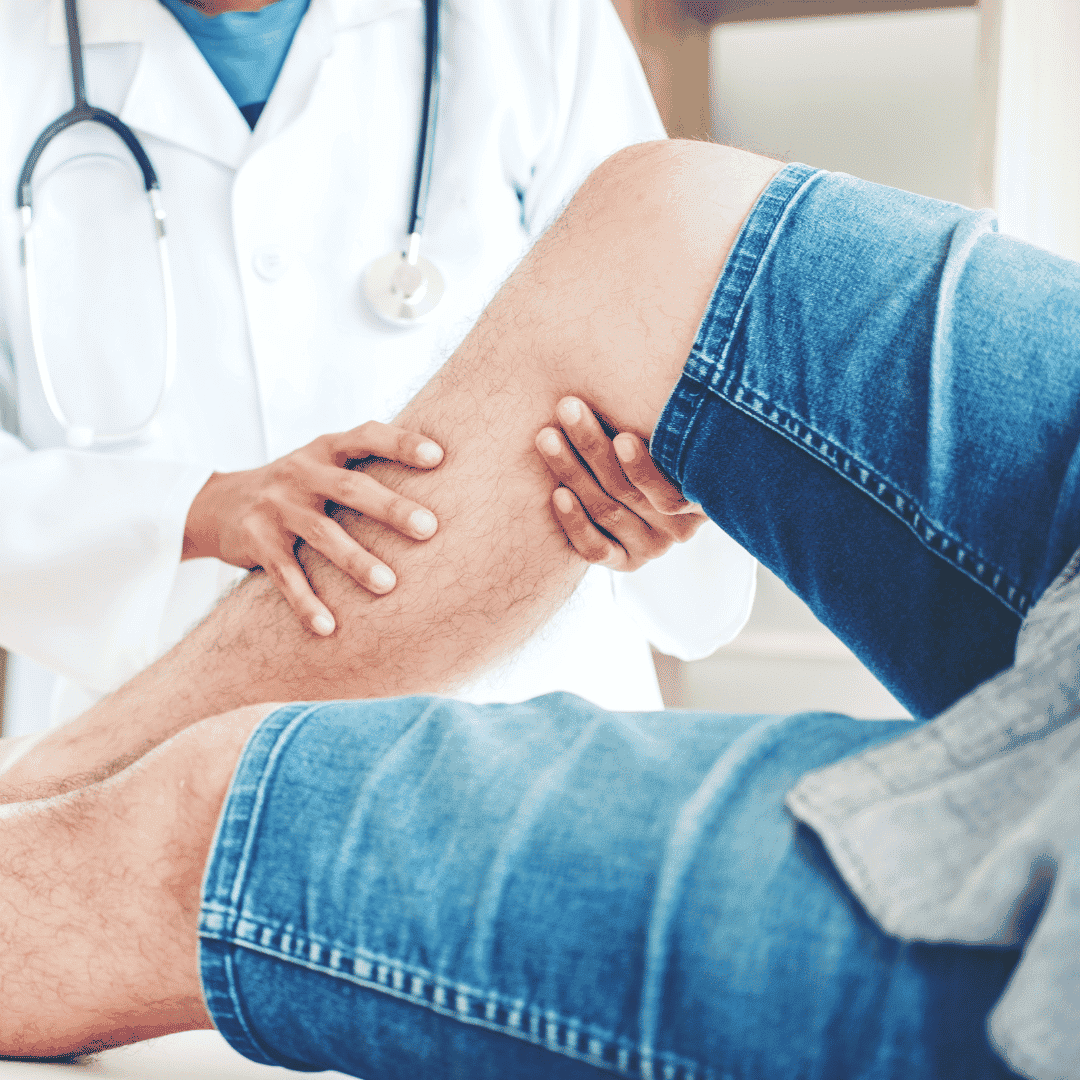
Price starting from $2,250
Stem Cell Therapy for Meniscus Tear in Thailand
- Stem Cell Therapy for a Meniscus Tear, Stem Cell Therapy
Thailand
Price starting from $10,000
Stem Cell Therapy for Knee Osteoarthritis in Japan
- Stem Cell Treatment for Knee Osteoarthritis Abroad, Stem Cell Therapy
Japan
Price starting from $4,000
Stem Cell Therapy for Shoulder Pain in India
- Stem Cell Therapy for Shoulder , Stem Cell Therapy
India
Explore Stem Cell Therapy: Stories, Testimonials, and Procedures
Watch in-depth videos covering everything from Stem Cell Therapy success stories to detailed procedure explanations. Learn what to expect and hear from real patients.
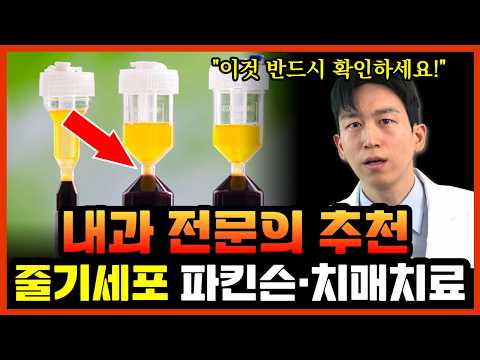
Stem Cell Therapy for Parkinson's, Dementia, and Aging in Seoul by Dr. Kims Clinic
Stem Cell Therapy
Dr. Kims Stem Cell Clinic in Seoul, South Korea
South Korea
Stem Cell Treatment Process at Dr. Kims Clinic in Seoul
Stem Cell Therapy
Dr. Kims Stem Cell Clinic in Seoul, South Korea
South Korea

Case of Parkinson's disease treatment through arterial stem cell treatment in South Korea
Stem Cell Therapy
Yonsei BH Clinic
South Korea
Stem Cell Therapy for Paralysis at Dr. Kims Clinic in Seoul
Stem Cell Therapy
Dr. Kims Stem Cell Clinic in Seoul, South Korea
South Korea
Learn More with These Stem Cell Therapy Articles
Take a look at these interesting articles, stories and research that will help you learn more about Stem Cell Therapy.
Considering Stem Cell Therapy for Anti-Aging in Seoul, South Korea? A Patient Guide to Safety, Costs, and Trusted Clinics
PlacidWay Medical Tourism
- Stem Cell Therapy for Longevity
South Korea







